Topics / Production
Weather problems
132 commentaries in the archive discuss this, with 731 total mentions and 338 sampled passages below.
By decade
-
1930s
1
-
1940s
1
-
1950s
3
-
1960s
3
-
1970s
12
-
1980s
30
-
1990s
25
-
2000s
35
-
2010s
14
-
2020s
8
Across the archive
ranked by mentions · click any passage for the moment in the transcript
-
director · 2h 8m 24 mentions
Commentary With Kathryn Bigelow And Jeff Cronenweth
-
Commentary With Kathryn Bigelow And Jeff Cronenweth
and it was, even then, extremely cold. Yeah, actually, when I finally joined up with you guys, it was in January, the dead of winter, and one of the interesting things is that we actually had thoughts of shooting in Murmansk, where the Mothballed K-19 is
1:04 · jump to transcript →
-
Commentary With Kathryn Bigelow And Jeff Cronenweth
in the dead of winter, and it was an ice field with a few pieces of, I suppose you would call it, you know, grass that had managed to survive the ice, but it was otherwise just an incredibly barren, unforgiving landscape and painfully cold. And we were the first Western civilians ever invited to visit the naval base.
4:51 · jump to transcript →
-
Commentary With Kathryn Bigelow And Jeff Cronenweth
remote checkpoint. We felt like the UN inspectors in Iraq and almost like at a German checkpoint. And we sat in a snowdrift as the snow flurries on, going outside while these young Russians all screamed at each other, arguing about whether they were going to let us in or not. And this was almost probably an hour, if not longer, that we sat there not knowing what was going to happen to us. It's rather surreal.
7:37 · jump to transcript →
-
-
-
Film Stephen Prince
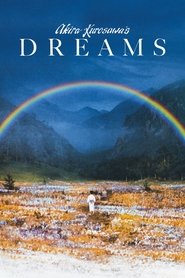
Actually, this first episode, Sunshine Through the Rain, is based not so much on a dream as on a tale that his mother used to tell him about fox weddings held in the rain. We see the familiar Kurosawa telephoto perspective here, which creates a foreshortened, flattened perspective. This rain is the sort that Kurosawa liked, heavy and steady.
2:19 · jump to transcript →
-
Film Stephen Prince
and when he gives them the right answer to their implicit quiz about his feelings regarding the orchard, they consent to let him see it in bloom one more time. To conjure a vision of the orchard for the boy, they perform gagaku, a style of music and dance associated with the imperial court at Kyoto. It's performed on traditional wind, string, and percussion instruments, and the songs and music were associated with court rituals and Shinto ceremonies.
22:30 · jump to transcript →
-
Film Stephen Prince
Now they are weary and tired and have lost their way in the storm. As they grow more fatigued, the choice they face becomes more urgent. Give up, surrender to the elements, sink down into the snow and die, or continue to struggle to battle against the storm with the hope and belief that they will find the shelter of their camp.
28:19 · jump to transcript →
-
-
director · 1h 36m 16 mentions
-
Yeah, we were lucky, right? We actually really lucked out on this. That was one of the weird things. We pretty much assumed, you know, when we had our first meetings with the studio, everyone was like, look, we've got to try to keep the movie a little bit more upbeat at the beginning if it's going to be so gloom and doom at the end with the rain. So then we were like, oh, man, it's going to be overcast every day. It's probably going to be raining every day. And I think literally we had only one day of exterior shoots where we didn't want it to rain, and it did. This day we had the worst process trailer rig ever.
8:03 · jump to transcript →
-
I had control. Exactly. I could imagine calling up the studio. I don't feel like shooting today. They're like, you don't feel like having a career today, do you? It's like, yeah, that 300 grand we're spending today, yeah, it's fine. We'll forget about it. And we had lots of nights. I mean, nights are like the worst. Six weeks a night in the rain. That was, yeah, challenging. Buddy! Buddy!
30:10 · jump to transcript →
-
I don't know. This is very good work. Again, another night. Another cold night. Yeah, luckily we weren't in the rain yet. But once the rain started, you know, once you're just out there in the cold nights, it's fine. But the rain, I mean, even with the best rain gear, that stuff gets in and your hands turn numb after 10 minutes. I don't even know. We had some great camera assistants. And these guys, a lot of the camera work's handheld. I don't know how they got two. We had these great operators.
31:47 · jump to transcript →
-
-
director · 2h 19m 16 mentions
-
and this is part of a pre-shoot that we did in January because we wanted some snow on the ground and wanted a foggy landscape and a cold landscape. Anyway, here are the foxes. This is one of my favorite images of the movie. It was really hard to get because obviously we were afraid that this fox, they weren't really a family. The cubs were from a different mother, so we had to separate them, and we actually...
1:12 · jump to transcript →
-
the sun, the rising sun or the setting sun. Obviously this day here, there was no sun, even though we created the rain. It was the most miserable shooting day. These five, six actors here, they gave everything. And can you believe it? We shot 12 hours, I think, in this rain, in this manufactured rain. And in the last take, I said, all right, we need one take, one more take. They just started singing to...
20:16 · jump to transcript →
-
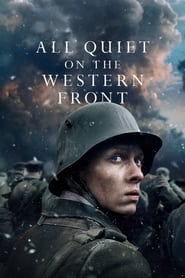
where it started snowing and we probably stood around for two hours until the snow was gone and we were able to shoot again. This is actually a scene from the book. The first night watch, they arrive and he gets shot in the helmet. I think it's pretty much like that in the book. The book, by the way, meant a whole lot to me. I read it when I was 15.
21:37 · jump to transcript →
-
-
director · 3h 43m 14 mentions
The Lord of the Rings The Two Towers (2002)
Peter Jackson Fran Walsh Philippa Boyens
-
Peter Jackson Fran Walsh Philippa Boyens
shoved the Orc medicine down Mary's throat, which a lot of people, for some strange reason, remember. Yeah. What was it? Yeah, what is that stuff? I don't know, it looks like Coca-Cola, doesn't it? I think it was peach tea and... Oh, that's right, it was peach tea. No, you're right, it was cold tea with probably something added to thicken it up a bit. Yeah, and Coca-Cola, I think, I know, it was Coke syrup. It was concentrated, you know when you make your own soda?
15:41 · jump to transcript →
-
Peter Jackson Fran Walsh Philippa Boyens
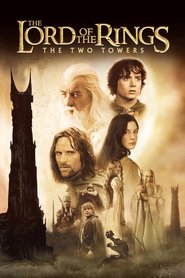
This village was built on the side of a really amazing area called Poolburn Lakes in New Zealand. And we built quite a few of the huts. Some of them are computer generated in the wide shot. But most of what you see here we did for real. It was this amazing little Scandinavian style village on the side of the lake. Now it wasn't actually raining on this shot, was it? No, this rain was added later. It was computer generated rain. We did use rain towers for the close-ups, but this is too big and wide to...
22:46 · jump to transcript →
-
Peter Jackson Fran Walsh Philippa Boyens
be able to be covered by a rain tower. This is real rain, this is just coming off a tower now. The Fords of Isen is quite an evocative scene, which I really wanted to include it in the theatrical version, but I don't think any of it ended up in a theatrical version, did it? And it's establishing the character of Theodred, King Theoden's son. And this is sort of really our first glimpse of the people of Rohan, the soldiers of Rohan, certainly, and Aomea, it introduces Aomea.
23:16 · jump to transcript →
-
-
director · 4h 13m 13 mentions
The Lord of the Rings The Return of the King (2003)
Peter Jackson Fran Walsh Philippa Boyens
-
Peter Jackson Fran Walsh Philippa Boyens
We put a guerrilla crew together so that you could film it with Andy. We were trying to figure out all the different ways we could use the set, which was really a little gully, a rock gully. So we drowned it in rain, we dried it out and drowned it in light, threw some greenery in. We just tried to give it variation and also to show, obviously, passage of time. That was a huge make-up, wasn't it? It was enormous. He was in there for how long? I couldn't tell you. Hours and hours and hours.
5:06 · jump to transcript →
-
Peter Jackson Fran Walsh Philippa Boyens
on a day that it snowed. Now, you don't see the snow here, but we were at a place called Ruapehu, which is a volcano, and it was late summer, and it was absolutely not supposed to snow, but it was one of our days that we had several during our lengthy shoot where there was unseasonal weather, and it was like, oh, this is the first time it's snowed here for 65 years. It was like, oh yeah, sure, well, great. I remember you were standing out in the middle of, you know, the snow was sort of raining down on everybody, and you were saying,
6:29 · jump to transcript →
-
Peter Jackson Fran Walsh Philippa Boyens
Snow, this isn't snow, it's volcanic ash. I was trying to be optimistic. And this was a big culvert. This is a set that we built and we took up to Ruapehu and you're looking at shots here that were done in the year 2000. And then we had Elijah and Sean come back to do some closeups. Now, when you look at them and they're talking and they're just the wall of the culvert behind them, there's four years between some of these shots.
6:58 · jump to transcript →
-
-
-
James Mangold
One of the struggles you have when you're making a film that is 95% outdoors is just the weather, the sun. We shot this in the winter. We started in October, so the days were extremely short. And on one side, it made the lighting really beautiful because the sun is always very long and casting long shadows. But on another side makes it extremely challenging because I only had about six hours a day that I could actually shoot.
13:56 · jump to transcript →
-
James Mangold
And on top of that, you know, an hour in the middle of that is lunch. And every day is changing. Different clouds, different kind of sun, different wind, different temperature. Up to this point in the film, except for maybe 20 seconds of stuff at night that opens the film in the Evans ranch house, it's all been outside.
14:26 · jump to transcript →
-
James Mangold
Here you have even Wade helping Dan Evans back to the cave. One incidental piece of information that might find interesting is this cave that they're having this campfire in is actually here in Los Angeles. And it's the actual cave that they shot the TV series Batman and the Batmobile coming out of. In the final week of production, it had gotten so cold in Santa Fe that we came back to Los Angeles for one week shooting.
1:09:16 · jump to transcript →
-
-
director · 2h 27m 13 mentions
-
That's a very important rule to me. And there was simply no time to get that shot. There was no physical way to do it, to go from one C-17 to another. And Jody assured us that they could do it. And he did it. That blew me away. When you showed me that shot, I was like, what? Oh, I know. And part of what made the shot work, sorry we're dwelling so much on a 30-second shot, is all the imperfections that we poured into it. It's all the heat distortion, the planes. I said, this is the perfect shot. Now show me the shot I would really get
21:28 · jump to transcript →
-
By jumping out of the plane, the relationship between you and the camera is in a way that we could never have duplicated on a stage. No. No, we could not have gotten what we'd gotten. We actually... The bottle exchange... Oh, God. The bottle exchange is something that we actually... We built the largest wind tunnel in the world to train...
26:12 · jump to transcript →
-
When he goes, he's like, you're the one who caught him with a smile on his face. And I said, go home tonight and watch. It happened one night and gone with the wind. I said, you're Clark Gable. And we started talking about actors from another era. And you see that, that smile he's got, the confidence he had. Henry starts to become, he shows elements that he's a little bit of a rake. All of that was...
51:27 · jump to transcript →
-
-
director · 3h 29m 12 mentions
The Lord of the Rings The Fellowship of the Ring (2001)
Peter Jackson Fran Walsh Philippa Boyens
-
Peter Jackson Fran Walsh Philippa Boyens
piece that got trimmed out of the theatrical version. It's the return of the Sackville Bagginses back into our story after Bilbo says hi to Mrs Bracegirdle. He just gets wind that his feared relatives
21:56 · jump to transcript →
-
Peter Jackson Fran Walsh Philippa Boyens
That black rider was looking for something. Or someone. Mount Victoria again? Yep. Night time? Yep. And that is not Mount Victoria. That's Nelson. That's Nelson, yeah. Now these shots of the horse are on Mount Victoria at night, at like 2 o'clock in the morning. These shots of the hobbits are at like 2 o'clock in the afternoon. That was another scene we shot in Nelson while we were waiting for the weather to clear on the mountains.
55:41 · jump to transcript →
-
Peter Jackson Fran Walsh Philippa Boyens
sort of operated pumps that pump the water out of the Bucklebury ferry so that it wouldn't sink. Come on. This is in a, actually a sort of suburban hillside really. Yeah, very close to Wellington. I love the idea of using rain in the film. I wanted to get this impression that Middle Earth is organic and gritty and real and it doesn't, you know, it doesn't sort of feel like a movie world. It feels real. I was determined to just shoot in the rain.
57:28 · jump to transcript →
-
-
director · 2h 43m 12 mentions
-
There's some wind going, but if you had sand going, her eyes would be filled with sand. So we had her acting that she was getting particulates in her eyes. This is a wonderful shot. I absolutely love the composition and the way the camera moves to introduce that character. To introduce this character we refer to as Braid. Yeah. Who's actually played by, I believe, five different women throughout the sequence because of the places where we shot it. Yeah.
14:20 · jump to transcript →
-
And then the most important part was to mix in a level of bass so that you actually feel the storm. Yeah, so if you're watching this at home, your subwoofer will be getting a very good workout in this little bit of the movie. Although we now go into much more subjective, dreamy sound design here. And we played with the end of this sequence, how it would end and where the credits would fall in the beginning of the movie many, many times. And finally settled on this. I love the dissolve here as well because...
15:19 · jump to transcript →
-
very astutely pointed out. It has a cold feel, it's not warm. Yeah, exactly. It's just easier to look at, actually. One of my favorite inserts in the movie. Fantastic insert. Beautiful hand acting, great flair in the background. All these things coming together in a very elegant way. It's a very tricky shot to get. These are all shot practically. This is all inside an Osprey. That's really an Osprey flying behind them. And all of this stuff
29:24 · jump to transcript →
-
-
-
Len Wiseman
That's what my brother calls my bad-gas moment. This one here? Were you harnessed in? Insert sound effect there. - The extended version. You were way up in the tower, right? You were harnessed in? No, because eventually, I didn't. There was some... That's right. That was green screen. - No, it was just somebody else. Oh, okay. You refused. - I didn't. There were some shenanigans going on. Somebody made me feel unstable, and I wouldn't get on it. It is a bit bad-gassy-looking... - It is, isn't it? Now come think of it. We went up there. It ended up being Nicole. That first shot is Nicole. I can't believe she did that, jumped off. She did not. That's a rumour. I totally did it. Oh, I'm sorry. The funny thing is, so many people get fooled by that. That shot that's coming up, they do think it's me. I'm sure it was you. You did it a couple times, she did it once. That's not me. - There's you, in the hoodie. Oh, yeah, I'm brooding in the hoodie. Now, he's a potato farmer, apparently. - Really? He is, from Idaho. - Slash vampire? Yeah, apparently he is. My makeup artist was keen on him for a minute. Lovely strong hands. There he goes. But he didn't speak any English, right? - No. As did, like... Eighty percent of the crew didn't. Right. I mean, you barely spoke English. - I tried. Neither of you speak English. Thank you very much. - Okay. There I go. I really like how she did that. - Good knees on that. They're not my knees. - Those aren't your knees, no. This is where we just drenched you for hours. I was miserable. - The rain machines wouldn't work. I felt like they worked really well. I was soaking wet. All the people running up to you wearing 15 coats... I thought it was still cool that there were rain machines... ...and I was going to get wet. By the end, I was cursing water. I Kept falling there, slipping down. This is like-- Inside the subway was the very first week we did. Yeah, we did that fake set, right? - Yeah. Was that a fake set or a real set? - Wasn't it real? It was real. - No. You were there, weren't you? I was there. It was a subway station, but didn't we build something too? Well, yeah. It was actually... lt was a repair yard for the trains. Then we built that set around the train. - I knew I was on to something. There you go. - Here's love. Immediate love. - Damn it, I have a pimple. Do you? - You don't see that? I see it first. I thought we wiped that out. - No. Oh, my God, it was so tense. lt was so hot in that subway. Yeah, it was brutal. Boiling hot week there was in Budapest before it became arctic. And everybody's in these leather coats. This was the first thing we shot, right? - Yeah. Yeah, this was the second day of filming. The first day of shooting was you in the hospital. Then I came in with those horrible boots and tried to get your approval. Yeah, that's right. I remember I did not want to shoot that scene first. That moment I won't talk about. - No, neither did I. I felt like I'd had absolutely no preparation on firing the guns. They told me, "We're going to do a take." I said, "Oh, my God." Literally almost shook, afterwards. Felt like I'd drunk, like, 20 cups of coffee. I was worried I was gonna get in trouble, because it was a cheap movie. "You have one chance. We don't have money for another pillar." Like, "Oh, great." - You did great, though. No, there was all that stress... ...because we really didn't have a chance to re-squib things. He says, "No pressure, Kate, but we only got pillar with squibs in. The thing's going to be ruined if you mess It up." This sequence is still pretty much the same. Yeah, this stays the same. Here I go, panicking. I remember all this. You did an amazing skid. Did that make it? Yeah, it did. - That was fantastic. But I do grab her crotch, unfortunately. Right. I ass-grab her. - You did that in rehearsal too. She cried afterwards. Is that why? - Probably, it was real claw. She was terrified with this squib. She had never done one before. And she was horrified. - Yeah, she had a real sob after. There she is. I did not mean to. That was unintentional. They're all looking at it now. Remember when we were shooting that scene... ... for you peeking your head out, to get the reaction, I kept firing guns? Yeah. Yeah. I was asking you to do that, yeah. We ended up doing that the entire film. - Here I go. Ass-grab! She was really cute. Everybody was harassing her because of that. Really, everybody was harassing her. - Yeah. But not after my grubby hands got all over her. Oh, my stunt guys. Look. Hank, he's always the one who was, like, pulling. He was my favourite one to pull wires. - Oh, this is where you save me. Thank you for that, by the way. - Kind of a lady-boy.
1:15 · jump to transcript →
-
Len Wiseman
This was miserable, in this location. It was. It was the hardest. lt wasn't the coldest. There was something about that spongy mould. It was actually nice to go from... Because it actually went in order. We went from the subway, which was unbearably hot... ...to this cellar, which was... - Full of fungus. Yeah, which was pretty cold. It just stunk, and it was miserable for everybody. I thought the locations were hard. Weren't they? Yeah, they were. I guess locations in general are usually pretty hard.
10:41 · jump to transcript →
-
Len Wiseman
You got off lightly with the costumes. - Me? Yeah, you. - I had one. Well, then I got screwed. Why? - With my second costume. I remember some producer trying to get him into a beige cardigan. What was it? - Yeah. Yeah. That was the first time I ever met you. That's right. Horrifying. - Yeah, I think Richard had brought in.... We were talking about how much rain there was going to be... ...and all of that. And so he comes in with a... I think it was a beige sweater from... I think it was, like, a Gap sweater. I wasn't liking it. No offence to Richard. That was quite funny. We used to have meetings about whether we should shave you or not. We still do. - Oh, we did. What, shaving my face, my head? Do you know we had conversations about that? We did the test. We did a test, you still had the scruff... But it looked stupid. With the lighting, it didn't look right. I agree. No, actually, I remember, because we... - You couldn't decide. You were so damned attractive. Because we went up to my room, and we checked oult.... We checked out that tape. And there was some younger pictures of you. Oh, yeah, those horrifying... - No, you looked nice. I think I didn't decide to actually shave your beard until the day... ...of the first-- The first day. - Pretty much. Who's that? What's going... - That's your best friend. Have you seen this movie, Scott? - Who is that guy? What was his name? - Oh, him. Erwin. Erwin. - Erwin Leder. Loved him. - Erwin, the set poet. How do you pronounce his name? - Leder. Yeah, it is, right? - Yeah, I guess. He wrote, like, three poems a day. He did? - Yeah, he did. Did you read them, ever? Well, a lot of them were in German, so I had a good try.
17:50 · jump to transcript →
-
-
director · 1h 45m 11 mentions
-
And that's all the job I did. The pitch was pretty short, though. It was like five minutes. It went surprisingly well. Yeah, it was great. Maybe we can talk about the image. We wanted to have snow. You had written a lot of snow in the script. I wrote snow many, many times. But we found out really quick that we could never afford it. So you wrote again without the snow. I just...
1:58 · jump to transcript →
-
I just erased the snow. I mean, it was a big ordeal because I really wanted it. We all really wanted it. But we didn't know if there was going to be snow or it was going to be a cold winter. We had no way of knowing, so we had to do without it. And then we had this amazingly cold winter with a lot of snow. So it was fortunate. Yeah, it was great. But the thing we found out is that it was a contradiction. Basically, to do a movie with snow, it means that it's all special effects. And then if you want to do it like a
2:27 · jump to transcript →
-
But the funny part is that it was so much snow we had to, like in this scene now, the beach was cleared from the snow. It was completely snowy all around. Oh really? Wow. How long did that take? I don't know. During the night they put some protection and then they have to wipe it. So this shot, all this is shot really in Montauk.
3:24 · jump to transcript →
-
-
director · 1h 42m 11 mentions
Len Wiseman, Brad Tatapolous, Brad Martin, Nicolas De Toth
-
It had to be built, and we stroked the set just a day before the station opened, and people were starting to ski again. So it's hard to believe it's a ski station, but that's what it is. But when we went there for prep, which was on a Friday, just to go look at the whole set and everything, there was no snow. And we were shooting on Monday, and we had to have snow there. Well, the thing is, we didn't seem to be able to get enough cash to get fake snow. No, we didn't. It's funny, because we didn't have the money to bring in fake snow. But then the thing is, once you're actually shooting in snow,
2:02 · jump to transcript →
-
That takes its own money to just be equipped to shoot in snow, which is a bit of a beast. But in fact, we're very blessed that day because, you know, I mean, the day before, the thing was dry. And the day before, a couple of days before we shot. Yeah, and I was really depressed about it. The night after that meeting, it just started dumping. Yeah, literally, what was it, the day before we started shooting, the snow came in. I was very depressed because of the whole reason we went on this mountain.
2:31 · jump to transcript →
-
and went up here and built this was in hopes to have snow there. I feel sorry for Zita. Yeah, the voice. Her voice got dubbed over. I did, too. It was very hard for a lot of the audience to understand. Yeah, and there were technical problems, too. She was not available at the time of ADR, right? How long were we shooting this, do you remember? This was my portion of the first unit, I think,
2:59 · jump to transcript →
-
-
director · 1h 39m 10 mentions
-
We didn't have enough rain, and the first days, we had a rain machine, I think something like one day, and so we took every shot we could find in Virginia so that we'd be able to use it. You see there we have what is presumably rain. This is, now again, as I said, we had the most brilliant production designer, David Chapman, who is one of the unsung geniuses of this, who made it look so wonderful.
39:37 · jump to transcript →
-
and you can see life in every corner of the frame here. This will later be where Johnny comes to find Baby. Here we are in the rain. One day the camera crew came to me and said, Eleanor, we see that you have a camera instruction here which says the air is hung with silver. Do you mind telling us how you plan for us to do that? And I said,
40:02 · jump to transcript →
-
Well, you know, the air is hung with silver. You know what I mean. And they laughed and laughed at me. And I said, OK, if you can get the air hung with silver, I will buy champagne for the camera crew. So we will be coming up to the scene in a little while. Let's see. Always be careful what you owe. This is in North Carolina. These are the staff quarters. And this is one of the few times we had a rain machine. And this is in Virginia.
40:30 · jump to transcript →
-
-
director · 2h 49m 10 mentions
-
Pretty soon I found that there was very little point in stopping for rain. It's probably raining right there, but you can't see it. Rain doesn't really register on screen unless it's teeming. I told you to stay. Well, I finished my work. Where are we going? Young James. Kid hadn't acted before, except in school plays. We found him in Ayrshire.
2:24 · jump to transcript →
-
And this guy, wow. And the endless rain, of course. I think we might have manufactured some here so you could see it.
28:16 · jump to transcript →
-
Ah, Ian Wallace. Grand, soft evening, huh? Ah, it's that. I was wondering if I might have a word with your daughter. What do you want to have a word with her about? Well, I'm... Murren, would you like to come and ride with me on this fine evening? In this? You're out of your mind. Oh, it's good Scottish weather, madam. The rain is falling straight down. Oh, slightly to the side, like.
28:52 · jump to transcript →
-
-
-
Peter Hyams
All the light used in this film is light that is warmed so that there is an amber and an ochre tone in every sequence in the movie. I thought to have a blue or a cold look to this film would give the opposite emotional effect of what I wanted.
4:15 · jump to transcript →
-
Peter Hyams
That's as difficult as it gets. I am terrified of heights, so I always wind up doing sequences, designing sequences that have to do with people hanging from high places. I guess, obviously, because it's my idea of something frightening.
18:41 · jump to transcript →
-
Peter Hyams
the week before, all through the city. It was as cold as anything I remember. I grew up in New York. I lived in Chicago. I lived in Boston. I don't remember anything as cold as this. That's a real devil's sign. I describe it as Marlowe Thomas's hair and that girl.
38:20 · jump to transcript →
-
-
director · 2h 9m 10 mentions
-
It was raining while we were shooting it. The snow is artificial, but you can't see the rain. But we were pushing the dolly down the hill, and then we had to then, at the very bottom of the hill, push it forward. And it took a whole lot of muscle to make that work. And then this camera move here...
19:38 · jump to transcript →
-
required a special head an oculus head which just does not perform well outdoors particularly in the rain and was constantly short-circuiting so that was quite tricky it was pretty much raining virtually all the time and because
20:05 · jump to transcript →
-
believe in this, and it was a very difficult thing to sort out. We worked with Marie-Gabrielle Rohde, a Butoh choreographer, and all these berserkers and old hithnars, and I'm trying to get there. And I mean, Alex is really great and ferocious. We went for it. I got to say, we went for it. Those guys went for it. It was not an easy thing to ask of them, especially in the pouring rain, take after take.
24:49 · jump to transcript →
-
-
director · 2h 9m 9 mentions
-
Look, I told you before, we had a falling out a long time ago. My mother died when I was two. It was just him and me. We just didn't get along. One of the things that always I thought that Tom did a very good job is he has to work between being emotional and being cold in a way, that in a sense he has just found out that his father has died, and yet he doesn't seem to indicate any kind of real feelings towards him.
7:44 · jump to transcript →
-
I mean, it leaves at midnight, Ray, you know, but Delta, how's Delta? Delta crashed August 2nd, 1985, Lockheed L-1011, Dallas-Fort Worth. Terrible wind. All airlines. 135. All airlines have crashed at one time or another. That doesn't mean that they are not safe. Qantas. Qantas? Qantas never crashed. Qantas? Never crashed. Well, that's...
45:37 · jump to transcript →
-
Same thing as the rain. You get a little wet. What do you say, Ray? What do you say? Huh? Of course, your shower's in the bathroom. It's the end of that conversation. Again, just jump time, jump time to kind of keep the segment going. Stu, Stu, Stu.
53:25 · jump to transcript →
-
-
-
Macaulay Culkin
So this, uh.... What's interesting about a lot of this movie is we would always put fake snow down. The foam and stuff. - The foam, and that's really... We had a Wisconsin ski... A bunch of guys who worked for this ski resort in Wisconsin put down snow. But... - That poor statue. Yeah, the statue was a running gag, and this guy... A lot of this movie was made on an extremely small budget. At the time, the picture was at one studio... ...and that studio didn't wanna make the movie, because of a $2-million difference... ...and it went over to Twentieth Century Fox. And we still were... We still made the film for a little above $18 million... ...which at the time was still a small budget. So we had to make things stretch, which we'll talk about through the picture. One of the great things about working with Pesci, I have to say... .IS his improvisational skills were terrific. And it was because of his training with Scorsese that... ...even on a picture like Home Alone, really comes in handy. He's a very funny guy, Joe. - Yeah. And his comedic instincts were really something I'd never seen before. Little snippets in pictures like Raging Bull and Goodfellas. But his ability to improvise was just phenomenal. And then John Heard. I cast John Heard because John Heard was someone I was always a big fan of. He was in this picture... It was called Cutter and Bone. Now it's called Cutter's Way. And his performance should've gotten an Academy Award. I've never seen it. It's Jeff Bridges and John Heard, and he is just amazing in that film. I was a huge fan, and it was always a dream to work with him. He also did this old film called Head Over Heels. And he was kind of a leading man back in his day. He's just a wonderful actor... ...and another guy who didn't really know why he was in this movie. At the time, he was sort of like, "Why am I doing this?" I remember feeling a certain amount of discomfort from him. He was like, "Why do I have to do this? Why am I in this kids' movie?" You know? "I'm a good a--" Understandable. No one really knew what this movie had the potential of becoming. We had always hoped it would be successful, but we never knew. Um.... Pfft. I always knew. You always had an idea. - I always knew. Now, this scene. Do you remember coming in on a Saturday to rehearse this scene? Yeah. - We had to rehearse this because it was so... Which was so chaotic with everybody. We ate so much pizza. I didn't wanna eat lunch. And this is something that was interesting. We... You'll notice that there's a rare shot in the film where... There's your brother. - Yeah, there he is. How are you guys--? He's working now, right? He's doing very well. Oh, yeah. He's doing very good, very well for himself. Un, this is typical of the style of this movie. Not the vomiting, obviously... ...but the separation of actors in certain scenes. Because Macaulay's time was so valuable... ...we needed to shoot Macaulay separately... ...and sometimes other kids as well. So you'll always see... I tried to block sequences where I could sort of keep Macaulay off by himself... ...and keep the other actors in another space... ...so I could shoot people separately. Child labor laws again. - Child labor laws. And we're-- And Kiery had to reshoot the chair in the face, I remember. Oh, yeah. - Like, he had to come back later. He was upset he had to get his hair cut like Fuller again. Oh, he was? - Ha-ha-ha. Well, he-- We made a special, very light rubber chair... ...so when it... - Yeah, that's... Yeah. That's-- I remember that. Catherine O'Hara was someone who I had, uh... ...Just loved her work on Second City TV. - Yeah. I mean, I was, uh... Aside from Saturday Night Live at the time in the '70Os... ...9econd City TV was the-- Sort of the place where you learned about comedy. And for me it was... I was just such a huge fan... ...SO It was, again, a real honor... ...to be able to work with her on both of these films. Yeah, no, she's incredible. Even just the stuff she's doing now. She's still--? Oh, it's great. It's great stuff. Both of his kids are still going to school here. I guess he missed the family.... You got a pretty good cast. Yeah, it's kind of interesting for a film that... But we treated it... The weird thing about this film... ...and the reason I think the film has kind of stood the test of time for a lot of kids... ... IS because we always treated it with respect. We never felt that we were making a movie for kids. We were making a movie for the parents as well. It had a lot of appeal. And you never-- You wanted to... You wanted the photography to have a certain elegance about it... ...and the camera to be moving. And it was really never... So many times today, people try to make kids' movies... ...and they always cheapen them. And we never-- I mean, certainly we got cheap with our jokes. Let's not pretend that we didn't. - Ha-ha-ha. Oh, yeah. No, I mean, it's Three Stooges, you know? - Anything for a laugh. I
7:04 · jump to transcript →
-
Macaulay Culkin
Uh, the key here was-- You know, which you'll see a lot of in the film... ...Was to go against the traditional concept that comedies have... ...to be shot in a bright way. Kept things dark, kept things a little scary, a little sinister... ...which you don't see in a lot of comedies. You still don't. There's this in... You know, this feeling that everything has to be bright and cheery. And that's why I think this film appealed to kids... ...because kids actually... - Yeah. They're sold on the danger. And the interesting thing is the, uh.... When I was a kid, one of the things that scared me were burglars. In Cold Blood was the most frightening movie I'd ever seen... ...So this was a movie I wanted to do because of that as well.
29:13 · jump to transcript →
-
Macaulay Culkin
This is one of those nights... Again, I don't think we were able to shoot with you past 10:00, right? Something like that, yeah. Luckily, we were in the winter, so it was dark in Chicago around 4:30, but... I remember we had one of those days where it was... It got unseasonably warm. Like, it was like 80 degrees. And they were bringing in trucks of ice and foam and all that stuff. I just remember that day, where we just couldn't keep the snow on the ground. When the audience saw you scream like this, it was just-- It was a roar. They-- Because, for some reason, you just did... Your expression was just hilarious. And this, we just decided to do for the fun of it... ...and it actually worked. Why it worked, I have no idea. Again, there's-- There's-- We start... Stylistically, you looked into the camera a couple of times, and it seemed to work. It seemed like you could break the rules a few times. He was a good screamer, that Culkin kid, I swear. He could scream like nobody's business. Hold on. This was in the high school. Now, we had to b... In editing this scene... ...we had to build this entire scene... ... around where this guy's doughnut fell on the phone. I mean, it sounds like a ridiculous way to edit a sequence... ...but because he was this-- Larry Hankin was such an improvisational actor... ...Wwho appeared in a bunch of John Hughes' films... ...we were sort of stuck following his cue for this entire scene. You'll see this... The doughnut thing drops on his receiver... ...and we had to cut back to him as it fell off, so these are the... These are the things that drove us crazy as we were editing this film. just to check on him? Yes!
31:36 · jump to transcript →
-
-
-
It was very cold if you remember. This was getting towards October or November in Simi Valley and it was absolutely freezing and people had to jump in a van to warm up. I actually have some behind the scenes that my assistant shot in high eight because we didn't have behind the scenes video when we made this.
54:31 · jump to transcript →
-
of Tori and everybody in the van trying to warm up between takes. Yeah, I remember I had my hooded sweatshirt underneath my leather jacket, gloves. I think you're in one of the tapes, and I'm going to find that, and hopefully we can put it on those Blu-ray extras. That would be great. I think everyone, including us, tends to forget in Los Angeles it gets really cold at night. Yes, it can. Yes.
54:53 · jump to transcript →
-
Yeah, whenever you have problems in story or structure, just go to, like, a whip pan. That's something you learn. Here we go. This is the night. Actually, I have some behind-the-scenes video of this night where literally it was freezing. And Jennifer, after we cut, she'd wrap herself in a blanket. I mean, it was...
1:03:22 · jump to transcript →
-
-
-
And this is the House of Culture in Berlin. Combined with the studio set, we had like a little set, right? Yes. That part. It's the rooftop. So much of it just runs so seamlessly onto each other. This was a freezing, freezing, freezing night. I felt so bad for everybody.
7:31 · jump to transcript →
-
It was actually, I think, below freezing. It was so cold. And everyone who was on the rooftop had to, because it was so icy, there was a lot of removal of safety wires. Not that it affected the action, but just to make it a safe location.
7:59 · jump to transcript →
-
One of the most difficult sequences. You wouldn't think it's this stuff. But it was a bear. Yeah. It's very difficult to shoot this stuff, too. And you do get kind of, you know, because you're stuck in front of the same green screen, different banner, different wind machine. You're hanging off all these very strange apparatuses and machines that they build to make you look like you're flying. But there's something really painful about it.
50:13 · jump to transcript →
-
-
director · 1h 26m 9 mentions
Underworld Rise of the Lycans (2009)
Patrick Tatopoulos, Len Wiseman, James McQuaide, Richard Wright + 1
-
Patrick Tatopoulos
So everything in this castle is basically... ... lmagine, carved into the rocks. Every room, every-- Imagine... There's, like, channels underground, a sewer system. Basically, everything... I didn't want a castle that look like a mediaeval castle... ...1n the middle of the countryside, but more like Petra. You know, those building carved in rock. That's why it feels very claustrophobic... . like, you know, every other Underworld. And there's not many windows. It's always quite dark. Which actually became a challenge in a period movie... ...because you light everything with candles or torches. And after a while, it sort of like, you know... ...becomes a bit of an issue, because it looks the same. SO we came up with a couple of ideas... . like green windows to protect against the sun... ...and things like that, which gave us a different tone. This is one location that changed a lot during the preparation of the film. We're trying to figure out... We were up against it with a budget, trying to figure out... ... how to have them get away from the castle... ...to have this tryst. Then Patrick came up with this idea of the ruined guardhouse. The set piece is actually quite small, with set extensions. And it works. It's just gorgeous, works really well. That's one that I... A set that I really love from Dan as well is Sonja's room. Because it feels still cold, but there's a bit more... ...of a feminine texture in there, which I think is great.
12:13 · jump to transcript →
-
Patrick Tatopoulos
Leave? We did-- This... Tried to match in as well as it could. This was all ADR in the end, right? - Yeah. It's just these wind machines and everything, wasn't it? We had to keep them warm enough because there was wind machine. Again, the space we had was great for its size... ...but the sound was not... We had a lot of work to do on post. Tilt-up concrete warehouses that had been built... ...to house sheep feed, those pellets that sheep eat. And they were definitely not sound stages. Also, there's little ADR add-ons in here.... I wish we could've gone in a little bit more detail... ...about the shackles around their neck that... Right, yeah. - The moon shackles. Yeah, that he actually said that if I can remove this shackle... ...and they've got the silver spikes in them that... I wish we had. We wanted to. I mean, we'd talked about it and had a scene for it. That you see, if they tried to transform, those silver spikes... What happens, of course, their neck grows, they get larger... ...and it immediately digs into their skin... ...and stops them from transforming. We never really had a chance to bring that across in the dialogue.
15:12 · jump to transcript →
-
Patrick Tatopoulos
That's one of my favourite shots of the film right there. Really beautiful. Steven Mackintosh was in the second film as well... ...playing Tannis, so he reprised his role. I Keep saying I wish Steven had more, more... There was more of him in the movie. Such an incre... I mean, really, I felt that every day. I totally agree with you. I was saying the same thing on Underworld 2. That I didn't have him in enough. And we had a pretty long scene with him on 2, remember? The scene was like.... - Yeah, I Know he's got... And a lot of people don't recognise he's the same character... ...because his look was so different. - True. That's a shot that came at the end, last minute. It would be nice to see the presence of the wolf... ...outside the castle so it's not always disconnected. Thank you, Clint, for coughing up that extra dough for us. And this is one shot, I gotta say, you know... ...when you have, like, a big bad-ass day, and you can't... You just-- One camera and you ba... You know, this is really.... When you feel a little cornered sometime... ...and you're like, "Okay, guys, we have to shoot this." You know, I remember this. This one, and then the scene against the fire... ... Where Rhona's talking to Bill. At the end, there's no time... ...had to kind of stack them up soap-opera style. And actually, it's great. - It worked very well. That scene is great. I love how she never really turns around to see him. That's cool. - Sometimes that works out. I gotta say that people are gonna think this is a set a la Sleepy Hollow thing. This is actually a real forest there. And really weird. The trees look like they're dead. All the foliage is really high in the tree. And we're, like, 200 feet from the water, from the sea. Yeah, there's people surfing 200 yards from... Incredible-looking forest. - Where we're shooting. And that was one of our key locations. All the forest scenes were shot there. I really love that place. It was very cool. lt was strange when we walked in there for the first time, remember? We all sort of looked at each other like, "Whoa, do we have to shoot here?" We're walking there with Richard. And we're looking at the trees, and then we started losing our minds. And we Say, "What if we use the tree?" We will make little miniature... We shoot them green screen people. Horses running through the trees, but the trees would be 50... Giant trees. Because that forest got a weird quality... ... almost like a gigantic forest. lf you're shooting miniature stuff in there.... We were losing-- We were a little... Well, it got to the point about New Zealand too... ...because when we first got the script... ...We Initially thought we were gonna shoot the movie in Romania. And then the idea of shooting a winter film in Romania... ...1S a little bit... - Exteriors. Exteriors was a little daunting. And one day, I had actually seen the making of The Lord of the Rings... ...and I said to Richard, "What about New Zealand?" And he kind of looked at me. "New Zealand?" And then we met this woman, Beth DePatie, who had worked... ... for us before, and she worked on Narnia. She came back with a budget that showed that New Zealand... ...WaS as inexpensive, if not less expensive... ...than Romania. And everybody wanted to go to New Zealand. We were on the plane two days later. I remember calling up Len. I said, "Is there a chance that--?" "What are the chances of you getting to Romania?" A pause. "But what are the chances of you going to New Zealand?" It was a big yes, So.... Have you been to Romania? - Yeah, I have. There was always the Romania discussion... ...and we've gone out there, and.... For the first one, we were almost set on shooting there, weren't we? We were very close, yeah. - Well, there were castles, and.... Transylvania and that. Hungary was a little bit more expensive. You were in love with how Budapest looked that we said the hell with it. We'll figure out some other way to save that money. We shot in Hungary instead. I was the only one that really wanted Romania in the first place on this... ...because I was worried New Zealand would be too pretty for us. I remember... - That was very... I was thinking... - Too green. Yeah, it's too green, it's too beautiful, and then we went there in the forest. But the other key thing was that we had to shoot... .1n January, February and March. And in Romania, that would have been minus 20 degrees. And we thought at that time we'd have to build the castle outside. So 40 pages of the script would have been outside... ...at night, in Romania, freezing to death.
16:25 · jump to transcript →
-
-
director · 2h 10m 9 mentions
-
Ethan onto the wing of the plane. At Christmas. At Christmas. And several months later, we were like, wait a minute. Look at that. We walked past this hill. It was like the Big W in Mad, Mad World. It was sitting in front of us the whole time. It was freezing these days. We were shooting out there in the winter. Bitter cold. Bitter cold. It's the one thing you really can't appreciate when you're watching this on film. So I did this eight times. I wouldn't have done it once.
3:11 · jump to transcript →
-
I think the stunt team, they did a great job, and we figured out that I'm wearing lenses. I wanted to wear a suit, kind of our homage to North by Northwest. But it was freezing cold. We did it eight times. We were worried about bird strikes. We were worried about... Yes, that's the thing that's fascinating about these things, is you're looking at a perceived danger of Tom falling off the plane...
4:10 · jump to transcript →
-
Anyway, there's Ving Rhames. I love his entrance. Ving's entrance was great. I love that entrance. Come on. Poor Ving. The wind kept ruining this line. I was trying to get this all as a piece. And Ving was having to take off time and time and time again. And I think he took off in that helicopter like 19 times. And he was starting to feel a little air sick. And Jeremy, the wind started blowing. Jeremy started doing his Michael Jackson impression. He turned around and he was like...
54:06 · jump to transcript →
-
-
director · 1h 59m 8 mentions
-
You don't know whether to call it surreal or what, but it is playing with conventions that Hollywood wasn't making a great use of at this time. Right, and of course, part of the Gothic tradition is combined with a kind of German expressionist. Yes, yeah, right, right. Wells was fascinated with Snow. Snow shows up a lot in his films, and...
2:23 · jump to transcript →
-
always with this kind of nostalgic memory, a sense of death mingled with youth. He does it in Ambersons. He does it in Chimes at Midnight. Snow has a kind of compelling fascination for him. Maybe it's the Wisconsin boyhood. Yeah, in fact, Truffaut once said that you can divide Will's films into those with snow and those with gunshots. Actually, Mr. O'Connor's the only one that's got both, I think. Yes, that's right. That's right, yeah.
2:52 · jump to transcript →
-
parody, and yet you're also supposed to enjoy it. You're also supposed to sort of like be impressed by the show of power. Of course, hey, yeah, you do. And so it's not going to spoil even Donald Trump's fun with this movie. I like the way the camera pans across and sees the snow sled running in the opposite direction, destroying the neat handwriting.
18:50 · jump to transcript →
-
-
director · 1h 49m 8 mentions
-
in the Cold War drama, Action of the Tiger, as Terrence Young's daughter, Juliet Neeson, recalls. He'd worked with Sean before, Action of the Tiger, and Sean played a tiny little part in that. And apparently he came to him and said, you know, I think he'd read the script of Terrence's next film, which I can't remember what it was going to be in. Sean said, you know, can I be in it now?
23:42 · jump to transcript →
-
They went to Jamaica at a time when the weather was very inconsistent and they had storms and they had showers and they had rains. And they were on a tight budget, so it wasn't easy for them. They couldn't sit and wait for the weather most of the time. So it was quite varied in many ways. And Terence had a job because he had to manage to get quite a lot done within the period of the time.
59:01 · jump to transcript →
-
And in fact, they didn't. They left a great deal of the film, which they'd planned to shoot there, undone because of the weather situation that they came across. I mean, there were some times when they just couldn't shoot. Being a pilot, Timothy Moxon knows the Jamaican weather all too well. It rains all the time because of the Blue Mountains, the orographic lifting, you know, and it's torrential a lot of the time. So it's very verdant.
59:29 · jump to transcript →
-
-
director · 2h 41m 8 mentions
-
A rough sketch, if you will, for the story we're about to be told. But these three are bottom feeders, setting their sights a good deal lower than our heroes will do. This sequence also anticipates the opening of Once Upon a Time in the West, three outlaws on the lookout for a fourth, with no music on the track but the howl of wind and the crunch of boots on gravel.
4:47 · jump to transcript →
-
One of Leone's favorite films, a film he sometimes boasted of wanting to remake, was Gone with the Wind, another story that takes place in the Civil War. The war is on its last legs here, with these Confederate troops shown evacuating Santa Fe amid warnings of the imminent arrival of Northern forces. This is the regiment of General Sibley, and you'll remember that in the scene between Angel Eyes and Maria, he learned that the man going by, that the name of Ben Carson, the man who can lead into the treasure, is riding with this regiment.
38:21 · jump to transcript →
-
So as we see, that previous high-angle shot of the passing army was a foreshadowing of Tuco's placement outside Blondie's hotel window, one of the movie's many sly little tricks. Mine isn't. Even when Judas hanged himself, there was a storm, too.
42:33 · jump to transcript →
-
-
director · 2h 52m 8 mentions
-
For the Italian people, that's a very religious, sacred... I had worked with Robert Duvall on a film called The Rain People. He helped us out. We had lost our actor in the role of the motorcycle cop, and Bobby Duvall helped us out and played that part, and I was so impressed with Bobby as an actor, how real he could be.
30:24 · jump to transcript →
-
This is about the third week of The Godfather that all this happened and this scene was shot. Now this scene in front of the Best Company in the snow was the first shot of The Godfather. It's the first scene of the first day. And Al and Diane coming out of the shopping was shot in the morning, and then that afternoon we went over to Polk's Toy Store and we shot Bobby...
39:50 · jump to transcript →
-
Sonny will come after you with everything he's got. This scene was shot in an abandoned diner in New York. It was in Manhattan. It's actually the same interior from the exterior in the snow scene. I remember that the night we shot this, it was really starting to storm, and we were worried whether or not we could even get it because the power was going to get blown out and the wind was so high. And, of course, I love...
49:58 · jump to transcript →
-
-
-
Now, here's a technical aside. Though it appears that we're driving, this shot was actually achieved with the car stationary. And the illusion of oncoming traffic, you saw the headlights back there, the illusion of oncoming traffic created by a pair of lights being run at us as if they were headlights. And the sense of motion, it's enhanced by technicians who gently rock our, in fact, stationary car. And the rain, too, is an illusion created by a hose. Simple little...
1:37 · jump to transcript →
-
garden hose piddling down on the windscreen, and so we think we're driving in the rain. Now, these pass-bys had to be precisely timed to the dialogue, so this shot had to be done in reverse. That is, if you were there observing on the set, you would have seen these passing lights being pushed, in fact, away from us into the background, not coming at us, so that their moment of entrance, that is, their apparent moment of exit, as it were, could be precisely timed.
2:06 · jump to transcript →
-
So much more compelling than any special effect. Isn't that what the cinema is all about? Oh, some gaiety here, and now it seems that these two somewhat tiresome people are about to wind up their interview once again. The human face here, I think, is marvelous, isn't it? Is there anything more marvelous
8:46 · jump to transcript →
-
-
-
Gary Goddard
that will keep them believable. But it's very difficult to have people like Tila and He-Man, Beastman, whatever, walking down Sunset Boulevard at high noon. But at nighttime, with the streets wet, with a little bit of mist in the air, a little bit of wind, it can be believable. So the decision was made early on that when we bring He-Man and the characters to Earth, we're going to do it at night. We're going to use lighting to...
37:09 · jump to transcript →
-
Gary Goddard
theatrical lighting to this. Blue light on the house, warm lights inside. The calm before the storm. Let's go see. Not so fast, kid. Hello? Kevin, thank God it's you. Remember, the interiors now of this house
45:31 · jump to transcript →
-
Gary Goddard
Blossom, I think we've really got our act together here now. I think everything works well. The glint of the armor, the warm backlight on the vehicle, the cold blue light on the street. I think it sells the whole idea. I think I was saying earlier, we shot this in Whittier. We had to shut down the streets.
57:37 · jump to transcript →
-
-
-
Danny Boyle and Alex Garland
And we cut it eventually because it poured down that day, absolutely poured down, and we couldn't film it in any way that disguised the fact that it wasn't raining. It's important to the plot that it doesn't rain in London for quite a long time, as you'll see later. But we got permission from Docklands Light Railway to let us walk on the railway, which is very unusual in Britain to get that kind of permission. Very grateful to them for that. And this is his parents' home with a nice Volvo, which is a...
22:01 · jump to transcript →
-
Danny Boyle and Alex Garland
moved by him really. Something I feel that you learn as a filmmaker is that you not to be frightened sometimes of being emotional. You have a tendency sometimes to be quite cold or cool. You're scared of being sentimental, but there's also a danger that you don't give people the emotional trip they sometimes want really, especially with a story like this. And Killian was playing it quite...
24:26 · jump to transcript →
-
Danny Boyle and Alex Garland
As opposed to good TV drama, there's lots of that, but there's also bad TV drama, and some of this would be right at home there, I think. It's really towards the end of the scene where it begins to collapse. It was originally set inside the house, this, but because we were shooting sequentially, we were really bored by then, by the inside of the house, and we just thought, let's put it out on the balcony. And there was this storm coming as it happens, and we didn't want it to rain, obviously, because of what I've said, so we had to shoot it very quickly to...
41:34 · jump to transcript →
-
-
director · 2h 10m 8 mentions
Richard Curtis, Hugh Grant, Bill Nighy, Thomas Sangster
-
Richard Curtis
Hello, I'm Richard Curtis, I wrote and directed the film. I'm sitting here in a room in Soho with Bill Nighy... Hello. -... Thomas Sangster, and they have not seen the film before. That's the bizarre thing. This is going to be the first time they've seen it, DVDs are done so early. And Hugh Grant is late and stuck in traffic. - What's new? But we'll just chat our way through and slurp tea. In fact, Colin, my tea is cold now.
0:08 · jump to transcript →
-
Richard Curtis
We never decided... Here we go. Stop, Hugh's turned up. Okay, this is the first time they've seen the film. Don't be ridiculous. - No, it's true. I'm just recovering from the sight of myself in that dodgy shirt. Yes, you do, you look terrible. - Yeah, I know. See what I mean. When Hugh first got the film, you were quite cross about Bill's part, weren't you? I'm still quite cross about it. I still think it could be trimmed, to be absolutely honest. You felt that you would take some of the attention. This was a controversial piece of casting. What do you think about this guy, Hugh? Very bad. - Oh, yeah. No, no, no. No, he has been good. - Who is he? He just looks a little long in the fang. I love you. - I Know. SO... - Who's that girl? That's not part of... No, that's Sienna Guillory, who's... -/ think we're watching the wrong film. She's so beautiful it hurts. We in fact shot this scene later. We thought we wanted to know a little bit more about Colin. Oh, good God. Bloody hell. - That was a tough shock. I've never seen this scene. Let's see that... Can we wind back? Right, so... - So what's the idea, that she dumps him? Yeah. That's the girl who, with the brother, dumps... So here we have Liam. It's very odd, just looking at that phone, it was very odd, talking on the phone to Liam Neeson, trying to ask him if he'd do the part. It's such a legendary voice, it strikes you that you're probably talking to an impressionist, not to the real person. Understood. Emma"s very good with vegetables. - Yeah. You used to always have food in your films. Yes, I used to get letters about it from my Japanese fans.
3:45 · jump to transcript →
-
Richard Curtis
Come on and let it snow." All the people in the world I most admire are people who are honest, like this. I could never be. But it's the sort of John McEnroe type of John Lennon person who alarmingly manages to tell the truth in public situations. in public situations. I've never been able to pull it off. Yes, yes. I fear this is going to be a difficult one to play. Alex. This is when people start to be chilled by the authority of your performance, Hugh. It's when I'm chilled by the fact that you cut out the first half of the scene. Yeah. There used to be a bit where they discuss which record was gonna be number one at Christmas. Hugh said, "I've got a very, very important thing to discuss." But we cut it because it looked like the prime minister was just a joke. But we wanted to make you more serious. - A joke? This is an exact replica of the cabinet, I think. Yes, with some of the real cabinet members in there. See if you can spot them. See if you can spot the actual minister for transport.
22:16 · jump to transcript →
-
-
director · 1h 53m 8 mentions
-
I think the film has started here, hasn't it? It is a very subtle start here. We tried to create the sound of snow falling here, which was quite complicated when you come to think of it, because snow hasn't got any sound if you listen when snow falls, but inside your head it has a sound.
0:53 · jump to transcript →
-
It's sort of rotten, rotten blood inside that. Yeah, and he doesn't clean it very properly either. It's very basic. It's not so hygienical. No, it's not the issue here. In the background, you hear the weather report.
7:31 · jump to transcript →
-
which is very useful when you do the sound editing to have an everyday feeling to a situation. The weather report is very good. It makes you feel calm. And I was up there to visit when you recorded. I wasn't here that night that this was recorded, but it was extremely cold, wasn't it? The situation, yes.
8:00 · jump to transcript →
-
-
director · 2h 32m 8 mentions
-
and the irony this was this was the one moment that it was very difficult to do the the singing live because of having to create the weather conditions of the storm we you know we had wind machines we had wave machines standing in real sea water and and so there was a lot of noise going on and it was an irony that almost the only the only scene where i found it very difficult to achieve live sound was the very beginning of the movie so the lip-syncing which i which i personally can't bear is makes a very fleeting appearance but luckily
2:52 · jump to transcript →
-
In the original musical, the musical began with those magical notes and began here. Everything before this was added by Trevor Nunn, John Caird, Cameron McIntosh, when they recreated the show for the Royal Shakespeare Company. But it involves a plate shot in Oxfordshire of Hugh Jackman coming out of the church, throwing the parole document into a wind machine, and Zach Nicholson actually was walking backwards, climbing onto a...
14:22 · jump to transcript →
-
an unbelievable amount of fish imported into the set, which then slowly rotted. So when you went onto the set, it really did feel real, and we left the heating off to keep that cold feeling, so it was pretty unpleasant. Join your sisters. Make money in your sleep. That's right, dearie. Show him what you've got. That's right, dearie. Let him have the love.
25:13 · jump to transcript →
-
-
multi · 1h 39m 8 mentions
The Grand Budapest Hotel (2014)
Wes Anderson, Roman Coppola, Jeff Goldblum, Kent Jones
-
Wes Anderson
Yes, I think maybe even one of them was The Mortal Storm. On Marty's list might have been The Mortal Storm.
10:21 · jump to transcript →
-
Jeff Goldblum
It was in one of those booths, and... Was it dinner or lunch? Maybe it was dinner. Yeah, it was lively. I was a kid. I was just kind of awestruck, although it wasn't the days of IMDb, and I don't think I knew who Farley Granger was or had seen any of his movies, and dah, dah, dah. But I'd seen Patch of Blue with my family when it came out in the '60s, so Shelley Winters-- I shouldn't tell this story either, but at one point, she sort of lifted-- Leaned to one side and loudly broke wind... - [commentators laughing] ...and didn't say a thing about it, nor did Farley. And I thought, "Gee, is this the way adult behavior goes? It's just all right around these parts?" And at a certain age, you know... I've realized otherwise since, of course. It was an anomaly. - [Jones] It's the Actors Studio training.
36:38 · jump to transcript →
-
Jeff Goldblum
I'm curious about-- In a lot of scenes, that snow, is that on-set an effect, or is that later snow?
39:35 · jump to transcript →
-
-
director · 3h 16m 7 mentions
-
A playwright, I think he wrote A Hat Full of Rain, and a fabulous improvising actor and just a wonderful character. Well, you know, kind of right up there with the people from the cast of the first film. I believe he had a nomination for this picture. I'm not sure, but I think he did.
30:01 · jump to transcript →
-
I take care of everything, he says. But this is cold Mario Puzo logic of how you reason with him, what that means, basically. There's a wonderful thing that Mario does in his movies where he has this speech where you give people instructions, like, tomorrow you go to the white building, the doorman will come up to you,
1:54:12 · jump to transcript →
-
when thinking about it in cold reason, a sensible way to deal with the problem he had.
2:03:39 · jump to transcript →
-
-
-
John Mackenzie
But it was right through it, the bastards. It's always been plain manoeuvres. Used to have to hump this blinkin' great wireless about. One winter, snow, blizzards, freezing the bollocks off the ponies. I got lost. In them days you stayed lost till they nicked you for being AWOL.
29:52 · jump to transcript →
-
John Mackenzie
Put a frightless on me, wind me up. So he's emotionally distraught, and then the old guy comes in and says they're going to get rid of the body. Kept all incognito, they're going to collect the body in an ice cream van. There's a lot of dignity in that, isn't there? Going out like a raspberry ripple. They're going to store the body in the freezer down there. It's outrageous, some of the lines, you know.
31:23 · jump to transcript →
-
John Mackenzie
So, Charlie, how did you know about the bombs? It's our business to know these things. And Ricardo, a bottle of champagne. It's very cold. And this was actually a club called Régine's. Régine's started in Paris, but Régine's was all the rage in the late 70s, early 80s. Régine was a French woman who ran the smart clubs. I'm being frank.
57:58 · jump to transcript →
-
-
-
Filmmaker Paul Davis
Pleasant the weather is in Rome at the present time, thank you. So this sequence, this wasn't Wales. This was shot in Windsor Great Park. And it was actually quite late in the shoot. It was the 28th of February this scene was shot. It was all shot in one night. And by all accounts, if you ask anybody who worked on the movie, every single one of you would tell you that the night they shot the wolf attack,
12:41 · jump to transcript →
-
Filmmaker Paul Davis
was the coldest night that any of them had ever experienced. To the point that when they brought the rain trees in, the ice would just formulate around their jackets and you could just crack the ice off of it. You could break ice out of their hair. It was one of the bitterest... I think, if I remember correctly, when I was researching...
13:10 · jump to transcript →
-
Filmmaker Paul Davis
the book and the documentary, I found out that it was actually minus, it was recorded as minus 11 degrees on the 28th of February in London, where they filmed that night. So it was cold. And those poor guys, they were the only two that had to get wet under those, under the rain trees. And the scene was lit by the DP Bob Painter,
13:38 · jump to transcript →
-
-
-
That's an 18- or 16-inch model that's chugging away from us there. On the set, of course, we had to keep blowing wind nonstop. We had smoke always. We had pigeons being thrown around. And it went on and on, the shoot on this thing, much longer than I expected. I was looking at it again here. I think there are probably as many shots in this short as there are in the entire rest of the film. And each one is complicated, folks.
8:05 · jump to transcript →
-
Oh, there's Venus. Oh, there's the wind blowing her. And then out of this, rises some sort of Eastern Buddhist nonsense going on. We're mixing religions, we're mixing philosophies. We've got television watchers, the true religion of our day. That's totally inspired. Why is he melting? What goes on here? The difficult thing with this animation is we actually were using not just cut-out animation, but we were using full-frame animation.
19:26 · jump to transcript →
-
and then it goes into Oliver. I don't know if you've ever done anything as long a sequence as this. It just goes on and on, building and getting better. I think this is one of my favorite bits of Eisen, I think. Those poor little kids in the bathtub, they start getting really cold by the end of the filming. Because every sperm is sacred
27:21 · jump to transcript →
-
-
director · 2h 3m 7 mentions
-
and he would be wrapped in blankets, freezing. But the minute I called him to camera, he'd just get up and do it. So he really gutted it out through that fight sequence. It's always fun to have sand blown on you, too. This was all shot in Morocco. These are called the Merzouga Dunes, some of the most spectacular dunes in the world. We shot a lot of Mommy One.
2:23 · jump to transcript →
-
And in fact, you know, if you were to study it closely, you could probably find a few places where it's raining because it's raining in most of this photography. We were very careful in cutting it to avoid any stuff where you could really see it. And then also on even a couple of effect shots later in the sequence, I'm not sure what ILM did to remove the rain, but they did somehow. It rained the first time on Mummy One we shot in England. We were there for four months.
17:11 · jump to transcript →
-
Run away or head towards? Well, no matter what, I'm sure that Greg is really happy that you brought that up. This is the shot I was talking about earlier that, you know, there was clearly rain in the background. As these lights pan, you would see the rain being, you know, backlit by the light. I think you're looking at other things at this moment. Yeah, you are. You are, and I think it all works out. If you notice, there's no... You can't see anything in that pit back there on that shot. We still want to spend the money.
19:07 · jump to transcript →
-
-
director · 1h 31m 7 mentions
-
Well, actually, the kick in the nuts that was just on Scott's screen was something that we licensed. It's a piece of real videotape, but we couldn't find out who owned the rights to it in... I believe it was England, Japan and Germany. So if you're watching in England or Japan or Germany, you will probably be seeing something different. Very different. - We had to actually matte that out and replace it with something else for those regions. This scene. - This was-- Was this day two or day three? Yeah. - This was due to a schedule change. We had to shoot that scene... I guess we'll talk more. This is the first of many commentaries, so we'll hopefully get to different bits and pieces. This house, again, is in Prague. Next door to a farm and something that looks like Lenin's tomb. But this one little plot of land seemed like a backyard in America in Ohio and it worked for us. We shot this-- We were wise enough to shoot these night scenes during the shortest nights of the year, June 21st. Literally the three, whatever it is... the summer solstice or the equinox or whatever the hell it is... Literally the three shortest nights of the year. I think we had about five and a half hours of usable darkness each day. And it was cold. - It was freezing. Freezing cold. Kids in the pool and all those people, you can almost occasionally see them, sort of, shivering a little bit. And at one point, I remember, late in the evening... I think the second night was probably the coldest night and I was wearing my Himalayan explorer outfit because it was so cold and these kids in the pool and all these girls in tank tops... - And that guy. In between takes, they had to wrap him in blankets. These kids would all dive into their coats. And I remember late one of the nights, we said, "We have to shoot, everybody take your coats off," and girls were honestly crying because they were so cold.
6:02 · jump to transcript →
-
And it was very fun and it all, sort of, interconnected, which was... Matt knowing the guys from the band made, sort of, I think, his performance more fun for him. The fact that the band that wrote the song was actually playing... Playing the song. It makes the scene look real. I hate these movies where you see four extras who were put there on the day, who can't play their instruments, pretending to play along. These guys were actually playing the real notes. There's Alec's least favorite thing in the movie. That purple toilet paper. The purple toilet paper which only exists in Europe kills me every time I see it. Also, watch this European toilet with the top flush. No toilet in America... - Like they have in Ohio. No toilet in Ohio flushes on top. But on the wall, by the way, were some comic books by some friends of mine, I'll shout out to them. One of the weirdest things about making a movie is everything has to be legally cleared. So if you see a book or a poster ina movie, everything has to be legally cleared, and we spent... Including this commentary, which no doubt will be censored. But everything you're seeing on the walls, toys, things on the table, whatnot, had to be cleared, and we spent more time clearing things and trying to call in favors from people we knew who had posters of things. There are actually... - Is this how real movies work? There were actually pieces of this scene that we had to cut because I remember there was a toy that didn't clear... and I'm probably not legally allowed to say what toy it was... sitting on Scotty's desk and we couldn't use... It was a toy from the movie Out Cold. But, yeah, I mean, we spent a tremendous amount of time trying to clear this, trying to clear college names. Also a special thank-you to my parents who went to the Cleveland Indians store when we had nothing to put on the wall. - And spent like drunks. Yeah, spent like drunks and shipped it all to Prague.
11:53 · jump to transcript →
-
The driver is... Now that-- I'm sorry to interrupt. That Eiffel Tower is not actually there. That's Kevin Blank's work again. We're back in Prague. We're still in Prague. But we're on an incredible actual street that looks so much of Prague. That's the Paris... the Hotel Parizska that they're going by. An amazing thing happened when we were putting the movie together, which was we had to interview production designers. And Prague was not bombed during the war, something that they're very proud about. It's a beautiful city and it very much looks like Paris, as do many European cities. We spoke with a French production designer, who when we were talking to him about these scenes was Just like, "There is no way you can shoot Paris in Prague. It's impossible." "You must shoot Paris in Paris. It's the only city that will look like Paris." "The rest of the cities are fine, but not Paris." And, needless to say, I'm not a production designer, but you could've shot Paris on 40 different blocks in Prague. This is all Prague and it looks pretty Parisian. Although, some of... Besides it looking great... This is I guess where we should mention Oscar-winner Allan Starski, who is just... Our production designer. - Our production designer. Just such a great guy. - Who did Schindler's List, The Pianist, and also built the hot tub where we see naked Candy. The career trifecta. So we're hoping-- We have high hopes for another Oscar for him. This, I believe, is where the run of luck with Michelle and the weather started. Every time we tried to do a single on Michelle, it would rain. If I owned a farm, I would get Michelle out there and I would start shooting her close-ups because it would rain all the time. The stuff no one will ever care about, though, is all the little signage in the back and stuff is real Parisian stuff that Allan did up. Attention to detail is amazing. We are not... We never went to the Louvre either. This is... - This is all Kevin Blank. Kevin Blank created this out of nothing. And created the line. Shooting just different sections... This is all cobbled together from 50 different pieces of footage that he shot in different places.
27:34 · jump to transcript →
-
-
director · 1h 55m 7 mentions
-
Our marine coordinator actually found this one in Angola. It had an Indian crew. I didn't ask a lot of questions. If he could get it, he could get it. The ship almost didn't make it to Cape Town because it got caught in a storm off the coast of Namibia. It almost sank. We had a lot of near misses like that in the film.
18:59 · jump to transcript →
-
The cinematographer Amir Makri can't actually even watch this scene because the weather kept changing as it does in South Africa or in Cape Town. And the skies don't match, but of course only Amir is looking at the sky. This scene has an actual precedent.
19:29 · jump to transcript →
-
perverted in some way. I don't know why I keep shooting next to the ocean. I had to loop this entire scene. But Bridget and Nick did a great job, you don't notice. And sometimes in looping you can even improve the performance. Also, I was shooting in the winter, which was a mistake. Not just because the water's freezing here.
30:09 · jump to transcript →
-
-
-
James McTeigue
Who's that? Don't piss me about. You show me ID, or I'll get Storm Saxon on your ass.
16:37 · jump to transcript →
-
James McTeigue
/'// tell you what I know. I'll tell you what I know. I'll tell you what I know. England prevails. Clear the halls. - Sir. Help, Storm, help!
18:04 · jump to transcript →
-
James McTeigue
Right there. What's he thinking? Is he considering leaving her? After she just saved him? He's a terrorist. You can't expect him to act like you or me. Some part of him's human. And, for better or worse, she's stuck with him. I wanted the mood to almost stop, like she's being stopped. Or she's being trapped. And so I thought it was, like, good that she wakes up... ...she hears the music and then she comes out and, you know... ... she discovers the reality of her situation. And in some ways, you know, I wanted the music to draw her out. Because that was gonna be used as a recurring motif for later on. I think the Shadow Gallery is a, um.... And V is a custodian of many, many, um... ...art forms that have been either banned, that have been banned by the government. And so he's collected all these things together in this one space. So it's a place of refuge. And it's, in a way, it's a place of refuge for the viewer as well. As a result, because there are only two characters you see in the Shadow Gallery... . It's a place of intimacy. And it's where Evey and V start to connect as human beings, rather than.... You don't see the masked man, although, of course, he's still in a mask. You start to find out about the human being. It's also something that makes her.... It's a place that makes her understand the cause, I think. Because all of this art and literature and music and everything is there. You know, it's like the Churchill thing that he said during World War Il... ...when they asked him to cut arts spending... ...he said, "Well, then what are we fighting this war for?" It's like, you can't sacrifice... ... the very things you're fighting for. My favorite line in the movie... ... which obviously comes later in your chronology. But my favorite line is when V says... ...a revolution without dancing is a revolution not worth, you know, fighting. I think the other thing about the Shadow Gallery that I really liked... ...and it was a really nice part of the book, is... ... the art that they had in there. The books that they chose. The music that they had. And the things that they thought were gonna be banned. Which I thought were very interesting, you know, choices in the graphic novel. And then I just used an extension of that, almost. And it was a really good chance to put a lot of stuff in there that I like. And James won't brag about this, but, like... ... the jukebox... ... had, like, 300 handpicked songs... ...by James of, like, what he would save. It was all written out, like, very specifically. You were unconscious and I had to make a decision. I did have this crazy idea, at one point. I was gonna light the day scenes different to the night scenes. Just because I thought that V wouldn't perpetually live on, like, a... ...some sort of 24-hour clock. So I was gonna do this blue hue at one point... ...and then this, sort of, like, golden hue. But I went for the golden hue in the end. Because I thought the blue thing was a little cold.
25:55 · jump to transcript →
-
-
director · 1h 43m 7 mentions
-
I definitely, I saw him in The Wind That Shakes the Barley and had to have him. And of course, the kid over his right shoulder actually is my son, Kyle, who was going to university in Shanghai at Fudan University. So I said, here, I'm gonna put you to work, make you a fly boy who's a bully boy intent on beating up Luke Ford now. That would be an interesting fight to wager on.
28:44 · jump to transcript →
-
It was first developed at ILM. So here we have a combination of aerial photography in mountains on the west coast of Canada, combined with full CG characters hiking through the snow. This, of course, was on stage with no glass in the canopy, I might add. That's all digital glass, digital plane, real plate.
53:36 · jump to transcript →
-
but everybody was sweating, so he didn't look any different than anybody else. We created the snow out of about 100 tons of Epsom salt. So all this crystalline stuff that looks like dry powder snow is Epsom salt, and the blown snow is a very beautiful device that will spin a liquid soap
1:02:14 · jump to transcript →
-
-
-
Francis Lawrence
This is actually something that Justin and I, Justin, the writer, Justin Haythe and I debated quite a bit. We spent a lot of time thinking about Dominika"s living conditions. And part of it was from research that even though it seems like quite a glamorous job to be a principal ballerina with, you know, a real high-end ballet company in Moscow, that the living conditions would be quite modest. And I also thought it was important that they remain modest, because as she's fighting for survival, when she needs help from her uncle to survive, it's not about material things. It's not about getting a nicer place to live in, or keeping a nice place to live in, or keeping a nice car or anything like that. It's just keeping things as they are, in terms of the simple life that she actually has with her mother. And her mother is played by the great Joely Richardson, who was I think one of the last people we cast for no real reason. I think it was the last role that we got to. But she came in, and it was a bit tricky for her, and she was a trooper, because I think we cast her maybe 10 days or so before she started shooting, and she had a lot to do, you know? We had decided that her character, although you never hear it, had MS, and so we wanted her to meet with experts about MS, so she would know how to move, and how to make it look like she had trouble using her hands and trouble getting up. And she had to learn the subtle Russian accent that everybody had been training for, and she also had to learn how to play the violin. It's now a scene. I'm sure she's not happy about it, but we ended up cutting it 'cause she spent a bunch of time learning a song on the violin while giving a speech to Dominika. But she was a real trooper. She also did something interesting that I had never seen an actor do before, which was that she was really curious about the tone of the movie as she came in, and wanted to immerse herself in it. And so she came to Budapest a few weeks early, and she would come to set on days we were shooting other things, and she would just, kind of, watch and see what other people were doing, and see what I was doing, to get into the tone of the world a little bit. And I think it's honestly gonna be something that I carry into other movies that I do now, and inviting actors as they come in, so that nobody really starts completely cold again. Sonya? Hey. How are you? What is it? /'m scared. I went to see her at the hospital. The way she looked at me, she knows. She doesn't know. What we have done is a sin. They've always favored her. No one else ever got a chance. Is that fair? This was a fun sequence. This is another one of the dynamic sequences in the movie that really sets up the tone, and really specifically sets up how Dominika is truly an unlikely hero. I think without this, and this is something that we, you know, the producers and the studio and the writer and I debated about a fair amount, just in terms of how violent this sequence gets. Really sets up what Dominika's capable of. We shot this in a basement of an art school in Budapest, and Maria brilliantly changed this empty basement room, series of rooms, into a steam room, and locker room, as if it was at the bottom of a ballet company. And I think it looks really beautiful.
11:19 · jump to transcript →
-
Francis Lawrence
This moment here was also another piece that we kind of debated, this phone call. This is something that's quite easily lifted, and she could just go home after having seen the blood on her hands. But this idea that she could do something so violent in the steam room, but then have this moment of conscience and call the action in was very important. And then we have this moment here of finding her mother, which was the moment where she knows that the ballet company that's been supporting her has kind of pulled the plug on any money and any help for her mother, and she is gonna have to go and find help from her uncle. I'm going to take care of us. So one of the fun things about this job and in terms of the world-building, was finding all the various kinds of architecture that exist in this world. And this place here was actually in Bratislava. So we went on a search. We shot primarily in Budapest, but we also shot in Bratislava, which is in Slovakia, and Vienna, and London. And we went on a big search for buildings and sites that could feel like Moscow or places near Moscow. And Maria, the production designer, had found these great Brutalist buildings in Bratislava, including this one, which we decided would be perfect for Matthias's character's office building. Just a big monolithic, very Stark, stark building. The problem here was actually... We shot this scene very, very quickly, even though there's a lot of dialogue, because it gets front-lit quite quickly after about 7:00, 7:30 in the morning. This is near the end of our schedule on the movie. And so we Set this up at sunrise and dawn, with multiple cameras, and shot the whole scene within about 45 minutes, I think, 'cause otherwise, if the sun came up, it was gonna be really unflattering, and it wasn't gonna feel as bitingly cold as we wanted it to. Do this for your mother, Dominika. He has dinner at the Hotel Andarja every Friday at 9:00. A car will arrive at your apartment to bring you to the hotel. Now, you carry nothing with you. We will arrange a room and something for you to wear. This is back in Budapest, shooting in a hotel in downtown Budapest. We were originally modeling the idea of this hotel in Moscow, with the Metropole. Which is a classic, really upscale hotel that's been around fora really long time in Moscow. And then we, kind of, ended up going in our own direction. We searched, you know, in London for hotels, searched all over Budapest for hotels, and we pieced together various things, and we used the exterior of a hotel in Budapest, and we ended up using a room... This room is part of an abandoned building in Budapest. And Maria built that bathroom attached to the room in that abandoned building, and just did a great job. She brought in these great Italian scenics to create all that fake marble. It's actually just wood that's been painted, but just looks unbelievable.
16:11 · jump to transcript →
-
Francis Lawrence
And off to the side, in some side room, was this broken down bathroom that had this really strange tile. And you can see the tile here. We duplicated it. But it's based on a tile that was actually used in a bathroom. And it was this green, splotchy tile. And if you were to see the detail of it it actually looks wet, which I thought was really strange, because it basically makes it look like the bathroom is wet and moldy. And Maria and I really fell in love with it. And she did a mock-up of it. And at first, this is the only set that she and I went back and forth on a little bit. The rest we were in complete agreement right away. But this one, for a while, I was worried was too striped. It wasn't the color that bothered me, and it wasn't the tile specifically, but it was once you put all the tile together, it felt a little too designed for me. And what we ended up doing, and Maria ended up doing, was working on the contrast between the dark green stripes and the lighter stripes in the middle, so that it didn't become sort of too hypnotizing. It was almost gonna be too distracting before. I'll be able to take care of us now. You don't have to do this. Sparrow School. It was so well-described in Jason's book as being this place out in the middle of nowhere. And I think in the book, you actually have to take a hydrofoil over some sort of water to get there. But here we didn't do that. We just had that big snowy landscape with that drone shot of the car driving. But we found this place about an hour and a half away from central Budapest called Castle Dég that was a private estate at one point. And then I think, post-war, it became an orphanage. And oddly, I think an orphanage for Greek boys or something, which was really strange. But now it's, kind of, a museum and empty, and they really let us use it a bunch. And this was toward the beginning of our schedule. It was quite cold, and everybody was really sick. Pretty much people were sick from the first day we started shooting, but by the time we got here, which was about three weeks in, it had really spread like wildfire, and everybody was really sick. Which of course had to marry up with primarily shooting outside in sub-zero temperatures, which was pretty brutal. But I loved this location. And of course, this was the beginning of our work with Charlotte. I'm a huge fan of Charlotte's work, always have been. Loved her movies, think she's a fantastic actress. But the idea to cast her as Matron came when Justin Haythe and I were working on the script, and he had seen 45 Years, which had come out recently, and suggested I see it. And I did, and just fell in love with it, and just started to think about her. I mean, it's completely a different character, but just started to think about her for this role. And so we sent her the script, and at first she was interested and she was intrigued, but she thought that her character was a little thin. And Justin and I had some ideas, and so we ended up flying out to Paris where she lives and meeting her in an apartment that she uses to paint in. And we had a great little meeting. And I think sat with her for maybe an hour, hour and a half, and pitched her the take that we had on her, and some of the secrets that I have about her. So that if we get to make another one of these, that we can carry on into new stories. And then she said yes. And we got very lucky. And it ended up being really good for Jen, because she was there for one of Jen's, probably Jen's hardest scene to shoot in this movie, which was something that's coming up in, I don't know, 15 minutes or so. But it was great for Charlotte to be there for Jen.
28:11 · jump to transcript →
-
-
-
John McTiernan
This joke, is Shane's joke. It's entirely Shane's joke. Shane didn't write in an official way but he wrote in an unofficial way like the joke, the pussy joke. He was just there, and he would come up with stuff. Now, the heat vision here, when we first did the heat vision, they had a real heat vision. From the folks in New York City that did the effects stuff. And it was this enormous thing with the umbilical that was six-inches thick and it would, could only get maybe four-feet from the truck. And it really would see someone based on temperature. But there was this little tiny problem, which was the ambient temperature in Mexico was in the 90s. Consequently... People were the same temperatures as the background and they were perfectly camouflaged. So in order to deal with that, the splendid folks in the special effects field said, "Well, it's no problem. "We will put ice water on the jungle. "And we will have the actors stand next to a fire just before their, "the shot," So, they literally were doing that, and they spent about, I don't know, a week getting one shot, maybe two shots. It was just a nightmare, it cost a... Every shot cost a fortune. So, finally, I went off to a video special effects house. They did commercials and things. And I sat down for about three hours, we had to do this in secret. One of the studio...
32:42 · jump to transcript →
-
John McTiernan
In any case, I went off to a video post-production house that did, normally did commercials. And I took the film and I had them, the regular film, and I had them turn it into a negative and then they made it all blue and then isolate certain areas and attach false color to it. And we created most of the special effects. Most of the heat-effect shots that way.
35:24 · jump to transcript →
-
John McTiernan
That was one of the back to the drawing board parts. The only image of an alien life form that had captured the imagination or looked halfway plausible, or functional was this stuff that came from H.R. Giger. Illustrations that became Alien. You know, one of those images of the ultimately terrifying other life, only shows up once in a generation or more. You're not just gonna, you know, hire some cartoonist and say, "Come up with a next H.R. Giger." 'Cause H.R. Giger only comes along as I said, once in a generation. And I didn't see how you could do anything associated with it without just being that derivative also-ran. And, frankly, having seen what they did in the sequel, that's exactly what I thought. I thought it was, it was best that they didn't shoot it. Here you see Jesse actually carrying Painless. He had no ammunition at this point, that's why he could carry it. And there's obviously no battery connection and it wasn't operable that way. We shot this in Palenque, where we could get a real snake. The worry was that Painless would buck and get away from him, and spin. Even if you had everybody clear out in front for 50 feet, that the man firing it might not be able to control it. And that he could wind up in the way of all this wading and bits of brass and stuff that was flying out of the front end of it. So the first time, they fired it, they did a Iot of... They anchored it. And yet tried to give him a chance to figure out if he can control it, so it was like bungee cords and things. So that if it started to get out of control, they could yank it in and protect him. But to let him see, you know, what other... You know, what other concussive forces... You know, what happens when the thing starts spinning. We learned that there was enough gyroscopic force in the spinning of the cylinder, that it kept it online. That actually was very difficult to move it around or aim it, and in an odd way, it was very safe. You couldn't have it wind up aiming where you didn't want it, 'cause it wouldn't move. Because of all the gyroscopic force and the spin, but it took us a while of experimenting with it, and I think he first tried it out over, with the second unit. And it was like half a day, you know, we kept hearing reports of, "They're gonna fire Painless, "in 45 minutes. "Well, no..." It's like a count down to the moon launch or something, "They're gonna fire Painless." And I think later that afternoon it fired, and we were about a mile up the valley. I could hear tt. It sounds like, it's the loudest buzz-saw in the world. Some people, I guess, were concerned about how impractical it was, but the notion was that, Painless was... Look, it's a movie prop. You know, we never would've used it, but it's a lot of fun to watch. Here we got Bill Duke to fire Painless. You notice he is not walking while he does this. Now, this particular sequence, I made when I first went to work on this project, I had the feeling that people had a sort of perverse fascination with pictures of guns firing, literally almost a pornographic desire.
44:06 · jump to transcript →
-
-
director · 1h 56m 6 mentions
-
The weather was warm, actually. The day we arrived, we did our location scout. The weather was unusually mild for January. And anyhow, we did our location scout, selected locations, and the night before we started shooting, it started to snow. And as we went into dark, it started to snow heavy. I thought, oh, this is going to screw us up. But I woke up the next morning in the dark and looked out and could see the...
4:23 · jump to transcript →
-
The city had a whole different feel, and I thought, wow, this can work for us, not against us. So I redesigned that morning, I did my storyboards, and I redesigned the boards based upon shooting that day with Snow, and I think we captured something which was unique and very much in character with the rest of the movie, which was this opening title sequence in Snow. I think what also is a big part of the opening title sequence is the music, and the music was inspired by...
4:52 · jump to transcript →
-
outside Christian's apartment, and let's play the scene on the catwalk underneath the billboard, and I think it just again gave it just a fresh twist. This scene was a particularly tough scene because it was night shooting in, I think, in February in L.A., and it's not as cold as Detroit, but it's still pretty cold, and night shoots are miserable anyhow, and it was a tough emotional scene for Patricia to get into. You know, she... I wanted her to peek here. This is one of her...
14:54 · jump to transcript →
-
-
-
Simon West
And as I said, we got through thousands of them. This set was actually freezing cold. Although it was supposed to be set in Cambodia in the height of summer, we shot it in England.
47:55 · jump to transcript →
-
Simon West
on the 007 stage, which is actually more of an aircraft hangar, really, and totally uninsulated. And it was freezing cold every day, and sometimes you could see the breath coming out of the actors' mouths, but everyone is sort of stripped down and constantly being sprayed with fake sweat to try and make them look like they're hot. But actually, the second the camera stops, everyone was throwing on puffer jackets and scarves and hats to try and keep warm.
48:20 · jump to transcript →
-
Simon West
very strategically, so you don't see anything you're not supposed to see in a PG film. We may not be able to remain friends. Always a pleasure. Now for a cold shower. I think we're in big trouble. All this way. Thank you. Everyone thought that I'd specially installed these enormous red drapes in this scene.
1:08:52 · jump to transcript →
-
-
-
Tim Burton
about art and make it sound really good. So they all got great ideas. And I noticed the other day, they all got great grades. So it came in very handy, but it was beautiful. The show, the catalog, we could have done more with it, but it was a lot of fun ways to start the film. Rain crash?
8:47 · jump to transcript →
-
Tim Burton
like sign, like church signs that had screening of Beetlejuice. And it was like, Beetlejuice was shot here or whatever. And it was, and it looked like the about, like one of those old road sign tourist attractions where it's like, you drive up and you see this weird sign. It's like, oh my God, there's Lydia and there's Beetlejuice. So it was very strange to go back. It was dead of winter. In fact, going up to the mountain, we had to struggle to get there. It was like three feet of snow.
24:27 · jump to transcript →
-
Tim Burton
That was way too forced. Remember, throw it away. Underplay it. You gotta keep it real. Warning. Olga, what the hell is going on? We got a cold 699 violation. You mean to tell me a live one illegally broke into the afterlife? Time to call the ghoul squad.
1:09:47 · jump to transcript →
-
-
director · 1h 43m 5 mentions
-
The subway was mostly reliable and it depended on when and where you rode the subway and at what time. This movie takes place during the middle of the day and this is real everyday New York. Just because Martin Balsam just sneezed, Peter Stone, the screenwriter, came up with Harold Longman having a cold.
2:19 · jump to transcript →
-
who is somewhat famous for appearing in the Hot Rock as the guy who says the immortal words, Afghanistan, Bananastan. You know, and he's just one of those New York faces. If you like movies from the 70s, you'll see him. The actress who was sitting at the desk is an actress named Beatrice Wind or Windy. It's W-I-N-D-E. Again, if you watch New York TV and New York movies, she'd show up.
16:32 · jump to transcript →
-
There are bacteria down there that haven't been discovered yet and bugs, big, ugly bugs from the planet Uranus. They all settled in the New York City subway tunnels. I saw one bug mug a guy. I wasn't down there a long time, but long enough to develop the strangest cold I ever had. It stayed in my nose for five days, then went to my throat. Finally, I woke up one morning with no voice at all and they had to shut down production for a day or for the day.
37:02 · jump to transcript →
-
-
director · 1h 28m 5 mentions
Don Coscarelli, Cast Members Michael Baldwin, Angus Scrimm, Bill Thornbury
-
Or call a kid a retarded kid. Yeah, exactly. Another one. Yeah. Right. Yeah. That's only the wind. We shot this up in Topanga Canyon. We just went up there one night. You know, we're on such a limited budget. Actually, we shot for about 10 days. Tried to shoot like a regular movie, but we were so disorganized that we just shut down. And all the actors were really good about sticking with the project. And we shot it over almost a...
23:20 · jump to transcript →
-
We shot this sequence, I believe, in our warehouse in Chatsworth. Because the fog effect, there was just no way we could make a lot of fog that would stay anywhere outdoors. The wind would take it away. So we made our own little road in this little street and put that little telephone pole there and then flipped the ice cream truck on its side, which was a little problematic because we needed that ice cream truck for a lot more scenes and we were really concerned whether we were going to damage it.
57:30 · jump to transcript →
-
So try and beam poor Kathy in the head with a little pebble. Poor Reggie. There was a huge airplane propeller type fan that was creating this. Yeah, we shot this entire wind sequence. It put out, got a maybe 100 mile an hour wind stream. It was really exciting. This is a nice death scene here by Reggie, I think. It really was. Part of it may have been motivated by that. It was so freezing that night, plus with the wind.
1:16:30 · jump to transcript →
-
-
director · 1h 28m 5 mentions
-
These scenes were filmed in the reception studio area at Toronto station CKEY at 1 Yonge Street, slightly redressed by Carol Spears' skilled art department. Debbie Harry enjoyed doing this scene, she told me. It gave her a chance to show something of her chops as a live performer. Born in 1945, Debbie had actually worked at BBC Radio as a secretary in the late 1960s while moonlighting as a background vocalist in a group called The Wind of the Willows.
13:41 · jump to transcript →
-
Bianca's office, which occupied the Mezzanine area I spoke of a moment before, was dressed by Carol Spears' team to suggest a similarly old-world sensibility to that of Masha. Bianca's manner toward Max is decidedly cold and harsh. Like that initial civic TV signal, she's a cool medium, to borrow a phrase from Cronenberg's fellow Torontonian Marshall McLuhan, and she speaks in McLuhanisms.
29:21 · jump to transcript →
-
and he gives them the most basic logline of the film and stops the show cold with the sheer brilliance of the idea. So it had that effect on people, and the idea had to be carefully protected. I was only permitted to be on set because Cinefantastique guaranteed the production that our coverage would not reveal anything sensitive until after the film had been released. The problem with Videodrome was that its Canadian producers Victor Salnicki and Pierre David evidently made their alliance with Universal with a release date attached,
55:26 · jump to transcript →
-
-
director · 1h 29m 5 mentions
Jeff Kanew, Robert Carradine, Timothy Busfield, Curtis Armstrong
-
president of Lambda Lambda Lambda, played by Bernie Casey, former pro football player, an excellent actor, and a brilliant painter, actually, in real life. And the first night on the set, we were shooting the bonfire scene. It was four in the morning. It was cold in Tucson. And I heard him whisper to somebody, I'm sick of this fucking movie already. But we actually had fun working together after that. But he did scare me.
33:28 · jump to transcript →
-
So the line in the script is, well, all a nerd thinks about from the time he's 10 is sex. It's better the way it is. Yeah, we made it more real. We're always going for real. But I don't think, in all honesty, that Poindexter would be a better lover than any human being on the planet. No. It wouldn't last more than three or four seconds. If that. If that. And it would be painful. I remember this being so cold. Yes.
1:11:46 · jump to transcript →
-
See, what I remember is it was absolutely freezing. It's whatever this is in February or whatever. Yeah, it's February. And it's 3 in the morning. 3 in the morning, and everybody is completely freaked. And they've got me. I've been working. I don't know if you remember this, but the reason I'm in the Elvis Presley outfit is because I was supposed to do this whole Presley routine. Right. You know, where I was lip syncing.
1:13:09 · jump to transcript →
-
-
-
Darren Aronofsky
um this was shot at a construction site up on the 50s on the upper west side freezing cold night with no light no equipment and we were exhausted at this point and uh right in this shot coming up right here uh maddie took a really nasty spill while he was running with the camera and uh we were really really scared for a while and we were so intense that maddie thought i had lost my heart and soul so that when i went to maddie and i said to him is it broken
1:04:11 · jump to transcript →
-
Darren Aronofsky
See, listen closely. That's me. Yeah, that's me. That's my Howard Stern voice telling everyone to sit down. Now, this was actually the coldest night of last winter when we shot this sequence. It was actually only in November, but it turned out to be the coldest night of all winter. It was a really mild winter of 96. But we were freezing. And, I mean, Marcy, thank God it's not a color film because Marcy's lips right here are blue.
1:05:37 · jump to transcript →
-
Darren Aronofsky
Max thinks he breaks through to be with Devi, but in reality, the cold, harsh reality, he's alone. Me and Sean debated a lot of these scenes because Sean felt the film ended three, four times, and there are three or four endings for the film, but I think they all play into the different levels of reality that Max has going on in his head. I remember when we shot that scene, it was...
1:17:18 · jump to transcript →
-
-
director · 1h 58m 5 mentions
-
fantastic style for this shot. Something interesting about Tom's makeup. I was suggesting for Tom's first appearance, he was short hair. It's the same look as the first one. Short hair, clean, and a little cold, and handsome, you know, so that kind of look. And then after he takes his face off, reveal emerald, it's going to be to shock the audience. And then come to the next scene for the rock climbing, he got long hair that make the audience feel
5:47 · jump to transcript →
-
to make it look more warm and passionate. So he came up with the idea of a color. He was suggesting using more of a red, orange, and green as a key color. That will make it totally different from the first one. The first one was a little cold and have a blue lighting, and even though the set is pretty dark, but I want this one a little more charm, more open.
22:03 · jump to transcript →
-
and also so much of a character. And then Ring-Rain and John Portion and Tom Cruise, the three of them became a wonderful team. I'm incredibly grateful, Sean. How in the world did you find me? How I usually find you, Naya. Magic.
38:49 · jump to transcript →
-
-
-
Jonathan Lynn
in the sort of style of Stephan Grappelli, the great French jazz violinist. And this scene, like every scene in the movie, had to be shot on the day it was scheduled. There's no room for worrying about the weather changes. And David Franco, the director of photography, managed to disguise the fact that in some shots,
6:28 · jump to transcript →
-
Jonathan Lynn
in a bathing suit, one piece bathing suit and a sun hat. And we thought we weren't sure whether people would see the rain or not, so we put her in a dress and in fact it was a good choice anyway. This was a scene that was six pages long and we had to shoot it in one day. And to complicate matters, it was our first day. Normally you
25:14 · jump to transcript →
-
Jonathan Lynn
That doesn't really mean that it's not funny. It means it's just not funny to you. What you can't do is leave the actors hanging out there to twist in the wind because you shot something in such a way that something that they tried and is not getting a laugh can't be removed from the film. You have to be able to remove something that isn't working.
44:45 · jump to transcript →
-
-
technical · 1h 22m 5 mentions
Gary Lucchesi, Richard Wright, James McQuaide
-
Oh, we started watching the movie. - Yeah. This is cool. - Will she make it? Got her clothes on. One of the things that we were very keen on... ... that we wanted, was that we wanted.... We had this ambition... ... that the audience should have their first breath... ...after the first 10 minutes... ...when she gets dropped off the truck... ...which we will see. And when I was watching the premiere yesterday with my wife... ...when she get-- She: At exactly that spot and I felt, "Wow... ... this was exactly what we were aiming for." I think the audience was a little surprised too. We had the premiere last night so we got to watch... ... the movie with a big audience. But they were surprised at the level of violence of the movie. This is a tougher movie than the other movies. Selene is a lot more badass in this movie. She kills a lot of people. - Yeah. Went through a lot more buckets of blood too. A sign of the times, I suppose. Yeah, you'll wish you hadn't done that. This was one of the big scenes in the trailer... ... that we had shown Screen Gems right at the beginning. I love the little splat of blood hitting there. That was sweet. I repeat, full containment... No, there was buckets of blood. I mean, it's.... Violence Is an aesthetic I think that, I mean, goes a hundred years back. Yep. Have we actually done a body count in this? It's a lot. You know what? I did once. Did you? What'd it end up being? - I can't remember. Counting Lycans and humans. Yeah, dead-- Corpses. Now, this moment was an additional shoot moment. It was the first thing we sh... - Wes Bentley, yeah. It's the last and first... - The uncredited Wes Bentley. The first and the last... - This jump was the first thing we shot. First day of shooting. - Look at this boom here. There. That hit in that shot, was Alicia... ...our excellent stunt girl, who just smacked... It sounded like the worst sound I ever heard. It's like, "We killed the stunt double on the first shot." And then you said, "Let's go again." The first day of shooting went so well... ... that I walked away thinking, "God, this is gonna be an easy movie." Oh, my God! - You were wrong. I was wrong. It was so difficult. This was the toughest by far we've done. They're not supposed to be easy. No. - There's a direct correlation... ...between the amount of suffering to do a movie... ...and how well it turns out. We never did a film, like, with this big budget kind of thing... ...but I think you always end up in the same position, you know? You don't have enough money. You always... Imagination can always outrun money. Yeah. - Yeah. The 3D made it more complicated too. Yeah, the 3D really-- You know, nobody had really done it. You know, how to plan it and how to shoot it and.... This is where we want people to breathe. Yeah, here. Here's brutalism again. - Yeah. I was talking with the cinematographer... ...ocott Kevan, last night and... Who did a great job. - He did a great job. And the person... I introduced him to my daughter. My daughter said, "Was this your first 3D movie?" He said, "No, my second. I made all my mistakes on the first one... ...So this one I could get right." Yeah, he was the only guy kind of who had done it. Yes. - And he kept telling us: "It'll take a long time." I remember-- Gary, you said: - It did. "If we go down the Amazonas, it'd be nice... ... to have someone who's been there." Done that trip. That was true. Scott was really there. - Yeah. He was great. But it's also-- It has been very... ...weird. - First shot of Kate. This was the first shot of Kate. Yeah. - First night. That terrible night when it would not stop raining. This was one of those.... - There's a gale right now. When the duck flew into the light? - Yeah. It was a duck who came from the sky... ...and landed in the middle of the set. The camera broke down about four times. Yeah. No, just shooting 3D was a weird experience in that sense... ... that we hadn't done it before and all the rules that you get... ... from various people who has done it... ...Just turn out to be not true or.... - Bullshit. Total bullshit. I don't know if the Red Epic that we used, the camera... ... kind of discarded some of them so it actually works now... ...and it's also.... You have to realize you're telling a story... ... you're not doing a 3D ride. Although this movie is like a ride but... No, but I think what.... True, because... .all these people that we talked about, they were technicians... ...and not filmmakers or storytellers. So they speak about the perfection of everything... ...and that's not really interesting, perfection... ...ecause what you go for is emotion, and emotion is not always perfect. It's also... You know, 3D is in its infancy. People really don't know the rules. When we took those classes... ... there'd been like six movies made and so people didn't know. Half of them were not real 3D, either. - Correct. Where you actually were using binocular cameras... ...to shoot the entire movie, which we did. I don't think any... There wasn't a rule they gave us... ...that we didn't break. - No. I mean, it was... - No. Everything. This is that hybrid POV, as we Call it. It's when Kate starts seeing through.... She thinks she sees through Michael's eyes... ...but it's actually India's. Eve, her daughter. This is so hard, I think, to decide as a filmmaker... ...when you do this. What it should look like? - No. Not technically, but I'm saying the suspension of disbelief... ...of is it Michael or not, and.... We didn't know... All the marketing now you've seen... ... you know, It's all out that she has a daughter in this one... ...which, you know, when we were planning this.... Hopefully that would be the secret. It's gonna be a surprise, yeah. - "Wow, she has a daughter." But.... And I think what helps us Is that we... - Michael Ealy, by the way. Michael Ealy. - Appearance of Michael Ealy. What helps us is the pace that we had to this. You just move so fast that, you know... ... you don't leave time for the mind to think that much. But it's.... Yeah, it's interesting. One of the scenes we shot here is outside in Vancouver. Vancouver-- When we heard we're shooting Underworld... ...and we're shooting it in Vancouver... ...we thought that was pretty strange because it's not gothic. But as Bjorn was talking about... ...when we found the neo-Goth and the brutalism... ...Vancouver Is fantastic. - We'll start counting... ...how many times that word comes. - You do that. It might be even more people than die. Yeah. A couple of words about Kate.... She's a movie star and a really, really good actress. Sometimes that's not the same thing. But she is, and she's very fun to work with. And she... You know, she's British, she always... Theo James. - Theo James. Very witty, yeah. - Young English actor making his... Who's also extremely funny. - Those damn Brits. Yeah. He's so funny. And you're around people who are gorgeous and funny... . It takes its toll on you. Yeah, it doesn't go together usually, yeah. No, and you just stand there in the middle and talking really bad English. I love this shot we did with Stephen. I remember we were shooting it, he was really somewhere else. He was... That was a scene we added after we had started shooting. It was Gary's scene. - That was my idea. We initially had a scene outside of here that l.... I remember seeing this location. I thought it was beautiful... ...but I couldn't wrap my head around a desk being in an exterior atrium... ...so I was struggling with that, but I'm sure glad we did it. I think it looks beautiful. I think you said when you saw it, "It's outside?" It started raining. - "It's outside?" And it was freezing cold. You remember how cold it was? Oh, my God, it was freezing. - God. This is the second... - Then we said: "We have all this concrete and it's freezing cold. Let's get water everywhere. That'll make it really comfortable." This is day one. Day zero, we did the jump we saw before. This is day one where it was full-on, all teams... ...SO this is the first scene that we shot of the whole film. And this shot was actually blown up. We had shot it wider, but we were able to push in on it. We did that with an enormous number.... One of the beauties of using the Red Epic camera... ...was the ability to push in and resize afterwards... ...1N postproduction. That's 175 percent. - Yeah. One of the things I believe that Mans and Bjérn should discuss... ...because we experienced it our first day of shooting... .IS that they are slightly unorthodox in terms of a directorial team. Slightly? They alternate the days they're shooting. So the first day, I believe it was Bjérn, right? You were directing the first day... ...and then Mans would direct the second day. And so, you know, you guys may wanna enlighten the audience... ...as to your procedure. - This was Mans. The prior one in the corridor, I did. I can't remember, but we always have the producer flip a coin... I did. I remember I flipped a coin. Yeah, flipped a coin and whoever gets the tails... ...whatever we decide, begins the day. The thing is, when I'm directing, Bjorn's my best buddy... ...as we Call it, and he doesn't do anything... ...except helping me. Nobody's allowed to talk to him. - Wait. We'll miss Wes getting thrown through the window. This is a totally reshot scene. - Yeah. We had another scene that was... - Just not working. No, it was a bit of a disaster. We got the opportunity to reshoot this, and I love this scene. I love it too. - It's great. This whole spider-webbing window thing.... That was actually Len Wiseman's idea of having him... ...be pushed through the window as it spider-webbed behind him. Yeah, we had.... Yeah. Fantastic idea. - Yeah, great shot. In the background, you see he's got little stuffed animals... ...because we wanted him to be a tinker... ...because he's been tinkering with her... What? I never saw those stuffed animals. I love this shot. I love this. It's too short. - Way too short. Yeah. It's way too short. You know, if you're starting to do movies or anything.... Please listen up, because Bjérn is saying something important. If you get into doing green-screen stuff, stay on it longer... ...because the visual effects will come in and you'll go: "Why the hell didn't we stay longer?" You had 36 frames of tail handle that you didn't use. So it's... So there. - Bollocks. I did not see that. - The famous.... Larz. Thank you, Larz. This is a 300-pound dummy in steel. Oh, God. Nothing.... I mean... Larz is the visual effects... - Special effects. Special effects. We thought, "There's no way. That's not gonna smash the car." Larz was like, "It's gonna smash the car." It did. - It smashed it great. Larz was right. It worked. And I love this shot of the camera pulling up... ...and catching Theo there. - Yeah. SO we are boosting up the mystery here. Theo, who is this guy. - The mystery man. And hopefully you don't know that he's a Vampire yet. He could be anyone, probably a human. Yeah, that was one of the challenges, as well, with the introducing. We introduce Michael Ealy, who plays Sebastian... ...and we have introduced David. We had introductions of a character called Quint, which is... Love this knife. - Yeah. The Uber-- Who was a Lycan, but it was taken out. Because there were too-- Yeah. Kris. - Kris Holden. Brilliant. - Brilliant guy, brilliant actor. It was taken out because there were too many people presented... ...and he gets presented after the car chase... ...and we only see him once. I'm not sure if that was perfect. In hindsight, maybe we should have. - But it's tough. That's... This is a movie where there's only one character... ... left over from other films. Every character has to be introduced. At a certain point, it's a struggle... ...trying to figure out ways to do it without overwhelming the audience. So we just caught a glimpse of the lower Lycans. And one of the things that we really loved in this one... ...was that we could expand the mythology and the universe... ...by inventing new creatures. And we liked the idea that they have been living in the sewers. There's one now. Yeah. And, you know, we thought, you know.... Here we thought Gollum. We thought rabid dog. We thought puss-- Run... Is that what you call it? Puss? Pus. - Pus running. Yeah. Saliva. Fucking crazy in the head. Rabid crazy. That... - Syphilitic. We wanted to because there's... One of the most wonderful lines... .In the history of Underworld is: "You're acting like a pack of rabid dogs! And that, gentlemen, simply won't do." That Michael Sheen says in Underworld 7. And we said, well, let's turn them into those rabid dogs now. They-- You know, they have lived here underground for so long... ... that they actually became these rabid dogs. Yeah, we actually don't see these guys as being human anymore. They're just Lycans. - And they... They turned out beautifully, James. Really beautiful. - These are my favorite Lycans. I think if there is a part five, there should be just these guys. I love them, just those.... The horde. - Yes. Really sick. It was the first time we moved away from suits. We always relied on practical prosthetic suits... ...and this was the first. This and the Uber are the two creatures that are purely CG. The Uber was hard to cast, so we had to go CG. This is an important moment. I loved shooting this. - This is where Selene sees... ...this child for the first moment. Without realizing who it is. - Right. She thinks it's Michael. I remember when shooting it... - She expected to find Michael. Right. Exactly. And she was so beautiful, and she looks so scared. Vulnerable. - Yeah. And the whole thing here we set up, you know.... We're gonna reveal later in the van, when she rips the Lycan's head apart. Hopefully that works, because we set up this girl as weak... ...as we see here, and vulnerable and so on... ...but she is the daughter of Selene, which means the girl's got powers. She's got the kick-ass gene. - Her name is Eve... ...which is never pronounced. - No. It isn't? We never say it? - We never say it. She says, "I'm Subject 2. You're Subject 1." So we might give her another name if we want to for the next one. Eve is perfect, I mean. No, but I think Selene is so beautiful... ...because Selene means moon in Greek. Is that right? - Yeah. Selene means moon in Greek? - Don't you know your Greek? Apparently not. Good Lord. Yeah. So here's the car chase, as we Call it. And it is pretty much... ...on the money on every shot that we storyboarded... ...which is extremely rewarding for a director... ...to see that it pulls off. This is also a triumph of visual effects. Probably half of the scene it was pouring down rain... ...and shooting in 3D, which means you can't really shoot. Shooting in 2D. We shot most of it in 2D. Because you can't shoot in 3D, the rain hits the mirror. The half-silvered mirror that you use in a 3D rig. So this whole thing was pieced together... ... from very, very rudimentary pieces.
10:50 · jump to transcript →
-
I think a lot of all these shots of-- Just of India. lt makes me think of Turner. Like old Pre-Raphaelites, and so on. She looks so beautiful. So perfect. Also very fun with Charles Dance that... When we talked to Len... ...and said we would love to have Charles for this... ...e was our first choice... ...and we were very happy that he could do tt. And Len was like, "Oh, great! I wanted him for the other films as well." Because he's always thought of him as a perfect Underworld... ...actor. - Yeah. I think he's perfect. Now we don't have Bill Nighy anymore... ...because he's dead. - Yeah. We chopped his head off rather thoroughly. And even so, he kept coming back. - Yeah. But he can't come back anymore, I think. No. - No. Not at this time frame. - Never say never. So that's Kate's mother in the background there, which is.... I love the shot of this tic she gets in her face. That's me screaming, "Twitch, twitch! Twitch!" - It was great. It gets cut off a little bit by the wipe... ...but it was such a great detail. And then Selene... ...has an emotional moment. - Is crying. Yeah. And here we had.... There was.... Now we have this, but before, I think, until the very end... ...It was flashbacks more of him. Right. - Their history, kissing and so on. Originally, it wasn't supposed to be that underwater sequence. lt was supposed to be him in all his glory and beauty. But it actually works really well... ...because you've seen that piece before... ...and it works better as a memory. - I think so too. This was a wonderful time in the filming... ...because all of a sudden... ...we went from the cold exteriors of Vancouver... ...where it would rain every day. It continued to rain, but at least we were inside a studio. We were there in this set for... - A while. Yeah, two or three weeks. And I remember Mans said to me, and Bjorn, they said: "This is our favorite point in the movie." I think it was. Yeah. - When I think back to it. Every day you'd go to work, and you'd be in this pretty set. We were doing interesting things. It's actually where most of the performance... ...the acting, took place. - Yeah. Here, we have an actual dramatic scene. Yeah, but also, it felt like we actually controlled the 3D beast here. The camera lived on the crane the whole time. Yeah. It didn't control us. We knew it. We understood it. I can give courses. And we weren't standing around at night in the rain. Right. - Exactly. There's that physical comfort part of it. We had a subway train to contend with a little bit. Every fourth minute or something. The elevated train that went by every 15 minutes. But I mean, I just want to say a couple words about Kate. She's so great here and she's so focused. It's crazy. You talk very little to her. I think good direction is more about being than talking. And with her, knowing the role so well... ... you kind of say, "So this is kind of what we need for the scene." She knows exactly, and then it just happens. This is a beautiful shot. I love that shot. If you want to make a small, small change, it's... You can direct her like a surgeon... ...ecause you can do so small changes. And it's exactly what you're looking for. I'm happy actually that that scene stayed in the movie. Because it's not.... - Me too. Me too. Almost came out, but you're right, it is... This scene almost came out too, but I'm glad-- This was a oner that... Everybody thought this scene would go. I liked it. I really fought for it. I really loved it. - It's so creepy too. Yeah, but I think it's important, because this is about the little girl... ... realizing her new identity. And this is a teenage, you know, coming of age, and so on. This is the creepy stepfather. - This is an incredibly creepy scene. It's a beautifully staged shot. You've gotta have a few of those in the movie, right? He wants to kill her, and here he is being nice and.... He wants to absolutely wipe her off the face of the earth. Yeah. He despises her. I think one of the most common words I used, or we used... ...Was "contempt" and "despise" to actors. Those are two great words for actors. - Yeah. And she nails it. She nails it. - Oh, those eyes. It's funny, because she has to do a lot of acting in this film with her face... ...where she doesn't have a lot of lines to really chew on... ...but she really is able to do a tremendous amount... ... Just with facial expression.
34:30 · jump to transcript →
-
We got so much mileage out of that set too. Yeah. - It just looks like it goes on forever. And most of all, it looks really real. Yeah. The texture-- The scenic painting and the texturing is first-rate. Claude, the production designer, said that he took great pride in detail. He said, "That's my middle name." And also in the wood too. The way they sandblasted the wood... ... to make it look ancient, it's just great. Yeah, I remember I talked to Gary, who was the art director. When they presented to Claude... ...Claude just... Like I said, they were working so hard with the detail... ...and Claude had been doing some other stuff, came back... ...and walked around, and then took Gary's head and kissed it. On the forehead. And he said, "Thank you. It's gorgeous." - Sounds like Claude, yeah. And here we are. - This is a fantastic scene. Yeah. There's a shot coming up that is just... ...beautiful, that Brad Martin, the second-unit director, shot. It's just... This oner. This is one of the things we.... This one. This one here. It's fantastic. There was no way we would have staged this shot as we did... -.../f it wasn't a 3D movie. - Yeah. Yeah. We wanted much more, actually, than we... That's all one shot. - Yeah. All with CG. It's... - That was a blend of CG and suits. Here, it's just CG. In the end of that scene, it was suits as well. Yeah, everything mixed. Like every trick we had In one shot. Here's suits and CG mixed. - That's a suit. Suit, suit. Background guy's CG. - Background guys are CG. That's a real one. Yeah. - If they're moving, they're CG. I remember at a certain point too... I remember at a certain point, for budget reasons, we had to cut... ...a lot of the CG shots of this sequence. You look at the sequence now and you can't imagine.... Well, Clint did give us more money. No. But I remember once we got the rule... James just said, "We can only have--" - There she goes. "We can only have 36 Uber shots in the movie." It's more. - Oh, yeah. There are 275 creature shots in this movie. Is that right? - The other thing is... ... for the audience, we keep using this word Uber because... It's not in the movie. - It's not referred to in the movie... ...but this larger than... This five-times-the-size Lycan. We sort of... - Nine foot tall. We... - We called it the Uber-Lycan. The inner circle called it the Uber-Lycan. He's not 9 foot tall. - Twelve feet tall. Fifteen feet tall or something. Theo, extremely... - Nine hundred pounds. Did all the stunts himself. The Necklace. - Yes, the Necklace. We give all these kind of moves aname. That was the Necklace. You threw that in, the head getting blown off. Had to happen. - Yeah. It's an Underworld movie. I love that when she bites him. - What? Where'd that come from? This one's great too. - Yeah. It's great. Oh, I remember... - The blood spray. We had to fight for that ax in the head, which I don't understand... ...because it's kind of given, I think. Always... - Was that a gibe? That was a gibe. No. And always put people in water. - Oh, this too. Yeah. Because they like it. - Yeah. Actors really like being cold and wet. No. It was freezing cold. Theo was extremely cool. Yeah. Not cold. Cool. - I really hate Theo, actually. I sincerely hate him for being gorgeous... ...and he played me the first two days, and I thought: "Oh, is he slow, this guy?" And he was so much smarter than me. And he was pulling my leg and just, you know, he was.... He's a perfect human being and so kind. So, you know.... I hear he's single. - Yeah. I hope he can't draw. He actually had a very nice... He has a very nice girlfriend. Even the sun has spots, I guess. Anyway, he's just one of those perfect human beings... ... that walk around there which makes you feel not perfect. Yeah. - The weaponry here... ... you saw that little glint there, or what do you call it? The: On her gun. I mean, the weaponry Is real important... ... for the Underworld movies. One of the things that we also love. I don't know how many hours or days we actually talked about what kind of... ...guns shall she have and when and where. It's an enormous amount of research. This was inspired, by the way, to shoot... To have the Uber-Lycan appear... ...and to do his first shots where you didn't see him... ...and then have a second reveal. We actually-- This... That came up because of the set. We didn't plan that. Then we saw the set, and I think... . James, it was your idea that we should have... This is the Uber-Lycan. And this is what we talked about. We really wanted to hurt Selene. We really wanted to, yeah. Although she hurt him, didn't she? Yeah. - That'll teach him. That's a setup for later on. You know, look, the fact of the matter is, when we shot this, we had... ...Kate or her stunt double in the foreground doing all the stunts. That's Kate there. - The Uber-Lycan... ...was placed in afterwards and.... - Yeah. Just brilliant. Just brilliant. - Yeah. Remember the giant to-scale Styrofoam gray Uber head? Which we all laughed at on the set. - No, I remember... Kate doesn't like shooting these kinds of things. She's like-- Because she feels like... You know, she does it perfectly, but it's, you know.... It's not her favorite thing to do. - No. It's hard. Because you look at the Styrofoam thing... ...and it's hard. - Yep. But she does it perfectly. - Yep. There's our dam. The Suede pose. - Yeah. This is beautiful in 3D. Yeah. He looks like Brett Anderson in Suede. Beautiful death. Death position. Yeah. Yeah. He died with style. - Like a dying dandy. One of my favorite Swedish paintings, The Dying Dandy. Yes. Wow, you really snuck that one in, didn't you?
43:18 · jump to transcript →
-
-
-
And I guess one of the songs was Fire and Rain on that album. And while we were on the road, it hit the charts. So he didn't become famous until after we were in the middle of making the movie. So he wasn't cast because he was a name or anything like that. That's amazing. And Dennis Wilson was very, I mean, at the time, if you lived in Los Angeles, you knew that he was part of a scene.
20:46 · jump to transcript →
-
I was convinced I was just going to use professional actors in all the roles, so I never thought that she would wind up in the picture. Well, she's got such an interesting, again, this kind of timeless look because she seems completely contemporary for, you know, the kind of hipster girl, you know, in any scene today. And she's stunningly beautiful, but it's hard to believe she was a model at the time when there was, like,
33:58 · jump to transcript →
-
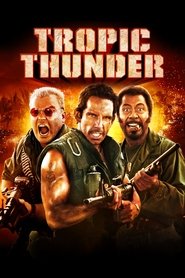
with the reaction to... There were so many moments when he just did things that you couldn't imagine. No matter what it said on the script, like when he's in the rain, when she's out there dancing in front of the car, and he leans out and he says, hey, sweetheart. I mean, where does that come from? You can't direct that. You can't direct that. Yeah.
53:49 · jump to transcript →
-
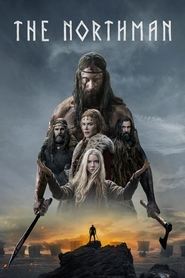
-
-
My name is Laurens Straub. I'm sitting here with Werner Herzog, writer, director and producer of the movie "Nosferatu" that you are currently watching. And we now want to talk about that movie. Werner Herzog and I have known each other for about 20 years and have worked together on many different projects. What do we see here? These are actual mummies in the Mexican city of Guanajuato. You have to realize that Guanajuato is located in a gorge. Because of that the cemetery was very narrow and there was no space. So they dug up the bodies every eight years or so, and because of different climatic conditions and the soil, they mummified without human preparation. They leaned them against the walls on both sides in a long underground hall and a hallway. I saw them there many, many years ago in the early 1960s. The story behind this is that I was in the U.S. on a scholarship but I resigned from it a few days in and gave up my legal status in the US because I had to earn some money. Out of desperation I went to Mexico because otherwise they would have returned me to Germany. I went to Central Mexico and Guanajuato and lived there for a while. I did all kinds of crazy things. For example, at rodeos, the so-called charreadas, I rode on wild bulls. Like a complete idiot because I don't even know how to ride a horse, but with the money I could live one week at a time. And there I saw these mummies. Are they similar to the ones at the volcano Vesuvius and formed from lava? No, those are real dried human beings. They barely weigh anything. They were in display cases so we had to take them out and carry them somewhere else. They weigh very little... 10, 12 pounds maybe. Is this something like a culture of death? No, it's completely normal. Isabelle Adjani. She is great at acting scared. That was a real and very large bat we brought in for this. The bat you saw earlier I could not shoot myself. The footage came out of a science documentary because bat's flapping motions are extremely fast, and this was shot with 500 or 800 frames per second. The bats had to be trained with food for that because it took very strong lighting, and normally they would not move under those conditions and not leave their hideout. Here we see Delft. In the Netherlands. That's my city. And I know when Jörg Schmidt-Reitwein teaches students cinematography he first introduces them to Flemish and Dutch painters. Why was Delft chosen as an alternative to Wismar where Murnau shot? Yes, but Wismar was not Murnau's location. I believe that was Lübeck. There is one single shot later in the movie where you see a few buildings that Murnau actually used and that are still standing. I used those as well. We chose Delft because the continuity of the architecture was uninterrupted and we only had to make very few changes in order to shoot there. We took down some antennas and moved a few cars. Other than that it was very easy to shoot there. The concept of "Nosferatu" was definitely to do a variation on Murnau's movie, not a remake in the classical sense. A Biedermeier image like this, for example, is unthinkable in a Murnau film. Moreover, this is in color and the movie's character is completely different. We had to show a very secure bourgeois world. We deliberately planned this, especially the furniture. That was done very thoughtfully by Henning von Gierke who is a painter by trade. With the furniture and the lighting, you can tell that a painter was involved. It reminds me of "Kaspar Hauser" which was done by Henning as well. What era are we in here? That is the Biedermeier era as you can see clearly by the costumes. We researched how to best do the building arrangement and the urban landscapes. Schmidt-Reitwein and I wracked our brains over that. I didn't simply want to recreate paintings. That was never planned. With one exception because we knew we had to work a lot in darkness with nothing but candlelight. Therefore, we studied the painter de La Tour and thought about how to do it if we only had one or a few candles. How do we light that? And Schmidt-Reitwein is exceptionally good at working with light and darkness. This is Roland Topor. - Yes. The famous illustrator, poet, and crazy man. Unfortunately he is already dead, I believe. Yes. - How did you find Roland? I coincidentally saw him in debate on French television. And he laughs in such a mad way. He laughs after every sentence he says. But in such a desperate and strange way that it impressed me deeply. Afterwards I contacted him I told him I was going to shoot a vampire movie and asked if he would play Renfield. Roland Topor immediately agreed. Unfortunately his voice is dubbed in some versions. And it is impossible to fully recreate his laughter. It was his strangest characteristic. What I love about this... I recently saw an exhibition with English surrealistic works from the 19th century. It reminds me of an old office, the cloth, and this blue. It was very carefully lit, and the costumes had to match. Bruno Ganz. And also the faces we chose. Those are not faces that fit into the 20th century. You have to carefully select actors who match. So Bruno Ganz is a great fit for this. The beautiful paper. - Yes. That was so much work, and it was prepared very, very thoughtfully. A beautiful country. Here I see a recurring theme of yours... maps. I already know that from "Aguirre" and other movies. In "Fitzcarraldo" geography is a crucial dramaturgic element. I'm a map fanatic. Oddly, I'm pretty good at determining locations ahead of time, too, because I understand maps. I know which formations you should find in a certain area. I was rarely wrong. It is always about uncharted territory, the Dorado, or doom. Yes, at home I don't have pictures on the wall. A few photographs every now and then, but generally, I can't stand my walls being covered in pictures. If there is anything on my walls of my home it's maps. Oh no. - You will be in danger. This was your first film in English, the first with big stars and a big budget, correct? Well, not really. "Aguirre" is also a big movie with a big star and great effort. But I have to say, we shot "Aguirre" for about 700,000 deutschmark... $360,000. What matters is what you manage to get on screen with the resources you have. To come back to paintings, I like this vase. Yes. Okay. This reminds me of a painting by Seurat. I think the still life-like and emotional atmosphere is phenomenal. But be careful, I always want to show inner landscapes. This was done very quickly, by the way. On that day we happened to have some time and drove to the beach. It was freezing cold, windy. There was foam. We set up the camera in three minutes and sent the two actors, Bruno Ganz and Isabelle Adjani, into the image. We only told them that the music would most likely be slow and solemn. We already had received ideas for the music from Florian Fricke from Popol Vuh. These two, three shots here we did in 15 minutes. We never thought about paintings. It was born out of the situation... - Spontaneously. ...that we found there. Bruno Ganz has tears on his cheek because it was freezing cold. Lotte Eisner came to visit for a few days. We had to wrap her in 20 blankets because it was so cold. I was so proud that she could be there. She was very important for me and maybe for the new German film in general because she bridged the gap to the expressionistic movies back then that she knew very well. She also knew all the representatives of that time. She was friends with Fritz Lang, Murnau, Pabst. She knew them all. For us she was like a bridge to the generation of our grandfathers. We were a generation of orphans who did not have the generation of our fathers. Here I see your wife. Yes, Martje. Martje Herzog on the left. Essentially everyone who was there is in the movie at some point. Later you see the executive producer, the costume designer, the sound technician, and the gaffer. It was also a matter of how quickly can you get something done with very little money. This is the farewell. Bruno Ganz was actually pretty good at riding horses, which was great for me. Now he travels to Transylvania. The choice of the production company... Was this a Century Fox production? No, I produced it myself. Many people believe that 20th Century Fox produced it. But 20th Century Fox only bought an advance guarantee to the U.S. rights for very cheap. They only bought the rights for the U.S. A distribution guarantee. I believe this was... - German Romanticism. Well, you have to be careful. There is a hint of that, but I always try not to be connected with Romanticism because I myself have no real connection with that cultural epoch. Usually I refer to eras before that. The Late Middle Ages speak to me much more. They inspire me. This was shot in Eastern Slovakia. I was not allowed to shoot in Romania where I had scouted locations for months in the Carpathian Mountains. But you also have to see the context. That was when Ceausescu had just been awarded the honorary title of the new Vlad Dracula by the parliament. So he was named the new Count Dracula. That was an honorary title because the historic Count Dracul had been an important figure in the defense against the Turks. This is in the High Tatras, just 1,000 feet to the left was the Polish border. Bohemia? No, Slovakia. - Slovakia? Eastern Slovakia. This is a real group of gypsies that I had brought in from the very East of Slovakia. Among them are a few Czech actors. The gypsies actually speak their own language. Unfortunately I don't remember what it was called. ...my food. I still have to get to Count Dracula's castle today. This is a scene that in a very typical way fulfills all the criteria and conditions of a genre movie. This is one of those traditional scenes. He has to go see Count Dracula, and everyone immediately freezes in fear and the maid drops the dishes. Do you really have to go there? I wanted to integrate certain general rules of the genre into the movie. From there you can go farther and expand. But this right here is a very typical and traditional scene for this genre. The space has this wonderful of depth in the back. And the bed in the background. The set design was by Henning von Gierke who has a spectacular sense for these things. Yes. Spectacular. Parts of this we also built ourselves. The oven and things like that. It was a former hunting lodge of party functionaries. At that point there were only lumberjacks living there. During the day you only found lumberjacks there. ...were already on the other side. Here you have this sense of foreboding and doom. I liked the gypsies so much. They were very good. Watching this reminds me of Degas' "The Execution of Emperor Maximilian" in Mexico. Yes. Careful. Not too many paintings, otherwise... That's just a sign for how interesting and good this is. This is a wonderful face. I also enjoy the way they speak. Yes, definitely. He says you should... They said the dialogue I wanted but in their language, which I believe was not Romani. They translated it themselves and did it very well. You can see this was outdoors and at night which was always a problem for me because I'm not a night person. I had to stay awake until very late, and I've always hated night shoots. I had to force myself to stay up with gallons of coffee. This is also a recurring theme in your films... Native Americans, Mexicans, and Gypsies. Something completely foreign. But also the dignity of these people.
0:04 · jump to transcript →
-
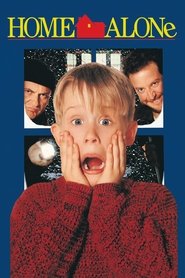
This is also a recurring theme in your movies. The chorale, too. A raft on a river. "Aguirre" and a chorale like this one. I like things like that. I have no idea why it fascinates me so much. People on the road, on a raft... It has something archaic. You are at the mercy of the speed and the flow of the river. Philosophical in a very strange way. Could you...? I keep noticing that I often think that the movie is very close to a silent movie. Interesting is also that the dialogue sometimes sounds like intertitles. Not necessarily, but the observation is weird. I have never heard that before. By the way, on the left here Jacques Tourneur, a great French actor. To the right, Docteur Claude Chiarini, a very close friend of mine. He also took the still photographs. He fought in the Algerian War and switched sides, and he was in the Foreign Legion. Later he became a doctor and worked in an insane asylum. He was an extra for us. That is me, by the way, because none of the extras dared to climb into the box with the rats. In my movies you can often see my hand that holds a burning rocket as a sign of life, or a foot that is being bit. Stuff like that is always me. Here a ship off the Dutch coast. Later, there was a scene where the Maat jumps overboard, which was cut. He didn't dare to jump in the water. I told him I would jump five seconds after him. It was so cold and suddenly a wind gust forced the ship away. For a while we were alone in the water and he started to panic. It was difficult. Yes, sometimes you do weird things. We also built that. Henning von Gierke. Again, an inner landscape. You can't overlook the death theme. You can't overlook it, but it is part of a genre film. The patient that was brought in yesterday is having an episode. Which one? The one that bit the cow. - Yes, I... We put him in isolation. - I'll come with you. What I see here is the enlightenment or the desire for enlightenment in conflict with what can't be overcome. Like in "Kaspar Hauser". He refuses to eat our food. He only eats flies.
52:23 · jump to transcript →
-
Nurse, I need my medicine. Bruno Ganz is really great as well. All of that came together wonderfully. We had an excellent team. I always say that a director is barely needed if you have a good script and solid cast. That makes you largely redundant. But there were precise instructions for this, and it was stylized in detail as well. Naturally, everyone had to follow these instructions. I believe that strength plays a role, too. Someone has the strength and that person is the engine for all those wonderful energies. They would not have that without you. I think they have it, but it has to be channeled productively for the screen. Isabelle Adjani is a somewhat insecure person and Kinski a madman who is almost uncontrollable. You can see here that we made him taller. He is one or two inches taller. We gave him very high shoes so he would look more incorporeal. If you watch it on the big screen and you look closely, you can see that his shoes look weird. And here are the rats again. I always say about this topic that directing is like being a tour guide. Not for me, but I understand what you mean and what you want to say. It is the coordination of individual parts that have to come together at a specific point. And here the rats. Most of the time it was very cold. They just clung together to keep warm. I had to go over and separate them with my hands. On the day we shot this, I was bit 30 times or so. I was constantly being bit by rats. Everybody was kind of afraid of them. I remember we imported the rats to Holland and I had to go to the customs. They opened the trailer of the truck with 6,000 rats in it. The first customs officer passed out right way. For a whole hour we tried to bring him back to life.
1:25:52 · jump to transcript →
-
-
-
predecessor to the House of the Blues, but it was a little shack behind a three-story apartment building on the near north side. It was a private club, so you could go there any time and drink. So it ended up a Saturday night in the cold and the rain. When we had a Saturday night. When we had a Saturday night. It ended. Michael had it figured, so the crew had about an hour and a half of freedom a week. We would head to the Blues Bar. It was just a labor of love. It was kind of...
8:26 · jump to transcript →
-
What kind of steel? Swedish cold rolled, 247. Here, here, here, and here. One inch plates. Copper to bind drills. Titanium alloy here. This is a well made, very expensive, very special vault. English. Richmond would like it. I need a very special piece of equipment. Again, with the knowledge that I had of Zeiss,
50:05 · jump to transcript →
-
Call Joseph, have him fix you one. You go back out there, and you bug off him for the word. Come on. It's getting cold. Oh, uh, this LA move, you know, uh, it's home free for me. After, it's done. You happy? Come on.
55:19 · jump to transcript →
-
-
-
Hoyt Yeatman
So this was an extremely complicated scene to shoot. Here, we're on the stage doing the actors... ...against rear projection. And now these images here, there was-- It had to be done in a very low-tech way. All the actors were put in white suits and had white makeup on. So we shot them in this room, doing all of this action... ...in their normal wardrobe. And once we had finished shooting the scene, we sent them off... ...where they put on the white suits and the white makeup. They came back and we reshot it... ...on a black stage that duplicated the same office. And now you had these weird images... ...that were run through all kinds of video process... ...to make them look like the way they are... ...reflecting, supposedly, the heat of the bodies. This is in kind of a pre-digital era, too, when we're doing this. We had television effects, but we really didn't have digital technology for film. If I remember right, this was done at Warner Bros... ...in one of their little video studios that the man built... ...who kind of invented 24-frame video for movies.
1:02:38 · jump to transcript →
-
Hoyt Yeatman
A couple of the shots, I would do down on the ground-- The close-ups in the helicopter-- --But most of them were done up in the air. We had so much work to do that we were spread out... ...sometimes as many as five or six different camera units working... ...you know, getting this footage. And things like this I would give to Jim Gavin and say: "Here, go and get this started." I remember there were very few action scenes that did not have six cameras. Right. Because doing things like this... ...as we go into the Los Angeles riverbed... ...which is actually a big flood-control channel... ...for the occasions when it does rain. This is the only thing that keeps Los Angeles from washing away. And we got permission to fly down inside the flood-control channel... ...for a length of about four miles... ...to go in and shoot this whole chase sequence.
1:22:33 · jump to transcript →
-
Hoyt Yeatman
This sequence, I was told by the assistant director... ...would never wind up in the movie because it was too silly and too crazy. But it is definitely one of my favourite, favourite scenes in the movie. And, yes, it's silly, but, you know, it's just great fun. This is-- Hoyt, you were there shooting. - That's my first day of shooting. Kind of woke me up, because after the explosion... ...we looked at our matte box and it had melted the front element of it... ...so it got pretty hot.
1:31:49 · jump to transcript →
-
-
director · 2h 10m 4 mentions
-
And obviously when I was doing this, I wasn't out in the cold. We were shooting this on a soundstage. The close-ups, that is. Willy Bogner did the ski sequence. After finishing Bond, I did a Willy Bogner film. It's called Fire, Ice and Dynamite. Willy Bogner is the most extraordinary skier and director and photographer.
1:52 · jump to transcript →
-
And Willie's saying, yeah. I mean, you know, he's jumping into death. And I literally had to fall in this helicopter. And we took off the doors wide open. I'm not strapped in or anything else. And the pilot, very smartly, to do a little thing and came down and settled out of the wind so that we could then strap ourselves in. And Willie is on the radio. Come back. I want to do it again.
3:15 · jump to transcript →
-
Once he had a girl, a big wind machine going, so her hair was blowing. But unfortunately, it was also blowing other parts on the body that had hair on. I saw Maurice with a jar of Vaseline smoothing down. Tough job.
7:39 · jump to transcript →
-
-
multi · 2h 34m 4 mentions
James Cameron, Gale Anne Hurd, Stan Winston, Robert Skotak + 8
-
Pat McClung
The Sulaco. This was a Syd Mead design that was fiberglass body. Some of the detailing was based on that Syd Mead sketch and then Pat and Dennis and myself did a lot of the fine detailing for the front, the side, the top, all the microscopic detailing. This was not a particularly large model. It was about five or six feet long. The detailing we would do after hours because we had to be on the stage to shoot all this stuff, get everything organized, and once everybody went home, we'd go up to our little effects office and start another shift of microdetailing. It was so cold, we were wearing our winter coats. It was hard to move around and use these tiny little Exacto knives, and these pieces of plastic that were maybe half the size of acomma on a textbook, sticking them on meticulously, one after the other. So this was our biggest set, I guess. Or the biggest volume, I guess. The hanging chains, these little widgets and things, this was all inspired by the tone and feel of the opening scenes of Ridley's film. We were trying to create that same sense of the ship having its own life and being an eerie, interesting place.
25:57 · jump to transcript →
-
Bill Paxton
Here's a panning shot of the armored personnel carrier. This was done with the twelfth-scale armored personnel carrier. We had the camera flat on the ground and at the beginning of the shot, behind the APC, is the fiftieth-scale colony complex. Because we're flat on the ground, the audience doesn't see the scale differential that's going on there. Literally, the bumper of a twelfth-scale was next to a fiftieth-scale. The shots of the APC driving into the atmosphere processor were also done as miniatures. There was no full-size entryway that was built for the film. That's why we built one as a miniature. The sequence inside the atmosphere processor is a location that was a decommissioned power station at Acton, inside London or just outside of London. Rather than building a set from scratch, they used what was there and then added the alienesque bits to it. Look at that. - This was my first day. At Acton? - First day ever on a film. You won't see me there. - Ever on any film. I'd no idea what "back to one" meant or anything. What does it mean? 30 years later I'm still trying to figure it out. That's a real gun. That's a German Sten gun. It was cool until we started firing the weapons and then this fine snow started raining down on everybody. I think they checked it out. - It was just asbestos. We had to practice shooting flame-throwers. We did the close-quarter battle stuff. Approaching a building or going down a hallway, you leapfrog along. We did that. Al Matthews who plays Sergeant Apone had some kind of military background. I think he had served in the Vietnam War, and after the war he had come to England, where he'd become a radio disc jockey, I think. He was either really good at bullshitting us, but he seemed to know what he was doing. His orders were so authoritarian that we followed him.
1:04:49 · jump to transcript →
-
Bill Paxton
These shots of the aliens hanging from the ceiling are just shot upside down. It's just guys standing there in an alien suit. And we set up some alien puppets made out of foam and filled them with gak and guts and yellow goo, and blew the hell out of them, as I recall. Made a big mess. Miniscule things we had to do, like creating burn appliance make-up for when the acid would hit. Here's a case right here. Alien comes up, splats, and the blood is right here. Quick cut. Quick cut. But prosthetics used. John Richardson was the physical effects supervisor. I was at his shop on the lot, and they were testing one of these flame-throwers and it was a real flame-thrower that they had built. This thing would go about 20 or 30 feet. So every time you see flames coming out, it's the real thing. It was a little scary. When we did the fire in the APC, there was something used to age the set, some kind of wax-based substance that the art department had dabbed on to make the set look more like a used military vehicle. And the heat caused it to vaporize and the actors got this strong sense that they couldn't breathe. It caused their throats to close up. Bill tells the story Jenette is going "Ugh!" And Bill remembers thinking "She's coming up with some great stuff." And she really couldn't breathe. I don't remember what we did. Probably just kept shooting. I think we just kept the fire out of the inside, kept going. Because the full-size APC was incapable of spinning its wheels, all those shots of Ripley when she hits the gas and you see the wheels spin and smoke are all the miniature, because the full-size vehicle again weighed some 20 or 30 tons. We had put A-B smoke... A solution on the wheel and B on the ground. And as the tire turned, it would mix that A and B together and give the smoke. We had somebody holding back the front of the APC for a moment, so that the tire'd spin, then we'd let it go. That A-B smoke is really toxic. We don't like to breathe that stuff.
1:17:31 · jump to transcript →
-
-
director · 1h 34m 4 mentions
-
One thing everyone should know is that this is related directly to Tabasco sauce because this was all shot in Louisiana, a little town called Abbeville, Louisiana, home of the company that makes Tabasco. So this was supposed to be a New England town on a hot summer night. It was January in Abbeville, Louisiana. We were freezing our asses. It was like 33 degrees everywhere, and everyone was freezing. So these cheerleaders were...
5:03 · jump to transcript →
-
Everyone was freezing, but I did my best to make it look like summer. You never know. Well, you have to because knowing that the payoff in this film is ultimately to have the snow become the hero of the film. You needed that contrast. You needed that kind of flat contrast. Speaking of contrast, this is California with real-life sunshine and in a place called Piru with planted pine trees.
5:31 · jump to transcript →
-
And the fact that he becomes the major threat in the cold clothes is just such a great way to bring it all in. I would say ironic threat. That's not a bad blob right there. That's a miniature. And that's a mat, right? It's a composite of something. Yeah, it's a composite that worked. So this is a miniature street with him? That's a foreground miniature. Did you have any challenges lighting the blob? You were saying before the fact that it's pink.
47:55 · jump to transcript →
-
-
director · 1h 24m 4 mentions
The Naked Gun From the Files of Police Squad! (1988)
David Zucker, Robert Weiss, Peter Tilden
-
That's a snot. Now what did you use for the snot? It was actually snot. Bob had a cold at the time. So it was real snot. It happened to be convenient. They didn't have the technology. Leslie's kind of a method guy and insisted on it. Yeah, there's only three channels and no snot. Today, of course, there's digital mucosas. You don't have to. CGI. Exactly, whatever that means. But I think that's only common sense.
12:03 · jump to transcript →
-
How about a rain check? Well, let's... But we saw a clip of her and she was great. She looked great. Terrific. And then... Did you do a read-through with her to make sure she could play comedy or play it straight? Well, we did. We did a read-through and she... I think she started to read it putting a little comic spin on it and she asked me how I wanted her to play it and I said, just don't try to do the comedy at all. Just play it straight. And she got it? And she got it immediately and...
23:48 · jump to transcript →
-
Exactly. Well, again, people are still kind of laughing. Did you wet down the streets for this? I noticed everything's wet. We always wet down the night shots for the reflection of the lights. And, in fact, every movie you can see, for some curious reason... Everything's wet. It's always just rain. But it never rained. Okay, or it's just finished raining. It's always wet down so that it looks better. There was a hedge against it raining. We had an early MTV joke. Oh, this was, yeah. Willow Records. Willow Records. Willow was my nickname.
42:49 · jump to transcript →
-
-
-
bossing around middle-aged men, older veterans, and what to do. And if James Cameron can't pull that shit off, there's no way David Fincher's going to, let's be honest. Yeah, and they become resentful. And you're making this film at Pinewood Studios during the winter. It's freezing cold. Everyone's getting ill. And you've got all these problems where you haven't got a script finalised. Things are changing every day. I mean, I'm not surprised David Fincher just lashed out. And he does lash out. You see him in the making of. He's just like...
18:59 · jump to transcript →
-
the trailer shot isn't it where just you know the bitch is back and you see you know it was obviously recognizes that she's got an alien inside of her um but people it's so funny like when i've posted stuff on socials about alien 3 people say oh the cgi in the film is terrible like there isn't a cgi there's actually one cg shot yeah you see the the skull go like crack about to break because of the from hot to cold whatever
1:05:02 · jump to transcript →
-
is classic early 90s shit cg you know it's it's it has to be but then doing more and more research either either they've really buried the fact that it is is i know the shot you mean that that is cg with it when it cracks that you know the cranium gets the cold water on it and it
1:05:58 · jump to transcript →
-
-
director · 2h 24m 4 mentions
-
When we finished the body of Newt with that big incision we took the body outside and laid it in the snow and took pictures. And we worked it into a Christmas card for David Fincher. It said something like "Merry Christmas from the victim of a sledding accident." We were very clever! Not like today. Well, this is much more tasteful than what the original plan was. You heard the cracking of bones and that kind of thing. That's a great reaction. I think that eye looks great, that messed-up eye on Sigourney is very effective. Some people think that it takes longer to light because it's a wide screen. Because it's Cinemascope, the lenses are slower than they would be normally, but I don't find it that way at all. I think it's... I generally shoot at about f-4 anyway. A lot of people like to shoot wide open, but I don't. I like the depth of focus that one gets at 4 or 5.6. And I don't like to see two shots where one person is sharp and the other one is blunt. I've never found it a problem to light to the Cinemascope demands. I actually found a fitting which they use in operating theaters for surgery and so on, which I liked the shape of, but unfortunately we don't see it often. I think there's one shot where we do see it. It's a circular thing with, I think, four or five globes in it. I thought the shape was terrific, but, as I say, we only see it once I think. I never got it in the picture unfortunately cos they played it against the board. I think when we cut wider we see it, whenever that happens... There you go. There's the old lamp just for a brief moment. I wish we could have played it more cos it's a beautiful shape. Of course, it's the raison d'étre of the light - that's where the light's coming from, so you'd like to see it a bit more. It's always the thing that we're fighting as cameramen, that we have a light source, and when you find the film's edited, you never see where the light is coming from. I did a whole sequence on a picture with firelight, and we never saw the fire. Was it 86, his name? - 85. His 1Q. He's a lot of fun to watch in this movie. - Yeah.
20:19 · jump to transcript →
-
Will I Be A
Tom and I were very interested in using materials that were more translucent, and that led us to create a Bishop dummy here that was made out of gelatin. The only problem was that gelatin doesn't do well in steam and rain, and if you'll notice there's steam and rain in this shot, but there wasn't supposed to be. Not at first. We got the go-ahead that it'd be OK. It was gonna be cool and dry. See that little rag around his wrist? We had to wrap that around his wrist cos his wrist just split in half somewhere in this, so we had to kind of dress it around. The whole thing was melting! Take after take, he was losing a layer of skin with each successive take. We should have been warned because Yuri Everson, one of our main guys, was working on that model in the studio, doing some meticulous work with the gelatin, and he had a desk lamp posed right over the head. When he moved the desk lamp, it was a little too close to the face and it all sagged, like it was palsied from a stroke or something. So there was a little bit of a history to that choice of materials.
49:30 · jump to transcript →
-
Will I Be A
This is a set that was built on the 007 stage, which is metal clad with concrete floors. It was very cold anyway, even in summer. The actors get a sense of how cold it is because it is cold.
51:21 · jump to transcript →
-
-
-
Marco Brambilla Daniel Waters
uh the film kind of chronologically and then we moved into stats so this was all on location and uh yeah i was there on on top of a building nearby watching waiting for the explosion wesley snipes was there his posse was there it was it was a long wait but it was worth it i can still remember have a sense memory of the heat the heat against my face it was a real explosion yeah i was too close i think i had 13
2:44 · jump to transcript →
-
Marco Brambilla Daniel Waters
improv into this. Yes. Not a lot of mine lines, a lot of Wesley's lines. Although, is it cold in here or is it just me? That's a piece of foreshadowing because he dies being headed. You can only appreciate it in multiple viewings. I tend to write too much for the third time viewer. Like, oh, now it's funny. And Wesley was...
3:36 · jump to transcript →
-
Marco Brambilla Daniel Waters
Stallone uses the water to finally stop Phoenix. That's the first use of computer graphics and one of the first uses of computer graphics in any film. Is it cold in here or is it just me? Good memory. I like that line that I wrote from the start of the movie. And then, of course, this is where multiple time viewers can know that
1:45:45 · jump to transcript →
-
-
-
Taylor Hackford
At this point, seeing a guy walk up to him in the bar, Keanu is completely convinced... ...that one of his friends has put this guy up to it. And this actor, who is Ruben Santiago Hudson... ...is a fabulous actor. He won the Tony for an August Wilson play, Seven Guitars. I saw him on stage and just felt, "I want to work with this guy." So when the role of Leamon Heath came up, you know, I had Tony Gilroy... ...kind of tailor the role to fit Ruben, and then convinced Ruben to do the film... ...because he has a very unique quality. He's not your totally assimilated black character. He may have gone to Harvard, he may have gone to Yale... ...but he's maintained a lot of his own roots and integrity, and at the same time... ...he's smart like a whip and he knows he's got Kevin hooked. The next scene that you're about to see hot cut to Kevin's roots: A Southern church, and this congregation is real. Judith Ivey, who is being introduced here as Kevin's mother. You know Kevin was raised in this church, he's coming... ...and taking a look back at his past, was totally fundamentalist... ...and deeply, deeply rooted in Jesus and God. Judith Ivey is part of this group. I had to spend a lot of effort convincing Pastor Lovell and his church... ...in Gainesville, Florida to participate in this film, because I feel that... ...you know, the things that they believe in, the things they're after... ...have everything to do with establishing good and evil in the world... ...and fighting the devil, and that's what this film is about. But they were fabulous, and they really got the spirit of God in them. And I thought it was important to see that Judith Ivey is a believer. She is one with her God, she loves Him. And, you know, she's a formidable presence for good in this film. At the same time, she's a tough mother, and you can see that... ...she has raised him in a certain way and she doesn't particularly approve... ...of what he's done with his life. He's a lawyer, and you establish his wife... ...over at the car, Mary Ann, who obviously is a party girl, a liver, and not... Neither one of them are in church this morning, and Mother is not that happy. This sequence is important to understand that Kevin Lomax understands scripture. He may have made a choice at this point to stay outside the church. If you notice, he's half in, half out of the light. Tony Gilroy wrote this in the script. Kevin Lomax stands outside the congregation. He's half in, half out of the light. He is part of it and at the same time... ...he can't bring himself to walk in. There's a dichotomy in him, which you'll discover later. But in this instance, when his mother calls up and says: "Quote the Bible to me and mention scripture," he can quote it back to her. He knows what he's talking about. He was in that church and a devout member at one point. Now you get a sense of Mary Ann. She is a good person. She's trying to help this character. She doesn't want to get the company to repossess her car. But she's tough, and she's a businesswoman. You also have a sense, right here, of the fun that these two people have. Keanu, you know, biting off her earring and handing it back to her... ...that was totally spontaneous. He came in, did that. It was quite wonderful. Now you have a sense of the married couple. They've got Mother-in-law... ...and Mary Ann's no dummy... ...she knows exactly that she's persona non grata in that household. It isn't that she doesn't like her mother-in-law, but she understands... ...what she needs to do, like have a child. And right now you establish another theme of the film: "Let's give her a grandchild and everything will be all right." Mary Ann is ready. She's working. She's professional. But she's ready to start to have a family. But you hot cut to Kevin Lomax who's taken the deal. He's in New York. At the beginning it's just a vacation. He's going to consult on the selection of a jury. You see Foley Square, the seat of judicial power in New York... ...all the Federal buildings, the State buildings, the local... Everything is right there in one space. It's a very, very sobering look at the power of the legal community in New York City. And at the same time, for a guy from Gainesville, Florida, it's very impressive. Kevin's here. He's excited. He is working as a consultant... ...to one of Manhattan's best and most famous criminal trial attorneys. His name is Meisel, played by George Wyner. And in this moment I wanted people to see that Kevin Lomax truly has a talent. When you talk to criminal attorneys, you realize that they say... ...that between So to 95 percent of winning a case is selecting a jury. This is a scene that I think talks about the inside of lawyering... ...and the reality of how you win. You win by psyching-out everyone that's gonna be on that jury. Those are the people that are gonna make the decision of whether you win or lose. This is where Kevin Lomax shines. He has an intuitive spirit. At the end of the scene, you realize he's got something else. He's got a sixth sense. Now, it's important, when we see this courtroom, to understand... ...that I wanted authenticity in this film. You're in New York. You have some of the best looking courtrooms in, I think, the United States. At the beginning, Warner Bros. wanted me to go to Canada and shoot in Toronto... ...which is an entirely different judicial system and the courtrooms... ...don't look the same at all. I fought to shoot this film in New York... ...not only for the fantastic exteriors, but also for these interiors. This is a film about big-time lawyering, and you want to feel, when you see the sets... ...and these aren't sets, they're locations. You want to feel that this guy is in the big time. He's gone from Gainesville, Florida to the top of the food chain. We shot in probably seven or eight of the best courtrooms... ...you could find anywhere in the world. Look at these paintings up on the wall here in New York. You feel that this is the justice system. Now Kevin is exhilarated. He comes out of his first day... ...in the New York courtroom and he knows he's done well. He didn't know how he would measure up, and how he measures up is... ...he's smarter than they are. I mean, he has to feel great. He's walking down the street. He's saying I'm a guy from the hicks, and someone's watching him. This is the introduction of John Milton, who's played by Al Pacino. It was important to me to establish a very nice introduction to him. One thing that Al did, and you'll start to see into this... ...he chews on licorice all the way through this film. You don't explain it. You know he's doing something. And instead of just walking away, getting in a limousine, he goes downstairs... ...into the subway. Why would he do that? He's well dressed. That's it. But immediately I go into a time lapse sequence... ...and I wanted to see day and night change. I wanted it to also say that this trial's been going on for a long time. When Kevin walks in, Mary Ann says, "You're home early for a change." Time has passed here. You've seen it pass. But more importantly, you see Al Pacino going down into the subway... ...and you see that the next images are not real. There is a certain kind of power that this person... ...we don't even know who he is yet, exudes. I thought that the time lapse would be both unique in terms of time passage... ...and, at the same time, extraordinary in terms of the potential power... ...that this man has. Now you've got Wife and Husband in... Mary Ann's got room service all over the room. Clearly, they've been there for a long time. She's watching TV. She's having a good time. She's been shopping. She's been to a lot of things, but her husband's been gone every day. And now you see the way they play. Kevin looks like he's defeated. It looks like he's lost the case. She feels badly for him. You can really see how she would, you know, how warm and wonderful... ...and sweet she is. But he's kidding her. You can really see the slyness, I think, in Keanu Reeves here. And, at the same time, he killed 'em. He actually chose the jury... ...and won the case, almost an impossible case. It was like a savings-and-loan fraud. This is white-collar crime. The guy sitting there in the trial, with his white hair... ...looks extremely legit. But the fact is that, you know, he's like Charles Keating. You know, he stole not millions, but tens of millions of dollars. And in this instance, the next shot is, they are in John Milton's domain. This is Milton, Chadwick and Waters, and I wanted a location that immediately... ...established the power of this law firm. This is a real building. It's the Continental Plaza in Wall Street, in the financial district, Downtown... ...and you see what New York power is all about. That view is a three-bridge view. You're gonna see all the way up the island of Manhattan. But the important thing here was, this location was used before in other films. I didn't want to use that same look. There's a unique design look here. Bruno Rubeo, who is my production designer and my collaborator... ...on the last three films I've done... ...we spent probably six to eight months before this film began... ...talking about what we wanted from this film and the look. Right now you're looking at Christabella, the first time we see her... ...and if you notice as she walks forward, I slowed down. It goes in real time. There's no cut there. We ramped so she starts in real time... ...she slows down... ...and comes back out in real time. And Kevin Lomax, he doesn't know why he's fascinated by her. We'll find out later. But look at the design in this. It's ultra modern. We used both an Italian architect and a Japanese architect. This is the Italian. He used prefab concrete in the walls. Milton's office. You know, the rest of the building is very impressive... ...but this office is something else again. It's cold, it's austere, and it's incredibly impressive. Look at that fireplace in the background. It's set up off the floor. Bruno had a design in mind. The furniture in this place is... You have a big, massive place. But look at the furniture. That little settee in front of the fire: it's delicate, it's small. This whole room exudes taste and a certain stylistic quotient. John Milton, you know, it's a huge room, devoid of furniture, very minimal... ...this is a man who has real taste and real choices that he's made. At the same time, this whole law firm is very, very modern. For the design quotient of this film, I want you to be able to see this sequence... ...and then later on, when you see where Milton lives, see the dichotomy... ...the difference. This is cutting-edge modern architecture to the nth degree. What Bruno wanted to do, and I wanted to do in this instance... ...is establish Milton's environment. Here it's cold, corporate, but, at the same time, undeniably impressive... ...austere, ultra-designed. Milton is very smooth. You know, Al Pacino always gets this rap: "Oh, gee, he's over the top." He's not. Al Pacino can play everything. And everything he did in this film was calculated. I mean, it was one of the great experiences in my life to work with an actor of... ...his deep, deep ability, his deep, deep talent... ...and his uncompromising attitude towards all his work. At the same time, Keanu, who had this... I'm saying this because here's these... ...two actors meeting for the first time. Keanu, who had done a lot of young-man roles, a lot of teenage slackers... ...in this film is anything but that. Kevin Lomax is precise. He is not a Harvard educated, a Yale educated guy. He came from a small school in Florida, went to a small law school. But all criminal attorneys that are really great usually did that. They come from the street. He's street smart. He thinks on his feet. And he's up against a guy, for the first time, that seems to have a little bit more... ...on the ball than even he does. He's never met anybody before that is his equal. And Milton keeps blowing his mind, like he does right now. You see this office. All of a sudden, he goes and taps on the door... ...opens up, and I wanted this sequence to truly be a moment... ...that would blow everybody's mind, not only Kevin Lomax's. He walks out on a roof terrace and, effectively, I'm using... Again, this is from a Japanese design. Bruno and I saw an architect... ...that had a pond on the roof in Japan, and I said that is a perfect idea... ...for what we want to do here. Here is a man who has such a sense of design and such a sense of grandeur... ...that he has created for himself a balcony, if you will, a terrace, a park on top. But does it have greenery on it? No. It has water. He calls it calming, placid. And at the same time, he's going to take Keanu out there... ...and he's going to talk about his past. He's going to find out a little bit more about him. He asks about his father. Keanu says, "I never had one." He asks about his mother. And in this instance he's, you know, if you look at Al's reactions here... ...this is a long, talky sequence. This is what you do sometimes. By the way, this is real. This is not blue screen. We didn't put the artists in a studio. I fought to get this scene. I fought everyone, including Warner Bros. Nobody wanted me to go up and get this shot. It's on the roof of the Continental Tower. They had re-roofed the place. The building didn't want us up there. I just knew that this sequence was going to define this initial relationship... ...between Kevin Lomax and John Milton. And the two actors are basically 50 stories in the air right now. They're standing on an eight-foot platform. No, it's not right on the edge. It's about eight feet from the edge. But the fact is that they're standing there. We had to get this whole thing in one day, and they have to do... ...a very personal scene while they're perched on the top of this building. You can see Al, at that moment, trying to let us know a little bit how precarious it is. But do you notice any kind of nervousness from Pacino? Not at all. He's easy. And the whole essence here is that Keanu's sitting out there. One, his mind is blown... ...at the beginning, and then somehow he finds himself getting into it. And at the same time, he looks right here and says: "My God, John Milton's standing like a foot from the edge of a 50-story precipice. "What kind of guy is this?" He also wears elevator shoes, which I think is interesting. But the fact is, right here is what the film also is about. It's about pressure. It's about professionalism. And what John Milton has done is taken Keanu Reeves... ...or Kevin Lomax, in this case, up to the precipice. He's showing him: "All this can be yours." And what is it? It's Wall Street. It's the seat of capitalistic power in the world. And he's basically saying, you know, I know you're a hotshot... ...but can you take the pressure? Can you sleep at night? That little speech that Tony Gilroy wrote, I think, fits all professionals in this instance. When you have to deliver on a deadline, you know what he's talking about. Basically, Kevin is there. He's ready. He said, "What about money?" Milton laughs. "Money? That's the easy part." Kevin doesn't have any problem. He can sleep at night. He's a lawyer. He knows how to do it. We cut from that to Carnegie Hill, which is Fifth Avenue in the Nineties in New York. It's probably the most exclusive address in New York. Central Park is on one side. You have these beautiful, beautiful buildings with fantastic apartments inside. And the Heaths. You're meeting Jackie Heath for the first time. I reveal her with that wipe from the elevator, you see her in close-up. Leamon Heath and Jackie Heath, they are absolutely New Yorkers. They've maintained their integrity as black people, but at the same time... ...they are not about to resist the temptations of the city. They want it. They know how to deal with it. They're very sophisticated. Look at the clothes that Jackie's wearing. Leamon makes the money and she knows how to spend it... ...and she doesn't have any qualms about it. This apartment, I wanted to basically establish the sense of awe. You know, John Milton owns this building. He has it for his employees. Although it's usually for partners, and for Kevin Lomax to get an apartment first up... ...shows that he's a little special, and you can feel, right here... ...that they're a little jealous. "Took us six years to get in here." Every New Yorker will understand that when they really want to get into... ...a big building. This is a film about New York. Tony Gilroy, who lives in New York and understands it incredibly well... ...is able to put these nuances in here that are maybe not aimed at everyone. But certainly, you know, you make a film in New York... ...it was important to me that you do something real. Now, you know, Kevin has basically been offered the job. He's got to now sell his wife on it. And this is a big test. If she, you know... He says, "I'll take you home if you want." Of course, if she did, God knows what he'd think. She knows him. She knows what he wants. And at the same time, how could you turn this down? It's very important right now, at this moment... ...to understand that Mary Ann wants this as badly as Kevin does. I mean, who would resist? Come on. They're too big for a small pond. They both want this and, my God, she's looking at this and saying: "Hey, I want to have a family." She says right now, you know, she mentioned kids again. She's mentioned it in the back of the apartment... ...and she mentions it again right now, and she's saying, "I'm in. Let's go for it." And that moment is one of the last moments of true happiness... ...you're going to ever see them have. Now you're at the law firm, and I want to be able to show... ...what big time lawyering is about. These are all partners. It's an international law firm. John Milton has called a meeting. From all over the world, these partners have come. There's Eddie Barzoon, played by Jeffrey Jones, who is Milton's chief lieutenant. He's the managing partner of the firm. There are affiliate offices in major capitals all over the world... ...and you get a sense of what law is all about. It's about copyrights. It's about real estate. It's about EEC and EUC and those kinds of relationships.
11:08 · jump to transcript →
-
Taylor Hackford
You know, it's wordplay. It's foreplay. And, as every woman knows, the best foreplay is good words to put somebody... ...in the mood, and in this instance... ...it works with Mary Ann, as you can see. Now we cut and we're on the balcony, outside. There is Manhattan, the reservoir which is right across from Carnegie Hill. You see Downtown Manhattan on one view. You see the George Washington Bridge on the other. And in this instance I must admit to the fact that this is a green-screen sequence... ...because it was freezing cold. Connie's wearing no underwear and a beautiful dress with a lot of skin showing. To be able to get the kind of comfort I needed in this scene, we shot plates of... ...meaning views of this actual location, and then did it on a stage. I think the blue-screen work is very good. But it was important to kind of show... ...the grandeur of New York with these two people out here. Meanwhile, inside the party, you have the motto of the law firm: "Let's ride 'em as long as we can and then eat 'em." You get a sense of the ruthlessness of the law firm... ...and in the background you see the ruthlessness represented by that tapestry. Connie Nielsen is a wonderful actress and, as I said before... ...she speaks five, six languages. She is Danish, but lived in Italy for a long time. She is very sophisticated, and I think what Kevin Lomax is coming up against... ...is Christabella, who calls a spade a spade. She asks him if he's alone. He doesn't, he demurs, he kind of comes up with it and she says: "You're married." She basically is not about to play along. And at the same time she flirts. "You like to be on top," an unquestionably sexual innuendo. And he likes it. He's ready to pop, except Milton interrupts. And Milton has a sense of pride here. He's the head of a law firm. He owns a law firm with two really bright, young lawyers in it, but it's more than that. There's something that you'll discover as the film goes on. There's a relationship between these people he's particularly proud of. And I think, in this instance, you know, Al Pacino's smooth, he's walked around. He's spent about an hour at the party. He's talked to Mary Ann. He's talked to the senator. He's talked to the women. He's in no hurry. But in reality, he's got something else on Kevin's agenda.
46:47 · jump to transcript →
-
Taylor Hackford
He's saying what any boss should say, any responsible boss: "Quit the case and deal with your wife." And Kevin can't do it. And he comes up with an amelioration here. He comes up with something that is a justification for him staying there... ...which is complete bullshit. Look at Milton's face. I love Milton's face and what Al did at the very end of this. He is ensnaring Kevin Lomax... ...but at the same time giving him every opportunity to duck out. Right here Milton looks at him and goes... He basically is getting exactly what he wants. Every scene in this film between the two of them is Milton testing Kevin. Is Kevin up to the task? Does he really have the goods? And Kevin graduates from every scene. He delivers in every scene. He is totally ruthless. He is totally professional. He's totally ambitious. These are the things that Milton... ...who is a Nietzschean devil, he's not a religious devil. Nietzsche who talked about humanism, about full potential... ...about Superman, about maximizing your desires, maximizing your potential. That's what Milton's selling. And Kevin absolutely fits. Now, we go to court. We have the opening statements. We realize that they've got all the guns on their side... ...all the evidence against Alex Cullen. I needed to establish right here... ...and Tony Gilroy needed to establish right here... ...that Kevin Lomax needs a bold strategy. He is capable of pulling the rabbit out of the hat. And what he does is absolutely anathema to what most trial lawyers would do. You know, he is not going to try to celebrate his client as a holier-than-thou... ...butter-wouldn't-melt-in-his-mouth good guy. In fact, he's doing the opposite. "He's a son of a bitch." And in this scene Kevin had to, meaning Keanu... ...had to be incredibly strong, articulate, and believable as a lawyer. If he fails in this film... Al can be as wonderful as he wants... ...but Keanu has to really establish that he's most comfortable in the courtroom. That's where he's alive. That's where he thinks on his feet. That's where he really gets turned on. And I think Keanu did more research for this film than he has for any film he's done. I put him through a huge amount, almost a boot camp, both in terms of his accent... He met with the top criminal attorneys in this country... ...I mean, the top guys in New York and L.A. He went down to Florida and met with D.A.s and defense attorneys. These are cynical guys. These are tough guys who are looking at him... ...and putting him through the microscope. You know, Keanu did his homework, and I think in these trial scenes... ...he's very good. And he had to be for this film to work. So this scene I particularly like because it's very interesting lawyering. It's strategy. You know, you can tell, and I do a lot of shots of the jury. I was particularly pleased with the extras in New York. They're really good. And in this, you realize that he does exactly what his client would not expect... ...him to do, which is, is basically indict the moral integrity of his own client. Craig T. Nelson is slapping him up against that wall and sees... ...forces out of him what the strategy is. And now you see who Alex Cullen really is. When he hears the reality, when he sees the kind of bold-faced... ...cold strategy, he loves it. It's just the greatest thing he's ever heard. And he starts to have more and more confidence in Kevin Lomax. So that kind of hard-boiled, cynical attitude, both from the client... ...and the attorney, I think, is... You start to realize you're getting into... You know, Kevin Lomax has got a lot more cards to play than you initially thought. He's not just a hick from Florida. And now he's confronted with Eddie Barzoon on the street... ...and Eddie Barzoon has finally come to. He's started to gather information, not only what Milton's doing... ...but he's also starting to check records and finds that Keanu's name... ...is on the charter of the law firm. How could his name be in the charter? The charter was formed a long time ago. So at this point Barzoon realizes he's being set up, and Barzoon is no dummy. He's an arrogant... You know, I loved Jeffrey Jones in this film because, you know... ...he's much heavier than he used to be. His face is red. He looks like a ripe... He looks like he has overindulged his entire... ...hedonistic existence and is ready to pop. And it worked particularly well for Eddie Barzoon... ...who is a hedonist, who obviously has been through a lot of wives... ...and a lot of coke habits and a lot of excesses. And in reality here, he's reached the end of his wick. He doesn't know it yet, but Milton knows it, and he's just about to find out.
1:25:12 · jump to transcript →
-
-
director · 1h 57m 4 mentions
-
It's a designing abstract kind of art and entertainment form. Yeah. Well, I was about to say, it still doesn't look as realistic as that Hong Kong movie Storm Riders from a couple years ago where all the women were wearing these kind of Tiffany wedding dresses. That, by my standard, had gone a little bit too far. Okay. My kids loved it. My kids loved that movie. Okay. I noticed a little wobbly woo-woo-woo-woo sound here with the sword.
9:48 · jump to transcript →
-
Yeah, how'd you get to go there? That was tough. A lot of the stuff was shot the first month of the shoot. We based out of the way west and boy was that difficult for everybody. Oil plants, that's where we're based now. Not even hotels sometimes. Yeah, that was tough. And the heat. And we begin the movie from here. Yeah.
1:02:22 · jump to transcript →
-
And there's, like, sandstorms. And then remember that night with the freak, freak rainstorm that hit us on the drive back? You ended up driving your van, right? Yes. And then the sound guy, sound guy, I mean, a great sound recorder, Drew Kunin, who was along for the entire shoot in China, he's done, he did Ride With the Devil With You and Ice Storm, ended up driving our van back over the mountain pass, and the trucks were getting blown over. And then you get back to Urumqi, and it's like, and it's Lauren Hutton! She was great.
1:03:19 · jump to transcript →
-
-
director · 1h 43m 4 mentions
-
You can make snow angels later. You can't be late for the Hoobalation. I'm a nerve of those Hoos, inviting me down now on such short notice. Even if I wanted to go, my schedule wouldn't allow it. 4 o'clock, wallow in self-pity. 4.30, stare into the abyss. 5 o'clock, solve world hunger. Tell no one.
44:00 · jump to transcript →
-
Don't forget the Grinch. I know he's mean and hairy and smelly. His hands might be cold and clammy. But I think he's actually kind of sweet. Sweet? You don't think he's sweet? Merry Christmas.
1:13:26 · jump to transcript →
-
Just watch the skies change subtly from shot to shot during the course of the sequence. Some really beautiful work. And again, it took a lot of finessing, rethinking, going back, trying again, viewing the whole sequence in order to get each of these individual skies to create the dawn that was coming. Then the Grinch heard a sound rising over the snow
1:22:21 · jump to transcript →
-
-
-
Barry Sonnenfeld
We're about to see Will Smith for the first time at MiB headquarters. You'll notice just then that Rosario, the actress Rosario Dawson... ... Started to cry, and it started to rain. I wonder if that'll be important to us by the end of the movie.
17:02 · jump to transcript →
-
Barry Sonnenfeld
Okay, homey, I keep it downstairs next to the snow blowers.
38:48 · jump to transcript →
-
Barry Sonnenfeld
We had a lot of wind... ...and a lot of hot dogs and hot dog buns being thrown at them.
1:04:25 · jump to transcript →
-
-
director · 1h 25m 4 mentions
-
when it comes out. He's a little bit rude. Here's this banner. Oh yeah, hang the banner. I felt like a wind. Yeah. Yeah, I can remember someone at one of our screenings, I think it was Isaiah, said like, we've just seen the viral fame montage a thousand times. How can you make it better physical, visual? So we can eat this? You can eat this stuff? Yeah, dude.
23:58 · jump to transcript →
-
I love the shelter of the leaf. In the sound mix, I remember it was, I love this moment. In the sound mix, it was hard not to just, like, listen, just, like, relax. I'm like, what? Because the sound of that would be like, I have this rain sound. And it's like, pitter-patter, pitter-patter.
1:05:25 · jump to transcript →
-
I mean, these two need their own road trip film. There's something about Jenny and Nathan's energy that is at total odds with one another. It's my favorite, favorite thing. Like how hot and cold air make thunder or whatever.
1:16:28 · jump to transcript →
-
-
-
Commentary With David Kalat
Now, it came out in 1953 and worked some interesting variations on the Kong formula. This time, the giant critter was a dinosaur, revived and irradiated by nuclear bomb tests. It comes to New York, wreaks havoc, and is ultimately vanquished by a genius scientist. Here were the key elements of the genre, as it would develop throughout the decade. Nuclear radiation and nature's revenge, monsters as Cold War parable.
9:24 · jump to transcript →
-
Commentary With David Kalat
It's the calm before the storm, a moment of preternatural quiet in which for a full 90 seconds the soundtrack goes dead. There's a lot weighing on these people's minds, too much really to say. Emiko has failed to tell her fiance that she loves someone else because he distracted her with a demonstration of a doomsday device. Ogata is fretting from the sidelines about their illicit love affair. Shinkichi is an orphaned survivor of Godzilla who knows he hasn't escaped the monster at all.
42:17 · jump to transcript →
-
Commentary With David Kalat
Ifukube had gotten as far as he ever had by never paying attention to other people's advice. Ifukube's first film composition was for Snow Trail, which happened to be Toshiro Mifune's first film as well. Ifukube later scored The Quiet Duel for Kurosawa and argued with the temperamental director, which was a no-no, so that was his last job, scoring for Kurosawa.
1:17:30 · jump to transcript →
-
-
scholar · 1h 32m 3 mentions
The Night of the Hunter (1955)
Second-Unit Terry Sanders, Film Archivist Robert Gitt, F. X. Feeney, Preston Neal Jones + 2
-
I remember Lawton sent a memo to Agee during the script writing stage saying, I know that Mitchum's uneasy about talking to God there in the car, but frankly, I don't know how else to really introduce the character cinematically. Because there never had been a character quite like this in movies. Yeah. And Mitchum's low-key delivery is so perfect because you could read the words as very overheated on the page and he just delivers them cold.
3:09 · jump to transcript →
-
that in the in the uh... early draft the a g script the heat
46:17 · jump to transcript →
-
See, contrast. Christmas music. Exactly. It's a beautiful transition. And this is nice where they're walking with the Christmas music. Merry Christmas. Perfect shot. Mother Goose. Now, in the actual outtakes, this snow machine is making such a racket. Such a racket. It's like D-Day. You can't hear a word that she's saying. So anything you hear her say was post-dubbed, you can rest assured. Yeah, absolutely.
1:28:33 · jump to transcript →
-
-
-
Okay. You know what? I mean, the feeling was like... Are you really 19? We didn't want to make this romantic and glamorized sex. It was supposed to be like bare light bulb, harsh shadows. It's cold. It's, you know, muted colors. Sorry we put the triumphant reprise of somebody's baby over it. Well, we had to put that song in again.
19:01 · jump to transcript →
-
Right. Sweet. It's wrong. It's like it should be sexy and he should wind up awkwardly twisted up with her and so I was sick and Art did a reshoot and do you remember this? Yes. Where they like, I don't even remember what happened. They were making out and some sort of physical comedy but it just was really awkward and
42:06 · jump to transcript →
-
in the movie somewhere because the research is based on a year where Led Zeppelin were coming to town. And so much of the whole school year was getting ready for Led Zeppelin and then Bonham died. And it just took the wind out of the entire school. And I always thought how great to have that be the year that you're studying these guys. That they never got the holy grail of Led Zeppelin coming to town.
1:14:22 · jump to transcript →
-
-
-
And I know a call girl in England who dresses up as all sorts of things, including Blanche, no, not Blanche, in Scarlett O'Hara in Gone With The Wind. And her customers like to be beaten by Scarlett as they scrub her bathroom floor. I mean, it's a weird scenario, but...
38:59 · jump to transcript →
-
But the movie is basically an exploration of the psychology of sexuality. And I love how you just framed these two characters in terms of their beds, with her lying in this big bed, totally isolated. And it's cold. It's a blue light. It's lonely. Having just come from Grady, who has been spurned by his wife. Exactly. Why didn't you come to me, Phil? I would have loaned you the money.
40:25 · jump to transcript →
-
Hell, I would have given you the money. Goddamn pride. What about jail? No pride in there. Oh, thanks. Cooper offered me a fortune for the patterns. I lost control. Please, Lou, I'll work for nothing. Anything you want. This is very harsh, all this stuff, because it's a cold, light day.
40:55 · jump to transcript →
-
-
director · 1h 54m 3 mentions
-
whose name is Waxman in the film, Max Waxman, and a church right across the street from Waxman's office. I chose those locations because I wanted an office that had a church across the street. And so that location is out in Pasadena. And we made the rain for that scene. We manufactured the rain because I just felt the location was pretty dull otherwise. But I wanted...
35:08 · jump to transcript →
-
Mr. Masters? How you doing? Ben Jessup. My associate, Dr. George Victor. Pleasure. How do you do? Cut yourself shaving, Mr. Jessup? No. As a matter of fact, I got hit by a tennis ball. You're in from Palm Springs, huh? Yeah. What's the weather like there? It's really nice. I've been up here the last few days. I've got a friend in Palm Springs. Lenny Green. He owns the Oasis. You know him?
1:06:17 · jump to transcript →
-
The character Masters is certainly inspired by the character in Jerry Petovich's novel. I think I went a lot farther in making him kinkier than Petovich intended. Petovich had written him as kind of a, just a cold criminal. But I was looking for the feminine inside that. To me, once I had cast Willem Dafoe...
1:38:58 · jump to transcript →
-
-
-
Commentary With Author CG Paul M. Sammon
Kirsch was a wonderful guy and a wonderful director. Not only the director who directed Empire Strikes Back, of course, on which he worked with Phil Tippett on the Snow Walkers, the giant mechanical elephants. I love this where Robo pauses to shoot a kid. Bad decision. And finally, one of them thinks, oh, shoot him in the face. And that's what you're seeing here.
12:35 · jump to transcript →
-
Commentary With Author CG Paul M. Sammon
And sort of like the Informer, four cane. And everything you see here with this decay, this is the way the school was. And interestingly enough, Robo 2 was shot mostly in the fall and early winter of 89 and 90, from say September to January. And we had a lot of weird weather. It got cold, it snowed once, it was raining. And it was raining during the shot, and you can't hear it on the roof. But they didn't take it out.
26:43 · jump to transcript →
-
Commentary With Author CG Paul M. Sammon
and Frank Miller for all stepping up and John Davison to do an impossible task and make it possible. Here, of course, we get an idea of how cruel and cold Fax is. She is like the ultimate careerist. And Tommy Newton gets a chance to do something other than just, you know, be scary. Interesting man. Interesting man. There is more to him than meets the eye.
1:10:08 · jump to transcript →
-
-
director · 1h 43m 3 mentions
-
I feel like the wind might have been blowing. I'm not sure. You had that hair. You were dressed like Todd Rundgren. But I honestly, I do remember that moment of playing the voice with one hand and then the piano with the other. Oh, look, another parrot. Another parrot. But I think this is the closest we get to the pirate theme, right? It's sort of...
30:48 · jump to transcript →
-
come to an end you know we're seeing the last sort of this very uh romantic moment between the two men uh against this storm uh and i think the design here visually in terms of how the uh storm is connecting you know this rainstorm between the exotica and and what we're seeing outside of thomas's apartment with this moment of uh uh uh sexual contact
55:57 · jump to transcript →
-
and recording at Grant Avenue in Hamilton and shoveling snow and getting completely trapped. In fact, I had to stay in a hotel right after getting off the plane from India. Story over. That's it, Michael. You can't tell that story. It's actually finished now. No more stories. So anyway, how my life was incredibly changed was that...
1:43:09 · jump to transcript →
-
-
director · 2h 17m 3 mentions
-
He was mad. Come on! You call this a storm? Oh, you son of a bitch! It's going to take a force of God to strike Lieutenant Dan down. That's right. This is all or nothing. This is all or nothing.
1:35:23 · jump to transcript →
-
Now here's a good example of saving a lot of money because that's stock footage. And now this is back into what we created. And in fact, there was a hurricane that blew through there and there were still minor remnants of that hurricane that we used as a backdrop to shoot that scene. That's right. Only one shrimping boat actually survived the storm. And this digital thing is going to happen once it becomes cheaper and once you can move faster because, you know, time is money. So it's all about the money.
1:35:52 · jump to transcript →
-
What, do you have a cough due to cold? I have some kind of virus. And the doctors don't, they don't know what it is. And there isn't anything they can do about it. You could come home with me. Jenny, you and little Forrest could come stay.
2:03:59 · jump to transcript →
-
-
-
I guess right here maybe you should mention Peter Jason. Oh, yeah, before we go on, since he's only here for a second, this guy with the beard is Peter Jason. I bet this got cut down. Yeah, maybe. He was in Arachnophobia also. Yes, Peter Jason was a favorite. He was an old crony of Frank Marshall's. Frank Marshall had previously directed him in Arachnophobia, where he played the coach, and they went all the way back to the 70s. They both worked on Orson Welles' film The Other Side of the Wind. Peter Jason was in that. Frank Marshall was in it, and also kind of an all-around...
16:50 · jump to transcript →
-
tell you about Sam Mercer, the other producer. Because this is like a producer's movie. Right. And they're not just producers usually, but producer's executives, you know, studio heads. So Sam Mercer's best known as having produced M. Night Shyamalan's films and being UPM on those. And he's also done things like Snow White and the Huntsman. But this was his first produced credit, produced by credit.
41:42 · jump to transcript →
-
Before I go on and talk about Frank Marshall anymore, do you want to talk a little bit about... I should talk about these snakes. Yeah. Yeah. So once they... After they skydive, essentially, that stuff is mostly taking place in Costa Rica. And so they had shot... By the time they got to Costa Rica, it was almost like the last three weeks of the shoot. And so they were pretty comfy, you know, the whole rest of the time. I mean, they complained a little bit about it being cold when they were shooting outside. Yeah.
49:21 · jump to transcript →
-
-
-
that's my only really now here we're in the cold room and this is a scene that makes me really sad because uh here's where the studio just cut the scene to shreds and the first time we the first time we tested this scene it was one of the most liked scenes and they just came in and and they said you look too ugly because of course you're shot full of cholera and and you know that was the point they go oh she looks too terrible i can't look at her
31:56 · jump to transcript →
-
That they cut out. Which ended up with you burping at the very end. With it raining and you burping. I like that. I like the rain scene. Yeah, that finally it creates rain. Oh, and I had an umbrella hat. You had an umbrella hat, exactly. I love that. I love that, too. I love this animation, too, but we could easily have had both. Because it was a funny... They had that...
1:37:47 · jump to transcript →
-
You know that's on YouTube, the original ending's on YouTube. Well, good. I'm glad people have found stuff from the original cuts. I'm sure there's an hour of footage that's missing. Really? Wow. And I love the animation, but it was great to have that. It was great to have that umbrella hat and rain and the burp.
1:38:17 · jump to transcript →
-
-
director · 1h 31m 3 mentions
David Steinberg, Dave Foley, David Higgins, Jay Kogen
-
we want to do this gag, Martin gives it. Is it worth it? Yes. Is this gag really worth it? Yes. Is this joke worth it? Oh, yeah. Over and over again. Yes. The train had kind of a big wind to it. It was difficult. Yeah, yeah. If you watch the film, he's Dave Foley there. He's not Nelson Hibbard. It's Dave with this giant train driving by him. Trying not to fall off that box.
34:25 · jump to transcript →
-
You were in that same movie, Cold Blooded. Yes, I was in that. That was a Wally Wolodarski movie, yeah. Mark Wallace, Wally Wolodarski. You said a manicurist had no useful role in a police investigation. Let's move out. I like that, too. He's really, he seems to be scamming the system. I don't know if that was intentional. That was intentional, yes. Was that something with the script that we wrote? We had intended him to use this as an opportunity. Right. No, they don't. Yes.
1:15:51 · jump to transcript →
-
because they didn't want it to be too cold for me. And then we found the worst miniature golf course of all time. Yes, we did. But the best one in Canada. Yeah, but we couldn't... All unique holes. They had no unique holes. It was just like... No, so we had to then make these unique holes. It was just greens and a hole. There was no, like, art direction. This was one of my... I love this gag. It was the idea, but it was supposed to be like...
1:18:14 · jump to transcript →
-
-
director · 1h 56m 3 mentions
-
Brendan actually knocked himself out cold in this scene. He kept asking that once we hang him, he kept asking the stuntman to, you know, as he was hanging there and we were going in on a close-up, he kept saying, tighter, tighter, I want to really look like I'm choking. And next thing you know, he collapsed on the ground out cold. We all looked at him, kind of laughed, thought it was Brendan just screwing around. And then he didn't get up. And suddenly there was a big panic and everybody's like... Brendan tells that story a lot. Yeah.
21:55 · jump to transcript →
-
This scene we did a lot of work on. You'll notice when you watch that there's a lot of lines on Odette's back. Stuff that was added in post-production because the audience didn't accept the fact that these guys would stop fighting just because Brendan pulled out dynamite. And so we did our best to move that along and to give them a reason to... Because the idea is that there's honor between these two warriors and they wouldn't just cold-bloodedly kill each other.
50:38 · jump to transcript →
-
I believe you need a key to open that book. A lot of people ask me if I hated shooting in the desert because of the heat and the bugs and the scorpions and the snakes and sandstorms. But actually, I loved it as a director. It's the perfect place to shoot a movie because cell phones don't work. No one's worried about getting back to their, you know, boyfriends or girlfriends or getting home for dinner, taking the kids to the ballgame. Everybody's focused on making the movie and working as hard as they can, as fast as they can to get the hell out of the desert. So as a director, it's...
57:45 · jump to transcript →
-
-
-
Noah Baumbach
This jellyfish, electric jellyfish scene, I kept Cate separated from all the other people so she hadn't been introduced to any of the actors. And we shot all of it with Cate in the trailer. And we didn't bring her out until we filmed her shots. So for Cate, it was very strange because it was about 5:00 in the morning by the time we got to her angle, and the wind's blowing, and these electric jellyfish are blinking on the beach and there's Bill Murray, Willem Dafoe, Owen Wilson, our friend Waris, Niels, Noah, all in their pajamas on this beach with a crew of people she's never met, and she's brought out, and it was very strange. And I've not really been that big on doing those kind of stunts, but I felt like it might be something, that something might come out of it. And there was, there was a crazy energy on it. And she played this whole scene with them confronting her, and then as soon as we finished it, everybody was introduced to each other and it was... And the sun came up.
22:34 · jump to transcript →
-
Noah Baumbach
Which in some ways, again, because we've seen Wolodarsky working on the piece, you can kind of imagine it's what Zissou would do also. You know, would want it to be more symphonic when the action kicked in. Right, yes. And in fact, this whole sequence... Basically, what happens is they do a raid on this island, go all the way in there, and end up with nothing. On their way out, it turns out their guy they wanna rescue is there after all. But first, it's just a lot of running. Yeah, it's almost like indicating an action scene. Yes, exactly. Yeah, there's a lot of meta-something in all this. I referred to the movie to somebody at a party, I think after a few drinks, as Godardian, and was laughed at, and I probably shouldn't be saying that again, but I actually think it's true. That's part of what set us back at the box office. Godard never did 25 million domestic. An interesting thing right here. This is filmed in Ostia, the coast of Italy near Rome, like the Santa Monica of Rome. But the day we were filming this-- - Putting it in my speak. The day we filmed this, it snowed for the first time in 17 years. It snowed in Rome. So you can sense the rain, but there's actually a little bit of snow. And then Bill Murray had to fly from this set. From this set, he went to a helicopter, to an airport, to the Golden Globes, where he went to win one for Sofia Coppola's movie, Lost in Translation. Did he come back before--? He had to for the Oscars. He was gone for just a couple days, and then he was back to work. Back to the back-breaking-- - What did you shoot while he was away? You had to find... - Not much. Some Ned-Jane stuff. - This shot right here. We shot this while he was away, later that afternoon. And this we shot the following Monday, or maybe it was Tuesday. This whole idea of Zissou getting down on himself and speaking to himself in the third person. "I'm disappointed in myself." "Damn it, Steve." Damn it, Steve. This sucks. I'm disappointed in myself. We have so many animals in this shot. There's a sloth, two monkeys, a snake. All kinds of stuff crawling around in that lobby.
1:26:11 · jump to transcript →
-
Noah Baumbach
One of the main things we were kind of wanting to write about was about a guy whose family is really his collaborators. So I feel like for Zissou and for all these guys, they were people who were looking for something to plug into in their lives, and they found this. They found somebody who wanted to lead them and who was excited to do that. And I think Zissou, he just needs that in his life. And I think anybody who makes movies is kind of familiar with that because you end up becoming very intimate and close with a group of people for this short period of time that you're working with them, and then you go away. But it sort of heightens the awareness of how connected you get with them. Yeah. Is this actual rain or fake rain? That's fake rain that's made by Renato and Daniel, the effects guys at Cinecittà. Two great guys who did all our explosions and guns and fire and rain and snow, and everything else. And Renato is Italian, and his brother-in-law, Tonino, took us on a lot of scouts, when we went out in boats and scouted on ships and things, and he would make what I called spaghetti al Tonino, which is spaghetti with a can of tuna fish and tomato sauce. We'd make it on the boat and we'd eat that. And Daniel is American. He's an Italian-American from Brooklyn, and they work together. Daniel translates for Renato, and Renato's kind of a great sort of... prince at Cinecittà. They're going together in the revolving door. The "I'm a Pepper" T-shirt, whose idea was that? That was, when we made our Bottle Rocket short, a 16 mm thing we'd made years and years ago, there was a man who was a security guard that we had gotten to know, that really Owen somehow managed to entangle us with. And then we put him in the movie, and Temple had taken us out to shoot pistols. None of us were real hunters. But Temple, the security guard we met, took us out to shoot these guns. And Temple had this shirt, "I'm a Pepper" shirt, that he would wear. And when we made our short, we put him in the movie in his "I'm a Pepper" shirt, and they talked to him, and he takes them shooting. In fact, when we filmed the scene, Bob Musgrave shot-- One of the actors, his gun went off pointed at his foot, and the bullet grazed his shoe. He almost shot off his foot. Because, of course, in most movies, we use blanks. When we were making our short, we used live rounds because we didn't have any blanks. - It's just easier to get real. We would've had to buy blanks, and we really had no budget. But Temple had a lot of bullets in his trunk. But so then we then worked that into the script for the feature film. When they do this big robbery, Bob's character kind of almost shoots himself in the foot in the middle of the robbery, which actually... It seems to cause another one of the characters to have a heart attack and the whole thing begins to go wrong. But back to The Life Aquatic. And so the "I'm a Pepper" shirt, you hadn't used since Temple. We didn't get to use it in the real movie of Bottle Rocket because we couldn't get it cleared. We managed to get it cleared. - Now you had the muscle. Yes, now we can get an "I'm a Pepper" shirt at will.
1:30:18 · jump to transcript →
-
-
-
Francis Lawrence and Akiva Goldsman
This was the way that the studio actually originally thought and wanted us to do this, was to sit in L.A. and be on sound stages and create it all later. But we refused. Yeah, and Will and Akiva and I really fought, fought, fought to just be out on the real streets. It just informs everybody in such a different way when you feel the real wind and air, you know, on your back, and you're standing in the middle of an empty street and where there should be cars and should be people, and it's just such a different experience.
6:16 · jump to transcript →
-
Francis Lawrence and Akiva Goldsman
identical floors. And we were very lucky with the weather because we basically jogged in and out of sets. You have to remember that the storytelling of this movie takes place over the course of a few days. So your weather had to be very consistent. So when we had weather that matched, we were outside. And when we had weather that didn't, we were inside. And we were lucky in the universe's desire or willingness to accommodate our shooting schedule. Number six. Next candidate for human trials. Hang in there, number six.
17:49 · jump to transcript →
-
Francis Lawrence and Akiva Goldsman
and we thought we'd be insured, and we weren't insured, or the insurance doesn't cover those kinds of things, and it was a disaster. It turns out that you're not insured for when your orange helicopter breaks down as a hydraulic fuel leak because of the cold. Who knew? Get your hands off my wife! Get your hands off my wife! Stand down! Stand down, soldier! Stand down!
41:11 · jump to transcript →
-
-
director · 1h 52m 3 mentions
-
You can be brave. I think films are better if they start slow and speed up compared to other movies that you start at 10 out of 10 and there's only one way to go from there. So this is a set. We shot this in Pinewood. And about three days before we shot it, it was still pouring with rain and the set was sort of flooded.
5:45 · jump to transcript →
-
Now there was no dialogue, and I thought, this isn't strong enough. So we were feverishly writing. It's five in the morning, freezing cold, and these three guys are stuntmen, so I think he was thrilled suddenly he got dialogue. You're fucking crazy, kid. Thank you. What? Thank you. That guy's called Hugo, I think.
31:33 · jump to transcript →
-
I think it's very important, pacing-wise, just to have a little bit of a calm before the storm, and a huge storm is now coming over the hill. It's pretty obvious what's going on here, why the framing is. And we cut an earlier scene where you see he used to go to the graveyard to read comics at his mother's grave, but Mark Millar was in the shot as well. Trying to do a Stan Lee.
1:09:59 · jump to transcript →
-
-
multi · 1h 33m 3 mentions
Wes Anderson, Peter Becker, Roman Coppola, Jake Ryan + 3
-
Jake Ryan
Oh, where are you, Edward? I'm in Los Angeles. - [Ryan] Oh, cool. How's the weather? It's actually very gray and chilly. - [Ryan] Oh. Same here.
20:00 · jump to transcript →
-
Wes Anderson
Oh, wow. - [Ryan] Cool. How's the weather there? Well, it's about 85, humid. It's warm. It's pretty. - Yeah, out here, it's kind of chilly. The sky is gray. Yeah. Where are you, Norway? - [chuckles] No, we're at New York City. Well, it's great down here. I was just doing some recording for a live-action animated movie called The Jungle Book. - Cool.
30:48 · jump to transcript →
-
Wes Anderson
Knows it's not magic. ...is with him in their love of miniatures, and only Wes is concerning himself with whether the miniatures look real. If it's true, that works for me too. - Okay, good. - [wind gusting]
1:18:16 · jump to transcript →
-
-
-
Jake Szymanski
I'm Jake Szymanski. I had the pleasure of directing this film. And I think I may have just ruined my mic, hold on. Is this... Did I ruin it? - Hey, hi. Is the mic okay? - Yeah, the mic's great. Just don't touch it like that. Okay, /'m sorry. - Yeah, that's okay. I was worried I might have turned it off accidentally. No, no, no, you're fine. Do you need water or coffee or anything like that? No, I'm so good. I've got water right here. - Do you... Okay. - What's your name again? I'm Margie. - Margie, thank you so much. Of course. All right. - Appreciate it. Let me know if you need anything. Okay. Will do. Thank you. Okay, oh, and please don't press any of those buttons. Okay, yeah, yeah, yeah, no, I'm sorry about that. Okay, that's okay. - Okay. Um... As you can hear, we are here on the Fox lot in the ADR room. This is where the magic of DVD commentary happens. So, into the movie. Mike and Dave. They need wedding dates. Here we go. Well, this is a fun little scene. We actually... The whole beginning of the movie takes place in New York City. But we shot all of this in Hawai. Fun fact. Downtown Honolulu. We doubled for New York. Which, I literally didn't think could be done. But, um, there were four angles. There are four angles and two locations that you can shoot in Honolulu and it looks like New York. Um, there's Zac, there's those beautiful, blue eyes just shining through. Um, this is a fun little scene. We got Marc Maron to come out to the island and shoot with us, kind of our intro to the boys here. Adam Devine, Zac Efron, playing Mike and Dave Stangle. And we almost cut this scene. We almost lost this. At some point there was a worry if we needed it, but I think it's really a fun way to set up that these guys, right what Marc says right there, they're funny, they're weird. We give them a win early on. We let them know they think they're awesome. And before their family kind of puts them in their place. Was it the hat? - I just found this over there. And here we go. At the opening credits. This was a fun journey, finding the song for this. We ended up finding this great song that we kind of remixed a little bit and redid some of the lyrics even before this opening montage here. This montage was great. Doing our Fourth of July, a family wedding and a 50th anniversary party here, shooting this. We shot all this, uh... The anniversary party and the outside wedding are the same location, actually. We shot all this down in Hawaii. Got all of our stunt guys in. A little secret about Zac Efron, very good at the trampoline. He did not need a stuntman or wires. He got on that trampoline and started doing flips immediately for camera. And Adam Devine was like, uh, "You need to strap me up "and swing me around with some wires here. "I can't do this." Um... Very uncomfortable, I remember, also, the straps on that trampoline. Um, we shot this right across from the hotel we were shooting at. This is, uh, the fireworks stuff there. Our wonderful crew here. Let's just talk about, uh, the Chernin company real quick. You see our producers here. Produced by Chernin, Peter Chernin. Jenno Topping, David Ready. Our excellent team of producers, who were with us on the whole movie. It was fantastic. Here's downtown Honolulu. We're trying to hide the palm trees. You put some stickers up on light poles, looks like New York. If you wear two, they break. It's an urban legend... - No, it's not. And here we go. Let's meet the family. Putting this together, it... First of all this is actually based on a true story, which is fun. The Stangle brothers are real and they really did get told they had to bring dates to a family wedding. God, look at this, look at this family we got here. Just the best cast we could have asked for. We got Mom and Dad here. We got Stephen Root and Steph Faracy. Stephen Root, man. How lucky are we to get these guys as Mom and Dad here. Stephen Root was, uh... We were already down in Hawaii and we were about to shoot and we still hadn't cast Dad. And we talked with a bunch of great people. And, um, I had to do a little Skype session to meet Stephen Root who I had never met. And, uh, we were just like, "You know what? If you can ever cast someone "who you think is, one day, gonna win an Oscar, cast that guy." And we were lucky enough that Stephen Root said yes to doing it. Here we go. Um, hey, Jake... - Mmm-hmm. I just want to interject here. Um... - Oh, yeah? Be careful of the heavy breathing. - Oh, Yeah, yeah, yeah. Yeah, I just want to make sure. I mean, it's not an issue yet, but... I was gonna Say, is it coming through or... Not really. - Okay. But I can sense that it might. - Okay. So just be careful. - Okay. No, fair... Yeah, okay. No worries. - You're doing great. Should we... So did we cut or how does this... No, we're not cutting, no, no, no. 'Cause we're still... - Oh, okay. Keep going. I can't cut. - Should we go... Oh, so this is a one... Continuous, got it. - This is a one, yeah. Yeah. Okay. Thank you. I'll watch the, uh... Watch the breathing. Um... Where are we here? Oh, well, we're doing our little reveal. Kind of the big idea here of our grandiose opening montage where the guys are kings of the world. We see the reality of those situations. Oh, this poor guy. Our grandpa. When we were shooting this, we were dancing... And I kept thinking that he was acting out the death scene too early. And I kept yelling from behind the camera, "No, no, no, don't stop yet. "You're still having fun, you're still having fun. "You're not dying yet." But he wasn't acting. He was, for real, getting too tired and almost having a heart attack. And I was yelling at this poor man. "No, no, no! Smile, smile! Be happy! Dance, dance!" And everyone was like, "Jake, this is real. He's actually having trouble." And I felt so horrible about that. But he made it. You know what? He made it and I can't wait for him to see the film. You can each talk to one girl. Um, uh-oh, guys. Here's the idea for the movie. Two dates. Um... By the way, we also have not talked about... Look at these two handsome gentlemen who you believe are brothers somehow. Are you insane? - Oh, you're kidding. I love these guys together. Adam and Zac had a really, really fun time. Um, I mean, when we went to Hawaii to film this, we filmed in Hawaii, and they were just... We were trapped on that island together. So even when we shot all day together we just had each other to hang out with at night. And, um, I think Zac and Adam got really, really close. Which helped the chemistry and the brother relationship stuff. Everyone got along really, really well. It was a lot of fun. By the way, let's talk about the wonderful Sugar Lyn Beard playing our sister Jeanie here. And also the equally excellent Sam Richardson playing Eric here. Um, God, she's so great in this. Sugar... First of all, her name's Sugar. And we shouldn't overlook that. That's an important factor when you're casting someone. Look for the most interesting name to be written somewhere. Um, she was one of the last people we saw in auditions. And, um, we weren't sure who we were gonna cast yet for the sister. And we didn't feel like we quite had it yet. And then she, literally, was maybe the last person that came in. And she came in to the casting office and just nailed it. Just... We were all laughing so hard. She completely became the sister. I think we did the audition with the Ecstasy scene and the horses scene. And, uh, she was just so, so funny. She walked out of that room and we immediately went, "Wow, well, that's Jeanie right there." Same thing happened with Sam for Eric, by the way. He was just so, so funny in that role. That's the kind of guy Mike is. So, think on that... This is one of my favorite Zac jokes of the whole movie here. "Think on that, Dad." Having us laugh. You can see Dave's little... Dave's at his little art station there in the apartment. And that's a little thing that comes back Iater that, uh, isn't... We're not really showing you very clearly there. And then here we have the ladies. Tatiana and Alice. Aubrey Plaza and Anna Kendrick. These two, who are actually very good friends in real life and had taken random trips together to islands and to beaches in Mexico, it was really fun to put these two together. And, uh... And have that kind of built-in chemistry going in here. He's already paid. God damn it! But a lot of green screen taxi shoot that we did. You should kick us out! - You should kick us out of this cab. Little bit of a hustle on the cab driver here. Three more blocks up on the right... and then kick us out! The Apple Pay bit I really, really liked. We came up with that on set. I think that was a pitch from Andrew Cohen, one of our writers. Andrew Cohen and Brendan O'Brien... I got a good idea. ...gave us a wonderful script to start with here. The writers of Neighbors, Neighbors 2 and upcoming, The House. Um, very lucky and happy to meet and work with those guys on this. Really funny stuff. And, uh, they would also just send in new jokes every day. That's kind of the way we did things, is we had the script and then me and the writers and other on-set writers would just bring a bunch of new jokes every day to pitch and to try. And so we would always play around a little bit on-set. Jake Johnson. Your little buddy is shit-faced. Jake Johnson, who we said, "Why don't you just come to Hawaii for a couple days? "And to do that you have to be in a scene in the movie." And he said, "That sounds pretty good, man. "That's... All right, yeah. I could do Hawaii." Um, and that's literally how we got him out here. We said, "I know Jake a little bit." I said, "Hey, if I could bring you out to Hawaii for a week "would you shoot for one night?" Boom. Done. Because it's my right. Playing Ronnie the boss here. Look at these, look at these, just New York rat women here that they're playing. The hair, that's a wig we have on Anna, which was really fun. Hey, Jake. - Yeah? Um, I just want to say if you don't have anything to Say... Mmm-hmm. - ...then you don't have to say anything. You... - Does it sound like I'm... Oh, just calling this "rat women" is a little... Oh, I wasn't... Okay. - Just... I didn't think I was stretching... - Yeah, no, it's fine. -/ just want to... I just want... - Are we still recording? You're doing great. What's that? - Are we recording right now? Yeah, yeah, all this is... Yeah. - Okay. Yeah, that's what we're doing. All right. I just... - Right? Yeah, I just didn't... Okay, yeah, I just... Yeah, I'm just... It's very clearly your first time and it's... It is. - /'m just trying to help you out. Okay. No, I appreciate... I definitely want... - Okay. If you have any tips or... - Great. I just feel like I'm not doing the comments here... Okay. Okay, sure. So I should get back to this. - Of course. Yeah, yeah. Just keep breathing, and move through it. Okay, I think... Okay. - Okay. I didn't... 1... Thank you. I appreciate it. Okay. - Thank you. Okay. Um, we're in the apartment. I'm tired of living like this. I don't know if I have anything to say about this. We've got a great little package we're selling here, man. A week in a tropical paradise... with two fun-loving, yet surprisingly well-read bros? I'm just gonna talk. Um... We got the boys here. So the ladies in the apartment, first of all. These were both sets that were built in real locations, downtown Honolulu. Um... We found spaces for the boys' apartment, girls' apartment right around the corner from each other. And then we built these kind of walls up against the real windows and built out our little apartments here. We met this couch on Craigslist. This was actually the scene, this scene right here, was one of the earliest scenes that we had worked with and that we shot for the chemistry read. We did a little chemistry read early on before we ever got into production with Adam Devine and Zac Efron. I think Zac was shooting a movie in Atlanta. We all flew out there and did a chemistry read and this was one of the scenes we did to see the brothers together. And, uh, obviously it was great. And we loved seeing Adam and Zac together. And, uh, so this is one that had kind of... We actually shot this... One of the last things we shot in the movie. Um, but they had had it in their mind for six, seven months by that point. I love the... We got these girls together, really, really fun. This was a last-second shoot we did just to get a little sense of the ad going viral and going around the world. And we got all these great performers, all these great actresses to just come in and do little cameos for that little thing here. You guys want to go to a wedding? Got a little classic date montage here. All the dates here we cast out of Hawai. This was all local casting and we found some great, great people. Those twins are actual professional gymnasts in training. And they're twin gymnasts who are very good. And luckily they were also great at acting. We got them in there. We found all these... Met all these great people. This is my buddy Bob Turton. Um, who, uh... We go way back. And, actually, we did not... Again, we did local Hawaii casting and I said, "Man, I got this bit I really want you to do. "But we're casting locally." And he just hopped on a plane and came on out. And said, "Let's do it." And Bob is one of the funniest, funniest guys. Uh, I went to college with him back in the day. And we've done some videos and shorts together. And I was so glad he could come out and be Lauralie, as I believed, what we named his persona of this guy who's in such a bad period of time in his life. He decides to try to pretend he's a girl to get this date from these boys. What did you say? - Nothing. Sounded like you said... None of this... Do you wanna fuck? None of this was scripted. None of the entire date sequence was scripted. I think the script just said they go on a bunch of dates. So we really had a lot of fun playing with this entire sequence with everyone who came in. I think, in real life the Stangle brothers ended up on... What was it, Ricki Lake? I know they ended up on, uh, the Today show. And maybe also Ricki Lake. And we got... The ad went viral. We wanted to make it a little more current. We got Wendy Williams. We got her to come out to Hawaii. We actually filmed... Even her set, we faked in Hawai. So we really did everything out there. Got to thank the Hawaii Film Board. Getting to shoot out there. It was fun. ...fo go with us to Hawaii for our sister's wedding. And I just want to reiterate... we're footing the bill for this because we're gentlemen. Free trip to Hawaii? I'm awake! Come on. Craigslist. - What's up? That's where you go to buy old patio furniture. Is there any, um... Excuse me. Is there any... ls there any water? - What's that? Is there water in here? -/s there water? - Yeah, there's... Yeah, we have water. - Is there any... Can I get a water? ls there any way to get a water? - OA, sure. /'Il... I asked you at the beginning. You didn't... You said... I know. I didn't realize. I'm sorry. I'm just... Now I'm thinking about whether I'm talking too much, based on what you said earlier, and I'm getting nervous. I think it's just drying my throat out a little bit. Okay, yeah. No, that's fine. I'll go get you water. I don't need you to get it if you can't... /'m the one working here. So... Okay. I... You can tell me where it is, I can get it. No, you have to... You're the director. And you have to do the commentary. Um, okay, I'll be right back. All right. Sorry about that. - It's fine. Thank you. You need to get over that, once and for all. Oh, man, I feel really bad asking for that water now. Oh, there is a water here. Hold on. There's a water on the floor here next to my desk. Okay, here's your... I actually found one. There was a water... There was a water down here by the desk. -/ found... - Yeah. I think I brought this... - Did you not look around you when you... We gonna go to Hawaii! Um, sorry, I just found... I think I brought it in at the... When I first walked in earlier and I forgot. Right. Okay, well, here's another one. We don't look like nice girls. Thank you. Yeah, I guess I haven't showered in a while. Oh, man. Thank you very much. I really do appreciate it. Yeah, of course. - Okay. We're gonna look respectable as fuck. Like nice girls. "Like nice girls. Like nice girls." This was actually, um... It's like that Jesus rag! "Jesus rag," one of my favorite bits. Nice girls was actually, um, an early studio note. I remember the studio coming in and saying like, "We feel like we just need to say, like, 'Let's push the nice girls angle.' "We should have the boys get told they need to bring nice girls. "And the girls need to look like nice girls." And it really worked. We ended up taking that and hitting that. And it's one of those great notes that really helps simplify and clarify a thing and everyone gets exactly what we're doing. So that's why you hear "nice girls" a couple of times. That was actually one of the earlier studio notes that I thought was a great note. That worked out a Iot. Ultimatum. - Well, we gotta figure something out... The old tomato joke is a joke that early on I was told, "You know, you can cut this joke. You don't need that joke." And I said, "No. This joke is what the movie's about." Not really what it's about. But the vibe of the movie. I fell way too in love with the old tomato joke. And I think our first cut of this movie, the editor assembly of this, was about five hours long. Because we had done so many alts and so much improv. And they just put everything in. And, I think, when I showed my producers one of the three-and-a-half-hour cuts that I was like, "You know, this isn't a real cut. "This is just kind of everything we're working with." They were like, "I mean, you can lose so much. "You can lose this. You can lose that. You can lose the old tomato joke." And I was like, "No, no, no, not... All those other things, sure, "but the old tomato joke we keep." So you can imagine that joke in a three-hour thing that's way too long. And, uh, well, it ended up in the movie. As I predicted. Anna had a really fun, uh... We had a lot of fun with this. There's a lot of stuff on the DVD, deleted scenes and bit runs about other lies she does here. This is a really fun reveal. See these girls in these nice dresses here. And coming up, we've got one of our first big stunts of the movie. This was always really fun. We had a great, great stunt coordinator, Gary Hymes, who did all of our stunts on this movie. He did the stunts for Terminator and Terminator 2 and Jurassic Park. And he was great. So any time we had something like this, with getting hit by a car... That's a big stunt, but it's always really fun watching the audience watch this. And this is like one of those moments early on where I think it clicks in like, "We're doing this kind of movie. We're doing, like, a giant car hit. "And she's perfectly okay." It just sucks you right in. This was really fun to shoot. This is, again, downtown Honolulu. Outside of the one bar we could fake as New York. And if you look very closely, I shouldn't even say it, people will hate that I say this, the effects guys, there's a split second shot when Tatiana hits the car from inside the car looking out the windshield at her body. And in that shot, it only lasts a couple frames, and it's a blur, but there is a palm tree. That is the one palm tree that's in our New York footage. Um, but obviously it's so fast no one sees it. Are you okay? I am now. I saved her life! - She's okay! She's okay? - I saved her life! Thank you! I think, I'm pretty sure a lot of this, the just yelling, "I saved her life," and a lot of the yells, that was... Adam can go very hot. And Adam just added a lot of that in and it was so perfect. It's really fun to just tell Adam like, "Hey, go nuts on this one. Get excited." And he will. He can just go at 100% all day long. And it is the most fun thing to watch. So hard! This is always a really fun scene for me. This is like, when we did the editing, it was kind of always like, "Let's get to here faster. How do we get to here faster?" 'Cause it's really just seeing our four leads all together for the first time. And see it play out. See the con of the girls play out. See the boys falling right into it. So this was always kind of like, especially in editing we realized, "This is where it starts to feel so fun. "Let's just get here as fast as we can. "Let's get through all that other stuff." Got two waters now. It's actually quite nice. We can hear all of that. - Hmm? You drinking. Oh, I'm sorry. SO sip quieter? "How's the hedging coming? You been hedging? You hedged much?" Yeah, we're picking that up. - Picking that up still. Corporate greed, bailouts. Should I, should I cover... Does this help? On the floor of the NASDAQ and the U.N. Um... If I cover the microphone with my hand, does this help? That makes it worse. - Okay. Sorry. Um, just try not to drink anything. "But what I do have..." Just my mouth gets a little dry, so... It's not important. Uh, anyway. Um... "Skills that make me a nightmare..." Zac nailing the Liam Neeson impression in this. You may notice Zac Efron throws out a couple great accents in this movie. He's got the Australian at the bar at the top. He's got Liam Neeson here. He's about to have all of this different liquor bottle drawings which all have a different accent. And he added a lot of that in in a great way. He does a little research for each one. And he nails each one of those accents. That's a little post joke we put in. Little post image. Little ADR joke from Zac right there. A lot of dick jokes in this movie. Not gonna say I'm proud of it. Not gonna say I'm ashamed of it. Just gonna say there's a lot of dick jokes in this movie. And it is what it is. Done. Some of them are kind of smart. Maybe a couple smart dick jokes, maybe not. Maybe I just tell myself that to make myself fee! better. I don't know. What's the hardest thing about being a teacher? I don't know. Oh, um... The hardest thing... I think this was the whole... We did a whole run here with Adam and Aubrey that was just kind of, none of that, was not in the script, either. We're just like, "Let's check in with these two." And we Set up two cameras. We did a lot of cross-shooting on this movie. And we just let people go through 10 different ideas. And try a bunch of jokes. God, Anna's so, so funny here. Matt Clark, our wonderful DP on this, who... I know! I said, "I got to warn you, I want to cross-shoot a lot of this movie." And cross-shooting's where you have two cameras pointing opposite directions, so you can capture both people talking to each other at once. And some DPs won't do it 'cause some DPs, they just want to perfect the light facing one direction, 'cause it's the lighting that, really, you have to tweak. And you start worrying about compromises if you cross-shoot. But Matthew Clark took that challenge and ran with it. And we cross-shot so much on this movie. Um, probably even more than I needed to, I had him do. And he just did a great job with it. I love the look of it, that it doesn't look too Photoshop, airbrushed, perfectly shiny and bright on everything. I like that it kind of feels a little real world-y. I think Matt did a great job on that. ... like we're talking it over... like we're not sure if we wanna go or not. Oh, like... So fun to see Anna do these big jokes. I feel like... This was the fun part for me. I feel like I've never got to see Anna Kendrick do this kind of stuff before in a movie, ina hard R movie. Yes! And, God, I just think she really nailed it and knocked it out of the park. I think, Aubrey, who's so great, and you kind of expect that she can do it. And I think it was a little more like, I think, for the audience it's a little more of seeing her in a new kind of movie. Which I think is really, really fun. Here we are, shooting at the wonderful Turtle Bay Resorts. Um, on the north shore of Oahu, Hawaii. We turned into our little fake resort. A funny story about this hotel, this is the exact hotel that they shot Forgetting Sarah Marshall at. And that movie takes place almost, the whole thing in that hotel as well. So, first of all, we did a lot, me and my DP, we did a lot of like, "Let's make sure things look different. "We're not copying the same locations and shots of Forgetting Sarah Marshall." The other funny thing is, in the movie Forgetting Sarah Marshall, I'm pretty sure they call the resort Turtle Bay. Say, "Welcome to Turtle Bay." And it was an advertisement for Turtle Bay in a way. Turtle Bay was like, "Yeah, we'll give you a better rate on the room if you mention our name." So, when we started scouting and decided to shoot the movie in Hawaii, we were like, "We can do it at Turtle Bay. "We'll get a little discount on the locations." And the management for Turtle Bay read our rated R script and they were like, "Absolutely you cannot say this takes place at Turtle Bay. "Please, please don't show any of our Turtle Bay signage. "We don't want any of our guests to think our masseuses would do this at Turtle Bay. "We don't want to think we condone..." And we were like, "Oh, my God, can we shoot it?" They were like, "Yeah, please shoot here. You just have no discount." And, no, I mean, they were a lot of help. But we had to cover every sign that said "Turtle Bay" and make our own. And make our own logos and hotel names. And I always thought that was pretty great. And, you know, there's some stuff in Sarah Marshall, I think that's rated R. I mean, there's a penis flopping around in that movie. Hey, Jake. - Yeah. I just want to say you're doing great. Okay. Just calm down. - Okay. You've said "penis" and "dick..." - And, again, I'm just... About 10 or 15 times... - Yeah, yeah, yeah. In the Iast, like, five minutes, so. I don't think... I think it was just, kind of, the once. Oh, no. It was many, many times. Okay. And just, Margie, I'm sorry, but... And, again, is there any way to go back now to where you cut in and rerecord from there on out? Um, oh, you know, that's a great idea. Why don't I just forget that this is my job and that I know what's going on. And why don't you come in here and you take care of all of that. No, obviously I'm not... I just presumed that if you... Can only I hear you? 'Cause I'm... We're recording right now, right? Yeah, we're recording. But, you know, what you do when you presume, you make a... I think that's the wrong word for that phrase. So anyway, I just want to let you know that you're doing great. And this is really good stuff. Just remember to breathe and relax, and just enjoy it. Okay. I just want to do the commentary. Just kind of run it through and... Sure. - I just feel like I've heard a lot of... I've listened to a lot of commentaries. Have you? - Yeah. I think... Yeah, what do you mean, have I? That surprises me. Why does that surprise you? I mean, it's just, you know, you're doing great. ...With Alice. Well, I just don't think I've ever heard the sound engineers coming in during a DVD commentary. So I'll say that, as well. Well, you know, normally we don't. But if it's someone who's just kind of aimless, we'll try to help out a little bit. Um... So, my commentary has been aimless? It's been... No, it's great. It's so exciting. I mean, I don't even see how... Even if it was aimless, I don't see how telling someone that helps them. 'Cause now all I'm doing is thinking about if this commentary's aimless or not. Okay, so we're in a new scene, so if you want to... I am a teacher, yeah. Uh... The key to teaching children is repetition. Uh, okay. Uh... The meet and greet. Uh... I think I missed talking about the whisper scene. Another good dick joke in there. And, uh, this meet and greet, very colorful, very poppy. This, uh... sorry, I'm just really in my head now about this aimless thing. And I feel like it makes me sound more aimless. No, no, no. You're doing great. That was just constructive criticism, you know. Aimless rambling is what you're doing. And that's constructive, honestly. It doesn't. I'm trying to find the constructive part of that criticism. Um, the part where I said, "Aimless rambling is..." Right. So, okay. Like, build off that. You know, I'm good. I'll take, I'll do... I'm okay if it's aimless. -/'m good from here on out. - Are you sure? Yeah, I'll just be good from here on out, okay? All right. I'll just keep him on a leash. And there's no way we can Start over or go back? Unfortunately there is no way. This is set in stone. Okay, Sure, sure, sure. Uh, all right. So, listen. This was our first day of filming. And, uh, filming this meet and greet here. And, uh, there was a lot of very specific things that happened in this scene. And, uh, uh... God, this is so fucking aimless now. Jesus. Talk about the lady in yellow. If this is bad news, I'm gonna eat your ass. Sorry. - Okay. The bridesmaid, Becky. That was our horrible bridesmaid, Becky, played by the wonderful Mary Holland. Um, yeah, I should talk about everyone in the scene. Mary was great as a bridesmaid. Mary actually... I know Mary from the UCB world out in Los Angeles. And I think I had her come out and audition for, like, five different roles in the movie. I think it was kind of like, "I don't know how, where you're gonna be in this movie. "I just know I want you in the movie." And, um, we were lucky enough to get her. This whole scene, this whole sequence, by the way, of the meet and greet was our first day filming. And if there's any tip I can give to a first-time filmmaker, it is this. This was one of the biggest mistakes I made on the movie. Don't have your first day of shooting on your first studio movie be a giant meet and greet scene with 100 extras and seven main characters all in the same scene. And all of the actors on their first day. And everyone feeling each other out. And also, outdoors in Hawaii, where the weather changes every five minutes. lt was sunny. It was cloudy. The wind's going crazy all day. It was a real trial by fire at the top of this shoot. We spent our first two or three days out in this location with so many people. So, if you're out there making something and you want any tips, ask for the schedule, first day, first day you're shooting, to be indoors, two guys eating pizza. That's really the best you can hope for. Just two people sitting at a table talking back and forth. Maybe one person. If you have any scenes with just one of your actors in there, get going that way. Everyone's getting to know each other. You're feeling each other out. You're figuring out how to work with the crew. The actors are warming up to the characters. You don't need 100... You don't need to figure out where to put 100 people and how to get seven of your leads in there. That's crazy. You can do that week two. You can do that week two on a movie. That was the one crazy thing. But I will say, after we did that day one and two, we were kind of ready for anything for the rest of the shoot. Where are you going? Hi! So you know what? I guess, do it. I guess, do do it. I guess, do shoot with as many people as you can. 'Cause it kind of all felt downhill from here. Um... I'm fine. Yeah! Let's just forget about the past... God, yeah, we were out here for a couple days. This is, again, at the wonderful Turtle Bay, which I highly recommend to go out and stay there with you, your loved ones, your family. Um... I mean, we're drinking 'em like they're shots... but I don't think... But the wind, I mean, I hate to even bring it up, but if you just watch these scenes and watch people's hair or the backgrounds, you will see that the wind was just going crazy. So many takes where just the wind went in front of people's faces that we're trying to cut around here. So many shots, some shots are in the sun, some shots are cloudy, that we've spent days in our color correction, trying to even out. It was great. This is the wonderful Alice Wetterlund who plays cousin Terry here. You may recognize Alice from Girl Code and Silicon Valley. I swear I was watching Season 1 of Silicon Valley right when we were casting this, and saw Alice. And then she came in and read for us for this. And, oh, my God, she's so funny. Her and Adam in the scene, we have... There was just a ton of footage on the floor of these guys playing back and forth here. And she really became cousin Terry a little bit. Anytime the camera was on, she would end up being a very method actress, which I really liked. She really scarily became this crazy, rich asshole of cousin Terry. Very aggressive here. I like this little offensive sex song here. By the way, the real Mike and Dave Stangle right here. This is their cameo. They came in, they came down to visit the set. We wanted to try to work them in. And got one of the better jokes in the movie there. The old chlamydia joke comes out of those guys. And why do you think you're such a hotshot? Um, the real Mike and Dave came to set and you think maybe the antics that these guys are known for in their book or the story of this movie is a little overdone. They, pretty sure, showed up drunk to the set. They had already been drinking that whole morning. And then after we shot a couple takes, I was like, "Hey, you guys, if you could try to stand here more "and look this way more... "Try this." And they were like, "Hey, yeah, sorry if we're screwing this up. "We are just gone right now. "We've been drinking a lot of the wine, too, "In these cups that are being passed around." And that's not real wine. Like, the trays that the waitresses have in the background of that scene are filled with either rancid wine or just dark liquids to look like wine. And the Stangle brothers immediately got on set and started grabbing everything that they thought was a real alcoholic drink and downing it. So, they're the real deal. That is a true story. From the meet and greet. Well, from before that. One second. Um, Tatiana and Alice here kind of letting loose, letting their guard down a little bit after a long day of pretending to be nice girls. And then poor Mike just still trying to push it way too hard here. ...do whatever you wanna do. Being a little bit inappropriate. 'Cause that's what we were doing before. They've got Cockbusters. We had a fun run there of different porn names for Anna to try while we were shooting that scene. Which was very fun. She says the craziest stuff in her sleep. It looks like his dick is gonna pop. It's So veiny and hard. This is also... My student. I'm doing a Skype class session... This is one of the scenes, I think we have an extended version of this scene on the DVD. There's a lot of... He walks, if you notice, Adam walks up to the door with a bucket of ice and we used to have a lot of dialogue about that ice that is no longer in the movie. It's fun when you're shooting, and especially for me, I think, first studio feature, ... you are getting an A plus. I just wanted to make sure I got all the possibilities. Try a bunch of different lines. Try a bunch of jokes. And then you get into that edit room, and you are just lifting as much as you Can away as possible. Just trying to make it go like, find the joke, find the one that works best. Boom, move on. Boom, move on. Keep the story moving. This actually, this whole sequence of the girls here is from a cut scene in the movie. It's from the bocce ball sequence, which they even used in our trailer a little bit. And it's a great sequence that's on the DVD. And this is actually from them walking up to the bocce game. And that sequence is cut. But we still had to somehow capture the vibe that these girls were in their own element. And being themselves a little more and deciding to have fun. And so we ended up using that shot of them walking up the beach and stealing drinks by themselves before they join the group to kind of get that idea across a little bit. But it's part of this whole other sequence that's now just a DVD special feature. Much like this commentary. Jake, this is the DVD. "Welcome..." What? "...to Jurassic Park." Um, you just keep saying "on the DVD." This is a DVD special feature. But you could just say "on here." - Right. On here. Well, yeah, but it's not on here, the commentary track, it's... Do you currently know what this is for? Why do you need to tell me that, though? Why are you even telling me that? l'm sorry, Margie. - You're fine. I just want to make sure you know what's going on. I mean, does it really matter if I say "on the DVD" or "on here"? If people are watching it, the worst that happens is it's a little redundant to say "the DVD." Okay, if you don't care about maintaining any reality or like... What are you talking about, "maintaining reality"? Why are we having this discussion right now? Look, you know what? You're right. I'm just, I'm... What am I talking about? I've just done a million of these and... No, that's not... I know you've done this a lot. That's not what I'm trying to say. Okay. Look. I forgive you. Okay? I forgive you. This is great. I'm having a lot of fun. You're doing so well. This is where the dinos ran in the prairie! Really? Yeah. I'm a T-Rex. I'm coming to get you! Okay, thank you. Are you crying? - No. I'm not crying. What? Just, thank you. Wasn't this where Jurassic Park was filmed? This scene right here? Yeah, this is actually where they shot Jurassic... Yeah, how did you know that? Yeah, this is where they shot Jurassic Park. Yeah, I can tell. This was the real location where... And I think they shot some of Jurassic World here, too. And by the way, so fun to get to go shoot where they shot Jurassic Park. That's like a little kid dream, to go shoot in that location for the joke of ATV-ing where they shot Jurassic Park. This is also, this ranch, by the way, Kualoa, is where they not only shot Jurassic Park and Jurassic World, it's where they shot... They have signs up all over for movie tours. It's where they shot Godzilla. It's where they shot 50 First Dates, part of it. The most excited I was by a sign was there's an area that's apparently where they shot part of the movie You, Me and Dupree. So, we join a pretty special lineage of movies, all the way from Jurassic Park to You, Me and Dupree that have shot in this beautiful location, when shooting in Hawai. I still think we should go around. She just got some serious air, bro! Um, this sequence was a blast to shoot. And, again, the stunts and stunt drivers that we brought in on this were great. And we had to find the smallest, the best smallest ATV stunt riders in the country. Yeah, baby! To match, to body-double match the girls who are the ones who are obviously good at this and doing the tricks. So, that is a male ATV stunt driver. And one of the smallest male stunt drivers we could find to double for Aubrey Plaza. And same goes with Anna Kendrick. Um... And I think there was, we initially had a female ATV stunt rider coming in and I feel like something happened with her schedule. She had a show to do, she had an X-Games-type event to go do. And then, so she dropped out, and so we had to find, um, small men. Small men with... Your turn, Mike! Don't be a pussy! ... with, uh, adrenaline junkies, basically. I'm not gonna do it. Um... Mike, it'll turn me on... I think the only disappointing part of this scene was for Zac. He just wanted to ride that ATV so bad. Zac is a guy who already knows how to ride ATVs. And was so into being on that ATV. Like, every time I said, "Cut," he'd be off zipping around, driving around, going up the mountains on ATVs. And, literally, it's like Aubrey and Anna get to drive this ATV, and look like they're jumping it and have little shots like this. Where they're all actually on it and driving it. Adam and then Aubrey did this. And poor Zac is the only guy, because Dave is the character with enough common sense to not do this jump, that couldn't go zipping around on this while we filmed. And that was, I think, the only, only bummer of shooting this scene, was for him. Oh, boy. Oh, no, God! God, this sequence was originally... A lot of people comment on how long this jump is, how long he's in the air, how long I stretch this sequence out for. And I just want you to know, originally, it was another 25 seconds longer, that Adam was just screaming, floating down on her. We originally had it so long. But this is actually one of the scenes that changed the least from our rough cut of the movie that was three hours long to the final version. That ATV sequence was kind of always in that form. Our little transition here inside, off the blackness, onto Mary's wonderful, horrified face. Your face is making me think it's gonna be bad. This is one of those scenes that where if I'm really analyzing the movie, it doesn't make sense if you think about it. But you're having so much fun after that surprising ATV hit and watching her face and seeing everyone make jokes, that no one thinks about it. But if I actually looked critically at it, I'm going, "So she got hit in the face. She should be dead." Right? She's not dead. She should be dead. And then we cut to the next room and she's just standing up in the middle of a room with an ice bag on her face. She's not sitting down. And I was looking at her. And everyone's standing staring at her to wait to see what the face looks like. I have little rationalities I can tell myself to get around this and how it can work. "Maybe it swelled up. "The bruising got worse under the ice bag." Blah, blah, blah. But if you really think about it, it probably wouldn't go like this. That's what they call suspension of disbelief, guys. Welcome to movie making 107. Enough dancing! You and you... outside, now! God, this was So fun. Just telling, letting Stephen Root get mad at these guys. Calm down. Do you understand they've deformed our little girl... We were really worried this joke wouldn't work. She looks like Seal, for Christ's sake! "Looks like Seal." And we were kind of like, "Is that too dated? Do kids today..." And it kills. Everyone always loved that joke. I always thought... I had like three alts for that joke. I always thought we'd change it. Never had to. This was great, coming up with this on the day. Which actually is based on my own life. If I'm ever too tired and run into one of those doors, I can never figure out how to close them. And I asked Stephen Root if he could try trying to close it with the door that won't go all the way 'cause the other one's open. And, God, he's so funny. He's so great at just boiling over at these guys. There was another door, though. He can just close the other door. What? Well, he didn't see the other door. He just closed the one. But he was trying to close one but it was the other door that was open. Yeah, Margie, that's the joke. That he kept trying to close the door but there was another one to close. But he kept trying to close the other one. Did he not see the other door? I can't, I can't get into this with you right now, Margie. Okay. Everyone gets the joke. And this is not, I don't think this is... I mean, you said you've been doing this for a while. But I cannot believe that you think this is the right time to get into this. When there's a room, and there's usually one door, but sometimes there are two. And if there's two, I don't know why you wouldn't be aware of that. Well, to each his own, I guess. Agree to disagree. - Um... It's all fucked now. It's all fucked. Yeah. Yeah, okay. So, yeah, you agree to disagree. Great. Okay, well, yeah, I agree to disagree. Sounded like you wanted to say no. Sounded like you wanted to say you don't agree to disagree. I don't want to make this any harder than it already is. Do all the booths in the building have the mic inside your room like that? The mic to... - No, it's just this one. Yeah, sure. That's what I thought. Perfect. Um, let's get back to the old movie here. Thanks again for letting me join your spa day, ladies. I'm getting a little feedback in my mic here. Um... This is a fun little run here. Spa day. This is, so Alice now is trying to... Feels really bad about ruining the bride's day here, since she was a bride herself. And understands how big of a deal that would be. She's really trying to make it up to Jeanie. But poor Alice. She just, her heart's in the right place, the right intentions but she's gonna go a little crazy here. I didn't actually end up having one, So... Why? Every bride needs a bachelorette party. I'm sorry... By the way, Anna did great with that run, that giant run about dressing up like a prostitute. I'm pretty sure I threw that on her. She had never seen that written down. lt was maybe the third or fourth take where we tried something new. And I said, "Hey, try this really long run about your..." And just instantly, the next take, had it memorized. Had it better than I told it to her with perfect timing, perfect jokes. She just nailed it. She's awesome. Anna Kendrick might be the most professional person I've ever worked with. Little facts about working with her that you might want to know. She is always, always has her lines ready. Always on set ready to go. When you're filming a movie, you kind of have your actors, they take a break, they sit down between takes. You have, what's called, a second team of stand-ins to come in and adjust the lighting on... And then, when you Say, "Second team out, first team in," that's when your actors come back to set to start filming. Anna was always, you'd Say, "Second team out, first team..." Anna would be there. Waiting for everyone, Anna was always the first person back on set. Another fun thing about Anna, she's a woman of the world. She's a very knowledgeable person. She was always reading when she was in between takes, off set. Which is great. She's always got a book of new subject that she's into. And there was about three weeks on this movie where she was reading a book on the rise of Nazism in 1930s and '40s, Germany. The Rise and Fall of the Third Reich. The Rise and Fall of the Third Reich. How did you know that? It's one of my favorite books. Physically, no penetration. Why? /'m a history buff. All right. All right. Well, I hope so. Anyway, that's what Anna was reading as well on set. But the funny image would be, every now and then between takes, you'd look over at her sitting in her chair and she was just... You just saw her eyes popping over this giant book with a swastika on it. And we were like, "Anna, you got to... Let's put a different cover on that thing. "It just does not look right, that you're reading that book." Poor, sweet little Anna Kendrick with a giant swastika in front of her face. Oh, my God. How have I not Started talking about Kumail yet? When we had to cast this scene for the masseuse, whose name is Keanu, I don't think that's in the movie anymore, but in the script his name is Keanu, I wanted Kumail to do this and he... I think we went out to him and we asked him to do this scene. Said, "Would you come in and do a cameo and be this crazy masseuse?" And immediately he said yes. We got the word, he said, yes, he's in. And then he read the scene. And three hours later it was, "He needs to talk to the director before he'll agree to do this." And we actually... That was our problem with this scene is how do we explain that the scene of two naked people rubbing butts on each other for a happy ending massage, that this will be funny and not crazy and weird and something you'll regret doing. So, I think Kumail was actually in Greece with his wife on a vacation. Like, the first vacation they had had in a couple years. And he took a break from it to Skype-call me. I was in Hawaii, prepping. And he was just like, "Listen, man, I just got to know. "What are we gonna be showing here? And what kind of scene?" Like, "I'd love to do it, but are you gonna screw me on this?" Basically, he was saying, "Are you gonna screw me on this?" And I showed him some storyboards I had made up for this scene that had some of the crazy positions they were in. And I just sent him a picture of one or two of those. Said, "This is what I'm thinking." And he instantly was like, "Oh, I get it. It's a full comedy scene. "It's full weird-position comedy scene. I'm in." And then, also, three weeks later he shows up buff as hell. I did not know he was packing muscles like that. And he said he was worried about doing the nude scene. So he started hitting the weights even more. I mean, we're alone. How's Mike? Um, this scene we shot in an actual sauna. We did almost no set work on this entire movie. Everything was real, which is great for the production value of the background of Hawaii. But, God, this was a tight, this was maybe an 8'x6' sauna that we just actually shot in. So it was real tight to get in here and try to get these shots. And obviously, this scene, even from the early stage of the script, this was kind of the question of like, "And, uh, are we keeping the sauna scene in the movie? "What do you think of the sauna scene?" That was always the biggest question about this movie, is that, "Do you think this is the kind of movie "that keeps the sauna scene or loses it?" And I always thought you kept it. Originally in the script, cousin Terry was a man. It was a man. And we came upon the idea, someone had suggested during the prep of this movie, of, "What if you make it a woman?" And it's kind of a woman who's really forward and kind of almost a predator-ish, just a bisexual. It's not that she's straight, it's not that she's gay. It's just that she is down for anything, is her vibe. And so we decided to... We changed the role maybe a week or two out from production. Changed that role to a woman. Which I think adds a fun layer that you haven't really seen before in a movie. I love these little cut-ins here on Mike's face here and the sound she's making. Mike, I'm coming. - No! Oh, my God! I think that was, we were on set. And besides Adam screaming, we just said, "What's the worst thing that could happen "If you've already walked in and see your sister in the middle of a happy ending? "What's the worst possible thing that the sister could say to you?" And the answer was, just looking you dead in the eyes and saying, "Mike, I'm coming." And that's where that came from on the day, I believe. Terry! Poor Mike, just falling apart here. Shut the fuck up, Mike. Ugh. From one to the next. Cannot handle it. I'm gonna kick your ass. Adam Devine at 100% again, wonderfully. Poor, poor Mike. Mike's... This is where, I think, actually, you go from Mike being like an overly sex-crazed, like, "Who is this guy," to like, "I actually start to feel a little bad for him here." Here and in the next scene in the lobby with Tatiana. Um... God, so funny. And here we go. Back to Kumail again. Kumail is great. Kumail and Sugar were great together here. Just playful. And it was so fun having Kumail in to shoot because we would do the scene and then he would just come over to me and Say, "Hey, what other jokes do you want to try? "What should we... Should we try this, should we try that?" And he was so fun and great about just, "Let's keep thinking. "What else could be fun here? "What other jokes should we try?" And we would just sit on the side of the set for five, 10 minutes before each setup and just come up with more stuff for them to play with. And this is a perfect example of Kumail. You could develop cancer. Going off on his own, "Develop cancer." It's great. Um... Wait, you did that? These two. It's so funny. And that was another thing in the script is that we had to try to balance, and it's interesting. You'll see in the deleted scenes, there's a lot of scenes that got cut. But it was making this a true four-hander and balancing Alice and Tatiana and Mike and Dave throughout this movie, and having four leads is like... We shot a lot of stuff to make sure we could put it together in different ways. 'Cause when you're trying to balance that many people, I just wanted to make sure we didn't get back to the edit room and go like, "Oh, we wish we had this." Or, "We need this moment." And in truth, we had so much. We had too much stuff that we couldn't fit it all. The movie would have been two-and-a-half hours long. And I kind of think you don't want it to go that long if you're doing a comedy. You want to get people in the theater. Make them laugh. Make the story work. Feel for the characters a little bit. Send them on their way. But I think there's a lot of deleted scenes and extra jokes and bits on this that we put on the disc here. God, this, the banyan trees, by the way, so pretty to shoot in. And this is one of those scenes, these emotional connection scenes that I remember shooting and going, "You know what? We'll probably cut this way down in post "because we've got so much crazy, funny stuff going on. "We'll probably want to get back fo it." And the opposite is true. We got into the edit room, and you put this together and it's like, "Yeah." What a great reminder to check back in with the characters and where they are and what they want out of things. And we just were like, "What else do we have? What other lines did we try? "Let's put everything in this scene." Um, and it's so nice to take a break for a second with these two. And just re-establish the stakes and where we are. And I think it helps. I think those scenes with Anna and Zac in the movie help drive the whole movie and help reset for the comedy in the next scenes after that. And that was... Yeah, that was fun to see working as we put it together. Yeah, I'm totally overreacting. God, this is another, one of the ones from the first time I read the script. Tatiana's little run here about what she did and what it's like. lt was one of those things in the script where it was like, "Yeah, we got to do this in the movie. I haven't seen this scene before." It's just like Tinder. We did, we probably tried about 50 different things that we made poor Aubrey do and describe here before we got it down to three things for the movie. ...contracting them. Are you deliberately trying to hurt me? Is that what you're doing? What? No! I was just trying to get RiRi tickets... to make my best friend feel better, okay? We're on vacay. By the way, Adam Devine. Have we talked about him yet? What a great dude. We were lucky on this movie. Literally, everyone we... I'm so happy with our cast. Not only our main cast, our main four, but our secondary cast. I mean, just literally couldn't have asked for a better group of people. Not only with how funny and talented they are, but just great dudes. I didn't really know Adam very much before this movie. We had met a couple times about various things that we never really worked together. And then, I mean, when we first met about this movie, he was like, "I feel like I am Mike. "Like I know how to do this role more than any other role I've read." And I think he was right. He just really put everything into it. And always, he was always the best about, "Do we need another take? "Do you want me to try this?" He'll do it. No complaints. Always full of energy. And so funny, man. God, I just want fo... Hey, Jake. You coughed a second ago. ls there a bug in the room? Not that I know of. Did I cough? So you didn't choke on a bug? Made it up. All of it. No. What do you mean? I don't think I did. Why? Has that happened? You just coughed and it sounded like... I just assumed you choked on a bug. Well, I don't think that's a reasonable assumption, Margie. I mean, unless you know something I don't about the bugs in this room. I don't think I choked on a bug. That's the thing about a sound booth. It's always bugged. Oh, come on, man. Is that a pun? ls that what you're doing? Did you just try to put a joke on the DVD commentary? I don't... That was just a fact. I don't joke. I don't understand humor. Mmm-hmm. - So, I don't... Is that what you do when you work in the booth for this long? Do you just sit on something like that for, like, 10 years and just Say, "One of these days I'm gonna put the bug joke in. "I'm just gonna hit the mic button and pop on in"? Um, I will be telling my family and friends about this commentary and the fact that I'm a part of it, if that's okay. - Oh, my God. Yeah, I guess. I mean, I think that's clearly what's going on here. You lied? By the way, I think there is a way to stop and go back and rerecord sections. I know earlier you told... I mean, it's too late now. We're an hour into the movie. But I think... Yeah, there's no way we can go back now. There was a couple points at the beginning where we could've. We could've, right? I knew it. We're too deep, we're in too deep, as they Say. Well, for the first time, I agree with you. This is just what it is by this point. And I've got way too busy of a day to redo this. So it is what it is. You got any thoughts on this scene here? "Love hurts." How did they get up in that tree? "Love wounds..." We just had... We just stepped them. We had a ladder. They just crawled up in the tree. Climbing trees is dangerous. I don't have children, but if I did, I would say, "Please, avoid climbing trees because when you fall you could hurt yourself." I mean, I guess in a way that's reasonable. But, also, kids love climbing. I mean, you got to climb a tree. Kids love climbing trees. You got to let your kids climb trees. Well, I'll never have children anyway, so it doesn't matter. That's not... I don't want to open that door with you, Margie. I'd actually love to talk about it if you are... Yeah, no, I had a feeling you might. And I don't, let's not make that... Let's do that... That's another disc, okay? I just, I'm not sure if I'm firm on that decision to not have kids, or if I should consider... Should I freeze my eggs? A clear line in the sand. Well, all 1 can say is I would support you if you did. l'm gonna support anyone who wants to take that route. And it's a decision you got to make for you. All right, but let's really not go farther than that into this discussion. If/ freeze my eggs, will you go in on it with me? They're liars! No, I won't go in on it with you. It costs a lot of money to do that. /'m sure it does. But that's not my problem, Margie. I mean, you can decide to freeze those eggs or not, that's up... You said you'd support me, though. You got... I know you work, Margie. I know you work. I'm looking at you do your job right now. If you want to save up... Well, no... I mean, how much do you need? Uh... Tatiana was jerking off our cousin Terry. Are you crying? Cousin Terry has a dick? No. It's hard to see you through the glass. /'m fine. Let's just... - Oh, my God, I'm so sorry. We can talk about it later. Listen, if you need help, let's talk. No, no, no. I'm fine, I'm fine, I'm fine. I can't do that, David. Oh, boy. What? I mean, just... I just had a kid. And I love having a kid. And I get it if you need... I mean... I would love to know what that feels like. She really had to pee? Anyway it's... Let's talk... Let's seriously... Let's, you and me, let's talk afterwards. /... Okay. - Okay. That'd be great. I can't believe what's happening here. I do want to remind you, though, about the heavy breathing. Thank you, thank you. Appreciate that. I'm gonna walk in on Mom... I ama heavy breather. I'm kind of worried about breathing heavily in this thing. Careful, when you scratch your face it brushes the mic and then it fucks me up. But have you seen this Push Pop scene? I forgot to talk about this Push Pop scene. Um, love the... Zac went full Brad Pitt in Se7en here. He did a full what's-in-the-box on what's-the-Push-Pop. Also, a little thank you to my good friend, Lauryn Kahn. A hilarious writer who I know from back when I started at Funny Or Die, and she started at Gary Sanchez Productions, who we're out of the same office. And we've been friends ever since that website launched. And she was one of our on-set writers. She came out for two or three weeks pitching jokes. And, um, she pitched that phrase Push Pop. I think, initially, we had a different phrase in there and she's like, "Let's try 'Push Pop." It was great. You're out of control! By the way, we cut right out of this shot before Tatiana's about to throw a drink in Becky's lap. Which you can see all about it on the deleted scenes. There's a really funny runner of Tatiana continues to throw her champagne glass into Becky's lap and make it seem like she peed her pants. And that was one of the things I hated losing in this movie as we got it down to time. It was a really funny runner throughout the movie. Talk about the centipedes. Oh, there were centipedes that... Yes, I forgot. We shot... We're back at the banyan trees here, shooting at night. We shot for three nights out here. Like The Truman Show. And centipedes were falling from the tree on all the crew and actors. And they were the biggest centipedes you've ever seen. They were six, seven inches long, a centimeter thick. They were nightmare centipedes. And apparently what had happened was, people were so worried about how many bugs there were gonna be in the forest at night that they had sprayed for mosquitos the day before we shooted. And it... "Before we shooted," before we shot. And it got rid of a lot of all the mosquitoes and small bugs. But apparently it just kind of slowly stunned the centipedes 'cause they were so much bigger than the other bugs that it didn't kill them. And so, six hours later after they sprayed as it was shooting, the centipedes finally started dropping from the trees in a daze 'cause they couldn't hold on to the branches anymore. And it was raining centipedes as we shot. That is terrifying and the stuff of nightmares. And it is true. That is absolutely what happened. And then one of the crew guys took one of the centipedes and put it into a cup. And started walking around showing it to everyone while it would crawl in and out of the cup on his hand. Ugh! Did you guys eat them? No, no one ate them. That would be... You could, though. If you were trapped, that's exactly what you would eat for the protein. I would eat them without being trapped. What, why? What? Why on Earth would you do that? Well, if you want... Can we have that conversation about freezing my eggs again? I'd like to... I think we should wait. And honestly, not even for me or the commentary's sake at this point. I think for you we should wait till after this. Well, you're the director. I deserve to have a little fun. What is that? Is that... Are you mad at me? Do you agree with me? I have no idea now, Margie. This is gonna be so much fun! I just... Yeah, this is... It's gotten out of control. I apologize. I feel like I'm... I'm sorry. I feel like this is too much. It's... No, no, no. - It's... You're... You're fine. Please, don't. This is how we do it, baby. Come on. Let's just try to get through this commentary. Absolutely. Let's both do our jobs here. Right? - Absolutely, let's do that. We'll just get this thing done. - Please, Iet's do that. Um, You love that movie. We were shooting on... How's it a bad idea if you love the movie? We were shooting on a prime lens here. Probably about 40 millimeters. Oh, my God, commentaries are So... -... boring. - And we were... It's, like, what is this? - Margie. /'m just... You're talking about... -... hearing him and sitting in here. I'm listening to this guy... - Can she hear me? ...ramble on about things he thinks about. Oh, my... Do you know you put the mic on? - It's just, when... What the fuck are... What... What am I even... What is my life? She doesn't even know she put the mic on. - What is my life? I just can't believe it. I can't believe... It's just a waste of his time and my time and everybody's time. Jesus. This makes me feel really shitty about the commentary. Oh, shit. Yeah, you got the... Your elbow"s on the button! What's that? Your elbow"s on the mic button. - Did you... Hello, everyone. Oh, no, I know, I wanted that. Um, I'm just gonna adjust a couple of levels. And I'll be right back. They're two of the sweetest... Where'd she go? She's running out of the booth. All right. Our first soeaker tonight... Where... Oh, my God. Well, God, I don't know what she's doing or where she went. Fricking Margie. My eyes are dry. Just give it to me. Uh, all right, listen, let's... I'm sorry. Uh, let's get back into this. "...my speech." Doing a little Chris Rock here. God, I'm sorry. I'm just thinking about, I don't know what's going on with her right now. She's talking about these eggs. She's talking about how boring commentaries are. I don't think she's happy. I don't know where she went. I'm starting to get a little scared. I feel like I should try to lock the door to this room. I don't know what's going on. Um... Why aren't you on my side, Dave? All right. Let's talk about, let's talk about this movie again right here. Fucking Zac Efron bringing it strong and hard right here. Boom. We thought this was so funny of Zac being such a good actor and just straight up yelling as seriously as he could, "I'm gonna draw. Like an artist." We even used that phrase. By the way, Lavell, our Keith. I haven't had a chance to talk about Lavell yet. So funny. Such a funny guy. Loved him on Breaking Bad. And we were able to steal him out. And, God, there's another... There's a great whole runner with him that got cut that's on the DVD that in every scene he just talks about how he's on vacation and he still hasn't been in the pool yet. That he's living in paradise and he just wants to get in that pool. But he's been so busy getting the wedding ready. That couldn't make it on. But, man, he was so funny. Um... The mics are on! - You're just fucking pissed off... Here we go, guys. ... because Tatiana finger diddled Terry. There it is! By the way, great pitch coming up here from Mary Holland who a little later here, where I was like, "If you have any ideas for this scene let me know." I told all the actors on this movie, "Anything you want to try or any ideas you have, "or jokes you want to pitch, let me know." I'm always down to try stuff 'cause that's how I run it and I want them to try things I say, so if they got things, let's try it. And that's why Mary's holding that champagne glass there. When she snaps it and breaks it in her hand, that was her pitch. That just, she said, "Can I please, please, have a glass "that I just shatter in shock and ruin my hand with?" And I said, "Absolutely. Call props." Said, "Please get breakable champagne glasses for her." And we did it. There we go. Love it, love it. And we actually had to remove it from her hand, digitally, in the next shot 'cause we're using a take where she hadn't broken it yet behind Eric there. And so, then, uh, we digitally removed it from the shot after she breaks it. They got so... This was one of those nights where it was raining. Kind of every 25 minutes we'd have to break while it rained for five minutes. And it was very hot and very humid. And Zac and Adam doing that fight was really hard on them, actually. And they got so sweaty by the end of it when they were lifting each other up. I think Adam literally almost hyperventilated at one point. When we finally cut for lunch there, um... Adam just stripped off every piece, Stripped all the way down to his underwear. Took the suit off, took the shoes off, took the socks off. He was just so hot and the air was so thick and humid that he was having trouble breathing after that. It's 'cause these guys give it their all. They're pros. By the way, you will notice that we are doing night scenes here. And we shot so many nights. It's actually rare for a comedy. I think we shot three or four weeks of nights on this movie. And it's tough. You do one week in the day then you got to switch your clock and get up where you're shooting from 8:00 p.m. to 8:00 a.m. all day. And we were also shooting in Hawaii in the summer. Which meant the days were really long and the nights were short. And it can really mess with your schedule and the actors' schedule getting used to shooting all through the night for weeks at a time. They usually don't do it that much on a comedy. I think we shot a lot of nights for a comedy. Drama you might see it. People just change their schedules. They're up all night for a month while they're shooting. And I think we started doing, or at least once we did, we had nightcap drinks after shooting.
0:13 · jump to transcript →
-
So It Meant We Had Bloody Marys At 5
By the way, check out those horses. Another big training stunt. We had to ship horses in from the mainland to get the properly-trained horses. 'Cause, again, there's a whole horse sequence of stunts that didn't make it into the movie, but that should be in the cut features here. We did so much work with those horses. And now it just seems like, "They have one scene where they let horses out." We spent, like, a whole week of nights filming horses. And there's so much more footage on the DVD. But that's how it goes. Got to learn to not be precious when you get in that edit room. And just follow... Make the story work. Follow the jokes, follow the story. Clean it up. This is a fun scene to shoot where these two actually connect and get serious here. We shot this over two different nights, I think. Which I was worried about breaking up the flow of the scene, how we had to shoot it. But I think we shot all the wide shots one night. And then we went in for these close-ups another night. And we shot this towards the end of our schedule and towards the end of our stay at Turtle Bay. And I remember the actors, there was a little bit of how, "We've been so goofy and crazy for so many weeks shooting this, "how are we supposed to get a little serious and shoot this scene now?" It was like we all had to take a moment and reset and Say, "Okay, how are we gonna shoot this "like a real connection and still get some jokes in there, "but make sure we don't undersell the connection here?" Can I assuage you a few questions? That's always a little tricky, to switch modes when you're kind of used to doing one thing. Pop into another. You got to make sure everyone's on the same page. ...8O people listen to me. And it's fucked up. Me, too. I'm a natural born leader. Like George Washington. Yeah. Or another leader. Oh, she's back, she's back. - Jake. Oh, yeah, hey. - Hi. Hey, Margie. All right, here's one. I had to go to the bathroom. Okay. You don't have to tell me that. - I had to pee. You don't have to Say... I don't know, why would you tell anybody that? A stranger, me, but definitely at work. Why would you... You don't have to tell me that. I just want you to know. I had to pee, okay. I was not overwhelmed, emotionally. Sure, okay. I'm not gonna press you on that. I'm just gonna let you say that and I'm gonna give that to you. I peed in there if you want fo... - You don't have to keep saying it. The more you Say it, the more it's pretty obvious that you're lying, in fact. So I would just... - Okay, why would I lie about pee? That doesn't make any sense. You were gone a long time. lll say that. I will say that. If you really want to get into it, no, I don't think you left to pee, 'cause you were gone way too Iong. And I heard very heavy breathing and heaving outside the doors. These doors are supposed to be soundproof and I heard you. Okay? So there. I don't... That must have been in your movie or something. It wasn't in the movie. Ooh! My little cameo in the movie. Margie... - Who was that guy? Not important. Listen... Dave! Hi. Now I have to pee. 'Cause you have... All this talk about pee. What's going on? Are you okay? - Me? Um, I should have done this before we started. There's no way to stop the recording? - No. We cantt. Once we start, we can't stop. It's just like a Snickers bar. Okay, I'm just gonna run really... "Just like a..." I'm gonna just run really quick. Will you, um... I know this is crazy and probably something you haven't done before, but would you just mind filling in commentary for me for the next minute here? - OA, uh... Okay. Sure. - Okay, I'm gonna run. Okay? - I've never done the... Okay. Okay, just keep it... I just don't want there to be a blank spot in this. So I'm gonna run to the bathroom. Go for it. Okay. This a really good time. Uh, Jesus. This is a naked woman. There are horses. Um... I'm a woman, Dave. Deal with it. I done... It's vagina, vagina hair. I didn't come from that bush. There's, um... He's in a Suit. This is an attractive woman. Hi, Becky! - God, your bush is huge. And then... Margie, I'm sorry, I actually don't know where... Where's the bathroom? I'm so sorry. I ran down the hall. I went to the... Where... Oh, sure. It's down the hall and it's to the right. Down the hall, to the right. Okay, is it going okay? It's going really, really good. -/ think I'm doing well. - Okay, awesome. I will be right back. Just keep going. Okay. Why the fuck would you do that? I don't think you're supposed to go into the mystery bag... the night before the wedding. This is excruciating. Um... But Mike was right about you two. Uh, different gestures. Dave, I'll be honest with you. This is a scene that was shot at nighttime. There's fire in the background. The wind feels so nice. They... You have to be careful when you shoot with fire 'cause you might get burned. I'm so thirsty! Dave, we should get in the ocean. Um, and there's a bridge. Just be quiet. Oh, my God. What is the point of any of this? /, um, can't swim. That's a fun fact about me. I never learned. Okay, okay, okay. Thank you. - Oh, God. Hey, thank you very much. Did that go okay? Yeah, my pleasure. It went really well. -/ think I got some really good info in there. - Good, good. I'm trying to think of where we're at. Where did I leave? I left in the horses scene. So, I know you didn't know a lot of the same details I know. But, uh, just fun facts about that scene. Got... What... If was shot at night. Jeanie had to be naked. There's a vagina. There was fire. You got to be careful when you shoot with fire. People got to be worried about that. And there's a thing on a bridge. And here... - I covered all of these points. You know, I'm gonna listen to this at some point. I'm amazing. What? Really? You covered all that? Yeah, I got all... I got about how fire is dangerous. Fire is dangerous. You got to have a special fire guy on set when you have any fire. Talked about naked. - They were naked. Really? Did you really talk about that? Yeah, I... Yeah. Wow. But you didn't... I mean, they're real naked... You probably didn't go into the detail of we had to cover the vagina with a merkin and all that. You probably didn't say that word. - No... Yeah, I did. Yeah, I did. It's not important. I don't even know why I'm saying that word. But mostly just sad. Listen, this is a really emotional moment of the movie here. Dad! - Don't! And, gosh, Zac doing that Rastafarian accent will always get me. And you can see behind the parents in that shot a little hint of our deleted scenes. There was an exploded pig in the background of that shot right there that is part of an entire story line about a roasted pig that did not make it into the movie. And, again, is on the deleted scenes. And it's still left over, you can see that. That scene was initially horses running through and destroying the place and digging up a roasted pig that Eric was so excited about doing a traditional pig for his Hawaiian wedding. And it's all gone now. A little 'round-the-horn here of everyone depressed the next morning. This is a real hotel room that we're shooting in here. We changed the walls, changed the furniture a little bit. By the way, have I taken the time to just stop and say how wonderful of a person Zac Efron is, and how fun it was to make an entire movie with him? Zac is one of those guys, just one of the sweetest dudes you'll ever meet. And you're not... You know what I mean? And I think it's good for people to know that he is one of the nicest, nicest guys I've ever worked with. And so good at what he does. And takes it so seriously. And always has thoughts to bring to the scene. And it was a pleasure. When I first... I actually first met Zac years and years ago for a very guerilla-style Funny Or Die video back in the day. I think, around when the 17 Again movie came out. We made a little Funny Or Die video that Zac was in. And when I first met him for this, to talk about doing this movie, which is, you know, six years after that thing. He was like, "Wait, do we know each other?" And I was like, "Yeah, back in the day we did this little Funny Or Die video "for an hour one day. It was real quick," and da, da, da. And he goes, "Yeah, yeah, I remember. We shot that that Funny Or Die video." He goes, "Man, people really thought that video was cool. "I got some, like, good props for doing that video. "Thank you so much for doing it." I was like... That was the first kind of thing after being a Disney star that people are like, "Hey, man, that's really cool that you did that." He was like, "I always loved doing that video." And I was like, "I got him." I was really, really excited and hopeful that we would actually be able to get him in the movie after that. And we did. He was in after our conversation that day. And it was really fun to spend time working on the character and working on the movie with him. It was fun to spend time with all these guys. Aubrey Plaza, I mean, come on. Who else can play the crazy Tatiana? 'Cause Aubrey is so funny and so good. And also a legit weirdo who can be a very weird person in the... And I mean that in the best way. I love Aubrey. And she's Tatiana in a way that, I think, other people, you would have known they were acting to be the crazy girl, a little bit. And I believe Aubrey somehow, a little bit more. Um... But I think occasionally... we should think about how we make... Here we go. We did a lot of work on this scene. This scene is kind of cobbled together from another scene that's not even supposed to go here that we put at the end, put at the end here. I love these girls here, kind of, learning empathy for the first time. Learning to feel for other people. Deciding they have to run off and save the wedding. Poor Mike. He's less special, but I played him so hard. They must be so mad at us! They must hate us. Fuck! I would hate us. I would fucking hate us! I hate us, man. I hate us! Believe it or not, that cut was not planned. Originally, the guy scene and the girl scene was very separate here. And then we decided to put the girl scene in the middle. 'Cause our guy scene was getting a little long. And we found that footage where they both said the same stuff and it seems very planned, and it was not. It was a very happy accident. Don't let your loser older brother... This was actually, this entire ending here was exactly what I mean about how great Zac is and how much thought he puts into it. And when we were about to film this scene, Zac called me into his room before we shot and he said, "You know, I really feel like these are brothers "and this is about them loving each other and trying to build each other up "and they should be talking about stuff from childhood." And Zac was a big part of writing a lot of the options we shot here and that it made it in the movie. Like, the whole Ninja Turtles run to do here was Zac's idea about doing a run about the Ninja Turtles. We had a couple other ones that we cut out. But it's like I can't imagine the movie without it now. And that was all, that was all Zacky. We're not going anywhere... until our little sister, Jeanie Beanie Weanie... The best compliment we got about this movie when people started seeing it is like, "I actually believe these two guys are brothers." I actually, it's not one of those movies where people feel forced together. And I think that speaks to, um, how good they both are and how well they both got along. I love them high-fiving over breaking a TV. We are so stupid. This scene right here actually, end of the movie here, one of my favorite scenes to shoot, and one of the first scenes we shot right after the meet and greet, after we had already made the mistake of starting with everyone in the meet and greet, we went to this location, this is week one of shooting, and shot six characters in a small room together. So it was a real fun first week for me as a director. Just dealing with, figuring out all our characters right away. We want you guys to love each other. Love each other. This is a fun one to shoot. I think, actually, I love this scene. I think the Fox execs saw the dailies from this scene, and they said, "Jake needs to move the camera more. "We're nervous. It's week one. "He's never done a movie before. "Is this going... Is this going okay?" And, I think, in fairness to them, I did a lot of long takes where we did many runs of different takes and it seemed very Static. But I think it turned out okay. I think the scene works. Pacing's in the editing. I hope it does. Maybe I should have moved the camera more. I don't know. ... read this same paragraph for 20 minutes. Another early talk that was fun to have of notes that came in were about the outfits. And I think there were some people who were worried that Mike and Dave were wearing too many crazy floral prints or that seemed too crazy. And I was a big, big believer that that is exactly who those guys should be. And they should be excited about their Hawaiian vacation and wearing big prints. There's something kind of dumb and loveable about the costumes in this movie that our main four wear. That I'm very, very glad we kept in. And that I fought to keep in on these guys. I'm hoping when Halloween comes around I will see two dummies in Hawaiian suits, walking around, pretending to be Mike and Dave. We'll see. If that happens, that is all 1 need. That is my measure of success on making a film. Will anyone, the following Halloween, be dressed as anyone from the movie? We shall see. I was drinking puddle water and I had to go to the hospital... 'cause puddles are really dirty. One time I was on peyote... and I signed up for a T-Mobile plan. One time I got high. Listen, I don't want to be too rough on T-Mobile here. I got a T-Mobile plan on my iPad. And it was just a, maybe it was an easy joke to go for. We went for it, guys. I'm sorry. Damn it! Sixty percent of my investments are in some pretty... It's so satisfying to see Eric here just get mad and blow up. You can hear the whole, when we did our test screenings, you just hear the whole audience kind of open up and love it, and just love to see him get mad after this whole movie of being kind of timid and polite to everyone. And, God, Sam does it so well. This was one of the audition scenes for sure. Bam! Two hot air balloon tickets for our honeymoon. Saving the day. Saving the day with that hot air balloon. Surprise. Aww! Now another thing about shooting this, one of our first days, again, and we were doing really long takes. It was week one on the shoot and I was, again, wanted to make sure we got everything, got all the options we could get to make sure we could cut it together any way we wanted. And we spent the first half of the day shooting Zac and Adam and Anna and Aubrey. And Sug and Sam, Jeanie and Eric were just kind of waiting off-screen, feeding their lines to everyone. Being great, great actors and great partners. And then all this coverage on them we kind of shot in the last 45 minutes of the day. And I felt bad we had to rush through it. But while they were waiting off camera the entire day, they came up with this wonderful hand-clapping to do and pitched it to me to do it. And I think it was literally because they were bored all day just waiting to be on camera, that they started doing this. And, of course, immediately put it in and wanted it in the movie. And it's such a wonderful little accidental by-product of making them wait all day to shoot. Do you have Zac Efron's number? This way! What was that, Margie? Do you have Zac Efron's number? I'm good. So what part you like, brah? We need the whole pig. Mmm. No. But we need to feed 100 people. Could we please, please have the wedding here? Just wondering if he might be interested in going in on freezing my eggs with me. You can't ask Zac to help you freeze your eggs, Margie. You just can't do it. You don't know him. Please? You asked me but you don't really know me. You can't just go asking people to help pay to freeze your eggs. That's not how it works. Start a GoFundMe page or a Kickstarter if you're gonna be asking strangers, but don't just ask for people's numbers in my phone so that you can call them and ask for money. Come on. Okay, /'m sorry. And don't... You got a little nest egg built up, I'm sure, a little savings account. You've been working... How long have you worked here? I have a gambling problem. Oh, Margie, you can't bring a kid into that world. You got to get that straightened up before you're even thinking about the kid thing. I can't swim. What?
1:10:07 · jump to transcript →
-
So It Meant We Had Bloody Marys At 5
And I think I like that we did this a lot. And I'm thinking a lot of other movies we may have... They may have celebrated this a little more. And I kind of love that the audience is not into this song. And they are going way too far. Didn't Aubrey have an ear infection during this? Yeah, that's weird that you know that, Margie. But she did. She actually showed up very sick. It was very hard for her to physically hold that pose. And she was miserable between takes. And then just putting on that smile. Ooh, here we go. Real fireworks, by the way. We got to go out there and shoot and film, which was great. You know, there's also a great deleted scene I recommend looking at before the fireworks go wrong here of our masseuse Keanu and our bridesmaid Becky having a little moment in the crowd there. That's very funny, that didn't make it in the movie. And then, of course... And this whole, this entire ending was not the original ending. We actually... This was like an alt that, halfway through filming the scene, I was like, "Wait a minute. What if the fireworks go wrong?" And it's kind of crazy 'cause it feels like such the end of the movie to me, and it was something we just tried on the day, and so then we had to do all the fireworks in post. We didn't have any of it ready to go wrong. I didn't know you could do it this way. And then, of course, the reversal here, which I really wanted to see. Felt like I had never seen this joke in a movie before. I'm sure, immediately, now that I've said that, people will tell me it's been done a thousand times. But I really was excited about trying it here. And, guys, that's it. That's Mike and Dave Need Wedding Dates. We got some bloops. We got some fun bloops here at the end. And I really don't know where the time went on this. Um... Okay. Well he's dead, and so is Jon Snow. I think Margie ate up a lot of it, frankly. Um, and I'm just gonna Say it, Margie. Yeah. I take back the nice things I said at the... A moment ago. You kind of ruined my first DVD commentary. Oh, Interesting. - So, thanks for that. Um, but you know what? This is... By the time you are done making a movie and going through the editing process, you've probably seen the movie about 200 times. So when I watch this now, I'm so used to everything in the movie. It's... It can be... It just flies right by. It's hard to remember what to talk about. I hope there was one shred of something that was interesting to someone in this. And I want to thank my editors very quick. Jon and Lee, and Jon who did great work dealing with all the footage I gave them. I think they counted it, they said... We shot digitally on this movie, but they said we had shot the equivalent of 1.4 million feet of film on this movie. Which they said was more than Apocalypse Now. And I don't know how we did that for a 90-minute comedy. But thank you, guys, for going through that. I think you're forgetting to thank someone. What are we doing? Oh, yeah, well, our costume designer, Deb McGuire, who's great with all that. I mean, there's so many people to thank. I mean, really everyone on the crew was fantastic. Nan, my first AD, Lisa. I mean, we really had a really, really good strong crew. Someone in the... Someone who is here right now, talking right now. Well, Zac and Adam are on there right now and I... Maybe I didn't thank them immediately. But, obviously, our whole cast's... No, I mean, Margie. Oh, yeah. Well, first of all, again, I feel like you're faking an accent, randomly, Margie. And you don't need to. You've got enough going on with you. I'm Margie from Ohio. I can't swim and I need my eggs frozen. Zac Efron, call me. Margie, what is going on? You know what? I will thank you, Margie. By the way, got this little gem in here. Which I do want everyone to know, Zac Efron freestyled this rap. This was after we recorded, this was after we recorded them doing tracks for the songs at the end of the movie, at the wedding. Doing This Is How We Do It and You Are So Beautiful. And Zac was just in the booth and he was like, "Yeah, you know, I'd kind of like to try to freestyle." And we were like, "Let's hear it." And we just gave him a beat and this is what he did. And it's amazing. He did a little freestyling and I said, "Let's try it as Dave. "Let's freestyle in character." And then he started doing this. And we mixed it into a song and put it at the end of the movie. I can do that, too. - I done... Hey, ya'll, ['m Margie I'm real tall I like monkeys and I like the... And I like books It's not even hard to rhyme "tall," Margie. All, mall, fall. But it's... You went with "books"? My name is Margie and I am a mall Oh, my God. It's like, if I weren't in this situation, if I were watching from the outside, I'd be fascinated. I'd love what's happening here. But because I'm one of the people involved, it just, it's too much. My name is Margie and I play basketball I like it a lot because it's fun The worst, maybe the worst freestyle rapping I've ever heard. And you've had, you've given yourself three... I see you writing on paper. So it's not even freestyle, first of all. I know you're trying to come up with rhymes. And then they're not rhymes! But you know what? We came back from that... Anyway, Zac is very good at it and I was very happy he let us put this at the end of the movie ina... I like to say, it's, this is the Wild Wild West of our movie. This, the Wild Wild West song of our movie. Which I'm very happy to have. By the way, Snappers Bar & Grill in the special thanks. It was right across from our, where we stayed in the hotel. And they were a Packers bar that I found in Honolulu and they served cheese curds. And I was in. We had a lot of meetings there. Thanks, guys. All right, thanks, and, Margie, thank you. My pleasure, thank you.
1:32:15 · jump to transcript →
-
-
-
Hutch here. Last night, that was you, huh? And then here, we got a great phone call with RZA calling his brother from who knows where and... I think, originally, he was supposed to be on an island. That's what we had in one of the lines. But then we kind of thought, "Well, how does he get there from an island so quick?" So it was changed to a nondescript location. I always like how you step into the shadow when you take this call. Yeah. - Hopetully it's not too on the nose, but I kind of like that the family's light in the back, and then here you are in a little bit of darkness. And he mentions The Barber. - The Barber. And that was not what he said in the original script. No. This is where... So this is act two and act two was very, very different. And I don't know how much in detail we should go, 'cause there's a lot of them. But the idea is that now Hutch gets the call, gets the message to go see The Barber, gets the message to go see The Barber, he gets the phone message, a text message, he goes, and basically what we used to have Is... What we have now is a compact montage of a much bigger act two than we originally had shot and envisioned, which makes the film much, much better. And that was something that David Leitch set down with Evan Schiff, our second editor. I finished... This is right as Corona was hitting the US, and we all had to go home, and I flew home. And David spent time working with Evan over Zoom to put the sequence together. By the way, if you pay close attention to the clothes on Hutch's character, you'll see that it's very lucky that he's always wearing blue. And may I say the reason why you're wearing blue, Bob? Yeah. So, early in preproduction Bob said that, "Guys, I think we should get some blue stuff on me." I'm like, "Why?" He's like, "Well..." I think you said your mother saw you wearing blue... - In the Spielberg film The Post. She saw The Post, she liked it. And she goes, "Your eyes aren't that blue." And I go, "Actually, yes, they are. They pop blue more if I wear blue." You see the blue in my eyes if I wear blue. They're kind of a blue-green, I think. SO anyway... So your mother... We have to thank your mother for putting us in this direction because it saved us in the cut. She will not be seeing this movie. Really? - No. Can we do a cut-down version without... She's 84 and does not watch violent films at all. ...to the tune of eight and nine figures. Anything good? - Fuck if I know. But what I do know is, if he doesn't know who you are yet, he will soon. Now, Colin is amazing. Colin Salmon. Oh, my God, what a great actor. And there's your wife. That's not much. There's my wife. Ten-year anniversary today. Dasha. - That's right. She's a filmmaker herself. - She is now. I have competition in my own household. Good luck with that. - Yeah. I have the same situation. My wife is a manager, but also a producer and a creative, and it's great. You gotta figure it out. It might take you awhile. Now, you guys have 10 years, so you're probably doing pretty good. We're all right. - But it can be hard. Yep. What the fuck? This guy's like, "Wait. Some of these pictures are me. "Who's got them?" - This is J.P. Manoux. He was actually... Bob, he was the second person cast in this film. Obviously, you were first and J.P. was the second. Well, he's great. He's freaked out, working at the Pentagon, and Colin's telling me who Yulian is, and who I've just gotten myself involved with, and about the Obshak. And how Yulian's men are overseeing the Obshak, which is obviously something that's causing him a great deal of stress, but also, he takes a certain amount of pride in protecting it. Goddamn Obshak. He's kind of like, I think, the... Not kind of... For me, the goal was to have Hutch be the quiet guy that's hiding a storm inside himself. Whereas Yulian is living the storm but doesn't really want to. Yeah. - So their trajectories are clashing. There's not a goddamn thing about Hutch in all the documents he can find. It's all blacked out, except for some awesome pictures of the people he's killed. And Dasha decides, "Fuck this. I'm not part of this." And now he realizes what he already knew because that character's smart. My brother tangled with a bad guy. I
42:46 · jump to transcript →
-
And props to Greg Rementer and Larry who was... I forgot Larry's last name, but Larry who was a DP, who did second unit on films like Top Gun, so he's got quite an experience. And they had to shoot... So we shot all the stuff with you, and then we went off to do more dialogue scenes. And quite a bit of this was done by Greg on the coldest possible Winnipeg night. Brutal. Yeah. The second unit was shooting at night, we were shooting day, so I went over after... I think it was one of the kitchen scenes that we shot. I went over afterwards and it was just... You know, I had two jackets on, three pairs of pants, snowboarding pants... it just... lt was so cold that you really felt it in your bones. Not just the saying. It really was that bad. So the fact that they were able to pull all this off and, you know, Stick to the storyboards when needed to, and step away and do slightly their own thing... -/'m super excited by how great they did. - Yeah. Yeah. As a director, you're like, "I don't wanna have second unit," but you have to. There's no other way we can get this filming done in days. Very important that he pulls into the owner's spot 'cause he bought the place. I think it's very important. It's... lt matters to him. Jesus. That car is a wreck now. His neighbor's not gonna like that. Here they come.
1:14:20 · jump to transcript →
-
Here comes this other extra moment. Whose idea was this? Derek? Well, originally, one of our earlier endings was the whole family together, and then the RV would arrive and you would get on the RV and drive away. But we felt that it's... lt makes sense for the character, but it also feels a little cold. Yeah. - So I think we split it. We came up with the idea of the basement, the realtor scene, but we also wanted to have a bit of Lloyd and RZA at the end. 'Cause why the hell not? So this was the first thing we shot with them. And they met each other only once. They got into the RV. "I'm your dad" and "I'm your son." "All right, let's do this." So right into the deep end. With this luggage? This was not filmed on the actual PCH. This is all green screen in Winnipeg. Oh, yeah. We were lucky that these plates exist, and the light matched. Congratulations, Ilya. I love this little movie. It's not so little. It's big. I love this movie. -/ love it. I love it. - I enjoyed working on it very, very much. I never would have imagined I could feel such affection. I knew this would be a challenge. I knew I'd be out of my wheelhouse. I'd be pushing myself. I knew I wanted it to be non-ironic. I've done a lot of comedy in my career. I've made fun of action movies a million times. I've made fun of the swagger and the surety that action stars put forth. But I think I've now had this experience of years of playing someone without that safety net of comedy and making fun, and I find it to be the greatest magic to try to conjure up the non-ironic and intense big feelings that TV shows like Better Call Saul and Breaking Bad, and movies like Nobody work to present and to explore. And so I was thankful to have you. I mean, you just did a great job here, and we all understood what we were making. And Derek did such a great job, and we were so lucky to have these producers. Kelly McCormick was the first one to... Well, Marc Provissiero, my manager, understood immediately. Braden Aftergood also seemed to immediately connect with it. Kelly McCormick was the linchpin, because Kelly has great experience with action movies. And David Leitch then joining and leading, I think, tonally, this whole project. David has been a part of the biggest action movies of the past 15 years. And so that's what brought us all to where we are. I just gotta thank you and, you know, you were with this movie through two different regimes, two different companies. Yep. - And you hung in there with it. And, of course, your experience... We didn't once mention Hardcore Henry, your first film. And I'm sure that's worthy of hours of talk too. Anyway, thank you. - Thank you very much for listening, guys. This was Ilya and Bob, talking about something we spent a couple years of our life on. Thanks for watching. Thanks for listening. And have a nice day. Thank you so much. I'll see you next time. Bye.
1:27:13 · jump to transcript →
-
-
-
SFX Maestro Christien Tinsley
you know, broad, commercialized, you know, global fan base now that goes beyond just the cold horror movie genre. It's now, you know, people's favorite Instagram memes and everything else with Art the Clown. It's kind of crazy how, you know, you know, a serial killer is...
30:10 · jump to transcript →
-
SFX Maestro Christien Tinsley
You know, things hopefully just get more gross, more grotesque, you know, bigger and better. Because that was basically our M.O. after the first few weeks is you can't go enough. Now, it was freezing out there when they shot this. And Victoria's character is in this bathtub.
33:23 · jump to transcript →
-
SFX Maestro Christien Tinsley
say classic, like we've seen this 100 times in movies. I think it's the old thing from, you know, the story I know is from the war, right? I think it was the Vietnam War, but I could be really wrong on all my facts here. I just remember stories when I was a kid of, you know, they would put a bowl over someone's stomach with rats inside and then start burning the bowl from the outside and the rats to get away from the heat would start to dig into the body.
1:43:02 · jump to transcript →
-
-
-
Nia DaCosta
This was a fun Ralph addition. He was like, "I want to see him shaving his head. "I want to see him putting on iodine." So, we put it into this scene, which I find hilarious, 'cause then Samson shows up. He's like, "I got a treat for you." And the wave that Ralph just did on the day, which we all fell out laughing, I thought was so funny. But again, we're keeping this, like, visual language of, like, static or measured frames, just, like, beautiful framing of the Bone Temple. It's peaceful, it's steady. Everything's secure and solid because we're in this world with Kelson, and... So that moment where he turns his hand to feel the rain, I just thought it was really important to try to find a place for it. Just thought that would be really interesting, just like that initial sensory experience that someone might have when they're coming into consciousness.
21:56 · jump to transcript →
-
Nia DaCosta
These poor guys, I mean... Chi as well. Like, it's nighttime. They're shirtless, like, Chi is just naked. I mean, he has, like, sort of prosthetics covering his, like, actual genitals, and then everything you see is fake. He's literally wearing, like, these shorts that are acting as his thighs and, you know, his junk. But it's freezing, like we're shooting at night. Night shoots in the fall in northern England, it's cold. You can see everyone's breath here. None of that's added, that's all... that's all just 'cause it's cold as hell. I love the way he delivers this line. Her.
42:05 · jump to transcript →
-
Nia DaCosta
It's so ridiculous. But I love it so much. That's also completely real. We have a little bit of VFX to help connecting the fire, but... But yeah, we all read the scene, I read the scene and I was like, "This is gonna ruin my career," or it will be, like, a defining scene in my career, and I love it so much. I just think it's amazing. We also use the Lensbaby in here, which is fun. It's just a lens that is so inconsistent, and you just get that blurriness that you see there. 666 Of course, everyone in the movie now loves this song. I also love Erin's little frog dancing there. And then, is Samson alive? Who knows? Of course he is. This is a film, after all. And then, this was an image from the script of just him covered head to toe in blood. And his little sarong is gone, you know, in the heat of battle. ['m coming back I will return Man, I love Jack dancing in this scene. And Ralph is just so amazing. He was just so down for all of this. Like, he was... He's just, like, such a... amazing performer, amazing actor, but also just so giving. And so when I was coming to develop this part of it, I told Shelley, I was like, "I want this to feel like "kids moshing at a concert," because also, they're all hearing... projected music like this, or amplified music, for the first time, and they think they're communing with their father, the devil. And so I want it to feel like moshing. And I think that she did a great job of helping us get to that space. Okay, so this... So the performer, his name's Otto, he's Italian. Gareth and Carson found him on Instagram, and they were like, "We want to put this at the end of the sequence," and I was like, "I don't know, is it a bit much?" But, actually, I think Alex in particular was like, "No, this is exactly right, "because these kids are gonna look at this and think, 'This is the devil." And then we, like, did a little fun thing where it seems like he just disappears into the ashes and embers. But, God, it was so fun to do this, and so insane. And I'm so, so proud of how it turned out. I'm so proud of every department coming together to make that sequence work. Like Julian, my... I haven't talked about Julian yet. Julian, our amazing stunt coordinator, like, he was a huge part of making this all work, and making sure Ralph was safe when he was on the... on the spire. Fingers... And then I love this 'cause it's, like, this crazy cool thing, and then you just have, like, this panting, middle-aged man being like, "Oh, my God."
1:25:53 · jump to transcript →
-
-
-
Novelist Tim Lucas
This is a remarkable, half-lurching, half-meowing crime cue by Morricone. I imagine that it had some influence on Quincy Jones' later score for In Cold Blood. Speaking of In Cold Blood, Indio has a parting comment for the warden of this jailhouse.
22:19 · jump to transcript →
-
Novelist Tim Lucas
But as I mentioned earlier, Sergio Leone was a raconteur and he loved to inflate the stories he told and retold and retold again until they were at their breaking point. And so it happened as he went about telling people what it was like to work with Clint Eastwood. In the retellings, he began to take more and more credit for his performances for the effect that he had on audiences. Eastwood got wind of this and he was understandably a bit resentful and a little of Sergio Leone began to go a long way.
1:18:59 · jump to transcript →
-
-
director · 1h 54m 2 mentions
-
But movies are strange things dependent on the curious alchemy of the personnel who happen to be on hand. Not much chemistry here. Things taking a very bad turn for our heroes. Red is cold-cocked Thunderbolt and is now giving Lightfoot that long-threatened beating, which, if you were to watch Sans context, would look mighty like a hate crime.
1:35:24 · jump to transcript →
-
And this is how you keep a career going for as long as Eastwood has, by rolling with the punches, adapting to exigencies, keeping to a schedule. This is also how you wind up occasionally accidentally dropping your cinematographer off of a cliff. There's a paradox in that Eastwood-Chamino comparison that I find troubling but fascinating, because on the evidence of Thunderbolt, on some levels I think Chamino may have...
1:41:28 · jump to transcript →
-
-
cast · 1h 39m 2 mentions
The Rocky Horror Picture Show (1975)
Richard O'Brien, Riff Raff, Patricia Quinn
-
Do you know that we wanted to use this logo? This is against Richard Hartley's piano playing, I think. Of the 20th Century Fox theme. - Yes, maybe I will... We wanted to use that for the denouement. Ah. - Instead of the RKO sign. So that was interesting. Michael White and Lou Adler's names there, our producers. Yes, that's correct. - Erstwhile people. I'm rather... And now whose mouth do you think this might be? Ooh. M-m-m-mine. Yeah, it is. Now, interesting... - There we go. Course, when we did the stage play, it was you that sang this song. That's right. - And then they offered you the part of Magenta in the movie, and what did you say to them? I said-- well, they told me that I wasn't going to be able to sing the song 'cause they couldn't have an usherette open the film, so I'd lost my song "Science Fiction." And, um, I said, "Well, you can take your movie and shove it up your..." Where the sun don't shine. Yes. - Mm-hmm. And they were very amazed 'cause they'd taken me to a restaurant Yeah, yeah. - Jim Sharman. Always do it after lunch. Always tell them no after lunch. Yeah, after lunch. And I said I'm not interested. Don't want to do it. Then they took me round to John Goldstone, one of the other producers, round to his house to see the sets. They said, "No, please, Pat, come and see. Come and just have a look." And then they showed me the pink room, the laboratory. And then they showed me all the drawings of the costumes and whatever, whatever, whatever, and, um, I said, "I can't wait." "I'll begin tomorrow." I didn't mind about the song. Yeah, well, I didn't know anything about that until this moment in time and, uh... Well, I have blamed you for it ever since. Well, you see, I got along to the studio, and they'd done the backing tracks... Richard Hartley and the crew had done the backing tracks at Olympic Studios. I love my name dripping like that. Oh, yes. And... Sorry. It was a bit of a drip. And... - I said-- They said "We want you to sing the opening title song because you're the author of the show," and I said, "What do you mean, as a backing, guide vocal for Pat?" They went, "No, we want you to sing it." And, um, so I did, but until that moment in time, I had no idea that I was... Well, ladies and gentlemen, or whoever's listening, today is the first time this has been revealed in how many years? Oh, um, 25? So in all these years, I have begrudged you taking my song. And in all these years, I've begrudged you for being you and having that delightful mouth. Thank you. I mean, look, it's a wonderful mouth. One wonders, you know, oh, well, wonders, just wonders, really. Has your dentist seen this movie? Yes, I really wanted to give her a plug today. Veronica Morris. Because, really, she's been keeping my teeth in great order. This is marvelous. And Veronica'll be so pleased. This mouth, of course, is Brian Thomson's idea. It was the Man Ray photograph of the mouth and the sky is where he got that from. Yes, it... Is ita photograph or was it a painting? It's a photograph. - It's a photo. Lios Over Hollywood. Yeah. - Is that what it is? That's what it's called. It's over the Hollywood sign-- a mouth. Man Ray picture. - And this was the first mouth. I mean, I'd never seen a mouth this symbolic before. The Rolling Stones got a mouth after that, didn't they? Yeah, they got a mouth after. Not a mouth before. Bit mouthy. - A bit mouthy. No, no, and it was wonderful when they asked me to do this 'cause they asked me to do this mouth on the very last day of the film. Mm-hmm. Jim Sharman came up to me, it was a wrap, finished. We'd done it, and he came up and said, "We've got an idea about this mouth." Yeah. - "And will you do it?" And they painted all your skin black. Yes, they did, And I went out to Elstree Studios... - But your timing was perfect. I mean, your lip-sync is fantastic. Yes, well, I'm good at that. And I sort of know how you do things. So, uh, so we... We, uh... Ramon Gow. Look, the hairdresser, Ramon Gow. We'll talk about Ramon a little bit later on. Yes, he was wonderful. - Yeah. He kept us happy. Did he keep you happy? And Pierre. Pierre did the makeup, didn't he? Pierre La Roche. Oh, God. He did Bowie's makeup. You know, for what was that Bowie thing? You know, when he had the makeup. - When did Bowie never have makeup? All right, with Bowie. Ziggy Stardust. Yes, and it was fantastic. And I thought Guy La Roche will give me the most fantastic face in the world. And he looked at me, and he said, he gave me no bones... No, Pierre La Roche. - Pierre. Pierre La Roche. Guy de la Roche is... - I beg your pardon. Pierre La Roche. And I was so shocked that he just said, "We're going to totally whiten the face." And what-- here we are. And what-- here we are. And what-- here we are. The fade into the cross there. - Fade into the cross, yeah. And down the old... And now this is interesting 'cause this was just a facade, wasn't it? That little room-- There's a little room on stilts behind that door. Just tiny little room. There's darling Henry Woolf. He's just such a darling friend. A great, um, Pinter. Pierre Bedenes in the front here. Now, Perry was the boyfriend of Brian Thomson at the time. Uh, we should say... that little girl there, where is she? She's gone now, but that was... what's her name? She was the photographer that went out with Prince Andrew for a while. What was the name? - Koo Stark. Koo Stark there, yeah. She's in the back there. She's there. Uh, I was gonna point at the screen as if that made any difference. Yes, -Gaye Brown. There's Pierre. And Henry. - And Henry. Henry was in my house the other evening. He now teaches in Saskatchewan. Yeah. He's been over here doing the Harold Pinter plays, hasn't he? That's right. He was in the first play that Pinter wrote. He made him write it, actually. Well, there they are. - There's our Brad. The two lads-- so very butch. Ouch, that hurt. And there she is, Susan Sarandon. We didn't know either of these people when they arrived, did we? No, we didn't, but they... - Weren't familiar with their background. Although he'd been doing Grease on Broadway. Great dancer, great legs. But it was wonderful. - Wonderful. There's my wife there jumping up and down. My ex-wife. My first wife. Is it Kimi? - Yes, in that little plaid dress there. Yes, and that lovely handbag. - With the bangs. Yes. Gorgeous. And this is Rufus Thomas, I think, driving the car. Rufus was with the-- there he is. He was with The Living Theatre for some years. He choreographed Jesus Christ Superstar in its first British incarnation. Gosh. Such class we had in this. Oh, yeah, we were all, yes, very groovy. - I remember those two. Now there's us in the background being American Gothic. Yes, which was such a surprise to me, and it was freezing cold that day. And I swore I'd never talk about the cold again on this film... We were walking to that set the first day we ever walked to that set, and we'd smoked something rather exotic. And I'd never smoked before. - No, no. Richard really led me into really bad ways. It was a bit difficult clinging on to reality, wasn't it? It was wonderful. I loved it. Ah, there we go. - There's our signs. In the graveyard. - "Denton." "The Home of Happiness." "Dammit Janet." "Dammit Janet." "Dammit Janet." She looked very pretty. Sue Blane did some wonderful costumes, and they've really hung on, even though we do the stage show 20... well, it's longer than 25 years from the movie, the stage show. But we still use Sue's designs. She reinvents them, and it's still the same kind of look. Well, I must say, the thing... she's stunning-- is at the time... I demand that Sue Blane invented punk, and this film invented punk. And down the road was Vivienne Westwood with a shop called Sex, and she thought she'd started it, but no, sorry. She'd copied us from up the road. We were on the stage at the time. I think there's a certain amount of truth in what you say. I think we were a precursor of Malcolm McLaren and Vivienne. That's correct. - But then again, you say, as Coco Chanel said, "Anyone who thinks they're original has got no sense of history." 2 If there's one fool for you Then lamit > Janet 2 I've one thing to say And that's damn it, Janet > Now look at that heart there. I want you to see that heart there, 'cause when we go back and rub it out, I think this is... Maybe it's the same heart. I thought it was a different one. Maybe they got it... There's a boom microphone shadow we'll see, I think, soon. Somewhere out there. - Why do you point out the faults? Well, why not? You know... I mean, that's what the fans do. - Do they? Yes. Oh, look, she dropped it. What a shame. Wasn't she meant to? I have no idea. - Or was she not? Now, this is interesting. This room, we could only afford this end and the other end. The altar end, and we didn't have any sides to the room, so we could only shoot it looking this way or looking the other way. We couldn't pan around 'cause there were no sides to this room. 'Cause we didn't have enough money. So there we go, you see, walking towards camera without background. Good heavens. And walking away from camera to there, but there were no sides. > Oh, Janet 2 For you? 2 I love you too } They were very good, these two, weren't they? When you consider we'd been doing this for the show... We were like a family, and they came in, and they joined in, like, so easily, so quickly. I find them astonishing. This must be... I don't want to go into detail, but it's a very small coffin, isn't it? Oh. - One does wonder. About what? Could have been a rabbit in there probably. Well, every day was a great surprise to me on Rocky Horror. I never knew what was going to happen next. Yeah, me neither. I mean, I didn't know what even American Gothic was. Till I saw the painting in the hall a few days later. I thought, "Why am I dressed like this?" Were you not familiar with that picture? - No. There we are... three good-looking people. And those opticals were rather good I thought. And those opticals were rather good I thought. And those opticals were rather good I thought. They really were mechanically derived by... But, you know, today, of course, you'd have optical wipes and all sorts of things with video. There's dear Charles Gray who's departed from us recently. Yes, Charlie has parted from us. And I loved it when you said to me it'd be wonderful if you and I were Charles Gray and Ava Gardner. We could visit each other often. Yes. - 'Cause they were great friends. They lived next door to each other. And I thought they've both gone. So we've got to now move into the same street. I think they're probably on a similar street in the sky somewhere doing the same things.
0:05 · jump to transcript →
-
I love Nellie painting my toes. I never thought who thought that up. Maybe Jim Sharman directed that. I've forgotten. You and Nellie, probably. And Nellie and I... Because we Sat in a very cold caravan and sort of talked about what we were going to do in this room of ours. And this idea, I think this is very sexy and very naughty. I think it's lovely. It's very intimate, two kids playing together, isn't it? Do you think that's what it's like? - Yeah. Yeah. Her pj's are always so sweet. Her pajamas. She's blowing. Look, she's blowing my toes dry. It's not sexual. It's like, two little chums. Yes. You're the same person almost. In fact, you were the same person because you weren't supposed to be two different people when I first wrote this show. - Oh. You were the same person. - I see. And then Jim Sharman said, "I've got..." What was the name-- "Marianne Faithfull." I know. "And she's really interested in being in this show, and could we write a part for her?" And I said, "I don't think so because I'm not that clever. Writing another part into the show. What I might do is split the girl's part into two pieces." And so Magenta and Columbia were split into two different people. I don't understand. Who was Marianne going to play? Why couldn't she play... - She was gonna play Magenta. I don't know why. Don't ask me why. Because I think we'd already said yes to Little Nell. I see. - And then Marianne... I said, "So, I've done it. I've kind of worked it out that the two parts are split up into... the one part's split into two parts." And he wert... ..."Oh, yeah. Well, Marianne's gone to India." I know. Was I ever so pleased. And... - She went on her trip. And then it was you. > Ithad to be you > ? Wonderful you >
56:42 · jump to transcript →
-
-
-
Peter Greenaway
But the weather was perhaps unusually continuously fine in England. And for about three weeks of amazing weather, I drew this particular country house, but was made very much aware if I was going to draw what I see and not what I knew, that as the sun moved around this house, then the shadows changed dramatically. So I set myself up a series of permanent vantage points by moving chairs out of the house and situating them in the garden.
26:04 · jump to transcript →
-
Peter Greenaway
for example, here, the weather. We were up early at 6 o'clock in the morning filming in this extraordinary idyllic place, but the mists were low. It was suggested we should all wait until the mists cleared, but I insisted we should use these characteristics of the English landscape with a view to some extraordinary, beautiful filmmaking, which, of course, was entirely out of our control, but just a question of the meteorological conditions
31:15 · jump to transcript →
-
-
director · 1h 30m 2 mentions
A Nightmare on Elm Street (1984)
Wes Craven, Heather Langenkamp, John Saxon, Jacques Haitkin
-
How the hell am I? You think so, huh? It still works ten years later. This is leading up to a fire burn, which actually was at least three or four fire burns, if I'm not mistaken. The first one here was initially ignited, which was a very dangerous one because it wasn't moving much. And the heat builds up very, very strongly.
1:22:49 · jump to transcript →
-
And Tony is famous for his fire. Yeah. This is a very long burn. It's all the way to the top of the stairs and then gets hit by the door. And I think they put him out there and then did a second burn where he falls backwards on fire, which has never been done in the film. Falling backwards on fire? Mm-hmm. Well, anytime. Yeah, it was a very, very... And remember, just on the set, the heat was so incredible. You just don't...
1:23:19 · jump to transcript →
-
-
director · 1h 31m 2 mentions
Alex Cox, Michael Nesmith, Casting Victoria Thomas, Sy Richardson + 2
-
This is Tracy Walter. The magic Tracy. Who Michael had used previously in Time Rider along with Miguel Sandoval. Right. And what Tracy's telling Otto here is that these little Christmas trees show up in every car that gets repossessed, which according to repo men, they really do. And there's one on the windshield, the wind visor. There's one on Barnum's. Now, who was playing Plechner?
14:20 · jump to transcript →
-
And I remember he was even telling Peter, look at the shit I gotta go through. But what he didn't know was that Robbie Muller had come to me after the first take and said, listen, Alex, on that last take, I felt the wind of a real baseball bat going past my face. And I'm not gonna shoot this scene anymore if they have real baseball bats. So I had to sort of get into it with Harry Dean just to get the bat kind of switched. Well, it was strange the way the whole thing happened. The way the whole thing happened, though, was that it was an impasse.
1:02:40 · jump to transcript →
-
-
cast · 1h 36m 2 mentions
Anthony Michael Hall, Judd Nelson, Jason Hillhouse
-
Judd Nelson
There's Judd. Right on. I told the story when we did the interview before with Jason, that you came to the audition just so ready, man. You were just there. You were already there. That's a long time in high school. - Yeah. All seven years of high school really paid off, and you got a great role. Judd, you were great. I remember from the day you came in for the audition, you just came in, like, "What movie? Can we start, or what?" Even these rehearsals, 'cause, John, if you remember, man, we did rehearsals in this space 'cause this art department had constructed this. And it was inside a gymnasium, so we had the benefit of working as if it were a stage, and it was already there, ready for us. It was cool, 'cause the studio took over the school, in a way. So, we could turn their gymnasium into this library. However, at the time, there was a USFL football team, the Chicago Blitz, they were practicing and using the school as their home base. So, they practiced in the big gymnasium. Not anymore, it became the library, and they went to the old, small gym, or had to go outside. And it was Chicago, and it was really cold, and they hated us. These hulking dudes would be like, "Get out of the way." I miss Paul, man. Paul was great. - Yeah, he was a cool guy.
4:49 · jump to transcript →
-
Judd Nelson
Great use of music and sound in this movie. Yeah. I love how the door just slams, hard. That right there, Judd, I told you this before, but that is, in my opinion, the greatest "Fuck you" in cinema history. That's a great "Fuck you." - I like that. Yeah. I know that they went back and did a little audio stuff with it. That's a great "Fuck you," if I may say. Judd was a master of Tourette's early. Definitely. - You just feel it all, though. That whole scene gets built up, and it all comes out right there in that. Throws his head back and just roars. - Yeah. How did you wind up setting your shoe on fire? Was that your thing? Was that you? - I think so. Yeah. It's like anything you could come up with, I think, was encouraged. This kind of stuff, too, we ad-libbed and then we'd shoot it. Yeah, any little behavioral stuff. 'Cause if I remember what I thought John wanted at this point was just how we would all entertain ourselves, which is what it became. - Yeah. What would we be doing in that first hour, where we're just driving ourselves nuts and yet, not engaging each other.
20:57 · jump to transcript →
-
-
-
You know, unlike Network, a film that I admire so much, and one of the two times Paddy Chayefsky's Stone Cold saw the future, this was a movie very much of its time, but it was a pivotal time where we made it, and it was where everything was changing, where it was that moment of layoffs, the last moment where wholesale layoffs were scandalous.
19:29 · jump to transcript →
-
which makes him more sympathetic. The House Armed Services Committee has a secret report which says that the Allen fighting vehicle the Army poured a fortune into, plane won't work. I've got it cold, confirmed. They have $5 million in this thing already. Billion. Right, billion, okay. Of course. They said I could have... And somehow that makes him more sympathetic. And I want you.
33:35 · jump to transcript →
-
-
director · 1h 42m 2 mentions
-
I remember the reason you liked Dallas so much is it had this big building that was outlined completely in green neon. So you wanted to shoot the picture there, and when we got there, it was broken. As long as we shot. Yes, when we left, they fixed it. You can't stand the heat. You better stay out of the kitchen.
2:19 · jump to transcript →
-
And this is the only time where I think I kind of worked the wrong way with an actor. Because he just wanted to say the toughest, toughest lines he could. And I wrote this line that's coming up here. It's so bad. I'm going to shove so much of this factory so far up your whop ass you're going to shit snow till something or other. Which is a terrible line and I'm sorry about it. And yet he did come up with some really good stuff himself here. Like the guns, guns, guns line was something he did on the day of on the set. Well, Clarence Boddicker, the character...
1:02:30 · jump to transcript →
-
-
cast · 1h 36m 2 mentions
The Garbage Pail Kids Movie (1987)
Lead Mackenzie Astin, Katie Barberi, Film Programmer William Morris
-
So this was the genesis of animatronics for our little dudes. It was unbelievable. I called myself the Snow White of the 80s because I was with the Garbage Pail Kids, and they were all played by the most extraordinary little people actors. Yeah, the other MVPs of the film. The MVPs. Those guys endured. It's just unbelievable what they put themselves through in order to play these characters.
4:07 · jump to transcript →
-
Those poor souls, those are the ones that we're about to see experiencing very, very insane things. That, again, nobody bothered to tell them why it was happening. Like, no bother. There's a wind machine, and you're going to act like something smells very, very bad. And that's about it. We're not going to do any more. Why should we? You didn't sign an NDA. It's none of your business.
1:19:47 · jump to transcript →
-
-
-
I don't know what I worked so hard for. Was it terrifying? I remember, yeah. Doing this speech. Actually finally doing the speech. I had a really bad cold, which distracted me, but not really because, what's the actor's name who just sang the greatest? Lauren Dean. Lauren Dean. I just remember thinking that would be harder to have to, like at that point in my life, I was still an insecure teenager. So I was thinking, well, at least I don't have to do that. I just remember during this. But I got into this. I remember Laszlo was mad at me that day. Really? Uh-huh.
4:51 · jump to transcript →
-
The new, the power loin, all that stuff. Yeah, yeah, yeah. The rain on my car is a baptism. Yeah. Look, why don't you just... I love this. I left him driving around by himself, you know? And this replacement song killed me. Just... Brilliant. You have to understand, her family is being ripped apart. Like you and she were ripped apart. Ripped apart. Like Joe and I were ripped apart. Johnny and the fishbone T-shirt. Visitor at the home. I'm not going back there.
1:12:15 · jump to transcript →
-
-
director · 1h 45m 2 mentions
-
Remember? Yes. And that's why I went to the radar, but then I just, I liked it better. I thought that angle was more interesting. Plus, it was like, why are we zooming in on Chaz's throat in this scene? What's going on in there? The guy I know was a cold-blooded bastard. The scene that follows this, the scene with Giancarlo in the hospital, was originally at the end of this entire...
37:58 · jump to transcript →
-
Yeah, it was a nice, beautiful crane piece coming down from the Friendship Bell onto the car, all wrecked up and twisted, and we filled it full of holes, but I cut it. I think ultimately we didn't like the idea that these suspects would hunt someone down and kill them in cold blood, even if they were... Me, I like that. He likes that. Mr. Sauzet.
55:42 · jump to transcript →
-
-
director · 1h 58m 2 mentions
-
But, I mean, the length, the full length of this main cabin here was all built in one piece. So Harrison's actually coming out of a hole. Yeah, but we had it built up a little bit, so he came out of a little bit of a hole, yes. The colors almost seem to match. You know, the hold is dark and cold and blue, and the upstairs is more warm. Right, right. This is a different set here, though. Right, right, right. And this is different again. So...
40:30 · jump to transcript →
-
Yeah, this is good, though, because Dao, that shot, it gets the green screen again on stage. So in reality, on the stage, it's all green. And then later on, you know, boss film or Cinecide, in this case, put the background in the clouds. And we had wind machines going here. So you have to dub all the dialogue later on one more time because you couldn't understand a word because of all the wind machines making all that noise to create that wind. Do you direct your own ADR?
1:38:10 · jump to transcript →
-
-
-
Alexander Payne
It's always nice to capture weather on film. I like it when I see it. And a nice thing about getting out of L.A. to shoot a film is you get things like wind and cold and overcast skies. And anyone from the Midwest or other places, too, but since I'm from the Midwest, I think of the Midwest, knows that day, exactly that day, and it just gives another texture. Of course, the...
17:00 · jump to transcript →
-
Alexander Payne
We just put Immaculate Heart on their sign. It was so cold that day and those girls were freezing.
43:40 · jump to transcript →
-
-
director · 1h 59m 2 mentions
-
Must be cold in there. I know I'm going to get whacked now. Yeah. Now, Jimmy. We should go back. Jimmy in this script appears on screen much, much earlier. Yeah. In the film. And I re-edited this and unfortunately didn't tell Jimmy. So he was kind of surprised when he sat down to see the film for the first time. This scene also had that monologue at the beginning between.
38:28 · jump to transcript →
-
that I realized had been missing the whole time. Every time I see this shot, I just wonder what your relationship with your father's like. It's a great relationship, I assure you. A lot of nosebleeds. Yeah. And I love this look that Dylan brings. Well, this was a scene where I fought with you about the music. I didn't want to go so up here. I thought it should be really creepy and cold, and you really convinced me not to do that.
1:54:14 · jump to transcript →
-
-
-
Ted Tally
I went to New York with Dino, and I was very nervous. This was Tony, Anthony Hopkins. The thing I did know and what I was confident about was the type of movie I wanted to make. Like I said, I went in there knowing the tone of the movie, my approach to the movie, how I wanted to not show any of the gore. I didn't want to make a horror film. I wanted to make a film that was psychological, emotional, and smart. That was what was on the page. And the only scene that Tony had a concern with when I sat with him was this scene right here. Tony was concerned that as originally written, his attack on Graham here was too graphic. By the way, it's an interpretation because 10 directors would direct a scene in 10 different ways and show various degrees of violence. It's about showing the details of the guts falling out of his stomach, or the blood, how much blood to show. And I chose to play it mostly on their faces. Once the attack happens... Here's my little homage to Silence. You see the... - I see the bug. You like that. So I chose to play the violence part of this scene on their faces. I love this book. This is an original. My prop guy, Brad, found this original book from France, Larousse... When I read it, I had no idea what the hell it was. It's the bible of cookbooks. - Yes, I learned that quickly. He found this real old French cookbook. There was a lot of dialogue about how do we sell his moment? It's really just a subliminal thing. It wasn't really supposed to be so pointed where it was like, "Oh, sweetbreads." I thought sweetbreads was brains but it's not. It's actually... Thyroid. -... thymus. I learned so much about anatomy on this film. If you work on a Lecter movie, you learn a lot about cooking. I thought Edward was fantastic. There is a tremendous intensity of performances in this movie. And really a dream cast as Brett already said. If you could have anybody in the world for these parts and be lucky enough to get them. It's pretty much what happened to us. Great actors want to play good characters. They want to play great characters and all of these characters, down to Freddy Lounds, and other smaller roles, were just written so well. They were interesting and dynamic. And these actors were interested in playing this. To convince these actors to do a third in the series, all that went out the window when they read the script. Certainly once they started working. There's our cold opening. I'm very proud of this title sequence because it was actually done two days before we had to lock picture. My editor, Mark Helfrich actually was the brainchild behind this because... You re-shot the journal here in a very interesting way. Initially, this was done in a much more straightforward way with the images very flat against the screen. Yes, a lot of times. Mark is kind of... Everybody on my team, from my AD to my production designer, are filmmakers. Mark is a filmmaker in his own right and he just understands the visuals and storytelling. I love how, you know... But this was written. - Yes, it was. But the way that the camera roams over these pages and when we go in very close and it gets grainy, the camera movement left to right, up and down, is all not scripted, of course. This is something I don't really have the patience for. Mark kind of took this book that he was fascinated by. I think he has a copy of it in his closet at home. He just knew every page, every frame and went with Dante and literally just shot. This is a wonderful opportunity. This kind of title sequence is sort of old-fashioned in a way. But it's a wonderful opportunity for a screenwriter to get information in quickly to cover a lot of ground between the arrest of Lecter and where we are when the movie is going to start. Covering a period of several years, you are doing that without any dialogue just by these images. It's a very useful shorthand. Danny did the same thing that Ted did with the script in this sequence that Mark did with the visuals in this sequence. Danny did the same thing with the music. I think the music here is so fantastic. It's very much like a Bernard Hermann score, which I knew was a big inspiration for Danny. Danny is a big fan of Bernard, and this was his chance. He's done darker scores, but they've had a kind of lightness, or comedic darkness to it. Danny did something here that kind of made people's skin crawl in the theater, like, "You're in for it. "If you're gonna sit through this movie, you'll experience some stuff. "Shit's gonna go down."
6:02 · jump to transcript →
-
Ted Tally
This next sequence, with this thing on fire... Ken Pepiot was our special effects coordinator and... These are real flames. This is real fire. I couldn't even walk into this room. You could only shoot for 10 seconds. Ten seconds and then the actors' clothes would start smoking. Then the technicians would have to rush in with fire extinguishers and shut everything down. The flames are gas, they're controlled. They're controlled, but it's hot. - They're real flames and smoke. Take me with you. And, actually, quite dangerous to shoot. Take you with me? This was probably the hardest stuff for the actors in the movie, especially with the fire, once we're in it. And they've got to stay in character. It's kind of like the scene with the live tiger. You've got to stay in character while everything's going crazy around you with flames and smoke and technicians and fire marshals. And she's blind. She's blind so she's not supposed to be able to see the flames. He lights it. She knows there's a gun being pointed at her face. She sees the gun being pointed at her, which is hard enough. She feels the heat. She has to be in a highly emotional state. And she could only shoot 10 seconds at a time before they cleared the set again. And she can't blink... - Right, she can't blink. ...when the gunshot goes off because she can't anticipate it. She wouldn't see it coming, So... If you know a gun will be shot in front of you, you'll blink. She can't blink even though she'll be splattered in the face. In the face with blood, which is right below the frame line. When she did this, it was mind-blowing. I think it was one take. I think she did it in one take. And when she did this, and had to scream at such a feverish pitch... It's incredibly hard to do that just... And you couldn't imagine how hot it was, because the fire was 360 degrees, you know, around. We had multiple cameras because we didn't want to shoot... We had another camera shooting the reverse. It was...
1:47:30 · jump to transcript →
-
-
director · 2h 5m 2 mentions
-
Every time something moves in front of the camera, that's just guidance with straps. I like to see when the wind's blowing up and I step down to slam it back down. I know, I know. That was fun. This scene was the visual effects looking down into the... into the opening were done by Kevin Blank, who does all the visual effects. Now, that is violent. Yeah, that was... Throwing back was quite violent. Yeah, it was. That was pretty intense.
1:00:34 · jump to transcript →
-
The location of that number is Shanghai. There, I just told you, Shanghai. I've just aided and abetted an enemy of the state. That makes me laugh. Now, we shot all of these sequences with you before we ever went to China. Of course, knowing our locations, but never entirely sure what the weather was going to be like and if things would match. I knew we were going to go to a window. So what I love is this is interior LA going up, up, up to this. This is one of my favorite shots.
1:43:58 · jump to transcript →
-
-
-
John Cameron Mitchell
in this film. That's Staten Island. And the lamppost, John, where did that, like, come from? It came out of desperation. Remember Howard? We didn't have it, like, six hours before we were shooting. Oh, this was a difficult day, too, because we wanted that to be a crane shot, and the crane operator got wind of what the film was about and didn't show up because he was a Christian fundamentalist and took exception to what we were doing. We had to get another...
1:21:27 · jump to transcript →
-
John Cameron Mitchell
I remember the heat was on and it was really hot. I like it hot. Some like it hot. Such a good kiss. That moment always made me cry. Because I was like, if only it could just be like that. Yeah. It can be just like that. It's just like that. Well, it is in this movie. It was just like that that night. It is in, you know...
1:26:12 · jump to transcript →
-
-
director · 1h 35m 2 mentions
-
Here, the use of a helicopter... - The flying cam. A mini helicopter. It's a mini helicopter because it wasn't possible to shoot with a normal one, having in mind that the environment doesn't allow that. And we used this mini helicopter to shoot, especially because we wanted to shoot really close to Robert Carlyle and to see how this man is feeling the guilt of abandoning his wife in the cottage. We used this tool previously in Intacto, our first movie, and, uh... I think it's very effective. Even if there is only four or five shots, they are very, very effective. This is another sequence that Danny Boyle helped us to shoot, especially this stuff in the boat when Don is trying to escape and he is surrounded by the infected. And Jacob tries to reach the boat, but it's not possible because the infected are really fast and they attack before he can reach the boat. That was great work from the stunts. This sequence was shot in November in England, so imagine how cold was the water.
9:12 · jump to transcript →
-
It's driving them crazy, because, you know, it's so difficult to see who is infected and who is not infected. And, again, a character taking a difficult decision, which is one of the leitmotifs in the movies... in the movie. A right decision or a wrong decision? But always it's a decision that implies destruction. Yeah, and all these decisions have been taken from the fear. The fear is... Everything is around the fear here. Everybody takes a decision in this... in the presence of the fear, which is moving everything forward. When you're watching the movie you understand why people take these decisions, because I think when we feel this fear in the real life, you're in trouble. It's not a cold decision, it's not a decision taken from a quiet moment. It's... when you're surrounded by something really powerful as the infection. This tune, this theme, was taken - musically - was taken from the first movie. This is a tune we always loved from the first movie, from John Murphy's soundtrack. And we had no time for John's... He had only two weeks to compose the music of the film. This is absolutely amazing to say that, but it's the truth. And we decided to bring this theme again back here in this sequel, and to work it in different ways. For me, it's hypnotical. I... I like the way we use it here. I like the way that John orchestrated and arranged absolutely in a different... It's different from the first one. We are going to hear this tune four times in the movie, in key moments. This is one of them. And that... this sound, this music, reminds that the infection is a building process. The infection is spreading. That's why the music is building up and, you know, getting this kind of big, intense moment with the guitars, which is the best combination with the infection around. On the other hand, the music has a kind of heart, emotional heart, which is telling that this movie is about character, it's about people... who try to survive. Now there's the moment of Doyle's dilemma. Another decision to take, another difficult decision to take, which is to put out of his misery his colleague.
54:07 · jump to transcript →
-
-
director · 1h 34m 2 mentions
Scott Stewart Jason Blum Brian Kavanaugh-Jones Peter Gvozdas
-
Scott Stewart Jason Blum Brian Kavanaugh-Jones Peter Gvozdas
up to that point. He was, you know, just a little rain man. He knew the script by heart. Literally on our first day of rehearsal, you know, Josh and Carrie, you know, years have been acting since they were his age. And they were laughing when, you know, I would say, let's work on this particular scene. And Caden would already say the first line and they would flip through their scripts going, what scene is that? I don't even know my lines yet for this. And there is our six-year-old who already knows all of his lines by heart. But it was really important not to make him
7:25 · jump to transcript →
-
Scott Stewart Jason Blum Brian Kavanaugh-Jones Peter Gvozdas
the guy conducting the interview just to make it really cold and unwelcoming. It's almost like a Snoopy parent, you know? One of the things that is always challenging in these movies is that when you come out of your hero location or your main location to little scenes like that, they're very hard to make them play real. I don't know why, but we always struggle with that. And the choice that...
9:36 · jump to transcript →
-
-
-
Joss Whedon
One of the most difficult things about animating the Hulk is trying to figure out what he's pissed about now. 'Cause when he's there for a long time, he has to keep this very specific energy. That shot in particular, the doggy cam or dinner tray, where you sort of attach the camera to someone, I first saw it in Mean Streets, when Harvey Keitel's super drunk. And fought very hard to keep that, and they had to create it stitched from bits of what we had from the day. But it really does give you a good sense that the Hulk's not in his right mind, even for the Hulk. And the question of what's making him angry became, um, easier and harder to answer, because, um, the answer is everything. So we knew we had all the energy we needed, but you still have to figure out where he's looking, what he thinks the problem is. Here, for example, he's flailing, but then when he turns around, you can see he actually does get shot in the face. This shot, which is among my favourites, is also among the most difficult, because the Hulkbuster armour is... It's known from the comics, it's actually from after my time, because I'm super old. But even I knew you absolutely have to have Hulkbuster because nobody is capable of fighting the Hulk except Tony, and the idea that Banner himself had, had a hand in devising this made perfect emotional sense, and also made for what would be an exciting sequence. The reason that, that shot that I mentioned was difficult and not just delightful is that lron Man is inside the torso of this thing, and that's a very difficult thing to convey, to convey the size. I look back and wonder if I should've had him appear behind the Hulk. I wanted to do the Western standoff, but it's very difficult, even with people around him, to realise this guy's 15-feet tall. He's not quite twice the size of the Hulk, but he's up there, and when they are all completely isolated for most of the fight, it's very difficult to really get the sense of that. We're coming to something that never fails to get a laugh, which for a long time was a real problem for me because I didn't mean it as a joke. I thought it would be cool and obviously comic book-y, but I didn't think of it as a laugh moment. And, by God, it is. And I look at it now and I'm like, "Well, it has a Warner Bros. cartoon element to it." But I love it when I actually don't get the emotional gauge of what I'm doing, because I feel like if I'm getting more than I expected from something, or even something completely unexpected, it makes it more than just efficient storytelling. It makes it something that's alive. There's the elevator gag. Federico, one of the storyboard guys, had worked that out, and then we changed the space we were in, but we couldn't not have the elevator gag because it felt so good. Now the Hulk is pretty much invulnerable, so having him spit out a tooth was a big deal, and getting the emotional register of that thing was a big deal, too, because the instinct was, for everyone, for him to be twitchy and monstrous and all the things that he had been in the scene, and this was one of those things where, "No, you need to take licence." When he turns around, he needs to be very quietly, like the kind of "calm before the storm" pissed. I was like, "More Robert Mitchum, more Robert Mitchum." That's what I kept saying, and people were like, "We have no idea what you mean by that." But that kind of cool, which may be a bit of a cheat? Now this was quite a showpiece. Delicate. I know, "delicate" is a weird word to use right now. Delicate for us, um, because even now, many years later, the last thing we wanna do is egregiously evoke the spectre of 9/77.
53:37 · jump to transcript →
-
Joss Whedon
The camera is moving here, he's looking there. It's very precise. And that's an interesting thing with Mark, because I think he's probably the best actor of his generation. But that precision is not natural to him. I have to sort of go, "I need you to do this thing." And because what makes him so great is he's so honest in his stuff, it doesn't come from, "And we land here," which is a very sort of comic book vernacular and very much the way I've always created that sort of, "Everything is precise and musical and it goes..." And then it goes to the next thing. He's not that, because everything he says sounds like it just came from him. He doesn't play characters. He just becomes them. He just exists. So it was interesting to work that out. We pulled out some of the rail for this shot because I was like, "I'm going Gone with the Wind, guys." I'm going full-out.
1:14:40 · jump to transcript →
-
-
director · 1h 23m 2 mentions
-
Yeah, of course. Yeah, but it's in a way, like, I don't know, the way it's played over there, like, it's so much more about what she wants to do against what he wants to do at some point. That was... Why did you go outside there? Why were we on that floor? Oh, because he said... I love this one. He says out loud that that's the way out, and he says the storm door seller, and just to remind... It's a brief reminder to the audience that what was that door? I think it really helps to...
36:39 · jump to transcript →
-
You understand nothing. And the audience doesn't understand. It's one of those moments that you'll find out the truth about who he is. Between a father and his child. I love this speech. It used to be longer. They wind up going a little bit down. And I think on the deleted scenes, you hear more about it. Which it was, of course, not because it wasn't great. I think it was amazing. But it was one of the things that Les was more...
1:04:45 · jump to transcript →
-
-
-
-
director · 1h 59m 1 mention
-
-
-
-
technical · 1h 35m 1 mention
Steven Lisberger, Donald Kushner, Harrison Ellenshaw, Richard Taylor
-
-
-
director · 2h 19m 1 mention
-
director · 1h 21m 1 mention
-
director · 1h 54m 1 mention
-
director · 2h 12m 1 mention
-
director · 1h 30m 1 mention
-
-
-
director · 1h 51m 1 mention
-
writer · 1h 35m 1 mention
Simon Barrett, Adam Wingard, Greg Hale, Timo Tjahjanto + 4
Related topics
Other topics that frequently come up in the same commentaries.