Film commentary transcripts with timestamps
The second track is where filmmakers explain their work.
SecondTrack is a searchable archive of DVD and Blu-ray commentary transcripts. Read directors, writers, actors, scholars, and crew members discussing how films were made. Browse by film, person, or topic, or search for a specific passage.
From the commentaries
Essays on filmmaking
-
Field note / 7 citations
What the First Shooting Day Can Tell You
Use the first day to assess performances, the schedule, equipment readiness, and working conditions.
Read the essay →
-
Anthology / 9 citations
What Sound Adds to a Scene
How sound establishes action, connects locations, and lets filmmakers leave events offscreen
Read the essay →
-
Long read / 8 citations
How Editing Changes a Film
Filmmakers reconsider scene order, duration, dialogue, and sound after seeing the footage.
Read the essay →
Ways into the archive
Compare filmmaking decisions
-
Craft guide / 2 tracks
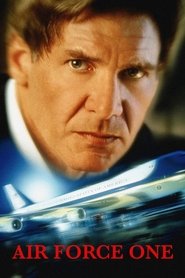
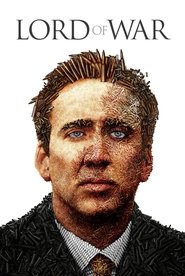
Depicting presidential power and the arms trade
Wolfgang Petersen explains the aircraft, sets, models, effects, and military advice used in Air Force One. Andrew Niccol describes locations and equipment used to depict international arms dealing in Lord of War. Compare how these production choices support each film's account of political power.
Open the guide →
-
Craft guide / 2 tracks
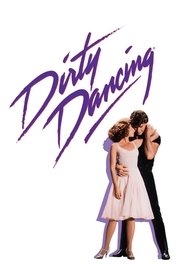
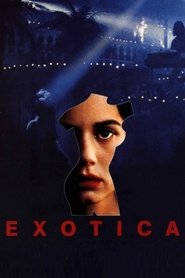
Telling stories through dance and music
Eleanor Bergstein explains how songs, repeated dance steps, and camera choices develop the characters in Dirty Dancing. Atom Egoyan and Mychael Danna describe planning image, score, source music, and silence together for Exotica. Compare how movement and music communicate relationships before dialogue or plot makes them explicit.
Open the guide →
-
Craft guide / 2 tracks
Using locations to create suspense
Juan Carlos Fresnadillo and Enrique López Lavigne describe camera movement and London locations in 28 Weeks Later. Fede Álvarez, Rodo Sayagues, and Stephen Lang explain establishing the house's layout before restricting visibility in Don't Breathe. Compare suspense created across a city with suspense inside one building.
Open the guide →


Recent additions
Recent commentary additions
-
Multi
Star Wars: Clone Wars, Volume Two (2005)
Genndy Tartakovsky / Bryan Andrews / Paul Rudish / Darrick Bachman
1h 3m / 142 segments / 14 topics
Open
Track
-
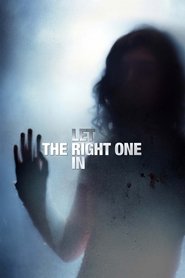
Director
Let the Right One In (2008)
Tomas Alfredson / John Ajvide Lindqvist
1h 53m / 238 segments / 27 topics
Open
Track
-
Scholar
Cheeky (2000)
Eugenio Ercolani / Nathaniel Thompson
1h 30m / 197 segments / 17 topics
Open
Track
-
Director
Les Misérables (2012)
Tom Hooper
2h 32m / 454 segments / 35 topics
Open
Track
-
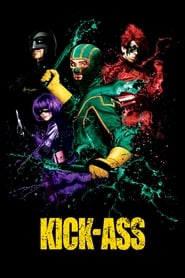
Director
Kick-Ass (2010)
Matthew Vaughn
1h 50m / 362 segments / 33 topics
Open
Track
-
Director
Lord of War (2005)
Andrew Niccol
1h 59m / 372 segments / 40 topics
Open
Track



About the archive
SecondTrack provides transcripts and metadata for research and criticism. Every track is transcribed from a disc owned by the project. Commentary audio is neither hosted nor linked. How the archive works