Topics / Production
Location & scouting
126 commentaries in the archive discuss this, with 795 total mentions and 317 sampled passages below.
By decade
-
1950s
4
-
1960s
3
-
1970s
13
-
1980s
28
-
1990s
21
-
2000s
35
-
2010s
15
-
2020s
7
Across the archive
ranked by mentions · click any passage for the moment in the transcript
-
director · 2h 27m 29 mentions
-
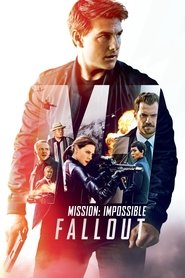
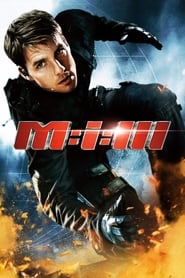
as another director to honor the franchise, but also evaluating and looking at your lens choices, looking at how the locations that you chose throughout the picture, I thought were absolutely perfect. But when you talk about length and design of even the rooms, look at the width of these rooms, the length of them, and the lenses that you chose to shoot this.
2:57 · jump to transcript →
-
Which we dreamed of being five minutes, but we just kept putting other ideas in. Yes, exactly. We kept going and going. Yes. Well, believe me, we want to be as abrupt as we can. How long before the credits go? Originally, it was 20 minutes before the credits. And so we were looking for other moves. The Departed was slightly longer than ours, and we felt justified. Oh, that's good. Yes. Die Hard. Die Hard. Yeah, it's fine. They all did it. And this location, this scene, to your credit, this scene, we shot it.
4:44 · jump to transcript →
-
We went to this location multiple times because of technical issues. And we were able to cut this scene together. You remember? Yes. Because of the ankle break we'll get to. And you were able to watch the scene and you said, I'm not feeling the team. This banter wasn't at the beginning of the scene. We played it all for suspense and all for speed. We were just trying to get into the story as quickly as we could. And we violated our rule. Which was, you cannot assume that the viewer has seen another Mission Impossible.
5:12 · jump to transcript →
-
-
director · 1h 59m 25 mentions
-
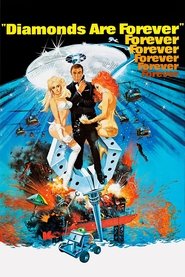
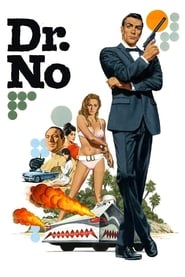
The whole process, from start to finish, operates under an airtight security system, is used twice, first when we see the workers drilling in the mine, and again when the first patient leaves the dentist's office. Though they take place in South Africa, these scenes of the dentist's office and the following scene in the desert were among the first filmed on location in Nevada. Finding the proper villains to oppose Bond is always a challenge,
10:15 · jump to transcript →
-
be a great danger to Bond. It was an effort to get interesting villains because Bond is as good as his villains. Would you mind having a look, Doctor? Co-screenwriter Tom Mankiewicz recalls being on location with Potter Smith.
11:36 · jump to transcript →
-
Coincidentally, Guy Hamilton also worked on the third man as an assistant director. For the climactic chase through the sewers, Hamilton doubled Orson Welles. When the actor's shadow appears on the walls, it is really Guy Hamilton. Now Tom Mankiewicz recalls this scene which was shot on location in Dover. This fellow here, Mr. Franks, is a stuntman, a British stuntman with whom Sean's going to have a terrific fight. And since we didn't have a scene in M's office,
14:42 · jump to transcript →
-
-
director · 1h 56m 24 mentions
-
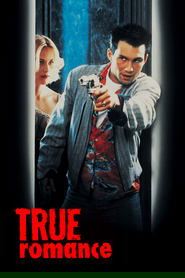
The weather was warm, actually. The day we arrived, we did our location scout. The weather was unusually mild for January. And anyhow, we did our location scout, selected locations, and the night before we started shooting, it started to snow. And as we went into dark, it started to snow heavy. I thought, oh, this is going to screw us up. But I woke up the next morning in the dark and looked out and could see the...
4:23 · jump to transcript →
-
in Santa Monica, and you don't see that much of it, but the little bits that you do, it serves the scene well. You know, in the end, you know, 90% of the scene is about, you know, a two-shot and two singles, yeah? So what you're doing, you're really looking for a situation in which you can light your actors and service their performance rather than, you know, them servicing the look of a location or a set. In the end, this particular scene...
9:07 · jump to transcript →
-
outside Christian's apartment, and let's play the scene on the catwalk underneath the billboard, and I think it just again gave it just a fresh twist. This scene was a particularly tough scene because it was night shooting in, I think, in February in L.A., and it's not as cold as Detroit, but it's still pretty cold, and night shoots are miserable anyhow, and it was a tough emotional scene for Patricia to get into. You know, she... I wanted her to peek here. This is one of her...
14:54 · jump to transcript →
-
-
-
Francis Lawrence
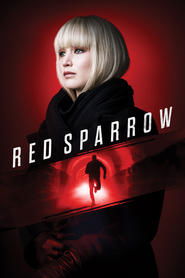
Red Sparrow was a novel by Jason Matthews, and it was sent to me by Fox as I was finishing working on the Hunger Games movies. I think we were actually in post-production on the final Mockingjay, and had actually started to promote the final Mockingjay film when the book landed on my desk. I took a look at it and immediately fell in love with it. I've always loved spy movies. And this spy story I thought was quite unique. It's by far I think the most genre-specific story that I've ever done. But I just found the character of Dominika, as you can see here, played by Jen Lawrence, to be quite a unique and unlikely hero, and a really unique way in to a spy Story. It becomes a much more personal spy story with her in the lead. I actually, even while reading the book, Started to think of Jen immediately for the part. You know, she and I had done three Hunger Games films together over the course of five years. I thought she was a fantastic actress, and we had a great time working together. So I thought it would be fun to find something new to do together. And specifically, because we had done this... We'd been working together with the same character over the course of five years it would be really fun to do something totally different, use different muscles. And I thought she could also look Russian, but thought it would be fun for her to look different and speak differently and move differently, and push herself into new territory. So when I had read the book, and I was gonna go pitch the studio, I actually called her first, and said, "Hey, hypothetically, would you be into doing a Story like this?" And she said yes, and, you know, I just pitched it very briefly. And then made my pitch to Fox about my approach in the story, which was to make Dominika the kind of heart and soul of the story, and to follow her story, and I had a couple of tweaks that I wanted to do to the last act of the book. And also spoke a lot about the tone, and the kind of hard-R quality that the movie... I thought the movie was gonna need. And everybody agreed. We got cracking, and I went to work with Justin Haythe, who is a writer that I've known for a long time, and we had developed something together before that had never been made. But we had a great time working together. And he also saw eye to eye with me in terms of the tone and the point of view of the story. And so we got working and it came together really quickly. So that by the time we had finished and released the final Mockingjay film in the Hunger Games series, we were pretty ready to go, and we were almost ready to start prepping this. We ended up bringing a bunch of people from the Hunger Games film with us. Jo Willems, the cinematographer that did my three films came with us, and our camera operator, who's worked with me since I Am Legend, and has also done numerous other films with Jen, 'cause he does the David O. Russell movies, came with us, and Trish Summerville, who did costumes. The new big addition for me, in terms of crew here, is Maria Djurkovic, the production designer. She had done Tinker Tailor and many other great films, and I just really enjoyed her work. And we really bonded over the references that we had found, and the kind of color palette that we both thought that the movie should follow. And she joined us, and we shot the film in Budapest. And primarily all practical locations. Some little set builds within locations, but primarily all practical locations.
0:22 · jump to transcript →
-
Francis Lawrence
One of the fun things for me about this whole sequence is the intercut. I just thought that it could be a great introduction to the two characters and to the two worlds. And one of the things that I played with throughout the sequence is screen direction. So if you notice even from the very beginning, I typically have Jennifer facing left to right, and Joel facing right to left, as you can see here. It was a trick that I learned. I remember watching old Hitchcock movies, and watching Strangers on a Train, and there's... In the opening sequence, you see the two men who are moving toward one another, and eventually gonna meet. And it's something that I've employed a lot, I think, that screen direction is actually a huge benefit in storytelling. But especially in a sequence like this where you feel like these two characters are gonna end up on a collision course with one another, that narratively, you know that at some point, that they're gonna come together. American! Most of this ballet sequence here was shot in the Budapest opera house. And we had support of the Budapest opera, and the Budapest ballet company. And most of the other dancers there are all dancers with the Budapest company, and from a variety of places. There's some Americans, actually, and some Hungarians. Great group of people. And there was our nice leg break, one of the first specific, kind of, tonal hits in the movie. It was something I wanted to do with the movie, was to not hold back too much in terms of some of the shock, and audacity of some of the moments that take place within the story. And so to see the real damage done to her leg there... I just remember seeing, you know, there's been sports injuries over the years. And not too long before we shot this, there was a French athlete in some, I want to say some Olympic games or something, who had done some vaulting, and just kind of landed slightly wrong and bent his leg at this really horrible angle. And it was really difficult to look at, but we basically modeled the bend in her leg based on the images of this French Olympian. Word is they were vice cops, looking for Chechen dealers... or some family guy getting a blow job in the bushes. They weren't there for Marble. They just got lucky. Chances are they would have questioned you, and let you go. You can see here, one of our really cool locations. Maria, my production designer, was just really fantastic at looking for locations and scouting. And I think she had gone out to Budapest a few months before me. And we had also hired Klaus, who was our location manager for the Berlin portion of the Hunger Games films, and we liked him a lot. And he was nearby, and so he came down to Budapest and they worked together, and they found these fantastic places. These old abandoned hospitals, where the surgery Is, and where she's about to wake up, was this old, abandoned maternity hospital. And this fantastic space is part of a library in the seventh district of Budapest. Undercover narcotics agents saw what they thought... was a drug deal in process. You can see outside of Jen, too, that we really put together a fantastic cast for this movie. Jeremy Irons, who's an icon and a fantastic guy, and I think one of the best actors to have ever existed, was my first choice to play Korchnoi. And luckily he said yes. And Matthias, we brought in. I'd been a fan of his since seeing him in Bullhead and Rust and Bone and things like that. And he's so versatile. But he became a choice when we actually decided to skew the age of Dominika's uncle down a little bit. I wanted to add a little bit of creepiness to their relationship. And so the idea that, you know, maybe her father had a much younger brother, so that, as she was growing up, there was this, you know, charming, handsome, much younger uncle, you know, somebody that she might have even been attracted to, and he might have been attracted to her, was something that I wanted to play with in the course of this. And I thought he was just perfect for it. He's such a fantastic actor.
6:35 · jump to transcript →
-
Francis Lawrence
This moment here was also another piece that we kind of debated, this phone call. This is something that's quite easily lifted, and she could just go home after having seen the blood on her hands. But this idea that she could do something so violent in the steam room, but then have this moment of conscience and call the action in was very important. And then we have this moment here of finding her mother, which was the moment where she knows that the ballet company that's been supporting her has kind of pulled the plug on any money and any help for her mother, and she is gonna have to go and find help from her uncle. I'm going to take care of us. So one of the fun things about this job and in terms of the world-building, was finding all the various kinds of architecture that exist in this world. And this place here was actually in Bratislava. So we went on a search. We shot primarily in Budapest, but we also shot in Bratislava, which is in Slovakia, and Vienna, and London. And we went on a big search for buildings and sites that could feel like Moscow or places near Moscow. And Maria, the production designer, had found these great Brutalist buildings in Bratislava, including this one, which we decided would be perfect for Matthias's character's office building. Just a big monolithic, very Stark, stark building. The problem here was actually... We shot this scene very, very quickly, even though there's a lot of dialogue, because it gets front-lit quite quickly after about 7:00, 7:30 in the morning. This is near the end of our schedule on the movie. And so we Set this up at sunrise and dawn, with multiple cameras, and shot the whole scene within about 45 minutes, I think, 'cause otherwise, if the sun came up, it was gonna be really unflattering, and it wasn't gonna feel as bitingly cold as we wanted it to. Do this for your mother, Dominika. He has dinner at the Hotel Andarja every Friday at 9:00. A car will arrive at your apartment to bring you to the hotel. Now, you carry nothing with you. We will arrange a room and something for you to wear. This is back in Budapest, shooting in a hotel in downtown Budapest. We were originally modeling the idea of this hotel in Moscow, with the Metropole. Which is a classic, really upscale hotel that's been around fora really long time in Moscow. And then we, kind of, ended up going in our own direction. We searched, you know, in London for hotels, searched all over Budapest for hotels, and we pieced together various things, and we used the exterior of a hotel in Budapest, and we ended up using a room... This room is part of an abandoned building in Budapest. And Maria built that bathroom attached to the room in that abandoned building, and just did a great job. She brought in these great Italian scenics to create all that fake marble. It's actually just wood that's been painted, but just looks unbelievable.
16:11 · jump to transcript →
-
-
director · 3h 43m 19 mentions
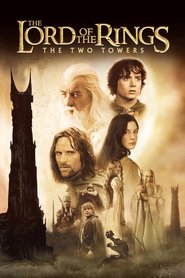
The Lord of the Rings The Two Towers (2002)
Peter Jackson Fran Walsh Philippa Boyens
-
Peter Jackson Fran Walsh Philippa Boyens
It's sort of the one place we could find with all these jagged rocks and mountain peaks. Because the Emmen Muell scene is something that I love in the book as well, the idea of just walking around this misshrouded mountainous countryside and getting lost, going around in circles. Let's face it, Mr Frodo, we're lost. And the wider shots were shot about two years earlier, weren't they? Well, the wide shots were done in the original shoot, yeah, the wide location shots and the close-ups that we're looking at now
6:16 · jump to transcript →
-
Peter Jackson Fran Walsh Philippa Boyens
were again part of the pickups that we did. And this sort of shows you what pickups can be like, where you're inserting a couple of new lines of dialogue into a scene you've already shot before. We just did these in the studio. That's a studio shot. That's a studio shot. And now we're back on location again, just... Two years earlier. Yeah, two years ago. Just coming up about...
6:46 · jump to transcript →
-
Peter Jackson Fran Walsh Philippa Boyens
Now we're back on location shot. Two years apart. What food have we got left? Well, let me see. Oh, yes, lovely. Lambus bread. The lambus bread is a funny little thing, too, because the lambus bread was introduced in the Fellowship extended cut, but it was in a theatrical version of The Two Towers, so unless you knew something of Tolkien or had watched the DVD, you wouldn't have a clue what this stuff was, but, you know, too bad.
7:18 · jump to transcript →
-
-
director · 3h 29m 17 mentions
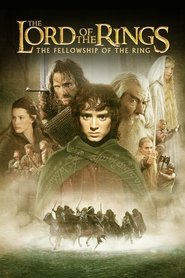
The Lord of the Rings The Fellowship of the Ring (2001)
Peter Jackson Fran Walsh Philippa Boyens
-
Peter Jackson Fran Walsh Philippa Boyens
a character we don't really know, we have to talk about the fact that he's leaving and there's something strange going on. And just the concept of setting all that stuff up was a little bit tricky. We didn't want to be too dark and too ominous too early because there's so much of that in the film. We wanted to show Frodo, especially this, part of what we're trying to do here is show this young boy who has a very carefree life. We worked quite hard to do that. Hobbiton is a location in Matamata
13:54 · jump to transcript →
-
Peter Jackson Fran Walsh Philippa Boyens
All of our Hobbit extras were gathered from the local farming community at Matamata. We just looked for the best Hobbit faces we could. Because we knew kind of what Hobbits should look like. They had to be slightly short and squat and have large eyes and round faces. A couple of those extras got married, did you know that? They met on set and got married. This shot shows the size of the location. It was literally a huge area of land, probably at least a mile wide.
14:53 · jump to transcript →
-
Peter Jackson Fran Walsh Philippa Boyens
This is day one. He'd just come off X-Men, flown to New Zealand January 2000, and this was the very first scene that we shot. He really hadn't quite figured out Gandalf, but he was doing a pretty good job for his first day. The Ian Holm shots were actually done inside a studio from the location of Matamata, that's Ian McKellen, and then when you cut to Ian Holm, we're inside a studio. Andrew Lesney, our cinematographer, did a brilliant job of matching the indoors and outdoors. Now, some of the scale things
15:50 · jump to transcript →
-
-
director · 2h 5m 17 mentions
-
And this, actually, this sequence is a great example of sort of my favorite thing about movies, which is just the magic of various locations. You know, this van stuff was shot, you know, at the Paramount lot. The exterior of, you know, the factory, for the most part, was shot in Fontana. This was an insert unit. This was in the back of the Paramount lot. You know, these shots here. That was at, that shot you just saw was in downtown L.A. Here we are back at, you know, the insert unit. Here we are back in Fontana.
13:45 · jump to transcript →
-
The use of multiple locations, you know, and often weeks and months apart, just I love the way it combines to sort of make one... Separate locations, yeah, and then... It's incredible. It takes a tremendous amount of...
14:14 · jump to transcript →
-
I did that. It was one of my three visual effects shots. You did three visual effects shots of this movie. I had those. I got an amazing tutorial from the people at ILM. They were so wonderful. So here's... So these are different locations. That's a second unit shot in Fontana. That was stuff downtown. This is... All this stuff here is downtown LA. This we shot... Yeah, this was downtown. Boom.
16:24 · jump to transcript →
-
-
director · 1h 36m 17 mentions
-
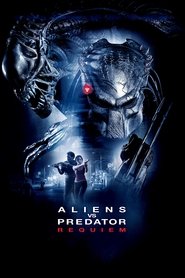
it's understandable why there's not somehow 800 Predators there to fight her. Yeah, we actually had an even longer version of this with Predators loading facehugger tanks onto the scout ship in a loading bay, a big hangar bay and everything.
1:57 · jump to transcript →
-
So you get the interesting look to the optical distortion when he's cloaked. These here were a couple of these are green screenshots actually shot on a stage, and then we put in the matte paintings of the lake location. Right, and by the way, both the aliens and the predators went back to the original house that had done AVP1. Yep, and Alien 3 and Alien Resurrection. Yeah, Amalgamated Dynamics. And those guys were just kick-ass as well. I mean, Tom and Alec are like...
20:18 · jump to transcript →
-
A bit of trivia there, though, that he's actually hanging in the back of that shot. Here's one of the more tender scenes in the film. Yeah, I think it's the only tender scene in the whole movie. More like a tenderizer scene, getting ready for the slaughter. Exactly. Again, this was a practical location.
24:56 · jump to transcript →
-
-
-
Marco Brambilla Daniel Waters
Yeah, and the stunt here is interesting because the stunt coordinator, whose name is Charles Petroni, and this was the first time anyone had used this kind of technology, this repeller technology to come out of a helicopter. And Ken Bates actually won an Academy Award for using this. And the building we scouted in downtown LA was an old school, I believe. And it was the first time
1:48 · jump to transcript →
-
Marco Brambilla Daniel Waters
uh the film kind of chronologically and then we moved into stats so this was all on location and uh yeah i was there on on top of a building nearby watching waiting for the explosion wesley snipes was there his posse was there it was it was a long wait but it was worth it i can still remember have a sense memory of the heat the heat against my face it was a real explosion yeah i was too close i think i had 13
2:44 · jump to transcript →
-
Marco Brambilla Daniel Waters
a film actor at the time. And here, this is Rob Schneider, who I cast from Saturday Night Live. And this is one of the few actual practical locations in the film. So we found a kind of office campus in San Diego where we shot the police headquarters and built in a lot of the technology. I love the use of character actors delivering very silly dialogue, but they make it seem real.
14:37 · jump to transcript →
-
-
director · 2h 43m 16 mentions
-
assemblage of people. This was a very challenging scene to shoot. It was our first day on stage after coming back from working on location. And it's a very challenging set to shoot in. And all the compositions are more or less the same. I love how you're introducing the geography with a big close-up of Carrie in the foreground. I love the way the camera inches around. Well, and that was the beginning of the visual language of our film. We didn't come to this movie with a specific sense of this is how we want to shoot it.
16:18 · jump to transcript →
-
And that was a challenge because this scene was broken up over so many locations because of... Love the reveal of the handcuffs there. It's beautiful directing. Thank you. Yeah. And then it's so satisfying here in the audience when she takes the paperclip because everyone's like, oh, she's got the paperclip. And I love the fact that it doesn't pay off for another 20 minutes. And that was really interesting. That was... Tom was really, really particular about...
50:03 · jump to transcript →
-
or of Rome rather, the streets of Rome, the cobblestones, everything's uneven. It creates a really particular energy to the camera. And what you're seeing is Rome is really, is really participating in the camera work here. You wouldn't get the same, quite the same energy. This was all shot in a backlog for the simple reason that if we tried to shoot it in Rome, it would have taken us a day just to install everything. And we only had two days on this location, on Imperiali.
57:45 · jump to transcript →
-
-
director · 4h 13m 15 mentions
The Lord of the Rings The Return of the King (2003)
Peter Jackson Fran Walsh Philippa Boyens
-
Peter Jackson Fran Walsh Philippa Boyens
We were lucky here because this landscape on the slopes of Ruapehu actually had a fire, a forest fire. About six months before we were due to shoot there, it had all been burnt through with a blaze. And so we had this great landscape that was sort of ashy and volcanic looking, but it was actually the result of a fire had swept through and killed all the undergrowth. It's a great location for a World War I film, burnt trees and scorched land and yeah.
8:53 · jump to transcript →
-
Peter Jackson Fran Walsh Philippa Boyens
A nice little sequence with Mary, who's Dom's on his knees, and that's Kieran, our scale double, kneeling down there. This was filmed, obviously, on our Everest location down in the South Island that we built and part of the original photography. It was a nod to the lovely relationship Ferdinand has with Mary in the book that we could never really develop properly because we didn't have time.
1:09:03 · jump to transcript →
-
Peter Jackson Fran Walsh Philippa Boyens
This was another little pickup we did. Orlando and John Rhys-Davies were in New Zealand at different times and so we shot the Orlando piece with Brett, John's double on the back of the horse and then we shot the close-ups of John and we just shot them in front of a blue screen and we found an old shot from the South Island location that we'd done about three years earlier that served as a background plate for the shot with Orlando. It was actually filmed in the Wellington parking lot.
1:09:27 · jump to transcript →
-
-
director · 1h 42m 15 mentions
Len Wiseman, Brad Tatapolous, Brad Martin, Nicolas De Toth
-
It had to be built, and we stroked the set just a day before the station opened, and people were starting to ski again. So it's hard to believe it's a ski station, but that's what it is. But when we went there for prep, which was on a Friday, just to go look at the whole set and everything, there was no snow. And we were shooting on Monday, and we had to have snow there. Well, the thing is, we didn't seem to be able to get enough cash to get fake snow. No, we didn't. It's funny, because we didn't have the money to bring in fake snow. But then the thing is, once you're actually shooting in snow,
2:02 · jump to transcript →
-
It's also, I think, the only set that's remotely similar to the first movie. Everything else is quite different, although you kept the same tone at the end, and you made sure that those things fit together well, that the style was a little bit different, but this one was very much an attempt to recreate the first one. Because it was a safe house, and we go to safe houses in the other one. This was a location we shot at. It was underneath. It was some basement of a power plant, I think it was. But we had to bring the werewolf, though. He wasn't there when we got there.
10:50 · jump to transcript →
-
No, that was unfortunate. That was actually a mutant safe house that you guys used for this, right? That's right. Not a werewolf. And that's where the genius of Patrick came in, is turning a mutant. And didn't you guys, you had to bring everything down. It had a really narrow staircase. It was very narrow, very narrow. So, yes, it's a location, but it was dressed quite a bit, and there was some big piece of dressing elements. Then we had to close the entrance. Still, you know, it was great to find a place that sort of gave you what you wanted as a star, rather than having to build that, as you say.
11:20 · jump to transcript →
-
-
director · 1h 49m 14 mentions
-
I think you would never believe that when this man was on location, away from the set, was a consummate piano player, raconteur, and a person that just took over the room. He was fantastic. Obviously, this side of him never came out in his screen roles. Throwing the gyroscopic controls of a guided missile off balance with a...
11:21 · jump to transcript →
-
Of course, it meant I couldn't go on location, because obviously I had to be there for eight shows a week. And that's how it came about, in a nutshell. Until the characters arrive in Dr. No's lair, much of what appears on screen was shot on location in Jamaica. Margaret LeWars recalls what Jamaica was like in the early 1960s. Jamaica in 1962 had just gained its independence.
16:05 · jump to transcript →
-
Location manager Chris Blackwell also remembers. Well, it was very uncluttered at that time. It didn't have any high-rise buildings. Ocho Rios was a fishing village. It was a tiny town. Port Maria at that time was a much, much more important town, and so was Aracabesa, a much more important town than Ocho Rios is today. There were quite a lot of very wealthy people, mainly from England, who had...
17:01 · jump to transcript →
-
-
multi · 1h 39m 14 mentions
The Grand Budapest Hotel (2014)
Wes Anderson, Roman Coppola, Jeff Goldblum, Kent Jones
-
Wes Anderson
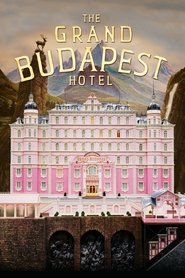
I can provide one little bit of information here. We searched for a spa with a swimming pool, this kind of thermal spa. And there was one-- There were old ones in different regions, and we looked at one in Budapest, and we looked at one-- We looked at several in the Czech Republic. But it was almost like: "Oh, do we really wanna have to set aside the travel to this place, to do this, to do the scene? How are we gonna do it?" And then one day, while we were working on the preproduction of the movie, I just happened to see these two high, brick smokestacks about 300 meters from our main location. And I was-- "What is that?" And we went over on golf carts-- We had many golf carts that we used to travel around Görlitz. --and we found an abandoned thermal spa... with swimming pools and even a-- We actually ordered a blue bathtub from-- We borrowed one from Budapest, where we had seen these tubs, but we found an identical one upstairs in Görlitz. So one of them is one we'd gotten and one is from there. It just-- We had it-- - [Jones] An abandoned thermal spa. How much work did you have to do to bring it back to some kind of--?
6:58 · jump to transcript →
-
Jeff Goldblum
Yeah. Yeah, and especially on your set. You know, it's fun to be, you know, around you and the shooting and see everything that's going on. But, you know, I remember that it was different. We were all-- We were spread out, and we had big trailers. There were a bunch of big trailers when we were shooting, in contrast to Grand Budapest, where we were at that hotel, and it seems in my memory that everything was within walking distance, that we were shooting from the hotel, and we would hang out at the hotel a bit, but then when we, you know, were ready, we'd mostly hang out, you know, in this department store.
15:17 · jump to transcript →
-
Wes Anderson
There's Léa Seydoux, and this place, Schloss-- Well, we call it Schloss Lutz. This we shot-- I believe it was called Schloss Waldheim. This was not in Görlitz. This was another location where we filmed this.
23:54 · jump to transcript →
-
-
director · 2h 10m 14 mentions
-
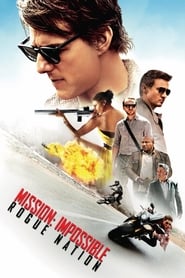
We scouted. We had a few days to figure this out. Yes, well, we knew we had this airplane sequence, and we knew we had this runway, and we saw pictures of the runway and thought, there's nothing there. How do we shoot a sequence? And Tom and I looked at each other and thought, well, this is what you have to work with. Let's make it work, and now let's make this about the space and about the vastness and the void.
1:26 · jump to transcript →
-
But they weren't balanced right, so we brought our own call boxes. And there's not many of them left. No, there's definitely not. I love that about London, these phone boxes. It really is part of a mission movie is celebrating the culture and architecture of each country we're in. And London is so beautiful, especially tonight. Beautiful. This is a scene in which we shot it twice, you remember? We shot it once on location and then went back and saved the booth, shot it again on the stage.
18:24 · jump to transcript →
-
It was just to get him off the train and to the opera house. And then you and I were, we scouted the location. You were like, it would be so much cooler if somebody just like walked up to Benji and I don't know, gave him an envelope. And you know, there was like an earpiece in it. And I was talking to him, you didn't see me. And I was like.
26:05 · jump to transcript →
-
-
-
Commentary With Author CG Paul M. Sammon
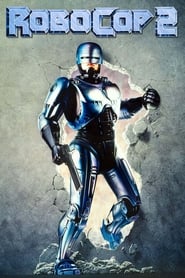
Those are the contribution of one of the special effects guys on this film named Peter Curran. And basically those are hand-drawn acetate plates with India ink that were composited over the footage and then degraded. People always wonder, why is Robocop purple? I asked the same question when I first came down on location. I was in location on this film for at least nine months down in Houston with a wonderful crew.
7:45 · jump to transcript →
-
Commentary With Author CG Paul M. Sammon
and a fake arm. And here we go into the new facility. This was an actual location. A lot of places in Houston we used real places. There was a studio, Houston Studios, where we built sets. But this was a, if I recall, it was an abandoned chemical plant. And here, of course, you see all of the Asians working there. And this is sort of a...
9:38 · jump to transcript →
-
Commentary With Author CG Paul M. Sammon
And the robo team were a group of people who were on location the entire time who would suit up Peter Weller. Peter would lean in a leotard up against a slant board, and they would just pull on his pants, his robo pants, put on the center part, put on his shoulders, the back, the head, and you were done. This is my least favorite of the commercials. It is a little techno retro. Look at all these old phones.
19:58 · jump to transcript →
-
-
director · 1h 45m 12 mentions
-
And this is the scene we had shot the day before. That was a very tough scene because we shot the scene actually in the medical ward of a wayside prison. And when you go in and you go out and you're surrounded by this prison environment and the prisoners are really everywhere, especially when I scouted the location. It was very creepy. And I think that whole notion of this... And it's a transitionary prison, so there's no clicks, there's no energy. This is all...
11:58 · jump to transcript →
-
Actually, that's why the Korean Friendship Bell here and also a lot of the other odd locations were meant to be very real locations, but also a little fantastical, sort of like a fantastical romp through L.A. People ask me, like, what do you compare the movie to, like other movies, and I would say The Wizard of Oz. That's my favorite because New York is like Kansas, and L.A. is sort of like the land of Oz, very colorful, even in this...
45:48 · jump to transcript →
-
And then Stephen Baldwin picks up, what, a Browning high-five? A Browning high-power. And this whole scene, we shot this entire thing one night, which was a very bad night. I remember we shot this until it was a 19-hour day. Our location manager quit. It was a very rough night.
47:14 · jump to transcript →
-
-
director · 2h 3m 12 mentions
-
Part of the reason we didn't shoot this stuff in Egypt at the real locations is because this is in the 30s when this was supposed to take place. Everything looked different than it does now. Not everything, but now there are skyscrapers and Abu Simbel has been moved completely. They had to brick by brick take it apart and move it across the river. So we wanted it to look authentic. That and the fact that we were banned from Egypt for...
8:55 · jump to transcript →
-
That may have been another thing that came into play. I did get to go location scouting there several times, and some of the digital work is right out of Egypt, but we didn't get to spend a lot of time shooting there. This sequence used to go on a little bit longer. The trap that Freddy's character built, one of the three goons gets his hand caught in the trap, and it actually got a good laugh, but we wanted to keep the
9:23 · jump to transcript →
-
These exteriors were shot in a different location, which is typical of many things you do in movies. The interiors and exteriors are often not the same place. Funny thing is, this exterior, the interior of this old house... ...is the British Museum in both movies. And the exterior now is the O'Connell household. Now, by the way, it seems that...
23:20 · jump to transcript →
-
-
director · 2h 8m 12 mentions
Commentary With Kathryn Bigelow And Jeff Cronenweth
-
Commentary With Kathryn Bigelow And Jeff Cronenweth
This is Catherine Bigelow. I'm the director of K-19. Jeff Kronoweth, the cinematographer on K-19. Jeff and I went to Russia about four months before we started shooting in the fall of 2000.
0:35 · jump to transcript →
-
Commentary With Kathryn Bigelow And Jeff Cronenweth
and it was, even then, extremely cold. Yeah, actually, when I finally joined up with you guys, it was in January, the dead of winter, and one of the interesting things is that we actually had thoughts of shooting in Murmansk, where the Mothballed K-19 is
1:04 · jump to transcript →
-
Commentary With Kathryn Bigelow And Jeff Cronenweth
Initially, when we started looking at locations in Moscow, I had a lot of reservation about what we'd find there and what the equipment would be like and what situations we'd find ourselves shooting in. And one of the first places we scouted, and it was actually the first shot of the film, the first shot that we shot of the film, was in the real Moscow, an operating subway.
2:30 · jump to transcript →
-
-
director · 2h 52m 11 mentions
-
I want you to rest well, and a month from now, this Hollywood big shot's going to give you what you want. Too late. They start shooting in a week. You'll notice in this scene where he takes Johnny out the door that as they open the door, a lady who was an extra who was supposed to be walking by suddenly was shocked by the fact that now the scene was showing her, and she stands in the doorway and then backs up to get out of the way. I always see that when I see the film because I know she was...
24:13 · jump to transcript →
-
If you look very carefully here, you'll see that it's neither Bobby Duvall nor Jack Waltz, but two of my friends dressed up and walking around in this. We barely had a crew. We were a camera, and we went to some L.A. location, put a wig on one of my friends and a hat on the other. Now here in this scene, in the stable, this was shot in New York, so really the movie
29:31 · jump to transcript →
-
The Tattaglia family is behind him here in New York. Now, they have to be in it for something. How about his prison record? Two terms, one in Italy, one here. The scene of the meeting at the olive oil factory was shot on a real location in Little Italy, really right what is now Chinatown. And if you look up on that street, you can still see the painting. It says Genco Olive Oil.
34:40 · jump to transcript →
-
-
-
Roger Moore
I've been back to this location many, many times. So as I think back to... ... this sequence.... To drive across the Piazza San Marco, which was full of tourists... They weren't paid extras... ...and I said, "I have no way of letting them know I'm coming. You've got to put a horn in this car." I think it was a Ford car... ...underneath this construction. Well, a Ford engine. I said, "I must have a horn to let people move out of the way to turn. They've gotta hear some noise of the approach."
41:25 · jump to transcript →
-
Roger Moore
This was shot for real, on location... ...in a room of the Danieli Excelsior. Beautiful hotel. It was the first hotel I ever stayed when I went to Venice.
49:57 · jump to transcript →
-
Roger Moore
Bernie was a very multitalented actor. You know, musically as well. He was great fun to be with. He did like to drink. It made him laugh a lot and made him slur a little. But he was a wonderful, wonderful character to work with. And it seemed that it was always Geoffrey Keen's job... ...on location to keep an eye on him.
53:10 · jump to transcript →
-
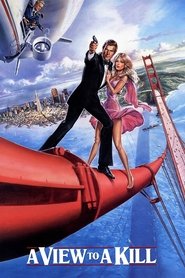
-
director · 2h 10m 11 mentions
-
But he was along the same lines as John. Kill the actors. We were shooting in a blizzard on top of the Corvash in Samoritz. The helicopter had to come down and my son Jeffrey was in the film. And a girl, I forget her name, we had to get in the helicopter. And he is teetering on the edge of this precipice.
2:46 · jump to transcript →
-
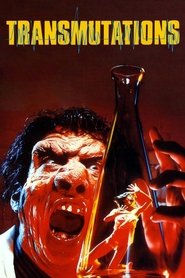
That was very pleasant. I like shooting in France, in the studios, because the French don't start till midday. And they don't have tea breaks. They just shoot from 12 till 7.30. And then you can go out to dinner. And you don't have to get up at six or five in the morning. And so Louis Gilbert, when we were working in Paris, would say, we'd be called, he'd say, I give Claude, director of photography,
20:26 · jump to transcript →
-
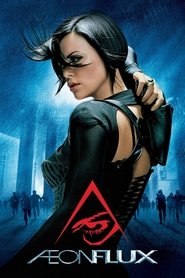
This is the most beautiful location, the Chateau Chantilly, which belongs, I believe, to Yaga Khan. The beautiful girl in riding clothes is Alison Dooty. She married a friend of mine.
25:38 · jump to transcript →
-
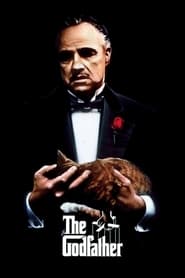
-
-
We want you to sabotage Goodchild's central surveillance facility. This location was at a veterinary university in Berlin and on their National Register of Historic Places, as is this location, which is the Sanssouci Park in Potsdam. Some great locations we got to shoot at. Each mission brings us closer to defeating the Goodchild regime.
4:58 · jump to transcript →
-
And this was the Mexican embassy in Berlin. She disappeared two months ago. Help me, please, miss. She disappeared two months ago. And this is actually a set. Part of it we did film on an actual location in Berlin. And I think it's seamless, the way that it moves from the actual location to the set. Mm-hmm.
5:28 · jump to transcript →
-
It was actually, I think, below freezing. It was so cold. And everyone who was on the rooftop had to, because it was so icy, there was a lot of removal of safety wires. Not that it affected the action, but just to make it a safe location.
7:59 · jump to transcript →
-
-
director · 1h 43m 10 mentions
-
Nothing gets the blood pumping quite like that David Shire music. Welcome to The Taking of Pelham 1, 2, 3 from 1974. My name is Nathaniel Thompson from Mondo Digital. Joining me today is my frequent fellow commentator and much more importantly, extreme New York City locations junkie, Steve Mitchell. Hi, Steve. Nathaniel. Yeah, this is one of those movies where my being from New York and having grown up in New York
0:13 · jump to transcript →
-
But as far as I can tell, I think this plays it pretty realistically location-wise. Would that be correct? Yeah, it's completely correct. Basically, the movie starts on Lexington Avenue at 59th Street when Martin Balsam is going into the station. And the famous department store Bloomingdale's is right across the way. And then as the train progresses downtown, they're dealing with the stations. And the stations themselves, again, are in Brooklyn. But the geography of the picture...
15:36 · jump to transcript →
-
making it impossible to shoot until it had settled. And you don't have to be in the tunnels to know that there is this sort of crazy, greasy sort of dirt dust that lies across the floor. While I love watching this movie and I love every moment, I love every location, I have to believe that it wasn't terribly easy working in those tunnels. And Walter Matthau, who only had one scene in the tunnel said,
36:32 · jump to transcript →
-
-
-
So where are you filming here? Because we're on an actual location. Where was this filmed? Yeah, most of it was an actual location apart from the underworld scenes. We decided it would be best to do it all along the Thames, you know, the river, given that the underworlders live underground and along the sewer system.
5:14 · jump to transcript →
-
So we thought it would make more sense if there was a connection there and the connection was the river. This particular location is Nelson House. It's a very, very old house named after Nelson actually. It used to be a shipbuilder's house in Southwark. And I think the owner back in the 1800s actually jumped out the window and killed himself. Right. So this is our lead character. This is Nicole.
5:38 · jump to transcript →
-
I don't know, probably enough, but it's incredible how he memorized all those lines. And this seems just winding me up because I'd never met him before. It was the first time. It's trying to put you on the back foot just to sort of create a bit of tension. The first time I saw him was when he came out of his limo. Yeah, just there. You can see the cut between the close-up and the long shot there. You can see that the dark and lightness just slightly changed. Yeah, yeah. So we had one day to do this. So you were shooting in January and February of 85, is that right? Yeah, yeah.
15:42 · jump to transcript →
-
-
-
For some reason, shooting in Washington, D.C., for some reason, we had a horseshoe in terms of the actors we picked up. You'll see these three kid actors and who they're supposed to look like. And as I recall, it wasn't even that difficult. And I think each time it was sort of nailed. I will.
1:19 · jump to transcript →
-
Ritchie and I are just in the process of post-production on a movie that was set in Washington as well, and we only got to shoot three weeks there because of the exigencies of this time. And, here, we lived there forever, and we never left Washington. And it meant a lot. Here, we took over the... There was an office building. We took over one floor of the office building and built our newsroom in that floor. We were all practical locations. There was nothing at a studio.
20:53 · jump to transcript →
-
I never looked for a set longer than this practical location for Albert's house, because later on we were going to have a very long scene in his apartment, and I watched at the levels and we couldn't find it. And the thing that you need is people who don't look at you like you're crazy when you keep pressing.
47:29 · jump to transcript →
-
-
director · 2h 41m 9 mentions
-
which Ennio Morricone will incorporate into his score, replicated by human voices, this being the story of human jackals. Mulock's face looks dead, merciless, as he stares us down. For dramatic purposes, this location is supposedly a Texas-Mexico border town called Paso Negro. In fact, it was a small village called La Sartanilla in the municipality of Tabernas in Almería, Spain.
3:00 · jump to transcript →
-
He's a mercenary, he's a killer, and there's real menace in his opening words and actions. This location was in Madrid. It's called Pedritza de Manzanares el Real. Wallach's first close-up tells us a lot. Tuco may be endlessly wily, but he's a character who's never in charge of his own fate. He's like a ball, even a pair of balls, constantly being kicked around by circumstances and the restlessness of our country's history.
18:13 · jump to transcript →
-
Tuco is evolved enough to relish Blondie's clever scheme for taking financial advantage of the price on his head, but having half of anything leaves him feeling cheated. Tuco must have it all, all or nothing, and his loyalty to his own greed takes precedence over everything else, even his personal relationships, and this will ultimately be the cause of his undoing. This location is the Tabernas Desert near Almeria.
23:09 · jump to transcript →
-
-
director · 1h 58m 9 mentions
-
And that was the reason, by the way, that we shot so much of the exterior stuff in Ohio, because first it started with where do we find an air base that could play Rammstein in Germany. And with the support of the Air Force, you know, we got a lot of support from the Air Force, we found Rickenbacker in Ohio. And then we said, okay, then let's try if we can do other locations, you know, for logistical purposes also there. And what we did.
23:17 · jump to transcript →
-
No, sun is going, we have to speed up, all that kind of thing. And it's, you know, it's... After all that exterior shooting in Ohio, it was just great to be on stage. Is this like the Situation Room in Washington? No. If you see the real Situation Room in the White House, it's so boring. It's just a room with a big table and not much more than that. And it's really, it's not good enough. So sometimes we just, you know...
30:50 · jump to transcript →
-
use a building where these rooms are there and you just decorate them. Who finds those buildings for you? That is a location manager called location manager. These people are very important people because they have to go out and look at hundreds of buildings everywhere in town and find you for example at the beginning for the big banquet where Harrison Ford has the speech to find that location and then they come back and they show you photographs and all detailed photographs and then
48:11 · jump to transcript →
-
-
-
Ted Tally
So that sequence, those two minutes of the movie, which could have been a very boring, dull sequence. I had a long conversation with Kristi Zea. It was wonderful. She called me up and said, "This book of Dolarhyde's. "What does it look like? What's in it? "How is the handwriting? What kind of photograph?" We had a long conversation which for a screenwriter... You don't often get a call from the production designer to talk about a prop. It was a wonderful opportunity to be part of the design of the movie in that little section. You've got a beautiful setup here, Will. This was actually in the Florida Keys. You know why I'm here? Was it Marathon? Yeah, I can guess. The location is meant to be Marathon, Florida. Dino wanted us to shoot in North Carolina because he had studios there and a house on the beach or Malibu because it's close to his house in Beverly Hills. But the truth is, I wanted to stay true. When I said I chose the tone, I'd really chosen the tone of the book, going back to the book. Everybody here was honoring the book. We really gave a lot of respect to Thomas' book. Tom Harris is a wonderful writer. When you're doing an adaptation like this, it's a great resource to everybody to be able to pick up the book, as you can go into more details than the screenplay. It's a help to both the production design and the actors, who can go back and find out details of motivation. It's helpful to everybody to have that bible to refer to. So when it said Marathon, Florida, I tried to stay true to that and actually go to the location in Marathon, Florida. It just felt like it was the tone and even the location, like Grandma's house in the same description of the rural area where it was, and the type of house it was. It was an old-age home once, which is really back-story, but Kristi incorporated that into the design. I was so happy that she and Ted really stayed true to the tone of the book visually as well when it described the locations. This was so much fun being down here, by the way. It was the end of the shoot, and we were just down there on the beach. This was probably the hardest scene I shot with these two guys. In what way? Because it's exposition? Anything with exposition... -/s tough. It's tough to make it sound like real conversation. But honestly, there's not a line in this movie that I'm not proud of. I mean I can't say there's a line... It was a tight script. We did cut a few lines and a few parts from scenes but Brett and I actually worked quite a bit on the script before the production started, and we had it pretty tight. And the shooting stayed quite faithful to the script. I have to say that every scene was hard for me because I'm used to scenes with not much dialogue. I, unfortunately, am a very talky screenwriter. So it was a clash of cultures. Coming from being a playwright, I guess. There is a lot of dialogue in this movie, I tell you. And it was not a single-spaced script. It's a long script, and I kept saying, "Make them talk faster. "Don't cut the thing, just make them talk faster." Ted's advice to me was, "Brett, when you're happy, "ask the actors for a take where they talk double speed." And I did that. Probably that's all the takes that Mark ended up using in the editor's room. He kept calling me, saying, "This movie will be four hours long "If you do not get them to speak faster." The thing you run into as a screenwriter, even with the best actors, is that you try to pace a scene to fit within an act structure and fit within the entire screenplay. But then actors wanna take very long, dramatic pauses. Actors want to look down and up, across the room, at each other, and finally say the line. - A lot of pausing. And that's what you're up against when trying to time out the length of the scene or act. I wanna say something about these actors. Once I got Edward Norton, I used Edward to get another actor. Once I got Ralph Fiennes, I used him, I got Emily Watson. - You parlayed them into each other. I said, "Philip Seymour Hoffman, I'm getting Mary-Louise Parker." I knew each one, who they were a fan of. I used them against each other to get them in the movie. I literally thought I'd be able to walk onto the set, and it would be the easiest movie I'd ever made because I had these brilliant actors. I could just say, "Action." I read one article or something about this movie that said this was the most distinguished cast that's been assembled in any movie in the last 20 years. But the truth is, it was probably the hardest movie I'd ever made because the smarter the actor, the more experience they have. It's a myth that these great actors don't need direction. They want direction more than any other actor. They want direction, but they have ideas of their own because in the end, it's up to them. They are the ones whose face is filling that whole screen. And they have to absolutely believe what they are doing, or they can't convince an audience of it. What I'm trying to say is, there was a lot of dialogue going on. A lot of intellectual discussions. And each of these actors are not only smart actors, but they're highly intelligent, all smarter than myself and... A lot of them have also directed or even written as well. They all had an opinion. And my job, I felt like it was my job to save the script. This was a script that worked to me. We had a table reading of it. It was fantastic. And Ted was
11:13 · jump to transcript →
-
Ted Tally
We lost a great line at the end of this. Do you remember it? After this he said, "Are you not afraid of anything?" Oh, yes. And Lecter says, "I fear being bored. "And you're not as frightening as I thought you'd be." Something like that. It's probably true of Lecter. He actually only fears boredom. Because he wants to amuse himself at all times. You sure you're okay? Yeah, I'm okay. This is actually at a real hospital for the criminally insane. This location here. I think it's outside of Baltimore. This is a practical location. This was not a Set. This is a house. - This is actually a house? All the houses were... The hotel rooms were sets. Except for Grandma's house. We built the exterior and the interior.
36:36 · jump to transcript →
-
Ted Tally
And here we had sort of a challenge as we were working over the script and getting ready to make the movie, because we're going here to a second house of murder victims. You don't want it to be repetitive, and you've got to find a way to make it quite different and move more quickly. Mark Helfrich, the editor, had some wonderful ideas for increasing the pace of this, which was a little bit longer. In the script, initially, I believe Graham goes into the house and has a few moments in it. Anything repetitive will never be in the film with Mark's editing. So we eliminated a couple of brief moments of him going into the house because it was too much like the other house he went into. And you try to move ahead to what's really new, dramatically, in the story. I love this shot. Jimmy Muro, my Steadicam and first camera operator, did this as one. A lot of good shots in this movie are in one, which I love, you feel like you're with him. And this was built. It's like the most incredible tree house in the world. It took about a week to build it. -/t looks pretty real. The tree is real, but we built the tree house. A platform, so that we didn't have to have Edward climbing up there. And it was awesome. It was so much fun that it was scary. Now he's looking from the killer's point of view at the murder victims' house and figuring out that the killer must have sat in the same place. But you cut the shot where he imagines the killer's point of view here. Yes. - Why was that? I cut it because I didn't want people to think he was psychic. I was worried that the audience... No. It was scripted that he would see in a sort of flashback what the killer saw, which was the woman walking past the window. I was really worried about it. I mean, it worked. I was worried that some people might be confused about his visions. I only wanted the visions when he was drinking in his hotel room alone. Where people sometimes have visions, you know? This was a great location. There was a real house here that was from 1770, that was the home of two congressmen. This is outside Baltimore, I guess. - Yeah. And here's the house that we built that we transitioned here... To a house built. ... that was inspired by the house from 1770 that they wouldn't let us use because... This entire house was built just for the movie outside of Los Angeles. - On the Disney Ranch. And here we have Kristi Zea in full-blown design glory. This is the voice of Ellen Burstyn, believe it or not, uncredited. That's interesting. You didn't know that? -/ did know that. I had Kristi do the still photographs because she's so great. In every single shot here, you see hundreds of separate decisions made by Kristi Zea and her team. Take off your nightshirt, and wipe yourself... I love this upstairs kind of lair of Dolarhyde. This was a big debate about the voice and... Now! - Please! Yeah. Should we... What are these voices? ls it Grandma's voice that has been transitioned into the Dragon's... Is it the imaginary voice of the Red Dragon? Originally, it was scripted that we heard the Red Dragon's voice in Dolarhyde's head. I got great actors reading the Dragon's voice, but I just could never make it work. I just felt it became hokey. It was a potential for people laughing where you didn't want them to. This is a CGI shot where we erased his teeth. So that you just see gums. - Yes, you just see gums.
39:12 · jump to transcript →
-
-
-
My name is Laurens Straub. I'm sitting here with Werner Herzog, writer, director and producer of the movie "Nosferatu" that you are currently watching. And we now want to talk about that movie. Werner Herzog and I have known each other for about 20 years and have worked together on many different projects. What do we see here? These are actual mummies in the Mexican city of Guanajuato. You have to realize that Guanajuato is located in a gorge. Because of that the cemetery was very narrow and there was no space. So they dug up the bodies every eight years or so, and because of different climatic conditions and the soil, they mummified without human preparation. They leaned them against the walls on both sides in a long underground hall and a hallway. I saw them there many, many years ago in the early 1960s. The story behind this is that I was in the U.S. on a scholarship but I resigned from it a few days in and gave up my legal status in the US because I had to earn some money. Out of desperation I went to Mexico because otherwise they would have returned me to Germany. I went to Central Mexico and Guanajuato and lived there for a while. I did all kinds of crazy things. For example, at rodeos, the so-called charreadas, I rode on wild bulls. Like a complete idiot because I don't even know how to ride a horse, but with the money I could live one week at a time. And there I saw these mummies. Are they similar to the ones at the volcano Vesuvius and formed from lava? No, those are real dried human beings. They barely weigh anything. They were in display cases so we had to take them out and carry them somewhere else. They weigh very little... 10, 12 pounds maybe. Is this something like a culture of death? No, it's completely normal. Isabelle Adjani. She is great at acting scared. That was a real and very large bat we brought in for this. The bat you saw earlier I could not shoot myself. The footage came out of a science documentary because bat's flapping motions are extremely fast, and this was shot with 500 or 800 frames per second. The bats had to be trained with food for that because it took very strong lighting, and normally they would not move under those conditions and not leave their hideout. Here we see Delft. In the Netherlands. That's my city. And I know when Jörg Schmidt-Reitwein teaches students cinematography he first introduces them to Flemish and Dutch painters. Why was Delft chosen as an alternative to Wismar where Murnau shot? Yes, but Wismar was not Murnau's location. I believe that was Lübeck. There is one single shot later in the movie where you see a few buildings that Murnau actually used and that are still standing. I used those as well. We chose Delft because the continuity of the architecture was uninterrupted and we only had to make very few changes in order to shoot there. We took down some antennas and moved a few cars. Other than that it was very easy to shoot there. The concept of "Nosferatu" was definitely to do a variation on Murnau's movie, not a remake in the classical sense. A Biedermeier image like this, for example, is unthinkable in a Murnau film. Moreover, this is in color and the movie's character is completely different. We had to show a very secure bourgeois world. We deliberately planned this, especially the furniture. That was done very thoughtfully by Henning von Gierke who is a painter by trade. With the furniture and the lighting, you can tell that a painter was involved. It reminds me of "Kaspar Hauser" which was done by Henning as well. What era are we in here? That is the Biedermeier era as you can see clearly by the costumes. We researched how to best do the building arrangement and the urban landscapes. Schmidt-Reitwein and I wracked our brains over that. I didn't simply want to recreate paintings. That was never planned. With one exception because we knew we had to work a lot in darkness with nothing but candlelight. Therefore, we studied the painter de La Tour and thought about how to do it if we only had one or a few candles. How do we light that? And Schmidt-Reitwein is exceptionally good at working with light and darkness. This is Roland Topor. - Yes. The famous illustrator, poet, and crazy man. Unfortunately he is already dead, I believe. Yes. - How did you find Roland? I coincidentally saw him in debate on French television. And he laughs in such a mad way. He laughs after every sentence he says. But in such a desperate and strange way that it impressed me deeply. Afterwards I contacted him I told him I was going to shoot a vampire movie and asked if he would play Renfield. Roland Topor immediately agreed. Unfortunately his voice is dubbed in some versions. And it is impossible to fully recreate his laughter. It was his strangest characteristic. What I love about this... I recently saw an exhibition with English surrealistic works from the 19th century. It reminds me of an old office, the cloth, and this blue. It was very carefully lit, and the costumes had to match. Bruno Ganz. And also the faces we chose. Those are not faces that fit into the 20th century. You have to carefully select actors who match. So Bruno Ganz is a great fit for this. The beautiful paper. - Yes. That was so much work, and it was prepared very, very thoughtfully. A beautiful country. Here I see a recurring theme of yours... maps. I already know that from "Aguirre" and other movies. In "Fitzcarraldo" geography is a crucial dramaturgic element. I'm a map fanatic. Oddly, I'm pretty good at determining locations ahead of time, too, because I understand maps. I know which formations you should find in a certain area. I was rarely wrong. It is always about uncharted territory, the Dorado, or doom. Yes, at home I don't have pictures on the wall. A few photographs every now and then, but generally, I can't stand my walls being covered in pictures. If there is anything on my walls of my home it's maps. Oh no. - You will be in danger. This was your first film in English, the first with big stars and a big budget, correct? Well, not really. "Aguirre" is also a big movie with a big star and great effort. But I have to say, we shot "Aguirre" for about 700,000 deutschmark... $360,000. What matters is what you manage to get on screen with the resources you have. To come back to paintings, I like this vase. Yes. Okay. This reminds me of a painting by Seurat. I think the still life-like and emotional atmosphere is phenomenal. But be careful, I always want to show inner landscapes. This was done very quickly, by the way. On that day we happened to have some time and drove to the beach. It was freezing cold, windy. There was foam. We set up the camera in three minutes and sent the two actors, Bruno Ganz and Isabelle Adjani, into the image. We only told them that the music would most likely be slow and solemn. We already had received ideas for the music from Florian Fricke from Popol Vuh. These two, three shots here we did in 15 minutes. We never thought about paintings. It was born out of the situation... - Spontaneously. ...that we found there. Bruno Ganz has tears on his cheek because it was freezing cold. Lotte Eisner came to visit for a few days. We had to wrap her in 20 blankets because it was so cold. I was so proud that she could be there. She was very important for me and maybe for the new German film in general because she bridged the gap to the expressionistic movies back then that she knew very well. She also knew all the representatives of that time. She was friends with Fritz Lang, Murnau, Pabst. She knew them all. For us she was like a bridge to the generation of our grandfathers. We were a generation of orphans who did not have the generation of our fathers. Here I see your wife. Yes, Martje. Martje Herzog on the left. Essentially everyone who was there is in the movie at some point. Later you see the executive producer, the costume designer, the sound technician, and the gaffer. It was also a matter of how quickly can you get something done with very little money. This is the farewell. Bruno Ganz was actually pretty good at riding horses, which was great for me. Now he travels to Transylvania. The choice of the production company... Was this a Century Fox production? No, I produced it myself. Many people believe that 20th Century Fox produced it. But 20th Century Fox only bought an advance guarantee to the U.S. rights for very cheap. They only bought the rights for the U.S. A distribution guarantee. I believe this was... - German Romanticism. Well, you have to be careful. There is a hint of that, but I always try not to be connected with Romanticism because I myself have no real connection with that cultural epoch. Usually I refer to eras before that. The Late Middle Ages speak to me much more. They inspire me. This was shot in Eastern Slovakia. I was not allowed to shoot in Romania where I had scouted locations for months in the Carpathian Mountains. But you also have to see the context. That was when Ceausescu had just been awarded the honorary title of the new Vlad Dracula by the parliament. So he was named the new Count Dracula. That was an honorary title because the historic Count Dracul had been an important figure in the defense against the Turks. This is in the High Tatras, just 1,000 feet to the left was the Polish border. Bohemia? No, Slovakia. - Slovakia? Eastern Slovakia. This is a real group of gypsies that I had brought in from the very East of Slovakia. Among them are a few Czech actors. The gypsies actually speak their own language. Unfortunately I don't remember what it was called. ...my food. I still have to get to Count Dracula's castle today. This is a scene that in a very typical way fulfills all the criteria and conditions of a genre movie. This is one of those traditional scenes. He has to go see Count Dracula, and everyone immediately freezes in fear and the maid drops the dishes. Do you really have to go there? I wanted to integrate certain general rules of the genre into the movie. From there you can go farther and expand. But this right here is a very typical and traditional scene for this genre. The space has this wonderful of depth in the back. And the bed in the background. The set design was by Henning von Gierke who has a spectacular sense for these things. Yes. Spectacular. Parts of this we also built ourselves. The oven and things like that. It was a former hunting lodge of party functionaries. At that point there were only lumberjacks living there. During the day you only found lumberjacks there. ...were already on the other side. Here you have this sense of foreboding and doom. I liked the gypsies so much. They were very good. Watching this reminds me of Degas' "The Execution of Emperor Maximilian" in Mexico. Yes. Careful. Not too many paintings, otherwise... That's just a sign for how interesting and good this is. This is a wonderful face. I also enjoy the way they speak. Yes, definitely. He says you should... They said the dialogue I wanted but in their language, which I believe was not Romani. They translated it themselves and did it very well. You can see this was outdoors and at night which was always a problem for me because I'm not a night person. I had to stay awake until very late, and I've always hated night shoots. I had to force myself to stay up with gallons of coffee. This is also a recurring theme in your films... Native Americans, Mexicans, and Gypsies. Something completely foreign. But also the dignity of these people.
0:04 · jump to transcript →
-
What a great nose this man has. He also did a really good job. Obviously none of these people had ever been in front of a camera before. Casting Bruno and Isabelle...? Because of "The Story of Adele H", Isabelle was already a big star, which wasn't true of Bruno... - No, he was a star of the theatre. ...even though he had just done "The American Friend". There were several films that had made him very well known. He wasn't a big international star, but he was already quite important for the European cinema. Did you choose the cast yourself, or was that...? Yes. I decided that myself. And Kinski as we will see. We always knew we would not make the film without Kinski. That makes sense. For Kinski... The strange thing is that even though we haven't seen him yet, you can already feel his presence. The whole film works towards that. You get closer to him. Right, that is the result of the dialogue, images, and the text. We planned how we would work towards that. In total, I believe that Kinski is in the movie for less than 17 minutes runtime. Nevertheless, he dominates it completely. ...in the graves and the undead. That is great dialogue with the undead and... For this I read a lot of the vampire literature of the 18th and 19th century, and then used parts of it. Neither Bram Stoker nor Murnau have that. You have always been interested in liturgy and things like that, right? Maybe that's the result of a traumatizing religious period when I was younger. When I was 14, I converted to Catholicism. Texts like that, liturgies, or very ritualistic things... The ritual itself. All that resonates somewhere in the background in many of my movies. Along the street... The ritualistic and liturgy necessarily are connected with the film structure and the music. Yes. I also noticed that frequently you use references to the music of the Middle Ages... Yes. Without it being spherical. It confuses me... Then I'll just have to walk. It confuses me that you see yourself in connection with the Middle Ages. I see a lot of Biedermeier here. Laurens, this is not the Middle Ages. That would be mistaken. I am fascinated by the Middle Ages where everything that had been valid for centuries... Knightly life, thinking, and behavior... suddenly fell apart and new ways came about. I'm similarly fascinated with the Migration Period where 1,000 years of antiquity were lost. Afterwards, that knowledge was only preserved in monasteries. It was no longer common knowledge. - Ah, I understand. So here we have a Goethe-like person on his way to the monastery. Here you can associate pretty much anything. It has something very gloomy, and it was shot in fast motion. Here we jump... This was built in the Partnachklamm in Garmisch-Partenkirchen. You enter right behind the ski jumps. I absolutely wanted to shoot there because it is such an impressive location. This is also a theme that already appeared in "Aguirre" or with the waterfalls in "Fitzcarraldo". The interesting ritualistic element reminds me of church choirs. Beautifully done by Florian Fricke. This was a so-called choir organ. It wasn't electronic at all. It sounds as if it was half-natural and half-electronic, but it does sound idiosyncratic and weird. It was not easy to shoot here because it is so very narrow. You can see here that there is barely enough space to let someone pass by. And again Jörg did a great job, I think. Yes. Here we jump to the High Tatras. This is a white water on one of the highest mountains of the High Tatras. These landscapes work seamlessly together. My home, Bavaria, and this landscape have something that makes them look interchangeable. Yes.
17:11 · jump to transcript →
-
The wealth... Was that prepared long in advance? With sketches? Or was it more an intuitive process? - No, no sketches. That happened on location. When he saw the fireplace, we decided that. Really? - Yes, correct. We didn't use production sketches or plans. Or for this, I wanted... Because of this building and because it's so unusual and there were these weird doors, I decided we had to do it without any cuts. We couldn't cut. We had to follow this man and have the feeling that there is no way out. Beautiful construction. You can't build it like that on a stage because ceilings are very hard to recreate. This was even hand-held. Yes, all of that was shot with a hand-held camera.
35:00 · jump to transcript →
-
-
director · 1h 54m 8 mentions
-
to set up and manipulate on location than the original cranes were. A studio crane is too bulky and too unwieldy to take to a place like a bridge. It was only possible to do a shot like that because of this portable, lightweight crane that was originated in France and that they had a very few copies of
9:27 · jump to transcript →
-
Well, I'm not going for that. I'm not going to do anything that goes against the law. In the course of the film, he is seduced by chance into the very thing that he fears most, and that's a compromise of his values as a law enforcement officer. The location of the lawyer who trades in counterfeit money
34:38 · jump to transcript →
-
whose name is Waxman in the film, Max Waxman, and a church right across the street from Waxman's office. I chose those locations because I wanted an office that had a church across the street. And so that location is out in Pasadena. And we made the rain for that scene. We manufactured the rain because I just felt the location was pretty dull otherwise. But I wanted...
35:08 · jump to transcript →
-
-
-
Gary Goddard
The Masters of the Universe project was a labor of love to some degree. I was able to assemble a pretty stellar team of people to work with me. I was a first-time director doing essentially a $17 million movie at a time when an average film was probably closer to 6 to 8 million. Okay, now here comes the movie. This is the opening scene, which we were going to film in Iceland. We had scouted Iceland, some fantastic locations. As budgets will, we wound up shooting at Vasquez Rocks.
2:35 · jump to transcript →
-
Gary Goddard
to the location so that you really believe he's in the area. Because a lot of people, when he actually showed up to save her, was like, well, how did he get there? You can see where we almost burned down the place here. It's starting to catch fire up at the upper frame, but they caught it in time and we were able to get it out. But that was a bit of a frightening moment. Here we are. This is what we shot. He will hear her yell here in a second.
33:04 · jump to transcript →
-
Gary Goddard
This was all shot the first week. This was done the first week out on that location. I've been really worried about Julie. Kevin, is someone there? Are you okay? Yeah. Yeah, that's what I thought, too. Look, Kevin, this is really important. I know you can't talk. Just say yes or no. Do you still have that thing we found? Mm-hmm. Oh, thank God. All right, listen, don't do anything.
46:00 · jump to transcript →
-
-
director · 1h 42m 8 mentions
-
brings you RoboCop later on. So this is Dallas, basically, what you see here. It's Dallas High School. Yeah, it was an old high school that we changed into a precinct. The scene inside the precinct that you just saw, the basement there in the locker rooms, that is that building. But the precinct itself, we built in another house, in another building, because we needed a bit more space. Again, there is nearly no studio involved in this at all, at mostly all locations.
6:40 · jump to transcript →
-
So we had no money at all to use studio, to go to a stage and build something there. We did it all on location, in fact, always using original buildings. Even like this where we added a lot of stuff. Okay, here we have our executive room. This is Dan O'Hurley, the actor who once bombed New York City in Failsafe. And he's a wonderful actor. I don't know how we lucked into him.
8:00 · jump to transcript →
-
by Rocco Joffrey, who was our matte painter on location. And I think we shot that in a very old-fashioned way, in that we couldn't even see it because it had to be developed much later. Right, there are original negative shots. The held negative technique. So, basically, you shoot the shot and then you expose the painting
14:20 · jump to transcript →
-
-
-
Film Stephen Prince
And so if you build your environment rather than going on some location and shooting, you can often get results that are stylistically very close to hyper-reality. One of these other characters is played by the actor Masayuki Yui, who played Tango, the loyal retainer in Ron. But it's really impossible to pick him out because you just can't tell based on the costuming.
42:19 · jump to transcript →
-
Film Stephen Prince
These fanfares announce the passage of the storm and offer a promise of hope to the weary characters. These cutaways to snowy vistas obviously are real locations that are intercut with the soundstage sets, and they open things up a bit. After three of the cutaways, another sound appears, a flapping noise that captures the eye character's attention.
42:51 · jump to transcript →
-
Film Stephen Prince
The trumpet was recorded in pre-production in early December 1988, but Kurosawa felt it would sound better if it were recorded on location inside the tunnel when they were filming in February of 1989. This gives the sound a reverberant quality that is ghostly and suited to the action. The tunnel is a real location in Kanagawa Prefecture, southwest of Tokyo.
1:02:11 · jump to transcript →
-
-
-
And he said that the two new things about this movie to him were shooting part of a scene in one country and part of the same scene like three months later in another country, which usually you have a location here, a location there, but it's by scene. You're not usually chopping up the same scene, except in huge movies like this. And also he said there were days with no dialogue where they were just filmed walking, kind of Lord of the Rings style scenes.
11:20 · jump to transcript →
-
I guess, well, maybe I'll finish up with Dylan Walsh for a second. He actually, until he was 10 years old, he grew up in places like Africa, India, Pakistan, because his parents were in the U.S. Foreign Service. So this is not his first time. Well, I guess he didn't even go to Africa in this movie, but we'll get to locations later. Yeah.
15:01 · jump to transcript →
-
He had also been location manager on Witches of Eastwick, Peggy Sue Got Married, Pee Wee's Big Adventure, Vacation, Stripes, and then was a production exec at Disney overseeing Good Morning Vietnam and Dead Poets Society, and then was VP of production at Hollywood Pictures from 89 to 94. And he oversaw arachnophobia, which is kind of how he got involved in this. And then he, in 2015, became the head of ILM until he passed away this February, so just not that many months ago.
42:05 · jump to transcript →
-
-
-
We shot all this in White Sands, New Mexico, where it was at least 104 the whole time. Yes, I do remember that. It was an incredibly beautiful location, but you couldn't have one iota of your skin exposed or you would burn. I remember going to set every day and seeing the government airplanes that would disappear and reappear and disappear and reappear. That was pretty interesting that they even let us out there.
4:23 · jump to transcript →
-
Look at your eyes. One green, one blue. I know. That was fun. That was gutsy. That was fun. Well, we almost shot this in a missile, in a real missile silo. But then we couldn't get permission to use it. But that was really an awesome location. They were the most incredible locations around there. Yeah, this is me freaking out. Yeah.
34:13 · jump to transcript →
-
I love the girl who played Sam because she was real. They all come in and audition like they're going to be in a Disney film. And they're all like, Broadway, babies, shows up. And you're like, no, I just want somebody who can actually care and act. I always thought this was hot. I always liked this location.
34:42 · jump to transcript →
-
-
director · 2h 12m 8 mentions
-
So we talked about the photographs that he'd been collecting and what inspiration he saw in those particular photographs. And then essentially after that, I climbed in the car with the location manager and scout, and I don't think I climbed out of the car for another six or eight weeks. And also because I drove around myself on weekends, I decided
1:05:07 · jump to transcript →
-
There were five or six locations that I thought were going to be very problematic to find because the action that the story described was very specific. So I ended up making little post-its. I wrote six little post-its on my dashboard in my car. The name of the set, the action required, and any little descriptive elements from either the story or the novel or the script.
1:05:36 · jump to transcript →
-
yelled that they had been burnt out by television and they never wanted to see another filmmaker as long as they lived. And having exhausted all of those options, then we went to looking for something that would feel that way but wasn't one of those places. So we essentially had one location scout who, for the better part of three months, did nothing but look for those houses, those apartments.
1:07:01 · jump to transcript →
-
-
-
Len Wiseman
This was miserable, in this location. It was. It was the hardest. lt wasn't the coldest. There was something about that spongy mould. It was actually nice to go from... Because it actually went in order. We went from the subway, which was unbearably hot... ...to this cellar, which was... - Full of fungus. Yeah, which was pretty cold. It just stunk, and it was miserable for everybody. I thought the locations were hard. Weren't they? Yeah, they were. I guess locations in general are usually pretty hard.
10:41 · jump to transcript →
-
Len Wiseman
That's a set, right? - Yeah, it is. That's a location. - It's actually our house. It's the guest bedroom. It was cool. I thought that was really great there. That was a cool set... - That was the basketball place, right? The basketball court, yeah. - I had so much fun on that set. It had good karma, that set. - Didn't it? Wasn't it great? It was really fun. I was just pissed we couldn't actually play basketball, though. You did. - You played basketball everywhere... They had that stupid Huffy. That's not a basketball court. I wanted a basketball court. I went outside of town. Outside of town. Outside, like an hour and a half. Yeah, the bellhop in my hotel... I Kept walking out with a basketball. lt wasn't the basketball. Know why the bellhop liked you? lt was the short shorts. Those were not short. Those were basketball length. They were like... - They were not! He comes out in these, like, Richard Simmons shorts. Those were real basketball shorts. They look the cover of a Wheaties box. Maybe I wash them too much. Those are my favourite pair. They were good, stretched-out. Those were MJ basketball shorts, Michael Jordan's. He doesn't wear short shorts. - Well, you do. Well, okay. I'll have to get a new par. He took me outside of town to go play in this league. He kept driving me out into the country. Did he say there'd be puppies... I got scared. It was an hour and a half away. It was pretty amazing, though, that I got to play. I had a similar experience looking for a bikini wax. An hour out of town, there's a woman with this rusted bucket... ...and no teeth, wax in it. Who's that? - Who is that? That's Kevin. - Oh, greased. And he was just terrified. - Of what? Of having his shirt off. - Really? Yeah, he was-- He was.... You'd get cranky when people had their shirts off. One day, I had my top off. That was the day you were mean to me. Me? - Yeah. Wasn't that in the bathroom? - I was excited. What are you talking about? - You were cranky and punishing. That was for something else. That had nothing to do with your shirt off. Had to do with you taking a break when I was... ...three shots behind. - Please. lt was because you'd had me around for 17 hours. And my child was feeling like an orphan. Did we go over a lot? Like, did we... I can't remember. Did we have 15-hour days and stuff or not? We had-- It felt like it. I mean, we had a few of them. But it's not as bad when it's a night shoot. I don't know why. It doesn't feel... You're not waiting to get home to do anything. You know that when you're off... . It's dead. It's not like you're trying to go to the store. Speedy in the hood. - Yeah. I like it. You did like that hood. You wanted to keep it on. He's like me. If he could possibly be in a movie underneath a bag.... Yeah, I'd rather it. Desperate to get my hair in my face so no one can see me. The fact that you're showing both eyes is a miracle. A miracle, I know. I was glad I didn't have to wear this dress that was on the hanger. He's attractive, for a human. How can you tell I'm attractive? - It's that strong jaw. It is, I guess. It's the hood. You can tell.
14:46 · jump to transcript →
-
Len Wiseman
Because you're so cute. And Canadian. - You're Canadian and blond. I love that scene. - Really? Yeah. I think you did a great job. Oh, thanks. Thanks, man. Yeah, I was very happy with that. With both of you. That really is some makeup. My God. I felt so great on this movie. I had the shortest makeup call of everybody. All the boys had to come in before me. lt was so unusual. Well, I didn't, not until that last week. You were always having your nipples painted blue. No. - Had to get highlights. I don't have highlights. - Blond streaks. No, no, I don't do that. Remember I asked you? Early on, I thought that you did. Everybody does. - He does! I do not. - Please. Oh, my God. I swear to God, I do not. - I'm sick of this. And those are natural buttocks too, right? No, those-- That's fake. No, my ass Is fake, but my hair is real. - But his hair, I mean, come on. ls he--? What? No, that's a belt. - But he's basically in a skirt, isn't he? Yes. - I love that. You are so weird. You so don't look like a guy who'll design, like, a man-skirt. Yeah, it looks like he's got... I would wear a man-skirt. What's wrong with that? Without the makeup... - I do think people... ...when they meet me, they think I'll be some Goth with eyeliner. I did. I thought, especially with your name being Len Wiseman... ...I imagined you having a shoulder-length mullet... ...and a lab coat. Like, a white lab coat. Thank God I changed and got a haircut before I met you. Did you ever have mullet, Len? Do you like it right now? - Yeah. That's not a mullet, though. I had a mullet in high school. I didn't know I did, but I guess I did. Because it was behind you. - Yeah. I see pictures now and realise it's a mullet. You also thought I was Jewish. - I did not. Didn't you? - No, everyone else does. Why? - I thought you'd be about 52, though. Len Wiseman? - Len Wiseman. It's like a butcher's name. Maybe. What's going on here? What's happening? This is-- Thank you. This is another added scene. This was cut, again, for pacing. It just shows, again, that... ... she's involved in this plot, just helping it along its way... ...to get Kraven a bit more pissed off with Selene. That's a new shot as well. I always liked that shot... ...but couldn't fit it in. - You were in the position... ...of having to shave and shave stuff out of it, right? Yeah. I mean, we got down to where every second was counting. How long is the movie? Putting a stopwatch to us to take out things. I think it was-- Man, I don't Know. That's a new shot right there too. That's actually Nicole. Yeah, I don't recognise that. I don't remember being there. Where was I? Was I sick? - You went home and... You were never planned to be shot... ...because it was just gonna be a car pulling up... ...and then, since she was in the suit, we had her do the walk. It was cold in this set. - This set was cool. I love this. I really had a good time with it. You were sick. - You were very sick. We stopped one day and didn't film it and came back, right? No, we didn't. We were going to. We stopped, because you came down with pneumonia... ...and we ended up having to build this set on stage. Yeah. That's right. - All right. That was so fun, when we did it on the stage. Yeah, it was. So this-- Where was it? No, this was actually on location. Yeah. That was that freezing, freezing... This is when you were, like, coughing and hacking after each take. What are these for? Lycans are allergic to silver. All the women on the set walked past that tray. They'd be like, "Damn, I must get a pap smear." Why is my nose so red? You know, it's becoming a theme. - I think it really is. I look like a semi-coke addict or something. It was cold in there. It was cold, but I didn't know it. I didn't know. I'll get your back next time. - Please. Didn't I? Pull some hair out of your nose? That's why my nose is so red... ...because I kept getting her to pull hairs out of my nose. It's because you're so blond... ...and the way you had your head, it was twinkling. I really-- You know, I'm not good at cutting all that stuff. Somebody got ahold of it. Your eyes were watering up. Yeah. This is the same, right? Yeah. After-- There's a scene coming up after... ...oelene talks about her family and everything. The scene that we originally cut of... - Oh, yeah. ...ocott, when he's telling about how he got into... My back-story. Your back-story. Everything that builds and... I like that that was in Budapest. ...and kind of creates your character, we decided to cut. Did you put that back in? - We put it back in, yes. So we have the pleasure of it now? - We do. We should have some silence... - I don't think we need to. I think we can just talk over it and talk about how my nose... ...isn't red or something. - And it was-- It was a couple reasons. One, it was pacing, because this scene... ...it took a long time, and... - Scott, you were boring. People were kind of falling asleep, including Scott himself at the premiere. I wasn't even at the premiere. - Oh, even more committed. Well, I was at the premiere, but I left. A serious reason why we did cut it is... ...because it came right after Selene's back-story, and so it seemed like: "Here's my weepy story," and he's like, "Yeah? I've got one to top that." Actually, you were very good. Yeah, that's how it felt too. I mean, that's what it was. It was like, you Know, "Yeah'"-- - It was like a sort of AA meeting. "My name is Selene, and these are my problems." That's fine. There's his tunic. Look at that. What is that? You guys have a problem with that? - It's a man-skirt. He gave me the strength to avenge my family. Since then, I've never looked back.
55:50 · jump to transcript →
-
-
director · 1h 35m 8 mentions
-
Again, in this part of the movie, we linked the family concept with the introduction of the kid arriving to London. And how now they are prepared to... to start a new life in their city which is now... with the presence of the militaries, trying to help these people to live again in this part of the city, which is the Isle of Dogs. This is the main location that we used in the movie as District One, the place that now the Londoners, the newcomers, are trying to live. Probably American audiences are not going to notice, but the T-shirt that Mackintosh Muggleton is wearing is a Real Madrid T-shirt. We are not supporters of Real Madrid, but this is one of our things we add from Spain. Yeah, this is a kind of homage of our country.
14:58 · jump to transcript →
-
Shooting in London is really, really complicated. You had to have in mind all the terrorist warnings we had in London this summer, this previous summer, not only in the airport, but also in the city. Uh... I have to congratulate Bernie Bellew's crew, which is really amazing, that allows us to do it.
20:53 · jump to transcript →
-
And this one was the original idea to show the iconic London through the eyes of the kids in this travel. I think it was important to find the right locations to show this abandoned London, but always from the point of view of the kids, which is a more character-driven style, which is something that we love. And, on the other hand, we can see this fantastic city which is London in an unnatural way. I mean without life, without anybody, which is, I think, one of the big images of this movie. Yeah, Tower of London is always dreamy, no? It reminds us of Peter Pan... Charles Dickens. This cemetery here is absolutely amazing.
32:12 · jump to transcript →
-
-
-
Francis Lawrence and Akiva Goldsman
You know, it's pretty striking, always very effective. Yes, yes. Yes, we have. I can't believe this shot actually worked, by the way. Yeah. We shot this over at 10th Avenue in a location that got cut from the movie as well, this car dealership.
2:02 · jump to transcript →
-
Francis Lawrence and Akiva Goldsman
oh, look, there are the bombs on the trash cans. There are bombs, right, which we barely use now, and our location at Washington Square. And for a long time, actually, in the conception of this, there were moments where he was living in a fire station that we were researching on 8th Avenue, and then we decided to bring it back to his home just so you at times could forget that you were in a science fiction film and you'd have this feeling of home and family and domestic safety there.
8:07 · jump to transcript →
-
Francis Lawrence and Akiva Goldsman
at times when he's in his house and you could forget that you're in a science fiction film. That liquid he was pouring on the stoop is vinegar, which we decided the dark seekers couldn't smell through. It's utilized in order to mask his aroma and therefore mask his location.
8:37 · jump to transcript →
-
-
director · 2h 9m 8 mentions
-
You can't photograph drizzle unless it's backlit and it's mostly gloomy. You can't tell that it's raining, but it was pretty much always raining while we were shooting this. And, you know, this location is very dramatic and very windy and a pretty brutal place. King Fionnir has found himself a queen.
20:32 · jump to transcript →
-
worked so hard with me and Jaron Blaschke, the DP, on being able to articulate our vision. And with the horse falls and all this stuff, I mean, it was a nightmare. And we spent, I don't know how many times we visited this location with a viewfinder, restaking all these buildings so that they would all be built in such a way that we could achieve this shot and move the dolly through it and have enough room for the horses and see down the different alleyways to get enough depth.
26:53 · jump to transcript →
-
What? This is also, of course, Ireland. And I think this doubles quite well for the south coast of Iceland. And we always knew that this main location was never going to be in Iceland. And so it was one of the first things was working with location manager Naomi Liston on finding something that would look like Iceland for Fjolnir's farm for the majority of the film. And I do think we succeeded. I think that this hill would be taller in Iceland, but I think you pretty much buy it.
42:40 · jump to transcript →
-
-
-
Did you have anything to do with the casting of the film at all? Because the cast is very interesting for this kind of film. Yeah, I did with some of it, and some of it happened when I was out scouting for locations and things and doing pre-production. But, yeah, a number of people I had interviewed or cast, and Bobby Leonard may be the most interesting of those because he had...
1:35 · jump to transcript →
-
looking for locations for dark sunday and the sheriff of the county was showing us around and we went down into downtown gaffney and picked out an alley and then after we'd agreed on being able to use that and shoot it and it was in downtown gaffney as we were walking away i said you know we're going to be
16:45 · jump to transcript →
-
If I was not shooting, I was probably doing something on the next day's shoot, either working on the script in some way or designing something or looking for locations or whatever. It's pretty relentless. I remember one day was we were going from one situation to another. Even though it was an off day, I finally had to say, stop, I need a sandwich. I need something.
28:07 · jump to transcript →
-
-
-
Taylor Hackford
At this point, seeing a guy walk up to him in the bar, Keanu is completely convinced... ...that one of his friends has put this guy up to it. And this actor, who is Ruben Santiago Hudson... ...is a fabulous actor. He won the Tony for an August Wilson play, Seven Guitars. I saw him on stage and just felt, "I want to work with this guy." So when the role of Leamon Heath came up, you know, I had Tony Gilroy... ...kind of tailor the role to fit Ruben, and then convinced Ruben to do the film... ...because he has a very unique quality. He's not your totally assimilated black character. He may have gone to Harvard, he may have gone to Yale... ...but he's maintained a lot of his own roots and integrity, and at the same time... ...he's smart like a whip and he knows he's got Kevin hooked. The next scene that you're about to see hot cut to Kevin's roots: A Southern church, and this congregation is real. Judith Ivey, who is being introduced here as Kevin's mother. You know Kevin was raised in this church, he's coming... ...and taking a look back at his past, was totally fundamentalist... ...and deeply, deeply rooted in Jesus and God. Judith Ivey is part of this group. I had to spend a lot of effort convincing Pastor Lovell and his church... ...in Gainesville, Florida to participate in this film, because I feel that... ...you know, the things that they believe in, the things they're after... ...have everything to do with establishing good and evil in the world... ...and fighting the devil, and that's what this film is about. But they were fabulous, and they really got the spirit of God in them. And I thought it was important to see that Judith Ivey is a believer. She is one with her God, she loves Him. And, you know, she's a formidable presence for good in this film. At the same time, she's a tough mother, and you can see that... ...she has raised him in a certain way and she doesn't particularly approve... ...of what he's done with his life. He's a lawyer, and you establish his wife... ...over at the car, Mary Ann, who obviously is a party girl, a liver, and not... Neither one of them are in church this morning, and Mother is not that happy. This sequence is important to understand that Kevin Lomax understands scripture. He may have made a choice at this point to stay outside the church. If you notice, he's half in, half out of the light. Tony Gilroy wrote this in the script. Kevin Lomax stands outside the congregation. He's half in, half out of the light. He is part of it and at the same time... ...he can't bring himself to walk in. There's a dichotomy in him, which you'll discover later. But in this instance, when his mother calls up and says: "Quote the Bible to me and mention scripture," he can quote it back to her. He knows what he's talking about. He was in that church and a devout member at one point. Now you get a sense of Mary Ann. She is a good person. She's trying to help this character. She doesn't want to get the company to repossess her car. But she's tough, and she's a businesswoman. You also have a sense, right here, of the fun that these two people have. Keanu, you know, biting off her earring and handing it back to her... ...that was totally spontaneous. He came in, did that. It was quite wonderful. Now you have a sense of the married couple. They've got Mother-in-law... ...and Mary Ann's no dummy... ...she knows exactly that she's persona non grata in that household. It isn't that she doesn't like her mother-in-law, but she understands... ...what she needs to do, like have a child. And right now you establish another theme of the film: "Let's give her a grandchild and everything will be all right." Mary Ann is ready. She's working. She's professional. But she's ready to start to have a family. But you hot cut to Kevin Lomax who's taken the deal. He's in New York. At the beginning it's just a vacation. He's going to consult on the selection of a jury. You see Foley Square, the seat of judicial power in New York... ...all the Federal buildings, the State buildings, the local... Everything is right there in one space. It's a very, very sobering look at the power of the legal community in New York City. And at the same time, for a guy from Gainesville, Florida, it's very impressive. Kevin's here. He's excited. He is working as a consultant... ...to one of Manhattan's best and most famous criminal trial attorneys. His name is Meisel, played by George Wyner. And in this moment I wanted people to see that Kevin Lomax truly has a talent. When you talk to criminal attorneys, you realize that they say... ...that between So to 95 percent of winning a case is selecting a jury. This is a scene that I think talks about the inside of lawyering... ...and the reality of how you win. You win by psyching-out everyone that's gonna be on that jury. Those are the people that are gonna make the decision of whether you win or lose. This is where Kevin Lomax shines. He has an intuitive spirit. At the end of the scene, you realize he's got something else. He's got a sixth sense. Now, it's important, when we see this courtroom, to understand... ...that I wanted authenticity in this film. You're in New York. You have some of the best looking courtrooms in, I think, the United States. At the beginning, Warner Bros. wanted me to go to Canada and shoot in Toronto... ...which is an entirely different judicial system and the courtrooms... ...don't look the same at all. I fought to shoot this film in New York... ...not only for the fantastic exteriors, but also for these interiors. This is a film about big-time lawyering, and you want to feel, when you see the sets... ...and these aren't sets, they're locations. You want to feel that this guy is in the big time. He's gone from Gainesville, Florida to the top of the food chain. We shot in probably seven or eight of the best courtrooms... ...you could find anywhere in the world. Look at these paintings up on the wall here in New York. You feel that this is the justice system. Now Kevin is exhilarated. He comes out of his first day... ...in the New York courtroom and he knows he's done well. He didn't know how he would measure up, and how he measures up is... ...he's smarter than they are. I mean, he has to feel great. He's walking down the street. He's saying I'm a guy from the hicks, and someone's watching him. This is the introduction of John Milton, who's played by Al Pacino. It was important to me to establish a very nice introduction to him. One thing that Al did, and you'll start to see into this... ...he chews on licorice all the way through this film. You don't explain it. You know he's doing something. And instead of just walking away, getting in a limousine, he goes downstairs... ...into the subway. Why would he do that? He's well dressed. That's it. But immediately I go into a time lapse sequence... ...and I wanted to see day and night change. I wanted it to also say that this trial's been going on for a long time. When Kevin walks in, Mary Ann says, "You're home early for a change." Time has passed here. You've seen it pass. But more importantly, you see Al Pacino going down into the subway... ...and you see that the next images are not real. There is a certain kind of power that this person... ...we don't even know who he is yet, exudes. I thought that the time lapse would be both unique in terms of time passage... ...and, at the same time, extraordinary in terms of the potential power... ...that this man has. Now you've got Wife and Husband in... Mary Ann's got room service all over the room. Clearly, they've been there for a long time. She's watching TV. She's having a good time. She's been shopping. She's been to a lot of things, but her husband's been gone every day. And now you see the way they play. Kevin looks like he's defeated. It looks like he's lost the case. She feels badly for him. You can really see how she would, you know, how warm and wonderful... ...and sweet she is. But he's kidding her. You can really see the slyness, I think, in Keanu Reeves here. And, at the same time, he killed 'em. He actually chose the jury... ...and won the case, almost an impossible case. It was like a savings-and-loan fraud. This is white-collar crime. The guy sitting there in the trial, with his white hair... ...looks extremely legit. But the fact is that, you know, he's like Charles Keating. You know, he stole not millions, but tens of millions of dollars. And in this instance, the next shot is, they are in John Milton's domain. This is Milton, Chadwick and Waters, and I wanted a location that immediately... ...established the power of this law firm. This is a real building. It's the Continental Plaza in Wall Street, in the financial district, Downtown... ...and you see what New York power is all about. That view is a three-bridge view. You're gonna see all the way up the island of Manhattan. But the important thing here was, this location was used before in other films. I didn't want to use that same look. There's a unique design look here. Bruno Rubeo, who is my production designer and my collaborator... ...on the last three films I've done... ...we spent probably six to eight months before this film began... ...talking about what we wanted from this film and the look. Right now you're looking at Christabella, the first time we see her... ...and if you notice as she walks forward, I slowed down. It goes in real time. There's no cut there. We ramped so she starts in real time... ...she slows down... ...and comes back out in real time. And Kevin Lomax, he doesn't know why he's fascinated by her. We'll find out later. But look at the design in this. It's ultra modern. We used both an Italian architect and a Japanese architect. This is the Italian. He used prefab concrete in the walls. Milton's office. You know, the rest of the building is very impressive... ...but this office is something else again. It's cold, it's austere, and it's incredibly impressive. Look at that fireplace in the background. It's set up off the floor. Bruno had a design in mind. The furniture in this place is... You have a big, massive place. But look at the furniture. That little settee in front of the fire: it's delicate, it's small. This whole room exudes taste and a certain stylistic quotient. John Milton, you know, it's a huge room, devoid of furniture, very minimal... ...this is a man who has real taste and real choices that he's made. At the same time, this whole law firm is very, very modern. For the design quotient of this film, I want you to be able to see this sequence... ...and then later on, when you see where Milton lives, see the dichotomy... ...the difference. This is cutting-edge modern architecture to the nth degree. What Bruno wanted to do, and I wanted to do in this instance... ...is establish Milton's environment. Here it's cold, corporate, but, at the same time, undeniably impressive... ...austere, ultra-designed. Milton is very smooth. You know, Al Pacino always gets this rap: "Oh, gee, he's over the top." He's not. Al Pacino can play everything. And everything he did in this film was calculated. I mean, it was one of the great experiences in my life to work with an actor of... ...his deep, deep ability, his deep, deep talent... ...and his uncompromising attitude towards all his work. At the same time, Keanu, who had this... I'm saying this because here's these... ...two actors meeting for the first time. Keanu, who had done a lot of young-man roles, a lot of teenage slackers... ...in this film is anything but that. Kevin Lomax is precise. He is not a Harvard educated, a Yale educated guy. He came from a small school in Florida, went to a small law school. But all criminal attorneys that are really great usually did that. They come from the street. He's street smart. He thinks on his feet. And he's up against a guy, for the first time, that seems to have a little bit more... ...on the ball than even he does. He's never met anybody before that is his equal. And Milton keeps blowing his mind, like he does right now. You see this office. All of a sudden, he goes and taps on the door... ...opens up, and I wanted this sequence to truly be a moment... ...that would blow everybody's mind, not only Kevin Lomax's. He walks out on a roof terrace and, effectively, I'm using... Again, this is from a Japanese design. Bruno and I saw an architect... ...that had a pond on the roof in Japan, and I said that is a perfect idea... ...for what we want to do here. Here is a man who has such a sense of design and such a sense of grandeur... ...that he has created for himself a balcony, if you will, a terrace, a park on top. But does it have greenery on it? No. It has water. He calls it calming, placid. And at the same time, he's going to take Keanu out there... ...and he's going to talk about his past. He's going to find out a little bit more about him. He asks about his father. Keanu says, "I never had one." He asks about his mother. And in this instance he's, you know, if you look at Al's reactions here... ...this is a long, talky sequence. This is what you do sometimes. By the way, this is real. This is not blue screen. We didn't put the artists in a studio. I fought to get this scene. I fought everyone, including Warner Bros. Nobody wanted me to go up and get this shot. It's on the roof of the Continental Tower. They had re-roofed the place. The building didn't want us up there. I just knew that this sequence was going to define this initial relationship... ...between Kevin Lomax and John Milton. And the two actors are basically 50 stories in the air right now. They're standing on an eight-foot platform. No, it's not right on the edge. It's about eight feet from the edge. But the fact is that they're standing there. We had to get this whole thing in one day, and they have to do... ...a very personal scene while they're perched on the top of this building. You can see Al, at that moment, trying to let us know a little bit how precarious it is. But do you notice any kind of nervousness from Pacino? Not at all. He's easy. And the whole essence here is that Keanu's sitting out there. One, his mind is blown... ...at the beginning, and then somehow he finds himself getting into it. And at the same time, he looks right here and says: "My God, John Milton's standing like a foot from the edge of a 50-story precipice. "What kind of guy is this?" He also wears elevator shoes, which I think is interesting. But the fact is, right here is what the film also is about. It's about pressure. It's about professionalism. And what John Milton has done is taken Keanu Reeves... ...or Kevin Lomax, in this case, up to the precipice. He's showing him: "All this can be yours." And what is it? It's Wall Street. It's the seat of capitalistic power in the world. And he's basically saying, you know, I know you're a hotshot... ...but can you take the pressure? Can you sleep at night? That little speech that Tony Gilroy wrote, I think, fits all professionals in this instance. When you have to deliver on a deadline, you know what he's talking about. Basically, Kevin is there. He's ready. He said, "What about money?" Milton laughs. "Money? That's the easy part." Kevin doesn't have any problem. He can sleep at night. He's a lawyer. He knows how to do it. We cut from that to Carnegie Hill, which is Fifth Avenue in the Nineties in New York. It's probably the most exclusive address in New York. Central Park is on one side. You have these beautiful, beautiful buildings with fantastic apartments inside. And the Heaths. You're meeting Jackie Heath for the first time. I reveal her with that wipe from the elevator, you see her in close-up. Leamon Heath and Jackie Heath, they are absolutely New Yorkers. They've maintained their integrity as black people, but at the same time... ...they are not about to resist the temptations of the city. They want it. They know how to deal with it. They're very sophisticated. Look at the clothes that Jackie's wearing. Leamon makes the money and she knows how to spend it... ...and she doesn't have any qualms about it. This apartment, I wanted to basically establish the sense of awe. You know, John Milton owns this building. He has it for his employees. Although it's usually for partners, and for Kevin Lomax to get an apartment first up... ...shows that he's a little special, and you can feel, right here... ...that they're a little jealous. "Took us six years to get in here." Every New Yorker will understand that when they really want to get into... ...a big building. This is a film about New York. Tony Gilroy, who lives in New York and understands it incredibly well... ...is able to put these nuances in here that are maybe not aimed at everyone. But certainly, you know, you make a film in New York... ...it was important to me that you do something real. Now, you know, Kevin has basically been offered the job. He's got to now sell his wife on it. And this is a big test. If she, you know... He says, "I'll take you home if you want." Of course, if she did, God knows what he'd think. She knows him. She knows what he wants. And at the same time, how could you turn this down? It's very important right now, at this moment... ...to understand that Mary Ann wants this as badly as Kevin does. I mean, who would resist? Come on. They're too big for a small pond. They both want this and, my God, she's looking at this and saying: "Hey, I want to have a family." She says right now, you know, she mentioned kids again. She's mentioned it in the back of the apartment... ...and she mentions it again right now, and she's saying, "I'm in. Let's go for it." And that moment is one of the last moments of true happiness... ...you're going to ever see them have. Now you're at the law firm, and I want to be able to show... ...what big time lawyering is about. These are all partners. It's an international law firm. John Milton has called a meeting. From all over the world, these partners have come. There's Eddie Barzoon, played by Jeffrey Jones, who is Milton's chief lieutenant. He's the managing partner of the firm. There are affiliate offices in major capitals all over the world... ...and you get a sense of what law is all about. It's about copyrights. It's about real estate. It's about EEC and EUC and those kinds of relationships.
11:08 · jump to transcript →
-
Taylor Hackford
You're looking at their first case. It's a videotape of a raid... ...a health code raid on a religious sect in Harlem. Delroy Lindo, I think people will recognize there. And at this point, this is the first case. Kevin Lomax realizes that, you know... ...he came all the way from Florida, what, to get a health code case? It's an insult, and Pam Garrety is saying, hey, you know, everything's a test. Now we cut, simultaneously you see Mary Ann's life. She's starting to decorate the apartment. She's in with some heavy sharks here. She's a little bit over her head. This isn't Gainesville. It's New York City. You know, I think she, at this point, is intimidated, but Kevin shows up. He was pissed that his first case was such a trivial thing, like a health-code case... ...and he came out to help her. And it actually shows. This still is a nice scene. As I said before, it was the last good scene. But it's a moment where he has actually, as busy as he is... ...shown her that he is still in the marriage, he's still there. Cut from that to Harlem, and that is Harlem that you're looking at. We shot it there on location. And in this instance he's entering the world of Phillipe Moyez... ...which is a very strange, mysterious and undeniably powerful world. It may be in Harlem, but Phillipe Moyez seems to have... ...some kind of strange power here, and the people around him also. Kevin Lomax, is taken into something very bizarre. He's coming here to see a client... ...and immediately, what he's faced with is the most bizarre of situations. But, at the same time, he's in New York now. I cut to those boots again, saying, well, he's changed his suit. He'd better change those boots soon. They're becoming a point of ridicule. And if you see, slowly over the course of the film, Kevin's outfits... ...and his entire attire change. Downstairs he is in a ceremonial area. These are basically real African icons...
30:23 · jump to transcript →
-
Taylor Hackford
...things that we did from research, looking at religions of Dahomey. But as Phillipe Moyez says here, played by Delroy Lindo, this is not voodoo. This is not Candomblé. This is not Santeria. This is his own amalgam of a very old religion. Now, in no way, shape or form was this a desire to put down African religions. More importantly, it's to say that individuals, whoever they might be... ...find ways to establish power, and we certainly know this... ...from preachers of all ilks, whether they be Jim Jones or whoever. The fact is that Phillipe Moyez seems to be in a very weird situation here. He's got body parts in the refrigerator. He is using a lot of superstition here. It looks like a very meager and downtrodden place. You'll find out later that he's quite a rich man. What we wanted is a little bit of a creepy situation here that Keanu is faced with. He's a lawyer. He's representing a client, and that client seems to be... ...completely oblivious to him. But, at the same time, the client was interesting. "I thought I would recognize you, but I do not." It's bizarre. Now meanwhile, Keanu's in this situation and he's now having to confront... ...using his brain, how he's gonna win almost an unwinnable case. They caught him. They caught him dead to rights, sacrificing animals. He's going to have to delve into the health codes. Is he gonna give up or not? You look at this sequence, and what I've done. Mary Ann is redecorating... ...and she's getting one frustration after another, after another. I used digital wipes here to kind of interconnect the two. While she's working and getting more frustrated... ...he's getting deeper and deeper into his research... ...until he finally finds a key that is going to help him in this trial. And Jackie, who is very, very helpful, Miss Helpful, Miss Best Friend... ...and just trying to help. She's very sophisticated. She's trying to help Mary Ann get into what it's like to live in New York... ...and really be a top-rated housewife. But Mary Ann's getting frustrated. Kevin, on the other hand, is getting deeper and deeper into his work. You see him eating hamburgers. She's eating Popeye's Chicken. They're no longer eating together. They're eating separately. They're separate. She's getting more and more frustrated and confused. She needs his help and he's not there. And in this scene that's coming up, you get a sense now of what her life is going to be. This is a scene in which Jackie kind of lays the law down. "You have to understand, it's a bargain. You've got a job. He's got a job." And this is not what Mary Ann bargained for. And I think Charlize and Tamara Tunie, who plays Jackie... ...Tamara is absolutely fabulous in this role, I think. You know, they're girlfriends. They're talking turkey. They're talking plain. Jackie is truly trying to help her. But there's another level going on here. There's a little bit of... ...an animal of prey and the preyed upon going on here. This decor, by the way, you get a sense of Mary Ann's empty apartment... ...and then you can see what Jackie did with hers. This is right across the hallway. It's done to the nth degree. She's paid a lot of money to a lot of decorators. "Look around, honey. "This is why I do what I do. This is what I get paid." And it's kind of establishing here a kind of life of sophistication in New York City... ...which is not exactly what Mary Ann had in mind in a marriage. Now I cut... ...directly to the bacon, as it were. Keanu has developed a defense for Phillipe Moyez, and it's based on religion. It's based on the fact that you couldn't have religious freedom. And I must tell you that this case is absolutely based on fact. There was a Santeria case in Florida in which the neighbors attacked a church... ...sued a church. They were sacrificing animals. And it was won on the basis of the fact that this is ritual and religion has ritual. I mean, religion has circumcision, as Keanu says here. You have kosher butchering... ...which is, of course, how he wins the case. He's got a Jewish judge. And he is defiant here. He is arrogant. He is using a system and pointing out... ...hypocrisies within that system. At the same time with this happening... ...his opposing attorney starts to cough. It might just be a frog in his throat, whatever. But remember, Phillipe Moyez was going to put nails in the tongue of that cow... ...down in his basement, and he basically says, "I have done all I can do for you. "I'm not gonna help you with the case. I'm doing what I can do." And in this moment, where you see a really brilliant piece of lawyering... ...you know, Keanu feels this is below him, but he does do a huge amount of work... ...on health codes and wins the case. He wants to show John Milton: "You may be insulting me with this case, but damn it, I will deliver," and he does. At the same time, his opponent can't talk. Phillipe Moyez, I intercut with Delroy's face, back and forth, and you kind of see... ...there's a moment here in which you start to realize maybe, in fact... ...Phillipe Moyez has more power than we gave him credit for. Maybe there is something else happening here. And these elements of subliminal intrigue, supernatural element, this is... ...in fact it has to have, because it's about the devil, some elements of supernatural. I tried to keep them questionable, are they real, or are they not? Throughout. But they're here. And meanwhile, after they win the case... ...John Milton has been there to watch. He snuck in to kind of watch his new protégé. Look at those frescos in the background. That's a real New York courtroom. You know, just fantastic. Again, another courtroom, a great location. Now I come out and I'm on Canal Street. When you know New York, it's so fantastic. The street life is so incredible. And to me, Chinatown in New York... ...is one of the great places. Canal Street, which is in lower Manhattan, is alive. It's vibrant. It's also a major thoroughfare. You see these huge trucks rumbling along. You see Chinese fish markets and vegetable markets... ...and all those things happening, and that crush of real New York. Now Al Pacino is the kind of actor... I first saw him in Panic in Needle Park. It was his first film. You see him in Serpico. You see him in Dog Day Afternoon. He is uniquely a New York street animal. And what I wanted with John Milton is a man who is incredibly powerful. He's head of an international law firm. He's smart as anyone you've ever met. And at the same time, he was not born with a silver spoon in his mouth. You know he's from the street. And in this scene, he takes... ...his son to the place that he loves. He wants, he feels the vibrancy here. He wants to say, "I saw you work. You're terrific. You're also arrogant. "You've got those good looks. You're tall. You're not short like I am. "You know what I've got are those eyes. What I've got is that ability." Look at those Pacino eyes. "What I've got is that ability to fool people. "I'm charming. I have to sneak up on them." What I wanted from my devil is not the obvious. I didn't want a godlike devil. Pacino said, "Why don't you go to Robert Redford or Sean Connery?" I said, "Well, you know, the devil looked like that before. "What I want is somebody who is bored. He needs a challenge. "He has to overcome obstacles," and in this instance, Pacino liked that. He could have got up and walked out of the room, but he loved it. "Because you never see me comin'." That's the key to this... ...and Tony Gilroy understood it, and we made this uniquely for Al Pacino. Now here's a sequence that I thought was another thing that's important. Pacino is a character you meet. He seems all powerful. He seems like a corporate lawyer. Now he looks, seems like a street guy. He speaks fluent Chinese. Pacino speaks five or six languages in this film... ...and every single one of them is accurate. He is speaking Chinese here. I think what you get out of the character is: here's a man who is all powerful... ...at the same time he says right here, "Stay in the subways. "I only take planes, or the subway. I don't take limousines. That's not me. "That's the only way I travel. Stay in the trenches. Stay close to the people." That's who Pacino is. But you also feel throughout: this is a man who has incredible intelligence. He can learn anything. Cut back to the apartment. There is an evolution happening. Mary Ann is starting to decorate. She's trying to get control of things. She's now become Jackie's friend. She's talking to all the wives in the building. She is building a nursery. That means she's telling him, in no uncertain terms... ...that this is what it's going to be. "I'm staying home.
32:35 · jump to transcript →
-
-
director · 1h 57m 7 mentions
-
I was there on the scout. Just a piece of cloth. It was a genius guy, the martial art guy. That was a piece of cloth? Yeah, we had an argument whether she just jumped in from the lower window or upper. Because in the north, in China, only the upper level windows opens. Ah, okay. So the art department wanted to stick to it, and the martial art department, they wanted to just make it easy. It was a long debate.
15:22 · jump to transcript →
-
Yeah. Oh, did we get lost there? For three hours, the dust sitting down. Yeah, they kept showing locations like, here's one that's about four hours from Beijing. And I said, how about this location, which is like a seven-hour flight, then a 12-hour drive, and then you have to take the donkeys with the equipment up to get there. How about that one? And guess where we shot?
28:40 · jump to transcript →
-
And Tajikistan. Tajikistan. Yeah, this location is near the Kazakhstan border. Right. North of Tibet. Way west. I never knew the Middle East was so big. Yeah.
53:52 · jump to transcript →
-
-
-
Simon West
a kind of new age mysticism. Once I started moving the planets in the story, this gave me a great ticking clock to count down to to the finale of the film. And I realized that the theme of the film should be time. This would fit nicely with the genre I was dealing with, as a Tomb Raider is constantly dealing with the past. I then realized that, of course, the location or position of anything on our planet is measured in longitude and latitude, the units of which are read in minutes and seconds.
11:39 · jump to transcript →
-
Simon West
As I said earlier, I thought the theme for this film should be time, so all through the story, everyone is always dealing with clocks and time and, as I said, location is measured in time and position is measured in time. The theme of the story being time also means that this brought in the emotional side of the story for me, that Lara was searching for her...
15:33 · jump to transcript →
-
Simon West
The exterior for the shop was taken in central London, but the interior was in a very special stately home about two hours outside London, which is an incredible interior that I found when I was scouting for locations, and the entire inside of the building is hand-carved marble, and we had to be very careful moving around our equipment in here so we didn't do any damage.
23:21 · jump to transcript →
-
-
director · 1h 31m 7 mentions
-
Hey, there's our writing credit. Look at that. I'm first. And here we've got a little extra bit of nudity, courtesy of Kyle Cooper and Prologue. That was not in the theatrical release. I guess we should talk about the directing credit. Sure. Why don't we talk about the directing credit? It says that Jeff Schaffer is the director, and I guess there's a little history behind this. The three of us wrote the movie and we wanted to have a three-person directing credit. So we went to the Directors Guild of America and we asked if we could have a three-man directing credit, and they have a lot of reasons why they said no. So ultimately we had to pick one of us who would receive that directing credit. And actually, on this DVD, there's a special feature called "How to Pick a Director" that shows exactly how we decided to choose who... A historical video document, if you will. No one should be listening right now because everyone is looking at the wonderful and talented Kristin Kreuk who did us an enormous favor and flew out for a part in the movie, and she was excellent and just the sweetest woman. She flew out to Prague where this was filmed, and actually, as we go through the movie, only two days of the entire filming schedule... we shot 54 days... only two days were shot outside of Prague and its surrounding areas. This was shot at the international school, which is, I guess, a bunch of foreign diplomats' kids going to school outside of Prague. And that's our friend Jeffrey Tambor, who we worked with on 7he Grinch who, lucky enough, was in town shooting He//boy and we were able to steal him for a day to be Scotty's dad. Yeah, we were actually... we were location-scouting at a hotel and he was staying there. - That's right. He was staying at the hotel and just came out of the elevator. Sort of, "What are you doing here?" "What are you doing here?" "Will you be in our movie?" "Yes." And so that's how we... A lot of the familiar faces that you see were either in Prague or on their way from somewhere that they could sort of be taken out of the sky and put in Prague. It was not easy. Kristin did us a giant favor, Kristin Kreuk, by flying... I think she was shooting Sma//ville in Vancouver and we flew her from Vancouver to Prague. It was hard to get people to fly because SARS was sort of at its peak. It was an amazing time. The Iraqi war had started and then SARS was going on. So it was very tough to convince people, "Hey, come to Europe where they're protesting and fly on a 14-hour flight with people coughing." On a plane that just turned around in Hong Kong.
2:46 · jump to transcript →
-
Not that cursing. - Still makes me laugh. This kid... I swear, if Nial lived in Los Angeles... - Comedy gold. ...he would be on every sitcom in the world. He's a Star. - Every week, you'd just see him on different sitcoms, playing this exact part. I think he worked, like, six days for us, and I think we probably paid him about $130. It was $166. His character Bert, because we paid him $166, we began to discuss all expenses in terms of Berts as a method of payment. A very expensive dinner might be a Bert. Yeah, or like, "Oh, God, that's going to cost us two Berts." And it was-- One of the great things about shooting in Prague was cheap labor, cheap construction. Later in the movie, we get to the Vatican. Good labor and good construction. Fantastic. - The artisans are unbelievable. Great infrastructure, just great people that make movies. I mean, we put a crew together out of, you know, just really very few people from out of Prague and they were just fantastic. Especially because we'd never done this before. Our background was originally sitcoms. We all worked together on Senfe/d. Also Conan, Saturday Night Live, and so... I'll never forget it. I'm sorry. Bruce, the drummer of the band, has to sit next to Kristin and Matt and they all have to have their shirts off and Bruce says, "I don't know if I want to, because I have a rash." No, he said, "I'm just getting over the shingles." Shingles. That's what he said. He said it in front of Kristin. Kristin was like, "Oh, God, what have I gotten myself into?" I'm like, "He's joking, he's joking. He's a very funny musician." Without shingles, I promise. Actually, I remember we shot Mieke talking in English and in German, and we decided to use the German with the subtitles. We didn't think German would sound sexy or attractive, but she's Jessie. Somehow, when it comes out of Jessica Boehrs's mouth, she sounds sexy. Yeah, she's so warm and charming that even German sounds great. This is Jeff's favorite thing in the entire movie, that stupid jackalope T-shirt, which is not funny, but he swears is a joke. I don't think it's a joke. I just think it brings pleasure to those who see it. To you. - It's really a terrible T-shirt, especially compared to the many good T-shirts. This is actually-- I would almost... This is my favorite scene in the movie. This is the scene where the movie, to me, works the best, where these two guys were just sort of dialed in and their relationship... It helped very much that we shot this scene way toward the back of the shooting schedule. Yeah, if you look at the first bedroom scene where we already were, which is one of my least favorite scenes in the movie... Day three, we did not know where to put the camera. We did not get... We didn't take a wall out that we should have. It would've saved us time. We should've taken a wall out to get a master shot, a shot that allowed everything to happen and the camera to get it. We did not get that shot and got everything in little pieces and just then edited together the little pieces, and it just created... It took the entire day, which it just shouldn't have taken, and in this scene, which is basically a month and a half later, probably, we shot it... - Yeah. ...we knew which wall... We took the front wall out from when Jacob first walks into the room. Got our master shot, a really nice master. I think they were there performance-wise, in terms of their friendship. And, if I may, the jackalope T-shirt... - And the jackalope T-shirt... Also, it's sort of what we learned doing this movie that... The longest we ever shot in one location on this movie was three days, and this was probably the third day we were shooting on this set and we learned how to shoot this set. We definitely learned how to shoot the set. What wall to move and how to shoot it. The larger issue, I think, would be that I think any other... any person who had ever directed would've known, get a master. And so, an excellent lesson learned. - Yeah. I also think the actors were more comfortable with each other, we were a little bit more comfortable, and also we knew the set and we knew how to shoot it a little bit more. And that was one of the hardest things about this movie is, every day, we were shooting one, sometimes two, sometimes three locations, and you didn't have any time to learn each set and learn how to shoot it and what the easiest way to shoot it was, and as soon as you learned, you were done shooting there. - We had a location fall out, a Vatican location sort of fall out, which is how that other bedroom scene got moved up. And the initial schedule was sort of built to accommodate a little bit easier scenes with guest casts, things that maybe weren't as important and then that bedroom scene kind of got moved up and I do think it suffers.
14:17 · jump to transcript →
-
The shot just before this, the one outside, we actually shot at the Prague airport, which is another advantage to shooting in Prague. I don't think there's any way you could get a camera crew right on the departure gate of an American airport anymore because of security. Of course, one of the downsides of shooting at the real airport in Prague is that we had our day curtailed by a bomb threat. Bomb threat, which I still maintain... - Potato, potato. I maintain may have been because of us, and there was no bomb. There was no bomb. - I'm sure some... A grip left a bag of clamps somewhere and... But that was another scene, too, where, when we look at it, there was sort of a way of shooting it, two different ways of... We started shooting them sort of looking out where we were shooting into those boring offices, and obviously the prettier shot... I Know I'm talking backwards... In hindsight, we should've shot the other direction. We should've shot in the other direction, because when they do turn around, you see that background. And again, these are lessons that were sort of both imparted to us as we were going along by our wonderful DP, who we should mention, David Eggby. - David Eggby, who saved us from ourselves every day. And there's a certain amount he can tell us, which he certainly did, and there's a certain number of times where we have to be wrong before you learn and certainly that was an example again, something we did where... The other thing in the deleted... - He warned us and we didn't. In between the courier counter and this scene, there's some fun stuff in the deleted scenes, which is they realize that they're gonna have to take all these courier packages, so they don't know what to do with all their clothes. They have to wear all of them onto the plane and through the airport. There was about 15 minutes of stuff which... Decide for yourself whether it works or not. It didn't work in the movie, but it's fun to look at. And by the way, Jacob's T-shirt says, "I'm rocking on your dime." Travis owned that T-shirt and we thought it was funny, so we put it on Jacob in the movie. These transitions-- That's my dog. These transitions were... That's my queen of England. - That's your beaded London flag. Yeah, it goes on the back of my cab seat. These transitions were also done by Kyle Cooper at Prologue. There's a few more of them coming up. You'll see. And this is our first big visual effects shot. Yeah, this was an amazing debate. That's not the real Jacob Pitts. That's a robot. This was shot in Prague by... There's a big river in Prague and that's all real. That's real. And we put a little British flag there, and basically the background was replaced. Not in these shots. In that shot. - In that shot, the background is replaced because on that side, I think, was... Is that where our hotel was? I don't remember. No, we were further down. - Further down, okay. And I guess we should mention Kevin Blank, who was our visual effects guru supervisor, who we found from the TV show A/as, where each week they do a lot of really amazing things like this. Right. If you look in the background, you see the buses on the bridge. The bridge is real and the buses are real, but the stuff behind that is not real. But the flag, for example, I don't think that's real. They added that. If you look at the clouds move... - There's cars moving on the side. The clouds are moving. They put those clouds in. And what Kevin allowed us to do, besides being a really good guy, as everyone on this movie was, he let us do a lot of big effects like that on sort of a TV budget which allowed... This was a "smaller budgeted movie," and it let us do some special effects without bringing in these, like, big effects companies where it would cost a lot of money. By the way, this is about the time that we should mention the Feisty Goat. This is the Feisty Goat pub. And we saw the sign out in front, which we misspelled. I think this is the right time to say that Alec, David and I went to Harvard and we didn't know how to spell "feisty." We spelled it wrong in the stage directions. Spelled it "fiesty." - The guys who made the sign just took our spelling. We showed up on the day and the crew was laughing and we couldn't figure out what they were laughing at. We shot an entire day without anyone noticing and on day two, people realized. - No, they knew. Did they know? Okay. - Oh, yeah. They were laughing their asses off at us. And then finally, it was like, "Did you guys know?" And they're like, "Yeah." - And this is the incomparable Vinnie Jones who, when we wrote the part of Mad Maynard, the chief hooligan, we hoped that maybe we could get Vinnie Jones. We wrote it with Vinnie Jones or a Vinnie Jones-type in mind, never thinking that we would get the real Vinnie Jones. The dream being Vinnie Jones or someone that would rip Vinnie off. And the pleasure of getting him was just so great. It was amazing. He scared the living daylights out of these two. They're not... This is, again, method acting. We told Vinnie that they were really... that the kids were really scared of him, and he did nothing to make them feel at home for this scene.
18:35 · jump to transcript →
-
-
director · 1h 55m 7 mentions
-
build a mosque or anything, so I just laid out a field of bricks, because bricks are cheap. You put 10,000 bricks on the ground and suddenly you're in North Africa. I sold Israeli-made Uzis to Muslims. And this montage of locations just shows the varied scenery you can find in South Africa, the desert, this jungle here.
16:33 · jump to transcript →
-
when you go from the most barren locations to the most urban. It was difficult to get permission actually to film near major landmarks after 9-11. And there was a lot of negotiation to get this location under the Brooklyn Bridge. I also packed six different briefcases, depending on who I was that day and the region of the world I was visiting.
18:04 · jump to transcript →
-
It's easy to write in a script, you know, exterior, freighter, Atlantic Ocean, but it's another thing to do it. The only thing worse than shooting on the sea is actually shooting in the air. And in this film, I was foolish enough to do both. Originally, I wanted to have a much larger container ship, but renting these ships is incredibly expensive.
18:31 · jump to transcript →
-
-
director · 1h 34m 7 mentions
Scott Stewart Jason Blum Brian Kavanaugh-Jones Peter Gvozdas
-
Scott Stewart Jason Blum Brian Kavanaugh-Jones Peter Gvozdas
You know, and it was sort of off to the races right from there. Jason, you and Brian, what do you look for when you want to hear an idea, when you hear an idea that makes you go, we want to make that movie? We look for something that can be done for a price, so not too many locations, not too many speaking parts, but something with a high concept. And I remember when you first pitched this,
0:54 · jump to transcript →
-
Scott Stewart Jason Blum Brian Kavanaugh-Jones Peter Gvozdas
the guy conducting the interview just to make it really cold and unwelcoming. It's almost like a Snoopy parent, you know? One of the things that is always challenging in these movies is that when you come out of your hero location or your main location to little scenes like that, they're very hard to make them play real. I don't know why, but we always struggle with that. And the choice that...
9:36 · jump to transcript →
-
Scott Stewart Jason Blum Brian Kavanaugh-Jones Peter Gvozdas
And I should not click on every link that I find on the internet because it's going to lead me to a crazy place. And another thing that we do in our, you know, we try to get out of the house as much as possible. And I think, you know, our locations folks and our production design team led by Jeff Higginbotham just did a great job. You know, the location you just saw with Trevor St. John, who was the second interviewer,
45:57 · jump to transcript →
-
-
writer · 1h 35m 7 mentions
Simon Barrett, Adam Wingard, Greg Hale, Timo Tjahjanto + 4
-
Yeah, I've heard this one before. The first time I saw this was in the editing room, and I actually didn't know that your dick was on camera. I was here on this location, but I was upstairs flirting with the girls upstairs. I think Mindy was just really happy when she showed up on set and there was an actual crew there, as opposed to me and my iPhone. I mean, it didn't really help that during all the auditions you just had that American flag Speedo on. And just kept rubbing butter on my chest. But that set the tone.
1:18 · jump to transcript →
-
The guy who does that band, it's a side project of his. His name's Steve Moore, and he's a great composer. He's actually going to be doing our next film we're doing. Yeah, The Guest, which we start shooting in a month. Yeah, I don't know if people pick up on it, but she is supposed to have recently tried to kill herself, which is what's going on with that bandage and the blood on there. You can't really see it that well. I keep going past it really fast, but Tom, the production designer, is really proud of the photograph to the left.
20:52 · jump to transcript →
-
clearly with a lot of clarity and stuff in terms of the geography of the landscape of it. While still giving a sort of labyrinth feel about it. Yeah, and I guess a large part of that sort of maze-like aspect to it is the fact that it's actually made up of about three or four different locations that we just had to find ways to cut together and find ways to kind of get this seamless transition from one corridor to the next. It helped us a great deal that we were able to use multiple cameras
47:52 · jump to transcript →
-
-
-
Eng Commentary
the Eiffel Tower clearly anchors Paris as the location. François Truffaut, his friends will tell us, was an avid collector of miniature Eiffel Towers and kept them all over his apartment. This sequence was actually shot for a scene in the film where Antoine and René take a Parisian taxi cab and go in search of the Eiffel Tower, a trip that takes them a ridiculously long time. Truffaut decided to cut that scene from the film, but to use some of the footage from it for the title sequence.
0:56 · jump to transcript →
-
Eng Commentary
Many of the director's choices in this film were dictated by budgetary constraints, for the film was produced independently. Thus, the choice of black and white film stock, which came to be associated with new wave films, was essentially a matter of economy. Similarly, the handheld camera, which permitted shooting in narrow locations and made the quick pans back and forth in this classroom scene feel natural, was less costly to operate than the bulky camera setups of studio filming.
4:44 · jump to transcript →
-
Eng Commentary
We're familiar with such overlapping of image and sound now, more than 30 years after the release of this film. But in 1959, such a move was innovative and helped to define an important aspect of the new wave. One aspect of that movement was, as we've noted, the refusal to shoot films in a studio or on a soundstage, but to take the camera out into the streets and the locations themselves. Another new wave innovation was to trust the viewer to be able to look at one thing, yet hear another, and not be confused.
6:00 · jump to transcript →
-
-
-
I hired the crews. I directed everything. And it was amazing. It was truly amazing. I mean, I was producing because, I mean, we'd have a day where we had to get an enormous amount of material shot, and we'd get on the location and find out that nobody, that I hadn't bothered to get a police permit. And so they shut us down at 8 o'clock in the morning.
4:00 · jump to transcript →
-
This shot itself was shot about 1,000 miles away from the actual location because the original shot was damaged and we had to do it again. And this is the moment where James... Oh, okay. Now, his reaction was at the original location, so that's cutting back to Flagstaff.
10:24 · jump to transcript →
-
You shot as you went along, I guess, huh? You were actually traveling. Many days we would actually drive three hours, stop and shoot for three hours, and then drive to the next location. There were very few days when we were able to just shoot the whole day long. Overall, I think we had a 49-day schedule of which about seven days was travel.
11:41 · jump to transcript →
-
-
director · 3h 16m 6 mentions
-
These are the actual windows of the Kaiser estate, what was called the Kaiser estate in Lake Tahoe, and it was shot on location in those beautiful buildings. G.D. Spradlin was a tremendously
15:58 · jump to transcript →
-
I always like to use a lot of improvisation when we rehearse and big, long improvisations. And what we did in this sequence in Lake Tahoe in Godfather Part II is we had the cast there a couple of weeks right on that location. And I went around and said, okay, this is...
17:37 · jump to transcript →
-
Now this is the actual original location of the first Godfather film, the same...
1:04:52 · jump to transcript →
-
-
director · 1h 28m 6 mentions
-
A lot of people were saddened when Reiner Schwartz died on August 30, 2014, at the age of 66. If you want to know more about the man, he left an interview with himself on YouTube. Kind of a video drum thing to do. Just search his name. The Civic TV boardroom scenes were shot on location, in an office at 70 Crawford Street. This elegant rooftop satellite reveal, shot on the rooftop at 7 Wellington Street West,
5:42 · jump to transcript →
-
The limo then pulls up outside the storefront of Spectacular Optical, which was shot on location at 728 Queen Street East in Toronto. When Les Carlson made this film, he was a familiar, beloved character actor who had been active in Canadian features and television for some time. In fact, both he and Jack Creeley had provided voices for the 1960s animated series Marvel Super Heroes. And while this film was still in production, he played the Christmas tree salesman in Bob Clark's perennial A Christmas Story.
46:50 · jump to transcript →
-
and was eliminated on Friday, December 4th, just a few days before it was due to be shot on December 9th. Michael believed the effect would have been a career maker, one of the most impressive effect shots in the movie, and he looked back on the day it was cut as Black Friday. He estimated that the effect would have cost the production a whopping additional $3,000, but it wasn't just a factor of cost. We're now back at the 70 Crawford Street location. This was...
58:14 · jump to transcript →
-
-
-
John McTiernan
The movie started with a big discussion at the beginning, about the location. And McAlpine and I pleaded to shoot it where there was some real jungle. This stuff is all real jungle and it was done in Palenque. And all this stuff, McAlpine and I pleaded to shoot it there. _ There was somebody involved in the production who had turned out later for corrupt reasons.
11:44 · jump to transcript →
-
John McTiernan
To tell him to go to hell. I had never let somebody choose a location for me since.
12:34 · jump to transcript →
-
John McTiernan
The production designer hadn't done any research about, had no idea that the trees lost their leaves, that the west coast of Central America's deciduous. And I didn't know at the time to check stuff like that. And then I since learned a whole lot about how much research we got to do on the location and weather and that sort of thing. But he didn't know anything about it, so. Two weeks in or something, the leaves started dropping off the trees and he stood there like wondering, "What the hell happened."
12:52 · jump to transcript →
-
-
-
Alexander Payne
in Omaha, actually just outside of Omaha in a suburb. It's technically a different county from Omaha's, Sarpy County. I very much wanted a sense of a typical sprawling public high, public high school. And I had visited a lot and scouted a lot and saw a lot of foundation blocks and a lot of windowless buildings.
4:56 · jump to transcript →
-
Alexander Payne
Okay. Then that's what I thought. I was just checking. Yeah. Good luck there, Tracy. Okay. This is the corner of 50th and Underwood in Omaha, and I grew up very close to there. That's in the Dundee area. And many scenes from Citizen Ruth were shot at that, in this area, at that corner. In fact, catty corner to this location here is the
17:57 · jump to transcript →
-
Alexander Payne
I like this shot a lot and I like that we hang on it for quite a while because it gives you a chance to look around that gymnasium and see those graphics. Sometimes when you hang on a shot long enough, it just gives you time to breathe and look around and feel the location a little bit more. I want our school to reach its true potential. That's why I'm running for president.
39:14 · jump to transcript →
-
-
-
Jonathan Lynn
So you just gas me, pull the tooth out, and we'll still be friends, okay? Good. This dentist's office was a location, actually. There are very few built sets in the film. Partly for financial reasons, the film was made for a fairly low budget. And here we are in one of the most famous squares in the old town of Montreal, and this is Amanda Peet.
5:29 · jump to transcript →
-
Jonathan Lynn
Oz's house and Jimmy's house are two real houses that we found on location in the suburbs of Montreal. If we'd tried to build two houses on the back lot, we couldn't have come up with anything more suitable. Oz's house is little and pretty and the sort of thing that his wife would choose to live in. Jimmy's house is bigger and stronger and tougher and slightly more forbidding. It's at the top of a slight hill.
10:21 · jump to transcript →
-
Jonathan Lynn
Oz's house is at the bottom of the hill. You can see Jimmy's house from Oz's house, which is essential. And incredibly, the owners of both houses just agreed to move out for location and prep for the art department and for 11 days of shooting. We were very fortunate. We had driven around for weeks looking at dozens of unsuitable houses and we were beginning to despair of finding the right thing when
10:50 · jump to transcript →
-
-
director · 1h 54m 5 mentions
-
strapping handsome lad of 6'4 that he was. He was scouted out and given a $100 a week contract under Arthur Lubin, creator of the TV series Mr. Ed, who put the raw, untrained kid right into some drama classes. There were, through the mid-1950s, a few undistinguished roles for Clint, a sequel to Creature from the Black Lagoon and Francis in the Navy, directed by Lubin.
30:06 · jump to transcript →
-
Cimino and Robert Daly hit the road on a very extensive location scout. Per the production notes, they covered an incredible amount of ground in the so-called Big Sky country of Montana, eventually centering in on an area around Grand Falls, Montana, near the Missouri River Basin in Cascade County.
48:40 · jump to transcript →
-
though working in widescreen, which was very much not Ford's preferred format. Cimino would find locations in Hobson, in Ulm, population 738, in Choteau, named for a French fur trapper and explorer, located in nearby Teton County, and in Fort Benton, the county seat of Chuteau County.
49:29 · jump to transcript →
-
-
director · 1h 28m 5 mentions
Don Coscarelli, Cast Members Michael Baldwin, Angus Scrimm, Bill Thornbury
-
Man, Bill, you are a handsome young fellow in that, I must say. We shot this up in Oakland. It was a real major distant location. It took place at this... It's called the Dunsmuir Mansion outside of Oakland. And they gave us the run of the property for a couple... Actually, two days we went up there and shot all of these sequences in order. Now we cut back to Los Angeles. Actually, Chatsworth, where we...
2:42 · jump to transcript →
-
And whenever we're shooting in the mausoleum, you see a lot of camera movement because it was easy. This set was built by our construction team, which was actually a couple of film students who had worked in summers in construction. And they really knew nothing about building for movies. So consequently, they went out to Chatsworth, and we just kept sending them money and more money.
3:40 · jump to transcript →
-
a year period where we just go out on a weekend usually and shoot for three intense days or nights and then continue on and you know we just went up there to this location and actually i think there was a some guy who just let us tap into his house and get the power and no permits or anything
23:46 · jump to transcript →
-
-
-
Frank Morriss
Yes, this was the actual location for this. Well, actually, we had built this part. We built this on top of their location. We added it in. And this was my own Casio watch... ...where I found it would come up with that little weird countdown. And it was always Dan O'Bannon's idea... ...that somebody trying to test his sanity would... ...see if he could tell time with his eyes closed.
1:22 · jump to transcript →
-
Frank Morriss
This particular location is real near to Dodger Stadium and Chavez Ravine. It had a nice look over the city of Los Angeles. Little tiny, tiny house. But still, you know, even little tiny houses can have great views.
22:53 · jump to transcript →
-
Frank Morriss
-- I think you did a wonderful job last night, too, by the way, with the-- Oh, yes. Yes, I-- New series, Blind Justice. Well, here's where I got in terrible trouble... ...with this particular shot right here... ...standing in front of Saint Joseph's Hospital in Burbank. They didn't want to let us shoot at that particular location... ...but I thought that's where we were going to go. And when I got there, I lined up the camera there... ...and then I hear on the walkie-talkie from Jerry Zeismer... ...the assistant director, that the head of the hospital... ...won't let us shoot there. And I said back to him on the walkie-talkie-- I said, "Jerry, you tell that head of the hospital where he can go. I'll shoot this thing and be out of here before he even knows... ...we're doing anything." And Jerry comes back with a kind of gulp in his voice: "I'm standing right next to the head of the hospital here. He just heard everything you said." So I said, "Well, we better roll fast." So we did it a couple of times with the actor and got out of there. If I ever get sick, I guess I'd better not go to Saint Joseph's Hospital. "That's the guy."
24:21 · jump to transcript →
-
-
director · 2h 9m 5 mentions
-
Know it by rote. This was an interesting location, and it allowed us to look in in all the rooms. And so as we begin to just continue to dolly with it, we can sneak the dialogue from the upcoming scene kind of distant and then let it start to impact more on the scene, almost like it was dreamlike for a moment.
10:05 · jump to transcript →
-
By this point in the movie, as I say, we were shooting in continuity. They were really beginning to get into a rhythm with one another. Very, very kind of good, natural rhythm. We are not going to Cincinnati, and that's final. Raymond, that is final. Did you hear me? Come on! What difference does it make? What difference does it make? Where do you buy underwear?
56:20 · jump to transcript →
-
certain kind of locations like this sort of held. At this point in the movie, I thought the two of them were really, really clicking in terms of the way they can work together because the dialogue back and forth between them, it's really kind of rapid fire. They're both aware of one another.
1:04:06 · jump to transcript →
-
-
director · 2h 17m 5 mentions
-
it would sound more read than performed. It would sound narrated. So he performed every line of narration. And then after that, we just, you know, completely powered through Forrest. He just had it down for the rest of the movie. And then, of course, those were all the heavy scenes we had to do came after we were done. When we were on the stages here, we were done with On Location. I think the other thing that happened on this movie as a process was...
3:45 · jump to transcript →
-
whenever we would try to force something, it would never actually work out. And we always had to allow the gump part of it to come through. And that even happened in the picking of locations, because this location, for instance, takes up two-thirds of the movie, and it just...
4:14 · jump to transcript →
-
One of the things that you begin to notice here, actually, I think it's subconscious, but Bob's choice to not ever show the enemy. Something I've been thinking about. Yeah, I remember when we scouted the location where the big battle was going to take place. I thought, what a brilliant idea to never actually see the enemy there. Got it all figured out, too. So many pounds of shrimp to pay off the boat.
47:19 · jump to transcript →
-
-
director · 1h 56m 5 mentions
-
We only shot one take, that's it. Rachel's now crawling in as the stuntwoman is crawling under the camera and I told her to stand up and perfect. Take one, one take only, that's it. 12,000 bucks. Steve called me from the location saying, okay, so what does it look like? Do we need to shoot it again? And I thought, well, I'm not sure what else you'd do to that shot. I think it's about as good as it could be. Yeah, it was a real pain because we arrived on the set
13:29 · jump to transcript →
-
I believe you need a key to open that book. A lot of people ask me if I hated shooting in the desert because of the heat and the bugs and the scorpions and the snakes and sandstorms. But actually, I loved it as a director. It's the perfect place to shoot a movie because cell phones don't work. No one's worried about getting back to their, you know, boyfriends or girlfriends or getting home for dinner, taking the kids to the ballgame. Everybody's focused on making the movie and working as hard as they can, as fast as they can to get the hell out of the desert. So as a director, it's...
57:45 · jump to transcript →
-
Speaking of tone, this shot of Burns coming up here is a very difficult shot because the movie was always intended to be a PG-13 film. It was very important that there be little to no blood in the picture and unfortunately it made it difficult to show things like his eyes being pulled out. So that shot was digitally enhanced in post-production to make you see it a little bit better than what was done in location.
1:03:56 · jump to transcript →
-
-
-
E. Elias Merhige
a lot of ideas that are reflected in the actual story that you're going to see in Shadow the Vampire with this idea of science meeting the sort of ancient world, you know, when Murnau goes out into the mountains with his cast and crew to create this vampire film and chooses to use these actual locations, these actual places where the Templars once lived and fought and laughed and
4:21 · jump to transcript →
-
E. Elias Merhige
because we were out of that location that night and we shot this at 1.45 a.m. in the morning. We'd been shooting since eight in the morning and it was, I knew it was demoralizing for my crew to punish them this much and push them as hard as I was doing over those couple days and that's when I really focused on really being conscientious and caring a lot more about really getting people
41:29 · jump to transcript →
-
E. Elias Merhige
ship built right in the backyard of this 11th century castle. Ectoplasm once. Ectoplasm? What is ectoplasm? It's the mystical substance of ghosts. I saw a spiritualist pull it out of his mouth. But if it didn't work thematically, of course, I mean, I would have never done it. I mean, we would have gone to the ocean, but it just would have meant a four-day location move. It would have been a nightmare.
49:09 · jump to transcript →
-
-
director · 2h 10m 5 mentions
-
It's a set, it's not a location. I chose it underneath the freeway, which was a kind of nice place to be. It was a big empty ground, which was normally a parking lot. And my production designer, Norris Spencer, and his team moved in. And of course, we needed to create somewhere which wasn't used every day, because otherwise it would be impossible. Because we were in here to shoot this sequence. I think we were in here for about four or five days. And we need to be in total control.
9:02 · jump to transcript →
-
And because of that event, Medicis took revenge and killed the other Pazzi by hanging him from the balcony of the, of the Piazza Vecchio, which is, you know, what's written in the book and is history. But I didn't realize that when I chose this location, the man said, you know what you've chosen? I said, no, he said, well, this is the Pazzi family chapel.
1:03:45 · jump to transcript →
-
The problems of shooting in Florence were no more than enthusiasm. The Italians are great, you know, cinema kind of aficionados, enthusiasts, real enthusiasts, and therefore my only problem with them was just so many of them. They had to be held back sometimes and monitored, but generally it was great.
1:07:24 · jump to transcript →
-
-
writer · 1h 31m 5 mentions
Wes Anderson, Roman Coppola, Jason Schwartzman
-
Roman Coppola
So this scene is a... Here the conflict is brewing among the brothers, the suspicions and the questioning. And I remember we decided that-- I thought there was something nice about working in the compartment and not having cuts. And sort of-- You know it's a real space, and we'd also get this building kind of tension that's happening here. So anyway, to shoot this, I remember we built a mock-up of this compartment on the... At our art department, which was actually at the-- Which was actually, like, on train tracks. It was some kind of train-- At the train station. Yeah, it was like a train station. We built a train station in it, in fact. And I remember we rehearsed that shot-- It's one of the few times I remember actually rehearsing an entire shot with a dolly and the camera and everything on a completely different location. You know, in a-- You rarely rehearse with a crew present before you start a movie. But that one, we wanted to make sure we'd be able to do it, because the space was so compact, just because it's a real train rolling along.
16:18 · jump to transcript →
-
Roman Coppola
I really liked this temple. We went many times to this temple in the center of Jodhpur. I think we brought the cows ourselves. Okay. Spray in face. - Spray in face. This was shot much later, as I recall, actually at the location where we had the final convent, if I remember correctly. Yeah. - Yeah, outside of Udaipur. I remember when we were scouting, there was a day when it looked like this. It was all women. And I don't remember what the occasion was, but we recreated what we saw there. We invited back all the people who had been there on this day that we had scouted at the location and this ceremony was happening. This is a scene I remember we rehearsed in the temple itself and really kind of found the scene, the three of us sort of improvising it and acting it out. And we had a little text we were reading from, but sort of, you know, realizing it just the three of us. Yeah. When we were writing the script and we went to India on our reconnaissance mission, it was like a writing session and it ended up being a location session. And we found this temple and went back and shot there many months later. But as Roman said, this is-- We were walking around, we found this, we went in, we took our little micro scripts out, we rehearsed the scene to see if it was working and saw what worked and what didn't. And then we actually became so attached to this place that we went back and shot the real scene there.
23:08 · jump to transcript →
-
Roman Coppola
This, of course-- You know, in our travels in India, we had so many occasions to be in little airports. And this makes me think of all those times and particularly that one airport that was kind of like a military base was bombed out and there are people with weapons and... - Mm-hm. Shimla. - Yes. Yes, where we actually... Well, remember, we flew in that-- We went in that small airplane. I just remember we'd had a few flights that were-- Where we felt not that comfortable on them, and we decide-- We had had one bumpy flight that was very-- That was a bit unnerving. And I remember we had decided, Roman, Jason, me and also Alice, our friend Alice, who was traveling with us, and Waris, that if we ended up on a flight we weren't comfortable with it, if any one of us was not comfortable with it, we'd just go another way. We'd have another way to travel. We were getting ready to fly to near Dharamshala. Remember? - Mm-hm. And we'd heard the plane only held like 15 people and it was gonna be a smaller plane, and we just weren't quite sure. So we went on the plane, and it looked like it was maybe built in the '50s, I'd say, and had-- You know, it was the kind of plane where you can see all the rivets on it. And we went on it. It was tattered, and I remember one of the-- I leaned against one of the seats, and it collapsed. And Alice and Jason and I looked at each other, and we were like... ..."No, I don't think so." "No, I don't think..." "I definitely don't think so." And then we turned to Roman, who said, "Well, look, you know, we can take a train or we can drive. It would take longer, but it's fine, and I'm happy to do it, but just so you all-- Just so you know what I think, this-- It's a fairly old aircraft. It looks like it's been well maintained to me, quite well maintained. The interior hasn't been renovated in quite a long time, but I think that it's very safe, and I feel very safe on this plane. I've flown on planes that I felt much less safe than this. So, to me, it seems very safe." At which point we said, "Let's go"... - Yeah. ...and it was actually a nice flight. - It was a great flight. Yeah. - The kind of flight where you never really get that high off the ground anyway. We flew into some strange valley. But then we took the helicopter. Yeah. Yeah, tell about the helicopter. Well, we finished writing the script. Or had we finished writing the script? We finished it at an altitude of 5000 meters. What would that be, like a 17,000-foot elevation or something? I don't know what it is. We finished it at this hotel in the Himalayas. Shimla. - In Shimla. In Shimla. - And I remember the morning waking up there and looking out of our hotel room, and we were very, very-- Not only was the hotel at a high elevation, but our room was very high up for some reason and looked over this incredible valley, and when we woke up, don't you remember, there were just hundreds of butterflies flying around our hotel room outside? And then we took-- Anyway, we did the math. Above the trees, remember? - Well above the trees. There were-- Yeah. - Yellow butterflies. Thousands. - Thousands. And we did the math, and it would take like almost an entire day in kind of dangerous terrain to get off of the hill we were on. Or we could just take this helicopter. And, I mean, it wasn't a crazy-fancy helicopter or anything, but we sourced it out, got this helicopter, and I remember we took off right off of this military... like, army-base-style airport, a broken-- I mean, not broken, but not a-- It didn't seem like a functioning airport, if I'm right. You know what I mean. We were the only people there. There were no other flights going in or out of it, and it had been-- It looked like it'd been bombed. I don't know how that's possible. I think it was being renovated. It was like a military airport... - Yeah. ...being renovated, but the impression was pretty-- Like, the buildings had been knocked-- Like they were-- They had begun the demolition and abandoned the works... - Yeah, right. ...is what it felt like. - And I remember we took off in this helicopter, and I was really scared. And, you know, I've gone in and out of having different fears of flying. And I was at-- I was in a phase where I was very afraid of flying. And I had never really been in a helicopter like that. And I was scared, but I had remembered that there was, like-- I had read something somewhere that the mind will follow the body sometimes. And so if you're feeling down or whatever, just smile, and, you know, if you just force smiling, at a certain point, maybe your brain-- You'll just start to feel happy. So I tried to just smile the entire helicopter ride and, you know, hope that my mind and my nervous system would follow my smiling. And it did. Yeah. I remember what was great about the way we took off in that is-- Sometimes when you go in a helicopter, you lift up and then you go down a sort of runway pattern, anyway. This one, we took off and it went down the runway, but the runway ended on a cliff and with a drop that was just thousands and thousands of feet. So it was-- You went very slow. We went very slowly down the runway, and suddenly the ground was gone. - Yeah. And it was a kind of incredible way to leave this place after we finished our script. Here we are outside of Udaipur, which is sort of-- We're meant to be shooting that for the foothills of the Himalayas, where we had originally planned to shoot. We had found a location near a place called Mussoorie. In fact, it was a... It was the former house of Sir George Everest, who had surveyed Mount Everest and had originally determined that it was the highest mountain in the world. I'm also recalling-- I don't know how much we wanna put it on the commentary, but some of the wrong turns or the episodes that we wrote, like the train-wreck sequence... Yes. Gosh. And there were other kind of sidetracks that we knew weren't right or didn't feel right, but, you know, kind of occupied us for a couple weeks or stretches of time. And it's interesting, that sensation of kind of having something and working through something and then knowing that something was wrong and... Yeah. - You know, how much that would-- What was the uncle's name? - The which? The gay uncle? We had a gay uncle. Earl? - Huh? Earl? - Was it Earl? Roman, do you remember? I vaguely remember, but now I can't place it. I just remember, you know, the scene where the train wrecked. And also the fight in the bathroom. We had the sort of, you know-- Scraping below the bottom of the barrel. Exactly. And-- I remember because we had-- - What did we have? In the airport scene, we had had them-- A scene that I think we would have made a good scene of, in fact, but we had them getting into a fight with a-- The cricket team. - Oh, yeah, yeah. In a way-- They ran into a group of Australian cricket players who were drunk and a bit out of control. And in some way, they were a bit not wildly dissimilar from how the brothers are when we first meet them. And they're coming from a totally different point of view now, with what they've experienced, and they clashed. And I think our inspiration was that scene in The Last Detail when they get in the fight in the train station. But I remember we showed it to Scott Rudin, and he said we're "scraping below the bottom of the barrel with this one." He hated the scene. And then I remember our response was we used that in our dialogue. We had Francis say, "We're scraping below the bottom of the barrel here. We've got to turn this around." It seemed very appropriate to our character. And might I add here, I'm just thinking of something, which is that we shot this movie not like totally chronologically, like scene after scene after scene, but didn't we shoot it for the most part like train first, then off the train, then Anjelica Huston. You know what I mean? Didn't we shoot it, like, sequentially... - Yeah. ...chronologically? - Uh-huh. I remember by the time Anjelica had come to join us on this movie, we had really been on this journey, and we were all very-- You know, we'd started off the movie, I didn't really know Owen and Adrien that well. And it felt like by the time Anjelica got to the project, we were much closer, you know? We had been through something. I agree. - Yeah. Also, I remember in the-- Initially, when we first started talking about what this story might be, that, you know, Wes showed us the opening with the businessman character missing the train, and then there was also the notion that these three brothers had a mother who was in a convent in India. I think that was always part of the very, very beginning. And so, in a way, there was a sort of inevitability that we're gonna get to the mother one way or another. That was sort of comforting, to know where we were headed, or it was just a fact. But it's over, isn't it? Not for us.
1:06:46 · jump to transcript →
-
-
director · 1h 30m 4 mentions
A Nightmare on Elm Street (1984)
Wes Craven, Heather Langenkamp, John Saxon, Jacques Haitkin
-
I got to go. I think there's been an accident out there. This was a practical location also, I believe, in Venice, if I'm not mistaken. That's right. We were in Venice. The end of this scene is the scene that we used for the audition. I remember really clearly when I read for Wes at the audition, they picked this one scene with Tina. And it seemed like I did it a million times by the time we finally got to it.
6:44 · jump to transcript →
-
There were several different locations for this long scene. Where were we here? I don't remember this place. Are you still watching? I'm trying to remember. Yeah, so? By this time, the audience is totally lost. They don't know what is going on here. It's the kind of fun scene where you do backwards, where it makes no sense until the end, and then suddenly you can go back and make sense about it all. I remember catching that shot right before dawn one day. And I think we had to use...
37:55 · jump to transcript →
-
I remember in the last days, we were shooting in about five different places in the set at once. We had cameras everywhere shooting inserts and jail scenes. That became the way all those films were done. The last week and a half. I've done a lot of effects films. In the last two weeks, you start pulling out the units. You kind of realize what you need, too. Here's a shot that I find very interesting. I like to think that there was a tip of a hat to it in Terminator 2 where the killer comes through the jail cell.
39:21 · jump to transcript →
-
-
-
Lea Thompson
And this is in San Pedro, and this location was chosen so that at night we'd see the lights from the oil refinery.
3:11 · jump to transcript →
-
Lea Thompson
Marilyn Vance did a great job on Mary Stuart's look with those red fringe gloves, which John wrote. But, I mean, it all came together when she executed that look. She put me in miniskirts and cowboy boots, which is now back in. Look at the clothes. Now this shot, by the way, if you watch, for that time, starting now is a pretty elaborate dolly shot. At least, it was for this location. We're not on a Steadicam. We just have track going for about a half a mile. Did they even have Steadicam back then? Yeah.
7:27 · jump to transcript →
-
Lea Thompson
Is that the refinery back there? Yeah, that's the refinery. And this set is the value of someone like Jan Kiesser, the DP, because we didn't know where to shoot it, and he just created and kind of manufactured this setting. I remember he spotted the car there and we dressed the back with the hubcaps and kind of created it instantaneously that day because we were stuck. We had lost... We didn't lose the location, but we changed the schedule, and we had to shoot this scene, and... Anyway, not that important. But again, I'm remembering stuff as I'm seeing it, and... The light's beautiful.
22:58 · jump to transcript →
-
-
-
on some of the later leprechauns. But yeah, I have a thing about shoes, obviously. And there you go. That was a nice location and it was actually fun to shoot. There's our colors again. This location where when we get to the night shoots was really amazing how when it was lit up, it was pretty spectacular.
20:01 · jump to transcript →
-
One of these days, talking about the van, I remember we were shuttled from where we parked down to location, and while we were driving, we got the sad news that Klaus Kinski had died. It was during the making of this film. Oh, really? Yep. Wow. But what if that thing is still out there? No way. I shot it. I put six rounds into that thing. Now, I think there's a scene coming up where Tori...
55:19 · jump to transcript →
-
I think this is a creepy shot of the leprechaun laying down here. Something strange about it, their point of view. Right there. Yes, yes. I always liked it. Just the way the head was cocked and the eyes opened. Yeah. It's almost like he's crucified or something. Yes. And see, a little scope there. I mean, that was a big location that we were able to...
1:21:59 · jump to transcript →
-
-
-
English Commentary
Our name for this location was Massacre Valley, and we call it that for obvious reasons. And it was on the Marion Good Farm on Woodlawn, North Carolina. And it was a hollow that was fairly flat. It was also flooded and filled with snakes. And so we had to drain the fields, plant some of this grass, and have a constant vigil.
1:14:06 · jump to transcript →
-
English Commentary
It's a fantastic sight during the location scouting for this picture. It was like the whole entire crew had gone to Marine Corps boot camp or something. We were on this rock ledge for I think about three weeks.
1:40:33 · jump to transcript →
-
English Commentary
where all conflicts are resolved, is the sense of distant wilderness. And that's what I particularly loved about this location when we found it.
1:41:35 · jump to transcript →
-
-
-
Fred Dekker
Now, you were shooting in Atlanta, which was not a big film production city. And I think at that point might have even been in the early stages of getting the 96 Olympics together. The Olympics in Atlanta weren't for another, I think, five years after this. Yeah. So it didn't affect us really at all. Although this town has now become a boom. I mean, it's Marvel's go-to for shooting. The Walking Dead is there. Yeah, that's right. That's right.
30:35 · jump to transcript →
-
Fred Dekker
You would never know it by looking at the movie. No, I know. Now, this set is an existing location. There was a hotel in Atlanta near downtown that had been abandoned. I don't know if they were going to tear it down. I'm pretty sure this had nothing to do with the Olympics, but it was definitely abandoned. And we just sort of took it over. So everything you're seeing there is actually an abandoned hotel.
42:46 · jump to transcript →
-
Fred Dekker
a factory of some kind, Rocket Motors here. It's supposed to be a dilapidated car factory because we're in Detroit. But just really cool, really cool place. Lots of shadows and shapes and huge. Now, while shooting in Atlanta, you're obviously in a lot of business districts and a lot of neighborhoods and so forth. Were the locals okay with it? Were most of the homeowners and business owners cool with you being there? Oh, yeah, absolutely.
55:20 · jump to transcript →
-
-
-
Noah Baumbach
This was actually, I remember, I think Wallace Shawn, when he had read a draft of the script, he said to you... What did it used to be like? - What did it used to be like? So we went back the next day and we wrote a scene about what it used to be like. This is it. - Yeah. In the ice. Steve looks more like Seymour with the blonder hair. I remember getting such a laugh when we made Klaus in a mohawk. Yes, apparently Klaus-- I feel it's more of a Travis Bickle type mohawk than a Sid Vicious. Yeah, definitely. - Yes. But yeah, Bill sort of looks like Seymour a bit. The one thing you could miss in this scene is on either side of the TV, you see it most in the first angle, are Zissou action figures. Right, well, we put sort of... You put-- The pinball machine also is a Zissou pinball machine. The sort of merchandising of Zissou. - From when things were better. There's a sort of Francesco Clemente-inspired image. I think it looks a lot like Alba Clemente, his wife, although it could even be Eleanor Zissou. - Right. Zissou has a basket of red caps, and apparently the birds are allowed to fly around freely, or they've gotten out of a cage they were being kept, but no one seems to mind. Which is oddly one of the things I remember from... You know, when you first presented the story to me, one of them was birds flying freely, I think. In the house, yes. - Yeah. A thing you've done in other movies, where you cut away quickly to, like, an image of the person discussed. Oh, yes. Yeah, yeah, that's true. A certain amount of this film was shot on studio sets. The cross section of the ship, all the interiors on the ship. But everything else we tried to build on location. We also found a place that had a-- This particular place that's their island, which is actually a peninsula, we had a beach where we could put our electric jellyfish, and it sort of had everything we needed. We could blow up dynamite in the water and do everything we wanted. We should maybe take a moment about the sugar crabs, they just-- I guess except for the crayon ponyfish, this is our first real image of Henry Selick's work, and the sort of deliberately artificial, you know, sort of undersea life. Should I say something about Henry? Yeah. Henry, there's another script we're working on now, Fantastic Mr. Fox. I had spoken to Henry about animating this other proj-- This Roald Dahl project that we're doing, and we came to realize that Henry might be perfect for this, to make these sort of homemade, old-fashioned style animated creatures. And Henry is, I think, perhaps the best person doing this in the world now. - Right. And he does it very painstakingly and his questions are always-- Our conversations are very similar to the ones I would have with an actor. His goal is to bring to life these... You know, what we've written, and to make these things seem alive, these objects, in the same way that an actor wants to bring the character off the page to life. And... And he observes, you know, behavior in order to do it. I remember when we came up with the idea that he would do the fish. I mean, it was one of those ideas that I thought was great on paper, but I was always worried a little bit, you know, I thought it was the way we had to do it, but-- You know, will it be weird that this stuff is so fake? But, I mean, I think it works really well the way you made the movie, is that it just feels completely integrated. Yeah. This will be Team Zissou's next stop.
38:20 · jump to transcript →
-
Noah Baumbach
Ned, how many fingers am I holding up? I always like these shots. Here we are with Bill Murray holding up three fingers for Ned to determine whether or not he's all right. But I kind of-- I hope it's not too stagey, but I like it when you have like nine characters in the shot. It does require it being kind of stagey, but I like it anyway. I don't know what to say. We've talked about it before. I mean, you know, you like very composed shots a lot of the time, but you also like dialogue and actors that are kind of... Have a documentary or a spontaneous-- Yeah, more spontaneous, uncomposed. Is that a right word? That works. - But, you know, more chaotic feel to them. Yeah. - You know, and again, I think it's that... Is that tablecloth on the table when they're eating the lobster? The one that's on the... on the man? I think it is. - I don't know if it is or not. I know the lobster and the Jeroboam of champagne and their dinner they're having seems to be like Zissou has decided to give them a really good dinner after they've been attacked by pirates. - We'd gone through a lot. In earlier drafts, we did have more of that sort of Zissou trying to make it up to them. Yes. My friend Kumar was at one point going to be a cook on the Zissou-- Team Zissou. But that was short-lived because there really wasn't room for a cook. This is a NATO research vessel called the Alliance, which becomes the Operation Hennessey research vessel. And we have a silk sofa for Jeff Goldblum to sit on. This is the strangest thing because we built this platform on the ship, and it's just like a platform ten feet in the air with a sofa and a camera in front of it, and it's just out in the open. It feels like it's in some little cabana thing he's got. But this, Bill Murray's side, is actually shot back at Cinecittà about three months later. I didn't know that. - Yeah, yeah. No, this is a completely-- This location doesn't exist on that boat. But this does. I have to run this by my bond-company stooge. He's been kidnapped. - That's true. I have to rescue him first. Sign it now, or I'm leaving you out here. The dog was a very sweet dog, this three-legged dog. How many three-legged dogs did you see? I had three or four that were brought over to the place where I lived in Rome. And they ran around in my yard, and I ran with them, and you could see-- And, you know, one thing is, every three-legged dog runs differently. It makes a big difference whether it's a front leg or a hind leg. This dog is named Leica, like the camera Leica, and he runs-- You'll see later in the film, he runs remarkably for an animal with his kind of... What's the word? - Situation. Situation. Yes. Disablement. - Right. Do you all not like me anymore? I mean, what am I supposed to do? I don't know. Look, if you're not against me, don't cross this line. If yes, do. I love you all.
1:06:24 · jump to transcript →
-
Noah Baumbach
Willem is very touching here. Yeah, Willem brings something to it. Now, I mentioned Noah Taylor. Noah has obviously played a lot of much bigger, fuller roles. And he's a really wonderful actor. In our movie, he has a line here, a line there. But his presence on the set was quite strong and he was very-- He was really valuable to the movie in ways that you wouldn't know. He was sort of the one who-- There are a lot of non-actors in Team Zissou and he was the one-- A lot of people who had never been on movie sets and certainly a lot of people who had never been sent away to location for periods of time, and he was their guide for that, and he was kind of their acting coach too. And he was-- He was a great person to have on the set. Well, pretty much everyone... Cast and crew really committed to, you know, be sort of immersed in this for months. There wasn't-- I guess some actors came in and out a little bit, but certainly most of Team Zissou had to be there for the whole shoot. Yeah. See, in the background here is a cane with a dolphin, albino dolphin handle. Zissou has albino dolphins, but it's-- What you can't see is engraved in it is "T.E. Mandrake," Zissou's mentor. Right, we saw in-- The picture was behind Hennessey, when they were on the boat, in the background. Right. And actually the person who sort of plays that part in the photographs is Jacques Henri Lartigue, a French photographer who I've always admired. But the person we wanted to use was Nic Roeg, the director Nic Roeg, who we weren't able to get over to Italy. It was all kind of last minute, and he-- But you were always gonna pose him in the same position that Lartigue is in that picture, right? Holding the... Well, yeah, we were gonna pose him-- No, I mean, we were gonna pose him in the water... standing in the water with a fishing net and a kid running behind him, something like that. What the painting is, when you see the painting. Now, this shot in the hallway, by the way, is the only shot in the movie where we actually use the camera to suggest that the boat is moving. It kind of rocks back and forth, which is funny because we watched a lot of different movies that are about-- Set on boats and set underwater, those things, and they all use a different technique. There are lots of different-- They gimbal the whole set, or they make the camera move. The Black Stallion was one of the ones we liked, and those scenes on that one, they don't do anything to suggest. They just trust that you know we're on a boat, and it works the same way as any of the others, except for one shot where they look down a hallway when they rock the camera. I don't know why they had one shot to do that. I think because the boat is sinking, and they wanted to just get that feeling. But we did the same thing. We never did anything to suggest we were on a boat in terms of movement. But for one shot, we made it rock back and forth. I remember when we were looking at some of those undersea movies or movies-- People on boats, The Abyss commentary taught us the term "dry for wet." Yes, yes. The Abyss taught us dry for wet. The other person I learned dry for wet from was Roman Coppola. Who, Roman, early on I asked his advice about some of the things, and Roman was very excited about the movie. Roman knows a lot about things like stop-motion and dry for wet, which is shooting underwater without water, using smoke and lighting to suggest that you're underwater. Which you can only do with miniatures, you can't use actors. You can't use people, although it's been done. In wet-- In crazy suits. - Really? The way you'd shoot, like, the moon.
1:09:43 · jump to transcript →
-
-
director · 1h 53m 4 mentions
-
They're quite cute here. Yeah, they are. This was an extremely complicated location to find. I think the location manager went crazy on me. He hated me for this location because I wanted a very typical 50s house, blackberry house in the background and to have the man upside, no, in this balcony.
23:13 · jump to transcript →
-
seeing the whole scenery and to have this road in the foreground. So we were looking at hundreds of locations. Here we also see Eli using her childlike or his childlike appearance to lure people into her fangs, which is really, I think this is very ambivalent.
23:42 · jump to transcript →
-
extremely complicated and was also very complicated to find the right location so we had the right components in the right places and Magnus Johansson who was working together with me as a storyboard artist made a tremendous job in that sequence solving each and every frame to have it in the right way so
48:22 · jump to transcript →
-
-
director · 1h 26m 4 mentions
Underworld Rise of the Lycans (2009)
Patrick Tatopoulos, Len Wiseman, James McQuaide, Richard Wright + 1
-
Patrick Tatopoulos
So Dan was the art director on Lord of the Rings... ...and I met through a friend of mine, Gino Acevedo, the makeup artist. And we met and.... Since we already had a sense of what I wanted to see as a castle... ...came with some drawings at the beginning. Dan was perfect for that. Just took the drawing. As an art director, just became clearly someone that expanded the vision. But he's textured the style, you cannot recognise, I mean... Yeah, we were really lucky to get him. He was actually working on a different show when we got to New Zealand. And we thought maybe we wouldn't get him. But that other show had money problems... ...and shut down the production. And we were very lucky that he was able to step right into Underworld. Now, this was a scene that, at least, my recollection... ...when we originally sort of storyboarded it... ...wWe had a lot of werewolves in it, and then we couldn't afford them. So we went back and we begged Clint Culpepper... ...to give us about a hundred more werewolves. And he did. - Which he did. We also had to build this canyon right here. And I do think it makes a difference of just... Before, we were talking about doing a version... ... Which is just all within the trees. And, you know, Patrick, you and I talked a lot about... I liked the idea of you going from... There's a separation. You got the forest, and then this canyon, that then leads into... Leads into the meadow, yeah. Into the castle. Yup, and this castle, obviously, is a location that doesn't exist. So basically... - Neither do the rocks. What we had, it's basically like a golf course-looking... There was no rocks, nothing. It's very flat, very boring. And there was a lot of work to be done later on post and, you know.... The trees and the grass are basically all that were there. Yeah. The big crossbows. We only had one working crossbow, correct? Yes. - We still have it in storage too. We should take it out and play with it. We had a lot of, like, one thing working out of everything. We had one werewolf head mechanical. And we had to make it, you know, out of that stuff. So this wall behind. This is again basically the outside of the set. That set already, basically. - Yup. The whole courtyard and the little bit of the outside was built. We tried that shot right there, where the werewolf comes in. We tried that practically. And it just looked like.... Just dragging in a muppet. - A piece of rubber. Now, this is Rhona. - She is.
4:04 · jump to transcript →
-
Patrick Tatopoulos
So everything in this castle is basically... ... lmagine, carved into the rocks. Every room, every-- Imagine... There's, like, channels underground, a sewer system. Basically, everything... I didn't want a castle that look like a mediaeval castle... ...1n the middle of the countryside, but more like Petra. You know, those building carved in rock. That's why it feels very claustrophobic... . like, you know, every other Underworld. And there's not many windows. It's always quite dark. Which actually became a challenge in a period movie... ...because you light everything with candles or torches. And after a while, it sort of like, you know... ...becomes a bit of an issue, because it looks the same. SO we came up with a couple of ideas... . like green windows to protect against the sun... ...and things like that, which gave us a different tone. This is one location that changed a lot during the preparation of the film. We're trying to figure out... We were up against it with a budget, trying to figure out... ... how to have them get away from the castle... ...to have this tryst. Then Patrick came up with this idea of the ruined guardhouse. The set piece is actually quite small, with set extensions. And it works. It's just gorgeous, works really well. That's one that I... A set that I really love from Dan as well is Sonja's room. Because it feels still cold, but there's a bit more... ...of a feminine texture in there, which I think is great.
12:13 · jump to transcript →
-
Patrick Tatopoulos
That's one of my favourite shots of the film right there. Really beautiful. Steven Mackintosh was in the second film as well... ...playing Tannis, so he reprised his role. I Keep saying I wish Steven had more, more... There was more of him in the movie. Such an incre... I mean, really, I felt that every day. I totally agree with you. I was saying the same thing on Underworld 2. That I didn't have him in enough. And we had a pretty long scene with him on 2, remember? The scene was like.... - Yeah, I Know he's got... And a lot of people don't recognise he's the same character... ...because his look was so different. - True. That's a shot that came at the end, last minute. It would be nice to see the presence of the wolf... ...outside the castle so it's not always disconnected. Thank you, Clint, for coughing up that extra dough for us. And this is one shot, I gotta say, you know... ...when you have, like, a big bad-ass day, and you can't... You just-- One camera and you ba... You know, this is really.... When you feel a little cornered sometime... ...and you're like, "Okay, guys, we have to shoot this." You know, I remember this. This one, and then the scene against the fire... ... Where Rhona's talking to Bill. At the end, there's no time... ...had to kind of stack them up soap-opera style. And actually, it's great. - It worked very well. That scene is great. I love how she never really turns around to see him. That's cool. - Sometimes that works out. I gotta say that people are gonna think this is a set a la Sleepy Hollow thing. This is actually a real forest there. And really weird. The trees look like they're dead. All the foliage is really high in the tree. And we're, like, 200 feet from the water, from the sea. Yeah, there's people surfing 200 yards from... Incredible-looking forest. - Where we're shooting. And that was one of our key locations. All the forest scenes were shot there. I really love that place. It was very cool. lt was strange when we walked in there for the first time, remember? We all sort of looked at each other like, "Whoa, do we have to shoot here?" We're walking there with Richard. And we're looking at the trees, and then we started losing our minds. And we Say, "What if we use the tree?" We will make little miniature... We shoot them green screen people. Horses running through the trees, but the trees would be 50... Giant trees. Because that forest got a weird quality... ... almost like a gigantic forest. lf you're shooting miniature stuff in there.... We were losing-- We were a little... Well, it got to the point about New Zealand too... ...because when we first got the script... ...We Initially thought we were gonna shoot the movie in Romania. And then the idea of shooting a winter film in Romania... ...1S a little bit... - Exteriors. Exteriors was a little daunting. And one day, I had actually seen the making of The Lord of the Rings... ...and I said to Richard, "What about New Zealand?" And he kind of looked at me. "New Zealand?" And then we met this woman, Beth DePatie, who had worked... ... for us before, and she worked on Narnia. She came back with a budget that showed that New Zealand... ...WaS as inexpensive, if not less expensive... ...than Romania. And everybody wanted to go to New Zealand. We were on the plane two days later. I remember calling up Len. I said, "Is there a chance that--?" "What are the chances of you getting to Romania?" A pause. "But what are the chances of you going to New Zealand?" It was a big yes, So.... Have you been to Romania? - Yeah, I have. There was always the Romania discussion... ...and we've gone out there, and.... For the first one, we were almost set on shooting there, weren't we? We were very close, yeah. - Well, there were castles, and.... Transylvania and that. Hungary was a little bit more expensive. You were in love with how Budapest looked that we said the hell with it. We'll figure out some other way to save that money. We shot in Hungary instead. I was the only one that really wanted Romania in the first place on this... ...because I was worried New Zealand would be too pretty for us. I remember... - That was very... I was thinking... - Too green. Yeah, it's too green, it's too beautiful, and then we went there in the forest. But the other key thing was that we had to shoot... .1n January, February and March. And in Romania, that would have been minus 20 degrees. And we thought at that time we'd have to build the castle outside. So 40 pages of the script would have been outside... ...at night, in Romania, freezing to death.
16:25 · jump to transcript →
-
-
director · 2h 32m 4 mentions
-
What luck you've got. It's worth it. So we've just gone from Chatham, where the interior of the factory and her exterior journey to the docks, to the historic dock of Chatham, and now we're actually at Pinewood Studios, where we built this set. Eve's wonderful set we built partly because we couldn't find any locations in the UK that gave us the kind of dockside.
23:28 · jump to transcript →
-
but we were very lucky to shoot in it. My location manager, Camilla, tracked it down. I didn't even know it existed. It's an entire building built as a sort of mini recreation of Versailles in the English countryside. So this is our big investment, the street set that we built on the Richard Attenborough stage. It took a vast army of people to create this, and it was an amazing set because I could put
1:10:38 · jump to transcript →
-
And this was an example where we had to lock off a tempo because One Day More involves many different characters on different days of the shoot, on different locations. So it would have been impossible to have a kind of freedom of tempo as the whole thing wouldn't have overlaid on each other. I love that moment with Sam.
1:32:55 · jump to transcript →
-
-
director · 1h 51m 4 mentions
-
This right here, I was location scouting, and this idea of just, boom, boom. I remember just coming up with it on the day of, we hadn't discovered exactly how he was going to escape here. And I thought, you know, you always see in all these movies and airports and things when people are being chased, and, you know, the police, everybody down, and boom, a gunshot goes off. Everybody drops, and it leaves the suspect standing. And then they locate him and find him. I thought, why doesn't the suspect ever just drop down?
46:21 · jump to transcript →
-
This was not a set. This was a location that we just altered. Came in, there's a lot of wood in here. So we put up like that fireplace and other things to make it a little bit more of a kind of a neoclassic design within. Hello, I'm Len Wiseman, director of Total Recall. And we are watching the director's cut, which I'm very excited about. I'm really happy with the theatrical cut.
55:07 · jump to transcript →
-
I had two days to do all this, I believe, and very tense because two days for an extremely long scene, and we had an action scene in it as well. We also couldn't, you know, you couldn't build in there because you can't drill into walls. You know, it's funny, when you location scout and you're deciding, do we build a set or do we find a location? I always try to build a set if I can because you can, of course, do anything to it. When you get into a location, even though it's cheaper, then you find it's such a pain in the ass
1:20:14 · jump to transcript →
-
-
scholar · 1h 32m 3 mentions
The Night of the Hunter (1955)
Second-Unit Terry Sanders, Film Archivist Robert Gitt, F. X. Feeney, Preston Neal Jones + 2
-
Now, was this all shot on Back Lot, Terry, or did they have locations near L.A. that served? I think it was the Columbia Ranch, was it? It was the Rollin' V. Lee Ranch in Chatsworth. Okay, in Chatsworth. It was all... But then they... But the studio was... Yeah, I think it was in Culver City. Oh, Culver City, yeah. This is a stock shot, actually from an old Fox picture made during World War II, interestingly enough, that Stanley Cortez had remembered and mentioned it to Lawton, and Lawton found it and used it.
13:29 · jump to transcript →
-
And it was beautiful, too, the way they were both facing in the same direction, you know, to show the inner divorce. Now, this is an interesting scene, I think, from a rear projection point of view, because originally a lot of this was shot with Emmett Lynn and then thrown away. Instead of going back to the lake again, this is done with rear projection, and it's extremely well lit by Stanley Cortez. You wouldn't really know it, I think, that it wasn't made on location. Absolutely right. You mind my cussing, boy? No.
31:10 · jump to transcript →
-
And not since Cortez had used it for Wells in Magnificent Ambersons. True. And this is not an optical. This is done live right there on the location. Yeah, they're doing it with the camera lens and the device on the camera. Focusing on the children. Anyhow, just to finish the thought. And great on the cutaway there, too. Schumann didn't want to dignify Mitchum's murderous madness by taking a real hymn and using that as a theme.
45:01 · jump to transcript →
-
-
-
and he named one or two others, and this person said, well, that's not a cast, that's a dinner party. A point well taken, and why wouldn't somebody want to be with the dinner party rather than just a cast? They were all either friends of mine or people I had admired. The location was interesting, which is always of some importance to me. It's nice to work outside of Los Angeles and in a place as...
11:46 · jump to transcript →
-
in a different form, but it is all happening at once. You can come in, Tommy. Don't be embarrassed. We did a lot of handheld work. We were shooting in natural locations, and they were virtually motel. A lot of them were just motel rooms. And the question of fitting people in, we just had no space for dollies. It was before the Steadicam.
43:17 · jump to transcript →
-
thought about in a different way. It was all shot on location, the whole film was shot on location, except for a tiny bit in the special effects studio. A couple of days at all. We were there in New Mexico, eight weeks, nine weeks maybe. I think five days in Los Angeles. The distances were the main thing. Pretty big area.
50:47 · jump to transcript →
-
-
-
Filmmaker Paul Davis
makes it an American Werewolf in London. This was all shot around Earls Court, which is where the exterior location was for Jenny's flat. Look at those prices.
37:35 · jump to transcript →
-
Filmmaker Paul Davis
this movie about a friendly alien now. We're not going to do Night Skies. And, of course, that became E.T. And so at that point, everything then went gung-ho on American Werewolf in London. But this was October 1980, and they were going to start shooting in February. So that's always astounded me, the fact that they got all this stuff together so, so quickly, despite the fact that Rick...
1:11:08 · jump to transcript →
-
Filmmaker Paul Davis
But that sequence, man, Piccadilly, they shot that over two nights. Well, the main stuff at the location, they shot over two nights. This is all in the documentary, but I'll give you the abridged version. On location, it was two nights. It was a Saturday into Sunday, Sunday into Monday. And they essentially had to do the stunt in two minutes. They would do the stunt, clear the street.
1:30:19 · jump to transcript →
-
-
director · 1h 31m 3 mentions
Alex Cox, Michael Nesmith, Casting Victoria Thomas, Sy Richardson + 2
-
So they took from you, Al. Well, I mean, it's quite a favorite shot, I think. Another repo first. But I suspect this has been used a lot, this location, because it's so picturesque. And San Pedro's popular with filmmakers, isn't it? You notice the glass break before we hit the shooting. Right. A little mistake.
49:45 · jump to transcript →
-
Ooh, ah, you know, because it was so beautiful. And we were so startled at realizing we were making a movie and that Robbie Mueller was shooting it and he was shooting it, you know, great. Yeah. And that was the scene where the lights went out on the bridge, wasn't it? I think it was that scene. I think it was that scene. It was really beautiful. Mr. Knickerbocker. That was a great thing also about doing this movie, just all the shooting in downtown L.A., East L.A., nothing really you'd think that L.A. didn't exist.
1:09:52 · jump to transcript →
-
like $600 a bucket, put it on there. That paint job goes like $6,000. Oh my God. 11 years of re-pulling cars and what have I got? Shit. Bud, listen to me. The art of negotiation. And I do know a lot of people, by the way, that came to live in that part of LA, south of downtown Los Angeles, from this movie. They were looking for all these locations. Really? Very strange.
1:23:40 · jump to transcript →
-
-
director · 1h 24m 3 mentions
The Naked Gun From the Files of Police Squad! (1988)
David Zucker, Robert Weiss, Peter Tilden
-
We shot, that was the least, that was most under the top one. That's why we used that one. Oh really, he made bigger facial reactions? Oh yeah, he was much bigger. As big as all outdoors. Because you wanted him to, or? Now here's the one, this is the scene that Bobby Stevens lit, and it actually looks like an interior. Yeah, this is a location that we made look like a stage. Which takes a lot of doing, by the way. We were out there freezing, and it took us off, and it looks completely fake. How long did it take him to light that so it could look fake? A couple weeks.
51:51 · jump to transcript →
-
We had a big canasta game while he was... It does look like a set. It looks like a set. It looks like from Batman 3 or something. Big expense. How many trucks did we take out there? We were lighting for a... Now, did you know that immediately when you saw Daley's? Location directors, yeah. This is the one where the guy cut down the tree.
52:20 · jump to transcript →
-
What happened to the hair in that one? Oh, she's distressed. They gave her a funny haircut. Well, plus, you remember it was windy up there. Oh. And the combination was brutal. It doesn't really look like a backdrop, though. You can't tell. It's another one. Our location looks complete fake. Here it is. Dew glistening on a newly formed leaf. Stoplights.
1:19:34 · jump to transcript →
-
-
-
Macaulay Culkin
We shot a lot of this film on location in Chicago. This was shot at O'Hare Airport, actually. That was just chaos because it was still a functioning airport... ...while we were running through it. And the key is, here, is we were shooting... When we were shooting this first picture... ...N0 one knew who Macaulay was. In contrast with shooting Home Alone 2... ...where there were busloads of people following you around. That was crazy. - You suddenly became... ...one of the Beatles, um... ...which was a whole different vibe in terms of... We wouldn't have been able to shoot the way, you know... The way-- On this budget, the way we did. Duck into any airport and, you know.... I
16:25 · jump to transcript →
-
Macaulay Culkin
There's a Barry Bonds baseball card. - Yep. For those who wanted to see Barry in his younger, thinner days. Um.... Now, this was actually the real house here, which was in Winnetka, Illinois... ...and, um.... It was interesting because we were... We were able to shoot a great deal of the film at this house. None of the interiors that you see in the film were shot here... . UM... ...but this house worked out very well for us. Strangely enough, you know, with today's budgets... ...we would've built the back of that house completely... ...because the fact that we did all of those stunts later in the film... ...on the actual location was just ridiculous. And they were very friendly. - They were great. They had T-shirts made up. - They loved it. They used to have hot chocolate and stuff for us... ...and invite us in. They were great. They were a great family. It's incredible because I see... ...the things people do to people's apartments and houses... ...when they rent them out, like, you Know, for production. I'm like, "I'd never do that." - No, I know. Once you learn... Once you've seen it done, you know... Not to discourage any of you guys out there listening... ...to renting out your houses to future productions. But make sure you're paid very well. - Yes. That voice on the answering machine was Raja Gosnell... ...who was the editor of this picture... ...who's gone on to become a director in his own right. I
37:15 · jump to transcript →
-
Macaulay Culkin
Old Man Marley. Roberts Blossom... - Mm-hm. ...who, uh, was in several horror films in the '70s, I remember. I worked with him again later on, on some... It was some commercial. Something to do with Ellis Island. - Really? Yeah, yeah, I worked with him pretty much right after this. Like about a month after we wrapped up. Did you guys do something together? - We didn't speak or anything. But it was, like, a part-- Like, he played my grandfather and it was a... It was something to do-- I think when they reopened Ellis Island after... As a tourist thing or whatever. But, yeah, worked with him right after. This was all shot in the neighborhood of Winnetka, Illinois, on location. That was one of our lead stuntmen... ...who got his daily workout here. Another scene that was shot in a ridiculous amount of time. Again, we had no time to really shoot anything... ...and no time to do more than one or two takes.
39:31 · jump to transcript →
-
-
director · 1h 58m 3 mentions
-
This transponder chip is completely untraceable. It transmits your location to a satellite, which can be read by only this computer. We can then track you to within three feet. Anywhere. Since your arrest, I've been sending news bulletins to every law enforcement agency in the world. I know Sean Ambrose. And I guarantee that after that airline crash,
33:36 · jump to transcript →
-
Like in this movie, we have spent some time staying in Spain and looking for the wood, looking for the music. And then I found the guitar. The guitar really gets the passion and the romance. So Hans Zimmer and I were suggesting using the guitar as the theme music. While we were shooting in Australia, he brought in the guitars. He was from Brazil. And then we created on the set.
1:13:08 · jump to transcript →
-
From the motorcycle chase to the fish fight, it was really hard to make. Because the tour scene was so complicated and the location was awful. We shot the whole scene up on a cliff. And the weather was so bad, it just kept raining every day. All the time we're just waiting for the sunlight. Whenever we get a little moment of sunlight, we get a shot right away. And then sometimes we wait the whole day just for nothing.
1:51:19 · jump to transcript →
-
-
director · 1h 59m 3 mentions
-
Jefferson Obecks have done such a good job of watching her. This is literally the first time she's been alone. And when we found this location, that elevator we built. Oh, cool. Door and everything? Elevator, door, everything. We built it there. I walked into this location. How did you make it go up the floors? I'm kidding. Stop it. No, we built everything. In fact, half of our budget went into remodeling this entire location. This is your loft from downtown, right? It looks a lot like it.
16:47 · jump to transcript →
-
There was a strip club across the street. Every time they turned on the faucet, we heard it. They have faucets in strip clubs? I don't want to know what for. And here you can see a highway behind Benicio. We picked this location because it had the high rock across the street. It had everything we needed, but there's an interstate running through it. And as a first-time director...
1:12:41 · jump to transcript →
-
Jimmy Conn always reminds me of the stunt show at Universal here. Just popping out of the blinds of the shutters. Trying to make sense of all... This was, by the way, meticulously, meticulously storyboarded. We had a map of the location, and my brother and I took plastic cowboys and Indians. Wow. And I said, okay, for a moment, you're Parker and Longbow. Now, where are you going to go to get to the money? And then said, stop, and now be the bag men. And where are you going to go to get Parker and Longbow? And it was like playing chess.
1:47:09 · jump to transcript →
-
-
technical · 1h 22m 3 mentions
Gary Lucchesi, Richard Wright, James McQuaide
-
Oh, we started watching the movie. - Yeah. This is cool. - Will she make it? Got her clothes on. One of the things that we were very keen on... ... that we wanted, was that we wanted.... We had this ambition... ... that the audience should have their first breath... ...after the first 10 minutes... ...when she gets dropped off the truck... ...which we will see. And when I was watching the premiere yesterday with my wife... ...when she get-- She: At exactly that spot and I felt, "Wow... ... this was exactly what we were aiming for." I think the audience was a little surprised too. We had the premiere last night so we got to watch... ... the movie with a big audience. But they were surprised at the level of violence of the movie. This is a tougher movie than the other movies. Selene is a lot more badass in this movie. She kills a lot of people. - Yeah. Went through a lot more buckets of blood too. A sign of the times, I suppose. Yeah, you'll wish you hadn't done that. This was one of the big scenes in the trailer... ... that we had shown Screen Gems right at the beginning. I love the little splat of blood hitting there. That was sweet. I repeat, full containment... No, there was buckets of blood. I mean, it's.... Violence Is an aesthetic I think that, I mean, goes a hundred years back. Yep. Have we actually done a body count in this? It's a lot. You know what? I did once. Did you? What'd it end up being? - I can't remember. Counting Lycans and humans. Yeah, dead-- Corpses. Now, this moment was an additional shoot moment. It was the first thing we sh... - Wes Bentley, yeah. It's the last and first... - The uncredited Wes Bentley. The first and the last... - This jump was the first thing we shot. First day of shooting. - Look at this boom here. There. That hit in that shot, was Alicia... ...our excellent stunt girl, who just smacked... It sounded like the worst sound I ever heard. It's like, "We killed the stunt double on the first shot." And then you said, "Let's go again." The first day of shooting went so well... ... that I walked away thinking, "God, this is gonna be an easy movie." Oh, my God! - You were wrong. I was wrong. It was so difficult. This was the toughest by far we've done. They're not supposed to be easy. No. - There's a direct correlation... ...between the amount of suffering to do a movie... ...and how well it turns out. We never did a film, like, with this big budget kind of thing... ...but I think you always end up in the same position, you know? You don't have enough money. You always... Imagination can always outrun money. Yeah. - Yeah. The 3D made it more complicated too. Yeah, the 3D really-- You know, nobody had really done it. You know, how to plan it and how to shoot it and.... This is where we want people to breathe. Yeah, here. Here's brutalism again. - Yeah. I was talking with the cinematographer... ...ocott Kevan, last night and... Who did a great job. - He did a great job. And the person... I introduced him to my daughter. My daughter said, "Was this your first 3D movie?" He said, "No, my second. I made all my mistakes on the first one... ...So this one I could get right." Yeah, he was the only guy kind of who had done it. Yes. - And he kept telling us: "It'll take a long time." I remember-- Gary, you said: - It did. "If we go down the Amazonas, it'd be nice... ... to have someone who's been there." Done that trip. That was true. Scott was really there. - Yeah. He was great. But it's also-- It has been very... ...weird. - First shot of Kate. This was the first shot of Kate. Yeah. - First night. That terrible night when it would not stop raining. This was one of those.... - There's a gale right now. When the duck flew into the light? - Yeah. It was a duck who came from the sky... ...and landed in the middle of the set. The camera broke down about four times. Yeah. No, just shooting 3D was a weird experience in that sense... ... that we hadn't done it before and all the rules that you get... ... from various people who has done it... ...Just turn out to be not true or.... - Bullshit. Total bullshit. I don't know if the Red Epic that we used, the camera... ... kind of discarded some of them so it actually works now... ...and it's also.... You have to realize you're telling a story... ... you're not doing a 3D ride. Although this movie is like a ride but... No, but I think what.... True, because... .all these people that we talked about, they were technicians... ...and not filmmakers or storytellers. So they speak about the perfection of everything... ...and that's not really interesting, perfection... ...ecause what you go for is emotion, and emotion is not always perfect. It's also... You know, 3D is in its infancy. People really don't know the rules. When we took those classes... ... there'd been like six movies made and so people didn't know. Half of them were not real 3D, either. - Correct. Where you actually were using binocular cameras... ...to shoot the entire movie, which we did. I don't think any... There wasn't a rule they gave us... ...that we didn't break. - No. I mean, it was... - No. Everything. This is that hybrid POV, as we Call it. It's when Kate starts seeing through.... She thinks she sees through Michael's eyes... ...but it's actually India's. Eve, her daughter. This is so hard, I think, to decide as a filmmaker... ...when you do this. What it should look like? - No. Not technically, but I'm saying the suspension of disbelief... ...of is it Michael or not, and.... We didn't know... All the marketing now you've seen... ... you know, It's all out that she has a daughter in this one... ...which, you know, when we were planning this.... Hopefully that would be the secret. It's gonna be a surprise, yeah. - "Wow, she has a daughter." But.... And I think what helps us Is that we... - Michael Ealy, by the way. Michael Ealy. - Appearance of Michael Ealy. What helps us is the pace that we had to this. You just move so fast that, you know... ... you don't leave time for the mind to think that much. But it's.... Yeah, it's interesting. One of the scenes we shot here is outside in Vancouver. Vancouver-- When we heard we're shooting Underworld... ...and we're shooting it in Vancouver... ...we thought that was pretty strange because it's not gothic. But as Bjorn was talking about... ...when we found the neo-Goth and the brutalism... ...Vancouver Is fantastic. - We'll start counting... ...how many times that word comes. - You do that. It might be even more people than die. Yeah. A couple of words about Kate.... She's a movie star and a really, really good actress. Sometimes that's not the same thing. But she is, and she's very fun to work with. And she... You know, she's British, she always... Theo James. - Theo James. Very witty, yeah. - Young English actor making his... Who's also extremely funny. - Those damn Brits. Yeah. He's so funny. And you're around people who are gorgeous and funny... . It takes its toll on you. Yeah, it doesn't go together usually, yeah. No, and you just stand there in the middle and talking really bad English. I love this shot we did with Stephen. I remember we were shooting it, he was really somewhere else. He was... That was a scene we added after we had started shooting. It was Gary's scene. - That was my idea. We initially had a scene outside of here that l.... I remember seeing this location. I thought it was beautiful... ...but I couldn't wrap my head around a desk being in an exterior atrium... ...so I was struggling with that, but I'm sure glad we did it. I think it looks beautiful. I think you said when you saw it, "It's outside?" It started raining. - "It's outside?" And it was freezing cold. You remember how cold it was? Oh, my God, it was freezing. - God. This is the second... - Then we said: "We have all this concrete and it's freezing cold. Let's get water everywhere. That'll make it really comfortable." This is day one. Day zero, we did the jump we saw before. This is day one where it was full-on, all teams... ...SO this is the first scene that we shot of the whole film. And this shot was actually blown up. We had shot it wider, but we were able to push in on it. We did that with an enormous number.... One of the beauties of using the Red Epic camera... ...was the ability to push in and resize afterwards... ...1N postproduction. That's 175 percent. - Yeah. One of the things I believe that Mans and Bjérn should discuss... ...because we experienced it our first day of shooting... .IS that they are slightly unorthodox in terms of a directorial team. Slightly? They alternate the days they're shooting. So the first day, I believe it was Bjérn, right? You were directing the first day... ...and then Mans would direct the second day. And so, you know, you guys may wanna enlighten the audience... ...as to your procedure. - This was Mans. The prior one in the corridor, I did. I can't remember, but we always have the producer flip a coin... I did. I remember I flipped a coin. Yeah, flipped a coin and whoever gets the tails... ...whatever we decide, begins the day. The thing is, when I'm directing, Bjorn's my best buddy... ...as we Call it, and he doesn't do anything... ...except helping me. Nobody's allowed to talk to him. - Wait. We'll miss Wes getting thrown through the window. This is a totally reshot scene. - Yeah. We had another scene that was... - Just not working. No, it was a bit of a disaster. We got the opportunity to reshoot this, and I love this scene. I love it too. - It's great. This whole spider-webbing window thing.... That was actually Len Wiseman's idea of having him... ...be pushed through the window as it spider-webbed behind him. Yeah, we had.... Yeah. Fantastic idea. - Yeah, great shot. In the background, you see he's got little stuffed animals... ...because we wanted him to be a tinker... ...because he's been tinkering with her... What? I never saw those stuffed animals. I love this shot. I love this. It's too short. - Way too short. Yeah. It's way too short. You know, if you're starting to do movies or anything.... Please listen up, because Bjérn is saying something important. If you get into doing green-screen stuff, stay on it longer... ...because the visual effects will come in and you'll go: "Why the hell didn't we stay longer?" You had 36 frames of tail handle that you didn't use. So it's... So there. - Bollocks. I did not see that. - The famous.... Larz. Thank you, Larz. This is a 300-pound dummy in steel. Oh, God. Nothing.... I mean... Larz is the visual effects... - Special effects. Special effects. We thought, "There's no way. That's not gonna smash the car." Larz was like, "It's gonna smash the car." It did. - It smashed it great. Larz was right. It worked. And I love this shot of the camera pulling up... ...and catching Theo there. - Yeah. SO we are boosting up the mystery here. Theo, who is this guy. - The mystery man. And hopefully you don't know that he's a Vampire yet. He could be anyone, probably a human. Yeah, that was one of the challenges, as well, with the introducing. We introduce Michael Ealy, who plays Sebastian... ...and we have introduced David. We had introductions of a character called Quint, which is... Love this knife. - Yeah. The Uber-- Who was a Lycan, but it was taken out. Because there were too-- Yeah. Kris. - Kris Holden. Brilliant. - Brilliant guy, brilliant actor. It was taken out because there were too many people presented... ...and he gets presented after the car chase... ...and we only see him once. I'm not sure if that was perfect. In hindsight, maybe we should have. - But it's tough. That's... This is a movie where there's only one character... ... left over from other films. Every character has to be introduced. At a certain point, it's a struggle... ...trying to figure out ways to do it without overwhelming the audience. So we just caught a glimpse of the lower Lycans. And one of the things that we really loved in this one... ...was that we could expand the mythology and the universe... ...by inventing new creatures. And we liked the idea that they have been living in the sewers. There's one now. Yeah. And, you know, we thought, you know.... Here we thought Gollum. We thought rabid dog. We thought puss-- Run... Is that what you call it? Puss? Pus. - Pus running. Yeah. Saliva. Fucking crazy in the head. Rabid crazy. That... - Syphilitic. We wanted to because there's... One of the most wonderful lines... .In the history of Underworld is: "You're acting like a pack of rabid dogs! And that, gentlemen, simply won't do." That Michael Sheen says in Underworld 7. And we said, well, let's turn them into those rabid dogs now. They-- You know, they have lived here underground for so long... ... that they actually became these rabid dogs. Yeah, we actually don't see these guys as being human anymore. They're just Lycans. - And they... They turned out beautifully, James. Really beautiful. - These are my favorite Lycans. I think if there is a part five, there should be just these guys. I love them, just those.... The horde. - Yes. Really sick. It was the first time we moved away from suits. We always relied on practical prosthetic suits... ...and this was the first. This and the Uber are the two creatures that are purely CG. The Uber was hard to cast, so we had to go CG. This is an important moment. I loved shooting this. - This is where Selene sees... ...this child for the first moment. Without realizing who it is. - Right. She thinks it's Michael. I remember when shooting it... - She expected to find Michael. Right. Exactly. And she was so beautiful, and she looks so scared. Vulnerable. - Yeah. And the whole thing here we set up, you know.... We're gonna reveal later in the van, when she rips the Lycan's head apart. Hopefully that works, because we set up this girl as weak... ...as we see here, and vulnerable and so on... ...but she is the daughter of Selene, which means the girl's got powers. She's got the kick-ass gene. - Her name is Eve... ...which is never pronounced. - No. It isn't? We never say it? - We never say it. She says, "I'm Subject 2. You're Subject 1." So we might give her another name if we want to for the next one. Eve is perfect, I mean. No, but I think Selene is so beautiful... ...because Selene means moon in Greek. Is that right? - Yeah. Selene means moon in Greek? - Don't you know your Greek? Apparently not. Good Lord. Yeah. So here's the car chase, as we Call it. And it is pretty much... ...on the money on every shot that we storyboarded... ...which is extremely rewarding for a director... ...to see that it pulls off. This is also a triumph of visual effects. Probably half of the scene it was pouring down rain... ...and shooting in 3D, which means you can't really shoot. Shooting in 2D. We shot most of it in 2D. Because you can't shoot in 3D, the rain hits the mirror. The half-silvered mirror that you use in a 3D rig. So this whole thing was pieced together... ... from very, very rudimentary pieces.
10:50 · jump to transcript →
-
By the way, there's my daughter, I should say. In the car. Ashley McQuaide, her big cameo. She's great. She's gonna go do good. She's very sought after in Hollywood. The one thing I can say is this. This crash coming up was a bit of a fuckup. The taxi was supposed to fly over the other car. SO we were disappointed... ...but I think that the shot still looks pretty bitchen. It looks fantastic. Your eye is drawn to the Lycan. Which is what it should.... - Could have been better. And here-- You know, Paul Haslinger did the music here. I love this, you know, how we changed into this new... ...Style in the music exactly when we get into close combat here. Paul, being an old hand... ...having done the score for Underworlds 7 and 3. He did an amazing job. - Amazing job. Yeah. - Yeah. Every-- All these Lycans are CG Lycans... ...but they mostly are.... There were guys dressed in blue with funny heads. So they look like really big... - Suits kind of looking like... This was a big moment. - Looks great. And India's face.... We really didn't do anything to it. She was able to scrinch up her face. - Yeah, she's a badass. Well, there's a bit of CG going on. We changed her eye shape and the color of her skin, obviously. But she was good. - This is an old trick, you know. The guy dry his fist across his mouth. I told Theo to do that. But it really always looks good, I think. It's the moment too, where Selene realizes... ...that this creature back there has... ls connected to her. - ls connected to her. She saw a level of power in there she hadn't imagined. Here's the Kris Holden-Ried introduction. Yeah. Here's where he comes in. Might have... And it's not even the last new character. In the script, this is the third time we see Kris... ...or Quint. - Quint. And here, we talked about that scene... In the apartment when she throws the guy out of the window. If you look at the monitor, there's actually a shot from... ...coming out of the club... ...which was Prey. So we used footage for that as well. lt was not a waste of time shooting there. Very expensive stills. - Those two days... ...that we spent shooting there. - That town is all CG, and then we.... Somebody gave us that in the last... There were so many people working so hard... ...for no money for this one. I love it. - Yep. How did you find me? Now we have an actual conversation. An actual dramatic scene. Yeah. - The first of the entire film. There's not a lot of talking. - Yeah. I think Michael Babcock, who did the sound design... Which is so beautiful, I almost cry when I think about it. When we heard about... "What did you do, Michael?" "I did Inception and Dark Knight." We're like, "Okay, good." And I think when he showed us the first reel... ...we had, like, no notes. lt was perfect. Anyway, he said... ... after we'd done this, "I really enjoyed working with this. ll even do a talkie with you guys." That's nice. - Yeah. I remember at the end of this scene, when we did India's side... ... that Kate went up to her and complimented her and said: "You did a really great job." - Yeah. And it was a.... It shows Kate's consideration... ...for other actors, and really the.... The person that Kate is. You know, because here's this young girl... ...who was clearly a little bit nervous acting... ... against a movie star, and an actress of Kate Beckinsale's quality. Yet Kate was very generous with her. The funniest thing-- Not funny, but extraordinary thing about India... .IS that she is like a very old soul in a young body. Oh, my God, yeah. She's 17 when we shot this movie. But she's incredibly mature. - Yeah. Incredibly. And sometimes when I talk to her, I feel very like a kid... ...and she's the old-- Yeah. Yeah. - She's the grownup. But she knew this character. And so many times, "No, let's do it like this." And she always stood her ground, saying, "No, she wouldn't do that." And I love being told that... ...because that means the actor knows. Are your fingers crossed? - No. No. No. Okay. All right. Okay. No, I like it when the actors know their characters, so they... Yeah. This is also our first day shooting. I loved shooting this scene. Oh, God. This scene. "Blight of nature." That's, you know, epic Underworld dialogue. It's one of those scenes that in 2D doesn't look great. In 3D, it looks spectacular. - Yeah. Why is it raining? Because it looks nice. Why is it thunderstorms? - Because it sounds nice. Theo James, stunt driver. - Yes. You can actually see that a bit. Yeah, and if you look at the van, I mean.... All the.... We wanted everything to be low-tech... ...as all the other movies. The low-tech is very important. That combined with the Vampire aesthetics that you see. The Celtic signs of Kate's corset... ... the weaponry and stuff like that. This area here is actually shot in that dam. In the actual hydroelectric dam. What's the name of that dam, Richard? I can't remember. Spencer Dam or something? - I don't know. It's outside... Up above Vancouver. - Up above Vancouver. Nobody shot there. Like, 20 years ago... ...someone shot there. I can't remember what film. It's been closed down, so.... We were the first to... - Part of the water supply. Amazing location. - Yeah. Absolutely beautiful. And brutal. - And remember how it--? Brutal as well? - Brutalism. But it also rained... ...torrentially before we shot. We thought we'd get two streams of water... ...and we got the whole megillah. lt was fantastic. This is one of the things I love about Underworld. These, you know.... The looks. And it feels... It makes me believe that this world exists. Now we're also back in... This is Underworld. We've been in brutalism. - Yeah. Now we're back in-- Oh, yeah. This is a wonderful set that Claude Pare designed. Our production designer. Wonderful production designer. Award-winning production designer, might I point out. And this, actually, was fun... ...ecause I was walking the streets and suddenly: Here in L.A. before we started shooting. I started talking to Kate and Len, and Len... And Kate says-- I don't know how she came up with it... ...but she says, "I know Russian." So I said, "We must get some Russian in, then." So.... Because I think it's so sexy. - Yeah. Of course that means Charles Dance... ...as to Know Russian too. Yes, and Theo James. That's Kate's mother, by the way. The Sony people, when they heard that, were excited. Because internationally, Russia is now a big territory. So.... At a certain point, they said, "Can you have more Russian in the movie?" This, again, being Charles Dance... ...a well-known British actor. Charles Dance is one of those fantastic old-school actors who... ...when you give him direction, he looks at you and he says: "Thank you, sir." Then he does exactly what you asked him to. He does exactly what you ask for... ...and It's such a pleasure to work with him. Listen to me. I start speaking British. And the actress here playing the doctor is... Her character's name is Olivia. Is Catlin Adams... ...who is Kate's.... Acting coach? - Occasionally. Kate recommended her. - Happy family. That's how Underworld is. - Yeah. Or SCars. I've never seen a child... We should have had more Swedish in the film. We have a little. Underworld 5, actually, I've heard that there's a big Swedish subplot. I had Kate say: Which all Swedes will understand, but she said it. It's very cute and.... So she, you know.... Because she's.... The musicality of it here. Her Russian is perfect and it... She speaks, I don't know, how many languages? Five languages. - A lot. Yeah. And she could just start speaking Swedish. That was insanely fun. I love this sequence... ...because it's so many things at the same time. I think it's terrifying, but I also think... ... It's, you know, touching, but also sexy. I think it's one of the most disturbing scenes in the movie though. Where you realize that this girl... ...who you thought was this innocent child... ...now has this voracious taste for blood... ...and has now gone to a different place. She is a creature of the night. - Yep. The blood on her face was great. You added that afterwards, James? - It was all CG, yeah. Good.
25:58 · jump to transcript →
-
I think in the very early draft... ...we actually started cutting her up. Yeah. And then we realized, but she's healing instantly... ...SO actually that will just be a problem. It'd be kind of comical. Cut, cut, cut. - "She's healing!" Also here we.... I remember we just had scrubs on them, but Monique... ...who did the costume, she made this Antigen Labs.... The scrubs. Yeah. - Yeah. They were special. Michael Ealy's big moment. The blooper gun. This is the first time that this gun is used on film actually. Is it? - Yeah. We're trendsetters. Yep. Yep. This big black one. - Yep. Parking Level 3. Doesn't sound menacing, though. Blooper gun. No. It sounds like a joke. - Yeah. But the gun guys, who are really cool guys in Vancouver... ...when they were talking about... ... there had been this convention in Las Vegas. A gun convention in Vegas, and I said, "I actually wanna go there." God bless America. Yeah. God bless America. Here's a shot while we're in... While editing... - Great shot. While editing, everybody hated this because it looked so silly. And James, when you came in, "I think it looks pretty bitchen." And it does. - I know. It's funny when you go through all editorial with gray-scale animation... ... approximating what people are gonna look like... ...and then you finally see it done... ... it transforms the movie. It goes from being really bad to go to very exciting. It's... Yeah. - That's a huge step. That's a nice step, though. I like it when that happens. I remember shooting this. Kate was like, "Where's the camera?" "It's right behind here." "Naughty. Naughty." And also, you know, seeing all the gray scale and stuff... That's why we didn't test the film because it's pointless. You can't see what it looks like. It does look silly and just like a bad cartoon... ...So there's no point in testing it. Because, you know, even we, who are supposed to be really good at this... ...when you see it all together... ... you know, the final product, so much happens... -.,.be@Cause... - Let's be honest. And James can speak to this better than anybody... ...but my recollection was that in the last week prior to delivery... ... there were still 200 shots you hadn't received. Easily. - Yeah. I'd walk into his office every morning and it was like... These are things... - "How is it?" What's it like?" "A hundred and forty shots left." It was Wednesday and we had to deliver it Friday. The studio was saying, "You have to deliver the film three weeks earlier... ...than you thought you had." - That was a blow. There are versions of the visual effects that are different in the IMAX version... ...to the theatrical 2D to theatrical 3D, the video master. It was all depending on what the schedule would allow for. We kept working until... ...we couldn't do any more. I'm very happy here. We never shot the reverse of the guy getting shot. And people were angry at me because I was directing this day. But it's because the effect is there. When the effect wasn't there, it didn't work. I Know. But I think that's cool. Because I think it looks very '70Os. - It's like, "Shut up. Just get out of my way." - Yeah. Yeah. Yeah. Shaft kind of cool. Then this is one of my favorite blood splatters. That one. - That's real, actually. That was beautiful. Real? Did we shoot those guys? - Yes. Yeah. I love them. I will now resign. Did we kill people? - They meant they had squibs. Selene has to make the choice, does she go back to her husband or lover? Or does she go after her daughter? - Yep. Or does she try to have both? - The dilemma. One of the things that we were struggling with... ...In this script was that we thought, "Can we have a good third act?" Because the second movie, it's... The setting is so beautiful... ... with its old castle and underwater and so on. And, I mean, we scouted so many parking lots, it was obscene. Yep. Another example of how we wanted to hurt her so much. Yeah, that was Alicia, our stunt double, taking that hit. She landed on it. She's insane. - Yeah, well... Here's a shot that we don't think Is silly. No. No. It works. - Works. At least we think so. I hope you guys watching this think so as well. But it was always like: "Oh, so only his hand will grow very, very large and hairy. This will look so extremely silly." But it actually worked. This is when I think homage is really in a good way. Yeah. - It's not a fucking steal. It's you take something from 7... ...and you do it... - Underworld 7. The drop through the floor, right? - Yeah. And you update it. - Invert it. It's inverted. So I think that that's... That works really good. Len's-- That was Len's idea. The whole-- It's very scripted... ...how he shoots it.
1:04:06 · jump to transcript →
-
-
-
Jake Szymanski
I'm Jake Szymanski. I had the pleasure of directing this film. And I think I may have just ruined my mic, hold on. Is this... Did I ruin it? - Hey, hi. Is the mic okay? - Yeah, the mic's great. Just don't touch it like that. Okay, /'m sorry. - Yeah, that's okay. I was worried I might have turned it off accidentally. No, no, no, you're fine. Do you need water or coffee or anything like that? No, I'm so good. I've got water right here. - Do you... Okay. - What's your name again? I'm Margie. - Margie, thank you so much. Of course. All right. - Appreciate it. Let me know if you need anything. Okay. Will do. Thank you. Okay, oh, and please don't press any of those buttons. Okay, yeah, yeah, yeah, no, I'm sorry about that. Okay, that's okay. - Okay. Um... As you can hear, we are here on the Fox lot in the ADR room. This is where the magic of DVD commentary happens. So, into the movie. Mike and Dave. They need wedding dates. Here we go. Well, this is a fun little scene. We actually... The whole beginning of the movie takes place in New York City. But we shot all of this in Hawai. Fun fact. Downtown Honolulu. We doubled for New York. Which, I literally didn't think could be done. But, um, there were four angles. There are four angles and two locations that you can shoot in Honolulu and it looks like New York. Um, there's Zac, there's those beautiful, blue eyes just shining through. Um, this is a fun little scene. We got Marc Maron to come out to the island and shoot with us, kind of our intro to the boys here. Adam Devine, Zac Efron, playing Mike and Dave Stangle. And we almost cut this scene. We almost lost this. At some point there was a worry if we needed it, but I think it's really a fun way to set up that these guys, right what Marc says right there, they're funny, they're weird. We give them a win early on. We let them know they think they're awesome. And before their family kind of puts them in their place. Was it the hat? - I just found this over there. And here we go. At the opening credits. This was a fun journey, finding the song for this. We ended up finding this great song that we kind of remixed a little bit and redid some of the lyrics even before this opening montage here. This montage was great. Doing our Fourth of July, a family wedding and a 50th anniversary party here, shooting this. We shot all this, uh... The anniversary party and the outside wedding are the same location, actually. We shot all this down in Hawaii. Got all of our stunt guys in. A little secret about Zac Efron, very good at the trampoline. He did not need a stuntman or wires. He got on that trampoline and started doing flips immediately for camera. And Adam Devine was like, uh, "You need to strap me up "and swing me around with some wires here. "I can't do this." Um... Very uncomfortable, I remember, also, the straps on that trampoline. Um, we shot this right across from the hotel we were shooting at. This is, uh, the fireworks stuff there. Our wonderful crew here. Let's just talk about, uh, the Chernin company real quick. You see our producers here. Produced by Chernin, Peter Chernin. Jenno Topping, David Ready. Our excellent team of producers, who were with us on the whole movie. It was fantastic. Here's downtown Honolulu. We're trying to hide the palm trees. You put some stickers up on light poles, looks like New York. If you wear two, they break. It's an urban legend... - No, it's not. And here we go. Let's meet the family. Putting this together, it... First of all this is actually based on a true story, which is fun. The Stangle brothers are real and they really did get told they had to bring dates to a family wedding. God, look at this, look at this family we got here. Just the best cast we could have asked for. We got Mom and Dad here. We got Stephen Root and Steph Faracy. Stephen Root, man. How lucky are we to get these guys as Mom and Dad here. Stephen Root was, uh... We were already down in Hawaii and we were about to shoot and we still hadn't cast Dad. And we talked with a bunch of great people. And, um, I had to do a little Skype session to meet Stephen Root who I had never met. And, uh, we were just like, "You know what? If you can ever cast someone "who you think is, one day, gonna win an Oscar, cast that guy." And we were lucky enough that Stephen Root said yes to doing it. Here we go. Um, hey, Jake... - Mmm-hmm. I just want to interject here. Um... - Oh, yeah? Be careful of the heavy breathing. - Oh, Yeah, yeah, yeah. Yeah, I just want to make sure. I mean, it's not an issue yet, but... I was gonna Say, is it coming through or... Not really. - Okay. But I can sense that it might. - Okay. So just be careful. - Okay. No, fair... Yeah, okay. No worries. - You're doing great. Should we... So did we cut or how does this... No, we're not cutting, no, no, no. 'Cause we're still... - Oh, okay. Keep going. I can't cut. - Should we go... Oh, so this is a one... Continuous, got it. - This is a one, yeah. Yeah. Okay. Thank you. I'll watch the, uh... Watch the breathing. Um... Where are we here? Oh, well, we're doing our little reveal. Kind of the big idea here of our grandiose opening montage where the guys are kings of the world. We see the reality of those situations. Oh, this poor guy. Our grandpa. When we were shooting this, we were dancing... And I kept thinking that he was acting out the death scene too early. And I kept yelling from behind the camera, "No, no, no, don't stop yet. "You're still having fun, you're still having fun. "You're not dying yet." But he wasn't acting. He was, for real, getting too tired and almost having a heart attack. And I was yelling at this poor man. "No, no, no! Smile, smile! Be happy! Dance, dance!" And everyone was like, "Jake, this is real. He's actually having trouble." And I felt so horrible about that. But he made it. You know what? He made it and I can't wait for him to see the film. You can each talk to one girl. Um, uh-oh, guys. Here's the idea for the movie. Two dates. Um... By the way, we also have not talked about... Look at these two handsome gentlemen who you believe are brothers somehow. Are you insane? - Oh, you're kidding. I love these guys together. Adam and Zac had a really, really fun time. Um, I mean, when we went to Hawaii to film this, we filmed in Hawaii, and they were just... We were trapped on that island together. So even when we shot all day together we just had each other to hang out with at night. And, um, I think Zac and Adam got really, really close. Which helped the chemistry and the brother relationship stuff. Everyone got along really, really well. It was a lot of fun. By the way, let's talk about the wonderful Sugar Lyn Beard playing our sister Jeanie here. And also the equally excellent Sam Richardson playing Eric here. Um, God, she's so great in this. Sugar... First of all, her name's Sugar. And we shouldn't overlook that. That's an important factor when you're casting someone. Look for the most interesting name to be written somewhere. Um, she was one of the last people we saw in auditions. And, um, we weren't sure who we were gonna cast yet for the sister. And we didn't feel like we quite had it yet. And then she, literally, was maybe the last person that came in. And she came in to the casting office and just nailed it. Just... We were all laughing so hard. She completely became the sister. I think we did the audition with the Ecstasy scene and the horses scene. And, uh, she was just so, so funny. She walked out of that room and we immediately went, "Wow, well, that's Jeanie right there." Same thing happened with Sam for Eric, by the way. He was just so, so funny in that role. That's the kind of guy Mike is. So, think on that... This is one of my favorite Zac jokes of the whole movie here. "Think on that, Dad." Having us laugh. You can see Dave's little... Dave's at his little art station there in the apartment. And that's a little thing that comes back Iater that, uh, isn't... We're not really showing you very clearly there. And then here we have the ladies. Tatiana and Alice. Aubrey Plaza and Anna Kendrick. These two, who are actually very good friends in real life and had taken random trips together to islands and to beaches in Mexico, it was really fun to put these two together. And, uh... And have that kind of built-in chemistry going in here. He's already paid. God damn it! But a lot of green screen taxi shoot that we did. You should kick us out! - You should kick us out of this cab. Little bit of a hustle on the cab driver here. Three more blocks up on the right... and then kick us out! The Apple Pay bit I really, really liked. We came up with that on set. I think that was a pitch from Andrew Cohen, one of our writers. Andrew Cohen and Brendan O'Brien... I got a good idea. ...gave us a wonderful script to start with here. The writers of Neighbors, Neighbors 2 and upcoming, The House. Um, very lucky and happy to meet and work with those guys on this. Really funny stuff. And, uh, they would also just send in new jokes every day. That's kind of the way we did things, is we had the script and then me and the writers and other on-set writers would just bring a bunch of new jokes every day to pitch and to try. And so we would always play around a little bit on-set. Jake Johnson. Your little buddy is shit-faced. Jake Johnson, who we said, "Why don't you just come to Hawaii for a couple days? "And to do that you have to be in a scene in the movie." And he said, "That sounds pretty good, man. "That's... All right, yeah. I could do Hawaii." Um, and that's literally how we got him out here. We said, "I know Jake a little bit." I said, "Hey, if I could bring you out to Hawaii for a week "would you shoot for one night?" Boom. Done. Because it's my right. Playing Ronnie the boss here. Look at these, look at these, just New York rat women here that they're playing. The hair, that's a wig we have on Anna, which was really fun. Hey, Jake. - Yeah? Um, I just want to say if you don't have anything to Say... Mmm-hmm. - ...then you don't have to say anything. You... - Does it sound like I'm... Oh, just calling this "rat women" is a little... Oh, I wasn't... Okay. - Just... I didn't think I was stretching... - Yeah, no, it's fine. -/ just want to... I just want... - Are we still recording? You're doing great. What's that? - Are we recording right now? Yeah, yeah, all this is... Yeah. - Okay. Yeah, that's what we're doing. All right. I just... - Right? Yeah, I just didn't... Okay, yeah, I just... Yeah, I'm just... It's very clearly your first time and it's... It is. - /'m just trying to help you out. Okay. No, I appreciate... I definitely want... - Okay. If you have any tips or... - Great. I just feel like I'm not doing the comments here... Okay. Okay, sure. So I should get back to this. - Of course. Yeah, yeah. Just keep breathing, and move through it. Okay, I think... Okay. - Okay. I didn't... 1... Thank you. I appreciate it. Okay. - Thank you. Okay. Um, we're in the apartment. I'm tired of living like this. I don't know if I have anything to say about this. We've got a great little package we're selling here, man. A week in a tropical paradise... with two fun-loving, yet surprisingly well-read bros? I'm just gonna talk. Um... We got the boys here. So the ladies in the apartment, first of all. These were both sets that were built in real locations, downtown Honolulu. Um... We found spaces for the boys' apartment, girls' apartment right around the corner from each other. And then we built these kind of walls up against the real windows and built out our little apartments here. We met this couch on Craigslist. This was actually the scene, this scene right here, was one of the earliest scenes that we had worked with and that we shot for the chemistry read. We did a little chemistry read early on before we ever got into production with Adam Devine and Zac Efron. I think Zac was shooting a movie in Atlanta. We all flew out there and did a chemistry read and this was one of the scenes we did to see the brothers together. And, uh, obviously it was great. And we loved seeing Adam and Zac together. And, uh, so this is one that had kind of... We actually shot this... One of the last things we shot in the movie. Um, but they had had it in their mind for six, seven months by that point. I love the... We got these girls together, really, really fun. This was a last-second shoot we did just to get a little sense of the ad going viral and going around the world. And we got all these great performers, all these great actresses to just come in and do little cameos for that little thing here. You guys want to go to a wedding? Got a little classic date montage here. All the dates here we cast out of Hawai. This was all local casting and we found some great, great people. Those twins are actual professional gymnasts in training. And they're twin gymnasts who are very good. And luckily they were also great at acting. We got them in there. We found all these... Met all these great people. This is my buddy Bob Turton. Um, who, uh... We go way back. And, actually, we did not... Again, we did local Hawaii casting and I said, "Man, I got this bit I really want you to do. "But we're casting locally." And he just hopped on a plane and came on out. And said, "Let's do it." And Bob is one of the funniest, funniest guys. Uh, I went to college with him back in the day. And we've done some videos and shorts together. And I was so glad he could come out and be Lauralie, as I believed, what we named his persona of this guy who's in such a bad period of time in his life. He decides to try to pretend he's a girl to get this date from these boys. What did you say? - Nothing. Sounded like you said... None of this... Do you wanna fuck? None of this was scripted. None of the entire date sequence was scripted. I think the script just said they go on a bunch of dates. So we really had a lot of fun playing with this entire sequence with everyone who came in. I think, in real life the Stangle brothers ended up on... What was it, Ricki Lake? I know they ended up on, uh, the Today show. And maybe also Ricki Lake. And we got... The ad went viral. We wanted to make it a little more current. We got Wendy Williams. We got her to come out to Hawaii. We actually filmed... Even her set, we faked in Hawai. So we really did everything out there. Got to thank the Hawaii Film Board. Getting to shoot out there. It was fun. ...fo go with us to Hawaii for our sister's wedding. And I just want to reiterate... we're footing the bill for this because we're gentlemen. Free trip to Hawaii? I'm awake! Come on. Craigslist. - What's up? That's where you go to buy old patio furniture. Is there any, um... Excuse me. Is there any... ls there any water? - What's that? Is there water in here? -/s there water? - Yeah, there's... Yeah, we have water. - Is there any... Can I get a water? ls there any way to get a water? - OA, sure. /'Il... I asked you at the beginning. You didn't... You said... I know. I didn't realize. I'm sorry. I'm just... Now I'm thinking about whether I'm talking too much, based on what you said earlier, and I'm getting nervous. I think it's just drying my throat out a little bit. Okay, yeah. No, that's fine. I'll go get you water. I don't need you to get it if you can't... /'m the one working here. So... Okay. I... You can tell me where it is, I can get it. No, you have to... You're the director. And you have to do the commentary. Um, okay, I'll be right back. All right. Sorry about that. - It's fine. Thank you. You need to get over that, once and for all. Oh, man, I feel really bad asking for that water now. Oh, there is a water here. Hold on. There's a water on the floor here next to my desk. Okay, here's your... I actually found one. There was a water... There was a water down here by the desk. -/ found... - Yeah. I think I brought this... - Did you not look around you when you... We gonna go to Hawaii! Um, sorry, I just found... I think I brought it in at the... When I first walked in earlier and I forgot. Right. Okay, well, here's another one. We don't look like nice girls. Thank you. Yeah, I guess I haven't showered in a while. Oh, man. Thank you very much. I really do appreciate it. Yeah, of course. - Okay. We're gonna look respectable as fuck. Like nice girls. "Like nice girls. Like nice girls." This was actually, um... It's like that Jesus rag! "Jesus rag," one of my favorite bits. Nice girls was actually, um, an early studio note. I remember the studio coming in and saying like, "We feel like we just need to say, like, 'Let's push the nice girls angle.' "We should have the boys get told they need to bring nice girls. "And the girls need to look like nice girls." And it really worked. We ended up taking that and hitting that. And it's one of those great notes that really helps simplify and clarify a thing and everyone gets exactly what we're doing. So that's why you hear "nice girls" a couple of times. That was actually one of the earlier studio notes that I thought was a great note. That worked out a Iot. Ultimatum. - Well, we gotta figure something out... The old tomato joke is a joke that early on I was told, "You know, you can cut this joke. You don't need that joke." And I said, "No. This joke is what the movie's about." Not really what it's about. But the vibe of the movie. I fell way too in love with the old tomato joke. And I think our first cut of this movie, the editor assembly of this, was about five hours long. Because we had done so many alts and so much improv. And they just put everything in. And, I think, when I showed my producers one of the three-and-a-half-hour cuts that I was like, "You know, this isn't a real cut. "This is just kind of everything we're working with." They were like, "I mean, you can lose so much. "You can lose this. You can lose that. You can lose the old tomato joke." And I was like, "No, no, no, not... All those other things, sure, "but the old tomato joke we keep." So you can imagine that joke in a three-hour thing that's way too long. And, uh, well, it ended up in the movie. As I predicted. Anna had a really fun, uh... We had a lot of fun with this. There's a lot of stuff on the DVD, deleted scenes and bit runs about other lies she does here. This is a really fun reveal. See these girls in these nice dresses here. And coming up, we've got one of our first big stunts of the movie. This was always really fun. We had a great, great stunt coordinator, Gary Hymes, who did all of our stunts on this movie. He did the stunts for Terminator and Terminator 2 and Jurassic Park. And he was great. So any time we had something like this, with getting hit by a car... That's a big stunt, but it's always really fun watching the audience watch this. And this is like one of those moments early on where I think it clicks in like, "We're doing this kind of movie. We're doing, like, a giant car hit. "And she's perfectly okay." It just sucks you right in. This was really fun to shoot. This is, again, downtown Honolulu. Outside of the one bar we could fake as New York. And if you look very closely, I shouldn't even say it, people will hate that I say this, the effects guys, there's a split second shot when Tatiana hits the car from inside the car looking out the windshield at her body. And in that shot, it only lasts a couple frames, and it's a blur, but there is a palm tree. That is the one palm tree that's in our New York footage. Um, but obviously it's so fast no one sees it. Are you okay? I am now. I saved her life! - She's okay! She's okay? - I saved her life! Thank you! I think, I'm pretty sure a lot of this, the just yelling, "I saved her life," and a lot of the yells, that was... Adam can go very hot. And Adam just added a lot of that in and it was so perfect. It's really fun to just tell Adam like, "Hey, go nuts on this one. Get excited." And he will. He can just go at 100% all day long. And it is the most fun thing to watch. So hard! This is always a really fun scene for me. This is like, when we did the editing, it was kind of always like, "Let's get to here faster. How do we get to here faster?" 'Cause it's really just seeing our four leads all together for the first time. And see it play out. See the con of the girls play out. See the boys falling right into it. So this was always kind of like, especially in editing we realized, "This is where it starts to feel so fun. "Let's just get here as fast as we can. "Let's get through all that other stuff." Got two waters now. It's actually quite nice. We can hear all of that. - Hmm? You drinking. Oh, I'm sorry. SO sip quieter? "How's the hedging coming? You been hedging? You hedged much?" Yeah, we're picking that up. - Picking that up still. Corporate greed, bailouts. Should I, should I cover... Does this help? On the floor of the NASDAQ and the U.N. Um... If I cover the microphone with my hand, does this help? That makes it worse. - Okay. Sorry. Um, just try not to drink anything. "But what I do have..." Just my mouth gets a little dry, so... It's not important. Uh, anyway. Um... "Skills that make me a nightmare..." Zac nailing the Liam Neeson impression in this. You may notice Zac Efron throws out a couple great accents in this movie. He's got the Australian at the bar at the top. He's got Liam Neeson here. He's about to have all of this different liquor bottle drawings which all have a different accent. And he added a lot of that in in a great way. He does a little research for each one. And he nails each one of those accents. That's a little post joke we put in. Little post image. Little ADR joke from Zac right there. A lot of dick jokes in this movie. Not gonna say I'm proud of it. Not gonna say I'm ashamed of it. Just gonna say there's a lot of dick jokes in this movie. And it is what it is. Done. Some of them are kind of smart. Maybe a couple smart dick jokes, maybe not. Maybe I just tell myself that to make myself fee! better. I don't know. What's the hardest thing about being a teacher? I don't know. Oh, um... The hardest thing... I think this was the whole... We did a whole run here with Adam and Aubrey that was just kind of, none of that, was not in the script, either. We're just like, "Let's check in with these two." And we Set up two cameras. We did a lot of cross-shooting on this movie. And we just let people go through 10 different ideas. And try a bunch of jokes. God, Anna's so, so funny here. Matt Clark, our wonderful DP on this, who... I know! I said, "I got to warn you, I want to cross-shoot a lot of this movie." And cross-shooting's where you have two cameras pointing opposite directions, so you can capture both people talking to each other at once. And some DPs won't do it 'cause some DPs, they just want to perfect the light facing one direction, 'cause it's the lighting that, really, you have to tweak. And you start worrying about compromises if you cross-shoot. But Matthew Clark took that challenge and ran with it. And we cross-shot so much on this movie. Um, probably even more than I needed to, I had him do. And he just did a great job with it. I love the look of it, that it doesn't look too Photoshop, airbrushed, perfectly shiny and bright on everything. I like that it kind of feels a little real world-y. I think Matt did a great job on that. ... like we're talking it over... like we're not sure if we wanna go or not. Oh, like... So fun to see Anna do these big jokes. I feel like... This was the fun part for me. I feel like I've never got to see Anna Kendrick do this kind of stuff before in a movie, ina hard R movie. Yes! And, God, I just think she really nailed it and knocked it out of the park. I think, Aubrey, who's so great, and you kind of expect that she can do it. And I think it was a little more like, I think, for the audience it's a little more of seeing her in a new kind of movie. Which I think is really, really fun. Here we are, shooting at the wonderful Turtle Bay Resorts. Um, on the north shore of Oahu, Hawaii. We turned into our little fake resort. A funny story about this hotel, this is the exact hotel that they shot Forgetting Sarah Marshall at. And that movie takes place almost, the whole thing in that hotel as well. So, first of all, we did a lot, me and my DP, we did a lot of like, "Let's make sure things look different. "We're not copying the same locations and shots of Forgetting Sarah Marshall." The other funny thing is, in the movie Forgetting Sarah Marshall, I'm pretty sure they call the resort Turtle Bay. Say, "Welcome to Turtle Bay." And it was an advertisement for Turtle Bay in a way. Turtle Bay was like, "Yeah, we'll give you a better rate on the room if you mention our name." So, when we started scouting and decided to shoot the movie in Hawaii, we were like, "We can do it at Turtle Bay. "We'll get a little discount on the locations." And the management for Turtle Bay read our rated R script and they were like, "Absolutely you cannot say this takes place at Turtle Bay. "Please, please don't show any of our Turtle Bay signage. "We don't want any of our guests to think our masseuses would do this at Turtle Bay. "We don't want to think we condone..." And we were like, "Oh, my God, can we shoot it?" They were like, "Yeah, please shoot here. You just have no discount." And, no, I mean, they were a lot of help. But we had to cover every sign that said "Turtle Bay" and make our own. And make our own logos and hotel names. And I always thought that was pretty great. And, you know, there's some stuff in Sarah Marshall, I think that's rated R. I mean, there's a penis flopping around in that movie. Hey, Jake. - Yeah. I just want to say you're doing great. Okay. Just calm down. - Okay. You've said "penis" and "dick..." - And, again, I'm just... About 10 or 15 times... - Yeah, yeah, yeah. In the Iast, like, five minutes, so. I don't think... I think it was just, kind of, the once. Oh, no. It was many, many times. Okay. And just, Margie, I'm sorry, but... And, again, is there any way to go back now to where you cut in and rerecord from there on out? Um, oh, you know, that's a great idea. Why don't I just forget that this is my job and that I know what's going on. And why don't you come in here and you take care of all of that. No, obviously I'm not... I just presumed that if you... Can only I hear you? 'Cause I'm... We're recording right now, right? Yeah, we're recording. But, you know, what you do when you presume, you make a... I think that's the wrong word for that phrase. So anyway, I just want to let you know that you're doing great. And this is really good stuff. Just remember to breathe and relax, and just enjoy it. Okay. I just want to do the commentary. Just kind of run it through and... Sure. - I just feel like I've heard a lot of... I've listened to a lot of commentaries. Have you? - Yeah. I think... Yeah, what do you mean, have I? That surprises me. Why does that surprise you? I mean, it's just, you know, you're doing great. ...With Alice. Well, I just don't think I've ever heard the sound engineers coming in during a DVD commentary. So I'll say that, as well. Well, you know, normally we don't. But if it's someone who's just kind of aimless, we'll try to help out a little bit. Um... So, my commentary has been aimless? It's been... No, it's great. It's so exciting. I mean, I don't even see how... Even if it was aimless, I don't see how telling someone that helps them. 'Cause now all I'm doing is thinking about if this commentary's aimless or not. Okay, so we're in a new scene, so if you want to... I am a teacher, yeah. Uh... The key to teaching children is repetition. Uh, okay. Uh... The meet and greet. Uh... I think I missed talking about the whisper scene. Another good dick joke in there. And, uh, this meet and greet, very colorful, very poppy. This, uh... sorry, I'm just really in my head now about this aimless thing. And I feel like it makes me sound more aimless. No, no, no. You're doing great. That was just constructive criticism, you know. Aimless rambling is what you're doing. And that's constructive, honestly. It doesn't. I'm trying to find the constructive part of that criticism. Um, the part where I said, "Aimless rambling is..." Right. So, okay. Like, build off that. You know, I'm good. I'll take, I'll do... I'm okay if it's aimless. -/'m good from here on out. - Are you sure? Yeah, I'll just be good from here on out, okay? All right. I'll just keep him on a leash. And there's no way we can Start over or go back? Unfortunately there is no way. This is set in stone. Okay, Sure, sure, sure. Uh, all right. So, listen. This was our first day of filming. And, uh, filming this meet and greet here. And, uh, there was a lot of very specific things that happened in this scene. And, uh, uh... God, this is so fucking aimless now. Jesus. Talk about the lady in yellow. If this is bad news, I'm gonna eat your ass. Sorry. - Okay. The bridesmaid, Becky. That was our horrible bridesmaid, Becky, played by the wonderful Mary Holland. Um, yeah, I should talk about everyone in the scene. Mary was great as a bridesmaid. Mary actually... I know Mary from the UCB world out in Los Angeles. And I think I had her come out and audition for, like, five different roles in the movie. I think it was kind of like, "I don't know how, where you're gonna be in this movie. "I just know I want you in the movie." And, um, we were lucky enough to get her. This whole scene, this whole sequence, by the way, of the meet and greet was our first day filming. And if there's any tip I can give to a first-time filmmaker, it is this. This was one of the biggest mistakes I made on the movie. Don't have your first day of shooting on your first studio movie be a giant meet and greet scene with 100 extras and seven main characters all in the same scene. And all of the actors on their first day. And everyone feeling each other out. And also, outdoors in Hawaii, where the weather changes every five minutes. lt was sunny. It was cloudy. The wind's going crazy all day. It was a real trial by fire at the top of this shoot. We spent our first two or three days out in this location with so many people. So, if you're out there making something and you want any tips, ask for the schedule, first day, first day you're shooting, to be indoors, two guys eating pizza. That's really the best you can hope for. Just two people sitting at a table talking back and forth. Maybe one person. If you have any scenes with just one of your actors in there, get going that way. Everyone's getting to know each other. You're feeling each other out. You're figuring out how to work with the crew. The actors are warming up to the characters. You don't need 100... You don't need to figure out where to put 100 people and how to get seven of your leads in there. That's crazy. You can do that week two. You can do that week two on a movie. That was the one crazy thing. But I will say, after we did that day one and two, we were kind of ready for anything for the rest of the shoot. Where are you going? Hi! So you know what? I guess, do it. I guess, do do it. I guess, do shoot with as many people as you can. 'Cause it kind of all felt downhill from here. Um... I'm fine. Yeah! Let's just forget about the past... God, yeah, we were out here for a couple days. This is, again, at the wonderful Turtle Bay, which I highly recommend to go out and stay there with you, your loved ones, your family. Um... I mean, we're drinking 'em like they're shots... but I don't think... But the wind, I mean, I hate to even bring it up, but if you just watch these scenes and watch people's hair or the backgrounds, you will see that the wind was just going crazy. So many takes where just the wind went in front of people's faces that we're trying to cut around here. So many shots, some shots are in the sun, some shots are cloudy, that we've spent days in our color correction, trying to even out. It was great. This is the wonderful Alice Wetterlund who plays cousin Terry here. You may recognize Alice from Girl Code and Silicon Valley. I swear I was watching Season 1 of Silicon Valley right when we were casting this, and saw Alice. And then she came in and read for us for this. And, oh, my God, she's so funny. Her and Adam in the scene, we have... There was just a ton of footage on the floor of these guys playing back and forth here. And she really became cousin Terry a little bit. Anytime the camera was on, she would end up being a very method actress, which I really liked. She really scarily became this crazy, rich asshole of cousin Terry. Very aggressive here. I like this little offensive sex song here. By the way, the real Mike and Dave Stangle right here. This is their cameo. They came in, they came down to visit the set. We wanted to try to work them in. And got one of the better jokes in the movie there. The old chlamydia joke comes out of those guys. And why do you think you're such a hotshot? Um, the real Mike and Dave came to set and you think maybe the antics that these guys are known for in their book or the story of this movie is a little overdone. They, pretty sure, showed up drunk to the set. They had already been drinking that whole morning. And then after we shot a couple takes, I was like, "Hey, you guys, if you could try to stand here more "and look this way more... "Try this." And they were like, "Hey, yeah, sorry if we're screwing this up. "We are just gone right now. "We've been drinking a lot of the wine, too, "In these cups that are being passed around." And that's not real wine. Like, the trays that the waitresses have in the background of that scene are filled with either rancid wine or just dark liquids to look like wine. And the Stangle brothers immediately got on set and started grabbing everything that they thought was a real alcoholic drink and downing it. So, they're the real deal. That is a true story. From the meet and greet. Well, from before that. One second. Um, Tatiana and Alice here kind of letting loose, letting their guard down a little bit after a long day of pretending to be nice girls. And then poor Mike just still trying to push it way too hard here. ...do whatever you wanna do. Being a little bit inappropriate. 'Cause that's what we were doing before. They've got Cockbusters. We had a fun run there of different porn names for Anna to try while we were shooting that scene. Which was very fun. She says the craziest stuff in her sleep. It looks like his dick is gonna pop. It's So veiny and hard. This is also... My student. I'm doing a Skype class session... This is one of the scenes, I think we have an extended version of this scene on the DVD. There's a lot of... He walks, if you notice, Adam walks up to the door with a bucket of ice and we used to have a lot of dialogue about that ice that is no longer in the movie. It's fun when you're shooting, and especially for me, I think, first studio feature, ... you are getting an A plus. I just wanted to make sure I got all the possibilities. Try a bunch of different lines. Try a bunch of jokes. And then you get into that edit room, and you are just lifting as much as you Can away as possible. Just trying to make it go like, find the joke, find the one that works best. Boom, move on. Boom, move on. Keep the story moving. This actually, this whole sequence of the girls here is from a cut scene in the movie. It's from the bocce ball sequence, which they even used in our trailer a little bit. And it's a great sequence that's on the DVD. And this is actually from them walking up to the bocce game. And that sequence is cut. But we still had to somehow capture the vibe that these girls were in their own element. And being themselves a little more and deciding to have fun. And so we ended up using that shot of them walking up the beach and stealing drinks by themselves before they join the group to kind of get that idea across a little bit. But it's part of this whole other sequence that's now just a DVD special feature. Much like this commentary. Jake, this is the DVD. "Welcome..." What? "...to Jurassic Park." Um, you just keep saying "on the DVD." This is a DVD special feature. But you could just say "on here." - Right. On here. Well, yeah, but it's not on here, the commentary track, it's... Do you currently know what this is for? Why do you need to tell me that, though? Why are you even telling me that? l'm sorry, Margie. - You're fine. I just want to make sure you know what's going on. I mean, does it really matter if I say "on the DVD" or "on here"? If people are watching it, the worst that happens is it's a little redundant to say "the DVD." Okay, if you don't care about maintaining any reality or like... What are you talking about, "maintaining reality"? Why are we having this discussion right now? Look, you know what? You're right. I'm just, I'm... What am I talking about? I've just done a million of these and... No, that's not... I know you've done this a lot. That's not what I'm trying to say. Okay. Look. I forgive you. Okay? I forgive you. This is great. I'm having a lot of fun. You're doing so well. This is where the dinos ran in the prairie! Really? Yeah. I'm a T-Rex. I'm coming to get you! Okay, thank you. Are you crying? - No. I'm not crying. What? Just, thank you. Wasn't this where Jurassic Park was filmed? This scene right here? Yeah, this is actually where they shot Jurassic... Yeah, how did you know that? Yeah, this is where they shot Jurassic Park. Yeah, I can tell. This was the real location where... And I think they shot some of Jurassic World here, too. And by the way, so fun to get to go shoot where they shot Jurassic Park. That's like a little kid dream, to go shoot in that location for the joke of ATV-ing where they shot Jurassic Park. This is also, this ranch, by the way, Kualoa, is where they not only shot Jurassic Park and Jurassic World, it's where they shot... They have signs up all over for movie tours. It's where they shot Godzilla. It's where they shot 50 First Dates, part of it. The most excited I was by a sign was there's an area that's apparently where they shot part of the movie You, Me and Dupree. So, we join a pretty special lineage of movies, all the way from Jurassic Park to You, Me and Dupree that have shot in this beautiful location, when shooting in Hawai. I still think we should go around. She just got some serious air, bro! Um, this sequence was a blast to shoot. And, again, the stunts and stunt drivers that we brought in on this were great. And we had to find the smallest, the best smallest ATV stunt riders in the country. Yeah, baby! To match, to body-double match the girls who are the ones who are obviously good at this and doing the tricks. So, that is a male ATV stunt driver. And one of the smallest male stunt drivers we could find to double for Aubrey Plaza. And same goes with Anna Kendrick. Um... And I think there was, we initially had a female ATV stunt rider coming in and I feel like something happened with her schedule. She had a show to do, she had an X-Games-type event to go do. And then, so she dropped out, and so we had to find, um, small men. Small men with... Your turn, Mike! Don't be a pussy! ... with, uh, adrenaline junkies, basically. I'm not gonna do it. Um... Mike, it'll turn me on... I think the only disappointing part of this scene was for Zac. He just wanted to ride that ATV so bad. Zac is a guy who already knows how to ride ATVs. And was so into being on that ATV. Like, every time I said, "Cut," he'd be off zipping around, driving around, going up the mountains on ATVs. And, literally, it's like Aubrey and Anna get to drive this ATV, and look like they're jumping it and have little shots like this. Where they're all actually on it and driving it. Adam and then Aubrey did this. And poor Zac is the only guy, because Dave is the character with enough common sense to not do this jump, that couldn't go zipping around on this while we filmed. And that was, I think, the only, only bummer of shooting this scene, was for him. Oh, boy. Oh, no, God! God, this sequence was originally... A lot of people comment on how long this jump is, how long he's in the air, how long I stretch this sequence out for. And I just want you to know, originally, it was another 25 seconds longer, that Adam was just screaming, floating down on her. We originally had it so long. But this is actually one of the scenes that changed the least from our rough cut of the movie that was three hours long to the final version. That ATV sequence was kind of always in that form. Our little transition here inside, off the blackness, onto Mary's wonderful, horrified face. Your face is making me think it's gonna be bad. This is one of those scenes that where if I'm really analyzing the movie, it doesn't make sense if you think about it. But you're having so much fun after that surprising ATV hit and watching her face and seeing everyone make jokes, that no one thinks about it. But if I actually looked critically at it, I'm going, "So she got hit in the face. She should be dead." Right? She's not dead. She should be dead. And then we cut to the next room and she's just standing up in the middle of a room with an ice bag on her face. She's not sitting down. And I was looking at her. And everyone's standing staring at her to wait to see what the face looks like. I have little rationalities I can tell myself to get around this and how it can work. "Maybe it swelled up. "The bruising got worse under the ice bag." Blah, blah, blah. But if you really think about it, it probably wouldn't go like this. That's what they call suspension of disbelief, guys. Welcome to movie making 107. Enough dancing! You and you... outside, now! God, this was So fun. Just telling, letting Stephen Root get mad at these guys. Calm down. Do you understand they've deformed our little girl... We were really worried this joke wouldn't work. She looks like Seal, for Christ's sake! "Looks like Seal." And we were kind of like, "Is that too dated? Do kids today..." And it kills. Everyone always loved that joke. I always thought... I had like three alts for that joke. I always thought we'd change it. Never had to. This was great, coming up with this on the day. Which actually is based on my own life. If I'm ever too tired and run into one of those doors, I can never figure out how to close them. And I asked Stephen Root if he could try trying to close it with the door that won't go all the way 'cause the other one's open. And, God, he's so funny. He's so great at just boiling over at these guys. There was another door, though. He can just close the other door. What? Well, he didn't see the other door. He just closed the one. But he was trying to close one but it was the other door that was open. Yeah, Margie, that's the joke. That he kept trying to close the door but there was another one to close. But he kept trying to close the other one. Did he not see the other door? I can't, I can't get into this with you right now, Margie. Okay. Everyone gets the joke. And this is not, I don't think this is... I mean, you said you've been doing this for a while. But I cannot believe that you think this is the right time to get into this. When there's a room, and there's usually one door, but sometimes there are two. And if there's two, I don't know why you wouldn't be aware of that. Well, to each his own, I guess. Agree to disagree. - Um... It's all fucked now. It's all fucked. Yeah. Yeah, okay. So, yeah, you agree to disagree. Great. Okay, well, yeah, I agree to disagree. Sounded like you wanted to say no. Sounded like you wanted to say you don't agree to disagree. I don't want to make this any harder than it already is. Do all the booths in the building have the mic inside your room like that? The mic to... - No, it's just this one. Yeah, sure. That's what I thought. Perfect. Um, let's get back to the old movie here. Thanks again for letting me join your spa day, ladies. I'm getting a little feedback in my mic here. Um... This is a fun little run here. Spa day. This is, so Alice now is trying to... Feels really bad about ruining the bride's day here, since she was a bride herself. And understands how big of a deal that would be. She's really trying to make it up to Jeanie. But poor Alice. She just, her heart's in the right place, the right intentions but she's gonna go a little crazy here. I didn't actually end up having one, So... Why? Every bride needs a bachelorette party. I'm sorry... By the way, Anna did great with that run, that giant run about dressing up like a prostitute. I'm pretty sure I threw that on her. She had never seen that written down. lt was maybe the third or fourth take where we tried something new. And I said, "Hey, try this really long run about your..." And just instantly, the next take, had it memorized. Had it better than I told it to her with perfect timing, perfect jokes. She just nailed it. She's awesome. Anna Kendrick might be the most professional person I've ever worked with. Little facts about working with her that you might want to know. She is always, always has her lines ready. Always on set ready to go. When you're filming a movie, you kind of have your actors, they take a break, they sit down between takes. You have, what's called, a second team of stand-ins to come in and adjust the lighting on... And then, when you Say, "Second team out, first team in," that's when your actors come back to set to start filming. Anna was always, you'd Say, "Second team out, first team..." Anna would be there. Waiting for everyone, Anna was always the first person back on set. Another fun thing about Anna, she's a woman of the world. She's a very knowledgeable person. She was always reading when she was in between takes, off set. Which is great. She's always got a book of new subject that she's into. And there was about three weeks on this movie where she was reading a book on the rise of Nazism in 1930s and '40s, Germany. The Rise and Fall of the Third Reich. The Rise and Fall of the Third Reich. How did you know that? It's one of my favorite books. Physically, no penetration. Why? /'m a history buff. All right. All right. Well, I hope so. Anyway, that's what Anna was reading as well on set. But the funny image would be, every now and then between takes, you'd look over at her sitting in her chair and she was just... You just saw her eyes popping over this giant book with a swastika on it. And we were like, "Anna, you got to... Let's put a different cover on that thing. "It just does not look right, that you're reading that book." Poor, sweet little Anna Kendrick with a giant swastika in front of her face. Oh, my God. How have I not Started talking about Kumail yet? When we had to cast this scene for the masseuse, whose name is Keanu, I don't think that's in the movie anymore, but in the script his name is Keanu, I wanted Kumail to do this and he... I think we went out to him and we asked him to do this scene. Said, "Would you come in and do a cameo and be this crazy masseuse?" And immediately he said yes. We got the word, he said, yes, he's in. And then he read the scene. And three hours later it was, "He needs to talk to the director before he'll agree to do this." And we actually... That was our problem with this scene is how do we explain that the scene of two naked people rubbing butts on each other for a happy ending massage, that this will be funny and not crazy and weird and something you'll regret doing. So, I think Kumail was actually in Greece with his wife on a vacation. Like, the first vacation they had had in a couple years. And he took a break from it to Skype-call me. I was in Hawaii, prepping. And he was just like, "Listen, man, I just got to know. "What are we gonna be showing here? And what kind of scene?" Like, "I'd love to do it, but are you gonna screw me on this?" Basically, he was saying, "Are you gonna screw me on this?" And I showed him some storyboards I had made up for this scene that had some of the crazy positions they were in. And I just sent him a picture of one or two of those. Said, "This is what I'm thinking." And he instantly was like, "Oh, I get it. It's a full comedy scene. "It's full weird-position comedy scene. I'm in." And then, also, three weeks later he shows up buff as hell. I did not know he was packing muscles like that. And he said he was worried about doing the nude scene. So he started hitting the weights even more. I mean, we're alone. How's Mike? Um, this scene we shot in an actual sauna. We did almost no set work on this entire movie. Everything was real, which is great for the production value of the background of Hawaii. But, God, this was a tight, this was maybe an 8'x6' sauna that we just actually shot in. So it was real tight to get in here and try to get these shots. And obviously, this scene, even from the early stage of the script, this was kind of the question of like, "And, uh, are we keeping the sauna scene in the movie? "What do you think of the sauna scene?" That was always the biggest question about this movie, is that, "Do you think this is the kind of movie "that keeps the sauna scene or loses it?" And I always thought you kept it. Originally in the script, cousin Terry was a man. It was a man. And we came upon the idea, someone had suggested during the prep of this movie, of, "What if you make it a woman?" And it's kind of a woman who's really forward and kind of almost a predator-ish, just a bisexual. It's not that she's straight, it's not that she's gay. It's just that she is down for anything, is her vibe. And so we decided to... We changed the role maybe a week or two out from production. Changed that role to a woman. Which I think adds a fun layer that you haven't really seen before in a movie. I love these little cut-ins here on Mike's face here and the sound she's making. Mike, I'm coming. - No! Oh, my God! I think that was, we were on set. And besides Adam screaming, we just said, "What's the worst thing that could happen "If you've already walked in and see your sister in the middle of a happy ending? "What's the worst possible thing that the sister could say to you?" And the answer was, just looking you dead in the eyes and saying, "Mike, I'm coming." And that's where that came from on the day, I believe. Terry! Poor Mike, just falling apart here. Shut the fuck up, Mike. Ugh. From one to the next. Cannot handle it. I'm gonna kick your ass. Adam Devine at 100% again, wonderfully. Poor, poor Mike. Mike's... This is where, I think, actually, you go from Mike being like an overly sex-crazed, like, "Who is this guy," to like, "I actually start to feel a little bad for him here." Here and in the next scene in the lobby with Tatiana. Um... God, so funny. And here we go. Back to Kumail again. Kumail is great. Kumail and Sugar were great together here. Just playful. And it was so fun having Kumail in to shoot because we would do the scene and then he would just come over to me and Say, "Hey, what other jokes do you want to try? "What should we... Should we try this, should we try that?" And he was so fun and great about just, "Let's keep thinking. "What else could be fun here? "What other jokes should we try?" And we would just sit on the side of the set for five, 10 minutes before each setup and just come up with more stuff for them to play with. And this is a perfect example of Kumail. You could develop cancer. Going off on his own, "Develop cancer." It's great. Um... Wait, you did that? These two. It's so funny. And that was another thing in the script is that we had to try to balance, and it's interesting. You'll see in the deleted scenes, there's a lot of scenes that got cut. But it was making this a true four-hander and balancing Alice and Tatiana and Mike and Dave throughout this movie, and having four leads is like... We shot a lot of stuff to make sure we could put it together in different ways. 'Cause when you're trying to balance that many people, I just wanted to make sure we didn't get back to the edit room and go like, "Oh, we wish we had this." Or, "We need this moment." And in truth, we had so much. We had too much stuff that we couldn't fit it all. The movie would have been two-and-a-half hours long. And I kind of think you don't want it to go that long if you're doing a comedy. You want to get people in the theater. Make them laugh. Make the story work. Feel for the characters a little bit. Send them on their way. But I think there's a lot of deleted scenes and extra jokes and bits on this that we put on the disc here. God, this, the banyan trees, by the way, so pretty to shoot in. And this is one of those scenes, these emotional connection scenes that I remember shooting and going, "You know what? We'll probably cut this way down in post "because we've got so much crazy, funny stuff going on. "We'll probably want to get back fo it." And the opposite is true. We got into the edit room, and you put this together and it's like, "Yeah." What a great reminder to check back in with the characters and where they are and what they want out of things. And we just were like, "What else do we have? What other lines did we try? "Let's put everything in this scene." Um, and it's so nice to take a break for a second with these two. And just re-establish the stakes and where we are. And I think it helps. I think those scenes with Anna and Zac in the movie help drive the whole movie and help reset for the comedy in the next scenes after that. And that was... Yeah, that was fun to see working as we put it together. Yeah, I'm totally overreacting. God, this is another, one of the ones from the first time I read the script. Tatiana's little run here about what she did and what it's like. lt was one of those things in the script where it was like, "Yeah, we got to do this in the movie. I haven't seen this scene before." It's just like Tinder. We did, we probably tried about 50 different things that we made poor Aubrey do and describe here before we got it down to three things for the movie. ...contracting them. Are you deliberately trying to hurt me? Is that what you're doing? What? No! I was just trying to get RiRi tickets... to make my best friend feel better, okay? We're on vacay. By the way, Adam Devine. Have we talked about him yet? What a great dude. We were lucky on this movie. Literally, everyone we... I'm so happy with our cast. Not only our main cast, our main four, but our secondary cast. I mean, just literally couldn't have asked for a better group of people. Not only with how funny and talented they are, but just great dudes. I didn't really know Adam very much before this movie. We had met a couple times about various things that we never really worked together. And then, I mean, when we first met about this movie, he was like, "I feel like I am Mike. "Like I know how to do this role more than any other role I've read." And I think he was right. He just really put everything into it. And always, he was always the best about, "Do we need another take? "Do you want me to try this?" He'll do it. No complaints. Always full of energy. And so funny, man. God, I just want fo... Hey, Jake. You coughed a second ago. ls there a bug in the room? Not that I know of. Did I cough? So you didn't choke on a bug? Made it up. All of it. No. What do you mean? I don't think I did. Why? Has that happened? You just coughed and it sounded like... I just assumed you choked on a bug. Well, I don't think that's a reasonable assumption, Margie. I mean, unless you know something I don't about the bugs in this room. I don't think I choked on a bug. That's the thing about a sound booth. It's always bugged. Oh, come on, man. Is that a pun? ls that what you're doing? Did you just try to put a joke on the DVD commentary? I don't... That was just a fact. I don't joke. I don't understand humor. Mmm-hmm. - So, I don't... Is that what you do when you work in the booth for this long? Do you just sit on something like that for, like, 10 years and just Say, "One of these days I'm gonna put the bug joke in. "I'm just gonna hit the mic button and pop on in"? Um, I will be telling my family and friends about this commentary and the fact that I'm a part of it, if that's okay. - Oh, my God. Yeah, I guess. I mean, I think that's clearly what's going on here. You lied? By the way, I think there is a way to stop and go back and rerecord sections. I know earlier you told... I mean, it's too late now. We're an hour into the movie. But I think... Yeah, there's no way we can go back now. There was a couple points at the beginning where we could've. We could've, right? I knew it. We're too deep, we're in too deep, as they Say. Well, for the first time, I agree with you. This is just what it is by this point. And I've got way too busy of a day to redo this. So it is what it is. You got any thoughts on this scene here? "Love hurts." How did they get up in that tree? "Love wounds..." We just had... We just stepped them. We had a ladder. They just crawled up in the tree. Climbing trees is dangerous. I don't have children, but if I did, I would say, "Please, avoid climbing trees because when you fall you could hurt yourself." I mean, I guess in a way that's reasonable. But, also, kids love climbing. I mean, you got to climb a tree. Kids love climbing trees. You got to let your kids climb trees. Well, I'll never have children anyway, so it doesn't matter. That's not... I don't want to open that door with you, Margie. I'd actually love to talk about it if you are... Yeah, no, I had a feeling you might. And I don't, let's not make that... Let's do that... That's another disc, okay? I just, I'm not sure if I'm firm on that decision to not have kids, or if I should consider... Should I freeze my eggs? A clear line in the sand. Well, all 1 can say is I would support you if you did. l'm gonna support anyone who wants to take that route. And it's a decision you got to make for you. All right, but let's really not go farther than that into this discussion. If/ freeze my eggs, will you go in on it with me? They're liars! No, I won't go in on it with you. It costs a lot of money to do that. /'m sure it does. But that's not my problem, Margie. I mean, you can decide to freeze those eggs or not, that's up... You said you'd support me, though. You got... I know you work, Margie. I know you work. I'm looking at you do your job right now. If you want to save up... Well, no... I mean, how much do you need? Uh... Tatiana was jerking off our cousin Terry. Are you crying? Cousin Terry has a dick? No. It's hard to see you through the glass. /'m fine. Let's just... - Oh, my God, I'm so sorry. We can talk about it later. Listen, if you need help, let's talk. No, no, no. I'm fine, I'm fine, I'm fine. I can't do that, David. Oh, boy. What? I mean, just... I just had a kid. And I love having a kid. And I get it if you need... I mean... I would love to know what that feels like. She really had to pee? Anyway it's... Let's talk... Let's seriously... Let's, you and me, let's talk afterwards. /... Okay. - Okay. That'd be great. I can't believe what's happening here. I do want to remind you, though, about the heavy breathing. Thank you, thank you. Appreciate that. I'm gonna walk in on Mom... I ama heavy breather. I'm kind of worried about breathing heavily in this thing. Careful, when you scratch your face it brushes the mic and then it fucks me up. But have you seen this Push Pop scene? I forgot to talk about this Push Pop scene. Um, love the... Zac went full Brad Pitt in Se7en here. He did a full what's-in-the-box on what's-the-Push-Pop. Also, a little thank you to my good friend, Lauryn Kahn. A hilarious writer who I know from back when I started at Funny Or Die, and she started at Gary Sanchez Productions, who we're out of the same office. And we've been friends ever since that website launched. And she was one of our on-set writers. She came out for two or three weeks pitching jokes. And, um, she pitched that phrase Push Pop. I think, initially, we had a different phrase in there and she's like, "Let's try 'Push Pop." It was great. You're out of control! By the way, we cut right out of this shot before Tatiana's about to throw a drink in Becky's lap. Which you can see all about it on the deleted scenes. There's a really funny runner of Tatiana continues to throw her champagne glass into Becky's lap and make it seem like she peed her pants. And that was one of the things I hated losing in this movie as we got it down to time. It was a really funny runner throughout the movie. Talk about the centipedes. Oh, there were centipedes that... Yes, I forgot. We shot... We're back at the banyan trees here, shooting at night. We shot for three nights out here. Like The Truman Show. And centipedes were falling from the tree on all the crew and actors. And they were the biggest centipedes you've ever seen. They were six, seven inches long, a centimeter thick. They were nightmare centipedes. And apparently what had happened was, people were so worried about how many bugs there were gonna be in the forest at night that they had sprayed for mosquitos the day before we shooted. And it... "Before we shooted," before we shot. And it got rid of a lot of all the mosquitoes and small bugs. But apparently it just kind of slowly stunned the centipedes 'cause they were so much bigger than the other bugs that it didn't kill them. And so, six hours later after they sprayed as it was shooting, the centipedes finally started dropping from the trees in a daze 'cause they couldn't hold on to the branches anymore. And it was raining centipedes as we shot. That is terrifying and the stuff of nightmares. And it is true. That is absolutely what happened. And then one of the crew guys took one of the centipedes and put it into a cup. And started walking around showing it to everyone while it would crawl in and out of the cup on his hand. Ugh! Did you guys eat them? No, no one ate them. That would be... You could, though. If you were trapped, that's exactly what you would eat for the protein. I would eat them without being trapped. What, why? What? Why on Earth would you do that? Well, if you want... Can we have that conversation about freezing my eggs again? I'd like to... I think we should wait. And honestly, not even for me or the commentary's sake at this point. I think for you we should wait till after this. Well, you're the director. I deserve to have a little fun. What is that? Is that... Are you mad at me? Do you agree with me? I have no idea now, Margie. This is gonna be so much fun! I just... Yeah, this is... It's gotten out of control. I apologize. I feel like I'm... I'm sorry. I feel like this is too much. It's... No, no, no. - It's... You're... You're fine. Please, don't. This is how we do it, baby. Come on. Let's just try to get through this commentary. Absolutely. Let's both do our jobs here. Right? - Absolutely, let's do that. We'll just get this thing done. - Please, Iet's do that. Um, You love that movie. We were shooting on... How's it a bad idea if you love the movie? We were shooting on a prime lens here. Probably about 40 millimeters. Oh, my God, commentaries are So... -... boring. - And we were... It's, like, what is this? - Margie. /'m just... You're talking about... -... hearing him and sitting in here. I'm listening to this guy... - Can she hear me? ...ramble on about things he thinks about. Oh, my... Do you know you put the mic on? - It's just, when... What the fuck are... What... What am I even... What is my life? She doesn't even know she put the mic on. - What is my life? I just can't believe it. I can't believe... It's just a waste of his time and my time and everybody's time. Jesus. This makes me feel really shitty about the commentary. Oh, shit. Yeah, you got the... Your elbow"s on the button! What's that? Your elbow"s on the mic button. - Did you... Hello, everyone. Oh, no, I know, I wanted that. Um, I'm just gonna adjust a couple of levels. And I'll be right back. They're two of the sweetest... Where'd she go? She's running out of the booth. All right. Our first soeaker tonight... Where... Oh, my God. Well, God, I don't know what she's doing or where she went. Fricking Margie. My eyes are dry. Just give it to me. Uh, all right, listen, let's... I'm sorry. Uh, let's get back into this. "...my speech." Doing a little Chris Rock here. God, I'm sorry. I'm just thinking about, I don't know what's going on with her right now. She's talking about these eggs. She's talking about how boring commentaries are. I don't think she's happy. I don't know where she went. I'm starting to get a little scared. I feel like I should try to lock the door to this room. I don't know what's going on. Um... Why aren't you on my side, Dave? All right. Let's talk about, let's talk about this movie again right here. Fucking Zac Efron bringing it strong and hard right here. Boom. We thought this was so funny of Zac being such a good actor and just straight up yelling as seriously as he could, "I'm gonna draw. Like an artist." We even used that phrase. By the way, Lavell, our Keith. I haven't had a chance to talk about Lavell yet. So funny. Such a funny guy. Loved him on Breaking Bad. And we were able to steal him out. And, God, there's another... There's a great whole runner with him that got cut that's on the DVD that in every scene he just talks about how he's on vacation and he still hasn't been in the pool yet. That he's living in paradise and he just wants to get in that pool. But he's been so busy getting the wedding ready. That couldn't make it on. But, man, he was so funny. Um... The mics are on! - You're just fucking pissed off... Here we go, guys. ... because Tatiana finger diddled Terry. There it is! By the way, great pitch coming up here from Mary Holland who a little later here, where I was like, "If you have any ideas for this scene let me know." I told all the actors on this movie, "Anything you want to try or any ideas you have, "or jokes you want to pitch, let me know." I'm always down to try stuff 'cause that's how I run it and I want them to try things I say, so if they got things, let's try it. And that's why Mary's holding that champagne glass there. When she snaps it and breaks it in her hand, that was her pitch. That just, she said, "Can I please, please, have a glass "that I just shatter in shock and ruin my hand with?" And I said, "Absolutely. Call props." Said, "Please get breakable champagne glasses for her." And we did it. There we go. Love it, love it. And we actually had to remove it from her hand, digitally, in the next shot 'cause we're using a take where she hadn't broken it yet behind Eric there. And so, then, uh, we digitally removed it from the shot after she breaks it. They got so... This was one of those nights where it was raining. Kind of every 25 minutes we'd have to break while it rained for five minutes. And it was very hot and very humid. And Zac and Adam doing that fight was really hard on them, actually. And they got so sweaty by the end of it when they were lifting each other up. I think Adam literally almost hyperventilated at one point. When we finally cut for lunch there, um... Adam just stripped off every piece, Stripped all the way down to his underwear. Took the suit off, took the shoes off, took the socks off. He was just so hot and the air was so thick and humid that he was having trouble breathing after that. It's 'cause these guys give it their all. They're pros. By the way, you will notice that we are doing night scenes here. And we shot so many nights. It's actually rare for a comedy. I think we shot three or four weeks of nights on this movie. And it's tough. You do one week in the day then you got to switch your clock and get up where you're shooting from 8:00 p.m. to 8:00 a.m. all day. And we were also shooting in Hawaii in the summer. Which meant the days were really long and the nights were short. And it can really mess with your schedule and the actors' schedule getting used to shooting all through the night for weeks at a time. They usually don't do it that much on a comedy. I think we shot a lot of nights for a comedy. Drama you might see it. People just change their schedules. They're up all night for a month while they're shooting. And I think we started doing, or at least once we did, we had nightcap drinks after shooting.
0:13 · jump to transcript →
-
So It Meant We Had Bloody Marys At 5
By the way, check out those horses. Another big training stunt. We had to ship horses in from the mainland to get the properly-trained horses. 'Cause, again, there's a whole horse sequence of stunts that didn't make it into the movie, but that should be in the cut features here. We did so much work with those horses. And now it just seems like, "They have one scene where they let horses out." We spent, like, a whole week of nights filming horses. And there's so much more footage on the DVD. But that's how it goes. Got to learn to not be precious when you get in that edit room. And just follow... Make the story work. Follow the jokes, follow the story. Clean it up. This is a fun scene to shoot where these two actually connect and get serious here. We shot this over two different nights, I think. Which I was worried about breaking up the flow of the scene, how we had to shoot it. But I think we shot all the wide shots one night. And then we went in for these close-ups another night. And we shot this towards the end of our schedule and towards the end of our stay at Turtle Bay. And I remember the actors, there was a little bit of how, "We've been so goofy and crazy for so many weeks shooting this, "how are we supposed to get a little serious and shoot this scene now?" It was like we all had to take a moment and reset and Say, "Okay, how are we gonna shoot this "like a real connection and still get some jokes in there, "but make sure we don't undersell the connection here?" Can I assuage you a few questions? That's always a little tricky, to switch modes when you're kind of used to doing one thing. Pop into another. You got to make sure everyone's on the same page. ...8O people listen to me. And it's fucked up. Me, too. I'm a natural born leader. Like George Washington. Yeah. Or another leader. Oh, she's back, she's back. - Jake. Oh, yeah, hey. - Hi. Hey, Margie. All right, here's one. I had to go to the bathroom. Okay. You don't have to tell me that. - I had to pee. You don't have to Say... I don't know, why would you tell anybody that? A stranger, me, but definitely at work. Why would you... You don't have to tell me that. I just want you to know. I had to pee, okay. I was not overwhelmed, emotionally. Sure, okay. I'm not gonna press you on that. I'm just gonna let you say that and I'm gonna give that to you. I peed in there if you want fo... - You don't have to keep saying it. The more you Say it, the more it's pretty obvious that you're lying, in fact. So I would just... - Okay, why would I lie about pee? That doesn't make any sense. You were gone a long time. lll say that. I will say that. If you really want to get into it, no, I don't think you left to pee, 'cause you were gone way too Iong. And I heard very heavy breathing and heaving outside the doors. These doors are supposed to be soundproof and I heard you. Okay? So there. I don't... That must have been in your movie or something. It wasn't in the movie. Ooh! My little cameo in the movie. Margie... - Who was that guy? Not important. Listen... Dave! Hi. Now I have to pee. 'Cause you have... All this talk about pee. What's going on? Are you okay? - Me? Um, I should have done this before we started. There's no way to stop the recording? - No. We cantt. Once we start, we can't stop. It's just like a Snickers bar. Okay, I'm just gonna run really... "Just like a..." I'm gonna just run really quick. Will you, um... I know this is crazy and probably something you haven't done before, but would you just mind filling in commentary for me for the next minute here? - OA, uh... Okay. Sure. - Okay, I'm gonna run. Okay? - I've never done the... Okay. Okay, just keep it... I just don't want there to be a blank spot in this. So I'm gonna run to the bathroom. Go for it. Okay. This a really good time. Uh, Jesus. This is a naked woman. There are horses. Um... I'm a woman, Dave. Deal with it. I done... It's vagina, vagina hair. I didn't come from that bush. There's, um... He's in a Suit. This is an attractive woman. Hi, Becky! - God, your bush is huge. And then... Margie, I'm sorry, I actually don't know where... Where's the bathroom? I'm so sorry. I ran down the hall. I went to the... Where... Oh, sure. It's down the hall and it's to the right. Down the hall, to the right. Okay, is it going okay? It's going really, really good. -/ think I'm doing well. - Okay, awesome. I will be right back. Just keep going. Okay. Why the fuck would you do that? I don't think you're supposed to go into the mystery bag... the night before the wedding. This is excruciating. Um... But Mike was right about you two. Uh, different gestures. Dave, I'll be honest with you. This is a scene that was shot at nighttime. There's fire in the background. The wind feels so nice. They... You have to be careful when you shoot with fire 'cause you might get burned. I'm so thirsty! Dave, we should get in the ocean. Um, and there's a bridge. Just be quiet. Oh, my God. What is the point of any of this? /, um, can't swim. That's a fun fact about me. I never learned. Okay, okay, okay. Thank you. - Oh, God. Hey, thank you very much. Did that go okay? Yeah, my pleasure. It went really well. -/ think I got some really good info in there. - Good, good. I'm trying to think of where we're at. Where did I leave? I left in the horses scene. So, I know you didn't know a lot of the same details I know. But, uh, just fun facts about that scene. Got... What... If was shot at night. Jeanie had to be naked. There's a vagina. There was fire. You got to be careful when you shoot with fire. People got to be worried about that. And there's a thing on a bridge. And here... - I covered all of these points. You know, I'm gonna listen to this at some point. I'm amazing. What? Really? You covered all that? Yeah, I got all... I got about how fire is dangerous. Fire is dangerous. You got to have a special fire guy on set when you have any fire. Talked about naked. - They were naked. Really? Did you really talk about that? Yeah, I... Yeah. Wow. But you didn't... I mean, they're real naked... You probably didn't go into the detail of we had to cover the vagina with a merkin and all that. You probably didn't say that word. - No... Yeah, I did. Yeah, I did. It's not important. I don't even know why I'm saying that word. But mostly just sad. Listen, this is a really emotional moment of the movie here. Dad! - Don't! And, gosh, Zac doing that Rastafarian accent will always get me. And you can see behind the parents in that shot a little hint of our deleted scenes. There was an exploded pig in the background of that shot right there that is part of an entire story line about a roasted pig that did not make it into the movie. And, again, is on the deleted scenes. And it's still left over, you can see that. That scene was initially horses running through and destroying the place and digging up a roasted pig that Eric was so excited about doing a traditional pig for his Hawaiian wedding. And it's all gone now. A little 'round-the-horn here of everyone depressed the next morning. This is a real hotel room that we're shooting in here. We changed the walls, changed the furniture a little bit. By the way, have I taken the time to just stop and say how wonderful of a person Zac Efron is, and how fun it was to make an entire movie with him? Zac is one of those guys, just one of the sweetest dudes you'll ever meet. And you're not... You know what I mean? And I think it's good for people to know that he is one of the nicest, nicest guys I've ever worked with. And so good at what he does. And takes it so seriously. And always has thoughts to bring to the scene. And it was a pleasure. When I first... I actually first met Zac years and years ago for a very guerilla-style Funny Or Die video back in the day. I think, around when the 17 Again movie came out. We made a little Funny Or Die video that Zac was in. And when I first met him for this, to talk about doing this movie, which is, you know, six years after that thing. He was like, "Wait, do we know each other?" And I was like, "Yeah, back in the day we did this little Funny Or Die video "for an hour one day. It was real quick," and da, da, da. And he goes, "Yeah, yeah, I remember. We shot that that Funny Or Die video." He goes, "Man, people really thought that video was cool. "I got some, like, good props for doing that video. "Thank you so much for doing it." I was like... That was the first kind of thing after being a Disney star that people are like, "Hey, man, that's really cool that you did that." He was like, "I always loved doing that video." And I was like, "I got him." I was really, really excited and hopeful that we would actually be able to get him in the movie after that. And we did. He was in after our conversation that day. And it was really fun to spend time working on the character and working on the movie with him. It was fun to spend time with all these guys. Aubrey Plaza, I mean, come on. Who else can play the crazy Tatiana? 'Cause Aubrey is so funny and so good. And also a legit weirdo who can be a very weird person in the... And I mean that in the best way. I love Aubrey. And she's Tatiana in a way that, I think, other people, you would have known they were acting to be the crazy girl, a little bit. And I believe Aubrey somehow, a little bit more. Um... But I think occasionally... we should think about how we make... Here we go. We did a lot of work on this scene. This scene is kind of cobbled together from another scene that's not even supposed to go here that we put at the end, put at the end here. I love these girls here, kind of, learning empathy for the first time. Learning to feel for other people. Deciding they have to run off and save the wedding. Poor Mike. He's less special, but I played him so hard. They must be so mad at us! They must hate us. Fuck! I would hate us. I would fucking hate us! I hate us, man. I hate us! Believe it or not, that cut was not planned. Originally, the guy scene and the girl scene was very separate here. And then we decided to put the girl scene in the middle. 'Cause our guy scene was getting a little long. And we found that footage where they both said the same stuff and it seems very planned, and it was not. It was a very happy accident. Don't let your loser older brother... This was actually, this entire ending here was exactly what I mean about how great Zac is and how much thought he puts into it. And when we were about to film this scene, Zac called me into his room before we shot and he said, "You know, I really feel like these are brothers "and this is about them loving each other and trying to build each other up "and they should be talking about stuff from childhood." And Zac was a big part of writing a lot of the options we shot here and that it made it in the movie. Like, the whole Ninja Turtles run to do here was Zac's idea about doing a run about the Ninja Turtles. We had a couple other ones that we cut out. But it's like I can't imagine the movie without it now. And that was all, that was all Zacky. We're not going anywhere... until our little sister, Jeanie Beanie Weanie... The best compliment we got about this movie when people started seeing it is like, "I actually believe these two guys are brothers." I actually, it's not one of those movies where people feel forced together. And I think that speaks to, um, how good they both are and how well they both got along. I love them high-fiving over breaking a TV. We are so stupid. This scene right here actually, end of the movie here, one of my favorite scenes to shoot, and one of the first scenes we shot right after the meet and greet, after we had already made the mistake of starting with everyone in the meet and greet, we went to this location, this is week one of shooting, and shot six characters in a small room together. So it was a real fun first week for me as a director. Just dealing with, figuring out all our characters right away. We want you guys to love each other. Love each other. This is a fun one to shoot. I think, actually, I love this scene. I think the Fox execs saw the dailies from this scene, and they said, "Jake needs to move the camera more. "We're nervous. It's week one. "He's never done a movie before. "Is this going... Is this going okay?" And, I think, in fairness to them, I did a lot of long takes where we did many runs of different takes and it seemed very Static. But I think it turned out okay. I think the scene works. Pacing's in the editing. I hope it does. Maybe I should have moved the camera more. I don't know. ... read this same paragraph for 20 minutes. Another early talk that was fun to have of notes that came in were about the outfits. And I think there were some people who were worried that Mike and Dave were wearing too many crazy floral prints or that seemed too crazy. And I was a big, big believer that that is exactly who those guys should be. And they should be excited about their Hawaiian vacation and wearing big prints. There's something kind of dumb and loveable about the costumes in this movie that our main four wear. That I'm very, very glad we kept in. And that I fought to keep in on these guys. I'm hoping when Halloween comes around I will see two dummies in Hawaiian suits, walking around, pretending to be Mike and Dave. We'll see. If that happens, that is all 1 need. That is my measure of success on making a film. Will anyone, the following Halloween, be dressed as anyone from the movie? We shall see. I was drinking puddle water and I had to go to the hospital... 'cause puddles are really dirty. One time I was on peyote... and I signed up for a T-Mobile plan. One time I got high. Listen, I don't want to be too rough on T-Mobile here. I got a T-Mobile plan on my iPad. And it was just a, maybe it was an easy joke to go for. We went for it, guys. I'm sorry. Damn it! Sixty percent of my investments are in some pretty... It's so satisfying to see Eric here just get mad and blow up. You can hear the whole, when we did our test screenings, you just hear the whole audience kind of open up and love it, and just love to see him get mad after this whole movie of being kind of timid and polite to everyone. And, God, Sam does it so well. This was one of the audition scenes for sure. Bam! Two hot air balloon tickets for our honeymoon. Saving the day. Saving the day with that hot air balloon. Surprise. Aww! Now another thing about shooting this, one of our first days, again, and we were doing really long takes. It was week one on the shoot and I was, again, wanted to make sure we got everything, got all the options we could get to make sure we could cut it together any way we wanted. And we spent the first half of the day shooting Zac and Adam and Anna and Aubrey. And Sug and Sam, Jeanie and Eric were just kind of waiting off-screen, feeding their lines to everyone. Being great, great actors and great partners. And then all this coverage on them we kind of shot in the last 45 minutes of the day. And I felt bad we had to rush through it. But while they were waiting off camera the entire day, they came up with this wonderful hand-clapping to do and pitched it to me to do it. And I think it was literally because they were bored all day just waiting to be on camera, that they started doing this. And, of course, immediately put it in and wanted it in the movie. And it's such a wonderful little accidental by-product of making them wait all day to shoot. Do you have Zac Efron's number? This way! What was that, Margie? Do you have Zac Efron's number? I'm good. So what part you like, brah? We need the whole pig. Mmm. No. But we need to feed 100 people. Could we please, please have the wedding here? Just wondering if he might be interested in going in on freezing my eggs with me. You can't ask Zac to help you freeze your eggs, Margie. You just can't do it. You don't know him. Please? You asked me but you don't really know me. You can't just go asking people to help pay to freeze your eggs. That's not how it works. Start a GoFundMe page or a Kickstarter if you're gonna be asking strangers, but don't just ask for people's numbers in my phone so that you can call them and ask for money. Come on. Okay, /'m sorry. And don't... You got a little nest egg built up, I'm sure, a little savings account. You've been working... How long have you worked here? I have a gambling problem. Oh, Margie, you can't bring a kid into that world. You got to get that straightened up before you're even thinking about the kid thing. I can't swim. What?
1:10:07 · jump to transcript →
-
So It Meant We Had Bloody Marys At 5
What did you say? I said, "/ can't swim." What does that have to do with anything? This is a beautiful wedding. Uh, thank you. Uh, yeah, it is. They really... Shooting in Hawaii has got its benefits. Am I right? By the power vested in me... I really want to know what in your brain makes swimming have anything to do with the gambling and the kid, but I don't want to get into it here. I just want you to know I'll be thinking about it for at least a month. That's great to hear. Where are you from, Margie? Ohio. That's a fake accent. Why did you just put on that accent that you haven't had the whole time? That... - Go, Cavs! All right, let's... All right. I don't trust anything you said anymore. "Go... Go, Cavs!" Is that how they even talk in Ohio? In fact, it's definitely not. I'm from Wisconsin. That's definitely not how they talk in Ohio. Can I come live with you? - No! Where? Why? No. I'm drawing the line. I got to go to the bathroom again! There she goes. What do you know about liquor? Man, I'm starting to hear it again through the door. Just a very... Great. When do I start? I mean, I mean, I mean... I mean... I can see you through the glass, now that you're back, Margie. You're just making pee sounds into the microphone. No, that was pee. I peed. Okay. - Okay. Well, it was a very short time to be gone peeing. I will say that. I think it was too short. What'd you say? - What? And, you know, to be honest, making this DVD commentary with Margie in away, you know, if I really think about it, is a lot like making a movie. There's adversity. There's things you don't expect that come up that you have to deal with. And you just have to get through it. And as we approach, you know, the end of our film here, it makes me realize maybe... 'Cause I'll be honest. You know, Margie, I was cursing you in my head a lot. And I was planning to immediately get out of here and call the producer and call the studio execs and ask for another voice-over session without you. And to do this over and... But, you know, I get to the end now and Igo, "You know what?" This is as, the most authentic commentary we probably could have done is showing the crazy shit you end up running against when you try to make a movie. We made a movie? No, we didn't... Yes, Margie, we made a movie. So you're part of that now. I just want to say, like, you know, guys, life is messy. Uh, it's never... Things don't go perfectly in life. And, uh, it's really how you get through the non-perfect things that make you who you are. I guess that's a good thing to get out of this. Just like Mike and Dave. And Alice and Tatiana. Just like Mike and Dave and Alice and Tatiana. Exactly. It didn't go perfectly. They didn't do all the right things. But at the end of the day, they pulled it together and got through it. And I think the family, the fictional Stangle family, is probably closer because of how much things went wrong and what they got through. But we just wanted everybody here to know... Wouldn't you say? Uh, yeah. Okay, suddenly not on board. Whatever. Um... We had some fun songs coming up here at the end of the movie. This, actually, also was added in halfway through production. I don't think these songs were in the script. We started wanting to do a fun little musical number at the end of the movie that also, hopefully, didn't feel too much just like tagging a musical number on the end of the movie, that we could get a couple jokes out of here. 7o me... Um, shooting at the barn here. We had to record these guys, we recorded these guys singing in the ballroom of the hotel we were Staying at. About two days, maybe the week before, we actually shot this scene. And, again, Zac's pitch to sing super-high like that, which was so funny. And it's like, the guys, they put the wedding together, all is forgiven. They're actually doing it here. They actually get a sweet little song out to their sister. Singing a very romantic song to their sister, which we'll overlook. They make it about the fact that she's their sister, so that's fine. And to you. To all of us. And then they just, they could taste it and they just had to go too far. They just have to go too far after this. Love you! So sweet. Thought they were gonna blow it. They did not. That's good. This is how we do itt... Also using one of my favorite middle school, high school dance songs to officially end the movie now, which makes me very happy. It's Friday night Oh, you don't throw... Throw it right in her face.
1:26:50 · jump to transcript →
-
-
-
Tim Burton
They built the house fairly quickly because it was just a facade. It wasn't like the first one where it was maybe a bit more solidly built, but luckily we had a death shroud over the whole thing, which was part of the story to me. I just felt that that was a very Delia thing to do and kind of a Christo kind of Delia interesting way to present the house. We were on location for a few days.
30:20 · jump to transcript →
-
Tim Burton
Just outside of Boston. That was the only other. We shot in East Corinth, and then we did a little bit outside of Boston for Jeremy's neighborhood and a few things. We couldn't find that location really in East Corinth, so we ended up in Boston. We were sitting in Vermont. It's like waiting for an election result. And the results were in, and it was not good. So it was strange because I think...
36:21 · jump to transcript →
-
Tim Burton
The exterior of the house, you know, and shooting in the East Corinth, which was the original location for the film, and building the house on the exact spot where we built the last one. You know, that was all kind of special kind of moments that I can relate to the first one. The model, it's like the house, the model. There was a few items like that that we didn't want to redesign the wheel. That's the model, that's the model. That's the house, that's the house. And so, you know, we put our energies into other things.
1:19:12 · jump to transcript →
-
-
-
Commentary With David Kalat
Then it was Godzilla. Now the mantle had returned to Kurosawa once again for Kagemusha, which would find Tomoyuki Tanaka overseeing things, Ishira Honda credited as creative consultant. Honda co-wrote all five of Kurosawa's last films, that's Kagemusha through Matadeo, directed most or all of the location footage, and co-directed in the studio. Another commingling of monster movies and Kurosawa art films.
24:56 · jump to transcript →
-
Commentary With David Kalat
Tsuburaya split his team into three units. The location photography, shooting things like the glass paintings on Odo Island. The second unit did the miniatures. The third handled optical effects, like this blast of Godzilla's atomic breath. That involved hand-painted cell animation in the grand Disney tradition, composited onto footage of the Godzilla suit in action.
59:19 · jump to transcript →
-
-
-
Alan K. Rode
This Bunker Hill location is Mission Apartments at 504 West 2nd Street in Los Angeles, even though the address provided was 504 West Olive, as written on the match cover by J.C. Flippen at the beginning of the film. Bunker Hill was the location for so many movies in the late 40s and 50s as the neighborhood deteriorated into rooming houses and once grand Victorian homes. It became an area synonymous with film noir.
23:47 · jump to transcript →
-
Alan K. Rode
This location was in Culver City as identified by Ted Evans' motorcycle shop across the street at West Washington Boulevard at Walgrove Avenue, kind of where Culver City, Marina del Rey, and Venice all meet up. The motorcycle shop was run by son Doug Evans until it closed up in the 1960s, and James Dean bought a 1955 TR5 Triumph at this shop. Would it be a film noir without Tito Vuolo, another unique character player cast by Kubrick?
35:05 · jump to transcript →
-
-
-
Novelist Tim Lucas
Castillo made only one known feature before this one, and it was made about five years earlier, during which time he garnered a great deal of attention as a stage actor. You can see this in his near-effortless commanding of this large space and its crowd of supporting players. This five-minute sequence takes place inside the hideout of Indio's gang, which happens to be an abandoned church. The actual location was the Castillo de Rodoquiar in Almeria.
36:18 · jump to transcript →
-
Novelist Tim Lucas
If you're familiar with much of the Italian cinema of this period, you'll know that it tends to be filmed in one of three places. One, on exterior locations that are either impoverished or familiar tourist spots. Two, sets or exterior constructions left over from other more expensive pictures. Or three, fairly rudimentary interior sets.
1:15:52 · jump to transcript →
-
-
-
John Mackenzie
Every inch is on location. There's no studio sets at all. We couldn't afford it. I think we did it for, what, 900,000 pounds in those days of budget. Well, under a million. We built sets, but exterior sets. We didn't, we shot everything else in real places, but we didn't shoot in a studio. It's the one way to do these things cheaply. Someone's been playing Guy Fawkes and my roles and a touch of George in the Lido. That's what's up, mate.
42:25 · jump to transcript →
-
John Mackenzie
cold storage of meat. Boy, did I think this was a great location. And did I hate it. Well, first of all, there was hanging these actors upside down and they all tended to be quite big guys with heavy guts and things. And it's very difficult for a poor actor to hang upside down. And you know, you can't do the scene in five minutes.
1:07:40 · jump to transcript →
-
-
-
See, as he drags her towards the door, and so we move outside. Now, frequently in the making of a motion picture movie film, the location... Ooh, ow, ow. The location used for the exterior of a house will be completely... Ooh, ouch, nasty. Different from the location used for the interior of the same house, and the movie's spatial relations are completely fictive. The reasons for this, this rather obscure and technical... Good Lord, good Lord.
23:26 · jump to transcript →
-
This doorway here is not actually at the same location as the bar with the cash register. Through the magic of the editor's art, we think the two are in the same place, one just by the other. But in fact, this door was in an econo lodge right across town, but it has a nice dusty rug in front of it that the filmmakers simply fell in love with. So they shot that bit at the econo lodge, and then through the magic of editing, they implied that the doorway was part of our bar, and they got that lovely dust effect. And who would know?
44:23 · jump to transcript →
-
-
-
This was a real shop, wasn't it? Off a shopping mall. It was a mall right off of Hollywood Boulevard. No, right off of Franklin, actually. Tiny. Some of it was done in the studio, wasn't it? In some one location. Yeah. Can't remember what. No, sort of half and half. Yeah, yeah. China Blues Bedroom was certainly studio.
11:37 · jump to transcript →
-
There's a lot of stuff you did operate on your own. I don't recall in this scene, though. I think I did it old. It's possible, yeah. We were at this location for a few days, I remember. Were we? Yeah. Because we had to shoot all... It was one factory that we'd rented out because we had to shoot all her stuff there. I don't know what's right or wrong anymore. Did you really believe it was her? So I'm a lousy guesser.
42:06 · jump to transcript →
-
-
cast · 1h 36m 2 mentions
Anthony Michael Hall, Judd Nelson, Jason Hillhouse
-
Judd Nelson
See, this is where it was cool where we had John. He was definitely a collaborative director and sought to get the best out of us all, and was looking for behavior, you know. So, I think, the wisdom of he and Dede Allen and their choices in making this all work, 'cause we had so much footage, it was great to see. All these years later, we take it for granted, what we see the final cut to be. But the truth is that, like we were talking about, Dede would come to the set and she would closely work with John. And also, he gave us the freedom to play and just have fun. And certain things, like the stuff you're seeing with Judd spinning around. I'm sticking a pen in my mouth, stupid stuff. We had no idea whether it would arrive in the film or be a part of it. I didn't. We were just having fun. But once we knew what the space was, we had the parameters. Rehearsal was key. - Yeah, it was like shooting a play. That's how I recollect and look back at it. We shot this play for 35 days and we were... Mostly in sequence. - Yeah. Yeah, we were fortunate to be extracted from Hollywood, and all of a sudden in this suburban gym of Illinois, not far from where John had grown up. So, it was a fortunate thing that we felt like we were shooting a play, 'cause we also had a week of rehearsal, which was... No, we had more than a week. - Was it more? We had more than a week. In fact, we weren't done with our rehearsal time when Hughes went, "We're ready. Let's go." All the work we've done keeping our faces in the industry since and maintaining our careers, it's still... To this day, I don't think I've ever had that since. So, it was a real... A real rehearsal. - Yeah, it was a real luxury. It was also a lot of fun, 'cause it really bonded us and gave us a chance to get a sense of where we were all at, and also made the work better, yeah. And we built real history, as opposed to that you believe you've made up a history. We actually had real experiences. Even if it's something as simple as dinner four nights in a row, you at least have some real past and things will reveal themselves to you further along in the work. And Hughes really wanted it to sound authentic. So, he never limited us. If you came up with something, you never felt like, "Oh, wow, "we took it beyond the text." Big deal. And he was always looking for it to get to that point, anyway. The freedom that he gave us, the idea that he would trust us like that, which is the point of the film. Just because they are 17 years old doesn't mean they are 17 years dumb. There's a weird thing, though, about rehearsals and stuff like that, where you think... You even said, "I've never done that before or since." It always seems to work out when actors and stuff get those chances. You hear those stories over and over. But, for the most part, people, they just don't do it. Yeah, in terms of genre, too, this is something that broke a mold, in a way, 'cause it was, in the industry talk, a talking heads film. It's really about a bunch of people sitting around, talking. So again, the play analogy comes into play. We really felt like... I remember rehearsing, and we were in these positions. I remember walking into that space, and John going, "Okay, you sit over here." We would rehearse these scenes. So, by the time we shot them, we all had a good sense of each other. We were a solid group, and we also knew where we were going with it. Now it looks like a luxury, but to this day, I've often looked back and thought about that, that it was great intelligence in just doing that, putting us in together. We sat in a room... - I thought they were all gonna be like that. I really did. I look back on that and that is a high-water mark in terms of the importance of having everyone being on the same page. Right. If you get rehearsal time and if you shoot in sequence, it's not like you are trusting the other actor to know that in the scene before this they actually threatened to kill me. So, it's a little bit heavier. You don't have to do that because before we shot this scene, we shot the scene where he threatened to kill me, so we know that. It's a great collaboration. You don't realize it till you're blessed enough to work in the business. When you're on the set, you see that there's... You know, sometimes the best idea will come from the script supervisor, or sometimes it's the guy at the crafts service table. It's a great collaboration, even though it's a director's medium. I think that sense of support was instilled in us with John, 'cause he gave us these roles and we all knew what we were doing, but he always was collaborative that way. I think that was his intelligence, too, that he allowed his scripts to transcend even the beauty that they had, because he hired people that he believed in. But there's a great collaboration, always. When you're talking about rehearsal, you're talking about the five of you guys. Were Paul and Kapelos kept away a little bit, to let you guys have your thing, a little "us vs. them" a little bit for that? Well, that was happening right away. Also, 'cause Paul wanted to hang with us, so that was perfect, 'cause it gave us the power to say, "No." So, we could. But you guys rehearsed those scenes, right, with you and Paul? But he wouldn't necessarily be sitting there on a day when... Just the five of us. - ...it was the five of us in that rehearsal, if we were gonna get to that stuff. We wouldn't do necessarily whole read-through of it. We would be taking it from the first scene and rehearsing it till it made some sense to us, and John knew, basically, how he wanted to see it and how he wanted to shoot it. It's a business, at the end of the day, like anything else, so there's always such a sense of the clock and rushing, so, as Judd said, a high water mark in our careers to start with this great project, and we had these great roles and a well-developed script. But he was smart enough to sit us all down and get our input and let us work through it. So, once we got on our feet with this and we were shooting the scenes, we had a closeness and a vibe already flowing between us. But it's funny you said that, 'cause I thought the same, too. I thought it would be like this after, and usually the director is the most stressed-out, doesn't know what the next shot is. It's like the world changed after this. But part of it was the good fortune we had to be in Chicago and do this. It was at the beginning of his career, after Sixteen Candles did pretty well, even though it was a small film. I think I remember him telling us that his intent was to do this first. I think the studio was gonna make this film first and they flipped them. So, we were fortunate to be away from everything and... Flipped it and Sixteen Candles, you mean? Yeah, exactly, in terms of the making of the films. So then we did this project second, and then we were, again, just in Chicago, and that sort of remote quality helps it, too. It's a lot of the fun of it. 'Cause then you came back here to do Weird Science, right? Yeah, that was fun. There is something about that, pulling it out of Hollywood. That's clichéd, "Hollywood's bad and you can't get anything done." But there is something to be said about that. Well, the story takes place there, and that's where he lives. Why not put it there? It's easier, it makes the most sense, and for the actors, it's one less thing you have to imagine, and hope everyone else is imagining the same thing. In fact, it is the same room where we're gonna go every day. It's a school. - Right. I remember, I went to some local schools, too, in that area at the time. It was fun just to get a sense of what... 'Cause I hadn't had that kind of upbringing. I grew up in New York City at a liberal arts high school. It was a different experience. It was a boys' reformatory, wasn't it? I was away a lot and... Very religious, wasn't it? - That's part of the fun, actually, just to get out of the mix, to be somewhere else. As an actor, the gift is getting the job, and then the sense of exploration is enhanced, I think, by being somewhere on location. It's fun. Makes it part of joining the circus, I guess. So, what, you guys went to an actual school, went in, mixed with the kids, did that whole... Yeah. Yeah. - I did some of that, yeah. Yeah, Hughes arranged it for us to go. I know that Ally, Emilio and I went to this high school, and the principal knew, but most of the teachers didn't, and it worked out perfectly. It was a school that had two halls, one called Jock Hall and one called Freak Hall. And I was like, "Are you kidding me? That's perfect." I just waved to Emilio, "See you at the end of the day," and then went over to the other side. It's great 'cause I was over 18, so I met some guys and I could buy them beer. I was like, "Yeah, I got an ID that'll work. Come on, let's go get some beer." Just treating it so poorly, it was perfect. You didn't get put in detention at that school, did you? No, but I did get sent to the principal's office, the one guy who knew that it was okay for me to be there, so it was perfect. I hadn't found my classroom yet, out of Freak Hall, and I didn't have a classroom, so I was always going to be found out there. Bender, that's school property there, and it doesn't belong to us. It's something not to be toyed with. That's very funny. Fix it. You should really fix that. - Am I a genius? No, you're an asshole. - What a funny guy. Fix the door, Bender. Everyone, just... I've been here before. I know what I'm doing. No. Fix the door! - Shut up! God damn it!
8:42 · jump to transcript →
-
Judd Nelson
I never did it, either. At this point, too, just where the industry was, there was no video village, so one of my best memories is of John being there. He would just sit behind the camera. He would be sitting on the floor with us, just like the camera operator would be on the floor to get these low angles. He was really there, part of it all. It was great. Was he a good audience? - He definitely was. Yeah. And he was a real audience. He wanted to be moved. In fact, that was a great lesson, to see a director lens his project like that, to be that invested in it. It was cool. It's a tricky thing where you have a director and sometimes it can be, everything you do is great. Like they want you to feel comfortable and they want you to feel like, "Everything you do is great!" But there's a bullshit meter that I think you get as an actor, where you go, "No, it wasn't." And you gotta get that level of trust, where if John says it's good, it's good. Yeah. - That kind of thing. Was he pretty good about that, too? Without telling you, you suck or something. No, that's the thing, you have to be very pragmatic as a director, always aware of the clock, so in lieu of all that, I never felt like he was rushing us. It was just the opposite. I think he would work on your performance with you. It was cool. And he would give us the freedom to try things. He would allow us to know that we maybe tried something that was no good, too. If you did something that was no good, he wouldn't say, "That's not very good." He would look at us and be like, "Yeah, I guess that one wasn't so good." You know what I mean? He would let us find it for ourselves. There's a paternal instinct, I think, that directors need to have. But with him, he felt more like a big brother. He wanted us to shine. He wanted to see us get the best out of it. So, he was never really precious about his words or anything, which I found to be really cool. - It was cool that even after all that rehearsal, even once you get on set, the crew's around, the pressure is on a little bit, like you said, time is a factor, trying to get the day. And he still gave you time, even after all that. You know that classic image of... It was a saying of, I guess, Jack Lemmon's, where he talked about "magic time." John was a director that appreciated that. When the camera's rolling, he was the first audience. He was the guy right there with you, watching as if it was one of your parents in the bleachers or something. So, that was a really cool thing because he was the writer, and, of course, in that sort of paternal spirit, we wanted to impress him, him to be happy with what we were doing. At the same time, it was never any finger pointing. He just guided you through the performance. And he had a great way of, I think, empowering all of us to put our best foot forward. It was cool. His scripts have a lot of heart, and Hughes has a lot of heart. He can hear the truth, I think, and if we did something that had strayed that sounded like that color of truth that he wanted, then it would stay. He also was... I just found him very encouraging. Yeah. - As a person and as a director. And that's like a captain. If the director is the captain of the ship, I would like the captain to be encouraging if we're gonna come upon some high seas or dangerous times. Crunch time, you want the captain to not be treating you like you're something he wants rubbed off the bottom of your shoe. Because I think we would have done anything for him. I think we probably still would. It's interesting, too, because in the structure of the film, it all leads back to these scenes. I guess for everybody it becomes therapy at the end here, where we're all sitting around literally like a group therapy, as is the image of the wide shot. - Yeah, that trust is important. You want your other actors to be alive in the scene. And because this, in real time, came later for us, as it does in the movie, shooting in sequence, you don't have to earn the respect from the people around you. Right. - It's already done. Suddenly, the only redemption that we can find is with each other, and that's the surprise, I think, at this point. Where everyone is peeling away, becoming naked to each other. I think that's part of the reason why it's so important, too, the way they cut this. Emilio is doing the thing, and the camera pans around him, right? And then we go and we get everybody's reaction shot while he's still talking because you guys are going through it, too. - Yeah. He's like this... He's like this mindless machine that I can't even relate to anymore. "Andrew! You've got to be number one! "I won't tolerate any losers in this family. "Your intensity is for shit! Win! Win! Win!" You son of a bitch.
1:10:08 · jump to transcript →
-
-
-
Richard Donner
This little sequence was shot downtown in LA by the railroad yards. 3rd Street. I think it was really 3rd Street. I assume all these buildings are gone now. But there were things that don't exist on the lot. I don't think we shot very much on the lot. Locations were locations.
53:55 · jump to transcript →
-
Richard Donner
This was in that building actually, downtown. A location.
55:58 · jump to transcript →
-
-
director · 1h 34m 2 mentions
-
To the tunnel and everything, that same road. Everyone goes there. Since probably silent films, Griffith Park has been the cheap go-to location. If you ever want to see a little bit of all the movies you've ever seen, visit Griffith Park. It's a museum of previous shoots. It kind of is. I did the big tribal camp in Scorpion King. In Griffith Park? The same place we shot Dreamscape, Bronson Canyon.
50:45 · jump to transcript →
-
Exactly. I'm not going to go to sleep. I'm taking control of my life. That's the moment that actually, it helps Kevin's character too because you're like, ah, you know what? The rogue will be back. At least we can hang our hat on this character, Shawnee. There's hope. She did such a terrific job. So this location, this was part of town. This was in Louisiana. This was the town hall in Abbeville. The real place. And just what you don't see is all the Spanish moss and the...
1:00:24 · jump to transcript →
-
-
director · 2h 19m 2 mentions
-
I think that is one of the geniuses of any director in making their actors feel safe and loved. We rehearsed in the location before we started to film. So that gave us an incredible leeway to know the environment
1:44:20 · jump to transcript →
-
shows how a guy in his young age could slip into that group of people and become one of the low guys. I thought it was very important to show that. I wasn't planning to do a pretty-looking movie. It should have more like a dirty look. What we tried is when you walk into a location, like in a bar or a restaurant, I looked at it and said,
1:47:04 · jump to transcript →
-
-
director · 1h 30m 2 mentions
-
Carla Cipriani and we commented obviously on the fact that as most people know she was most often than not this continuity or script supervisor for her husband although we we know that she she was also very much involved in the casting in the pre-production and even in the locations but it is first with the frivolous Lola
24:48 · jump to transcript →
-
I would say, in a non-definitive era. There are obviously mobile phones from the time and it's obviously set in, as we said, in an urban context, but always Brass is never really faithful entirely to whatever city or location setting he's placing his stories in.
38:21 · jump to transcript →
-
-
-
Danny Boyle and Alex Garland
Or it was an unopened, it's since been opened, an unopened section of tunnel in Limehouse and part of the Limehouse link. And we were very lucky to get that because this kind of thing is impossible to do without a real location. And again, Tilsley and the art department did a brilliant job piling up these cars. And again, we got this idea of where are all the cars then? There'd be so many cars around. So we thought we'll put them all here as though there's been some huge pileup.
43:58 · jump to transcript →
-
Danny Boyle and Alex Garland
The location manager, Alex Gladstone, phoned this for us, which I'd never seen before. It was a fantastic... When you get a good crew working, people add things to the script, in a way. And he brought this idea up of someone with them to stop for a picnic. And, of course, I loved the idea of the past, really, again, that they were surrounded by something very, very old, and obviously the horses, very beautiful. But one area that almost looked like...
53:45 · jump to transcript →
-
-
-
Tom Tykwer
will be over and then you can come back to reality. It's their final game and they take it very serious. There's a strong sadness but a determination in them that I can only think of when I think of children. Finding this location, the whole farmhouse and the surroundings was one of the most difficult.
1:25:44 · jump to transcript →
-
Tom Tykwer
getting closer to eternity and of course closer towards their own end but finally doing what this movie was waiting for all the time for their unification. I was so happy to have found this location because it gave me the opportunity to
1:28:01 · jump to transcript →
-
-
director · 1h 43m 2 mentions
-
So with the magic of movies, we basically made three locations into one. And again, here's Rick about to get a blast from the past and look at this costume of his from the French Foreign Legion, which is the actual costume he wore in the first Mummy, and to long for the days
11:00 · jump to transcript →
-
I thought I'd just put in my political plug. Hopefully, by this time, you're getting this DVD. He's the president-elect of the United States. Here, this crash landing is totally CG. We, of course, never could go to this kind of location, and to do a crash landing on a glacier would be very hairy indeed, as you now see.
51:37 · jump to transcript →
-
-
multi · 1h 33m 2 mentions
Wes Anderson, Peter Becker, Roman Coppola, Jake Ryan + 3
-
Wes Anderson
That's a needlepoint, by the way. You'll see over the course of the movie, there's many little needlepoint pictures of some of our main locations.
0:51 · jump to transcript →
-
Jake Ryan
Yeah, where is your current location at? I'm in a recording studio in Charleston, South Carolina.
30:42 · jump to transcript →
-
-
director · 2h 1m 2 mentions
-
Shows Amy did, tiny location, she did a few beginning of 2007 and everyone that's anyone in the industry was there. That's the moment when America discovered Amy. And of course, happier times, appearing on the biggest late night chat shows, Letterman, Leno.
1:01:43 · jump to transcript →
-
You know, if you're a Londoner, you'd know a lot of these locations that Amy's in. These are all places in Soho that she's frequenting and moving from one place to another. They're just down the road from where we are right now. But again, another very telling piece of footage that absolutely, from the time, that fitted exactly with what was going on in her life. One of our drone shots. See the messages on the tree there, on the right-hand side. Yeah, right, yes.
1:48:51 · jump to transcript →
-
-
director · 1h 25m 2 mentions
-
This location felt like a big win. Definitely. It's pretty much common knowledge that... Early when we were talking about the movie and we were starting to dress that first house that we were going to shoot in, you had mentioned Chris Van Allsburg as an influence for the look of this. And I feel like this living room really has a Chris Van Allsburg look. Yeah. Jumanji vibes. Mm-hmm.
1:53 · jump to transcript →
-
pops in my mind is that when we found this house which I loved but which was not like it was not a I think an easy house to secure and it wasn't like even in the right location and whatever and I was like I feel like this is it and I was like taking photos and found a a poetry book on the bedside table and it was that Philip Larkin book and the the trees poem was dog-eared and that was already in the script yeah it was already in the movie yeah relax and spread
59:05 · jump to transcript →
-
-
director · 2h 19m 2 mentions
-
about this because he had said, we got to start shooting in March. And I always said, I want to start shooting in February because my biggest panic was that the summer would come and that I wouldn't have these awful weather conditions because I couldn't bear the thought of having any sun. But in case there was any sun, this airfield is perfectly south facing.
19:17 · jump to transcript →
-
And so the entire afternoon, while I was shooting in that barn, you see now Felix, Paul Boyman, Felix Kammerer, the actor, is running up to the barn. And while I was shooting, I was thinking that this became, by the way, cut standing. No, while he was shooting inside the barn, I was thinking, I'm gonna have to shoot this. But luckily,
1:52:05 · jump to transcript →
-
-
-
SFX Maestro Christien Tinsley
I'm sure somebody will say it, and if they don't say it, I'm going to say it right now, and you can edit this out if Damien has final approval or not. But they shot this whole sequence, and we had a joke because all production would tell us was the location is Scott's dad's house. Scott was a gentleman who worked on the set and obviously knew Damien, and they were all friends going way back.
1:46:21 · jump to transcript →
-
SFX Maestro Christien Tinsley
Scott's dad had this house, and they're using it as the location to shoot this whole sequence of the aunt and uncle's home. And so the joke was, it was like, where are we shipping this to? And it's like, Scott's dad's house. And we would try to put on our best Jersey accent, Scott's dad's house. And so everything was Scott's dad's house. And this is Scott's dad's house.
1:46:51 · jump to transcript →
-
-
director · 1h 29m 1 mention
-
-
cast · 1h 39m 1 mention
The Rocky Horror Picture Show (1975)
Richard O'Brien, Riff Raff, Patricia Quinn
-
-
technical · 1h 35m 1 mention
Steven Lisberger, Donald Kushner, Harrison Ellenshaw, Richard Taylor
-
-
multi · 2h 34m 1 mention
James Cameron, Gale Anne Hurd, Stan Winston, Robert Skotak + 8
-
director · 1h 39m 1 mention
-
-
-
director · 2h 24m 1 mention
-
director · 1h 43m 1 mention
-
-
director · 1h 45m 1 mention
-
-
-
-
director · 1h 52m 1 mention
-
-
director · 1h 23m 1 mention
-
Related topics
Other topics that frequently come up in the same commentaries.