director
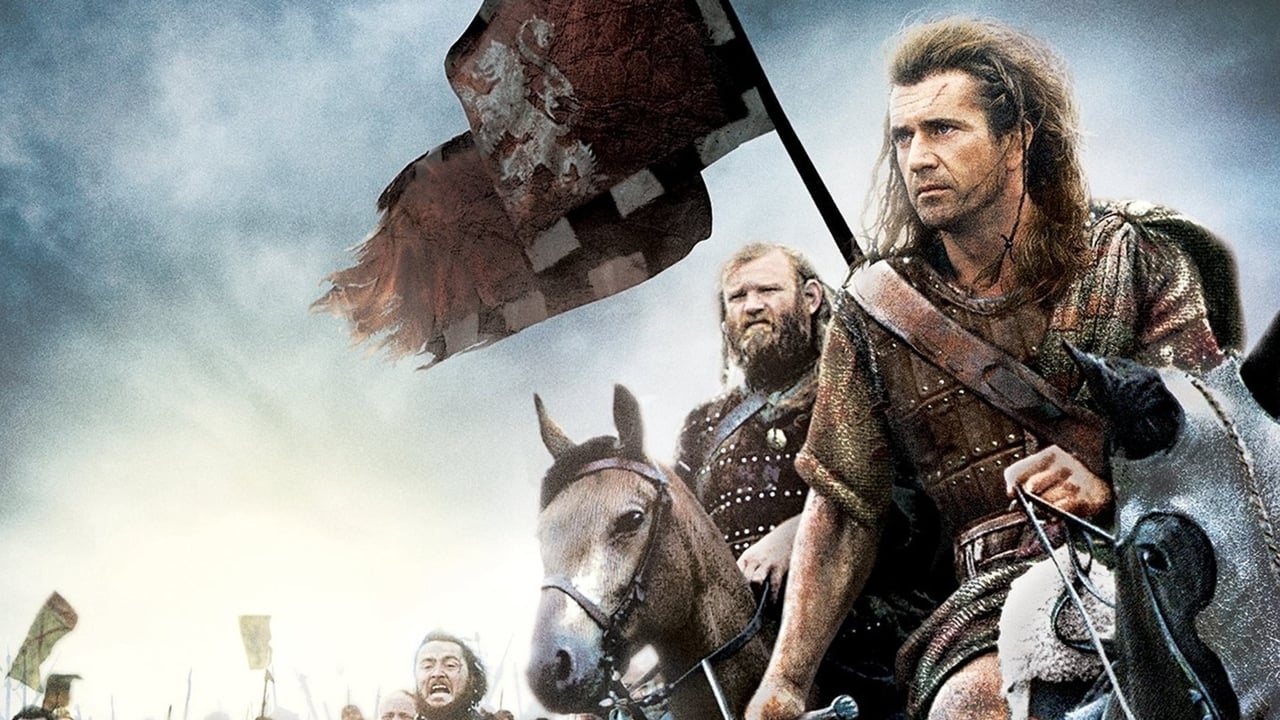
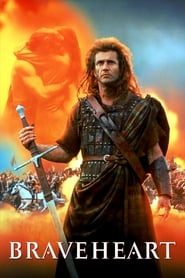
Braveheart (1995)
Release Braveheart DVD (Paramount Home Video, 2000)
Mel Gibson discusses staging large battles while keeping the action and characters clear. He covers John Toll's photography, variable frame rates, jump cuts, practical fire, makeup, Army extras, stunt rehearsal, and difficult weather. He also credits Randall Wallace, Steven Rosenblum, and Sherry Lansing with changes to the script and edit, and describes the strain of directing while acting.
- Duration
- 2h 49m
- Talk coverage
- 55%
- Words
- 15,129
- Speaker
- 1
Guided collection
Directing large action sequences
Mel Gibson discusses battles, extras, stunts, and photography in Braveheart. Ang Lee and James Schamus describe choreography, locations, and the lengthy shoot for Crouching Tiger, Hidden Dragon. Compare how they organize large action sequences around the characters' decisions and relationships.
Part 1 of 2
- 01 Braveheart Now reading
- 02 Crouching Tiger, Hidden Dragon 2000
Commentary density
Highlights
Topics
People mentioned
The film
- Director
- Mel Gibson
- Cinematographer
- John Toll
- Writer
- Randall Wallace
- Editor
- Steven Rosenblum
- Runtime
- 178 min
- Also on
- OneSheet ↗ OverBlack ↗
- External
- IMDb ↗ TMDB ↗ Find on Amazon ↗
Transcript
15,129 words · 174 flagged as film dialogue
opening credit sequences much, because I think it, you know, for, it's always taken me out of the picture, you know? And I didn't want to alienate anyone, just kind of just put them straight into a story. Just tell them what it was, what it was called, and kind of dive in. Give them Scotland, I thought, you know? It's like travelogue, isn't it? Spend the night here, freeze to death.
but I was in them a lot for a while.
I shall tell you of William Wallace. Historians from England will say I am a liar, but history is written by those who have hanged heroes. The King of Scotland had died without a son, and the King of England A cruel pagan known as Edward the Longshanks
claimed the throne of Scotland... This was actually the first day of principal photography here. This was the first shot, I remember. And it was murderous because it kept raining and we kept stopping. I learned that day that this region had the highest precipitation in all of Europe, so... Pretty soon I found that there was very little point in stopping for rain. It's probably raining right there, but you can't see it. Rain doesn't really register on screen unless it's teeming.
I told you to stay. Well, I finished my work. Where are we going?
Young James. Kid hadn't acted before, except in school plays. We found him in Ayrshire. We asked another kid who came into audition. He said, you know, a kid that sort of vaguely resembles me or looks like he could be offspring. And he took me straight to this kid. So he was a real find because he had a lot of natural ability. Most of the other actors here we found in Ireland. This guy was from Dublin.
McAndreys! Holy Jesus. Yeah, people wanted to know whether they were dummies or real people, but they were real. They just kind of hung around all day and, uh... You know? I got down every half hour and had a cup of tea or something, and then got back up on the scaffold and jumped off, you know. A lot of body harnesses. Pretty tricky, actually. Difficult filming because of the physical discomfort of all the people involved. They had to be... It was a very slow shooting process, and John, with the lighting, complex lighting, and small area, small space inside the setting. William! William!
It's all right. It's all right. Easy, lad.
who had a will to fight was at that meeting. We cannot beat an army. With the 50 farmers, we can race. And
we do not have to beat them. Just fight them.
Now, who's with me? Aye, sir. Aye, I'm Wallace. Aye, aye. All right, all right.
Where do you think you're going? I'm going with you.
Oh, you're going with me, aye? And what are you going to do? I'm going to help. Aye, and a good help you'll be too.
But I need you to stay here and look after the place for me while I'm away.
I can fight.
I know. I know you can fight.
But it's our wits that make us men.
See you tomorrow. This whole thing was shot near a place called Fort William. That was the nearest town. But what you're looking at is Glen Nevis and Ben Nevis. Ben being the mountain and the Glen being the low part. One of the rare sunny days.
With your father and brother gone, they'll kill us and burn the farm. It's up to us, Hamish.
Of course, I think John Toll helped it out a lot with his filters and so forth. He made it look a lot better than it actually looked there on the day. Although, you know, there's nothing quite as beautiful as the highlands. This kid was amazing for not having done anything before. He picked up real quick. He was very intelligent. Something real about the way he just woke up then I liked. All the animals they got for these scenes were actually bred to be of another era. There are people that specialize in that. They keep the purity of some breed. of goat sheep or these oxen here, you know, as they would have been, you know, a thousand years ago before. They all got bastardized by various bovine influences.
said that those scores sound similar but he did this one first I actually think it was better but then I'm prejudiced come here lads
the good old days. You just had to take care of the stiff yourself. Real homemade deal. The whole burial thing was really interesting. They didn't have coffins. They'd just wrap them up like mummies and pop them in the deck, actually lying on their side as if sleeping, almost like a fetal position. That's the way they found them, anyhow.
Had to get a Latin expert, you know, cleric guy to give us the old, because they were all Catholic back then, of course, before the Presbyterian thing happened with Knox. I think that was like in the 15th century or 14th century, I can't remember. Maybe even the 16th century. So we had to go back and get the appropriate kind of Latin rite funeral. as it would have been.
Four years old, this kid, beautiful. I guess the thistle is the symbol of Scotland, but I think if a four-year-old kid tried to pick one, she'd be screaming in pain. So we kind of faked it there.
Great acting by the kid. What more can you ask? This guy in the white horse is one of my all-time favorite actors. He was like, you don't see him very often. although he does a lot. And if you do see him, you probably don't realize that you've seen him before. William.
I'm your uncle, Argyle.
He was the first guy to ever play Hannibal Lecter on screen. He did it in a film called Manhunter, and he was really scary. I said to him when I met him, I want to see a whole film about that guy, and he said, well, they've done it with someone else.
We'll stay here tonight. Tomorrow, you'll come home with me. I don't want to leave. You didn't want your father to die either, did you?
But it happened.
Did the priest give a poetic benediction? The Lord bless thee and keep thee. It was in Latin. You don't speak Latin?
That's something we shall have to remedy, isn't it? Because if you were educated back then, Latin was your main language, you know? And they would have spoken Gaelic here, of course, but that would have meant a lot of subtitles, so we thought we'd shorten things. It's Christ-like, isn't it?
Your heart is free. Have the courage to follow it.
We were shooting that that day and we didn't have any dialogues. We were all madly writing lines on a piece of paper, so... That won out.
Your heart is free. Have the courage to follow it.
As John told it, it's best here.
What are they doing? Saying goodbye in their own way. Playing outlawed tunes on outlawed pipes.
Of course, that's not the actual Scots bagpipe that's playing. That's the Uilleann pipes, which is a smaller version from Ireland. It's just more melodic, because the Scottish bagpipes tend to sound like a scalded cat. Although they have their place in certain for certain kinds of sounds, but I just found the Irish pipes to be more romantic.
First, learn to use
this.
Then I'll teach you to use
He's looking at his life. Amazing. This geography here is just beautiful. Anywhere you could throw the camera on the ground, it would look fantastic. And if you got someone like John Toll throwing the camera on the ground, it looks more fantastic because it lends itself to that anamorphic frame. Because it's not that great an altitude. I think the highest peaks there was, you know, not that high. Maybe 400 feet. ... wedding of his eldest son, who would succeed him to the throne. Amen.
As bride for his son, Longshanks had chosen the daughter of his rival, the King of France.
She's quite perfect to look at. She looks like a statue. And I thought it was good if you're going to get some French queen or princess, get someone from France. And she fit the bill perfectly. And no one could figure out who this guy was, this guy, the king. Because we actually doctored him with a prosthetic nose. And he's this fellow who used to be on all these TV shows in the mid-'60s. And he was actually offered all the James Bond movies. He was a very handsome young actor, and he was real hot, had a lot of heat on him, and he turned it down because he didn't think it was a proper thing to do, I guess. I never really got to the bottom of that, he said. Great actor. No problem to anyone with strength. But how will they believe our strength when we cannot rule the whole of our own island? There's something kind of austere about him, and frightening even. There's this kind of wildness in the eye that's... You never quite know what he's going to do. It was just perfect.
Where is my son?
Pardon me, Lord.
He asked me to come in his stead. I sent for him, and he sends you. Shall I leave, my Lord? If he wants his queen to rule when I am gone, then by all means stay and learn how. Please.
Nobles. Edward I was really, he was really, they called him the hammer of the Scots because he made it one of his life's ambition to go and subjugate that northern area. And he just made it really difficult. But he did it very cleverly. There was a lot of political maneuvering. And he was a real chess player. Machiavellian, really, the way he was able to... take control of it. But there was this fly in the ointment, William Wallace, who gave him some trouble for a time. He was able to bring enough pressure to bear in Scotland to have those people who were followers of Wallace actually turn him over. He was like a cross between Machiavelli and Hitler. And yet he was a great king for England.
Perhaps the time has come to reinstitute an old custom.
Grant them prima nocte. First night,
when any common girl inhabiting their lands is married, our nobles shall have sexual rights to her on the night of her wedding.
Yes, I don't believe that they practiced this custom at that time. This was done for the purposes of cinematic... You know, to be cinematically compelling. More of a villainous thing to do. But indeed, it was the... It was their version of ethnic cleansing. You know, you go in and impregnate the locals and have loyalties through bloodline. 17th Earl of Bruce,
a leading contender for the Crown of Scotland.
These sets by Tom Sanders, um... really magnificent. I mean, he's able to create like a little city here using what remained of the ruins of castles and building onto them and around them. That was no exception. Speaking of the sets, I mean, he... He took aerial photographs of the ruins of places and deduced that the dwellings and towns in the northern regions would have looked like this, you know, these stone kind of round things, almost like, almost Native American, you know, they just had a hole in the middle and you'd burn a fire and they'd go up through the middle. And like a big stone wigwam.
The bridge washed away three times, but we kept sticking it back like soldier ants. Probably just as well it had to be strong enough for a bunch of horses to ride across.
A test of soldiery, then.
The English won't let us train with weapons, so we train with stones.
Well, a test of a soldier is not in his arm. It's here. No. It's here. Hamish?
We're always big on games. They toss rocks, cabers, dwarfs, anything. My boy!
That's a good throw.
Hi. Hi, boss.
I was wondering if you could do that when it matters.
As it matters in battle.
Could you crush a man with that throw? I could crush you like a worm.
You could? Aye.
Well, then do it. Would you like to see him crush me like a worm?
Go on, do it. You'll move. I will not. Hey. You'll move. Come on, little boy!
The good thing about Randall Wallace's script is he had scenes like this in it that were kind of fun, and they actually made a point about the difference between strength and brains and were entertaining at the same time. See, he had a lot of whimsy in the writing of this, although it's a pretty hard story. It needed that kind of levity from time to time. Welcome home.
William, will you dance with me? Of course I will.
the right of Prima Nocta.
As Lord of these lands, I will bless this marriage by taking the bride into my bed on the first night of her union.
Oh,
by God, you will not! It is my noble right.
seen a lot because he's just able to like calmly walk through it and just put things right in a very quiet graceful way and sort of uh sacrifice yourself
put something quite lyrical into a scene that's essentially pretty violent and nasty. This fellow, people thought we made him up, but no, he's actually got the genuine Glaswegian smile, which is when they actually cut you up in a bar or something. This fellow had never really acted before. We just found him. He looked great, but he had the goods. Tommy Flanagan. And this guy, wow. And the endless rain, of course. I think we might have manufactured some here so you could see it.
Ah, Ian Wallace. Grand, soft evening, huh? Ah, it's that. I was wondering if I might have a word with your daughter.
What do you want to have a word with her about?
Well, I'm... Murron, would you like to come and ride with me on this fine evening?
In this? You're out of your mind.
Oh, it's good Scottish weather, madam. The rain is falling straight down. Oh, slightly to the side, like. She can't go with you? No. Oh. Not now, anyway. Not now. Not now. We'll see you later. Oh, the weather's just fine. It's hardly raining. Did you not hear what I said? Murron! Murron!
It's you she takes after.
See, it's just built for that anamorphic frame. The whole landscape. Got lucky with some birds.
He's transitioned out of the rain.
How did you know me after so long?
Why,
I didn't.
No? It's just
I saw you staring at me and I didn't know who you were.
It's a beautiful young woman. She's, uh... I'd done virtually nothing before. I think she just finished a drama education at Oxford. And, you know, whenever I do the audition process for, you know, casting, it's... I don't make anyone read because I think you don't find much else out than whether they can read or not. It has very little bearing on... how they'll do in front of the camera on the day. But just to talk to them for 15, 20 minutes, maybe meet them a couple of times for talk about the weather or whatever the conversation leads, you know, you'll pretty much know whether they're up to the trick or not. And she was. I mean, she actually just had a real grace and sort of beauty and purity and stuff happening there. It was really nice.
What was it like?
So of course I cast her.
What does that mean?
Beautiful.
But I belong here.
And it's John Toll again, ladies and gentlemen. sitting on the cliff tops. It was freezing up there, but it looked good, so it's worth it.
I know it was strange of me to invite Murron to ride last night, but I assure you I...
MacClannough's daughter is another matter. I've come to fetch you to a meeting. What kind of meeting? The secret kind. Your meetings are a waste of time,
Campbell.
Your father was a fighter.
And a patriot.
I know who my father was.
I came back home to raise crops and, God willing, A family.
If I can live in peace, I will.
Go on. You say you want us to order the troubles? Aye.
If you can prove it, you may court my daughter.
Until you prove it, my answer's
no. No.
No, Wallace. No.
Didn't I just prove it? No! No.
No!
Farming's a lot of work, but that'll all change when my sons arrive.
So you've got children? Well, not yet, but I was hoping that you could help me with that. So you want me to marry you, then?
Well, that's a bit sudden, but all right. Is that what you'd call a proposal?
I love you. Always have. I want to marry you.
Really long days. Once you get that far north on the planet, you can practically shoot till 11 o'clock at night. I mean, it's a little tricky then, but very long days. If you're in the middle of July or June, June, July. We were in Scotland for six weeks. This is all so far filmed in Scotland, but the bulk of the film was shot in Ireland.
are always plagued with you know young lovers kind of stealing away and getting married on the sly so this is kind of there's all songs about it and stuff kind of going for that cliche here
sort of had some kind of molding, melding, I mean, between the pre-Christian and the Christian sort of marriage ceremony here, which is kind of the pagan thing. They used to tie them together with the plaid, with the kind of tartan thing.
best thing about this scene is I think the way you see their breath it's like sort of primal and sort of talks about emotions really of course it's beautifully shot John didn't make a wrong move here
shave my knuckles.
This is the 12th century version of going to Ralph's, you know? It's kind of market day in the village when everyone brings their vegetables in. Or whatever they want to swap. It's before currency. At least up here. I love shooting this girl at 35 frames per second. She just looked better slower. I'm not going to see you again. It's tonight.
I can't. Why not?
It does go on suspicious. I'm not suspicious to see what happens. When? When then?
This guy loved being creepy. John Byrne, I think his name was. He made that line up. You remind me of my daughter back home. That's pretty skanky. He's, uh... He was actually one of the funniest guys on the set. I'm a lassie.
I guess no means no.
This sequence was initially much longer, and we were just running out of time. And we had to kind of shoot it in a day, the whole thing with escapes and battles. And so we had to think on our feet pretty much and just find a quick way of doing stuff.
cutting back and forth. Now, that's a trick I pinched from George Miller, where you actually see the girl get hammered by something really moving at fast speed. I think I shot it at eight frames a second. She was sitting on someone's shoulders, and the spear hit her slowly, and she reacted slowly. And when you run it back at normal speed, it just looks brutal.
It helps to have worked with good people in the past, George Miller and Peter Weir, particularly for a film that's as kinetic as this one ended up being. Having worked with them really served me well. These guys are my film school. I was always hanging around the hub asking them questions. And they were very generous. They'd just always explain what the hell they were doing. And it was really, really cool. Peter Weir would often shoot things Just normal scenes, like 28 frames a second. I'm like, what's that about? He says, I don't know. He says, it's just more graceful, you know? And like I was, whenever you see that girl, I mean, she's moving a little slower. Because she just looks so beautiful. I just wanted to dwell there a little and have her be graceful and flow. And it works. It's almost imperceptible, but it works. This day's lawlessness is how you repay my leniency.
Well, you leave me with little choice.
An assault on the king, soldiers,
is the same as an assault on the king himself.
I like this sequence a lot because it was really not on the page. I mean, it was on the page that he comes in and gets even, but the way he comes in and gets even was not on the page. So it was... And the tendency is like... One expects them to just rush in and take command and stuff. And I thought, no, no, I'm gonna milk it. I'm gonna just milk it. I'm gonna make it very slow and then really fool around with speeds a lot and hold off and hold off. So it went a lot from like normal 28 24 frames a second, to 28, to 36, to 48, to 96, to even 120 in some cases.
into overdrive by double cutting, jump cutting, stutter cutting even. Because I think the guy gets nailed twice, but it only looks like one.
He strikes him at 96, then he strikes him again at 21... ... and I cut a frame out on impact to make it more vicious. Which is something I did a lot of. As many as, you know, just chop eight frames out. Until it's almost imperceptible. Whatever I could get away with, actually. Hiring of amputees... ... who, uh, take falls. Jump cut from one shot to another. Guy already had it in him.
I saw similar kind of devices used after I did it. I was really flattered that Spielberg did it. But you could tell he was doing it more. It was more... And he did it for a deliberate effect. I mean, he wanted you to see the kind of like... Sort of going back up and down, and then almost like Charlie Chaplin. And he used that, and it was more noticeable. Which is good, because it worked great. But it was sort of flattering. And... It was also flattering that he went over to Ireland and shot with the Irish army and all that.
Corporal, some archers on the tower. Now.
Wolf's fell for us.
The stunt guys were fantastic on this. There was a fella called Mic Rodgers and Simon Crane. I had to have two of them because it was such a huge job. Overall, I had a good team of guys.
film Wizardry. Shish kebab.
I actually had to lose that shot in England. But it was a fine example of the makeup of Peter Frampton. Not the guitar guy, but his name is Peter Frampton. He won an Oscar for the makeup. But as you can see, I mean, look at that leg. I mean, it's... Everything. Everyone looked dirty and grubby and gritty. It was before the days of terrific hygiene.
Right. And with tricks like the throat cutting and later on, of course, in the battles, I mean, he really came into play. I mean, entrails and wounds and things. And these guys you see here, they're the actual real Wallace clan. Not him, but these guys. The really hairy, real looking guys, you know. We found, we encountered them in Glasgow.
So there were a lot of reenactors who actually just looked like that all the time. Kind of hairy guys who were skilled in the art of kind of medieval weaponry and warfare. I mean, they were kind of martial artists. They all knew how to use claymores. Spiritus Sanctus. Amen.
you waiting for boy here you can do it i'll hold them down here you can do it i'll hold them down straight in the wind boy i know it seems like a waste of good whiskey you indulge me hold him now let him go
Wake you up in the morning, boy.
There's somebody coming! Arm yourselves! There's somebody coming.
McGregor's. From the next Glen.
We heard about what was happening.
And we don't want you Amadans thinking you can have your fun
Go home. Some of us are in this.
Can't help that now.
But you can help yourselves. Go home.
We'll have no homes left when the English garrison from the castle comes through and burns us out.
And they will. Aye.
Welcome.
Mother Nature provided us with some spectacular shots here. All misty and primeval-looking. Really worked for us.
Patrol returning, my lord!
This sequence, too, was initially, as written, was a... huge pitch battle but I knew that the you know the set piece was yet to come and I didn't want to overdo it here so we found a shortcut we managed to shoot this entire sequence in a day and wherever we got the opportunity to burn a set we simply burnt it whether it was in the script or not
It was just a quick takeover, and I burned the joint.
I have dispatched 100 soldiers to Lanark. They will be returning now. Were they dressed like this? Actually, it was more like 50.
Make it quick.
Do you remember me?
I never did you any harm. It was my right. Your right? Well, I'm here to claim the right of a husband!
I'm William Wallace.
And the rest of you will be spared. Go back to England and tell them there that Scotland's daughters and her sons are yours no more. Tell them Scotland is free.
Burn it.
Yeah, I love Tom Sanders' sets here. He did a lot of frescoes on the walls and... gave it almost a kind of a... kind of Roman look. And I guess these things did happen. Probably not as much as this, the vaulted ceilings and the wall paintings. Looks like ancient Greece or something. A good look. Like any common thief, have the local magistrate arrest him and punish him accordingly. Leave us.
Wallace has already killed the magistrate and taken control of the town. Stand up. Stand up.
In the morning,
I depart for France to press our rights there, and I leave you here to quell this little rebellion.
Understood? Is it?
One day, you will be a king. at least try to act like one. Get away from me! Convene my military council.
I hope your husband
You're outnumbered and trapped. Now,
where are the rest of you? Where's Wallace?
Father? Come in. Come in.
A rebellion has begun.
Who?
A commoner named William Wallace.
He will embrace this rebellion,
support it from our lands in the north.
I will gain English favor by condemning it
and ordering it opposed from our lands in the south.
Sit down. Stay a while. No one knew who this man was. He's pretty well disguised with leprosy makeup, which I guess was common back then. Sanitation wasn't what it should have been. I think leprosy was common in some of the more northern climes of Europe where the diet consisted of mostly seafoods, like fish. fish-eating populaces used to get leprosy. Same in the South Pacific. And I think it was actually Robert the Bruce himself who ended up with leprosy. I know he had a terrible skin condition throughout his life. He was always plagued with psoriasis or something. So we just transferred it to this specter-like kind of bad angel. You know, plays his father, played, of course, by Ian Bannon, who's a great actor. Been around for a long time. He's dead now. Died in a car accident this year. But I admired him for a long time. I just wanted to work with him. Unless we are ruthless,
give ear to our nobles.
Knowing their minds
is the key to the throne.
Wait. Wait. Look.
This is out and this is left. Carry on. Carry on.
Scotland is at war. Your husband would have sent an army to the north. How do you know? Last night, I slept with someone from the war council. He wasn't supposed to trust you? Yes. The English don't know what a language is. Scotland is at war. They're fighting to avenge a woman. I forgot. A magistrate who wanted to capture him, discovered that he had an advance. He engorged the girl in order to push Wallace to revolt. Wallace revolted. His enemies recognized his passion for his lost love. So they organized to seize Wallace by profanely burying him from his father and his brother. And then by burying him in his wife's grave.
and hid the body of his beloved in a secret place. That's love, isn't it? Love... I don't know.
No. Eventually Longshanks will send his whole northern army against us. Heavy cavalry. Armoured horse. Shakes the very ground. They'll ride right over us. Uncle Argyll used to talk about it. No army had ever stood up to a charge of heavy horse. So what do we do? Let's run and hide. The Highland way.
He'll make spears. Hundreds of them. Long spears. Twice as long as a man. Not long.
Some men are longer than others. Your mother been telling you stories about me again, eh?
Volunteers coming in!
William Wallace. We've come to fight and to die for you. Stand up, man. I'm not the Pope.
My name is Fodran. My sword is yours.
I brought you this. We checked them for arms. I brought you this. My wife made it for you.
Thank you.
Him? That can't be William Wallace. I'm prettier than this man.
This guy's one of my favorites. He has a spectacular speaking voice. I found him to be a... Really good actor, great guy. And this character in particular really tickles me. Randall brought him into the script at this point, I think, really well, to sort of add levity and like a new face and kind of keep things moving along. Insane Irish.
Smart enough to get a dagger past your guards, old man. That's my friend, Irishman.
And the answer to your question is yes. You fight for me, you get to kill the English. Excellent!
Stephen is my name. I'm the most wanted man on my island.
Except I'm not on my island. And Stephen of Ireland was referred to in the epic poem of Blind Harry the Minstrel about William Wallace. He figured big in it. He was kind of like the right-hand bodyguard watching over the shoulder of Wallace. And, uh... Initially, there was a huge scene where we found out his loyalties to Wallace and there was a nighttime battle. I was planning to shoot it. It was near the end of the shoot. It was like everyone was tired and we simply didn't have the energy to go on with it. And he actually came in one day and he said, you can't cut that scene. It cuts out my character. And he was right. We don't know why he's with Wallace if we don't establish something. So this scene here that you're seeing now with the stag, was invented in five minutes and shot in a day instead of two weeks at night shoots. Necessity is sometimes the mother of invention, and I think it's better for it. Shortened up on it, less battles, and really to the point. It had humor and stuff. And there's not a word spoken till the end.
Did he send me to watch your back?
I didn't like him anyway. He wasn't right in the head.
That firmly establishes that character. He was right, the actor was right. We couldn't cut that scene out, so we got a shorter, better version of it... ... to just get across the essentials.
The future comes home again. Almost looks digital, doesn't it? I'm revising an army towards Stalingrad, where the nobles rally. That guy's my brother. He sounds just like me, if you listen. And the Highlanders are coming down on their own. And droves of hundreds and thousands.
Are you ready for a war?
Okay. This is the big set piece. Copious planning, a logistical nightmare. Took six weeks to shoot with nine cameras and 2,000 extras.
How many horse then? 300, maybe more.
300, have you? We must try to negotiate. We storyboarded it. We had a kind of a bible of sorts to work from. And we followed it. But we got a lot of bonus stuff, believe me. A lot of stuff occurred to us on the day that we shot. I can't hear, but it doesn't look good. The actual battle of Stirling wasn't like this. It was a different kind of battle altogether. Wallace did indeed defeat a superior force, but not in this way. However, it wasn't as cinematically compelling as I think what we devised. It's interesting, this scene with the the opposing force coming over the hill and showing their might wasn't in the storyboards. And it was like we'd almost finished the sequence, and I said, oh, my God, we have to film this. So we kind of like knocked just all this arrival off in a day where they get in there and the guys can react to them. It's one of those oversights. You think, my God, we need it. We need these guys to see what's coming their way and be really kind of awed by it, overawed by it.
I'm glad we remembered it. I have to say a word about costume here. It was by a gentleman called Charles Node, who, what a find. I mean, he was able to put all this together at a reasonable rate, believe it or not, and have it look good in interviewing costumers. and designers I found that he was the best because he was the only one who came in and he didn't have like guys in red tartan sort of you know caps with feathers in them and stuff like that but he had earthy colors and of course they would have only been able to use plant dyes and stuff that were available so that I found that more earth tones were the go and it had a down funkier older more primitive look to it the whole thing I couldn't have been happier with the job he did. This stuff, everybody asks me about the blue stuff. It does come from an earlier era. It is a very Celtic thing. It goes back to pre-Christian times. I mean, when the Romans first went over to Britain, the British were painted blue. They were the Druids, and it was part of their religious ceremony.
The Scots, of course, and the Picts, and they all used this to make themselves more fierce, but earlier than this. However, it just looks so great. I just wanted to utilize it. And there's, it's reasonable to assume that they might have used this stuff at this time, just to frighten the enemy. There's artistic license, of course, but there's also, you know, why not? Why wouldn't they have done this? The history is fairly sketchy, so I found I had a lot of pretty wide parameters to sort of go in and make a lot of this stuff up. Of course, it was a mixture of legend and history. We adhered to history where we could, but hyped it up with a legend lettuce. The Almighty says this must be a fashionable fight. It's drawn the finest people. Where is thy salute? for presenting yourselves on this battlefield. I give you thanks.
This is our army. To join it, you give homage. I give homage to Scotland. And if this is your army, why does it go? We didn't come here to fight for them. Home! The English are too many.
I am William Wallace. William Wallace
is seven feet tall. Yes, I've heard.
He kills men by the hundred. And if he were here, he'd consume the English with fireballs from his eyes
and bolts of lightning from his arse.
I am William Wallace.
And I see
a whole army of my countrymen
Fear in defiance of tyranny.
You've come to fight as free men. And free men you are. What will you do without freedom?
Will you fight? Fight? Against that? No.
We will run. And we will live.
That horse made me look good. Every time I'd yell, he'd want to take off, so I'd have to hold him and yet maintain a focus point, you know, on the line, back and forth. So it was my thanks to the operator, John Clothier, and John Toll's expert eye over the whole thing to sort of keep this in focus. When that horse just kept moving, it was great. He was, like, raring to go, just to make the scene work. The speech, of course, is pretty rousing stuff, and it's... Randy openly admits that he's sort of borrowed from Shakespeare's Henry V. It is the same sentiment expressed in a more vernacular 20th century kind of way.
It was the same guys on both teams. We dressed them one way one day and one day another. We just put them on both sides. The Irish Army, of course. It was a massive undertaking. We had a battlefield, which was a firing range, the barracks just over the hill, and a racetrack nearby so everyone could virtually walk to work. and it needed to be like that because it got pretty complicated. Fine speech.
Now what do we do?
Just be yourselves.
Where are you going? I'm going to pick a fight.
Well, you didn't get dressed up for nothing. Morning. Lachlan Craig. Now, I've often thought since making it, and in the edit, I thought, how am I going to get time out of this? And I figured I didn't need this scene. As all this talk goes on about, you know, doing this and doing that and, you know, how he picks the fight and all this kind of stuff, when it would have been really simple to just walk or ride up to the guy and just nail him over the head with a mace and say, okay, the fight's picked, and then ride off. And I would have done it that way if I could do it over. There's a couple of points established pretty good, you know, that no one's ever beaten the heavy horse. But I think we already got that point earlier in the script.
Here are Scotland's terms. Lower your flags and march straight back to England,
stopping at every home you pass by to beg forgiveness for a hundred years of theft, rape and murder. There was also a desire on my part to have the battle be very clear. uh... like a sporting event you know it's almost like the coin toss i guess and uh... uh... and know who's who all the time and what's going on for it and watching a lot of films you know the battle sequences tend to get very muddy and murky and it's like somebody got scared or didn't plan it well enough so they had to make do with just chaos and of course i want the appearance of chaos yes but i also wanted to display exactly what was going on, almost like sports coverage, so that there wasn't a dull moment where you lose interest because you don't know what's going on, where it just turns murky. So that was very, you know, we got a table and little plastic soldiers and myself and the stunt coordinator and the first AD and the camera guy and all the heads of department got together and we planned this battle. And we made it up as we went along. I mean, of course, we borrowed from medieval battles.
a half a dozen different ones. And how to use all the... the tools of battle, the arrows and the horses and the, you know, all the various implements of death. Battlefield absolution. Insolent bastard! I want this Wallace's heart on a plate. Archers! A lot of horses. And a lot of archers.
were the trickiest damn thing. To actually have arrows hail into a group of people. But we figured it out. Without getting digital.
to do this taunting thing before a battle. They'd get right into the yelling and screaming. In fact, oftentimes they'd just go in naked. They'd paint their entire bodies blue and just try and intimidate the enemy by being like a whole bunch of naked guys painted blue running at you would kind of intimidate you. So we kind of stopped short of that, but we did go for the front flash, which they also used to do as if to say, look, my balls are bigger than yours. Have a look at these. Thank you.
But he's pretty sure you're fucked.
What I like about Randy's script is he just like, right in the heavy parts, he'll put like really funny things in.
some of the finest editing you've ever seen by Stephen Rosenblum. As we get deeper and deeper into the battle, the editing gets better and better. It's just like... some kind of feat. See? Every scout with a horse is fleeing. Our cavalry will ride them down like grass. Send a horse. Full attack.
but it looks like even more.
He just blurs into fast motion. It's just great. Let's it out.
were hurt. Tough scene to do, to actually have a phalanx of horses impale themselves on what or what appears to be impale themselves on wooden spears. And there was many devices used in order to do that. Use of mechanical horses that would collapse and some real horses that would collapse as law would permit them to. And just really good editing.
We shot one shot in Arizona. It was the frontal shot where the horses really hit the spears in the front, where you see spears breaking off on them and stuff. We couldn't get these horses to come close enough to the camera, so we got them to come close enough in Arizona. We put the costumes on some Western-type wranglers, and they got right in there. They boogied in, and we were able to digitally manufacture the spears, impaling them and so forth.
I was 38 years old when I made this, and it was like murder to keep ahead of all the 19-year-old army guys. I told them to slow down, but they didn't. But I did manage to stay ahead of them, so I guess I'm still got it. But this was good. I love the idea of these two forces just clashing and intermingling, and I wanted total chaos from the painting I'd seen, you know, where it was just a... And the style of the editing in the battle is just what I wanted. It's just very fast and staccato, and it just moves from piece to piece, and it's mostly just kills. And it's really quite brutal in your face. Of course, this is where the stunt guys and the camera guys and the makeup guys and everybody just came into their own. The editing, spectacular. The sound effects, just the noises of all this stuff. It was hours of copious just finding the right kind of noises. Metallic clunks and the sounds of people being impaled on things.
Sometimes it's hardly perceptible, except that it does kind of register subliminally. I'm actually cutting frames, just jump cuts on strikes. It just gives it more of a bite to actually pull pieces out. And sometimes after you'll extract a frame or two frames or even three frames, whatever it'll take, you'll actually double print the next frame to sort of make it stand still for an instant. And it's very effective.
No real people were hurt in this sequence.
who said he'd say nine-year-old boys are going to see this film and come out with beards and wives and divorces. That was pretty funny. I know it's probably not age-appropriate. In the name of God, we declare and appoint thee guardian and high protector of Scotland and thy captains as aid to come. Stand and be recognized.
Of course, the Scots at that time had no notion of, like, unity or being a nation in any way, so it was... We've simplified it here, but it was far more complex than this. Everybody was plotting against everybody else. It was very clan-ish. And, um... Wallace really did have an idea that he could unite people. He was a kind of a revolutionary who was way ahead of his time. How is the time to declare a king? And you're prepared to recognize our legitimate succession? You're the ones who won't support the rightful queen. Those were lies when you first wrote them. That's true. I demand recognition of these documents! Sir William, where are you going?
We have beaten the English. But they'll come back. Because you won't stand together.
That always cracks me up. Just
because you won't stand together
and you see a shot of them all standing together.
Why? Why is that impossible?
You're so concerned with squabbling for the scraps from Longshank's table
that you've missed your God-given right to something better. There's a difference between us.
You think the people of this country exist to provide you with position.
I think your position exists to provide those people with freedom. And I go to make sure that they have it.
Wait!
I respect what you said, but remember that these men have lands and castles. It's much to risk.
And the common man that bleeds on the battlefield, does he risk less?
But from top to bottom, this country has got no sense of itself. Its nobles share allegiance with England.
Its clans war with each other.
If you make enemies on both sides of the border, you'll end up dead.
We all end up dead. It's just a question of how and why.
I'm not a coward. I want what you want. But we need the nobles.
We need them. Now tell me, what does that mean to be Your title gives you claim to the throne of our country. But men don't follow titles. They follow courage.
Now, our people know you. Noble and common, they respect you. And if you would just lead them to freedom,
they'd follow you.
And so would I.
the word about the sets. Everyone thinks we just found these places, that they must have a lot of these castles and stuff over in Europe and that it's all there, just go in and use it. But in fact, you know, there's very little stuff of this period that's around. It's only old ruins and things. And Tom Sanders, the set designer, he constructed all this stuff and made it look great. He made it look so great that people think we just found it. This whole town, this whole, what appears to be the city of York, was his creation. So was that battering ram. And the hot oil. He used to throw rocks and things off the sides. I'm not about to tell my uncle I've lost him the greatest city in northern England. We broke the Guinness Book of Records in one aspect in this scene. It was the most guys on fire at one time. That was the first time we broke it. We broke it again in another scene. There were more guys on fire. This hot oil wouldn't be too good. Fuck.
after him and more.
What news of the north? Nothing new, your majesty. We've sent riders to speed any word. I heard the word in France, where I was fighting to expand your future kingdom. The word, my son, is that our entire northern army is annihilated. And you have done nothing.
I have ordered conscriptions. They are assembled and ready to depart.
Excuse me, sire, but there's a very urgent message from York.
Come. Thank you, sire.
Wallace has sacked York. Wallace has sacked York.
Who is this person who speaks to me as though I needed his advice?
I have declared Philip my High Counselor. Is he qualified?
I am skilled in the arts of war and military tactics, sire.
Are you? Then tell me, what advice would you offer on the present situation?
The term defenestration, which is what that's called. Death by pushing someone out of a window. Defenestration. Didn't know that. Must have been fairly common to have a term all for itself.
I shall offer a truce
and pie him off.
But who will go to him? Not I. If I fell under the sword of that murderer, It might be my head in a basket. And not my gentle son.
The mere sight of him would only encourage an enemy to take over the home.
This little sequence by Randy, he wrote this in order to remind you of why this guy's fighting. Because the story gets rather long and you forget about this character. Of course, it's Catherine, so he sort of creates a dream where they speak. And you get to know his heart. And she kind of releases him in a way.
Yes, you are. Then you must wake.
I don't want to wake. I want to stay here with you. And I with you.
But you must wait now.
William, wake up. William, wake up. Wake up. William,
a royal entourage comes, flying barrows of truce,
and the standards of Longshanks himself.
was really bad over that last scene, over the rain in that sequence. But it was one of those curious scenes that we couldn't loop and have it be as good, so I just left it with the sound of the rain hitting the microphones and stuff in it, which kind of worked for it, since it was stylistically kind of not in real time.
I come as the king's servant and with his authority.
To do what?
To discuss the king's proposals. Will you speak with a woman?
Do you understand you have recently been given the rank of knight? I've been given nothing.
God makes men what they are. Did God make you the sacker of peaceful cities? The executioner of the king's nephew, my husband's own cousin? York was the staging point for every invasion of my country.
And that royal cousin hanged innocent Scots, even women and children, from the city walls. See, something that wasn't in the film. We shot it, but it wasn't there. My father informed me that we'd made a couple of grammatical errors in the Latin there, but only a couple of minor ones. But since it's a dead language, it's only guys like him that are going to pick up on it. Hamilton, leave us.
My lady? Leave us. Now.
In fact, Wallace would have never met this woman. She was, um... when he was doing all his thing. But it's a fact that she was married to Edward II, who was indeed a bad king, who, even though Longshanks had won Scotland over, Edward II lost it back to the Scots again, to Robert the Bruce. And he was disliked by his own people and put to a horrendous death. they actually took him in the town square and they ran a hot poker up his posterior until it came out his mouth and apparently you could hear the screams from across the English channel that's how much they disliked their king and his wife his French wife was really the one that sort of planned all this and carried it out because she didn't like him much either and she had French mercenaries come over and really take over So he really let the kingdom slip through his fingers. But this is historically inaccurate. This is just cinematic whimsy.
She was my wife. We married in secret because I would not share her with an English lord. They killed her to get to me. I've never spoken of it. I don't know why I tell you now, except... I see her strength in you.
One day,
you'll be a queen.
You tell your king that William Wallace will not be ruled,
and nor will any Scot will I live. I'm glad to say that, like with all those battles, there were no major injuries of people or animals at any time. And that was because it was done with such planning. And I think there's no excuse for things going wrong if they're planned right and really thought out well. And I was fortunate enough that Mic Rodgers... and Simon Crane, the stunt coordinators, and David Tomblin, the first AD, were, and myself, in fact, was just always pounding the S word, safety, you know? Every chance we could with the troops, with everybody, safety. And not only that, but the people who participated in the battles, we had the luxury of having them for, well, three weeks to train them in how to miss and how to make it look like a hit.
and how to react, and the stunt guys work with them to minimize injury and so that people wouldn't get all excited about it and flustered and start whacking one another for real, because that can happen if they're not experienced. And we told them that whole thing about, what does a camera see? And if you close one of your eyes, it sort of takes the three-dimension aspect out of what you can see. You can see things, but you can't see depth as well. So there's no depth perception. And that's what the camera sees. It sees like a one-eyed view of a person. Now, you can't tell if you're missing somebody by three feet or six inches or if you're making a good hit. And if you're missing by three feet and the guy reacts the right way, well, it looks like a good hit. So they were all schooled in these pretty basic yet valuable techniques of how not to get injured. And I think we got, there was a broken nose, a broken angle and a hangnail. That was it.
A horse stepped on me one day, but, you know, the poor animal, he's not to be blamed for that. He's just an animal. Mind you, I had a chiropractor on the set at all times, too. He was there working full-time on all the members of the cast and people in the battles. You know, the guys, anybody that would get a pull or a strain or, you know, something out, you know, they were in that tent where the guys had a shop, and he was, you know... working on their physic to sort of get it back to where it was. So he was a really valuable asset in a film like this. You know, just the backup team. Speaking of backup teams, I mean, just the food bill alone, you know, to feed everybody every day. I mean, there were some days on the set, particularly in that major battle in the middle of the film, at the Sterling battle, there were, man, there were three and a half thousand people every day, cast and crew, all in to be fed.
and all have their place. That took a tremendous amount of organizational skill. Again, you know, ten points for David Tama, you know. He's got the Guinness World Book of Records for having the most people ever in a crowd scene. He did 300,000 people in Gandhi by simply throwing a camera out there on a holy day when the people of India went to the Ganges, and essentially the wardrobe hadn't changed for 30 years, so he was in safe territory there. But he's a smart guy, and he... He saved a lot of time and money. He even made suggestions for cuts and things in the film, which I thought, well, that's a good idea. He had some really good ideas, some valuable ideas. And it really is his markers on this film as well. It's great. Because no one ever does this stuff alone. It's like a real, it's got to be like an army going in. I was the general, but you had to have good officers. It was cool. I'd do it again.
except I wouldn't be in it, you know? And indeed, I didn't want to be in it when I was taking it to Paramount, because Wallace would have been younger. I did this in my late 30s, and it was like, William Wallace was like 25, you know? And I think he was dead by the age of 30. I think I did get away with it, but it's like, because no one knew how old the guy really was. I was totally going to get someone else to do it, but the studio wouldn't have it, because they were actually looking at getting their money back, which is... A very prime consideration, after all, it's a business, and nobody goes out there to fail on purpose. So in order to get all the things I wanted, you know, to direct, to do all the things I wanted, and they did give me a tremendous leeway. I actually had to commit to be in it, and being on both sides of the camera is, makes you kind of schizophrenic. Time management is a real problem. There is a happy byproduct to the whole thing.
And that is, I think, that having to have the overview of the whole thing and understand the workings of the whole mechanism and how all the pieces fit together, it just makes you better at any particular aspect, I think. When it came time to get in front of the camera, I was loath to do so. I really didn't want to. The best days I had on it was when other people were working and I could sit behind the camera. I really enjoyed it a lot more. When I had to actually get painted up and do all the costuming and stuff and get in front of the camera, it was like torture. Because... There was that extra aspect of that acting job, of appearing, of being the mug that's going to take the shots, you know, that I didn't need that sort of pressure. But one only has enough energy for so much. And I found that one of the happy things that happened was that I began to pace myself as far as acting and performance was concerned. I became totally non-indulgent with myself. I wasn't one bit indulgent. I would get on and do it twice, three times if necessary, and get the hell off.
That was a kind of a good freedom because it was already so firmly implanted in there. What the basic things I needed to do functionally for the story was simply from having to be the overseer of the whole thing. There was very little pressure and I knew that I had at least a backstop that would be safe. And I could just get in there and just totally not indulge, you know, honestly, no more than three takes. And that was only for other things, you know. So it made me very relaxed about that aspect of it after a while. In fact, about nine weeks in, from about the ninth to the twelfth week, I can't remember because I was certifiably insane. And then I suddenly got my mojo back, you know. It was like I, you know, I was awash in this production. I was eating, drinking, sleeping, doing nothing else, you know, awake till, you know, 11 p. m. at night watching the dailies, having a fitful two or three, four hours sleep, and then getting back up again to start to go at it again, you know. And it was like five months of that stuff.
I was a head case by the end. In fact, by the end, I couldn't really converse with people anymore. It was one of those things where I just really needed to be in a rubber room someplace and drool. And I wanted to be. I just wanted everyone to leave me alone. It was like a brain drain. I think I sort of burned the engines a little bit. That's why I would never be in and direct something again. It's too much for one human being.
This cannot be the way.
You said yourself
the nobles will not support Wallace.
So how does it help us to join the... I think this character, Angus Macfadyen, did a really good thing here with this character. Because to read it, and we noticed in the script that he's fairly unsympathetic, and yet you have to kind of get get on his side or at least understand why he does what he does. And he was able to sort of play that mixed up kind of man in pain, torn two ways between loyalty to his father and his titles and a true desire to do something higher and nobler. And he executed that well.
Not for me, not for yourself.
Emotionally, I think. It's all between the lines, what he's doing. So he did some good work. I was quite pleased with him, because he's really a big character in this. And here's battle, big battle number two, which took about a third the length. It took about a third as long to do it, partly because we'd already had experience with organization and getting everyone together. And secondly, it was a much simpler battle. and a different kind of battle, and we wanted it quite different, you know, different sorts of beats in it so that I didn't get too repetitive in the... or risk boring anyone with all the pitched warfare. So it was about a lot of other things than the battle itself. It was about, you know, politics more than anything else. And the battle was just incidental. So this took two weeks to shoot. It had its own particular set of problems, but...
And there was some digital, like, enhancement used here with numbers, or at least, you know, moving the people around and then shooting the same thing, sort of laser-controlled movement on cameras and so forth, which we used a small amount of in the first battle sequence as well. That guy who just lifted the flag up was my assistant on the film.
come flying in. In fact, Longshanks did avail himself of getting mercenaries from Ireland and using them as cheap cannon fodder. But I don't think there was ever a switch round like this. But that was just done to kind of break the tension and sort of have a humor moment. We actually see that these guys have been gotten to. And they're going to turn around and fight the other way.
Things are down to a pretty ordinary level, like work. Glad to have you with us. What's this? This was the fire battle. We had to invent, firstly, some kind of crude black stuff... ... that looked like it might be flammable. They must have had some kind of thing that was... I don't quite know what it was, some sort of pitch or... ... oily substance. However, we, uh... We showed it in the earlier scene. We showed them lowing into barrels when they were at York and laid it on the field. And all this horse stuff in the flames and more guys on fire than, you know. And then the last scene was like, I was really happy with this stuff. It just looks so horrendous. Football tackle. I couldn't stand the hat, so I lost it real fast.
I mean, I was lucky, yes, but, and fortunate, but to have an editor as good as Steve Rosenblum was to really bring his own thing to it. I mean, he took what I gave him and he managed to sort of make it better, you know, which is, when it comes right down to it, the edit's just the final rewrite. And he's a master of it. You know, even Randy Wallace, the writer, came into the editing room and made suggestions for cutting and stuff. And some of the ideas he came up with were terrific. He said, well, there's a bit too much of that. I mean, he was a man who was not really overprecious with his script and stuff. In fact, there was one, two, three, there was like four scenes that I sat down with my assistant in the first AD and we kind of just scribbled them and wrote them.
because we realized that, you know, it needed a little bit more of this or a bit more of that throughout the picture. So we, you know, on a weekend or something, we'd sort of work on some scenes and we'd run it by Randy and he was like, hey, cool. And so he wasn't precious. He was really, and really giving. And we'd run the scenes by him and he'd look at them and he'd send them back and they'd be better because he's a writer and we're not. So it was a fantastic, good collaboration. And I know it was close to his heart, for sure, because he's got that same name.
Send in our reinforcements. Send in the rest.
Bring me Wallace. Cheesy.
In the actual Battle of Falkirk, Wallace was routed, but mainly by the archers. The British archers were, like, second to none. I think the Welsh archers were considered a little better, but the British archers were great. And Wallace would have won this battle, except for a spy tipped off the king. The king was almost ready to turn back, because his men were starved and had really had it, and he'd led them a merry chase up there in the north.
He got tipped off to where he was, so he, Wallace, was planning the time and place. But that was changed because the king changed his movements and surprised them before they were ready and launched an archer attack and just decimated their troops. They had the schiltrums, of course, which are those stakes of wood and stuff, but the arrows just went right over the top and into the center and decimated them. So he suffered a pretty good blow here. Em was wounded. He got shot in the throat by an arrow and lived. So he's a pretty tough customer. We didn't think anyone would buy the throat. So we kind of just winged him in the upper chest. Even that's tough to take. Protect the king.
The horse is right there. Looked pretty good. No one was able to pick it. In fact, the... What's that organization for the protection of animals' rights? A guy came over to the office, and he was really, really on the rampage, and he wanted my head. And we told him that it was a mechanical horse, and he simply wouldn't believe us. He said, no, I watched it, and it's not... You messed with a real horse. You did a running W, which I was flattered, but I had to assure him that it was a mechanical horse. And luckily, that day, we'd shot a videotape just for private use for a young girl who had cancer. And she just, you know, we were making a videotape, and everyone on the crew was saying hi to her. It was on that day with the horse routine, and I explained all the horse stuff to her, and we showed her the stunt as it was filmed. So we were able to show the man the tape that, you know, this is how it went down. And he finally was able to buy it. But I was...
in a way pleased that it looked so good that he was fooled and couldn't see the seams. The old menthol crystals work every time.
But for time, we'd just do handheld stuff, you know, like this. And we were running out of day this day, and we just had a lot to do. John Toll is the master at handheld. He's able to anticipate stuff before it happens. He did a lot of it in the actual battle. And kind of knows, has a sixth sense about where something is going to happen next so that his movements are coordinated with the movements of everyone else, and it's not planned. It's just, he's just so good. But he was the primo operator for Conrad Hall for many years. And so he knows his way around a camera.
scene was phenomenal it's so beautiful and it's like the guy wandering through the dead in the battlefield and we did it in 45 minutes because the army had to go home the commanding officers were given us a hard time and this is where a guy like David Tomblin the first AD comes in like great because he just like I was saying now we'll never get it he said well go for it we'll try it you know never say die And we just threw people in there with spears and tossed blood all over them and got the smoke machines going. Literally, it was only 45 minutes with three cameras operating. There was a crane and some tight cameras and a steadicam. And they were all going at the same time. And it was like fighting the light and everything else. I love stuff like this when you get it and it looks so great and it looks like you really took your time with it. And in fact, you had to do a superhuman job just to get it.
Good for his character, too, to feel that guilt.
I'm the one who's rotting. But I think your face looks graver than mine.
Son.
We must have alliance with England to prevail here.
So every time you see this guy, he's just a little more lousy. Leprosy is just eating him away. He's starting to look like something from the Pizza Hut right now. But amazing patience of this man to sit there and have this great makeup by Peter Frampton applied every day.
Nothing. I have nothing. Men fight for me because if they do not, I throw them off my land
and I starve their wives and their children. I was particularly pleased with Angus' performance in this scene. You really felt that he was contrite and that he was... And you believed him. And you believed his agony.
For something that I've never had. And I took it from him when I betrayed him and I saw it in his face on the battlefield. And it's tearing me apart. Well, all men betray. All lose heart. I don't want to lose heart!
I want to believe
as he does.
I will never be on the wrong side again.
It's interesting what a director and an actor talk about in a scene like that. They found it a bit hard to get, so we related it to that Arthur Miller play, Death of a Salesman. You know, the father and son, the disappointment.
Great sound effects in this scene. 1,000 millimeter lens. I'm flying at the camera. It must be about 65, I don't know, 60, 75 frames, 96 frames a second. They kept it in focus all the way. Good focus pull.
People couldn't figure out how we did that. It's really stupidly simple.
horse floating on top of the water there. That tower was only about 30 feet high. And it was only a facade. We just made it look a lot higher up with cutting slow motion and wide angle lenses, you know, above and below. So it looked like he's falling about 200 feet almost, or at least 100. But at least we sort of tripled the height. I'm serious, Robert. So am I! Appetizing, isn't it? Search the place! Lauren. I love this shot.
William Wallace killed 50 men. 50 if it was one.
A hundred men. With his own sword
cut through them like Moses through the Red Sea.
I saw him copy this bit on pizza commercials and stuff, you know. The monk running up the top of the mountain. But it's phenomenally beautiful, Scotland. You get lucky with the patchy sunlight. And initially this whole montage, you know, with those people talking about Moses and the Red Sea and all that, that was much earlier in the film. It was like in the first act or the beginning of the second act. And we found that when we finished editing the picture, and it didn't seem we could get anything else out, it was three hours and ten minutes, and yet we managed to get it down to about 2. 48, two hours and 48 minutes, and it was via this, via that montage that we were able to lose a lot of, not extraneous, I mean, I thought it was good stuff, it was like killing your children, really, sort of cutting them off, blood on the bench as you cut some of the scenes away, but just for the story and the momentum and everything.
We moved that further up the back and made it like his comeback and were able to lose a substantial amount of film time, like about 18 minutes or so. No more, 22 minutes. That was from a note by Sherry Lansing, the studio head at Paramount at the time, that said... You know, it's really great, it's really great, she said. And we said, thank you, thank you. She said, but you're just letting me get a little bit ahead of you. And she was right. It was a very astute note. We were sort of nailing stuff on the head too much and showing everyone our hand a little bit. And we were letting the audience get ahead of us a little bit. So what we had to do was find ways to stay a little bit ahead of them. And exiting 20 minutes in the last third of the picture was a good idea. Made it work as a whole better. Although there were some things I was in love with that we had to toss. Eh, sacrifices.
this mythical black oil stuff that we made up. It must have had something that burned though. In keeping with the theme of burn everything, Wallace was actually very fond of fire. One of the things that seems probably the most cinematic device in the whole film when they kill his girlfriend and he gets revenge is actually something that really happened. The sheriff, Lanark, actually did do away with his spouse. And when he went back in, he didn't just ride in slow and whack people on the head. He just burnt the place at night while they were asleep. He just did it right, you know? And he was very funny. The stories of him was that he always smelled of smoke.
So just in the spirit of Wallace, we thought we'd burn a lot of stuff. My lady.
I received your message.
This is the second time you've warned me of danger.
Why?
There will be a new shipment of supplies coming north next month. Foods and weapons, they will...
No, Sam.
Why do you help me?
Looking at me now.
Our noble saviors have arrived. Sir William, we've come to seek a meeting.
Well, what's the point? You've all sworn loyalty to Longshanks.
A nose-tall liar is no oath at all. Every man of us is ready to swear loyalty... Some of the worst weather I can ever remember on a film set Nobody can quite keep their eyes open because it's like, believe it or not, sort of driving little slits of rain, freezing, and wind and stuff. It was fairly miserable. I remember Dick Donner came to visit me on the set this day and he said, he's in behind the camera going, you are out of your mind. He couldn't believe that anyone would stand out in this stuff and work. But it looks suitably miserable.
You do know it's a trap. Tell him.
I think if the Bruce wanted to kill you, he'd have done it already at Falkirk. Aye.
I know. I saw. All right, leaving him aside. What about the others?
Messed up scheming bastards. You couldn't agree in the colour of sight. It's a trap. Are you blind? Look at this.
We've got to try. We can't do this alone. Joining the nobles is the only hope for our people.
You know what happens if we don't take that chance? What? Nothing.
I don't want to be a martyr. Nor I. I want to live. I want a home and children and peace.
Do you? I do.
I've asked God for those things. It's all for nothing if you don't have freedom.
That's just a dream, William. A dream? Just a... What have we been doing all this time?
We've lived that dream. Your dream isn't about freedom. It's about Murron.
You're doing this to be a hero because you think she sees you.
I don't think she sees me. I know she does. And your father sees you too.
Jesus.
They come with you.
There's something from nothing in this scene where he's captured, you know, and stuff has to be not quite right. Stuff has to start going wrong, so you start cutting away to strange angles of slowing down speed and the way the kid looks and the strange guy with the wood. And it's just something's not quite right. You don't quite know what it is, but it's on you all of a sudden. And those things that they were hitting me with, they were kind of like, they kind of like got to you a little bit. Nailed by all these guys. But they were kind of like Nerf clubs, but they still hurt. Bastard! Why? Why? Longshanks required Wallace.
So did our nobles. That was the price of your crown.
Die!
I want you to die. Soon enough I'll be dead. And you'll be king. I don't want anything from you. You're not a man. And you're not my father.
You are my son, and you've always known my mind. That line, I used to say that to my three-year-old all the time. Back him into a corner and say, you are my son, and you've always known my mind. He thought it was pretty funny. At last,
you know what it means to hate. Now you're ready to be a king.
My hate
will die with you.
Okay, I admitted I stole that shot from Kabbalah. But it works. The only matte painting. Against whom? Against your king.
Have you anything to say? Never in my whole life did I swear allegiance to him. It matters not. He is your king. Confess, and you may receive a quick death. Deny, and you must be purified by pain. Do you confess? Do you confess?
Then on the morrow you shall receive your purification. Your Highness. I will see the prisoner.
We've got orders from the king that nobody's... The king will be dead in a month and his son is a weakling.
Who do you think will rule this kingdom? Now open this door.
Stop it! Leave me. I said leave me!
Milady. Sarah,
I come to beg you.
Confess all and swear allegiance to the king that he might show you mercy.
Will he show mercy to my country? Mercy is to die quickly. Perhaps even live in a tower. In time, who knows what can happen.
If he can only live.
If I swear to him
that all that I am is dead already,
It will be awful. Every man dies.
Not every man really lives.
Drink this.
It will dull your pain. No, it will numb my wits, and I must have them all. For if I'm senseless or if I wail,
will have broken me. I can bear the thought of you torture. Take it.
is how he was able to keep that poison in his mouth and give her a passionate kiss at the same time. Well, you're just going to skip some beats, haven't you? That was an interesting scene because she... She didn't play it the way she said she was going to, which was good for me, I think, because we talked about it and she said, I don't think she'd cry and I want to cry in that scene. I thought she should, but I didn't want to say, yes, you should, because I wanted to see what she wanted to do with it. It was interesting, about halfway through the scene, I think, it just happened to her. And she started crying and doing all those things because all of a sudden it felt right for her. So I was glad I hadn't said anything because it would have... I didn't want to sort of lay down any rules, well, for any of the actors, actually. Every now and then you give them a gentle prod in one direction or another, but basically I picked them and they were...
intelligent enough to come in and do what they did well and know their own strengths and weaknesses. I remember this shot in particular because I loved it. It was so close. And I got a battle on it. Everyone's trying to make me feel like, hey, you can't do that. And I said, well, why not? Because half his head's in the shot. I said, well, I want to shoot it really close, you know? And before it comes to you. But look at that. For this,
your blood dies with you.
A child with love.
I will not sit long on the throne, I swear it. In fact, a lot of the criticism I got, like, when the picture was finished with it, it had too many close-ups in it, but I'm like, well... I don't know, I like the close-up. The really good, extreme close-up, you know?
These guys just happened to be in the extras that day, so we thought we'd do a dumb show of give an understanding of the kind of thing that was about to happen in a kind of comical way before the actual fun began. I'm so afraid.
sequence when they led me into the town square and i'd instructed or we'd instructed all the extras to like throw vegetables at me on the wagon after a tasteful period of silence of course
where they were hurling stuff. 90 mile an hour vegetables and turnips and stuff, apples hitting you. You see me get hit there pretty bad. It hurt. It's like really being beaten up. So I had to kind of like, every take after that, I got them to throw softer stuff.
There was a scene where the first A. D.' s famous directions came in. I couldn't shout, roll, myself, so he used to motivate the crowd, but his way of doing it was, he's a riper of nuns, a murderer of children, roll. Very direct. Of course, showing the instruments like this used to make some people run out of the theater screaming because they thought we were going to use them all. In fact, the guy had a line. Instead of the one you hear, That's far enough away. It was, before this is over, we'll use every one of these. That's what he said. And people used to just go, right, I'm out of here. And it was like we had to change it, you know, because it's horrible enough.
And beg his mercy.
Amongst all this chaos and... you know barbarism that's going to go down he sort of chooses to focus on this really innocent purity in the face of this child that's just staring at him and he's staring back at it because he feels through um just by the child's innocence he has kind of an ally and there's a sort of an understanding and a comfort for his soul there for a minute so that's what he chooses to focus on to take away from the fact that he's going to undergo this horrendous thing it's a It's an escape for him in a way. He's escaped at that moment, so he's just going to go through with it. And I don't know, it's just a real magic moment for me. That kid's face is beautiful too. I saw the kid and I said, put her in, get her in there. In this scene, I actually hung myself at one point. I remember getting up in the noose and doing the whole thing.
remember waking up with all these people standing over me going are you all right like this and i'd actually hung myself and i didn't know it so it happens real fast within like three seconds you're gone and luckily there were people there to cut me down and stuff but i hung myself i'm lucky i'm glad i didn't know about it till after it was over afterwards i got scared and think what was i thinking you know it's like you're out of your mind there's things you don't think about you know it's the movies for pete's sake but um
So actually being hung isn't so bad. I mean, you're out quick. You're asleep. Not that I'd want to go through with it again. Not really ready to check out yet. And in fact, the Wallace had much worse than this. He was in fact castrated before they even brought him here and he wasn't bought on a wagon. They cut off all his equipment and they dragged him over the cobblestones for about three miles behind a horse. And then they brought him up here and stretched him and hung him and corded him and practically held his heart out so he could see it beating before he died. It was a pretty bad way to go. Crack him!
I always used to laugh at that bit, because they'd say, rack him, and the guy goes to tie his feet up, and they're right together right already, the feet. And it just used to crack me up, like that he was nice enough to put his feet together for the guy. There's something odd about it, but, you know, afterwards, if you watch it enough times in the editing room, I mean, these things get to you. All these buddies in the audience, they think he's going to save him, but no.
The shirt hook. Not the shirt hook. No. The shirt. The hook for cutting off the shirt is really heinous. And we actually really edited this severely. We used to see it in all its gory detail, but we relented. As I say, there were women running from the theater at this point. It's bad enough, really. Just that stuff. Mercy.
is to say a word.
For the magic of sound editing, no one can hold a note that long except Pavarotti, particularly when he's been disemboweled.
We shot all the green screen stuff where she wanders through the crowd to make it even look a little more weird. But we found simpler was better, to just have her walk through the crowd, you know, ignored by everyone there. It sort of worked better. And there's Hatchet Boy.
Of course, you couldn't really wield it that close to anybody's neck without cutting their head off. So the guy just did it in reverse, and we ran it backwards. Suspension of time, of course, while the thing falls. It's magic moments like these. 300 frames a second, Hankey falls to the ground. Soul ascends to heaven.
These are all the real clan guys, the real Wallace clan guys. They look real, except Brendan there. He's one of our guys.
His head was set on London Bridge. His arms and legs sent to the four corners of Britain
as a warning.
It did not have the effect that Longshanks planned. And I, Robert the Bruce,
Wearing the same crown, incidentally, as you see him on the Scottish five-pound note. A little on the nose, but it works. I hope you've washed your ass this morning.
It's about to be kissed by a king.
That's the film accountant. He got a speaking part. Paul Tucker.
I wondered if they'd figure out how he got that handkerchief after it fell out of his hand there. That's why I cut back to those guys. Presumably they retrieved it somehow. So he gave it to this guy when he looked like he might make a move. Stop. This dialogue Randy took from the poem. Robert Burns wrote it.
You have bled with Wallace, now bleed with me. You have bled with Wallace! Now bleed with me!
This idea that he had his sword came on the day, it was just... Way to end the film. How do we end this film, you know? And it was on this sword just waving in the breeze, but... You get Brendan to, like, throw it. It's like Olympic proportions.
Starving and outnumbered.
Charged the fields of Bannockburn.
Starving except for the guy in the front row, right?
They fought like Scotsmen. And won their freedom.
Keep exploring
Other commentaries on related filmmaking topics
-
8 shared topics
The Lord of the Rings The Return of the King (2003)
Peter Jackson, Fran Walsh, Philippa Boyens
-
7 shared topics
Leprechaun (1993)
Mark Jones, Gabe Bartalos
-
7 shared topics
The Lord of the Rings The Two Towers (2002)
Peter Jackson, Fran Walsh, Philippa Boyens
-
8 shared topics
Mission Impossible Dead Reckoning Part One (2023)
Christopher McQuarrie, Eddie Hamilton
-
7 shared topics
Underworld Evolution (2006)
Len Wiseman, Patrick Tatopoulos, Brad Martin
-
8 shared topics
Mission: Impossible - Fallout (2018)
Tom Cruise, Christopher McQuarrie