multi
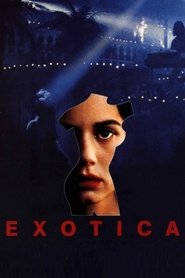
Exotica (1994)
Release Exotica Blu-ray (Alliance Films, 2012)
Atom Egoyan and Mychael Danna discuss planning image, score, source music, sound effects, and silence together. Danna recalls the India recording trip behind the shehnai-and-piano score. Egoyan describes long takes, overlapping timelines, and withholding information. They also explain working without test screenings or a temporary score and using music to connect characters before the plot explains their relationships.
- Duration
- 1h 43m
- Talk coverage
- 95%
- Words
- 15,530
- Speakers
- 2
Guided collection
Telling stories through dance and music
Eleanor Bergstein explains how songs, repeated dance steps, and camera choices develop the characters in Dirty Dancing. Atom Egoyan and Mychael Danna describe planning image, score, source music, and silence together for Exotica. Compare how movement and music communicate relationships before dialogue or plot makes them explicit.
Part 2 of 2
- 01 Dirty Dancing 1987
- 02 Exotica Now reading
Commentary density
Highlights
Topics
People mentioned
The film
- Director
- Atom Egoyan
- Cinematographer
- Paul Sarossy
- Writer
- Atom Egoyan
- Editor
- Susan Shipton
- Runtime
- 103 min
- Also on
- OneSheet ↗
- External
- IMDb ↗ TMDB ↗ Find on Amazon ↗
Transcript
15,530 words · 39 flagged as film dialogue
Hi, I'm Atom Egoyan. I'm sitting here with Mychael Danna, and we're doing commentary for Exotica. I'm very excited. It's the first time I've done one of these with Mychael. We were originally supposed to do this just over a month ago, but Mychael was just coming back, interestingly enough, from India, where he was starting work on the score for Life of Pi, and it is fantastic. And it's fascinating because that's what Mychael does a lot of. He goes to various places around the world and is trying to get very authentic sounds. Like the sound of this shehnai, which he had in his mind and literally a couple of weeks before we had to do the final mix, he got on a plane at that time and went over to get this sound. So I'm going to hand this over to Mychael to tell you that story. trading a lot of stories as we're watching this film that we both love so much. Yes, it's... considering that the entire music budget back then, I spent pretty much all of it on my plane fare to India to record this instrument. But I felt it was really important, the concept of Exotica,
These two things that don't belong together that we're hearing now, a shehnai and a piano, I thought replacing that with a Western instrument oboe would completely lose the essence of what we're doing, or having a synthesized one, again, just wouldn't do. So yeah, made that very long trip. Found a wonderful player named Sambhaji, who later took me... out into this temple cave and we had quite an adventure looking around up in the suburbs of Bombay where we recorded. And yeah, it was something that Atom believed in me enough to trust me, even though I knew, I could tell that he was worried that we were actually going to get it done on time with this added this added trip. But I think that that's really important, what you're talking about, this idea of things colliding, things that don't necessarily make sense together, because it is very much, you know, here from this opening scene in the film, where you have David Hemblen as a customs officer instructing this young officer, saying you have to ask yourself, you know, basically what brought you to this point, or, you know, you have to examine what it is that's behind what you're seeing.
and we're seeing this mirror here, and they're obviously very much behind this, and this idea of people having an unexpected intimacy or contact with each other, that's something that's so important to develop in terms of the music that we were looking at, that there'd be these collisions, that there'd be these contrasts, and that there'd be these very strong themes that allow us access to the interior psychology and emotion of this piece. Yeah, and these unexplained, collisions which on the surface seem odd people's behavior people's actions and reactions being unexpected and unexplained just like why do we have an Indian wedding instrument playing with a piano but as we strip away the coverings of this story we learn what brought the characters to these points often rooted in in personal tragedy, personal pain, and it's kind of their way of living with that in the present. I think that there's also this idea that what connects people is often something that they don't immediately understand, that it might take a while for them to come to terms with, but also that people have formed
ways or habits which give them a sense that they're dealing with their trauma but in fact are only extending it but they're seduced into believing that this is something that's beneficial to them and the music also does that as well it gives you a sense that there's music in this film which is immediately so exciting and so accessible and then there's music which kind of lurks and kind of has a develops in a much more gradual way through the course of the film and I think that's what's so interesting about this score like here we're about to go into this club and there's a lot of music like this which is just really exciting and which you puts you into a world and you want to be in that world and it's almost like a drug it's sort of very much like the whole ambience of this club, you know, it immediately kind of, it just overwhelms you. It's so seductive. It's just, you want to be in this place. And yet it's dangerous because being in this place accentuates and extends the very thing that you're trying to heal or cope with in the case of Francis, who's sort of one day stumbled into this club and met
this young woman that has a very, very significant place in his past and certainly he does in her past as well. And the two of them form this very odd relationship that's quite toxic and which is going to extend their respective grief. So it's a very complex idea. And from the very beginning, I knew that the script was sparse, that there were going to be these very strong images, these very strong... visual motifs, but we needed an amazing score. And what was so beautiful about this is that Mychael and I had been working already together for 10 years, really, since Family Viewing. And from that very first film, we developed this language, this ability for me to write a certain type of script, knowing that Mychael's collaboration and artistic understanding and his own very strong vision and talent would be able to extend what I wanted to do structurally and visually. And my feelings were very hurt here that you used the Toronto Consort. This is a needle drop piece from this incredibly talented group, which then, of course, we used in our next film. Right, Sweet Hereafter. In the Sweet Hereafter.
Yeah, it's something that we had, when we first met, we had talked about working with early music and we were very excited to do that. But yeah, the music has to have the, you know, kind of the twin opposite poles of this feeling of loss and then desire as well. And both those things intertwine all these characters and the music has to have those characters intertwined in it as well. Losing desire, I think that's exactly it, you know. So, you know, if you can think about, you know, this theme, I think it's coming up, where we're going to hear this... No, we're going to hear actually the Leonard Cohen song. Actually, okay, I'll put it aside here and talk about this piece, which... I had in mind from the very beginning, Leonard Cohen's Everybody Knows, it was really difficult to get access to this piece of music with the very limited budget we had. This whole film was shot for less than $2 million. Actually, it's like 1. 5 or something like that. It was insane. So how do you get a big song like this? And so how you get it is you approach the company, they say no.
and then you find another source and the oud player on this is an Armenian man and I knew him through another contact in Los Angeles and so through him, I think it's John Bilezikjian is his name, I may be wrong, but he then contacted Leonard and so we got access to the song and it was just an amazing gift. So, you know, this film is full of those gifts. And this theme of what everybody knows or doesn't know, what's evident, what's not evident, it just seems so perfect at a number of different levels. Here you're hearing the oud. So that's... Which we also used in the score as well. Absolutely, yeah, yeah. We had to help things all lock in together. This club is incredible. I love the design of it. And I still wish there was a club like this. I would go to it every night if there was. If I was really smart at that time, I mean, so many people came to Toronto looking for this club. And if I, you know, I should have like,
put my film career on hold and become a sleazy club owner... ... and just set up a whole franchise of clubs called Exotica. Well, and fascinatingly, as you might recall... ... and a great theme of this film is not being able to touch in a club. I believe the year this came out... that in Toronto that was overturned, that lap dancing became legal. You singularly overturned it. It was you set up a lobby, didn't you, Mychael? It wasn't so much a lobby as a... It was just a lot of guys begging. It was sheer thuggery, wasn't it? You just got a lot of your friends and... Anyway, okay, let's just talk about the music, really. And then these three settings for these intertwining stories are such... right places for stages for people to play, a club, an opera house. There's another needle drop, which is probably the most phallic piece of music ever written, Prokofiev. From the Romeo and Juliet, the dance of the Capulets, right? Or the Montagues, sorry, it's one of them, right? Anyway, but...
Here's an interesting ritual. Again, this is a film about rituals. So this character, Thomas, has begun this ritual, and it's a sexual ritual. Basically, someone has given him these two tickets to an opera. He goes to the opera to try and get rid of one, but suddenly realizes, what a great way to pick up a date. You know, like suddenly you go to the hottest sort of event in town. There are all these really, you know, cute young men. And you get to sit beside them. So it just seems like there are all these conduits where people can satisfy desire in unexpected ways. But what we find out about the Exotica Club and these relationships is that, curiously, while everything seems to scream at you that they're erotic alignments, they're not. They're actually founded in something else, which is sort of psycho. Well, I was going to say psychosexual, but it's not even... The sexuality is actually a camouflage for something else that they're trying to wrestle with. And so even though if you look at the background, you see Chrissy and Francis, played by Bruce...
and Bruce Greenwood and Mia Kirshner. You know, they have all these sexual poses, but it's not really what they're doing, what they're working out. I have a question. The one thing that's in common with these three spaces, the pet shop, is this parrot. What is the significance? I don't think I ever asked you that. Well, I think I was looking ahead to people pirating this film, and I was basically saying, like, please don't pirate the movie, and I thought if I put a parrot in there... then they would actually kind of subconsciously recognize that they were becoming like pirates. I wondered if it was a symbol for you, for you, the director, or maybe even directly that you had a little monitor at the end of the parrot where you could watch very, very closely what your actors are doing. Anyway, I found it interesting that the parrot kind of crosses into the different worlds, as we'll see.
That's really observant, Mychael. I'm really glad you're here. God, if this is going to be like that for the next hour and a half, I really want to stop this. Another interesting thing. Oh, no. Oh, no. Yeah, one of the things that's changed in clubs, of course, is the smoking, the ashtrays. Oh, yes. Different time. Now, the other thing that's a little daunting about this session is that Mychael actually has found... the book, the Bible of the film. He's got all the scoring notes. He's got a lot of information. So I'm a little daunted by that. Yeah, it's kind of fun. I keep a binder of every project with everything to do with it, and I throw it in. And I've got my bill from Digital Domain Studios in Bombay here, which looks like it costs 600 rupees per hour. you know, special cash rate if you call the director. Wow. So things like that. What we're about to now encounter is this theme that is developed really beautifully in the film, which is the field theme, the sense of a suspended moment, which when we're seeing it visually for the first time, we don't really know how to locate it or place it. It seems completely abstract. And...
You know, all the other sounds in the club kind of die away, and we start hearing this very enveloping and inviting, almost breath-like sort of sound, which will then connect us to this field. And as we see these mysterious people coming over, we don't really know why they're there, how they're connected, but this piercing, very suggestive piano theme, you know, sort of appears for the first time. And this is, I think, one of the most exquisite sort of themes that I was going to weave through. And it's going to... We heard piano at the beginning with the title track, but it wasn't really this theme, right, Mychael? Right. It wasn't even sort of a... Yeah, this, the field theme, and I remember you wanting something that was very... not suggestive of the truth of what we're really seeing, which we find out later, but just something like a soft memory that just kind of wafts and envelops you, and something warm and maybe slightly off, but certainly not sinister, which in fact there is that overtone to it when we learn the truth.
But yeah, these themes do end up like these stories becoming... They cross and blur into each other, and you'll have the field chords with the Exotica theme over top of them, and so they, like the characters, begin to just bleed over into each other's... Now, one of the things I remember, and it was an unusual situation, is later on in the film we'll see Sarah Polley's character actually play the opening theme on the keyboard, which she's then using for her flute practice. So we did have this need to actually have a theme for the shoot itself, which is the theme that we use at the beginning. Yeah, it's amazing. I'd forgotten that, but yeah, I did write that during shooting, before I'd seen a frame. Right. So I'm wondering, I mean, in terms of that particular theme, which was needed for the shoot, in which we sort of, and you work in very beautifully into that section, but it's sort of a stand-apart theme from what else, from the other things that are being developed in the film, right? Well, no, it is the Exotica theme. You don't hear it
as that at first, but it's kind of the accompaniment of it. And then the flute, a flute actually plays a theme that the shehnai has played at the very beginning of the film, but it's the Exotica theme. No, but what I mean is that it's not tied into the other, the field theme. I mean, the field theme and the Exotica theme, And again, I mean, I haven't actually looked at this for a while, but I think they're sort of separate from each other, right? They are, but they combine. I'll show you the moment where they combine. Did someone say something? No. I mean, it's very interesting, again, you know, like, I think that... I don't know about your process and I suppose your process is actually in some ways very specific because you're looking at a finished film and you know at this point you know the music is the last thing that kind of threads these things together and it's the glue that unites all of this but as I watch a film like this now I mean what I'm stunned by is you know as a writer there are a number of impulses that you have and
You are drawn to certain characters and moments. I mean, you know, things develop unexpectedly. I mean, in this case, obviously, you know, Arsinée Khanjian got pregnant with our son, Arshil. So the whole notion of pregnancy became something that I had to work into the script, you know, very quickly as I realized that, you know, a few months after the shoot, we'd be giving birth to our son. And so there are a lot of things that are just quite intuitive and are dealing with feelings that I have that I can't really articulate. And that's why I film them. That's why I need to kind of explore it as a film and why I, it's one of the most exciting aspects of making a movie like this. But I suppose by the time you're actually then spotting it, by the time we're actually looking at it together, there's a number of things that the score needs to do in order to create this glue, right? Yeah. And I think, you know, that this device of having them intertwined in this,
strange way crossing borders that shouldn't be crossed you know everyone in this film has that has that sort of situation going on and so i think this is a a wonderful device um and and and it adds to the you know it's a wonderful way to have the the tension between uh between eric and christina But I'm thinking more in terms of when I'm writing a script and when I'm trying to edit it and create the shape, there is something that's quite, as I said, intuitive. I can't really explain exactly what draws me towards certain structures or certain ideas or certain... But I think your work as a composer... is based on a response to what you're seeing visually. And it's very specific what you're doing at this point. Parrot. A parrot. That is a parrot, right? Okay, I'll tell you what the parrot is. Is that a budgie? Okay, do you want to know what the parrot idea is? Yeah, can you tell me? Okay, I'll tell you very soon. It's this idea of an animal.
that is actually a repository of something, but it's something that they learn. It's not something that they actually have any feeling for. So a parrot can actually mimic certain human ideas, but without any sort of connection to what those things mean. If you want to know, like here, there's another parrot. This is a big parrot. Now, why didn't you tell me this? Why? I would have written the score completely differently. I'm not going to pay you. It probably wouldn't have been as good. It probably would not have been as good, right? Because you would have actually, you know, you would have been using your head too much and something. But that's the idea of, you know, and actually there's this idea of, you know, something that's rare and that's prized, but for something that's, you know, not innate to its own character. It's like, so that's the idea of the parable.
Does that help you at all? Do you feel better about your own work? With that arcane bit of knowledge? I don't think it's that useful. It wouldn't have helped. It would not have helped. How's your trip? It's fine. There's a great energy between these two. And I remember, again, it's needle drop. It's my sister playing Schubert, right? But it's just something about this... This piece just seemed to kind of get the mood of this strange encounter. I don't know what... Flustered. We should also talk about the wonderful sound design of Steve Munro, which a lot of times kind of crosses into music score. There's certain sounds that you'll hear in this pet shop, and certainly in the club, In the office, in the club, you'll hear these long bell tones, and a lot of people said that was their favorite part of the score, but in fact, it was just sound design. Actually, that's a really good point. We'll talk about that in terms of the scenes between Francis and Sarah Polley's character in the car. There are these wonderful sounds that Steve...
was able to create. And you're right, they actually are the best part of the score. So actually, in some ways, maybe we should stop this and bring Steve in. Parrot. That's right. You know, here is a very good example coming up of something which is sort of ominous and mysterious, I mean, in terms of the set. I mean, you can sort of see this, you know, it's very unattended to. It's like, you know, he's obviously this pet store, which is something he's inherited from his parents, something that he... is keeping as a front for something else. It doesn't really have any value. I think that's one of the interesting themes in the film is that both these main businesses are inherited businesses. Zoe has inherited the club from her mother. Her mother obviously kept it a certain way. It had a very different sort of vibe. And now she, as the daughter, is trying to live up to that. There's a conversation about that later on. And then, you know, he's inherited this pet store.
Is Francis the most self-aware of all these characters? Because he's an auditor, so he's used to dissecting cause and effect and looking at results and tracing back. And he's ended up in this stuck behavior. But does he know about it? I wonder if he's a person who... knows what he's doing and why he's doing it more than the other characters. But I think that's a really fascinating point you bring up. I think a lot of characters in my films are people who have found jobs or have found occupations which allow them to deal with some sort of neuroses that they are wrestling with. They've found a way of, again, superficially coping, but do they really understand? Like, I mean, does he really understand the nature of why he's in that club. Does he understand the nature of what actually happened on this particular day? You know, like, you know, this day haunts him, right? This day haunts all the characters in the film. Certainly it haunts these two. And it's, you know, they don't really... No one really understands or is connected to how this day has rippled through their lives. They'd be able to...
explain it rationally, but that's why I think the film does have this psychoanalytic sort of structure, right? It is about revealing these layers and being able to strip them away so that the characters themselves are able to come to terms with what they've experienced. They know what has happened to them, but they haven't fully absorbed the levels at which that's affected them. And so the film does have this structure, which is very unusual, where it's peeling away. And that's where the music is essential, because music, like in this theme, which is in a very nascent sort of form, is gradually going to become more explored, right? It's going to go further. And go to the darker places that aren't really suggested here. Right. But I think that that's a really, you know, I mean, if you look at the films... before this films like The Adjuster you know again someone who has access to other people's lives someone who's able to kind of make these inventories of what it is they've lost someone who has this at least superficial sort of sense of being able to understand things structure them in that case actually put things back together again but you know is dealing with such inexplicable kind of confusion in his own life
is at a complete, you know, is still not capable of being able to analyze where they are and what they're doing. And I think that, you know, one of the themes that runs through these films is the sort of sense of despair, right? There's this sense of, and a madness, you know, like, you know, these people are in such a state of despair that they're kind of hovering over this kind of madness. And, you know, like, so there's something that's... They're still acting in a normal way, but it's almost as though their jobs allow them to keep the last vestiges of their own sanity because of something that they get to do in their jobs, which is on the edge of actually being insane. They get to kind of imagine that they're putting things together. But if you look at a film like The Adjuster and you look at what Maury Chaykin's character is doing, it's a job he's created for himself, which is... It's absurd. It's a response to something which is very troubling. But it makes the pain less for that moment. That's the seduction. That's the drug. And like ghosts, they just continue to haunt these spaces that they probably need to leave.
But because the pain is lessened just by this behavior, at least temporarily, it's, as you say, seductive. It just is enough to keep them there. And this is a beautiful, I remember, you know, we needed to bring out this weird sense of comedy in the movie, like that moment we just saw where, you know, this inexplicable kind of threat. from this animal in the tank, but leading up to this moment where he discovers the gun. So this kind of comic light theme had to suddenly shift into something more ominous, but not in kind of a heavy-handed way. I think this is handled really beautiful, this cue. This is one of my favorite weird cues, because it's just so light, and it doesn't have any of the... I think it just shows your talent, Mychael, because it's in a skeletal form. It kind of takes us from one place to the other in a very efficient way.
Look at you nodding and kind of preening yourself, stroking your... You can't see this. Anyone who's listening, you can't see what Mychael's just doing. His chest is kind of puffed out when I say things like that. To be honest, I'm just wondering why I can't write anything that good anymore. You know, that's the latent thing I'm thinking as I'm watching this. I'm going, wow, why can't I make films like this anymore? An interesting thing is the field theme. The film that I'm working on right now Life of Pi, they have used as temporary score, they've used the field theme. And so I'm now in this strange place of having to replace with original score. You've had a weird relationship with Ang Lee because he was using Family Viewing in the first collaboration you had, right? Yeah, and I had to replace it. And that's something that we don't do. You don't temp your scores. And I think
Well, except Chloe, right? I mean, Chloe was the only one that we had to... That's true. Because we had to test it. And that was the weirdest part about that process, right? It was the first time we had to kind of create this faux score, right? But I think that's a lot of the time why my scores for you are very original and fresh and very, very identified with the film. Because I'm not replacing something else that's there. But having to rewrite the field theme... It's really interesting because it's such a... And I actually remember the moment of writing that theme. I remember that moment. At that time, I was living at my mother's house and had these two keyboards set up like a 1970s rock star with the two keyboards far apart. And I think my hands, my arms were out and... I feel like the wind might have been blowing. I'm not sure. You had that hair. You were dressed like Todd Rundgren. But I honestly, I do remember that moment of playing the voice with one hand and then the piano with the other. Oh, look, another parrot. Another parrot. But I think this is the closest we get to the pirate theme, right? It's sort of...
But again, it's just, it's not expected. Like, why would this person have a parrot on? I mean, it's something that could be real, and it is real, obviously, but it's also very improbable or strange, and I think that... I feel sure there's a doctoral thesis out there somewhere. Right. What's fascinating to me is that I actually ended up... Sorry. It's okay, we're just talking about... eating all these parrots in one stew. I remember at the wrap party, we actually created this kind of, it was a parrot cake, actually. I wasn't invited to that. Okay, so now we're gonna, this is, I think, one of my favorite sections musically in the film, because we're gonna start off now seeing Sarah actually playing this theme on the piano. And what you're gonna experience over this next, I still say reel, because of course we're not working with film reels anymore, but this was actually, you know, one of the, this entire section was one of the 35 millimeter reels, 10 minute reels, so it's a 10 minute sort of section. And what's happening is that the music is going to shift from something that's actually grounded and visual and practical into something which is then score, and then it'll kind of shift back to
what Sarah is playing. And this fascinates me because it's this whole idea of control, which is, you know, in the film as Francis looks at this mysterious picture of his former family. And this is a very important image that we're going to refer back to in the film in a video kind of moment. But look at how we just suddenly launched away from what Sarah was playing into this kind of, fantasy, kind of this weird... And this is the Exotica theme played on flute. So all the themes here begin to kind of swirl and kind of form into each other. And then we're going to go into this, one of the most signature sort of club pieces, right? Singer Rakesh Kumar, who I was working with. Actually, in this theme was first introduced, the song was in Calendar. I remember. Do you remember? This is, I think, in one of the scenes in Calendar when they're in one of the churches. So you must have had this song before. Previously. And what was it for? I was producing a record by this artist. And yeah, we were working on this for a month.
So this particular song is in Calendar, and then we imported it here. I just love this club. I remember coming to the set, and it was incredibly hot, and there was no air conditioning. Oh, it was terrible. It was hell. And the thing, sweaty to the extreme. Well, listen, I'll tell you the story about this club. I really liked it. Look, we had no money, so how did we get all these... wonderfully beautiful, you know, dancers. Well, I'll tell you, it was again, a nightmare where, you know, for the amount of money that we couldn't pay, we had like really, really bad people kind of swirling around. And I was going, oh, this is not gonna look the way I want it. And suddenly what happened in the days before we started shooting is that someone in that community visited the site and said, this is gonna be a really cool movie. And suddenly every stripper in town
wanted to make an appearance. So that's why we ended up with all these really great dancers who were in the film for virtually nothing. The other, you know, we have to talk about Linda Del Rosario and Richard Paris, who were the art directors, production designers, and they just did an amazing job here. Basically, you know, I'd work with Linda. from high school. We were, she directed my plays in high school, so she had this very strong theatrical background. And so I think a lot of the theatricality and the feel of the place was something that I owe to Linda's imagination. And really, anyway, okay, so here we're seeing physically this theme as it's Look, that's, there you go. You want a parrot theme? That's what, you know, that piano is like a parrot. It just is, it's sort of this instrument that can replay something back without any real feeling. And then we're going to go from that mechanical representation of an idea into something that's fully emotional and detached and able to engage.
and bend and explore. So that's, I think, one of the important themes of the film, this idea of things that we do mechanically, without thinking, and things that we then engage ourselves with and commit ourselves to. So that's the parrot. That's what the parrot's about. The piano becomes a parrot. You have these physical parrots. And for those animal rights lovers, no, I did not stew the parrots. I did not make them into a cake. They all had long and fruitful lives. Some people don't get my humor. I realize after I say things like that that... I noticed that Elias is dressed like a parrot here, right? It would be a lot less disconcerting if you didn't have a parrot costume on right now. So, you know, these... Okay, here we are. This is, to me... the essence of the movie. So what are these two characters doing? What are they saying to each other? What are they playing out? It's completely mysterious to us. You could see that she's in a space, that there's something that's actually engaged. But look at him. He's in a very weird psychological place.
What he's playing with, what he's touching, what he's exploring is so dark. And it's untethered. There's no one there to say that this is very dangerous, that you're entering into a place which is a therapeutic zone, but there's no one monitoring it. There's no one actually able to help you. You know, you're on your own. You're watched by Elias's character, Eric. But Eric has his own agenda. Eric is playing out something in his own mind as he's watching these two because he knows how they're connected. And for his own reasons, you know, doesn't choose to intervene. He's suffering from his own hurt because of his relationship with Mia's character. And with, you know, it's all so... The stew here, the swirl of these very dark emotions is beyond anyone's ability to understand and fully comprehend in terms of moving beyond it. So the film itself becomes this strange therapeutic device that they're waiting to be unleashed by, as the viewer is. I think the viewer is also in that same space. You're both seduced and repelled and repulsed by what you're seeing. Yeah, there's a sense of danger of crossing lines that are very sinister. And the music certainly suggests that. Again, we have this shehnai here.
But we're about to see, you know, again, one of these visual spaces that doesn't make a lot of sense. Francis going into this cubicle and, you know, as a way of escaping. You know, it's something that he probably does every night. He leaves, you know, at a certain point, he leaves, you know, his private dance and he goes into the cubicle. He's alone here. And, you know, then we're back. Again, this is all the same reel where, you know, We see Sarah having finished that theme and her meditating on these shadow characters. Because, you know, she's also trying in her way to understand what she's feeling. And there's a hint here of this music that will be heard in the climactic scene. This instrument is called a bean, which is a snake charmer instrument, which I recorded in the streets of India. So that visual cut right there, was that what Francis was thinking of specifically? We don't know. The film posits that. The film sort of makes these connections, but they may be false or they may be connected. Anyway, I could go on and on about that. We're here to talk about the music. So as we're sort of seeing that,
entrenched ritual. We're now seeing the end of a ritual that Thomas' character has just sort of created, the opera kind of ritual that he's using to pick up men. And we'll also see how that becomes ominous way too quickly for him in terms of the customs officer that he happens to pick up later. So here's this, we think, Looking at this, Sarah's a child prostitute, right? At this point, we have no way of really knowing how these people are connected. There's an exchange of money. There's this idea that this is another relationship that he's paying for, and that maybe these conversations in the car are the closest he gets to having a therapist. The only reason that he keeps this relationship with Sarah is that Tracy, I think... Tracy, yes. The reason why he keeps the relationship with Tracy is that he gets to kind of have these torture kind of conversations about friendship, about, you know... This is a wonderful conversation. No, it's not a question of liking her. And Tracy's character is the one that...
refuses to pose or construct. She, very much like the actress playing Tracy, just wants the truth, wants to cut to the reality of the situation. So she's almost the conscience of the film in a way. And that baggage creates tension.
So what do you do about it?
But again, what's very interesting is that she's probably the only character who at a certain point wants to stop a ritual. Later on she'll say, look, I want out. This is just not good, right? Well, it's not her ritual. She's not getting anything out of it. She's just a part of the ritual. of the machinery. And it's a weird machinery because ultimately she's the result of a pact that's been formed between these two brothers, between Bruce's character, Francis, and his brother, you know, who ultimately we find out has betrayed him. So, you know, out of guilt in a way, the brother is offering the daughter. Sacrificing his daughter, yeah. Yeah, and it's very twisted, very, very strange.
Good night. Good night.
And Tracy certainly comes across as the most normal person well-adjusted and true to herself person in the film, I believe. So now we have this really, again, Mychael, I listen to this passage over and over again because it's just so beautiful what's happening, the shifts that are happening in this section. I'm nodding my head. Yeah, and again, you're preening and your chest is puffing up. There's an incredible shift here. What's, I think, unusual about our relationship and what I treasure is that as I'm shooting these scenes visually, I mean, again, we've been working for about 10 years together by this point, I can kind of proceed with these very long takes. I can proceed with these, you know, there's drama within the scene. But visually, it's unified in one gesture. So musically, you're able to apply something to it. And there's space for that. Let's say this whole sequence of Elias, Eric playing with the light bulb. Well, and that trust is
Because there's no temporary score when you're editing, you don't... Because if someone was temping this, they might cut the music there, put in something different here. But to have the ability to kind of link all these in one dream... Right. And what's important here for people who are watching, filmmakers, is that we never... had to show this film to a test audience, right? So we never had to... These sequences could actually afford to be bare. Like, you know, Elias walking through the room, the way we're using the overlap of the dialogue. I mean, this was all something... I remember constructing this at a visual level one night in my editing room. Like, the sequence was not quite working. So I just kind of recut it. I remember when Susan Shipton, my editor, came in in the morning. This is the last film I edited on film, actually. So she came in the morning, and there was this mess of film on the floor. Because I was just madly trying to kind of put all these scenes together and overlap and kind of create this feeling, knowing that I could then hand it to you, Mychael, and that it would all...
be unified and, you know, that these tracks and gestures and everything that the camera was doing would then be reinterpreted, you know? Yeah, at this moment, the past and the present are crossing and the themes are crossing. The field theme, the shehnai from the Exotica theme. And these two... And as we see visually that, you know, he's remembering her. And look at where he is now. Look at who she is now. We don't understand... why they're there but we're about to kind of then you know as we see this last shot of him uh on the roof and we see the this section kind of come to an end we just understand again there's tremendous pain you know that there's an anguish but the score is given us so much you know and i can't even imagine honestly one of the reasons when you say you know making films like this now it just seems that it's the film is exposed during its editing and it's uh
final kind of stages to too many people who have to kind of respond in a certain way. And so you're not allowed to make those same risks. You know, you're not allowed to kind of like allow it to still be forming itself as long as this film was. Musically, that's made a very big difference. I think scores have had to become much more predictable and conservative. Here you're seeing behind Zoe all these images of who her mother was. If you look closely, you'll see, you know, it was a much more glamorous place, right? It sort of, I think what you like about it, Mychael, is that it's kind of a little seedy, but we're seeing like pictures of young Chloe embraced by her mother in the background. There's the mother behind Mia right now. And so, you know, it's this idea of another life. as we see the pregnant belly of Zoe, which means life, of course, in Greece, you know, in Greek. So it's like this idea of we see three generations here, right? We sort of see the past, the present, and the future.
So when the opportunity came up, I thought I would take on the challenge. So you feel better about adopting her options rather than creating your own?
And the beautiful and wonderful Mia Kirshner, who I believe I saw her in a Denis Arcand film and told you about her. And I believe that's how she ended up. Love & Human Remains. Love & Human Remains, yeah. The baby with Eric. I found it. Does he know?
I would hope so.
But here, look at the sound design here. Like, you know, the sound of these, again, parrots or birds. I mean, like, it's sort of an abstract sound. Like, it's almost as though there's this garden outside. Like, there's this weird, you know, um... zone or space, but there can't be live, you know, birds. Like, it's not an actual sanctuary, right? But there's this sort of feeling that, you know, and then as we get into this room...
She built it for this very rich man who used to come here.
Yeah, which harkens back to the Canada customs. Right, with the two-way mirrors. But this idea, you know, what she's talking about, this story about this place that was constructed for the needs of this particular client... And that client is long since gone, but the structure remains. And it now becomes an observation post for Zoe. So it's...
Until Eric told me the truth.
People confronting each other with sort of, you know, shifting ideas of what the past means, you know, and this notion of belief and belief systems and what promises are made, what promises are kept. So now, you know, this ritual, which has been going so well for Thomas, suddenly is about to go very wrong because, you know, the pickup this particular evening is a customs agent. Always get there, man. That's a wonderful bit of musical punctuation. The what? The snare drum. on the close-up. Wonderful. Oh, yes. Right. Well, that's needle drop. Yes, it's... You had nothing to do with that. So please don't claim, you know, kind of ownership of something. Oh, did I not write that? No, no. Wait a minute. Romeo and Juliet. That's Prokofiev, actually, my friend. Oh. Yeah, yeah. That's still ahead of you, I hope. Yeah. Yeah, that sort of a... Mm-hmm. So here we're back. We actually just came back from a coffee. We took a break because that was like 45 minutes of constant talking. But actually, it's...
talking about what's ahead of us and talking about careers. We were both kind of reflecting while we were having this coffee, this break, about why it would be very difficult to make a film like this now and how much fun we had at this time. I mean, fun in the sense that we got to really just be on our own and we got to not have that many people interfering. And I think, you know, technically it was because I had this deal with Alliance at the time where if I made these films for like under the radar for like, I think originally it was like less than a million dollars, which is what films like Speaking Parts and Adjuster and Calendar certainly, this was a bit more than that. But the idea was that it was totally hands off. All we had to do was give a script, a title.
and it would be funded. I mean, crazy, amazing kind of opportunity, but, you know, we took full advantage of it. And so we got to make these films in a way that would be conceivable now, which is just, you know, without people having to look at cuts, without having to have test screenings, and just exploring ideas because creatively that's what we were feeling. So now, you know, we're both, you know, it's funny, we were just talking about the next, And, you know, already, as we're reading scripts or, you know, as I'm writing scripts, I'm much more aware of the fact that other people have to be looking at the film at various stages because the levels of investment are that much higher. And people want to know what the marketing of the film is before it's even finished. And that wasn't the case with a film like this. It seems crazy looking at Exotica now because it's still probably...
one of the most commercial films I made, but no one thought so at the time. I remember this film was invited into competition at Cannes, and we couldn't even get a French distributor, because all the French distributors looked at it and thought that it wasn't commercial. So it just goes to show you how kind of weirdly in a shell we were. But you can feel the passion of the creators in every frame and in the music. it is difficult to have that kind of, to maintain that excitement and passion for your work in the current way of making films where, like you say, everything is examined at every step of the way and it's a long slog through a process where, for instance, in music, it's never ever without music right from day one. And so people already get used to this completely, this temporary score of scores from other films. And so in a way, they've already made the decisions. This film will have piano and orchestra. I mean, look at the instruments that are in this film. Who could have possibly temped in, you know, a shehnai and a piano? It's not possible. And so the fact that we came up with that concept
because it's the best thing for the film, is something that's very difficult to do now. But also, I look at this scene, I look at the performances, I look at the actors, how committed they are, but they're also framed in this... This was a set. This was not a location. So here's the amazing thing, is that you could theoretically have that freedom in a digital world, like ultra-low budget, but then you don't get to make sets like this. You don't get to kind of create this... visual palette right because this takes a tremendous amount of commitment and talent on the part of you know the art directors and the props people and you know the costumers you know but the actors here look at what you know is happening between elias and bruce i mean they are not you know they're not even looking at each other they're completely separated but each of them is in this very very particular place and they are very connected to these subtle and really complex ideas. And this place where their two obsessive worlds kind of overlap in this very sensitive spot for both of them. He's provoking this person to be expelled from the club. He's provoking him to touch...
Christina, which will then give him permission to physically eject him. So it's like this extraordinary ritualized moment of violence. And touch for Francis has such meaning, such huge, huge meaning, which that little memory there was about. Yeah, and look where he touches her. He touches her on the belly, right? So again, it's a very... you know, planned and almost again ritualized sort of like gesture. There's Eric like waiting, like the whole thing is like staged, you know, and it's this staged expulsion from paradise, right? This weird paradise, you know. It's a completely, you know, triggered moment that's been designed and, you know. This Armenian vocal. which we had recorded in Armenia when we were doing Calendar. So as we're seeing the end of this particular ritual come to an end, this particular space that Francis has been able to indulge in, we then cut to this other ritual that Thomas has begun, which will also...
come to an end you know we're seeing the last sort of this very uh romantic moment between the two men uh against this storm uh and i think the design here visually in terms of how the uh storm is connecting you know this rainstorm between the exotica and and what we're seeing outside of thomas's apartment with this moment of uh uh uh sexual contact This idea of, you know, Thomas is almost like a Saint Sebastian, sort of like tied against his own wall. And there's this idea of this leading to sexual fulfillment as we see this stranger begin to go down on him, and then suddenly it's interrupted. It's interrupted by the actual structure of the film as I cut away from the scene, but it's also because of the collision of these two people, what it actually leads to. He doesn't know who this man is. The man happens to be the person who saw him come in at the beginning of the film, the customs officer who was in training. This conversation here is so...
Shouldn't you go to the hospital?
Heartbreaking, I think, as Francis talks about, you know, his loneliness. You know, that there's actually no one in the world, you know, who is...
You worry about me, don't you?
He wants Tracy to say, yes, I do worry about you. He says, you worry about me, don't you? She doesn't respond with that. You know, she comes back confronting him with the idea of this ritual that they found. And... She's clearly fed up with it. We don't speak about it. You know that feeling you get sometimes, Tracy?
That you didn't ask to be brought into the world.
Yeah.
Well, then who did?
What?
If you think that you didn't ask to be brought into the world...
So this is taking this kind of cliche idea, well, I didn't ask to be brought into the world, which is what kids would normally throw at their parents. But here you have a parental figure actually asking a child who's asking him to stay in the world, right? Is he saying, like, well, the question is... Here, I'll let Bruce say it.
If you wanted to be brought into the world, you just ended up getting here. So the question is, now that you're here, Who's asking you to stay?
This integration of this idea, this philosophical idea that he's subverted with this camera gesture, the camera just kind of coming around, cradling him in that particular way, and then ending up with this transaction, this idea that, you know, the session is over. Look, are you sure you're going to be okay? It all is very carefully harnessed. And the sound, listen to the sound here. The sound design is fantastic. It's just this beautiful kind of way of cradling the scene. And even just the shutting of the door and the violence of that. He didn't want to.
What do you mean? I know him. We all know him. He's crazy about you.
So all these worlds are all starting to crack.
Because I didn't think of it.
All these rituals are... or self-destructing. Because you want to listen. And again, no one's really talking about what is happening. They're saying, Elias is saying, we all know, everyone knows what's happening. But in fact, if they do, they're not talking about it. They're not actually, it's just below the surface, which is why it's cracking.
Why not? Why not? Because he touched you.
Okay,
all I'm concerned about is if he makes a case. I have to know what happened. We told you what happened, Zoe. And that is what happened?
So that is what happened? Is that all that happened? And there's a tacit agreement between the two of them that they're not going to go further. Why? Actually, it's an interesting question. Like, it's this question of something that is held as a secret. And what's its value as a secret? What's its value as a hidden understanding? Why isn't it being honestly confronted? And it's a question of place. Like, is it the right place for that to happen? Is it the right place for them to have that confrontation in front of a third party which has no relationship to it? And yet they don't... they don't have that intimacy anymore. So they're not in a place where they can actually have that conversation because they haven't given themselves, there's too much rage, there's too much anger in their own history, especially in the face of the person who's now carrying Eric's child. You know, the person, you know, so it's the collision of things that are scenes that need to happen but can't happen because of the alignment of who's there in that particular time. with me presently,
but it doesn't mean I can't get them.
So here, Thomas' world is falling apart. Suddenly, the... And this is... What I really like about this scene is that it's just a comic little piece of misunderstanding. Look what happens with the coffee. He's brought something to be generous. Oh, I fell down the stairs. It's very Egoyan dialogue. It's just so funny. Like, I just love the play here, where... Well, I'm better than I look. Here, I got you a coffee. He's making an offering and it just goes wrong. Oh, black's fine. Black's fine. Oh, I added cream. Oh, that's okay. So he's accommodating, you know, he's going to take it with cream. And as to why he would then say it's not cream, it's just a little detail.
Well, it's just that this has cream in it too.
So, again, like, you know, trying to make a connection and... The inability to communicate... Yeah. .. honestly and... .. truly, there's really... None of these characters are capable. Like, it's hapless is the word, right? It's just sort of... And that memory just seeps in again. And this is actually... Again, a sequence which is just one shot. It's such an important piece of dialogue, and he's alone in the club. And there's the score, but there's this idea of the soundscape as well, the sound design of the birds, which is going to be heard. And between this shot, which is a point of view shot, subjective point of view, maybe from Eric's point of view, as he's searching the field, to him, remembering and talking about, you know, this very provocative bit of dialogue. I remember actually that we had one of the investors at one moment wanted us to take away this particular dialogue because it felt like it was too provocative. It felt like it was almost a pedophilic, right? You know, as he's sort of meditating on what it is about young girls that give them their special
But it's the... And it was just the ability to kind of say, no, I mean, this actually needs this. This is exactly, you know, the kind of the territory that, you know, he's venturing into as he's exploring himself. It's so moving that the only place that he can actually talk and unburden himself is... is here on the stage with a microphone. And he's totally alone. He's broadcasting it. He's imagining that this is the thing. He's imagining that he's saying this to a room full of people. He's imagining that he's communicating this to a lot of people because it's being amplified. But in fact, he's alone in the club. But it's just also married with this very, again, this camera gesture, which is so... It's so committed. It's so committed to watching him. It's kind of compassionate. It cradles him. It cradles him, yes.
There's this feeling I get sometimes, you know? What sort of feeling? That I wasn't ever meant to be satisfied.
You know, the other thing that I, just watching this film, and I mentioned it before, but you can write this dialogue, you can have these scenes, but if you don't have actors who are just so... sensitive and who respond to the material and are able to embrace it and just apply their own exquisite talent to it. I've been working with Elias and just watching him, watching the fact that he feels younger here. It's not just the costuming, it's just a whole temperament that he's able to embrace. Mia just feels like a child. But I feel like I want you.
Do you think that means you'll slip away?
Just that little look he makes up to the sky. It's beautiful that that's not scored, too. It's just... It's like a real moment between them.
I'm not going to babysit for Uncle Francis anymore. Babysit? You go there to practice?
This is one of the funniest lines in the movie.
Why?
Dad, he pretends I'm still babysitting for him. Why would you think that? Because he's paying me?
To house sit. Yeah, denial. How much? $20 an hour.
When did it go up?
So, yeah, denial works in funny ways, right? Yes. So I think that there's this... Yeah, denial is a big theme for me. You know, the rituals and the ways in which you're able to kind of prove to yourself that you're actually acting in a way other than the way you are. But they didn't. And this is a piercing line from... What does this have to do with me? Why am I actually involved in this? And for him to be able to say, it has nothing to do with you. Nothing at all.
So why do I have to keep going there?
You don't. It's also, when I watch this film, the fact that we could have Victor Garber, like an actor of his stature, just do this small part, you know, just gives it such a... And there's a link there between the way his hand was extending towards her and just visually how that links with the way this other mother is comforting the child. So here's now Francis kind of directing Thomas, basically giving him a script and saying, you know, this is what I want you to play in the scene coming up. This is a joke, right? Not at all.
If you do this favor for me, I'll do that favor for you.
And it all does seem so logical, and yet... You're not hiding anything. It's insane as well. And it's really based on a threat. I mean, he's saying, if you don't do this, I will imprison you. So, you know, up to this point, it's been, you know, the relationship has been, you know, quite benign. And the thing about the way Bruce plays it, it still feels benign, but it's actually... very threatening. He's saying, if you don't do this, you're going to go to jail. And this now leads us into this other section of the film, one piece of music. It's the snake dance music. But what's happening here is so, in terms of the set, you have three different levels of observation. You have Francis outside. listening to the scene through the remote mic that he's placed because he wants to extract a story that he doesn't have access to anymore. So that he's actually set up this
and it's fascinating because in some ways it's like the panopticon, this prison where everyone is being observed. It comes from the sort of French philosophical kind of idea of setting up, I think it was Foucault who talked about this structure where every moment and every idea is actually under observation, which is exactly what's happening here. This moment is being observed obviously by Thomas, who's at the table watching Christina. Then you have Eric across the room, who's also watching this moment and observing it. But then you have Francis outside. So all three of the male characters at this point are observing what she's about to reveal. And at different sort of levels of contact. And so subconsciously she feels, because of that level of observation, that she can actually tell this story for the first time in terms of what's happened to a complete stranger. But that stranger has actually been designed and planted there. You've been there?
Yeah. I was there a couple of years ago with my debating team. Debating team? Mm-hmm.
I admire someone who can debate well. I mean, who can debate instead of just argue. Anyone can argue, but... So I think that once we get into this snake charm music, it's probably, it's unusual for you because it's a very long cue, which is quite, it's not connected to anything else in the film. It's a standalone piece, right? It is. The only other time we saw it was a slight referral to it when we saw Francis's family photographs of the missing daughter and the missing wife. Right, which connects that to the scene, right? Exactly. But, yeah, and this is the sound of a snake charming instrument, which the house I was staying in in Delhi, I heard the sound of this instrument outside on the street, and I ran out with my little portable recorder. recorded this guy. Of course, he kept pulling the snake out of the basket because to him that was a big part of the show. I didn't understand. That wasn't really what I was interested in. But this instrument was then slowed down. And yet, it has that characteristic of a snake charming dance, of taming a...
something that's dangerous through seduction, through seductive movement and it just has this character that I think really kind of gets at the essence of this entire sequence. I think what's also interesting is that we must have had the beat of it because what we were playing in the club for these dancers to actually move was a very low frequency bass sound that we were then able to filter out. So we must have had from you, I'm trying to remember that. We did do that because we knew that we didn't want high energy dance music in this club. We wanted it to be very kind of subdued and slow, slower tempo things. So it was important that, so a lot of these pieces, a lot of these dance pieces I did do before before the shoot, even in raw form, they were playing so that the dancers would be moving in the correct tempo. Which is actually remarkable watching the film now, just to see how everyone is actually dancing to this piece that was applied later on. So I just want to talk a little bit more about this idea of how
Visually, this is being constructed and this idea of the three levels of observation, the three characters each having their own reason and agenda and needing to listen, that he's listening to the words, understanding what they're meaning, Francis, that Thomas is listening to the words, not quite understanding what they're meaning, and that Eric is watching, not hearing the words, but intuiting what the exchange might be and needing to then go further. So there's this scene coming up where he sees Thomas leave and go to the washroom, where he then reveals a story to this complete stranger, which is, again, provoked only by what he knows this stranger has received from her, or what he imagines has received. So it's about transference, right? Again, going into this... psychological kind of language uh but it's very important this idea where there's a transference that's made uh or an imagined transference which then allows someone uh to project and and create um it's not really a counter transference because that has a very specific uh meaning in psychoanalysis but there's this idea that what's about to happen with eric where he reveals that he was her lover is something that he'd never
been allowed to tell anyone else. So... What has he done for you? And what allows him to do that is to see from a distance Christina breaking down, to see Christina at her most vulnerable. And he interrupts that by saying to her that she needs to dance. So he, while this scene is being directed by Francis, suddenly it becomes directed by Eric, who watches this and says she has to get on stage. Bring it to a close. Right, so that... It's about to happen, I think, right around now. I don't know, Thomas. Why do you want to know all this? Well, I'm sorry, but I... Here. ... gives you
that special innocence, gentlemen.
Such a thing that... See, it's directly kind of a visual contact between the two of them. He never will. And he's talking about contact that you can never have. He's not supposed to do that. He's not supposed to. He can obviously see from his booth that I'm sitting here talking with a client.
He's not supposed to call me when I'm talking with a client.
The physicality of the club and the physicality of the contacts and how that provokes people's decisions and how it allows them to direct things in a certain way. But what he's really doing, I think, Eric, is he wants to have a moment where he can now confess to this stranger the way that Christina has. He's been somehow inspired by something he's seen going up on that balcony, and he wants access to it. So he gets it in this very strange way, where... I'm going to move to the washroom. Now, he doesn't hear that. He doesn't know, but he can see from that same vantage point that Thomas is going to the washroom, so that in the same way that he had that moment alone with... Francis in the washroom, where he provoked Francis to, and directed Francis to touch Christina, he's now going to have this other conversation. Beautiful, the throbbing sort of sound of the club in the background. I've been spending a lot of time with that lady. It's the Armenian tar. Yeah. Yeah.
So this is just a... To both hit it off together. I guess. I guess that can happen. So what do you guys talk about? Now, Francis recognizes that voice. It's the same voice that provoked him to leave the club. So he's coming to a realization as he's listening to this voice. You know... And of course, Eric doesn't know that his voice is being transmitted to Francis outside. So what we're about to see now is this really beautiful monologue performed by Elias as Eric. I mean, there's some people that you can remember the moment that you've met them really clearly. The music is very much in the background, but it's supporting this emotional journey he's about to embark on. This is another recording of an Armenian stringed instrument that you brought back. for me from Armenia. It's very interesting, right? I was quite... When you were saying about rushing and recording these street sounds in Delhi, I mean, I was basically doing the same thing in Armenia a year before. So a lot of... I mean, this is also what's kind of... What's wonderful about this track is that it's both of our field recordings in these different places that we're using. I mean, these other guys that come in here...
There's this one guy who comes in here every other night or something,
and he... Spends a few hours with her. But he never really gets to know her. He's talking about, obviously, Francis here. And it's a strange reverie he's on here. It's a beautiful moment as he...
She really seems to be herself with you.
And this took a number of takes, I remember, for Elias to really just tune into this particular space the character was in at that time. What? She's being herself? Yeah. I used to be her lover. I'm sorry, sir. I can't let you in. Look, why not? Look, can I at least just talk? This gentleman, I have to just say, is Ken McDougall, who was one of my favorite Toronto directors on the theater scene at the time. You have to understand that we have very... Passed away from AIDS, actually, and you could see he was quite ill by the time we were shooting this film. There he is in the background.
Now, the problem, Mr. Brown, is that this one time happened in a room full of other men who were watching.
Again, I just look at the art direction here, what Linda was able to do. Just incredible, the golden sort of feel of this place. It's very theatrical. I mean, it's something that I really cherish that she was able to bring that to this film. Please sit down. I don't know how we got all of this material for the budget we had. It's just miraculous. Why did you touch her?
Well, I needed to make sure. Why? What if she let you? What would you have done? I'd have been disappointed.
I'm not sure. I understand you. So it's interesting, as Tracy, Sarah's character, is probably the most knowing person in the film, it's very interesting how Zoe is the least knowing, right? She's the ringleader of this place, but she has no idea of the histories of what's going on here. And there's an obliviousness. You know, when she says this statement, Exotica... My mother was dedicated to creating... You know, we're here to entertain, not to heal. I think is the line, right?
You don't understand. You don't understand.
She says, I think, and it's this idea of distraction. We're all aware of what you've gone through. We're all aware of what you've gone through.
You've suffered a lot.
Well... You have to understand that the exotica is here for your amusement. Amusement, sorry. To entertain, not to heal. Yeah, entertain, not to heal. So even if she has kind of a superficial idea of what he's doing in the club, this isn't a place to work that out. So then suddenly it's Francis who's in the observation position, right? Now, it's the same sort of point of view. And where Eric was, suddenly Francis is in that same place. So it's a very... interesting transference that happens there, as he understands. And actually, that realization provokes him to what might be the most violent action in the film, which is to actually murder this man. I just met this man in the washroom. What man? Well, I'm not sure. I was in a booth.
I didn't really have a chance to see him. So how did you meet him? He just started talking to me. And what did he say?
Um, he said he used to be your lover. There's always a sad moment, gentlemen, when the clock strikes that magic hour. We have to send you out into the long and dark and lonely night. But just remember... This is, uh, Studebaker John, uh, who is, uh... a blues artist that I... I discovered in a club in the States, and I used his music a lot in Calendar as well. I just really loved his blues, and this is a really nice song. I have to go. Oh, okay.
Um, wait a minute. Oh, no, Thomas, don't. No, no, no.
It's interesting, Mychael, as I look at your book with the scoring notes, are there scenes that we talked about scoring that we ended up not using score on? I mean, are you kind of... Because it's interesting, you were saying before about the scenes that are not scored, and I'm wondering if there was ever in the conversation, you know, like where... Are we pretty... precise about that. I mean, it's amazing. I mean, you can't, anyone listening to this can't see it, but I'm looking at the original scoring notes and it's pages and pages. I've never actually, I've never looked back at that. It's, you've always kept those, I suppose. Um, yeah, it, it seems like we structurally kind of had it, had it planned out pretty much exactly as, as we see it right from, from the beginning. Um, I think you've always had a really good sensitivity to where music should be and where it shouldn't be. And I think we've always pretty much been on the same page with that. We definitely don't want to overscore and keep the moments powerful by keeping them in the right place. Do you think sometimes when you're scoring a film that...
There's scores being used to fill up space or kind of create a texture as opposed to actually develop an idea. Definitely. And I think, again, when you get more voices involved in the process, the more voices bring in more nervousness and then there's worried about this, for instance, that we're watching here. Is this... Dead space, in quotes. Dead space. But what's also interesting is that in terms of the filmmaking process, the score is the last thing that can affect the overall tone of a film. And what I realized, for instance, doing Chloe, which was going through a more traditional process, is that you do these test screenings and if the marks are not where they want them or if certain characters are not hitting the beats that they want, the score is the last thing that's going to able to shift that right so it becomes this strange way of manipulating things towards an end result that they want as opposed to it being a very specific artistic statement right and maybe it's years of doing that that's really yeah like this moment of course i you know you would never score you know uh uh you know this this this is so contained in that
crazy sort of moment which is out of control literally out of control as we were shooting it um but you know to be able to you know to go from to go from this to you know this moment you know it's all silent here you know for a film that's you know so scored right and and and and these uh uh this monologue that's about to come up this uh you know this confrontation there's there is no score so I think what's fascinating about this film, watching it now, is that there are moments where the music is giving us so much, and then there are moments in a traditional filmmaking process where it would be layered and padded, where there is no music, and we're left on our own. And that's what gives it its very particular energy, I think. I completely agree. And, yeah, again, that's something that would be different now. There would be so much scrutiny by so many...
sets of eyes over this last sequence here and oh it's the energies letting down we need to uh use music to push us through this well actually that would be the wrong thing it's it's gathering it's sort of this taking this intake of breath before the final exhale of the of the of the movement that's that's to follow and it having it unscored is just the right decision here. But you see, this is the thing, Mychael, that I find really frustrating now, and we've talked about this before, and it's something that I don't understand how composers have let it happen, is that there is now this other position, which is called the music supervisor, and the music supervisor is the person who looks at this film before the composer very often is involved, and they will introduce an idea that everyone gets married to before the composer actually has their own time alone with the film themselves. And how did that...
How did the composing community allow that appropriation of their own responsibility as artists? I don't quite get... Well, I think it goes even earlier in the process than that. It's very... In the typical process, the picture editor, as soon as assembly, you know, while the footage is being shot and assembled, the picture editor nowadays absolutely... universally will start putting in temporary score music from other films and therefore making huge decisions without really very much thought and and not from a knowledge of being a composer from being a picture editor and they cut to this music so that if you take this temporary music out the film isn't even cut to its true self it's being cut to music that is not even you know integrated properly and hasn't been thought through so that's where you've already started and then yeah you can and then you bring in other voices and yeah the does the composer ever have a moment alone with the film no not not anymore um and it and i think that's why you hear things really running in similar grooves over and over again now what would you do well i'm
The opportunity for excitingly original work, it's very difficult or maybe verging on impossible now. Certainly given that kind of work style, it's very difficult to then take a process that's already started and say, all right, we need to wipe the slate clean. Here's a whole new concept. But you can imagine a film like this, if it had been... It would have been temped with, you know, something completely different. I'm looking at this scene. All that we're having there, what we're hearing is actually not music. It's Steve. It's Steve's sound design. It's sound design, right? So it's this... But it's this space that... And again, it's not like we had the luxury of time. I mean, we shot this film, we knew we wanted to get into Cannes or submitted, so we were under some pressure. But within that... I think what happened is that while we're... Well, you obviously are very involved in the script. You know, as we said, some of those themes were actually introduced early on because they had to be in the film itself. But there's also this space leading up to the mix where there is no test screening. Ultimately, we're just going with this movie. There's no distraction. There's no moment of panic.
There's no moment where people are saying, this isn't working. We've got to go back to... you know, square one, we have to kind of get rid of all these ideas. It's just, there's a continuity and a sense of purpose and an alignment. You know, again, we've been working by this point for 10 years together, but it's, yeah, I mean, I don't like to think it's a product of a certain time because it really is such a cherished collaboration, but it seems to me that it's just... keeping at bay the panic that people feel over the level of investment and the idea of disaster. I think what's interesting about a film like this is that it's designed to either work or not without people feeling that there's a tremendous pressure on it, right? And it's, yeah, I think it's a state of mind. I mean, I do see that, you know,
there are filmmakers who give themselves a tremendous amount of time in post now um who somehow have been able to carve that out i mean i'm looking at uh thinking of like um you know terence malik right you know spending like a year in post and so uh there are filmmakers who are still able to do that uh and hopefully we'll be able to continue doing that at some level but it's uh well i think our our our relationship is special in the sense that I because it's been such a long-term relationship and I am involved from very early and I think when you treat a composer like a babysitter or a lap dancer and pay them do I never touch you I mean I think now it's it is a transactive relationship in many cases and I think So there's just not the kind of commitment to this shared collaboration, this shared vision, right, from the beginning. And so, you know, the waters get muddied. So here, you know, look, how bold is this to actually bring the snake charming music back to this, you know, most violent, potentially violent moment in the film, right?
And we actually understand from when we hear the music that it's actually not going to culminate in violence. We've heard this music when there's been this latently tense moment of reconciliation with all these, as I said, these three points of view where these ideas of what people are projecting or transferring is converging. In that previous scene where leading up to where Thomas and Eric had that moment in the washroom. So now we're hearing that same music. So mentally or emotionally, we're being triggered for a similar moment of reconciliation, which is about to happen. And it's not a moment of violence, which is so crazy. I remember when I saw the Miramax trailer, because they kept repeating the image of the gun, and they actually put a gunshot in the trailer, which was the whole point of the film, was that the gun didn't go off. There's this beautiful thing that's happening musically here. As we get to the key visual core, which is that... Your little girl. Eric is the person who actually discovered the body. And I have to say, Mychael, it's odd, but...
Here, would this be something you would now score orchestrally? Because I love the synthesizer here. There's something about the sound here, which is so particular to what you were doing at that time. You would never do this now, would you? No, it would be orchestral. And is that a good thing, necessarily, for this moment? Do you listen to it and go, oh, I wish we had orchestra? No, I don't. I know with some of the earlier films, like with Speaking Parts, you kind of cringe at the... when you were doing what you needed to do, and you kind of re-scored that. We did a scoring session, I remember, based on that. But I don't listen to this and go that it's... It doesn't feel dated. It doesn't feel dated at all in terms of the sound for me. I think there is such a wide variety of source material that having synthesized... And the funny thing is I just sold this synthesizer that made all these...
all these sounds, made the sound in the field, the airy sound. And the guy I sold it to actually is a big fan of, he's a filmmaker, and he's a big fan of Exotica, and he was very excited. Oh, really? You're so mercenary. Why wouldn't you have offered it to me? And he handed me the money, and I said, no, don't. He did. So you actually played out the scene. from the film. He put you in a Volvo station wagon and you actually acted out the scene as you gave him the synthesizer and he handed you this money. I did find it odd that a year later you were dropping me off from somewhere and it was in a Volvo that you were driving. So this is, again, this core moment. We see her as a young girl. We see Francis as a... as a man full of hope, full of expectation of what his family was going to be. Unrecognizable almost, both of them. Yeah. And here, you know, we see Christina in the same car where Francis, you know, in the coming years is going to be trying to create this therapeutic relationship with Tracy, this twisted and completely...
a perverse relationship, here we actually see a very real relationship of a paternal figure reaching out to this young woman and saying, I understand you're troubled, and if there's ever a moment you want to talk, I'm here. So it's a very sincere moment. There's nothing weird or in any way bloated about this, other than the fact that this young woman is needing someone to speak to. We don't know if they ever had this conversation. We've only seen the conversations that they have projected into the future, which are just so tortured and so wrong-headed. In the light of what we know where these characters will be in the future, this is a very moving scene. And what I also remember when I wrote this scene is that actually we had a draft of the script that we were going into without this scene, and there was something unresolved, and it was so beautiful to actually... It's one of the few times when the ending has come to me after the fact, and it suddenly ripples through the film in this beautiful way, right? I mean, believe it or not, I don't know if I ever read that draft without this last scene, but there was a... When we first...
started presenting this film, or I remember when I first showed it, this scene didn't exist. And suddenly, when it connected, it just had this amazing, you know, it was always there, latently, but it feels, I still feel it's one of my favorite endings to any film I've made. And I also think what he's offering her is so generous, and yet there's still this very ominous where he still hands her this money. Right. It's so... Like, after this beautiful exchange and this connection that's made, the way it's sealed still has this very... Look, he reaches for his wallet. Right. The session is over. The session is over. Oh, no. She doesn't want the money, and he's insisting. And it's an old $20 bill. Yeah. Something else has changed.
You know, I really enjoy these drives home, Mr. Brown. Good, good. So do I.
Maybe this is where he learned about what the drives home might mean, right? From this young girl. So... He was innocent at this moment. He didn't know what was ahead of him. He didn't know how his life was about to change. As we were when we worked on this. Well, we weren't that innocent. We were in our mid-30s, for God's sake. I was still living at my mom's house. Yeah, after a divorce. Come on, Mychael. Let's really have the conversation. As the film ends, let's really talk about how this movie... This movie changed my life. It really did. It changed my behavior. And you see, talk about... as we're about to talk about how it would really change your life, and I start talking about how it would change my life, we actually finish the movie. So anyone listening to this will not be privy to that conversation. They can only imagine it. Well, we're going to, I believe, Jilly's has a lunch buffet right now, so we can continue there. Jilly's being one of the older strip clubs in Toronto. So you know the dates that they were all founded? That's interesting.
I was doing research at the time. Do you know that I actually, when I was doing research at Jilly's, speaking about the past coming back to, I just received a letter from the young woman that was playing Christina character at Jilly's 20 years, almost 20 years later, saying that she has many more stories that she'd like to tell me. I'll show you this letter. It's kind of remarkable, but I never followed that up. So as we're watching the credits here, And we're getting up to the music credits. I don't know if there's anyone or anything that you want to talk about in your final last gasp before we actually talk about how this movie changed your life. Yeah, this is the Exotica film theme, fully realized and fully of itself and fleshed out. And... Oh, we have to talk about the call to prayer. Oh, my God. Oh, no, no, no. This is the biggest controversy. This is one moment that we did not see eye to eye. Absolutely not. Oh, my God. It's a good thing we are. I delivered this piece here, and in about five seconds, what it used to go to was a call to prayer that I recorded in the field in Sri Lanka, actually. But...
But I felt that that was just so misplaced, and so we actually kind of filtered it out, but I think you were very sneaky, and you actually, it got onto the CD, right? Yeah, it's on the record, but yeah, this is also from Sri Lanka, and this is Sanskrit, a pandit in a Hindu temple. So here you have a mix of the Indian and Armenian, sort of like you have the guitar player is Armenian, and you know, you have the vocals of Garo Tchaliguian, and there are the songs. And it was mixed by David Bottrill, who was Peter Gabriel's engineer at the time, and he did a fantastic job. I remember coming back from India and going and recording at Grant Avenue in Hamilton and shoveling snow and getting completely trapped. In fact, I had to stay in a hotel right after getting off the plane from India. Story over. That's it, Mychael. You can't tell that story. It's actually finished now. No more stories. So anyway, how my life was incredibly changed was that...
Keep exploring
Other commentaries on related filmmaking topics
-
7 shared topics
The Way of the Gun (2000)
Christopher McQuarrie, Joe Kraemer
-
7 shared topics
Dr. No (1962)
John Cork, Ursula Andress, Eunice Gayson
-
8 shared topics
The Good, the Bad and the Ugly (1966)
Tim Lucas
-
8 shared topics
Mission Impossible Dead Reckoning Part One (2023)
Christopher McQuarrie, Eddie Hamilton
-
8 shared topics
Les Misérables (2012)
Tom Hooper
-
8 shared topics
The Mummy Returns (2001)
Stephen Sommers, Bob Ducsay