director
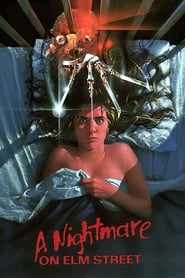
A Nightmare on Elm Street (1984)
Release 40th Anniversary 4K UHD (Warner Bros. Discovery Home Entertainment, 2024)
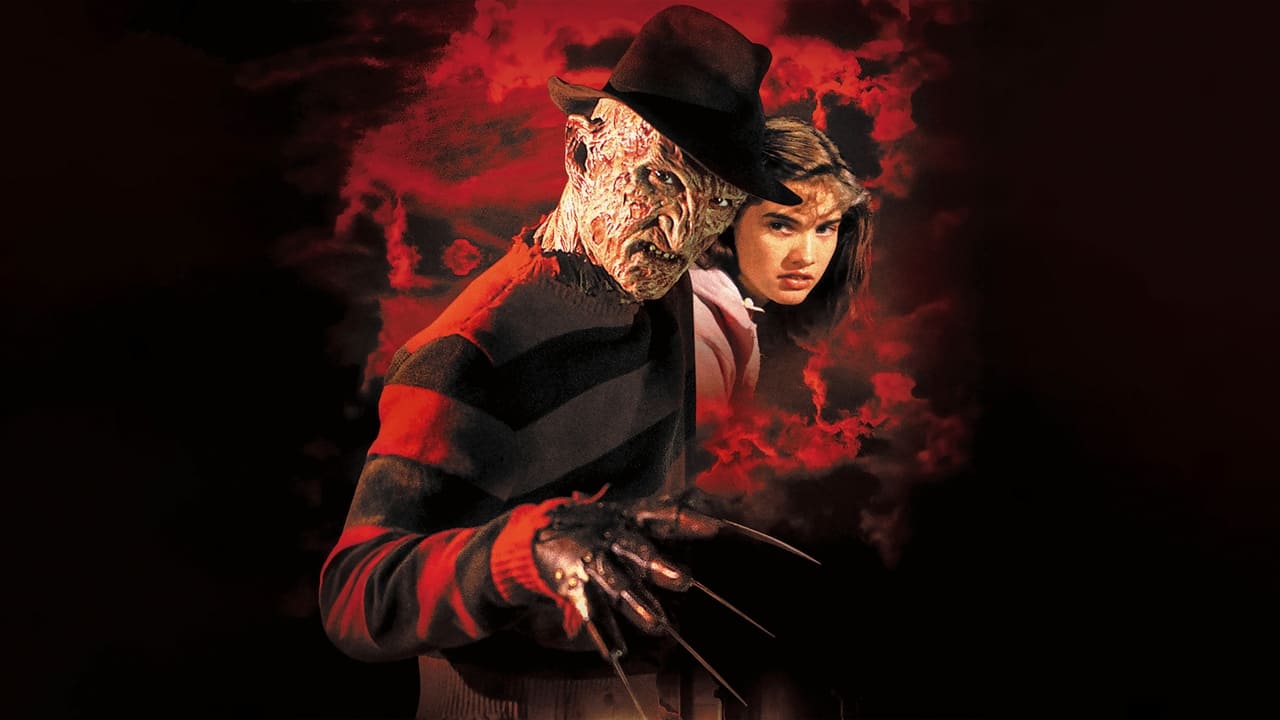
Craven, Langenkamp, Saxon, and Haitkin discuss the newspaper reports that inspired the premise, Johnny Depp's casting, and the rules governing the dream sequences. They explain the rotating bedroom, hidden bathtub tank, spandex walls, fire effects, and changes made after New Line questioned the first cut. Their discussion also considers Nancy's growing independence and the consequences of her parents' secrecy.
- Duration
- 1h 30m
- Talk coverage
- 93%
- Words
- 13,442
- Speakers
- 4
Commentary density
Highlights
Topics
People mentioned
The film
- Director
- Wes Craven
- Cinematographer
- Jacques Haitkin
- Writer
- Wes Craven
- Editor
- Rick Shaine , Patrick McMahon
- Runtime
- 91 min
- Also on
- OneSheet ↗ OverBlack ↗
- External
- IMDb ↗ TMDB ↗ Find on Amazon ↗
Transcript
13,442 words
Um, yes, Heather Langenkamp. I play Nancy Thompson. I'm John Saxon. I play her father, Lieutenant Thompson. I think it was lieutenant or captain. Lieutenant. You sure? All right, enough time, enough time. I'm Wes Craven, writer-director. I'm Jacques Haitkin, the director of photography. And we shot this very close to the end, didn't we, Jacques? This was a little tabletop thing. Seems to me it was the last week. Yeah. I'm trying to remember if Robert did any of this stuff. It wasn't him, was it? No, no. I think it was his double. Yeah, it was all a little tabletop. Yeah, I think Tony did some of this. Tony Cecere, maybe. Could well be. Tony Cecere, the stunt coordinator. Yeah. And my racquetball partner for the last ten years. And there's Amanda. Yeah, it's Amanda Wyss.
Here we are at the Lincoln Heights Jail, which is now condemned for asbestos that we spent weeks down there breathing. I always thought that we'll all end up dying at the same time in 20 years from now. Or from the bee smoke that they pumped in. Yeah, they use safer smoke now. Although the credit is to Wes that we used actual steam. He went to the trouble. That's a big deal to use steam because you have to have boilers and everything, and there's nothing like it for quality. Oh, look, introducing Johnny Depp. Who knew who he was? This was his first film. That's right. He was a nice kid. Charles Fleischer, the voice of Roger Rabbit. This was my tribute to Bunuel, the lamb. I get more questions on that lamb than almost any other aspect of this film. It was supposed to streak across the hall, and it wouldn't move, so they finally ended up kicking it. Bravo. Gosh, they've got to redo these titles. I shouldn't say that.
Now this is the boiler room at Lincoln Heights Jail. Lincoln Heights. Lincoln Heights. I've actually shot there quite a bit recently, but not in this space. This space is condemned now. Right. And I think a wardrobe note, the nightgown had to have a certain see-through quality, as I remember, when we all... Yeah, I tried on many nightgowns before we found the right one. But this was the boiler room of the jail. And all the pipes were insulated with asbestos and they were all rotting away. I remember sitting on top of the boiler there and seeing the flecks in the lights highlighted and saying, hmm, I wonder if this stuff is dangerous. And you've made more than one film here. Have you been back to Lincoln? I've been back there. Actually, for Shocker we shot there, but we were not allowed anywhere near this place because it was condemned, as you say.
She was on a treadmill. She was on a treadmill attached to the dolly. This is even early days of Steadicam to a certain extent. Steadicam was not as extensively used as it is today. I'm scared. That's the 14. 14mm lens. 14mm, yes. 14mm lens. It's funny how I can remember the lenses. And this guy, who was he? It was like Johnny Depp's stepfather and agent or something like that. It was like a huge thrill for him because he got into SAG, I think, on that, because he got a line. I just thought this woman was very good, actually. It really set the tone for Tina. Right. And the theme of the abandoned teenager. Right. And this is the place where later Nancy will be sleeping over and Freddy will press out of the wall. This is the famous Speed-Aperture Computer shot. Six people on the camera working the camera on this shot. It's sliding diffusion. Speed aperture computer was... So it goes from slow motion to regular motion and diffusion to no diffusion in one shot. And it zooms and dollies.
The Speed-Aperture Computer, when we used it, was just a steel box with alligator clips. It was a very primitive tool, and it's now a standard item built into cameras. Nick Corri, huh? Nick Corri, recently in my film Vampire in Brooklyn. Oh, you used him again? Mm-hmm. I always thought he was a good actor.
Doesn't this look clean? Yeah, it looks beautiful. This was shot for Midwest United States, and it was all shot, of course, in Los Angeles. At Marshall High School, which turned out to be a block away from where I lived. In Silver Lake, right? Yeah, in Silver Lake. Yeah, it's a beautiful high school. It's totally anomalous to the rest of the neighborhood. Maybe we're going to have a big earthquake. They say things get really weird just before. Gee, we're playing that earthquake theme then, huh? I remember this scene being particularly difficult to shoot with this tape. player and Johnny had such a hard time queuing up the spot and we did a lot of takes of this one. How old was he? About 18? No, he was 21. He was actually a little bit older than the rest, I think. But he had a very young look. But he was at this time, I don't think he had acted at all. He was in a rock band or something. Right. He was a musician. He had an actor friend on the set all the time going over his lines with him continuously because he was terrified he would not be able to say them right.
I got to go. I think there's been an accident out there. This was a practical location also, I believe, in Venice, if I'm not mistaken. That's right. We were in Venice. The end of this scene is the scene that we used for the audition. I remember really clearly when I read for Wes at the audition, they picked this one scene with Tina. And it seemed like I did it a million times by the time we finally got to it. There's an interesting story with Johnny's casting. We headed down to four guys, and the other three were like surfer dude and, you know, the typical handsome kid and everything else. And at the time my daughter was visiting, she was about 13, with a friend of hers, and I said, what do you think, surfer dude? And they both at the same time said, Johnny Depp. There was like absolutely no doubt in their mind. It was completely unknown at that time, but they just fell in love with him by seeing him once or twice in casting sessions.
He scraped his fingernails along things. Actually, they were more like finger knives or something. Jock, I remember a conversation on this particular sequence, this whole scene of just feeling like I had compromised the whole film because we weren't able to shoot some gigantic exterior shot or something. I remember just thinking, like, oh, I've lost the movie. Do you remember that? No, I don't. You mean because the exterior of the house wasn't shown? I think it was that we couldn't reverse and look the other direction very much or something like that. That's right. I do remember that. It's funny when you start to learn what you can do without. Here's the famous scene of you hear a noise outside and of course somebody has to go outside and investigate. Just this shot is so nice where we walk them without a cut, the three of them. That's nice. I think you had a big dolly track set up here, didn't you, from the porch? I'm serious. Yes, there is. That went out into the yard. That's right, all the way across the yard.
This is all very practical. I mean, this yard is behind this house, and the alley was behind the yard. It was all just absolutely as it was. And all that furniture, I'm sure, was there. Yeah, absolutely. That was in Venice. Yeah, it was like in a bad neighborhood. We had to worry about our safety for the electricians. We were saying, you know, have a buddy to go to the truck. I remember the guy that was up on the big condor, the big light tower, was always worried he was going to get shot at. What a brilliant tackle! What the hell are you doing here? Came to make up, no big deal. You my home? Of course. Oh, what's that? Intense, huh? I still have this. garden tool in my garage. Wes's whole garage is filled with bizarre paraphernalia. Don't try to take it away either. I kept the wardrobe from this film for 10 years because they were going to throw it away. And we used a lot of it in the new Nightmare, Nightmare 7. I think I'm...
But, Heather, I don't think you fit in tonight. Well, I think the wardrobe kept mixing up Johnny's jeans and my jeans, so some days when my jeans look particularly tight, I think I'm wearing Johnny's leg right here. The day we did jean splitting, I think. I think it was one size fits all. I think the wardrobe budget was probably about 10 cents. Everything was from Kmart. Nike. Yeah, Nike gave us a free ton of shoes. I might still have some of those, too, actually. You're a collector, huh? I never throw anything away. Because he was scary, that's why. And Wes, with great judgment, cut out a kiss here that we had with his superb directorial... I forgot that one. Why? I didn't. Why, why, why was it cut? Um, it probably looked really cheesy and stiff. No sugar coating. I'd never really done an on-screen kiss with Johnny Depp before and probably never will. Oh, that's right. You tore your clothes off or something like that? That's right. This is based on a real incident in my life when I just, uh, the first time I ever sort of was away from home, I slept in an artist's studio in Chicago, and I heard...
the couple who were in my house making love nicely in the next room when I was a complete virgin. It was like the most miserable night of my life. This sequence is, of course, one of the scariest, I think, that had been... A lot of people told me that they either were not able to stay in the theater for this or they just haunted them for a long, long time. And it was based on the theory that You know, you had to scare the audience right up front with who they were up against. But it was written as a long build, and it really worked pretty darn well. Technically, it was so difficult. I know from Amanda's point of view, too. Now, here we go with the Freddy coming through the wall. Now, Wes, that wasn't originally planned for the spandex shot, was it? That was something that they rigged up that day, as I remember.
that the wall was supposed to kind of do something else, and then they ran out and bought a big sheet of spandex. Yeah, our special fixer, Jim Doyle, was always inventing on the spot. He was a brilliant inventor. So he went out and came in with a big piece of spandex, which we stretched on a frame and put it over the bed. Very effective. Eventually it was used. Was Jim operating? Was he the guy behind there? Yeah, I think it was actually his face, Jim Doyle. You've got to give him credit. Oh, he did incredible work here. Yeah. We had a time when, I mean, the budget was, gosh, so small compared to these days. Right. We did it on the sushi budget of a real feature. But didn't Gregg Fonseca really make fine sense? Gregg Fonseca did incredible artwork. I thought he did, yeah. He just died last year, unfortunately. Went on to do Honey, I Shrunk the Kids and huge features after this.
What was that? That was a pebble. Originally we shot, I think, Jacques, do you remember? A tooth. The tooth is in there, isn't it now? It might be, yeah. That was my Roman Polanski moment from The Tenant. Remember when he reaches in the wall and takes out a tooth? I was always quoting my favorite directors here in these early films. Here we go.
All this is is like a six-foot or eight-foot long piece of spandex. He's playing it really nice. Isn't that beautiful? Yeah. The light's in the right place. It looks like an optical, the way it heals itself. It's great. My character has just found religion. And then, of course, she has to pound on the wall to see if it's solid. The important thing is to show that it really is a solid wall. Of course, by that time, we had switched back into a solid wall. I have to say, I always enjoyed the many scenes where I have to lie in a bed, and when they're setting up lights and taking focus, I would always catch a quick nap. I'm not embarrassed to say it. It didn't escape notice, Heather. You used to put beans in your nose. I don't think you remember. Well... Now, this was a different house, wasn't it, John? No. This is the same house. Same house. I recognize... I remember the placements on the light and all these little dappled branches and things that we put in. Who the hell is that?
Coming up on the alley scene, I've had so many people tell me this was one of the scariest moments when she turns around and his arms spread out. See, now here's where we did some nice work. This was a... Took a long time to get that. The camera's got some good points of view. I remember thinking that those long arms were never gonna fly on screen. And I think, if I'm not mistaken, this was like two fishing poles with guys in the garages or something. That's what it was. Really low tech. And then somebody figured out this neat effect. They hooked his claws up to a car battery somehow and got those sparks. Now look at the standing back there. It's about four feet tall. And there's Robert. That's the only guy we could get. This chase, if you remember, Jacques, used to go all the way around the block and come back through another house and everything else. It was very extensive. And we never were able to shoot it.
That's a split mirror shot. Right, beam splitter. Beam splitter mirror. So the tree's there, but he's really at right angles to the camera. Right. And those were his real fingers, too. Robert was a real trooper. That's right. He bled anti-freeze. Open the door! Everything, it just goes from bad to worse. It just gives the audience absolutely no relief. You wake up, you think you're safe, and then it gets worse. How many minutes is this? It seems like it's already been about 10 minutes long. I'm already scared. This sequence also was the first to be censored in the film. I wonder why. I don't know. These people are so sensitive. That was a pretty bad prosthetic, actually. I know. Oh, see, that, to me, was brutal. Yes. That's awful. Now, here we're in... Jim Doyle's really tour de force here, where this entire set is rotating, and all of the light fixtures outside attached to it for the moonlight through the window are also attached to it, so the shadows don't shift. And the actress is simply told to go with the room. So now she is on the floor, really, and the camera's upside down, along with you, Jacques, and myself. Yeah, Mandy is so good at this scene. Wow. That was a stunt lady.
His hair was all plastered down. Everything in the room that could possibly tip was starched or stapled. The second cut that the censors insisted on was the... stuntwoman hitting the bed because there was a huge splash of blood, and they were, like, completely offended by that. Right, so you just trimmed frames because she did actually hit the bed, right? I don't know whether you actually see her more than just, you know, make a split second of contact. Father abandoned ten years ago. Mother's in Vegas with a boyfriend. We're trying to reach her now. Now, this is Joseph Whipp, the actor, and John, of course, yourself, but John, before we go to you, Joseph ended up on, I think, Cheers for years, didn't he? Playing, I think, a mad adventurer. Was he? Yeah. John, this is probably the first policeman you've ever played, right? And Ronee Blakley. Ronnie was a character. Everybody's going to be very polite here, but she loved to experiment with the colors of her hair.
She was never quite satisfied with her makeup, so she would usually go and fiddle with it after the makeup and hair were done with her, so we never knew quite what she would look like when she got to the set. Did she do anything after this? I know she was in The Driver, which I enjoyed immensely. Yes. It's hard to actually imagine that John and... Ronnie could have ever been married. Well, it was appropriate. But they were divorced. What was some of the background on your relationship? That's what all their friends said. I can't believe those two ever got married in the first place. Oh, and you forgot to mention the fourth character of this film, my hair. I thought your hair was pretty good, actually. It was pretty large.
You have a lot of hair. It made it sort of into the poster even. I know. There's something about your hair that's very powerful. In fact, I didn't want to tell you this, but it attacked me several times. Like Medusa. That's why we were there, Mom. Maybe at this point I should mention that this entire idea for this film came out of a series of newspaper articles in the LA Times about teenagers from Southeast Asia that had emigrated with their families to the United States. had a series of severe nightmares that they told their parents about. And in all cases, the parents had said, well, just get some sleep and you'll feel fine. Each time, the next time they slept, they died. You mean subsequent to the nightmare? Subsequent to the nightmare, they died in a second nightmare. So that's where I got the idea for this picture. Recently, there was a special on national public television about it. About similar kind of thing? Yes, it's apparently a big problem like in Thailand for some reason.
especially kids that have come out of relocation camps in the wars. Yeah, I guess it worked, huh? You know, the script itself, the other interesting sidelight is that it went around Hollywood for three years and nobody thought it was scary or worth doing. And Bob Shaye and New Line Cinema were the only ones that really thought that it had something. But obviously there was a tremendous audience response to the idea of something in your dreams haunting you. You bet. There they are, the secret service of the small town. This was actually shot in the street that I lived on in Venice. In Venice, yeah. I seem to remember this. He's still got the blood on him. I'm in this scene, I think. Don't I come in? Yeah, you come and rescue me. Yeah, I remember this.
You have a great shot in here, as I remember it, with your big gun. Oh, yeah? The teenagers in this, a parable is such a good word for it, because the innocence of these teenagers, at least today, you just... No, not today. Today it wouldn't work. In 83, and that's only, what, 12 years ago. It's such a change. Yes, it is. Oh, you're right. What the hell am I wearing now? I thought I was a detective. You like to stay close to them. You remembered yourself as more than you were. My origin. This is Nick shredding his bare feet running on asphalt. I know after this one we had to like hospitalize him practically. I know you think that it only takes place once, but that one scene probably did 85 times of running down that street.
What the hell were you doing going to school today for anyway? And he has a good point there. What did I say? What the hell were you going to school for? Today, yeah. It was the day after the murder. That's what I'm talking about. These kids back then. This is Lin Shaye. Oh, yeah. Bob Shaye's sister. She's appeared in many, many of the Nightmare series. This was such an enjoyable scene. And the young man surfer dude who does the reading is Don Hannah. I mean, yeah, Don Hannah, right? Right, Daryl Hannah's brother. Right, and he was wonderful. And Lynn here played the nurse in Wes Craven's New Nightmare, the seventh nightmare, the one who tells you your child needs to be hospitalized. Just like the gravediggers. I went to actually Hollywood High to research what school kids looked like in 1983. And the teacher was teaching this very passage. Hamlet? Yeah, this very passage. And I just wrote it down and said, my God, this is it. This is like Kismet, you know.
Oh, I thought this was your idealized portrayal of an American high school actually reading Hamlet. No, this was actually exactly what the teacher was teaching that day. Kismet. This is another moment that many people have told me is the scariest thing they'd seen. This is a great shot of you, Heather. This is one of my favorite scenes. Remember, we had the body bag wasn't right. We use that body bag a lot in this film. In the blood. Black blood. The slime, yeah. Nobody knew how to quite do it, so I said, we'll just run down the hall with this big bag of slime. I think they left this big, long snail trail.
the look of this school. Yeah, it's perfect. And it's very cinematic in the sense there's very little dialogue through here. It just all works off of images. Ah, look at that. Beautiful. The color is just right. It's so simple and beautiful. Yes. And Amanda did a great job being dead. I mean, it sounds like a joke, but just the way her hand flapped over and landed so, you know, lifelessly and everything, I think was absolutely chilling. Yeah, and being in the bag, it's a... Especially if you have any kind of claustrophobia. Where's your pass? Screw your pass. Hey, Nancy. No running in the hallway. There were a lot of moments in this movie when people would look at me like I was crazy. Let's bring some leaves in. Let's have the leaves burn and people would just look at me like I was absolutely out of my mind. Duh.
That sort of turning things around so you never know quite where you are in a dream and when you're in reality is very, very frightening. And that's the essence of this piece. Yeah. Now we're about to switch here. I think this is the high school, right? And the next shot is Boyle Heights, not Boyle Heights, back in the day. Lincoln Heights Jail. Lincoln Heights Jail. The boiler room. The asbestos boiler room. Right.
And how do you make it seem like the same place? You put the no students allowed sign in both shots. And the green paint. I think that was really the janitor's office that she was coming out of. That's right. Peter? We should mention probably the wonderful score here throughout by Charles Bernstein, who did it for virtually nothing, I think mostly synthetically. Very, very haunting.
He's gone on to do many wonderful things. If anyone's wondering, that's a cyst that's on my forehead. Oh, stop it, please. My God. I've had it removed since I made this film. Thanks a lot. I'm only looking at that. Oh, look at that. Maggots. We have to thank all the rodent and maggot wranglers who helped us. We have centipedes and snakes and maggots. And the other person that should be mentioned here is Rick Shaine, the editor, who did a magnificent job cutting this film. Has there been any background in the text about Freddy Krueger at this point? Uh, no. No. What do you mean, in the text? I mean, who he was and... talking about it. No, it was... That's a little later. In the film, yeah, it's Ronee Blakley's... Talks to me about it or something. Well, she tells Nancy what the background was. Oh, yeah. Until this time, we don't even have a name attached to this person. Hmm. You see the beginning of Nancy's ingenuity at this moment. This is kind of her defining brave action, burning herself on this pipe. Right. I love that.
And also, this is the introduction, along with Amanda's dream up front of things that happen to you in the dream come with you. In other words, if you're hurt in the dream, you'll be hurt when you wake up, which is the spookiest part of the whole concept. When Amanda, Tina, wakes up, her nightgown is slashed, and when you get out in front of the school, you look at your arm, and the burn is still there. That's what's great. about the way you did it, Wes. Amidst all of this insanity, there's logic. That's so important. That is the key to acting in a horror movie as well, is you have to always realize that for that character, it's totally logical, everything that's going on. And totally real. You have to... Which I think you did so wonderfully. It's just, you know, you sold it that it was really a kid experiencing this. And a very, very strong kid who's in a terrifying situation and somehow has the strength to figure it out, you know, and believe in herself. That was always what impressed me about those original newspaper stories. The kids couldn't convince an adult to help them because it seemed like such a strange, unbelievable thing. Now she's coming back to Rod, of course, that...
She now knows what he's experiencing, too, and she's got to go back and confirm with him, make him admit that he's had the similar kind of dreams. How could somebody be under the covers with you guys without you knowing about it? How the fuck do I know? I don't expect you to believe me anyway. As the film goes on, we applied more and more tired-looking makeup, like blue, a lot of blue under the eyes, and sometimes it... Yeah, there was a long process of making you look at Lissa and Lissa. Nick was really good in this scene. He really was. I remember being kind of mesmerized by his intensity. He was very intense.
I probably could have saved if I'd have moved sooner. But I thought it was just another nightmare, like the one I had the night before. There was this guy. He had knives for fingers.
That music is great. Yeah, and now she knows. She knows that she's not just dreaming. You think I did it? No. You know what's beautiful there, Wes, is that you've got all this main character exposition done without dialogue. That's the way to do it. Just let the, you know, performance take it.
That's the famous house now. I wonder if they get badgered, people going there. I don't think most people know where it is because I've never seen it published any place. We won't say here, but it is in Los Angeles. This might be my favorite scene on film. Doing it was very difficult. I remember you kept making us do it over and over again. The water bathtub scenes are on the other end of the spectrum from the bed scenes. You usually get very pruned. You get pruned, yeah. Yeah, well, there you are. And Jim Doyle. Underwater. Gregg Fonseca built a two-story set, so actually the bedrooms and bathrooms were actually on the second story. So we were able to build a pit under this bathtub that was actually a tank probably eight feet deep, and our special effects guy was down in there with the scuba deer. He had a tank. He had a tank. How was he cued?
Was he cued up with a knock or something? I think he was listening to your dialogue or something like that. No, no, no. No, I'm serious. I thought we tapped. But there was a false floor for Nancy there. Right. That was great. I'm kind of wet as I remember. It was very difficult because I had to kind of wedge myself into the tub with my, you know, feet. Otherwise, I would fall into that tank. Right. That was quite a large hole for him to come up through. There was like one little two-by-four for me actually to kind of balance on. And then... Now, this shot... That was Jim Doyle's girlfriend, actually. This was shot in somebody's swimming pool, and it was the day after the wrap party, and we were all horribly hungover. And the way we did this was we covered the whole swimming pool with black plastic and then went under there with scuba diving equipment. It was, like, really terrifying to be under there because it kept...
breaking free and wrapping around all of us, and we all had these horrible hangovers. Was that at your house? No, it was, I think, one of the special effects guys' houses. Backyard swimming pool. Are you okay? I'm okay. But I heard you screaming. That's a great scene. It is. It's like a classic. Again, very simple. And there's a moment where you can look up and see the bathtub. There's this tiny little ring up above, and it's really, we just cut a very small bathtub shape. hole in the black plastic and put that over the actress's head. One of the interesting things about the newspaper stories, the third teenager was convinced that he was right, that something really was going to kill him in his dreams, and he stayed awake and refused to sleep. And so he really formed the basis of Nancy's... Drug addiction?
Well, I mean, he was convinced that if he slept, he would die, and he stayed awake for almost a week. And his parents were giving him sleeping pills through a doctor, and he would take them and then spit them out. And he finally fell asleep, I think, almost five days later, and they took him to bed. And in the middle of the night, he was screaming and ran into his room, and he fell silent on his bed, and he was dead. That's when I really realized there was a movie in these stories. Was that a series of articles? Yeah, it was three articles spread over a year and a half. And the LA Times never correlated them. They never commented from one article to the next. Incidentally, that movie was Sam Raimi's, I believe, Evil Dead. Because he had to put a poster of one of my films in the basement of one of his films. Who's an homage to whom? Sam Raimi. This is so romantic that he climbs up my rose trellis.
So much sweetness. I mean, so much of the things that the teenagers, the way they deal with each other is so sweet and it's a nice counterpoint to the terrible terror. Yeah, you care about the people. So I heard you freaked out in English class today. Yeah, I guess I did. You haven't slept yet, have you? Not really. What'd you do to your arm? I burned it in English class. God, I look 20 years old. That's the biggest laugh of the film, usually. Did you have any weird dreams last night? I think I was, how old? I was 18 or 19. I can't remember when. 18 or 19. No. Do you believe in the boogeyman? No. Rod killed Tina, and you know that. I've got a crazy favor to ask you. Uh-oh. That's nothing hard or anything. I'm going to go and look for somebody. I really do love this bedroom. It had a great, you know, great feeling to it. The brass bed and... The maroon walls. I love the color. You can't mess up. A lot might depend on this.
Those pajamas, I still have those. I was able to wrangle them away from Wes before he put them in his garage. I still have the alarm clock and I have that telephone, too. Do you really? The tongue phone? Not the tongue phone. I have just the actual telephone. I think Jim Doyle got the tongue. Then I've entered my dream. Now, this was a very long Steadicam shot, if I'm not mistaken. And at the time, it was very, very new, the use of that kind of equipment. I remember. Was our steadicam operator a woman? Yeah, Liz Ziegler. Right. She's done a lot of big shows. And the whole budget for the whole film was a million... Seven? A million eight, I think. That's what I thought. And look at these beautiful outdoor shots you got, Jacques. I just think it's remarkable what you pulled off in the budget that we had or didn't have. Totally agree. I'm still doing it. That's the problem. If you do it once, they make you do it again. Good, Jacques Haitkin.
There were several different locations for this long scene. Where were we here? I don't remember this place. Are you still watching? I'm trying to remember. Yeah, so? By this time, the audience is totally lost. They don't know what is going on here. It's the kind of fun scene where you do backwards, where it makes no sense until the end, and then suddenly you can go back and make sense about it all. I remember catching that shot right before dawn one day. And I think we had to use... darken it with filters or something? Was there light coming up? You can still see it. The shot's definitely contaminated with light. That's always the worst time. It's panic hour. You don't even want to get near Jacques or Wes. When it's going down or coming up. Heaven forbid if you have to use the ladies' room. Now this was back in Venice, wasn't it? Yeah, back in Venice and then the reverses, I think, on...
Some place on Melrose, way down towards downtown. It was an old library. Yeah, this is a great shot. I like that touch. See, now that's so simple. It's really beautiful. And then looking down into the jail cell, we'll be on our sets. One of our few sets was the jail cell. I remember in the last days, we were shooting in about five different places in the set at once. We had cameras everywhere shooting inserts and jail scenes. That became the way all those films were done. The last week and a half. I've done a lot of effects films. In the last two weeks, you start pulling out the units. You kind of realize what you need, too. Here's a shot that I find very interesting. I like to think that there was a tip of a hat to it in Terminator 2 where the killer comes through the jail cell. That's a hell of a blue screen shot. The old-fashioned way, by lining it up. Watch out! Glenn! Glenn! Those are like hundreds of eels down by her feet. Oh.
And then there's an interesting story with that bug because it got loose on the set one day. Remember that? And everybody refused to go back in because they couldn't find it. So we went to lunch. What kind of a bug is it? It was like a millipede of some kind. It was poisonous. It was? Amazon or something, you know. So finally the guy came out and says, okay, I got it. Everybody went back in. Now this is this famous scene where I cut my foot. Oh, this is directed by Sean Cunningham. The one shot, not this. The one going down that alley with the trash cans. Just the garbage cans. I remember we shot that adjacent to the house. It was just a quickie setup. This was the night where... Now we're on our set. Whoa, this is the cool mush. This is the one Bob Shaye likes to say. He directed this. I let him call action and cut him. But it was just oatmeal.
I thought it was pancake batter. Well, maybe it was. It was something out of the kitchen. I think it was rubbery, more rubbery. Maybe it was oatmeal. I don't remember. This is, I like this scene. This is just a dream. This isn't real. This is just a dream. He isn't real. He isn't real. I have a cut on my face in that. so that the stunt lady could take over for the glass breaking shot. Right, because she was going to be seen. I don't think I did it that successfully. No, no, it worked very well. That's a great shot. Oh, we did this. It was the first time I think anybody's ever come out from a mirror, you know. Really? If anybody's ever used a breakaway mirror before, that's what they told me it was. That's a great shot. This, I remember we shot this at the end of an 18-hour day. Yeah. And all those feathers everywhere.
I remember Sarah Risher sitting over in the corner. She was like eight months pregnant at the time, and she had a big air mask over her face so she wouldn't get feathers because somebody told us that you could inhale feathers and die. So it was optional wear. Well, they used those feathers again in Nightmare 3, and I hated them again. This is my... You bastard. Just stay awake and watch me. Just wake me up if it looked like I was having a bad dream. And what did you do, you shit? You fell asleep, Nancy. Shit. He's getting the hell out of there. I'm abusing him. There's Mama. Mama's been hitting the bottle. She looks pretty good, though.
Call me if you need anything, okay? Okay. This is one of my favorite funny shots right here. Yeah, that just little trace from the other reality is like wonderfully... This one feather. Come on. Garcia, I've got to see Rod Lane again. You know, I took the night shift so I could get some peace and quiet. Look, it's urgent! This is so genius, the way they did this. This is a lot of different things going on here. I forget how they did this. A lot of reverse photography. Right. Yeah, like this shot would be a reverse shot. The beginning of the Wes Craven snake imagery.
ones that my daughter's mixed up in what are you doing here at this hour you should be home in bed blue eye shadow yeah sleeping like a baby he's not going anywhere it's like maybe there was a little piece of wire inside the thing that you can actually almost see yeah this transfer is a little too good huh all right Garcia, give me the keys. All right. John, the all-suffering father. The all-suffering father. I think you did a wonderful job here of sort of a guy who really cared for his daughter, but he thought maybe she was going crazy or she was just being totally... Bad kid hanging out with the bad crowd. There's a lot of nuance there. You need a character that sort of is with it and also... is finds it incredible right but he's not like just the stupid cop which is so uncommon in these films but uh it comes across very competently as a cop but as a father i seem to recall something about this oh
The strange thing about being in these movies is that you see things that actors do that you sometimes have never seen in real life, and you're sitting there looking at a hanging man and you say, is that what a hanging man really looks like? You know, and you yourself don't really even know. So now my image of a hanging man is Nick Corri hanging from a sheet. Wasn't this the first day of, for me, I remember the first day of shooting was the cemetery. Was it? I believe so. Which cemetery was this, Wes? You probably know more. This is Boyle Heights. This is actually the same place we shot Nightmare 7, New Nightmare, at. Those are Rod's parents. They were only shot in the picture, but I thought they were a great couple. Remember how many watches that man wore, Wes? The wardrobe had no idea, but he was wearing like eight wristwatches. Really? I didn't know this. And at one point, I don't think it was on camera, but they realized it after we...
done three or four takes and they were panic-stricken. That they had been. Yeah, they made it onto the film. Hop in. Nancy likes to wear bright blue to flea funerals. There was a big discussion about whether she would have owned a black dress, I remember. I don't know who he is. But he's burned. And he wears a weird hat. And a red and green sweater, really dirty. This is where I know. Right, because obviously these parents have killed just such a man. They exchanged a very meaningful look. You better keep her home for a few days until she really gets over the shock of this. I've got something better. I'm going to get her some help. Now to the dream clinic. Daddy, help me. Thanks, Dad. She's taking me away. I actually enjoyed playing with, you know, having come from a divorced family myself, of sort of the feelings of a kid that needs the parents to be together, and instead they're sort of fighting with each other. And they can't make the connection to help her. Katja. Katja now is one of the daughters of Bob Shaye. That's why the company that...
made the film was named after her. This is my ex-wife, incidentally, Mimi Craven, who is now an actress herself on her own right. I saw her in some pictures with Sharon Stone. Mm-hmm. All right. Became very close friends with Sharon Stone. And, of course, this is Charles Fleischer, who became the voice of Roger Rabbit in a brilliant stand-up comedian. Really brilliant. Didn't he entertain us a little bit on the set? I remember he was doing voices and stuff. Yes, absolutely. He's remarkable at doing voices. He's remarkable in many ways. He's a great graphic artist, too. He just does it for the fun of it. Wes gave me a lot of direction in this scene, I remember, and how my eyes should move back and forth to look like REM sleep, and this certain jerking. A lot of things you take for granted when you watch a film like this, but everything requires it. care to bring it to life. What kind of discoveries have clinics like this significant, that you may think is significant? Well, they've done a great amount of study on the effects of not sleeping and or not dreaming.
sort of rough it is on the psyche in general. One really not only has a need for sleep, but it has a desperate need for dreaming. I think this dates the movie. Like, you can smoke in a clinic. Can you just see, like, please no smoking? So many changes in the last ten years. You know, since we're doing this for the LaserDisc, this transfer, I think, certainly I'm looking at it just in wonder. It's so beautifully crisp. The colors are absolutely gorgeous. This is a VHS. I haven't seen this film look this good since it was originally projected. And it's going to look a lot better in laser. I guess I should go out and buy a player. I guess you should. Yeah, me too. My kids are all over me to get one now. It's very funny. All these machines are just busily beeping and blipping. And then suddenly they just go wild, like the earthquake meters.
She's having a spasm. She's off the scale. That's my homage to The Exorcist. We couldn't afford to fly her. The famous gray streak. This will help you sleep. No! Oh, my God, Earl! Get something! What happened? What happened? Now, here's the key moment when she, by struggling with Freddy in the dream, has been holding onto her hat, onto his hat when she wakes up. And this really spooked audiences. I mean, everybody instantly knew that somehow it was real. And this, of course, is later what the character uses to realize that she can bring Freddy himself back if she holds on to him at the exact moment when she's being awakened. I know. The structure is really impressive. It's great the way it all is plotted out. And it was the key point. It was the story breaker. It was the thing that I could not figure out how to... You know, once you have a guy this powerful who is able to be your killer in a dream, how can you not sooner or later sleep and be at his mercy? And it finally occurred to me...
she could bring something out. Then she could bring him out before she had to sleep. This scene was, I looked at my script and it was very tightly choreographed. Wes and Ronnie and I really had to work out the movements here. And Ronnie kept slapping me with a ringed finger. How many times? I don't know, 25. It's because you paid me a lot of money to allow that. You'd gotten on her nerves by that time. Well, I told you when we first went, when we first found out we were playing mother and daughter, we went out shopping for prom dresses together at a mall. That's right. It was very funny, and we had a very good relationship. This guy. Looking pretty bad. He's after us in our dreams. I was just thinking the opposite. Even when you look haggard, you look great. Really? Oh, you're so kind. No, you are. This is, I really like this scene.
Because she's also, Nancy's also getting kind of strong enough to confront her mother. You know, that's a big important moment. Right, absolutely. There's actually a process of reversal of roles here where Nancy goes from being child to being the adult and the mother goes from being the mother to being the child. And a key moment before you go off to face Freddy for the last time, you actually tuck her into bed and sort of take her bottle away from her just as you would a child. Did you plan that? Mm-hmm.
happening to me by just getting good and loaded. There you go. Fred Krueger can't come after you, Nancy. He's dead. Believe me, I know. You knew about him all this time? And you've been acting like it was something I made up? Nancy, you're sick. There's something wrong with you. You're imagining things. You'll feel better when you sleep. It's just as simple as that. Screw sleep! Actually, the idea of screw sleep, or, you know, sleep being the enemy, was part of the philosophical underpinning of this film, where sleep is equated with lack of knowledge of the truth. Yeah. Sleep is? Yes. So in order to survive, you must be awake, you must know what the truth is, and you must face it and deal with it. And... the fact that all the parents are hiding the truth of what they did is causing the next generation most of its grief. But I would think like in sleep, in vino veritas, in sleep there's truth. Whatever he is, he comes back in their dreams. Well, it's true, but... Like to haunt them. But in order to survive, she must stay awake, and that was really the... The world of dreams is where you're much, much more vulnerable. Obviously, there's a positive side to dreams too, but...
In this sense, not. I think one of my favorite lines is in this scene. What's that? Where I say, I found it in this great survivalist bookstore. This was a little bit ahead of its time. We're talking about the militias now. Did you make a line up? No, that line was written. No, this was really the very first year that survivalist stores were around. We did this on top of the roof at the studio Oh, the close-ups, yeah. Yeah, the close-ups. That's right. Because we didn't have time to get the close-ups back. In Venice on the... This is an actual Army manual, too. Here we go. What are you reading that for? I'm into survival. I guess it was cut out, but it was in the original. I found it at this great survivalist bookstore. Booby traps and anti-personnel devices.
Now she comes home and finds her mother has put the bars on all the windows. That house is great. And a beautiful blue door, which you point out, Jacques, they changed to red in all the other sequels. Why did they do that? I don't know. Well, we changed it because it was a new, you know, a new idea. The mother's also cut down the trellis here, which obviously removed access to the boyfriend. Also, cutting down her youth, yes. I'm sorry. The house looks better with a red door with the green roof. Jeez, you're getting tough. Security. Security? Security from what? Not from what.
I'm down to the cellar right now. I think she was making her own movie. She was in her own film. She was definitely. Yeah, if we were 10 years ahead of our time, she was probably 100 years ahead. Just Nancy turned out so sensibly. You want to know who... You know, your commitment, Heather, to this part is really great. It really makes the film. It really does. It was a very easy part to attach yourself to. It seems, you know, it's so far out. It's fantasy, and yet your naturalistic approach really helps pull it all together. You know, it never occurred to me that it was a fantasy horror movie, really. It never did. It always... It just kind of had a strange side plot of this Freddy Krueger, but I always looked at it as a teenage kind of struggle, you know, with all of these forces, not only her parents, but this kind of external boogeyman. And it was a parable. I did always look at it as that. I think also your innocence is just right there. I was innocent. I know. You'll shoot a close-up of this girl. She just...
Yeah, it's all there. You had that quality of the girl next door, the all-American girl, right? The first casting, I just thought, well, I found Nancy. The brick. The brick. Is it the brick? I think it was Marilyn Monroe. Their hair looks a lot better than mine. You know what I mean. Yeah, well, the camera likes you. Thanks, Josh. That's very kind of you to say that. I mean, this is not any extraordinary photography. I just love this scene. This is a great scene. This scene, that glove gives Nancy just the heebie-jeebies and the audience, too. Good try, trusty boyfriend. Oh, yeah. I think that cropped sweat, that football jersey was... An A-plus idea. That's much better. Here's something you don't often see. Shooting tie-in shots at actual locations. We actually shot from two practical houses. This is the world's most amenable neighborhood for the Nightmare movie series. They have gone through so much hell with our crews. Over ten years we've used these houses.
Why would anybody want to kill me? It's a historic street now. I see there's a marker on it, not for nightmare, but for, I guess, the origins of it. But it is a remarkably Midwestern-looking street in Los Angeles. The trees are all these gigantic elms and omes, and it's very different from most streets in Los Angeles. And the houses are all big frame houses. If I can't, then you can all relax, because it's just a case of me being nuts. Yeah, well, I can save you the trouble. You're nutty as a fruitcake. I love you anyway. And actually, we did stand in the windows looking at each other shooting this. I mean, it was amazing. No, these are stage shots. Well, these are. These are stage. But in the wide shots. But the wide shots, yeah. We really were standing there, as I remember. Yeah? You mean they hooked you up by phone? Were you guys talking over the phone? I think we were. I think we were. I think you were. Yeah.
famous line right there. There it is, right there. When you write lines like that, Wes, do you even, like, think to yourself, oh, that's a defining line of the script? Yeah, it is. It is the defining line of the script, don't fall asleep. Whatever you do, don't fall asleep. You know, you can take it politically, you can take it philosophically, spiritually, you can take it, you know, just very locally or simply, too. Was it used as a log line in the one sheet or anything like that? Just when you think it's safe to fall asleep. Right. And on the first screen, they gave out eye shades, and on the eye shades, it read, Sleep Kills. They gave out little NoDoz bottles and things like that, too. This stuff that she's taking now. Glenn? Honey? It's been, what, three days now since she's slept, I think.
See, even a scene like this, to me, shows good structure. You set up the thing of the mother coming in, you reestablish her character, because later you're setting up for her entrance later. Instead of it just her coming in at that time, that's important. That's what makes it weave nicely. I actually ran into this actress in Oregon at a film festival last year. She's not in the business anymore. Do you remember me? I was Johnny Depp's mother. Oh, really? Does she ever get approached? Did she say that she gets recognized and stuff? Yeah, she does get recognized, yeah. You guys turn in here? Pretty soon. Now get to bed. Each of the characters that Nancy relied on and ultimately failed her were given a different sort of door to go out. I once studied with an Eastern teacher and he said everybody goes out various doors to get away from being conscious because it's very painful. So some people go out sex and some people go out, you know, drugs or food or sleep and booze and so...
Or even authority, like the father of John, your character was like, you know, within the establishment and law and order. The mother was alcohol and Johnny was food and sleep. Tina was, you know, her romance with Rod. Rod was sex. This became almost a poster shot, I think. This close-up of you saying your prayers.
This, incidentally, was another thing from the newspaper. The third newspaper article was they found a coffee pot in the kid's room that he had hidden to stay awake. Maybe the coffee killed him. He really had bladder problems. This is your big noon shot. There you go. I'm so tempted to say, hey, turn around. I think everyone got enough of the bathroom scene, bathtub scene, because we found, remember that German photographer walking in the catwalk above the bathtub the day we did the bathtub scene? Of course, I was furious and wanted to stomp off the set. God, that's the place. Now I remember, but I don't remember his name. Do you? This actor? Yes. No, I don't. You know what I think? I think that kid is some kind of lunatic or something. I mean, it's ludicrous that they would be afraid of Nancy as a bad influence on their son. I mean, it's typical of parents, but... They're the seeping blood. That's kind of a foreshadowing element in Craven films. Seepage. I know, when I went to see the movie... This is my citizen game shot. Getting the hidden liquor bottle out. No, every time I've seen this in a movie theater... That's the way I drink when I drink. The audience is always just...
yelling at Ronnie in that scene, like, put it back, you know, to stay away. The audience gets really vocal when you go to see this movie in a theater. Glen, answer the phone. Hello? This is sort of the Shakespearean situation of the fatal message doesn't get through, the messenger's cut off, or the wrong person finds the note. It's really, it's almost Romeo and Juliet-ish in that sense of the star-crossed lovers at the last moment. If she could just have wakened him up, you know, they would have been all right, but the parents come between. See, now, there's the difference between men and women, classically. A woman will try to, you know, make sense out of something. The guy just... And then he leaves it off the hook. I mean...
See, I love that you have her working with the phone so that the whole tongue gag later on is not just out of the blue. I mean, it all is so perfectly logical because she can't get out because of the bars and they're locked and she has to use the phone. The trellis has been ripped off.
I told Heather, now hold up the cord so they can see that you pulled it out of the wall. Okay, wrap it up around the phone. He's so neat. I remember that. Well, we had to establish that it was pulled out of the wall. Right, that was an issue, I remember. I think we did some earlier takes where she just put it down. And then you, like, zoom in, super close up on the... There you go.
This got the biggest jump of all in the film, I think, and it cost about $5 to do the special effects of the... I remember I was one of the ones. I was a naysayer. When I saw that thing, I said, are we really going to go with this? And of course, it's... The famous. The best. It's the close-up. Now we know Johnny's in trouble.
A lot of really avid fans always come up to me and say, I'm your boyfriend now. Oh, really? I think that's a really nice pickup line with me. This is my favorite Ronee Blakley line. Lock, lock, lock, lock. This is actually her best scene. I don't even have it on me.
I'm about to sign off here for this young man. Now this is the second use of the revolving room, which was a set built, I think it was about eight feet off the floor on a giant axle. This is the simple part of Johnny just being pulled down into a pit. I love that we kept the TV going. Right. That's excellent. Remember there were discussions, well, you can't use real steel claws on this because he'll fall on them. Of course I did. And the second part of the scene, now the set is entirely inverted. And something like 80 gallons of red colored water are being poured out. But then we thought as a finesse that we would rotate the set so that it ran down the walls. And when we started to tilt the set,
Remember what happened? I mean, we were... It overbalanced because it was a hand-operated... The whole room was based on balance. Yeah, so I just started spinning like the Ferris wheel from hell. There, see the water running sideways? It jumped on everyone's head. It was watching. Every circuit on the stage went out. We were in pitch darkness covered with blood, and everybody thought we were electrocuted. Well, some of the guys, when the water funnel first hit that first practical, they got shocked immediately. Really? Yeah. The water dumpers, yeah. The other thing I remember is you and I hung upside down for a half an hour while they rigged that funnel to get tied up to it. I was literally looking at my watch like, gee, it's been 10 minutes, it's been 20 minutes. You were harnessed into those cages. Yeah, five-point harnesses. I love this moment between John and Heather here. He's just starting to get the idea of maybe he's not right about all of this.
What's nice about this next scene is there's so much comic relief. I mean, the lines that you've written, Wes, are, you know, descriptive, but also there's always something really funny. Yeah, I think one of the extras is coming by on the lawn and says, we don't need a stretcher, we need a mop. And then also, there's the detective here. He's like, yeah, he's puking in the bathroom. And I think we actually shot that scene, if I'm not mistaken. Didn't we shoot? I think it's in here. I don't know. Johnny's friend coming out of the bathroom, like, after he gets thrown up, you play the part of the coroner. Like up in the hall. Yeah. Isn't this the famous, yes, line? All right. Listen, Daddy, I've got a proposition for you. Listen very carefully, please. Nancy. I'm going to go and get the guy who And I want you to be there to arrest him when I bring him out, OK? Just tell me who did it. I'll go get him, baby. Fred Krueger did it, Daddy. And only I can get him. It's my nightmare he comes to. Just come here and break the door down in exactly 20 minutes. Can you do that? Yeah, sure. That'll be exactly half past midnight.
I don't think he's convinced yet. John, if you could only have been there for her. We used this clip in Nightmare 7 then to play into the plot line of that film. Right. We watched this over and over again. Now look, you just get yourself some rest, please. Deal? And this apparently is exactly what the parents of that third teenager said to him continually. Just get some rest and you'll be better. Go outside and watch my daughter's house. If you see anything funny, call me. Anything funny like what? I don't know. One thing for sure, I don't want her coming over here. She's too far gone to be able to handle this. I love the irony of that, since she really is the only one that really has admitted what's going on. Now, this stuff is all right out of that very book. I was worried for years that some teenager would blow up his house following these things. Oh, no, just...
Just kids dressing up like Freddy Krueger. Kniving each other. You should see the books that are out there now. I'm actually a subscriber to the Paladin Press. Oh, great. This is kindergarten material. Yeah, this is sort of World War II technology. This was out of a World War II manual. So kids, don't try this at home. Professional heroine. Yes. I... I do enjoy, you know, handiwork around the house. This is the beginning of all that, I think. Rigging small booby traps for my family. The sledgehammer now has a 12-pound hammer. That's right. That's the after-midnight husband coming home. Hammer in the head after a night out with the boys. That hammer now hangs in my studio over my studio door. It really does. Does it really? Yeah. Oh, that's great. It weighs like two pounds. It's like all hollow. He's like, make it look heavier, Heather. Make it look heavier. Your hand is shaking. I guess I should have told you about him, man. Just get some sleep, Mom. It's good.
Just trying to protect you. I didn't see how much you needed to know. You face things. Do you remember the Olympics were going on? Yes. During the editing process, I certainly had the idea for that. No, even during filming. Oh, really? On the sound stages nearby where we were. Oh, no, you know what? I think that was the L. A. Festival. Festival, right. Yeah, the Olympics. It was part of the Olympics. Right, right. I saw... A Polish play. I saw that play too. Did you see it? Yeah, it was very interesting. And it was so loud, sometimes it was leaking through into our soundstage, I remember. Because it didn't have, like, women screaming or something during half of it. A lot of stomping and screaming. In Polish. How dare them. Yeah, I remember the Olympics now that you say that. Yeah, then I remember during the whole editing process when I was in New York cutting with Rick Shaine, I would go back to this.
They had rented Wim Wenders' apartment for me. This miserable little German cell. Ronnie's husband. Yeah. And I would watch the Olympics at night. I got tickets to the Olympic field hockey, I remember. That's all I could get. I'll have to do a separate laser disc. I'm just on the Olympics. Here comes the poster shot. I was off. And now I lay me down to sleep. This is the first prayer I was ever taught, where this came from. And these watches were kind of a novelty at this time. Yes, that was my watch, and it cost $250. I swear to God, that's how much they cost when they first came out. And it's always interesting how the newest technology always finds its way into movies. You know, how the first cell phone used in a film was kind of... Now it's almost in everything you see. This is a great shot. I love it. Is that a freeze frame? Oh, no. That was used in the poster. Yeah, that was the poster shot. Grim determination.
And I always like this theme of descending, descending, and descending, and then you find yourself in heaven, you know. Originally, weren't we going to have a scene where I was flying around in the space? Yeah, we were just talking about that to the fellow who was doing all the research of materials, because they found shots of you against blue screen, like flying. And remember, at the end of the sequence, when you fall out of the boiler room, you fall back onto the front lawn. Right. In the script, there was a... Was it me flying? I don't remember ever flying. Yeah, you were supposed to be falling down from a great height. The claws are gone. I flew in the other one. In three. You flew. Yeah, after going down, down, down into that boiler room in three. So we're back at the... Are we back at...
Back in the jail now. At the jail now. And we used every staircase they had in this bloody room. We took you down every single one. Yeah, that's right. We did. There's always another staircase. There was actually only two levels to this bloody room, but we made it seem like it was very good. What's coming up is kind of Freddy's lair, which I always really enjoyed how they set dressed where he lived. It's filled with little naked Barbies and strange little kids' toys and mutilated babies. stuffed animals. It just shows you how beautiful a boiler room can be. I mean, just the shadows it creates. I mean, I haven't seen this in a while. Well, again, it's beautifully shot, too. It's just the lighting shot that you did. The composition is great. All the angles were great. Except that one. I remember Tony Cecere when he was interview, I mean, finding stunt people, he was always showing me the reverse kick, I mean, the rear ends of all these stunt women saying, okay, here's one for you or here's one. One was usually like kind of portly and one was very skinny.
The sound people in New York that did the sound design for this experimented endlessly in trying to find the right sound for the scraping claws, and what they finally used was a steak knife on the underside of a metal folding chair. They said they wanted to find a sound that would just make everybody's teeth set on edge, and they finally found it that way. How is it you did all the posts in New York? That's where New Line Cinema at that time was located, and Bob Shaye wanted to be there for to harass us, not to be in touch with it. What was their response after they saw the first cut that you did? The first cut, the editor's cut, when I first arrived, they showed it to me and Bob turned around and looked at me and says, well, do you think we have a film here at all? I'll never forget that. That's a nice vote of confidence. And then he told me that he wanted a complete cut in two weeks. I think we ultimately did it in five weeks.
but he was completely convinced that it was just not working at all. But this is a film that has made it as much in the editing room as any place else. It was very, very much of a cutting piece and I was always grateful that I started in films in the editing room because it's so important for those final touches of rhythms and cutting of things. Certainly is a strong point of your technique, Wes. Oh, there's Wes's headphones. Still have those, too. Nobody wanted those. Usually after a film is wrapped, they sell a lot of the set dressings off to anybody. takes a fancy and takes everything. All that's left are a couple of tattered pillows. Pencils. Pencils. Now here's the shot. There we go. Boom. In between that was supposed to be a shot of you falling down from like 3,000 feet. And that was true roses, true thorns. Where are you, Kruger? Now here's a trick that is very effective to connect one set to another. When you are jumped here, I'm going to give it away,
Assuming the people have seen this once before. When you're fighting here among the roses and trellises, when you wake up in the bedroom on that set, we have the trellis and the roses on top of you, and then pull them out of the shot and out of the set before we come back wide. It's quite subliminal, but you suddenly don't know how you got there. This, I think, was a beautifully timed jump, too.
I was surprised, Wesley, you never asked me to scream during the audition, because since I've done this, I've come to realize that not just anyone can scream. It's kind of a gift from God. I knew, just looking at you, I knew you were a screamer. There we go, booby traps in action.
There it goes. Nancy, for someone who can walk through steel bars, that's going to... But he's in waking life now, so that was his weakness. Everything's going to be all right! Everything's under control! That was a big audience favorite, I know. In the original script, Nancy cursed a lot more, and I think that we didn't have her cursing as much, and so it took away something from her. Well, I think when she does it, it's very strong. This is our intrepid stunt coordinator, Tony Cecere, doing it. What I felt was very dangerous, a backward fall onto a staircase. We had a mattress there, and it was on a piece of three-quarter-inch plywood, and I remember the plywood was cracked in half when we took it out. In the scent, people always go, oh, yeah, I've done this before. Ooh.
How the hell am I? You think so, huh? It still works ten years later. This is leading up to a fire burn, which actually was at least three or four fire burns, if I'm not mistaken. The first one here was initially ignited, which was a very dangerous one because it wasn't moving much. And the heat builds up very, very strongly. And Tony is famous for his fire. Yeah. This is a very long burn. It's all the way to the top of the stairs and then gets hit by the door. And I think they put him out there and then did a second burn where he falls backwards on fire, which has never been done in the film. Falling backwards on fire? Mm-hmm. Well, anytime. Yeah, it was a very, very... And remember, just on the set, the heat was so incredible. You just don't... Realize everybody's backing away from it and he's right in the center of it. Any time I see a man on fire in a film or a commercial, I'm like, there's Tony! Because I think he does a lot. Tony Cecere is the premier fireman. He really does do them well. I first worked with him on Swamp Thing and I've used him on practically all my films.
Now, this is one of my favorite shots. It just was one of those special effects and photography things that work beautifully, but the shot of her running through the living room with these flaming footsteps. I think that was a one-er, wasn't it, Jacques? I mean, I think it was only like once, and we were afraid you were going to catch on fire, Heather. But it was a very spooky... Yeah, it's just raw cement, like another low-tech thing. Tony getting hit over the head again. Was that you, John? Did you actually put that? I think that was you doing that. Geez, I don't remember. This is a great gag. We used an arc welder instead of a lighting effect. It's just a great look to it. And locked off that shot for the bed. For the healing.
Don't you believe me? They've got the fires out downstairs. Everything okay up here? No, it's fine. I leave and he comes back. Yeah, but this is a nice moment here first. I'm okay. You go downstairs. I'll be there in a minute. That's the kind of line you hear in, like, an old 40s movie, kind of, you know? There's something very quiet and... Yeah, well, now she's just on the brink of full adulthood. I mean, even her father has been dismissed as, you know, not somebody who can be with her for this moment. Well, it's just those moments where you realize it's something you have to face entirely alone, you know? I think it's a great moment for a character in a film. Also, I was just puzzling with how do you fight somebody like this? I think it's another great...
This was more spandex, if I'm not mistaken. Yes. But, you know, how do you kill a killer like this? And ultimately, I just felt the best thing would be for her to just turn away from him and take control of the situation by taking the energy that she's given him away from him. I know you too well now, Freddy. El, you die. It's really a sort of enlightenment. Oh, and he's so... It's like Beauty and the Beast, you know, the way that he's... I mean, the original Cocteau, you know, the darkness of his shiny face. Yeah, Robert really came through here, too. Yeah, you don't really ever see the details of his face. Yeah, this was the darkest one. You what? I take back every bit of energy I gave you. You're nothing. You're shit.
That's what she opens the door you had that sunlight sort of pour in just last scene It's so different from the rest of the movie it's beautiful It's almost that you've bottomed out when you can't remember them. Suddenly you're in a, looks like one of those feminine hygiene cars. And she's wearing white. I'll keep you awake last night. I guess I just slept heavy. I remember saying, what does that mean, sleep heavy? I'd never really heard that before. I guess I'll just trust Wes. little knee sacks and white shoes. This was probably between Robert Shaye, the head of New Line and the producer of this film. This was our most contentious moment. Robert wanted Freddy to be driving this. And I simply refused. But it is still an extension of the original ending where Heather simply gets off the porch and goes off into the fog and the mother waves goodbye. But I felt...
since the mother never came to terms with the reality that she deserved to die. So we compromised with the striped roof and Ronnie getting yanked off. And I believe this was like a one-shot also, and right at the end of the movie, just yanking her through the door. That was your idea, though, to yank her through the door? That was my compromise, yeah, from the original. It ends the film on a great note. Yeah. You know, the other thing that just occurred to me that we've been yammering about the things that we're familiar with, and since Robert's not here, we haven't talked about him. Who? Obviously, Robert Englund, you know, did such an incredible job bringing Freddy to life that I think without him, obviously, nothing would have worked. It was in casting the key thing that we searched and searched for and went through hundreds of guys. And quite often I was looking for either...
large stuntman or very very old guys and I just suddenly came to the realization it's not going to be a stuntman that can come up with that kind of evil and probably will be a younger man especially and Robert Englund came in and he had so much enthusiasm for it and was so fearless with the role that he was prepared to play that kind of evil you know it's very difficult for an actor to come up with that kind of portrayal of evil a lot of people try to make it sort of comic or a camp because it's You know, people will always say, well, I didn't know you had that in you, Robert. No, he takes it so seriously. From the first day I met him, I realized he was so perfect. He carried it through seven features. The other issue was, I remember on Nightmare 2,
We did some non-dialogue stuff with a double, and we had to reshoot it because his persona came through in his body, even in wide shots, you couldn't double it. Yeah, the body language, the mime, everything is perfect for him. Yeah, the one double scene we have here, you pointed it out. It was not up to par. Reshoot it. Well, I've been, you know, all throughout Europe doing appearances with Robert at one time or another, and it's always sobering to... to be standing in front of a building when the fans come out and they all race over and run right past me and start asking Robert for his autograph. But he definitely was the star of this series.
Keep exploring
Other commentaries on related filmmaking topics
-
8 shared topics
The Lord of the Rings The Two Towers (2002)
Peter Jackson, Fran Walsh, Philippa Boyens
-
8 shared topics
The Lord of the Rings The Return of the King (2003)
Peter Jackson, Fran Walsh, Philippa Boyens
-
8 shared topics
The Usual Suspects (1995)
Bryan Singer, Christopher McQuarrie
-
8 shared topics
RoboCop (1987)
Paul Verhoeven, Jon Davison, Edward Neumeier
-
8 shared topics
Phantasm (1979)
Don Coscarelli, A. Michael Baldwin, Angus Scrimm
-
8 shared topics
Red Sparrow (2018)
Francis Lawrence