Topics / Editing & post
The score
111 commentaries in the archive discuss this, with 408 total mentions and 257 sampled passages below.
By decade
-
1940s
1
-
1950s
4
-
1960s
4
-
1970s
10
-
1980s
23
-
1990s
22
-
2000s
28
-
2010s
13
-
2020s
6
Across the archive
ranked by mentions · click any passage for the moment in the transcript
-
director · 1h 43m 26 mentions
-
Hi, I'm Adam Egoyen. I'm sitting here with Michael Dana, and we're doing commentary for Exotica. I'm very excited. It's the first time I've done one of these with Michael. We were originally supposed to do this just over a month ago, but Michael was just coming back, interestingly enough, from India, where he was starting work on the score for Life of Pi, and it is fantastic.
0:22 · jump to transcript →
-
music in this film which is immediately so exciting and so accessible and then there's music which kind of lurks and kind of has a develops in a much more gradual way through the course of the film and I think that's what's so interesting about this score like here we're about to go into this club and there's a lot of music like this which is just really exciting and which you puts you into a world and you want to be in that world and it's almost like a drug it's sort of
5:06 · jump to transcript →
-
visual motifs, but we needed an amazing score. And what was so beautiful about this is that Michael and I had been working already together for 10 years, really, since Family Viewing. And from that very first film, we developed this language, this ability for me to write a certain type of script, knowing that Michael's collaboration and artistic understanding
6:28 · jump to transcript →
-
-
director · 2h 41m 20 mentions
-
which Ennio Morricone will incorporate into his score, replicated by human voices, this being the story of human jackals. Mulock's face looks dead, merciless, as he stares us down. For dramatic purposes, this location is supposedly a Texas-Mexico border town called Paso Negro. In fact, it was a small village called La Sartanilla in the municipality of Tabernas in Almería, Spain.
3:00 · jump to transcript →
-
And here's the great Eli Wallach as Tuco, the first, but in some ways third, of the film's trinity of heroes, classified as the ugly. He was apparently surprised while biting into a turkey leg, still clutched in one hand with a bottle of wine and a six-shooter in the other. Only five shots were fired before he crashed through the window to his freedom, so those bounty hunters couldn't have been able to fire more than a couple of shots before he put them down. The arrival of Tuco spurs the arrival of the music score, because Tuco is our story.
5:24 · jump to transcript →
-
I would say contrary to his nickname that he has the devil's good looks. Lee Van Cleef has the face of a satyr. There's a force of frankness in his eyes, a perfection about his hawk-like features that makes him almost uncomfortable to look at, and it's a quality that Leone milks to the breaking point in this sequence. This scene supposedly takes place at sundown, but just before Angel Eyes helps himself to his first spoonful of food, a rooster's crowing is heard on the soundtrack.
10:56 · jump to transcript →
-
-
director · 1h 59m 16 mentions
-
Lots of camera movement, lots of cranes and fast dollies and whip pans and filters and people dressed in black leather and a lot of... Yes, exactly. All soundtrack-y. 65 songs in three minutes and, you know, whatever was dangerous last year and has now been completely homogenized because it's been used in a Kentucky Fried Chicken ad. Right. And in that three minutes, Parker and Longbow were going to violate every single...
3:13 · jump to transcript →
-
that he's being a lech and you realize you've misunderstood him and the intention of that was to introduce a character to make you immediately dislike him and then realize you've misjudged him right and that's that's kind of a trick to help you sympathize with a character that's traditionally unsympathetic right working on the movie with you i mean we kept going back and forth about that about you know how to as a composer i had to like figure out how to treat the characters musically
10:53 · jump to transcript →
-
And remember, it was at night, so the power went out, so she's holding a flashlight, pointing a gun at the doctor, while he's cutting her open to take out their child. And he's telling Jeffress not to let her look at her own open stomach, or she'll convulse. Exactly, and that's filmmaking. That, to me, is the distributor saying, don't look at the way we're advertising this film, you'll vomit. Score, what score? Do you mean music or test? Well, I meant music, but test, too. Yeah, Joe.
40:42 · jump to transcript →
-
-
-
Novelist Tim Lucas
If you've seen this film before, and obviously we have, there is a clue to the mystery of these proceedings in Ennio Morricone's score, which is serving us a dolorous suspense cue that actually lays out the bare bones of El Indio's pocket watch melody. We see sentry guards stabbed to death.
19:38 · jump to transcript →
-
Novelist Tim Lucas
This is a remarkable, half-lurching, half-meowing crime cue by Morricone. I imagine that it had some influence on Quincy Jones' later score for In Cold Blood. Speaking of In Cold Blood, Indio has a parting comment for the warden of this jailhouse.
22:19 · jump to transcript →
-
Novelist Tim Lucas
The cut is Hitchcockian in the sense that he would increase the suspense around a bomb by showing it hidden and suitably disguised, yet in plain view of the unsuspecting people around it. Nothing is going to explode here, at least not yet. Leone is giving us a dose of irony, especially when we recognize Lee Van Cleef's voice on the soundtrack, which means that Colonel Mortimer was being served from the liquor cabinet of the very safe he is seeking to identify as Indio's next target.
40:25 · jump to transcript →
-
-
director · 2h 27m 10 mentions
-
You always have that story in mind, but you're looking at this actor and you're going, what's going to really serve that actor? So I love that because you and I share that same love of a movie where you want all of these actors to score, but also for the audience to have these characters that are...
13:19 · jump to transcript →
-
They brought out all of this color and detail. It's so gorgeous, too. And one of the things, as Lorne Balfour, brilliant composer, one of the things that they were trying to do was bring out more detail in everybody's face. But in doing it, faces started to look muddy. And I said, no, let it be a darker scene. The light is going to come. And so I love the scene. It's got this very unusual...
17:48 · jump to transcript →
-
I never tire of looking at these shots. And look at this, the design. You come over, here she is. You're just wondering, who is that? You have so much going on. And you know who it is, but you don't. But you don't. And it's taking your time, allowing the audience to absorb that. Now it's a perfect shot to have that here. And a shift in Lauren's score. When the truck tips over, it stops being the mission theme and it tells you, now it's on. And that you discovered...
52:52 · jump to transcript →
-
-
director · 1h 49m 9 mentions
-
To begin, composer Monty Norman recalls seeing Maurice Bender's titles for the first time. At the time, I wasn't too happy with what Maurice was doing to my James Bond theme because he was pulling it around. He was starting in the middle and putting another bit here. And I thought at the time, he's going to ruin this number and it's never going to be heard of. It's never going to be a hit, this number.
0:55 · jump to transcript →
-
the sides so that we could put a sheet of glass or perspex over Sean's shoulder and have the tarantula go over the glass. We did that and then Terence wasn't satisfied with that and then we had Bob Simmons do it again with the tarantula actually climbing over his body. Composer Monty Norman's music adds to the mood of the scene.
43:15 · jump to transcript →
-
way I thought somebody who's Chinese would live on the island. While James Bond waits for Professor Dent to arrive, he puts on a record with an instrumental version of Underneath the Mango Tree, a tune which will be used later to introduce Honey Rider. Monty Norman remembers composing the score on location in Jamaica. I met Chris Blackwell
56:10 · jump to transcript →
-
-
director · 2h 10m 9 mentions
-
These are all shot in London, not Austria. We just needed these little pieces. Remember, we ran out of time. Yep, that rope, we shot it. That was in Austria. And then Joe, again, I drove Joe crazy with the music. On this cue, yep. The cue, getting off the opera and keeping the pace going, and then he brings in the theme like this, and it was really beautiful. And this was, again, just the things that sort of, the moments of humor like this that...
41:22 · jump to transcript →
-
And all of these little intercutty bits that we did. We actually shot a lot more of that, of those guys in the control room. We thought we needed more of that. And we actually ended up needing very little. And the other big piece of this was score. Were we going to have music on this sequence or not? And Joe Kramer actually wrote a fabulous piece of music for this sequence. And we debated it right up until the end. And what it ultimately came down to was that I noticed the effect of music...
1:06:28 · jump to transcript →
-
It actually didn't look like... So we could capture the image. Yeah, and it had to create... All of those bubbles are to create the sense of movement that you wouldn't otherwise feel. You needed to constantly feel this sense of current. This is me just being pulled along. Yeah. And then here is where the score begins again. I like what you did here with that also, bringing her character in. Very heroic. Yes. Well, you remember, we debated that. There was a whole thing about whether or not to see Ilsa jump in.
1:09:11 · jump to transcript →
-
-
director · 2h 32m 8 mentions
-
And we changed it to, I've saved your soul for God, because to me, buying someone's soul had a kind of connotation that made me think of the Faust myth and lacked that kind of warmth and beauty. But that's a personal choice. I should say here that the extraordinary thing about making this film is that I was reunited with the original creators of the musical, Claude-Michel Schoenberg, who wrote this extraordinary score.
10:32 · jump to transcript →
-
is Valjean rescuing Fontaine. But it was also an interesting example of how, you know, I originally felt that we probably couldn't cut the music down, that we'd have to take it, you know, as it came. But it was interesting that the more I got to know the score, the more Claude Michel could show me how there were ways of, you know, making cuts in the score, particularly in the rest of Teeth. Bertie Carville, who plays Bamataba, actually is an Olivier Award winner for the musical Matilda. He's a wonderful actor.
33:26 · jump to transcript →
-
It was more interesting if the soldier really thinks there's a special intimacy going on between them, but it's all really in the surface of stealing from him. I love the music in this. We had this great band of seven or eight players who did a huge amount of improvisation based around the score. And we'd kind of watch the scene together at Abbey Road and mark up certain beats I'd want to hit with the gypsy violin or with the accordion.
51:45 · jump to transcript →
-
-
-
Commentary With David Kalat
It's the calm before the storm, a moment of preternatural quiet in which for a full 90 seconds the soundtrack goes dead. There's a lot weighing on these people's minds, too much really to say. Emiko has failed to tell her fiance that she loves someone else because he distracted her with a demonstration of a doomsday device. Ogata is fretting from the sidelines about their illicit love affair. Shinkichi is an orphaned survivor of Godzilla who knows he hasn't escaped the monster at all.
42:17 · jump to transcript →
-
Commentary With David Kalat
Do you hear that low rumble in the background? That ominous bass line? Wow. Somehow I've managed to drone on this long without yet telling you anything about composer Akira Ufukabe.
1:13:08 · jump to transcript →
-
Commentary With David Kalat
The Ainu had no written language, and so it was a very musically-oriented culture with a rich oral tradition. And young Ifukube soaked all these cultural influences up like a sponge. As a professional musician and composer, his music would be identified by short, repeating motifs, ostinatos, just like the Ainu folk music he grew up with.
1:14:32 · jump to transcript →
-
-
director · 1h 31m 7 mentions
Alex Cox, Michael Nesmith, Casting Victoria Thomas, Sy Richardson + 2
-
Universal's interested, they're not interested. They're interested again. What is their problem? You know what the funny thing, speaking about the music of Repo Man, was that it seems like that was one of the first compilation of soundtracks of bands, actual bands, instead of just a composer. You know, the only other thing I can think of that's analogous to that would be Easy Rider. Because remember the Easy Rider album was a great compilation album, and very of that time.
12:25 · jump to transcript →
-
It's amazing. Sometimes you just call them up. People are afraid to call. They just call you up and just say, will you come do this? That's the way I did a thing for a guy that called me up to score a movie. I said, sure.
35:01 · jump to transcript →
-
He fainted. That was before he heard the score or after? No, after he heard the score. Alex, how long did it take you to write this, or what were the circumstances writing this? It was what you said. I wrote the speech for Cy and the speech for Tracy as audition speeches. Right. And we included part of Cy's speech in the film and part of it on the song, and most of Tracy's in this scene. And you just...
35:17 · jump to transcript →
-
-
-
by proximity to the score. They dump their clothes when they come out because it could be metal filings and that saves them better themselves in the clothes. And they're distancing themselves from any forensics investigation that would link them to the score. That's why they drop their clothes in the alley. That's why they have separate cars. So by the time these guys get out of their work car, the blue car on the right, and jump into the private cars and take off, they could be stopped for popping a red light and there's nothing on them that could tie them to the robbery that they've just done.
9:22 · jump to transcript →
-
One thief's cousin had married this detective's wife. Well, it's just like in my neighborhood, people don't realize, or don't come from, Michael does come from the neighborhood, and I come from the neighborhood in, you know, Brooklyn and Queens, where it was not uncommon for one brother to be a thief and another brother to be a policeman. And what you were saying, everybody was sitting around. We were sitting around, and they started talking about these old scores, a score being a robbery.
10:21 · jump to transcript →
-
Some of my other work that I really appreciate right here. This is a local character, a guy dancing to polka. We found him in a bar. Again, authentic. This bar as well. Hey, Jose Greco, sit down. Jose Greco was a flamenco dancer who was big in the 50s. I got this business deal from your end of the L.A. score.
1:02:43 · jump to transcript →
-
-
director · 1h 54m 6 mentions
-
When I asked them to write the score for the film, I said, one thing I don't want you to do is write a theme song. Don't write a song that has any lyrics, let alone the lyric to Live and Die in L.A. To my amazement, they, one day in the editing room, handed me a song that they had written and recorded with that title, and it was meant to be the signature song of the picture.
3:15 · jump to transcript →
-
but the beat and the melody were insinuating and sinuous and very sensual and evocative, I thought. And so I met with the two fellows, Jack Hughes and Nick Feldman, who comprised this group, and I told them I would be interested in having them write a score for To Live and Die in L.A., but I hadn't made the movie yet, and I didn't even finish the script at that time.
1:16:15 · jump to transcript →
-
I had done this once before with the group Tangerine Dream for a film I had made called Sorcerer. I heard that group playing in an abandoned church out in the Black Forest in Germany at 3 o'clock one morning, and it struck me as being the perfect soundtrack for the film that I hadn't made yet. And so I approached them to do the same thing that Wang Chung did. I think in both cases the scores turned out to be very good, although
1:18:11 · jump to transcript →
-
-
-
Darren Aronofsky
He knows it's going to come. It hasn't hit him yet, and his nausea is growing in the back of his throat, and it doesn't kick in until there. We call that the vibrator cam, which was just basically shooting with a long lens and shaking the camera viciously. And now the paint is here, and we sort of accompanied it with not only the sound design, but the score as well. All the different elements working together, all the different departments.
8:54 · jump to transcript →
-
Darren Aronofsky
hallucination part of the sequence. The whole score changes, as well as the sound design, as well as the camera work. This was all shot MOS. We couldn't afford to bring a sound rig down into the depths of New York City, and so we shot a lot of this with a Bolex, which is a very, very simple 16mm camera.
34:38 · jump to transcript →
-
Darren Aronofsky
with that, with the noise, with the score. And this headache sequence was perhaps one of the hardest days to shoot, I think. It was really, really hard, because there was a lot of sort of special effects involved. There was blood, and there was scissors, and there was loss of hair, and there was the smashing mirror. And then there was Sean's performance, which for me is like being really tight and close friends with Sean for years. We were best friends in college.
52:18 · jump to transcript →
-
-
director · 1h 30m 6 mentions
-
Which is too bad, but again, it's quite a legacy that he left us here. But yeah, just thought of going to see this in a theater, a movie like Cheeky. It's sort of mind-boggling today, but you know, that's what it is. I should also mention, since we've been hearing a bit of it here, this was actually the third and final score that was done for Tender Brass by Pino Di Nagio. Obviously he had done All Ladies Do It before this, as well as Manila from Las Lola. And I think this is the most traditional of the three scores. It still has a bit of a pop sensibility, but it sounds very...
16:03 · jump to transcript →
-
which got a very wide soundtrack release. Strangely enough, this film has never had a soundtrack release of any kind, except there was one track, the main title, there was one track that was released on a very, very rare CAM compilation CD. It's called Da Film di Roteci, La Musica del Pecceri, Volume 2. It's a two-volume set that they did of sexy scores.
17:01 · jump to transcript →
-
But apart from that, I don't know why there was never an album released. I mean, there isn't a ton of score in this. I mean, there's also a lot of songs, but there's still about maybe 25 minutes of score. So my hope is someday we'll get a CD release of this or something, because otherwise it's been sitting in a vault. But Pino Di Nagio, of course, was no stranger to doing sexy films before he met Tinto Brass. It goes all the way back. I think the earliest one was in 1979. He did kind of a really fun sort of nudist sex comedy. It's called Skin Deep or Senza Bucha.
17:22 · jump to transcript →
-
-
-
Barry Sonnenfeld
Obviously, this is all computer graphics element... ...done by Industrial Light & Magic. Mary Vogt is a wonderful, sweet costume designer... ...who worked with me on Big Trouble and Men in Black I. Elfman did a fantastic score for this movie. VICTORIA'S SECRET This is probably the longest shot in production. This took over eight months of work in the computer. We kept trying to make the heads better and the eels wetter... ...and figuring out the speed that both the foreground guys should move... ...and how quickly the deep background stuff... ... should look like flesh and underwear... ...as this creature is creating... ...What will become Lara Flynn Boyle. Graham Place, the co-producer, has done about 20 things with me. He's my best friend. Just last night, I bought him dinner at Chinois on Main... ...With his wife and daughters. Hey, pretty lady. We're back in Pasadena. This was done with a series of shots which were seamlessly connected. For instance, that thing where his legs went up. Now, this is a separate shot. We've made a perfect dissolve. Rick Baker designed Lara's stomach here. She realises there's a problem between the picture she wants to look like... ...and what she turned herself into. It's all about Lara's stomach. I love the way Lara walks across there, just kind of trampy. Again, this was another dissolve. She walked across... And this is about an hour later... ...because we had to take her stomach off and add makeup to her. Robert Gordon was the first writer hired. Then Robert and Barry Fanaro, who worked on several movies with me... ...and went to film school with me... ...did a lot of work on the movie as we progressed. Now we're at New York City... ...on Sixth Avenue in the upper 40s, lower 50s. Patrick Warburton, who is Agent Tee, was also The Tick... ... which I directed the pilot for and produced... ...and also had a role in Big Trouble, a movie I really am quite proud of.
4:50 · jump to transcript →
-
Barry Sonnenfeld
What time? - Lunch. That section was ad-libbed at the last minute. I wanted a comedic rapid-fire discussion... ...between them to really help us understand... ... there was an immediate connection between them. I love Danny Elfman's score on this part of the movie. He's starting the romance in a lovely way. Elfman did an amazing job on this movie... in terms of comedy, action, romance. Before we're taught how to think... ...
21:40 · jump to transcript →
-
Barry Sonnenfeld
He calls it a human beatbox. And his buddy Biz Markie is one of the best at it. We did not treat his voice... ...nor did we change the sync of Biz Markie's sound. I love the push-in off of Will onto Tommy's reaction. Watch his mouth and listen to the sound. That's totally done by Biz Markie. Danny's score here is just beautiful. That guy looks like Howard Stern or Joey Ramone. I don't know which.
28:32 · jump to transcript →
-
-
director · 1h 52m 6 mentions
-
Marius, one of the composers, came up with the idea of the radio sort of from the 50s, 60s, everything that was what we thought was the beginning of the superhero culture. And the music here is, I'm very proud of the music. It took us about eight months to get it right and four composers. And we wanted to do what we call a sort of a John Williams-style score, which then morphs into a modern kick-ass identity, shall we say.
0:52 · jump to transcript →
-
Unlike these two, wouldn't swear for troopers. Dave should go. Why? Dave, you should totally go. Go. You're a dick. Don't be afraid, Dave. You're a pussy. This is a piece of score we wrote, literally. I mean, a lot of this music we did in the last week. We had a source track here, and then I turned on TV, and it had become, I think, a Renault adverts music. So I thought, forget that. So Marius rescued us and wrote a new piece of music. Well done, Marius, again.
7:12 · jump to transcript →
-
And here, this is our love letter to a John Williams-style score. Obviously heavily influenced by Superman. And I think this scene illustrates how difficult to get this movie right, because if we pitched it one degree left or right, this would really be an embarrassing piece of crap to watch.
11:28 · jump to transcript →
-
-
-
Macaulay Culkin
This is a good place to bring up the score. John Williams was not the original composer. If you have one of the early posters of Home Alone in your attic somewhere... ...It says "Composer Bruce Broughton." And Bruce Broughton was the original composer... ...on a film that I wrote called Young Sherlock Holmes. And I loved his score for that film, so I met with him and hired him for this. He was not available to do this... ...and he essentially was doing The Rescuers Down Under. I think that's what it was. So we lost him. So we had no composer while we were shooting... ...the second half of this film. And we went to John Williams thinking, "He'll never do a film like this." But he saw the film, loved it and decided... Amazing what he did. - His score is unbelievable. The score is beautiful. No. - He doesn't miss. Well, the thing is, comedy's very difficult to score... ...because it can always sound stupid or goofy. And John never really let that happen. I think one of the great things about John Hughes' screenplay here... .IS that John really filled in every possible... ...logic hole here. - Yeah. Little loophole. Any-- You know, in other words, by putting this kid into the back of the van... ...he took care of the fact that you would be counted... The head count worked. Also adding Buzz here, confusing her... ... Just added to the... I don't wanna say the reality... ...because the film has a heightened reality, but the reality of what's going on. Yeah, and how it all happened. - And the audience always bought it. They bought the fact-- Particularly, we were concerned about mothers... ...because mothers would say, "How can you leave your kid alone?"
14:15 · jump to transcript →
-
Macaulay Culkin
Look, honey, the kids are.... You had Ally Sheedy in the sequel. Ally Sheedy was in the sequel. Yeah. - Yeah. But we-- I think we were piggybacking movies at that point. We were just finishing Only the Lonely, and Ally decided to do it as a favor. We were mixing and matching cast. - That's true. Ha, ha. I did a little stint in that one, Ally did a little in that. Is that okay? - Yes. I'll wait. A bit of the New Jersey influence here. We had one of my favorite bands at the time... Still pretty big in England and places like that. Southside Johnny and the Asbury Jukes... ...recorded a version of "Please Come Home for Christmas." It was my opportunity to get to work with some great soul singers... ...and some people I'd always wanted to work with for the soundtrack as well.
34:55 · jump to transcript →
-
Macaulay Culkin
Again, when I first heard the John Williams score with this film... ...it just brought it to life in a way that I had never imagined. It is what he does for a living. It is. Yeah. But he does it so much better than anyone else. That is true. - I have to say, he is.... He's truly a master. He never, ever misses.
1:13:16 · jump to transcript →
-
-
-
There should be. Why isn't there? It's not the actors. It's, like you say, the editor. I think the score, by the way, which we haven't mentioned yet. I don't know what you make of it, but I freaking love the atmospheric side of it. I don't know about the themes. I didn't really notice them too much, to be honest. But the general sort of ambience is brilliant. Yeah, I love... Yeah, I mean, Eric Goldenthal combines electronic with, like, orchestral stuff, but also...
54:15 · jump to transcript →
-
uses a lot of weird sort of percussive instruments to create sound effects, and that's where they had a major sort of argument about the sound levels of the sound effects of the music, because the music's also creating sound effects, and what would you then level out and balance with the sound effects? But yeah, I think this is probably the most lush score out of the three, because even at the end when she...
54:43 · jump to transcript →
-
dies or sacrifices herself. It's a really emotional piece of music. I think it's a wonderful score. I've flip-flopped a lot on the scores. I mean, I still love Alien because that theme. But this one, that intro music, the title theme, that sort of synth, I love that stuff. Really good. I think it's probably, yeah, I think the score's doing a lot to save the...
55:08 · jump to transcript →
-
-
-
Jonathan Lynn
is totally in character for a dentist. This is not Matthew Perry's tongue. He didn't fancy standing there all afternoon while we shot shots of teeth and tongues and things. And the first shot of Matthew is the one when we pull out and see him. This music, which, as you can hear, has suddenly taken a kind of French turn with that accordion, is part of Randy Edelman's wonderful score.
1:00 · jump to transcript →
-
Jonathan Lynn
And I also had talked to Randy Edelman a lot about Charlie Mingus's band Blues and Roots. We use a bit of their music later. Mitchell Capner, the writer, had suggested this in an early draft of the script. And we talked a lot about Gerry Mulligan and the baritone saxophone and all of those things come up in the score later. Thousand? For what? You know what your father would be proud?
1:59 · jump to transcript →
-
Jonathan Lynn
Who's that? I don't know. You smell great. So we decided to have an old film running on the TV. It's Key Lager with Humphrey Bogart and Oren Bacall. And when Randy's score comes in, is adjusted then,
1:05:47 · jump to transcript →
-
-
-
Ted Tally
I went to New York with Dino, and I was very nervous. This was Tony, Anthony Hopkins. The thing I did know and what I was confident about was the type of movie I wanted to make. Like I said, I went in there knowing the tone of the movie, my approach to the movie, how I wanted to not show any of the gore. I didn't want to make a horror film. I wanted to make a film that was psychological, emotional, and smart. That was what was on the page. And the only scene that Tony had a concern with when I sat with him was this scene right here. Tony was concerned that as originally written, his attack on Graham here was too graphic. By the way, it's an interpretation because 10 directors would direct a scene in 10 different ways and show various degrees of violence. It's about showing the details of the guts falling out of his stomach, or the blood, how much blood to show. And I chose to play it mostly on their faces. Once the attack happens... Here's my little homage to Silence. You see the... - I see the bug. You like that. So I chose to play the violence part of this scene on their faces. I love this book. This is an original. My prop guy, Brad, found this original book from France, Larousse... When I read it, I had no idea what the hell it was. It's the bible of cookbooks. - Yes, I learned that quickly. He found this real old French cookbook. There was a lot of dialogue about how do we sell his moment? It's really just a subliminal thing. It wasn't really supposed to be so pointed where it was like, "Oh, sweetbreads." I thought sweetbreads was brains but it's not. It's actually... Thyroid. -... thymus. I learned so much about anatomy on this film. If you work on a Lecter movie, you learn a lot about cooking. I thought Edward was fantastic. There is a tremendous intensity of performances in this movie. And really a dream cast as Brett already said. If you could have anybody in the world for these parts and be lucky enough to get them. It's pretty much what happened to us. Great actors want to play good characters. They want to play great characters and all of these characters, down to Freddy Lounds, and other smaller roles, were just written so well. They were interesting and dynamic. And these actors were interested in playing this. To convince these actors to do a third in the series, all that went out the window when they read the script. Certainly once they started working. There's our cold opening. I'm very proud of this title sequence because it was actually done two days before we had to lock picture. My editor, Mark Helfrich actually was the brainchild behind this because... You re-shot the journal here in a very interesting way. Initially, this was done in a much more straightforward way with the images very flat against the screen. Yes, a lot of times. Mark is kind of... Everybody on my team, from my AD to my production designer, are filmmakers. Mark is a filmmaker in his own right and he just understands the visuals and storytelling. I love how, you know... But this was written. - Yes, it was. But the way that the camera roams over these pages and when we go in very close and it gets grainy, the camera movement left to right, up and down, is all not scripted, of course. This is something I don't really have the patience for. Mark kind of took this book that he was fascinated by. I think he has a copy of it in his closet at home. He just knew every page, every frame and went with Dante and literally just shot. This is a wonderful opportunity. This kind of title sequence is sort of old-fashioned in a way. But it's a wonderful opportunity for a screenwriter to get information in quickly to cover a lot of ground between the arrest of Lecter and where we are when the movie is going to start. Covering a period of several years, you are doing that without any dialogue just by these images. It's a very useful shorthand. Danny did the same thing that Ted did with the script in this sequence that Mark did with the visuals in this sequence. Danny did the same thing with the music. I think the music here is so fantastic. It's very much like a Bernard Hermann score, which I knew was a big inspiration for Danny. Danny is a big fan of Bernard, and this was his chance. He's done darker scores, but they've had a kind of lightness, or comedic darkness to it. Danny did something here that kind of made people's skin crawl in the theater, like, "You're in for it. "If you're gonna sit through this movie, you'll experience some stuff. "Shit's gonna go down."
6:02 · jump to transcript →
-
Ted Tally
He's breathing heavy. It's probably the first time he's ever kissed a woman, or a living woman. Now, would you show me where the bathroom is? Then we went back and re-shot this. Why? For this insert. And that's digital blood in the water, believe it or not. It's done by the computer. It's just a wonderful little moment, because she can't see the teeth in the jar, or the shattered mirror. She doesn't realize the increasing danger she is in. Again, you're telling a story with visuals and not with dialogue, that really means very much. I have to do a little work. If I'm keeping you from work... - No. ...I'll go. - I want you to be here. I do. It's just a tape I need to watch. It won't take long. This is similar to my scene in Family Man, where he's watching the videotape. Another family movie, right! - Another family movie. I did the same thing with Danny, where he transitioned the recorded music on the tape into score. So now, this music in the background... - Right. Which is Duke Ellington. - Duke Ellington transitioning into the score. Right. No, it's great.
1:29:23 · jump to transcript →
-
Ted Tally
I love this. Breast shots in movies are just... This is just the most bizarre seduction scene. That's what we liked about it. - This is the editor's daughter, by the way. Really? That's Mark's daughter? - She's so cute. Here we are with another family movie. You shot hundreds of feet of family videos. And this is the girl from Family Man, who played the neighbor. Oh, I didn't remember. - Yeah. Very talented and sexy woman, who I knew would help in arousing Ralph Fiennes. Lisa Thornhill. She's a great actress. I just love how many different things are going on here. He's aroused by seeing his next set of victims, as well as by the proximity of Reba. What's it about? She assumes he's watching some kind of business promotional video or something. She has no idea what he's watching. She's excited because she's rarely dated in recent years. And they're both so unsure of themselves. Emily is really a sexy woman. - Yeah, she is. Tremendous amount of sex appeal. It's homework. Yeah. There's nothing like this in any of Thomas Harris' other books. There's nothing quite so strange and wonderful as this kind of scene. It's so bold. - Yes, it's very bold. It was always one of the most powerful scenes in the book, to me. Francis Dolarhyde is so scared that he will hurt this woman, that he is falling in love with. And she is still unaware of how dangerous he is. See how the music transitions with the score. I'm good at shooting monitors, TV sets. Yes, I think you should only shoot TV sets and family videos. Will there be family videos in your next film? Absolutely. I love this shot. I like a lot of my shots, huh? This is... - A lot of great camera work. It lasts for about one second. It's already over. That's Francis Dolarhyde"s happiest moment of his life. Then immediately... - Paranoia sets in. Paranoia sets in, the fear, the anger... But notice the camera hasn't cut and it's going to go with him. This is Jimmy Muro, our Steadicam operator. He's unbelievably talented. It's very hard to operate because of the sheer weight and bulkiness of it, right? Also the distance showing, and then going in... The camera movement is also to hide his private parts. Well, of course. But it's very hard to hold this huge camera and move behind the actor. I love this with the blown-out windows.
1:30:49 · jump to transcript →
-
-
director · 1h 34m 5 mentions
Scott Stewart Jason Blum Brian Kavanaugh-Jones Peter Gvozdas
-
Scott Stewart Jason Blum Brian Kavanaugh-Jones Peter Gvozdas
the parts that somehow we orchestrated to get the actors to be able to create a feeling and do a thing and emote in a particular way and the photography and I just, you know, like this moment here between, you know, Dakota and just, you know, Carrie's performance here. It's one of the only times in here where we talk about Joe Bechara's music, which is this great score. And this is really one of the only places in the movie where we have
1:20:52 · jump to transcript →
-
Scott Stewart Jason Blum Brian Kavanaugh-Jones Peter Gvozdas
pretty music, like dramatic music in the score. And it's because it's the only place, you know, we really didn't want to have drama music anywhere in the movie. Right. And because we didn't want any of the moments to sort of shift into kind of a saccharine place. But here it's kind of earned because it's so grim what's happening to them and Carrie's sadness about what their children are going through is such a nice counterpoint. And what Josh
1:21:22 · jump to transcript →
-
Scott Stewart Jason Blum Brian Kavanaugh-Jones Peter Gvozdas
ending on mom's face like that. And that's it. And that's it. And then you get, you know, we should spend a moment here talking about Joe Bishara's score, which there's so much to talk about. You can't talk about all of the great work that everybody's done on the movie. But Joe came in. I had heard his work on Insidious, and I was so impressed by it. He really managed to eschew cliché, you know, horror movie clichés, and come up with some really creative stuff. And...
1:33:00 · jump to transcript →
-
-
director · 1h 23m 5 mentions
-
The only interesting part, I guess, about the logos is the movie starts right away. The soundtrack, that eerie soundtrack, starts in the first image of the movie. That's hopefully when the audience gets hooked, and we never really let them go until the end. Detroit. And there you are, slang.
0:44 · jump to transcript →
-
I think also the first time that you start feeling Roque Baños, a magnificent soundtrack, which is, like he said, it was, you know, the whole music was actually done through not classical instruments, but mostly pipes and weird instruments that he found made by a guy in Tucson that created his own instruments in his backyard called Anorchestra. And
22:09 · jump to transcript →
-
And then this whole shot, you really get to enjoy that soundtrack. And like Broca said, it's like if the house was singing this unsettling song. Right. Here we get a glimpse of the daughter. She's curious. Of course, the TV is there, but he doesn't watch the TV. So I thought it was interesting to have it pointed in a strange way, not towards the house, not towards the bed.
22:40 · jump to transcript →
-
-
director · 2h 43m 5 mentions
-
You know, making sure that the rhythms of the sequence are getting kind of faster and faster. And the camera moving, and having to be aware of where everything was in the order in which it was happening, so you're feeling a visual progression. And the music is building, it's building. And then right here, the cue just takes a moment to breathe coming up. I love this. Speaking of music and speaking of war. 45 seconds. Yeah. Yeah, these are... Here we go, music stops now. Yeah, I love it. This is a sequence that really didn't come together
44:05 · jump to transcript →
-
it was decided very early on to put Gabriel at the center of the scene. Now, this is where we leaned into the sound design and the score, but you really hear James Mather's malfunctioning Sonos soundbar here. And he had recorded it on his phone and he played it to us and he just said, how about this? And we leaned into it. He recorded about five minutes of it. And there was a point where he was playing bits of fallout through his soundbar and recording it, but it's so distorted you can't tell. With...
1:24:34 · jump to transcript →
-
This was... Listen, you just have to imagine me listening to this stuff when I was 12 years old. I know. Listening to my DVD commentaries, and this is where I have my film skills. So honestly, dive in and be... All the dorky stuff is what people want to hear. I love it. That's why we're... Okay, so I can do some dorky editorial stuff real quick. So if you want... So the Sony Venice camera shoots at 6K, and in the Avid Media Composer timeline, we're actually using ultra-high-definition...
1:49:34 · jump to transcript →
-
-
scholar · 1h 32m 4 mentions
The Night of the Hunter (1955)
Second-Unit Terry Sanders, Film Archivist Robert Gitt, F. X. Feeney, Preston Neal Jones + 2
-
Bob Gitt. And Preston Jones. This film is all about good and evil, light and shadow, love and hate, and that duality is heard in Walter Schumann's score right at the beginning of the credits. We started with the demonic theme for Preacher, and now you hear the angelic theme, which is the lullaby for the children.
0:39 · jump to transcript →
-
Robert Golden, the editor, felt that Walter Schumann was next to Lawton, the most important person on the film. And I'll try to say some more things about the score later. Lawton perhaps felt that the most important person was Lillian Gish, who's the first person we'll see after the credits. Lawton was trying to recreate the power of the silent era, especially D.W. Griffith, and he loved Lillian Gish. Now, Terry, the
1:02 · jump to transcript →
-
Now, unusual for the time, and really for any time, Lawton had his art director, his editor, and his composer on the set with him, working as part of the creative unit all the time. Lawton didn't want Bob Golden to do any editing until all of the film was shot. This is the one scene in the picture that Bob Golden did start editing ahead of time because they wanted to be sure to clear it with the Breen office. It's a dicey, very dramatic scene.
29:22 · jump to transcript →
-
-
director · 1h 29m 4 mentions
-
That's what this movie is. You mentioned folk songs. That's interesting because we should talk about Peter Schickler, who wrote the score, who is also, of course, PDQ Bach and had a successful... Yeah, you'd better explain who that is because the waters have kind of closed over. They have. Who knows who he is now? So they were a series of popular arrangements of Bach which enjoyed a vogue.
17:00 · jump to transcript →
-
The use of music in science fiction cinema is a whole fascinating subject, isn't it? Probably the most influential musical score in science fiction in the 1950s would be Louis and B.B. Barron's Electronic Tonalities on Forbidden Planet. And that sort of established that...
17:45 · jump to transcript →
-
John Williams' Star Wars score, which is... It's not classical music, is it? It's old-time Hollywood music. It's also pure 19th-century symphonic music. Now, you mentioned Kubrick's use of music, which is interesting to compare with this. So when Kubrick uses Alzo Sprague's Zaratustra, he's using music which is about rebirth. This is a film which is almost, correct me if I'm wrong, totally lacking in a philosophical dimension. Oh, I think it has a philosophy, but it is very much a...
18:53 · jump to transcript →
-
-
director · 2h 52m 4 mentions
-
basically making a mistake, but I guess no one else notices it. It's an interesting story. I chose to work with Nino Rota to write the score, and the studio was not very comfortable with this choice.
24:43 · jump to transcript →
-
The Last Godfather, we actually went back to each of those places again, and if you see the pictures, you'll see a continuity of them over and over again. Interesting thing about the love theme from this movie, it's very famous now, but the composer was having a terrible time coming up with something. I had wanted a theme that was a little almost...
1:43:38 · jump to transcript →
-
and the other had like a BB in compressed air, so on the cue for the effect, the ball bearing or the BB was shot outward, and the air blew any shards of the plastic lens away from the eye, and then the blood came out second. This was A.D. Flowers dreamt this up. I thought, very, very ingenious way to do that.
2:40:15 · jump to transcript →
-
-
director · 1h 28m 4 mentions
Don Coscarelli, Cast Members Michael Baldwin, Angus Scrimm, Bill Thornbury
-
Actually, the score that we play over this, the cue, is the main title theme. And originally, there was some other music scored by the composers Fred Meyer and Malcolm Seagrave. And in listening to the whole, the score as a whole, I realized that the real guts of the music is that main title theme. And so we just took it and put it over the scene because I really felt that this is where the movie gets going and where the real
30:33 · jump to transcript →
-
This is a good time to talk about Fred Miro and Malcolm Seagrave, the composers of the film. Fred has been a guru to me for many years, has taught me a lot about film. And one of the things that I learned in this scene he taught me was the fact that you don't always have to add music to create an effect. You can actually take it away. Because if you listen to the soundtrack here, what happens is we have an atmosphere playing. And right now, we start to take the atmosphere away so the ear starts to reach, listening and listening for the effect of it.
46:40 · jump to transcript →
-
And how we would shoot that, you know, Mike still keeping them on fire. I think we, uh, didn't they shoot the, uh, the smoke right up into your clothes there just before the takes? Yeah. So you actually looked like you were burning. And this is the door to their planet. Yeah. These guys are all ready to go. You can hear the dwarves talking there. If you listen to the soundtrack, they're, like, saying no. No.
1:12:39 · jump to transcript →
-
-
multi · 2h 34m 4 mentions
James Cameron, Gale Anne Hurd, Stan Winston, Robert Skotak + 8
-
Bill Paxton
James Horner came up with this music sting here and I always thought it was totally over the top. When I saw the whole film put together with the score, I thought "No, that's what we need." I thought "How can you sting somebody opening their eyes?" But it works. Oh! Mm-hm. She shouldn't have had the bangers and mash. Kill it. Fry it. Come on. What are you doing, Hicks? Bad-ass nasty shot. That's a nasty shot of that thing. That's a good shot of it there getting fried. Gosh. Here they come. I think our chestburster looks a little cooler than the one in the first film. Stan Winston's guys really did a good job on it. John Rosengrant and Shane Mahan. Look who's back. Another one of our problems to solve for this movie was creating the whole army of warrior aliens and being legitimate to the original movie but having to improve on it for movement and for the look of being able to study them. In the original A/ien they were rubber suits and very difficult for the actor to move around in. And yet he was very tall and very skinny. And Jim wanted to do a lot of very interesting moves with the warrior aliens, so we came up with a technique to create the suit that really involved a lot of spandex and pieces on it. And then we designed the set pieces for the aliens to fit into the walls, like the one that is behind him there, so that the camouflage would work. An enormous amount of wirework for all of these stunt alien performers, which required that the alien costumes be extremely user-friendly. This was inspired by the scene in the first film where Dallas is in the air vents and they see the signal moving and get a little freaked, and Veronica Cartwright says "Get outta there" and he makes the wrong move and gets killed. That's one of the most suspenseful scenes in the first film. I took that idea that they're getting these readings that are getting them spooked and then they make some bad moves. Form follows function. This is a perfect example of it. You start with what it is you wanna achieve, and once you have that, you can design it, so the actions and the performance is consistent with what you want in the finished film. Believe it or not, very few people work that way. They just wanna come up with something that's cool, and then you spend hours and hours trying to get it to work for the ultimate film. I happen to agree with Gale. My background is as an actor. I really come from a place where the creatures and the characters are wonderful to look at, but it's always about their performance. We have to figure out how they're gonna be able to act, and create a good performance, or it's a waste. And so that's really always at the top of the priority list when we're creating any creature - what is it gonna do and how is it gonna do it? What he does is create a character, and that's why I think his work is So unique. When you look at a film, you can always tell who's done the creatures, if they actually have a character. Because he creates a character that can act and perform. The whole film builds to this moment, where the power transfers from the authoritarian structure to the individual who takes action. Ripley's not supposed to do anything. She's just there as an observer. We're coming up to a sequence where Sigourney takes control of the APC and this sequence is comprised of live-action shots, but as it comes down this hallway and is banging into pipes and walls and sparking, that's all done in miniature. In some cases, the cameraman - cos the set was mounted at an angle - was on a cart, a wheeled cart, and was rolling backwards as the radio-controlled APC was coming at camera. There was a point when he was just put into free fall, rolling backwards downhill, photographing what was in front of him as he went backwards. Here we go. - This is the shot. This is also miniatures. There was a shot with the full-size when the brakes didn't work, and took out the camera, and luckily it was a remote-operated camera. It was the shot where we were actually crushing an alien warrior, when it broke through. This is the shot, actually, when it took the camera out. Then there's another shot where it takes down an alien.
1:12:00 · jump to transcript →
-
Bill Paxton
Look at this. Big old queen inside that little elevator. We'll just keep it dark inside. It's a black curtain at the back of it that she's coming through. You think it's all lost and there it is. It's hard to imagine how fast that actually moved in real time. Any time the miniature is supposed to be traveling fast, it had to be traveling three, four, five times as fast. This down-view was extended with mirrors on the stage floor. It was not apparent in the shot with the fireball coming up, the earlier cut, as you see this set continuing very far down, but those are mirrors on the studio floor. IIn addition to the pyro, we used flashbulbs, buried in the set, to give extra flashes. This is another instance where the score is so terrific as well. When we were in the scoring stage, this was the last cue that Jamie had finished. And then there was no... It was like "OK. And then what?" "I didn't get around to the last cue of the film." And in a miraculous burst of creativity, he generated the final cue overnight. I didn't know how to work with an orchestral composer when I made this. I don't think James knew how to work with directors that well. I think he was a brilliant composer, but he had a lot to learn and so did I. By the way, that nuclear explosion is a big light bulb. Literally, a light bulb covered with cotton. We didn't have any budget for a big effect there, so we just made something up. But it didn't create problems between us personalitywise but I went to the scoring session expecting to hear the movie, and an orchestra started to play stuff that didn't work. The music was beautiful, but it didn't work on a scene-by-scene basis. I didn't know what to do. There was no second round. It was like "Here's your score." And James went off to another film. We wound up doing an awful lot of music editing and moving stuff around. He was never happy with the outcome even though he got an Academy Award nomination cos it didn't reflect what he had created, and I didn't like the process. So when we got together on //fanic, I said: "What can we do so that doesn't happen again?" "Cos I like your music and I want you to do this film." So we worked out a methodology by which we'd communicate better. And that was a great experience, by contrast.
2:20:46 · jump to transcript →
-
Bill Paxton
Interesting that we chose not to score this. I just felt it had a greater sense of reality and it might seem a little over the top if it was being driven by music, whereas it plays very real, somehow, without music.
2:27:49 · jump to transcript →
-
-
-
Fred Dekker
to explain what the deal was and that he really wished he could do this movie, and that really meant a great deal to me. So we were on the lookout for a new robo, and a lot of this is, by the way, Connie Palmisano, second unit, and I'm really pleased with it. Another little interesting bit of trivia, this chase scene before Basil did the score,
14:08 · jump to transcript →
-
Fred Dekker
You know, you have temp music in movies before you have the final score. And this was scored to Predator, which is ironic since I've just written the new Predator film that Shane Black is directing. And Shane Black is one of the cops in the car you're about to see. So what goes around comes around. It all comes back.
14:35 · jump to transcript →
-
Fred Dekker
It's interesting when I've talked to you, you didn't have as much of a relationship with Barry Dvorzen on Night of the Creeps. It was a little more with Bruce Broughton on Monster Squad. But it seems like you and Basil had a little bit more of a relationship on this movie than you did with your composers on the other two. I think it was comparable to Bruce. The difference with Barry on Night of the Creeps was that was an electronic score. Right. So apart from my initial...
1:16:49 · jump to transcript →
-
-
director · 2h 12m 4 mentions
-
This is a period of music that I know he loves. Curtis, with that 100% concentration, was able to create and ask for the score that kind of matched these cues. Jerry Goldsmith did the score, and the source cues to me, well, the score was fantastic, and I have the CD, and I listen to it, and I play it all the time. When other people are around, they always go, where is that music from? And the thing about it was that
25:32 · jump to transcript →
-
I was really thrilled with the score. I mean, I knew, you know, we obviously had a sense of the variety of songs that Curtis was going to use in the film. But once we heard Goldsmith's score, I think that just sort of was the solidifier, you know, that great sort of lone trumpet and that orchestra that he uses really
31:58 · jump to transcript →
-
It just sort of encapsulates the style and the class, but also the sort of loneliness as well of the place. So I was really thrilled. I loved it, you know, and I still do. I still love the soundtrack. Sir, I took the call. It's my case. You don't want it, Edmund, and you can't have it. I took the call. It's mine. I wanted a hat so bad. I tell you, that was one of the things. Every scene, I would try to get a...
32:27 · jump to transcript →
-
-
-
Taylor Hackford
We shot this scene in Bellevue Hospital in New York. It was a particularly exhausting time. We did not shoot this scene, this film, in continuity. You never shoot a film in continuity. You're jumping around here and there. We were shooting through a weekend. It was cold and freezing outside. We'd done the scene on 57th Street, which you are about to see, the day before. The day before that, we'd been up on the rooftop shooting... ...the initial scene between Al and Keanu. This was on February 10th and 11th in the middle of the winter. Everyone is exhausted. We'd been shooting for months. And now these two people have to do a very difficult and emotional scene. Now, they're both drained in a way they would be drained in this scene. You know, you work with what you have. But, it is again, another culminating scene... ...an expository scene that takes us out at the end. That you discover these revelations and it happens like an avalanche at the end... ...of this film, one after another after another. I haven't mentioned James Newton Howard yet, who is the composer. James is a fabulous, fabulous artist.
1:53:49 · jump to transcript →
-
Taylor Hackford
I actually gave him his first big break in films on Everybody's All American. We got back together on this film, and he has repaid me immeasurably on this score. I think he created a brilliant score for this film. There's a lot of music. It's a very difficult piece to do. The music has to be the emotional core of the piece. It has to establish how everyone is feeling. And I think there are moments of grandeur, of huge, huge cues... ...and, at the same time, there are many very quiet, very sad moments. And I think the music that's happening in this scene actually complements it... ...and adds to it fantastically. Now we're coming out onto the street. Kevin is going to see Milton. He sees Pam, and if you listen to this cue, it's been one cue... ...going all the way through. It's a long, long, long piece of scoring... ...where you go from the church to the street, to the hospital, to the death... ...and then you come into the scene, between Kevin and his mother. Now we're beginning a chorus with a boy soprano...
1:55:06 · jump to transcript →
-
Taylor Hackford
...and we are going to forget conscience. Conscience doesn't exist. "It's a bag of bricks. Drop the guilt." So at this moment, now it comes down to Connie Nielsen and Keanu... ...and our special effects. I want to give credit to Glen Eytchison... ...who helped us design the bas-relief. Ray Prado, who designed it. All of these ballet dancers, they're actually dancers that we shot under water... ...and then were able to key in for the background. I don't think this has ever been done. I noticed some photography of ballet dancers shot under water. It gives a support to the body. They're very interesting. We shot these people in advance. We carved the bas-relief using... ...their likenesses. Then I had to shoot each one of the sequences... ...and the movement that they do, early and then we keyed them in... ...and they came alive in the background then through the digital process. You can see this in the background right now. Those are people under water that we made work... ...and then inserted them into the sequence. These are the ways that you have a problem and try to solve it... ...and to try to make it languid and seductive. And now Keanu has his moment of choice. How does he beat the devil? By killing himself. He destroys the instrument of the devil. I thought this was something... ...that I haven't seen before in a film. Where you have that moment... ...where he's admitted his own guilt... ...he realizes what he's done, and now he beats the devil. He fools Al Pacino, who wasn't expecting this. Now you see the devil for what he really is. He gets angry and he's destructive, and he destroys his own daughter. The people that are dancing up there and being very seductive... ...you know, turn and burn in flame. And this is our moment of kind of orgasm, if you will, where the devil... ...kind of shows his true colors. And, at the same time, he's very, very... There's something sad and tragic about him. He's tried so hard for a thousand years. He's right on the verge of success. And, in fact, now he's got to go back to the beginning, back to start all over again. And what we did is that we went back. You know, he looks like Keanu. If that's his father, he would. And, in fact, we go back and look at Lucifer... ...and come down in this wonderful moment of phantasmagoria. And then, shock of all shocks, we're right back at the beginning of the film. That moment that he was looking in the mirror and making a decision... ...of what he's gonna do. Whether you want to interpret this as a flash forward: He looked in the mirror and he had that moment and all this happened. You know, when people talk about drowning they say their whole life... ...goes in front of their eyes. That could've happened. Or maybe, in fact, it did happen, and because he beat the devil... ...he was granted another reprieve. He has to go back and see what he'd do the second time. I'll let you have either one of those interpretations. But in reality here, it was important, because this is a moral tale... ...to return to the beginning and realize that decision that one makes. Every day we make decisions in our lives. We make decisions and then justify them. And we say, "Well, maybe I crossed the line there, but what the hell... "...it doesn't mean anything." These things mount up, until finally you're morally bankrupt. And at this point, he's back at the beginning, which most of us don't get. He gets a second chance. He has to now decide what's the right thing. But he's looking, you know, at the person that he destroyed. He looks at that sweet face, and he realizes, "My God, she's alive." And at this point he says, "I am now"... ...meaning, "I'm all right, I am now. "I thought I destroyed you. I thought..." You know, it's a reprieve. And in a film, it... This is an allegory. It's a moral tale. You know, you come to the point again, he's got to make the same decision... ...at the beginning that he made. And will it be the same or will it be different? And he has his moment of choice. Again, the score, James Newton Howard used the same cue... ...that he used in the courtroom when he had to make his choice about... ...whether to call Melissa Black or not, which, I don't know whether... ...it's subliminal or not, will make you recall that moment. What is he gonna decide?
2:11:14 · jump to transcript →
-
-
director · 1h 31m 4 mentions
David Steinberg, Dave Foley, David Higgins, Jay Kogen
-
The director, David Foley, one of the stars and one of the writers, and Jake Hogan, one of the writers. And a big player. And he does play a very important role in the film. And so does David, by the way. I do. No spoilers. Oh, that's Dave's name. That's your name, Dave. Can we get any of the sound in the headsets? Softly. Do you want it brought up a little bit? This is our Lawrence Schrag. Right, Lawrence Schrag's soundtrack and the great sort of...
0:21 · jump to transcript →
-
Starting a movie where everyone hates the lead character. Doesn't test well? Does not test well, no. Everybody is told in a very blatant way, do not like this main character. When you are given a test score later, rate it low. Ah. Promotion's being announced today, and I think I know who's going to get it. I like that no one gives him any clue that they agree with him at all. On anything.
2:45 · jump to transcript →
-
He did a great job as Jimmy, yes. Yes. He carried the reality of every scene you were in. Mm-hmm. How could you let this happen? And you, what was the orchestra you... Seattle. We went up to Seattle to record the Seattle Orchestra, the score, the whole score, and singers. My idea. I thought it was a good way to throw suspicion off me.
1:06:57 · jump to transcript →
-
-
-
Alexander Payne
I used many, many, many of the same people between Citizen Ruth and Election. The production designer, Jane Stewart, and the DP, Jim Glennon, and the editor, Kevin Tent, and the composer, Rolf Kent, and even the same assistant cameraman, and the same prop master, and a lot of the same grips and electricians, and Omaha crew people, a lot of the same actors. In a way, Citizen Ruth was something of a dry run for Election.
13:48 · jump to transcript →
-
Alexander Payne
This scream, this Native American scream associated with Tracy, is from a 1966 spaghetti western called Navajo Joe, and it's music by Ennio Morricone, and I'm a huge Morricone fan. I don't know why, but somehow one day in the editing room, I just started, I was watching Tracy and just screamed that scream out, because I think I'd been listening to that CD recently.
24:18 · jump to transcript →
-
Alexander Payne
I know what it is to fight hard and win like when we almost went to state last fall and I threw the fourth quarter pass against Westside for the touchdown that won the game by three points. I won't let you down like I didn't then. I promise we can all score a winning touchdown together. Vote Paul Metzler for president. Thank you.
39:39 · jump to transcript →
-
-
director · 2h 3m 4 mentions
-
And this would be a good opportunity to mention the phenomenal score that Alan Silvestri did. The music here is particularly beautiful. Yeah, it's great. And what happens at a certain point there is the actors turn and the blimp become digital because the camera actually can't get that far off the soundstage. This shot here, that wide shot, was photographed by Greg Michael, the second unit director in Jordan.
1:02:08 · jump to transcript →
-
This next shot coming up is pretty neat because it has in-camera speed changes, which you'll see come up here, and kind of puts us in their minds. It's very subjective. And if you listen to the soundtrack, you'll see that the sound design does the same thing. Very effective. I really pushed Leslie on that because if I did a shot like this again, I would have more movement in the background so you could really feel the slowdown and speed up.
1:09:42 · jump to transcript →
-
Again, Alan Silvestri's score kicks in. Really terrific stuff. This is a classic Steve Summers shot. The number of horsemen there is so outrageous. Ludicrous, some would say. In fact, there are exactly 10,000 horsemen there. The way that that was done, there were 200 men in a group, and it was photographed 50 times. There's a thing up at ILM called the Stephen Summers scale.
1:16:46 · jump to transcript →
-
-
director · 2h 8m 4 mentions
Commentary With Kathryn Bigelow And Jeff Cronenweth
-
Commentary With Kathryn Bigelow And Jeff Cronenweth
you know, finds him or herself in the apex of some kind of historical moment. And it's the innocence that is both challenged and sacrificed so that others may live. It's biblical. I mean, that combined with the haunting score, you almost don't need words to...
1:17:01 · jump to transcript →
-
Commentary With Kathryn Bigelow And Jeff Cronenweth
to get the message of this movie and to feel the pain and suffering that these guys and the heroism that these guys are and went through. I was so fortunate to, we were so fortunate to be able to find a young composer named Klaus Bedelt who really had, was just, is just beginning and
1:17:28 · jump to transcript →
-
Commentary With Kathryn Bigelow And Jeff Cronenweth
uh... a normal lens and uh... and uh... the film uh... the super part comes from uh... using part of the film negative that normally would be reserved for the soundtrack and so in the end you're forced to squeeze the film back down to allow for that soundtrack and that's where we ran into a little bit of a problem with the AC process but uh... we resolved it one way or another and uh... i think the movie looks pretty good i think the movie looks magnificent i was
1:22:47 · jump to transcript →
-
-
director · 1h 55m 4 mentions
-
You can just tell that this isn't California. I also like that Yuri and Valentine have this philosophical debate in the middle of nowhere. Antonio Pinto, the composer, composed a score for this scene. Very beautiful.
1:14:47 · jump to transcript →
-
score, but in the end I didn't use it because I wanted just to hear the emptiness. Just the natural sounds of Africa. I love the righteousness of Valentine. All the facts that he spews in this rant are true.
1:15:16 · jump to transcript →
-
Again, I used to have music over the scene, but someone advised me just to trust the scene, which was good advice. I can't live in this house. Often the score can be used as a crutch, and the scene didn't need it. It could stand on its own merits. Don't be so melodramatic.
1:26:29 · jump to transcript →
-
-
-
John Cameron Mitchell
three hours in West End Avenue. Who's this artist? Ezra Ray. Ezra Ray, who are in Saddle Creek. A friend of mine used to produce some of their songs, which is how I met them. I didn't meet them, but I met one of them, but I didn't. I was listening to the soundtrack, the Shortbust soundtrack last night. It was really...
16:54 · jump to transcript →
-
John Cameron Mitchell
that he's there. This is Reg Vermieu. Gentleman Reg. Gentleman Reg is his band, who he has a song on the soundtrack that's actually playing right now. And he's not an albino. He's not an albino, but he's representing. If you look, there is pigment in his eyes. Yeah, he's sort of related to an albino, but not quite. He's like half albino. He's albinesque. He's albinesque. I hope albinos aren't offended by that, but I don't know. I played straight in my day.
23:25 · jump to transcript →
-
John Cameron Mitchell
bed of the craft service was Jasper James, who has a song on the soundtrack, brilliant performer, whose pussy I ate, and we were very shy with each other, but then felt closer after. I just noticed everything matches. The remote, your shirt. Yeah, we all wear sort of coordinated to a color. It's a palette. Right? Mine was...
1:09:19 · jump to transcript →
-
-
director · 1h 53m 4 mentions
-
because it gives him some kind of pleasure just pondering these things. The body of Himmler. Is that what we see up there? Yeah, you see Himmler committed suicide when he was caught. And here in the background we also hear an original song by Per Gessle. You know, this is the singer and composer in the famous Swedish group
16:47 · jump to transcript →
-
He gives us a little smile again. One of those. But it is in fact a quote from Romeo and Juliet. Well, it's just this one in the movie. Romeo and Juliet by August Strindberg, the Swedish author, you know. Yeah. The music is so beautiful here. Johan Söderqvist, the composer, has one of his highlights here.
59:03 · jump to transcript →
-
And this is Agneta Feldskog, former singer of ABBA, singing for us. Yeah, an own composition. She's a very good composer, Agneta Feldskog. And this is recorded somewhere in 68 or 69, I think. It's a beautiful song. It's very typical Swedish Channel 3 radio sound.
1:05:57 · jump to transcript →
-
-
writer · 1h 35m 4 mentions
Simon Barrett, Adam Wingard, Greg Hale, Timo Tjahjanto + 4
-
much more physical way than I think you expected. Man, I can write so much VHS fan fiction now from this commentary. By the way, that was not the clearest explanation of this, but maybe we'll get into it more, and no, we probably won't. You know what's funny is I helped them score that desk a little bit. We took a bunch of knives and stuff and were rubbing it, and like...
7:08 · jump to transcript →
-
The guy who does that band, it's a side project of his. His name's Steve Moore, and he's a great composer. He's actually going to be doing our next film we're doing. Yeah, The Guest, which we start shooting in a month. Yeah, I don't know if people pick up on it, but she is supposed to have recently tried to kill herself, which is what's going on with that bandage and the blood on there. You can't really see it that well. I keep going past it really fast, but Tom, the production designer, is really proud of the photograph to the left.
20:52 · jump to transcript →
-
And then James Gammon, who's a composer that we know, a very talented composer, did this little thing for us very quickly. And then, yeah, and we've got no comments on it. It was like all this debate as to whether or not we did it or not. Yeah, I mean, I think, you know, in these movies, I think it's just kind of like, you know, it's entertainment, the entertainment value. I don't know if Trump's anything. So I hope you enjoyed it. Yep, it was a lot of fun to make. See you later.
39:33 · jump to transcript →
-
-
-
Alan K. Rode
As we view footage shot at the Bay Meadows Racetrack in San Mateo, California, accompanied by the booming brass of Gerald Freed's score, I'm author Alan K. Rohde discussing Stanley Kubrick's legendary caper film, The Killing. Kubrick was just 27 years old, and The Killing was really his second bonafide feature film. It's been said Kubrick's movies are about mastery that fails. The Killing certainly fits that category of a masterful caper that goes, well, to use a cliche, to hell in a handbasket.
0:02 · jump to transcript →
-
Alan K. Rode
The horses are approaching the starting gate. And as we see more of Singer's film from Bay Meadows, Gerald Freed's score adds so much to the killing. Freed was another old Kubrick friend from the Bronx. He went to movies with Kubrick, remembering, our discussions after seeing them were primarily listening to Stanley kind of smirking at the tasteless sentimentality of most pictures. Freed was originally an oboist who attended Juilliard, and he composed the music for all of Kubrick's early films.
54:27 · jump to transcript →
-
Alan K. Rode
Day of the Fight, Fear and Desire, Killer's Kiss, The Killing, and Paths of Glory. Freed also composed some wonderful scores for early horror films like I Bury the Living using a harpsichord. He later composed the music on the original Star Trek TV series and shared an Emmy with Quincy Jones for the score of the groundbreaking miniseries Roots. And Freed is still living at age 94.
54:56 · jump to transcript →
-
-
-
Double Life of Veronique. And Kieslowski talks about how important it is for not just the actors, but everybody, the director and the cameraman and the composer, for everybody to get in touch with their unconscious. And that's a hard thing to do. And so anything that interferes with that, I think, is detrimental. Yeah.
57:08 · jump to transcript →
-
I don't know if these guys, you know, you get a sense that they're almost like an old couple in a way, that they're kind of shorthand with their talk. They don't have to talk as much because they kind of know everything that's going on there with each other. Well, I always likened the dialogue to an effects or a music score.
1:12:15 · jump to transcript →
-
propels something. Here it doesn't do anything other than act as a kind of score. Right. Well, you still have, I mean, this movie lives on in a whole other subculture besides film people and film fans because you've got the car, the people who are fans of the car who are in love with the movie, but also I think that
1:13:10 · jump to transcript →
-
-
-
You told me, let's have it so that he's going to party with the waves. Uh-huh. So we were working on it to the very last minute, getting that whole sense of he's going to party with the waves and all that, which is so great. And then, you know, we had to put it on cue cards for him. And there was something about what he did that day. It just felt like, whoa, this is really good. So I asked for the cue cards, and they're,
33:22 · jump to transcript →
-
Do you remember what this restaurant was? I think I know it. It's like a big German restaurant, I think, in the valley. Very woodsy-looking and, you know, theme restaurant. Now, I don't know if you remember our situation with our composer who didn't pull through with any compositions, but...
38:15 · jump to transcript →
-
You saw the future of rock. You definitely did. Well, the 10 seconds of punk. And Walter, the punk extra. Yeah. And then here it comes again. I think we just have to deal with the fact that you made a movie which has the most complete collection of Southern California singer-songwriter music maybe ever in a soundtrack. That I didn't want to be using.
58:04 · jump to transcript →
-
-
-
He's gone, in a sense. Well, well beyond words, like a great composer. Although the great composer will always need his notes. So I suppose the analogy doesn't quite hold in that sense. There's the dog again. Wonderful, natural motion. You really would never know, would you? It's remarkable. Anyway, as I was saying, the great composer will never get beyond music, whereas the great writer may sometimes soar well beyond words. And this may be why many consider writing to be the higher art. At any rate, here...
24:22 · jump to transcript →
-
what do you call it, not the fairway, the Grand Promenade, the Midway, that's what they call it, the Midway. There's a sort of test your arm affair and you can win prizes by hurling a softball at pyramids of milk bottles and she jumps up and down and points at the ceramic walrus. Something about it has struck her fancy and she simply must have it. That makes no sense, but you know how lovers are. All done in pantomime with calliope music on the soundtrack. Very effective silent storytelling.
1:03:22 · jump to transcript →
-
To wit, for his own childish score-settling reasons, Mr Adrian Butts is trying to scuttle the deal. And Forever Young is about to lose all the Merchant Ivories. And Merchant and Ivory and the woman Ruth Prawa Javala have probably not even heard about our offer and are being put to unwitting use in the service of an appallingly petty personal vendetta being waged by a sibilant little rodent named Adrian Butts. Well, we'll see about this.
1:14:53 · jump to transcript →
-
-
-
Gary Goddard
And I like that shot. We moved from a, I don't know if you noticed, we just moved from a medium shot into a tight two shot with them as they move forward. If you really look at this whole sequence, I think we tell this whole story in three shots, if I remember correctly. The first one that came in that grabbed them, then this one. Now we follow them to the car, I believe. Yeah, I like the way that moves. If you listen to the back and the soundtrack there, that's my voice somewhere in there. I can't remember where, but...
40:33 · jump to transcript →
-
Gary Goddard
prior to the scoring being done so it would appear fairly realistic rather than having him hum something or whistle something and filling it in later. So that theme, I met with Bill Conti early on and we established that theme. That became the theme for The Cosmic Key and became one of the key themes for the movie itself when the score was being done.
1:19:51 · jump to transcript →
-
Gary Goddard
and Robbie's eyes, and these fantastic creatures come into different scenes, and you don't question it. You go, well, you don't say, that looks weird, that looks stupid, that looks dumb. I think Bill Stout's contributions in terms of the design and the costumes and the look, I think the cinematographer's contributions once we got the look right, I think that Bill Connie's score was a big help.
1:42:59 · jump to transcript →
-
-
director · 2h 9m 3 mentions
-
The aspect of the drum, which plays throughout the movie, has a certain kind of rhythm to it. And then ultimately, Hans Zimmer's score, which is very percussion-oriented, has no strings at all. One of the things we talked about very early on is I didn't want any kind of strings at all in it, because I thought it would make the movie too melodramatic.
2:03 · jump to transcript →
-
The piece of music here is Scatterlings of Africa, which is a piece of music I heard, and somehow I thought that it was appropriate to the movie. And what it did was inspire the score that Hans Zimmer ultimately did, which is kind of an African sound, again, because it is rhythmic and it's percussion-oriented. And as it turns out, that is something that autistics respond to because of the rhythms of it all. So, as I say, I thought that it seemed appropriate to us and it kept us away from that.
8:18 · jump to transcript →
-
This sequence was really designed, in a sense, to see through the eyes of an autistic, the things that would draw his attention. So we look at the road as he may see it. And then again, as I said earlier about scatterlings of Africa, which was used at the beginning of Palm Springs, now in Hans Zimmer's score,
1:18:46 · jump to transcript →
-
-
-
Film Stephen Prince
the metallic chinking of the ice axes carried by the men, the wind, and the sound of their labored breathing. Each of these has a crispness and clarity that enables them to stand out as discrete elements, even though the soundtrack is a richly layered blend produced by mixing them together. When Dreams was released in 1990, cinema was making a transition to digital sound.
32:54 · jump to transcript →
-
Film Stephen Prince
Kurosawa plays their sorrow by focusing the soundtrack on the isolated ting of a single small bell hanging from a plant that she carries. The design in The Peach Orchard and this scene in Redbeard are very similar. But in Dreams, Kurosawa creates the sense of an empty sound space in which the isolated effect of the bell carries a stronger charge than he was able to achieve in Redbeard. Kurosawa had always been a filmmaker keenly interested in sound.
34:39 · jump to transcript →
-
Film Stephen Prince
and Kurosawa's visual treatment presents them as if they were an ensemble in a play wearing masks. So the episode then is a kind of warrior ghost play, not done in the style of Noh, but influenced by its general template. He salutes their passage and the music score provides some martial notes on the trumpet.
1:01:44 · jump to transcript →
-
-
-
Commentary With Author CG Paul M. Sammon
And we finally found a piece I cannot remember where. By the way, the music on RoboCop 2, people have asked, why did not Basil Polidorus do the music for RoboCop 2 when he did such a great score for Robo 1? The answer is quite simple. Because the film came together so quickly, Kirshner really did not have a lot of choices as to the crew members. John Davison was the one who was primarily responsible for putting a lot of the package together.
1:34:43 · jump to transcript →
-
Commentary With Author CG Paul M. Sammon
And Kirshner actually wanted Leonard Rosenman because he had worked with him and he was friends with him. And Rosenman was a very respected composer who had done things like East of Eden and Rebel Without a Cause. So basically what happened was that Leonard was John's concession to Kirsch to allow him to have a creative element of his own. So that's why it wasn't anything against Basil Polidorus.
1:35:13 · jump to transcript →
-
Commentary With Author CG Paul M. Sammon
I just put my hands over my face and I thought, oh my God, a choir? A heavenly choir? But what can I say? One of the things that I wasn't happy with, although the score does work occasionally. Jane Bartleby, who you just saw, by the way, was the reporter at the very end.
1:52:21 · jump to transcript →
-
-
-
Marco Brambilla Daniel Waters
score that makes his features i think this is one of his first i'm wondering if this was his first score because i hired him based on um again there was a lot of resistance to hiring elliot because he was not the conventional choice for this kind of film but i really loved his his music yeah no he was did really interesting work i think he's part of our team of trying to make it a little different than a joel silver movie
48:26 · jump to transcript →
-
Marco Brambilla Daniel Waters
Typical Joseph movie. Married to Julie Taymor at the time. Yeah, I think he did a score for her before this movie. You may be wrong. Oh, yeah. And here we go. So this is all disinformed the way I designed the museum so that the sequences could take place. So we had the glass floor, which exposes the old downtown L.A.,
48:55 · jump to transcript →
-
Marco Brambilla Daniel Waters
two hours and 37 minutes oh my god really yeah well it's funny that the premiere that last line kind of didn't get the laugh we wanted and joel silver goes what it comes up to me goes what if we put a laugh track at the end no one will know will they just have the audience laughing at the last line we'll just put it on the soundtrack i'm like that's good for premiere but like if it's one person at the 4 30 show in anaheim like you know it's not gonna it's gonna be weird
1:27:40 · jump to transcript →
-
-
director · 2h 17m 3 mentions
-
And we said, okay, now how are we going to do this blend of score and records? It came down to this wonderful kind of template, which is, Alan said, I'll underscore all the emotion and the records can play the landscape. And that's what we did with the music. The records play the action, like when Forrest is running and stuff like that. And Alan comes in when...
21:41 · jump to transcript →
-
You know, so, you know, like Vietnam is basically all scored by records until the guys start dying. Then Al starts, you know, sneaking in. And so that's how, you know, that's how we did the movie. And when he's running across America, it's all records. So the records played the landscape as if it was part of set design. And then Alan just played all the emotional underpinning of the characters. We were just out there hanging out there. I just...
22:09 · jump to transcript →
-
Bubba was my best good friend. I had to make sure that he was okay. I think here's where the score by Alan starts to bring us into a level that just becomes more and more throughout the movie from here on out. The first time I ever watched the movie from beginning to end, I had Alan there. I had Alan there, I had my editor there, I had my assistants there, and I had...
51:12 · jump to transcript →
-
-
-
Kat Ellinger
I come here today not just as a film historian, not just as somebody who generally specialises in exploitation film, especially that from the rape revenge genre. I also come here today as a survivor of rape. Bes Moi on that score is a film that is highly personal to me. It says so much, not just about rape, but
0:21 · jump to transcript →
-
Kat Ellinger
think in the case of virginie dupont she came out of punk she came out of this movement and music if you look at the soundtrack to this for example i think she again some of the aspects of that that are in the book so nadine for example was really obsessed with music and there's even a scene in it where she goes and she kills a shop assistant she goes in to get a walkman
53:57 · jump to transcript →
-
Kat Ellinger
and ends up killing him and taking, like, five Walkmans. No, she goes in to buy batteries, sorry. Ends up with all these Walkmans. But soundtrack is, like, really important to Nadine, as it is to Dupont. If you look at her later works, so the film that she directed after this, in her last film, Bye Bye Blondie, from 2012, that is also a very punk film.
54:22 · jump to transcript →
-
-
director · 1h 57m 3 mentions
-
I told him this is a very sensitive movie, although it's a martial art film, that he could do it once, then end up doing it twice. Everything else is out of his character. It's very mellow, very movie music. It's interesting because Tan Dun being such a great composer in the world of classical music, both Western and Eastern, and he was kind of a scary prospect for some of the people in the production because, well, you could do an imitation of some of his music. It's a lot of...
0:49 · jump to transcript →
-
Now you're kind of full throttle in terms of the floating and stuff. How'd you come up with the score? Well, I always fantasize about using the drums, the percussion in the fighting sequence. I tried in the last movie, Ride with the Devil, but it sort of collided with the gunshots. Didn't work out as well as here. Right, because they're not shooting at you. Yeah, they're not shooting, they're not...
18:20 · jump to transcript →
-
I remember the other thing that was a little nerve-wracking about this was we were recording score in Shanghai, and we got to this last piece with all those glissandos and the percussion that you'll start to hear, it will start to kick in. And it sounded very, by itself it sounded very funky, but I think once you see it against picture, it really works emotionally. Well, I also altered the glissando a little bit. That's right, yeah, in the mix. I think it really helps, so it doesn't sound like...
1:53:31 · jump to transcript →
-
-
director · 2h 10m 3 mentions
-
bad guys. Criminals have family and brothers that they love. So now we have something with a true, something really to settle, a score to settle. I always liked this shot where he comes out of the dark on the close shot. It looks like
1:20:30 · jump to transcript →
-
suddenly appear. So it's always one of those nice moments when you can say as an audience, oh yes, I forgot about them. The reason we're doing it like this Clarice is because I like- Hans' score, which I think is beautiful. And this is the fourth film that I've done with Hans.
1:34:00 · jump to transcript →
-
are viewed as being romantic with the soundtrack. I like the shot of the bridge and the score with it. Here he is tidying up because he's a very neat man. Of course, he's taking something else for the journey. Right. I came halfway around the world to watch you run, Clarence. You know, the behavior of Hannibal through this...
2:01:44 · jump to transcript →
-
-
director · 3h 29m 3 mentions
The Lord of the Rings The Fellowship of the Ring (2001)
Peter Jackson Fran Walsh Philippa Boyens
-
Peter Jackson Fran Walsh Philippa Boyens
And one of their key and mandatory notes was, you must have a prologue, which was for us sort of like, oh, God, we're back there again. It had become a sort of hell for us. And so we found ourselves in England recording the score with an Avid machine jammed into one of the rooms in the house. Our editor, John Gilbert, came over with a bunch of footage.
1:59 · jump to transcript →
-
Peter Jackson Fran Walsh Philippa Boyens
And it was up to us at that point to construct the prologue. And this had to happen sort of during the time we were also doing the score. It was a big strain. It was quite a hard thing. And basically the exact cut that's in the movie now is what got done in London during that period of time.
2:25 · jump to transcript →
-
Peter Jackson Fran Walsh Philippa Boyens
In a way the inspiration for the soundtrack here was really a Heavenly Creatures inspiration that the scene at the end of Heavenly Creatures when the mother is being led down the track by the two girls we used the humming chorus and we sort of took all of the sounds away and in a sense I kept playing that in my mind over and over again when we were filming this and so you know in some respects I
3:09:31 · jump to transcript →
-
-
director · 3h 43m 3 mentions
The Lord of the Rings The Two Towers (2002)
Peter Jackson Fran Walsh Philippa Boyens
-
Peter Jackson Fran Walsh Philippa Boyens
Two minutes, two and a half minutes by 737 is taking off about 50 feet away. It was like roaring. The actors just had to keep on going. And if you listen to the real sound, because obviously this soundtrack has been enhanced and changed and there's additional, you know, there's other dialogue been put over the top and so it's all been cleaned up, but the original location sound is just interrupted by the roar of aeroplanes all the time. They could have been Nazgul. Well, they could have been loud Felbys, couldn't they? Yeah.
51:06 · jump to transcript →
-
Peter Jackson Fran Walsh Philippa Boyens
And during Christopher Lee's speech here, I wanted him to have reactions because those Eureks are cheering at what he's saying. And so we got all the crew together, all the grips and gaffers and everyone we could find in the studio, about 30 people. And I got them to cheer Christopher every time. He said, if you hear this with the original soundtrack, because this is obviously ADR, you get to hear all those guys clapping and cheering. That's Nuremberg, really. That was the obvious influence for this stuff. That sort of imagery is so potent in it.
2:05:10 · jump to transcript →
-
Peter Jackson Fran Walsh Philippa Boyens
was what voted the sexiest man in australia yes which is why i suspect he was possibly chosen for the role yes definitely now he's also one of the funniest guys you'll ever meet he's very funny it's always very difficult to have waterfalls in films because from a sound point of view the noise that a waterfall makes is a horrible roaring kind of white noise and when you're mixing the soundtrack you never kind of quite know how much waterfall to have because even though it's right behind them
2:16:35 · jump to transcript →
-
-
director · 4h 13m 3 mentions
The Lord of the Rings The Return of the King (2003)
Peter Jackson Fran Walsh Philippa Boyens
-
Peter Jackson Fran Walsh Philippa Boyens
and Gollum goes into this slight reverie, this moment, and that was the cue for the flashback. And for length reasons, we didn't put it in the theatrical The Two Towers, and then we thought, by the time we were cutting the extended edition of The Two Towers, we had got the idea at that stage to maybe save it for this movie. We'd done the big James Bond kind of pre-credit sequence thing on The Two Towers with a big fight, and I didn't want to have to sit and dream up another big slam-bang action scene for this film, because it felt like we'd been falling into a pattern.
2:47 · jump to transcript →
-
Peter Jackson Fran Walsh Philippa Boyens
down on the docks, and all of the original soundtrack, because what you're listening to here is not original, it's all added, the dialogue's added later, but the original soundtrack, you can actually hear the sound of trains, because right outside there was a big container wharf, and there were these trains that were running backwards and forwards with containers, loading them on and off, and shunting engines, and it was as noisy as all hell, but it was actually, it was the biggest...
44:26 · jump to transcript →
-
Peter Jackson Fran Walsh Philippa Boyens
I just love the majestic size of the sequence and how it does a beautiful musical track through here. Ah, stunning score. And finally, Aragorn is back in the story. That was one of our...
1:06:45 · jump to transcript →
-
-
-
James Mangold
It's also a good place to talk about that, which again, we very much wanted to reach into the references to the Spaghetti Western and the Great Italian Westerns as much as the American ones for the kind of score we were doing on the film. I didn't want the film musically to feel overblown. In a way, every Western made for the last 20 years always feels like it's very, quote, important.
32:15 · jump to transcript →
-
James Mangold
And sometimes the Westerns we really love, when you think of them, they are important cinematically, looking back in history, but they didn't act important. They told their story and the music didn't announce their importance. It really followed the lines of the character story and the flow and the jazz between the characters. Marco's score really captures that, I think, and is a real tip of the hat to the great scores by Ennio Morricone, as well as others, without mimicking them.
32:45 · jump to transcript →
-
James Mangold
One of the things you try and do with sound in a movie is decide when you wanna do, I think, make a really good sounding film, is you have to decide whose turn it is to sing, if you will. And this is one of the moments where we decided that sound effects were gonna become less important, and we were gonna let Marco Beltrami's score really come front and center. In the previous parts of the gunfight, we had had hardly any music, and he had played a secondary role to the sound effects. But here it's his turn.
1:46:55 · jump to transcript →
-
-
director · 1h 36m 3 mentions
-
And that's the real address. That's the real address, yeah. We were shooting it. It was the one thing we didn't look at when we were prepping the house. And that door opened, and we're like, oh, that's really long. And then we're thinking about, should we digitally paint that out so it doesn't look so crazy? And we're like, yeah, we'll just better put the money somewhere else. Exactly. Now, this is the part where Brian Tyler called originally. I don't think he made it on the CD with this name, but he called the score in this section...
17:32 · jump to transcript →
-
Bum Feast, right? Bum Feast, yes. I think he had to change. I think they made him change it for the CD. Yes, Brian was our composer. Did a fantastic job on this movie. And it was a really fun process for us to work with Brian because he's got his own recording studio, and it's in the back of his house. And it's a really fantastic studio. He's got all the instruments there. And as he composed, we went to the house probably about 10 or 15 times.
18:00 · jump to transcript →
-
the music and also we didn't want any contemporary music in the film so we actually you know already needle drop stuff from you know and this is the only place there is contemporary but it's not used as score and it's actually Brian and it's Brian Tyler actually playing the guitar it's like his actual original music and it was just kind of a cool thing to actually say like there's everything in here is done by our composer and there's not a single note from anyone else in this again I loved going into our composer's house he had
44:57 · jump to transcript →
-
-
multi · 1h 33m 3 mentions
Wes Anderson, Peter Becker, Roman Coppola, Jake Ryan + 3
-
Jason Schwartzman
No, I'm actually at my friend's house. This guy named Julian Wass, who's a composer, and he did the music for this movie The Overnight.
1:10:16 · jump to transcript →
-
Wes Anderson
Oh, yes. - And I'm-- We're gonna put the movie out on a soundtrack, and I'm over here, just gonna do a song with him for the soundtrack.
1:10:27 · jump to transcript →
-
Peter Becker
So where I was going with the music set of questions had to do with Randy Poster, Alexandre Desplat. And, presumably in this case, Britten is almost like your third composer. He came with the package. - [Anderson] Yeah. We sort of started with Britten. And there are some Britten pieces that I just started listening to anything I could get a hold of because I didn't know the whole body of work. And many of these pieces, some of my favorite ones are ones I just found trying to say, "Well, how could this fit into the thing," during the script-writing phase.
1:20:20 · jump to transcript →
-
-
director · 2h 1m 3 mentions
-
And Antonio Pinto's score, which was absolutely crucial to the scene as well, as were all his cues throughout the film. Amy's writing comes in here as well, her notebooks, her diaries, which I think are really amazing. I find it so powerful just looking at her handwriting and seeing how she came up with the process of creating these songs and crossing out things. And also when she sings it, she sings it differently. It's an ongoing process of the songs developing.
33:05 · jump to transcript →
-
That's Amy's humour again. It's still there. It makes everyone laugh. But we very consciously were evoking, taking the audience back to that jazz. We used jazz score here as well to put you back in to that moment where she had kind of felt like she perhaps got to the limits of the kind of pop
1:46:08 · jump to transcript →
-
as it plays out now, but those piano notes are the first sound in the film, and now it comes back in again and develops and evolves into a very huge and beautiful piece of lamentful music. It's difficult, difficult to come up with, you know, do you have a composer when you're making a film about a musician like Amy? Her music is so iconic, do you just make it with Amy's music? But I always felt we needed something else to kind of move away from her music and to keep that special and to underscore key elements, and so...
1:57:37 · jump to transcript →
-
-
director · 2h 19m 3 mentions
-
that gets thrown on the ground. And we read the name of the kid that got disposed of. But luckily for the German army, they had another uniform. That's the cynicism of it. I mean, you've heard the music by now. This amazing sound that Volker created.
12:43 · jump to transcript →
-
He recorded it. I showed him the movie when it was pretty much locked in this state. And Volker Bertelmann, our composer. And I told him four things. First of all, I wanted something that sounded different from anything else that I've ever heard before. And also anything else that he'd ever done before. Secondly, I wanted a sound...
13:12 · jump to transcript →
-
And I wanted a drum that is not like a beautiful marching military drum, but almost like a guy with two left hands. A person that can't play the drums was supposed to play the drums. Of course, we never found one. It was the most difficult piece of the score to record, this drum, because I was so specific about it. And I think we recorded about 50 different drum sounds until I finally was like, OK, this is the one. I want this one.
36:21 · jump to transcript →
-
-
director · 2h 9m 3 mentions
-
Those trunks were incredibly heavy and broke the floor on a take when they were dropped. The gentleman that's holding that hawk is Robin Carolyn, the composer of this movie. The music that we just heard, you don't really see the musicians in the hall with the way we've edited it.
4:58 · jump to transcript →
-
hockey or irish hurling or scottish shinty and it was super violent there are some scholars who believe that they didn't score points the way the way that we do and that it was just like you know you were playing with the ball but it was really about who's the last man standing and that's it
1:08:22 · jump to transcript →
-
by James Harrison and his team, and particularly Damien Volpe, who worked with me on The Lighthouse and my short films, is certainly, like, cool. And the score here is pretty interesting. That whirring sound is based on a bull roarer, which is a Viking Age instrument, but then Robin and Seb's
1:26:03 · jump to transcript →
-
-
-
Nia DaCosta
And this is the first time we hear the theme, or the second time we hear the theme, that Hildur Gudénadottir, our composer, wrote, which I absolutely love. ...clouding it, not replacing it. This is the beginning of a slight shift in Samson's look, which we do throughout the film.
19:17 · jump to transcript →
-
Nia DaCosta
And he had this great building... And here, we reprised the barn score. The daytime barn score. As we're... Now we're talking about... So that wasn't supposed to happen then. Anyway, yeah, the whole thing was supposed to collapse in a very specific shot. It didn't. And then they were like, "Well, it's going to collapse when it collapses." Because again, the building was really burning, and it collapsed in the middle of that shot. And thankfully, my amazing camera operator was like, "I got it." I think that was Sean, actually. And then Fran, who... who pulls focus for him, was like, "I got it." So it was just really... It was all really great. Now we have some Radiohead, which I love, and some more of this wonderful time-lapse footage that we have throughout the film.
54:46 · jump to transcript →
-
Nia DaCosta
You have a bit of a score coming in here. Hildur Guénadottir and her music editor, Jason Ruder, who's amazing, just knocked it out of the park, I think, with this score. It's weird. It's different. But then also when the theme, which will kick in again in a few minutes, it's like this mix of, like, brutal and disturbing, but also beautiful. And I just love what they did and what we got to with this.
1:30:23 · jump to transcript →
-
-
director · 1h 59m 2 mentions
-
The film was scored in a different way than Hollywood went about scoring movies. Usually the standard way of doing it is to get a full edited assembly and show it to the composer, and then the composer works on that. But Wells didn't do that. He gave Herman sequences. And this was Herman's first glimpse of the film. It was just this, this montage of stuff going up to the castle. And it was on the basis of that that he composed this
1:06 · jump to transcript →
-
Yeah, so you can't even see the, well, at first you can't even see the audience. And this was one of the things, I guess, that Bernard Herrmann had a lot of fun with because this is a completely mythical opera. So Herrmann is writing a kind of a pastiche of an opera score.
1:29:46 · jump to transcript →
-
-
-
Eng Commentary
There is thus what dramatists call an antithesis between the season and Antoine's actual sentiments, which are of course being magnified by the mournful flute and guitar on the soundtrack. We see the milk being delivered, a sign of very early morning, outside a cheese store. Witnessing Antoine's first theft, we cannot judge it harshly, because this boy is neglected. He's deprived of affectionate interest on all sides.
39:09 · jump to transcript →
-
Eng Commentary
Note that we will hear only the crickets and Antoine's footfalls during his run, so we can deduce that they have been added to the soundtrack by Foley artists in post-production. Live sound would give us the engine noise of the truck on which the camera is mounted, so Truffaut is using his art to conceal itself here. The upcoming continuous shot of Antoine running lasts one minute and 21 seconds, making it the longest single shot in the film.
1:36:03 · jump to transcript →
-
-
director · 1h 30m 2 mentions
Ed Wood Biographer Rudolph Grey, Exploitation Filmmaker Frank Henenlotter
-
So Eddie wrote out Criswell's lines on big pieces of cardboard. But Criswell couldn't read the cue cards without his glasses on. So he looked kind of cockeyed, which pissed off my cameraman, Bob Caramico. He told him Cris watching you is acting like watching paint dry. And Eddie was getting drunk all the time. Bob D'Artagnan told me not to lend Ed any money because you'd never see him again. Ed would get drunk. Well, Eddie naturally...
33:21 · jump to transcript →
-
Ed is like in front of him with the cue cards. Yeah. With the dialogue on the cards. And you can see he's reading it. Yeah, I don't know if I read that quote. Is that too much for him to memorize a few pages? I don't know if I read the quote, but Chris Apostle is still angry now when he talks about this. Anyway, everybody, thanks for listening.
1:30:28 · jump to transcript →
-
-
director · 1h 59m 2 mentions
-
As I say, being only 27 years old now, I was writing a James Bond movie with Sean Connery, no less. Composer John Barry remembers the first time he played the title song for producers Cubby Broccoli and Harry Saltzman. Cubby was very good about music. He had a good ear. He knew when he heard a song or a melody. He always had very good instincts about that. Harry was absolutely toned up.
6:08 · jump to transcript →
-
But they were very humorous. The villains were humorous in the early ones. And even when the tarantula was crawling on him and he started pounding the tarantula, the score went with the pounding. I mean, it was done with a tongue in cheek. And I found that they got very serious after a while. And Sean, as it turned out in Diamonds Are Forever, there was a lot of humor in that, and he was so thankful for it.
1:49:06 · jump to transcript →
-
-
-
Filmmaker Paul Davis
It's a beautiful score of Elmer Bernstein. There's very little music, scored music, in an American world from London, because it's probably most notable for the use of songs that all have moon in the title. Not something that was anything significant on John Landis' part. He just says that it was a stupid thing that an 18-year-old writing a screenplay does.
5:56 · jump to transcript →
-
Filmmaker Paul Davis
Again, beautiful score by Elmer Bernstein, which was recorded at, I believe it's Olympic Studios in Barnes, which is, you know, the Beatles recorded there, the Stones. And Elmer Bernstein really wanted to write the music for David's transformation. And John knew...
47:57 · jump to transcript →
-
-
-
Frank Morriss
I wanna say something about the music here. Electronic music really didn't exist in movies... ...very much at all. High-tech music was pretty low-tech at the time. And Arthur Rubinstein, who did the score... ...was actually trying to mimic a German group... ...who did wonderful electronic scores. But the equipment that we had in Los Angeles at the time... ...was very, very primitive. I mean, they were literally putting microphones in 5-gallon glass jars... ...putting the glass jar underneath the piano and playing it... ...to get, you know, wacky sounds. And they would record all kinds of things... ...that we could never really hear in combination. We would hear just a bass track, or a treble track, or, you know... ...assorted noises, but have no idea what the whole score sounded like. Only Arthur knew what it sounded like. And so we didn't know till we got on the final mixing stage... ...in the weeks before release what this music score... ...was gonna come out like. It could've been terrible. It could've been good, you know. But it was anxiety-making. --
25:56 · jump to transcript →
-
Hoyt Yeatman
This music has been used over and over and over... ...in various commercials along the... - Oh, yeah. Well, Arthur Rubinstein told me that-- First of all, he got a lot of work on other movies out of this movie. And he would go in to see the other movie he'd been hired for... ...and they would've used this score... ...to put temporarily on to their movie.
1:47:46 · jump to transcript →
-
-
-
And it's good, old, romantic, sweeping music. And basically that's what this is, is effectively a silent movie dominated by this incredible score. Myrtle Devenish is the only woman in it. Myrtle had been kind of my good luck charm. She had been in Brazil. She was the secretary of typing for Mike Palin's Torturer. She'd been in Time Bandits. She was just...
4:06 · jump to transcript →
-
They're harder to do than you can imagine. I forgot, we had another set here. We had this bit here, the modern building. Now that I'm looking at this thing, I realize why it costs so much. It just keeps expanding. It goes on and on, endless shots. The good thing on this DVD is the soundtrack is much better than it was in the original film.
10:00 · jump to transcript →
-
-
-
who went on to have a huge, huge hit with Born Slippy in the 1990s. And I presume that they had some fondness for their recollection of having done the soundtrack to Underworld, given that they renamed their band Underworld. They had a fallout with the management. The management owned the name Frewer, so they had to change it to Underworld, and that's why they chose the name from the film. Yeah. I think it's one of those instances where if...
1:22:06 · jump to transcript →
-
If it was too late to make changes with the soundtrack, then obviously you just had to roll with it. But it would be fascinating to see what a different kind of score would do to the overall mood of the film. Sure. I mean, it's grown on me, you know. I'll admit that it has grown on me. There are places where I wish it was different. There are places where I really like it. But, yeah, again, it's just one of the things I had no control over.
1:22:34 · jump to transcript →
-
-
-
I'm not sure I agree, but it's possible. This man should not be teaching. Proof is right here in these test results. Look for yourself, Mr. Shoup. Passing is 70. Average score here was 63. They failed. That is not true, Mr. Dills. You mean we passed? Well, no, no, not all of you. But that's not what's important here. Larry, what from an 18 to a 51?
1:30:01 · jump to transcript →
-
No previous test score because you ditched every test, but a 38. Honey, that's terrific. We'll get him next time. Kevin. Yeah. From a 48 to a 75. Yeah! I'm back on the team! Yeah! Yeah!
1:30:59 · jump to transcript →
-
-
director · 1h 34m 2 mentions
-
And this is acid, literally acid on a styrofoam countertop. Now, that was a rule. Like, who came up with the rules of the blob? By the way, the use of no score in this is masterful. Because when the reveal hits and the sting happens. There it is. There it is going up over his face. That shot. There's a makeup on him, but all that stretching is the real face. Yeah, there's a whole rig that he's in that's rolling across the floor. Look at that. When she's running up to him, she looks like miniature. Miniature.
26:31 · jump to transcript →
-
I think this is some of Michael Honing's best work in the movie. Like at this point, you know, that percussion, like that hits for when the truck comes out. It strengthens Shawnee's part too. He did a great job, our composer. No shortage of cliffhangers at this scene. Everyone's on the edge of their seat. This is really a miniature. This one kind of feels good. This is the water tank that never happened. We had the...
1:25:08 · jump to transcript →
-
-
director · 1h 24m 2 mentions
The Naked Gun From the Files of Police Squad! (1988)
David Zucker, Robert Weiss, Peter Tilden
-
An excellent musical score by Ira Newborn. Yeah. Steering clear of the jokes, yet conveying the appropriate drama of the scene. Oh, that's right. With music, you have to be very careful about comedy. Bob's his agent, too. Available for bar mitzvahs, weddings. Now, I think you see this joke coming a couple of miles ahead of time. For some. There were some people who were surprised. I think you give people a lot of credit. I think they just watched the movie in the moment. Don't you think? Such as we're doing now. Yes, absolutely. Here's...
45:37 · jump to transcript →
-
Oh, women didn't like it. Women didn't like it. We cut the puking down. Women liked it better. Score shot up. We went to the bank. And you took out all the puking. Yeah. There's no puking. It's a very short scene now. It's a short scene. Barely in there. So that was like minutes longer with puking. Way longer. The concept was... Now look at that. Is that not a great rendition of the Queen's face? If you get in a fight in a rendering plant, you're not only in that horrible putrid smell, but you're getting slugged in the stomach.
53:16 · jump to transcript →
-
-
director · 2h 19m 2 mentions
-
It was a real score. I started using Sandy's place to mix the stuff, and even with Sandy snorting more than she mixed, I could see that this was a really good business. I made $12,000 in my second week. I had a down payment on my house, and things were really rolling. All I had to do was every once in a while was tell Sandy that I loved her. But it was perfect.
1:28:25 · jump to transcript →
-
a reflection of the whole world. Lois, do you understand what we're involved in here? I don't care. I need my hat. I won't fly without it. I wanted the soundtrack to the voiceover to become, especially by that point, the last day as a wise guy, by that point to become almost like a piece of music. It even doesn't matter what he's saying anymore. It's just rattling words, rattling words until finally the cop
2:02:35 · jump to transcript →
-
-
-
So as we come to the end here, I guess I should talk a little bit about the composer of this movie, Jerry Goldsmith, who is another one of the top. In fact, maybe I'll go so far as to say maybe the top guy in this movie in terms of his credits and career. I mean, he had one of the most incredible careers of any composer in the history of American movies. I mean, I don't know of anyone except for maybe John Williams. Yeah. I mean, if somebody had to name five.
1:40:31 · jump to transcript →
-
He would be on practically everyone's list of top five. Has almost more classic scores to his name than anybody else. Just to name a few, Planet of the Apes, The Ballad of Cable Hoag, Patton, Chinatown, The Omen. He won an Oscar for that. Alien, Poltergeist, Gremlins, Hoosiers, Total Recall, Basic Instinct, Air Force One, L.A. Confidential. He was a real favorite of Joe Dante's. Dante had him score just about every movie he ever made.
1:40:57 · jump to transcript →
-
-
director · 1h 45m 2 mentions
-
And there's Kenneth Cochran's credit. Yes, our co-producer. We have a neat little group. Kenneth Cochran, our co-producer. Chris and John Ottman, editor and composer. And myself. And we've known each other for a long time. Chris and I went to high school together. And I know Ken and John from film school at USC. San Pedro last night. The idea for the titles... We debated that one forever, as to exactly how to do that.
1:48 · jump to transcript →
-
This is, um... I originally conceived this scene to Tchaikovsky's first piano concerto, but... I remember that. ...knew ultimately that we would go with the score, once the theme, once I found a theme for Kaiser. I did everything. Pretty much, that was a hard push. This scene was also
1:27:58 · jump to transcript →
-
-
-
Peter Hyams
Hi, I'm Peter Hyams. I directed the film and photographed it. I think perhaps the most important part of the opening titles is the music. John Debney is a composer I worked with before, and what we both strove for was to make a signature very early on in the film. I wanted the signature to be religious,
1:33 · jump to transcript →
-
Peter Hyams
politics or painting or photography thousand years have ended 27. it ends in a football score i was an art student my whole life can't say i ever got very good except i did it a lot and studied it a lot and those painters whose works i loved were the people who used shadow and light and light sources if somebody's interested in cinematography i really think
26:20 · jump to transcript →
-
-
director · 1h 43m 2 mentions
-
Thank you. Come on, hurry up, slowpoke! James Horner's score for this film was really a delight. He had a great time working on it. Lots of odd instruments sprinkled into fairly traditional orchestrations.
16:24 · jump to transcript →
-
But he just seemed to thoroughly enjoy the whole experience. He has such range as a composer. This is the same guy who did Braveheart and Glory and Apollo 13. And yet here, he's completely capturing the spirit of Christmas. Also wrote all the Christmas songs that the Who's sing. Oh, got it. Another load coming down. Whoo!
16:51 · jump to transcript →
-
-
director · 2h 10m 2 mentions
Richard Curtis, Hugh Grant, Bill Nighy, Thomas Sangster
-
Richard Curtis
The music, by the way, is by Craig Armstrong, fantastic Scottish composer, used to be in Massive Attack, used to be in Texas. Moved on. And we had lots of discussions about... We chose him 'cause he does this beautiful, melancholy music, but then of course I kept on wanting perky little tunes like this. And it was a struggle for Craig to be optimistic, but I think I have maybe changed his life by showing him a happy way. I've done that a bit with you, Hugh, haven't I? Yes, you have. You have. You've opened my eyes.
18:47 · jump to transcript →
-
Richard Curtis
All I want for Christmas Is you Yes! There we go! - Look at him show off. We're rocking now. Brilliant. That took me ages. I kept coming in late all the time. Was that the most complicated bit? Yeah, I think so. I had to come in right on the cue.
1:52:16 · jump to transcript →
-
-
director · 1h 35m 2 mentions
-
I think John Murphy, the composer, understood very well the use of the intensity and the silence, which I think is one of the... It was the concept with the music, you know? The silence is quite important in the story to deliver the idea of the emptiness. And the intensity of the music, as well, to convey that feeling about the... that the infection is so dangerous and... The combination between the music and the silence builds - moments like this one, for example - moments of pure horror. That was one of the most difficult sequences to work with, what with extras, what with... you know, a very small place. 300... sometimes 400 extras in a garage. Especially because... I say the same, you know? To see the panic and how people are losing control is always difficult because, in a way, you're forcing the extras and the actors to feel something disgusting, which is this kind of panic moment. In these tiny places, we were with two units, because it was really difficult to accomplish... to achieve everything in four days. So in one part, Juan Carlos was shooting these massive sequences, and I was in a very tiny room working on the gory sequences. It was really funny.
47:38 · jump to transcript →
-
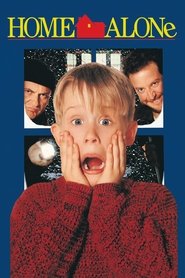
It's driving them crazy, because, you know, it's so difficult to see who is infected and who is not infected. And, again, a character taking a difficult decision, which is one of the leitmotifs in the movies... in the movie. A right decision or a wrong decision? But always it's a decision that implies destruction. Yeah, and all these decisions have been taken from the fear. The fear is... Everything is around the fear here. Everybody takes a decision in this... in the presence of the fear, which is moving everything forward. When you're watching the movie you understand why people take these decisions, because I think when we feel this fear in the real life, you're in trouble. It's not a cold decision, it's not a decision taken from a quiet moment. It's... when you're surrounded by something really powerful as the infection. This tune, this theme, was taken - musically - was taken from the first movie. This is a tune we always loved from the first movie, from John Murphy's soundtrack. And we had no time for John's... He had only two weeks to compose the music of the film. This is absolutely amazing to say that, but it's the truth. And we decided to bring this theme again back here in this sequel, and to work it in different ways. For me, it's hypnotical. I... I like the way we use it here. I like the way that John orchestrated and arranged absolutely in a different... It's different from the first one. We are going to hear this tune four times in the movie, in key moments. This is one of them. And that... this sound, this music, reminds that the infection is a building process. The infection is spreading. That's why the music is building up and, you know, getting this kind of big, intense moment with the guitars, which is the best combination with the infection around. On the other hand, the music has a kind of heart, emotional heart, which is telling that this movie is about character, it's about people... who try to survive. Now there's the moment of Doyle's dilemma. Another decision to take, another difficult decision to take, which is to put out of his misery his colleague.
54:07 · jump to transcript →
-
-
director · 1h 43m 2 mentions
-
All that stuff you hear in the soundtrack was stuff that I did with sound designer and sound effects editor Bruce Stambler, who's done Triple X, Fast and Furious, Stealth for me, the wonderfully vivid sound environments that are created around those films. The soundtrack is literally half of your impact in the viewing.
1:20:21 · jump to transcript →
-
that I've had all my life, as I've explained to you. So when I heard that even though it was Mummy 3, as it was called then, it had the allure of a chance to do an epic fantasy in China. And my friend Randy Edelman, who wrote the score, did a beautiful thematic job and with some additional cues by John Debney, a terrific composer as well.
1:42:59 · jump to transcript →
-
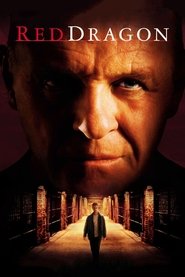
-
director · 1h 51m 2 mentions
-
Got a medic down in here. I haven't talked much about music. I've been focused on the director's cut side of it, but Harry Gregson-William had done the score for this, and I really love the combination of the technical side.
1:48:42 · jump to transcript →
-
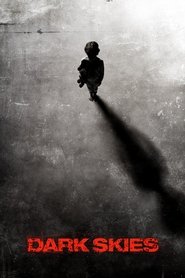
That right there, just to go back, I don't know how many people catch that. He checks her hand again. He just checked. It was just a detail. Actually, that was Colin's idea that I thought was genius. You know, when he finally meets up with Melina, he's just like, just let me check the hand just to see that this is really the person. There's just too many twists and turns going on that he just wants to make sure. And some people catch it, some people don't. But Harry Gregson Williams did the score that the combination of having this, you know, kind of very,
1:49:14 · jump to transcript →
-
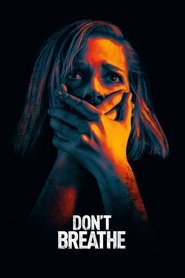
-
-
Francis Lawrence
These kind of moments are always sort of fun to me, too, with playing around with editing. When you can sort of play with time a little bit, and make it feel like she might still be in the room as Marta's coming upstairs. But really she's been long gone and quite safe. That was him at the Embassy. It was. Playing hard to get, are you? No substitute for a good old-fashioned blow job in my experience. He's not like that. One of the things I often thought about with this movie, and I think I talked about it a little bit in the beginning, in terms of the screen direction thing, was Hitchcock, right? That this was not an action film. It's a mystery and suspense thriller. So to sort of play around with tension was really fun. You can even hear the Hitchcock reference a little bit in some of the music that James Newton Howard composed for the film. And not particularly in the beginning and the very end, in terms of the big, operatic ballet pieces, but in the more thematic material that's in the body of the movie, you can hear that influence, the Bernard Herrmann influence to the music. This is, I would say, I think it's my sixth movie with James. He started working with me on I Am Legend, and we haven't stopped since, in terms of movies. So he did all the Hunger Games movies with me, and Water for Elephants. And I wanted to bring him on here. He had quite a job. I mean, there's a fair amount of music to it, but it was also just really a unique opportunity for music. If you just look at the opening and the end sequences, the music there is really tricky. We had basically choreographed those ballet pieces, to pieces of The Firebird. But we knew we were never gonna do The Firebird. We were not specifically doing The Firebird. It was just inspired by The Firebird. So we maintained a very specific beats per minute, but the idea was for him to create a solid piece of music for those first I don't know, 10 minutes of the movie, that were gonna carry us through, that were gonna work for the Dominika sections, that were gonna work for the Joel sections, that were gonna have some sort of tension. It's also gonna feel like a ballet, because I wanted it to feel like a dance, and then it was then gonna lead into a ballet that was gonna truly work for both, the dance and also for the pieces of Joel running. And then we sort of do something at the end, and I'll get into that at the end. But the idea that there's almost a mirrored, book-ended dance sequence when she sets her plan into motion at the end, a new kind of ballet score comes up and plays to the end of the movie.
1:04:15 · jump to transcript →
-
Francis Lawrence
I love this idea too with music. That you hear this music that's this kind of dance that is playing into the dance that she's doing, and her plan. But it also kind of works almost as source and not just a score. So when you see the record playing it's like as if he's also listening to the music as well. And I just love that moment of him leaving his door open expecting to be arrested at any moment. And, you know, us getting to play with the expectations of the audience there.
2:05:15 · jump to transcript →
-
-
director · 1h 25m 2 mentions
-
Mm-hmm. Generous hole. So are we recording this, or is this what we're going to want? God, I love this music so much. Yeah, yeah. Rich Vreeland is the composer, and he is such a genius, and he's like...
6:36 · jump to transcript →
-
He's incredible at everything that he's made that I've heard, but none of it sounds anything like this, and none of his other work sounds anything like anything previous. For example, he made the music for It Follows, and then I think got a call from the people that were making Stranger Things, and were like, we want you to do the score, because we want it to sound like It Follows. He's like, no thanks. Wow. I know. That's an artist. Cool.
7:05 · jump to transcript →
-
-
director · 3h 16m 1 mention
-
-
director · 1h 43m 1 mention
-
-
-
-
director · 1h 30m 1 mention
A Nightmare on Elm Street (1984)
Wes Craven, Heather Langenkamp, John Saxon, Jacques Haitkin
-
cast · 1h 36m 1 mention
Anthony Michael Hall, Judd Nelson, Jason Hillhouse
-
-
-
director · 1h 42m 1 mention
-
-
-
director · 2h 24m 1 mention
-
-
director · 1h 56m 1 mention
-
-
director · 1h 58m 1 mention
-
-
-
director · 1h 31m 1 mention
-
-
-
director · 2h 5m 1 mention
-
technical · 1h 22m 1 mention
Gary Lucchesi, Richard Wright, James McQuaide
-
-
Related topics
Other topics that frequently come up in the same commentaries.