Topics / Cinematography & lighting
Lighting
106 commentaries in the archive discuss this, with 357 total mentions and 228 sampled passages below.
By decade
-
1940s
1
-
1950s
2
-
1960s
2
-
1970s
8
-
1980s
24
-
1990s
21
-
2000s
30
-
2010s
11
-
2020s
7
Across the archive
ranked by mentions · click any passage for the moment in the transcript
-
-
Gary Goddard
This is all part of our night shoots. We shot... I think we shot a total of about... I actually think we shot a total of like four and a half to five months, and probably half that was night shoots. And that was, again, for a very deliberate reason. When Ed Pressman came to me with this movie, the concept was, look, we have to do He-Man on a budget, so we want to bring him to Earth. I said, okay, well, if you bring him to Earth, you've got to shoot night, because at nighttime, we can create a look for the characters with lighting...
36:40 · jump to transcript →
-
Gary Goddard
that will keep them believable. But it's very difficult to have people like Tila and He-Man, Beastman, whatever, walking down Sunset Boulevard at high noon. But at nighttime, with the streets wet, with a little bit of mist in the air, a little bit of wind, it can be believable. So the decision was made early on that when we bring He-Man and the characters to Earth, we're going to do it at night. We're going to use lighting to...
37:09 · jump to transcript →
-
Gary Goddard
So we had to anchor off the camera again. Yeah, every one of those shots for Boss would always require at least two hours by the time you set up and by the time you do it. So back to the lighting issues. You'll see that when this door comes under attack that it's all nighttime. Soldiers played against night. Everything's played against night. We used lighting to, again, try and make the story seamless so that you're not sitting there going, you know, what...
38:08 · jump to transcript →
-
-
director · 2h 43m 16 mentions
-
That says, good luck, by the way. That's Russian graffiti there. And Eddie can expound a little bit on the challenges of editing this. Yeah, this was, the coverage, the raw footage was extraordinarily good. And it's beautifully lit. It was quite an easy sequence to build an assembly of because there was just so many great options and great angles.
3:45 · jump to transcript →
-
And you had to. And we used every tiny, every single angle was in this. And it was hours and hours of it. This shot, we had 15 minutes at the end of the day. Look at that beautiful backlight there, the sunset. You just nailed it. It's a beautiful one-er again. It was dictated entirely by necessity. I had no time. And Tarzan is so good. Everything he's doing is so active in these scenes. He's phenomenal. Greg Tarzan Davis, who plays the character of Degau behind Briggs.
38:50 · jump to transcript →
-
We were just always there giving ourselves the options. I love this shot of Isai. So good. The light in this scene, all of this stuff. Again, another set designed by Gary Freeman. Yeah. And lit by... What's interesting is, watching this, you're not aware of the fact that that establishing shot of Gabriel walking in, or Isai walking in past Grace, was shot over a year before we shot this scene. Yes.
51:25 · jump to transcript →
-
-
director · 1h 58m 14 mentions
-
to make it look more warm and passionate. So he came up with the idea of a color. He was suggesting using more of a red, orange, and green as a key color. That will make it totally different from the first one. The first one was a little cold and have a blue lighting, and even though the set is pretty dark, but I want this one a little more charm, more open.
22:03 · jump to transcript →
-
more warm and more passion. The thing I like about Tom Sanders, all of his designs just look so real. He like realistic. He like everything look real and also have a great passion feeling. He made model for every set so we could figure out about a camera angle and the atmosphere, the lighting and how everything work.
22:31 · jump to transcript →
-
What am I doing here? And I also want every scene in Spain, you know, they're all moving. So a lot of camera movement and special lighting to make every scene look pretty much like a dancing. No matter the party scene or the cartridge, the balcony scenes, every scene, whenever we see Spain, it's all moving. It's pretty much like ballet dancing.
23:01 · jump to transcript →
-
-
director · 2h 24m 13 mentions
-
My name is Alec Gillis. I am the codesigner of the creature effects for Alien 3 of Amalgamated Dynamics Incorporated. I'm Tom Woodruff, Jr. I'm Alec's partner in Amalgamated Dynamics, cocreator of the Alien effects, and I was in the rubber monster suit. I'm Richard Edlund. I was the visual-effects supervisor on the show. It's the last movie we ever did totally photochemically, actually. Right. This was on the cusp of the digital age. We did have some digital elements. When the alien's head cracks at the end it was a digital shot. That was the only one. Styrofoam floor. - Yes. We had a better Styrofoam floor for that where we'd covered it with metallic dust. It made a more interesting effect. I've always been a little self-conscious of those Styrofoam floors. Plus, that alien juice is pretty mean stuff. I think it's interesting that you can fly through space in a Styrofoam ship! Hey, there's a glimpse... Was that it? That scan, that was a fun scan. There it is - the multilayered sculpture. Are those your star fields too, Richard? - Yeah. I'm Alex Thomson. I was the director of photography on this movie, Alien 3. I actually got involved because the original cameraman was Jordan Scott Cronenweth, who did Blade Runner for Ridley Scott, beautifully in my opinion. But Jordan became ill in the first four days of shooting and had to leave the production. I was asked to take over, and I was honored to be able to try and match to his lighting. All I heard, and I wouldn't know if there was any other reason whatsoever, was the fact that Jordan wasn't well. We knew he had got Parkinson's. We knew he had that. You could see he wasn't a fit man obviously when I used to go and talk to him. He was a great character. I liked him very much. I knew him from Blade Runner. I'd met him on Altered States, too, cos Stuart cut that, didn't he? But I'm convinced it was the fact that he wasn't well enough to continue. I Know it was a sad loss, but at the same time, I love Alex's work. I did Legend with him. I did Legend with him. Yeah, and I love him anyway. And I did The Saint with him. I love this shot, and I love the fact that it's a model. I just still feel that these miniatures have a quality that CGI spaceships just don't have. Do you think that, Richard, or is that just me? Am I being old-fashioned? Well, it can and it can't. I mean, it depends. On Air Force One I would never have made any models now. It depends on the kind of stuff. This is obviously special effects. These are models shot by the second unit, by Tony Spratling, up in the north of England.
0:59 · jump to transcript →
-
You notice in these sequences, the camera is near the ground so the ceiling becomes more important than the floor and one is shooting up people's nostrils. This was an approach David Fincher wanted, which I think is terribly effective indeed and makes it more distinctive than the other three, rather, in my opinion. I tried to keep it fairly shadowy, so that it looks moody. Where I could, I brought the light from the top because it's unusual for the light to come from the floor, but one had to be careful about it obviously. The difficulty was getting light into the eyes SO we could see what the actors were thinking but not at the expense of the mood. I remember at Pinewood Studios when the sets were going up, Fincher would have us walk through the sets just looking at the scope of them. It was truly amazing to see these things go up. Norman Reynolds is a great production designer. He builds the world. It's very difficult to control him cos George would tell him on Star Wars "Don't build that. We're gonna paint it", and the next day - "It's too late. It's built." When they sent us over, we said "Why are we going to London?" They said "It's the sets, the set design, the artistry and the craftsmanship." And it really was very true. British actors is another good reason to go there. Somehow the British accent does a lot for these movies, I think. Vincent has had a deep, abiding interest in Luddite monks, and had done a great movie called The Navigator, where these monks dig their way through the earth, coming out into the 20th Century. It was a great movie. But, anyway, the original idea was that this was a wooden planet built by the Luddites and in the bottom of the planet, symbolically, the reactor was kind of hell. The technology that kept this thing going was emanating from the bowels of Lucifer. What drew me to the project first was that it wasn't a retread kind of sequel. It was a completely new idea, and some of it survived in the final script. David was entirely in control from the beginning. He put his stamp on it. He was the director and nobody ever questioned it. He was completely in control of the set and everybody hung on his words. He was definitely doing it. There was no weakness in it at alll. He was very, very confident in what he was doing and wouldn't be swayed. He had this vision and that was what he was going to do. He came under quite a lot of pressure from 20th Century Fox to hurry up or do it the quickest way or the most expedient way, but he wouldn't listen. He would do what he wanted to do, quite rightly, in my opinion. As I say, his compositions are marvelous and the use of the frame, and so on. David had been a cinematographer before he became a director, so he knew lighting. He knew what was good and what was bad. That's not to take away from David Worley, the operator. His contribution was enormous as well.
10:16 · jump to transcript →
-
The light coming from the top was a /K Zenon lamp, which gives you very straight beams, which I thought would be quite a good idea. I shot it up through a mirror because you can't tilt them down or the condenser burns. But we had a mirror above the set and I shined it from the floor onto the mirror. This autopsy scene was a favorite of Fincher's, too, because we had created a body of Newt that had multiple layers of tissue, skin and musculature that could be cut through, and the bones opened up. It's a lot of graphic coverage that's not in the final movie. The body of Newt was actually based on... Alec and I had done a life cast of Carrie Henn during Aliens, and while we were in London Bob Keen's shop actually had a casting of the head. We were able to get that and remold it, so we were able to duplicate what the actress had looked like some five or six years previously. There is intercutting here with the real girl as well. She has a lot of fuzz on her face. - Yeah. Backlit fuzz.
17:31 · jump to transcript →
-
-
director · 1h 34m 12 mentions
-
the classic thing you need to do as a director when you can, which is don't let the actress watch while you're rigging all this stuff. And it was terrifying looking, for real. What really worked best here for me was that in terms of directing, everything was neutralized. The audience feels like, oh, this is calm. Yeah. Everything's fluorescent. There's no shadows. There's no contrast. So that's, for me, as a lighting cameraman, I want to make sure that that is there. But to get into this room and then
23:51 · jump to transcript →
-
And there is such a thing in nature, and they don't give a shit who you are. And you have to outwit them. How many days did you guys have to shoot this? Not a lot. Because I remember reading, wasn't this shot in January of 88, and it was released in August of 88? I couldn't tell you. It was January for sure. That's a pretty crazy turnaround. These guys are eating ice cubes to keep their breath from reading, and I couldn't backlight them. Oh, I remember this was a nightmare.
37:22 · jump to transcript →
-
that's insane like again I've seen this movie a million times and I feel like you can like especially now like you were saying before Chuck about like seeing a mat and you know maybe we were more forgiving back then than we are now with the technology that's there but how miniatures can still trick the eye and they're better for lighting a good miniature is amazing because it literally has depth even though it's smaller it's just scale and this was in a you know this was in a warehouse in Castaic
38:17 · jump to transcript →
-
-
director · 2h 8m 10 mentions
Commentary With Kathryn Bigelow And Jeff Cronenweth
-
Commentary With Kathryn Bigelow And Jeff Cronenweth
before we were going to shoot, like the research we did in Russia, and then learning about nuclear physics and spending time with a gentleman from Massachusetts Institute of Technology who basically educated us on nuclear physics and working with that. There's a particular lighting effect from...
29:41 · jump to transcript →
-
Commentary With Kathryn Bigelow And Jeff Cronenweth
glow that was effervescent in a way and wouldn't contaminate the actor's skin and can be lit from a top light UV source that doesn't actually light the actors. So you could still dramatically light the actors and stay true to the set and the available light that's in the set and get this magical hue that's coming off the flooded reactor compartment. And so through that process and trying to be economical, we found out that we could get powdered quinine. And so we
32:42 · jump to transcript →
-
Commentary With Kathryn Bigelow And Jeff Cronenweth
where the conning tower itself was the most weight. And so then that presented problems for us because you don't want to compound the problem. So we couldn't bring lighting equipment in as close as we wanted it to, and we couldn't bring cranes. And we kind of had to counterbalance everything that you bring within a certain circumference of the conning tower itself.
51:46 · jump to transcript →
-
-
director · 2h 3m 9 mentions
-
playing himself. They did a great job with the sets and the lighting. The cake is more and more like you every day. You know enough people have seen a movie when you can make fun of it and people know what they're talking about. Hammer and chisel. And when they knocked down this door, this is the day I was on edge because we had 300 scorpions and, I don't know, 200...
7:25 · jump to transcript →
-
Run away or head towards? Well, no matter what, I'm sure that Greg is really happy that you brought that up. This is the shot I was talking about earlier that, you know, there was clearly rain in the background. As these lights pan, you would see the rain being, you know, backlit by the light. I think you're looking at other things at this moment. Yeah, you are. You are, and I think it all works out. If you notice, there's no... You can't see anything in that pit back there on that shot. We still want to spend the money.
19:07 · jump to transcript →
-
Big shots like that, you don't think about, but not only do they have to be lit and we have to rehearse it and get everything ready, but then we have to light all those flambos and light all the torches and wet down the floor. And sometimes by the time you're done, the floor is dried up or the fires have gone out. It's a funny thing about torches. You see all these people use torches in movies and you think, well, they last forever. Those torches, any kind of torch like that, they'll stay lit maybe three or four minutes, max.
37:27 · jump to transcript →
-
-
-
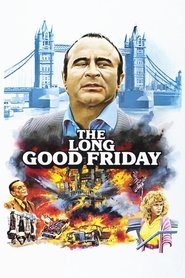
I can see a few echoes of the lighting design in something like Inferno as well. Yes. The second of the Three Mothers films by Argento. Sure, sure, exactly. And, you know, we wanted a kind of future retro look. So it's film noir. It's a detective story. You know, a man, well, he's not a detective, but he's certainly investigating a disappearance.
13:13 · jump to transcript →
-
The look we wanted was a graphic novel style look to it, and hence the lighting, the gels, the colours. So we have Steven Berkoff here, who was riding high very much so at the time with, I think his play West had just come out, hadn't it, just before you started shooting this? Yeah, I think he just came off Beverly Hills Cop. He had indeed, yes. And he complained that he felt his acting was constrained and he was, you know...
14:02 · jump to transcript →
-
So the lighting's going to disappear around four o'clock. Yes, I think there's one shot where you can see that it's darkened slightly that was probably caught just at the end of the envelope that you had available. And I thought, how the hell is he going to, you know, read eight pages of dialogue or whatever it was and remember it? But bless him, look at him. Yeah.
15:21 · jump to transcript →
-
-
-
Simon West
I got the idea for this robot fight while I was staying in LA. I had jet lag, I was in a hotel room, I couldn't sleep, so I turned on the TV, and there was this infomercial for a boxing training device. This thing looked like a big plastic dummy of a man, and it had lights for its eyes and lights for its mouth, and when one of these lights lit up, you were supposed to punch or kick it in that spot. And when I was thinking up ideas for what Lara would do in her training, I thought, well, she's gonna have something a lot more advanced
1:06 · jump to transcript →
-
Simon West
This scene shows up particularly Peter Menzi's beautiful lighting. Everything in the film is just exquisitely shot. I'd worked with Peter before on my previous film, The General's Daughter, and I loved the look of that film, but I think in this film he really surpassed himself, and every single shot and every single scene is quite exquisite, and this is a very good example of it, with the light flooding in through the window on Lara at the desk. Spanish galleon?
9:34 · jump to transcript →
-
Simon West
careful and pernickety about how they were doing their research. Lara would wade in there with a hammer and just cut to the chase and get on with it and just smash the thing so she could get the information she needed. This clock was beautifully made by a real clockmaker and it really lit up inside and every piece worked on it and it was a beautiful piece of workmanship made of solid brass and we had two or three different versions of it that did different things and also we built a gigantic I think three or four foot across
17:23 · jump to transcript →
-
-
director · 1h 59m 7 mentions
-
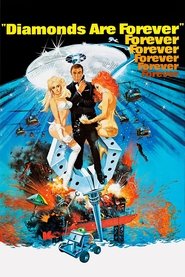
but somehow it seems to suit you. It's my home. But it is in need of some soft lighting, and I know a little restaurant quite close. I never mix business with pleasure. Well, neither do I. Good. Then we can start by saving the cute remarks until after you. Between You Only Live Twice and Diamonds Are Forever, Ken Adam served as production designer on Chitty Chitty Bang Bang, Goodbye Mr. Chips, and The Owl and the Pussycat. Here's Ken Adam. But what I always try to do is to do other films differently.
20:28 · jump to transcript →
-
kind of patio windows. They came from a big manufacturer before they really got into vogue. And we bought all these units which was built into the set. And the interior of the set, you know, is well lit. But we wanted this kind of rostrum where the actual diamond satellite was being erected in the center. And I remember we wanted like a scaffold that was something different.
57:55 · jump to transcript →
-
And he said, what do you want? And I had no idea at that time of what to use. I knew Vegas quite well. And I thought, let's say we want to shoot in downtown Vegas for four nights or five nights because there's all that free lighting, which is terrific. And we do a car chase. Let's do what you couldn't do it in Piccadilly Circus. Let's do what you can't do in Piccadilly Circus. Let's do it in Vegas.
1:03:11 · jump to transcript →
-
-
director · 1h 28m 7 mentions
Don Coscarelli, Cast Members Michael Baldwin, Angus Scrimm, Bill Thornbury
-
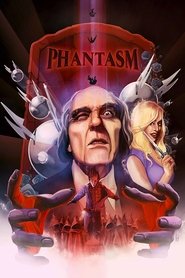
You know, the one thing that we really attempted in the photography of this film is we really tried to get motivated natural sources as much as possible. And even on a low-budget picture, we were always trying to work the lighting into how the film was made from the design point of view, even though the design was primitive in a lot of ways. And so fire came into a lot. You know, we tried to light a lot of the sequences, either with candles in that particular scene. We have a couple of scenes by firelight.
10:31 · jump to transcript →
-
you know, trying to make it like a creepy little storage room and kept it really dark. Here was our attempt at shooting using natural lighting again. We got the flame. We used like a little flickering effect, which is one guy walking along with the light sort of flickering it. It might have been a little obvious. I probably shouldn't have mentioned it. This was supposed to be a cat, but we didn't have a cat, so somebody, I think our...
33:00 · jump to transcript →
-
You know, we went to great lengths to actually rent this flashlight from a special effects house that had this really powerful beam. Because once again, trying to use the motivational lighting in the film. Have that lamp in the middle that's going to be an integral part of the fight sequence. Because he's going to turn the light on and it's going to be swinging around and give you some impressionistic lighting during the fight scene.
46:15 · jump to transcript →
-
-
scholar · 1h 32m 6 mentions
The Night of the Hunter (1955)
Second-Unit Terry Sanders, Film Archivist Robert Gitt, F. X. Feeney, Preston Neal Jones + 2
-
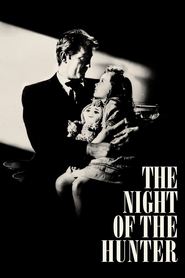
Expressionistic, non-set set. I love the way Cortez lit this. It's like you're peeping through a keyhole at her. That's an uncredited lady named Gloria Paul. And this is the first of many sets which really is no set. It's just the chairs and the gentleman sitting there and the lighting.
4:01 · jump to transcript →
-
And it was beautiful, too, the way they were both facing in the same direction, you know, to show the inner divorce. Now, this is an interesting scene, I think, from a rear projection point of view, because originally a lot of this was shot with Emmett Lynn and then thrown away. Instead of going back to the lake again, this is done with rear projection, and it's extremely well lit by Stanley Cortez. You wouldn't really know it, I think, that it wasn't made on location. Absolutely right. You mind my cussing, boy? No.
31:10 · jump to transcript →
-
Now, this is a set that's not a set. It's just all background. The bed is in the foreground, but there are no other walls except the background wall, which, as you can see, is designed and lit sort of like a chapel for this human sacrifice. Answer me. It's a very ritualistic scene. And doesn't some of the scene remind you of Cabinet of Dr. Caligari, too? Absolutely. Expressionistic. Again, it's a silent, expressionistic influence.
38:34 · jump to transcript →
-
-
-
John Mackenzie
Next to nothing. In fact, only one engine worked, I think. As far as I remember, it slightly tilted to one side as it moved. Don't worry. But as a film set, it was okay. But all of this is the wonders of art direction. And lighting, of course. Right outside that window, you would now see Heron Dock. I bought this pub about two years ago, Charlie.
47:42 · jump to transcript →
-
John Mackenzie
and a lighting man's nightmare. You get reflections everywhere. We've got people sitting in front there, but that floor, believe me, is a mirror. And you've got to keep the light off it, otherwise you get the light coming in the wrong direction. Phil Mayhew, who was my lighting cameraman, did brilliantly. That sort of thing doesn't happen twice in one day. You should level with us.
57:02 · jump to transcript →
-
John Mackenzie
Victoria, unless you tell us what Harold's bad problems are and how he's dealing with them, I'm going to tell you what we're going to do. Tony and me, we're going to leave the table. We're going to check out of the Savoy. And as they were going to have us, so we put up with all the inconveniences and all the problems like the mirrors, reflective light and all that. And Phil actually lit it. You see, he couldn't hang lights or anything. He's lit almost this entire scene. You see these bulbs of light on the table? That's how he did it.
58:24 · jump to transcript →
-
-
director · 1h 54m 6 mentions
-
Darius came to the set as it was being built, and Nigel would explain some of his intentions. Darius made suggestions and they created opportunities for lighting. They were like two siblings, plotting. It works well.
6:12 · jump to transcript →
-
I remember these signs - this is the psychological tests - and Jean-Pierre had something specific in mind, in terms of the primitive drawings of apples and pears and cows and cherries and things. He went through an amazing amount of artists trying to get primitive-looking drawings of fruits and little tidbits. It turned into such an assignment. He couldn't find anybody who could nail that style. Which had something to do with what he had seen as a Child - basic, primitive illustrations, which actually come back in his film Amélie. We get a sense of that naive, childlike graphic thing, which comes from a children's book, which, I think, is a really big deal in Jean-Pierre's imagery. I love Dan Hedaya. I love the Coen brothers' movies. You remember, he played in Blood Simple, the first movie of the Coen brothers. Interesting casting. I wondered if Jean-Pierre would have picked Dan Hedaya had Jean-Pierre grown up in America and seen Cheers. I love the lighting. You had a lot of lights coming up from the floor. Exactly. We used an optical process, and the folks were very nice with me because they made all the prints in the world with the process. And it was very expensive. And they made maybe 3000 prints with the process. The name of the process is ENR. It was invented by Storaro, the Italian DP.
8:49 · jump to transcript →
-
My Question Initially To Jean-pierre Was
I love this shot because it's a simple effect. The ball is on the hand at the beginning of the shot, we do just a pan, and it works. I remember, Sigourney Weaver didn't believe me. She told me "Jean-Pierre, it doesn't work. It's so silly, so weird." I said "Believe me, I am sure." But I was pretty worried about this shot. And it works. There's a shot that you could claim, Pitof, as a digital shot, except it's real. When she throws that ball? It's amazing. This shot was supposed to be digital. What Jean-Pierre wanted is to make an impossible throw. Sigourney did it for real. This shot is real. Look at that. How many takes? I think it was six takes. - Six takes. Yeah. I was here when we shot that, and I feel in her eyes that something was weird. And she made it. Wow. - I had a little problem with Sigourney. The ball is going out of the frame and then back in the frame. I said "Sigourney, I'll fix that and I'll make a perfect path." So you feel the impression that the ball is always in the frame - like this ass - and... That's a silicone butt that we made. That's my favorite shot. I love this part of the film. And... Tell the story of this shot, Hervé. That's one of the famous Jean-Pierre Jeunet's favorite scenes, where somebody's putting polish on his shoes. When I got the rushes, I said to Jean-Pierre: "Well, you remember you did already that scene before." And you just didn't realize it. You didn't remember. The design of the wheels, something Eric Allard had developed way back, right after Short Circuit. Each wheel, instead of treads, they had ball bearings that would roll independently, so it could turn and maneuver. I think he had it patented, and I think NASA was using the design as well. This is a stupid idea. When you arrive in the States the first thing you see is the TV, because you don't sleep. And what do you see on TV? This kind of show. This miniature was not very big. This was pretty small - three meters diameter. That's nine feet to you non-metric folk. And this - you composited Aliens. Exactly. That's miniature and greenscreen. A very composite shot. Was a lot of passes to have the light and the texture and the depth and the atmosphere. For the alien, obviously, it's man in suit. It's very difficult to shoot an alien with a man inside, because it looks like a man inside. You are obliged to shoot very close. Here's Tom Woodruff. - Here's Tom. You were talking about being on the set. Here's the deal for me: being on set in these suits, it's even more claustrophobic than being on set, because I'm literally... I've got some slots for my eyes and breathing, but there's no real interaction between what I'm doing and anybody else on set, in terms of talking or just getting a break. I can interact with the actors and they can respond during the course of the action, but then, once the shot is over, it's like total isolation. But people love you when you're in the suit, Tom. Brad Dourif was great here. It was creepier for me on my side of the glass than it was for him being on his side watching me. I like Brad Dourif in this film. Yeah, he's twisted. Wonderfully imaginative actor. Brad and that creature were dating for a few months right after they completed this scene. I love what Darius did - the slime. He put a lot of care into shooting these and designing the lighting. He, at times, would almost build a cage of fluorescence around the alien, so that you'd get a million little kicks off of the slime. so that you'd get a million little kicks off of the slime. He kept coming back to us and asking for thicker slime, because the stuff in the other movies was too runny. He wanted a quarter-inch build-up, so we went to a slime that was almost like gel. It really had a different look. It was a pleasure to work with Winona Ryder. I remember, sometimes I tried to direct her, and she told me: "Jean-Pierre, take it easy." "I have a lot of imagination. I'm going to give you some improvisation." Remember, at the editing room, everything worked, all the time. In this scene, Winona was feigning drunkenness so she could slip out. Since she's a robot, she can't be drunk. This is a nice shot with the 10mm. It was a very short corridor and it looks so huge. This is a matte painting from a French guy, Jean-Marie Vives. He worked on Delicatessen and City of Lost Children, too. It's fascinating how there's a hint of City of Lost Children in the look of the sets. That's what I love about style, ultimately it just permeates everything that somebody does. That's a clever idea. That's gotta be Jean-Pierre. Very Jean-Pierre. It's great. This set is pretty high, and we used it again at the end of the film in the chapel. The same set but horizontal. - Really? Yeah. - I didn't know. When Jean-Pierre started the movie, he spoke little English - he always had an interpreter with him - and by the end spoke better English than me. Than I. - You see? That's what I'm talking about. It's amazing, because he didn't speak a word of English when he started. Sigourney Weaver loves to have the director very close to her. She hates when the director is very far away behind the video. It was a very good relationship, because, I remember, after a take she looked at me and it was unnecessary to speak. Just one look and we knew if the take was perfect or not. It was unnecessary to speak about the take - just a look. This is a scene that's almost vaguely erotic between Ripley and Call, the two females discovering each other inside of that tube.
27:46 · jump to transcript →
-
-
director · 1h 56m 6 mentions
-
Everything else is ILM. Didn't they do a good job here? Thieves. City of the living. Crown jewel of Feral Seti I. This shot here is another ILM matte painting composite shot. And it was done, actually finished before that previous shot. So you can actually see some differences between the two and the lighting. No other man was allowed to touch her.
1:03 · jump to transcript →
-
Joe got run over by a camel. That wasn't supposed to happen. Would you do that for any amount of money? I mean, I'm sorry. They get thrown off a camel and get trampled by it. It doesn't seem right. Shooting inside this volcano was a little difficult just because of the lighting. We were always losing lighting, and it was just changing dramatically throughout the day. So, as you can see... White sky, blue sky. White sky, blue sky. Sort of like...
39:25 · jump to transcript →
-
Jaws. But in the desert. But in the desert. In fact, when we were shooting this scene, sequence, we shot one side and it was so beautiful. The lighting was just, the sun was just so perfect.
39:55 · jump to transcript →
-
-
-
Ted Tally
He's also, like Edward Norton, an actor who can accomplish incredible things with stiliness. He's hardly moving here. But his intensity is like a laser beam. If one were nude, say, it'd be better to have outdoor privacy for that sort of thing. You think the yards are a factor when he selects victims? Yes. And there will be more of them, of course. Victims. You'll be wanting lots of these little chinwags... I love that line. "lots of little chinwags, I take it." I need your opinion now. Then here's one, You stink of fear under that cheap lotion. You stink of fear, Will, but you're not a coward! That's a nice shot. Yeah, this is my editor's favorite shot in the movie. Mark said this was his favorite shot. And I held on it, which I was... You could've cut away from it, but it's very powertul. Edward was very good here. The lighting was great and it just worked. ...poor dullards.
35:24 · jump to transcript →
-
Ted Tally
This is my least favorite shot in the whole movie only because it felt like the camera was attached to his back. Maybe I should've scripted it so that there were more specific reactions to him there. No, there was. I shortened it, actually. I love the lighting in here because it's an infrared lab. It's supposed to be black, but how do we see if... It's supposed to be pitch dark. And Dante just... The highlights. Here was a moment that I was sort of proud of as a screenwriter. We've never got a really good look at Dolarhyde's face in this movie. We've seen him from behind, in the stocking mask, in the shadow. We've held him back like the shark in Jaws. We havent really seen the killer. And now, we're going to see him for the first time as a blind woman can't see him. That's the kind of effect that you love to make happen as a screenwriter. I'm very proud of the fact that we didn't know she was blind here until this moment, which is written so beautifully. It's held back. She's moving around like she's seeing. You don't notice it unless you know the Story. And then this little moment and then his reaction to it.
50:59 · jump to transcript →
-
Ted Tally
I've always tried to hang on to what that cougar looked like. But by now, to tell the truth... This was made-up stuff that was not in the book. But I knew that they were going to have that scene later with the tiger, the sedated tiger, and I wanted to set up some deeper meaning to that scene for her. So I added this little section. You don't say much, do you? There was actually a scene that was left out. That was his arrival, but Mark thought it was unnecessary and Nis... - When they first arrived and walked into the apartment for the first time here. One of the things that amazes me about Ralph is that he... The script so often gives him so little to work with. The character is painfully shy, he speaks in monosyllables. This was a scene that I used to test the actors. - I remember seeing the test at the auditions. This is the scene that helped me decide that the actors that we tested werent right for the role because they can get the Dolarhyde torturing Freddy Lounds scene, but to have a vulnerability here... But you still have to fear this guy. It's a tremendous feat of acting to accomplish as much as he does with so little to say. My biggest worry going into production was that we would not be able to find an actor who could do everything that this part needed. This is a part where the actor has to bring so much, and the script doesn't help him as much as it does other actors. This is really where you see his imperfection, which is his cleft lip, which Matthew Mungle, who is a brilliant make-up artist and effects make-up artist did such a realistic job of. I tend to do a Iot of tests for hair and make-up and the tattoo. We spend a Iot of time. When you work with Dino and Martha, do they want input into those kind of choices or is that left mostly to you? I love working with Dino. Not only is the guy a legendary producer, but it's great working with Dino and Martha together because... It's a whole other energy. - Each one has their own opinion of things. Right. They are a great producing team. -/ never work with a producing team. - They are very shrewd about script. You did a lot of work with Dino and Martha before I even came on board and you delivered a first draft, basically, that was shootable. - The first draft was green-lit by the studio and it had a lot to do with Dino and Martha's notes because they are very shrewd about what the audience needs to know, and when they need to know it. The sense of the rhythms of the story, and the rhythms of the acts, they have a really good grasp. This is my favorite section of the film. This is where the pace really... It seems like it really takes off here. This is Run from Run-D.W.C. who unfortunately, I cut out of the film, not completely, but... That was him. - That was the top of his head? That was a wonderful appearance. The story really takes off here. The pacing of this section, to me, is very exciting. The music and the editing. This is where I was telling Harvey, "Can you do it twice as fast?" Harvey tends to pause in the strangest places. But it always comes out very natural. He's a brilliant actor. You had always wanted to work with him? - Always, yeah. You had always wanted to work with Harvey. Ever since I was a kid, I was just... I grew up on him. ... possibly from the Tooth Fairy. This was a Dante shot. - It's a spin. "Let's go around him." I said, "I don't want to get dizzy." He said, "No, it's an urgent scene." It does create the urgency of what's going on here, that events were spinning out of control as suggested by that. Because of 9/11 we couldn't fly a helicopter through the Washington skyline. So that was one of our few CGI shots. It's really called a composite, because we shot a plate and then we took a shot of a real helicopter. This was done on the set. Ralph read this on the set. - Standing next to them? Not when we were doing the scene, but he just read it once and this was the take we ended up using. This is a one-take performance. He was just so in the mode. He reads this letter very well. I love all this sort of hi-tech, FBI forensic stuff, and it's something that we couldn't get a whole lot of into the script because of just sheer space considerations. So where we could do these kinds of things, it was really fun. I love that shot, and that shot... All the shots of Lecter in this... Brett, you love all your shots. - I know, not all of them, but those specific ones. I like all the lighting changes through this. This is Tony Hopkins' stand-in. This is the only... I wondered why he had a British accent. I wondered why the superintendent of a hospital in Baltimore had a British accent. He migrated. This is Ken Leung who's been in three of my other movies. On the right? He's a great stage actor from Broadway, and he was the villain in the first Rush Hour, and he was in Family Man. He's just a... He's very good with this part. - He's excellent. He's really very real. ...are transparent to infrared. These could be the tips of "T's" here... This whole sequence is quite close to the book. Tom Harris is very well-grounded in all of these procedures. It's just a real gift to the screenwriter to have an author have done so much research, and be so on top of these things. ...they made that up. Three "T's" and an "R" in "Tattler." How do you communicate through a tabloid? You got what? News stories. This scene was much longer really, but we realized in the playing of this scene that the audience... This is an example where the audience was ahead of everybody. We shortened it because the characters just seemed like they were... The audience already knows who Dolarhyde is at this point. We held him back for as long as we could, but once we've shown him, the audience is just getting ahead of you. - That's my favorite shot!
55:10 · jump to transcript →
-
-
technical · 1h 35m 5 mentions
Steven Lisberger, Donald Kushner, Harrison Ellenshaw, Richard Taylor
-
Computer Simulation Division Richard Taylor
One little thing I noticed... I mean, I didn't catch it when I was directing Jeff with this, is that when he plays Clu, he plays it with this strange computer accent, this mechanical accent. And now, when he's being tortured, he loses that, and I wonder whether he noticed it. We got so caught up in being in the scene that nobody realized that at the time. Clu's torture sequence is a great example of how light is used to create emotion. Lots of different filters were used on him as a part of that torture sequence. There are, basically, ripple glass effects, there's silk screen steel mesh, exposure changes, hand-done animation. When he's energized by the MCP, there are other filters that were used on the camera to give him that multiple-effect look. In this particular case, it was silk screen mesh, steel silk screen mesh that was on the taking camera and was spun around on the lens as a part of that effect. Dillinger's arrival to ENCOM in his personalized chopper was an interesting sequence. I took drawings of the chopper, schematic drawings, and created the design motif that you see on the chopper. And then over a two-day period, I applied these designs to the chopper myself with these varying sized, 3M reflective tapes. So, when we are shooting this sequence, what we are basically doing is flying air-to-air in another chopper parallel to this chopper. And we have a very low-intensity light source right near the lens of the camera, which is shooting across and reflecting directly back at the camera off of this 3M material. And it was a red light source, so it gives you the appearance that the chopper is either backlit or has some kind of neon lighting system on it. Again, there was the attempt to, for the outside, the window, to have the grid type of atmosphere and, kind of, cross-pollinize the electronic world with reality. Oh, I remember this stuff. Nice desktop computer built right into the glass. Touch screen. - Touch screen. I still want this desk. This was done with rear projection under the desk. The whole set had to be built up on the stage so that we could put a giant mirror under the set and project it in the old-fashioned way. There were technicians who were basically controlling light switches to different light boxes underneath this desk to light up different areas. The type itself, when it writes itself on, is actually matted into the scene from a computer graphics created type. And again, the view behind Dillinger is indistinguishable from the electronic world. And whose voice is the MCP? It's David Warner's voice. - Yeah. Yeah. It was just electronicized a little bit. End of line. Someone pointed out that they finally figured out that the reason that Bruce Boxleitner's character was wearing glasses is because he was supposed to be a little bit of a nerd. I think that was the intent. Just the readouts on the computers in the real world had to be pre-programmed ahead of time so that they wouldn't have rolling bars on them when we photographed them. Here you see another attempt to link the electronic world with the real world. The cubicles that the office workers are in are not dissimilar to the cubicles that the game players are in. And the intent was to have them go on forever or almost for infinity. Now, what thematically is happening is that at the time, computer people... Programmers were very concerned that the IBMs were going to take over the world of computers and exclude people. That they were going to be... That the system was going to be tyrannical. And what we're trying to show here is that the... Corporately, they've put a stranglehold on the system, and that the programmers are not being allowed the access that they want. And access for them is vital for their work. This character, Alan/Tron, is still inside the world of ENCOM and is more in balance. He seems... He's one of the people that's going to deal with the system from the inside. He's got a very methodical program in Tron, whereas Flynn is no... He's a renegade now. He just doesn't fit in and he's at war with the Dillinger character. The name Tron is derived from electron. Some programmers think it refers to "trace on, trace off." But that... We learned about that afterwards. There's a program in Japan called TRON, which is an educational school program, which has been running since 1985. And ENCOM was the only name we could find that wasn't already registered as a corporate name. Whereas Alan and Flynn are aligned with their counterpart programs, Dillinger has aligned himself with the tyrannical Master Control Program. So, the MCP is the ultimate controller, the big mainframe, the antithesis of the personal computer. The sequences that take place at the Lawrence Livermore Laboratory were interesting in their concept and in production. It was a very complex place to work. It was a very tight area, and we worked on this film with 65-millimeter equipment. And Bruce Logan, the DP, had his hands full. Sixty-five-millimeter film technology is quite cumbersome compared to Panaflexes and Panavision cameras. The size of the camera body itself, the limitations of the lenses, blimping the cameras... They're huge, so to get them in these cramped quarters was difficult. We were the only ones... Only film company ever allowed access to shoot in there. And nobody's been back since. A lot of this was lit, practically, by the fluorescents that are in there. It almost looks like a set. Yeah. We were very lucky that Lawrence Livermore let us use this facility. Because the cost of building a set this elaborate would have been astronomical. The Lawrence Livermore Lab is where they had the largest laser in the world. I don't know if it still does today. And they did a lot of research for NASA. Lawrence Livermore Lab was very cooperative with us, and allowed us to, really, kind of, run free through this particular area of the laboratory, which was their linear accelerator. So, we went into the one particular area, which we found most interesting for the area where Flynn gets de-rezzed, and where you first see the matter transportation effect, where the orange is digitized and deteriorated and then reassembled. In this particular case, we are seeing an orange, which was created by CGI by Triple-l. Animation that was done by the effects animation department, which was headed up by Lee Dyer and the effects animators, John Van Vliet, and John Norton, Barry Cook and Michael Wolf, Chris Casady. The name of that laser, by the way, Is Shiva, the Hindu goddess of creation and destruction. The 16 billion-year life cycle, she's got the drum of creation in one hand and the fire of destruction in the other. ...femain suspended in the laser beam. Then, when the computer plays out the model, the molecules fall back into place and voila! So simple. Why didn't I think of that? - That's right. Use that on Star Trek all the time. It's funny how they just kind of, just blow it off. Another afternoon's work down in the lab. Exactly. - Teletransportation, okay. Just digitized matter, no problem. Tomorrow we'll do watermelons. In a week, a human being. No, that comes sooner than that. A-ha! Oh, you're giving it away now.
7:08 · jump to transcript →
-
Computer Simulation Division Richard Taylor
We just passed a Cray computer, that large, refrigerator-like computer. That was, at the time, the most powerful computer in the world. This Is... - Was this set at Triple-/? Where is this? No, this was picked up at... Wasn't this picked up at Lawrence Livermore? Yes, I think this is right, this is Lawrence Livermore. And again this is another kind of discovery. As we were getting the tour, you said, "Well, we could use this for their transition." This is a Set. So, af this point we've got two hackers, one, in essence, illegal, and the other one legal, both trying to correct the system, get on the network, what we now call the Internet. Bruce Logan, the cinematographer on the film, and Peter Anderson, the cinematographer on the second unit, did a miraculous job of lighting up the set with a lot of light, but taking all the light off of the desk so that you could see the rear projection come up through it. It's pretty clever.
26:45 · jump to transcript →
-
Computer Simulation Division Richard Taylor
When we came to make a decision about what film format to use for Tron, we felt very strongly that we needed to shoot it on a larger negative than traditionally done. And it came down to a choice between 65 millimeter and VistaVision for the whole show. But the availability of 65-millimeter cameras was far better than the availability of VistaVision cameras, so we made the decision to shoot the entire show in 65 millimeter. And to keep a certain consistency, and as long as we had rented the cameras, we felt that we might as well go ahead and shoot the real world in 65 millimeter and not in 35 millimeter. It was kind of one of those nice to have things, and nobody objected strenuously to it, and also it would be the first time since Ryan's Daughter that a film had been shot entirely in 65 millimeter. And I think you can see the results. I mean, it looks wonderful. In the monitors in Lawrence Livermore, one of the things that Triple-/ had to do was create lots of imagery that appeared on monitors, and that imagery had to be shot and created long before we got to production. So, there was a lot of planning in creating all of the monitor imagery, and Triple-I did a great job on that. Spent a Iot of time on this shot. To accomplish the effect, what we did was get a 4-by-5 still camera and photograph Jeff Bridges in his position after he's been zapped, and then immediately moved him out and took another photograph, which was the background by itself. So, as you pull away chunks of Jeff, you see the background behind him, and then to put the laser and the grid and all that on top of him was basically the effects animation of John Van Vliet. When Flynn is de-rezzed and pulled into the computer, we go through one of the most interesting sequences in Tron, which is the real world to electronic world transition. This sequence was created by Robert Abel & Associates, primarily under the direction of Kenny Merman. It was a sequence which I had designed, knowing that the way that Robert Abel & Associates was making these computer graphic images with the Evans & Sutherland computers, and, really, using vector graphics to create this particular look, would give us a look that would be unique just for this transition. The three-space transition, the movement through all these binary bit patterns and this polygonal landscape, was done by making multiple passes through a traditional animation camera that was pointed at a high-resolution, vector graphic, Evans & Sutherland computer screen, and making multiple passes, frame by frame, using different colored filters, coming back, making multiple passes of rewinding other filters, until you finally end up with this, which seems to be solid objects. But it's really made out of lots of tiny, tiny lines put together to make solid blocks of color or objects. Oh, man, this isn't happening. It only thinks it's happening. When Flynn says, "This isn't happening, it just thinks it's happening," it's a key line, because it means that the reality that he finds himself in now, not even he can fully believe exists. And if anyone should appreciate and understand this alternate reality, it's him, and now he finds himself trapped in it. All right, now we see Sark standing on the bridge, and all of a sudden, he is enclosed with these shrouds of light as he begins to have his conversation with the MCP. The database for the MCP was a human figure that we had created at Triple-/ called Adam Powers and was originally on the Information International sample reel. And if you look at that sample reel, you'll see a juggler character who was juggling balls. Well, that face of that character is the face of the MCP. So, the first time that you see him, he is a polygonal drawing of a face. And that's basically the underlying database of the face. So, it's made of polygons. And those polygons, we play them out on the Triple-I computers as the line-drawing polygons, and made 12-and-a-half by 20-inch stills, high-con stills of those. But we created the mouth positions for the vowels and the syllables so that you could take these interchangeable transparencies and lay them down and make him Say, by whatever order you put them in, whatever you wanted him to say. 'Cause he was voicing a lot of different dialogue. Then those were backlit, and then we applied an effect to those line drawings of putting a steel mesh screen over the taking camera, and it made it have that much more, kind of, complex look. And then we also animated the exposure occasionally. Early on in the film when I started working with Steven, we did a lot of experiments to work out how these characters were created. The thing that we finally decided was that the characters needed to have this energy inside themselves. They are obviously in this electronic world. Now, these costumes were unlike any costumes anyone had ever created for a picture before, in that they were costumes designed to have effects treatments done to them. They were white with black drawing or black lines over them. All of the black elements on the costume were turned into circuitry which could be backlit and light could be pushed through there. We originally shot a 65-millimeter image of these people, live-action photography of them on these black sets. Then from that 65-millimeter film, we created some photo-rotoscope machines, which basically could project the 65-millimeter film down to large pieces of film, which were pre-punched with animation punches. This film was created by Kodak for us, and we would project down with these photo-rotoscope machines, which would hold this film into a vacuum frame and make a continuous tone positive print of each frame of the film. Then these continuous tone prints were taken to a light table, it was a vacuum light table, where they were contact printed to high-con film to make a number of high-con positive and negative images. So that you basically have for every character a large cel and you have high-con positives, negatives, and a continuous tone positive. Then these high-con elements were hand-inked and painted to isolate the circuits on the body, the whites of the eyes, the whites of the teeth and any other circuits that we wanted to treat as a separate exposure. The characters are more often than not... The live-action characters are shot on an all black stage. When there is a set, the set is also black, but is measured out to conform with what we're seeing in this artwork. So that if a character appears elevated in a shot, like this shot, there was an elevated platform for him to walk on, but it didn't look at all like the set. Then we would composite these actors over paintings, transparencies, and once that was done, we would add the light and the color separately. And to simplify it, you can describe it as a sort of perfect blend between live action and animation in that we took live-action film, photographed it in a way that we could break it down to individual frames, then blow up those frames into large slides or transparencies. And we had 75,000 of these, which seems like an appallingly large number, but it really isn't if you compare it to an animation film. And because we were at Disney, they were not overly swamped. That's an actual Frisbee, by the way, and those are actual Frisbees on their backs. We had a excellent Frisbee coach, Sam Schaiz. I like the fact that the deadliest weapon in Tron is a Frisbee. A Iot of effects animation in this sequence and in the film. And that is the animation that makes the glows, and as the Frisbee gets brighter, and you see the reflections of it on their costumes, all that has to be done frame by frame. This is hand-drawn animation that, although it is drawn, a negative is made of that, and it is placed over a light source and then re-photographed, and the ability of the effects animators was such that we were never waiting on the effects animation on the show. They always performed very well. It was never a problem. They did very few redos, and that's because they had had experience doing this beforehand, whereas everything else that we were doing, outside of the effects animation, was the first time through. So, that had a much tougher and steeper learning curve. In the holding cells for the game grid, those are backgrounds that are entirely hand-drawn by the background department, again using Rapidographs and line drawing and airbrushing and then turning those into high-cons. But those drawings are all drawn to match the actual physical sets, which were built so that when someone passes behind something, or leans on something, those are actual physical sets that were built. But again, the sets were just black on black. They're as if they were made of black velvet. Part of the interesting thing as a cinemagraphic problem that was presented to Bruce Logan was that he had to shoot, unlike anybody had ever shot before, sets that were entirely black with white line drawings and white characters running around on these sets. Bruce Logan's job in photographing these people was very difficult because, unlike most photography for most films, you try and get as much chiaroscuro in the picture as you can. You let there be a lot of dark and you create shadows and you create this moodiness, which a cinematographer takes great pride in. In this film, during the sequences in the electronic world, basically, he had to light them so that we could see as much of the costume as possible with as little shading as possible because all of the shading and all of that were done by hand by making different masks and airbrush elements that were used under these costumes in post. The ring game was an interesting technical exercise. The set itself, again, was black flock paper with the rings drawn on this paper with tape. The actors had to realize which rings were there and which ones were not as they acted out the sequence, imagining that they were hundreds of feet above the ground. One of the inspirations of Tron is the movie Spartacus. And there's quite a few similarities to the persecuted people who had to fight in the gladiatorial games. This game, of course, was inspired by Pong and jai alai. I think one of the interesting parts of Tron was the synthesis of new games that were created. The design, for example, of the glove that's being worn here, we took a traditional jai alai glove and then rebuilt it and made it out of foam, added other elements to it to give it a more technological quality, and then again, I put the designs over the outside of that to make it blend with the rest of the costumes. Shooting in 65 millimeter, from a director's standpoint, is a lot of trouble. The cameras are huge and bulky. The format requires an enormous amount of light to fill that negative, so if you are shooting Lawrence of Arabia or Doctor Zhivago and you've got lots of snow and big exteriors, it's fine, but in low-light-level situations, it's very troublesome. The depth of field is sometimes as little as a half an inch, and you find your cameraman is asking you, "Now, which part of the eye do you want in focus? "Do you want the front of the eye or the back of the eye in focus?" Or if the head of the actor is not square to the camera, they ask you the really insane question of, "Which eye do you want in focus? "I can give you the front eye in focus or the back, "but the other one's gonna be blurry." Now a lot of these shots where you see actors talking to each other and we're doing over-the-shoulders, the camera couldn't hold focus for the blow-ups to be made, and I had to shoot the actors on separate passes. So, in a shot like this, where you see all three actors talking to each other, it wasnt filmed that way. I filmed them separately and they were composited. And there's quite a few shots like this. Whenever you see them walking around and they're separated by more than a couple feet, those are all separate shots, and then the actors are composited. So, it's very difficult for the actors because not only do they not see the environment they're in when we're filming, all they see is an all black stage, but they don't even see the actor they're talking to. Forming of the Lightcycles, again, is almost entirely done by hand-done animation done by the effects animation department in creating the way that these cycles form around these characters. We built an object that the actor could sit upon, and it was literally a mechanical shape that was the seat and the handlebars, so he could sit down and it would thrust his arms forward and pull him down into that locked position. So that everything that he sits upon and touches, it was, again, drawn by the animation department, and not until you see the final completed cycle, which is actually a CG/ rendering of the cycle, is any of it done by computer. The Lightcycle sequence was done by MAGI. Their way of creating an object were to take basic geometric shapes, cones, cubes, spheres, cylinders, and make an object by collaging those particular pieces together and creating an object. And that's how the Lightcycle was created. All wide shots that you see are computer-simulated. All of the shots, other than the very tight shots of the figures inside the canopies, are computer-simulated. The shots inside the canopies are actually hand-drawn artwork of parts of the Lightcycles, and the animation that's happening over the Lightcycle windshields is hand-done animation to give them a sense of speed. But virtually every scene that you see of the Lightcycles is entirely computer-generated. And there's not even effects animation in those scenes. If there's an explosion when a Lightcycle hits the wall and a tire bounces across, I think those were basically all CGI. Syd Mead worked really hard on designing these motorcycles so that they would incorporate the characters. But if you look closely at them, you'll see that the second half of the bike is flattened and sort of two-dimensional, and that was done because the computers couldn't handle too many compound curved surfaces. So, we restricted those curves to the wheels and the windscreens, and then the rest of the bike was simplified. The ability to move the camera through 3D space with these computer-graphic-looking landscapes is just great. The Recognizers are a sort of King Kong. There's a little head on top of that gate structure... Suggestion of a face, but it, sort of, got lost. The Recognizers were created by MAGI-Synthavision. As I mentioned, there are graphic vector lines, red lines outlining all of these objects, the same way with the tank. The tank was another unique design of Syd Mead, who is a futurist, a fabulous designer. Once Ram, Tron and Flynn have escaped the Lightcycle grid and are off through the canyons being pursued by the tanks, we cut inside the tanks and see another example of a Syd Mead set that was built as a three-dimensional set, again with black background, and all of the elements on there graphically put on so they could later be treated. So the camera, you can see, is moving through scenes in ways that no physical camera or no model shot could possibly do. The animators that I worked with to create the choreography for all of the CG/ sequences were Bill Kroyer and Jerry Rees. But to communicate all this information to the computer technologists, the people that are sitting at monitors at that time, took a new language which we had to create. So, what we did was, first of all, we had to think of each sequence as a real physical reality. Not only would they draw the point of view that they saw as an animator that we would work out together, that was the story point that Steven wanted to make, and also the point of view that we wanted to take. But after we would draw the original storyboards in a traditional, kind of, storyboard manner, we would have to go back and draw a top view, side view and front view of the objects, where they were in time, where the camera was in time, and what the camera's point of view was. So, we really had to define everything to the CG/ technologist in a three-world, three-dimensional space. And that was the first time that that had ever been done. They must've gone right past us. We made it...this far. Now, all of this, this revolt, it's all being led by the user who's gone in the system, Flynn. The Tron character and Ram character, they would have toed the line and gone through the software the way they're supposed to. We'd better, Null Unit. Null Unit. Get the computer dictionary out. Look up "Null Unit." What does that mean? In this sequence, you can really see some of the flaws. I don't really mean the flaws, but the imperfections in the cels, little bits of dirt that pop on and off. Yeah, but they're few and far between considering. Yeah. Come on, you little bugger. Come on. Look at that. A lot of pops and a lot of glitches in there that we would always Say, "Well, that's what happens in an electronic world." When we started there were going to be no differentiations between the flesh tones and the rest of their uniform. But at a certain point they looked, well, not very good. So as a result, that added, approximately, 120,000 extra frames, extra elements to the shot, so it did grow in many aspects. The cave sequence where Flynn, Tron and Ram finally re-energize their selves with this liquid energy was a very interesting technical problem to solve here. In the sequence in the cave when the water is being handled by the actors, literally, frame per frame, rotoscope animation is isolating the water from the body so that it can be treated with a different filter and a different exposure. And again, this is an example of how light is used to portray motion or energy, as Tron drinks and you see his circuits light up and they become energized. The set itself was a complex geometric shape, which was designed by Peter Lloyd, and we built into this set, basically, water channels, and the water itself was reflecting light sources that we put in angle so they would reflect to the camera, and the water was in black tanks so that all we're really seeing are the highlights on the water. Yeah, but the biggest problem at that time was do we fill this with colored water or clear water? Had to do tests, you know. - Right. That was your problem. Do we put milk in there and make it purple? I think that what Flynn is surprised now, ironically, to see that there's parts of this mirror world that are more alive than he anticipated. So, it's not just the harsh computer reality, there's something living about it. It's a very complex shot, again, with all the elements. Probably about 30 different elements, 30 different separate exposures for each frame. Normally in a special effects movie, you get a very bad bottleneck effect in that all these things have to be composited through one or two optical printers. Now we have digital compositing machines. But by putting it into a manufacturing system like this, where it became like an animated film, we could use 14 or 15 animation stands, and we could use a slew of effects animators and ink and paint people to do all of this work simultaneously. As far as I know, we still have more shots with human beings composited into an artificial environment than any other movie. I believe there's 1,100 special effect shots in the film and 900 of which have human beings composited in them. And that number is just very, very large. Just the organizational task alone was monumental, not even considering the creative side of it. For every frame you would have an additional five to 15 cels that isolated the different colors and the different... We had body mattes, we had face masks, continuous tones. You made print backs on top of print backs. So, those 75,000 original cels grew to over half a million. I think we ended up with something like 600,000 cels, all of which had to be kept in order. We had to pull trailers, literally these large house trailers, kind of, industrial trailers onto the lot. We ran out of space and we ended up with 10 trailers that would house all these cels and had to be organized and sent over... 80% of them were sent overseas and had to be numbered and then painted and kept in order. At one point we thought if we had 1,000 scenes, and this was around Christmas time, the film was going to come out later that summer, and we had no idea of how we were going to get it all done in that short a period of time. And we thought, "Well, it's summer vacation. We have two weeks. "We'll get college students, 500 college students in a room." We really believed this might happen. We discussed this for about an hour and we Said, "You'd have 500 students in a room. "We'll teach them how to do inking and painting and rotoscoping, "and they only have to do two scenes each. "And so they do one scene a week. "At the end of that time, we'll be done, "and we'll just go and shoot them on the animation stands." It didn't work out. So, we brought on Arnie Wong, who was an animator. We put him in charge of supervising Cuckoo's Nest, which is a ink and paint service that was in Taiwan. Approximately 80-some employees in a single room. And what we did is we went through and we made a videotape of every situation and what to do in that situation. So that if an inker over there, who didn't even have to understand English to do this, could go to a TV monitor, roll to this particular problem and see exactly what you'd do in that situation. And then he was there to answer questions that were unusual. And the most interesting thing, and one of the things that I'm particularly proud of with this technique is that in spite of what a pyramid it was to build, we managed to get all of this post-production done in six to nine months. And that is using a technology that we had developed. It had never been done before and we developed it and used it on this picture and delivered on time. And that was only possible because of this manufacturing technique. It's interesting the computer animation iS the simpler part of the set. - Yes. Ironically, one of the things that was a creative philosophy that we enjoyed and were proud of was that we were taking computer animation and letting it stand on its own. We weren't trying to make computer animation mimic reality. And the job was then to make reality, the actors and the sets, look like the computer animation. We used to say, "Well, if you've got lemons, make lemonade." Everybody else, and certainly since this point, has been going nuts trying to make computer animation mimic reality perfectly. And I found that the limitations of computer graphics at the time were the most exciting thing. If computer graphics... If computer animation is no longer different from reality, maybe we've lost something in that. Certainly you gain special effects technology and you can do certain things, but it's the limitations, I find, to be the creative challenge. I think at the time we were using four computer animation companies... Yes. -... which were probably the only animation companies that existed in the country at the time. Yeah, I had been visiting some of these companies for two years before we started making the movie. Maybe even longer than that. And I used to show up at their doorstep and Say, "One day I'm gonna make this movie. "You know, we're gonna do this and this is gonna be great." And they'd say, "Yeah, yeah, yeah." I'd come by every six months and say this is really gonna happen, and I think they were more surprised than anybody else when we really did this movie. And they got to show their stuff. The way the de-rezzing effect was created, for example, when Ram passes away and he's in the cabin of the Recognizer, there's a combination of the original photography of the character, and then that is overdrawn with literally hand-done, line-drawing animation done by the animation department. And between that animation and light exposures, you can make it just, basically, run off, dissipate and fade away. Also, upon viewing this again, for so many years, you tend to kind of lump it all together visually in your memory and we forget, I forget, how much detail, how much layering of texture was put into this film. - Mmm-hmm. Ai! these shots are all completely storyboarded. Even the electronic world and all the simulated shots were all on storyboards. There must have been thousands of storyboards. Yeah, it was very detailed. Because rendering times in computer graphic imagery, the time it takes for the computer to draw each frame, are high. They're even high by today's standards. It takes sometimes as long as an hour or more for each frame of film. Probably the most complicated CGI images that were in Tron were done by Information International. The Solar Sailer hangar, the Solar Sailer, its formation, the walls of that environment, that's all CGI. As far as Cindy Morgan's involvement, she was very brave to get involved because a lot of actresses Said, "What am I going to wear? "You're going to put what on my head? "I've got to have a helmet and headgear "and wear all this spandex?" And that scared a lot of actresses away. Yeah, it was very hard to get anyone to take us seriously. You'd call people up, they'd come in for casting sessions, and Steven would do his best to present the film, and they'd look at you askance, think you were crazy. You'd run some video on them, and they just didn't believe it was going to happen. And as a result, it was very, very difficult. And I think that was one of the last major parts that was cast. Yes, it was two or three days before the first shot or something. Yes. - It was very close. And one of the people we tried was Deborah Harry. Right. We screen-tested Deborah Harry. The Bit was created by Digital Effects Incorporated, and we didn't have the time to choreograph a CGI Bit for every scene. So, what we did was created a series of stills that could be cell flopped, and these transparencies were created by Digital Effects so that the Bit could be rotating and have these different pulses in it, and then when it wanted to express itself, we flipped to the next sequence of stills, which would make it become more spiky or change its shape, and literally those were cell flopped and then flown around by moving the animation camera on the object to give it its motion from left to right or up or down or wherever it moved, we got it closer to you. That was all put in by moves on the animation camera, on these stills that were being cell flopped. These characters were very interesting. I especially liked the one that looked like a vacuum tube. Other programs... - Other programs and... ...in the system. The Recognizer sequence is another set that was built based on designs by Syd Mead. The interior of the Recognizer, as the interior of the tanks, was all a physically complex shape that the actors moved around on with white line-drawing vector material over the surface of it, and isolated animation coming back and colorizing and animating those elements. I think one of the most successful pieces of computer choreography in Tron is the whole Recognizer sequence, when the Recognizer hits a bridge and becomes multiple pieces and Flynn pulls them all back together with his energy and the choreography of the way those parts all fall back into place and tumble. The thing that people don't realize about computer simulation, especially at this time, is there were no programs that imitated the effects of nature on choreography. Every piece and every part of every computer-simulated object had to literally be choreographed frame per frame by an animator. When the Recognizer moves along and bounces off the ground floor and the pieces separate and then come closer together and have that real, elastic, rubber-banding kind of quality to them... Simple things in choreography... I mean, when an object goes around a corner, does it just swing around the corner or does it have back animation? Does it weave left and right? Does it back animate before it moves forward? Those are the things that the animators brought to this and that the computer-simulation people did a terrific job of interpreting.
28:30 · jump to transcript →
-
-
-
the lighting effect is yes yeah yeah and all the time we're getting themes from the new world symphony i think they made some remarks and they weren't very good so we cut them out now this is grady's place where he his little business security business i think
10:09 · jump to transcript →
-
How many times did you have to recut the film to get it down to an hour? Like about five or six times? Yeah, and then it was taken away finally and cut by the projectionist and the company lawyer, as far as I remember. It looked like it, too. So this is the original? This is the original. This is your cut. Gosh, that lighting is good. I'd forgotten how good it was.
14:16 · jump to transcript →
-
So he used that dummy as kind of a poetic imagery. We're going back to the lighting, to the visual look of the film, what Ken was going for in contrasting this garish neon underworld of China Blue and Shane, contrasted with this very kind of bright naturalistic suburbia that we see in the home of
1:03:50 · jump to transcript →
-
-
director · 1h 31m 5 mentions
Alex Cox, Michael Nesmith, Casting Victoria Thomas, Sy Richardson + 2
-
I had such a hassle with Harry Dean because I wanted him to jump out and get his feet wet. And we had all kind of extra shoes and socks prepared for him, but he would never put his feet in the water. Of course you don't know. You know, I eventually ended up laying in that river as a lighting stand-in on a science fiction shortly after this film was done. And it was basically I was instructed by Del, if you want to be an actor, you have to do everything. That includes lighting, stand-in, whatever you have to do.
23:40 · jump to transcript →
-
Sandbag, whatever it takes. So I was a lighting stand-in on a science fiction, and in that last scene where I show up on the gurney, that was an actual infection that I got in my eye. As a result of lying in the L.A. River. Yeah, and all the malathion that they were spraying all over the place. Hey, but you earned your dues.
24:09 · jump to transcript →
-
You did get a graduate degree in Repo Man, didn't you, Zane? Here's the scene you were talking about. Yeah. And the reverse. Oh, that right there. That's beautiful. And that's what I call a split diopter on the lens. So it's got two focal points. It's got one on Cy and one on Harry Dean. It's vertical, right? But you'll see his hand will go out of focus. Look at the lighting on Cy and the lighting on Harry Dean. Yeah. Very, very good. Cy, did you ever think about getting a roach clip? No.
39:16 · jump to transcript →
-
-
-
Peter Hyams
Actors are using flashlights in a movie. They're using flashlights for the same reason we use flashlights, which is they can't see, except with the flashlights illuminating. So this scene was basically lit with flashlights and some sneakily hidden bounce cards. Well.
25:23 · jump to transcript →
-
Peter Hyams
Beautiful mystery to them. I love churches. I love the architecture of churches. I love the way light plays on churches. I'm always astounded as to how badly churches light themselves. So we had to completely change the way this church was lit. Lovely church. Just harshly and flatly lit. And again, I think that architecturally a church is so dramatic that it was...
35:26 · jump to transcript →
-
Peter Hyams
You snooped through her stuff without asking to? When I was looking for something. What are you looking for? A connection. I spent a lot of time on the color of these walls because I was going to put, obviously, skin tones against them. And I wanted them to be warm and complement the skin tones. Well, not really. It's mostly just kind of like a hobby with her. You're always trying to make things look like they're lit.
52:58 · jump to transcript →
-
-
director · 2h 27m 5 mentions
-
all these cobblestones are. And the other thing to remember is the phenomenal lighting by Rob Hardy and Martin Smith, our Gaffer Martin Smith cinematographer, Rob Hardy. The choice of this sort of greenish light on one end. White there. Yes, well, it's tungsten. He's got a tungsten color that he really likes that's given this entire movie this feel, this almost...
8:29 · jump to transcript →
-
We're actually going to jump out of the plane, aren't we? We have to do all of this for real. For real, while you're falling. While I'm falling, we're going to have to get and switch the tanks. Yes. This is the Grand Palais in Paris, France, which was kind enough to let us shoot there. Beautiful. DJ Harvey. Great, great choice. Thank you. Thank you. Look at this lighting. Awesome. Now, Peter Wenham, our production designer, was really amazing. We only had a limited amount of time in the Grand Palais, and so I said to Peter, I want you to build a set.
27:22 · jump to transcript →
-
Yes, and remember, I didn't like the suit at the beginning. And then you're like, we went the day before. I said, keep it. Keep tailoring the suit. I was like, Jeffrey, thank you very much. Jeffrey Curlin, our costume designer. Fantastic, fantastic guy. And then look at that. Thank you, Jeffrey. It all looks like design. Yes. And it's actually the movie gods smiling on us, right down to Rebecca's eyes, your eyes. Look at that, the lighting. Yeah. And by the way, some of that is natural light.
1:13:59 · jump to transcript →
-
-
director · 1h 59m 4 mentions
-
One of the things that seems to me so interesting is that it really, it begins much more like, almost like an experimental film. Yeah. It doesn't look like a Hollywood film at all. It seems much more like, and it doesn't seem like an American film, really. Well, to me, I think it does, it is redolent of RKO's particular kind of gothicism, the lighting and the production values at RKO. But it's a fantasy, it's a dream.
1:56 · jump to transcript →
-
And it's like Joseph K. in the trial coming before the courts of law. There's this strongly expressionist lighting similar to the stuff we saw in the projection room as we get into this room. And it's all about money being transformed into some kind of spirituality and myth. It's like you're bringing forth the holy tables to be observed here.
17:53 · jump to transcript →
-
Mr. Thompson, you will be required to leave this room at 4.30 probably. You will confine yourself, it is our understanding, to the chapters in Mr. Thatcher's manuscript. That lighting, by the way, was similar to Wells' stage lighting, and it's meant to be a kind of allusion to the Nuremberg Lights. Exactly, yeah. This is like from his Julius Caesar, right? Yes, yeah. And so it's about fascism. But you know, that's the funny thing about this film, and again, why it has the status it partly has, is it's all...
18:23 · jump to transcript →
-
-
director · 1h 43m 4 mentions
-
You know, it has that sort of work a day, you know, fluorescent lighting, you know, office chairs and desks that have probably been there for decades. You know, the New York City subway system has been around for a long, long time. This tunnel, by the way, is again in and around the Court Street Station. And as you said before, Nathaniel, there's a New York City Transit Museum. And this was the station's
13:52 · jump to transcript →
-
And as I said, of course, the Godfather. But Owen Roisman has said that when he went to that set, he didn't have to light it. They would turn the lights on and they had these fluorescent lights and they really did little or no lighting. They would use like a white bounce card occasionally, but the fluorescents were probably, you know, brighter than normal fluorescent lights, but he didn't have to light this. And, you know, one of the things about this movie is
25:04 · jump to transcript →
-
It's lit mostly from practicals. Now, when they're in the subway tunnels, you will see these little lights periodically going away from camera. And those are real subway tunnel lights. But what Roisman did, which was really kind of ingenious, at least I thought so, was he put in...
25:33 · jump to transcript →
-
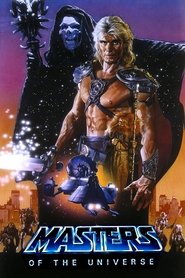
-
-
Marco Brambilla Daniel Waters
the chairs and all the devices were custom made for the film. And often they tend to reuse things. And in this film, we were able to create original, a very original look. And I wanted it to be very monochrome. I hired Alex Thompson, whose work I really liked from David Fincher's Alien. And he was just marvelous to work with. And the lighting and the camera was fantastic.
17:24 · jump to transcript →
-
Marco Brambilla Daniel Waters
Everything was built. I don't think there were any locations on that film. They didn't love you as much as Tim at that point. Yeah. So when you have to use locations, it gets very complicated to maintain the tone and maintain the feeling of being in this future. Yeah. I remember the first time I met David Snyder, he goes, every inch of the movie is future. So nothing is left to chance. And a lot of that is the color palette and the lighting. Yeah.
56:37 · jump to transcript →
-
Marco Brambilla Daniel Waters
Getting out of a manhole. See, again, the art direction here, all that I had at my disposal here, these backlights, these fluorescent lighting units, and you can see how using these all over the city in every location really tied it together. And here we go with war. Yeah, that's great. No explanation given. Show the elevator, show the car. We don't need to know how it actually all worked, but it's good.
1:30:40 · jump to transcript →
-
-
director · 1h 30m 4 mentions
-
that they aren't as lavish, they aren't as stylized. You'll notice here earlier, for example, that shot, you know, in all Tinto Brass films, usually there's a scene where characters are framed by windows that usually tends to pop up a lot. But in this one, it's much more natural. You sort of have this natural landscape behind them, whereas instead, before, you had these sort of stylized backdrops with sort of the crazy colorful lighting and things like that. You don't get much of that in this film. It's much more kind of very golden, natural sunlight, like you see here in the shower scene, for example. It's not quite as stylized as he would have done in the past. There is one scene coming up later on that's very strong red lighting,
27:00 · jump to transcript →
-
you know, very much part of the brass world, something you don't really feel in subsequent films. Fallo, for example, doesn't really have that sort of brass light, that sort of very recognizable lighting, despite a very competent cinematographer such as Federico del Zoppo, who had actually worked back in the 70s with brass as a camera operator,
41:28 · jump to transcript →
-
Here, Di Venanzo manages to still keep the film very coherent with the Brass world, and I think does a good job. Di Venanzo actually mentions his favorite work with Brass is The Voyeur. He considers The Voyeur to be the best lit film out of the ones he made for Brass. But still, this one has a very...
41:57 · jump to transcript →
-
-
-
Jonathan Lynn
small or inexpensive lighting package. Yanni's guys are downstairs? Yes, come in. So we had music that seemed to suit that atmosphere. And Natasha played her entrance with tremendous style. Yanni sent me to see if you were on the level.
30:48 · jump to transcript →
-
Jonathan Lynn
I would hate to... I would really hate to have to kill you. I would hate it. I hate it more than mayonnaise. You know how much I hate mayonnaise. In order to make the lighting go faster, we went for deep tones on the walls. You can see the deep blue behind them. It made it quicker for David to light the scenes. We were always in a tremendous hurry.
57:01 · jump to transcript →
-
Jonathan Lynn
expect. For me, some of the comedy of the scene lies in the fact that it's not lit in a kind of spooky way, but the fact that these macabre happenings are all taking place in ordinary light as if it's ordinary daily activity. That's what Harry Lefkowitz thought. What happened to Harry Lefkowitz? I don't want to know what happened to Harry Lefkowitz.
1:09:27 · jump to transcript →
-
-
director · 2h 10m 4 mentions
-
All these rooms in the Palazzo Vecchio are magnificent. They were all the, you know, the palace, I guess, was, I'm not sure, absolutely, but I think it was Parmedici. And so the rooms are stunning. And if you're having a lecture in there, you know, and the room was lit by a projector, then you'd have this kind of almost, you know, candlelight, actually.
1:14:23 · jump to transcript →
-
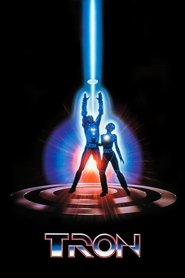
And add to the mood in the room, I add some candles. They had candles in there, so I just lit them. But they really believe in living with that, you know, culture of their past. They're very conscious of their past and very conscious of what they have around them and how beautiful it all is.
1:14:52 · jump to transcript →
-
The Third Man, that's one of my favorite films. And I kind of would like this to have been at night. Would have been more dramatic. And I liked it to have been lit so I could control the lighting with such dramatic scale like The Third Man. But we couldn't do that either. We couldn't control it. We couldn't afford to do that. And the amount of lighting it would require to light at night would have been enormous. So that went out the window. But basically, I think it works out fine.
1:36:31 · jump to transcript →
-
-
director · 4h 13m 4 mentions
The Lord of the Rings The Return of the King (2003)
Peter Jackson Fran Walsh Philippa Boyens
-
Peter Jackson Fran Walsh Philippa Boyens
What I love about the beacons is the concept of who actually are the guys who have to sit up there all day long with some matches or a flint waiting to set light to them. And I imagine that it's been hundreds of years and these things have never been lit. It's a job that gets passed down from father to son. And some old man hands his young son the matches and says, now it's your turn, my boy.
1:05:00 · jump to transcript →
-
Peter Jackson Fran Walsh Philippa Boyens
people have to do before they get a real career. When Pippin and Gandalf were writing to Minas Tirith the beacons were already lit so we obviously changed the position in the story for our beacon sequence. A lot of the flames that we see in the distance are little CG flames that we added in post-production. The beacon that you're looking at here was actually built on the mountains and we helicoptered the beacon in and the little hut that these guys live in and we
1:05:49 · jump to transcript →
-
Peter Jackson Fran Walsh Philippa Boyens
And we're having to go somewhere else, not to Gondor, which you would normally do in a film. You'd have them all set off for Gondor. But in actual fact, we needed them to go to Dunharrow, which again took quite a bit of sleight of hand. And that's how you explain that to an audience, to say, well, they're rushing off. They've got the emergency beacons have been lit now, and they've got to rush off to help the Gondor. But no, they're actually just going to pop off to a place called Dunharrow that we don't know nothing about and wait for a while instead of rushing.
1:08:06 · jump to transcript →
-
-
director · 2h 5m 4 mentions
-
It wasn't necessarily physically accurate in terms of the size of the blades and the helicopters, and there were certain things that we had to account for when we actually were shooting it. Practical and with ILM physics. And also just the fact that we were shooting, you know, nighttime, these windmills that are not normally lit. If you noticed, we had to light all those windmills, and that was Vic Armstrong, to the T, giving us what the animatic required, you know, on all of these exterior shots.
23:54 · jump to transcript →
-
This is all downtown LA inside the truck. And this is downtown LA at Lower Grand, which Scott Chambliss dressed with lights. In fact, if you look down the roadway behind you guys, we did sort of forced perspective lighting to make it look as if
1:31:13 · jump to transcript →
-
See how the buildings are lit? We actually had to get permission from the Chinese government to get those buildings lit so that they'd stay lit. Vang and Maggie and Jonathan came to China basically for that... Just for that shot. And I won't see you back home. Better get back.
1:33:36 · jump to transcript →
-
-
director · 1h 42m 4 mentions
Len Wiseman, Brad Tatapolous, Brad Martin, Nicolas De Toth
-
Yeah, it was always, you know, we were wondering how that was going to look and does it explode in just a spray and a splat? Do we see chunks? Actually, a lot of thought goes into just how somebody's head gets cut off. This was a reshoot for lighting-wise. We did Kate's close-ups. We shot actually, I think, the last day of shooting. We did some of those over.
15:58 · jump to transcript →
-
really small you make it look really big though this is a 14 mil lens yeah and whenever you whenever you put on a wide lens on that but it was really really i i loved how the satellite it was it was kind of for us it was sort of a nothing yeah it was the last we didn't we didn't really give it that much um and he comes he comes out i think the lighting looks great in there yeah i agree yeah another compliment
20:56 · jump to transcript →
-
But we landed him, I think that was maybe a 14 lens that we shot it on. He landed a foot from camera consistently every time. CG for the folding back there. Actually, CG for the wing, period, on this shot. That's right, yeah. The wings are CG and the rest is makeup and the guy, stunt guy in a suit. And it's a good trick to have the texture and the lighting and everything on Marcus' suit, which I think really
29:47 · jump to transcript →
-
-
multi · 1h 33m 4 mentions
Wes Anderson, Peter Becker, Roman Coppola, Jake Ryan + 3
-
Wes Anderson
Well, we're talking about doing something hard. Doing something like a 180-degree whip pan on a moving dolly, for instance, is a hard thing. - Bob's specialty. Operating is a complicated and performative kind of action. You take it for granted. That, you know, after a few years, you don't even realize how hard some of the things that I'm asking him to do might be. But sometimes when you operate a shot, you suddenly become aware that if I mess this up, I've messed up all these different people's work all at once. There's so many people doing things at once. But, you know, most of Bob's job is about lighting. It's the balance of making a circumstance where you can get everything to happen together. And he's in tune with all of that. One big thing about the photography you probably talked about already is the choice to shoot it in 16 mm, which had a lot of effect on the look in terms of the weight of the cameras, the portability, and so on.
1:00:42 · jump to transcript →
-
Peter Becker
I mean, when you say, what is our approach to lighting or what is our attitude to lighting, does that change film to film, or is that something consistent for you?
1:03:23 · jump to transcript →
-
Peter Becker
So in this film, what was the attitude to lighting? What was the feel?
1:04:07 · jump to transcript →
-
-
-
Francis Lawrence
This moment here was also another piece that we kind of debated, this phone call. This is something that's quite easily lifted, and she could just go home after having seen the blood on her hands. But this idea that she could do something so violent in the steam room, but then have this moment of conscience and call the action in was very important. And then we have this moment here of finding her mother, which was the moment where she knows that the ballet company that's been supporting her has kind of pulled the plug on any money and any help for her mother, and she is gonna have to go and find help from her uncle. I'm going to take care of us. So one of the fun things about this job and in terms of the world-building, was finding all the various kinds of architecture that exist in this world. And this place here was actually in Bratislava. So we went on a search. We shot primarily in Budapest, but we also shot in Bratislava, which is in Slovakia, and Vienna, and London. And we went on a big search for buildings and sites that could feel like Moscow or places near Moscow. And Maria, the production designer, had found these great Brutalist buildings in Bratislava, including this one, which we decided would be perfect for Matthias's character's office building. Just a big monolithic, very Stark, stark building. The problem here was actually... We shot this scene very, very quickly, even though there's a lot of dialogue, because it gets front-lit quite quickly after about 7:00, 7:30 in the morning. This is near the end of our schedule on the movie. And so we Set this up at sunrise and dawn, with multiple cameras, and shot the whole scene within about 45 minutes, I think, 'cause otherwise, if the sun came up, it was gonna be really unflattering, and it wasn't gonna feel as bitingly cold as we wanted it to. Do this for your mother, Dominika. He has dinner at the Hotel Andarja every Friday at 9:00. A car will arrive at your apartment to bring you to the hotel. Now, you carry nothing with you. We will arrange a room and something for you to wear. This is back in Budapest, shooting in a hotel in downtown Budapest. We were originally modeling the idea of this hotel in Moscow, with the Metropole. Which is a classic, really upscale hotel that's been around fora really long time in Moscow. And then we, kind of, ended up going in our own direction. We searched, you know, in London for hotels, searched all over Budapest for hotels, and we pieced together various things, and we used the exterior of a hotel in Budapest, and we ended up using a room... This room is part of an abandoned building in Budapest. And Maria built that bathroom attached to the room in that abandoned building, and just did a great job. She brought in these great Italian scenics to create all that fake marble. It's actually just wood that's been painted, but just looks unbelievable.
16:11 · jump to transcript →
-
Francis Lawrence
Here's a little cameo. This is one of Jen's best friends, Laura, who also acted as her assistant on the movie. What a pleasure. May I join you? There's a fair amount of cameos in this movie, probably more than I've ever done in terms of people who work on the movie. And friends, and things like that. If you notice the policeman in the beginning of the film that's on the subway train with Joel, in the furry hat, is actually Chris Surgent, my first assistant director, who I've worked with since I Am Legend. I actually met him on I Am Legend. He was the first assistant director of the second unit, and did all the big New York City lockdown sequences for us, for the opening, and I was really impressed with him. And we've become good friends, and work together all the time now. Tell me the real reason you are here. This was actually a really, really beautiful location in downtown Budapest. It's the New York Cafe, which is attached to the hotel that we used for the exterior. And it's become a very popular tourist attraction, and a place to go eat because of its opulence. But I just thought it would be a fantastic spot for this character, for Ustinov's character to hang out. One of the things that I wanted to do, and also Maria, the production designer, was to show different facets of Russian architecture, right? The kind of classic, opulent stuff like places like this, or the ballet, the kind of socialist, Brutalist structures like her uncle's office. Some of the government housing-type environments like where she lives with her mother. But one of the things that really excited me that we got into was the idea of color. I think, honestly, people tend to expect in movies like this for it to be very gray, you know, just bleak. And what Maria and I found in our research was that there is plenty of color throughout the environments. And we had decided to really try and utilize that, and she pulled, I don't know, hundreds and hundreds and hundreds of photos that we used, that gave us a real sense of color palette and a sense of mood and a sense of light. And we ended up using that also for Jo, the cinematographer and I, in terms of how the movie kind of looks in terms of lighting styles as well. And that led us into a direction of, you know, post-World War I/ Russian art, and found that a lot of the, kind of, colors that are in that art were also found in a lot of these environments that we were finding in Central and Eastern Europe. And we ended up really trying to utilize those. And it was something really exciting for me, because to discover that this movie could be quite colorful was a lot of fun.
19:29 · jump to transcript →
-
Francis Lawrence
In the book, this portion of the story took place in Helsinki, but since we ended up shooting in Budapest, we just decided, "Why cheat Budapest for Moscow and Helsinki, "and why not just have the Helsinki part take place in Budapest?" So we decided to use Budapest for Budapest, which was nice and really fun. And this is Thekla, who's a Dutch actress, who read for the part of Marta and is playing Marta, obviously. But I remember seeing her reading for the part of Marta, and she was quite good, but Marta was described as being a little rough. And Thekla, to me... She is a very, very beautiful woman, and there's something very sophisticated about her, in a weird way. I don't even think I ever told her this, but there's something about her. When you see her in person, she feels like she could be part of a royal family or something. There's just something about her. So I actually asked her to read again. And she wasn't wearing a ton of makeup. But I just wanted her to sort of try and tone down whatever she had done in terms of, like, nice lighting and the hair and all this kind of stuff, and to do it again, because she couldn't be quite as beautiful as she really is. And then it was perfect. She sent me a new tape that was not quite as glamorous as the original. Usually two men on a girl. No relationships to speak of. That woman right there that we just tipped up from is Valentina, one of the costumers who has worked with us many, many times on all the Hunger Games movies. Again, another one of the cameos. And this is Douglas Hodge, who my casting director brought in. I think, yeah, Denise brought him in to play this role, and he just, I think, did a fantastic job playing Volontov.
50:44 · jump to transcript →
-
-
-
Alan K. Rode
Luke Ballard was a legendary Hollywood cameraman who began with Joseph von Sternberg, who was probably the only director before Kubrick who could light a set by himself. Kubrick himself literally knew everything about lighting and photography, beginning with working as a photographer for Look magazine for four years before he embarked on a career as a filmmaker. British cinematographer Jeffrey Unsworth, who shot 2001,
7:13 · jump to transcript →
-
Alan K. Rode
him to shoot the scene with a certain lens and a certain track and Ballard changed it without telling him. When Kubrick called him on it, Ballard downplayed it saying, hey, don't worry about it. No one will know the difference. Now, Stanley Kubrick was not a screamer or temperamental, but he quietly told Ballard that he would either accept his direction or have to leave the set permanently. Ballard acquiesced and as Kubrick became granularly involved in the staging and lighting of every shot in the movie,
8:18 · jump to transcript →
-
Alan K. Rode
Only this, I went through his clothes while he was showering. I'm quite sure George went there tonight. Kiddo, I think we got something. Nice shot here with a low-key light coming ostensibly from the lamp with both of their faces lit in a dark background. George's cut's going to be peanuts compared to this whole thing. We've got to find out more about the overall plan. You think he'll tell you any more? Not a chance. I could see he was scared stiff because he talked as much as he did.
18:30 · jump to transcript →
-
-
director · 2h 9m 3 mentions
-
I thought John Seale did a terrific job in the lighting of this. It's sort of a very handsome kind of look to the film. We talked about it. We didn't want it to be overly pretty or in some ways to make it look much a little harder than that. So it was kind of finding a middle ground where you might say it's sort of what I refer to just as a kind of a handsome photography.
40:56 · jump to transcript →
-
but it was fairly loose. We let the camera people know basically where we were going to be, and we let the actors work very freely within that. I thought John Seale did a terrific job because it's all basically lit from the various vehicles and the flares. We didn't do any big lighting overhead. It is supported by all of the headlights. You want to get off the highway, Zach? Would that make you happy? Yeah. Yeah, well, you've got to get in the car in order to get off the highway. 46,000 front-of-mail drivers were definitely involved in fatal accidents.
49:23 · jump to transcript →
-
11 o'clock when it lights out. Yeah. Again, I think John Steele's lighting of this was very good. Very simple. Handsome kind of look. Has some nice depth to it. Yeah, you go right where you like it. 18 and a bit.
1:16:22 · jump to transcript →
-
-
director · 1h 24m 3 mentions
The Naked Gun From the Files of Police Squad! (1988)
David Zucker, Robert Weiss, Peter Tilden
-
There's the reveal of Ricardo's very clever lighting trick that we did. And you actually didn't notice that till the premiere. No, I had no idea Bob Stevens handled the whole thing. See, wet paint. A lesser talent would have been tempted to cut to the sign. But you, secure in your art. Here's the old pie in the face. See, that's a classic gag.
6:50 · jump to transcript →
-
We shot, that was the least, that was most under the top one. That's why we used that one. Oh really, he made bigger facial reactions? Oh yeah, he was much bigger. As big as all outdoors. Because you wanted him to, or? Now here's the one, this is the scene that Bobby Stevens lit, and it actually looks like an interior. Yeah, this is a location that we made look like a stage. Which takes a lot of doing, by the way. We were out there freezing, and it took us off, and it looks completely fake. How long did it take him to light that so it could look fake? A couple weeks.
51:51 · jump to transcript →
-
We had a big canasta game while he was... It does look like a set. It looks like a set. It looks like from Batman 3 or something. Big expense. How many trucks did we take out there? We were lighting for a... Now, did you know that immediately when you saw Daley's? Location directors, yeah. This is the one where the guy cut down the tree.
52:20 · jump to transcript →
-
-
director · 2h 19m 3 mentions
-
Robert De Niro mentioned me after something wild, and I met Marty, and then like eight months later, you know, I would meet him every now and then, but it was a long, long process. It was horrible. But it was a real, I think I was one of the first people he met, and then maybe eight or nine months later, I finally landed it. Because at that time, like I said, I'd only done three movies. One was popular. The other two I thought were good movies, but weren't exactly lighting the box office on fire.
37:05 · jump to transcript →
-
how this looks here, that's what I want to see on the screen later. So I worked a lot with available lights, with light fixtures. It was not the kind of normal movie lighting that I was planning on this. It was basically trying to keep the same atmosphere that these places had. And I think it worked pretty well. It should never look, in a way, never look lit and never look like beautiful because it wasn't.
1:47:34 · jump to transcript →
-
I think it was the day after, and I'm not a smoker, but I think I was the only one on the set that Marty allowed to smoke real cigarettes. And I don't think I'll ever do it again in a movie, man, because take after take, and if you're just lighting one. So my voice and everything was hoarse, and Henry's brand wasn't exactly what it would have been the brand that I chose.
2:03:58 · jump to transcript →
-
-
-
But there's a bunch of shots when they're running about in the corridors later on where... It's on the ceiling. Yeah, it's on the ceiling and it gets the door slammed in its face a couple of times. And I would have bet money that those were CG. Not because they don't look like rod puppets, but because it's lit so horribly. It's exactly that early 90s CG, which they still do it now. They just can't help but...
1:06:17 · jump to transcript →
-
Such an art, comping. I mean, we've talked about this before, but what people might not realize, and I think it's still the same now, is that to create a CG monster in a scene like that, more time will be spent on the 2D, which is the comping, than on the 3D. So the CG monster needs to be created. It'll have a whole lighting guy come in, a surfaces guy, and all these people. But to then put it in the scene...
1:22:17 · jump to transcript →
-
that shot, it gives it away. I think that shot we saw, it hangs on it too long. And it's not lit right either. And that shot, that scene there is a prime example because there's all this fire around and looked in detail. I dare say they've done something clever to try and reflect that fire in the surface of the monster. But whatever it is they did wasn't working for me.
1:24:02 · jump to transcript →
-
-
-
In the picture. Oh, that's right. You've got to stop hiding behind me. It's true. She did. She would do that. She would hide behind you. She would find the only... And Gail, the cinematographer, would say, you can't find the only dark spot in the room. You actually want to be lit and on screen. I told her. I said, you won't be in the movie if you can't see the camera, okay? So if you can't see the camera, then move to where you can see it.
25:22 · jump to transcript →
-
If I want to see the girl next door, I'll go next door, you know? I want to see, you know, this big, beautiful, well-lit, you know, film that you made, you know. That, I remember that. So we were at this mine, this copper mine, to shoot a lot of these huge, so that a lot of the equipment was already there. And then Catherine just moved it around to make it.
37:39 · jump to transcript →
-
And I love the design of the nurse's hair. It just added to her coldness. And then we go to the scene where we meet Subgirl, and this is one of my least favorite scenes. Well, it was... Honestly, it was oddly shot and lit. And that's because... You know why? No. It's, you know, because I'm...
44:23 · jump to transcript →
-
-
-
Kat Ellinger
totally surrender themselves to these very primal instincts the instincts to have sex the instincts to be violent with the aspect of sex and the fact that you have all this unsimulated sex as well it's really interesting the director's approach to how they decided to frame this because the film was made completely with natural lighting and
36:28 · jump to transcript →
-
Kat Ellinger
the way that the unsimulated sex is framed then is so without lighting and if you think of mainstream pornography it's very artificial usually nowadays and this was certainly a shift in the industry throughout the millennium to these very artificial types of bodies women were made to look very artificial loads of makeup
37:21 · jump to transcript →
-
Kat Ellinger
Lots of lighting to bring in this glamour aspect. And Besmoir does almost the opposite of that. Even when the girls are dressed up to be sexy and alluring, there's something about them that is unartificial. Even when they put on their own artifice, they look completely natural. Even with makeup, they're not too made up. The scenes are not heavily lit.
37:51 · jump to transcript →
-
-
director · 1h 57m 3 mentions
-
They haven't talked yet about the lighting style of the film, and particularly your choice of Peter Bao as a director of photography, and how this relates to some of the world. Seeing like Lizzie go totally artistic, the oil painting, what have you, Bermuda, Hammershaw,
46:23 · jump to transcript →
-
You know, glaciers, streams, and also the lighting. He's lighting a lot on their faces here. Because it's so baggy, the glacier, so much reflection. But it gives it a very, you know, mystical kind of feel. This was a miserable day, first day. We did the opening ceremony, we prayed to the water, which symbolized money.
1:10:23 · jump to transcript →
-
And we measured the place of the outer court. That's right. And built another set. In Beijing. In Beijing. Yeah. Now here's again something that Western audiences don't follow, that she's lighting incense for her- That place she could not marry for all her life. Right. For the- For her dead husband. Her dead, yeah, fiance. Husband. Husband, fiance. That's the same thing back then. Well, it's starting to be the same thing now.
1:27:04 · jump to transcript →
-
-
director · 1h 59m 3 mentions
-
was shot at three separate times of day. Juliet's, all of Juliet's coverage in this scene is shot at 10 o'clock at night on a process trailer in a parking lot, and I am standing to her right, just outside the door. Wow. And I'm watching the monitor and jostling up and down with my fat ass on the trailer to create the motion of the car. That's good. Dick Pope's great. Dick's phenomenal. And who was the lighting guy?
23:26 · jump to transcript →
-
to get this whole thing in. And... How much did you control the lighting? I mean, it's a real movie, so you weren't dealing with true indie, like, guerrilla filmmaking, but were you real concerned about that from a lighting design, from your visual design for the film? I had no idea what I was doing. I can't say that I had any idea. Well, that's good. You know, it was simply a situation Dick and I spoke about.
56:11 · jump to transcript →
-
And how economic, how efficient he is. Look at the lighting there. It's like the coloring is so 70s. And her screams are so real. What did you say? It's like a seal being killed. She said, I don't think I got it on that one. I said, Juliet, it sounds like someone sawing a seal in half. You got it. We can go home now. The great thing about this whole scene, everything that happened here, I threw everything out that was scripted, largely because it was bad. And I went with...
1:29:40 · jump to transcript →
-
-
director · 3h 29m 3 mentions
The Lord of the Rings The Fellowship of the Ring (2001)
Peter Jackson Fran Walsh Philippa Boyens
-
Peter Jackson Fran Walsh Philippa Boyens
Pete, you were talking about some of the women vocalists that were around and things like that. I said all the dwarves were male and that's when your eyes lit up and said, a male choir. You were thinking of the great Welsh mining choirs. It took off from there and then of course Howard managed to find an incredible Polynesian choir here in New Zealand. We have a sequence coming up which was cut
2:05:04 · jump to transcript →
-
Peter Jackson Fran Walsh Philippa Boyens
I think it usually appears in quite a different type of video. Alex Funke did a wonderful job of lighting these miniatures that we're looking at. The only computer part are the people running and the column that crashes down is the only computer part. Everything else is a miniature. This is one of my favourite shots. I was so excited to see this. This is a great shot. The music is wonderful here too. The Balrog was always difficult. He was a real problem.
2:25:04 · jump to transcript →
-
Peter Jackson Fran Walsh Philippa Boyens
large model trees, huge big model trees that were shot and the people were composited and they were computer people that were walking up the stairs there. This was, Paul is saying, did a lot of conceptual artwork for this. Yes, Paul did a couple of wonderful paintings of Lothlorien that we really took the look from his paintings, the way that the lighting.
2:33:25 · jump to transcript →
-
-
-
Danny Boyle and Alex Garland
even as an adult, always returned to as part of your childhood or something, the feeling of going back there. Hence it's kind of lit to be yellow and the feeling of warmth and, you know, the way you remember your childhood really, I suppose. So the music here is Abide With Me, which is a...
22:58 · jump to transcript →
-
Danny Boyle and Alex Garland
And he agreed if we signed some posters for him. He's a big fan of train spotting. He would let us use the store too. And we filmed through the night in it. And we did this very interesting thing, which is that we didn't light it. It's actually self-lit by overhead neons. And what we decided to do is that the only way that we could do it in the time to get a scene shot was to actually remove, avoid the neon lights as much as possible. And then in shots like that,
47:27 · jump to transcript →
-
Danny Boyle and Alex Garland
the clear, the digital house, we'd paint them out, the neon lights. So they're actually self-lit by the lights in the supermarket store. So we didn't have to do any lighting, but they just took it all out in post and we tried to avoid it as much as possible. That was a little Homer Simpson homage there. And in a way, the whole scene is a respectful nod towards George Romero's Dawn of the Dead set in a shopping mall, which is...
47:53 · jump to transcript →
-
-
-
John Cameron Mitchell
The Chinese characters for John, what is it again? Help me. We were very careful about all of our characters' decor. All the actors had input. I really like the lighting in this scene for some reason. I just love those. This is our first day of shooting. This is our very first day of shooting. We're so excited. First scene. It was a rough day. I loved arriving on set with you guys in the van.
10:25 · jump to transcript →
-
John Cameron Mitchell
It was a combination of public domain. And Jay's domain. And Jay's domain. And also, as you'll see in the deleted scenes, originally the stalker is on the phone while watching the national anthem. We have some patriotic themes in this film. Sook-Yin Lee demanded we shoot this before we had finished lighting. Because why? Well, because I wanted to, you know, I wanted to be for real.
37:48 · jump to transcript →
-
John Cameron Mitchell
You got it. Yeah. Paul was outside the window. Yeah, I was really in the other window. Really? He was right there. That lighting is so gorgeous. I know. I was trying to figure it out so they could actually look into each other's eyes. They did for some shots, but others they had to imagine, but luckily they imagined really good. Yeah, it's like John Travolta and the Boy in the Plastic Bubble.
1:27:39 · jump to transcript →
-
-
director · 1h 26m 3 mentions
Underworld Rise of the Lycans (2009)
Patrick Tatopoulos, Len Wiseman, James McQuaide, Richard Wright + 1
-
Patrick Tatopoulos
The fights are really nice in this picture, Patrick. They're really on par with the other two, certainly. Allan Poppleton was our New Zealand stunt coordinator. He did a fantastic job. - He did a great job, yeah. So, what you're seeing here is actually the set... ... you're gonna see later in the movie, an early stage of the castle. We tried to minimalise the dressing so it felt a little different. But it's basically the same space that you'll see later. And this was the first day of shooting. - Yeah, the balcony part. Yup. The big reveal. Wanna tell you a story about the castle. The castle is such a gigantic structure. Of course, there was no way to build this. We ended up building the, what you would call, the courtyard of the castle. How many feet tall, Richard? - About 20 feet. Twenty-five, 30 feet, yeah. Which was a little challenging for the lighting... ...because we were there on top of the set. When we started, it was difficult for CGI guys to kind of extend that. Yeah, it was terrible for Sound too. Every time it rained, we'd stop shooting. The train outside, the train station? - Yeah, the train... Note to self: Do not build set next to railroad tracks next time. We have a few transformation... ...but this one actually is not a transformation. It looks like one, but everything is practical. There's nothing mechanical or anything. I love it. It's a little more American Werewolf in London approach. There is no CG help whatsoever, though. Unlike the others.... This took a while to get right, just this whole prelude... ...and Kate's voiceover, and getting people caught up. There is a lot of history, and to decide, you know, where exactly to start... ...and how much to prep it with. Hopefully, we covered everything we needed to. It looks like we moved really quickly through. I wish we had a little bit more space, a little bit more in the... Yeah. - There's so much story to....
1:59 · jump to transcript →
-
Patrick Tatopoulos
There's nobody else that could deliver a line like that. Right. You think about it, you don't see him often with blood around the mouth. It's so great to have those moments. There's one moment where Bill is sipping blood on a cup. And that was really kind of like almost a request. "Wouldn't it be great if we see actually us--?" You know, sometimes you just out this aside... ...and work on the rest of the story, but it's so important. This was all day for night. Day for night, yeah. All the night stuff in the forest. One of those things that you're really nervous is not gonna work. But it did. Actually, I do like that look here. It's actually more natural. We all grew up watching these heavily lit night outdoor scenes. So you think that's what's normal. But this is actually what your eye would actually see in the dark. This is more close to the way it actually Is.
54:43 · jump to transcript →
-
Patrick Tatopoulos
Remember, that was gonna be a much bigger scene too. That's not two stunt doubles. We did this again. That's another one we pulled. So you know that set you're looking at, the underworld of the castle? The underground part is actually the same wall... ...we used to make the canyon at the beginning for Sonja. Now, Patrick, explain this. Some people have asked me what Viktor is holding. I was tempted to cut that out. We built a doll as something he give to his daughter. The only time you see it before that is in the memory. It is there. I think it's just a wide shot. It's also there when he gives her the necklace. Yeah. - But you don't... We haven't been able... At one point, I was ready to lose that. I thought... But it is something he gives the daughter. I have a question here. What is in these barrels? I never quite figured that out. It's kind of like some very special oil... ... from mediaeval time. Like mediaeval napalm or something? What's in those barrels is me going that we have... ...No different kind of... You know, we can't do just swordplay after swordplay. It's some kind of explosion element, mediaeval version. Yeah, we need to have that. I think this scene works great. It's very successful. I love him screaming against the door, there's so much energy there. I tried to have him have a little dialogue moment here. Just didn't work. - No, it didn't work. It just felt totally awkward, so. There's something about them looking at each other... ... that they have a poignant... Now the rain. Pain in the ass, but I think it worked well. It worked very well. Everything that's a pain in the ass looks better. And conversely, everything that looks good is a pain in the ass. All the elements of snow and wind and fire and all that. Remember on the first Underworld... ... you were adamant about wanting... ...a lot of these scenes to happen in the rain. "No, dude, we can't do it. It's gonna be such a--" And you stuck to your guns. Thank God you did. It looked great. Do you remember how much I had to fight for that rain? Yes, I do. When you're on the same set for the entire movie... ... you'd better find ways to reinvent it. And the rain was one way for us to give it a different tone. I just think that something horribly... Just tragic happened... ...1n Richard's life with rain. Did you have the same problem on number one? But it does. It makes everything a kind of a nightmare to... The equipment... - But the result is... Hey, two words: Romania, winter. Imagine if we had had to shoot this in Romania in the winter. But the other thing that you get with the rain is you're able to do.... Have your stunt doubles replacing these primary actors... ... 1M a way so that you really don't even know the difference. I can't picture this in a dry... I mean, this gives such a different energy. Yes. And the lighting on top of that. Just flashes and... All right, next movie I won't argue about the rain, I promise. It's about time, Richard.
1:00:19 · jump to transcript →
-
-
director · 1h 34m 3 mentions
Scott Stewart Jason Blum Brian Kavanaugh-Jones Peter Gvozdas
-
Scott Stewart Jason Blum Brian Kavanaugh-Jones Peter Gvozdas
look good and seem like bigger movies and without a lot of resources. One of the big resources in the cinematography department are big lights. When you shoot a lot of a movie at night, if you're lighting up outside, you need big lights. Big lights are very expensive and we couldn't afford them. Boyd was very clever and what he did is he used the sun as a big light.
20:20 · jump to transcript →
-
Scott Stewart Jason Blum Brian Kavanaugh-Jones Peter Gvozdas
This is actually lit for day, but this is actually exterior night. We're actually shooting this. And the other magic of movies is we're always only shooting in one direction, but we make it look like it was two. It's called the French reverse. And, you know, and here was an interesting thing. Once again, it was just, you know,
1:15:13 · jump to transcript →
-
Scott Stewart Jason Blum Brian Kavanaugh-Jones Peter Gvozdas
The idea that we wanted to make the feeling that the family was still, they hadn't given up, although they lost. They lost their son. They're now under a cloud of, you know, there's a cloud of, you know, a legal cloud over their heads. You heard Josh was talking to their lawyer. He's got missing kids photos pinned up to the wall. He's sort of on his way to becoming Pollard. And here, you know, and they're keeping the candle lit. You know, now they're in a little apartment instead of a big house.
1:30:37 · jump to transcript →
-
-
director · 2h 10m 3 mentions
-
I love playing the other characters, so I get to read your dialogue. So you get to do your Alec. I get to do my Alec, I get to do my Renner. And you're quite good at doing those guys, too. Less than perfect, absolutely. But without the IMF... There will be order and stability. Without the IMF... This courtroom is beautifully lit by Robert Ellsworth. Here's a shot inspired by The Parallax View, one of the many movies that we drew from for inspiration for this movie. I'm a huge fan of Gordon Willis and his cinematography.
11:05 · jump to transcript →
-
Where do we have, two days to shoot this whole thing? We had four days to shoot all of it. That means, no, the garage, everything. The parking garage and everything. And then we ended up, you remember, we didn't get the parking garage. But the important thing when we say four days, this is four days in London in the winter. This entire set is lit by giant silks in these huge skylights above. So we really only have half a day. Again, the crew did an incredible job pulling this together because, remember, we...
1:29:37 · jump to transcript →
-
I love this scene. I love the way you directed it. The way Bob lit it. The way they acted it. The way it's choreography. And this was on the night, just figuring out how do we tell the story? How do we get this to happen? And we finally stepped outside of the three-dimensional space. And Elswit's always so great at just giving me the freedom to do what I want and saying, don't worry about the camera and how it's going to work. I'll figure it out. And he just put it on a crane, on a piece of track, and it was really, really something lovely.
1:57:38 · jump to transcript →
-
-
director · 2h 9m 3 mentions
-
You can't photograph drizzle unless it's backlit and it's mostly gloomy. You can't tell that it's raining, but it was pretty much always raining while we were shooting this. And, you know, this location is very dramatic and very windy and a pretty brutal place. King Fionnir has found himself a queen.
20:32 · jump to transcript →
-
Nicole, in the beginning of this scene, she's front-lit and looks very vulnerable as she's making this discovery about the fact that her son's alive, and we don't know what's going on with her, but we just have this kind of harsh, vulnerable light. And then as she steps forward towards him and crosses the fire, she becomes more and more underlit, like...
1:29:24 · jump to transcript →
-
backlit and becomes very, very beautiful lighting, which is, of course, on her, which is what we need for this part of the scene. I think, you know, we talked about this film as Viking Hamlet, but at one point it was said, you know, it's Viking Hamlet, but...
1:31:23 · jump to transcript →
-
-
-
SFX Maestro Christien Tinsley
when they're building toys and other things, because, you know, he's solid white with tracings of black around the eyes and mouth. And so, it's really hard to see the forms, unless you get in lighting like what we just saw there, because, you know, light bounces off of that white, and it actually takes away from the forms in an image. And so, when people are trying to recreate it,
20:17 · jump to transcript →
-
SFX Maestro Christien Tinsley
And of course, it adjusts depending on the scene and what he's looking for and the dynamics of the lighting and everything else. And so this was a combination of blood that we produced for the film from our studio, as well as K and B blood, which, you know, the combination of the two made for a lot of different variations of blood in this film. And you can notice from the first scene where the blood's much more red,
23:37 · jump to transcript →
-
SFX Maestro Christien Tinsley
So I'm imagining this sequence, this big demon, bigger than life, and I'm doing all, you know, in my head, I'm thinking all this stuff, and this statue that's gotta move, and then you give it to an old pro like John Caglione, who, you know, fucking knocks it out of the ballpark with, you know, some simple pieces, great paint job, and again, you know, hands down to Damien for lighting and shooting it in such a way that just makes it just really cool.
1:36:30 · jump to transcript →
-
-
-
Novelist Tim Lucas
This is a very nice example of Massimo Dallamano's colored lighting gels helping to tell the story. He gives us warm amber light for the living and blue light for the dead in the foreground. And that same blue surrounds Indio's little bubble of warmth, implying that he's surrounded by death. Cucilio is awakened and brought in, and we think Indio and Niño will misinform him about Mortimer and Manco and claim that they committed the murder.
1:47:49 · jump to transcript →
-
Novelist Tim Lucas
The castanets in Morricone's orchestra provide his death rattle. This diagonal slash across the screen dividing the frame between the inhabited interior and the ascent into exterior evening, an ascent into the next life for Cacilio, adds a great deal to the scene. The lighting makes an eloquent comment about what it means to be under El Indio's protection and without it.
1:49:18 · jump to transcript →
-
-
-
like Fuad Said was a guy who had a little compact kind of van that was so well organized where a lot of equipment was like really, really packed into a small space. And a lot of little movies were made with his unit at that time. But we had, you know, the big studio trucks with, you know, all the grip equipment and all the lighting equipment and all of that.
1:07:23 · jump to transcript →
-
I don't know about you, but sometimes you just find that the lighting or exposure or something makes it very difficult for the flesh tones. But nobody wore makeup in the picture. I think that pancake makeup stands as a barrier between the actor and the audience. And so I got everybody to get a little bit of a tan, and we didn't have any makeup.
1:31:49 · jump to transcript →
-
-
-
My name is Laurens Straub. I'm sitting here with Werner Herzog, writer, director and producer of the movie "Nosferatu" that you are currently watching. And we now want to talk about that movie. Werner Herzog and I have known each other for about 20 years and have worked together on many different projects. What do we see here? These are actual mummies in the Mexican city of Guanajuato. You have to realize that Guanajuato is located in a gorge. Because of that the cemetery was very narrow and there was no space. So they dug up the bodies every eight years or so, and because of different climatic conditions and the soil, they mummified without human preparation. They leaned them against the walls on both sides in a long underground hall and a hallway. I saw them there many, many years ago in the early 1960s. The story behind this is that I was in the U.S. on a scholarship but I resigned from it a few days in and gave up my legal status in the US because I had to earn some money. Out of desperation I went to Mexico because otherwise they would have returned me to Germany. I went to Central Mexico and Guanajuato and lived there for a while. I did all kinds of crazy things. For example, at rodeos, the so-called charreadas, I rode on wild bulls. Like a complete idiot because I don't even know how to ride a horse, but with the money I could live one week at a time. And there I saw these mummies. Are they similar to the ones at the volcano Vesuvius and formed from lava? No, those are real dried human beings. They barely weigh anything. They were in display cases so we had to take them out and carry them somewhere else. They weigh very little... 10, 12 pounds maybe. Is this something like a culture of death? No, it's completely normal. Isabelle Adjani. She is great at acting scared. That was a real and very large bat we brought in for this. The bat you saw earlier I could not shoot myself. The footage came out of a science documentary because bat's flapping motions are extremely fast, and this was shot with 500 or 800 frames per second. The bats had to be trained with food for that because it took very strong lighting, and normally they would not move under those conditions and not leave their hideout. Here we see Delft. In the Netherlands. That's my city. And I know when Jörg Schmidt-Reitwein teaches students cinematography he first introduces them to Flemish and Dutch painters. Why was Delft chosen as an alternative to Wismar where Murnau shot? Yes, but Wismar was not Murnau's location. I believe that was Lübeck. There is one single shot later in the movie where you see a few buildings that Murnau actually used and that are still standing. I used those as well. We chose Delft because the continuity of the architecture was uninterrupted and we only had to make very few changes in order to shoot there. We took down some antennas and moved a few cars. Other than that it was very easy to shoot there. The concept of "Nosferatu" was definitely to do a variation on Murnau's movie, not a remake in the classical sense. A Biedermeier image like this, for example, is unthinkable in a Murnau film. Moreover, this is in color and the movie's character is completely different. We had to show a very secure bourgeois world. We deliberately planned this, especially the furniture. That was done very thoughtfully by Henning von Gierke who is a painter by trade. With the furniture and the lighting, you can tell that a painter was involved. It reminds me of "Kaspar Hauser" which was done by Henning as well. What era are we in here? That is the Biedermeier era as you can see clearly by the costumes. We researched how to best do the building arrangement and the urban landscapes. Schmidt-Reitwein and I wracked our brains over that. I didn't simply want to recreate paintings. That was never planned. With one exception because we knew we had to work a lot in darkness with nothing but candlelight. Therefore, we studied the painter de La Tour and thought about how to do it if we only had one or a few candles. How do we light that? And Schmidt-Reitwein is exceptionally good at working with light and darkness. This is Roland Topor. - Yes. The famous illustrator, poet, and crazy man. Unfortunately he is already dead, I believe. Yes. - How did you find Roland? I coincidentally saw him in debate on French television. And he laughs in such a mad way. He laughs after every sentence he says. But in such a desperate and strange way that it impressed me deeply. Afterwards I contacted him I told him I was going to shoot a vampire movie and asked if he would play Renfield. Roland Topor immediately agreed. Unfortunately his voice is dubbed in some versions. And it is impossible to fully recreate his laughter. It was his strangest characteristic. What I love about this... I recently saw an exhibition with English surrealistic works from the 19th century. It reminds me of an old office, the cloth, and this blue. It was very carefully lit, and the costumes had to match. Bruno Ganz. And also the faces we chose. Those are not faces that fit into the 20th century. You have to carefully select actors who match. So Bruno Ganz is a great fit for this. The beautiful paper. - Yes. That was so much work, and it was prepared very, very thoughtfully. A beautiful country. Here I see a recurring theme of yours... maps. I already know that from "Aguirre" and other movies. In "Fitzcarraldo" geography is a crucial dramaturgic element. I'm a map fanatic. Oddly, I'm pretty good at determining locations ahead of time, too, because I understand maps. I know which formations you should find in a certain area. I was rarely wrong. It is always about uncharted territory, the Dorado, or doom. Yes, at home I don't have pictures on the wall. A few photographs every now and then, but generally, I can't stand my walls being covered in pictures. If there is anything on my walls of my home it's maps. Oh no. - You will be in danger. This was your first film in English, the first with big stars and a big budget, correct? Well, not really. "Aguirre" is also a big movie with a big star and great effort. But I have to say, we shot "Aguirre" for about 700,000 deutschmark... $360,000. What matters is what you manage to get on screen with the resources you have. To come back to paintings, I like this vase. Yes. Okay. This reminds me of a painting by Seurat. I think the still life-like and emotional atmosphere is phenomenal. But be careful, I always want to show inner landscapes. This was done very quickly, by the way. On that day we happened to have some time and drove to the beach. It was freezing cold, windy. There was foam. We set up the camera in three minutes and sent the two actors, Bruno Ganz and Isabelle Adjani, into the image. We only told them that the music would most likely be slow and solemn. We already had received ideas for the music from Florian Fricke from Popol Vuh. These two, three shots here we did in 15 minutes. We never thought about paintings. It was born out of the situation... - Spontaneously. ...that we found there. Bruno Ganz has tears on his cheek because it was freezing cold. Lotte Eisner came to visit for a few days. We had to wrap her in 20 blankets because it was so cold. I was so proud that she could be there. She was very important for me and maybe for the new German film in general because she bridged the gap to the expressionistic movies back then that she knew very well. She also knew all the representatives of that time. She was friends with Fritz Lang, Murnau, Pabst. She knew them all. For us she was like a bridge to the generation of our grandfathers. We were a generation of orphans who did not have the generation of our fathers. Here I see your wife. Yes, Martje. Martje Herzog on the left. Essentially everyone who was there is in the movie at some point. Later you see the executive producer, the costume designer, the sound technician, and the gaffer. It was also a matter of how quickly can you get something done with very little money. This is the farewell. Bruno Ganz was actually pretty good at riding horses, which was great for me. Now he travels to Transylvania. The choice of the production company... Was this a Century Fox production? No, I produced it myself. Many people believe that 20th Century Fox produced it. But 20th Century Fox only bought an advance guarantee to the U.S. rights for very cheap. They only bought the rights for the U.S. A distribution guarantee. I believe this was... - German Romanticism. Well, you have to be careful. There is a hint of that, but I always try not to be connected with Romanticism because I myself have no real connection with that cultural epoch. Usually I refer to eras before that. The Late Middle Ages speak to me much more. They inspire me. This was shot in Eastern Slovakia. I was not allowed to shoot in Romania where I had scouted locations for months in the Carpathian Mountains. But you also have to see the context. That was when Ceausescu had just been awarded the honorary title of the new Vlad Dracula by the parliament. So he was named the new Count Dracula. That was an honorary title because the historic Count Dracul had been an important figure in the defense against the Turks. This is in the High Tatras, just 1,000 feet to the left was the Polish border. Bohemia? No, Slovakia. - Slovakia? Eastern Slovakia. This is a real group of gypsies that I had brought in from the very East of Slovakia. Among them are a few Czech actors. The gypsies actually speak their own language. Unfortunately I don't remember what it was called. ...my food. I still have to get to Count Dracula's castle today. This is a scene that in a very typical way fulfills all the criteria and conditions of a genre movie. This is one of those traditional scenes. He has to go see Count Dracula, and everyone immediately freezes in fear and the maid drops the dishes. Do you really have to go there? I wanted to integrate certain general rules of the genre into the movie. From there you can go farther and expand. But this right here is a very typical and traditional scene for this genre. The space has this wonderful of depth in the back. And the bed in the background. The set design was by Henning von Gierke who has a spectacular sense for these things. Yes. Spectacular. Parts of this we also built ourselves. The oven and things like that. It was a former hunting lodge of party functionaries. At that point there were only lumberjacks living there. During the day you only found lumberjacks there. ...were already on the other side. Here you have this sense of foreboding and doom. I liked the gypsies so much. They were very good. Watching this reminds me of Degas' "The Execution of Emperor Maximilian" in Mexico. Yes. Careful. Not too many paintings, otherwise... That's just a sign for how interesting and good this is. This is a wonderful face. I also enjoy the way they speak. Yes, definitely. He says you should... They said the dialogue I wanted but in their language, which I believe was not Romani. They translated it themselves and did it very well. You can see this was outdoors and at night which was always a problem for me because I'm not a night person. I had to stay awake until very late, and I've always hated night shoots. I had to force myself to stay up with gallons of coffee. This is also a recurring theme in your films... Native Americans, Mexicans, and Gypsies. Something completely foreign. But also the dignity of these people.
0:04 · jump to transcript →
-
And now the hands. I told Kinski back then that his hands had to become spiders when he reaches for her, and he does it wonderfully. Lucy is sleepwalking. Also beautifully lit. Wonderful. Beautiful. The angel theme.
46:22 · jump to transcript →
-
-
director · 1h 30m 2 mentions
A Nightmare on Elm Street (1984)
Wes Craven, Heather Langenkamp, John Saxon, Jacques Haitkin
-
stuffed animals. It just shows you how beautiful a boiler room can be. I mean, just the shadows it creates. I mean, I haven't seen this in a while. Well, again, it's beautifully shot, too. It's just the lighting shot that you did.
1:17:21 · jump to transcript →
-
Tony getting hit over the head again. Was that you, John? Did you actually put that? I think that was you doing that. Geez, I don't remember. This is a great gag. We used an arc welder instead of a lighting effect. It's just a great look to it. And locked off that shot for the bed. For the healing.
1:24:48 · jump to transcript →
-
-
-
And now what's this? Some very elaborate lighting effects, once again, from moving lights simulating headlights. And here we have the sex scene, I'm afraid. But these are the realities of the motion picture business, you know. I really must have the sex scene. Leave your Aunt Mabel at home, by all means. And here we are, the proverbial morning after. The coitus finito, or what you will. And he's...
5:02 · jump to transcript →
-
This character was introduced lighting himself a hand-rolled cigarette with an engraved cigarette lighter, and he puts the lighter down on the desktop in a close insert. Well, I'd urge you to go back and examine that insert carefully, because, you see, it's not the actor's hand depositing it on the desktop. It's someone else's hand. For that insert was shot well after the movie was finished, after the studio preview. That insert showing a cigarette lighter engraved Lauren, presumably the character's name.
31:15 · jump to transcript →
-
-
multi · 2h 34m 2 mentions
James Cameron, Gale Anne Hurd, Stan Winston, Robert Skotak + 8
-
Stan Winston
I'm Stan Winston. I created the creature effects and the alien effects for A/ens. I remember Jim trying to figure out how he could make the beginning of this movie impressive. He said he wanted to use a robotic laser. It was an afterthought and it wasn't in the budget and I remember having the gall to say to him "If you wanna use it, you have to pay for it." And he did. - Is that right? This robotic arm and the laser came out of his pocket. I wanted a seamless blend from the end of the first film into the beginning of the second film. I certainly wanted to honor all the things that were good about the first film. So I went to school on Ridley's style of photography, which was quite different from mine, cos he used a lot of long lenses, much more so than I was used to working with. But the smoke, the backlight, the textures, the way he forces the frame by putting a lot of equipment, machinery and foreground pieces, I really studied all that. I wanted there to be a stylistic continuity. I also wanted to have my own style grafted onto that so that I felt enough of a sense of authorship to make it worth doing.
2:51 · jump to transcript →
-
Bill Paxton
Bill, isn't there dialogue that you have on this that people have used in video games? Yeah, I think so. "Game over, man" and things like that. You get anything for that? - I don't think so. I'm not even getting anything to sit here and do this commentary. They expect us to do it for no money. You got a beer out of it, though. No, it's just fun. I got a beer out of it, so that's cool. This was an amazing set, this concourse A. And it was long. And later on when all hell's breaking loose, Jim had that little video camera. He had everybody on the crew having coffee while we would run at him and do different things. It was SO amazing to see this gigantic set, one of the biggest sets I'd ever seen, and there's Jim by himself with this little camera. When did the bust-out almost happen? He was gonna move the movie. When did that happen? I remember there were some problems. There were some union problems. The crew weren't used to working the same way. With Jim. They weren't used to working. That's unfair. They were craftsmen, but they had an indentured way of doing everything. Jim needs something, he just grabs it. If he needs a light moved, he'll grab it himself. We punched a hole through somewhere cos he needed to run a line. He didn't wanna wait around. He just said "Give me a hammer." But this was an ambitious schedule. Jim was running from stage to stage. I think we had about three big sound stages with giant sets. And then there were two sound stages with miniatures. And then there was a stage with all those tunnels. I remember them putting you in that damn tunnel. That pipe. We had gone to the power station to shoot the atmosphere-processor scenes and come back to the set after it had been wrecked. So we're into Adrian Biddle's photography here. He was the second DP. I encouraged Adrian, to save time, to use as much built-in lighting as possible. This is lit by the fluorescents in the set, with just a little additional lighting. Adrian liked to work on a raw and edgy look and work with the practical lights a lot more. This is another thing that is important. With a lot of science fiction movies that are all interior, you often lose track geographically of where you are and it becomes incredibly confusing and it's hard to build the tension and the suspense. Jim was aware of this from the script stage and made sure that we established through the helmet cams, through the motion trackers, where they are, and then ultimately, later on, where the aliens are. Even in this version, you're left to fill in what happened. We don't see the baittle. We'll see plenty of battles later and this is promising you that. We have a shot coming up here where there were acid holes - acid... holes... eaten into the floor by these so far unseen aliens. And, of course, these sets were not double-deck sets. Jim wanted a scene where a character looks down through one of these holes. I think Bill spits down into it to give some perspective. So this down-view we shot on our miniature stage. We layered the set and photographed that. This is where you spit and they did it in miniature. They even did a miniature spit. - Is that what that is? To get that spitting effect, it was actually not spit. It didn't work very well, so it was a combination of milk... Milk and water in an eyedropper right underneath the lens. The complaint from the studio was that the film went on too long without anything really happening. I was winding the suspense tighter before you actually saw anything. The studio said we were just jerking around. Too many movies that I see now, it's all upfront. You start seeing stuff right away and there's no sense of a build. So this is the miniature APC that was built by Bob and Denny Skotak. Pretty good size. I remember it being five or six feet long. Most people don't twig that as a miniature. That's the real APC pulling in. They matched the lighting pretty nicely. I think Jim did some of his live-action stuff undercranked. He ran the camera slightly slower on the APC so that it felt slightly more as if it were a miniature but you knew it was real because you could see people interacting with it. So if any of the miniature stuff didn't quite work for whatever reason, it took the curse off that cos it felt that the two were blended together. I think he wound up undercranking because the APC, the full-size one, didn't move as fast as he wanted it. I think it could only go eight or ten miles an hour. One difficult thing about making this movie was 7erminator wasn't out in England and the perception of Jim Cameron, who looked about 20 when he directed this movie, and myself as the directing-producing team was met with a great deal of resistance because back then the system in England was that you had to put in years and years to rise up to the level of being a producer or a director. And we were simply not treated with a great deal of respect and it was very hard every day of the shoot. We were being second-guessed and every decision we made was questioned and the tremendous thing, of course, having Stan on the film was that... I was old. - No. ...was that you were a cheerleader for both of us. By demonstrating the respect and enthusiasm that you did, I think other people gradually relented. I knew it was the best thing for me and for everybody on that set. There are people that you know, no matter how they do it, what they're doing is special. This particular directing-producing team had been a win for me in my career and stayed that way. I never thought our facehuggers looked as good as the one in A/en. We had to make lots of 'em and they had to run around and do things, but, texturally, the one in the first film looked great. It really held up. The bits of oysters and stuff inside it looked great. But I did wanna see the disgusting thing that had been down the inside of Kane's throat in the first film. You never see it in the movie, in A/en, so I figured we'd gross everybody out. All of Giger's designs have a real sexual undercurrent to them. And that's what horrified people about the alien as much as anything, is it worked on a kind of Freudian subconscious level. And Ridley and Giger knew that and they went for that. This film was never intended to be as much of a horror film as the first one. It was working on a different thematic level but I still wanted to be true to some of those ideas, some of those design concepts. It would be natural to assume I'd wanna work with Giger, but it just didn't occur to me at the time. Maybe it was because we really only needed to design one new creature and I had already designed her by the time I wrote the script. The alien queen. I guess maybe it was my own ego as an artist. I just felt like he'd made his stamp and I knew from what I'd read that he had to do everything his way and I had a very specific idea for the alien queen to extrapolate beyond what had been done before. I got the impression from what I read that I wasn't gonna get the dynamic character that I wanted. In a funny way, part of what attracted me to doing this film was the opportunity to do cool design stuff. So maybe I was just a little bit too in love with the idea of designing the creatures and the weapons and doing all that stuff.
47:57 · jump to transcript →
-
-
director · 1h 39m 2 mentions
-
And this was all that stuff done very, very late at night one night with just us and the camera and very little lighting just to kind of pick up some more stuff and the actors were exhausted. And Jennifer always used to giggle by the way. It used to tickle her and annoy everybody else in the dance rehearsal room because some of the
38:20 · jump to transcript →
-
pushed in in the last few days, but I think is very, very important because, again, it is a sign of what's happening with them. Now, the scene coming up, actually, when they get to the hotel, I call Doro's scene because Doro Bachrach, while we were doing some dancing in a cabin, lit this so that we would have it. And this was an education for me as a filmmaker because I didn't understand why it was so important. I really wanted to spend some more time with the dancing to make sure that we got it right. And she said, we don't have enough ratio of inside to outside. And it wasn't
49:29 · jump to transcript →
-
-
-
Lea Thompson
Just feels like she's not acting. The door, by the way, I love that door, and that design was done by Linda Spheeris who was the set decorator. So here we have the first family scene... Which, by the way, Jan Kiesser, I feel when I look at it now after all these years and see the kind of lighting he did, but as you go... As you look at Some Kind of Wonderful, you can see the kind of camera moves and lighting that I think sets it apart from the usual teen genre movie that someone like Jan Kiesser shot. But I think John Hughes, in having this scene coming off the opening montage, it's a pretty interesting counterpoint where you've seen him out in the world and seen a montage of what he's dealing with and then you go back to this kind of typical family conflict. It kind of is an interesting dichotomy so early in the movie to me, having a look at it now after all this time. Anyway, John Ashton, who we meet here, who, I think, managed to pull off a great performance as Keith's dad, and the conflict and tension that a lot of sons have with their fathers is set up right here.
5:24 · jump to transcript →
-
Lea Thompson
This is funny. You can see the colors... Jan Kiesser... Just the way, how rich they are in this... Of that car. I mean, the way he lit this is amazing. That's a great shot. - Looks like a Fellini movie. That's a great shot. It's interesting you got away with her smoking cigarettes. It's hard to get away with that anymore.
38:55 · jump to transcript →
-
-
-
terminate with extreme prejudice in Apocalypse Now. He's also an actor. I'm like, please let me have him. This is a great scene. I remember I was watching that off camera when it was being shot. Wow. John Mahoney cowering in the bathtub. And we were just watching, and it's one of those things where they're sitting there and lighting and setting up. Got an Omni magazine there in the trash. I know, we all watched scenes. I remember watching him prepare.
1:15:29 · jump to transcript →
-
That's a great next scene to go to. I was completely hungover that day. Because we're both fighting. You were hungover? Absolutely. If you would have lit a match around me, I would have exploded. Who's that? I went out with Piven and... Ah, yes. Gerald. Nick Carlson. Good actor. Wanted to work with him. Said he'd do that part. Mm-hmm. Lloyd, I'm sorry.
1:24:40 · jump to transcript →
-
-
-
Film Stephen Prince
These two episodes bookending the film offer a rounded view of existence. This is exquisitely lit and staged as the fox procession comes out of the mist, accompanied by music on traditional instruments. There is a very elaborate folklore in Japan about foxes. They can be benevolent spirits if they are messengers of Inari, a kami or deity found in Shinto, Japan's oldest indigenous religion.
5:26 · jump to transcript →
-
Film Stephen Prince
So he goes to look for her and Kurosawa keeps the vase of peach blossoms in the frame. There it is again. And when he gazes around the corner, there she is, strikingly framed in the open doorway at the center of the screen and brightly lit in comparison to the darkened interior.
15:06 · jump to transcript →
-
-
-
on some of the later leprechauns. But yeah, I have a thing about shoes, obviously. And there you go. That was a nice location and it was actually fun to shoot. There's our colors again. This location where when we get to the night shoots was really amazing how when it was lit up, it was pretty spectacular.
20:01 · jump to transcript →
-
It was nice. I was actually, after the fact, I was very impressed that I actually got through it, and it actually looked pretty good. There's the shoes. See, again, nice lighting by Levy with the light through the window, and, you know, the set looks good. Yeah, it's a very nice scene to introduce him in contemporary times. Yes. Here you go.
22:29 · jump to transcript →
-
-
-
English Commentary
Dante Spinati's lighting in all of these scenes is something I haven't talked about, but it's quite extraordinary. It's incredibly difficult to get enough illumination to expose film and have it appear as the very diminished and very kind of saucy light of fires and flame, as well as the warmth. And he did a
54:35 · jump to transcript →
-
English Commentary
This is another wonderful piece of lighting by Dante Sfinati. It's moonlight over the water, and it seems to be generating enough illumination to shoot film by, and yet it feels totally natural. It's extremely hard to do. And I have been ordered to drive off the English squatters. They have consented to go. So now I call them enemies no longer. Magwa took the hatchet to color with blood. Simon Schama, the British historian, wrote a...
1:08:05 · jump to transcript →
-
-
director · 1h 45m 2 mentions
-
City Hall. Los Angeles City Hall. And I want you to watch Gabriel Byrne's cigarette during this entire scene. And watch the smoke coming out of his mouth. This is the magic cigarette and the dragon exhale from Gabriel Byrne. Now it's not lit. Now he's exhaling. Well, let's talk about something else while we watch this sort of
25:58 · jump to transcript →
-
So it was real tough. And Ken Koken did a lot of really good second unit stuff inside the boat, which we incorporated in the scene. It was tough because the boat, again, was much larger than we anticipated, so it filled our whole location, so we ended up literally lighting the entire harbor, which was great for depth, and Tom did a great job. And if you notice, you can see signs all the way across the harbor and read them perfectly clearly. McManus, he's on his way.
1:16:23 · jump to transcript →
-
-
director · 2h 12m 2 mentions
-
to imagine that we have a still camera in our hands, you know, like a Leica or Nikon. And once the scene are set, we turn around and we click in this direction, we click in that direction. We spent quite a bit of time going through the whole screenplay and discussing, you know, the way of lighting the movie. But basically it's sort of a routine that happens in other films too, except that each film has its own outcome.
1:23:10 · jump to transcript →
-
The scene between Guy and myself was a very long scene, and it went all night. It was a very powerful scene. There was a lot to be said, a lot of dialogue. I just remember cinematographer. I mean, the light that you walk into, and that's a lot 40s lighting and your beauty light and the way a lot of things are not done anymore. So that's so specific and so...
1:34:28 · jump to transcript →
-
-
-
Taylor Hackford
Again, we're back in Milton's apartment. There's another view. You get a real sense of the size and scope of this that Bruno Rubeo built. I think Bruno's design for this apartment is larger than life and... ...at the same time, it fits. Milton's apartment has to be. That bas-relief there and the way Andrzej Bartkowiak lit it... Andrzej, I think he's best known for his work with Sidney Lumet. But Andrzej is a fabulous collaborator. He understood the look that I wanted in this film. It's a very dark look, but a rich look, and he just came on the film... ...and gave me exactly what I wanted and I was deeply, deeply grateful. I think his lighting of this set is spectacular. Meanwhile, also, in the courtrooms, you get a sense of that deep, rich wood... ...and at the same time, everybody is visible. It's very nice work. The intercut between the office and the reservoir and the sense that... ...when you realize how many thousands of people run around this reservoir... ...in New York, it's a way of life. Eddie Barzoon lives there. As overweight as he might be, he still is out there. He's still a warrior. He still needs to have his stamina and he's out there working. But at the same time, what Milton is doing is basically showing a guy past his prime... ...out there still trying to be young and then we introduce the special effects. We introduce the supernatural. In this process, Milton is going through a sermon, a righteous sermon... ...a moralistic sermon about the way the world is today, about human beings... ...about the Eddie Barzoons of the world who, in fact, consume, consume, consume. Now, in the guise of criticism, Milton is celebrating the people that he... You know, he wants Barzoon to do this. He's encouraged Barzoon. He created an environment for Barzoon. But in reality, he is giving a very moralistic sermon here about the environment... ...about human beings being selfish and ultimately not caring about things. And then what I did with Richard Greenberg and Stephanie Powell... ...we basically worked with various special-effects houses in town. This sequence is very... It's in the daylight. It's a very real sequence. He's running, and the whole concept is: is this in his head or are these people... ...really disappearing in front of his eyes? Are they running towards him? You know, perhaps, Barzoon is going through some sort of hallucination. Actually, there are those girls. They're just girls running around the park. And meanwhile, Milton is building into crescendo and Eddie Barzoon... ...is accosted by some homeless men in the park. Now the key to this is important. If Eddie Barzoon just gave them his watch... ...if he just gave it up, but he's not. He's arrogant. He fights them. And, of course, they destroy him. And the question is: Are they real... ...or, in fact, are they messengers from Milton? You see those little looks on their faces and Barzoon looks up and sees that. It's a subliminal look, just a split second that Rick Baker... ...was able to do these masks that we then digitally seamed on their faces. They're really animated, and I think they did some fabulous special effects there. But, in essence: Did Barzoon just get killed in the park... ...or in fact, were those messengers of Milton? Again, the time lapse and the park and where this all happened, you just get... ...a sense that things are starting to move faster and faster and faster. Kevin is having less and less time. He's got to prepare a witness. He's going to trial. This is his key witness, who will prove the innocence of his client. He feels confident that she, in fact, is telling the truth up 'til now. That, in fact, they were having an affair. As difficult as that would be to admit to the public, it's a great alibi. The fact that she's having an affair with Alex Cullen... ...a man of questionable morals, it's clear. So Kevin is trying, at this point, to prepare his client... ...and let her know how difficult it's going to be with the opposition. They will try to trip her up. This is the preparation. When you go into a trial, a trial lawyer must spend hours and hours and hours... ...with a witness, preparing them. That's what's going on here. And, again, I thought Keanu was very good. He is basically setting her up and then he's springing on her surprise questions. I don't think he has any inkling that she's lying to him. He's just springing questions, at this point, that he thinks... ...the D.A. might ask. And he asks the question.
1:30:13 · jump to transcript →
-
Taylor Hackford
Now he realizes he's got no one. His own wife, who he needs to confide in right now, he finally is ready... ...to come home and talk, she's not there. She's vacant. She's gone. And at this point, the whole idea of this is to take Kevin inexorably towards... ...a decision. In this horrible moment here, of looking at her body... ...completely ripped open, you know, he's thinking she did this to herself... ...she is really crazy. And that was not an easy scene for Charlize to do, obviously... ...but I believed it was an important scene. I don't believe it's exploitative. I think it was important to kind of see that she has been ultimately raped by Milton... ...and finally by her husband. She's got nothing left. And now, in this terrific scene in the hallway at the hospital. She now has a moment of clarity. She's sedated, but somehow there's clarity that comes through. He's putting her into a psychiatric ward, and she's defining why... ...in a moment of lucidity, why this is happening. The fact that, "We both went after it." She's not saying, "You went after it. "We both went after it. Blood money. We drank it on down." That sense of a contract that was made, and a pragmatism, and a sense that... ..."We want success and what we give up for it doesn't matter. We want... "We have no social conscience. We have no moralistic conscience. "We have materialism as our God." I think in this instance, she's admitting it and Kevin still doesn't want to hear it. He doesn't want to hear it to the point where he's putting her in and... ...putting her in the ice box, as it were. You see the psychiatric ward there, he's gonna have her sedated. She is crazy, but ultimately, he doesn't opt to take her home and deal with her. Instead, he goes to Barzoon's funeral, which is filled with all the power players... ...and all the people from his law firm. Diana Barzoon... ...again, Judianna dressed her in this fabulous outfit, short skirt, hat. "Doesn't Diana look wonderful?" Jackie says. And, Alex Cullen comes with Alessandra, and, lo and behold, Alessandra is... ...no longer that little girl, that little, vulnerable thing. She's quite a dish. And Alex Cullen has been able to seduce the social worker... ...who before was very much against him. Now, Alessandra's sitting between them. And Kevin is looking at this shot. I think, Andrzej's lighting on Alessandra's back is fantastic... ...and there is a sense here that Kevin is starting to see for the first time... ...what was right in front of his eyes all along. Mary Ann, is just, she's beyond help, all right? Jackie's sitting there listening, and then... ...he's sandwiched in between these two... ...members of the law firm's female side. And, you know, I think that the words were particularly apropos here. Looking at the cleavage, looking at that look on Christabella's face... ...realizing this is the allure, this is what you get. You can have all the flesh you want. And he's in God's house. He's listening to this man eulogize Eddie Barzoon... ...and I think Tony wrote a fantastic eulogy here. If you listen to the words of the eulogy, it's very funny... ...because obviously this is a man that did not know Eddie Barzoon. And in the process of Kevin kind of being lulled into thinking... ...and looking at her back and seeing this unseemly hand of Cullen... ...on his stepdaughter's back, he comes up and, lo and behold, he sees Gettys. No special effects here. This is just cutting. You know, he has an apparition. Mary Ann's had all the apparitions 'til now. Now Kevin has one and he realizes, "Oh, my God, what's going on?" Again, is it psychological or is it meant to be happening? Milton's standing in the back of the church... ...and looking at all the iconography... ...around him of the angels. Of course, he's a fallen angel. And this scene, again, out in the street, on Park Avenue... ...is a scene that I particularly like, because when you have expository scenes... ...when you have to get a lot of information out... ...you try to shoot them in ways that are interesting and exciting... ...and not just have two people sitting there. In the scene with Milton and Kevin at the beginning of the film on the rooftop... ...it's of an expository scene, but it's done in such a way... ...you can't take your eyes off of the surroundings and the art direction. In this instance we're on the street and we start moving. Kevin wants to get away. He's panicked. He wants to run as fast as he can from that image of Gettys in the church. And meanwhile, you see Milton, he's in complete control. Vyto Ruginis, who's playing the federal attorney here, is a fabulous actor... ...again, from Yale, and, he was saddled with the horrible task of... ...having to give all this exposition in this scene. But the fact is, by intercutting it and intercutting it with Milton... ...you're getting these pieces of information about the law firm... ...and what Milton's really into, and then intercutting it with... ...Milton's delight at being in church with his former brethren, the angels... ...and playing with them, enjoying it. And in the process of Kevin discovering what's really going on... ...what Barzoon was trying to hide, why Barzoon was possibly killed... ...and inevitably not wanting to hear it, he's a lawyer. "What do you want from me?" He's just a lawyer. All this can be explained by the fact that he's just a lawyer. He's a businessman. He's doing his work. And then what happens in this instance is the federal attorney uses... ...a piece of information that he knows will stop Kevin. He's basically going to lower the hammer right now. He talks about Gettys, the fact that he got Gettys off... ...and now Gettys has killed a young girl. And he knows that will get to Kevin. Look at him. There's a little smile on his face. We're all capable of ego, and as he walks across the street... ...ready to lower the boom on Kevin, he doesn't look. Now how's that for a stunt? That's a real stunt. That isn't special effects. That's a real stuntman taking a hit. And it's one of the best I've ever seen, and I included it in the film without a cut. Basically at this point you can explain this death two ways. You can say that Milton stuck his finger in holy water and caused the accident... ...but I have a certain belief that Milton doesn't kill anyone... ...until they ask for it. Barzoon, if he'd given the watch up, maybe those guys wouldn't have killed him. In this instance, when Peter O'Guiness smiles and walks across, he's guilty of ego. We're all guilty of the ego of sin, the sin of vanity and ego. He has Kevin where he wants and he goes to reel him in... ...and he doesn't look left or right. Kevin goes to see his wife. He wants, again, to try to see Mary Ann, to connect... ...with the person that he can really care about, and what he finds is Judy Ivey. Judith Ivey, Alice Lomax, his mother, has come calling, trying to find him... ...finding out that Mary Ann's in the hospital. He's completely... She's thinking, "Why aren't you there? "Why aren't you at the hospital? What are you doing, Kevin? "This isn't the son I raised." And he comes and sees that his wife is so sedated on Prolixin. Prolixin is the kind of thing that they give to mental patients... ...to just completely knock them down. She's just incapable of communicating with him, or doesn't want to. You can see in Mary Ann's eyes that she really hates him for what he's done to her. And he's now gonna come into the hallway. And, again, these are moments that... ...we're trying, at the end of the film, to explain to you. You've watched the film almost for two hours now, and it's been... ...hopefully, intriguing, certainly mysterious. Now we have to come clear with what the film is really about... ...and who these characters really are. And the characters are not complete strangers to each other. They have had a past. Alice Lomax is explaining to her son that she isn't just the woman... ...that she is purported to be, that she has a past, that his father is not dead... ...that she didn't tell the truth about that. And, in fact, when she walked into that lobby of the apartment building... ...at the beginning and saw Al Pacino, she had an apparition. She saw the man that fathered her child, and she was looking right at him. I think Kevin's reaction here, I think Keanu's acting is wonderful. I think it's very real and I think you realize the pressure this guy's under... ...what he's been through, and everything that's now coming down on his head. I think he did a great job.
1:41:31 · jump to transcript →
-
-
director · 3h 43m 2 mentions
The Lord of the Rings The Two Towers (2002)
Peter Jackson Fran Walsh Philippa Boyens
-
Peter Jackson Fran Walsh Philippa Boyens
We had to use our computer to recolour his nose because for some reason the lighting that we were using didn't bounce too well off the rubber and it made his nose look black. No, we had nose rot problems. Did you have nose rot? There was a tense week where we were waiting on the verdict from Weta as to whether they could recolourise his nose or we had to reshoot. Right.
1:02:32 · jump to transcript →
-
Peter Jackson Fran Walsh Philippa Boyens
And the concept of lighting the Iterus set for night shooting was just beyond anybody's comprehension of having to drag huge, big dinos and 10K lights and stuff up there to light this thing at night in those strong winds. That's why Iterus is only ever seen in the daytime. We don't have any night scenes there because we just couldn't light it. Now, the shot of Legolas jumping on the horse has obviously become quite a favorite with people. It was a complete accident because Orlando Bloom had fallen
1:56:55 · jump to transcript →
-
-
director · 2h 10m 2 mentions
Richard Curtis, Hugh Grant, Bill Nighy, Thomas Sangster
-
Richard Curtis
Colin was responsible for remembering that he had a Stutter in this role. Oh, God. - And often we'd do a whole scene and then he'd say, "Oh, Ch-Christ. I've got a stutter. "We'd better go back and do it again." -/ love this girl in this film. - Yeah, she is so wonderful. We got a bunch of audition tapes from Portugal, about 50 people and it looked as though it had been done in a sort of meat-packing house or a slaughterhouse, so depressing. And there were about 50 of them and she just had this particular quality of... You mean depressingly lit? - Yeah. They were good actors and actresses. - Lots of good actors and actresses, but depressingly lit. - Yeah. But she had this fantastic quality of this absolute simplicity which you see here and then the moment that she smiled, this radiant personality. 'Cause we had to be careful that she didnt, in this first scene, you didn't instantly go, "For heaven's sake. We're definitely going to have a love story here." You had to not think it at first.
38:05 · jump to transcript →
-
Richard Curtis
There's Monty Python's book there, dropped in. She's not a very good cook. She may be a nice girl. We had long discussions, Joanna and I, about what Keira should be wearing. about what Keira should be wearing. I said no one would be wearing something as attractive as this just casually at home, and she said, "] promise you, it's the right decision." I think she was right. Look how much trouble Mickey Coulter has taken lighting her face in this scene. And look how much trouble he took lighting my face. Or, indeed, Andrew's, but we were all so enjoying Keira's shot that we did 17 takes of Keira, and then Andrew had a couple of stabs at it.
1:36:34 · jump to transcript →
-
-
-
Len Wiseman
You got off lightly with the costumes. - Me? Yeah, you. - I had one. Well, then I got screwed. Why? - With my second costume. I remember some producer trying to get him into a beige cardigan. What was it? - Yeah. Yeah. That was the first time I ever met you. That's right. Horrifying. - Yeah, I think Richard had brought in.... We were talking about how much rain there was going to be... ...and all of that. And so he comes in with a... I think it was a beige sweater from... I think it was, like, a Gap sweater. I wasn't liking it. No offence to Richard. That was quite funny. We used to have meetings about whether we should shave you or not. We still do. - Oh, we did. What, shaving my face, my head? Do you know we had conversations about that? We did the test. We did a test, you still had the scruff... But it looked stupid. With the lighting, it didn't look right. I agree. No, actually, I remember, because we... - You couldn't decide. You were so damned attractive. Because we went up to my room, and we checked oult.... We checked out that tape. And there was some younger pictures of you. Oh, yeah, those horrifying... - No, you looked nice. I think I didn't decide to actually shave your beard until the day... ...of the first-- The first day. - Pretty much. Who's that? What's going... - That's your best friend. Have you seen this movie, Scott? - Who is that guy? What was his name? - Oh, him. Erwin. Erwin. - Erwin Leder. Loved him. - Erwin, the set poet. How do you pronounce his name? - Leder. Yeah, it is, right? - Yeah, I guess. He wrote, like, three poems a day. He did? - Yeah, he did. Did you read them, ever? Well, a lot of them were in German, so I had a good try.
17:50 · jump to transcript →
-
Len Wiseman
Just telling him that-- Just knowing that things are kind of screwing up... ...and he has to put... Because we had to explain... ...Why Singe was following you to the mansion. And why was he, again? - I don't remember. What's that? - Oh, shut up. Okay. - So this is-- Here we go. This is.... This is the new scene, here. - This is one we only got two takes... ...and you liked the first, and I made you do another. You were a pain in the ass about that. I remember. I think you were like, "This is cut." You did that with a lot of things. - I know, but I only did one take on this. I would be completely happy and say, "Okay, this is good." And Scott would just be torturing himself. I just like to do... - Drive me crazy. Well, sometimes that's the best one. You say you got it, and you have one just to do. Not with you. - Not with me, obviously. As much as it makes you feel good, I used take one of everything you did. No, you didn't. - No. No, you didn't. - Actually, in all seriousness... ...I did love this scene. I thought you did a great job. And I fought for quite a long time to keep it in... ...and the biggest reason was pacing, because it is the longest scene we cult. Your chin looks fabulous. - Because the lighting is good. And it was great hair. - Good harr. I was sad to see it go. - It's good to have you back, Scotty. No problem. - Now it makes sense why you got... ...an American in Budapest. - Oh, yeah. But we never said it was Budapest. You're right. It's not supposed to be Budapest. What did you say? "I just came here." You just keep it ambiguous, right? Yeah. He's non-specific. We were having a discussion about whether Scott is throaty. Oh, please. - I am throaty. I'm not saying I'm mad. I'm not terrible in this movie. I've been worse in other things, throaty-wise.
1:02:38 · jump to transcript →
-
-
-
Noah Baumbach
And Bill's reading one of your actual notebooks. Yes, the notebooks in this-- Jane's notebooks are modeled on the notebooks that these movies are written in. So The Life Aquatic is-- Originally, while we would sit here talking, I would write everything down in longhand in these notebooks like this, then take it home and type it up, then bring in the pages next day, then we'd write more in the notebook, more on the pages. That's what the notebook-- I mean, I guess it's worth noting that the way we write these things or not, we don't both do separate scenes and then bring them in together and try and sort of edit them or anything. We actually come up with everything together in the room. I mean, stuff is done later in rewriting or when you're directing and stuff, but... You know, it is a... We make the story sitting here together. Yeah, in Jane's notebooks. - Yeah, in Jane's notebooks. Why don't we talk about some of the people who work on these films? Maybe we start with Robert Yeoman, the cinematographer. He shot all my films, Bottle Rocket, Rushmore, and Royal Tenenbaums, as well as your most recent film. The Squid and the Whale, yeah. Yeah, from my perspective, I tried to hire Bob for the first movie I did, Kicking & Screaming, and... Only to hear later that he was shooting a movie called Bottle Rocket by some neophyte Texan writer, director, actors. Yeah, I think we both probably responded strongly to Drugstore Cowboy, which was a film Bob had shot. - Right. And, you know, Bob, he lights his movies, he's drawn to very natural lighting, and I feel like he's sort of a Nestor Almendros kind of... His style of director of photography. He's also a very good operator, camera operator. He's great at hand-holding and he knows how to get the image. And he's tireless too. This is probably a good-- Now we're underwater, in the underwater forest, a good time to talk about Mark Friedberg. And you did this in a tank in Cinecittà? Yes, this is in a tank, where we built this undersea forest, and it was very difficult to do. It's hard to keep the water clean, hard to get the temperature right. You've got to build the whole thing, and the set starts to disintegrate. It's very complicated, but a bizarrely exciting thing to film. You know, it's just a crazy experience. And, you know, it's very-- It's-- You know, it looks fake and... It's fake to X degree, and not fake to some other degree, although it's pretty fake. And the thing we liked the most here was we took a scene that could be staged in a broom closet somewhere or in somebody's living room, but we just put the scene at the bottom of the ocean, where they have to push buttons to say each sentence. It's just really a scene about, "Can I call you 'Dad'?" And, "No, you can't." Yeah, I think maybe we'd initially written this scene on deck-- - On land. Yeah. - And then... Then we decided to go underwater with it. It's also a scene where we sort of, you know, where Zissou manipulates-- We get to see Zissou sort of first-hand manipulate the reality of his film. Yes, we see how it works. We're restaging.
52:14 · jump to transcript →
-
Noah Baumbach
Willem is very touching here. Yeah, Willem brings something to it. Now, I mentioned Noah Taylor. Noah has obviously played a lot of much bigger, fuller roles. And he's a really wonderful actor. In our movie, he has a line here, a line there. But his presence on the set was quite strong and he was very-- He was really valuable to the movie in ways that you wouldn't know. He was sort of the one who-- There are a lot of non-actors in Team Zissou and he was the one-- A lot of people who had never been on movie sets and certainly a lot of people who had never been sent away to location for periods of time, and he was their guide for that, and he was kind of their acting coach too. And he was-- He was a great person to have on the set. Well, pretty much everyone... Cast and crew really committed to, you know, be sort of immersed in this for months. There wasn't-- I guess some actors came in and out a little bit, but certainly most of Team Zissou had to be there for the whole shoot. Yeah. See, in the background here is a cane with a dolphin, albino dolphin handle. Zissou has albino dolphins, but it's-- What you can't see is engraved in it is "T.E. Mandrake," Zissou's mentor. Right, we saw in-- The picture was behind Hennessey, when they were on the boat, in the background. Right. And actually the person who sort of plays that part in the photographs is Jacques Henri Lartigue, a French photographer who I've always admired. But the person we wanted to use was Nic Roeg, the director Nic Roeg, who we weren't able to get over to Italy. It was all kind of last minute, and he-- But you were always gonna pose him in the same position that Lartigue is in that picture, right? Holding the... Well, yeah, we were gonna pose him-- No, I mean, we were gonna pose him in the water... standing in the water with a fishing net and a kid running behind him, something like that. What the painting is, when you see the painting. Now, this shot in the hallway, by the way, is the only shot in the movie where we actually use the camera to suggest that the boat is moving. It kind of rocks back and forth, which is funny because we watched a lot of different movies that are about-- Set on boats and set underwater, those things, and they all use a different technique. There are lots of different-- They gimbal the whole set, or they make the camera move. The Black Stallion was one of the ones we liked, and those scenes on that one, they don't do anything to suggest. They just trust that you know we're on a boat, and it works the same way as any of the others, except for one shot where they look down a hallway when they rock the camera. I don't know why they had one shot to do that. I think because the boat is sinking, and they wanted to just get that feeling. But we did the same thing. We never did anything to suggest we were on a boat in terms of movement. But for one shot, we made it rock back and forth. I remember when we were looking at some of those undersea movies or movies-- People on boats, The Abyss commentary taught us the term "dry for wet." Yes, yes. The Abyss taught us dry for wet. The other person I learned dry for wet from was Roman Coppola. Who, Roman, early on I asked his advice about some of the things, and Roman was very excited about the movie. Roman knows a lot about things like stop-motion and dry for wet, which is shooting underwater without water, using smoke and lighting to suggest that you're underwater. Which you can only do with miniatures, you can't use actors. You can't use people, although it's been done. In wet-- In crazy suits. - Really? The way you'd shoot, like, the moon.
1:09:43 · jump to transcript →
-
-
-
James Mangold
One of the struggles you have when you're making a film that is 95% outdoors is just the weather, the sun. We shot this in the winter. We started in October, so the days were extremely short. And on one side, it made the lighting really beautiful because the sun is always very long and casting long shadows. But on another side makes it extremely challenging because I only had about six hours a day that I could actually shoot.
13:56 · jump to transcript →
-
James Mangold
And if you wonder the kind of problems that directors of photography get thrown and thrown at them, look at this. This is a structure with slits and cracks in every piece of wood, and somehow he's got to put every lighting element he's got around it to make it look like daylight is pouring in from every angle. Out that door where you see that ladder, it's literally pitch black night.
1:44:28 · jump to transcript →
-
-
director · 1h 36m 2 mentions
-
Yeah, well, there was a scene that got cut out. Here's the really uncomfortably long other butt shot. That was actually a funny thing was because editorially we had a blocking issue where Ricky was standing and we actually couldn't cut to a different angle to get around it. So we're like, I guess we're holding on her butt for a little bit longer. And yeah, so we just kind of had to deal with that. Yeah, here again, it seems like this where I'm really grateful for our DP because I thought a lot of this stuff he lit and shot so beautifully.
48:32 · jump to transcript →
-
But calling it in over the radio can be tough. But in this situation, we had no choice. And then our production designer, Andrew, he kicked ass on this movie for having so little money to start with. Like, I think he literally had, like, what, a thousand bucks to do the inside of this tank. It was pathetic. But he made the tank look fucking cool. And, you know, it's like... And then, like, those lights on the top, this lighting company had these new fiber optic light things. So we put those actually in there and...
1:16:46 · jump to transcript →
-
-
director · 1h 52m 2 mentions
-
Because I was like, I don't know. So we put this scene in and that seemed to solve that question. I hope it's okay to say this, but it so sucks that you're gay. All I can say about this scene is I could take you out, Aaron. When you watch this, you know why, but I won't. I don't fucking believe this. That's Tarquin Pack. What kind of children's entertainment container is that? Huh? For some reason, this is my favorite lighting in the whole film.
54:57 · jump to transcript →
-
Sweet. Is that yours? Meet the Mistmobile. Sat nav. Got my iPhone so I can check the websites for emergencies when I'm driving around. Got a little bit of mood lighting right there. Oh, the Mistmobile. That's the only thing. I did this movie for free. But I put in my contract that I got to keep the car.
1:00:35 · jump to transcript →
-
-
technical · 1h 22m 2 mentions
Gary Lucchesi, Richard Wright, James McQuaide
-
At a certain point, you really can do the entire dialogue. It's not so hard in this one because they don't talk. There's 12 lines in the movie. But we loved shooting this one. When me and Bjérn... We do it, like, every second day. But there's one exception is that if one day goes on until the next day... ...we don't change. And I think this one took two days to shoot this whole thing. And I loved this because If you think about what she's talking about... ... you know, it's hard to do this for real. She's talking about Werewolves and so on. But she does it for real. - She sells it. Yeah. She sells it. Yeah. - She really does. Yeah. And, I mean, every good actor finds truth in anything. They can find truth in anything. And then they get... And it was also-- I remember when... - Hang on. This scene here. This scene is one of the trippiest scenes in any of the Underworld films. And it is real. - Yes. No CG. That's so fun. Because it's an entire thing... ...we built up. - That's CG. That's CG. Other than that. - That's CG. No, but the shot is actually done... It's actually set up so that we could do it live in-camera. Todd Masters and the guys did a great job with his stomach. This is your revenge on Theo. - Bollocks. That's a real stomach. The blood pouring? - Yeah. Well, yeah. But the stomach is real. - Now, now, boys. Boys. The old hand squeezing. The heart-squeezing shot. Well, remember she has the blood of Alexander Corvinus. That's right. That's the old Corvinus injection... ... that he's gotten there. I always call this the Videodrome shot. Yes. - Yep. That of course Is... - "Long live the new flesh." ...a prosthetic chest that's put on top of him. His body is underneath. - No, it was me cutting Theo. We knew you wanted to. The audience was applauding when they saw this scene. They thought it was great. - Yeah. Here is Richard's shot coming up. Thank you. I like that shot. - It's a great shot. You said we needed it so we got it, and I'm happy we got it. It's in every trailer. - Slow-motion too. Yeah. This worked out well too. - Yeah. This, I thought was a waste of money, these two shots. And it's really, really cool in the end result. This was one... My biggest fear actually... ...because Goth people don't look good at daytime. They are born... They are made for the night. They're plain silly in daylight. Exactly. So I was concerned that will she look silly in daylight. Yeah. This is the darkest-looking daytime... ...and maybe that's the Swedish influence. Don't you have half the year where it's dark? This is sun everywhere. It is, but it's inside a dark... - It's not a beach. Scott lit it... - I agree. What else did we shoot this day? That was cool. The old cowboy switch there. Yeah. - Love it. Then we think-- I think we shot the exterior of her coming out... ...of the tunnel or something and the Lycans following her? That's it. Yeah. - There's something called ADR... ...which means additional dialogue recording. It's when you get bad sounds so you re-record the sound. Right. - This scene was ADR"d... ...and you usually hate ADR because you always lose performance. It's not the same when the actor's standing there with... ...a cup Of latte in their hand and everything. Or mocha latte. - Mocha latte. Whatever. In Burbank rather than in the real world. But that scene was so good in ADR. Because she was able to whisper... ...which she couldn't do on the real set. Right. And get the... - Yeah. So she-- It's so much better. It was so noisy, so they wouldn't have heard each other... ...If she whispered. - Yeah. This is one we call the All the President's Men scene. Yep. Our homage to... I loved this ceiling. - ...Investigative reporting movies. Yeah. - And this is the-- What was this? It was the legal library of the university. That was being rebuilt. It was gorgeous. It's not there anymore? It's gone? This is the last thing that happened... ...and then they tore it down and rebuilt it. That's just brutal. - Yeah. That was brutal. To destroy something brutal as that. But you see the squares and the concrete. Yeah. Wow, what a place. We talked for hours what kind of concrete should be used. Some concrete was wrong. And this concrete is right. Michael. Cool guy. - Yep. Loved him. - Yep. First thing that-- The scene we just saw. He walks up to the set. He never worked with Kate. Kate says, "So, Michael, sexiest black guy on the planet." That rocked him on his heels. He should have said: "SO, Kate, sexiest woman on the planet." He could have. And if he was British, probably he would have said that. Who are the two ugly gimps next to them? That's not fair.
50:54 · jump to transcript →
-
Don't be too proud. You know. - Steal. Do good things. - Steal madly. Well, it's from another art form, at least. It's actually sort of a Bufiuel moment too. Isn't it? It is. It is totally Bufnuel. Did we blow this up or was it shot this tight? This is shot this way. By this point, we weren't afraid of going... ...a little bit closer. We were told you cannot do close-ups. I know. - That-- Bullshit. Whoever said that, you know... - Should be... ... taken out and whipped. And here's also-- You see-- It's also interesting if you watch it in 3D. The black side of his face, because he's lit like that. Said, "It'll just be a hole in the screen and you won't get it." Yeah. We were told... - Wrong. Wrong. That's a load of crap, actually. - Yep. It looked gorgeous. - This is truly sick, guys. And here-- This is, yeah. But... The theme here works very well... ...because this film's very much about family. A family that slays together stays together. I was completely serious. But Kate and her daughter and this is father and son. But I love the way Kris says, "Yes, Father." Remember that "silver munitions" sign argument? Yes. - I wanted to put it on the day... ...and you were like, "No." - There was never no argument. Oh, please. - We said, "Of course." And we shot it. - It didn't say "silver munitions" before. No. - How will they know it's silver? We put it in later. - They did. This is my one "I told you so" in the movie. Okay? It says "Ag" and everybody knows, right? Everybody knows the elemental symbol for silver. Of course. Do not underestimate your audience. They do know. All this was shot with four cameras. What do you call these? GoPros. - GoPros. And it was.... We thought it actually would save time. But it was.... - No. It was a mess. But it ends up looking great, though. No. It looks exactly what we wanted. It's also interesting how technology moves. When we started shooting this, you had to... Since we mounted these small cameras... ...we had to go up, take out the disk and put it in another place. And turn them on. We'd play for 45 minutes before you were ready to shoot. And then, in the end of the shoot, you could have a video assist to it. So it just develops. Yeah. - We couldn't shoot in... When we shoot slow-motion, when you shoot film... ... you have go to another camera. Here you can do 120 frames, which is.... Regular speed is 24, or 25 in Europe. And you couldn't do more than 72 in 3D... ...but by the end of the shoot, you could do 120. We're the only film ever to do that. Oh, really? - And the Epics, not even today... ...in 2D can do 120. They made that special build just for us. And they've never updated the build to 120. Why not? - I don't know. They should. - Because we're cool. This scene was.... It was dropped for a long time because it was too slow, people thought. But then, I think it was Gary or someone.... You wanted it back and we were so happy... ...because it's actually giving us some kind of backbone... ...on why they work together. - Yes. And it was emotional for Michael Ealy. And it actually showed that Selene was sensitive to his back-story. And it showed why he was helping her. That's right. - Yeah. This is us being Swedes, having a Volvo. Sorry about that. That's actually something we had to fought for. It was brutalistic. - Yeah. It is. Boxy. - Now this was... They're boxy, but they're good. What was it called, Fraser University? Simon Fraser. - Simon Fraser. Yep. - Yeah. Yeah. It's in the... - Here's brutalism galore. It's just... Insanely. - Yeah. In the script this was set in a skyscraper, an ordinary lobby. Right. - And we thought, "That's so boring." And then we saw this place and it was like, "Wow, this is so...." We have more space for guys running around shooting and stuff. Yep. She takes bullets. Don't you get excited when you see that? Don't try this at home, kids. It really does hurt to get shot. - I love this. I love that. Taking a bullet. These guys running had Werewolves' teeth... ...and they looked ridiculous. We had to cut out so many of them. This is one of my favorite shots. The li-- The-- What do you call it? The color? Perfect. - Yeah. And also this whole sequence, the elevator sequence... ... that starts kind of now until we blow everything up... ... It's one of the things, from a directorial point of view... ...we're extremely happy with because it's so... Planned. - It's very complicated. Deceptively complicated. - Yeah. You don't realize how many pieces are stitched together... ...to make it work. - And everybody did their share. Yeah. And at the end, it becomes cinema, I think. Yeah.
57:42 · jump to transcript →
-
-
-
Nia DaCosta
I really love the way Sean Bobbitt, the DP, does moonlight, and it really speaks to me as someone who loves mercury vapor lighting. I just think it's really beautiful. So, you have this mix of this, like, greeny light and this orange firelight, which I think is really beautiful. Here's the sound of the train over the moon.
39:03 · jump to transcript →
-
Nia DaCosta
This was so fun to shoot. This... Our amazing stunt performer, who we lit on fire, I think, three times. And the crazy thing about this, which I didn't know, is basically he gets covered... His body... Like, underneath the costume, he gets covered in something that protects him from fire. And then he gets... puts on the costume, puts on a gel that was supposed to light up. And then he wears a mask over his face so that he doesn't, you know, his face doesn't burn off, obviously, and... But he has to hold his breath for the entire time that he's on fire, which I didn't think about. But obviously, you wouldn't want to be inhaling and burning your lungs to shit. So I was so impressed. And I always am with everyone I work with, but especially him being lit on fire three times, I think, on that night, and then three times on this night, to do the shot that's about to come.
48:04 · jump to transcript →
-
-
director · 1h 49m 1 mention
-
director · 2h 52m 1 mention
-
director · 1h 54m 1 mention
-
-
-
-
-
-
director · 1h 28m 1 mention
-
director · 1h 29m 1 mention
Jeff Kanew, Robert Carradine, Timothy Busfield, Curtis Armstrong
-
director · 2h 10m 1 mention
-
-
director · 1h 42m 1 mention
-
-
-
director · 1h 21m 1 mention
-
director · 2h 49m 1 mention
-
-
director · 1h 31m 1 mention
David Steinberg, Dave Foley, David Higgins, Jay Kogen
-
-
-
director · 1h 31m 1 mention
-
-
director · 1h 55m 1 mention
-
-
-
director · 1h 51m 1 mention
-
writer · 1h 35m 1 mention
Simon Barrett, Adam Wingard, Greg Hale, Timo Tjahjanto + 4
-
multi · 1h 39m 1 mention
The Grand Budapest Hotel (2014)
Wes Anderson, Roman Coppola, Jeff Goldblum, Kent Jones
-
-
director · 1h 25m 1 mention
-
director · 2h 19m 1 mention
-
Related topics
Other topics that frequently come up in the same commentaries.