Topics / Studio & business
Studio notes
93 commentaries in the archive discuss this, with 279 total mentions and 190 sampled passages below.
By decade
-
1930s
1
-
1940s
1
-
1950s
3
-
1960s
4
-
1970s
11
-
1980s
23
-
1990s
16
-
2000s
22
-
2010s
7
-
2020s
5
Across the archive
ranked by mentions · click any passage for the moment in the transcript
-
director · 2h 52m 14 mentions
-
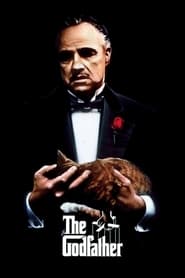
kind of running around in the studio and I just took it and I put it right in his hands without a word and said, here, Marlon. And he, of course, you know, he loves children and animals and he immediately took to the cat and the cat took to him and it became part of the scene. Not at all planned and just a random idea. But now you come to me and you say, don't call me on it, give me justice.
4:22 · jump to transcript →
-
basically making a mistake, but I guess no one else notices it. It's an interesting story. I chose to work with Nino Rota to write the score, and the studio was not very comfortable with this choice.
24:43 · jump to transcript →
-
And when I finally brought back the music that Maestro Rota had done, put it in the picture, the studio hated it. Bob Evans hated the music and said it would never stay in. He had just done a movie called Love Story in which the music was very popular. So he considered himself quite an expert on that. And we were at a stalemate. I kept saying to him, well, I mean, you can't take the music out. You can fire me and get another director.
25:12 · jump to transcript →
-
-
director · 3h 29m 12 mentions
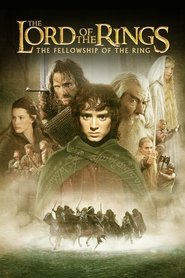
The Lord of the Rings The Fellowship of the Ring (2001)
Peter Jackson Fran Walsh Philippa Boyens
-
Peter Jackson Fran Walsh Philippa Boyens
Now, New Line started to impose rules on us, which they'd never done before. They started to say, well, you can have a prologue, but it's got to be no longer than two minutes. And our prologue's actually seven and a half minutes. And it was really, in a way, it was one of the biggest fights we ever had with the studio. And it was strange because it was the very last thing that happened before the film was finished. We'd been making this movie for three or four years with a very good relationship. And needless to say, we won the battle because we just felt...
5:40 · jump to transcript →
-
Peter Jackson Fran Walsh Philippa Boyens
There's only so much time you can take establishing Hobbiton before you really move your plot ahead and we felt we were lingering there too long and it wasn't furthering the story for us so it didn't stay. Bag End was obviously an exterior set on the location on the farm and then this was the studio when Frodo comes in the door. This is actually a case where we changed the timeline in the book.
36:01 · jump to transcript →
-
Peter Jackson Fran Walsh Philippa Boyens
And we only shot a couple of takes. Scenes like that don't hit the schedule, do they? They don't hit the schedule. Or the call sheet. No, and the studio don't even know. Nobody knows they're there. You've just got to bang them out the day before and then go try and squeeze them in somewhere. Pages are distributed after lunch. Yeah. This was a sequence that we deleted from the theatrical version of the film. And it's actually a sequence in which a couple of stills, a couple of photographic images have appeared in lots of books and magazines. And I'm sure...
44:53 · jump to transcript →
-
-
director · 1h 54m 11 mentions
-
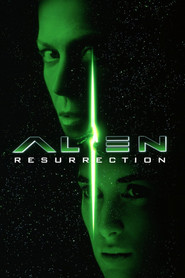
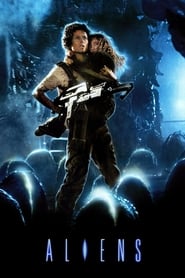
Hello. My name is Jean-Pierre Jeunet. I'm the director of Alien Resurrection. Hi. I'm Dominique Pinon. I played Vriess, the guy on the wheelchair. And I'm Hervé Schneid, the editor. My name is Sylvain. I was a storyboard artist and a concept artist on Alien Resurrection. This was designed, composed, shot almost entirely and never used, because we couldn't complete it for budgetary reasons. But initially, in the first opening of the film, we looked at the mouth. The mouth of an insect. Except we didn't know it was an insect. We mistake it for an alien creature. And the camera backs out and actually reveals a little bug. And in one camera move, as it keeps on backing up, we see a finger crushing that insect and sticking the insect into a straw. And splattering that insect against the glass as we recede... And we go all the way back into outer space and actually reveal a giant spaceship, which is where the story begins. I remember especially about the main credit. When I arrived in LA, I was waiting for an offer from the studio. You can imagine - a poor French guy like me, I was very scared. I was in a hotel, waiting for the answer, and I didn't sleep because of jet lag and because I was scared. I thought "OK. To prove to myself I am able to make this film, I have to find a good idea for the main credit, for the first shot." Immediately, I found the story of the guy alone in a big spaceship, with the milk shake and the pipe. He scratches insects, he puts them in the pipe, he blows the insect on the camera. I was very happy about this idea. I told this idea to the studio and they were happy, too. We began to work on it, but it was very very very expensive. One day, my line producer told me, if you could find another idea, because we have not enough money to finish this idea. This is a secret - I was pretty relieved. In fact, I think it was a little bit too funny for the beginning of Alien. I didn't say anything to the people. I said "You want to cut my idea?!" But, in fact, I was very happy, and I prefer the credit we have now. This is a model, and at this time, we hesitated about to use CGI or models for the spaceships. And Pitof preferred to use models. Maybe it was one of the last films with spaceship in model. That was very impressive. I came once on the set while you shot the models, and it was really big. - Yeah. Not really big. It's never enough big. And Pitof made a lot of parts, and he mixed the different parts.
0:03 · jump to transcript →
-
This was actually a tunnel. You can see the floor on one end where the light is glowing. And this was actually just a vertical tunnel which was stood straight to make it into a tube. I love this scene. It's very different with the other Aliens. Sigourney loved to do that. She was almost naked when we shot. She is very courageous. She tries everything. She is ready to do everything, all the time. This is a set that was reused. In this instance, this is the birthing room for Ripley. This is a very symbolic and beautiful, almost religious, image of her coming to life. This was designed by Darius and Jean-Pierre - dreamt it up and shot it, quite late in the day, actually. It's actually very stunning. It's quite beautiful. What we're looking at - the light glowing from the floor and fanning in the back - is exactly where Darius and Nigel gave each other opportunities to generate so much excitement out of these openings, where, basically, light actually comes alive in the metal everywhere you look. I love Brad Dourif. I was a fan. All my life I will remember the test with Brad Dourif. He was perfect. I saw a lot of actors for Wren, the bad guy, and I saw a lot of actors. It was a pleasure because I made some tests with them. It was only because the studio didn't want to pay a lot for the main bad character. I remember, I proposed to the studio it was a good idea to have a woman for the bad guy. It was a good idea, but at the end the marketing service said "No. Definitely no." "Because you have two women in this film, two heroes, and not a third one. Definitely." Too many women. - Yeah.
6:30 · jump to transcript →
-
My Question Initially To Jean-pierre Was
Dominique Pinon plays in all my films, and for me he is the perfect actor. He's so inventive, so nice, so perfect. It was amazing for me to bring this actor to the States, because Sigourney Weaver and the studio asked me to have Dominique Pinon. I told this story a lot of times, Dominique, but it's true: I didn't hire you, the studio wanted to work with you. I was very happy, obviously, but, I remember, when Sigourney wanted to call you by phone, and we called you in Paris and you didn't believe me. You said... "No. It's a joke." I remember very well that call, actually. The studio were a little bit worried about Ron Perlman. They appreciated the guy, but they weren't sure it was the right guy for the character. By luck, it was the first day of shooting and they saw the dailies. They came to see me on the stage and they told me "You're right. He is perfect." The set is basically what we call the Betty cargo bay, which is just a lovely, beautiful industrial piece of design. All the rust in the back of it. It's hard to convey just how incredible it was in real life, when you walk through it. It was just absolutely staggeringly detailed and gorgeous. Pitof, none of the ships were digital. That's all models? Pitof, none of the ships were digital. That's all models? I would like to make more digital stuff, but Nigel really wanted to have the real texture. I guess he was right because... They're beautiful. They are gorgeous. Is that background digital? Or was that a model also? The background is a mix with the digital and models. We had a model, but the size had been enhanced in postproduction. Also, it's a lot of layers of small things to make the texture real. So it's not just shooting the miniature as it is. There's a lot of work after that - to have the texture, to get the smoke, to give the depth, and all these things. Is shooting miniatures more time-consuming than doing it digitally? It was more efficient to shoot miniatures because the technology of digi was not as flexible as today. The idea about this film is that these guys are a bunch of hoodilums that are smuggling weapons on board a military ship. The thought was: they'll get strip-searched, and they have to have weapons at some point, so Jean-Pierre's take was that the only way you could bring weapons is by hiding them in plain sight. The two places where he thought you could hide them was a Thermos - which somebody is carrying, which turns out to be a gun - and the wheelchair. The thing about the wheelchair was designing it as a breakaway piece of technology, where every piece could reassemble itself into a weapon. Although the idea's really good, at some point the focus on that was a bit lost - you see all the characters breaking out weapons. I'm not sure how clear it is that they're recombining the wheelchair. But that's the way it was designed, as you could actually take pieces of it apart and snap them into weapons when the scene demanded it at some point. That little wheelchair was built on a structure which we called a mule, which is a six-wheeled radio-controlled robot which is a six-wheeled radio-controlled robot that's designed to lift enormous pieces of equipment in industrial settings. That mule was available to us, so Fox said: "If you can design the wheelchair around this, it'll save us money." So that's what we did.
17:58 · jump to transcript →
-
-
director · 3h 43m 11 mentions
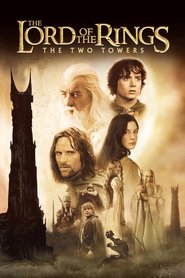
The Lord of the Rings The Two Towers (2002)
Peter Jackson Fran Walsh Philippa Boyens
-
Peter Jackson Fran Walsh Philippa Boyens
So I don't know whether they even knew about it. Did we bill them? We should bill them now. It was interesting to figure out how to start this film because the studio were quite insistent for a long time that we have a prologue, the same as the first film. They wanted Cate Blanchett, in actual fact, to give us a sort of a backstory of what's happened so far in this movie, you know, the Fellowship of the Ring, and to set us up. And we resisted doing that, didn't we? Yes, yes.
0:33 · jump to transcript →
-
Peter Jackson Fran Walsh Philippa Boyens
were again part of the pickups that we did. And this sort of shows you what pickups can be like, where you're inserting a couple of new lines of dialogue into a scene you've already shot before. We just did these in the studio. That's a studio shot. That's a studio shot. And now we're back on location again, just... Two years earlier. Yeah, two years ago. Just coming up about...
6:46 · jump to transcript →
-
Peter Jackson Fran Walsh Philippa Boyens
I think with the help of a bit of lightning and flashing lights and stuff, and we sort of soldered, and the big plummeting down and the deathfall and the landing, it really sells his death better than anything that Gandalf can do with a sword, really. Was that a mini? It was a big miniature, yeah, the tower and the snow. Everything's fake in that shot. This sequence was debated a lot amongst ourselves in the studio. You know, you could have done without it, but on the other hand, I thought that just having Gandalf showing up as Gandalf the White needed some form of additional explanation.
54:17 · jump to transcript →
-
-
-
during the slower mood-setting scenes. Perhaps now I can begin to tell you about the plot of the movie as originally envisaged by the filmmakers. You see, quite a different movie. The filmmakers' cut was previewed for a test audience, but after the preview, the studio insisted on certain changes which were rather ham-handedly implemented. Rather an old story in Hollywood, I'm afraid. So what you see here is, to no small degree, the result of studio bastardization.
25:18 · jump to transcript →
-
This character was introduced lighting himself a hand-rolled cigarette with an engraved cigarette lighter, and he puts the lighter down on the desktop in a close insert. Well, I'd urge you to go back and examine that insert carefully, because, you see, it's not the actor's hand depositing it on the desktop. It's someone else's hand. For that insert was shot well after the movie was finished, after the studio preview. That insert showing a cigarette lighter engraved Lauren, presumably the character's name.
31:15 · jump to transcript →
-
marvelous Texas character who appears to be related to an Eastern European communist dictator. How did he come to this lonesome backwater, this dark, dark place where he attracts flies? Well, the studio was having none of it, perhaps believing that the reference to Todor Zivkov would be too obscure for a mainstream audience.
32:14 · jump to transcript →
-
-
-
on his prison were going to be chased by this alien and killed. And yeah, I didn't have that much of an issue with it. It was only kind of later on you kind of see the sort of the failings of the studio manipulating the film and changing it and not knowing what they wanted. David Fincher making a movie without a finished script.
1:20 · jump to transcript →
-
Not very communicative, but Alex Thompson could photograph these large-scale sets with ease. He'd photographed Excalibur and Ridley Scott's Legend. I mean, Legend's one of the most visually interesting films ever made. But it's interesting that the executive producers, well, head of production was John Landau, who's unfortunately passed away recently at the age of 63. And he looked... I saw recently, like...
15:53 · jump to transcript →
-
which I remember reading about years ago and obviously doing the research, gone back into that and the feud he had with the studio over that. And I just can't, I can't see Richard E. Grant in that role. Can you? I love Richard E. Grant, but... Well, if we had him and Paul McGann, it would be with Dale and I too. And Ralph Brown. Yeah, yeah, exactly, yeah. This is it. I mean, this is... When Ollie and I record these commentaries, we generally put a little poster behind us on Zoom
29:07 · jump to transcript →
-
-
-
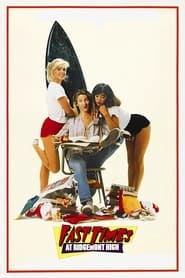
And they were saying, like, can't you get some adult characters and have nostalgia in here so it'll be like American graffiti? And that was our whole battle, I remember, is to convince the studio that, you know, young people would actually show up if they had a movie about them. Well, one thing I loved about the book was that teachers and parents, they were not part of their world. It was like there was the world of the teenagers. Right. And you were...
20:44 · jump to transcript →
-
This amendment to our Constitution has a profound impact upon all of our... Where is Jeff Spicoli? I saw him earlier today near the first floor bathrooms. Is he still on campus? This is good. Anyone? Yes, Desmond? Now that's Frank Price's son. Yeah. Ahead of the studio. I love that bring him in. What is this fascination with truancy?
23:28 · jump to transcript →
-
I love what you said about Spicoli has to be the spice. It's so true. Because people have... I know you've probably been bombarded over the years on people saying, hey, let's do a Spicoli sequel. Just Spicoli. You remember the first day we saw the movie in Westwood, and I guess, who was it from the studio? Was it Tom or Shona? Somebody said, okay, guys, Spicoli goes to college. Yeah, they were just ready to go. They're ready to go. It wouldn't have been the same. Spicoli without Brad.
29:26 · jump to transcript →
-
-
-
There was a big battle over that, and ultimately the studio came across and loved this choice of song. And you were victorious. I was victorious here. And there'll be many battles discussed over the next hour and a half. But that was one. And every time I hear the song, I just am reminded how much I like the choice of both the music and having the female singer and the gravelly, slightly off-tone voice.
0:29 · jump to transcript →
-
pre-digital, so the majority of the effects were all optical, not digital, which was a huge deal. So all the models, we had to build models and do it the old-fashioned way. Shot on film, cut on film. Things that people don't even know what they are now. I'm sad that the studio didn't give us more than 10 days in the theaters.
13:11 · jump to transcript →
-
And that's how people, I mean, women respond to that. They just cannot look at that image and not go, I want, I am this person. I mean, that's how I felt when I first saw the comic too. I have to do this. This is the most important thing I could possibly do. And you had the same response. And then I went and pitched it to Jim Cameron's company. And I didn't have Jim, James wasn't there, but I, you know, I pitched it to the executive and they said,
17:35 · jump to transcript →
-
-
director · 2h 1m 7 mentions
-
I suppose the obvious technique is, you know, we've got this archive footage that you see visually, but the voices were all recorded... You know, we recorded those interviews. We did over 100 during the process of making the film. And actually, the studio where we are now doing this DVD extra of doing the commentary was in the very studio we interviewed Nick and pretty much everyone in the film. So it feels like we've come full circle ourselves now. I love that film. So here's a very brave first boyfriend who...
8:22 · jump to transcript →
-
music as well i mean what was her sort of she would describe it sort of fusion of jazz and hip-hop wouldn't she yeah but they somehow she fitted in with that that world immediately there was no questions about whether she was authentic whether she was a white girl trying to do black music or anything like that they just knew i mean i think commissioner gordon even had a very funny story where i mean some of the dvd extras but i'll tell it anyway where he um he overheard her singing and thought on the first day in the studio
28:02 · jump to transcript →
-
I felt like there was a lot of questions arise about why we use this footage but they for me show Amy at a very particular moment in time and without them you lose track of her and you can see even though she can be really she looks great in the studio this is not long after once she's back in Camden out drinking again this is really what she looks like and so we made a conscious decision that we would use footage shot by photographers and paparazzi because it felt like the most honest way to tell the story to show what was really going on and
45:16 · jump to transcript →
-
-
-
Marco Brambilla Daniel Waters
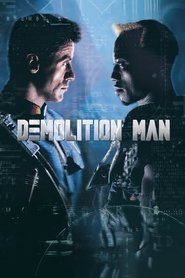
dense smoke to get the feeling of being inside the park. And it was shot... Wait, pause for my credit. Just want to know that this guy writes a great arbitration letter to get first credit, but that's another story. So the smoke in here was so dense that you could barely see the monitor. So we had to build tents within the studio just to contain all the smoke. Yay, Marco. There I am.
11:01 · jump to transcript →
-
Marco Brambilla Daniel Waters
to set up and rehearse, and the frequency of visits from Joel and then the studio executives, and then even Lisa Hansen, who was the head of the studio at the time, dropped by to casually say, are we going to have a shot today? So that was a very tricky shot to set up. Oh boy, the things I don't have experience. And this is Sandra Bullock, who plays Lenina Huxley, which is
11:53 · jump to transcript →
-
Marco Brambilla Daniel Waters
kind of nailed at the time and this was all the subtext that uh we had the hardest time selling to the studio and to stallone okay now we have to take a pause because this is where the he says he doesn't understand the three seashells which is the bathroom which which i was joking with marco has become the legacy of the movie i'm sure we've both been plagued by people on the street asking us how to use the three seashells can i i'll just say like i was asking all my friends
38:07 · jump to transcript →
-
-
-
Commentary With David Kalat
He acquired a print of King Kong for his own personal use and spent his nights examining it frame by frame to reverse engineer its secrets. He approached his employers at the studio and implored them to authorize a full-scale attempt to develop similar techniques. In the rigid hierarchy of the Japanese film industry, Tsuburaya was but a lowly cameraman, and the executives could not imagine that he had any business advice worth their attention. Conventional wisdom in the Japanese industry held that trick effects were just that, tricks, cheating.
20:35 · jump to transcript →
-
Commentary With David Kalat
Honda was assistant director at the time. The two worked together variously in the late 1940s and early 1950s on war films, gradually cementing a partnership and a friendship. Honda was born in 1911, and he'd studied art at Nihon University. In 1933, he joined Photochemical Laboratory, the studio that later morphed into Toho. Honda was called away to war in China in 1938, the first of three times that he was drafted to the Imperial Army.
23:38 · jump to transcript →
-
Commentary With David Kalat
Then it was Godzilla. Now the mantle had returned to Kurosawa once again for Kagemusha, which would find Tomoyuki Tanaka overseeing things, Ishira Honda credited as creative consultant. Honda co-wrote all five of Kurosawa's last films, that's Kagemusha through Matadeo, directed most or all of the location footage, and co-directed in the studio. Another commingling of monster movies and Kurosawa art films.
24:56 · jump to transcript →
-
-
director · 2h 10m 5 mentions
-
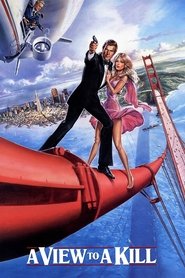
but he was willing to go along with it. Now this restaurant here on the Eiffel Tower, unfortunately we never went, we went to the Eiffel Tower, we never went to the restaurant. This was all constructed in the studio until the month set. I remember one
15:16 · jump to transcript →
-
We're actually inside the set on the studio, which is supposed to be inside City Hall. I can tell the London Financial Times. Yes. My readers may like to know why Zoran is pumping seawater into his pipeline instead of pumping oil out. Seawater is used to test the integrity of the pipeline. When you go in and say, well, we're going to show you the Bond film, it's not like we're going to shoot a film X. And we'd like to use this.
1:11:29 · jump to transcript →
-
Sorry. This, of course, is the real thing. The interior of the offices we shot in the studio, but this is the real McCoy. We're looking for a low tonight of 57, high tomorrow, 75.
1:12:29 · jump to transcript →
-
-
multi · 2h 34m 5 mentions
James Cameron, Gale Anne Hurd, Stan Winston, Robert Skotak + 8
-
Bill Paxton
Bill, isn't there dialogue that you have on this that people have used in video games? Yeah, I think so. "Game over, man" and things like that. You get anything for that? - I don't think so. I'm not even getting anything to sit here and do this commentary. They expect us to do it for no money. You got a beer out of it, though. No, it's just fun. I got a beer out of it, so that's cool. This was an amazing set, this concourse A. And it was long. And later on when all hell's breaking loose, Jim had that little video camera. He had everybody on the crew having coffee while we would run at him and do different things. It was SO amazing to see this gigantic set, one of the biggest sets I'd ever seen, and there's Jim by himself with this little camera. When did the bust-out almost happen? He was gonna move the movie. When did that happen? I remember there were some problems. There were some union problems. The crew weren't used to working the same way. With Jim. They weren't used to working. That's unfair. They were craftsmen, but they had an indentured way of doing everything. Jim needs something, he just grabs it. If he needs a light moved, he'll grab it himself. We punched a hole through somewhere cos he needed to run a line. He didn't wanna wait around. He just said "Give me a hammer." But this was an ambitious schedule. Jim was running from stage to stage. I think we had about three big sound stages with giant sets. And then there were two sound stages with miniatures. And then there was a stage with all those tunnels. I remember them putting you in that damn tunnel. That pipe. We had gone to the power station to shoot the atmosphere-processor scenes and come back to the set after it had been wrecked. So we're into Adrian Biddle's photography here. He was the second DP. I encouraged Adrian, to save time, to use as much built-in lighting as possible. This is lit by the fluorescents in the set, with just a little additional lighting. Adrian liked to work on a raw and edgy look and work with the practical lights a lot more. This is another thing that is important. With a lot of science fiction movies that are all interior, you often lose track geographically of where you are and it becomes incredibly confusing and it's hard to build the tension and the suspense. Jim was aware of this from the script stage and made sure that we established through the helmet cams, through the motion trackers, where they are, and then ultimately, later on, where the aliens are. Even in this version, you're left to fill in what happened. We don't see the baittle. We'll see plenty of battles later and this is promising you that. We have a shot coming up here where there were acid holes - acid... holes... eaten into the floor by these so far unseen aliens. And, of course, these sets were not double-deck sets. Jim wanted a scene where a character looks down through one of these holes. I think Bill spits down into it to give some perspective. So this down-view we shot on our miniature stage. We layered the set and photographed that. This is where you spit and they did it in miniature. They even did a miniature spit. - Is that what that is? To get that spitting effect, it was actually not spit. It didn't work very well, so it was a combination of milk... Milk and water in an eyedropper right underneath the lens. The complaint from the studio was that the film went on too long without anything really happening. I was winding the suspense tighter before you actually saw anything. The studio said we were just jerking around. Too many movies that I see now, it's all upfront. You start seeing stuff right away and there's no sense of a build. So this is the miniature APC that was built by Bob and Denny Skotak. Pretty good size. I remember it being five or six feet long. Most people don't twig that as a miniature. That's the real APC pulling in. They matched the lighting pretty nicely. I think Jim did some of his live-action stuff undercranked. He ran the camera slightly slower on the APC so that it felt slightly more as if it were a miniature but you knew it was real because you could see people interacting with it. So if any of the miniature stuff didn't quite work for whatever reason, it took the curse off that cos it felt that the two were blended together. I think he wound up undercranking because the APC, the full-size one, didn't move as fast as he wanted it. I think it could only go eight or ten miles an hour. One difficult thing about making this movie was 7erminator wasn't out in England and the perception of Jim Cameron, who looked about 20 when he directed this movie, and myself as the directing-producing team was met with a great deal of resistance because back then the system in England was that you had to put in years and years to rise up to the level of being a producer or a director. And we were simply not treated with a great deal of respect and it was very hard every day of the shoot. We were being second-guessed and every decision we made was questioned and the tremendous thing, of course, having Stan on the film was that... I was old. - No. ...was that you were a cheerleader for both of us. By demonstrating the respect and enthusiasm that you did, I think other people gradually relented. I knew it was the best thing for me and for everybody on that set. There are people that you know, no matter how they do it, what they're doing is special. This particular directing-producing team had been a win for me in my career and stayed that way. I never thought our facehuggers looked as good as the one in A/en. We had to make lots of 'em and they had to run around and do things, but, texturally, the one in the first film looked great. It really held up. The bits of oysters and stuff inside it looked great. But I did wanna see the disgusting thing that had been down the inside of Kane's throat in the first film. You never see it in the movie, in A/en, so I figured we'd gross everybody out. All of Giger's designs have a real sexual undercurrent to them. And that's what horrified people about the alien as much as anything, is it worked on a kind of Freudian subconscious level. And Ridley and Giger knew that and they went for that. This film was never intended to be as much of a horror film as the first one. It was working on a different thematic level but I still wanted to be true to some of those ideas, some of those design concepts. It would be natural to assume I'd wanna work with Giger, but it just didn't occur to me at the time. Maybe it was because we really only needed to design one new creature and I had already designed her by the time I wrote the script. The alien queen. I guess maybe it was my own ego as an artist. I just felt like he'd made his stamp and I knew from what I'd read that he had to do everything his way and I had a very specific idea for the alien queen to extrapolate beyond what had been done before. I got the impression from what I read that I wasn't gonna get the dynamic character that I wanted. In a funny way, part of what attracted me to doing this film was the opportunity to do cool design stuff. So maybe I was just a little bit too in love with the idea of designing the creatures and the weapons and doing all that stuff.
47:57 · jump to transcript →
-
Bill Paxton
I heard that some of the studio execs were screening footage back in the States, and they were a little perturbed and asking "Where's the effects shot?" Gale Hurd said "You just saw an effects shot." She was referring to that perspective shot. They were completely fooled by it. They thought nothing had been shot. They thought they were spending huge amounts of money on these sets. They said "You spent so much and there's no miniature." She said "No, that is the miniature." It was a smart move on Cameron's part, to do it that way very quickly in the film, so the studio wasn't worried quite as much about what was going on 5,000 miles away in London. It does make it a bit tricky to shoot, though. If anything goes wrong, you're stuck with it or you have to fix it later but with a reshoot. You can't really fix it later. So that worked out quite well, but with actors and everything there's a lot on the line. Something we've lost sight of over the years is that with this era of filmmaking, not only for live-action but for miniatures, there wasn't much ability to go back and fix something. Now, digitally, you can change an actor's face, you can get rid of wires, do all kinds of tricks, split-screen, take elements and change shots. But at that time you had to plan these things and make it work within a narrow tolerance, otherwise that was it, that's what wound up in the film. IIt reminds me of a stage play. You're doing it live, in a sense. What was on film was it. There was no going back. You could only do it so many times. There was a limited budget to work with and it had to work on film, no matter what.
1:08:47 · jump to transcript →
-
Bill Paxton
I like these really advanced laptops they have. We thought we were being so advanced here. This is an added scene with these sentry guns. This is a scene that got the ax as a result of the studio's idea that we were wasting too much time not really getting on with the story. I actually think this stuff really ups the ante and increases the fear a lot.
1:29:55 · jump to transcript →
-
-
director · 1h 39m 5 mentions
-
out a message where he was sequestered in his jury saying, please don't choose anybody else until I can talk to you. I'm the best person in the world for this. So unlike Emil to say something like that, that every time I reminded him of it, he blushed. But he was exactly right because he was a brilliant director of dance and just a brilliant and wonderful man. And at first, the studio was not sure that they wanted him because he had this huge ballet background and they wanted
7:39 · jump to transcript →
-
the most respect and love and gratitude for Patrick and Jennifer. I love the way she pulls her dress down. That was just wonderful. The first day Patrick came in that day, he and Jennifer had worked together on Red Dawn. Then they came out and did a dance, and I told Jennifer just to circle around behind him and put her hand down on his rear, as finally she does in the cry to me scene. And we were all standing around, everybody from the studio, everyone,
20:34 · jump to transcript →
-
unturned wayable and I still think is the heart of this movie is the way they are together just something extraordinary happens and I should say that we got a steady stream of concerned notes from the studio which was pretty supportive in fact they had found Virginia from us two of the executives on the plane had found the Virginia place but they kept saying Johnny and Penny look so great together who will ever believe that he's going to go off with Jennifer and we sat down and we talked about it and we said no
21:53 · jump to transcript →
-
-
-
John McTiernan
Trying to sell stuff to the studio, he is a knife maker. He had a special knife that blah-blah-blah. And I wasn't real impressed with that but I said, "Could you make us a machete?" Which has to do with the jungle. So he made this thing that basically looks like a Thracian short sword but, what the hell. It's Arnold's... Arnold's machete. He gave it to me at the end, I've still got it. And the one liner came from that. The "Stick around" came from, came out of looking at the machete.
28:11 · jump to transcript →
-
John McTiernan
This joke, is Shane's joke. It's entirely Shane's joke. Shane didn't write in an official way but he wrote in an unofficial way like the joke, the pussy joke. He was just there, and he would come up with stuff. Now, the heat vision here, when we first did the heat vision, they had a real heat vision. From the folks in New York City that did the effects stuff. And it was this enormous thing with the umbilical that was six-inches thick and it would, could only get maybe four-feet from the truck. And it really would see someone based on temperature. But there was this little tiny problem, which was the ambient temperature in Mexico was in the 90s. Consequently... People were the same temperatures as the background and they were perfectly camouflaged. So in order to deal with that, the splendid folks in the special effects field said, "Well, it's no problem. "We will put ice water on the jungle. "And we will have the actors stand next to a fire just before their, "the shot," So, they literally were doing that, and they spent about, I don't know, a week getting one shot, maybe two shots. It was just a nightmare, it cost a... Every shot cost a fortune. So, finally, I went off to a video special effects house. They did commercials and things. And I sat down for about three hours, we had to do this in secret. One of the studio...
32:42 · jump to transcript →
-
John McTiernan
Studio post-production guys set it up for me. And we did it behind the back of all the executives and stuff. And the producers.
34:45 · jump to transcript →
-
-
director · 1h 42m 5 mentions
-
So this is Long Beach now. This is a little area that we... You have to realize the politics of the movie were very interesting at the time because when we were shooting in Pittsburgh, that was the end of the movie. And we had already shot too long, according to the studio and our own schedule. I had gone over schedule. And John said, you know, we have no time to finish the movie this way. And...
19:37 · jump to transcript →
-
So we have to satisfy Orion and get out of Pittsburgh. And of course, he realized that there was one scene that could never be omitted by the studio, which was the death of Murphy. So we didn't shoot it.
20:00 · jump to transcript →
-
I mean, it's sort of like you're a fly. No, you're a small animal, and the boys have got you, and they're going to tear you apart. With Paul, lots of things tend to become Christ metaphors, so he would always go to the studio to defend how violent the scene was by saying you have to have the crucifixion so we can have the resurrection of Peter as Robocop. Here we have a little bit of stigmata coming up right here, you know, just a little bit. Nice Roman centurion here.
21:30 · jump to transcript →
-
-
-
Macaulay Culkin
This is a... You know, this is an interesting scene... ... because, again, the comedy... These two really worked well together. You believe them as a couple... ...and the comic timing is really pretty sweet, I have to say. I remember when I watched a lot of the dailies... ... they would always fool around whenever you... You wouldn't yell, "Cut," and they kind of just... They'd keep going a little bit and do some silly stuff. I think they really-- You know, again, it was a kind of... At times, it was tense being on the set... ...because these actors, who are so good, didn't know why they were there. And on the second one, that eased up completely. Because everyone felt that they had a responsibility... ...because they knew a lot of people would see this movie. Now, here's something I always felt pretty horrible about because... ...particularly once you have your own kids, this is the last thing you want them to do. This was a big worry, I remember. - Oh, yeah. Whether or not this was gonna stay or not. See, no one really ever understood when I'm lining up the sled... . that it doesn't exactly line up with the door. There's people who watch it who actually giggle, I remember... ...saying, "That doesn't line up. How is he gonna do that?" Yeah. You would've smashed into the wall. Yeah. But that was Larry. I remember watching the dailies. That was hilarious. Larry, our stuntman. - Yeah. Stuntman, literally. - He was probably 20... No, maybe he was about 30 back then. - Yeah. And he was your size. - Yeah. He was built like me too. Now, he was amazing. He would do anything. There's one moment coming later when we'll talk about Larry. Where he falls? - Where he falls, and he froze that day. He didn't wanna do it, but Larry had... As most of the stuntmen did in this movie... I don't know if these types of stuntmen exist anymore. Yeah, I know. - Willing to kill themselves for... It's amazing. I have a lot of that, yeah.... ...a lot of memories of these guys doing all kinds of crazy stuff. Oh, yeah. - They were my favorite, the stunt guys. The stunt guys were great. - When you're 9... ...they can do all kinds of neat stuff. - That's true. Ha, ha. Oh, yeah. They were always my best friends. We'll talk about-- A little later, we'll talk about Troy Brown and Leon Delaney... ...the two stuntmen for Joe Pesci and Daniel Stern, who were truly... Truly went above and beyond the call of duty. I haven't spoken to them in years... ...but they probably are still in a great deal of pain... ...because of some of this stuff. Daniel Stern is interesting... ...because Dan Stern was my first choice for this role... ...and the studio didn't wanna pay him at the time. We cast another actor, unfortunately-- This is the only time in my career this happened. and we did a screen test with the other actor and Joe Pesci. And the screen test was flat... ...and the other actor just couldn't really improvise with Joe... ...and you didn't believe him in the role. And I had the-- I had the horrible situation of actually telling the actor... ...I couldn't use him. Basically firing him. Oh, boy. And then the studio then understood. They saw the screen test, and they were willing to hire Danny... ...which was really an amazing working situation for me. He's one of the funniest guys I've met. And he truly was up for anything, as we'll see later in this commentary. I still have that sled in my office.... In my office here in San Francisco. I just saw it before I came over here. Signed by everyone. Signed by everyone. That's really cool. - Yeah. And when I get a little older, and things start not working out in the career... ...1 can sell it. - EBay. Yeah, eBay.
25:39 · jump to transcript →
-
Macaulay Culkin
Hyper on 2." Any luck? No. You know, I... The studio rejected my idea of a sequel, which was years... You know, now, you actually... You being in jail... ...coming back to take revenge on Joe and Danny... ...who live in the suburbs next to each other, and they've got their families. Gone straight. - Gone straight. And you've got your... - That's great. I see something there, but they... For some reason, the studio just won't go for it. Crazies.
33:30 · jump to transcript →
-
Macaulay Culkin
Now, this was... Now, that was something that really bugs me about the movie... ...IS that was a note from someone, somewhere in the studio... ...that we had to dub that line: "
44:45 · jump to transcript →
-
-
director · 2h 24m 5 mentions
-
Will I Be A
Tom and I were very interested in using materials that were more translucent, and that led us to create a Bishop dummy here that was made out of gelatin. The only problem was that gelatin doesn't do well in steam and rain, and if you'll notice there's steam and rain in this shot, but there wasn't supposed to be. Not at first. We got the go-ahead that it'd be OK. It was gonna be cool and dry. See that little rag around his wrist? We had to wrap that around his wrist cos his wrist just split in half somewhere in this, so we had to kind of dress it around. The whole thing was melting! Take after take, he was losing a layer of skin with each successive take. We should have been warned because Yuri Everson, one of our main guys, was working on that model in the studio, doing some meticulous work with the gelatin, and he had a desk lamp posed right over the head. When he moved the desk lamp, it was a little too close to the face and it all sagged, like it was palsied from a stroke or something. So there was a little bit of a history to that choice of materials.
49:30 · jump to transcript →
-
Will I Be A
There's a miniature shot of the alien running up, then it cuts to a close-up of Tom. We did do a fake head of Charles Dance - it's coming up here in a minute - where the creature punches a hole in his head. And we had to do a head cast of Charles in an extreme expression. And as I recall, he was great about it. He's actually, for as serious as this character is, he was a very jovial guy. Yeah, I guess it was like an animatronic head, dripping. In order to do this movie, we built a complete silent motion-control dolly that could go at running speed, which we wound up never needing to use. You could actually run with it at high speed and it would repeat, and it was quiet enough to shoot sound. Of course, when we got to England to set it up for the first shot, nothing worked. We were tearing our hair out and found out the system wasn't grounded because they had run an extension cord into the hallway. But then, once we found that, we didn't have any problems. But that was in order to enable us to shoot scenes with pans and tilts, and then scale those moves to shoot the scenes back at the studio with a rod-puppet alien one-third scale... with a moving camera, so it wouldn't skate around in the scene. I think this rod-puppet technique is very interesting. I think it still has some validity now, even in the digital era. Yeah. - And probably now, I don't know... Well, I guess you'd still have to do the motion-control stuff to match moves. Or track it now. If you're gonna do a CG character, you can track it. But you wouldn't be able to track like that with a miniature puppet, would you? You'd have to use motion control. It's a real mechanical lollapalooza. But there is a nice presence to it that really looks like a physical thing. It gets around some of the difficult issues of CGI, in that the lighting is playing on it. And the director can direct it. Fincher could come by and direct the puppet. Five guys, you know, operating this character against bluescreen, there were some pretty bizarre mountains of equipment to get these shots working. And flags, and stands, and wires everywhere. And flags, and stands, and wires everywhere.
1:04:35 · jump to transcript →
-
Will I Be A
This movie seems to have... My take on it was it was more popular in England and Europe than perhaps the second one was, or that at least they admire it more. And it is the movie that seems to grow on people. It's not what people expected, but they can't deny the quality of it, and that it is really a pretty uncompromising vision. It's just relentlessly grim, which is exactly what Fincher wanted. And it was gonna be the last. - Yeah. Yeah. Which was why the whole suicide thing at the end. Right. Which I thought was a very bold idea from the studio - to give them credit - to say yes to that, Fincher and Sigourney, you know. I thought it was very brave of everybody.
1:15:01 · jump to transcript →
-
-
director · 1h 36m 5 mentions
-
where all the action took place. But in this version of the film, we thought it was very important to be tied correctly to the continuity of the previous film. So we basically added these new shots of the mothership instead of a little scout ship flying away from Earth with Scar's body on it, and then added new scenes of that scene, the little scout ship kind of taken off from the mothership. Yeah, what happens, obviously, when the studio sees a movie, sometimes they like
0:32 · jump to transcript →
-
Now, by the way, it was exciting for me to be involved with this process because as a producer, the very first movie I worked on, the very first movie I produced was Predator. I got to do Predator 2 also. And I came up with this notion of convincing the studio to do Alien versus Predator that had been done in a comic book form and all that stuff. But it took a while to convince the studio that there was a fan base to combine these two and that it would support the
3:13 · jump to transcript →
-
And then we had to kind of scramble quickly to get it all completed in time for release. That's right. This wasn't scripted originally. And we all felt that it would be a lot better to open this movie up and to connect with, you know, where the Predator's home planet is and how that relates to the movie if we could shoot it. So it took us a while to convince the studio to let us do it. Thankfully, they did. Yep. Yeah, it was just we thought it was important to add something, you know, show something that no one had seen before.
6:34 · jump to transcript →
-
-
-
A schism within MGM. I mean, it's possible that the entire history of the studio, indeed the history of Hollywood, boils down to an argument between Irving Thalberg, who is credited by F. Scott Fitzgerald as the one man who held the whole equation of moving pictures in his mind, and Louis B. Mayer.
3:00 · jump to transcript →
-
Thorberg wanted to make interesting movies. I think we have to remember that these films form a very, very small part of MGM's output in the mid-1930s. As far as the studio was concerned, they are pretty much B-movies compared to the musicals and the other big-budget films they were making. It's only because we as horror fans see them now as, as you say, this group of half a dozen really classy horror movies from this period. None of which were particularly successful at the time. And...
3:57 · jump to transcript →
-
We have to say, I think the main reason that they weren't huge hits is that the studio didn't get behind them. I mean, when you've got an 80-minute film, you cut down to 60 minutes on release. You've got no confidence in it. Yeah, there's a sense that, oh, well.
4:24 · jump to transcript →
-
-
director · 3h 16m 4 mentions
-
I enjoyed quite a bit working on Godfather II by big contrast. I had this wonderful team, both of actors and art and photography, and I was able to pretty much make the movie the best way I thought and not have any interference from the studio and have to argue about things.
53:04 · jump to transcript →
-
Of course, one advantage I had was that the studio wasn't seeing any rushes, and so I wasn't getting any comment from them and no involvement from any of the executives that had been involved in the first Godfather. So from that standpoint of view, the relationship with the studio was great. I think this is the shirt that Alex made with his Pentel pen or his magic marker. I think you can see in the close-up that this is a handmade shirt.
1:23:59 · jump to transcript →
-
just being on this foreign location in the middle of my marriage at a vulnerable time. I was absolutely pleased with the production. I had no difference of opinion with the studio or anything. They totally kept to their word about the freedoms and the lack of interference. But maybe the demons of my own life were not serving me well. I can remember being in...
1:31:07 · jump to transcript →
-
-
director · 1h 31m 4 mentions
Alex Cox, Michael Nesmith, Casting Victoria Thomas, Sy Richardson + 2
-
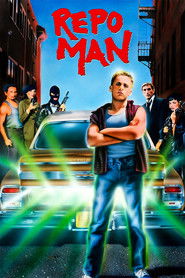
My name is Alex Cox, and I am the director and writer of Repo Man. And my name is Vicki Thomas. I'm the casting director. And I'm Michael Nesmith. I was the executive producer. My name is Cy Richardson. I was Light and the guy who did Bad Man. It's Juicy Bananas. My name is Xander Schloss. I am a PA and the late Fox Harris' driver-turned-actor. I play Kevin. I'm Del Zamora, and I played Lagarto Rodriguez, the older...
0:16 · jump to transcript →
-
His whole, guess how many ties I got. That's right, right. Yeah, because we had these long monologues that we'd use as audition pieces, including that one. The Tracy. The one of Tracy about flying saucers and the one of Sy about the suits and ties. You know, I mean, to talk about memorable lines, how about that line at the end of the tune? You know, how can you tell your woman really loves you? How can you tell, Sy? Oh, I need somebody...
25:43 · jump to transcript →
-
Funnily enough, at the same time as we made this film, Penny Spears made Suburbia. And there are lots of little similarities. There's a point at which the executive producer of Suburbia appears on a television within the frame, right about where Michael does in Repo Man. There's a guy who's a murderer. He kills a little kid in the car, and he's wearing a Dodgers baseball cap. And all these little things happen that sort of have something to do with Repo Man.
1:01:02 · jump to transcript →
-
-
-
I didn't want to do something that was soulless. I wanted it to be a comedy, to be about an optimist, but I wanted to have those bottom notes and that soul. After a while, I knew that we were trying for the same thing. I knew that there was a certain point when Jim Brooks, I think, who really was very protective of the film and great to the film, he was our greatest champion. He also protected the movie at the studio, I know, because there was a lot of stuff early on, like, why does that dad have to be guilty?
45:52 · jump to transcript →
-
The boys were in Chicago and you'd met them. And you said, hey, what about these guys for these guys? And we put some riff down. We rehearsed. No, you guys made a film. That's right. We made a tape on it and sent it out to you. And you said you wanted them out there, but the studio didn't want to pay to have them out. So I think you and I flew them out. That's right. That's right. And then we shot this, I think somewhere in the first third of shooting, I believe. After that night.
1:10:05 · jump to transcript →
-
In the kind of terror that happens in a studio before they put a movie out and spend all the money to promote it, there was a real feeling at the studio at the time, like, who's gonna go see this movie? Is it for the family or is it for kids? There was a screening, and someone invited a writer who brought his daughter, and they just kind of quizzed them after the screening, and some people decided that it was gonna only appeal to kids. So the movie was never really... Kids? Kids? What do you mean, kids?
1:35:58 · jump to transcript →
-
-
director · 1h 56m 4 mentions
-
which means that the dialogue was replaced in post-production. And not because the performances were bad, they were actually quite good, but the actors didn't quite project well enough to get over the crowd when the scene was being photographed, so we went back in the studio and revoiced those lines with them and had them projected more so that it could get up over the crowd sound effects that were put in later in post-production. Now, right after this shot, there used to be a whole other scene
22:49 · jump to transcript →
-
It may just give us the time we need to kill the creature. This shot coming up here, this effect shot of the eclipse, was a real pain in the ass because we'd actually finaled this shot, meaning that we'd approved it from, approved all the work from ILM, and we showed it, the picture to the studio, and people, you know, studio executives who had read the script and knew exactly what was supposed to be going on in the shot had no idea what the shot was supposed to mean. Of course, it's an eclipse, and it was in no way clear in our original shot.
1:15:44 · jump to transcript →
-
Every time the studio executives would see that scene, they'd go, can't you just cut that scene? Do we need that scene? Because all they saw was a guy being lifted up on wires, and then nothing happened. And then eventually Arnold Voss would walk in with LED lights on his cheek, and he would start chewing for no reason. Everybody would go, why does he start chewing? What's he eating there? I mean, we don't see him put anything into his mouth. Did he cut the thing where the candy bar he's eating or something? And we said, no, no, no. A scarab's going to come out of a hole in his chest, go up into his mouth. He eats a scarab.
1:21:09 · jump to transcript →
-
-
director · 4h 13m 4 mentions
The Lord of the Rings The Return of the King (2003)
Peter Jackson Fran Walsh Philippa Boyens
-
Peter Jackson Fran Walsh Philippa Boyens
I always thought this was a dodgy scene because we shot it in our Fangorn set in the studio, which was a tiny studio and you can basically look at a painted cyclorama in the background. And it's one of the reasons why we shot it so much out of focus is to try to disguise the fact that it was just a painted backdrop. And that shot there in particular.
9:23 · jump to transcript →
-
Peter Jackson Fran Walsh Philippa Boyens
We did those pickups three years after the original shoot in a studio this time. We weren't out in the parking lot. So we had enormous trouble getting all these wind machines in and we had to blow his hair to the same degree because it had to match perfectly. And so Christopher was now in the studio delivering lines, battling against this enormous wind machine that we had blowing into his face.
13:54 · jump to transcript →
-
Peter Jackson Fran Walsh Philippa Boyens
So this is a really tricky little intercut between new footage and old footage. We had no water when I was shooting, we just had David and the rocks. So that's an old shot. And then this shot here is an old. These splashes are all old. There's stuff that John Mahaffey shot. But whenever you see David fighting with a sword, it's the new stuff that we did in the studio. Because we never really had Faramir as part of this battle, and obviously he's there, he's commanding.
1:03:44 · jump to transcript →
-
-
-
Francis Lawrence
Red Sparrow was a novel by Jason Matthews, and it was sent to me by Fox as I was finishing working on the Hunger Games movies. I think we were actually in post-production on the final Mockingjay, and had actually started to promote the final Mockingjay film when the book landed on my desk. I took a look at it and immediately fell in love with it. I've always loved spy movies. And this spy story I thought was quite unique. It's by far I think the most genre-specific story that I've ever done. But I just found the character of Dominika, as you can see here, played by Jen Lawrence, to be quite a unique and unlikely hero, and a really unique way in to a spy Story. It becomes a much more personal spy story with her in the lead. I actually, even while reading the book, Started to think of Jen immediately for the part. You know, she and I had done three Hunger Games films together over the course of five years. I thought she was a fantastic actress, and we had a great time working together. So I thought it would be fun to find something new to do together. And specifically, because we had done this... We'd been working together with the same character over the course of five years it would be really fun to do something totally different, use different muscles. And I thought she could also look Russian, but thought it would be fun for her to look different and speak differently and move differently, and push herself into new territory. So when I had read the book, and I was gonna go pitch the studio, I actually called her first, and said, "Hey, hypothetically, would you be into doing a Story like this?" And she said yes, and, you know, I just pitched it very briefly. And then made my pitch to Fox about my approach in the story, which was to make Dominika the kind of heart and soul of the story, and to follow her story, and I had a couple of tweaks that I wanted to do to the last act of the book. And also spoke a lot about the tone, and the kind of hard-R quality that the movie... I thought the movie was gonna need. And everybody agreed. We got cracking, and I went to work with Justin Haythe, who is a writer that I've known for a long time, and we had developed something together before that had never been made. But we had a great time working together. And he also saw eye to eye with me in terms of the tone and the point of view of the story. And so we got working and it came together really quickly. So that by the time we had finished and released the final Mockingjay film in the Hunger Games series, we were pretty ready to go, and we were almost ready to start prepping this. We ended up bringing a bunch of people from the Hunger Games film with us. Jo Willems, the cinematographer that did my three films came with us, and our camera operator, who's worked with me since I Am Legend, and has also done numerous other films with Jen, 'cause he does the David O. Russell movies, came with us, and Trish Summerville, who did costumes. The new big addition for me, in terms of crew here, is Maria Djurkovic, the production designer. She had done Tinker Tailor and many other great films, and I just really enjoyed her work. And we really bonded over the references that we had found, and the kind of color palette that we both thought that the movie should follow. And she joined us, and we shot the film in Budapest. And primarily all practical locations. Some little set builds within locations, but primarily all practical locations.
0:22 · jump to transcript →
-
Francis Lawrence
This is actually something that Justin and I, Justin, the writer, Justin Haythe and I debated quite a bit. We spent a lot of time thinking about Dominika"s living conditions. And part of it was from research that even though it seems like quite a glamorous job to be a principal ballerina with, you know, a real high-end ballet company in Moscow, that the living conditions would be quite modest. And I also thought it was important that they remain modest, because as she's fighting for survival, when she needs help from her uncle to survive, it's not about material things. It's not about getting a nicer place to live in, or keeping a nice place to live in, or keeping a nice car or anything like that. It's just keeping things as they are, in terms of the simple life that she actually has with her mother. And her mother is played by the great Joely Richardson, who was I think one of the last people we cast for no real reason. I think it was the last role that we got to. But she came in, and it was a bit tricky for her, and she was a trooper, because I think we cast her maybe 10 days or so before she started shooting, and she had a lot to do, you know? We had decided that her character, although you never hear it, had MS, and so we wanted her to meet with experts about MS, so she would know how to move, and how to make it look like she had trouble using her hands and trouble getting up. And she had to learn the subtle Russian accent that everybody had been training for, and she also had to learn how to play the violin. It's now a scene. I'm sure she's not happy about it, but we ended up cutting it 'cause she spent a bunch of time learning a song on the violin while giving a speech to Dominika. But she was a real trooper. She also did something interesting that I had never seen an actor do before, which was that she was really curious about the tone of the movie as she came in, and wanted to immerse herself in it. And so she came to Budapest a few weeks early, and she would come to set on days we were shooting other things, and she would just, kind of, watch and see what other people were doing, and see what I was doing, to get into the tone of the world a little bit. And I think it's honestly gonna be something that I carry into other movies that I do now, and inviting actors as they come in, so that nobody really starts completely cold again. Sonya? Hey. How are you? What is it? /'m scared. I went to see her at the hospital. The way she looked at me, she knows. She doesn't know. What we have done is a sin. They've always favored her. No one else ever got a chance. Is that fair? This was a fun sequence. This is another one of the dynamic sequences in the movie that really sets up the tone, and really specifically sets up how Dominika is truly an unlikely hero. I think without this, and this is something that we, you know, the producers and the studio and the writer and I debated about a fair amount, just in terms of how violent this sequence gets. Really sets up what Dominika's capable of. We shot this in a basement of an art school in Budapest, and Maria brilliantly changed this empty basement room, series of rooms, into a steam room, and locker room, as if it was at the bottom of a ballet company. And I think it looks really beautiful.
11:19 · jump to transcript →
-
Francis Lawrence
This was one of the tougher sequences to shoot. You know, leading up to this movie, quite honestly, I was afraid, even though I wanted Jen to do it, I was really afraid she wasn't going to want to do it. Because she really just had never done anything that had this kind of content before. So, before she had read the script, I started... We were going on a lot of press tours, and spending a fair amount of time together, promoting the Hunger Games, the last Hunger Games film. And so I would dole out information bit by bit. But really, she didn't know the full extent of what was gonna be in the movie, content-wise, until she read the script. And she read the script, and she thought about it for a little while, and then she said that she was ready to do it, and she wanted to do it. And we Started to have really lengthy conversations because I wanted to make sure that we got all these moments really tonally correct. And that she was prepared for what it was gonna be like to shoot these kinds of days. And I would talk a lot about how we would handle the days, and handle the content, both practically on the day, but also in the movie. I wanted to make sure that it was always really narratively important. The idea was never for the movie to be erotic in any way. But that it would become part of her survival story, and that there was always something tough about it. There was always a very specific emotional value to it. The scenes were always moving the story forward, and it was part of her struggle to survive. This idea of getting pulled into this horrible world of espionage from her uncle, and she was gonna have to do things that she didn't want to do to survive. One of the things that she and I spoke about was that I promised her that she would be the first person to see the movie. That Alan Bell, the editor, and I, and I think two of his assistants that were obviously gonna have to handle the footage and help organize things were gonna be the only ones to see all of the footage. So, you know, dailies like this scene were always held back from the producers and even from the studio, so that when we came up with our cut, which I think was about six weeks after we had wrapped production, I went to New York and I showed Jen the movie first, so that she had the first chance to Say, "Yes, this can be in," or "No, I want that to be out." So that she had the power to make those decisions before anybody saw anything. And she saw the movie, and she loved the movie. I think it was a fair amount longer than it is now. I think it was two hours and 35 minutes or something. But that's kind of the way we worked.
22:28 · jump to transcript →
-
-
scholar · 1h 32m 3 mentions
The Night of the Hunter (1955)
Second-Unit Terry Sanders, Film Archivist Robert Gitt, F. X. Feeney, Preston Neal Jones + 2
-
This is in the studio here. Exactly. This is a very suspenseful and poetic touch, I thought, because we open with Lillian Gish. And for people who don't know the movie, it might occur to them, oh, is that Lillian Gish's body that's been found? Because she looks like she's in heaven. So it creates an extra element of suspense. And now here's Robert Mitchum. But again, this is Terry's work with Mitchum's double there. Yes.
2:30 · jump to transcript →
-
Now, was this all shot on Back Lot, Terry, or did they have locations near L.A. that served? I think it was the Columbia Ranch, was it? It was the Rollin' V. Lee Ranch in Chatsworth. Okay, in Chatsworth. It was all... But then they... But the studio was... Yeah, I think it was in Culver City. Oh, Culver City, yeah. This is a stock shot, actually from an old Fox picture made during World War II, interestingly enough, that Stanley Cortez had remembered and mentioned it to Lawton, and Lawton found it and used it.
13:29 · jump to transcript →
-
I arrived at the studio just after the piddling, as Bob says. And Gregory was saying, did you see that? Did you see what he did? Did you see that? Yeah, apparently that was when he showed up too drunk to work and Gregory wanted him to go home and Mitchum didn't want to go home. He wanted to act. That feels right. Yeah.
1:20:28 · jump to transcript →
-
-
-
I'm thinking about you taking the script to the studio with so little dialogue. How did that whole process happen? Well, there was another script by Will Corey, which they bought. Not Universal, by the way. We were at another studio before. And then I was permitted to, quote, hire somebody to do...
14:48 · jump to transcript →
-
In spite of the fact that it wasn't a normal, I mean, there was so much that was unusual, and people were relying on the fact that this was a new world, you know, the world after Easy Rider, where, you know, maybe they know more than we know mentality. That's what the, you know, some of the studio mentalities were, thank goodness. I know, isn't that, I think about that often. I think, boy, I'm glad that that movie did so well, Easy Rider, because then we got to have Tulane Blacktop.
16:01 · jump to transcript →
-
Janice's version feels like hearing her perform it. Yeah, it's so authentic and it's an experience of his. I mean, it's an emotional thing. And how was Universal, like at this point, were they monitoring what you were doing? Did they have somebody from the studio coming out or were you just on your own? They had no idea where we were or what we were doing.
38:41 · jump to transcript →
-
-
cast · 1h 36m 3 mentions
Anthony Michael Hall, Judd Nelson, Jason Hillhouse
-
Judd Nelson
I have a lot of gray now. Giving me everything inside and out and Love's strange So real in the dark Think of the tender things that we were working on Slow change may pull us apart When the light gets into your heart... Now there's a person... This is a woman I have to tip my hat to, Dede Allen. Incredible. - Before I knew what editing was about, this woman was really an interesting presence. And it was cool, too, how she would come to the set. Remember? She would really work closely with John, which was really cool to see. And also, that's the first time I'd ever been looping where she made me feel that the worst I could do would be the production draft. That it's possible, in looping, to improve a performance. Right. - So, from that moment on, it's like, now I don't get all like, "Why didn't we get that on the set?" And also, at the time, I think the studio, as well as John, I mean, I was too young to appreciate it, but I think everybody was thrilled that this woman who had cut all these classic movies, like Reds and Dog Day Afternoon... - Bonnie and Clyde. Yeah, it was a great choice to arm John with. She was a real ally for him. And also, there were a lot of overlaps which they, as a rule, don't like, which is when one character in the close-up is talking... And then somebody talks over like this. Yeah. - And somebody talks over... Sorry. Sorry. Judd and I both need a shave, and here we are. You wanna explain for the people at home that don't know what looping is? Looping is a slang term for post-sync dubbing, which is when, on a movie set, you've shot something, but a plane went overhead. Then, you have to redo that in the studio, and you have to get the picture synched up with the sound. The technical term is ADR, which stands for "Automated Dialogue Replacement," but in the industry we call it "looping." As Judd was telling that story before, it is a cool thing to learn. It's part of our craft that you can often make a performance better, and you can come back in and add some element or dimension to it, which helps. If you can help. And it's hard to take stuff that's off camera that overlaps on camera and keep it in the movie. If you're not on camera, and you talk over the guy on camera, they can't use either piece. She was able to save a lot of it, and that was very important to a lot of those high-octane scenes. Definitely.
1:11 · jump to transcript →
-
Judd Nelson
There's Judd. Right on. I told the story when we did the interview before with Jason, that you came to the audition just so ready, man. You were just there. You were already there. That's a long time in high school. - Yeah. All seven years of high school really paid off, and you got a great role. Judd, you were great. I remember from the day you came in for the audition, you just came in, like, "What movie? Can we start, or what?" Even these rehearsals, 'cause, John, if you remember, man, we did rehearsals in this space 'cause this art department had constructed this. And it was inside a gymnasium, so we had the benefit of working as if it were a stage, and it was already there, ready for us. It was cool, 'cause the studio took over the school, in a way. So, we could turn their gymnasium into this library. However, at the time, there was a USFL football team, the Chicago Blitz, they were practicing and using the school as their home base. So, they practiced in the big gymnasium. Not anymore, it became the library, and they went to the old, small gym, or had to go outside. And it was Chicago, and it was really cold, and they hated us. These hulking dudes would be like, "Get out of the way." I miss Paul, man. Paul was great. - Yeah, he was a cool guy.
4:49 · jump to transcript →
-
Judd Nelson
See, this is where it was cool where we had John. He was definitely a collaborative director and sought to get the best out of us all, and was looking for behavior, you know. So, I think, the wisdom of he and Dede Allen and their choices in making this all work, 'cause we had so much footage, it was great to see. All these years later, we take it for granted, what we see the final cut to be. But the truth is that, like we were talking about, Dede would come to the set and she would closely work with John. And also, he gave us the freedom to play and just have fun. And certain things, like the stuff you're seeing with Judd spinning around. I'm sticking a pen in my mouth, stupid stuff. We had no idea whether it would arrive in the film or be a part of it. I didn't. We were just having fun. But once we knew what the space was, we had the parameters. Rehearsal was key. - Yeah, it was like shooting a play. That's how I recollect and look back at it. We shot this play for 35 days and we were... Mostly in sequence. - Yeah. Yeah, we were fortunate to be extracted from Hollywood, and all of a sudden in this suburban gym of Illinois, not far from where John had grown up. So, it was a fortunate thing that we felt like we were shooting a play, 'cause we also had a week of rehearsal, which was... No, we had more than a week. - Was it more? We had more than a week. In fact, we weren't done with our rehearsal time when Hughes went, "We're ready. Let's go." All the work we've done keeping our faces in the industry since and maintaining our careers, it's still... To this day, I don't think I've ever had that since. So, it was a real... A real rehearsal. - Yeah, it was a real luxury. It was also a lot of fun, 'cause it really bonded us and gave us a chance to get a sense of where we were all at, and also made the work better, yeah. And we built real history, as opposed to that you believe you've made up a history. We actually had real experiences. Even if it's something as simple as dinner four nights in a row, you at least have some real past and things will reveal themselves to you further along in the work. And Hughes really wanted it to sound authentic. So, he never limited us. If you came up with something, you never felt like, "Oh, wow, "we took it beyond the text." Big deal. And he was always looking for it to get to that point, anyway. The freedom that he gave us, the idea that he would trust us like that, which is the point of the film. Just because they are 17 years old doesn't mean they are 17 years dumb. There's a weird thing, though, about rehearsals and stuff like that, where you think... You even said, "I've never done that before or since." It always seems to work out when actors and stuff get those chances. You hear those stories over and over. But, for the most part, people, they just don't do it. Yeah, in terms of genre, too, this is something that broke a mold, in a way, 'cause it was, in the industry talk, a talking heads film. It's really about a bunch of people sitting around, talking. So again, the play analogy comes into play. We really felt like... I remember rehearsing, and we were in these positions. I remember walking into that space, and John going, "Okay, you sit over here." We would rehearse these scenes. So, by the time we shot them, we all had a good sense of each other. We were a solid group, and we also knew where we were going with it. Now it looks like a luxury, but to this day, I've often looked back and thought about that, that it was great intelligence in just doing that, putting us in together. We sat in a room... - I thought they were all gonna be like that. I really did. I look back on that and that is a high-water mark in terms of the importance of having everyone being on the same page. Right. If you get rehearsal time and if you shoot in sequence, it's not like you are trusting the other actor to know that in the scene before this they actually threatened to kill me. So, it's a little bit heavier. You don't have to do that because before we shot this scene, we shot the scene where he threatened to kill me, so we know that. It's a great collaboration. You don't realize it till you're blessed enough to work in the business. When you're on the set, you see that there's... You know, sometimes the best idea will come from the script supervisor, or sometimes it's the guy at the crafts service table. It's a great collaboration, even though it's a director's medium. I think that sense of support was instilled in us with John, 'cause he gave us these roles and we all knew what we were doing, but he always was collaborative that way. I think that was his intelligence, too, that he allowed his scripts to transcend even the beauty that they had, because he hired people that he believed in. But there's a great collaboration, always. When you're talking about rehearsal, you're talking about the five of you guys. Were Paul and Kapelos kept away a little bit, to let you guys have your thing, a little "us vs. them" a little bit for that? Well, that was happening right away. Also, 'cause Paul wanted to hang with us, so that was perfect, 'cause it gave us the power to say, "No." So, we could. But you guys rehearsed those scenes, right, with you and Paul? But he wouldn't necessarily be sitting there on a day when... Just the five of us. - ...it was the five of us in that rehearsal, if we were gonna get to that stuff. We wouldn't do necessarily whole read-through of it. We would be taking it from the first scene and rehearsing it till it made some sense to us, and John knew, basically, how he wanted to see it and how he wanted to shoot it. It's a business, at the end of the day, like anything else, so there's always such a sense of the clock and rushing, so, as Judd said, a high water mark in our careers to start with this great project, and we had these great roles and a well-developed script. But he was smart enough to sit us all down and get our input and let us work through it. So, once we got on our feet with this and we were shooting the scenes, we had a closeness and a vibe already flowing between us. But it's funny you said that, 'cause I thought the same, too. I thought it would be like this after, and usually the director is the most stressed-out, doesn't know what the next shot is. It's like the world changed after this. But part of it was the good fortune we had to be in Chicago and do this. It was at the beginning of his career, after Sixteen Candles did pretty well, even though it was a small film. I think I remember him telling us that his intent was to do this first. I think the studio was gonna make this film first and they flipped them. So, we were fortunate to be away from everything and... Flipped it and Sixteen Candles, you mean? Yeah, exactly, in terms of the making of the films. So then we did this project second, and then we were, again, just in Chicago, and that sort of remote quality helps it, too. It's a lot of the fun of it. 'Cause then you came back here to do Weird Science, right? Yeah, that was fun. There is something about that, pulling it out of Hollywood. That's clichéd, "Hollywood's bad and you can't get anything done." But there is something to be said about that. Well, the story takes place there, and that's where he lives. Why not put it there? It's easier, it makes the most sense, and for the actors, it's one less thing you have to imagine, and hope everyone else is imagining the same thing. In fact, it is the same room where we're gonna go every day. It's a school. - Right. I remember, I went to some local schools, too, in that area at the time. It was fun just to get a sense of what... 'Cause I hadn't had that kind of upbringing. I grew up in New York City at a liberal arts high school. It was a different experience. It was a boys' reformatory, wasn't it? I was away a lot and... Very religious, wasn't it? - That's part of the fun, actually, just to get out of the mix, to be somewhere else. As an actor, the gift is getting the job, and then the sense of exploration is enhanced, I think, by being somewhere on location. It's fun. Makes it part of joining the circus, I guess. So, what, you guys went to an actual school, went in, mixed with the kids, did that whole... Yeah. Yeah. - I did some of that, yeah. Yeah, Hughes arranged it for us to go. I know that Ally, Emilio and I went to this high school, and the principal knew, but most of the teachers didn't, and it worked out perfectly. It was a school that had two halls, one called Jock Hall and one called Freak Hall. And I was like, "Are you kidding me? That's perfect." I just waved to Emilio, "See you at the end of the day," and then went over to the other side. It's great 'cause I was over 18, so I met some guys and I could buy them beer. I was like, "Yeah, I got an ID that'll work. Come on, let's go get some beer." Just treating it so poorly, it was perfect. You didn't get put in detention at that school, did you? No, but I did get sent to the principal's office, the one guy who knew that it was okay for me to be there, so it was perfect. I hadn't found my classroom yet, out of Freak Hall, and I didn't have a classroom, so I was always going to be found out there. Bender, that's school property there, and it doesn't belong to us. It's something not to be toyed with. That's very funny. Fix it. You should really fix that. - Am I a genius? No, you're an asshole. - What a funny guy. Fix the door, Bender. Everyone, just... I've been here before. I know what I'm doing. No. Fix the door! - Shut up! God damn it!
8:42 · jump to transcript →
-
-
-
Gary Goddard
I'm the director of the movie, Gary Goddard, and I've been asked to give some commentary about the making of Masters of the Universe, which I will be doing here as we watch the movie. Over the credits here, I'll just say that Masters of the Universe came my way because it was a very popular toy at the time, an animated cartoon show. Ed Pressman was looking for someone to be able to adapt this into a story that could be done for a budget that the studio would accept, that would also be able to bring the story to life as a live-action picture.
0:17 · jump to transcript →
-
Gary Goddard
I actually didn't want to cut away from him at all. I wanted to stay on him. This is exactly what I said. I want this energy coming right out of his nose and eyes and stuff through his hand. I want him bathed in this power, this energy, as if he's coming into his own. And I think he does a brilliant performance. The cutaways, I reluctantly agreed to. The studio felt we needed him, but I really felt this was a scene where we could stay with Frank for the whole performance. I think if I do it all over again, I probably would have stuck with that. There's these few cutaways that slightly break the rhythm, I think.
1:28:29 · jump to transcript →
-
Gary Goddard
And the one thing I would redo if I was to re-edit this today is there's a slightly longer farewell scene that has the ring of Dorothy when she leaves the characters in Oz. And you see a piece of it here, but it gets cut short a little bit. She actually had a separate goodbye for each of the characters, to Teela and to Man-at-Arms and to each of them. And I thought it was a great moment. And it was the one compromise I made at the studio's bequest because they wanted to get to the ending faster and they thought it was a little...
1:37:24 · jump to transcript →
-
-
cast · 1h 36m 3 mentions
The Garbage Pail Kids Movie (1987)
Lead Mackenzie Astin, Katie Barberi, Film Programmer William Morris
-
The first AD asking the studio teacher, the social worker, hey, how much time we got left with it? And, you know, there was like two minutes to midnight. And the AD goes, I think it's two minutes. And the social worker goes, make it 10. Yeah. Which, in retrospect, I can appreciate. Because had we stopped shooting at exactly midnight, there would have been another night we had to go back out and line the Cocoa Puffs and tampons.
16:02 · jump to transcript →
-
William, to answer your question in many, many ways, which I think we've tried to do, we all needed to be more on the same page. And that's every aspect of the production as to what it was that we were making. Again, if we would have gone in that direction and if the studio had respected it, this is exactly, this is an anti-consumerism message. This is an anti-children's film.
43:19 · jump to transcript →
-
True of anything. That's true of any project ever. So this is actually an interior. This is the interior of the studio. This is not exterior. You can barely tell. There's Lynn Cartwright. No, you can't tell. You totally can't tell. There's Lynn Cartwright. She is Hollywood royalty, Matt Gaston. Very good. Very good. These were extras. These were models playing. These were extras playing models who were given very little information about what they were going to do. What was...
1:11:19 · jump to transcript →
-
-
director · 1h 34m 3 mentions
-
is second to none, especially back then. She's great. When you were casting the film, you were saying before how Donovan was such a great archetype for the hero, only to subvert that later on, kill him off, and then now we're left with... It's the old Psycho. ...Mulletron 2000 with Kevin Dillon. It was very purposeful on my part trying to emulate what Hitchcock did in Psycho, which is Janet Leigh's dead at the end of the first act. How did that go over with the studio, though? We were very... This was...
7:18 · jump to transcript →
-
made the director's brain explode. Yeah. And someone had to get fired because he wasn't getting his days. So it was the... It all comes down to those eyelines, man. Those can drive a director crazy. To get the eyeline, is he going to look to the dugout? Is he going to look to the other cast members on third base and second base and to the gal in the stands? And he's pitching to the... It's like you literally start covering every possible eyeline in your screen. Yeah. Poker games and baseball games. Where was this scene shot? It was just up the road from the studio in Castaic in California.
1:28:44 · jump to transcript →
-
Never respected that, okay, we're doing a franchise and we're going to make three and this is number one. We're going to call it Blob One. It's up to the audience. You were in the studio going, I got a blob cinematic universe ready to go. Easily. Only three decades to wait, kids. Never grow up. So I wanted to make a hit film, but I wasn't sitting there sketching out the Game of Thrones arc for seven sequels. So the 12-year-old kid who had seen this movie and was so inspired by it. Look at this. Great work by Tony.
1:29:43 · jump to transcript →
-
-
-
I tried to convince people that I was the mark and try mark, but it didn't work. There you go. Look, they kept my name on it. Actually, there's a story to this limousine. It originally was white, and they wanted to, the studio did say, let's change it to black and reshoot this part because they thought black was scarier.
1:01 · jump to transcript →
-
And we actually painted the zigzag of tire tread on his face, buried him. Buried him and had him come up. And it was an elaborate gag and it took us like four hours. And it was very funny, like the truck ran over him. And for some reason, the executives at Trimark said, no, that's too cartoony. Oh, really? Let's cut it out. And of course, now I think these are the things that we should go do the director's cut and put back in. But it was in one of my first cuts. But yeah.
33:39 · jump to transcript →
-
Now, that's not Jennifer. That's the stunt double. Got a little Dutch angle tip there. Yes, yes. They're L.A. gear, and I don't know why they don't send me some money. Now, that's David Trippett, who's one of the executives who I still am in contact with. That's his little cameo. I won't mention the fact that I think it was one of his memos to take out Fuck You, Lucky Charms, but he may have just been sending it.
1:14:42 · jump to transcript →
-
-
-
Ted Tally
I have a screenwriter friend who said, "What has become of this prop?" I think the editor has it. I'm sure Dino has one. This book? - Yeah, there are two of them. Universal maybe has one. I should have one. - Yeah, and I should have one. You and I should have one. Why don't we have one? We could auction it in 20 years. Anyway, talk a little bit about how you got Ralph Fiennes into this cast. Like I said, I went after the actors that everyone told me I couldn't get. "Ralph's never going to do a movie like this, he's a Shakespearean actor." Basically, I sent him the script. And he loved it so much he agreed to fly in and meet with me. I gave him my vision of it. I told him he was not going to live in a haunted house. He told me he was very attracted to the idea of playing a monster who had a soul. That he had some kind of inner life and was not just a bogeyman. He loved the relationship between him and Reba, Emily Watson's character. He loved that there was humanity in this horrible person doing horrible things, but there was humanity in him. Here's a great sequence. We should talk about the way you staged it. This was originally written, if you remember, as an outdoor exercise scene. I said to Ted, "I can't see Hannibal Lecter "even if there were guards all around and they cleared the whole yard, "I can't see him in an exterior location, out of prison." The scene was originally through a fence. A sort of dog run or something, or a big mesh fence. And the dialogue between Will Graham and Hannibal was through a fence. It was an electrified fence. But I said, "Then there's no threat." There's no real threat. And I said, "Why don't we put him on a dog leash?" And I found this location, which is in an actual location for the mentally disturbed. There are mental patients all over this building. This was another case where Kristi would talk to Brett, and then she would send me drawings for the design for this knowing that it might help me as I thought about the scene and wrote it. Kristi had a lot of fun with the look of this scene and so did Dante. Dante did an amazing job because his interpretation put a lot of smoke in here so that the white lights would... Dante liked the way Lecter goes in and out of the brightness so that he almost seems to be a ghost. Which is like evil light as well. He said, "Evil light doesn't only have to be dark. It can be white as well." This leash thing, I love. He meant to use the bolt cutter to enter the house, but he didn't. That shot I did earlier, where you see the line saying, "Do not cross." It was the last shot of the night, and I almost forgot it, but I said, "In this whole scene, when I shot it, I don't remember seeing the floor. "I have to establish it so that the audience knows there's a do-not-cross line." Why is he standing there? The original idea for the scene was that you'd think it was a dream sequence. If you look, it's shot very close. The way you shot Edward's entrance into the room, we don't know at first where he is or whether it's a dream. And here comes Lecter walking towards him with no bars between them. Then we pop out and reveal that he's on a leash. It's a great moment in the film. When I was working on the first draft, I just thought, "This is a scene that's not in the book." Most of these Lecter scenes are not. I thought, "If I were directing this movie, I'd like to get away from that cell for once. "And give the actor a chance to use his whole body. "And have nothing between the two actors." To me, it was really the parallel of the scene with Jodie and Tony at the museum in Memphis, in that big cell that Kristi designed, which was amazing. I needed a set piece as magnificent as that, 'cause that really opened up the movie. I thought you'd be very grateful not to have the Plexiglass between them for once. And to have them be able to move together, walk together. Sometimes just the technical challenges you face force more creativity. It was only his first time. Already in Atlanta he did much better. Rest assured, my dear Will, this one will give you plenty of exercise. I love Will's reaction to that line. Edward's great when he's not saying lines, actually. You know, the mark of great acting is: How interesting is an actor when he's only listening? He's a very good listener. - Jodie Foster is a great listener. She listens with such intelligence and such engagement, and Edward can do the same thing, and so can Tony. It really is a hallmark of great acting. You see that a lot with Ralph Fiennes here. He doesnt have a lot of dialogue. He's listening, thinking and reacting. It's a very poignant performance by Ralph. It's easy to play the monster. It's hard to be the guy who's a horrible monster... It's hard to make the audience care about the character instead of just dismissing them. This is Azura Skye who is one of my favorite young actresses, who was in 28 Days. She had a small part in Bandits and she was awesome. Again, the importance that Brett gives to casting every part, even if it's an actor who only has a one-page scene. You want somebody who looks like they could star in their own movie. If this movie suddenly became about this bookstore, it would be interesting for the next 90 minutes. Even the voice of the girl on the phone, I cast the voice very specifically. Did you drive the studio crazy by waiting to cast some of these parts for so long? Till the last minute, yeah. ...darn it, she never did. I'm just a temp. Linda will be in on Monday. I have to catch FedEx in about five minutes. I hate to bother Dr. Bloom about it because he told Linda to send it and I don't want to get her into trouble. This was hard for timing because it's one shot and it's a lot of dialogue, and I wanted the camera to land at the right place. The camera and the lens that you pick help with the emotion, intensity, and realness of the scene. Is it hard to move in like this without changing lenses and keep the focus? Yeah. Especially anamorphic. The focus on this move is impossible. Mike Weldon was the AC on this movie. He's a genius. Anamorphic is the wide screen? Anamorphic is wide screen, but there's not a lot of depth of field at all. So it's impossible to focus when you're moving into a subject. It's just the hardest thing ever.
43:19 · jump to transcript →
-
Ted Tally
I've always tried to hang on to what that cougar looked like. But by now, to tell the truth... This was made-up stuff that was not in the book. But I knew that they were going to have that scene later with the tiger, the sedated tiger, and I wanted to set up some deeper meaning to that scene for her. So I added this little section. You don't say much, do you? There was actually a scene that was left out. That was his arrival, but Mark thought it was unnecessary and Nis... - When they first arrived and walked into the apartment for the first time here. One of the things that amazes me about Ralph is that he... The script so often gives him so little to work with. The character is painfully shy, he speaks in monosyllables. This was a scene that I used to test the actors. - I remember seeing the test at the auditions. This is the scene that helped me decide that the actors that we tested werent right for the role because they can get the Dolarhyde torturing Freddy Lounds scene, but to have a vulnerability here... But you still have to fear this guy. It's a tremendous feat of acting to accomplish as much as he does with so little to say. My biggest worry going into production was that we would not be able to find an actor who could do everything that this part needed. This is a part where the actor has to bring so much, and the script doesn't help him as much as it does other actors. This is really where you see his imperfection, which is his cleft lip, which Matthew Mungle, who is a brilliant make-up artist and effects make-up artist did such a realistic job of. I tend to do a Iot of tests for hair and make-up and the tattoo. We spend a Iot of time. When you work with Dino and Martha, do they want input into those kind of choices or is that left mostly to you? I love working with Dino. Not only is the guy a legendary producer, but it's great working with Dino and Martha together because... It's a whole other energy. - Each one has their own opinion of things. Right. They are a great producing team. -/ never work with a producing team. - They are very shrewd about script. You did a lot of work with Dino and Martha before I even came on board and you delivered a first draft, basically, that was shootable. - The first draft was green-lit by the studio and it had a lot to do with Dino and Martha's notes because they are very shrewd about what the audience needs to know, and when they need to know it. The sense of the rhythms of the story, and the rhythms of the acts, they have a really good grasp. This is my favorite section of the film. This is where the pace really... It seems like it really takes off here. This is Run from Run-D.W.C. who unfortunately, I cut out of the film, not completely, but... That was him. - That was the top of his head? That was a wonderful appearance. The story really takes off here. The pacing of this section, to me, is very exciting. The music and the editing. This is where I was telling Harvey, "Can you do it twice as fast?" Harvey tends to pause in the strangest places. But it always comes out very natural. He's a brilliant actor. You had always wanted to work with him? - Always, yeah. You had always wanted to work with Harvey. Ever since I was a kid, I was just... I grew up on him. ... possibly from the Tooth Fairy. This was a Dante shot. - It's a spin. "Let's go around him." I said, "I don't want to get dizzy." He said, "No, it's an urgent scene." It does create the urgency of what's going on here, that events were spinning out of control as suggested by that. Because of 9/11 we couldn't fly a helicopter through the Washington skyline. So that was one of our few CGI shots. It's really called a composite, because we shot a plate and then we took a shot of a real helicopter. This was done on the set. Ralph read this on the set. - Standing next to them? Not when we were doing the scene, but he just read it once and this was the take we ended up using. This is a one-take performance. He was just so in the mode. He reads this letter very well. I love all this sort of hi-tech, FBI forensic stuff, and it's something that we couldn't get a whole lot of into the script because of just sheer space considerations. So where we could do these kinds of things, it was really fun. I love that shot, and that shot... All the shots of Lecter in this... Brett, you love all your shots. - I know, not all of them, but those specific ones. I like all the lighting changes through this. This is Tony Hopkins' stand-in. This is the only... I wondered why he had a British accent. I wondered why the superintendent of a hospital in Baltimore had a British accent. He migrated. This is Ken Leung who's been in three of my other movies. On the right? He's a great stage actor from Broadway, and he was the villain in the first Rush Hour, and he was in Family Man. He's just a... He's very good with this part. - He's excellent. He's really very real. ...are transparent to infrared. These could be the tips of "T's" here... This whole sequence is quite close to the book. Tom Harris is very well-grounded in all of these procedures. It's just a real gift to the screenwriter to have an author have done so much research, and be so on top of these things. ...they made that up. Three "T's" and an "R" in "Tattler." How do you communicate through a tabloid? You got what? News stories. This scene was much longer really, but we realized in the playing of this scene that the audience... This is an example where the audience was ahead of everybody. We shortened it because the characters just seemed like they were... The audience already knows who Dolarhyde is at this point. We held him back for as long as we could, but once we've shown him, the audience is just getting ahead of you. - That's my favorite shot!
55:10 · jump to transcript →
-
Ted Tally
I'm leery of letting Lecter's message run without Knowing what it says. The movie's really cooking now for me, at this point. You hope it has a continuous build. You introduce all the characters, you introduce, you know, the potential danger to Reba, you've got the FBI hot on the scent. I sent Kristi down here. I was unavailable to shoot this shot and she just did a fantastic job. - Kristi was the second unit director on this? Yeah, she did a great job on that. Very simple one shot, telling the whole story, cut into the insert, and then we're off to the races. You can feel the whole story shift gears here. This was another digital shot. He actually had a phone at his ear and we erased it. Amazing! That is amazing. This is another thing that Mark pointed out about the story. I didn't shoot this correctly, so you didn't know it was a cookbook. But you can tell it's a cookbook. - Now you do, but when I shot it, you didn't know it was a cookbook because the shot was on his face. So we did an insert. Okay, Lloyd. This is an example of Dino's and Martha's kind of shrewdness about storytelling. I wanted Mark and Mark wanted to lose... And myself and Andy Davis, kind of my creative producer, as well, and part producing partner came up with the idea of just cutting to the chase, and not hearing the message. Not hearing Lecter's message about "Marathon, Florida, kill them all." I am sure I asked you. - We talked about it again and again. Dino says, "Yeah, but the audience needs to know. "It's more frightening." It's more frightening for them if they've heard Lecter's entire message. This is another example of a scene that wasn't in the script, but after I saw the movie with an audience, forget about what they write... This was actually the last scene shot. This was added later. It was added later because I thought... Originally, it just cut to this next shot, where the helicopter arrives. He gets the phone call, cut, and they're safe. They were too safe, too quickly. -/ called Ted, I said, "Maybe we can put some suspense in here. "This is a psychological thriller that has suspense in it." The studio loved the cut of the movie so much that they gave me the money to go back to do it. Sometimes you don't know until it's assembled. You say, "Something's missing here." We had an opportunity that we didn't take advantage of to have a little more tension. I had food poisoning on this shot, I remember. On this shot? - I was So Sick. -/ did not feel good. - This is a great location. This was originally written to be at the... - This is where I am gonna shoot Superman. It's Smallville. I'm gonna just... - That's Smallville? I'm sorry. Mary-Louise is very, very good in this movie. Mary-Louise Parker, and again, is not really given that much to work with by the script. So she's got to make the most of every moment. Actually, in the first draft, the draft I read... Once I got Mary-Louise, I said to Ted, "Let's give something for women to really..." Let's give her a really dramatic moment that began the evolution of the ending of the movie as we revised it where she ends up shooting Dolarhyde herself. There's Barney, we had to get him in there. - That's Frankie again. ... your latest rejection slip from the archives. It was brought... I love this scene. It goes over a lot of people's heads. I don't know why. Sorry.
1:04:16 · jump to transcript →
-
-
director · 2h 32m 3 mentions
-
periodocs that we needed, but also just the complications of shooting at night and capturing live sound. We thought it'd be better to commit to doing some of these big set pieces in a studio environment where we can control it. And so what we do is we do sky replacements where in shots like these, the foreground separates it off the studio ceiling and we put night skies in.
23:52 · jump to transcript →
-
live singing, live accompaniment, Russell slows down and basically the music suspends itself to create this sort of climactic moment. None of these choices would be possible if you were doing it to a conventional musical playback. You know, Russell would have to be kind of sticking with the decisions he laid down three months before when he pre-recorded in the studio.
2:09:08 · jump to transcript →
-
I'll escape now from that world From the world of Jean Valjean There is nowhere I can turn There is no way to go on Russell did the jump himself in the studio which was a shorter jump off the section of bridge
2:09:30 · jump to transcript →
-
-
director · 1h 59m 2 mentions
-
On the mark. One of the things I like about the beginning of the projection room sequence is that when the sound dies out from the newsreel, it sounds like somebody's giving a raspberry to the film we've just seen. This was actually the first thing that was shot for the film. And it was done because they, you know, the studio was reluctant to give Wells a go ahead, even though he had this freedom. So he claimed that this was, he just needed to do a test.
12:39 · jump to transcript →
-
He takes the studio's side against O'Fools in one or two cases during the production of Letter from an Unknown Woman. So he is an intelligent producer, a skilled producer, a good manager, but he plays by the Hollywood rules. Right, which is the reason why he didn't like O'Fools.
1:11:38 · jump to transcript →
-
-
-
Eng Commentary
Hello, this is Brian Stonehill, and I will assume as you listen to this audio essay that you've already watched François Truffaut's wonderful film The 400 Blows. I don't want to spoil any of its surprises for you. The title sequence is shot out of doors in the actual Paris streets, announcing that the film is going to be shot out of the studio in the new tradition.
0:36 · jump to transcript →
-
Eng Commentary
Once again and somewhat paradoxically, the limited means of the New Wave directors helped to create a new dimension of realism in the movies by leaving the artifices of the studio behind. These scenes of the family coming back home from the movies are the first scenes of family joy and mirth that we've seen. It's hard not to be aware that it's a film, a movie, that has put them in this good mood. If Marcel Carnet's 1945 classic Children of Paradise had been cinema's homage to the theater, with the New Wave we begin to get cinema's homage to the cinema,
52:34 · jump to transcript →
-
-
director · 1h 49m 2 mentions
-
Soon, we will get our first glimpse of Ursula Andress as Honey Rider. United Artists Publicity Director Jerry Giroux recalls the actress. Ursula Andress, I first met when she was signed by Paramount as an actress at the studio in the early 50s. She was absolutely one of the most beautiful women that I have ever seen. The unfortunate thing was she spoke very little English in those days. She was a Swiss-German girl.
59:57 · jump to transcript →
-
In the studio, you can control everything much easier, so everybody was more quiet, and it was easier, it was less tension. Sound effects play a key role in the latter part of the film. Editor Peter Hunt. In order to level that all out, I know how we came to have that general hum, was that we thought, well, because it was way down, underground,
1:23:53 · jump to transcript →
-
-
director · 2h 41m 2 mentions
-
It was photographed at the Grotte di Salone beneath the streets of Rome, a location used in other well-known Italian pictures of this period like Hercules Unchained and even Caltiki the Immortal Monster. This scene, filmed in the studio location in Almeria known as Mini Hollywood, is the film's first really foregrounded acknowledgement that our insignificant little story is taking place against the backdrop of the Civil War.
37:55 · jump to transcript →
-
Digimony had previously contributed to Leonard Bernstein's soundtrack for West Side Story, as well as for a few dollars more. My friend John Bender shared with me a story that was attributed to Digimony, who shared it with an early obsessed fan of these films named Richard Landwehr. According to Digimony, one of the recording sessions for The Good, the Bad, and the Ugly was suddenly disrupted by a recurring sound in the studio that could not readily be traced.
1:54:33 · jump to transcript →
-
-
director · 1h 43m 2 mentions
-
The studio had a hard time negotiating, and it took about eight weeks to negotiate the deal. And, you know, Joe Sargent was talking about, and he's the director of the film, and I think this is probably Sargent's best movie. Sargent is primarily, or primarily was before and after this, a TV director. But Sargent did an amazing job with this picture, and Sargent said that we're making a movie, not a handbook on subway hijacking.
53:59 · jump to transcript →
-
is that movies were mostly out of the studio and on location. And so one of the things that's great about a movie like this is it's a time machine to take you back to the New York that doesn't exist anymore. And I have a certain fondness for this New York, but also I've seen documentaries recently that took place in New York in the 70s and they were shooting in and around Times Square.
1:03:56 · jump to transcript →
-
-
cast · 1h 39m 2 mentions
The Rocky Horror Picture Show (1975)
Richard O'Brien, Riff Raff, Patricia Quinn
-
Do you know that we wanted to use this logo? This is against Richard Hartley's piano playing, I think. Of the 20th Century Fox theme. - Yes, maybe I will... We wanted to use that for the denouement. Ah. - Instead of the RKO sign. So that was interesting. Michael White and Lou Adler's names there, our producers. Yes, that's correct. - Erstwhile people. I'm rather... And now whose mouth do you think this might be? Ooh. M-m-m-mine. Yeah, it is. Now, interesting... - There we go. Course, when we did the stage play, it was you that sang this song. That's right. - And then they offered you the part of Magenta in the movie, and what did you say to them? I said-- well, they told me that I wasn't going to be able to sing the song 'cause they couldn't have an usherette open the film, so I'd lost my song "Science Fiction." And, um, I said, "Well, you can take your movie and shove it up your..." Where the sun don't shine. Yes. - Mm-hmm. And they were very amazed 'cause they'd taken me to a restaurant Yeah, yeah. - Jim Sharman. Always do it after lunch. Always tell them no after lunch. Yeah, after lunch. And I said I'm not interested. Don't want to do it. Then they took me round to John Goldstone, one of the other producers, round to his house to see the sets. They said, "No, please, Pat, come and see. Come and just have a look." And then they showed me the pink room, the laboratory. And then they showed me all the drawings of the costumes and whatever, whatever, whatever, and, um, I said, "I can't wait." "I'll begin tomorrow." I didn't mind about the song. Yeah, well, I didn't know anything about that until this moment in time and, uh... Well, I have blamed you for it ever since. Well, you see, I got along to the studio, and they'd done the backing tracks... Richard Hartley and the crew had done the backing tracks at Olympic Studios. I love my name dripping like that. Oh, yes. And... Sorry. It was a bit of a drip. And... - I said-- They said "We want you to sing the opening title song because you're the author of the show," and I said, "What do you mean, as a backing, guide vocal for Pat?" They went, "No, we want you to sing it." And, um, so I did, but until that moment in time, I had no idea that I was... Well, ladies and gentlemen, or whoever's listening, today is the first time this has been revealed in how many years? Oh, um, 25? So in all these years, I have begrudged you taking my song. And in all these years, I've begrudged you for being you and having that delightful mouth. Thank you. I mean, look, it's a wonderful mouth. One wonders, you know, oh, well, wonders, just wonders, really. Has your dentist seen this movie? Yes, I really wanted to give her a plug today. Veronica Morris. Because, really, she's been keeping my teeth in great order. This is marvelous. And Veronica'll be so pleased. This mouth, of course, is Brian Thomson's idea. It was the Man Ray photograph of the mouth and the sky is where he got that from. Yes, it... Is ita photograph or was it a painting? It's a photograph. - It's a photo. Lios Over Hollywood. Yeah. - Is that what it is? That's what it's called. It's over the Hollywood sign-- a mouth. Man Ray picture. - And this was the first mouth. I mean, I'd never seen a mouth this symbolic before. The Rolling Stones got a mouth after that, didn't they? Yeah, they got a mouth after. Not a mouth before. Bit mouthy. - A bit mouthy. No, no, and it was wonderful when they asked me to do this 'cause they asked me to do this mouth on the very last day of the film. Mm-hmm. Jim Sharman came up to me, it was a wrap, finished. We'd done it, and he came up and said, "We've got an idea about this mouth." Yeah. - "And will you do it?" And they painted all your skin black. Yes, they did, And I went out to Elstree Studios... - But your timing was perfect. I mean, your lip-sync is fantastic. Yes, well, I'm good at that. And I sort of know how you do things. So, uh, so we... We, uh... Ramon Gow. Look, the hairdresser, Ramon Gow. We'll talk about Ramon a little bit later on. Yes, he was wonderful. - Yeah. He kept us happy. Did he keep you happy? And Pierre. Pierre did the makeup, didn't he? Pierre La Roche. Oh, God. He did Bowie's makeup. You know, for what was that Bowie thing? You know, when he had the makeup. - When did Bowie never have makeup? All right, with Bowie. Ziggy Stardust. Yes, and it was fantastic. And I thought Guy La Roche will give me the most fantastic face in the world. And he looked at me, and he said, he gave me no bones... No, Pierre La Roche. - Pierre. Pierre La Roche. Guy de la Roche is... - I beg your pardon. Pierre La Roche. And I was so shocked that he just said, "We're going to totally whiten the face." And what-- here we are. And what-- here we are. And what-- here we are. The fade into the cross there. - Fade into the cross, yeah. And down the old... And now this is interesting 'cause this was just a facade, wasn't it? That little room-- There's a little room on stilts behind that door. Just tiny little room. There's darling Henry Woolf. He's just such a darling friend. A great, um, Pinter. Pierre Bedenes in the front here. Now, Perry was the boyfriend of Brian Thomson at the time. Uh, we should say... that little girl there, where is she? She's gone now, but that was... what's her name? She was the photographer that went out with Prince Andrew for a while. What was the name? - Koo Stark. Koo Stark there, yeah. She's in the back there. She's there. Uh, I was gonna point at the screen as if that made any difference. Yes, -Gaye Brown. There's Pierre. And Henry. - And Henry. Henry was in my house the other evening. He now teaches in Saskatchewan. Yeah. He's been over here doing the Harold Pinter plays, hasn't he? That's right. He was in the first play that Pinter wrote. He made him write it, actually. Well, there they are. - There's our Brad. The two lads-- so very butch. Ouch, that hurt. And there she is, Susan Sarandon. We didn't know either of these people when they arrived, did we? No, we didn't, but they... - Weren't familiar with their background. Although he'd been doing Grease on Broadway. Great dancer, great legs. But it was wonderful. - Wonderful. There's my wife there jumping up and down. My ex-wife. My first wife. Is it Kimi? - Yes, in that little plaid dress there. Yes, and that lovely handbag. - With the bangs. Yes. Gorgeous. And this is Rufus Thomas, I think, driving the car. Rufus was with the-- there he is. He was with The Living Theatre for some years. He choreographed Jesus Christ Superstar in its first British incarnation. Gosh. Such class we had in this. Oh, yeah, we were all, yes, very groovy. - I remember those two. Now there's us in the background being American Gothic. Yes, which was such a surprise to me, and it was freezing cold that day. And I swore I'd never talk about the cold again on this film... We were walking to that set the first day we ever walked to that set, and we'd smoked something rather exotic. And I'd never smoked before. - No, no. Richard really led me into really bad ways. It was a bit difficult clinging on to reality, wasn't it? It was wonderful. I loved it. Ah, there we go. - There's our signs. In the graveyard. - "Denton." "The Home of Happiness." "Dammit Janet." "Dammit Janet." "Dammit Janet." She looked very pretty. Sue Blane did some wonderful costumes, and they've really hung on, even though we do the stage show 20... well, it's longer than 25 years from the movie, the stage show. But we still use Sue's designs. She reinvents them, and it's still the same kind of look. Well, I must say, the thing... she's stunning-- is at the time... I demand that Sue Blane invented punk, and this film invented punk. And down the road was Vivienne Westwood with a shop called Sex, and she thought she'd started it, but no, sorry. She'd copied us from up the road. We were on the stage at the time. I think there's a certain amount of truth in what you say. I think we were a precursor of Malcolm McLaren and Vivienne. That's correct. - But then again, you say, as Coco Chanel said, "Anyone who thinks they're original has got no sense of history." 2 If there's one fool for you Then lamit > Janet 2 I've one thing to say And that's damn it, Janet > Now look at that heart there. I want you to see that heart there, 'cause when we go back and rub it out, I think this is... Maybe it's the same heart. I thought it was a different one. Maybe they got it... There's a boom microphone shadow we'll see, I think, soon. Somewhere out there. - Why do you point out the faults? Well, why not? You know... I mean, that's what the fans do. - Do they? Yes. Oh, look, she dropped it. What a shame. Wasn't she meant to? I have no idea. - Or was she not? Now, this is interesting. This room, we could only afford this end and the other end. The altar end, and we didn't have any sides to the room, so we could only shoot it looking this way or looking the other way. We couldn't pan around 'cause there were no sides to this room. 'Cause we didn't have enough money. So there we go, you see, walking towards camera without background. Good heavens. And walking away from camera to there, but there were no sides. > Oh, Janet 2 For you? 2 I love you too } They were very good, these two, weren't they? When you consider we'd been doing this for the show... We were like a family, and they came in, and they joined in, like, so easily, so quickly. I find them astonishing. This must be... I don't want to go into detail, but it's a very small coffin, isn't it? Oh. - One does wonder. About what? Could have been a rabbit in there probably. Well, every day was a great surprise to me on Rocky Horror. I never knew what was going to happen next. Yeah, me neither. I mean, I didn't know what even American Gothic was. Till I saw the painting in the hall a few days later. I thought, "Why am I dressed like this?" Were you not familiar with that picture? - No. There we are... three good-looking people. And those opticals were rather good I thought. And those opticals were rather good I thought. And those opticals were rather good I thought. They really were mechanically derived by... But, you know, today, of course, you'd have optical wipes and all sorts of things with video. There's dear Charles Gray who's departed from us recently. Yes, Charlie has parted from us. And I loved it when you said to me it'd be wonderful if you and I were Charles Gray and Ava Gardner. We could visit each other often. Yes. - 'Cause they were great friends. They lived next door to each other. And I thought they've both gone. So we've got to now move into the same street. I think they're probably on a similar street in the sky somewhere doing the same things.
0:05 · jump to transcript →
-
Oh, look. Nice car, that, that woodie. Yes, and what was the tape playing? Was it Nixon? Nixon's-- which I... I don't like that speech being played, actually because it locks the movie into a time frame. I thought it was terribly clever. And that late November evening wasn't in time with Nixon's speech. Speech. And, you know, there's lots of things. Now we see this motorcyclist here. Those people who played Transylvanians were on the back of those motorbikes. They would have to go to the studio this very night, dress up, put all their Transylvanian gear on, and then put motorbike leathers on as well. Yeah. - And then go out on these motorbikes. They didn't drive them themselves. No, no. They had motorcyclists. They paid pillion passengers. Yeah. And, as Ramon Gow said, you know, I said, "Why are they coming in to do this? It could be anybody wet in the dark. And he said, "Could be a gorilla with a pipe, luv." Gorilla with a pipe? But I'll never forget the first day I saw the Transylvanians, 'cause they were rehearsing in a room in the house. And we didn't have Transylvanians in the play, and suddenly this door was open, and I don't want politically noncorrect, but it was so freaky because they were freaks. Sorry. - As indeed we all are. No, speak for yourself. And in the amazement of tall, small, fat, thin, you Know... You lost a sense of norms, you do. Sense of center. Yes, and I saw all these people dancing doing the "Time Warp," and I almost collapsed. I couldn't believe it. I thought... Because I didn't know they were going to be in this. I didn't know there was a cast of Transylvanians. No. - No. Well, when I went into the room and David Toguri was rehearsing them, Well, when I went into the room and David Toguri was rehearsing them, Well, when I went into the room and David Toguri was rehearsing them, and Barry Bostwick and Susan Sarandon was standing amongst these people, with hugely different, physically, SO very... I'll never work again for using the word "freak." It seemed to me that Susan and Barry, who most people would say are relatively good-looking human beings, seemed just as freakish. There was no standard. The standards had disappeared. Yes, that's what freakish-- yes, right. And that was interesting.
12:03 · jump to transcript →
-
-
-
I got up at 9.30 and I chatted away to these strangers until 10. And boy, there were some strangers. Strangers coming and going. And 10.30 came. There was a call from the studio. It looks like 11. At about 3, I thought, this is a wrap. This is not going to happen. But by that time, I think I'd had a couple of good martinis. I thought, well, if I stay till 3, I might as well stay till 3.30.
2:37 · jump to transcript →
-
goes into the pawn shop where are you from you know i mean okay with a western world and the and the he's from england he could speak english but he was an alien you know maybe i remember someone said to me some years later studio collection said i never understood that movie at all and he said i was driving into the valley to the studio and i pulled over the side of the road and i thought
7:16 · jump to transcript →
-
-
technical · 1h 35m 2 mentions
Steven Lisberger, Donald Kushner, Harrison Ellenshaw, Richard Taylor
-
Computer Simulation Division Richard Taylor
This is Richard Taylor, I was one of the special effects directors on Tron, and I was the director of the computer simulation division on Tron. And we're here to provide you with some audio commentary on Tron. The origin of Tron dates back to early work we did in animation experimenting with characters, animated characters who would be made out of light, who would be not rendered in ink and paint and put on cels, but actually only exist as light imagery. And we were looking for a place where characters like that could be part of a Story. And I saw a Pong game, and it reminded me of gladiatorial games. And at the time, I had been trying to keep up to date on what was happening with early computer graphics, 'cause it was part of animation. And so, all of those things came together very nicely, the Pong game, the characters made of light, and the computer animation was the environment. And through computer animation, we got to know computer people and programmers and computer technicians. And the more I got to know them, the more the story accommodated their personas in the electronic world. I think one of the original guys was one of the guys who created... Or one of the creators of the PowerBook, that was... Yeah. - Yeah, Alan Kay. And Alan, the alter ego for the Tron character was called Alan, named after Alan Kay. And what impressed me about these guys was that they were pioneering this new reality. And that with pioneering that world, certain frustrations had taken them over. They felt that they were fighting a losing battle in certain areas. Alan Kay was trying to convince the world that people were going to have small, portable computers that they were going to carry around, and no one would believe him. Other computer programmers I worked with were doing computer graphics, and they thought that their stuff was going to be in movies one day and hold up, and nobody would believe them either. So, I looked upon them as a group of warriors and believers in their own abilities, and fighting and... Characters who were fighting a good fight, and... It's a little difficult for the audience because I think the audience doesn't necessarily relate, didn't relate then, it relates a little more now, to a group of people who speak computer talk, who are interested in computers, and who are fighting to make cyberspace, or the electronic world as we called it, a good place. Basically, Steve and I had worked in developing it for over a year. We had developed the script, and we had done a promo reel for the film of certain computer effects and certain kinds of digitized effects of what the electronic world would look like. And we put together a little booklet, I think, of storyboards, and also photographs, and then went to see Tom Wilhite, who was head of the studio at the time. And in our first pitch meeting, he really got it. You know, say that... When we first pitched it to him, he got the idea right away. We developed this movie before he went to Disney. I think in the back of our minds, we always Said to ourselves, "This would be the perfect Disney movie, "so, therefore, they won't buy it." But I think they got it right away. Yeah, originally it was our dream to try to make this film as our independent film. But it got too big for us and... I think at that time we invested every nickel we had developing the script, the effects techniques... And a couple nickels we borrowed, too. Don't remind me of that. You have in... If I may, a commentary about Donald's influence on the film was that as producer, he and Steven came to the studio. I was brought onto the show because I had been at the studio at Disney before and was, kind of, to be the connection between... To help be the connection between the studio and this new type of filmmaking that was going to take place. And so, a great deal of Donald's input was bridging the gap, and the gap was quite large between a traditional studio used to making either pure animation or live-action films, and doing this film that was... You couldn't describe. It was not a typical film by any means. And everything from the hiring of the people and moving them through a traditional studio system became something that Donald had to deal with on a daily basis. And the producer is as much an enabler as anything. I can remember... I can remember Tom Wilhite calling me into his office and describing this project, this was before I met Steven and Donald, and said that he was going ahead with a film about a video game, about players in the video game, and I thought, "Well, that's going to be great, but how are you going to do it?" And he said, "/ don't know, "I thought you were going to tell me how we were going to do it." And it went from there. And I... You know, we had an idea, and Steven brought the concept of how it would be done, how it would be inked and painted. But we really never sat down and faced the reality of it. And I think if we had, we never would have started it. Now, here we're really getting into the mind of a hacker, of a computer type in the early '80s. He's communicating with the computer, which in this case is anthropomorphisized as an alter ego. What's happened here is that he has an agent program, and agent programs are a technology that's only now really being discussed about, in terms of whether it's going to be used in a mainstream way. And he sent his program in to get information to prove that Dillinger has been stealing things from him through the computer system. So, as a hacker, he's breaking in and trying to prove this in the computer world. And he got caught. The Recognizers are the cops.
0:16 · jump to transcript →
-
Computer Simulation Division Richard Taylor
Time lapse. This is a wonderful time lapse shot that... Shot in 65 millimeter. See all the airplanes landing at LAX. That's what those... - Yeah. Those little things. Were flecking through the... Right. Who's this guy? I forgot what went into this movie. I literally haven't seen it in over 10 years or... Really? - Yeah, I'd forgot. It's overwhelming, isn't it? Yeah. -/ mean, it's really a piece of art. - It's remarkable. You know, you have to go into these projects not looking at the whole global reality. Because if you would, you would never have attempted it. It's easy in retrospect now to look at it and judge it and say, "Well, it should have had a little more this or that." But we never had that luxury. We had no luxury at all. - We were going flat out. It's like getting into a car and they say the only way you can go is if you put a cinderblock on the gas pedal. And there is no brake. - Right. And when it runs out of gas, wherever you are, that's where you are. And we're not sure of what the course is that you're going to take. Right. So, get out there and drive where you think you should be going. And there was no map. And that was it. We had one saying though, when anyone from the studio asked, it was, "No problem," right? Nothing was a problem. - Well, that's... But we had the technology. Because at night we knew the little fuzzy animals were going to come down the hall and help us. I tell you, the lot has that juice in it, though. There is a certain vibe. We were in the animation building and you are inspired when you are there. You feel that this is, sort of, hallowed creative ground and that, you know, you do want to push the envelope. I think this film got willed into being. There was a great deal of just brute will to get it done. Force the issue. If we say we're going to have dailies tomorrow, then we'll have something to show at dailies. And to add insult to injury, this was my first film. Right. Animalympics, which was two television specials put together, it was fully animated. But this was my first feature film. And that's what Tom Wilhite always... Whenever people said, "Well, isn't this Steven Lisberger's first film?" Tom Wilhite would say, "No, he's done another film before," and then hoped they wouldn't ask what. Because he would always... He would say that each time. And then, you know, the fact was that it was a full-on commitment and there was no turning back. This was the most no-turning-back film I've ever been associated with. And I'd like to add to that. We all owe a debt of thanks to Tom Wilhite, who was the president of the Motion Picture Group at the time, for green-lighting this picture. And I think he felt that the picture was in the tradition of experimental cinema that Disney Studios always had. I always felt that Tron would remind you of something you've never seen before, and I think it accomplished that. Tron was a once-in-a-lifetime combination of technologies that'll never happen again. The evolution of computer graphics has gone on from Tron. The incredible complexity of what we can do today compared to what we could do at that time is much more intense than I ever thought it would be by this time. But it was phenomenal what was created at that time with the very, very limited state of the art of computer graphics. And then that whole technique by which the characters in the electronic world were created will never be done again. It was just too labor intensive and too unique and there are other ways to do maybe that same type of imagery now. Steven Lisberger really created a unique piece of communication, it was right on time, and his insight into the technologies and the combination of technologies to create that film, I think, was a one-time situation that will probably never arise again. The labor-intensive quality of the film, I think, Is... No one really to this day understands. "How did they do this?" - Yeah. I know, I know. How did we do it? I don't know. We were nuts. We were young is what we were. Well, thanks for all the help, guys, really. I can't believe we made the whole thing.
1:31:01 · jump to transcript →
-
-
-
hooking, rigging this huge chain that was supported by a crane out of shot, getting the basic shots done and getting out of there before we got nicked. In fact, somebody, I think, had paid Sergeant Dunn at the local police station some money to stay away. Once it started moving, we were in the studio pulling the thing along, pushing bricks and pieces out. And these
6:05 · jump to transcript →
-
Can we have your liver, then? Yeah, all right. You talked me into it. Eric! And the shooting style changes, folks. Now, this is where Terry Gilliam's original Pirates scene was meant to go originally. It was meant to be just a five-minute animation. That's how it started off. And then Terry gradually took over the studio next door and was shooting more elaborate stuff than we were shooting for the main film. He went on and on.
1:15:11 · jump to transcript →
-
-
-
This was a real shop, wasn't it? Off a shopping mall. It was a mall right off of Hollywood Boulevard. No, right off of Franklin, actually. Tiny. Some of it was done in the studio, wasn't it? In some one location. Yeah. Can't remember what. No, sort of half and half. Yeah, yeah. China Blues Bedroom was certainly studio.
11:37 · jump to transcript →
-
and she thinks she's now returning to her facade of power, that she's safe, but she's not safe. This whole sequence had to be cut for the, to get an R rating, which the studio insisted on, which is too bad because it's very much the key to her whole transformation.
1:20:01 · jump to transcript →
-
-
director · 1h 24m 2 mentions
The Naked Gun From the Files of Police Squad! (1988)
David Zucker, Robert Weiss, Peter Tilden
-
The police station, you see. Time was spent on these names. You'll see, that's coming up, I think. The hospital. Is that one of the Everly brothers? Wait a second. Did you ever get negative mail on any of this stuff? Any of the stunts? Just from the studio. And to this day, you still get the negative. Oh, we love the police scientists.
25:53 · jump to transcript →
-
When we made this picture, I remember the studio said, you will never get real baseball teams. No one's done it. You'll never, which is all I have to hear. And we actually made a deal. We got the Angels and the Mariners.
1:01:10 · jump to transcript →
-
-
-
Fred Dekker
Yeah, yeah. It's a very mean movie. It is. It is. And if you know my work, you know, that's one thing I don't think I bring to the table. Coming into this, you know, that's not something I wanted to do. That's not something that the studio wanted to do. So we kind of were screwed from the get-go in a way. And I think we were screwed in another way in the sense that I've come to realize that the character of Murphy...
7:22 · jump to transcript →
-
Fred Dekker
I think probably the amount you would expect. But it all came from me. I mean, never once did Patrick Crowley, who was my wonderful producer, who's gone on to Jurassic World and the Bourne films, and he's a wonderful guy and a great producer, never once did Pat ever say to me, I don't know if this is the right tone, or I don't know if that works. And no one at the studio level did either.
1:18:43 · jump to transcript →
-
-
director · 2h 49m 2 mentions
-
except I wouldn't be in it, you know? And indeed, I didn't want to be in it when I was taking it to Paramount, because Wallace would have been younger. I did this in my late 30s, and it was like, William Wallace was like 25, you know? And I think he was dead by the age of 30. I think I did get away with it, but it's like, because no one knew how old the guy really was. I was totally going to get someone else to do it, but the studio wouldn't have it, because they were actually looking at getting their money back, which is...
1:54:36 · jump to transcript →
-
We moved that further up the back and made it like his comeback and were able to lose a substantial amount of film time, like about 18 minutes or so. No more, 22 minutes. That was from a note by Sherry Lansing, the studio head at Paramount at the time, that said...
2:18:45 · jump to transcript →
-
-
director · 2h 12m 2 mentions
-
It was actually a pretty heady time, because I had just gotten the nomination for Babe, and I was flabbergasted. And I just got a call from my agent to go down to the studio on Santa Monica and meet with this director, Curtis Hanson, who I didn't know, to do this. And they sent me the script, which had never happened before.
22:41 · jump to transcript →
-
to a point that I think is unhealthy. It's hard to have any sense of how people see Hollywood, but it's been going on forever. And I also think that there's so much about the studio system then that controlled press in a way that I don't think press is controlled in quite the same ways anymore, and particularly now with the internet. You know, the truth is now anyone can go online and say anything about anybody, and in five minutes it'll be a story in a real newspaper.
1:12:11 · jump to transcript →
-
-
director · 1h 43m 2 mentions
-
to the outrageous spirit of the Grinch. Bleeding hearts of the world unite! The executive producer on the film, Todd Halliwell, was also the second unit director, as he is on so many of the films that I've directed over the last 10 or 12 years. And Todd also used to be a production designer.
11:59 · jump to transcript →
-
Again, I can't say enough about the design team, led by Michael Kornblith, but also really assisted strongly by Todd Hollowell, and then every department. People were so delighted to be making a Dr. Seuss movie, and thanks to Universal, Ron Meyer and Stacey Snyder and Mary Parent, the executives gave us the tools that we needed to really fulfill the potential and create this world. We're going to die! I'm going to throw up, and then I'm going to die!
1:07:49 · jump to transcript →
-
-
director · 2h 3m 2 mentions
-
Hi, I'm Steve Summers, the writer-director of this thing. And to my left is Bob Doucet, the executive producer and editor. Hello, everybody. Here we go. Didn't we just finish this movie? So, as we sit here in ADR 6 on the Universal lot a couple months after this movie is open, the picture is closing in on about $200 million at the domestic box office, and
0:01 · jump to transcript →
-
Some of the difficulties of a film like this are all of the logistics involved and getting things like this to match. All the wide coverage is photographed in a real outside exterior location and the closer coverage in the studio. Again, if it was a daylight scene, you couldn't shoot it on a soundstage because interior day just doesn't work. You can't recreate the sun. It always looks fake. They do it all the time in television. You can always smell it a mile away, but you can never get away with it on a feature film. So this, again, is...
1:25:46 · jump to transcript →
-
-
-
Danny Boyle and Alex Garland
And the idea of this, although we built this in the studio, well, we partly built some of it in the studio, was that it was a shop underneath in one of the tube stations where they hide, where they're kind of living for a bit, these two other survivors that he's meeting. It was a weirdly difficult scene, this one. I never felt that from my end I cracked it really at all. It was a tricky one because, like the opening scene, it required exposition and...
17:45 · jump to transcript →
-
Danny Boyle and Alex Garland
it never felt quite right to me. And in fact, we shot this scene twice, didn't we? Yeah, we reshot a whole section of it. We rebuilt half the shot in the studio later and reshot a section of it, really, to take a slightly different exposition, yeah. I think there's a couple of lines that work. One of them is when Jim starts asking about where are people's parents, and they just say, well, they're dead. And it seems like
18:43 · jump to transcript →
-
-
-
Len Wiseman
That was the first day I'd actually seen the guys in the suits... ...and the guys operating the twiddle-y ears and whiskers. Yeah, you kind of jumped back a little bit. I couldn't believe it. I never... I loved it, when they got the control box, and they're making ears twitch... ... their ears twitch. They make a snarly face for the werewolf... ...and the guy who's doing it makes a snarly face. Oh, it's hilarious. - That was really funny.
1:50:06 · jump to transcript →
-
Len Wiseman
I don't think I'm gonna have an experience like this again. I mean, it did feel like, you know, a family... ...and that it was a bit like making a student film... ...where everybody was really passionate. Everybody was. It was like everybody's first... It was my first time playing a part like that... ...and Speedman's, and Brad's first time stunt coordinating. Wasn't it? Yeah, and first time, I think, doing second-unit directing as well. lt was a first time for a lot of people. I think Bruton Jones, my production designer... ...who I had worked with on videos and commercials and things... ...fight there, had not done a feature. And, you know, it was Danny's first... Danny McBride's first screenplay. And it was the first time for a lot of people. It was really special, and it was really, really great. Thank you for being so nice then... ...and such an asshole now that you've gone all Hollywood on me. No, I had, really... Just the support and everything that I had from everybody.... And like I've told you, it's because when you have... ...from the actors and everybody... ...when they're trying to make the best project... ...and they're really as passionate as you... ... you can kind of just put yourself in this bubble with the actors... ...and it helps take away the stress and nightmares you're dealing with... ...with the studio and the schedule and all that stuff. And it was such a great help. Forrest. So everybody, thanks again... ...to all of the 12 of you who are listening to this track... ...and we will see you again. We'll probably see you on Easter... ...because that's probably Mom Wiseman, right? Yes. Thanks, guys. We'll see you again. - Bye.
2:05:41 · jump to transcript →
-
-
-
And this is the House of Culture in Berlin. Combined with the studio set, we had like a little set, right? Yes. That part. It's the rooftop. So much of it just runs so seamlessly onto each other. This was a freezing, freezing, freezing night. I felt so bad for everybody.
7:31 · jump to transcript →
-
sometimes six days a week. Learning skill wasn't just about transforming a body. It was really about learning gymnastics and learning capoeira and getting as supple as I possibly could. And all of those guys just, I couldn't have done it without them. I mean, there were days where I could barely get out of bed. And somehow when I got to the studio to train with them, they just got me through it. And so I have to thank them. And the funny thing is, I knew
19:45 · jump to transcript →
-
-
director · 1h 55m 2 mentions
-
This Beirut set was brilliantly constructed by my production designer, Jean-Vincent Pouzos. He made it out of a demolished fertilizer plant at the back of the studio lot in Cape Town. And the way he put together these piles of M16s was also a stroke of genius. There's no back to the piles, so you could halve the number of guns you needed.
14:36 · jump to transcript →
-
is one of those lines you know the studio's gonna put in the trailer. And they did. In the original script, I was going to cut to Ethan Hawke's character up in this helicopter. But we had to scale back the shoot in New York. The helicopter's actually digital. Of course, a new breed of gun runner requires a new breed of cop.
1:05:33 · jump to transcript →
-
-
director · 1h 35m 2 mentions
-
It was very difficult to find the manor, the place, to do that around London because it has to be really, really close to the city. And we realised during the shooting that this manor was also used in Children of Men, the film from Alfonso Cuaron, a great film. An anticipation fantasy, as well, with London in as a character. Here, London is a real character in this introduction, no? Yes, because we clearly see how this city was devastated from infection. And we... we bring this kind of documentary style with the credits, you know, giving information about what happened and how the city is trying to start over again. This information was an idea of Alex. Alex Garland is the executive producer on this film and was also the producer and writer of the previous movie. I think that was a great idea. Thank you, Alex, from here. It was a big help for us.
11:15 · jump to transcript →
-
This sequence was difficult to shoot, because that was made in the studio with a tent and some kind of white gas. The gas they use in the discos. So it was very difficult to shoot that, because sometimes we shot one take and we needed to get out of this place because it was very, very... The fog was very heavy and intense. And to match with the exteriors that we shot before, we needed a level of fog, so these kind of technical problems always are complicating the situation... especially because you are dealing with fire as well in this moment. That was also a critical choice because that wasn't planned in the script. In the script, that was the moment when Rose Byrne, the character of Rose Byrne is being killed instead of Doyle. But we thought it will be weaker and a bigger problem from the kids to be led by this woman instead of this very strong soldier. And in terms of the sacrifice, which is an idea attached to the... to Doyle's sniper, it's interesting that he died in this moment, because now, you know, his sacrifice is clear, and the kids and the doctor are more fragile. Yeah. - And it was quite surprising, I think. In terms of the genre, we loved the idea about the hero's death. And now it seems like it's so difficult to stay alive in this city, so now the tension is stronger.
1:19:39 · jump to transcript →
-
-
technical · 1h 22m 2 mentions
Gary Lucchesi, Richard Wright, James McQuaide
-
I think in the very early draft... ...we actually started cutting her up. Yeah. And then we realized, but she's healing instantly... ...SO actually that will just be a problem. It'd be kind of comical. Cut, cut, cut. - "She's healing!" Also here we.... I remember we just had scrubs on them, but Monique... ...who did the costume, she made this Antigen Labs.... The scrubs. Yeah. - Yeah. They were special. Michael Ealy's big moment. The blooper gun. This is the first time that this gun is used on film actually. Is it? - Yeah. We're trendsetters. Yep. Yep. This big black one. - Yep. Parking Level 3. Doesn't sound menacing, though. Blooper gun. No. It sounds like a joke. - Yeah. But the gun guys, who are really cool guys in Vancouver... ...when they were talking about... ... there had been this convention in Las Vegas. A gun convention in Vegas, and I said, "I actually wanna go there." God bless America. Yeah. God bless America. Here's a shot while we're in... While editing... - Great shot. While editing, everybody hated this because it looked so silly. And James, when you came in, "I think it looks pretty bitchen." And it does. - I know. It's funny when you go through all editorial with gray-scale animation... ... approximating what people are gonna look like... ...and then you finally see it done... ... it transforms the movie. It goes from being really bad to go to very exciting. It's... Yeah. - That's a huge step. That's a nice step, though. I like it when that happens. I remember shooting this. Kate was like, "Where's the camera?" "It's right behind here." "Naughty. Naughty." And also, you know, seeing all the gray scale and stuff... That's why we didn't test the film because it's pointless. You can't see what it looks like. It does look silly and just like a bad cartoon... ...So there's no point in testing it. Because, you know, even we, who are supposed to be really good at this... ...when you see it all together... ... you know, the final product, so much happens... -.,.be@Cause... - Let's be honest. And James can speak to this better than anybody... ...but my recollection was that in the last week prior to delivery... ... there were still 200 shots you hadn't received. Easily. - Yeah. I'd walk into his office every morning and it was like... These are things... - "How is it?" What's it like?" "A hundred and forty shots left." It was Wednesday and we had to deliver it Friday. The studio was saying, "You have to deliver the film three weeks earlier... ...than you thought you had." - That was a blow. There are versions of the visual effects that are different in the IMAX version... ...to the theatrical 2D to theatrical 3D, the video master. It was all depending on what the schedule would allow for. We kept working until... ...we couldn't do any more. I'm very happy here. We never shot the reverse of the guy getting shot. And people were angry at me because I was directing this day. But it's because the effect is there. When the effect wasn't there, it didn't work. I Know. But I think that's cool. Because I think it looks very '70Os. - It's like, "Shut up. Just get out of my way." - Yeah. Yeah. Yeah. Shaft kind of cool. Then this is one of my favorite blood splatters. That one. - That's real, actually. That was beautiful. Real? Did we shoot those guys? - Yes. Yeah. I love them. I will now resign. Did we kill people? - They meant they had squibs. Selene has to make the choice, does she go back to her husband or lover? Or does she go after her daughter? - Yep. Or does she try to have both? - The dilemma. One of the things that we were struggling with... ...In this script was that we thought, "Can we have a good third act?" Because the second movie, it's... The setting is so beautiful... ... with its old castle and underwater and so on. And, I mean, we scouted so many parking lots, it was obscene. Yep. Another example of how we wanted to hurt her so much. Yeah, that was Alicia, our stunt double, taking that hit. She landed on it. She's insane. - Yeah, well... Here's a shot that we don't think Is silly. No. No. It works. - Works. At least we think so. I hope you guys watching this think so as well. But it was always like: "Oh, so only his hand will grow very, very large and hairy. This will look so extremely silly." But it actually worked. This is when I think homage is really in a good way. Yeah. - It's not a fucking steal. It's you take something from 7... ...and you do it... - Underworld 7. The drop through the floor, right? - Yeah. And you update it. - Invert it. It's inverted. So I think that that's... That works really good. Len's-- That was Len's idea. The whole-- It's very scripted... ...how he shoots it.
1:04:06 · jump to transcript →
-
That was also, by the way... Len was director of 7 and 2. He's married to Kate. And he was one of the producers on this one. It's extremely good, being a director, having a director as a producer... ...because we speak the same language. Remember when we were shooting... - He speaks Swedish. When we were shooting this scene, we had to hose down the whole... And David Kern, who was one of the executive producers... ...on the film, really should be sitting here... ...talking with us, but he's in Australia shooting a movie. I have this video of him.... He just picked up a hose and started hosing down the floor. Just to.... I don't know, it was a Zen thing for him. It's creative producing. But it was that moment in the film when we were all, like, almost crazy. Almost, like, almost getting carted off to the loony bin. Yep. And where does the water come from? Has the sprinklers been on recently? Really? Where does it come from? lt comes from where water comes from. To tell you the truth, it just creates very nice reflections... ...and looks damn cool. Yep, and you never wonder where it came from. If you start looking at movies, especially action movies, like that... ... the streets are always wet because it looks so much better. lt comes from David Kern with a hose. The longest transformation in an Underworld movie... ...I think this one is. - Absolutely. And one that was completely reimagined in postproduction. There's nothing practical in that shot. Yeah, the background even is CG. - Yep. Yep. - Scary. Thank you, lidar scanning. Thank you for making us do it. I love this shot coming up where Selene whacks him. What was the name of the fellow--? Joel. - Joel Whist. Boy, he was great. - Joel Whist was fantastic. He flipped that van like you can't believe. We were all, like, "It's not gonna work." He's like, "It's gonna work." He had it on a big cable. He had a hydraulic with a big cable, remember? But the special effects guys are always going through that. "It's not gonna work." "No, it's gonna work." And it works. - Yeah. I think it was Brad's idea, we said, "We need her to stop the car." He said, "I've never seen somebody T-bone a car." I think he said. A person T-bone a car? - Yeah. Yeah, that's not something you see every day. Happens all the time in Sweden. - Yeah. Well, with Volvos and all. - Yes. Cool shot. Nice one. - Yeah, cool shot. Also a shot that you never thought was gonna work that actually does. This is a great one. I love her jumping. That was beautiful.
1:08:55 · jump to transcript →
-
-
-
Jake Szymanski
I'm Jake Szymanski. I had the pleasure of directing this film. And I think I may have just ruined my mic, hold on. Is this... Did I ruin it? - Hey, hi. Is the mic okay? - Yeah, the mic's great. Just don't touch it like that. Okay, /'m sorry. - Yeah, that's okay. I was worried I might have turned it off accidentally. No, no, no, you're fine. Do you need water or coffee or anything like that? No, I'm so good. I've got water right here. - Do you... Okay. - What's your name again? I'm Margie. - Margie, thank you so much. Of course. All right. - Appreciate it. Let me know if you need anything. Okay. Will do. Thank you. Okay, oh, and please don't press any of those buttons. Okay, yeah, yeah, yeah, no, I'm sorry about that. Okay, that's okay. - Okay. Um... As you can hear, we are here on the Fox lot in the ADR room. This is where the magic of DVD commentary happens. So, into the movie. Mike and Dave. They need wedding dates. Here we go. Well, this is a fun little scene. We actually... The whole beginning of the movie takes place in New York City. But we shot all of this in Hawai. Fun fact. Downtown Honolulu. We doubled for New York. Which, I literally didn't think could be done. But, um, there were four angles. There are four angles and two locations that you can shoot in Honolulu and it looks like New York. Um, there's Zac, there's those beautiful, blue eyes just shining through. Um, this is a fun little scene. We got Marc Maron to come out to the island and shoot with us, kind of our intro to the boys here. Adam Devine, Zac Efron, playing Mike and Dave Stangle. And we almost cut this scene. We almost lost this. At some point there was a worry if we needed it, but I think it's really a fun way to set up that these guys, right what Marc says right there, they're funny, they're weird. We give them a win early on. We let them know they think they're awesome. And before their family kind of puts them in their place. Was it the hat? - I just found this over there. And here we go. At the opening credits. This was a fun journey, finding the song for this. We ended up finding this great song that we kind of remixed a little bit and redid some of the lyrics even before this opening montage here. This montage was great. Doing our Fourth of July, a family wedding and a 50th anniversary party here, shooting this. We shot all this, uh... The anniversary party and the outside wedding are the same location, actually. We shot all this down in Hawaii. Got all of our stunt guys in. A little secret about Zac Efron, very good at the trampoline. He did not need a stuntman or wires. He got on that trampoline and started doing flips immediately for camera. And Adam Devine was like, uh, "You need to strap me up "and swing me around with some wires here. "I can't do this." Um... Very uncomfortable, I remember, also, the straps on that trampoline. Um, we shot this right across from the hotel we were shooting at. This is, uh, the fireworks stuff there. Our wonderful crew here. Let's just talk about, uh, the Chernin company real quick. You see our producers here. Produced by Chernin, Peter Chernin. Jenno Topping, David Ready. Our excellent team of producers, who were with us on the whole movie. It was fantastic. Here's downtown Honolulu. We're trying to hide the palm trees. You put some stickers up on light poles, looks like New York. If you wear two, they break. It's an urban legend... - No, it's not. And here we go. Let's meet the family. Putting this together, it... First of all this is actually based on a true story, which is fun. The Stangle brothers are real and they really did get told they had to bring dates to a family wedding. God, look at this, look at this family we got here. Just the best cast we could have asked for. We got Mom and Dad here. We got Stephen Root and Steph Faracy. Stephen Root, man. How lucky are we to get these guys as Mom and Dad here. Stephen Root was, uh... We were already down in Hawaii and we were about to shoot and we still hadn't cast Dad. And we talked with a bunch of great people. And, um, I had to do a little Skype session to meet Stephen Root who I had never met. And, uh, we were just like, "You know what? If you can ever cast someone "who you think is, one day, gonna win an Oscar, cast that guy." And we were lucky enough that Stephen Root said yes to doing it. Here we go. Um, hey, Jake... - Mmm-hmm. I just want to interject here. Um... - Oh, yeah? Be careful of the heavy breathing. - Oh, Yeah, yeah, yeah. Yeah, I just want to make sure. I mean, it's not an issue yet, but... I was gonna Say, is it coming through or... Not really. - Okay. But I can sense that it might. - Okay. So just be careful. - Okay. No, fair... Yeah, okay. No worries. - You're doing great. Should we... So did we cut or how does this... No, we're not cutting, no, no, no. 'Cause we're still... - Oh, okay. Keep going. I can't cut. - Should we go... Oh, so this is a one... Continuous, got it. - This is a one, yeah. Yeah. Okay. Thank you. I'll watch the, uh... Watch the breathing. Um... Where are we here? Oh, well, we're doing our little reveal. Kind of the big idea here of our grandiose opening montage where the guys are kings of the world. We see the reality of those situations. Oh, this poor guy. Our grandpa. When we were shooting this, we were dancing... And I kept thinking that he was acting out the death scene too early. And I kept yelling from behind the camera, "No, no, no, don't stop yet. "You're still having fun, you're still having fun. "You're not dying yet." But he wasn't acting. He was, for real, getting too tired and almost having a heart attack. And I was yelling at this poor man. "No, no, no! Smile, smile! Be happy! Dance, dance!" And everyone was like, "Jake, this is real. He's actually having trouble." And I felt so horrible about that. But he made it. You know what? He made it and I can't wait for him to see the film. You can each talk to one girl. Um, uh-oh, guys. Here's the idea for the movie. Two dates. Um... By the way, we also have not talked about... Look at these two handsome gentlemen who you believe are brothers somehow. Are you insane? - Oh, you're kidding. I love these guys together. Adam and Zac had a really, really fun time. Um, I mean, when we went to Hawaii to film this, we filmed in Hawaii, and they were just... We were trapped on that island together. So even when we shot all day together we just had each other to hang out with at night. And, um, I think Zac and Adam got really, really close. Which helped the chemistry and the brother relationship stuff. Everyone got along really, really well. It was a lot of fun. By the way, let's talk about the wonderful Sugar Lyn Beard playing our sister Jeanie here. And also the equally excellent Sam Richardson playing Eric here. Um, God, she's so great in this. Sugar... First of all, her name's Sugar. And we shouldn't overlook that. That's an important factor when you're casting someone. Look for the most interesting name to be written somewhere. Um, she was one of the last people we saw in auditions. And, um, we weren't sure who we were gonna cast yet for the sister. And we didn't feel like we quite had it yet. And then she, literally, was maybe the last person that came in. And she came in to the casting office and just nailed it. Just... We were all laughing so hard. She completely became the sister. I think we did the audition with the Ecstasy scene and the horses scene. And, uh, she was just so, so funny. She walked out of that room and we immediately went, "Wow, well, that's Jeanie right there." Same thing happened with Sam for Eric, by the way. He was just so, so funny in that role. That's the kind of guy Mike is. So, think on that... This is one of my favorite Zac jokes of the whole movie here. "Think on that, Dad." Having us laugh. You can see Dave's little... Dave's at his little art station there in the apartment. And that's a little thing that comes back Iater that, uh, isn't... We're not really showing you very clearly there. And then here we have the ladies. Tatiana and Alice. Aubrey Plaza and Anna Kendrick. These two, who are actually very good friends in real life and had taken random trips together to islands and to beaches in Mexico, it was really fun to put these two together. And, uh... And have that kind of built-in chemistry going in here. He's already paid. God damn it! But a lot of green screen taxi shoot that we did. You should kick us out! - You should kick us out of this cab. Little bit of a hustle on the cab driver here. Three more blocks up on the right... and then kick us out! The Apple Pay bit I really, really liked. We came up with that on set. I think that was a pitch from Andrew Cohen, one of our writers. Andrew Cohen and Brendan O'Brien... I got a good idea. ...gave us a wonderful script to start with here. The writers of Neighbors, Neighbors 2 and upcoming, The House. Um, very lucky and happy to meet and work with those guys on this. Really funny stuff. And, uh, they would also just send in new jokes every day. That's kind of the way we did things, is we had the script and then me and the writers and other on-set writers would just bring a bunch of new jokes every day to pitch and to try. And so we would always play around a little bit on-set. Jake Johnson. Your little buddy is shit-faced. Jake Johnson, who we said, "Why don't you just come to Hawaii for a couple days? "And to do that you have to be in a scene in the movie." And he said, "That sounds pretty good, man. "That's... All right, yeah. I could do Hawaii." Um, and that's literally how we got him out here. We said, "I know Jake a little bit." I said, "Hey, if I could bring you out to Hawaii for a week "would you shoot for one night?" Boom. Done. Because it's my right. Playing Ronnie the boss here. Look at these, look at these, just New York rat women here that they're playing. The hair, that's a wig we have on Anna, which was really fun. Hey, Jake. - Yeah? Um, I just want to say if you don't have anything to Say... Mmm-hmm. - ...then you don't have to say anything. You... - Does it sound like I'm... Oh, just calling this "rat women" is a little... Oh, I wasn't... Okay. - Just... I didn't think I was stretching... - Yeah, no, it's fine. -/ just want to... I just want... - Are we still recording? You're doing great. What's that? - Are we recording right now? Yeah, yeah, all this is... Yeah. - Okay. Yeah, that's what we're doing. All right. I just... - Right? Yeah, I just didn't... Okay, yeah, I just... Yeah, I'm just... It's very clearly your first time and it's... It is. - /'m just trying to help you out. Okay. No, I appreciate... I definitely want... - Okay. If you have any tips or... - Great. I just feel like I'm not doing the comments here... Okay. Okay, sure. So I should get back to this. - Of course. Yeah, yeah. Just keep breathing, and move through it. Okay, I think... Okay. - Okay. I didn't... 1... Thank you. I appreciate it. Okay. - Thank you. Okay. Um, we're in the apartment. I'm tired of living like this. I don't know if I have anything to say about this. We've got a great little package we're selling here, man. A week in a tropical paradise... with two fun-loving, yet surprisingly well-read bros? I'm just gonna talk. Um... We got the boys here. So the ladies in the apartment, first of all. These were both sets that were built in real locations, downtown Honolulu. Um... We found spaces for the boys' apartment, girls' apartment right around the corner from each other. And then we built these kind of walls up against the real windows and built out our little apartments here. We met this couch on Craigslist. This was actually the scene, this scene right here, was one of the earliest scenes that we had worked with and that we shot for the chemistry read. We did a little chemistry read early on before we ever got into production with Adam Devine and Zac Efron. I think Zac was shooting a movie in Atlanta. We all flew out there and did a chemistry read and this was one of the scenes we did to see the brothers together. And, uh, obviously it was great. And we loved seeing Adam and Zac together. And, uh, so this is one that had kind of... We actually shot this... One of the last things we shot in the movie. Um, but they had had it in their mind for six, seven months by that point. I love the... We got these girls together, really, really fun. This was a last-second shoot we did just to get a little sense of the ad going viral and going around the world. And we got all these great performers, all these great actresses to just come in and do little cameos for that little thing here. You guys want to go to a wedding? Got a little classic date montage here. All the dates here we cast out of Hawai. This was all local casting and we found some great, great people. Those twins are actual professional gymnasts in training. And they're twin gymnasts who are very good. And luckily they were also great at acting. We got them in there. We found all these... Met all these great people. This is my buddy Bob Turton. Um, who, uh... We go way back. And, actually, we did not... Again, we did local Hawaii casting and I said, "Man, I got this bit I really want you to do. "But we're casting locally." And he just hopped on a plane and came on out. And said, "Let's do it." And Bob is one of the funniest, funniest guys. Uh, I went to college with him back in the day. And we've done some videos and shorts together. And I was so glad he could come out and be Lauralie, as I believed, what we named his persona of this guy who's in such a bad period of time in his life. He decides to try to pretend he's a girl to get this date from these boys. What did you say? - Nothing. Sounded like you said... None of this... Do you wanna fuck? None of this was scripted. None of the entire date sequence was scripted. I think the script just said they go on a bunch of dates. So we really had a lot of fun playing with this entire sequence with everyone who came in. I think, in real life the Stangle brothers ended up on... What was it, Ricki Lake? I know they ended up on, uh, the Today show. And maybe also Ricki Lake. And we got... The ad went viral. We wanted to make it a little more current. We got Wendy Williams. We got her to come out to Hawaii. We actually filmed... Even her set, we faked in Hawai. So we really did everything out there. Got to thank the Hawaii Film Board. Getting to shoot out there. It was fun. ...fo go with us to Hawaii for our sister's wedding. And I just want to reiterate... we're footing the bill for this because we're gentlemen. Free trip to Hawaii? I'm awake! Come on. Craigslist. - What's up? That's where you go to buy old patio furniture. Is there any, um... Excuse me. Is there any... ls there any water? - What's that? Is there water in here? -/s there water? - Yeah, there's... Yeah, we have water. - Is there any... Can I get a water? ls there any way to get a water? - OA, sure. /'Il... I asked you at the beginning. You didn't... You said... I know. I didn't realize. I'm sorry. I'm just... Now I'm thinking about whether I'm talking too much, based on what you said earlier, and I'm getting nervous. I think it's just drying my throat out a little bit. Okay, yeah. No, that's fine. I'll go get you water. I don't need you to get it if you can't... /'m the one working here. So... Okay. I... You can tell me where it is, I can get it. No, you have to... You're the director. And you have to do the commentary. Um, okay, I'll be right back. All right. Sorry about that. - It's fine. Thank you. You need to get over that, once and for all. Oh, man, I feel really bad asking for that water now. Oh, there is a water here. Hold on. There's a water on the floor here next to my desk. Okay, here's your... I actually found one. There was a water... There was a water down here by the desk. -/ found... - Yeah. I think I brought this... - Did you not look around you when you... We gonna go to Hawaii! Um, sorry, I just found... I think I brought it in at the... When I first walked in earlier and I forgot. Right. Okay, well, here's another one. We don't look like nice girls. Thank you. Yeah, I guess I haven't showered in a while. Oh, man. Thank you very much. I really do appreciate it. Yeah, of course. - Okay. We're gonna look respectable as fuck. Like nice girls. "Like nice girls. Like nice girls." This was actually, um... It's like that Jesus rag! "Jesus rag," one of my favorite bits. Nice girls was actually, um, an early studio note. I remember the studio coming in and saying like, "We feel like we just need to say, like, 'Let's push the nice girls angle.' "We should have the boys get told they need to bring nice girls. "And the girls need to look like nice girls." And it really worked. We ended up taking that and hitting that. And it's one of those great notes that really helps simplify and clarify a thing and everyone gets exactly what we're doing. So that's why you hear "nice girls" a couple of times. That was actually one of the earlier studio notes that I thought was a great note. That worked out a Iot. Ultimatum. - Well, we gotta figure something out... The old tomato joke is a joke that early on I was told, "You know, you can cut this joke. You don't need that joke." And I said, "No. This joke is what the movie's about." Not really what it's about. But the vibe of the movie. I fell way too in love with the old tomato joke. And I think our first cut of this movie, the editor assembly of this, was about five hours long. Because we had done so many alts and so much improv. And they just put everything in. And, I think, when I showed my producers one of the three-and-a-half-hour cuts that I was like, "You know, this isn't a real cut. "This is just kind of everything we're working with." They were like, "I mean, you can lose so much. "You can lose this. You can lose that. You can lose the old tomato joke." And I was like, "No, no, no, not... All those other things, sure, "but the old tomato joke we keep." So you can imagine that joke in a three-hour thing that's way too long. And, uh, well, it ended up in the movie. As I predicted. Anna had a really fun, uh... We had a lot of fun with this. There's a lot of stuff on the DVD, deleted scenes and bit runs about other lies she does here. This is a really fun reveal. See these girls in these nice dresses here. And coming up, we've got one of our first big stunts of the movie. This was always really fun. We had a great, great stunt coordinator, Gary Hymes, who did all of our stunts on this movie. He did the stunts for Terminator and Terminator 2 and Jurassic Park. And he was great. So any time we had something like this, with getting hit by a car... That's a big stunt, but it's always really fun watching the audience watch this. And this is like one of those moments early on where I think it clicks in like, "We're doing this kind of movie. We're doing, like, a giant car hit. "And she's perfectly okay." It just sucks you right in. This was really fun to shoot. This is, again, downtown Honolulu. Outside of the one bar we could fake as New York. And if you look very closely, I shouldn't even say it, people will hate that I say this, the effects guys, there's a split second shot when Tatiana hits the car from inside the car looking out the windshield at her body. And in that shot, it only lasts a couple frames, and it's a blur, but there is a palm tree. That is the one palm tree that's in our New York footage. Um, but obviously it's so fast no one sees it. Are you okay? I am now. I saved her life! - She's okay! She's okay? - I saved her life! Thank you! I think, I'm pretty sure a lot of this, the just yelling, "I saved her life," and a lot of the yells, that was... Adam can go very hot. And Adam just added a lot of that in and it was so perfect. It's really fun to just tell Adam like, "Hey, go nuts on this one. Get excited." And he will. He can just go at 100% all day long. And it is the most fun thing to watch. So hard! This is always a really fun scene for me. This is like, when we did the editing, it was kind of always like, "Let's get to here faster. How do we get to here faster?" 'Cause it's really just seeing our four leads all together for the first time. And see it play out. See the con of the girls play out. See the boys falling right into it. So this was always kind of like, especially in editing we realized, "This is where it starts to feel so fun. "Let's just get here as fast as we can. "Let's get through all that other stuff." Got two waters now. It's actually quite nice. We can hear all of that. - Hmm? You drinking. Oh, I'm sorry. SO sip quieter? "How's the hedging coming? You been hedging? You hedged much?" Yeah, we're picking that up. - Picking that up still. Corporate greed, bailouts. Should I, should I cover... Does this help? On the floor of the NASDAQ and the U.N. Um... If I cover the microphone with my hand, does this help? That makes it worse. - Okay. Sorry. Um, just try not to drink anything. "But what I do have..." Just my mouth gets a little dry, so... It's not important. Uh, anyway. Um... "Skills that make me a nightmare..." Zac nailing the Liam Neeson impression in this. You may notice Zac Efron throws out a couple great accents in this movie. He's got the Australian at the bar at the top. He's got Liam Neeson here. He's about to have all of this different liquor bottle drawings which all have a different accent. And he added a lot of that in in a great way. He does a little research for each one. And he nails each one of those accents. That's a little post joke we put in. Little post image. Little ADR joke from Zac right there. A lot of dick jokes in this movie. Not gonna say I'm proud of it. Not gonna say I'm ashamed of it. Just gonna say there's a lot of dick jokes in this movie. And it is what it is. Done. Some of them are kind of smart. Maybe a couple smart dick jokes, maybe not. Maybe I just tell myself that to make myself fee! better. I don't know. What's the hardest thing about being a teacher? I don't know. Oh, um... The hardest thing... I think this was the whole... We did a whole run here with Adam and Aubrey that was just kind of, none of that, was not in the script, either. We're just like, "Let's check in with these two." And we Set up two cameras. We did a lot of cross-shooting on this movie. And we just let people go through 10 different ideas. And try a bunch of jokes. God, Anna's so, so funny here. Matt Clark, our wonderful DP on this, who... I know! I said, "I got to warn you, I want to cross-shoot a lot of this movie." And cross-shooting's where you have two cameras pointing opposite directions, so you can capture both people talking to each other at once. And some DPs won't do it 'cause some DPs, they just want to perfect the light facing one direction, 'cause it's the lighting that, really, you have to tweak. And you start worrying about compromises if you cross-shoot. But Matthew Clark took that challenge and ran with it. And we cross-shot so much on this movie. Um, probably even more than I needed to, I had him do. And he just did a great job with it. I love the look of it, that it doesn't look too Photoshop, airbrushed, perfectly shiny and bright on everything. I like that it kind of feels a little real world-y. I think Matt did a great job on that. ... like we're talking it over... like we're not sure if we wanna go or not. Oh, like... So fun to see Anna do these big jokes. I feel like... This was the fun part for me. I feel like I've never got to see Anna Kendrick do this kind of stuff before in a movie, ina hard R movie. Yes! And, God, I just think she really nailed it and knocked it out of the park. I think, Aubrey, who's so great, and you kind of expect that she can do it. And I think it was a little more like, I think, for the audience it's a little more of seeing her in a new kind of movie. Which I think is really, really fun. Here we are, shooting at the wonderful Turtle Bay Resorts. Um, on the north shore of Oahu, Hawaii. We turned into our little fake resort. A funny story about this hotel, this is the exact hotel that they shot Forgetting Sarah Marshall at. And that movie takes place almost, the whole thing in that hotel as well. So, first of all, we did a lot, me and my DP, we did a lot of like, "Let's make sure things look different. "We're not copying the same locations and shots of Forgetting Sarah Marshall." The other funny thing is, in the movie Forgetting Sarah Marshall, I'm pretty sure they call the resort Turtle Bay. Say, "Welcome to Turtle Bay." And it was an advertisement for Turtle Bay in a way. Turtle Bay was like, "Yeah, we'll give you a better rate on the room if you mention our name." So, when we started scouting and decided to shoot the movie in Hawaii, we were like, "We can do it at Turtle Bay. "We'll get a little discount on the locations." And the management for Turtle Bay read our rated R script and they were like, "Absolutely you cannot say this takes place at Turtle Bay. "Please, please don't show any of our Turtle Bay signage. "We don't want any of our guests to think our masseuses would do this at Turtle Bay. "We don't want to think we condone..." And we were like, "Oh, my God, can we shoot it?" They were like, "Yeah, please shoot here. You just have no discount." And, no, I mean, they were a lot of help. But we had to cover every sign that said "Turtle Bay" and make our own. And make our own logos and hotel names. And I always thought that was pretty great. And, you know, there's some stuff in Sarah Marshall, I think that's rated R. I mean, there's a penis flopping around in that movie. Hey, Jake. - Yeah. I just want to say you're doing great. Okay. Just calm down. - Okay. You've said "penis" and "dick..." - And, again, I'm just... About 10 or 15 times... - Yeah, yeah, yeah. In the Iast, like, five minutes, so. I don't think... I think it was just, kind of, the once. Oh, no. It was many, many times. Okay. And just, Margie, I'm sorry, but... And, again, is there any way to go back now to where you cut in and rerecord from there on out? Um, oh, you know, that's a great idea. Why don't I just forget that this is my job and that I know what's going on. And why don't you come in here and you take care of all of that. No, obviously I'm not... I just presumed that if you... Can only I hear you? 'Cause I'm... We're recording right now, right? Yeah, we're recording. But, you know, what you do when you presume, you make a... I think that's the wrong word for that phrase. So anyway, I just want to let you know that you're doing great. And this is really good stuff. Just remember to breathe and relax, and just enjoy it. Okay. I just want to do the commentary. Just kind of run it through and... Sure. - I just feel like I've heard a lot of... I've listened to a lot of commentaries. Have you? - Yeah. I think... Yeah, what do you mean, have I? That surprises me. Why does that surprise you? I mean, it's just, you know, you're doing great. ...With Alice. Well, I just don't think I've ever heard the sound engineers coming in during a DVD commentary. So I'll say that, as well. Well, you know, normally we don't. But if it's someone who's just kind of aimless, we'll try to help out a little bit. Um... So, my commentary has been aimless? It's been... No, it's great. It's so exciting. I mean, I don't even see how... Even if it was aimless, I don't see how telling someone that helps them. 'Cause now all I'm doing is thinking about if this commentary's aimless or not. Okay, so we're in a new scene, so if you want to... I am a teacher, yeah. Uh... The key to teaching children is repetition. Uh, okay. Uh... The meet and greet. Uh... I think I missed talking about the whisper scene. Another good dick joke in there. And, uh, this meet and greet, very colorful, very poppy. This, uh... sorry, I'm just really in my head now about this aimless thing. And I feel like it makes me sound more aimless. No, no, no. You're doing great. That was just constructive criticism, you know. Aimless rambling is what you're doing. And that's constructive, honestly. It doesn't. I'm trying to find the constructive part of that criticism. Um, the part where I said, "Aimless rambling is..." Right. So, okay. Like, build off that. You know, I'm good. I'll take, I'll do... I'm okay if it's aimless. -/'m good from here on out. - Are you sure? Yeah, I'll just be good from here on out, okay? All right. I'll just keep him on a leash. And there's no way we can Start over or go back? Unfortunately there is no way. This is set in stone. Okay, Sure, sure, sure. Uh, all right. So, listen. This was our first day of filming. And, uh, filming this meet and greet here. And, uh, there was a lot of very specific things that happened in this scene. And, uh, uh... God, this is so fucking aimless now. Jesus. Talk about the lady in yellow. If this is bad news, I'm gonna eat your ass. Sorry. - Okay. The bridesmaid, Becky. That was our horrible bridesmaid, Becky, played by the wonderful Mary Holland. Um, yeah, I should talk about everyone in the scene. Mary was great as a bridesmaid. Mary actually... I know Mary from the UCB world out in Los Angeles. And I think I had her come out and audition for, like, five different roles in the movie. I think it was kind of like, "I don't know how, where you're gonna be in this movie. "I just know I want you in the movie." And, um, we were lucky enough to get her. This whole scene, this whole sequence, by the way, of the meet and greet was our first day filming. And if there's any tip I can give to a first-time filmmaker, it is this. This was one of the biggest mistakes I made on the movie. Don't have your first day of shooting on your first studio movie be a giant meet and greet scene with 100 extras and seven main characters all in the same scene. And all of the actors on their first day. And everyone feeling each other out. And also, outdoors in Hawaii, where the weather changes every five minutes. lt was sunny. It was cloudy. The wind's going crazy all day. It was a real trial by fire at the top of this shoot. We spent our first two or three days out in this location with so many people. So, if you're out there making something and you want any tips, ask for the schedule, first day, first day you're shooting, to be indoors, two guys eating pizza. That's really the best you can hope for. Just two people sitting at a table talking back and forth. Maybe one person. If you have any scenes with just one of your actors in there, get going that way. Everyone's getting to know each other. You're feeling each other out. You're figuring out how to work with the crew. The actors are warming up to the characters. You don't need 100... You don't need to figure out where to put 100 people and how to get seven of your leads in there. That's crazy. You can do that week two. You can do that week two on a movie. That was the one crazy thing. But I will say, after we did that day one and two, we were kind of ready for anything for the rest of the shoot. Where are you going? Hi! So you know what? I guess, do it. I guess, do do it. I guess, do shoot with as many people as you can. 'Cause it kind of all felt downhill from here. Um... I'm fine. Yeah! Let's just forget about the past... God, yeah, we were out here for a couple days. This is, again, at the wonderful Turtle Bay, which I highly recommend to go out and stay there with you, your loved ones, your family. Um... I mean, we're drinking 'em like they're shots... but I don't think... But the wind, I mean, I hate to even bring it up, but if you just watch these scenes and watch people's hair or the backgrounds, you will see that the wind was just going crazy. So many takes where just the wind went in front of people's faces that we're trying to cut around here. So many shots, some shots are in the sun, some shots are cloudy, that we've spent days in our color correction, trying to even out. It was great. This is the wonderful Alice Wetterlund who plays cousin Terry here. You may recognize Alice from Girl Code and Silicon Valley. I swear I was watching Season 1 of Silicon Valley right when we were casting this, and saw Alice. And then she came in and read for us for this. And, oh, my God, she's so funny. Her and Adam in the scene, we have... There was just a ton of footage on the floor of these guys playing back and forth here. And she really became cousin Terry a little bit. Anytime the camera was on, she would end up being a very method actress, which I really liked. She really scarily became this crazy, rich asshole of cousin Terry. Very aggressive here. I like this little offensive sex song here. By the way, the real Mike and Dave Stangle right here. This is their cameo. They came in, they came down to visit the set. We wanted to try to work them in. And got one of the better jokes in the movie there. The old chlamydia joke comes out of those guys. And why do you think you're such a hotshot? Um, the real Mike and Dave came to set and you think maybe the antics that these guys are known for in their book or the story of this movie is a little overdone. They, pretty sure, showed up drunk to the set. They had already been drinking that whole morning. And then after we shot a couple takes, I was like, "Hey, you guys, if you could try to stand here more "and look this way more... "Try this." And they were like, "Hey, yeah, sorry if we're screwing this up. "We are just gone right now. "We've been drinking a lot of the wine, too, "In these cups that are being passed around." And that's not real wine. Like, the trays that the waitresses have in the background of that scene are filled with either rancid wine or just dark liquids to look like wine. And the Stangle brothers immediately got on set and started grabbing everything that they thought was a real alcoholic drink and downing it. So, they're the real deal. That is a true story. From the meet and greet. Well, from before that. One second. Um, Tatiana and Alice here kind of letting loose, letting their guard down a little bit after a long day of pretending to be nice girls. And then poor Mike just still trying to push it way too hard here. ...do whatever you wanna do. Being a little bit inappropriate. 'Cause that's what we were doing before. They've got Cockbusters. We had a fun run there of different porn names for Anna to try while we were shooting that scene. Which was very fun. She says the craziest stuff in her sleep. It looks like his dick is gonna pop. It's So veiny and hard. This is also... My student. I'm doing a Skype class session... This is one of the scenes, I think we have an extended version of this scene on the DVD. There's a lot of... He walks, if you notice, Adam walks up to the door with a bucket of ice and we used to have a lot of dialogue about that ice that is no longer in the movie. It's fun when you're shooting, and especially for me, I think, first studio feature, ... you are getting an A plus. I just wanted to make sure I got all the possibilities. Try a bunch of different lines. Try a bunch of jokes. And then you get into that edit room, and you are just lifting as much as you Can away as possible. Just trying to make it go like, find the joke, find the one that works best. Boom, move on. Boom, move on. Keep the story moving. This actually, this whole sequence of the girls here is from a cut scene in the movie. It's from the bocce ball sequence, which they even used in our trailer a little bit. And it's a great sequence that's on the DVD. And this is actually from them walking up to the bocce game. And that sequence is cut. But we still had to somehow capture the vibe that these girls were in their own element. And being themselves a little more and deciding to have fun. And so we ended up using that shot of them walking up the beach and stealing drinks by themselves before they join the group to kind of get that idea across a little bit. But it's part of this whole other sequence that's now just a DVD special feature. Much like this commentary. Jake, this is the DVD. "Welcome..." What? "...to Jurassic Park." Um, you just keep saying "on the DVD." This is a DVD special feature. But you could just say "on here." - Right. On here. Well, yeah, but it's not on here, the commentary track, it's... Do you currently know what this is for? Why do you need to tell me that, though? Why are you even telling me that? l'm sorry, Margie. - You're fine. I just want to make sure you know what's going on. I mean, does it really matter if I say "on the DVD" or "on here"? If people are watching it, the worst that happens is it's a little redundant to say "the DVD." Okay, if you don't care about maintaining any reality or like... What are you talking about, "maintaining reality"? Why are we having this discussion right now? Look, you know what? You're right. I'm just, I'm... What am I talking about? I've just done a million of these and... No, that's not... I know you've done this a lot. That's not what I'm trying to say. Okay. Look. I forgive you. Okay? I forgive you. This is great. I'm having a lot of fun. You're doing so well. This is where the dinos ran in the prairie! Really? Yeah. I'm a T-Rex. I'm coming to get you! Okay, thank you. Are you crying? - No. I'm not crying. What? Just, thank you. Wasn't this where Jurassic Park was filmed? This scene right here? Yeah, this is actually where they shot Jurassic... Yeah, how did you know that? Yeah, this is where they shot Jurassic Park. Yeah, I can tell. This was the real location where... And I think they shot some of Jurassic World here, too. And by the way, so fun to get to go shoot where they shot Jurassic Park. That's like a little kid dream, to go shoot in that location for the joke of ATV-ing where they shot Jurassic Park. This is also, this ranch, by the way, Kualoa, is where they not only shot Jurassic Park and Jurassic World, it's where they shot... They have signs up all over for movie tours. It's where they shot Godzilla. It's where they shot 50 First Dates, part of it. The most excited I was by a sign was there's an area that's apparently where they shot part of the movie You, Me and Dupree. So, we join a pretty special lineage of movies, all the way from Jurassic Park to You, Me and Dupree that have shot in this beautiful location, when shooting in Hawai. I still think we should go around. She just got some serious air, bro! Um, this sequence was a blast to shoot. And, again, the stunts and stunt drivers that we brought in on this were great. And we had to find the smallest, the best smallest ATV stunt riders in the country. Yeah, baby! To match, to body-double match the girls who are the ones who are obviously good at this and doing the tricks. So, that is a male ATV stunt driver. And one of the smallest male stunt drivers we could find to double for Aubrey Plaza. And same goes with Anna Kendrick. Um... And I think there was, we initially had a female ATV stunt rider coming in and I feel like something happened with her schedule. She had a show to do, she had an X-Games-type event to go do. And then, so she dropped out, and so we had to find, um, small men. Small men with... Your turn, Mike! Don't be a pussy! ... with, uh, adrenaline junkies, basically. I'm not gonna do it. Um... Mike, it'll turn me on... I think the only disappointing part of this scene was for Zac. He just wanted to ride that ATV so bad. Zac is a guy who already knows how to ride ATVs. And was so into being on that ATV. Like, every time I said, "Cut," he'd be off zipping around, driving around, going up the mountains on ATVs. And, literally, it's like Aubrey and Anna get to drive this ATV, and look like they're jumping it and have little shots like this. Where they're all actually on it and driving it. Adam and then Aubrey did this. And poor Zac is the only guy, because Dave is the character with enough common sense to not do this jump, that couldn't go zipping around on this while we filmed. And that was, I think, the only, only bummer of shooting this scene, was for him. Oh, boy. Oh, no, God! God, this sequence was originally... A lot of people comment on how long this jump is, how long he's in the air, how long I stretch this sequence out for. And I just want you to know, originally, it was another 25 seconds longer, that Adam was just screaming, floating down on her. We originally had it so long. But this is actually one of the scenes that changed the least from our rough cut of the movie that was three hours long to the final version. That ATV sequence was kind of always in that form. Our little transition here inside, off the blackness, onto Mary's wonderful, horrified face. Your face is making me think it's gonna be bad. This is one of those scenes that where if I'm really analyzing the movie, it doesn't make sense if you think about it. But you're having so much fun after that surprising ATV hit and watching her face and seeing everyone make jokes, that no one thinks about it. But if I actually looked critically at it, I'm going, "So she got hit in the face. She should be dead." Right? She's not dead. She should be dead. And then we cut to the next room and she's just standing up in the middle of a room with an ice bag on her face. She's not sitting down. And I was looking at her. And everyone's standing staring at her to wait to see what the face looks like. I have little rationalities I can tell myself to get around this and how it can work. "Maybe it swelled up. "The bruising got worse under the ice bag." Blah, blah, blah. But if you really think about it, it probably wouldn't go like this. That's what they call suspension of disbelief, guys. Welcome to movie making 107. Enough dancing! You and you... outside, now! God, this was So fun. Just telling, letting Stephen Root get mad at these guys. Calm down. Do you understand they've deformed our little girl... We were really worried this joke wouldn't work. She looks like Seal, for Christ's sake! "Looks like Seal." And we were kind of like, "Is that too dated? Do kids today..." And it kills. Everyone always loved that joke. I always thought... I had like three alts for that joke. I always thought we'd change it. Never had to. This was great, coming up with this on the day. Which actually is based on my own life. If I'm ever too tired and run into one of those doors, I can never figure out how to close them. And I asked Stephen Root if he could try trying to close it with the door that won't go all the way 'cause the other one's open. And, God, he's so funny. He's so great at just boiling over at these guys. There was another door, though. He can just close the other door. What? Well, he didn't see the other door. He just closed the one. But he was trying to close one but it was the other door that was open. Yeah, Margie, that's the joke. That he kept trying to close the door but there was another one to close. But he kept trying to close the other one. Did he not see the other door? I can't, I can't get into this with you right now, Margie. Okay. Everyone gets the joke. And this is not, I don't think this is... I mean, you said you've been doing this for a while. But I cannot believe that you think this is the right time to get into this. When there's a room, and there's usually one door, but sometimes there are two. And if there's two, I don't know why you wouldn't be aware of that. Well, to each his own, I guess. Agree to disagree. - Um... It's all fucked now. It's all fucked. Yeah. Yeah, okay. So, yeah, you agree to disagree. Great. Okay, well, yeah, I agree to disagree. Sounded like you wanted to say no. Sounded like you wanted to say you don't agree to disagree. I don't want to make this any harder than it already is. Do all the booths in the building have the mic inside your room like that? The mic to... - No, it's just this one. Yeah, sure. That's what I thought. Perfect. Um, let's get back to the old movie here. Thanks again for letting me join your spa day, ladies. I'm getting a little feedback in my mic here. Um... This is a fun little run here. Spa day. This is, so Alice now is trying to... Feels really bad about ruining the bride's day here, since she was a bride herself. And understands how big of a deal that would be. She's really trying to make it up to Jeanie. But poor Alice. She just, her heart's in the right place, the right intentions but she's gonna go a little crazy here. I didn't actually end up having one, So... Why? Every bride needs a bachelorette party. I'm sorry... By the way, Anna did great with that run, that giant run about dressing up like a prostitute. I'm pretty sure I threw that on her. She had never seen that written down. lt was maybe the third or fourth take where we tried something new. And I said, "Hey, try this really long run about your..." And just instantly, the next take, had it memorized. Had it better than I told it to her with perfect timing, perfect jokes. She just nailed it. She's awesome. Anna Kendrick might be the most professional person I've ever worked with. Little facts about working with her that you might want to know. She is always, always has her lines ready. Always on set ready to go. When you're filming a movie, you kind of have your actors, they take a break, they sit down between takes. You have, what's called, a second team of stand-ins to come in and adjust the lighting on... And then, when you Say, "Second team out, first team in," that's when your actors come back to set to start filming. Anna was always, you'd Say, "Second team out, first team..." Anna would be there. Waiting for everyone, Anna was always the first person back on set. Another fun thing about Anna, she's a woman of the world. She's a very knowledgeable person. She was always reading when she was in between takes, off set. Which is great. She's always got a book of new subject that she's into. And there was about three weeks on this movie where she was reading a book on the rise of Nazism in 1930s and '40s, Germany. The Rise and Fall of the Third Reich. The Rise and Fall of the Third Reich. How did you know that? It's one of my favorite books. Physically, no penetration. Why? /'m a history buff. All right. All right. Well, I hope so. Anyway, that's what Anna was reading as well on set. But the funny image would be, every now and then between takes, you'd look over at her sitting in her chair and she was just... You just saw her eyes popping over this giant book with a swastika on it. And we were like, "Anna, you got to... Let's put a different cover on that thing. "It just does not look right, that you're reading that book." Poor, sweet little Anna Kendrick with a giant swastika in front of her face. Oh, my God. How have I not Started talking about Kumail yet? When we had to cast this scene for the masseuse, whose name is Keanu, I don't think that's in the movie anymore, but in the script his name is Keanu, I wanted Kumail to do this and he... I think we went out to him and we asked him to do this scene. Said, "Would you come in and do a cameo and be this crazy masseuse?" And immediately he said yes. We got the word, he said, yes, he's in. And then he read the scene. And three hours later it was, "He needs to talk to the director before he'll agree to do this." And we actually... That was our problem with this scene is how do we explain that the scene of two naked people rubbing butts on each other for a happy ending massage, that this will be funny and not crazy and weird and something you'll regret doing. So, I think Kumail was actually in Greece with his wife on a vacation. Like, the first vacation they had had in a couple years. And he took a break from it to Skype-call me. I was in Hawaii, prepping. And he was just like, "Listen, man, I just got to know. "What are we gonna be showing here? And what kind of scene?" Like, "I'd love to do it, but are you gonna screw me on this?" Basically, he was saying, "Are you gonna screw me on this?" And I showed him some storyboards I had made up for this scene that had some of the crazy positions they were in. And I just sent him a picture of one or two of those. Said, "This is what I'm thinking." And he instantly was like, "Oh, I get it. It's a full comedy scene. "It's full weird-position comedy scene. I'm in." And then, also, three weeks later he shows up buff as hell. I did not know he was packing muscles like that. And he said he was worried about doing the nude scene. So he started hitting the weights even more. I mean, we're alone. How's Mike? Um, this scene we shot in an actual sauna. We did almost no set work on this entire movie. Everything was real, which is great for the production value of the background of Hawaii. But, God, this was a tight, this was maybe an 8'x6' sauna that we just actually shot in. So it was real tight to get in here and try to get these shots. And obviously, this scene, even from the early stage of the script, this was kind of the question of like, "And, uh, are we keeping the sauna scene in the movie? "What do you think of the sauna scene?" That was always the biggest question about this movie, is that, "Do you think this is the kind of movie "that keeps the sauna scene or loses it?" And I always thought you kept it. Originally in the script, cousin Terry was a man. It was a man. And we came upon the idea, someone had suggested during the prep of this movie, of, "What if you make it a woman?" And it's kind of a woman who's really forward and kind of almost a predator-ish, just a bisexual. It's not that she's straight, it's not that she's gay. It's just that she is down for anything, is her vibe. And so we decided to... We changed the role maybe a week or two out from production. Changed that role to a woman. Which I think adds a fun layer that you haven't really seen before in a movie. I love these little cut-ins here on Mike's face here and the sound she's making. Mike, I'm coming. - No! Oh, my God! I think that was, we were on set. And besides Adam screaming, we just said, "What's the worst thing that could happen "If you've already walked in and see your sister in the middle of a happy ending? "What's the worst possible thing that the sister could say to you?" And the answer was, just looking you dead in the eyes and saying, "Mike, I'm coming." And that's where that came from on the day, I believe. Terry! Poor Mike, just falling apart here. Shut the fuck up, Mike. Ugh. From one to the next. Cannot handle it. I'm gonna kick your ass. Adam Devine at 100% again, wonderfully. Poor, poor Mike. Mike's... This is where, I think, actually, you go from Mike being like an overly sex-crazed, like, "Who is this guy," to like, "I actually start to feel a little bad for him here." Here and in the next scene in the lobby with Tatiana. Um... God, so funny. And here we go. Back to Kumail again. Kumail is great. Kumail and Sugar were great together here. Just playful. And it was so fun having Kumail in to shoot because we would do the scene and then he would just come over to me and Say, "Hey, what other jokes do you want to try? "What should we... Should we try this, should we try that?" And he was so fun and great about just, "Let's keep thinking. "What else could be fun here? "What other jokes should we try?" And we would just sit on the side of the set for five, 10 minutes before each setup and just come up with more stuff for them to play with. And this is a perfect example of Kumail. You could develop cancer. Going off on his own, "Develop cancer." It's great. Um... Wait, you did that? These two. It's so funny. And that was another thing in the script is that we had to try to balance, and it's interesting. You'll see in the deleted scenes, there's a lot of scenes that got cut. But it was making this a true four-hander and balancing Alice and Tatiana and Mike and Dave throughout this movie, and having four leads is like... We shot a lot of stuff to make sure we could put it together in different ways. 'Cause when you're trying to balance that many people, I just wanted to make sure we didn't get back to the edit room and go like, "Oh, we wish we had this." Or, "We need this moment." And in truth, we had so much. We had too much stuff that we couldn't fit it all. The movie would have been two-and-a-half hours long. And I kind of think you don't want it to go that long if you're doing a comedy. You want to get people in the theater. Make them laugh. Make the story work. Feel for the characters a little bit. Send them on their way. But I think there's a lot of deleted scenes and extra jokes and bits on this that we put on the disc here. God, this, the banyan trees, by the way, so pretty to shoot in. And this is one of those scenes, these emotional connection scenes that I remember shooting and going, "You know what? We'll probably cut this way down in post "because we've got so much crazy, funny stuff going on. "We'll probably want to get back fo it." And the opposite is true. We got into the edit room, and you put this together and it's like, "Yeah." What a great reminder to check back in with the characters and where they are and what they want out of things. And we just were like, "What else do we have? What other lines did we try? "Let's put everything in this scene." Um, and it's so nice to take a break for a second with these two. And just re-establish the stakes and where we are. And I think it helps. I think those scenes with Anna and Zac in the movie help drive the whole movie and help reset for the comedy in the next scenes after that. And that was... Yeah, that was fun to see working as we put it together. Yeah, I'm totally overreacting. God, this is another, one of the ones from the first time I read the script. Tatiana's little run here about what she did and what it's like. lt was one of those things in the script where it was like, "Yeah, we got to do this in the movie. I haven't seen this scene before." It's just like Tinder. We did, we probably tried about 50 different things that we made poor Aubrey do and describe here before we got it down to three things for the movie. ...contracting them. Are you deliberately trying to hurt me? Is that what you're doing? What? No! I was just trying to get RiRi tickets... to make my best friend feel better, okay? We're on vacay. By the way, Adam Devine. Have we talked about him yet? What a great dude. We were lucky on this movie. Literally, everyone we... I'm so happy with our cast. Not only our main cast, our main four, but our secondary cast. I mean, just literally couldn't have asked for a better group of people. Not only with how funny and talented they are, but just great dudes. I didn't really know Adam very much before this movie. We had met a couple times about various things that we never really worked together. And then, I mean, when we first met about this movie, he was like, "I feel like I am Mike. "Like I know how to do this role more than any other role I've read." And I think he was right. He just really put everything into it. And always, he was always the best about, "Do we need another take? "Do you want me to try this?" He'll do it. No complaints. Always full of energy. And so funny, man. God, I just want fo... Hey, Jake. You coughed a second ago. ls there a bug in the room? Not that I know of. Did I cough? So you didn't choke on a bug? Made it up. All of it. No. What do you mean? I don't think I did. Why? Has that happened? You just coughed and it sounded like... I just assumed you choked on a bug. Well, I don't think that's a reasonable assumption, Margie. I mean, unless you know something I don't about the bugs in this room. I don't think I choked on a bug. That's the thing about a sound booth. It's always bugged. Oh, come on, man. Is that a pun? ls that what you're doing? Did you just try to put a joke on the DVD commentary? I don't... That was just a fact. I don't joke. I don't understand humor. Mmm-hmm. - So, I don't... Is that what you do when you work in the booth for this long? Do you just sit on something like that for, like, 10 years and just Say, "One of these days I'm gonna put the bug joke in. "I'm just gonna hit the mic button and pop on in"? Um, I will be telling my family and friends about this commentary and the fact that I'm a part of it, if that's okay. - Oh, my God. Yeah, I guess. I mean, I think that's clearly what's going on here. You lied? By the way, I think there is a way to stop and go back and rerecord sections. I know earlier you told... I mean, it's too late now. We're an hour into the movie. But I think... Yeah, there's no way we can go back now. There was a couple points at the beginning where we could've. We could've, right? I knew it. We're too deep, we're in too deep, as they Say. Well, for the first time, I agree with you. This is just what it is by this point. And I've got way too busy of a day to redo this. So it is what it is. You got any thoughts on this scene here? "Love hurts." How did they get up in that tree? "Love wounds..." We just had... We just stepped them. We had a ladder. They just crawled up in the tree. Climbing trees is dangerous. I don't have children, but if I did, I would say, "Please, avoid climbing trees because when you fall you could hurt yourself." I mean, I guess in a way that's reasonable. But, also, kids love climbing. I mean, you got to climb a tree. Kids love climbing trees. You got to let your kids climb trees. Well, I'll never have children anyway, so it doesn't matter. That's not... I don't want to open that door with you, Margie. I'd actually love to talk about it if you are... Yeah, no, I had a feeling you might. And I don't, let's not make that... Let's do that... That's another disc, okay? I just, I'm not sure if I'm firm on that decision to not have kids, or if I should consider... Should I freeze my eggs? A clear line in the sand. Well, all 1 can say is I would support you if you did. l'm gonna support anyone who wants to take that route. And it's a decision you got to make for you. All right, but let's really not go farther than that into this discussion. If/ freeze my eggs, will you go in on it with me? They're liars! No, I won't go in on it with you. It costs a lot of money to do that. /'m sure it does. But that's not my problem, Margie. I mean, you can decide to freeze those eggs or not, that's up... You said you'd support me, though. You got... I know you work, Margie. I know you work. I'm looking at you do your job right now. If you want to save up... Well, no... I mean, how much do you need? Uh... Tatiana was jerking off our cousin Terry. Are you crying? Cousin Terry has a dick? No. It's hard to see you through the glass. /'m fine. Let's just... - Oh, my God, I'm so sorry. We can talk about it later. Listen, if you need help, let's talk. No, no, no. I'm fine, I'm fine, I'm fine. I can't do that, David. Oh, boy. What? I mean, just... I just had a kid. And I love having a kid. And I get it if you need... I mean... I would love to know what that feels like. She really had to pee? Anyway it's... Let's talk... Let's seriously... Let's, you and me, let's talk afterwards. /... Okay. - Okay. That'd be great. I can't believe what's happening here. I do want to remind you, though, about the heavy breathing. Thank you, thank you. Appreciate that. I'm gonna walk in on Mom... I ama heavy breather. I'm kind of worried about breathing heavily in this thing. Careful, when you scratch your face it brushes the mic and then it fucks me up. But have you seen this Push Pop scene? I forgot to talk about this Push Pop scene. Um, love the... Zac went full Brad Pitt in Se7en here. He did a full what's-in-the-box on what's-the-Push-Pop. Also, a little thank you to my good friend, Lauryn Kahn. A hilarious writer who I know from back when I started at Funny Or Die, and she started at Gary Sanchez Productions, who we're out of the same office. And we've been friends ever since that website launched. And she was one of our on-set writers. She came out for two or three weeks pitching jokes. And, um, she pitched that phrase Push Pop. I think, initially, we had a different phrase in there and she's like, "Let's try 'Push Pop." It was great. You're out of control! By the way, we cut right out of this shot before Tatiana's about to throw a drink in Becky's lap. Which you can see all about it on the deleted scenes. There's a really funny runner of Tatiana continues to throw her champagne glass into Becky's lap and make it seem like she peed her pants. And that was one of the things I hated losing in this movie as we got it down to time. It was a really funny runner throughout the movie. Talk about the centipedes. Oh, there were centipedes that... Yes, I forgot. We shot... We're back at the banyan trees here, shooting at night. We shot for three nights out here. Like The Truman Show. And centipedes were falling from the tree on all the crew and actors. And they were the biggest centipedes you've ever seen. They were six, seven inches long, a centimeter thick. They were nightmare centipedes. And apparently what had happened was, people were so worried about how many bugs there were gonna be in the forest at night that they had sprayed for mosquitos the day before we shooted. And it... "Before we shooted," before we shot. And it got rid of a lot of all the mosquitoes and small bugs. But apparently it just kind of slowly stunned the centipedes 'cause they were so much bigger than the other bugs that it didn't kill them. And so, six hours later after they sprayed as it was shooting, the centipedes finally started dropping from the trees in a daze 'cause they couldn't hold on to the branches anymore. And it was raining centipedes as we shot. That is terrifying and the stuff of nightmares. And it is true. That is absolutely what happened. And then one of the crew guys took one of the centipedes and put it into a cup. And started walking around showing it to everyone while it would crawl in and out of the cup on his hand. Ugh! Did you guys eat them? No, no one ate them. That would be... You could, though. If you were trapped, that's exactly what you would eat for the protein. I would eat them without being trapped. What, why? What? Why on Earth would you do that? Well, if you want... Can we have that conversation about freezing my eggs again? I'd like to... I think we should wait. And honestly, not even for me or the commentary's sake at this point. I think for you we should wait till after this. Well, you're the director. I deserve to have a little fun. What is that? Is that... Are you mad at me? Do you agree with me? I have no idea now, Margie. This is gonna be so much fun! I just... Yeah, this is... It's gotten out of control. I apologize. I feel like I'm... I'm sorry. I feel like this is too much. It's... No, no, no. - It's... You're... You're fine. Please, don't. This is how we do it, baby. Come on. Let's just try to get through this commentary. Absolutely. Let's both do our jobs here. Right? - Absolutely, let's do that. We'll just get this thing done. - Please, Iet's do that. Um, You love that movie. We were shooting on... How's it a bad idea if you love the movie? We were shooting on a prime lens here. Probably about 40 millimeters. Oh, my God, commentaries are So... -... boring. - And we were... It's, like, what is this? - Margie. /'m just... You're talking about... -... hearing him and sitting in here. I'm listening to this guy... - Can she hear me? ...ramble on about things he thinks about. Oh, my... Do you know you put the mic on? - It's just, when... What the fuck are... What... What am I even... What is my life? She doesn't even know she put the mic on. - What is my life? I just can't believe it. I can't believe... It's just a waste of his time and my time and everybody's time. Jesus. This makes me feel really shitty about the commentary. Oh, shit. Yeah, you got the... Your elbow"s on the button! What's that? Your elbow"s on the mic button. - Did you... Hello, everyone. Oh, no, I know, I wanted that. Um, I'm just gonna adjust a couple of levels. And I'll be right back. They're two of the sweetest... Where'd she go? She's running out of the booth. All right. Our first soeaker tonight... Where... Oh, my God. Well, God, I don't know what she's doing or where she went. Fricking Margie. My eyes are dry. Just give it to me. Uh, all right, listen, let's... I'm sorry. Uh, let's get back into this. "...my speech." Doing a little Chris Rock here. God, I'm sorry. I'm just thinking about, I don't know what's going on with her right now. She's talking about these eggs. She's talking about how boring commentaries are. I don't think she's happy. I don't know where she went. I'm starting to get a little scared. I feel like I should try to lock the door to this room. I don't know what's going on. Um... Why aren't you on my side, Dave? All right. Let's talk about, let's talk about this movie again right here. Fucking Zac Efron bringing it strong and hard right here. Boom. We thought this was so funny of Zac being such a good actor and just straight up yelling as seriously as he could, "I'm gonna draw. Like an artist." We even used that phrase. By the way, Lavell, our Keith. I haven't had a chance to talk about Lavell yet. So funny. Such a funny guy. Loved him on Breaking Bad. And we were able to steal him out. And, God, there's another... There's a great whole runner with him that got cut that's on the DVD that in every scene he just talks about how he's on vacation and he still hasn't been in the pool yet. That he's living in paradise and he just wants to get in that pool. But he's been so busy getting the wedding ready. That couldn't make it on. But, man, he was so funny. Um... The mics are on! - You're just fucking pissed off... Here we go, guys. ... because Tatiana finger diddled Terry. There it is! By the way, great pitch coming up here from Mary Holland who a little later here, where I was like, "If you have any ideas for this scene let me know." I told all the actors on this movie, "Anything you want to try or any ideas you have, "or jokes you want to pitch, let me know." I'm always down to try stuff 'cause that's how I run it and I want them to try things I say, so if they got things, let's try it. And that's why Mary's holding that champagne glass there. When she snaps it and breaks it in her hand, that was her pitch. That just, she said, "Can I please, please, have a glass "that I just shatter in shock and ruin my hand with?" And I said, "Absolutely. Call props." Said, "Please get breakable champagne glasses for her." And we did it. There we go. Love it, love it. And we actually had to remove it from her hand, digitally, in the next shot 'cause we're using a take where she hadn't broken it yet behind Eric there. And so, then, uh, we digitally removed it from the shot after she breaks it. They got so... This was one of those nights where it was raining. Kind of every 25 minutes we'd have to break while it rained for five minutes. And it was very hot and very humid. And Zac and Adam doing that fight was really hard on them, actually. And they got so sweaty by the end of it when they were lifting each other up. I think Adam literally almost hyperventilated at one point. When we finally cut for lunch there, um... Adam just stripped off every piece, Stripped all the way down to his underwear. Took the suit off, took the shoes off, took the socks off. He was just so hot and the air was so thick and humid that he was having trouble breathing after that. It's 'cause these guys give it their all. They're pros. By the way, you will notice that we are doing night scenes here. And we shot so many nights. It's actually rare for a comedy. I think we shot three or four weeks of nights on this movie. And it's tough. You do one week in the day then you got to switch your clock and get up where you're shooting from 8:00 p.m. to 8:00 a.m. all day. And we were also shooting in Hawaii in the summer. Which meant the days were really long and the nights were short. And it can really mess with your schedule and the actors' schedule getting used to shooting all through the night for weeks at a time. They usually don't do it that much on a comedy. I think we shot a lot of nights for a comedy. Drama you might see it. People just change their schedules. They're up all night for a month while they're shooting. And I think we started doing, or at least once we did, we had nightcap drinks after shooting.
0:13 · jump to transcript →
-
So It Meant We Had Bloody Marys At 5
What did you say? I said, "/ can't swim." What does that have to do with anything? This is a beautiful wedding. Uh, thank you. Uh, yeah, it is. They really... Shooting in Hawaii has got its benefits. Am I right? By the power vested in me... I really want to know what in your brain makes swimming have anything to do with the gambling and the kid, but I don't want to get into it here. I just want you to know I'll be thinking about it for at least a month. That's great to hear. Where are you from, Margie? Ohio. That's a fake accent. Why did you just put on that accent that you haven't had the whole time? That... - Go, Cavs! All right, let's... All right. I don't trust anything you said anymore. "Go... Go, Cavs!" Is that how they even talk in Ohio? In fact, it's definitely not. I'm from Wisconsin. That's definitely not how they talk in Ohio. Can I come live with you? - No! Where? Why? No. I'm drawing the line. I got to go to the bathroom again! There she goes. What do you know about liquor? Man, I'm starting to hear it again through the door. Just a very... Great. When do I start? I mean, I mean, I mean... I mean... I can see you through the glass, now that you're back, Margie. You're just making pee sounds into the microphone. No, that was pee. I peed. Okay. - Okay. Well, it was a very short time to be gone peeing. I will say that. I think it was too short. What'd you say? - What? And, you know, to be honest, making this DVD commentary with Margie in away, you know, if I really think about it, is a lot like making a movie. There's adversity. There's things you don't expect that come up that you have to deal with. And you just have to get through it. And as we approach, you know, the end of our film here, it makes me realize maybe... 'Cause I'll be honest. You know, Margie, I was cursing you in my head a lot. And I was planning to immediately get out of here and call the producer and call the studio execs and ask for another voice-over session without you. And to do this over and... But, you know, I get to the end now and Igo, "You know what?" This is as, the most authentic commentary we probably could have done is showing the crazy shit you end up running against when you try to make a movie. We made a movie? No, we didn't... Yes, Margie, we made a movie. So you're part of that now. I just want to say, like, you know, guys, life is messy. Uh, it's never... Things don't go perfectly in life. And, uh, it's really how you get through the non-perfect things that make you who you are. I guess that's a good thing to get out of this. Just like Mike and Dave. And Alice and Tatiana. Just like Mike and Dave and Alice and Tatiana. Exactly. It didn't go perfectly. They didn't do all the right things. But at the end of the day, they pulled it together and got through it. And I think the family, the fictional Stangle family, is probably closer because of how much things went wrong and what they got through. But we just wanted everybody here to know... Wouldn't you say? Uh, yeah. Okay, suddenly not on board. Whatever. Um... We had some fun songs coming up here at the end of the movie. This, actually, also was added in halfway through production. I don't think these songs were in the script. We started wanting to do a fun little musical number at the end of the movie that also, hopefully, didn't feel too much just like tagging a musical number on the end of the movie, that we could get a couple jokes out of here. 7o me... Um, shooting at the barn here. We had to record these guys, we recorded these guys singing in the ballroom of the hotel we were Staying at. About two days, maybe the week before, we actually shot this scene. And, again, Zac's pitch to sing super-high like that, which was so funny. And it's like, the guys, they put the wedding together, all is forgiven. They're actually doing it here. They actually get a sweet little song out to their sister. Singing a very romantic song to their sister, which we'll overlook. They make it about the fact that she's their sister, so that's fine. And to you. To all of us. And then they just, they could taste it and they just had to go too far. They just have to go too far after this. Love you! So sweet. Thought they were gonna blow it. They did not. That's good. This is how we do itt... Also using one of my favorite middle school, high school dance songs to officially end the movie now, which makes me very happy. It's Friday night Oh, you don't throw... Throw it right in her face.
1:26:50 · jump to transcript →
-
-
director · 2h 27m 2 mentions
-
It's going to feel shorter. It's like you make it shorter and it feels longer. And I feel less involved in the story. Well, you said something very wise when the studio was coming at us and wanting the movie to come down in length. You said it doesn't matter how long it is. It matters how long it feels. And when we cut a shorter version of the movie and tested it, the scores were lower.
11:09 · jump to transcript →
-
was, and you'll remember, we went back and shot it again. This is a typical scene where you're getting an information dump and we shot it a little earlier in the London part of our shooting when we were at the studio. And because you shoot it in this confined environment, you're allowed to go back and change it. And we had to tweak little bits.
1:44:49 · jump to transcript →
-
-
director · 2h 19m 2 mentions
-
Just to distinguish everyone. And I didn't know what to write. And also the rhythm of the movie was perfect at that moment. And I said, like, I can't make it any longer. I really got to get back into the story and so forth. And then I found this letter and I knew, oh, this is a good idea. And it became my favorite scene. So, you know, there you go for studio notes. They sometimes can be really helpful. So I found this scene.
46:57 · jump to transcript →
-
And these carriages, these train carriages, we put them again outside of Prague. We built this. This was shot again in the studio. This was one of the very few scenes that was shot in the studio with an LED screen outside the window. And these train carriages, the outside, they go outside in a second, is shot outside of Prague. And you see...
1:02:39 · jump to transcript →
-
-
-
Tim Burton
or anything, or soul psych. I mean, we did everything that we could. We have a little bit of digital effects sometimes, but one thing that both Michael and I talked about, and I said to enter the studio, I go, I'm just, you can do anything with anything, CJ. You can do anything, but we don't want to do anything. We just want to do it. Even if it doesn't look real, the practical effects were important. So we did it with everything. We really did. Except for the sandworms, which was stop motion.
14:08 · jump to transcript →
-
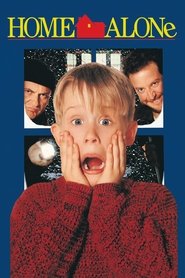
Tim Burton
And then sometimes very, very quickly he would come around with it, which was, you know, keeping it all in the spirit of improv. And like I said, with physical effects, that's very hard to do. I think it is strangely difficult because everybody, you know, gotten so used to CG, but I mean the studio, look at the end of the day, even if they had any reservations, it was very clear about making this movie. If I was ever going to do it, it had to just be simple.
1:21:32 · jump to transcript →
-
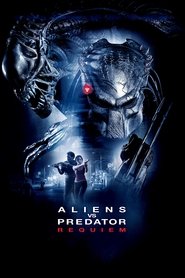
-
-
SFX Maestro Christien Tinsley
And Clint Howard. Clint is actually an old friend. I did his makeup on The Grinch 25 years ago or something like that. And again, I don't think I'm gonna be ruining anything here if I said when Clint came into the studio, it was great. We've spoken over the years. We've seen each other a couple times over the last 25 years. We live in the same neighborhood.
46:08 · jump to transcript →
-
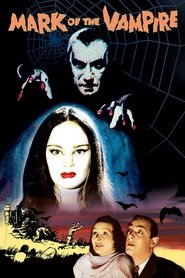
SFX Maestro Christien Tinsley
In fact, I had a new sculptor that I hadn't worked with named Emily Fonce. I hope I'm pronouncing her last name correctly. We always kind of like joked about the pronunciation of it. But Emily was a new sculptor in the studio. And I noticed that she had, you know, she had some really, really, you know, she had a great eye.
1:20:06 · jump to transcript →
-
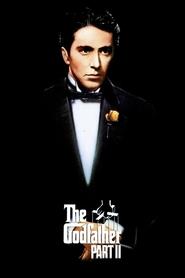
-
-
director · 1h 30m 1 mention
Ed Wood Biographer Rudolph Grey, Exploitation Filmmaker Frank Henenlotter
-
director · 1h 59m 1 mention
-
-
director · 1h 54m 1 mention
-
-
-
director · 1h 30m 1 mention
A Nightmare on Elm Street (1984)
Wes Craven, Heather Langenkamp, John Saxon, Jacques Haitkin
-
director · 1h 29m 1 mention
Jeff Kanew, Robert Carradine, Timothy Busfield, Curtis Armstrong
-
-
-
-
director · 2h 9m 1 mention
-
director · 2h 19m 1 mention
-
director · 1h 56m 1 mention
-
-
director · 1h 45m 1 mention
-
-
director · 1h 59m 1 mention
-
-
-
director · 2h 10m 1 mention
Richard Curtis, Hugh Grant, Bill Nighy, Thomas Sangster
-
director · 1h 45m 1 mention
-
-
-
-
director · 1h 43m 1 mention
-
director · 1h 26m 1 mention
Underworld Rise of the Lycans (2009)
Patrick Tatopoulos, Len Wiseman, James McQuaide, Richard Wright + 1
-
director · 1h 34m 1 mention
Scott Stewart Jason Blum Brian Kavanaugh-Jones Peter Gvozdas
-
director · 1h 25m 1 mention
-
director · 2h 9m 1 mention
Related topics
Other topics that frequently come up in the same commentaries.