Topics / Editing & post
Pacing & rhythm
91 commentaries in the archive discuss this, with 233 total mentions and 72 sampled passages on this page.
Filter commentaries
Filter this topic by the film's decade or the type of commentary.
By decade
Across the archive
ranked by mentions · click any passage for the moment in the transcript
-
director · 3h 29m 12 mentions
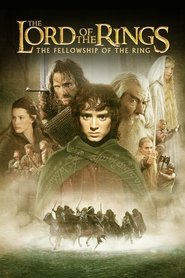
The Lord of the Rings The Fellowship of the Ring (2001)
Peter Jackson, Fran Walsh, Philippa Boyens
-
There's only so much time you can take establishing Hobbiton before you really move your plot ahead and we felt we were lingering there too long and it wasn't furthering the story for us so it didn't stay. Bag End was obviously an exterior set on the location on the farm and then this was the studio when Frodo comes in the door. This is actually a case where we changed the timeline in the book.
36:01 · jump to transcript →
-
I think from memory 17 years goes past in the book from the time that Gandalf leaves to find out about the ring to the time that he arrives back in Hobbiton to warn Frodo that this is Sauron's ring. In our movie we felt that 17 years was just too long a time so we reduced it to seeming like a few months had gone by. Well for those who know the book they'll know that there are fairly leisurely time frames.
36:28 · jump to transcript →
-
Please frame it. Yeah, no, there's no sticker on that apple. It's really stupid. Yeah, there you go. One rumour put to bed. We now had a major sequence that was deleted from the theatrical version just for pacing reasons that, you know, we had to move the film along. This was a real swamp. It wasn't a studio set or anything. It was a genuine swamp.
1:07:14 · jump to transcript →
-
-
director · 2h 10m 11 mentions
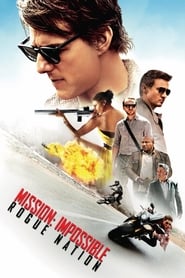
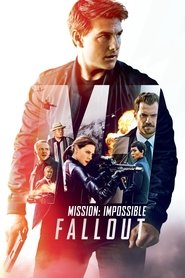
Mission: Impossible - Rogue Nation (2015)
Tom Cruise, Christopher McQuarrie
-
And there's Alec, who's... Alec is just extraordinary. Incredible musical ear. Yep. Really great at sort of honing his dialogue, and he's a real perfectionist. He'll stop and go back and correct himself time and again until he gets it. Yep, perfect. Just a great rhythm, and it's a real pleasure to direct. It was fun. You know, you're great at writing specifically for actors, and I loved, you know, when we're going back and forth on scenes, you know,
10:37 · jump to transcript →
-
This hurts. This hurts. Oh, God. It doesn't hurt Jens. It hurts Tom's shoulders when he has to list them. And going up the pole. Yes. The bruise on my shoulder's real. I thought I was going to break my collarbone. And this is where I drove Joe Kraemer crazy about the music. We debated for a long time what the music in this sequence would be. It had to have the right rhythm and the right tempo. Yep. And she's never done this before. Never. Never handled weapons. She was trained.
15:39 · jump to transcript →
-
It is. I mean, it's... I kept waiting for somebody to go, come on, move on. I know, please, I know. Yeah. And Eddie and I were constantly skirting the edge of, you know, we were always worried that we wanted to really take our time so that the pace of this could gradually accelerate, but we were always wondering how much time can you take? Yeah. How long will an audience...
30:03 · jump to transcript →
-
-
-
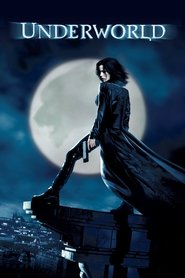
There's a thing I should be talking about. There's certain things that are... There's shots that have been cut out... ...that, really, a lot of them were taken out for just pure pacing. You never want someone coming at you with those gloves and that expression. Yeah, I can't really see anything that's that different. Is it small stuff? A lot of stuff, you're not going to notice... ...because you fell asleep during the premiere anyway. He's going to wake up now, because he's on-screen. And most of the stuff that's cut has... Nine times out of 10, it's because I didn't like Scott's hair. Well, that makes sense. - Yeah. It is kind of unruly. Oh, Forrest.
19:53 · jump to transcript →
-
There should have been a sinister laugh there. I love evil, sinister laughs. Those are the best. They're so funny, man. Michael should have belted one out. - If anyone could, it's him. He definitely can. See, we just bashed open one door. I was quite feeble in this one. It took a wee bit. Well, remember you kept locking your wrists? Like a ballerina? - Yeah. Those days are gone. - Gone. What's that? - No idea. Where are we? - This is a movie called Underworld. It's about vampires fighting... I'm glad you didn't make me blow dust off it. Wasn't there a movie we saw where... ...someone blew dust off five things? It irritated me. No, don't say what it was. - Yeah, I won't say the movie. What was it? - I'm not telling. Screw it. It was poor. - It was a poor movie. There was a lot of... - Dust blowing. Dust blowing. - Yeah, that sucks. Did you draw these, babe? - I didn't draw these. No, I didn't. - You can draw? I try. This is an extended scene. Let me talk about this. Okay. I'm not in it, so... - No, this is actually... ... Just goes into depth a little bit more about... ... how the Lycans were taken as slaves, and you see the branding here... ...and how they were all... - Why wasn't this in? It's cool. It's pacing. It was just taking too long... Who's Korgel? - Yeah, who is Korgel? I think he was, like, one of the transportation guys. And it shows that everybody-- Like, with the actual brands that, you know... ...Lucian has the brand of... With a V in it, so he was kind of... as a... Like Viktor's cattle, of sorts, so... I think this should have been in. This is cool. I agree with you. - Yeah. That's helpful. This is an extended version, ithas some stuff... ...that would have been in a director's cut... ...but then also some stuff that's in here that... ...was taken out for good reason. - I really like this. It looks thick for skin. It is, and looks like Play-doh when it's ripped off. Now, who's that? That is Lucian, who's in this movie called Underworld that.... I didn't see his head, man. Did you get a script? - Yeah, I read it. We don't know Lucian, even though we've seen him. It's him. He's got that necklace. So I'm just wondering... I mean, I know... lf you were asking me, I would have said Lucian, but I wanted to know. We're coming out with an animated version for children. You can get that. He only read his bit. You know that. - They only sent me my scenes. This is good. I like this. - This movie? Yeah, it's good. - You should maybe rent it. I should rent it. It's funny now. I get really... - Protective? In Blockbuster, some guy next to me was deciding whether or not he was... ...going to buy Underworld or Pirates of the Caribbean. And it really makes me quite nervous now when I see stuff like that. What did he buy? - I actually had... Pirates of the Caribbean. - I actually had to-- The good thing is... I said, "Oh, I would kind of go for that one right there. That's a good one." You did? - I did. And he said, "You know, I would have bought it... ...but I've rented it three times, and I should've bought it the first time." So that was good. - That's cool. Look at you exposing yourself. There's Forrest going in for the kill. Look, there's, again, there's close, close talking. This is the very first day for me. For everybody. Do you remember the conversation about repeating the lines? Me? - No, just with anybody. Oh, yeah. Yeah. Yeah. And then I did it. Did I do it? You did it once, and I said I liked that. When I do it, it's great. - You can pull it off. No, but I actually like this scene. I actually... No, I think this worked well. It's because I wasn't there. - You can tell it's, like, our first day. We don't look tired and... - I was really stressed. That was stressful. - It was the first scene I've done. lt was a really small set. Everybody was, like, crammed in. lt was a tense day. Everybody was there. That's always a tense day, but, for whatever reason, it was extra tense. Between reels, we were talking a bit about the Internet. And apparently, Kate found a site where it's discussed in a forum... ... that's discussing whether or not Len Wiseman... ...iS the worst person on the planet. - What? Based on what? And I say, "Yes." - Based on what? "He's a liar, a thief, a coward, a highwayman, something." How does he know you so well? Who is it? They're talking about whether-- It's, like, listing about, "He's a coward." Why would they call you a coward? - Because he's a big, old fraidy pants. But no, seriously. Did you read on or just turn it off? We read on. It's actually a bunch of... - They said he poses like a gangster. I pose like a gangster. - That is quite humourous. Sounds like a lot of jealousy to me. - It's a lot of jealous 16, 17 year olds. I thought it was all true. - Did you? This was the day you were mean to me, babe. Why were you mean? Because she was slowing down our day. I was not. - No, I don't even... You slow down your own damn day. - I don't even remember. I think there's a few witnesses to that. - Well, that's true. That's true. I know what it was. - What was it? I had arrived at 6 in the morning, and you wanted me to work through... ... Without lunch until 4, because it was convenient to you. But my child arrived three hours before, and I was... ... feeling a little bit like, you know, "Could I please go see my child... ...for the half-hour I'm promised?" - No, it actually... That's what it was. - I was not aware of that. You may not have been aware, but you were still an asshole about it. Crap. - There's a certain way that a movie... I feel like the child of divorced parents, I really do. I'm not aware when people eat lunch. That's the AD's thing. I wasn't talking about lunch but about parenting. Sometime, I'll take you through how a movie set operates. Oh, like you know, Mr. One-Movie. Oh, crap. This does not fare well.
41:53 · jump to transcript →
-
Because you're so cute. And Canadian. - You're Canadian and blond. I love that scene. - Really? Yeah. I think you did a great job. Oh, thanks. Thanks, man. Yeah, I was very happy with that. With both of you. That really is some makeup. My God. I felt so great on this movie. I had the shortest makeup call of everybody. All the boys had to come in before me. lt was so unusual. Well, I didn't, not until that last week. You were always having your nipples painted blue. No. - Had to get highlights. I don't have highlights. - Blond streaks. No, no, I don't do that. Remember I asked you? Early on, I thought that you did. Everybody does. - He does! I do not. - Please. Oh, my God. I swear to God, I do not. - I'm sick of this. And those are natural buttocks too, right? No, those-- That's fake. No, my ass Is fake, but my hair is real. - But his hair, I mean, come on. ls he--? What? No, that's a belt. - But he's basically in a skirt, isn't he? Yes. - I love that. You are so weird. You so don't look like a guy who'll design, like, a man-skirt. Yeah, it looks like he's got... I would wear a man-skirt. What's wrong with that? Without the makeup... - I do think people... ...when they meet me, they think I'll be some Goth with eyeliner. I did. I thought, especially with your name being Len Wiseman... ...I imagined you having a shoulder-length mullet... ...and a lab coat. Like, a white lab coat. Thank God I changed and got a haircut before I met you. Did you ever have mullet, Len? Do you like it right now? - Yeah. That's not a mullet, though. I had a mullet in high school. I didn't know I did, but I guess I did. Because it was behind you. - Yeah. I see pictures now and realise it's a mullet. You also thought I was Jewish. - I did not. Didn't you? - No, everyone else does. Why? - I thought you'd be about 52, though. Len Wiseman? - Len Wiseman. It's like a butcher's name. Maybe. What's going on here? What's happening? This is-- Thank you. This is another added scene. This was cut, again, for pacing. It just shows, again, that... ... she's involved in this plot, just helping it along its way... ...to get Kraven a bit more pissed off with Selene. That's a new shot as well. I always liked that shot... ...but couldn't fit it in. - You were in the position... ...of having to shave and shave stuff out of it, right? Yeah. I mean, we got down to where every second was counting. How long is the movie? Putting a stopwatch to us to take out things. I think it was-- Man, I don't Know. That's a new shot right there too. That's actually Nicole. Yeah, I don't recognise that. I don't remember being there. Where was I? Was I sick? - You went home and... You were never planned to be shot... ...because it was just gonna be a car pulling up... ...and then, since she was in the suit, we had her do the walk. It was cold in this set. - This set was cool. I love this. I really had a good time with it. You were sick. - You were very sick. We stopped one day and didn't film it and came back, right? No, we didn't. We were going to. We stopped, because you came down with pneumonia... ...and we ended up having to build this set on stage. Yeah. That's right. - All right. That was so fun, when we did it on the stage. Yeah, it was. So this-- Where was it? No, this was actually on location. Yeah. That was that freezing, freezing... This is when you were, like, coughing and hacking after each take. What are these for? Lycans are allergic to silver. All the women on the set walked past that tray. They'd be like, "Damn, I must get a pap smear." Why is my nose so red? You know, it's becoming a theme. - I think it really is. I look like a semi-coke addict or something. It was cold in there. It was cold, but I didn't know it. I didn't know. I'll get your back next time. - Please. Didn't I? Pull some hair out of your nose? That's why my nose is so red... ...because I kept getting her to pull hairs out of my nose. It's because you're so blond... ...and the way you had your head, it was twinkling. I really-- You know, I'm not good at cutting all that stuff. Somebody got ahold of it. Your eyes were watering up. Yeah. This is the same, right? Yeah. After-- There's a scene coming up after... ...oelene talks about her family and everything. The scene that we originally cut of... - Oh, yeah. ...ocott, when he's telling about how he got into... My back-story. Your back-story. Everything that builds and... I like that that was in Budapest. ...and kind of creates your character, we decided to cut. Did you put that back in? - We put it back in, yes. So we have the pleasure of it now? - We do. We should have some silence... - I don't think we need to. I think we can just talk over it and talk about how my nose... ...isn't red or something. - And it was-- It was a couple reasons. One, it was pacing, because this scene... ...it took a long time, and... - Scott, you were boring. People were kind of falling asleep, including Scott himself at the premiere. I wasn't even at the premiere. - Oh, even more committed. Well, I was at the premiere, but I left. A serious reason why we did cut it is... ...because it came right after Selene's back-story, and so it seemed like: "Here's my weepy story," and he's like, "Yeah? I've got one to top that." Actually, you were very good. Yeah, that's how it felt too. I mean, that's what it was. It was like, you Know, "Yeah'"-- - It was like a sort of AA meeting. "My name is Selene, and these are my problems." That's fine. There's his tunic. Look at that. What is that? You guys have a problem with that? - It's a man-skirt. He gave me the strength to avenge my family. Since then, I've never looked back.
55:50 · jump to transcript →
-
-
-
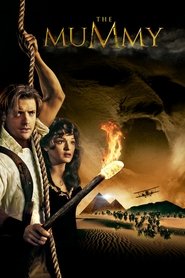
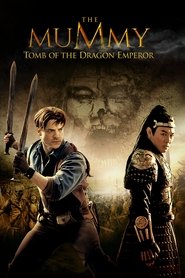
gap or something. So we had to constantly use the same 20 Czechoslovakian stuntmen who were really good. This sequence actually changed a great deal editorially. This wasn't initially Brendan's introduction. There was a sequence where we learn a little bit about his backstory and why he's there with the French Foreign Legion. And also the introduction to Beni is more involved. It was cut out for time purposes. Mainly for pacing. It didn't
7:52 · jump to transcript →
-
Right, exactly. The scene needed to get going, we needed to get into the movie, and this opening sequence took a little bit too long. The other thing that happened in the sequence, too, is that those guys on the hill, the Medjai, that was actually inserted into the sequence in post-production and was not originally there. It was used, hopefully, to clarify the fact that they were different from these Tuareg warriors.
8:22 · jump to transcript →
-
This scene actually used to go on a little longer. In fact, I think it will again for the television version. They used to explain all the plagues, like they'd name them. And for pacing's sake, we decided to cut them out. And also we figured, you know, most of the audience...
58:12 · jump to transcript →
-
-
-
to bring the two love, Ethan Hunt and Naya, and bring them together. And also, I like the rhythm. I like the very strong flamenco dance rhythm using the footstep. And the rhythm is so strong and so full of great energy. So that really excites us. I try to use the sound of the footstep as a, to represent, you know, Tom and Tim, these heartbeats, you know, and also use the kind of sound for the car chase scene.
12:22 · jump to transcript →
-
The whole scene just feel like it's funny and sexy and romantic. You know, when I'm designing an action sequence, I usually like to listen to the music. And the music usually give me a lot of inspiration and how to get into the rhythm, how to get the idea of the action, you know. So when I decided the cartridge scene, I was listening to the windmill of your smile so I could get the mood
20:34 · jump to transcript →
-
So when I cut a scene, I like to base on the music. So I cut with the music, and then I follow the rhythm, follow the pace, and then make the choice. If the pace goes a little bit stronger, I would like to use the 120-frame shot, or that little piece, put it into that section. And then before that, I might use another angle for 60 frames, you know, and then put everything all together, make it feel like musical.
47:00 · jump to transcript →
-
-
director · 3h 43m 7 mentions
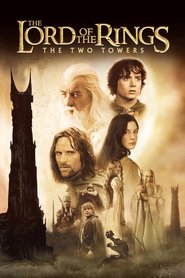
The Lord of the Rings The Two Towers (2002)
Peter Jackson, Fran Walsh, Philippa Boyens
-
We didn't try too hard to get many expressions into his face because we thought that the more expressions there were, the less he'd actually come across like a tree. In fact, there are times when he lapses into being a tree, doesn't he? Yeah, which is great. I always think if he forgets to move for too long, he's going to sprout roots and kind of find it hard to move again. This shot was about the first Gollum shot we ever did. We didn't have a clue what Gollum was going to really look like when we shot Frodo and Sam walking up this hill.
41:35 · jump to transcript →
-
When we looked at it in that position, because that's where it was at the end of that scene, it was like it went into a flashback and then it came out of a flashback as the Nazgul scream happened. We decided that the momentum of the film was getting a little bit too slow. And we also felt that we didn't know Gollum that well at this point in time, and to actually then learn a lot about his backstory was maybe slightly too premature. And so the decision was made to take that scene out, not...
49:19 · jump to transcript →
-
again for pacing reasons and one of the background kind of themes that we did delete a lot of from the theatrical was the whole story of Fangorn and the trees and this was good stuff for setting up the concept that the forest coming alive and that it'll be dangerous and that the Ents who are basically don't get involved in the affairs of the outside world are going to realise that their strength is actually needed and you know Gandalf refers to all of this in the scene and
55:43 · jump to transcript →
-
-
director · 4h 13m 7 mentions
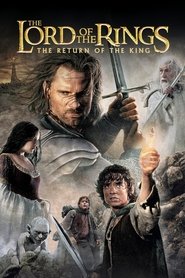
The Lord of the Rings The Return of the King (2003)
Peter Jackson, Fran Walsh, Philippa Boyens
-
Now this is a scene that I'm glad is back in. Yeah, it's one of my favourite scenes between the two of them picking up on the tension between the father and the son. I mean, it's one of the problems with the film when you're under time pressure and without being rude to either David Wenham or John Noble, because, you know, they both do superb work in this scene, but they're secondary characters. It's just one of those real difficulties that you have so much in the film, it's too long.
1:14:58 · jump to transcript →
-
We'd never bothered with the scabbard anymore, that he only just carries a sword around with him the whole time because it was just, the thing was so huge that it was actually, physically it was too long to be able to do anything with. He straps it to his horse. He doesn't put it around on his belt. We just carry the sword into the paths of the dead as a naked sword. You cannot abandon the men. With our tiny set that we have here, and this was particularly memorable this day because it was in the middle of a storm.
1:42:43 · jump to transcript →
-
It was like an event that threatened to happen, but then didn't. And we really felt it in the pacing of the film. I mean, we just tried to make it a bit more cinematic and more kind of exciting. I'm off. I won't tell you, even though I've disowned you. I'll come back to you. Probably my favourite scene in this movie. I mean, I like the stuff on Mount Doom with Frodo and Sam, but for some reason, this scene, I feel most proud of this scene.
2:32:14 · jump to transcript →
-
-
director · 2h 43m 7 mentions
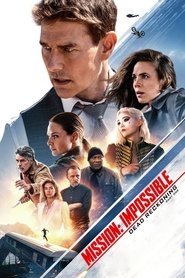
Mission Impossible Dead Reckoning Part One (2023)
Christopher McQuarrie, Eddie Hamilton
-
This was extremely complicated. But look how beautiful this is. My sympathies go out to everybody who worked on Jaws. Working on water is extremely complicated. And again, just their rhythm and their energy together and creating that relationship between those two people, obviously, in preparation for what was coming. This, we had done months of testing, you remember? Yes. Trying to create...
1:17:48 · jump to transcript →
-
Always, yeah. And we feel ourselves saying, oh, we've overcooked it here. Yeah, and quite often we will over-tighten the seam and put air back in, but then we know that it's as tight as a drum. Yes. This was terrific behaviour from them. Again, Tarzan and Shay, they are just... They were an effortless double act. They required very, very little...
1:22:53 · jump to transcript →
-
because we cut with no temp. Yes. The movie develops its own internal rhythm. Yes. And we find ourselves very often taking the same piece of music and it lays almost cut for cut in multiple scenes in the movie. And then here we are. This was kind of a revelation to us, this scene. You remember, we started shooting this. I remember this. We shot completely different coverage of Haley. And the camera was front on. And her hair was down.
1:41:20 · jump to transcript →
-
-
-
Rob Cohen
break and reform, and this was all very complex algorithms that we did at the Rhythm and Hues, the visual effects company that did all the horses and this chase through Shanghai. The other company was Digital Domain, who did the conversion to Terracotta when the emperor is cursed, and as you'll see, the entire battle sequence in the third act.
42:35 · jump to transcript →
-
Rob Cohen
There are over 1,000 3-D effects in the film. It's a huge load that we got done in record time... ...using two companies, primarily Rhythm & Hues and Digital Domain... ...as well as my old friend Sid Dutton at Illusion Arts. We used CIS Hollywood and Pacific Title... ...all of which worked very well together, and CaféFX.
43:04 · jump to transcript →
-
Rob Cohen
He hated me, but he got with it, and we've now become good buddies. And I love the spontaneity of his performance. Here, the Rhythm & Hues, creating these icicles, and creating the Yeti, and the mountains, and the under mummies created by Digital Domain, and both visual effects houses had to work together.
1:06:02 · jump to transcript →
-
-
director · 1h 34m 6 mentions
Scott Stewart, Jason Blum, Brian Kavanaugh-Jones, Peter Gvozdas
-
domestic drama and in the end a kind of science fiction scary movie because of what it ends up dealing with as opposed to supernatural. But there's a certain rhythm to their life and a sense of order and you kind of have to see how life is normal before you start to throw it out of whack so you can see how far the characters end up going as you push them to the extremes. And of course a lot of the stuff in this movie is actually just little seeds that are setting up things that will hopefully pay off later in the film.
14:04 · jump to transcript →
-
We've skipped past the part where we first started to hear what we called the tone, the sort of alien tone. There was a lot of development time spent with the sound effects team to try to come up with this idea of the tone. And in the early versions, you know, an early cut of the movie and certainly in the script, we actually had this, what we called the sort of alien gray point of view that was drifting through the house. And it would drift and make its way up the stairs. And what we found was, is that it really slowed the pace of the movie down and it was kind of giving too much away too soon.
18:54 · jump to transcript →
-
which is in so many ways really a story about a disintegrating marriage after a child dies. And you get to experience all of that. And the film just fills you with the sense of dread, even though nothing's necessarily really happening. And the world just feels very, like it's all just closing in on them. And here, once again, we're just trying to slowly, inexorably tighten the screws on these parents
55:27 · jump to transcript →
-
-
-
Barry Sonnenfeld
We added all the raster lines. This was shot on 35mm film. Now, here's the opening title sequence, which was done by Sony Imageworks. We had four or five visual-effects houses on this movie. Industrial Light & Magic, Sony Imageworks... ...Rhythm & Hues did most of the Frank the Pug, talking dog, stuff.
1:58 · jump to transcript →
-
Barry Sonnenfeld
Almost all of Frank's mouth animation was done by Rhythm & Hues... ...who did the animation for Babe. A little bit of it was done by Industrial Light & Magic. But I would say, what you're seeing in the movie... ...IS about 80% Rhythm & Hues and 20% ILM. Jay, wait up. I appreciate the shot, man. The name of this dog is Mushu. Mushu plays Frank the Pug. Mushu loved being in that suit. He just had the best time. He would prance around. I think he really felt, when he was in the suit, that he was a Men in Black. I felt it was really important that Will have a different car... ...that it didn't feel like exactly the same movie over again. Bo Welch and I wanted to upgrade some of the stuff and make it sexier. We love also the fact that a black Mercedes probably fits in better... ...1N New York than a 40-year-old Ford LTD. before I roll it up in there. Got it. This was a last-minute decision to have him sing that song. It actually was a long monologue... ...and on the set on the day, we thought it would be funny. Frank just said, "For
18:51 · jump to transcript →
-
Barry Sonnenfeld
Again, this is all on the stage. The dog didn't have a cigar. There was no smoke. The cigar and the smoke was added by Rhythm & Hues... ...and they also, obviously, added his mouth movement. The worms were all puppeteered, we erased the worm puppeteer guys. But this is all done in postproduction by Rhythm & Hues. Frank?
1:11:45 · jump to transcript →
-
-
-
Eleanor Bergstein
The reason for that is that I had divided the music into clean teen and dirty dancing. Clean teen was the kind of music that Baby was listening to until she found her own rhythm, which was the dirty dancing rhythm. And when we started with the clean teen and the first place we got into the dirty dancing was partly into the movie, it was too big a shock. So we needed a kind of presentiment that it was coming.
1:44 · jump to transcript →
-
Eleanor Bergstein
are kids you've seen all around. And you got to really get used to them because you saw them around in their chambermaid things. And so you just got used to them as part of the scenery there. And we gave them little stories for each other. You know, you were with him at the beginning of the summer. Now you're interested in him. So they had whole personalities and stories. And they therefore did relate as real people. Something else which you'll see is they're often practicing the step they do at the end, which is the Cuban rhythm thing that Johnny refers to later on.
31:44 · jump to transcript →
-
Eleanor Bergstein
So you see them at various places and sides of the frame practicing it so that when they come down the aisle at the end, it doesn't come out of nowhere if you look very closely. You see that all along they've been practicing it, and that's what at some point Johnny says to Neil, oh, you know, we've been practicing this Cuban rhythm kind of thing, and Neil says, no, do the pachanga. So they really have their own story, their own kind of dancing that they want to do, and at the end they're really totally confirmed with this, and this is the place that starts the...
32:14 · jump to transcript →
-
-
multi · 2h 19m 4 mentions
Martin Scorsese, Nicholas Pileggi, Ray Liotta, Lorraine Bracco + 9
-
So I got as much of it in the book as possible. That, of course, was exactly what Marty was looking for for a film. Because that particular book, you can go and you can make about an infinite number of films because there are many other stories in the book and that sort of thing. But I chose it to go a certain way. And it was all based on the rhythm of Henry Hill's language. That is a part of the whole mob world, the way these guys tell stories about themselves.
6:50 · jump to transcript →
-
You know the look of the movie. You know the rhythm of it. And that's something very interesting and very good for a director of photography to know. Without using a gun,
35:08 · jump to transcript →
-
Called my manager and I said, you know, I think this is one of the best movies I've ever seen, and I'm really good at it. Director of Photography, Michael Ballhaus. I'll never forget that moment when I saw the movie when I was done here in Los Angeles. I looked at the movie and it was so fascinating that I sometimes forgot that I shot it. And just the way it was edited, with the music and all, it had such a perfect rhythm that I got drawn into it in a way.
2:09:32 · jump to transcript →
-
-
-
for the sake of rhythm, Stuart and I cut down quite a bit of the kind of backstory that Chris Stallone had. But I think it improves the film tremendously. Yeah, when we get to it, I'll show where the daughter scene happened. I mean, you'll see like, oh my, you know, even though it was a fine scene, you just can't stop the movie like that.
1:04:26 · jump to transcript →
-
Sorry, laughing at the scene and taking time to enjoy myself. What you see in the cut is probably one-tenth of the material that was shot for their virtual sex scene. And it was decided to, again, for pacing reasons and also for graphic nudity, it was decided not to include it in the cut. Always a wrong decision, but it's fine. We got a nude wrong number coming up, so I forgive you. And her speech here is like,
1:11:02 · jump to transcript →
-
And Snipes goes, hey, did you ever figure out how the three seashells work? And you guys cut the line. And then there's a seashells at the very end of the movie where it says, how do the three seashells work? And nobody laughs. And I thought if you would have kept the middle reference to the seashells, you would have got a laugh at the end. But no, you didn't do it. We had no choice. The running time was just not, it was, the first cut was too long.
1:27:12 · jump to transcript →
-
-
-
Now, the sort of lyrical way that this child speaks, of course, is his natural way of speaking. And Tom was searching for a voice for Forrest. And when he heard this young boy speak, it clicked. And I think he matched that rhythm as the older Forrest.
12:57 · jump to transcript →
-
And then we cut the movie with all that film narration that we had. And then once we had to really start to fine cut the movie and hone it all down, then Tom went back again and we wrote new narration to link scenes, take things out, tighten things up, you know, weave in and out of scenes. There's a scene in there where he's talking about Bubba's mama not ever having to work in anybody's kitchen anymore.
34:06 · jump to transcript →
-
that you can scrape the thing together and make it work. So it's like, damn. I could have really done this better. But everybody was too slow, and it took too long. And somebody didn't realize that, oh, we didn't put gravel over there, so the camera truck got stuck. And that cost you an hour. And it's like, oh, man. There's all these things that really make making movies
1:09:01 · jump to transcript →
-
-
-
Ridley Scott
This computer hacking is all totally accurate. We jumped one hurdle in that it just took too long. But for him to get into the VICAP, which is basically right inside the FBI computer, you require a number and a code, which I think is probably changed once a week. I'm not even sure it's that thorough. But any FBI agent has it in the United States.
42:16 · jump to transcript →
-
Ridley Scott
But it wouldn't be a good idea. Besides, I think subtext to Hannibal was, as he says to her, I've been underground too long. I'm getting bored. I need some action. And I think he enjoys the process. He enjoys the chase. So he insults him there by saying, you're a patsy of the patsies. The Pazzis were an aristocratic family, fundamentally lost their money.
51:44 · jump to transcript →
-
Ridley Scott
circle the problems circle the areas that were possibilities for biting the dust to get to the main plot and main characters um then he went away and got that down which was actually really rather good 135 page screenplay which was too long but it was great it was very entertaining um we had a couple of bridging problems that we didn't like
1:44:15 · jump to transcript →
-
-
-
And here we had sort of a challenge as we were working over the script and getting ready to make the movie, because we're going here to a second house of murder victims. You don't want it to be repetitive, and you've got to find a way to make it quite different and move more quickly. Mark Helfrich, the editor, had some wonderful ideas for increasing the pace of this, which was a little bit longer. In the script, initially, I believe Graham goes into the house and has a few moments in it. Anything repetitive will never be in the film with Mark's editing. So we eliminated a couple of brief moments of him going into the house because it was too much like the other house he went into. And you try to move ahead to what's really new, dramatically, in the story. I love this shot. Jimmy Muro, my Steadicam and first camera operator, did this as one. A lot of good shots in this movie are in one, which I love, you feel like you're with him. And this was built. It's like the most incredible tree house in the world. It took about a week to build it. -/t looks pretty real. The tree is real, but we built the tree house. A platform, so that we didn't have to have Edward climbing up there. And it was awesome. It was so much fun that it was scary. Now he's looking from the killer's point of view at the murder victims' house and figuring out that the killer must have sat in the same place. But you cut the shot where he imagines the killer's point of view here. Yes. - Why was that? I cut it because I didn't want people to think he was psychic. I was worried that the audience... No. It was scripted that he would see in a sort of flashback what the killer saw, which was the woman walking past the window. I was really worried about it. I mean, it worked. I was worried that some people might be confused about his visions. I only wanted the visions when he was drinking in his hotel room alone. Where people sometimes have visions, you know? This was a great location. There was a real house here that was from 1770, that was the home of two congressmen. This is outside Baltimore, I guess. - Yeah. And here's the house that we built that we transitioned here... To a house built. ... that was inspired by the house from 1770 that they wouldn't let us use because... This entire house was built just for the movie outside of Los Angeles. - On the Disney Ranch. And here we have Kristi Zea in full-blown design glory. This is the voice of Ellen Burstyn, believe it or not, uncredited. That's interesting. You didn't know that? -/ did know that. I had Kristi do the still photographs because she's so great. In every single shot here, you see hundreds of separate decisions made by Kristi Zea and her team. Take off your nightshirt, and wipe yourself... I love this upstairs kind of lair of Dolarhyde. This was a big debate about the voice and... Now! - Please! Yeah. Should we... What are these voices? ls it Grandma's voice that has been transitioned into the Dragon's... Is it the imaginary voice of the Red Dragon? Originally, it was scripted that we heard the Red Dragon's voice in Dolarhyde's head. I got great actors reading the Dragon's voice, but I just could never make it work. I just felt it became hokey. It was a potential for people laughing where you didn't want them to. This is a CGI shot where we erased his teeth. So that you just see gums. - Yes, you just see gums.
39:12 · jump to transcript →
-
I've always tried to hang on to what that cougar looked like. But by now, to tell the truth... This was made-up stuff that was not in the book. But I knew that they were going to have that scene later with the tiger, the sedated tiger, and I wanted to set up some deeper meaning to that scene for her. So I added this little section. You don't say much, do you? There was actually a scene that was left out. That was his arrival, but Mark thought it was unnecessary and Nis... - When they first arrived and walked into the apartment for the first time here. One of the things that amazes me about Ralph is that he... The script so often gives him so little to work with. The character is painfully shy, he speaks in monosyllables. This was a scene that I used to test the actors. - I remember seeing the test at the auditions. This is the scene that helped me decide that the actors that we tested werent right for the role because they can get the Dolarhyde torturing Freddy Lounds scene, but to have a vulnerability here... But you still have to fear this guy. It's a tremendous feat of acting to accomplish as much as he does with so little to say. My biggest worry going into production was that we would not be able to find an actor who could do everything that this part needed. This is a part where the actor has to bring so much, and the script doesn't help him as much as it does other actors. This is really where you see his imperfection, which is his cleft lip, which Matthew Mungle, who is a brilliant make-up artist and effects make-up artist did such a realistic job of. I tend to do a Iot of tests for hair and make-up and the tattoo. We spend a Iot of time. When you work with Dino and Martha, do they want input into those kind of choices or is that left mostly to you? I love working with Dino. Not only is the guy a legendary producer, but it's great working with Dino and Martha together because... It's a whole other energy. - Each one has their own opinion of things. Right. They are a great producing team. -/ never work with a producing team. - They are very shrewd about script. You did a lot of work with Dino and Martha before I even came on board and you delivered a first draft, basically, that was shootable. - The first draft was green-lit by the studio and it had a lot to do with Dino and Martha's notes because they are very shrewd about what the audience needs to know, and when they need to know it. The sense of the rhythms of the story, and the rhythms of the acts, they have a really good grasp. This is my favorite section of the film. This is where the pace really... It seems like it really takes off here. This is Run from Run-D.W.C. who unfortunately, I cut out of the film, not completely, but... That was him. - That was the top of his head? That was a wonderful appearance. The story really takes off here. The pacing of this section, to me, is very exciting. The music and the editing. This is where I was telling Harvey, "Can you do it twice as fast?" Harvey tends to pause in the strangest places. But it always comes out very natural. He's a brilliant actor. You had always wanted to work with him? - Always, yeah. You had always wanted to work with Harvey. Ever since I was a kid, I was just... I grew up on him. ... possibly from the Tooth Fairy. This was a Dante shot. - It's a spin. "Let's go around him." I said, "I don't want to get dizzy." He said, "No, it's an urgent scene." It does create the urgency of what's going on here, that events were spinning out of control as suggested by that. Because of 9/11 we couldn't fly a helicopter through the Washington skyline. So that was one of our few CGI shots. It's really called a composite, because we shot a plate and then we took a shot of a real helicopter. This was done on the set. Ralph read this on the set. - Standing next to them? Not when we were doing the scene, but he just read it once and this was the take we ended up using. This is a one-take performance. He was just so in the mode. He reads this letter very well. I love all this sort of hi-tech, FBI forensic stuff, and it's something that we couldn't get a whole lot of into the script because of just sheer space considerations. So where we could do these kinds of things, it was really fun. I love that shot, and that shot... All the shots of Lecter in this... Brett, you love all your shots. - I know, not all of them, but those specific ones. I like all the lighting changes through this. This is Tony Hopkins' stand-in. This is the only... I wondered why he had a British accent. I wondered why the superintendent of a hospital in Baltimore had a British accent. He migrated. This is Ken Leung who's been in three of my other movies. On the right? He's a great stage actor from Broadway, and he was the villain in the first Rush Hour, and he was in Family Man. He's just a... He's very good with this part. - He's excellent. He's really very real. ...are transparent to infrared. These could be the tips of "T's" here... This whole sequence is quite close to the book. Tom Harris is very well-grounded in all of these procedures. It's just a real gift to the screenwriter to have an author have done so much research, and be so on top of these things. ...they made that up. Three "T's" and an "R" in "Tattler." How do you communicate through a tabloid? You got what? News stories. This scene was much longer really, but we realized in the playing of this scene that the audience... This is an example where the audience was ahead of everybody. We shortened it because the characters just seemed like they were... The audience already knows who Dolarhyde is at this point. We held him back for as long as we could, but once we've shown him, the audience is just getting ahead of you. - That's my favorite shot!
55:10 · jump to transcript →
-
This is an example of great operating. You go from his face down to that anamorphic... Camera operation? - Camera operation, yeah. We were back and forth about this, remember? My editor fought me on this. I thought, "Let the glove be hanging out of his pocket." When Lecter sees it, then perhaps Lecter starts to think, "Something's up." It doesn't really pay off. It doesn't pay off, but I just thought it would be intriguing. It does in a subtle way. He says, "Nice..." "Nice work with that blackout." So that's what you think tips it off. I think that's what Mark wanted. I'll have to say this. This next cut is my favorite cut in the movie. Not my favorite shot, but my favorite cut. - Going from this scene? Going from this shot, once the camera lands to when he hands him the paper. It's just my favorite edit. It's the most seamless edit in the film. Watch this. It's very subtle, but you might catch it. "_...Luke 1:7." - Code. Watch this. I love that. Only a director could get excited about that. I have to tell you... It's exciting. - lt is a great passing of a piece of paper. It's just cut beautifully. I'm thinking it's a book code. - Code? I like the pace of this. It reminds me of old films with Sterling Hayden in it. Lot of quick talking here. You need to go quickly through this. People do normally talk over each other, like we're doing now... But in a movie it's confusing, unless it's an Altman movie. But in the movies in the '40s, they would have... His Girl Friday. That movie, the script was probably 300 pages long. They got it all in in an hour-and-a-half because they were talking so quickly. Shakespeare, this is a lot like Shakespeare, you have to race through it. If we sweat him, we lose the connection. If the Tooth Fairy picked the book, he knew Lecter would have it in his cell. Can we get a list of his books? - From Chilton, maybe. No! Wait! Rankin and Willingham, when they tossed his cell took Polaroids so they could put everything back in place. Ask them to meet me with pictures of his bookshelves! Where? - The Library!
1:01:58 · jump to transcript →
-
-
multi · 1h 3m 4 mentions
Star Wars: Clone Wars, Volume Two (2005)
Genndy Tartakovsky, Bryan Andrews, Paul Rudish, Darrick Bachman
-
I appreciate this a little bit more. I think they were. I think somebody did understand everything that they were saying and was like translating online or something. Isn't that Grey DeLisle who's doing the shaman's voice or whatever? She does a great job. Something plagues their land. Champion after champion. Especially in the beginning we wanted to keep the pacing very different than the pacing on Coruscant.
27:18 · jump to transcript →
-
where Coruscant's all action, really fast cutting. We wanted to really slow it down here. So you're not going from fast to fast to fast. You have a nice rhythm in the cutting and the pacing of the story. Until, of course, Anakin's story. You gather speed, and then we're just going to full-out climax. Yeah, in the first batch, they were so small, and we wanted to do action, piece, action, piece, action, piece. And so when you watch it all together, it gets a little hectic. And so it was nice to have some time to slow down and do some slower parts in between things.
27:41 · jump to transcript →
-
You can play more with the pacing. More like a solid through movie instead of lots of shorts tacked together. Yeah, that's true. I'd like to have a serious talk with your programmers. Come on, 3PO. Now we start into the, you know, Mace being amazing section. You always have to have a Mace being amazing section. I think we're all kind of fans of Mace because, you know, he's number two most powerful. So we always want to, you know...
28:11 · jump to transcript →
-
-
director · 1h 36m 4 mentions
Aliens vs. Predator - Requiem (2007)
Colin Strause, Greg Strause, John Davis
-
predator putting this syringe thing into his arm. And again, a lot of these extensions were just done because on the DVD version, we wanted to give the pacing a little bit more breath to the sequence and just turn this into a much bigger predator moment. Because we've never seen a predator in the other movies for so long and actually seen all of the cool type of ritualistic stuff that he does as he gets ready for a hunt.
23:12 · jump to transcript →
-
Kelly and her husband and basically this was just you know it was a scene that was cut out just from a pacing standpoint from the theatrical version but we liked it because it you know it just it gives you a little bit more time to kind of like like the father before he gets killed yeah I mean that was really the idea was set up the father a little more as this really likable guy makes it all the more tragic when he bites it later on yeah and there's nothing wrong with enjoying a little cabernet in a movie and on character moments even horror pictures are very important
26:10 · jump to transcript →
-
But here's the great payoff, which is four little chest bursties saying hi to everybody. So this is the cemetery scene. This was originally removed from the theatrical version just from a pacing standpoint, but I'm really glad we got this back in for the DVD version because I think it actually gives the movie a little bit of a breath in the middle that the film kind of needs. Yeah, I mean, really, the reason I wanted to bring it back was just because when...
56:51 · jump to transcript →
-
-
-
Matthew Vaughn
at the guy in the window and then he shuts the curtains and originally the camera was gonna go up and New York changes into nighttime. We fly across New York and come down and meet Frank. But either it was too expensive or it was too, I mean, the thing is he could come up with lots of, I think, as a director you think is brilliant ideas, but then they're a bit pretentious and slow. So then you cut them out to keep the pace up.
8:15 · jump to transcript →
-
Matthew Vaughn
a really fun sequence of him, straight from the comic, of him hallucinating and having sex with spiders and stuff, but A, we couldn't afford it, but B, we just wanted to keep the pace up. Now we'll meet my lucky talisman, Jason Flemyng. He's the actor on the right. I only made one movie without him and that was swept away, so he's gonna be in them all, hopefully.
18:41 · jump to transcript →
-
Matthew Vaughn
I think it's very important, pacing-wise, just to have a little bit of a calm before the storm, and a huge storm is now coming over the hill. It's pretty obvious what's going on here, why the framing is. And we cut an earlier scene where you see he used to go to the graveyard to read comics at his mother's grave, but Mark Millar was in the shot as well. Trying to do a Stan Lee.
1:09:59 · jump to transcript →
-
-
multi · 1h 33m 4 mentions
Wes Anderson, Peter Becker, Roman Coppola, Jake Ryan + 3
-
Wes Anderson
Yeah, Bill and I have done, I think, seven movies together. The first one we did together is Rushmore, a long time ago. But I find, often, there are various techniques, or sometimes you just have things you go to for how to deal with playing a scene. For me, as a director, or for an actor, how do you get ready for it? What are you gonna do that's gonna make you in the moment? And I learned a lot of the things that I just automatically refer to from Bill over the years. So even as a kind of-- A director is often just sort of a spectator while the actors are doing a scene. But I always refer to, often refer to, which is feeling your feet on the ground, feeling your weight, feeling connected. Because when you're an actor, you know, you're pretending, you're imagining, and sometimes you need to say, "Okay, let me just be conscious of reality." I don't know. Can you take it from there? You know, when you're imagining too much, everything gets up in your brain, everything gets up in your head, and you don't want everything there. It has to be grounded. In a lot of these movies, I've had to work with younger, smaller people, and you don't want to be giving directing lessons or acting lessons or anything, butjust things that can help are worthwhile. And I like to suggest-- I say, "How much do you weigh?" And the kid will say, "Well, I weigh 97," you know, or whatever. Or a girl will say, "Well, you're not supposed to ask a girl, but I weigh 1 16." I say, "Well, let's just feel 1 16 pounds in your feet. Just feel that weight in your feet. And I'll try to feel my weight in my feet, and just try to feel that weight in your feet." And then you can start all over again. You know, once you're set in the bottom, once you're grounded in the bottom, then everything sort of reconnects and you can... you know, head after what you need to do, whether you need to say something or walk a certain direction, take a certain number of steps, hand something over, and it puts you in a real rhythm. It puts your body in the correct space, and you sort of-- You know, you sort of come back to natural life rhythm, easier to speak and move.
32:50 · jump to transcript →
-
Well, it's one of my favorites, if not my favorite. It's just a spectacular film. And it's sort of what I would aspire to make if I could make a movie like that. I can't remember at this second what the heck I was thinking about in relation to Red Beard. And this-- Oh, we were talking about emotional things that were-- The thing about Red Beard that's so wonderful is the plot is very straightforward. But along the way, these sort of... These sort of little, you know, rabbit snares are set along, these little things are set along the side of the road. And there's a kind of a rhythm to the plot where your internal clock, you know, goes off and says, "Well, it's time for the climax of the movie now." But that's not what happens in this film. What happens instead are that all these sort of subplots, these little sort of traps, these little tricks that are set up along the way, they all go off at once. They all burst into flower at once, one after another, I should say. And there is this emotional, I mean, just a drubbing that you get. You just get just punched in the solar plexus, just repeatedly for several minutes, for like a whole reel that you're not-- You didn't see it coming. You sort of didn't see it coming. And it pounds you because the plot has been so straightforward and clean that your intelligence is elevated and you're available for this emotion that comes all at once, and I think that... That that movie Rushmore had a similar kind of construct, in that it seems like, "Okay, now we're gonna do this stuff." A lot of action has happened, you know, there's been this struggle between the man and the young man and the girl, and you think it's all gonna go off, and then a whole bunch of other things happened.
42:34 · jump to transcript →
-
Wes Anderson
Well, I always feel like, you know, we have a sort of plan, and, you know, Edward is interested to see these little storyboard things we make in advance nowadays. Some actors, like Willem likes to watch these, Edward is interested in these. Some people, I think, they feel like, this is gonna-- I don't need to see that. And I don't make them for the cast, really, it's just if anybody wants to see them. More than anybody, it's for the production designer. So we know what we're gonna build. Adam Stockhausen, Bob Yeoman, those are the people who they're really for, and for me, so I don't mess up something. But the thing I feel is, even if you have a very precise plan of how the thing is gonna be, and even if you're not gonna change the dialogue or anything like that, I never know what the actors are gonna do. I never know what they're gonna take with this and how they're gonna bring it to life, and it's always a complete surprise to me. I actually like Wes's line readings in his animatics. So I find myself not infrequently just turning and saying, "Say that again." You know, like--[chuckles] And probably 'cause Wes just has a great feeling for rhythm of the lines he's written, he obviously hears them. And I just like to hit it. And the easiest thing for me is just to have him say it and then replicate it, in many cases. And I am kind of a compulsive mimic, so I get satisfaction out of that. But I don't usually like line readings from directors, but I like them from Wes. A line reading from Alejandro Iñárritu is a disaster. Whereas from Wes, it's actually usually very effective.
51:24 · jump to transcript →
-
-
-
Len Wiseman
to pacing and clarity, which comes up a lot. And that said, I think there's also those who actually enjoy either a slower pace or actually more ambiguity within the story, having to play a little bit more detective work within the plot. And I'm hoping that those of you who are watching, just the nature of checking out a director's cut
1:00 · jump to transcript →
-
Len Wiseman
part of that group. So I'll try to inform why certain things were chosen and without babbling on about just the story in general. That's something that always bugged me of going and just talking through and explaining exactly what you're saying. So I'll try not to do that. But one of the main things that I talk about, whether it's clarity and pacing, one of the main differences with this cut, there was an entire layer there of Colin Farrell's character.
1:30 · jump to transcript →
-
Len Wiseman
It's a pacing issue that every film deals with. So there's moments within this scene here that is just bits and pieces that unfold a little bit longer. And it's funny that doing a lot of action films, I actually enjoy a slower pace. I actually don't mind it. Maybe it's just the product of 80s action films on my brain. But I love the balance of a slightly slower pace within the drama.
4:34 · jump to transcript →
-
-
-
Right at the end. Way later. As you just kept honing the music and honing the story. Incredible work. A big thank you. A big thing about this sequence is the sound design and the music and how they're mixed together. We were getting a lot of notes that the sequence was too long. And we couldn't understand why. And we realized that the music and the... That moment there. Yeah, it's great. The music. That it was all coming at kind of the same volume. And you were exhausted by the time you got here.
53:22 · jump to transcript →
-
And it's our second location and it's as we're starting to find the team rhythm of the movie. Yes, and the story. Yes. Shot that in New Zealand. How to make this truck look fast? Lots of cuts. Yes. There's Henry. I'm going down. Down the hill. And we forgot to shoot this dialogue. So this is months later on a hillside. And she's pregnant. She's pregnant. And that was the hill that was going to be where your helicopter rolled down.
1:51:38 · jump to transcript →
-
And what you've got to appreciate is how close Tom is to that hillside. And if that bag snagged on those trees, the only option the pilot had was to cut the payload with Tom. I love this pull-away shot. We got that the second day. Do you remember? Second day, yeah. We did it once, and I was like, we can do it better. He wasn't close enough as I was climbing up the bag. Do you remember? And it was too long. Yes. It was too long, and that other helicopter wasn't in the background. Yes. And I said, guys, we can do this better. And we went back and got it. And we ended up using all the shots. Oh.
1:54:03 · jump to transcript →
-
-
-
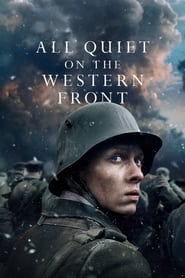
Edward Berger
with one by one meter of mud on the ground and him shot against the sky. So we didn't need to build a trench again. And you know immediately, oh God, this is his friend. He's dead. And it just puts the audience more with Paul. And before that, you kind of question it for a little bit too long. Who was he looking at? Who was he finding? What was he holding in his hand?
32:16 · jump to transcript →
-
Edward Berger
without being vain. And the movement, it was the exact perfect rhythm with the pan up and the tilt up and the tilt down. And look how a lot of this here works through sound. We only hear French. We only hear a gunshot off camera now in a minute, like someone screaming. We don't see anything. We always stay with Paul. And that was a very important part of perspective for me.
38:21 · jump to transcript →
-
Edward Berger
Just to distinguish everyone. And I didn't know what to write. And also the rhythm of the movie was perfect at that moment. And I said, like, I can't make it any longer. I really got to get back into the story and so forth. And then I found this letter and I knew, oh, this is a good idea. And it became my favorite scene. So, you know, there you go for studio notes. They sometimes can be really helpful. So I found this scene.
46:57 · jump to transcript →
-


Related topics
Other topics that frequently come up in the same commentaries.