Topics / Production
The first day of shooting
107 commentaries in the archive discuss this, with 262 total mentions and 72 sampled passages on this page.
Filter commentaries
Filter this topic by the film's decade or the type of commentary.
By decade
Across the archive
ranked by mentions · click any passage for the moment in the transcript
-
-
Tony Scott
I went to Charlie Sexton, who recorded this particular track for us. At the time, I thought, God, nothing can ever be as good as Elvis. But in the end, I think it served his purpose, and it's a great track. And Charlie has a great voice. This first scene was the first scene I shot in the movie. It was my first day of shooting.
2:32 · jump to transcript →
-
Tony Scott
Um, and, uh, it was my first day with Christian, you know? And Christian and I had been talking about the characters and who his character was, and I felt, you know, we're never quite in sync with what we were both thinking, who this character was, yeah? And, um, you know, you never really truly get an understanding of where the actors, or what the actors, where his head's at until you start to do the scene, yeah? And, um...
2:56 · jump to transcript →
-
Tony Scott
Anyhow, after my first day of shooting, I realized that Christian was off to the right and I was off to the left. And I said at the end of the first day of shooting, you know, I want you to take a look at Taxi Driver. And I wanted Christian to take a look at Taxi Driver in terms of the darkness of the character because I felt his character in this first scene in the bar, he was pushing it a little too light. And I wanted a much darker soul. And...
3:26 · jump to transcript →
-
-
director · 3h 29m 8 mentions
The Lord of the Rings The Fellowship of the Ring (2001)
Peter Jackson, Fran Walsh, Philippa Boyens
-
a mile and a half square that we landscaped. All of the roads were built, the hobbit hods were built, the trees, often the trees were planted, the gardens were planted. None of this existed. It's a lot of work to go in for what's a relatively short amount of screen time really that we see the exterior of Hobbiton, but we felt that you just had to sell it. It couldn't look artificial or fake in any way possible. This shot here of Ian banging on the door was Ian's very first shot in the film.
15:22 · jump to transcript →
-
This is day one. He'd just come off X-Men, flown to New Zealand January 2000, and this was the very first scene that we shot. He really hadn't quite figured out Gandalf, but he was doing a pretty good job for his first day. The Ian Holm shots were actually done inside a studio from the location of Matamata, that's Ian McKellen, and then when you cut to Ian Holm, we're inside a studio. Andrew Lesney, our cinematographer, did a brilliant job of matching the indoors and outdoors. Now, some of the scale things
15:50 · jump to transcript →
-
We had very few injuries. We were very, very lucky. And obviously we planned things as well as we could. But one of the more serious injuries we had was this moment here that when those guys fall, one of the stuntmen actually dislocated his shoulder on set and had to be carted away to hospital. It was like one of those very simple things that shouldn't have gone wrong. And, you know, you would never have thought it would have led to an injury, but it was just a freaky accident. This was the first day, wasn't it? The first day of shooting, yeah.
52:46 · jump to transcript →
-
-
director · 2h 10m 8 mentions
Mission: Impossible - Rogue Nation (2015)
Tom Cruise, Christopher McQuarrie
-
And he really shot it well. He brought props. He was so good, we just kept going, this guy's too good. We can't kill him. Just a total waste. So we ended up adding him to a scene later. His first day on the movie is that scene where he opens the door in the hotel. And then we thought, well, we're committed now. But he's wonderful. And this was lovely. This is, again, this is things that were coming from you in development. The notion of nice shoes.
14:17 · jump to transcript →
-
to do it in such a way that you can intercut the two without losing story, but also without losing energy. And Eddie Hamilton did a great job of keeping all those plates spinning. And that you know where you are and you're following the characters. Because really this scene is, it forces these two characters together. It forces her to help Ethan. Yes. And you remember when we first shot the sequence, it was written in a different order. She came in the room with everybody and the vials and the...
16:31 · jump to transcript →
-
cut to Vienna with this music. Yep, always wanted to shoot in Vienna. Now this, him coming off the subway, originally he was going to be at a hot dog stand. Well, yeah, the dialogue was a scene between the two of you. Yeah, and you and I went to it, and we went. Well, and you remember this, this was actually before, originally when we shot on the subway, it was the night before we officially started shooting. We went and stole these shots of Simon Pegg just walking through the metro.
25:36 · jump to transcript →
-
-
director · 2h 43m 8 mentions
Mission Impossible Dead Reckoning Part One (2023)
Christopher McQuarrie, Eddie Hamilton
-
assemblage of people. This was a very challenging scene to shoot. It was our first day on stage after coming back from working on location. And it's a very challenging set to shoot in. And all the compositions are more or less the same. I love how you're introducing the geography with a big close-up of Carrie in the foreground. I love the way the camera inches around. Well, and that was the beginning of the visual language of our film. We didn't come to this movie with a specific sense of this is how we want to shoot it.
16:18 · jump to transcript →
-
that tends to paint you into corners. I really wanted the movie to tell me what its look was, and obviously I want every mission to feel different. And Chunky Richmond, our camera operator, Fraser Taggart, cinematographer, Martin Smith, our gaffer, we were finding the look of the movie, of the sets, here on day one, and this was the first shot, was Carrie's close coverage. And what you're seeing
16:48 · jump to transcript →
-
as the only person we're not putting in closeup. So he's always in the shot, but we're never deliberately showing him. In fact, look at this wide shot. Right at the moment where you're about to see Henry, the pillar blocks him and we cut so that this was always intended to be his introduction. It creates a sense of prominence for this character. And then we discovered this, which is the first shot that shows him is actually in a wide. He's quite small.
18:37 · jump to transcript →
-
-
-
That's what my brother calls my bad-gas moment. This one here? Were you harnessed in? Insert sound effect there. - The extended version. You were way up in the tower, right? You were harnessed in? No, because eventually, I didn't. There was some... That's right. That was green screen. - No, it was just somebody else. Oh, okay. You refused. - I didn't. There were some shenanigans going on. Somebody made me feel unstable, and I wouldn't get on it. It is a bit bad-gassy-looking... - It is, isn't it? Now come think of it. We went up there. It ended up being Nicole. That first shot is Nicole. I can't believe she did that, jumped off. She did not. That's a rumour. I totally did it. Oh, I'm sorry. The funny thing is, so many people get fooled by that. That shot that's coming up, they do think it's me. I'm sure it was you. You did it a couple times, she did it once. That's not me. - There's you, in the hoodie. Oh, yeah, I'm brooding in the hoodie. Now, he's a potato farmer, apparently. - Really? He is, from Idaho. - Slash vampire? Yeah, apparently he is. My makeup artist was keen on him for a minute. Lovely strong hands. There he goes. But he didn't speak any English, right? - No. As did, like... Eighty percent of the crew didn't. Right. I mean, you barely spoke English. - I tried. Neither of you speak English. Thank you very much. - Okay. There I go. I really like how she did that. - Good knees on that. They're not my knees. - Those aren't your knees, no. This is where we just drenched you for hours. I was miserable. - The rain machines wouldn't work. I felt like they worked really well. I was soaking wet. All the people running up to you wearing 15 coats... I thought it was still cool that there were rain machines... ...and I was going to get wet. By the end, I was cursing water. I Kept falling there, slipping down. This is like-- Inside the subway was the very first week we did. Yeah, we did that fake set, right? - Yeah. Was that a fake set or a real set? - Wasn't it real? It was real. - No. You were there, weren't you? I was there. It was a subway station, but didn't we build something too? Well, yeah. It was actually... lt was a repair yard for the trains. Then we built that set around the train. - I knew I was on to something. There you go. - Here's love. Immediate love. - Damn it, I have a pimple. Do you? - You don't see that? I see it first. I thought we wiped that out. - No. Oh, my God, it was so tense. lt was so hot in that subway. Yeah, it was brutal. Boiling hot week there was in Budapest before it became arctic. And everybody's in these leather coats. This was the first thing we shot, right? - Yeah. Yeah, this was the second day of filming. The first day of shooting was you in the hospital. Then I came in with those horrible boots and tried to get your approval. Yeah, that's right. I remember I did not want to shoot that scene first. That moment I won't talk about. - No, neither did I. I felt like I'd had absolutely no preparation on firing the guns. They told me, "We're going to do a take." I said, "Oh, my God." Literally almost shook, afterwards. Felt like I'd drunk, like, 20 cups of coffee. I was worried I was gonna get in trouble, because it was a cheap movie. "You have one chance. We don't have money for another pillar." Like, "Oh, great." - You did great, though. No, there was all that stress... ...because we really didn't have a chance to re-squib things. He says, "No pressure, Kate, but we only got pillar with squibs in. The thing's going to be ruined if you mess It up." This sequence is still pretty much the same. Yeah, this stays the same. Here I go, panicking. I remember all this. You did an amazing skid. Did that make it? Yeah, it did. - That was fantastic. But I do grab her crotch, unfortunately. Right. I ass-grab her. - You did that in rehearsal too. She cried afterwards. Is that why? - Probably, it was real claw. She was terrified with this squib. She had never done one before. And she was horrified. - Yeah, she had a real sob after. There she is. I did not mean to. That was unintentional. They're all looking at it now. Remember when we were shooting that scene... ... for you peeking your head out, to get the reaction, I kept firing guns? Yeah. Yeah. I was asking you to do that, yeah. We ended up doing that the entire film. - Here I go. Ass-grab! She was really cute. Everybody was harassing her because of that. Really, everybody was harassing her. - Yeah. But not after my grubby hands got all over her. Oh, my stunt guys. Look. Hank, he's always the one who was, like, pulling. He was my favourite one to pull wires. - Oh, this is where you save me. Thank you for that, by the way. - Kind of a lady-boy.
1:15 · jump to transcript →
-
What to say? So many things to say. I Know. They were such nice guys. I think Rich looks like Jesus. - He does. Oh, he's scary. - Got a couple Jesuses going on. Do they have to be completely naked? - They weren't. They just rolled their knickers down, didn't they? Do we not say "knickers" in America? - You can say knickers. lf you're a 5 year old, you say knickers. Michael looks fantastic. - Yeah, he does. There is a bit of a Jesus theme going on there. You can see... - Look at that. You can see... How come in this cut--? It might just be... ...we're looking at something else. - They were really embarrassed. That is embarrassing. Gotta be naked in front of... It's not so much the naked. It's the wet perm that would bother me. They do have a bit of a wet perm. Here's the famous driving scenes. - Yes. Can't operate a bicycle. - ls this where the car wouldn't work? No, I couldn't drive. - No. We had to give her the basic lessons... ...of where the steering wheel is, where the gas pedal is. And don't I have pneumonia here? That was the day I was... First day I was back at work after getting pneumonia. Oh, nice passive smoke for me, there. This guy was great. - Yeah. What's his name? - Robbie Gee. Robbie Gee, that's right. He was great. Scott McElroy taught me everything about guns I know. Right on the right-hand side. - Yeah. He was the good cop to Brad Martin's bad cop. Till I found out Brad Martin is really nice.
11:15 · jump to transcript →
-
Now, was this the first day of--? - Dialogue. First dialogue scene we did... - No, no. No, it was the same set. It was the... Firing range. - Weapons-firing thing. This just took forever. There was just a lot of people to cover. None of us were really very good. Is that what you're saying? I remember it being so-- All of us madly negotiating those teeth the first time. It took about... - Oh, yeah. It took everyone three or four days. I can really see it, and everybody's: Well, everybody-- A lot of people kept licking their front teeth. That girl never stopped chewing gum, that girl with dark hair, Death Dealer. How she managed it with her teeth.... Well, she didn't have teeth. - She didn't have teeth? No. The people that didn't talk didn't have teeth. They just chew.
12:46 · jump to transcript →
-
-
-
One other interesting note about this scene, that is a real keg with real beer, and Jacob Pitts, our delightful Cooper, really liked these scenes a lot. It's what we like to call method acting. That's one of the things we learned. Or simply drinking. - Aren't they the same? I guess we should introduce our cast, now that you've been watching for ten minutes. Scotty Mechlowicz as Scott Thomas. - Which is why we cast him. Make it very easy on ourselves. The beautiful and talented Michelle Trachtenberg as Jenny. And Travis Wester is her twin, Jamie. And that's Jacob Pitts going off to take a leak. And this was another one of our delightful cameos that we got because we were in Prague. Yep, that's Matt Damon, which... Everyone in the theater sort of goes, "It can't be. Is it? Is it really?" Why is his head shaved? He was actually in Prague shooting Brothers Grimm for Terry Gilliam at the time. And we actually went to college with Matt years ago. So we've been sort of friendly ever since. And he was in Prague and we asked him to do a day of work for us, and he agreed. The biggest favor ever. - Thank you, thank you, thank you, Matt. Yeah, Matt's just hilarious here. Matt's not watching this DVD. We're going to make him watch it. That'll be another commentary. That would be the biggest favor he's ever done. But the band was actually started by some other friends of ours from college. I guess this is as good a time as any... A couple of them were of Matt Damon's roommates in college. The band Lustra... - One of them. The band Lustra, good guys. And they wrote the song, which is really fun. We've known each other since college. I'm going to just talk now 'cause no one's listening to what I'm saying, because there's a naked girl on the screen. I wasn't listening. What were you talking about? Now this, in the unrated version that we're watching, she started off topless. In the theatrical release, if you saw it, we actually cut a different version where she started off with her top on and Cooper talks her out of her top. - He convinced her to take it off. And it was very strange, sort of, when you get into this whole nudity thing. Obviously, it's a hot tub scene, but somehow when her top was on and he talked her out of it, while it was a very exciting moment that he talked her out of it, it oddly made her dumber, even though she is sort of a stereotypical dumb blonde. - Right. And we always liked it this way, the way you're seeing it. We liked the scene to answer the question, "What is beyond gratuitous?" That's the answer. - There it is. And there they are. The answers. The other stuff we added back into the scene is just more of him screwing around with her. Because, to us, once you're at the nudity, it's how far he goes. This scene... - It's not about nudity. No, this scene was always about the crazy extent to which he got her to play with herself, as opposed to just getting her to take her top off. By the way, the banner in the background originally... This is what happens when you work in Prague. It's a big congratulations banner. The first day when we got there, it just said "congratulation," like one singular congratulation, which is a word we didn't know existed. Sort of a funny story about this scene, which, hopefully, we can tell. We were actually rewriting another movie, which I guess we'll leave nameless, that had a hot tub scene in it and we came up with this idea, which was the fact that a guy saying, "You have a smudge. You've got something on you." And we were really enjoying what we were doing so much that we didn't put it in that script. And we're like, "We'll use it one day." And here it is. Screw it. The movie was called Out Cold, I think. Yeah, exactly.
7:55 · jump to transcript →
-
The shot just before this, the one outside, we actually shot at the Prague airport, which is another advantage to shooting in Prague. I don't think there's any way you could get a camera crew right on the departure gate of an American airport anymore because of security. Of course, one of the downsides of shooting at the real airport in Prague is that we had our day curtailed by a bomb threat. Bomb threat, which I still maintain... - Potato, potato. I maintain may have been because of us, and there was no bomb. There was no bomb. - I'm sure some... A grip left a bag of clamps somewhere and... But that was another scene, too, where, when we look at it, there was sort of a way of shooting it, two different ways of... We started shooting them sort of looking out where we were shooting into those boring offices, and obviously the prettier shot... I know I'm talking backwards... In hindsight, we should've shot the other direction. We should've shot in the other direction, because when they do turn around, you see that background. And again, these are lessons that were sort of both imparted to us as we were going along by our wonderful DP, who we should mention, David Eggby. - David Eggby, who saved us from ourselves every day. And there's a certain amount he can tell us, which he certainly did, and there's a certain number of times where we have to be wrong before you learn and certainly that was an example again, something we did where... The other thing in the deleted... - He warned us and we didn't. In between the courier counter and this scene, there's some fun stuff in the deleted scenes, which is they realize that they're gonna have to take all these courier packages, so they don't know what to do with all their clothes. They have to wear all of them onto the plane and through the airport. There was about 15 minutes of stuff which... Decide for yourself whether it works or not. It didn't work in the movie, but it's fun to look at. And by the way, Jacob's T-shirt says, "I'm rocking on your dime." Travis owned that T-shirt and we thought it was funny, so we put it on Jacob in the movie. These transitions-- That's my dog. These transitions were... That's my queen of England. - That's your beaded London flag. Yeah, it goes on the back of my cab seat. These transitions were also done by Kyle Cooper at Prologue. There's a few more of them coming up. You'll see. And this is our first big visual effects shot. Yeah, this was an amazing debate. That's not the real Jacob Pitts. That's a robot. This was shot in Prague by... There's a big river in Prague and that's all real. That's real. And we put a little British flag there, and basically the background was replaced. Not in these shots. In that shot. - In that shot, the background is replaced because on that side, I think, was... Is that where our hotel was? I don't remember. No, we were further down. - Further down, okay. And I guess we should mention Kevin Blank, who was our visual effects guru supervisor, who we found from the TV show Alias, where each week they do a lot of really amazing things like this. Right. If you look in the background, you see the buses on the bridge. The bridge is real and the buses are real, but the stuff behind that is not real. But the flag, for example, I don't think that's real. They added that. If you look at the clouds move... - There's cars moving on the side. The clouds are moving. They put those clouds in. And what Kevin allowed us to do, besides being a really good guy, as everyone on this movie was, he let us do a lot of big effects like that on sort of a TV budget which allowed... This was a "smaller budgeted movie," and it let us do some special effects without bringing in these, like, big effects companies where it would cost a lot of money. By the way, this is about the time that we should mention the Feisty Goat. This is the Feisty Goat pub. And we saw the sign out in front, which we misspelled. I think this is the right time to say that Alec, David and I went to Harvard and we didn't know how to spell "feisty." We spelled it wrong in the stage directions. Spelled it "fiesty." - The guys who made the sign just took our spelling. We showed up on the day and the crew was laughing and we couldn't figure out what they were laughing at. We shot an entire day without anyone noticing and on day two, people realized. - No, they knew. Did they know? Okay. - Oh, yeah. They were laughing their asses off at us. And then finally, it was like, "Did you guys know?" And they're like, "Yeah." - And this is the incomparable Vinnie Jones who, when we wrote the part of Mad Maynard, the chief hooligan, we hoped that maybe we could get Vinnie Jones. We wrote it with Vinnie Jones or a Vinnie Jones-type in mind, never thinking that we would get the real Vinnie Jones. The dream being Vinnie Jones or someone that would rip Vinnie off. And the pleasure of getting him was just so great. It was amazing. He scared the living daylights out of these two. They're not... This is, again, method acting. We told Vinnie that they were really... that the kids were really scared of him, and he did nothing to make them feel at home for this scene.
18:35 · jump to transcript →
-
We're in the French restaurant. You cannot tell by looking at everybody, but it is over 100 degrees in there. They turned off the air conditioning at this restaurant. No one told them to, but they thought they would help us by turning off the air conditioning. And the kids are just sweating. I mean, you can't even... If a take went wrong, we'd have to stop. You couldn't just keep rolling because they're dripping. And we actually had a guy, this poor English actor that we cast, who was actually really funny, who came in and was so hot and sweating so badly that he just couldn't focus. It's in the deleted scenes. You'll see some very funny scenes with a French waiter and some funny French waiter flashbacks. We just had to cut it, 'cause it wasn't... Featuring Jim Morrison and General Patton. The other thing... It'll come up again later, but them putting the food down leads to the food map joke, which will be coming. I'll tell that story later. It's good to-- We'll earmark it. - A little preview. This is the main Prague train station. And our production... - Again Allan and... Allan and Neno dressed it, so that people actually got off the train, a couple of people, and thought they were in Paris 'cause they saw the signs and they were very weirded out 'cause they had gotten on a train in, like, Hungary somewhere and they thought they were in Paris mistakenly. Michelle being a fantastic sport. The first of many indignities that she was forced to suffer. And Coca-Cola being a great sport. This is what shooting in a train station is about. Another one of these, "We are idiots, we don't know, so we'll set a scene in a train station." If you notice in the background... This is a game Alec likes to play: train, no train. Okay. This is my little game in this scene. Behind him, green train. That train is gone in the next shot. - Okay. No train. But who cares about the train, I mean... Train. - Again, the lesson learned... It's my game, I'll play it. - I know, but look at these backgrounds. No train. - These great, deep backgrounds. We are in a train station in Europe. We are not in Vancouver. No train. Train. - Michelle's scream turn is one that... She's just... - She did it fantastically. Different train. - We caught that attitude a little bit from our own little Seinfeld experience. It's what we like to call a Julia Louis-Dreyfus, Elaine move. The sort of being sweet, screaming and then going back to sweet. And Buffy was a hilarious show. - Can't say enough about Michelle. And I don't know if Michelle always got a chance... You know, she was sort of a supporting character on that show. And on this, she got to really shine with her comedy. Anyway, here's the maps. What I wanted to say is this is a Raiders of the Lost Ark map parody, which is a joke that is about, I don't know, ten years old. It's something we wanted to do a million years ago and again something we saved. There's the Jackie Collins book again. And the headline, "Merde Alors! L'Hooligan! I actually-- I don't know if I even told you guys this, but I was at an Iron Maiden concert about six months ago and I saw a guy wearing that Deep South Monster Truck 1987 shirt. Was that guy you? - Or whatever it is-- Rally '79. No, it wasn't me, but I envied him. Fred Armisen. - As what we... In the script, he's called the Creepy Italian Guy. Not, as some people wrote down in the test screenings, the Train Homo. We actually call him Creepy Italian Guy. And, again, just production-wise, we're shooting on a moving train here, which is yet another of our naive mistakes. - Do not shoot on a moving train. We thought, "Just put them on a train. It'll be easy." Just the most cramped quarters, limited angles. We actually shot this one scene in three different compartments. We had a compartment where we could look one way, a compartment where we could look another way... We pulled out walls so we could shoot different ways. And then we had one compartment where we were shooting in, one that we were shooting out. It was madness. - Plus... Fred, by the way, is just so funny in this. We, last minute... - We also... I'm sorry. I do wanna say that we also then shot it both moving and then did other shots not moving so that we could do the light effects of the tunnel. Which is a poor man's process, because there's no tunnel. This is obviously on a moving train. - 'Cause you can see the window. And then when we do the shots where it goes from light to dark or from dark to light, we pulled the train inside a barn and blacked it all out and then did the lighting effect by hand. So, the Creepy Italian Guy, Fred Armisen from Saturday Night Live... This was another thing where we originally went into this thinking we will find a genuine Italian guy. And, again, we searched the world for a real Italian guy. A lot of Europeans are not funny. They just didn't get the joke. - It's a language problem. They were simply performing the words of the script, but didn't necessarily have any idea what they actually meant. And Fred is someone who's just fantastic on SNL. That little shrug is awesome. So, that shot, for instance, is inside. I think we hired him... - And that's inside. We hired him on a Sunday and he was out there on Tuesday. Yeah. - So, really amazing. And, again, these are all these little touches that he added. I think Travis, who plays Jamie, is fantastic with him. They were a great pair. This was something we never landed on. - I don't think we ever got this right. We had a bunch of different things we shot for this darkness sequence. We had a lot of flashing lights and weird little things of Fred in various stages of undress. - What was going on in the dark. In the end, it was just undercutting... - This end reveal. Which, again... - And, I think, for the unrated version, we put this back. For the theatrical release, we kind of cut right here somewhere. No, exactly. - And then, for this one, we decided to let it roll. - This is something we just enjoyed. It's just that a guy with no pants sees more people and goes in. Actually, that's where we're sitting. That's the compartment where we are sitting with the monitor. To do it all over again, one thing that might've been enjoyable was had we come running out of the compartment. Just, the idea that the man with no pants... This is the very first thing we shot. - First shot ever. It's actually an interesting way to see our cast. The train revealing our cast and us seeing them for the first time. It was a neat experience. - A horrible-looking little train station. The first time we visited it was in winter and just looked awful. And, again, Allan and his guys just came in there... And I think, actually, the manager of the train station asked them to leave everything. Left it all, those flower boxes and the shutters, and just turning it into this beautiful, little French countryside place. That was always a fun shot, where he lays down and jumps back into it. You know, and again, day one, we must've done 30 takes on everything on day one. One of the things about comedy... - We also shot close-ups of everything. Every angle. Everything. - This is more toward the end. This is one of the two days we shot outside of Prague. This is not a great example, because this is more towards the end, but I also think we screwed up here. That's the thing, you look back... - We did it all in one shot. Which I think is the way to do this. We did do it all in one shot, but... One of the things, I think... When I look back at the movie, a lot of our starts of scenes, I find we... Definitely something we were never thinking enough about. So that you're kind of going, "We're going to this beach." And then they're just sort of walking. And maybe had we come off a sign... - That was one of my favorite things. Definitely a fun joke. - Also, it was freezing. You can see Scott... - It's freezing. The gray sky. Wish we'd gone in and maybe colored the sky blue a little more. 'Cause the sun does come out. But just something that maybe... If the camera had moved or something to kind of say "beach," as opposed to that weird stock shot of nothing and then this. And this scene seems to get a lot of people in an uproar. Everyone sort of sees it-- and people... There we are. - Right. This is one of the two days we shot outside of Prague. This is in Rostock, in former East Germany. This was apparently one of Hitler's favorite beach resorts. It's very close to where Wernher von Braun used to develop the V-2 rocket. Wall of cock. - Speaking of V-2 rockets... Everyone seems to laugh at this scene and also go... It is everyone's favorite and least favorite. In all the test screenings we did, it was the most favorite scene and also the least favorite scene. And I think a lot of it had to do with... There were a lot of, like, 18, 19-year-old guys who felt obliged to put it down because they needed to state that they weren't gay. We originally started off shooting it with sort of an idea towards an Austin Powers kind of a thing. You know, you could even see a couple of guys with ridiculously long cameras and stuff trying to cover penises. - Kind of strategically... And once we were there, it just looked dumb and we realized, to some extent... I mean, to us, the only rule is ever: "What's the funniest thing?" And, ultimately, 50 penises was the funniest thing. Everyone goes, "How did you get those guys to take their clothes off?" It's like, "This is Germany. We showed up with a camera. They were already naked." The most surprised people on the set were those 50 naked German guys when they found out they got paid. It was really weird. Like, we'd take a ten-minute break and usually if there's any nudity on an American set, people dive into their robes. These guys were just letting it hang out. If these guys could've taken more clothing off, they would've. We had this amazing German AD that day. Andreas. - Andreas. Who just yelled at them and yelled at their penises. By the way, Michelle, who was very nervous about the bikini scene, couldn't look more beautiful. She was, you know, "The bikini scene, the bikini scene." And it was sort of this big thing in her mind, which... She was nervous about it for no reason 'cause she... But I think also David went out of his way to make her feel comfortable, and also to light her beautifully. Also, again, this was very near the end of the shoot. And I think there was more of a comfort level with the crew, too, and the main camera team. The comfort level was bothered a lot by the fact that Jacob, once he took his pants off for that first naked shot, wouldn't put them back on 'cause he knew it bothered everybody. I think he really enjoyed how nervous he made everyone. And poor Eggby. Poor Eggby had to go up there with the light meter. That guy-- There was a lot of protest, a lot of discussion about the old man yelling, "Chica, chica." Which... For whatever reason, it's one of our favorite things. You get a shot of him. There he is again. "Chica, chica." Which always gets a nice rise out of the crowd. This is the most beautiful shot in the movie. Not shot by us. Shot by... - Gary Wordham. ...Gary Wordham and his unit, his second unit. And it's just absolutely beautiful. And here we are on another train. But, again, we are... Because it's a night shot, we are faking this. It's a poor man's process. Occasional lights moving on the side. Because we could not do a moving train at night. So, we are inside for all of this. SO, this is, like, our fourth version of a train car. And, originally, there was... You'll see in the original script. There was another train in the deleted scene. There was another train scene of them running onto a train. This had happened earlier. It was just too many train scenes and the movie just not moving. That, again, was another one of the lessons we learned. As a writer and then a director, there are lots of things on the page that are really funny, but sometimes, when you're actually then watching the movie, "Why are they still in Paris? Why is it taking so long? Why have they not gotten to the next place?" There were too many train scenes. That one flew out, this one was in. Even if the individual scenes are funny, sometimes the cumulative effect of all these funny things makes it worse. - That's exactly it. This is a joke we created after we had shot what we did. Thanks to our music supervisors extraordinaire, John and Patrick Houlihan, who found this amazing music that was playing under this fantasy. They found this piece of music and said, "What do you think of this?" We thought it was hilarious. We said, "What is it?" And they said, "Well, it's David Hasselhoff." We thought it was so much funnier if you knew that it was David Hasselhoff. So we were like, "Is there a video?" "Yes, there is." And not only is there a video, but this is the video. And it looks something like this. Which is incredible. - That is a real David Hasselhoff video. We're still not sure whether David Hasselhoff knows that his likeness appears in this movie. I think we licensed this... - David Hasselhoff, if you're watching this with Matt Damon, thank you. Thank you both. If the two of you are just hanging out and watching this, you were fantastic. But, yeah, the German company licensed it to us and he may or may not know. And Fred back again. Which makes everybody very happy. When we were cutting the TV spots and stuff, we tried to use this lick. It's one of the things that people felt we couldn't put in television spots. We had a really hard time cutting spots that... Even though it's an R movie, I guess spots for TV need to meet both... They have to be G. - They have to be G. 'Cause trailers need to be G. You can't have anything in the commercial that isn't in the trailer. Plus, you also have to meet network standards. So, we had a really hard time putting things in the commercial. - Showing people what's in the movie. Yeah, telling people this is a good movie. Now we're in Amsterdam. This is interesting... Except we are in Prague. - We're still in Prague. This is... Yeah, it's the Kampa section of Prague. Again, one of these early locations, they found this little canal from the original scouting photos. "My God, we can even do Amsterdam there." This is also-- In Prague, there's a very famous bridge called the Charles Bridge, which is basically right above the kids. There are just hordes and hordes of tourists lined up watching this. Yeah, it was like shooting with bleachers there. This was spring, when it was packed with tourists. And this is an example where on the deleted scenes, originally when they arrive, they go to a youth hostel for a very funny scene that we ended up cutting out because, basically, there was too much Amsterdam. They had an adventure and then they had these separate adventures. It's another one of these tough things, where the scene itself was funny, but its overall effect on the movie was negative. And then actually, oddly, if you go back, originally, Amsterdam was actually very different. Originally, in the script we sold, there was a scene where, instead of going to this sex club... - With Cooper. Instead of going to the sex club with Cooper, there was this whole nother scene. Actually, everything was completely different. The original spec script we sold is on the DVD, so you have to go back and check that out. Definitely worth checking out. - By the way, we should mention her. Lucy Lawless. - Lucy Lawless. Just funny, just hilarious, obviously, and gorgeous. The entire crew was just in love with her. So we shot long on these two days. By the way, when we were shooting on these days, you've never seen more grips and crew members holding lights that used to be held by stands and holding fans that used to be hung. Everyone needed to be in this room at this time for some reason. And she also-- She, being from New Zealand, knew our A camera operator, who we should also mention. - Peter McCaffrey. Peter McCaffrey, who is absolutely fantastic. The whole A camera team, our main guys, were just incredible. Just never a problem, and just really patient and wonderful with us. The brownies. I remember these brownies... Michal, our Czech prop man, would always come in and say, "I've got more brownies for you." He'd show up with these piles of different kinds of brownies from every bakery in Prague. Which, oddly, social decorum dictated that we eat. We didn't want to be rude. So we'd start these meetings looking at all these props with all these brownies and by the end, you had chosen a brownie and also eaten it. You weren't sure which one you actually liked. You were sick to your stomach because of the meeting and how badly it went and also because we'd eaten 50 pounds of Czech brownies. This is the lovely and talented Jana Pallaske who we found in Germany. We did casting in... - London. Here. We started in LA. We did casting in New York. We did casting in Chicago, Vancouver, Atlanta, I believe, Miami, and then we went to London, Munich, Berlin, Prague. We had people in Paris. We had people in Italy. - Rome, Paris. She came out of this, and again, this was another area where things moved around in the script. Originally, this was in London. - In the original script, this was Cooper... This was Cooper in London before they met the hooligans. When Scott and Cooper first got to London, they went to a pub and they met these girls, and this was a Cooper scene. Cooper went out in the alley and was getting blown and got robbed. Which happened to a friend of ours, by the way. And we just decided that there was... - Named Out Cold. There was too much... There was too much stuff going on in London, so we moved it to... You wanted to get to the hooligans. And originally in our script, Jamie was with Scott and Jenny at the brownie bar. While Jacob was at the Anne Frank House. We just decided that they should all split up and have their own stories here. And also, what if Jamie has all their money and all their stuff and he's the one who gets robbed... - It seemed like a good plot point. I mean, it is sort of traditional, but with Jamie playing... I'm sorry, with Travis playing Jamie as sort of the somewhat traditional, you know, stick-in-the-mud, him having a little bit of a sexual escapade as opposed to Cooper, who's more lascivious, it became a funnier scene. It also helped Cooper out because Cooper wants sex and he keeps getting... He gets a version of it in this scene, but not what he wanted. Not quite the version that he wanted. - Not what he was expecting. As opposed to going to London immediately, hooking up with a girl. It oddly felt a little strange that we were going to get him together with Jenny at the end of the movie after he had gotten blown in an alley. Also, he's looking for crazy European sex and he got it right off the boat. That is a crazy outfit. - Yeah, that's the sex superhero. She is the sex superhero. As are these guys. - One of these guys is a Czech policeman. Vilem. Guy on the left. - I can't remember what the other guy does. The other guy is a large Czech clown. They were just sweaty and having a ball. Their names are Hans and Gruber, which is a small inside joke, the name of Alan Rickman's character in Die Hard. Hans Gruber. And this is a very odd scene. Anytime you're not actually seeing our two main actors, a lot of this was done second unit. - Like the shot of his ass, the shot of him with the clamps was second unit. We had a limited amount of time with Lucy. We had two days. - That's second unit, not Jacob's hand. So everything that we had to get done with her and him, we did, and then what was really helpful was we edited it... Not we, our editor edited it. - Roger. Oh, yeah, mention him. The whole editing staff, actually. We had them over in Prague with us for reasons like this. Roger Bondelli and his assistant. Marty Heselov. - Marty Heselov and Davis. Davis Reynolds. And basically, he edited what we shot and it allowed us to go... "We need this, we need that." This is things we're missing which we could instruct the second unit to get, such as guy wheeling in cart, close-up of guy doing the shocking. And it did help having the editor there, which was something originally... The editor was not going to be with us in Prague. Very helpful to have the editor there to be able to look at scenes to know what we wanted to change. That-- We're a little behind. That was Diedrich Bader from The Drew Carey Show, who was hilarious. Really funny in Office Space and in The Drew Carey Show. And flew all the way out to Prague to help us out and did a day of work. He said the last time he was there, he'd actually been here in '89. He'd gotten drunk, climbed up a statue, fallen down and broken his arm, so he was happy to come back. The pot brownie scene-- It's so funny. When you show them in front of an audience, all the sort of younger kids, just the very fact... The mention of Amsterdam got people to go... And then the fact that they're actually doing pot makes them laugh. This, we were writing on the fly. We realized the scene needed something. He needed to say something embarrassing. So he came up with the gay porno stuff. But we tried, like, three or four things. When he was a little kid, he ate dog poo. "They told me it was a candy bar!" - Really high-class stuff. But this guy, who plays the Rasta guy... - Go Go Jean Michel. ...| think we did probably ten takes with him and he got each line right one time and we ended up using it. But he cuts together great. I'm not sure, when we were doing it, I ever actually thought the microphone was picking up a word he said. Yet, oddly, it was there when we got to the edit room. Helder with his walk-off home run right there. "These are not hash branches." Because I think he had been eating hash branches earlier. Yeah, he was not an actor as much as a man who had smoked a lot of pot. And again, ultimately, this was a longer scene. There was more to do about not being able to name the safe word and the monkey was originally brought out and you just start trimming 'cause, again, you're just in Amsterdam too long. We went into this scene... There was another beat where she brought out golf shoes with big spikes and was hitting him in the ass. - We cut that almost immediately. That we cut on the day we never filmed, because we were way over time. And we ended up shooting... - This actually cuts together great. These few moments. It's a huge charge to see this thing. That is a huge charge. - Then to the f#ugelkenhaimler. The flugelkenhaimler. Gotta mention Jeff Jingle real quick. Jeff created that. - Jeff designed and built that and then came over to Prague with it, traveled with it. How he was not arrested and thrown into jail by the customs people, I don't know. - Just did an amazing job on that. There you can see the Charles Bridge. - Yeah, the Charles Bridge is behind him. We lost out. We should be making these Vandersexxx T-shirts. Someone is selling them on eBay, but they're one color. They're wrong. If you're the person who's making them on eBay, just make them the same way. But it's a fun shirt. You can see all the bugs that are flying around there. We did it as a crew shirt, actually. We gave it out to the crew. Well, this is dawn. We shot all night. This is dawn for dawn. No, no. We shot this... This is dusk for dawn? - This is dusk for dawn. This is the first shot. We were shooting nights on the bridge, and that was the first thing we did, because we were shooting that Jamie thing and we ran out of time 'cause It was getting too dark. If you go to your deleted scenes, you will see a scene that sort of happens right about now, which is Jenny... Michelle Trachtenberg-- saying, "Look, boys, I'll take care of it," and she tries to sort of strip to get them to hitchhike on the autobahn, which is impossible. Again, we were out here on this highway way too long. This is the same deserted highway where we shot the bus driving around. Also, it was freezing. - We were here way too long. It was 30 degrees and drizzling. - This was, again, continuing the rule of every time we tried to do a close-up on Michelle, it rained or hailed. She was such a trouper. Cooper's shirt, by the way, says, "I Love Ping-Pong." This phone joke was interesting. We originally had the first one which took place on the bridge in London, and that always got a good laugh. And this one never really gets that good a laugh. But there's a third one later, the comedy rule of threes, that only really works as good as it does because the second one sort of exists. And so we left it in, even though we never loved it. This is Dominic Raacke, who is basically like the Dennis Franz of Germany. He's a big cop show star in Germany. Our casting woman-- What was her name? Risa Kes found him. And actually, there's another... We were talking about the clearance stuff earlier. God, yeah. - We shot about eight takes of this guy and you can see that thing hanging from his rearview mirror. Originally there was a Tweety Bird, a Warner Brothers property, hanging from that thing and we shot about eight takes and we moved on to a different shot and somebody was looking at playback and said, "Is that Tweety?" And we looked at the playback. "We'll never clear that." - And we just decided we'll never clear. So we had to go back and reshoot everything we had done. And the camera guys thought it was so funny that we had screwed up that it became a running joke. They kept the Tweety Bird and they began adding it. Every time we would set up to do a shot, they would roll a little film before we ended up doing the shot and they would put the Tweety Bird in front of the camera, so we have a reel somewhere of that Tweety Bird in every location that we shot. - And it's fantastic. He's wearing a pope hat. He's in the hot tub. We'd love to show it to you, but Tweety doesn't clear, so we can't. So just imagine every shot in the movie with a Tweety in it.
33:13 · jump to transcript →
-
-
-
It's an almost sepia feel. That looks like it's straight outside of West Side Story. I love this stuff. And it gives us geography also. Yes. As we're going, I know where I am. Yeah, well, and that first shot where Benji walks in and the camera does that 90-degree move around was all about familiarizing you with the space. This is a big obsession of mine. As you watch the scene, you'll see that the camera is constantly moving.
8:56 · jump to transcript →
-
And that's the Ministry of Finance, which is... Thank you for allowing us to do that, Ministry of Finance. Look at this. I love all this stuff. Look at him. He's fantastic in this. Oh, he's extraordinary. And then here you go. This shot was on a stage done a year later. This was on location. And you remember, this was really the first day of you and Henry working together. Yes, and we're finding the characters. We didn't really know who Walker was yet. I know, didn't know who Walker was. And then he just started doing it. You'd go...
50:59 · jump to transcript →
-
The rig failed, and this was the first day. I said, what do you want to do? And he said, my brother, we've got to shoot. He got on the motorcycle and took off. We're going to go like hell, man. And that's it. And the whole design of the motorcycle chase went out the window on day one, and we went to old school, practical, we're doing it all for real. High speed. Yeah. No helmet. No helmet, no stuntmen. Averaging. Stunt drivers in these cars. Yep. These cars coming in, boom. And Lorne's score.
57:41 · jump to transcript →
-
-
multi · 1h 59m 4 mentions
David Naylor, Guy Hamilton, Tom Mankiewicz, John Barry + 14
-
Smith had more challenges than just remembering his lines, as he recalls. I would duck from lights. I would, even up to the last day of shooting, I would, they would say, no, Putter, don't duck. Don't duck the lights. Guy Hamilton saying, there was huge lights right there. First day of shooting with the helicopter, I had to bend over. I could not possibly stand up straight. They were reassuring me that they were 10 feet in the air and there was no harm, but
12:23 · jump to transcript →
-
Joey Chitwood flew in, did it first shot out of the box. Went straight in, everybody cheered. Lean over. And, well, here we go. And so I designed a thing where Shawn says to her, lean this way, and the whole car tilts. That was a physical impossibility, if you watch this. I mean, when Cubby found out about it, Guy found out about it, we were back in England. And the editor said...
1:07:28 · jump to transcript →
-
where you landed on this pad on the oil rig. And Jill had flown a helicopter once, but the first day we were flying out, she was next to the pilot, this Marine, who was just thrilled to have her sitting next to him. And she started talking to him about when she was flying Bell helicopter or whatever the thing. Of course, this was a gunship. And he said, really, so you know how to fly these things? And I said, oh my God, I was so scared to be in the first. I could see what was coming up. We get near the oil rig and you look down
1:38:36 · jump to transcript →
-
-
-
Francis Ford Coppola
This is about the third week of The Godfather that all this happened and this scene was shot. Now this scene in front of the Best Company in the snow was the first shot of The Godfather. It's the first scene of the first day. And Al and Diane coming out of the shopping was shot in the morning, and then that afternoon we went over to Polk's Toy Store and we shot Bobby...
39:50 · jump to transcript →
-
Francis Ford Coppola
Duvall buying a sled at a toy store. And that was day one. I'll always remember because when I saw the rushes of what Gordy Willis's photography looked like from that scene on the first day, I was so moved that it had such a beautiful feel of the period in the 40s. And I was so pleased with the first day. I always feel it was very ironic that the first and second day went very well.
40:18 · jump to transcript →
-
Francis Ford Coppola
Partly because Al had twisted his ankle jumping on a running board of a car in the scene in the hospital. And so he had to go off to the hospital and I didn't get to finish it because I lost the actor. And they made a big stink of how my first week was embarrassing and stuff. But the first week, if the records be checked, the first day was in Best Company, Polk's Toy Store. And I have to remember what the second day was. But the third and fourth day was the Sollozzo murder in the restaurant.
41:14 · jump to transcript →
-
-
-
Paul Davis
started shooting. So that's what the little dedication for Jimmy O'Rourke is all about. And now you know. Interestingly enough, this opening montage, which is the Brecon Beacons in Wales, the Black Mountains, it was originally cut to Cat Stevens' Moonshadow. And if you actually take the sound, if you take Bobby Vinton out and actually play
1:46 · jump to transcript →
-
Paul Davis
And this was the first day of shooting on an American Werewolf in London on the 2nd of February in 1981. This was in Hay Bluff, which is kind of on the border of Hereford and Wales. And that little sign there in the middle of the street had a little Easter egg on it. So they had East Proctor, which of course is the fictional village that they are about to walk to.
3:01 · jump to transcript →
-
Paul Davis
And that's when references are done right, I believe. I'm torn between feeling very sorry for you and finding you terribly attractive. So this is back to day one of filming when they were up on Hay Bluff. Dr. Hirsch is going to do some investigating into what happened to the two boys.
47:19 · jump to transcript →
-
-
-
Did you work with the writer on the script of this? Yes, I mean, Andrew Marlowe is the writer, and we worked a lot in this month before we started shooting. And even into the production, we constantly, we always do it like that. It's never really like that. You have a script, and then you shoot it, and that's it. You constantly, film is always sort of things in development to the very end. And so we work, yes, on a daily basis with the writer. And then we had also Paul Attanasio,
7:30 · jump to transcript →
-
So this is back on LAX airport, but it's meant to be, of course, Russia, where Gary and his bad boys are coming. And this was, I think, Gary Oldman's first day. Yeah, it was. We shot that pretty early on. And boy, from the first day on, when I saw him doing this part, I just fell in love with this guy. Great choice. He was very good, very good. Yeah, I thought he's great. He's wonderful. Did you have a voice in the casting? That's always people ask me, do I have a voice?
9:19 · jump to transcript →
-
Yet I can tell it again, the story here, that I always wanted Glenn Close from day one, but it's a part that's only really a supporting partner, very big. I did not have great hope that we would get her. She's a big star. Cut to Harrison Ford a few weeks later, and there was a...
37:06 · jump to transcript →
-
-
multi · 1h 54m 4 mentions
Jean-Pierre Jeunet, Hervé Schneid, Alec Gillis, Tom Woodruff Jr. + 5
-
Hello. My name is Jean-Pierre Jeunet. I'm the director of Alien Resurrection. Hi. I'm Dominique Pinon. I played Vriess, the guy on the wheelchair. And I'm Hervé Schneid, the editor. My name is Sylvain. I was a storyboard artist and a concept artist on Alien Resurrection. This was designed, composed, shot almost entirely and never used, because we couldn't complete it for budgetary reasons. But initially, in the first opening of the film, we looked at the mouth. The mouth of an insect. Except we didn't know it was an insect. We mistake it for an alien creature. And the camera backs out and actually reveals a little bug. And in one camera move, as it keeps on backing up, we see a finger crushing that insect and sticking the insect into a straw. And splattering that insect against the glass as we recede... And we go all the way back into outer space and actually reveal a giant spaceship, which is where the story begins. I remember especially about the main credit. When I arrived in LA, I was waiting for an offer from the studio. You can imagine - a poor French guy like me, I was very scared. I was in a hotel, waiting for the answer, and I didn't sleep because of jet lag and because I was scared. I thought "OK. To prove to myself I am able to make this film, I have to find a good idea for the main credit, for the first shot." Immediately, I found the story of the guy alone in a big spaceship, with the milk shake and the pipe. He scratches insects, he puts them in the pipe, he blows the insect on the camera. I was very happy about this idea. I told this idea to the studio and they were happy, too. We began to work on it, but it was very very very expensive. One day, my line producer told me, if you could find another idea, because we have not enough money to finish this idea. This is a secret - I was pretty relieved. In fact, I think it was a little bit too funny for the beginning of Alien. I didn't say anything to the people. I said "You want to cut my idea?!" But, in fact, I was very happy, and I prefer the credit we have now. This is a model, and at this time, we hesitated about to use CGI or models for the spaceships. And Pitof preferred to use models. Maybe it was one of the last films with spaceship in model. That was very impressive. I came once on the set while you shot the models, and it was really big. - Yeah. Not really big. It's never enough big. And Pitof made a lot of parts, and he mixed the different parts.
0:03 · jump to transcript →
-
Pitof, was that making fun of Americans, the way those soldiers are chewing gum? Yes, sort of. It's very Jeunet. And they're chewing in sync. And it's... Yes, it's... - Making fun of Americans. Tom Woodruff and Alec Gillis made this fake Sigourney. It was a real pleasure to work with this guy. Here's our first shot. The body of this little girl was based on photographs of Sigourney as a child. Then we worked them into a sculpture based on a life cast of an actress that the casting agent got for us. Look at this beautiful morph. Oh, yes, indeed. We morphed to Sigourney as an adult. That face looks an awful lot like the way she looked in Alien 3, when we took a life cast of her. That's right. And we used a body double to cast the body, didn't we? That's right. And we used a body double to cast the body, didn't we? This is the surgery scene. That was a nice little mechanical chest I made with some digital help there. The laser beam is digital. So it's part of my stuff as a second unit director. That's right. This was a fun little surgery scene, with some of the interactive tissue. Silicone chest that was laid on top of Sigourney. I love the look of this. Darius Khondji did a great job. The way the slime looks is almost metallic-looking. It's got such a beautiful reflectivity. Isn't that great? I love this. It's really disgusting. How it's... Then pop! The head pops.
3:31 · jump to transcript →
-
Dominique Pinon plays in all my films, and for me he is the perfect actor. He's so inventive, so nice, so perfect. It was amazing for me to bring this actor to the States, because Sigourney Weaver and the studio asked me to have Dominique Pinon. I told this story a lot of times, Dominique, but it's true: I didn't hire you, the studio wanted to work with you. I was very happy, obviously, but, I remember, when Sigourney wanted to call you by phone, and we called you in Paris and you didn't believe me. You said... "No. It's a joke." I remember very well that call, actually. The studio were a little bit worried about Ron Perlman. They appreciated the guy, but they weren't sure it was the right guy for the character. By luck, it was the first day of shooting and they saw the dailies. They came to see me on the stage and they told me "You're right. He is perfect." The set is basically what we call the Betty cargo bay, which is just a lovely, beautiful industrial piece of design. All the rust in the back of it. It's hard to convey just how incredible it was in real life, when you walk through it. It was just absolutely staggeringly detailed and gorgeous. Pitof, none of the ships were digital. That's all models? Pitof, none of the ships were digital. That's all models? I would like to make more digital stuff, but Nigel really wanted to have the real texture. I guess he was right because... They're beautiful. They are gorgeous. Is that background digital? Or was that a model also? The background is a mix with the digital and models. We had a model, but the size had been enhanced in postproduction. Also, it's a lot of layers of small things to make the texture real. So it's not just shooting the miniature as it is. There's a lot of work after that - to have the texture, to get the smoke, to give the depth, and all these things. Is shooting miniatures more time-consuming than doing it digitally? It was more efficient to shoot miniatures because the technology of digi was not as flexible as today. The idea about this film is that these guys are a bunch of hoodilums that are smuggling weapons on board a military ship. The thought was: they'll get strip-searched, and they have to have weapons at some point, so Jean-Pierre's take was that the only way you could bring weapons is by hiding them in plain sight. The two places where he thought you could hide them was a Thermos - which somebody is carrying, which turns out to be a gun - and the wheelchair. The thing about the wheelchair was designing it as a breakaway piece of technology, where every piece could reassemble itself into a weapon. Although the idea's really good, at some point the focus on that was a bit lost - you see all the characters breaking out weapons. I'm not sure how clear it is that they're recombining the wheelchair. But that's the way it was designed, as you could actually take pieces of it apart and snap them into weapons when the scene demanded it at some point. That little wheelchair was built on a structure which we called a mule, which is a six-wheeled radio-controlled robot which is a six-wheeled radio-controlled robot that's designed to lift enormous pieces of equipment in industrial settings. That mule was available to us, so Fox said: "If you can design the wheelchair around this, it'll save us money." So that's what we did.
17:58 · jump to transcript →
-
-
-
Because the shoot kept getting delayed, so it was molting, right? This is like the only eagle we found that's not molting in the region. So where did that eagle go? Like right into the lap of the trainer who was about three inches off screen. This is the first shot we got, the pretty shot, since we were in the desert. That was like a week into the shoot. I see the whole poultry motif now starting to emerge.
1:00:50 · jump to transcript →
-
This is also another first day of shooting. First day of shooting. We got the dailies back and everybody in the editing room was like, are they on some stage? Is that green screen, Dan? I mean, it looks so fake. Glacier in the background.
1:09:56 · jump to transcript →
-
You know, glaciers, streams, and also the lighting. He's lighting a lot on their faces here. Because it's so baggy, the glacier, so much reflection. But it gives it a very, you know, mystical kind of feel. This was a miserable day, first day. We did the opening ceremony, we prayed to the water, which symbolized money.
1:10:23 · jump to transcript →
-
-
-
Jonathan Lynn
is totally in character for a dentist. This is not Matthew Perry's tongue. He didn't fancy standing there all afternoon while we shot shots of teeth and tongues and things. And the first shot of Matthew is the one when we pull out and see him. This music, which, as you can hear, has suddenly taken a kind of French turn with that accordion, is part of Randy Edelman's wonderful score.
1:00 · jump to transcript →
-
Jonathan Lynn
in a bathing suit, one piece bathing suit and a sun hat. And we thought we weren't sure whether people would see the rain or not, so we put her in a dress and in fact it was a good choice anyway. This was a scene that was six pages long and we had to shoot it in one day. And to complicate matters, it was our first day. Normally you
25:14 · jump to transcript →
-
Jonathan Lynn
shoot big and difficult scenes a little later on in the schedule when the actors know each other well enough and when the crew will be working together, but we had no choice. Miraculously, we shot this whole scene within a 12-hour period on the first day. And we had rehearsed it first. The actors were just wonderful, remembered everything we'd rehearsed. Whatever. It seems that our dentist friend here knows where Yimmy is. Oh.
25:41 · jump to transcript →
-
-
-
This is Catherine Bigelow. I'm the director of K-19. Jeff Kronoweth, the cinematographer on K-19. Jeff and I went to Russia about four months before we started shooting in the fall of 2000.
0:35 · jump to transcript →
-
Initially, when we started looking at locations in Moscow, I had a lot of reservation about what we'd find there and what the equipment would be like and what situations we'd find ourselves shooting in. And one of the first places we scouted, and it was actually the first shot of the film, the first shot that we shot of the film, was in the real Moscow, an operating subway.
2:30 · jump to transcript →
-
own demise, sacrificing themselves for the life of the others. And I found it a very emotional experience. I think the crew did, too. Our first day of shooting of really with both actors' principal photography began in Moscow in the cemetery, which is actually the end of the picture.
36:36 · jump to transcript →
-
-
director · 3h 43m 4 mentions
The Lord of the Rings The Two Towers (2002)
Peter Jackson, Fran Walsh, Philippa Boyens
-
you know, what's the first shot? And then I thought the mountains. I love the idea of hearing the voices coming from the first movie. It occurred to me, it's reminiscent of what Zemeckis did on the Back to the Future Part II when the characters were sort of, you know, went back to the first film again. And I love the idea of we hear something that's familiar coming from inside the mountain, but it's not really the first film, although it's sort of going back to halfway through the first film, which is kind of neat.
1:52 · jump to transcript →
-
And on the very first day at Weta, way back in maybe 1997, you know, I had the designers around and I said, listen, the biggest challenge is going to be to design an ent, to design something that doesn't make us laugh. Daniel Faulkner, one of Richard's great designers, went away, drew a pencil sketch.
39:51 · jump to transcript →
-
you felt the character needed. Well, what was interesting about that performance in the audition is that we were videotaping the audition even though we were just looking for the voice. What was compelling was actually seeing what he was doing. It wasn't just the voice he was using. It was actually seeing the expressions on his face. Because I remember it was a pretty rough, bad quality video that we ended up with. But I remember coming back to New Zealand and having the first kind of Gollum conversations with Weta. This was long before we started shooting. And I remember dragging the Andy Serkis tape in to show them
1:43:31 · jump to transcript →
-
-
-
Andrew Niccol
It was a great idea of Zach's to add the painter, but it's not a good idea for your budget. Ethan Hawke is one of those actors who'll do whatever it takes for a role. This was Ethan's first day of shooting in South Africa. Ethan, welcome to South Africa. Now get into that inflatable in six-foot swells and act.
21:30 · jump to transcript →
-
Andrew Niccol
He will go down and snort powder off a dirty old carpet. This here is actually the first day of shooting in South Africa. We used Cape Town Customs House to play JFK Airport. We almost got away with it, I think. And here's the first legal day of shooting in New York.
26:56 · jump to transcript →
-
Andrew Niccol
Right from the first day of shooting, I should have realized I was being far too ambitious with this movie. Coming up is a drive-by shot we did prior to main unit filming. We called it a camera test. It's just a way of conning the producers.
28:17 · jump to transcript →
-
-
-
Every take, she was present and there. It made it easy for me. She is someone, when I worked on Felicity with her, she was so incredible at accessing that emotional place. And it was just, I was so excited to have you guys work together. Because you both have a very similar ability. Well, every take. She's amazing. She didn't work up to it. She was on. I remember seeing her the first day. She was right there. I was so glad. This is where Maggie had the other fight scene.
17:26 · jump to transcript →
-
you are crouched down behind phil waiting to go up we push in and we're dialing in the whole time we whip over to her and it's the classic magic trick of the beautiful assistant when we blew that car up i was holding my kids yes penny gracie and we were already we just left yes that's right it was the first day shooting okay that was the first day look at that day
56:27 · jump to transcript →
-
This is a scene that you wrote ten minutes the day before we started shooting. We figured out literally the day before we were shooting. You figured out. Well, we figured out. You're dead, Mr. Davy. This is the scene where I was behind camera truly just laughing at how much fun it was to watch you two go up against each other. This was so much fun playing this scene. I'll meet you in the bathroom. And you're going to tell us everything. Every buyer you've worked with. Just for fun, to point out the things that...
57:52 · jump to transcript →
-
-
director · 1h 37m 4 mentions
John Cameron Mitchell, Justin Vivian Bond, Sook-Yin Lee, Paul Dawson + 1
-
with the short bus going by as we zoomed. It was actually when school was out when we started shooting that. How? Maybe they had a little summer trip. All buses in New York City are short buses, actually. Which means... Except for the one that's just about to pass in the background. Okay, so you see those two Chinese characters behind me? Oh, yeah. They are...
9:59 · jump to transcript →
-
The Chinese characters for John, what is it again? Help me. We were very careful about all of our characters' decor. All the actors had input. I really like the lighting in this scene for some reason. I just love those. This is our first day of shooting. This is our very first day of shooting. We're so excited. First scene. It was a rough day. I loved arriving on set with you guys in the van.
10:25 · jump to transcript →
-
It's totally stolen from another part of the scene. Yeah, it looks like it to me. I thought there was some handiwork in the editing. In some ways, this scene had the most editing work on it than any other scene. You're kidding. Because it was our first day, we really didn't quite have our rhythm yet. You guys were nervous. I was nervous. Frank was nervous. And the scene was very long. The original scene was 14 minutes. A lot of the scenes were a lot longer.
11:17 · jump to transcript →
-
-
director · 1h 26m 4 mentions
Underworld Rise of the Lycans (2009)
Patrick Tatopoulos, Len Wiseman, James McQuaide, Richard Wright + 1
-
The fights are really nice in this picture, Patrick. They're really on par with the other two, certainly. Allan Poppleton was our New Zealand stunt coordinator. He did a fantastic job. - He did a great job, yeah. So, what you're seeing here is actually the set... ... you're gonna see later in the movie, an early stage of the castle. We tried to minimalise the dressing so it felt a little different. But it's basically the same space that you'll see later. And this was the first day of shooting. - Yeah, the balcony part. Yup. The big reveal. Wanna tell you a story about the castle. The castle is such a gigantic structure. Of course, there was no way to build this. We ended up building the, what you would call, the courtyard of the castle. How many feet tall, Richard? - About 20 feet. Twenty-five, 30 feet, yeah. Which was a little challenging for the lighting... ...because we were there on top of the set. When we started, it was difficult for CGI guys to kind of extend that. Yeah, it was terrible for Sound too. Every time it rained, we'd stop shooting. The train outside, the train station? - Yeah, the train... Note to self: Do not build set next to railroad tracks next time. We have a few transformation... ...but this one actually is not a transformation. It looks like one, but everything is practical. There's nothing mechanical or anything. I love it. It's a little more American Werewolf in London approach. There is no CG help whatsoever, though. Unlike the others.... This took a while to get right, just this whole prelude... ...and Kate's voiceover, and getting people caught up. There is a lot of history, and to decide, you know, where exactly to start... ...and how much to prep it with. Hopefully, we covered everything we needed to. It looks like we moved really quickly through. I wish we had a little bit more space, a little bit more in the... Yeah. - There's so much story to....
1:59 · jump to transcript →
-
It was interesting with Rhona because she had to create... ...a new character, you know, somebody... It's a different time. It's a much more rougher time. I mean, I think the warrior that she created... ...IS, In a sense, quite different from the Kate character. I think she did a fantastic job there. And I think she fits the tone of the movie very well. I was very happy. I mean, she looks great. And she has a very special quality of.... What I like best about Rhona is also the looks, how she looks... ...and tell a love story just by the looks on them. You'll see that through the movie, little moments like this, she really.... Beyond being a great... She works great with swords and things. Look at the shape Michael's in. It's incredible. This was-- He started.... He came off of Frost/Nixon I think in the end of October... ...and started shooting this in January... ...and had three months to go through incredibly intense physical training... ...to get into the shape that he's in in this movie. It was a Startling transformation that he was able to do to himself. It's good to be a Lycan. I'd like to be one. Yeah. That helps. Now, this is one of the great Dan Hennah sets. I remember Len and I came from California... ...in, what was it, for the first day of shooting... ...and we walked through the sets. And not only were they beautiful to look at... ...but the flooring was all corrugated. It looked like natural cement. And apparently, Dan had some sort of formula... ...where he could lay down these floors. And they made them look absolutely... They brought in a cement mixer and dumped it on the floor. And then there's this team of guys with forms and moulds... ... sort of going along with the cement mixer. So the entire floor is actually made... ...of two or three inches of actual concrete. It makes a huge difference. On the first film, we would've liked to, in the crypt, do that. Just didn't have the money for it. It was, you know, any way that you can possibly do it... . like a faux paint job. It just doesn't pick up the light. It doesn't work. The texture, yeah. - Here's a transformation. This was late in the game. This is Michael's suggestion or no? Am I wrong about that? - This was a scene, he was really... We actually tried to cut it. And he was so adamant that we had to shoot it. This one here. This turned out really well. Who did this? A company called Intelligent Creatures. From Toronto. - This one came out really good, yeah.
6:38 · jump to transcript →
-
I remember that was in, that was out. I wanted it out. - Do we add CG to it? I Know, and it was just... It made more sense story-wise to keep it in. And that shot basically was given to us. You know, we had shot practical werewolves there. It didn't come out exactly the way we wanted. And those guys at Duboi said: "We've done the rest of the sequence. We want to make this one great." And basically-- Is that right, James? They wanted to do it. - That's so cool. They weren't happy with the elements as well. What did she put? What is that she's putting in there? Incense? - Or something like it. She's making a little soup. - She looks beautiful. I love how Viktor just pops up in the background there. I love that shot. And we had to darken on the wide one because he appeared... Yeah, we were just kind of like, with the DI, make him a little darker... We actually removed him from the first shot when she walks in. That's right. Yeah. He was there. So deep have I been in my own anguish at Lucian's betrayal... ...I gave no thought... One of those famous green window that protects you from the sun. The first time we got that shot, he was green like Hulk. And it was so insane. We had to tone it down quite a bit, then. I do like Bill when he's slightly, you know... Kind of riding the camp. Yeah. I just love that. But it's him. Perhaps. And then he becomes really real at moments like...
52:03 · jump to transcript →
-
-
technical · 1h 22m 4 mentions
Måns Mårlind, Björn Stein, Gary Lucchesi, Richard Wright + 1
-
Oh, we started watching the movie. - Yeah. This is cool. - Will she make it? Got her clothes on. One of the things that we were very keen on... ... that we wanted, was that we wanted.... We had this ambition... ... that the audience should have their first breath... ...after the first 10 minutes... ...when she gets dropped off the truck... ...which we will see. And when I was watching the premiere yesterday with my wife... ...when she get-- She: At exactly that spot and I felt, "Wow... ... this was exactly what we were aiming for." I think the audience was a little surprised too. We had the premiere last night so we got to watch... ... the movie with a big audience. But they were surprised at the level of violence of the movie. This is a tougher movie than the other movies. Selene is a lot more badass in this movie. She kills a lot of people. - Yeah. Went through a lot more buckets of blood too. A sign of the times, I suppose. Yeah, you'll wish you hadn't done that. This was one of the big scenes in the trailer... ... that we had shown Screen Gems right at the beginning. I love the little splat of blood hitting there. That was sweet. I repeat, full containment... No, there was buckets of blood. I mean, it's.... Violence Is an aesthetic I think that, I mean, goes a hundred years back. Yep. Have we actually done a body count in this? It's a lot. You know what? I did once. Did you? What'd it end up being? - I can't remember. Counting Lycans and humans. Yeah, dead-- Corpses. Now, this moment was an additional shoot moment. It was the first thing we sh... - Wes Bentley, yeah. It's the last and first... - The uncredited Wes Bentley. The first and the last... - This jump was the first thing we shot. First day of shooting. - Look at this boom here. There. That hit in that shot, was Alicia... ...our excellent stunt girl, who just smacked... It sounded like the worst sound I ever heard. It's like, "We killed the stunt double on the first shot." And then you said, "Let's go again." The first day of shooting went so well... ... that I walked away thinking, "God, this is gonna be an easy movie." Oh, my God! - You were wrong. I was wrong. It was so difficult. This was the toughest by far we've done. They're not supposed to be easy. No. - There's a direct correlation... ...between the amount of suffering to do a movie... ...and how well it turns out. We never did a film, like, with this big budget kind of thing... ...but I think you always end up in the same position, you know? You don't have enough money. You always... Imagination can always outrun money. Yeah. - Yeah. The 3D made it more complicated too. Yeah, the 3D really-- You know, nobody had really done it. You know, how to plan it and how to shoot it and.... This is where we want people to breathe. Yeah, here. Here's brutalism again. - Yeah. I was talking with the cinematographer... ...ocott Kevan, last night and... Who did a great job. - He did a great job. And the person... I introduced him to my daughter. My daughter said, "Was this your first 3D movie?" He said, "No, my second. I made all my mistakes on the first one... ...So this one I could get right." Yeah, he was the only guy kind of who had done it. Yes. - And he kept telling us: "It'll take a long time." I remember-- Gary, you said: - It did. "If we go down the Amazonas, it'd be nice... ... to have someone who's been there." Done that trip. That was true. Scott was really there. - Yeah. He was great. But it's also-- It has been very... ...weird. - First shot of Kate. This was the first shot of Kate. Yeah. - First night. That terrible night when it would not stop raining. This was one of those.... - There's a gale right now. When the duck flew into the light? - Yeah. It was a duck who came from the sky... ...and landed in the middle of the set. The camera broke down about four times. Yeah. No, just shooting 3D was a weird experience in that sense... ... that we hadn't done it before and all the rules that you get... ... from various people who has done it... ...Just turn out to be not true or.... - Bullshit. Total bullshit. I don't know if the Red Epic that we used, the camera... ... kind of discarded some of them so it actually works now... ...and it's also.... You have to realize you're telling a story... ... you're not doing a 3D ride. Although this movie is like a ride but... No, but I think what.... True, because... .all these people that we talked about, they were technicians... ...and not filmmakers or storytellers. So they speak about the perfection of everything... ...and that's not really interesting, perfection... ...ecause what you go for is emotion, and emotion is not always perfect. It's also... You know, 3D is in its infancy. People really don't know the rules. When we took those classes... ... there'd been like six movies made and so people didn't know. Half of them were not real 3D, either. - Correct. Where you actually were using binocular cameras... ...to shoot the entire movie, which we did. I don't think any... There wasn't a rule they gave us... ...that we didn't break. - No. I mean, it was... - No. Everything. This is that hybrid POV, as we Call it. It's when Kate starts seeing through.... She thinks she sees through Michael's eyes... ...but it's actually India's. Eve, her daughter. This is so hard, I think, to decide as a filmmaker... ...when you do this. What it should look like? - No. Not technically, but I'm saying the suspension of disbelief... ...of is it Michael or not, and.... We didn't know... All the marketing now you've seen... ... you know, It's all out that she has a daughter in this one... ...which, you know, when we were planning this.... Hopefully that would be the secret. It's gonna be a surprise, yeah. - "Wow, she has a daughter." But.... And I think what helps us Is that we... - Michael Ealy, by the way. Michael Ealy. - Appearance of Michael Ealy. What helps us is the pace that we had to this. You just move so fast that, you know... ... you don't leave time for the mind to think that much. But it's.... Yeah, it's interesting. One of the scenes we shot here is outside in Vancouver. Vancouver-- When we heard we're shooting Underworld... ...and we're shooting it in Vancouver... ...we thought that was pretty strange because it's not gothic. But as Bjorn was talking about... ...when we found the neo-Goth and the brutalism... ...Vancouver Is fantastic. - We'll start counting... ...how many times that word comes. - You do that. It might be even more people than die. Yeah. A couple of words about Kate.... She's a movie star and a really, really good actress. Sometimes that's not the same thing. But she is, and she's very fun to work with. And she... You know, she's British, she always... Theo James. - Theo James. Very witty, yeah. - Young English actor making his... Who's also extremely funny. - Those damn Brits. Yeah. He's so funny. And you're around people who are gorgeous and funny... . It takes its toll on you. Yeah, it doesn't go together usually, yeah. No, and you just stand there in the middle and talking really bad English. I love this shot we did with Stephen. I remember we were shooting it, he was really somewhere else. He was... That was a scene we added after we had started shooting. It was Gary's scene. - That was my idea. We initially had a scene outside of here that l.... I remember seeing this location. I thought it was beautiful... ...but I couldn't wrap my head around a desk being in an exterior atrium... ...so I was struggling with that, but I'm sure glad we did it. I think it looks beautiful. I think you said when you saw it, "It's outside?" It started raining. - "It's outside?" And it was freezing cold. You remember how cold it was? Oh, my God, it was freezing. - God. This is the second... - Then we said: "We have all this concrete and it's freezing cold. Let's get water everywhere. That'll make it really comfortable." This is day one. Day zero, we did the jump we saw before. This is day one where it was full-on, all teams... ...SO this is the first scene that we shot of the whole film. And this shot was actually blown up. We had shot it wider, but we were able to push in on it. We did that with an enormous number.... One of the beauties of using the Red Epic camera... ...was the ability to push in and resize afterwards... ...1N postproduction. That's 175 percent. - Yeah. One of the things I believe that Mans and Bjérn should discuss... ...because we experienced it our first day of shooting... .IS that they are slightly unorthodox in terms of a directorial team. Slightly? They alternate the days they're shooting. So the first day, I believe it was Bjérn, right? You were directing the first day... ...and then Mans would direct the second day. And so, you know, you guys may wanna enlighten the audience... ...as to your procedure. - This was Mans. The prior one in the corridor, I did. I can't remember, but we always have the producer flip a coin... I did. I remember I flipped a coin. Yeah, flipped a coin and whoever gets the tails... ...whatever we decide, begins the day. The thing is, when I'm directing, Bjorn's my best buddy... ...as we Call it, and he doesn't do anything... ...except helping me. Nobody's allowed to talk to him. - Wait. We'll miss Wes getting thrown through the window. This is a totally reshot scene. - Yeah. We had another scene that was... - Just not working. No, it was a bit of a disaster. We got the opportunity to reshoot this, and I love this scene. I love it too. - It's great. This whole spider-webbing window thing.... That was actually Len Wiseman's idea of having him... ...be pushed through the window as it spider-webbed behind him. Yeah, we had.... Yeah. Fantastic idea. - Yeah, great shot. In the background, you see he's got little stuffed animals... ...because we wanted him to be a tinker... ...because he's been tinkering with her... What? I never saw those stuffed animals. I love this shot. I love this. It's too short. - Way too short. Yeah. It's way too short. You know, if you're starting to do movies or anything.... Please listen up, because Bjérn is saying something important. If you get into doing green-screen stuff, stay on it longer... ...because the visual effects will come in and you'll go: "Why the hell didn't we stay longer?" You had 36 frames of tail handle that you didn't use. So it's... So there. - Bollocks. I did not see that. - The famous.... Larz. Thank you, Larz. This is a 300-pound dummy in steel. Oh, God. Nothing.... I mean... Larz is the visual effects... - Special effects. Special effects. We thought, "There's no way. That's not gonna smash the car." Larz was like, "It's gonna smash the car." It did. - It smashed it great. Larz was right. It worked. And I love this shot of the camera pulling up... ...and catching Theo there. - Yeah. SO we are boosting up the mystery here. Theo, who is this guy. - The mystery man. And hopefully you don't know that he's a Vampire yet. He could be anyone, probably a human. Yeah, that was one of the challenges, as well, with the introducing. We introduce Michael Ealy, who plays Sebastian... ...and we have introduced David. We had introductions of a character called Quint, which is... Love this knife. - Yeah. The Uber-- Who was a Lycan, but it was taken out. Because there were too-- Yeah. Kris. - Kris Holden. Brilliant. - Brilliant guy, brilliant actor. It was taken out because there were too many people presented... ...and he gets presented after the car chase... ...and we only see him once. I'm not sure if that was perfect. In hindsight, maybe we should have. - But it's tough. That's... This is a movie where there's only one character... ... left over from other films. Every character has to be introduced. At a certain point, it's a struggle... ...trying to figure out ways to do it without overwhelming the audience. So we just caught a glimpse of the lower Lycans. And one of the things that we really loved in this one... ...was that we could expand the mythology and the universe... ...by inventing new creatures. And we liked the idea that they have been living in the sewers. There's one now. Yeah. And, you know, we thought, you know.... Here we thought Gollum. We thought rabid dog. We thought puss-- Run... Is that what you call it? Puss? Pus. - Pus running. Yeah. Saliva. Fucking crazy in the head. Rabid crazy. That... - Syphilitic. We wanted to because there's... One of the most wonderful lines... .In the history of Underworld is: "You're acting like a pack of rabid dogs! And that, gentlemen, simply won't do." That Michael Sheen says in Underworld 7. And we said, well, let's turn them into those rabid dogs now. They-- You know, they have lived here underground for so long... ... that they actually became these rabid dogs. Yeah, we actually don't see these guys as being human anymore. They're just Lycans. - And they... They turned out beautifully, James. Really beautiful. - These are my favorite Lycans. I think if there is a part five, there should be just these guys. I love them, just those.... The horde. - Yes. Really sick. It was the first time we moved away from suits. We always relied on practical prosthetic suits... ...and this was the first. This and the Uber are the two creatures that are purely CG. The Uber was hard to cast, so we had to go CG. This is an important moment. I loved shooting this. - This is where Selene sees... ...this child for the first moment. Without realizing who it is. - Right. She thinks it's Michael. I remember when shooting it... - She expected to find Michael. Right. Exactly. And she was so beautiful, and she looks so scared. Vulnerable. - Yeah. And the whole thing here we set up, you know.... We're gonna reveal later in the van, when she rips the Lycan's head apart. Hopefully that works, because we set up this girl as weak... ...as we see here, and vulnerable and so on... ...but she is the daughter of Selene, which means the girl's got powers. She's got the kick-ass gene. - Her name is Eve... ...which is never pronounced. - No. It isn't? We never say it? - We never say it. She says, "I'm Subject 2. You're Subject 1." So we might give her another name if we want to for the next one. Eve is perfect, I mean. No, but I think Selene is so beautiful... ...because Selene means moon in Greek. Is that right? - Yeah. Selene means moon in Greek? - Don't you know your Greek? Apparently not. Good Lord. Yeah. So here's the car chase, as we Call it. And it is pretty much... ...on the money on every shot that we storyboarded... ...which is extremely rewarding for a director... ...to see that it pulls off. This is also a triumph of visual effects. Probably half of the scene it was pouring down rain... ...and shooting in 3D, which means you can't really shoot. Shooting in 2D. We shot most of it in 2D. Because you can't shoot in 3D, the rain hits the mirror. The half-silvered mirror that you use in a 3D rig. So this whole thing was pieced together... ... from very, very rudimentary pieces.
10:50 · jump to transcript →
-
By the way, there's my daughter, I should say. In the car. Ashley McQuaide, her big cameo. She's great. She's gonna go do good. She's very sought after in Hollywood. The one thing I can say is this. This crash coming up was a bit of a fuckup. The taxi was supposed to fly over the other car. SO we were disappointed... ...but I think that the shot still looks pretty bitchen. It looks fantastic. Your eye is drawn to the Lycan. Which is what it should.... - Could have been better. And here-- You know, Paul Haslinger did the music here. I love this, you know, how we changed into this new... ...Style in the music exactly when we get into close combat here. Paul, being an old hand... ...having done the score for Underworlds 7 and 3. He did an amazing job. - Amazing job. Yeah. - Yeah. Every-- All these Lycans are CG Lycans... ...but they mostly are.... There were guys dressed in blue with funny heads. So they look like really big... - Suits kind of looking like... This was a big moment. - Looks great. And India's face.... We really didn't do anything to it. She was able to scrinch up her face. - Yeah, she's a badass. Well, there's a bit of CG going on. We changed her eye shape and the color of her skin, obviously. But she was good. - This is an old trick, you know. The guy dry his fist across his mouth. I told Theo to do that. But it really always looks good, I think. It's the moment too, where Selene realizes... ...that this creature back there has... ls connected to her. - ls connected to her. She saw a level of power in there she hadn't imagined. Here's the Kris Holden-Ried introduction. Yeah. Here's where he comes in. Might have... And it's not even the last new character. In the script, this is the third time we see Kris... ...or Quint. - Quint. And here, we talked about that scene... In the apartment when she throws the guy out of the window. If you look at the monitor, there's actually a shot from... ...coming out of the club... ...which was Prey. So we used footage for that as well. lt was not a waste of time shooting there. Very expensive stills. - Those two days... ...that we spent shooting there. - That town is all CG, and then we.... Somebody gave us that in the last... There were so many people working so hard... ...for no money for this one. I love it. - Yep. How did you find me? Now we have an actual conversation. An actual dramatic scene. Yeah. - The first of the entire film. There's not a lot of talking. - Yeah. I think Michael Babcock, who did the sound design... Which is so beautiful, I almost cry when I think about it. When we heard about... "What did you do, Michael?" "I did Inception and Dark Knight." We're like, "Okay, good." And I think when he showed us the first reel... ...we had, like, no notes. lt was perfect. Anyway, he said... ... after we'd done this, "I really enjoyed working with this. ll even do a talkie with you guys." That's nice. - Yeah. I remember at the end of this scene, when we did India's side... ... that Kate went up to her and complimented her and said: "You did a really great job." - Yeah. And it was a.... It shows Kate's consideration... ...for other actors, and really the.... The person that Kate is. You know, because here's this young girl... ...who was clearly a little bit nervous acting... ... against a movie star, and an actress of Kate Beckinsale's quality. Yet Kate was very generous with her. The funniest thing-- Not funny, but extraordinary thing about India... .IS that she is like a very old soul in a young body. Oh, my God, yeah. She's 17 when we shot this movie. But she's incredibly mature. - Yeah. Incredibly. And sometimes when I talk to her, I feel very like a kid... ...and she's the old-- Yeah. Yeah. - She's the grownup. But she knew this character. And so many times, "No, let's do it like this." And she always stood her ground, saying, "No, she wouldn't do that." And I love being told that... ...because that means the actor knows. Are your fingers crossed? - No. No. No. Okay. All right. Okay. No, I like it when the actors know their characters, so they... Yeah. This is also our first day shooting. I loved shooting this scene. Oh, God. This scene. "Blight of nature." That's, you know, epic Underworld dialogue. It's one of those scenes that in 2D doesn't look great. In 3D, it looks spectacular. - Yeah. Why is it raining? Because it looks nice. Why is it thunderstorms? - Because it sounds nice. Theo James, stunt driver. - Yes. You can actually see that a bit. Yeah, and if you look at the van, I mean.... All the.... We wanted everything to be low-tech... ...as all the other movies. The low-tech is very important. That combined with the Vampire aesthetics that you see. The Celtic signs of Kate's corset... ... the weaponry and stuff like that. This area here is actually shot in that dam. In the actual hydroelectric dam. What's the name of that dam, Richard? I can't remember. Spencer Dam or something? - I don't know. It's outside... Up above Vancouver. - Up above Vancouver. Nobody shot there. Like, 20 years ago... ...someone shot there. I can't remember what film. It's been closed down, so.... We were the first to... - Part of the water supply. Amazing location. - Yeah. Absolutely beautiful. And brutal. - And remember how it--? Brutal as well? - Brutalism. But it also rained... ...torrentially before we shot. We thought we'd get two streams of water... ...and we got the whole megillah. lt was fantastic. This is one of the things I love about Underworld. These, you know.... The looks. And it feels... It makes me believe that this world exists. Now we're also back in... This is Underworld. We've been in brutalism. - Yeah. Now we're back in-- Oh, yeah. This is a wonderful set that Claude Pare designed. Our production designer. Wonderful production designer. Award-winning production designer, might I point out. And this, actually, was fun... ...ecause I was walking the streets and suddenly: Here in L.A. before we started shooting. I started talking to Kate and Len, and Len... And Kate says-- I don't know how she came up with it... ...but she says, "I know Russian." So I said, "We must get some Russian in, then." So.... Because I think it's so sexy. - Yeah. Of course that means Charles Dance... ...as to Know Russian too. Yes, and Theo James. That's Kate's mother, by the way. The Sony people, when they heard that, were excited. Because internationally, Russia is now a big territory. So.... At a certain point, they said, "Can you have more Russian in the movie?" This, again, being Charles Dance... ...a well-known British actor. Charles Dance is one of those fantastic old-school actors who... ...when you give him direction, he looks at you and he says: "Thank you, sir." Then he does exactly what you asked him to. He does exactly what you ask for... ...and It's such a pleasure to work with him. Listen to me. I start speaking British. And the actress here playing the doctor is... Her character's name is Olivia. Is Catlin Adams... ...who is Kate's.... Acting coach? - Occasionally. Kate recommended her. - Happy family. That's how Underworld is. - Yeah. Or SCars. I've never seen a child... We should have had more Swedish in the film. We have a little. Underworld 5, actually, I've heard that there's a big Swedish subplot. I had Kate say: Which all Swedes will understand, but she said it. It's very cute and.... So she, you know.... Because she's.... The musicality of it here. Her Russian is perfect and it... She speaks, I don't know, how many languages? Five languages. - A lot. Yeah. And she could just start speaking Swedish. That was insanely fun. I love this sequence... ...because it's so many things at the same time. I think it's terrifying, but I also think... ... It's, you know, touching, but also sexy. I think it's one of the most disturbing scenes in the movie though. Where you realize that this girl... ...who you thought was this innocent child... ...now has this voracious taste for blood... ...and has now gone to a different place. She is a creature of the night. - Yep. The blood on her face was great. You added that afterwards, James? - It was all CG, yeah. Good.
25:58 · jump to transcript →
-
Don't be too proud. You know. - Steal. Do good things. - Steal madly. Well, it's from another art form, at least. It's actually sort of a Bufiuel moment too. Isn't it? It is. It is totally Bufnuel. Did we blow this up or was it shot this tight? This is shot this way. By this point, we weren't afraid of going... ...a little bit closer. We were told you cannot do close-ups. I know. - That-- Bullshit. Whoever said that, you know... - Should be... ... taken out and whipped. And here's also-- You see-- It's also interesting if you watch it in 3D. The black side of his face, because he's lit like that. Said, "It'll just be a hole in the screen and you won't get it." Yeah. We were told... - Wrong. Wrong. That's a load of crap, actually. - Yep. It looked gorgeous. - This is truly sick, guys. And here-- This is, yeah. But... The theme here works very well... ...because this film's very much about family. A family that slays together stays together. I was completely serious. But Kate and her daughter and this is father and son. But I love the way Kris says, "Yes, Father." Remember that "silver munitions" sign argument? Yes. - I wanted to put it on the day... ...and you were like, "No." - There was never no argument. Oh, please. - We said, "Of course." And we shot it. - It didn't say "silver munitions" before. No. - How will they know it's silver? We put it in later. - They did. This is my one "I told you so" in the movie. Okay? It says "Ag" and everybody knows, right? Everybody knows the elemental symbol for silver. Of course. Do not underestimate your audience. They do know. All this was shot with four cameras. What do you call these? GoPros. - GoPros. And it was.... We thought it actually would save time. But it was.... - No. It was a mess. But it ends up looking great, though. No. It looks exactly what we wanted. It's also interesting how technology moves. When we started shooting this, you had to... Since we mounted these small cameras... ...we had to go up, take out the disk and put it in another place. And turn them on. We'd play for 45 minutes before you were ready to shoot. And then, in the end of the shoot, you could have a video assist to it. So it just develops. Yeah. - We couldn't shoot in... When we shoot slow-motion, when you shoot film... ... you have go to another camera. Here you can do 120 frames, which is.... Regular speed is 24, or 25 in Europe. And you couldn't do more than 72 in 3D... ...but by the end of the shoot, you could do 120. We're the only film ever to do that. Oh, really? - And the Epics, not even today... ...in 2D can do 120. They made that special build just for us. And they've never updated the build to 120. Why not? - I don't know. They should. - Because we're cool. This scene was.... It was dropped for a long time because it was too slow, people thought. But then, I think it was Gary or someone.... You wanted it back and we were so happy... ...because it's actually giving us some kind of backbone... ...on why they work together. - Yes. And it was emotional for Michael Ealy. And it actually showed that Selene was sensitive to his back-story. And it showed why he was helping her. That's right. - Yeah. This is us being Swedes, having a Volvo. Sorry about that. That's actually something we had to fought for. It was brutalistic. - Yeah. It is. Boxy. - Now this was... They're boxy, but they're good. What was it called, Fraser University? Simon Fraser. - Simon Fraser. Yep. - Yeah. Yeah. It's in the... - Here's brutalism galore. It's just... Insanely. - Yeah. In the script this was set in a skyscraper, an ordinary lobby. Right. - And we thought, "That's so boring." And then we saw this place and it was like, "Wow, this is so...." We have more space for guys running around shooting and stuff. Yep. She takes bullets. Don't you get excited when you see that? Don't try this at home, kids. It really does hurt to get shot. - I love this. I love that. Taking a bullet. These guys running had Werewolves' teeth... ...and they looked ridiculous. We had to cut out so many of them. This is one of my favorite shots. The li-- The-- What do you call it? The color? Perfect. - Yeah. And also this whole sequence, the elevator sequence... ... that starts kind of now until we blow everything up... ... It's one of the things, from a directorial point of view... ...we're extremely happy with because it's so... Planned. - It's very complicated. Deceptively complicated. - Yeah. You don't realize how many pieces are stitched together... ...to make it work. - And everybody did their share. Yeah. And at the end, it becomes cinema, I think. Yeah.
57:42 · jump to transcript →
-
-
-
Francis Lawrence
This is actually something that Justin and I, Justin, the writer, Justin Haythe and I debated quite a bit. We spent a lot of time thinking about Dominika"s living conditions. And part of it was from research that even though it seems like quite a glamorous job to be a principal ballerina with, you know, a real high-end ballet company in Moscow, that the living conditions would be quite modest. And I also thought it was important that they remain modest, because as she's fighting for survival, when she needs help from her uncle to survive, it's not about material things. It's not about getting a nicer place to live in, or keeping a nice place to live in, or keeping a nice car or anything like that. It's just keeping things as they are, in terms of the simple life that she actually has with her mother. And her mother is played by the great Joely Richardson, who was I think one of the last people we cast for no real reason. I think it was the last role that we got to. But she came in, and it was a bit tricky for her, and she was a trooper, because I think we cast her maybe 10 days or so before she started shooting, and she had a lot to do, you know? We had decided that her character, although you never hear it, had MS, and so we wanted her to meet with experts about MS, so she would know how to move, and how to make it look like she had trouble using her hands and trouble getting up. And she had to learn the subtle Russian accent that everybody had been training for, and she also had to learn how to play the violin. It's now a scene. I'm sure she's not happy about it, but we ended up cutting it 'cause she spent a bunch of time learning a song on the violin while giving a speech to Dominika. But she was a real trooper. She also did something interesting that I had never seen an actor do before, which was that she was really curious about the tone of the movie as she came in, and wanted to immerse herself in it. And so she came to Budapest a few weeks early, and she would come to set on days we were shooting other things, and she would just, kind of, watch and see what other people were doing, and see what I was doing, to get into the tone of the world a little bit. And I think it's honestly gonna be something that I carry into other movies that I do now, and inviting actors as they come in, so that nobody really starts completely cold again. Sonya? Hey. How are you? What is it? /'m scared. I went to see her at the hospital. The way she looked at me, she knows. She doesn't know. What we have done is a sin. They've always favored her. No one else ever got a chance. Is that fair? This was a fun sequence. This is another one of the dynamic sequences in the movie that really sets up the tone, and really specifically sets up how Dominika is truly an unlikely hero. I think without this, and this is something that we, you know, the producers and the studio and the writer and I debated about a fair amount, just in terms of how violent this sequence gets. Really sets up what Dominika's capable of. We shot this in a basement of an art school in Budapest, and Maria brilliantly changed this empty basement room, series of rooms, into a steam room, and locker room, as if it was at the bottom of a ballet company. And I think it looks really beautiful.
11:19 · jump to transcript →
-
Francis Lawrence
This sequence also was day one of shooting for us, which ended up being quite interesting, because I think it set up the mood and the tone of the movie instantly from the first day, but ended up being really beneficial for Jen. You know, she had never really pushed herself into doing content like this movie has before in her career. And I know she was very nervous about it and it was something that we talked at great length about, leading up to the beginning of shooting. But to come in and shoot a sequence like this on day one, with Sergei, and Nicole, who's playing Sonya here, she could see the process of how you shoot a sequence like this, and how comfortable the actors were with nudity. How we were all very respectful about everything, how private we kept everything, how we tented off the video monitors. And so it was a way of easing Jen into the process a little bit. And she could see the comfort level that was gonna exist on Set.
15:02 · jump to transcript →
-
Francis Lawrence
And off to the side, in some side room, was this broken down bathroom that had this really strange tile. And you can see the tile here. We duplicated it. But it's based on a tile that was actually used in a bathroom. And it was this green, splotchy tile. And if you were to see the detail of it it actually looks wet, which I thought was really strange, because it basically makes it look like the bathroom is wet and moldy. And Maria and I really fell in love with it. And she did a mock-up of it. And at first, this is the only set that she and I went back and forth on a little bit. The rest we were in complete agreement right away. But this one, for a while, I was worried was too striped. It wasn't the color that bothered me, and it wasn't the tile specifically, but it was once you put all the tile together, it felt a little too designed for me. And what we ended up doing, and Maria ended up doing, was working on the contrast between the dark green stripes and the lighter stripes in the middle, so that it didn't become sort of too hypnotizing. It was almost gonna be too distracting before. I'll be able to take care of us now. You don't have to do this. Sparrow School. It was so well-described in Jason's book as being this place out in the middle of nowhere. And I think in the book, you actually have to take a hydrofoil over some sort of water to get there. But here we didn't do that. We just had that big snowy landscape with that drone shot of the car driving. But we found this place about an hour and a half away from central Budapest called Castle Dég that was a private estate at one point. And then I think, post-war, it became an orphanage. And oddly, I think an orphanage for Greek boys or something, which was really strange. But now it's, kind of, a museum and empty, and they really let us use it a bunch. And this was toward the beginning of our schedule. It was quite cold, and everybody was really sick. Pretty much people were sick from the first day we started shooting, but by the time we got here, which was about three weeks in, it had really spread like wildfire, and everybody was really sick. Which of course had to marry up with primarily shooting outside in sub-zero temperatures, which was pretty brutal. But I loved this location. And of course, this was the beginning of our work with Charlotte. I'm a huge fan of Charlotte's work, always have been. Loved her movies, think she's a fantastic actress. But the idea to cast her as Matron came when Justin Haythe and I were working on the script, and he had seen 45 Years, which had come out recently, and suggested I see it. And I did, and just fell in love with it, and just started to think about her. I mean, it's completely a different character, but just started to think about her for this role. And so we sent her the script, and at first she was interested and she was intrigued, but she thought that her character was a little thin. And Justin and I had some ideas, and so we ended up flying out to Paris where she lives and meeting her in an apartment that she uses to paint in. And we had a great little meeting. And I think sat with her for maybe an hour, hour and a half, and pitched her the take that we had on her, and some of the secrets that I have about her. So that if we get to make another one of these, that we can carry on into new stories. And then she said yes. And we got very lucky. And it ended up being really good for Jen, because she was there for one of Jen's, probably Jen's hardest scene to shoot in this movie, which was something that's coming up in, I don't know, 15 minutes or so. But it was great for Charlotte to be there for Jen.
28:11 · jump to transcript →
-
-
-
Tim Burton
What the hell happened to me? What am I? You know, and so sometimes in life, you need to kind of reboot and reconnect yourself to yourself. And so the ghost house to me was just a good sort of symbol for who she was and where she is now. Filming the little ghost house sequences, I mean, yeah, it's just, I think it was our first day of shooting and I always wanted to do a cheesy cable show. I feel a dark presence.
4:05 · jump to transcript →
-
Tim Burton
We'll bring Charles home to Winter River. The first day with Catherine and Winona, again, I was surprised at how emotional I got to seeing them together. It was very, very strange. And, you know, I almost started crying in a weird... I don't know, it was weird, strange. And I think everybody had a certain, maybe similar feeling. There was something really odd and beautiful about it. You know, something that maybe none of us thought would really ever happen. And then all of a sudden, there we are. It's hard to put into words the sort of emotions that you would go through watching this.
15:11 · jump to transcript →
-
Tim Burton
The first day at the school, we were there all together. It was interesting because that was, I think, our first time of seeing the three of them together. Because, again, we didn't rehearse this whole thing. Like, you know, when Michael came in, he just came in to be able to shoot. So we started shooting, you know, everybody. So there was that kind of spirit. So, you know, you kind of showed up on the day and didn't really know. But like I said, I just saw it right there. It was really nice. The three different generations sitting there at one spot. So it was very helpful to kind of shoot that early and see what that dynamic was.
16:37 · jump to transcript →
-
-
director · 1h 28m 3 mentions
Don Coscarelli, A. Michael Baldwin, Angus Scrimm, Bill Thornbury
-
There's a crew guy, and there's my dad in the background, and Reggie's mother. We made this film on a very tight budget, to say the least. And it was very ambitious in a lot of ways. And so there are a few corners that we had to scrimp along the way. Now, right there, that was the first shot of the cuda, wasn't it? Yeah, well, we'll get to that in a second. But I wanted to talk here for a moment about this...
8:17 · jump to transcript →
-
infamous sphere sequence coming up, and basically the way that we got this to work was just by breaking up every shot into its component. The first shot coming at you here is a thrown sphere in slow motion in reverse. Now he dives, and then we toss the ball over Mike's head. He gets up and starts to run, and he's attacked by the caretaker. Now the ball then rounds the corner. It's just on a string, and we just throw it around the corner on the string.
36:20 · jump to transcript →
-
transformation sequences of the Tall Man between the Lady and Lavender and the Tall Man, because I think, as you guys will probably remember, when the original script was written and we started shooting the film, they were two entirely distinct characters. And somewhere along the line, we got this notion that she could be embodiment of the Tall Man. And then we came and shot this end sequence. But it was, I think, a real revelation from the actress, Kathy, when she found out that she had shot half the film
1:15:31 · jump to transcript →
-
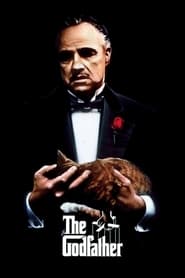
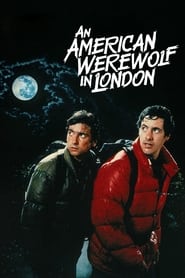
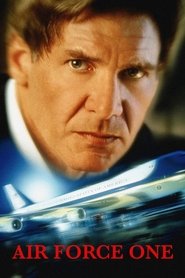
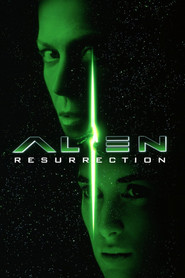
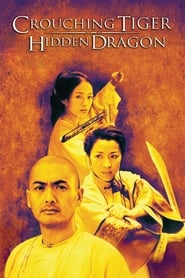

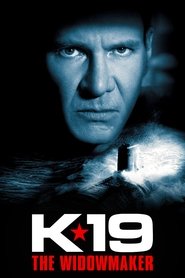
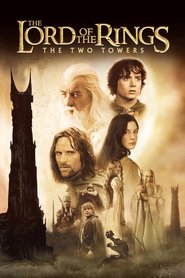
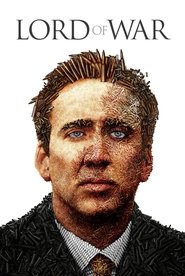
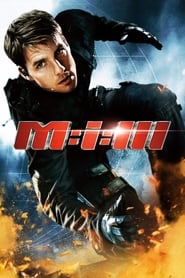
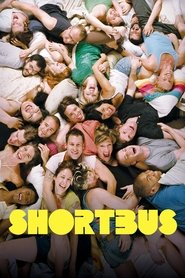
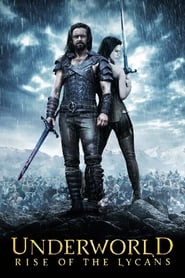
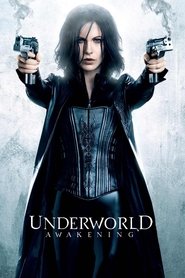
Related topics
Other topics that frequently come up in the same commentaries.