Topics / Editing & post
Practical effects
93 commentaries in the archive discuss this, with 224 total mentions and 72 sampled passages on this page.
Filter commentaries
Filter this topic by the film's decade or the type of commentary.
By decade
Across the archive
ranked by mentions · click any passage for the moment in the transcript
-
director · 2h 43m 16 mentions
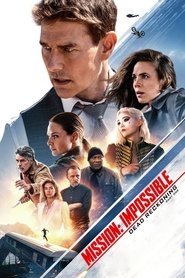
Mission Impossible Dead Reckoning Part One (2023)
Christopher McQuarrie, Eddie Hamilton
-
There's going to be no sound. We're probably going to replace a lot of this. Just go up and have fun. They were in an osprey doing it for real. They were in an osprey. They got in an osprey with Eric Jenderson and were shooting their dialogue in the osprey. And we knew we would be picking up a lot of the stuff with the graphics back on stage. So all the pressure was off. They could just go up and have fun. This sequence represents what has to be...
32:16 · jump to transcript →
-
Haley gave us a whole cornucopia of different emotional. Yeah, versions where, and there's versions where Tom is charming and there's versions where, and what was nice. This was all done in camera, the magic tricks all in camera, just in case you're wondering. And we had to do it so many times to get it just right. I think that was like take 17 that you did. Yes, and you can feel Tom getting a little frustrated with the magic trick. What I love here is I remember when you pitched me the idea that you're not gonna see any of the pink pocketing.
37:04 · jump to transcript →
-
rather than just being in control. Oh, this is amazing. You absolutely shot this for real. And this was all for real. This was all for real. Although a lot of the people in the background there, anybody in the background there, they weren't there. Yeah. Look, this is real. That was, again, this was a lot of fun. It was amazing that you got that timed out. Oh, it's a real challenge getting all of these elements to line up and doing it in a very limited time and, again, doing it during COVID.
47:48 · jump to transcript →
-
-
-
Was ribbed part of your childhood as well? The actual ribbed event is a totally true story. I wish I could take credit for making that up because it's a good comedy gag. A guy from my high school really did go to a pharmacist before his date. It turned out right around the time the pharmacy closed, that night, after buying the prophylactic, he went home to meet the girl's father on a high school date, and that was the pharmacist he had just bought a prophylactic from. When, when, when? When the timing's right.
4:07 · jump to transcript →
-
Still remarkable to me. Yeah. That was all in camera. That was done today. That's 17 different visual effects plates. Easily. And there's something about the real thing that makes that small stud still. Maybe because I was there and I was on the edge of my damn seat. And the sun was coming up and we gotta go, we gotta go. Worried for everybody. This was, by the way, this was kind of the first film I shot in Hollywood in Griffith Park in the classic A Tree is a Tree shooted in Griffith Park. So all these scenes took place
12:02 · jump to transcript →
-
the classic thing you need to do as a director when you can, which is don't let the actress watch while you're rigging all this stuff. And it was terrifying looking, for real. What really worked best here for me was that in terms of directing, everything was neutralized. The audience feels like, oh, this is calm. Yeah. Everything's fluorescent. There's no shadows. There's no contrast. So that's, for me, as a lighting cameraman, I want to make sure that that is there. But to get into this room and then
23:51 · jump to transcript →
-
-
-
shots here where you see the shake that's also done in post-production the actors know that this is going to be done so you see them moving around a bit it allows steve to have more control over the way that it's done versus doing it in camera actors always feel totally ridiculous doing this stuff it's like pure star trek you know it's like shake and pretend we're pretend the room is shaking
14:25 · jump to transcript →
-
and you know this movie we just wanted the money had to take a huge leap forward thought island did a great job in the first movie but this movie had to be better and they really did it one of things it's so difficult about doing a shot like this is uh... when the shot was actually photographed uh... patricia who plays uh... milan on tsunami uh... had to perform that without anything there the other difficulty of course is that the camera operator has to operate the shot without emotive being there also so it's a
38:50 · jump to transcript →
-
This next shot coming up is pretty neat because it has in-camera speed changes, which you'll see come up here, and kind of puts us in their minds. It's very subjective. And if you listen to the soundtrack, you'll see that the sound design does the same thing. Very effective. I really pushed Leslie on that because if I did a shot like this again, I would have more movement in the background so you could really feel the slowdown and speed up.
1:09:42 · jump to transcript →
-
-
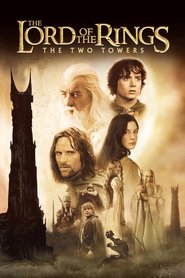
director · 3h 43m 6 mentions
The Lord of the Rings The Two Towers (2002)
Peter Jackson, Fran Walsh, Philippa Boyens
-
This village was built on the side of a really amazing area called Poolburn Lakes in New Zealand. And we built quite a few of the huts. Some of them are computer generated in the wide shot. But most of what you see here we did for real. It was this amazing little Scandinavian style village on the side of the lake. Now it wasn't actually raining on this shot, was it? No, this rain was added later. It was computer generated rain. We did use rain towers for the close-ups, but this is too big and wide to...
22:46 · jump to transcript →
-
I do love this scene. I mean, this was another favourite scene. I really did want to try to hang on to this stuff for the theatrical version. I love them talking about the Entwives. It's kind of just, you know, it's a shame. Anyway, it's here. Hey, we shouldn't mourn it too much. We have DVDs. Thank heavens for technology. But I am very happy with the way that the extended cut DVDs are now fleshing out the trilogy. This one was, I think, about 43 minutes longer than the theatrical version.
1:11:18 · jump to transcript →
-
ripped off, we made it rip off but then the flag blowing in the wind and going over the rooftops is done for real. It just happened. It was so windy that it did a perfect flight path for what we wanted for the shot. We had a helicopter rig to shoot from up at Ediris but it was so windy when we were there filming that we didn't get many good shots and the one that you're looking at here was actually shot while we were building the set because we had a helicopter with a camera fly nearby and I said to them why don't you just roll a bit of film to show me how the set's coming along
1:16:03 · jump to transcript →
-
-
director · 1h 45m 6 mentions
Eternal Sunshine of the Spotless Mind (2004)
Michel Gondry, Charlie Kaufman
-
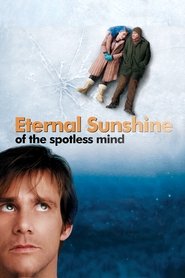
You see the snow starting and either you have to shoot before it covers the floor because you lose the continuity, or either you want to shoot with the snow coming into frame because it's perfect. And it makes everybody work faster and with more energy. And that's what's great. It shoots for real outside. Well, I guess when they walk in the street, you have no choice. They have to be really outside.
13:11 · jump to transcript →
-
So here Jon Brion is playing all the theme that we will hear later with the piano and he's playing them like mixed up. It's like a remix but done directly on the piano. And we shift the light in camera to see. That was a big challenge for me to show the memory vanishing without using complicated special effect. There is just a ghost in front of the lens and we hit the ghost with the light.
21:58 · jump to transcript →
-
I asked him to hide for real and scare her. She didn't know where I would be. We did different takes on each time he would hide. Mark would hide in a different place.
26:27 · jump to transcript →
-
-
-
Tom Hooper
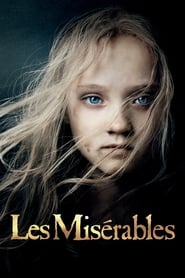
lost all the weight to play the convict at the beginning. We shaved his head very roughly, and we shot all the convict stuff first. And, you know, so he had the scenes with Colm Wilkinson early on, which was great for him. And then with Annie, because she wanted very much to have her hair cut for real, you know, we needed to shoot the factory scene early on.
16:18 · jump to transcript →
-
Tom Hooper
So Anne had her hair cut for real and she was very keen to do that I think because she wanted to go through some of the emotions of what it's like to lose your hair in that way and because she thought she could feed those into her performance and also you know both Hugh and Anne were always looking to make the film as real and ground as possible in terms of what she did with her characters. The set actually stank because we had
24:45 · jump to transcript →
-
Tom Hooper
an unbelievable amount of fish imported into the set, which then slowly rotted. So when you went onto the set, it really did feel real, and we left the heating off to keep that cold feeling, so it was pretty unpleasant.
25:13 · jump to transcript →
-
-
-
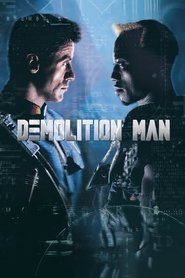
uh the film kind of chronologically and then we moved into stats so this was all on location and uh yeah i was there on on top of a building nearby watching waiting for the explosion wesley snipes was there his posse was there it was it was a long wait but it was worth it i can still remember have a sense memory of the heat the heat against my face it was a real explosion yeah i was too close i think i had 13
2:44 · jump to transcript →
-
as reference for the way the building would be collapsed, the way it would appear at the end. And it's interesting because it actually came very close to that. Like you see the building kind of... And this is something that with a lot of the CG work that's being done today on films, it lacks a certain organic realism. And in this case, this is all done absolutely for real. The implosion was for real. All the fires are for real. There's no...
6:21 · jump to transcript →
-
Oh, wow. And of course, Elon Musk is working on Neuralink, which will plug in directly to your nervous system. Now, this is a scene where I hired a company called Colossal Pictures in San Francisco. And I loved what the work they did on the right stuff, where they shot a lot of practical effects.
1:10:05 · jump to transcript →
-
-
-
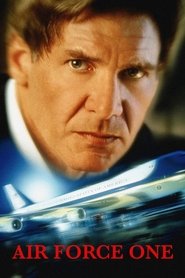
We'll see him later in the movie, but I thought it was great to be reunited again in a movie, finally. I did in Germany five films with him, including this boat, and now it's the first American in number six, even if this is just more like a cameo, you know, a little guest part. So this was all done all for real, no tricks here in Cleveland. And this big explosion, that's a special effect we did right there on that scene. Nothing was added later.
5:07 · jump to transcript →
-
Not really, but Harrison was so nice when they had their only scene together over the phone, because Harrison, of course, was on the plane and she was down here. Harrison came to the set and did his lines for real. So he was there on the phone, right a few feet away, and talked to her. I thought it was nice. And same with Gary Oldman, who, for example, for this scene here,
34:54 · jump to transcript →
-
He came also to the set of the White House and did it for real. I always like that if actors do that, because it's so hard for an actor to just talk maybe to the continuity or to first assistant, and you don't have the great actor on the other side. So I like that. And it was here the same. I think this is a very, very... I think I should...
35:21 · jump to transcript →
-
-
director · 3h 29m 5 mentions
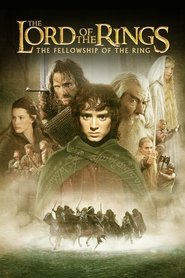
The Lord of the Rings The Fellowship of the Ring (2001)
Peter Jackson, Fran Walsh, Philippa Boyens
-
One of our actors voiced that black rider. I don't know if you know who it is, but it's actually Andy Serkis who also voices Gollum. We wanted to get a great voice. We were recording some Gollum dialogue and we said to Andy, do you want to try a black rider voice for us? And so Andy did it. Now this is a scene that I really did regret cutting out of the theatrical version and we did it only for momentum reasons because I just love it. I love the song. Fran actually wrote this song for the boys to sing.
34:38 · jump to transcript →
-
Yeah, she has a brilliant ear. She does. Very musical. All the translations were done by David Salem, an American scholar, all the Elvish, and in fact some of the other languages as well. This horse riding is all done for real. I mean, this shot here is amazing. I love the way the horse is pounding along. Shot down near Te Anau in New Zealand.
1:20:23 · jump to transcript →
-
That's right, Fran actually directed quite a significant piece of this scene. John Mahaffey did it too. Well, John really did it. John Mahaffey, our second unit director, directed quite a bit of this scene with Fran. I think you were there too, weren't you? I was there. There were rice flakes.
1:55:08 · jump to transcript →
-
-
director · 1h 42m 5 mentions
Len Wiseman, Patrick Tatopoulos, Brad Martin, Nicolas de Toth
-
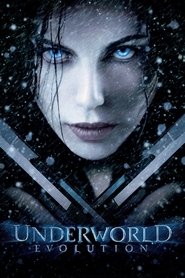
Now, I really did like the way the set looks. That's cool. That's footage from the first movie. Like the names on the monitors, they're all names of people who worked on the crew. Len picked them. Notice that Nate Robinson, who did those shots, gave himself the absolute longest shot with his name on it. You'll see there's the one that's like... Well, I used to do that. I was a prop guy for quite a while, and so it was my job to...
18:45 · jump to transcript →
-
They've done such an amazing job on this one. No, they really did. Yeah, no kidding. So what is the writing there? It's Greek. You know, it's funny. On pages, people don't always think. You have to draw every page, basically. So you have graphic artists that really step in. And you can come up with a little concept, but those guys know how to write. That's what they do. We had people that just do handwriting, especially. Do they actually write a story?
54:41 · jump to transcript →
-
brave enough to set me up. So Macintosh did a really good job. It really did. You got too much to drink over there. I was very happy with Stephen's performance because I wanted him to, I wanted Tannis to have this combination of, you know, this confidence that...
1:00:16 · jump to transcript →
-
-
-
Matthew Vaughn
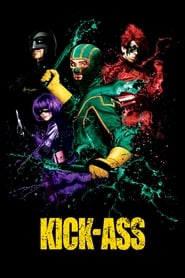
Someone told me an expression of audition scenes are the hardest thing to film, and they're right. So this was one of the main audition scenes, as you can imagine, to check the chemistry between these two characters. So by the time we finally shot it for real, it was a lot of prodding each other to try and be interested.
34:32 · jump to transcript →
-
Matthew Vaughn
So doing 3D moves were hard and... I mean, I think it's really cool what we ended up with, but there was a moment I thought this was gonna be laughable. And we didn't have the money to shoot it for real. That's why it's a comic book anyway, but that's an example of money suddenly making you come up with a better idea.
50:02 · jump to transcript →
-
Matthew Vaughn
Play it for real.
1:26:16 · jump to transcript →
-
-
-
David Kalat
It entails painting part of the scene onto a plane of optically clear glass and filming through it to create an in-camera superimposition, as opposed to an optical effect or process shot in which different aspects are combined after the fact in the lab. Tsuburaya uses both techniques throughout Godzilla, and you have to bear in mind that neither technique had been used very much at all at that point previously. Tsuburaya's team was starting from scratch. There was no body of experience to draw on.
18:29 · jump to transcript →
-
David Kalat
This is another in-camera superimposition. The villagers in the puppet Godzilla were photographed at two different times, but on the same strip of celluloid. The result is a far superior looking image as compared to combining the plates in a lab, but it's a far riskier proposition. If anything goes wrong on either side and the film is ruined, you have to do the whole thing over again. But the art of Japanese optical effects was spotty at best, so the use of such opticals is very limited.
22:20 · jump to transcript →
-
David Kalat
The film stock they used was exceptionally soft and vulnerable to dust. Fingerprints and hair, any kind of foreign particle could permanently mar the picture. Every time you handled the film, you increased its risk of contact to airborne contaminants. In-camera multiple exposures, basically any time Godzilla or a model are seen in the same shot as a living actor or a real patch of city, magnified the dust problem.
22:48 · jump to transcript →
-
-
-
to a whole other section of the song. And now suddenly fingering was way out of whack. And we went in and re-recorded parts that tried to match that fingering so that people could see that, yeah, we were playing and it really did look right. Let's talk about your reviews a little bit regarding Intravenous to Milo. These covers, when were these generated? Do we remember? I have the Intravenous to Milo cover. What size is it? What do you mean?
11:55 · jump to transcript →
-
They made a real amp that goes up to 20. That's the one that people can buy in the stores now for real. But mine goes up to infinity. This has been ripped off just big time. Almost every amp company now sells knobs that go to 11. And guitar knobs. Where can you go from there? Where? I don't know. Nowhere. Exactly. What we do is if we need that extra push over the cliff, you know what we do? Put it up to 11. Do we know where this was? It was backstage.
23:26 · jump to transcript →
-
Wonderful Smith. Originally cast in the part was a man named Spodey Odie. But he died right before, you know, his call time. I also had this experience for real. My friend Danny Rifkin is occasional manager of the Grateful Dead, who have years of occasional management to their credit. And he invited me to see them at Madison Square Garden. I was living in New York. Madison Square Garden has a circular rotunda to it. And I went around and around and finally went in the wrong door and was in Felt Forum and watching two light heavyweights boxing.
49:00 · jump to transcript →
-
-
-
Well, I thought you made it better than the script was, Carl. I really did. Well, I think you're supposed to if you're directing. If you make it worse, you shouldn't be there. I can name a lot of them who do. I love the little kick you do on the way out the door.
4:24 · jump to transcript →
-
You know, I was very aware when you were doing things like this and being this guy. I said, this is a guy who was a quarterback on the football team, for real. You were one of my... You see, to actors, a man who can get on a football field and play seriously like you did is something we admire. So I'm looking at this guy and I don't see... Well, that's a good thing. What a compliment. No, I'm not kidding. No, that's great. I take it as a huge compliment. Files on your students.
7:11 · jump to transcript →
-
am i well i might be asking yeah you like chinese i hate it yeah people always think of that when they watch your pictures they do these two get it on because dick van dyke and mary tyler moore everybody thought they had they really did love each other they they admitted later on that neither one would marry they would have made a team of it
9:36 · jump to transcript →
-
-
cast · 1h 36m 4 mentions
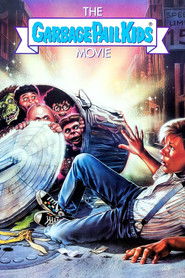
The Garbage Pail Kids Movie (1987)
Mackenzie Astin, Katie Barberi, William Morris
-
these people from outer space that are, you know, garbage pail kids. Well, we discovered they were from outer space because we didn't know that when we read the script. Right. But the fact that they happen to be, like, master seamstresses is, like, is pretty impressive. Yeah, they kicked ass. They really did. They were quite good at the 80s stud applications. Right. It was great. Tangerine was all over it. She was going to use the heck out of him. It was a bad, bad situation.
22:29 · jump to transcript →
-
Now this is, I think we're about to see a wig happen. I think, is this a moment where he's going to flip over? Anthony's going to become, Tony's going to become an acrobat? Oh, right. Yes, that's right. That was pretty impressive. He did the stunt himself. He did. That is so not true. Oh, but I have a story. I have a story real quick, completely unrelated to the film. So I really did become very, very good friends with Shelby Newley. And I practically lived at the Newley's house.
51:56 · jump to transcript →
-
We did. Okay. That's some psyche fucking right there. All right. Now, I had to be mean to him in this scene. Really, really mean. Oh, man. And he cried, and he really did a beautiful job. The kid's really trying as hard as he can to serve up a good performance. Yep. And I asked him, and I wasn't really talking too much to him because we were in that space of trying to seem super tough and like nothing mattered and we were all cool.
1:16:01 · jump to transcript →
-
-
-
That's the magic of movie making. I just love passing posts in front of the camera. He's a first-time director, so we like our dolly shots. It's good, though. All the things you've been writing for and the hits and misses, you were able to put all the positive stuff into your first picture. Yeah, it was a lot of fun. I really did have a lot of fun. It's interesting that it's still...
24:44 · jump to transcript →
-
Forgive me, I'm getting excited watching my stuff all over again. Actually, that was a cut we made. We actually had the camera move up like this in one shot, but pacing, we had to do certain cutting. Nathan, come on, what are you doing? But I think Tori, or Jennifer, looks adorable, and I don't know, she was so cute and really did have a presence on the set and sort of a charisma, I'm sure, gave you...
31:11 · jump to transcript →
-
So these are the things that just drive you crazy, but, you know, overall, I guess it's only going to drive me crazy. We're, like, really scared. Stay here. I'm going to check it out. I'm chuckling because we really did have fun making this movie, and I, you know, just can't take it serious. And sometimes, you know, I got beat up a lot.
51:04 · jump to transcript →
-
-
-
Simon West
I thought she should do something beautiful, but also very athletic and daring. And this is a very impressive routine that Lara does every night before she goes to bed, but Angelina actually had to learn to do for real. Now, I never expected her to do all this. When I cast her, I never thought of her as a stunt person, but during her training program before the shoot, she just learned how to do this thing from top to bottom, and I realized I wasn't going to have to use stunt doubles at all.
26:15 · jump to transcript →
-
Simon West
Every day, we would go in and do more and more damage to these sets. And as I said, they started off beautiful, pristine copies of real stately homes. And every day, we would go and put more bullet holes in them, more explosions, more broken glass. And we really did wreck them. So by the end of the shoot, they were pretty uninhabitable.
35:34 · jump to transcript →
-
Simon West
that was built to this kind of scale and this standard. It was just incredible. I also wanted to do everything for real as much as possible. So instead of doing a lot of green screen or blue screen work or computer generated stuff, almost everything in the film happens in front of the camera. So as well as this set being on a gigantic scale, it's also a mechanical set. You'll see later in the scene that, of course, the log gets released and flies across the...
46:17 · jump to transcript →
-
-
-
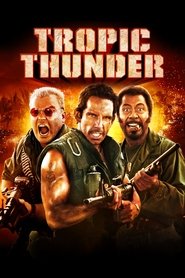
Yeah, they really did. I have to say, Nolte came on his game every day, and just that look to me in this scene that he has is just so great. It's just so sweaty and grizzled. The aviator glasses. Yeah, this is where Cody's dreams sort of get shattered.
38:07 · jump to transcript →
-
You look sad, dude. I'm feeling the pain. That's my turning point, is my character. Here's the compound. That's Nick Nolte for real in a helicopter. Crazy. Yeah. So here we are at the river.
41:41 · jump to transcript →
-
You know, this is when I just, I have to say that moment shooting Nick with that flamethrower. For real, it was a real flamethrower. Nick was blasting that thing. It was just a really enjoyable moment for me. Well, it was enjoyable for me to watch him do it on the day I remember I was there. But look where Ben's at right now. It's just as enjoyable to watch Ben watching the stuff that he loves. Ben was in the zone right here, though. What? You dudes don't know what duty is.
1:27:37 · jump to transcript →
-
-
-
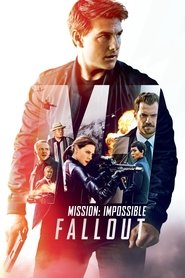
We're actually going to jump out of the plane, aren't we? We have to do all of this for real. For real, while you're falling. While I'm falling, we're going to have to get and switch the tanks. Yes. This is the Grand Palais in Paris, France, which was kind enough to let us shoot there. Beautiful. DJ Harvey. Great, great choice. Thank you. Thank you. Look at this lighting. Awesome. Now, Peter Wenham, our production designer, was really amazing. We only had a limited amount of time in the Grand Palais, and so I said to Peter, I want you to build a set.
27:22 · jump to transcript →
-
The rig failed, and this was the first day. I said, what do you want to do? And he said, my brother, we've got to shoot. He got on the motorcycle and took off. We're going to go like hell, man. And that's it. And the whole design of the motorcycle chase went out the window on day one, and we went to old school, practical, we're doing it all for real. High speed. Yeah. No helmet. No helmet, no stuntmen. Averaging. Stunt drivers in these cars. Yep. These cars coming in, boom. And Lorne's score.
57:41 · jump to transcript →
-
And so here's a shot done in camera. Yes. We used a motion control camera so that you could do the same shot two times. And we are always trying to find a fun way to do the mask gags that isn't CG. And none of this required any CGI whatsoever. That shot's all done practically. And it's just a simple split screen. It's one of the oldest techniques there is.
1:23:29 · jump to transcript →
-
-
-
Tim Burton
or anything, or soul psych. I mean, we did everything that we could. We have a little bit of digital effects sometimes, but one thing that both Michael and I talked about, and I said to enter the studio, I go, I'm just, you can do anything with anything, CG. You can do anything, but we don't want to do anything. We just want to do it. Even if it doesn't look real, the practical effects were important. So we did it with everything. We really did. Except for the sandworms, which was stop motion.
14:08 · jump to transcript →
-
Tim Burton
It just, like I said earlier, it just felt right, and for me, and then for him. But the things about, like, always doing practical effects, keeping it like we did, shooting it in the spirit, shooting it quickly, shooting it, you know, keeping that energy going, that was all very important. So those are the kind of things we talked about. We sacrificed a goat. Our first night of marriage...
26:29 · jump to transcript →
-
Tim Burton
weird spirit of we didn't really know what we were making but it was fun and you know everybody contributed and so it was it was unlike a lot of movies where it just had a very kind of experimental spontaneous feel to it and so you know then you kind of go on in hollywood and films get bigger and and they don't really you don't really get that sort of opportunity to feel that way so that was a reason too to kind of come back and treat it in the spirit of the first one you know all practical effects makeup sets
40:34 · jump to transcript →
-
-
multi · 1h 54m 3 mentions
Jean-Pierre Jeunet, Hervé Schneid, Alec Gillis, Tom Woodruff Jr. + 5
-
I love this shot because it's a simple effect. The ball is on the hand at the beginning of the shot, we do just a pan, and it works. I remember, Sigourney Weaver didn't believe me. She told me "Jean-Pierre, it doesn't work. It's so silly, so weird." I said "Believe me, I am sure." But I was pretty worried about this shot. And it works. There's a shot that you could claim, Pitof, as a digital shot, except it's real. When she throws that ball? It's amazing. This shot was supposed to be digital. What Jean-Pierre wanted is to make an impossible throw. Sigourney did it for real. This shot is real. Look at that. How many takes? I think it was six takes. - Six takes. Yeah. I was here when we shot that, and I feel in her eyes that something was weird. And she made it. Wow. - I had a little problem with Sigourney. The ball is going out of the frame and then back in the frame. I said "Sigourney, I'll fix that and I'll make a perfect path." So you feel the impression that the ball is always in the frame - like this ass - and... That's a silicone butt that we made. That's my favorite shot. I love this part of the film. And... Tell the story of this shot, Hervé. That's one of the famous Jean-Pierre Jeunet's favorite scenes, where somebody's putting polish on his shoes. When I got the rushes, I said to Jean-Pierre: "Well, you remember you did already that scene before." And you just didn't realize it. You didn't remember. The design of the wheels, something Eric Allard had developed way back, right after Short Circuit. Each wheel, instead of treads, they had ball bearings that would roll independently, so it could turn and maneuver. I think he had it patented, and I think NASA was using the design as well. This is a stupid idea. When you arrive in the States the first thing you see is the TV, because you don't sleep. And what do you see on TV? This kind of show. This miniature was not very big. This was pretty small - three meters diameter. That's nine feet to you non-metric folk. And this - you composited Aliens. Exactly. That's miniature and greenscreen. A very composite shot. Was a lot of passes to have the light and the texture and the depth and the atmosphere. For the alien, obviously, it's man in suit. It's very difficult to shoot an alien with a man inside, because it looks like a man inside. You are obliged to shoot very close. Here's Tom Woodruff. - Here's Tom. You were talking about being on the set. Here's the deal for me: being on set in these suits, it's even more claustrophobic than being on set, because I'm literally... I've got some slots for my eyes and breathing, but there's no real interaction between what I'm doing and anybody else on set, in terms of talking or just getting a break. I can interact with the actors and they can respond during the course of the action, but then, once the shot is over, it's like total isolation. But people love you when you're in the suit, Tom. Brad Dourif was great here. It was creepier for me on my side of the glass than it was for him being on his side watching me. I like Brad Dourif in this film. Yeah, he's twisted. Wonderfully imaginative actor. Brad and that creature were dating for a few months right after they completed this scene. I love what Darius did - the slime. He put a lot of care into shooting these and designing the lighting. He, at times, would almost build a cage of fluorescence around the alien, so that you'd get a million little kicks off of the slime. so that you'd get a million little kicks off of the slime. He kept coming back to us and asking for thicker slime, because the stuff in the other movies was too runny. He wanted a quarter-inch build-up, so we went to a slime that was almost like gel. It really had a different look. It was a pleasure to work with Winona Ryder. I remember, sometimes I tried to direct her, and she told me: "Jean-Pierre, take it easy." "I have a lot of imagination. I'm going to give you some improvisation." Remember, at the editing room, everything worked, all the time. In this scene, Winona was feigning drunkenness so she could slip out. Since she's a robot, she can't be drunk. This is a nice shot with the 10mm. It was a very short corridor and it looks so huge. This is a matte painting from a French guy, Jean-Marie Vives. He worked on Delicatessen and City of Lost Children, too. It's fascinating how there's a hint of City of Lost Children in the look of the sets. That's what I love about style, ultimately it just permeates everything that somebody does. That's a clever idea. That's gotta be Jean-Pierre. Very Jean-Pierre. It's great. This set is pretty high, and we used it again at the end of the film in the chapel. The same set but horizontal. - Really? Yeah. - I didn't know. When Jean-Pierre started the movie, he spoke little English - he always had an interpreter with him - and by the end spoke better English than me. Than I. - You see? That's what I'm talking about. It's amazing, because he didn't speak a word of English when he started. Sigourney Weaver loves to have the director very close to her. She hates when the director is very far away behind the video. It was a very good relationship, because, I remember, after a take she looked at me and it was unnecessary to speak. Just one look and we knew if the take was perfect or not. It was unnecessary to speak about the take - just a look. This is a scene that's almost vaguely erotic between Ripley and Call, the two females discovering each other inside of that tube.
27:46 · jump to transcript →
-
I remember, I had to fight against the studio to get the smoke on the knife, because it wasn't on the budget. Here, same thing, it's for real. Sigourney gets it through the hand. No. Of course it's a cheat. On one side it's a retractable blade and on the other side it's a real one. A CG blade. So we CG-ed the second part of the blade. And the smoke is CGI? - The smoke is CGI, too. Lot of times, those little effects - like that - are the ones that have the most effect. Yeah, because it seems to be normal. It would be possible to have a fake hand... They talked to us about that, and it was impractical and too costly, because to give the hand enough life so it didn't look artificial was a lot of work. And to make it move, then stop... Too limiting in your shot. That was a great approach. On the shooting, it didn't take a longer time than just to play it. So it was very cost-effective. Tom, didn't you get together with Sigourney about the style of her movements? Yeah, right, because of her alien heritage now as a clone. We talked a little bit about movements that she saw me doing in the alien suit. We tried to find a way to integrate some of those into her performance. There's some later where she's swimming, there were some movements we worked out. Also when she escapes from her cell, there's an element where we were figuring out: "What is it about the alien when it's retreating that's the most noticeable feature?" The tail. And without a tail, we ended up doing something where she kicks her leg out as she's moving into the chamber and escaping from her cell. In the preproduction, I did some research for Jean-Pierre on animals, to find out the way for the alien to move, to find a halfway between feline and insects. So we did a lot of research on footage, to have an idea of this hybrid between feline and insect. It was cool. I met Ron Perlman in The City of Lost Children - he played One. I love him. I can't wait to work with him again. This isn't a modest thing to say, but I like the way the guns look in the film. Jean-Pierre's idea was: he'd seen the guns get bigger - especially in the second film - and he thought it can get quite absurd if we go too far, so it'd be a nice idea to shrink the sizes again and have guns that are more about efficiency. He wanted guns that snapped when they fired. He wanted to feel and hear every bullet as it ricocheted and hit the floor. He wanted something that was a bit more credible than the giant "Rambo" guns. So we designed with that in mind. It was something that felt very basic.
35:17 · jump to transcript →
-
So out of the water and up onto the tower, up onto the ladder. From underwater to sparks and steam. After three weeks of being underwater we ended up... For another two, three weeks on this set. Climbing the ladder. High, too. Perilously high. Like, three stories high. The stunt people on this film really earned their keep. Big stunt. Big, big stunt. For real. We showed just Winona falling in the water, and I just remember staying up there with the stunt girl doing that thing. I was very impressed by what she did because I was at the same height. Oh, God. And I saw this little hole there and I thought she would never... Every day we received some sparks from the top and it was hot, if I remember.
1:14:52 · jump to transcript →
-
-
-
I mean, they do make flashes for real, but they don't do it every time you need it to, and sometimes the actor's not actually firing the gun for real, and we need them to shoot at a particular point. This whole sequence is just a blast to film. I mean, it was very hot. It was about 130 degrees in the desert, but just to have all these guys on horsebacks firing guns, I mean, you know, this was so much fun. We were just, the whole crew and I were just laughing. We were having so much fun doing this, as difficult as it was.
9:36 · jump to transcript →
-
And we find out, no, that's literally what they do. They just wander around the country firing their guns in the air and riding their horses aimlessly. And aimlessly is what they're doing in a lot of the shots. Actually, some of the wider photography, it's pretty interesting. If you go and take a look at it closely, you'll see that there's just guys going around in circles. And in fact, if you look at it closely, it's quite lame. But we try to move things along. We shot a lot of footage and cut quickly. And it turned out quite well. Now this is a practical effects.
11:02 · jump to transcript →
-
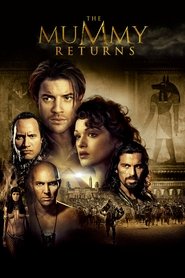
always key to me. I always told ILM, I've got to see through him. I've got to see through him. I kept really pushing them to make sure that we got to see through his head, see through his ribs. It can never feel like a man in a mummy suit. And I think they really did it. There's some very impressive work on those last couple of shots there. All those bandages that are dangling from him there, those are basically just a bunch of zeros and ones on a computer. None of that is real stuff, and it looks very convincing.
1:05:30 · jump to transcript →
-
-
director · 4h 13m 3 mentions
The Lord of the Rings The Return of the King (2003)
Peter Jackson, Fran Walsh, Philippa Boyens
-
I love that shot of Billy when he's thrown out. Yeah, well, that's a little in-camera cheat. That's really clever. We had Kieran, our scale double, being thrown out, and we had Billy lying on the floor already in position so he could just pop up at the right time. Actually, it was Fon. It was Fon that got... Another one of our scale doubles that actually got thrown out. She always did Pippin, didn't she? Yeah. Yeah, Fon played Pippin. So all of the shots of Pippin running around in the streets amongst the big people is usually Fon. Mm.
2:29:25 · jump to transcript →
-
And that's Sean really picking up Elijah, yeah? Yep, that's Sean and that's Elijah and they did it for real, yeah. Isn't that cool? Remember we sent that fax? We saw that we were back here and we'd seen the rushes and we sent the boys a fax and we made it look really formal, like it was a memo. On the next page we put, you made us cry. This is a very hybrid experience.
3:24:56 · jump to transcript →
-
They're doing this stuff for real to get themselves worked up into the emotion. And we looked at it the following day and most of the footage was out of focus. It was actually one of the most disastrous days shooting that we ever did, particularly because of what it was. It was like we could not believe it. It was out of focus, most of the footage. And we actually, I had to break the news to the guys. I remember walking on set and saying, you know that Greyhaven stuff? Yeah, yeah.
3:56:34 · jump to transcript →
-
-
-
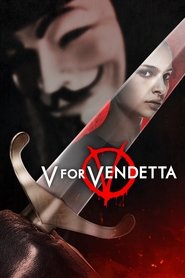
James McTeigue
That speech, because it's such a muscular piece of writing... ... It needs to be attacked with great kind of gusto and flair. And passion and belief. And so, if that's all there, it's a wonderful introduction to the classic masked man. He just appears and you get that persona very, very clearly and very, very quickly. I would say there's not enough talking in films, nowadays. And, you know, there's not enough use of language. I think that introduction, you know, when he first turns up in the Fingerman Alley... ... throws the Shakespeare out to you, then you get the big alliteration speech. I think it's, like, it's nice to use words. And, you know, he uses them beautifully. I thought it was a cool way, also, to preserve from the graphic novel... ... how each chapter has a V word, which I love that. And I was like, I wish we could've kept that in the movie. But that sort of structure... ... 1S sort of condensed into that crazy use of V's in that speech. The important thing about that speech Is you're never gonna understand it. I mean, you know. But you're gonna understand the intent of it. The performance gives you the intent of what that speech Is. And then Natalie's reply is sort of, you know... ... you're the audience, you know, "Yes, what are you, a crazy person?" V does say that he's a humble vaudevillian veteran. He's an actor. I mean, he is an actor. The character is an actor. He's an actor activist. Or something. Who has been picked up and chucked inside... ...and then experimented on and tortured. Hugo's ability to use his physicality and his voice so expressively.... You're so intrigued by what's going on behind that mask... ...as an actor, as a character, as an audience member... ... that you're always going, okay, is he crying now? Is he happy? Is he angry? And because you're so, sort of, entwined in his emotions... ... you become V. And at the end, everyone is V. Because they've been trying to figure out his emotions... ... you know, everyone's trying to play him at the time... ...because they're trying to figure out what's going on under that mask... ...SO it's an amazing, sort of, engagement tool. And afterwards, you'll return home safely. All right. When you go up on the rooftop and you start hearing the music... ...I wanted you to be able to look out over London... ...and have some recognizable landmarks... ...even though it wasn't true to the direction that we were looking. We went up onto a rooftop nearby. We shot stills at night that we bracketed to get the full range of lighting information. Then we removed a few obvious buildings. The St. Paul's Cathedral stands out, there. It's very obvious. And just added a few extra skyscrapers and so on. Painted all the lights out for much lower levels... ...to sort of fit in with a late-night curfew. The Old Bailey Justice Courts itself is always a miniature... ... whenever we see it in this picture. And that's partly because the real building, if you go there at night is not properly lit... in any way that you'd, you know, really want to do it... ... If you were focusing on it like we were. We also made some slight design changes to the Old Bailey miniature. We changed the, flattened the, sort of dome roof, slightly... ...and enlarged the statue that's at the top... ...because she's quite an important part of the story, there. I still went with building miniatures for all of the intricacy and detail that you get... ... IN a very complex pyrotechnic explosion. To do that with a computer, although aspects of that are feasible now... ... the simulations are hugely complicated. And there are always these little happy accidents... ...and things that you get from doing something for real... ... that you're not... Not totally in your control. Which is a big reason why we do it. How beautiful, is it not?
6:41 · jump to transcript →
-
James McTeigue
Mmm. It's delicious. - Good. God, I haven't had real butter since I was a little girl. Where did you get it? A government supply train on its way to Chancellor Sutler. You stole this from Chancellor Sutler? - Yes. You're insane. I dare do all that may become a man. Who dares more is none. Macbeth. - Very good. My mum, she used to read all his plays to me... ...and ever since, I've always wanted to act. Be in plays, movies. When I was 9, I played Viola in Twelfth Night. Mum was very proud. Where is your mother now? She's dead. I'm sorry. Can I ask about what you said on the telly? Did you mean it? - Every word. You really think blowing up Parliament's going to make this country a better place? There's no certainty, only opportunity. You can be pretty certain that if anyone does show up... ...Creedy'll black-bag every one of them. People should not be afraid of their governments. Governments should be afraid of their people. And you'll make that happen by blowing up a building? The building is a symbol, as is the act of destroying it. Symbols are given power by people. Alone, a symbol is meaningless, but with enough people... ...blowing up a building can change the world. I wish I believed that was possible. Every time I've seen this world change, it's always been for the worse. Roger Allam, who plays Prothero, is a fantastic theater actor. Those shock jocks exist in every country... ...whether it's America or whether it's England... ...or whether it's Australia or wherever you are. I think the common denominator is they are in every country in some form. And he really embodied that. All the awfulness... ...and the disgustingness and the duplicity that a lot of those guys have. He's the voice of Britain, so he runs a television program... ...in which he rants his particular beliefs... ...which are also the beliefs of the government. I mean, very much like, I suppose... ...some of those evangelist kind of programs that you have in the States. Only his evangelism is a kind of nationalistic fascism, I Suppose. Roger really relished the role. I thought that he really did a good job. So, you know, I made him.... You know, he has those shirts that have the, like, the squeezing neck... ...and I put him, like, in a fat suit... ...and I made him a bit colorful and really made him over the top. One's initial impulse is to be quite big. Then you think, this is a movie. I better be smaller. And they were sort of also, "Oh, no, be big." You know, so. So, you know, you pick up influences... ...and direction and encouragement from wherever you can, really... ...and just sort of hope it all stitches together. Don't worry, I've made sure our reunion won't be disturbed by... ...any pesky late-night phone calls, commander. Stop. Why do you keep calling me that? That was your title, remember? When we first met, all those years ago. You wore a uniform in those days.
31:22 · jump to transcript →
-
James McTeigue
Oh, God. I hope I didn't wake you. No, I just thought you were fighting. I mean, for real. My favorite film: The Count of Monte Cristo, with Robert Donat as Edmond Dantes. It is not my sword, Mondego, but your past that disarmed you. It gets me every time. Never seen it. - Really? Would you like to? - Does it have a happy ending? As only celluloid can deliver. Okay. Put the sword away. Forensics just wrapped. No prints, no hair, no fibers. The guy is like a ghost. You won't believe what they found on Prothero. Drugs? - Could've started his own hospital. Interesting. - Why? Did you know Lewis Prothero was one of the richest men in the country... ...before he was the Voice of London? Drugs? - Legal ones. Major stockholder in Viadoxic Pharmaceutical. Viadoxic and St. Mary's in less than a week. Coincidence? When you're at this as long as I've been, you stop believing in coincidence. May we come up? You find your own tree. - You find your own tree.
36:08 · jump to transcript →
-



Related topics
Other topics that frequently come up in the same commentaries.