Topics / Studio & business
Sequels & franchise
81 commentaries in the archive discuss this, with 212 total mentions and 156 sampled passages below.
By decade
-
1930s
1
-
1950s
2
-
1960s
3
-
1970s
6
-
1980s
17
-
1990s
16
-
2000s
22
-
2010s
10
-
2020s
4
Across the archive
ranked by mentions · click any passage for the moment in the transcript
-
-
Nia DaCosta
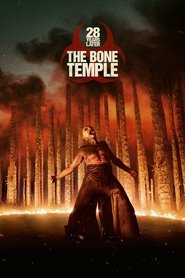
This is also the only 28 film thus far that does not begin with a set piece surrounded by the infected. And for me, that was really important because it shows, you know, we're sort of shifting what we're saying about this world, which is that the infected, at this point, are just part of the flora and fauna. The real danger comes from people who know better, but don't do better, like the Jimmies. And so we start with a really chaotic, disturbing scene with this.
5:26 · jump to transcript →
-
Nia DaCosta
This was a fun scene to shoot. This is day one of the shoot, actually. I think we shot this part in the morning, and then the next scene we shot in the afternoon. And, yeah, it was our first time just, like, getting into this world together, which was really fun, and... This scene is super important because it's when Kelson realizes that there's a sense of... there's, like, thinking happening. Like, everyone knows that the Alphas are smarter than the other infected, but he realizes the extent to which they appear to be, or at least this infected Alpha appears to be... thinking. And so, this music is another way that we get into the Alpha's head, like, "What are they seeing? What are they, in a way, thinking?"
11:18 · jump to transcript →
-
Nia DaCosta
This was a fun Ralph addition. He was like, "I want to see him shaving his head. "I want to see him putting on iodine." So, we put it into this scene, which I find hilarious, 'cause then Samson shows up. He's like, "I got a treat for you." And the wave that Ralph just did on the day, which we all fell out laughing, I thought was so funny. But again, we're keeping this, like, visual language of, like, static or measured frames, just, like, beautiful framing of the Bone Temple. It's peaceful, it's steady. Everything's secure and solid because we're in this world with Kelson, and... So that moment where he turns his hand to feel the rain, I just thought it was really important to try to find a place for it. Just thought that would be really interesting, just like that initial sensory experience that someone might have when they're coming into consciousness.
21:56 · jump to transcript →
-
-
-
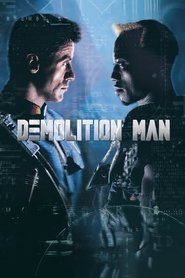
Marco Brambilla Daniel Waters
to make sure that people knew the daughter had to be older. Joel pitches a sequel. He goes, we've got to get Meryl Streep to play the daughter, and she's the new Cocteau. I'm like, oh, my God.
36:18 · jump to transcript →
-
Marco Brambilla Daniel Waters
Do you know why McDonald's turned us down? Just R rating. Yeah, R rating. Yeah, but Taco Bell, they're made for R rating people. In some regions, there was an alternate. I had to shoot an alternate with a different franchise. Pizza Hut is in the British version. Pizza Hut also works. Pizza Hut's better than McDonald's and Burger King. But Taco Bell's the best. And Taco Bell has really...
53:25 · jump to transcript →
-
Marco Brambilla Daniel Waters
90s cameos. See, I guess that food works for Pizza Hut and Taco Bell. And now franchise, you know, the idea of franchise even...
57:59 · jump to transcript →
-
-
director · 3h 43m 8 mentions
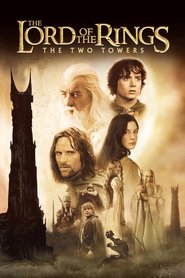
The Lord of the Rings The Two Towers (2002)
Peter Jackson Fran Walsh Philippa Boyens
-
Peter Jackson Fran Walsh Philippa Boyens
I do love this scene. I mean, this was another favourite scene. I really did want to try to hang on to this stuff for the theatrical version. I love them talking about the Entwives. It's kind of just, you know, it's a shame. Anyway, it's here. Hey, we shouldn't mourn it too much. We have DVDs. Thank heavens for technology. But I am very happy with the way that the extended cut DVDs are now fleshing out the trilogy. This one was, I think, about 43 minutes longer than the theatrical version.
1:11:18 · jump to transcript →
-
Peter Jackson Fran Walsh Philippa Boyens
Good, but the Mamakil are obviously having a little cameo appearance here. I have to say that the scene that I've been looking forward to doing ever since we began the trilogy is the Pelennor Fields battle in Return of the King where these creatures attack in their full battle mode. We're only seeing them here in a very brief appearance, but in the next movie, Return of the King, they play a great part in one of the...
1:44:55 · jump to transcript →
-
Peter Jackson Fran Walsh Philippa Boyens
maybe if we can't make sequels that's actually a great idea because we can't make sequels anymore we can only make three maybe we could make three more where we embellish the three we already have and we just sort of fatten them all out and that's the way that New Line could make more money is you just kind of fatten these films out without technically going beyond the Lord of the Rings as the licensed property do New Line need to make more money? no
1:54:33 · jump to transcript →
-
-
-
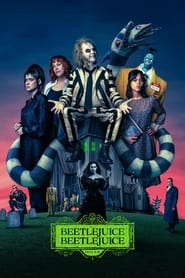
Tim Burton
You know, with the music and the opening, it sort of sets the tone of the film a little bit. And with this kind of material, it just felt more appropriate to have that kind of energy and that kind of vibe, you know, front-loaded into the credits. This movie took basically about 35 years in the making. And, you know, there's a lot of talk about sequels
1:19 · jump to transcript →
-
Tim Burton
you know, early on. But nothing ever really felt right to me. There was something that I just couldn't quite relate to. And part of the reason, I think, is because I never really understood the success of the first one anyway. So it was a surprise to me. So I didn't really know, you know, if somebody said do a sequel, I didn't really have a vibe of what it would be. Not until now, basically, did it really hit me. And it really stemmed from the fact that I really, you know, connected with the Lydia character.
1:48 · jump to transcript →
-
Tim Burton
That was the sort of anchor for me. That was the thing that made me really interested. It made it personal for me because, you know, it's not a sequel I could have done in, like, 1989 or something. It only could happen after time, after you go through your own journey. You know, you go through your own, you know, what are your relationships? You go from a cool or an uncool teenager to a somewhat troubled adult, you know, and what kind of...
2:46 · jump to transcript →
-
-
director · 1h 54m 7 mentions
-
don't apply in this world. The gel that we saw in Eastwood's quiff at the beginning seems to have bounced out of the hair, which has now regained the volume and bounce that we've come to expect. Chimino's going between fairly close coverage in which we get the jostle and the ragged breathing, and then these expansive widescreen vista shots that dwarf the two men in counterpoint. And now,
7:13 · jump to transcript →
-
as a not insignificant on-screen part in Eastwood's 1973 High Plains Drifter, was second unit director on 1973's Dirty Harry sequel Magnum Force, a movie significant to the story of Thunderbolt and Lightfoot, and Eastwood's 1990 The Rookie, and also directed three Eastwood vehicles, 1980's Any Which Way You Can, 1988's The Deadpool, and 1989's Pink Cadillac, Like Is Not, that was Buddy clinging to the Trans Am in the long shots.
8:21 · jump to transcript →
-
strapping handsome lad of 6'4 that he was. He was scouted out and given a $100 a week contract under Arthur Lubin, creator of the TV series Mr. Ed, who put the raw, untrained kid right into some drama classes. There were, through the mid-1950s, a few undistinguished roles for Clint, a sequel to Creature from the Black Lagoon and Francis in the Navy, directed by Lubin.
30:06 · jump to transcript →
-
-
-
how they make it is actually end up more fascinating than the final result yeah this is a this is a great example of that yeah well yeah and that's what i love about the idea of how this movie kind of originated with this wooden planet by you know vincent ward had these monks and stuff who were living on this world they created this kind of very bosh looking movie with this like you know cathedral like design and a world of very thin atmosphere where
3:25 · jump to transcript →
-
full of monks, which is a really striking idea, but at the end of the day, makes absolutely no sense whatsoever. And it doesn't really belong in the Alien franchise, to my mind. Yeah, I think because down to the fact that Alien 1 and 2, there's always kind of based around sort of physics and reality to a certain extent, where things were believable, how you flick this switch and do that, and the monitors, and how things, and a sort of, you know, it wasn't clean like Star Trek, where you had this kind of sense of like, it's too far in the future, where...
5:17 · jump to transcript →
-
Well, we know there's other scripts, isn't there? Because during the genesis of this, I know David Garlis said they weren't really desperate to make a sequel, but everyone wanted a sequel, and they didn't know where to go with it, because where would you go after the second one? And they had other directors involved. I know they had Renny Harlin, who very much wanted to do the world of the aliens. He didn't want to be... But he found himself after a year not getting anywhere, because it was all just repeating what they've already...
11:43 · jump to transcript →
-
-
-
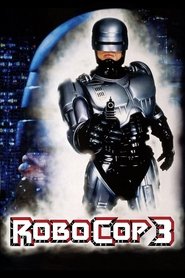
Fred Dekker
to sort of change the direction of the franchise at this point? Well, a funny thing happened was that this original film and then the second one were extremely violent and dark and edgy and full of drug-dealing children and just mayhem and mutilation. I mean, as R-rated as you can get, despite the fact that they're comic book movies. But somehow or other, kids were watching the first one on video or cable or whatnot.
4:34 · jump to transcript →
-
Fred Dekker
Back to the PG-13, looking back at it now, do you feel that that was a major factor in the problems you have with the movie? It was fatal. Having this be a PG-13 movie was absolutely fatal because it needed to be really rethought as opposed to sort of a sequel to the last movie. RoboCop 2 is in some ways even more offensive than the first one. I don't mean that in a pejorative way, but in terms of the violence and the tone of it.
6:53 · jump to transcript →
-
Fred Dekker
Any other movie has it, including these two sequels. So I see—when I watch this, I see—I love the sunglasses. I mean, Han Nguyen, who also is not with us anymore, fantastic costume designer. I mean, look at that. He just cuts such a figure. There's so much in this movie that just promises greatness, and then it doesn't pay off, and we're disappointed. But the humor in the movie is—
48:00 · jump to transcript →
-
-
-
Commentary With David Kalat
Kubiyama received a lethal dose of radiation on March 1st, then spent nearly seven months slowly dying, eventually passing from this world on September 23rd. With his dying breath, he begged, please make sure that I am the last victim of the nuclear bomb.
3:03 · jump to transcript →
-
Commentary With David Kalat
Here he is as Dr. Yamane, a role he reprises in the sequel, Godzilla Raids Again. The Times sniffed at Godzilla's cast. Not a one of them can act. What's that again? Did you mean the best actor in the world can't act? Yowza. Not all of Godzilla's cast were experienced veterans of Kurosawa's demanding sets. Akihiko Hirata as the
16:53 · jump to transcript →
-
Commentary With David Kalat
Tamai is one of the few members of the production team who would not return for the sequels and would not be a part of the development of the cycle of Japanese monster movies that flourished in the decades to come. This is partly due to the fact that Tamai was already an old man by this point. He would retire in 1963, and by and large, the boom in Japanese monster movies didn't happen until, you know, until 1963.
43:25 · jump to transcript →
-
-
director · 4h 13m 5 mentions
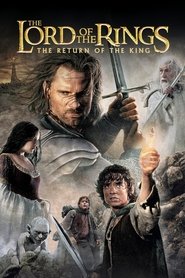
The Lord of the Rings The Return of the King (2003)
Peter Jackson Fran Walsh Philippa Boyens
-
Peter Jackson Fran Walsh Philippa Boyens
for a franchise pattern, as it were. When we realised that we had available to us this Schmeagle Deagle scene, it seemed like a counter to how the two towers opened. I know that Andy was really disappointed that it was cut out of the two towers, because he was aware it was his moment to have his real face seen on the screen. And then we cut him out, and I think he was never quite believing that we were actually going to use the scene at all. No, probably not.
3:15 · jump to transcript →
-
Peter Jackson Fran Walsh Philippa Boyens
and the elves on their way through the forest. But because in the editing of the film, the two moments from Isengard to here got separated by all of the inner sequence, it was no longer a very useful thing to do. We also wanted to signal the fact that this world was going to end one way or another in this movie. And that's the knowledge of Treebeard and Legolas, that there's not going to be room in the world for these creatures anymore. Great moment for the 25th anniversary edition, if I can remember. OK.
37:09 · jump to transcript →
-
Peter Jackson Fran Walsh Philippa Boyens
And so we wanted to sort of have this about her, that this is a conscious decision that she makes and that the longer she stays in this world, the more vulnerable she is. And we push it to a point where she literally is becoming mortal and that any grace that was conferred on her
1:39:36 · jump to transcript →
-
-
writer · 1h 35m 5 mentions
Simon Barrett, Adam Wingard, Greg Hale, Timo Tjahjanto + 4
-
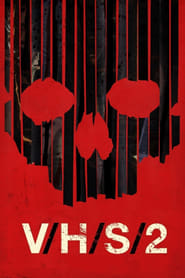
Tape 49 is a prequel, correct? That's correct. But we saw footage from the first film, but this is still a prequel. So it's not really a prequel. It takes place in the middle of the first movie. Well, it takes place at the very beginning of the first movie. The idea is Tape 56 takes place over several months. So you see them attack the people in the parking garage, and you see them watching that, and then they go to the house. Whereas Tape 49 is just a couple nights. So it actually takes place after...
5:52 · jump to transcript →
-
You know, and Simon went along with it. He was like, oh, okay, that sounds interesting. Yeah, it'll be like, maybe it picks up ghosts or something. I was like, yeah, it's something like that. Which plays into the kind of electromagnetic mythology of the franchise as a whole. But then, yeah, then I Googled it and realized that, like, that was, that concept isn't quite there yet. So maybe I had a prophetic dream. Well, yeah, now, the funny thing is now we're talking in June 2013 and people are actually starting to get retinal implants and stuff.
10:20 · jump to transcript →
-
At home, you're probably aware that it came out. Actually, this is less than a year from when we shot this stuff. It was in June or July last year. It was in July, I think. And it's less than a year since the first film came out. So it is the sequel that nobody even had the opportunity to want. Had they even wanted it, which they probably did not, we didn't give them a chance.
26:11 · jump to transcript →
-
-
director · 2h 41m 4 mentions
-
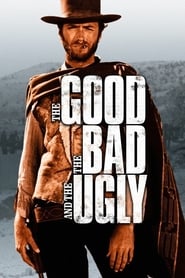
Fistful of Dollars had been inspired by a visit to a Japanese movie, namely Kurosawa's Yojimbo. The Good, the Bad, and the Ugly was inspired by a visit to a Leone movie, end quote. Screenwriter Luciano Vincenzoni, who was additionally involved in that first sequel's overseas sales through United Artists, had attended a packed house screening with some colleagues, including Arnold and David Picker of United Artists, who were bowled over by it.
1:00:53 · jump to transcript →
-
Lee Van Cleef could command $350,000 and 15% of a picture's gross. You pig! You wanted to get me killed! When did you unload it? Last night. You see, in this world, there's two kinds of people, my friend. Those with loaded guns, and those who dig. You dig.
2:32:10 · jump to transcript →
-
When Blondie and Tuco go their separate ways, I sense an implication in the film that these two just might cross paths once again, because one good double-cross not only deserves but demands another in Leone's universe, and possibly because these two seem chained to one another in a metaphysical way, in much the way that good needs evil in order to achieve definition. Luciano Vincenzoni wrote a treatment for a sequel that Sergio Leone never approved,
2:36:57 · jump to transcript →
-
-
director · 1h 29m 4 mentions
-
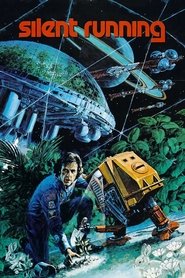
It's the definitive alien encounter movie. Yeah. And remains so. Yes, I think so, it was. It's interesting, because it's a film that hasn't had sequels, it hasn't remained an active franchise in the way that Star Wars or Jurassic Park, or even, you know, sort of...
54:59 · jump to transcript →
-
today or would it be earnest in a way we couldn't accept I don't know it it's one of those things because it's a film that's remembered in cult who would have thought they'd make a sequel to Blade Runner you know a film that was a flop yeah they made they've made a sequel to Tron right another film that was a flop and the sequel flopped too yeah and they're talking about making a third one if any any sort of
1:12:12 · jump to transcript →
-
It's on a list of properties that have a certain name recognition. It's probably reached the point where maybe it's a little too obscure. But you think of other science fiction properties. Westworld is about the same time, and that's just been rebooted as a TV series. Or even Jurassic Park could be said to be a reboot as Westworld. And the Andromeda strain's been remade. Yes.
1:13:10 · jump to transcript →
-
-
-
Filmmaker Paul Davis
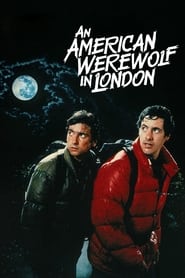
I've always said there are only two things that really age this movie, but not in a negative way. The hairstyles and the fact that John Woodvine asked for a Campari and soda. It's really sad to me that we never got John Landis' sequel for An American Werewolf in London.
49:59 · jump to transcript →
-
Filmmaker Paul Davis
which he did write a first draft screenplay when Polygram was sold by Peter Guber and John Peters in the early 90s. I can't remember the name of the guy who took over, but he came to John and asked him to write a sequel. And John deliberated about it. He thought about it for a long time, didn't really have anything that was significant
50:28 · jump to transcript →
-
Filmmaker Paul Davis
But anyway, going back to the sequel thing, the reason that we never got that version is because when John handed in the screenplay, the guy who ran Polygram was pretty much offended by what he read and said that there was absolutely no way they were going to make it. And he asked for a bunch of changes and John said no. So that's what happened. I love that those two little girls are credited as Creepy Little Girl 1 and Creepy Little Girl 2.
53:44 · jump to transcript →
-
-
-
like privy to this world and it had nothing to do i mean we had one mother say one line and that almost seems like a violation to me because she's good night stacy and other than that it's like here's that world they function in here's what you grown-ups don't see and that's what was cool about it i need to now put in a plug for amy short getting it over with which i hope
21:11 · jump to transcript →
-
I love what you said about Spicoli has to be the spice. It's so true. Because people have... I know you've probably been bombarded over the years on people saying, hey, let's do a Spicoli sequel. Just Spicoli. You remember the first day we saw the movie in Westwood, and I guess, who was it from the studio? Was it Tom or Shona? Somebody said, okay, guys, Spicoli goes to college. Yeah, they were just ready to go. They're ready to go. It wouldn't have been the same. Spicoli without Brad.
29:26 · jump to transcript →
-
Oh, and you had an idea for the, we sort of play in our heads about a sequel, the last high school movie while we were making this, and that she would say, you know, she wants to break up, but we'll still be friends, that then the actual ending to that scene would be he'd pull out a gun and shoot her through the head. No, see, we could get that movie made today. Oh, yeah. In fact, it's already been made. I know, a few times by other people who messed it up.
34:15 · jump to transcript →
-
-
multi · 2h 34m 4 mentions
James Cameron, Gale Anne Hurd, Stan Winston, Robert Skotak + 8
-
Bill Paxton
Because 7he Terminator hadn't come out yet, there was the perception that Jim was somehow not up to the creative responsibility of directing a sequel to Ridley Scott's masterpiece. There was a lot of resentment, and really no understanding, or very little, of what he was trying to accomplish. We had people who were, I think, completely on our side - John Richardson in practical special effects, Brian Johnson in visual effects. There were people who understood Jim's vision, but there were quite a few people who simply looked at him as the know-nothing, upstart Yank, which drove Jim crazy, considering he's a Canadian. It was his right hand, his AD. The leader of the rebellion, the first assistant director, not only behind Jim's back but to his face would call him "Guv'nor" and roll his eyes, as if Jim hadn't earned the title yet. We were shooting very long hours and people were pretty frazzled, and by our standards in America at the time a 12-hour day is not a long day, it's average, but 12 hours at the time in England was a very long day, and there were times when we'd go into a 14-hour day. At a certain point our assistant director, basically, said: "We're not doing this any more." So we fired him. And he felt that he really should be directing the movie. He was a frustrated director. He had directed second unit before. I think he even had directed a small film. But he really felt that he was better qualified than Jim was to direct the film. He went to all the departments and some cast members and everyone walked off the set. It was the most difficult moment of my entire career, even to this day, trying to rally everyone back. In fact, we were able to turn it around so that the outcome of that mutiny was that we were united, after we resolved the issues, for the first time on the film and going onto the rest of the production schedule. We actually were a unified group. So it was an example of something good coming out of a really difficult situation. I remember talking to people and going "This is a wonderful movie." "Everybody's working as hard as they possibly can." And hoping that no one would lose the energy. Fortunately, because of how you handled it, it all came together. Because it was scary. It was very scary. We were at that point - what are we gonna do, hire a new crew? Not that the thought didn't cross my mind, but England was very busy. We didn't have the option. There weren't other key crew members even available. When you have no options, you make it work, and we did. This is probably my favorite movie of my career, and the only movie where I've experienced anything like what we went through. I will also say, on the positive side, of the English crew... I brought a handful of guys from the States. We started all our designs and our builds in the States and then built a workshop in Pinewood and hired all but a half a dozen of the key coordinators from my studio from England. And everybody worked very hard and did a great job. They were wonderful artists and committed and everybody wanted to do a good job. They just had slightly different work habits than we did. I was shocked when suddenly, at a particular time mid-morning, everybody would be gone. I'd go "Where is everybody?" They'd go "They're at tea." I said "Hello?" Just gone. The other thing is that Pinewood Studios at the time had an entire crew on staff that were assigned to a movie. Right now it's four-wall, which means you hire the crew you want, it's freelance. But you ended up with the crew that was assigned to the stages you were working on and there was no selection process involved. It made it really difficult because some people really were punching a clock. They didn't want overtime, didn't wanna do anything other than work an eight-hour day. Shooting this film in England wasn't just a culture clash. For me, it was also a transition from a non-union guerilla-filmmaking mentality, which started at Roger Corman's New World Pictures and continued on 7he Terminator, which had a non-union crew, to a union picture. And also the particular way that they work in England was very, very different, and so there was an adaptation to that. And, frankly, I thought there were a lot of people on the crew that were, to use a charitable term, comfortable, and that was completely foreign to me. I'd been used to working with young, eager, hard-core, dedicated film folks. They all had something to prove. But a lot of the people especially at the Pinewood Studios at that time were lifers. They had permanent employment. It didn't matter what movie they were working on. And they got pushed on us. If you did Pinewood, you had to use their people. It was a whole different mentality. So I pushed against that as hard as I could. If I hadn't, we wouldn't have got the film done on budget and on schedule, which we did. I know probably a lot of people there at Pinewood at the time didn't care for us, with our guerilla-filmmaking ways and styles - we were not polite. By the end there were a number of them that came to respect the fact at least that we knew what we were doing, which I guess is OK.
1:30:33 · jump to transcript →
-
Bill Paxton
This is, to me, the creepiest part of the movie. This thing running around, that sound effect he did of the facehugger. The first scenes of this movie when he did the chestbuster. The sequel, A/en - he took care of it in five minutes. That first scene. That it was a dream. - That was great. I thought it was so smart. It was just great. His storytelling. - The sound effects. That scrabbling noise. The way this whole thing was laid out in the first Aven and the second one, the whole genesis of the way it would start out in the pod and then it turned into the facehugger and then it turned into the alien.
1:47:16 · jump to transcript →
-
Bill Paxton
This movie laid the foundation for me for a lot of stuff. Again, it was working for Jim that was really fantastic. I remember running into Jim when he'd been hired to write this. I was at the airport. He was handing off a parcel to some courier. I don't know why. I guess because they were setting up shop in England. He said "I'm writing the sequel to Aven." I said "Write me a good part in there." I kidded him. Six months later I tried out for it in England and I didn't think I'd gotten it. Your friends are usually the last people to hire you. Cos you have no mystique with them. And then I got a call. I almost took Police Academy 3 or something, and then I got this. More money than I'd ever seen in my life. They hired Bob Wildcat Goldthwait instead. I don't know who got the better deal, but I think I did. Everybody was looking at the film as well-made in the sound and visual effects, but we were pleasantly surprised when Sigourney got nominated. Not that we didn't think her performance was worthy, but there was no precedent for a horror film being honored by the Academy for acting. The fact they took it seriously I think still is a real milestone. Interesting thing coming up. Another shot that Jim stuck me with but it's really kind of fun is when we meet the queen alien. This is gonna come much later. She ends up back in the elevator shaft. In fact, the elevator shaft is not nearly big enough to hold the queen alien, so only her front half is in the shaft. The rest of her is sticking out the back of the elevator on the set, but you never really think about it in the movie when that elevator opens and the queen comes out, that she would never be able to fit in it. And since 90 per cent of the queen alien stuff in this movie is all full size, we had to deal with the sets based on the reality of her size and the reality of the sets. I never forget Jim coming to me when he first had written the screenplay. He said "I've got this idea for the queen alien." "We'll get a couple of guys in a suit. It'll have four arms. We'll carry it on a crane arm." "We'll have puppeteers working the legs." I'm going "He's completely out of his mind." Then a split second later "No, it's Jim, so it probably'll work." Remember when we did it with the... The garbage-bag test. Exactly. Do it first and make sure it works before you do the design. So we rented a little crane behind my studio and built a little body form for two stunt men, ski poles for arms, foam-core legs, rod puppets, foam-core head, and looked at it and "You know what? It works." Same with the power loader. We did all that in foam core first to make sure the concept worked. Unfortunately, it was too heavy and had to be supported by the crane. By the wires. But you'd never know that in the movie. No. The queen, when she drops out of the dropship, she's virtually a huge marionette, and there are wires in the shot and we never see 'em. Wires on each of her legs, her entire body, when she comes down out of it. It's a 14-foot hydraulically operated marionette. I learned to have a great deal of respect for second unit directors doing this movie cos I had to shoot second unit, small shots and big shots. And to have to make sure that every light and everything was exactly the way Jim wanted it so that it fit in seamlessly makes you realize that that job, which fortunately I haven't done since working with Jim, is a rough job, because it's not being creative, it's making sure you're doing what the director wants. It originally started that Sigourney was supposed to have run into Paul Reiser and he did a cocoon scene as well, and she gave him a grenade. And later on in the movie, there's a part where it's a big old boom, and it was supposed to have been him setting off the grenade. But obviously no one really knows any of that because it was cut out of the movie. I run into Sigourney once in a blue moon at an airport lounge or something. She's always great. She remembers Louise's name, my wife's name. A very thoughtful woman. - Gracious. She made this series what it is. Without her, it just wouldn't be the same. Also Ridley Scott and Jim, they both really showed up loaded for bear on these films. I've never followed the other movies. I couldn't tell you much about... I thought Ridley was doing the third and Jim the fourth. That was David Fincher. I've seen a lot of his movies and liked 'em. Yeah, he's great. I personally installed Carrie in this cos I wanted to make sure it was done in a way that wouldn't hurt her or create any discomfort. So I'm smearing this gak all over her and she looks up at me and says very quietly "It should be illegal for you to do this to little kids."
2:06:24 · jump to transcript →
-
-
director · 1h 39m 4 mentions
-
The movie was shot in two places, in North Carolina and Virginia. This is Virginia, the big front reveal that shows how big and beautiful this world seemed. Very important was that, and we carried fences. You'll see these white fences. We carried these fences from North Carolina to Virginia, so it's really quite seamless. The actors walk two inches, and they're from Virginia to North Carolina. We made up Kellerman's. It exists in no geographical place, only in...
3:20 · jump to transcript →
-
So I said, well, you must promise me to go. And he, about a week later, I called him and I said, Lonnie, did you go? Did you go? And he said, well, yeah. And I said, well, what happened? And he said, well, I was sitting there and when I said, sometimes in this world you see things you don't want to see, a girl in front of me said, like your face. And he said, it just made me feel bad. And I explained to him over and over again that it was because he was a wonderful actor. But it's interesting how these lines cross. Now, Lonnie is so wonderful that what he plays is...
23:51 · jump to transcript →
-
Fight harder, huh? I don't see you fighting so hard, baby. I don't see you running up to daddy telling him I'm your guy. I will. With my father, it's complicated. I will tell him I... I don't believe you, baby. Through all this, I'd like to make clear that while we were making it, we had no thought in this world that many people were going to see it, that it was going to be a movie that years later people would see repeatedly.
1:10:33 · jump to transcript →
-
-
director · 2h 3m 4 mentions
-
If I'm going to do the sequel, I would like to make it a little more scary, a little less broad. And so that's sort of what we went after. And surprisingly enough, I think we did that. But it also gets as many good laughs as the first one, if not more. I'll tell you, the scorpions and tarantulas, they must leap up on that guy's shoes. Yeah, if you notice, we called that, wasn't that the bug magnet shoe? What was the name of that? Bug magnet shoes.
12:22 · jump to transcript →
-
it gets a little ridiculous. One of the difficulties about making a sequel is that you have to reference the first picture a bit, but at the same time you need to make it a stand-alone movie so people who haven't seen the first movie can still enjoy it. In that last sequence there's all this business with the chest, which specifically relates to the first picture, and it isn't really all that necessary for an audience that's seeing
52:07 · jump to transcript →
-
you know, within the same sequence. And I think that's one of the reasons that it's so effective. It's funny, in the wide shots of Patricia, in the first movie, to paint her body took like 12 to 14 hours. So in this scene, like there, the paint she's wearing, that took 12 to 14 hours, because that's all she's wearing is paint. But in the sequel, we just use the wide shots.
1:11:12 · jump to transcript →
-
-
director · 2h 27m 4 mentions
-
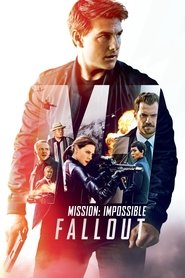
but without compromising what Mission Impossible is, the team, the action, the suspense. And also, I love that you chose this, the Odyssey, as the book at the beginning, because we also talked about this being an epic. Yes. That we felt that the franchise had earned it, that it's where it needed to go. And also visually, you're talking about, you know, this is your second mission that you directed, and you approached it right from the beginning. You said, I'm going to approach it as...
2:27 · jump to transcript →
-
as another director to honor the franchise, but also evaluating and looking at your lens choices, looking at how the locations that you chose throughout the picture, I thought were absolutely perfect. But when you talk about length and design of even the rooms, look at the width of these rooms, the length of them, and the lenses that you chose to shoot this.
2:57 · jump to transcript →
-
If this works, they're going to be in that hospital room going, Mommy? What is happening? Kids going, is this Mission Impossible? The last one was really funny. And there's fans in the franchise going, oh, this is where they blow it. This is the one where they totally blow it. Oh, those poor guys. They took themselves a little too seriously. They forgot what Mission was. They blew it.
4:02 · jump to transcript →
-
-
-
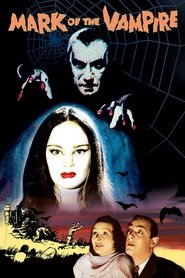
He knows that he's fooling somebody, and so he's basically overdoing the Van Helsing act. He's certainly more interesting to watch than Edward Van Sloan was in Dracula, who just plods through the movie. That's right. If you look at this as a slightly comic performance, I think it gives a different tone to the film. I mean, there is almost a point that, as Bride of Frankenstein is essentially a parody of Frankenstein done as a sequel, this is almost a parody of Dracula. Of Dracula.
20:28 · jump to transcript →
-
She used to go that route. Maybe having been at MGM, everything afterwards is a disappointment, although she did play in scalps later in her life and biohazard. Well, in that point, she only had one L in Carol rather than two L's as she's credited here. And supposedly she also wrote a sequel to Dracula, I believe. Yeah, which did eventually get published. I suppose it's a very early example of what's now called fan fiction, as she wrote a sequel and sent it to Bela to impress him, which evidently did, although...
36:21 · jump to transcript →
-
Lugosi's actual English at the time probably might not have been good maybe someone explained it to him but it came out from a small press towards the end of her life I have to admit I've not read it and I've read quite a lot of sequels to Dracula I'm sure if it was any good it would have been produced a long time before then I saw her just as she was on the terrace I fought to keep my eyes open but they closed
36:50 · jump to transcript →
-
-
director · 1h 30m 3 mentions
Ed Wood Biographer Rudolph Grey, Exploitation Filmmaker Frank Henenlotter
-
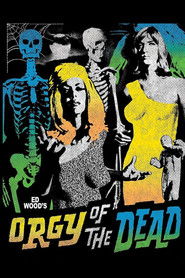
While we're nearing the end of this, I want to tell you what Posloff said to us about his planned sequel. I think we're near the end. Maybe not. Let me see. Oh, God, we're not. We're only halfway through. I'm racing through this. Well, maybe we should just... Yeah. Maybe we should just get up and leave. Let's call in lunch.
47:26 · jump to transcript →
-
yeah um and uh the class reunion is actually god help us a sequel to college girls would have been i hope you guys put it out as a double feature anyway um edward was back writing this is from the interview now in psychotronic uh possible says ed was edward was back writing most of the scripts so the dialogue oh no he's not saying this this is me saying this
1:14:58 · jump to transcript →
-
would be submerged by water. That's the end of that. Oh, well, here she is now. Maybe I should now jump ahead to Apostleff talking about the sequel. And when I interviewed him, he brought this up, not me, because I didn't know there was going to be a sequel. But he says, Orgy of the Dead 2, I will not talk about. And then he goes on to now talk about it.
1:25:18 · jump to transcript →
-
-
director · 3h 16m 3 mentions
-
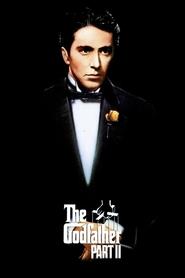
This is The Godfather Part II, which is really a film that I never thought that I particularly wanted to do, or in fact it didn't exist in any form for me, just the idea that Paramount was talking about doing a sequel.
0:01 · jump to transcript →
-
fee. And the third was, I don't want to call it any name of a sequel. I want to call it The Godfather Part II. And basically the answer was the first condition was fine. The second condition was fine. But this thing about calling it The Godfather Part II, that Paramount couldn't go for that because they thought people would think, well, this must be the second half of The Godfather. And I've already seen that movie and I had to give it a title. So I said, look, those are my terms. And that's how this film became known as The Godfather Part II. And it's the first
1:36 · jump to transcript →
-
And I said, well, the first film is called The Godfather. The second film is called The Godfather Part II. And the third film is called The Death of Michael Corleone because it's really about the resolution of Michael Corleone. It's almost like an epilogue more than a sequel. And they said, absolutely, we'll give you all your other things that you're requesting, but you can't call the movie The Death of Michael Corleone. It has to be called.
3:07:13 · jump to transcript →
-
-
-
Yeah, it's just sort of fun to contemplate. Had there been a part two, like where he might have wandered off to with David at the end of the movie, you know? Yeah, yeah. Yeah, that's an interesting thought. And maybe we could get Bobby and Cheryl back together and do a sequel now. Except Bobby wouldn't still be the right age, I guess. Unless we set it in the future, we could do that. Right, his son could be half vampire or something like that. Yeah.
51:40 · jump to transcript →
-
Yeah, I mean, their relationship would hit a few snags down the road, I think, you know, but... Absolutely. Yeah, I still think we could use, like, you know, a belated sequel, you know, for a Netflix sequel or something, catch up with these guys, because I'd really like to know what happened to them. Well, we could figure that out, but I think you'd have to have a bigger audience than this probably has to make that happen, because the young audience that it would have...
1:08:58 · jump to transcript →
-
are not old enough to have seen the first one. Right. So you'd have to make some sort of package deal. Right. Well, it's what they call a requel. It's like a reboot sequel where if you haven't seen the other movie, it doesn't really matter. Yeah. But yeah, we'll see. When the Blu-ray comes out, we'll see how it does. You never know. Well, it would be fun.
1:09:30 · jump to transcript →
-
-
director · 1h 34m 3 mentions
-
So this is a slice of... This is the true story, gang. In Park Ridge, Illinois, it really happened to a friend of mine. I'd be proud if it was me, but it was a famous story in our high school that this happened. Whatever happened after that? Could he be in the sequel? The real guy is now, you know... 12 kids later? Exactly. May I say, Ricky Paul Golden, the swagger this kid has is true to him, undirectable.
13:02 · jump to transcript →
-
Oh, this was a California unit? Yeah. Again, wonderful background folks in all these. Nice work. Again, nice work by Tony. Subtle work. Yeah. But perfectly set up, though, with just that one shot where you go, oh, now I see where he kind of ended up. But did you guys have any plans or just anything in your head about a sequel? Sure. Not detailed, because I really...
1:29:14 · jump to transcript →
-
Never respected that, okay, we're doing a franchise and we're going to make three and this is number one. We're going to call it Blob One. It's up to the audience. You were in the studio going, I got a blob cinematic universe ready to go. Easily. Only three decades to wait, kids. Never grow up. So I wanted to make a hit film, but I wasn't sitting there sketching out the Game of Thrones arc for seven sequels. So the 12-year-old kid who had seen this movie and was so inspired by it. Look at this. Great work by Tony.
1:29:43 · jump to transcript →
-
-
-
Macaulay Culkin
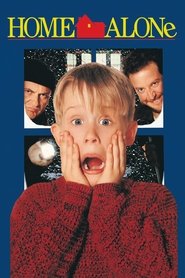
Hyper on 2." Any luck? No. You know, I... The studio rejected my idea of a sequel, which was years... You know, now, you actually... You being in jail... ...coming back to take revenge on Joe and Danny... ...who live in the suburbs next to each other, and they've got their families. Gone straight. - Gone straight. And you've got your... - That's great. I see something there, but they... For some reason, the studio just won't go for it. Crazies.
33:30 · jump to transcript →
-
Macaulay Culkin
Look, honey, the kids are.... You had Ally Sheedy in the sequel. Ally Sheedy was in the sequel. Yeah. - Yeah. But we-- I think we were piggybacking movies at that point. We were just finishing Only the Lonely, and Ally decided to do it as a favor. We were mixing and matching cast. - That's true. Ha, ha. I did a little stint in that one, Ally did a little in that. Is that okay? - Yes. I'll wait. A bit of the New Jersey influence here. We had one of my favorite bands at the time... Still pretty big in England and places like that. Southside Johnny and the Asbury Jukes... ...recorded a version of "Please Come Home for Christmas." It was my opportunity to get to work with some great soul singers... ...and some people I'd always wanted to work with for the soundtrack as well.
34:55 · jump to transcript →
-
Macaulay Culkin
One of my favorite lines, "dangly ones." I Know. I don't know why that's a... People still, like, come up to me and say it. They'll say that sometimes. "Dangly ones." And I'll know exactly what they're talking about. I wonder how many kids who watch this today remember Johnny Carson... ...which was, again, a perennial, you know. He was sort of David Letterman and Jay Leno wrapped into one. But this was also right near the end. I mean, this... He only had about two, three more years after this. Yeah, yeah. Now, do people still recognize you from the film? Yeah? - A lot, yeah. You know, it just... It comes with the territory, but, yeah. It's a curse and a blessing. I have the... I pretty much have the same face. Right. - Just a little bit older. Only a little bit older. Yeah, here's the other one. Look at this. I mean, you have to say... You can't imagine, in dailies, adults just dying of laughter... ...because you were a ham. Yeah, I was a ham. - I mean, if you wanted to.... I love how I never brush the back of my head too. It's such a child thing to do. My son said to me that... Years ago, when he saw this movie, he was like... He goes, "Dad, it hurts much more to spray your armpits... ... than it does to put shaving lotion on your face." And considering I didn't even shave, either. Yeah. Do we--? Didn't we do--? We were... I think we even shot one of those kind of sequences for the second one... ... with, like, an electric razor or something like that. Yeah, yeah. But we actually never did that gag in the second one, did we? I can't remember. People accused us on the second one of just remaking the first one. Which, to some extent, we did. Yeah, that was what was enjoyable about it. It was fun because you actually got to push the envelope a little more... .In terms of how painful the stunts could actually be. Yeah, gosh, I mean, if John Hughes said he could write this on the weekend... ...I wonder how long it took him to write the second one. Just, like, a little bit of cut and paste and, boom, you're done. You're there. Sequel, bam.
50:40 · jump to transcript →
-
-
director · 1h 43m 3 mentions
-
that Seuss's book give us. And so our idea was to do the pre-story, to kind of let the first half or so of the movie be the prequel to the book. In doing so, we had to take a lot of creative license, including creating the myth of how the Grinch came to live on the mountain. It was fun and interesting in the writing, and also I was always very proud of the way audiences responded to this particular sequence that deals with the young Grinch.
24:12 · jump to transcript →
-
Just get back to Christmas the way it should be. Grinch-less. Merry Christmas! Merry Christmas! From a structural standpoint, this marks sort of the end of the prequel. Soon we're going to be into the more faithful adaptation of the book, How the Grinch Stole Christmas. I quite enjoy that. I hope I get another invite soon.
58:42 · jump to transcript →
-
Again, I can't say enough about the design team, led by Michael Kornblith, but also really assisted strongly by Todd Hollowell, and then every department. People were so delighted to be making a Dr. Seuss movie, and thanks to Universal, Ron Meyer and Stacey Snyder and Mary Parent, the executives gave us the tools that we needed to really fulfill the potential and create this world. We're going to die! I'm going to throw up, and then I'm going to die!
1:07:49 · jump to transcript →
-
-
-
E. Elias Merhige
the human and the mechanical science and invention that is leading and giving birth to this completely new world, this world of the cinema. And the first image that we see of Greta with the cat is the first image of the world that we see. And this image of the world that we see is the image of a cinematic, artificial world.
6:45 · jump to transcript →
-
E. Elias Merhige
This bunker, Ashton and I were talking about this World War II bunker, this subterranean place where the final ritual, the final scene of the film is gonna work itself out. And here we have Carrie and Udo
1:07:34 · jump to transcript →
-
E. Elias Merhige
It was something that I had storyboarded from early on with this idea of moving from this world of black and white into the world of color. You know, you have Willem very poetically staring into this lamp, this light. At first he was concerned because he thought it was the sun, but now as he flings the lamp away he sees...
1:23:26 · jump to transcript →
-
-
director · 3h 29m 3 mentions
The Lord of the Rings The Fellowship of the Ring (2001)
Peter Jackson Fran Walsh Philippa Boyens
-
Peter Jackson Fran Walsh Philippa Boyens
a script that was written by a Hollywood screenwriter for, I believe it was an animated version in the 1950s or 60s. He had particularly objected to what he called the use of the eagles as Middle Earth taxis. Right. But yes, he had a very specific reason, which was that the eagles are their own race. They're not necessarily part of this world and they do things for very specific reasons. Welcome to Rivendell.
1:26:12 · jump to transcript →
-
Peter Jackson Fran Walsh Philippa Boyens
Yes, yes, there are other forces at work in this world besides the will of evil. And the other great message in this scene is all you have to decide is what to do with the time that is given to you. That is the essence of it. Well, that's about free will, which again plays directly to the powerful themes that underlie the story, which really...
2:09:17 · jump to transcript →
-
Peter Jackson Fran Walsh Philippa Boyens
who was very loved by members of the crew and the cast. And he did a fantastic job on this film. And really, we would have been sunk without him. In a sense, filming The Lord of the Rings, the trilogy of The Lord of the Rings, all in one big hit over 15 months,
3:24:06 · jump to transcript →
-
-
-
Tom Tykwer
Kieslowski and his co-writing partner Krzysztof Piasewicz. Both of them had written an amazing body of work before that. The famous series called Decalogue, based on the Ten Commandments. The trilogy of three colors, blue, white and red. And among others, a film called The Double Life of Veronique.
1:34 · jump to transcript →
-
Tom Tykwer
of the outside world that is going to be closed and that is going to endanger those two characters who behave as if they were in a bubble that is outside of reality and this world. So this is also a reminder for them
59:25 · jump to transcript →
-
Tom Tykwer
outside of this world and towards that sky and towards this heaven, which for me is anyhow a projection field for, much more projection field for utopias and because it represents endlessness. And in a way, of course, because of endlessness, it also represents eternity. So here they are, our two strange, weird heroes.
1:27:30 · jump to transcript →
-
-
-
Len Wiseman
I think you arranged that hair yourself, didn't you? Oh, I always arrange the hair. We gotta figure something out for the sequel, some kind of moulded shell... ...some helmet that looks perfect, that doesn't move. I might do that Olsen-twins movie myself. Well, it sucks because there's so many elements in a shot... ...and the fact that the hair makes you do the shot over is really frustrating. But if the hair falls in your actor's face... ... you just can't use it. And it was just an ongoing battle. Did you ever let the art department do this... ...or were you busy all over this thing as well? No, I let them do it. For these shots, I would arrange it... ...and just pick a bunch of stuff off and put it together. They went crazy around the office. Actually, the first attempt to do that bulletin board... ...which I said should look like some really creepy homicide board, was... They went and took a lot of pictures of people in the production office. You actually see people at drafting tables. And other people are kind of looking and smiling into the camera. And I said, "It's supposed to be surveillance photos." It's a little bit too chummy. - Yeah, a little bit too aware. You've got a guy with an illustration of a crypt set in the background.
1:27:19 · jump to transcript →
-
Len Wiseman
He'd try that, though. He'd try to get the scarf and maybe a little piece... ...of jewellery or whatever. - He'd come out... ...of the wardrobe trailer, "And what do you think about these bracelets... ...and these earrings?" I was like, "I don't think it fits with your character." He liked that pink spectrum and the fuchsia. Remember when he kept coming out... He wanted to wear the eyeliner... ...and with the eye shadow... - Which would've looked so dumb. No. Like, "Scotty, nobody else is wearing lip gloss." So.... And also, remember, he wanted, like, the really blown-out hair, like...? You know, he wanted his hair longer. Yeah. He had this obsession with the whole Dukes of Hazzard... ...and getting that very.... Maybe we shouldn't out him like that. - Of course I should. His own daughter. He was a chick in the movie, and he didn't get any of the cool chick stuff. I can understand him being upset. - No, I can too. He'll have a pocketbook next time. He'll come into his own in the sequel. He's gonna have Hello Kitty accessories head to toe. Nice pink boots. Great hair, though, right? - Yeah. It was worth fighting with him on that one.
1:36:54 · jump to transcript →
-
Len Wiseman
And here we are, setting up our sequel.
2:04:59 · jump to transcript →
-
-
-
John McTiernan
That was one of the back to the drawing board parts. The only image of an alien life form that had captured the imagination or looked halfway plausible, or functional was this stuff that came from H.R. Giger. Illustrations that became Alien. You know, one of those images of the ultimately terrifying other life, only shows up once in a generation or more. You're not just gonna, you know, hire some cartoonist and say, "Come up with a next H.R. Giger." 'Cause H.R. Giger only comes along as I said, once in a generation. And I didn't see how you could do anything associated with it without just being that derivative also-ran. And, frankly, having seen what they did in the sequel, that's exactly what I thought. I thought it was, it was best that they didn't shoot it. Here you see Jesse actually carrying Painless. He had no ammunition at this point, that's why he could carry it. And there's obviously no battery connection and it wasn't operable that way. We shot this in Palenque, where we could get a real snake. The worry was that Painless would buck and get away from him, and spin. Even if you had everybody clear out in front for 50 feet, that the man firing it might not be able to control it. And that he could wind up in the way of all this wading and bits of brass and stuff that was flying out of the front end of it. So the first time, they fired it, they did a Iot of... They anchored it. And yet tried to give him a chance to figure out if he can control it, so it was like bungee cords and things. So that if it started to get out of control, they could yank it in and protect him. But to let him see, you know, what other... You know, what other concussive forces... You know, what happens when the thing starts spinning. We learned that there was enough gyroscopic force in the spinning of the cylinder, that it kept it online. That actually was very difficult to move it around or aim it, and in an odd way, it was very safe. You couldn't have it wind up aiming where you didn't want it, 'cause it wouldn't move. Because of all the gyroscopic force and the spin, but it took us a while of experimenting with it, and I think he first tried it out over, with the second unit. And it was like half a day, you know, we kept hearing reports of, "They're gonna fire Painless, "in 45 minutes. "Well, no..." It's like a count down to the moon launch or something, "They're gonna fire Painless." And I think later that afternoon it fired, and we were about a mile up the valley. I could hear tt. It sounds like, it's the loudest buzz-saw in the world. Some people, I guess, were concerned about how impractical it was, but the notion was that, Painless was... Look, it's a movie prop. You know, we never would've used it, but it's a lot of fun to watch. Here we got Bill Duke to fire Painless. You notice he is not walking while he does this. Now, this particular sequence, I made when I first went to work on this project, I had the feeling that people had a sort of perverse fascination with pictures of guns firing, literally almost a pornographic desire.
44:06 · jump to transcript →
-
John McTiernan
There are a number of scenes in the sequel that were things I campaigned like crazy not to have in this movie, like the journey inside the spaceship to see the various preserved bits of stuffed humans and things which was just yorkie. I tried to throw all sorts of handicaps in the way, because I thought it was just a yucky notion. I didn't think one could ever do it successfully, that it would be silly-looking and repulsive. Because this was my first studio feature, I had a limited amount of, a short leash on how much I could change the screenplay, but the... I wrote this sequence, which they used later. Arnold remembered and used later on. I wrote this sequence where I wanted them to, instead of going in by helicopter, I wanted them to go in in a halo jump, which is, to go in an airplane that, where the back end opens up, and they jump out.
1:12:32 · jump to transcript →
-
-
director · 2h 19m 2 mentions
-
in front of the others, it's a problem. So you have to do it in such a way. And it was a very big negotiation. So the reason why that scene had to be done in one take through the underground labyrinth of this world and then to emerge in the spotlight like a king, you know, king and queen, this was the highest he could aspire to. And he hit it at a very young age.
31:41 · jump to transcript →
-
of this world, or at least a little taste of it, because I didn't know anything about it, and I don't know if Lorraine did, but we had such a great, fun time that night that I think just right from the beginning, we were both sitting there with Martin Scorsese, and then here's these real guys around us, and we were kind of like the new kids on the block. And almost all of them were named Peter or Paul. It was unbelievable.
42:14 · jump to transcript →
-
-
-
Commentary With Author CG Paul M. Sammon
Okay? So don't worry mothers, or fathers, or children lovers. Maybe latex lovers should worry. To go back to the history of the film, what happened very briefly was that Orion made so much money unexpectedly on the first RoboCop. They made approximately $50 million in 1987. They immediately wanted to go into production for a sequel, particularly because they were in financial trouble at that point.
13:47 · jump to transcript →
-
Commentary With Author CG Paul M. Sammon
sequel is, I think, a monument to the true beauty of behind the scenes Hollywood craft. Kirsch came in with very few weeks, no prep, did this entire film on the fly.
47:14 · jump to transcript →
-
-
-
Mark Amin said, I think I see something in the picture. Yeah, I think as the footage rolled in, it became clear there was a vision behind it. And I think we felt that as each day went on. Every setup is a decision you're making, Mark. And we quickly, you could feel everyone getting on board, understanding this world, which it really is its own world, which is also what makes it fun. It's totally out of time and space, like a cartoon. And...
21:30 · jump to transcript →
-
There were no laurels for him to fall back on. Everything was being built from this experience, and it became monumental for me. Like, wow, this guy's amazing. He was terrific. He got into it. He understood it. He brought his own personality to it, and I think that's the reason all the leprechauns work so well is it's Warwick. It's the character. Yeah. And that's why, you know, I'm disappointed they're not using Warwick in the new reboot of Leprechaun, but...
23:24 · jump to transcript →
-
-
-
And then Marshall would return to the fold for the Jurassic park sequels, as well as the Indiana Jones sequels that Spielberg and James Mangold directed. And Kathleen Kennedy was involved with the James Mangold, Indiana Jones movie as running Lucas. So it's all very, they kind of keep going in and out. Um,
56:39 · jump to transcript →
-
In that period between Amblin and Lucasfilm, when the Kennedy Marshall Company was thriving, some of the movies they made included The Sixth Sense, The Bourne Identity and its sequels, and The Curious Case of Benjamin Button, as well as more Spielberg collaborations like Munich and Lincoln. In recent years, Frank Marshall has also gotten into producing Broadway plays and musicals. As we record this, he has one.
57:22 · jump to transcript →
-
-
-
Darren Aronofsky
Euclid predicts AAR at six and a half. AAR hasn't been beneath 40 in 20 years. Explanations for anomaly, human error. Me and Abe Lincoln share the same birthday. So Max tries to reboot the computer and now we sort of introduce his sort of homemade brain
19:19 · jump to transcript →
-
Darren Aronofsky
And that's King Neptune, who's a character that I've dealt with in several different projects that I've written. King Neptune is actually the living King Neptune who's somehow lost his trident in this world of evil and is searching for it with a metal detector on the beach of Coney Island. And right there, he finds something else. It's not his trident, but it's almost as good. And it intrigues Max and brings him over. The original King Neptune that we cast was a...
38:41 · jump to transcript →
-
-
director · 1h 56m 2 mentions
-
They wouldn't be just spewing gibberish. It's actually what this professor believed ancient Egyptian would sound like. Arnold was pretty good at it, but Ankh was terrific. If we do a sequel, we'll bring her back big time.
3:05 · jump to transcript →
-
which I'm sure will be important in the sequel. Thank you very much for tuning in. Hope you enjoyed the movie. It was very, very, very informative.
1:56:48 · jump to transcript →
-
-
-
James McTeigue
Mmm. It's delicious. - Good. God, I haven't had real butter since I was a little girl. Where did you get it? A government supply train on its way to Chancellor Sutler. You stole this from Chancellor Sutler? - Yes. You're insane. I dare do all that may become a man. Who dares more is none. Macbeth. - Very good. My mum, she used to read all his plays to me... ...and ever since, I've always wanted to act. Be in plays, movies. When I was 9, I played Viola in Twelfth Night. Mum was very proud. Where is your mother now? She's dead. I'm sorry. Can I ask about what you said on the telly? Did you mean it? - Every word. You really think blowing up Parliament's going to make this country a better place? There's no certainty, only opportunity. You can be pretty certain that if anyone does show up... ...Creedy'll black-bag every one of them. People should not be afraid of their governments. Governments should be afraid of their people. And you'll make that happen by blowing up a building? The building is a symbol, as is the act of destroying it. Symbols are given power by people. Alone, a symbol is meaningless, but with enough people... ...blowing up a building can change the world. I wish I believed that was possible. Every time I've seen this world change, it's always been for the worse. Roger Allam, who plays Prothero, is a fantastic theater actor. Those shock jocks exist in every country... ...whether it's America or whether it's England... ...or whether it's Australia or wherever you are. I think the common denominator is they are in every country in some form. And he really embodied that. All the awfulness... ...and the disgustingness and the duplicity that a lot of those guys have. He's the voice of Britain, so he runs a television program... ...in which he rants his particular beliefs... ...which are also the beliefs of the government. I mean, very much like, I suppose... ...some of those evangelist kind of programs that you have in the States. Only his evangelism is a kind of nationalistic fascism, I Suppose. Roger really relished the role. I thought that he really did a good job. So, you know, I made him.... You know, he has those shirts that have the, like, the squeezing neck... ...and I put him, like, in a fat suit... ...and I made him a bit colorful and really made him over the top. One's initial impulse is to be quite big. Then you think, this is a movie. I better be smaller. And they were sort of also, "Oh, no, be big." You know, so. So, you know, you pick up influences... ...and direction and encouragement from wherever you can, really... ...and just sort of hope it all stitches together. Don't worry, I've made sure our reunion won't be disturbed by... ...any pesky late-night phone calls, commander. Stop. Why do you keep calling me that? That was your title, remember? When we first met, all those years ago. You wore a uniform in those days.
31:22 · jump to transcript →
-
Evey
These tracks lead to Parliament. Yes. Then it's really going to happen, isn't it? It will if you want it to. What? - This is my gift to you, Evey. Everything that I have: my home, my books, the gallery, this train... ...l'm leaving to you to do with what you will. Is this another trick, V? No. No more tricks. No more lies. Only truth. And the truth is, you made me understand that I was wrong... ... that the choice to pull this lever is not mine to make. Why? - Because this world... ...the world that I'm a part of and that I helped shape, will end tonight. And tomorrow, a different world will begin... ... that different people will shape, and this choice belongs to them.
1:50:03 · jump to transcript →
-
-
director · 1h 35m 2 mentions
-
The CCTV cameras in this movie is an element that conveys that the city's under control. Everything is under control, which is part of the... it's one of... it's part of the process when somebody's trying to rebuild a city like this. With Rose Byrne, the character of the doctor, we introduce the concerns about the infection. Maybe it's not under control and they need more time. A little conflict in the militaries about if they are doing the right procedure, in terms of they are bringing kids to this world which is something maybe dangerous.
19:00 · jump to transcript →
-
It's driving them crazy, because, you know, it's so difficult to see who is infected and who is not infected. And, again, a character taking a difficult decision, which is one of the leitmotifs in the movies... in the movie. A right decision or a wrong decision? But always it's a decision that implies destruction. Yeah, and all these decisions have been taken from the fear. The fear is... Everything is around the fear here. Everybody takes a decision in this... in the presence of the fear, which is moving everything forward. When you're watching the movie you understand why people take these decisions, because I think when we feel this fear in the real life, you're in trouble. It's not a cold decision, it's not a decision taken from a quiet moment. It's... when you're surrounded by something really powerful as the infection. This tune, this theme, was taken - musically - was taken from the first movie. This is a tune we always loved from the first movie, from John Murphy's soundtrack. And we had no time for John's... He had only two weeks to compose the music of the film. This is absolutely amazing to say that, but it's the truth. And we decided to bring this theme again back here in this sequel, and to work it in different ways. For me, it's hypnotical. I... I like the way we use it here. I like the way that John orchestrated and arranged absolutely in a different... It's different from the first one. We are going to hear this tune four times in the movie, in key moments. This is one of them. And that... this sound, this music, reminds that the infection is a building process. The infection is spreading. That's why the music is building up and, you know, getting this kind of big, intense moment with the guitars, which is the best combination with the infection around. On the other hand, the music has a kind of heart, emotional heart, which is telling that this movie is about character, it's about people... who try to survive. Now there's the moment of Doyle's dilemma. Another decision to take, another difficult decision to take, which is to put out of his misery his colleague.
54:07 · jump to transcript →
-
-
-
James Mangold
And I think what you see here among these men is a tremendous sense of confidence and comfort in this wardrobe and in this world. The other thing that I think is important with actors is that, and this stems from what I was talking about a moment ago, good guys and bad guys, villains and heroes, no one, no person in the world, including Hitler or Osama bin Laden, walks around believing they're a bad guy.
21:27 · jump to transcript →
-
James Mangold
a rebellious figure against a kind of change, an inexorable change that is coming. All these things, I mean, I hope you see, we're really, we were very conscious of in assembling the journey of this movie. We wanted every one of these forces represented very clearly so that people might see, in a sense, our current world through the prism of this world.
24:53 · jump to transcript →
-
-
director · 1h 36m 2 mentions
-
extensive cost to do a feature film, but to be able to actually do the sequel to Alien vs. Predator and to have the writer from the first Alien vs. Predator join us, one of the writers, which was Shane Salerno. Unfortunately, Shane can't be here today. He was going to join the commentary, but the writer's strike in Hollywood has prevented him from coming in and actually doing video commentary, so we're going to have to thank him for his script and all of his hard work without him being here. He's here in spirit, I guess.
3:42 · jump to transcript →
-
That allow for the sort of space travel that we saw in the other films. Yeah, and it ties into Predator 2, which was the whole idea that they were trying to, you know, secret government organizations trying to capture the Predators and get their technology from them. So it's like that scene to us sets up for what could be the, you know, the AVP3 and, you know, how it bridges to the Alien franchise. And the last thing I'd like to say is just...
1:35:12 · jump to transcript →
-
-
-
Francis Lawrence and Akiva Goldsman
influenced by the Blair Witch Project for this sequence. And I think one of the key ideas was that the actors in that film were really horrified in all of those sequences. They weren't the hero that were going up against the villain, you know, with courage. But here we have Will petrified, and you just never see that. And I think we are just living in this world in his shoes, and if he's petrified, we have to be petrified. Remember we had a version of this sequence years ago that was in the U.N.?
28:06 · jump to transcript →
-
Francis Lawrence and Akiva Goldsman
somewhere it's a yeah it was a closed actually it was a closed hotel well it's next door we would go in through a closed hotel the hotel was taking it over right right right but yeah we found this vault which is one of the reasons i wanted to shoot here it had these great stairwells and narrow tunnels and it was sort of wrecked and we went with the idea that it was a burnt out bank and i also loved the idea of this money this you know that in our world now all that cash laying on the ground is so enticing but here in this world it means absolutely nothing
29:34 · jump to transcript →
-
-
director · 1h 43m 2 mentions
-
the country of China, the geography of China, the spirit of China, and the history of China. It's the reason I did the film. I did not ever, I haven't done a sequel to my own films. The Skulls had a series of direct-to-video sequels. Triple X has had two sequels, now a third one coming. I mean, Fast and Furious has had
1:39:43 · jump to transcript →
-
two sequels and a third one coming, and XXX had one sequel with a cast change. And, you know, I didn't do those for reasons. There are too many new ideas and too many new things to explore.
1:40:14 · jump to transcript →
-
-
technical · 1h 22m 2 mentions
Gary Lucchesi, Richard Wright, James McQuaide
-
Richard Wright, producer. Mans, director. Bjorn Stein, director. Gary Lucchesi, producer. James McQuaide, executive producer and visual effects supervisor. What, you get two titles? - Well, you know. Big shot. So here we are... ...at the beginning of the fourth Underworld movie. That's right. Been a lot of them. The first appearance of Len Wiseman's... ...new logo. - New logo. The world premiere. - In 3D, no less. Oh, my God. It's like our life flashing before our eyes. Yeah. We've lived through these. Exactly. I think it's fun to say that... ...I think we cut the... Edited the whole film for eight weeks... ...and then we spent three weeks editing the first three minutes. That's exactly right. - It was crazy how to get it... And it was, "Shall we do a recap or shall we not? Does it feel cheesy with a recap or is it good?" But I think that everybody agreed in the end... ... that we have this wonderful library or cupboard of wonderful images... ...SO let's use it. And it's a wonderful way to get into the mood... ...and this is the world. lt has been a while too, since Underworld 2... ...where this one picks up from. We're reminding ourselves of all the characters. It's not cool, but in the end it... Wow, it really works. Yeah, I had a friend-- We had a premiere yesterday, actually... ...and I had a friend who hasn't seen the prior ones... ...and she said it was helpful... ...to just get into the soul of what this is, so.... And it's so nice to see Michael Sheen... ...and Scott Speedman and Bill Nighy. Yeah. - Losing their heads. killed the elders.... Yeah. One of the things we really liked when we got the script... ...was that number four... That it was the beginning of something new. That it was not just number 17 or something. It was.... The trilogy was done... ...and now we got into something new... ...which is exactly what we're watching right now. And this was a big thing how... That we wanted it to be brutal... ...and hand-held and gritty, using a camera language... ... that hasn't been used in Underworld before. Yeah. To turn everything upside down. This is another part of the film where we did... ...a tremendous amount of work trying to figure out... ... how to frame the fact that we're 15 years in the future... ...and the world has changed... ...and how you do that economically... ...In a different camera style than the rest of the film. Because this is in 2D, not in 3D as the rest of the film is. One of the biggest inspirations for this intro... ...Was actually the Gavras video, the M.I.A. video. What's the name of that? "Born Free." - "Born Free." Oh, that guy. - He's great. This guy, he's just at casting... ...and we realized that we need something... ...and we cut this rollout and then suddenly we needed him... ...SO this is his casting tape. - His audition tape, yeah. Yeah. - Yep. Used it in the film. I love that head shot. James really enhanced this with the visual effects he put into it. These creatures, yeah. The creature shots. Because they weren't shot that way. Yes. They're hard to come by, these creatures. That one was a real one. That's a real one. - Yeah. A real Werewolf. Yeah, we had a few. - Yeah. We can cast them in the forests of Vancouver. What we just saw... That girl on the wall... ...IS Kate's stunt double. - Yeah. She did... - Alicia. Alicia Vela-Bailey, yeah. She took iPhotos of her body for each bruise she got. She was black and blue, this girl... ...and she's the toughest girl I've ever met. Went to the hospital more than once too. Yeah. - Yeah. But as he said, the toughest girl I ever met. Yeah, always with a smile. Always with a smile. And you will see her getting thrown around a lot in this one. All of those flying-into-the-wall sort of things... . It's actually a person, Alicia, getting thrown in. Or Kate sometimes, as well. - Yeah. So we wanted to start off in 2D, gritty... ...and then since this is 3D movie... ...we wanted it to... Really make it big... ...when we see Kate for the first time, and that's when we switch to 3D. This shot was actually planned to start inside the fire... .In the beginning, inside a skull... ...and then going through the flames... ...a Vampire skull, but it became too tedious. That was the four-hour version. Yeah, this... We're very European. European version. Very... It was also a shot that we fought to keep in... ...and there was some obstacle to that... ...but we succeeded in keeping it in. Obstacle being money. - I love the way you say that. We ran out of money. And you see the surroundings here is-- We tried to create... Since this is the first time we introduce a man really... ...In the Underworld franchise... ...we wanted to find architecture... ... for the city that wasn't, you know, just another city. And after a lot of thinking and looking.... You know, we were thinking the first film was shot in Budapest... ...and it had that gothic feel to it and... By the way, great blood splatter there. - I love it. That was beautiful. And then we found something-- If you haven't been to Eastern Europe... ... you see all these beautiful houses... ...but next to them you have these concrete, hard, depressing buildings. And there's something called brutalism. You mean brutalism? - Brutalism, yes. A word we've heard 700,000 times during the making of this film. You were insanely annoying by just trying to put brutalism in... ...brutalism in, put brutalism in... ...to find what we call neo-Goth. Which is a new Goth. - Neo-Goth, yeah. This plate's actually from Underworld 2. This was.... We were doing tests for that boat that exploded... ...and we went back and found the footage... ...and stole that plate and revamped it here for what you see. Yeah. The secret of every great artist is knowing where to steal. Where stuff is hidden, in this case. - Yeah. It was one of the biggest challenges that we didn't have Scott Speedman. So that was a face replacement of a stuntman... ...and I think that was the trickiest part to pull off, I think, in the movie... ...because we're setting up this love story. She's running for her love and we don't have the real guy. Yeah. - But I think because of the recap... ...we do get that.... Do you see that city in--? That city is all CG behind her that's burning. And I remember James had said, "What do you think?" And I remember we asked about that, like, months ago... ...or half a year ago, and I forgot about it... ...and then you just come up with this. It was like a birthday present. I was so happy. All these backgrounds in it... ...makes It so much richer. And remember this next shot coming up too of Kate swimming... ...was really the last footage that we shot on the movie. Yeah. In the tank. We all had this great concern that, you know... ...can Kate swim or not? She ended up being a fantastic swimmer. She was great. She was.... This is more than swimming. It's performing underwater. She held her breath so well. lt was unbelievable. We were.... - Yeah. Well, that's typical Kate, you know. Everything she does, when she does it is, like, perfect. Yeah. - Yeah. But filmmaking's about being afraid... ...things aren't gonna work. - Right. We had anticipated the worst and we were wrong. And this is-- Originally the Underworld title was here. This is our homage to Tree of Life. - Yes. We had the title here at one point... ...and this is a transition... ...which is very abstract and weird, actually. But I'm happy with it. These were the things... ...that I remember it was hard to describe. We were very sure exactly how we wanted it... ...but we couldn't really say "this is how to do it"... ...because we'd never seen it before. But now when I see it... James, who did this? - Celluloid. Fucking great. - It's great. Yeah. It's great too, because we added the spin... ... sort of late in the equation. This may be an intellectual idea. Hopefully it works. To sort of make the audience... ...particularly when you see it in 3D, disoriented. Kind of like Kate was as a result of being underwater... ...being Knocked out and waking up 12 years later. There's something about spinning... ... that sort of makes you visually confused. Also, not only the spinning, but also the kind of... ...stop and motion feel to it, that it's... - Time passing? lt has a time-lapse feel to it... ...which, you know, was a subtle way of saying time has passed... ...actually, 12 years. - It's one of my favorite shots. Yes. - This is beautiful. Another very disorienting shot, though. So this is actually Alicia hanging here... ...and it's Kate's face replacement on her. Yeah. And the ice is CG. - Yeah. Smoke is CG. I am glad that we put the name on the glass there, "Subject 1." Yeah. So nobody would get into the wrong tank. No, but the thing is, I don't think it's just for like: "Oh, it's for the idiots." But I think it looks good. Subject 1 sounds brutal, I think, in a very good way. There's that word again. - Yeah. And remember that set initially... ...when we first saw it, had all these shower curtains in front of it... ...and we asked Claude to remove them. Yeah. - Oh, right, yeah. One thing that we really wanted to do in this movie was that... And we told Brad, who was the excellent second-unit director... ...and stunt coordinator, we said that we very.... We want to hurt Selene a lot. "Could you find somebody we can do that to?" Yeah. Because she wasn't that hurt in the other movies. We said, "We really want to--" Do you think anybody's listening to you right now? The naked girl, I'm watching that instead. Everybody's so nervous when you shoot something like this... ...but Kate was so cool. She was. Yeah. - Yeah. It was nothing. - Here we have Stephen Rea. Yep, there he is. Our Irish. - Yeah. I think, yeah... I really liked working with him. He was... Stephen is a handful, but he's also.... He gives you what you need. Is there anybody in this film that ended up doing their native accent? The North Americans were doing English... Kate. - Yeah, Kate, that's true. Everybody else was doing a different accent. Sandrine Holt there. - Sandrine Holt. Hurry. Releasing... ...maximum dose of fentanyl.
0:10 · jump to transcript →
-
By the way, there's my daughter, I should say. In the car. Ashley McQuaide, her big cameo. She's great. She's gonna go do good. She's very sought after in Hollywood. The one thing I can say is this. This crash coming up was a bit of a fuckup. The taxi was supposed to fly over the other car. SO we were disappointed... ...but I think that the shot still looks pretty bitchen. It looks fantastic. Your eye is drawn to the Lycan. Which is what it should.... - Could have been better. And here-- You know, Paul Haslinger did the music here. I love this, you know, how we changed into this new... ...Style in the music exactly when we get into close combat here. Paul, being an old hand... ...having done the score for Underworlds 7 and 3. He did an amazing job. - Amazing job. Yeah. - Yeah. Every-- All these Lycans are CG Lycans... ...but they mostly are.... There were guys dressed in blue with funny heads. So they look like really big... - Suits kind of looking like... This was a big moment. - Looks great. And India's face.... We really didn't do anything to it. She was able to scrinch up her face. - Yeah, she's a badass. Well, there's a bit of CG going on. We changed her eye shape and the color of her skin, obviously. But she was good. - This is an old trick, you know. The guy dry his fist across his mouth. I told Theo to do that. But it really always looks good, I think. It's the moment too, where Selene realizes... ...that this creature back there has... ls connected to her. - ls connected to her. She saw a level of power in there she hadn't imagined. Here's the Kris Holden-Ried introduction. Yeah. Here's where he comes in. Might have... And it's not even the last new character. In the script, this is the third time we see Kris... ...or Quint. - Quint. And here, we talked about that scene... In the apartment when she throws the guy out of the window. If you look at the monitor, there's actually a shot from... ...coming out of the club... ...which was Prey. So we used footage for that as well. lt was not a waste of time shooting there. Very expensive stills. - Those two days... ...that we spent shooting there. - That town is all CG, and then we.... Somebody gave us that in the last... There were so many people working so hard... ...for no money for this one. I love it. - Yep. How did you find me? Now we have an actual conversation. An actual dramatic scene. Yeah. - The first of the entire film. There's not a lot of talking. - Yeah. I think Michael Babcock, who did the sound design... Which is so beautiful, I almost cry when I think about it. When we heard about... "What did you do, Michael?" "I did Inception and Dark Knight." We're like, "Okay, good." And I think when he showed us the first reel... ...we had, like, no notes. lt was perfect. Anyway, he said... ... after we'd done this, "I really enjoyed working with this. ll even do a talkie with you guys." That's nice. - Yeah. I remember at the end of this scene, when we did India's side... ... that Kate went up to her and complimented her and said: "You did a really great job." - Yeah. And it was a.... It shows Kate's consideration... ...for other actors, and really the.... The person that Kate is. You know, because here's this young girl... ...who was clearly a little bit nervous acting... ... against a movie star, and an actress of Kate Beckinsale's quality. Yet Kate was very generous with her. The funniest thing-- Not funny, but extraordinary thing about India... .IS that she is like a very old soul in a young body. Oh, my God, yeah. She's 17 when we shot this movie. But she's incredibly mature. - Yeah. Incredibly. And sometimes when I talk to her, I feel very like a kid... ...and she's the old-- Yeah. Yeah. - She's the grownup. But she knew this character. And so many times, "No, let's do it like this." And she always stood her ground, saying, "No, she wouldn't do that." And I love being told that... ...because that means the actor knows. Are your fingers crossed? - No. No. No. Okay. All right. Okay. No, I like it when the actors know their characters, so they... Yeah. This is also our first day shooting. I loved shooting this scene. Oh, God. This scene. "Blight of nature." That's, you know, epic Underworld dialogue. It's one of those scenes that in 2D doesn't look great. In 3D, it looks spectacular. - Yeah. Why is it raining? Because it looks nice. Why is it thunderstorms? - Because it sounds nice. Theo James, stunt driver. - Yes. You can actually see that a bit. Yeah, and if you look at the van, I mean.... All the.... We wanted everything to be low-tech... ...as all the other movies. The low-tech is very important. That combined with the Vampire aesthetics that you see. The Celtic signs of Kate's corset... ... the weaponry and stuff like that. This area here is actually shot in that dam. In the actual hydroelectric dam. What's the name of that dam, Richard? I can't remember. Spencer Dam or something? - I don't know. It's outside... Up above Vancouver. - Up above Vancouver. Nobody shot there. Like, 20 years ago... ...someone shot there. I can't remember what film. It's been closed down, so.... We were the first to... - Part of the water supply. Amazing location. - Yeah. Absolutely beautiful. And brutal. - And remember how it--? Brutal as well? - Brutalism. But it also rained... ...torrentially before we shot. We thought we'd get two streams of water... ...and we got the whole megillah. lt was fantastic. This is one of the things I love about Underworld. These, you know.... The looks. And it feels... It makes me believe that this world exists. Now we're also back in... This is Underworld. We've been in brutalism. - Yeah. Now we're back in-- Oh, yeah. This is a wonderful set that Claude Pare designed. Our production designer. Wonderful production designer. Award-winning production designer, might I point out. And this, actually, was fun... ...ecause I was walking the streets and suddenly: Here in L.A. before we started shooting. I started talking to Kate and Len, and Len... And Kate says-- I don't know how she came up with it... ...but she says, "I know Russian." So I said, "We must get some Russian in, then." So.... Because I think it's so sexy. - Yeah. Of course that means Charles Dance... ...as to Know Russian too. Yes, and Theo James. That's Kate's mother, by the way. The Sony people, when they heard that, were excited. Because internationally, Russia is now a big territory. So.... At a certain point, they said, "Can you have more Russian in the movie?" This, again, being Charles Dance... ...a well-known British actor. Charles Dance is one of those fantastic old-school actors who... ...when you give him direction, he looks at you and he says: "Thank you, sir." Then he does exactly what you asked him to. He does exactly what you ask for... ...and It's such a pleasure to work with him. Listen to me. I start speaking British. And the actress here playing the doctor is... Her character's name is Olivia. Is Catlin Adams... ...who is Kate's.... Acting coach? - Occasionally. Kate recommended her. - Happy family. That's how Underworld is. - Yeah. Or SCars. I've never seen a child... We should have had more Swedish in the film. We have a little. Underworld 5, actually, I've heard that there's a big Swedish subplot. I had Kate say: Which all Swedes will understand, but she said it. It's very cute and.... So she, you know.... Because she's.... The musicality of it here. Her Russian is perfect and it... She speaks, I don't know, how many languages? Five languages. - A lot. Yeah. And she could just start speaking Swedish. That was insanely fun. I love this sequence... ...because it's so many things at the same time. I think it's terrifying, but I also think... ... It's, you know, touching, but also sexy. I think it's one of the most disturbing scenes in the movie though. Where you realize that this girl... ...who you thought was this innocent child... ...now has this voracious taste for blood... ...and has now gone to a different place. She is a creature of the night. - Yep. The blood on her face was great. You added that afterwards, James? - It was all CG, yeah. Good.
25:58 · jump to transcript →
-
-
-
Joss Whedon
But I think the most important thing about the movie is that it's mine. That it's all me, and that really because I'm the director and the writer, I really created it all myself. I think that's important to bear in mind. Especially because, while I've been talking, you've already seen the work of two other directors, not to mention the insanely large village, possibly a metropolitan area, full of people who are working in every frame to fulfil whatever vision it was I thought I had. One thing about this movie that you're gonna hear a lot is how extraordinary the crew, the post, the pre, uh, the production people, how they not just carried or fulfilled, but inspired this movie, which begins with this rather iconic image. Um... A very deliberate decision on my part was to start off with the hardest thing in the movie from the first one, what we refer to as the "tie-in shot." Rather than getting the Avengers back together, I wanted to say right up front, "No, they're in it. "And here's the very climax of the first film. "Here's the very thing you always showed up for, "all of these guys in one enormous shot "with a big slow-mo, kind of, uh, comic book panel moment." And my original concept had been that the very first frame would be the slow-motion part. Kevin Feige very rightly argued that without some context, people just wouldn't know what they were seeing, um, and wouldn't appreciate it as much as they would at the end of the shot. Which, um, turned out to be very true. When I talk about the other directors... There was a short shot of people running up the stairs that my producer, Jeremy Latcham, went ahead and got with our "C" cameraman, Sam, while we were in Dover Castle, which is right here and played as the interior of the fortress. Um... We were mostly stuck in big, beautiful rooms filled with equipment, and there are so many lovely little spaces. He said, "Shouldn't we go and get soldiers running about, "and show some of the stairwells and the halls, "and all the things that make this space more than just big rooms?" And we ended up using a lot of that footage. It was just grand. And, of course, the other director I'm referring to is John Mahaffie, who is an actual director, um, the second-unit director, who shot so much great footage for this movie. I shot about 100 days, he shot over 50. And some of them are elaborate. That's another, what I was referring to before. Some of the more elaborate stuff inevitably gets shot by second unit because the characters in it are CG, and requires camera setups that take hours and hours. And so on the one hand, I, being the most important director, the director of the first unit, I'm busy getting really the heart of the piece, and he's getting these secondary shots. Except that the "secondary shots" he was getting, I just used air quotes, you cant tell, but I did, were very much some of the most beautiful footage that was shot in the film. And I started to feel like Reaction-Shot Joe. I would just see these glorious things he'd stitch together, and then I'd... There'd be a close-up of somebody reacting to it. I was like, "That's me! I did that. I'm also a part of the team." Um... Because the team is how this gets done. You're gonna find that's also part of what we have to say in the movie. But in the making of the movie, it's very much the same thing. Both of these guys, Thomas Kretschmann and Henry Goodman, extraordinary thespians, who would come in to do smaller roles. I actually said, "If we made a movie with only the day players..." They worked more than that, but just literally people who were there for just a day. "we'd have the most star-studded cast you could work with." It's wonderful. It's probably a terrible thing about the industry that you can get amazing actors to play these smaller roles in franchise films, but it works for me.
0:42 · jump to transcript →
-
Joss Whedon
This was exactly what I pitched, again, before the movie. Loki failed, Red Skull failed. Ronan failed. So, it's time. Third movie, it's time, which is somebody else's problem. There is one more thing I have to say. I'm not going to speak through 48 minutes of credits, though you should watch them all because every person listed in them did extraordinary work, and I'm enormously grateful. And I apologise to all the people I didn't mention because I should've. But I did promise that I would say something about an Easter egg. I dont... Usually, I try not to be self-indulgent. I just had a feeling there was a connection between the evils of this world and the evils of all worlds. And there is that one shot in Thor's dream of three guys in an archway, wearing three masks, and the masks are very expressionistic, so it might be hard to see exactly what they are, and we only held on them for a moment. And they were originally seen over a line of Thor's that was taken out, where he says, "It's been a long journey, and dark forces followed me." And the idea that there is something bigger at stake, which we hit in his revelation of the jewels, but "dark forces" was when you cut to those guys. Basically, though expressionistic, they are based on three animals, a wolf, a ram, and a hart. And some of you might know what that means to me. Thank you for listening. We're done.
2:13:24 · jump to transcript →
-
-
-
Francis Lawrence
This moment here was also another piece that we kind of debated, this phone call. This is something that's quite easily lifted, and she could just go home after having seen the blood on her hands. But this idea that she could do something so violent in the steam room, but then have this moment of conscience and call the action in was very important. And then we have this moment here of finding her mother, which was the moment where she knows that the ballet company that's been supporting her has kind of pulled the plug on any money and any help for her mother, and she is gonna have to go and find help from her uncle. I'm going to take care of us. So one of the fun things about this job and in terms of the world-building, was finding all the various kinds of architecture that exist in this world. And this place here was actually in Bratislava. So we went on a search. We shot primarily in Budapest, but we also shot in Bratislava, which is in Slovakia, and Vienna, and London. And we went on a big search for buildings and sites that could feel like Moscow or places near Moscow. And Maria, the production designer, had found these great Brutalist buildings in Bratislava, including this one, which we decided would be perfect for Matthias's character's office building. Just a big monolithic, very Stark, stark building. The problem here was actually... We shot this scene very, very quickly, even though there's a lot of dialogue, because it gets front-lit quite quickly after about 7:00, 7:30 in the morning. This is near the end of our schedule on the movie. And so we Set this up at sunrise and dawn, with multiple cameras, and shot the whole scene within about 45 minutes, I think, 'cause otherwise, if the sun came up, it was gonna be really unflattering, and it wasn't gonna feel as bitingly cold as we wanted it to. Do this for your mother, Dominika. He has dinner at the Hotel Andarja every Friday at 9:00. A car will arrive at your apartment to bring you to the hotel. Now, you carry nothing with you. We will arrange a room and something for you to wear. This is back in Budapest, shooting in a hotel in downtown Budapest. We were originally modeling the idea of this hotel in Moscow, with the Metropole. Which is a classic, really upscale hotel that's been around fora really long time in Moscow. And then we, kind of, ended up going in our own direction. We searched, you know, in London for hotels, searched all over Budapest for hotels, and we pieced together various things, and we used the exterior of a hotel in Budapest, and we ended up using a room... This room is part of an abandoned building in Budapest. And Maria built that bathroom attached to the room in that abandoned building, and just did a great job. She brought in these great Italian scenics to create all that fake marble. It's actually just wood that's been painted, but just looks unbelievable.
16:11 · jump to transcript →
-
Francis Lawrence
One of the things that I wanted to do... There used to be a little more footage of Joel, kind of back home when he got suspended, and you can see compared to the, kind of, the color and the textures and things in the environments we have here, it's actually quite bland. We shot everything in pretty much white environments, made it as bland as possible, so that you get this feeling that it's just not the kind of life that he wants. That he likes living internationally, and he likes working, and he likes the mystery, and he likes the intrigue, and he likes the work. The last thing he wants to do is be at home and be in an office. And so we made it as drab, and as lonely as possible. He wants a daughter... someone to take care of, and he'll pay for it. So here you see some of the work I was talking about in terms of the development of Sparrow School. This idea of figuring out what people need. But you can see in a moment here, it's actually gonna lead into a bit of a harsh lesson from Matron about having to get over what disgusts you. To make people believe that you're attracted to them, or that you're willing to do specific things for them. Yes. - Correct. Though, we mustn't be so judgmental. We all have our passions. His happen to be rather young. Anya, come here for a moment. This is Sasha Frolova. She was actually one of the first people other than Jen that we cast in the movie. It was something. Denise Chamian, my casting director, instantly sent her over for the role of Anya, which was actually expanded a little bit originally in the script. Give him what he wants. And I liked the idea of seeing what a school like this could do to somebody that's fragile. And so, she slowly falls apart. You used to see in some of the scenes that I think we have in deleted scenes, you used to see Dominika helping her out, and seeing some of Dominika's humanity in helping Anya out. Part of what I really like about this sequence here is that Matron knows that Anya's never going to be able to do this. Really, what the whole point of this is for her to crumble so she can make a point to the class about how part of the training here at Sparrow School is to get over the things that might disgust you, and that you're gonna have to learn the tricks of the trade to be able to do the horrible things you're gonna have to do in this job. And that also thematically was important for me because it needed to be horrible. This is not a glamorous world. I didn't want it to be a glamorous world, and I didn't want Dominika to think it was a glamorous world. I wanted Dominika to hate it and to hate her uncle for dragging her into this world, so that she would want nothing more than to get out of the world. ...brings blood to the groin. Manipulation of the nipple... I remember on the day watching this sequence and I still do, and I just think it's a real original. I've just never seen anything like it. With Charlotte and weeping Sasha. Yeah, I'm really proud of the sequences that we did here, at Sparrow School. You must learn to love on command.
34:19 · jump to transcript →
-
-
-
SFX Maestro Christien Tinsley
Like a serial killer? There you go. They just explained two and a half movies of who Art the Clown is. If a demon enters this world in the flesh, a counterpart must be appointed to stop it from becoming too powerful. It's you, Sienna.
1:07:49 · jump to transcript →
-
SFX Maestro Christien Tinsley
just help sort of organize and produce the Terrifier movies. And so the Terrifier movie franchise exists not just because of Damien, but because of that guy right there. And Phil is a hell of a guy. Not only a character, if you've ever had a chance to meet Phil at a convention or anything like that, he is...
1:59:36 · jump to transcript →
-
-
scholar · 1h 32m 1 mention
The Night of the Hunter (1955)
Second-Unit Terry Sanders, Film Archivist Robert Gitt, F. X. Feeney, Preston Neal Jones + 2
-
-
-
-
director · 1h 28m 1 mention
Don Coscarelli, Cast Members Michael Baldwin, Angus Scrimm, Bill Thornbury
-
-
-
-
director · 1h 28m 1 mention
-
director · 1h 30m 1 mention
A Nightmare on Elm Street (1984)
Wes Craven, Heather Langenkamp, John Saxon, Jacques Haitkin
-
-
director · 1h 31m 1 mention
Alex Cox, Michael Nesmith, Casting Victoria Thomas, Sy Richardson + 2
-
-
cast · 1h 36m 1 mention
The Garbage Pail Kids Movie (1987)
Lead Mackenzie Astin, Katie Barberi, Film Programmer William Morris
-
director · 1h 24m 1 mention
The Naked Gun From the Files of Police Squad! (1988)
David Zucker, Robert Weiss, Peter Tilden
-
-
director · 2h 24m 1 mention
-
director · 1h 43m 1 mention
-
director · 2h 17m 1 mention
-
director · 1h 54m 1 mention
-
director · 2h 12m 1 mention
-
-
director · 1h 57m 1 mention
-
director · 2h 10m 1 mention
-
-
-
-
-
director · 1h 26m 1 mention
Underworld Rise of the Lycans (2009)
Patrick Tatopoulos, Len Wiseman, James McQuaide, Richard Wright + 1
-
director · 1h 52m 1 mention
-
director · 1h 51m 1 mention
-
multi · 1h 39m 1 mention
The Grand Budapest Hotel (2014)
Wes Anderson, Roman Coppola, Jeff Goldblum, Kent Jones
-
director · 2h 10m 1 mention
-
director · 1h 23m 1 mention
-
director · 2h 43m 1 mention
Related topics
Other topics that frequently come up in the same commentaries.