Topics / Editing & post
Deleted scenes
83 commentaries in the archive discuss this, with 238 total mentions and 72 sampled passages on this page.
Filter commentaries
Filter this topic by the film's decade or the type of commentary.
By decade
Across the archive
ranked by mentions · click any passage for the moment in the transcript
-
-
That's a scary cut right there. That jump in on Evie. Ah, you know, we cut a line out. Yeah, every once in a while you... you get stuck, and you just make the cut. Everybody knows this story.
18:20 · jump to transcript →
-
This scene is actually very similar to the way that it was first cut also. With the exception of the end of the scene, there's actually a fair amount of stuff that's cut out at the end. The curator goes for the key that Evie had found the map in and we cut all that out for both pace reasons and also to not tip our
18:42 · jump to transcript →
-
attempting to make the tone a little bit less jokey than how we'd originally had it cut, although a lot of the stuff was very, very funny that we cut, and in some ways unfortunate, but you have to do that sometimes to make the tone more appropriate. Right, we had to ease into the humor as much as possible because eventually the audience seemed to really, in theaters, they love the humor, but we didn't want to have too much of it right up front
20:58 · jump to transcript →
-
-
director · 2h 43m 12 mentions
Mission Impossible Dead Reckoning Part One (2023)
Christopher McQuarrie, Eddie Hamilton
-
as the only person we're not putting in closeup. So he's always in the shot, but we're never deliberately showing him. In fact, look at this wide shot. Right at the moment where you're about to see Henry, the pillar blocks him and we cut so that this was always intended to be his introduction. It creates a sense of prominence for this character. And then we discovered this, which is the first shot that shows him is actually in a wide. He's quite small.
18:37 · jump to transcript →
-
The way that we choose to cross the line. You know, we're keeping Ilsa alive in the story, obviously, at this point, deliberately with the compositions. And every time we cut, it's on a very specific idea shift or we're... A subject change. Yeah, we're subject change. We're forcing the audience to move their eyes from one side of the screen to the other so that you are forced to keep engaged with the...
23:34 · jump to transcript →
-
The first time you see this, you're not really paying attention to what Ethan is doing in the background. And then the second time you see it, you know what's coming. And so you're like, wait, what was he doing back there? And it was so, we had to be so particular of when we cut to that side of the line. Exactly. So you see there's multiple angles covering Henry. And all of that is to give us the space so we could control when to cut to Ethan and when not to.
27:15 · jump to transcript →
-
-
-
which we basically thought were terribly important and then ignored them whenever we wanted, i.e. you don't travel at night, only travel during the day. Yeah, I mean, I don't know. I never saw that as a rule, that night one, in a way. But yeah, we took lots of liberties with the things that we set up for ourselves, really. There's a big sequence here which is missing, which is in the deleted scenes, which is they go through a railway train that has been turned into a temporary hospital.
21:32 · jump to transcript →
-
And we cut it eventually because it poured down that day, absolutely poured down, and we couldn't film it in any way that disguised the fact that it wasn't raining. It's important to the plot that it doesn't rain in London for quite a long time, as you'll see later. But we got permission from Docklands Light Railway to let us walk on the railway, which is very unusual in Britain to get that kind of permission. Very grateful to them for that. And this is his parents' home with a nice Volvo, which is a...
22:01 · jump to transcript →
-
the realities of Life Without Water. We did have a long sequence in here, which I don't think has made it into the deleted scenes, because it's just bits, really, where he actually cut all his hair off and shaved his beard, which were real at the time. And, of course, it being a film, we had to go back later and make a wig for him, because we had to pick up some stuff that was shot before we cut his hair. And Sally, our makeup designer, did a great job to coordinate all that.
36:57 · jump to transcript →
-
-
director · 2h 27m 10 mentions
Mission: Impossible - Fallout (2018)
Tom Cruise, Christopher McQuarrie
-
It's going to feel shorter. It's like you make it shorter and it feels longer. And I feel less involved in the story. Well, you said something very wise when the studio was coming at us and wanting the movie to come down in length. You said it doesn't matter how long it is. It matters how long it feels. And when we cut a shorter version of the movie and tested it, the scores were lower.
11:09 · jump to transcript →
-
But this whole idea that the movie itself is being consumed, that the series itself is coming to some horrible ending. And what we realized when we cut it all together, it was, my God, there's a lot of action in this movie. That was the first time I really had a sense. You know what? It's interesting because we're in it. Yeah. And we're constantly wondering, is it enough? Yes. Are we going as far as we want to go? Yes. And here is the phenomenal Alec Baldwin.
16:53 · jump to transcript →
-
And you'll see in the DVD extras, there's shots in this sequence that we cut out of the movie. There was a whole entrance into the Grand Palais. And a whole swinging how we got there. It was a big stunt. And that was before we had the rest of the movie together. And it was a fantastic stunt. And when the whole movie was put together, we realized, no, we don't need it. And I was like, let's cut that out. This sequence, we were supposed to shoot it in three days.
28:21 · jump to transcript →
-
-
-
The shot just before this, the one outside, we actually shot at the Prague airport, which is another advantage to shooting in Prague. I don't think there's any way you could get a camera crew right on the departure gate of an American airport anymore because of security. Of course, one of the downsides of shooting at the real airport in Prague is that we had our day curtailed by a bomb threat. Bomb threat, which I still maintain... - Potato, potato. I maintain may have been because of us, and there was no bomb. There was no bomb. - I'm sure some... A grip left a bag of clamps somewhere and... But that was another scene, too, where, when we look at it, there was sort of a way of shooting it, two different ways of... We started shooting them sort of looking out where we were shooting into those boring offices, and obviously the prettier shot... I know I'm talking backwards... In hindsight, we should've shot the other direction. We should've shot in the other direction, because when they do turn around, you see that background. And again, these are lessons that were sort of both imparted to us as we were going along by our wonderful DP, who we should mention, David Eggby. - David Eggby, who saved us from ourselves every day. And there's a certain amount he can tell us, which he certainly did, and there's a certain number of times where we have to be wrong before you learn and certainly that was an example again, something we did where... The other thing in the deleted... - He warned us and we didn't. In between the courier counter and this scene, there's some fun stuff in the deleted scenes, which is they realize that they're gonna have to take all these courier packages, so they don't know what to do with all their clothes. They have to wear all of them onto the plane and through the airport. There was about 15 minutes of stuff which... Decide for yourself whether it works or not. It didn't work in the movie, but it's fun to look at. And by the way, Jacob's T-shirt says, "I'm rocking on your dime." Travis owned that T-shirt and we thought it was funny, so we put it on Jacob in the movie. These transitions-- That's my dog. These transitions were... That's my queen of England. - That's your beaded London flag. Yeah, it goes on the back of my cab seat. These transitions were also done by Kyle Cooper at Prologue. There's a few more of them coming up. You'll see. And this is our first big visual effects shot. Yeah, this was an amazing debate. That's not the real Jacob Pitts. That's a robot. This was shot in Prague by... There's a big river in Prague and that's all real. That's real. And we put a little British flag there, and basically the background was replaced. Not in these shots. In that shot. - In that shot, the background is replaced because on that side, I think, was... Is that where our hotel was? I don't remember. No, we were further down. - Further down, okay. And I guess we should mention Kevin Blank, who was our visual effects guru supervisor, who we found from the TV show Alias, where each week they do a lot of really amazing things like this. Right. If you look in the background, you see the buses on the bridge. The bridge is real and the buses are real, but the stuff behind that is not real. But the flag, for example, I don't think that's real. They added that. If you look at the clouds move... - There's cars moving on the side. The clouds are moving. They put those clouds in. And what Kevin allowed us to do, besides being a really good guy, as everyone on this movie was, he let us do a lot of big effects like that on sort of a TV budget which allowed... This was a "smaller budgeted movie," and it let us do some special effects without bringing in these, like, big effects companies where it would cost a lot of money. By the way, this is about the time that we should mention the Feisty Goat. This is the Feisty Goat pub. And we saw the sign out in front, which we misspelled. I think this is the right time to say that Alec, David and I went to Harvard and we didn't know how to spell "feisty." We spelled it wrong in the stage directions. Spelled it "fiesty." - The guys who made the sign just took our spelling. We showed up on the day and the crew was laughing and we couldn't figure out what they were laughing at. We shot an entire day without anyone noticing and on day two, people realized. - No, they knew. Did they know? Okay. - Oh, yeah. They were laughing their asses off at us. And then finally, it was like, "Did you guys know?" And they're like, "Yeah." - And this is the incomparable Vinnie Jones who, when we wrote the part of Mad Maynard, the chief hooligan, we hoped that maybe we could get Vinnie Jones. We wrote it with Vinnie Jones or a Vinnie Jones-type in mind, never thinking that we would get the real Vinnie Jones. The dream being Vinnie Jones or someone that would rip Vinnie off. And the pleasure of getting him was just so great. It was amazing. He scared the living daylights out of these two. They're not... This is, again, method acting. We told Vinnie that they were really... that the kids were really scared of him, and he did nothing to make them feel at home for this scene.
18:35 · jump to transcript →
-
The other thing I was gonna mention... We're constantly behind in the mentioning. Part of the reason we ended up in Prague and actually ended up with Allan was because of Neno. - Yeah. Neno Pecur, who was Croatian. We hired him as an art director to scout Prague and to scout the real European locales before we knew we were going to Prague. Basically, he would go to Paris and go, "This is what it really does look like." Then he went to Prague and said, "We could do something like this here." And from his pictures, we used some of his actual locations that he took photos of and made the decision to go to Prague. And then Neno has worked with Allan for many years as his art director, and he helped us get Allan. The two of them, their team... They brought Bill... Cimino. Our set decorator. - Cimino. That's right. Just fantastic and along with the guys from Prague. I think it's now time to mention, though, at the robot scene, which was the first time... We've been writers for a long time and you sort of go, "Look, I think we know what this is gonna be. This is gonna be really funny. It's gonna be a slow-motion kung fu fight scene between two people being robots." You write it and it seems funny. There's the old joke about the writer writes "Rome burns," and the director has to realize that. We were on the spot here because it was easy when we wrote it to just hand it off, but now we handed it off to ourselves. Actually, this is one of the things... - At one point, we cut this, actually. At one point... - We cut it from the script. We talked about cutting it. We were afraid we didn't know how to realize it. We just were like, "What is this? This could be bad." Left it in for a table read. - We left it in for the table read. And it got such huge laughs at the table read that we realized, "We gotta at least try and shoot it." We then initiated a worldwide search for a robot man. This is J.P. Manoux, who's an incredibly talented actor. We found him here in Los Angeles. Yeah. We looked at all these mimes... We looked at real French guys. - ...weird acrobats, and French guys whatever, and, of course, a guy from LA who was actually a friend of a friend and was in the Groundlings, of course, ended up being a really good guy. He is just outstanding. - And he came in with this ability... I mean, a lot of what you're seeing, like him laughing and just his attitude as a French guy, was in his audition. We were also very lucky that Scott... - Scott, exactly. ...knew how to robot. I guess Scott grew up watching Shields and Yarnell... No, no. J.P. - Was that J.P.? Scott had an acting teacher... - Who was in the Barney costume. Yeah. - Okay. And we went there on a Saturday to basically work it out. And we had blocked off an entire Saturday. We choreographed the fight with little bits of Enter the Dragon and some Matrix in about... Twenty minutes. - Yeah, like, 20 minutes. And the first time we did it in Our crazy wide shot... because we knew to get a master... the crew laughed, and we were like, "Oh, okay." It was also-- This was pretty early in the schedule. And I think it was maybe the first time the crew thought, "Okay, these guys actually know what they're doing." Like, "This is something we haven't seen." Wrongly, but they thought that. - But they assumed it.
29:59 · jump to transcript →
-
We're in the French restaurant. You cannot tell by looking at everybody, but it is over 100 degrees in there. They turned off the air conditioning at this restaurant. No one told them to, but they thought they would help us by turning off the air conditioning. And the kids are just sweating. I mean, you can't even... If a take went wrong, we'd have to stop. You couldn't just keep rolling because they're dripping. And we actually had a guy, this poor English actor that we cast, who was actually really funny, who came in and was so hot and sweating so badly that he just couldn't focus. It's in the deleted scenes. You'll see some very funny scenes with a French waiter and some funny French waiter flashbacks. We just had to cut it, 'cause it wasn't... Featuring Jim Morrison and General Patton. The other thing... It'll come up again later, but them putting the food down leads to the food map joke, which will be coming. I'll tell that story later. It's good to-- We'll earmark it. - A little preview. This is the main Prague train station. And our production... - Again Allan and... Allan and Neno dressed it, so that people actually got off the train, a couple of people, and thought they were in Paris 'cause they saw the signs and they were very weirded out 'cause they had gotten on a train in, like, Hungary somewhere and they thought they were in Paris mistakenly. Michelle being a fantastic sport. The first of many indignities that she was forced to suffer. And Coca-Cola being a great sport. This is what shooting in a train station is about. Another one of these, "We are idiots, we don't know, so we'll set a scene in a train station." If you notice in the background... This is a game Alec likes to play: train, no train. Okay. This is my little game in this scene. Behind him, green train. That train is gone in the next shot. - Okay. No train. But who cares about the train, I mean... Train. - Again, the lesson learned... It's my game, I'll play it. - I know, but look at these backgrounds. No train. - These great, deep backgrounds. We are in a train station in Europe. We are not in Vancouver. No train. Train. - Michelle's scream turn is one that... She's just... - She did it fantastically. Different train. - We caught that attitude a little bit from our own little Seinfeld experience. It's what we like to call a Julia Louis-Dreyfus, Elaine move. The sort of being sweet, screaming and then going back to sweet. And Buffy was a hilarious show. - Can't say enough about Michelle. And I don't know if Michelle always got a chance... You know, she was sort of a supporting character on that show. And on this, she got to really shine with her comedy. Anyway, here's the maps. What I wanted to say is this is a Raiders of the Lost Ark map parody, which is a joke that is about, I don't know, ten years old. It's something we wanted to do a million years ago and again something we saved. There's the Jackie Collins book again. And the headline, "Merde Alors! L'Hooligan! I actually-- I don't know if I even told you guys this, but I was at an Iron Maiden concert about six months ago and I saw a guy wearing that Deep South Monster Truck 1987 shirt. Was that guy you? - Or whatever it is-- Rally '79. No, it wasn't me, but I envied him. Fred Armisen. - As what we... In the script, he's called the Creepy Italian Guy. Not, as some people wrote down in the test screenings, the Train Homo. We actually call him Creepy Italian Guy. And, again, just production-wise, we're shooting on a moving train here, which is yet another of our naive mistakes. - Do not shoot on a moving train. We thought, "Just put them on a train. It'll be easy." Just the most cramped quarters, limited angles. We actually shot this one scene in three different compartments. We had a compartment where we could look one way, a compartment where we could look another way... We pulled out walls so we could shoot different ways. And then we had one compartment where we were shooting in, one that we were shooting out. It was madness. - Plus... Fred, by the way, is just so funny in this. We, last minute... - We also... I'm sorry. I do wanna say that we also then shot it both moving and then did other shots not moving so that we could do the light effects of the tunnel. Which is a poor man's process, because there's no tunnel. This is obviously on a moving train. - 'Cause you can see the window. And then when we do the shots where it goes from light to dark or from dark to light, we pulled the train inside a barn and blacked it all out and then did the lighting effect by hand. So, the Creepy Italian Guy, Fred Armisen from Saturday Night Live... This was another thing where we originally went into this thinking we will find a genuine Italian guy. And, again, we searched the world for a real Italian guy. A lot of Europeans are not funny. They just didn't get the joke. - It's a language problem. They were simply performing the words of the script, but didn't necessarily have any idea what they actually meant. And Fred is someone who's just fantastic on SNL. That little shrug is awesome. So, that shot, for instance, is inside. I think we hired him... - And that's inside. We hired him on a Sunday and he was out there on Tuesday. Yeah. - So, really amazing. And, again, these are all these little touches that he added. I think Travis, who plays Jamie, is fantastic with him. They were a great pair. This was something we never landed on. - I don't think we ever got this right. We had a bunch of different things we shot for this darkness sequence. We had a lot of flashing lights and weird little things of Fred in various stages of undress. - What was going on in the dark. In the end, it was just undercutting... - This end reveal. Which, again... - And, I think, for the unrated version, we put this back. For the theatrical release, we kind of cut right here somewhere. No, exactly. - And then, for this one, we decided to let it roll. - This is something we just enjoyed. It's just that a guy with no pants sees more people and goes in. Actually, that's where we're sitting. That's the compartment where we are sitting with the monitor. To do it all over again, one thing that might've been enjoyable was had we come running out of the compartment. Just, the idea that the man with no pants... This is the very first thing we shot. - First shot ever. It's actually an interesting way to see our cast. The train revealing our cast and us seeing them for the first time. It was a neat experience. - A horrible-looking little train station. The first time we visited it was in winter and just looked awful. And, again, Allan and his guys just came in there... And I think, actually, the manager of the train station asked them to leave everything. Left it all, those flower boxes and the shutters, and just turning it into this beautiful, little French countryside place. That was always a fun shot, where he lays down and jumps back into it. You know, and again, day one, we must've done 30 takes on everything on day one. One of the things about comedy... - We also shot close-ups of everything. Every angle. Everything. - This is more toward the end. This is one of the two days we shot outside of Prague. This is not a great example, because this is more towards the end, but I also think we screwed up here. That's the thing, you look back... - We did it all in one shot. Which I think is the way to do this. We did do it all in one shot, but... One of the things, I think... When I look back at the movie, a lot of our starts of scenes, I find we... Definitely something we were never thinking enough about. So that you're kind of going, "We're going to this beach." And then they're just sort of walking. And maybe had we come off a sign... - That was one of my favorite things. Definitely a fun joke. - Also, it was freezing. You can see Scott... - It's freezing. The gray sky. Wish we'd gone in and maybe colored the sky blue a little more. 'Cause the sun does come out. But just something that maybe... If the camera had moved or something to kind of say "beach," as opposed to that weird stock shot of nothing and then this. And this scene seems to get a lot of people in an uproar. Everyone sort of sees it-- and people... There we are. - Right. This is one of the two days we shot outside of Prague. This is in Rostock, in former East Germany. This was apparently one of Hitler's favorite beach resorts. It's very close to where Wernher von Braun used to develop the V-2 rocket. Wall of cock. - Speaking of V-2 rockets... Everyone seems to laugh at this scene and also go... It is everyone's favorite and least favorite. In all the test screenings we did, it was the most favorite scene and also the least favorite scene. And I think a lot of it had to do with... There were a lot of, like, 18, 19-year-old guys who felt obliged to put it down because they needed to state that they weren't gay. We originally started off shooting it with sort of an idea towards an Austin Powers kind of a thing. You know, you could even see a couple of guys with ridiculously long cameras and stuff trying to cover penises. - Kind of strategically... And once we were there, it just looked dumb and we realized, to some extent... I mean, to us, the only rule is ever: "What's the funniest thing?" And, ultimately, 50 penises was the funniest thing. Everyone goes, "How did you get those guys to take their clothes off?" It's like, "This is Germany. We showed up with a camera. They were already naked." The most surprised people on the set were those 50 naked German guys when they found out they got paid. It was really weird. Like, we'd take a ten-minute break and usually if there's any nudity on an American set, people dive into their robes. These guys were just letting it hang out. If these guys could've taken more clothing off, they would've. We had this amazing German AD that day. Andreas. - Andreas. Who just yelled at them and yelled at their penises. By the way, Michelle, who was very nervous about the bikini scene, couldn't look more beautiful. She was, you know, "The bikini scene, the bikini scene." And it was sort of this big thing in her mind, which... She was nervous about it for no reason 'cause she... But I think also David went out of his way to make her feel comfortable, and also to light her beautifully. Also, again, this was very near the end of the shoot. And I think there was more of a comfort level with the crew, too, and the main camera team. The comfort level was bothered a lot by the fact that Jacob, once he took his pants off for that first naked shot, wouldn't put them back on 'cause he knew it bothered everybody. I think he really enjoyed how nervous he made everyone. And poor Eggby. Poor Eggby had to go up there with the light meter. That guy-- There was a lot of protest, a lot of discussion about the old man yelling, "Chica, chica." Which... For whatever reason, it's one of our favorite things. You get a shot of him. There he is again. "Chica, chica." Which always gets a nice rise out of the crowd. This is the most beautiful shot in the movie. Not shot by us. Shot by... - Gary Wordham. ...Gary Wordham and his unit, his second unit. And it's just absolutely beautiful. And here we are on another train. But, again, we are... Because it's a night shot, we are faking this. It's a poor man's process. Occasional lights moving on the side. Because we could not do a moving train at night. So, we are inside for all of this. SO, this is, like, our fourth version of a train car. And, originally, there was... You'll see in the original script. There was another train in the deleted scene. There was another train scene of them running onto a train. This had happened earlier. It was just too many train scenes and the movie just not moving. That, again, was another one of the lessons we learned. As a writer and then a director, there are lots of things on the page that are really funny, but sometimes, when you're actually then watching the movie, "Why are they still in Paris? Why is it taking so long? Why have they not gotten to the next place?" There were too many train scenes. That one flew out, this one was in. Even if the individual scenes are funny, sometimes the cumulative effect of all these funny things makes it worse. - That's exactly it. This is a joke we created after we had shot what we did. Thanks to our music supervisors extraordinaire, John and Patrick Houlihan, who found this amazing music that was playing under this fantasy. They found this piece of music and said, "What do you think of this?" We thought it was hilarious. We said, "What is it?" And they said, "Well, it's David Hasselhoff." We thought it was so much funnier if you knew that it was David Hasselhoff. So we were like, "Is there a video?" "Yes, there is." And not only is there a video, but this is the video. And it looks something like this. Which is incredible. - That is a real David Hasselhoff video. We're still not sure whether David Hasselhoff knows that his likeness appears in this movie. I think we licensed this... - David Hasselhoff, if you're watching this with Matt Damon, thank you. Thank you both. If the two of you are just hanging out and watching this, you were fantastic. But, yeah, the German company licensed it to us and he may or may not know. And Fred back again. Which makes everybody very happy. When we were cutting the TV spots and stuff, we tried to use this lick. It's one of the things that people felt we couldn't put in television spots. We had a really hard time cutting spots that... Even though it's an R movie, I guess spots for TV need to meet both... They have to be G. - They have to be G. 'Cause trailers need to be G. You can't have anything in the commercial that isn't in the trailer. Plus, you also have to meet network standards. So, we had a really hard time putting things in the commercial. - Showing people what's in the movie. Yeah, telling people this is a good movie. Now we're in Amsterdam. This is interesting... Except we are in Prague. - We're still in Prague. This is... Yeah, it's the Kampa section of Prague. Again, one of these early locations, they found this little canal from the original scouting photos. "My God, we can even do Amsterdam there." This is also-- In Prague, there's a very famous bridge called the Charles Bridge, which is basically right above the kids. There are just hordes and hordes of tourists lined up watching this. Yeah, it was like shooting with bleachers there. This was spring, when it was packed with tourists. And this is an example where on the deleted scenes, originally when they arrive, they go to a youth hostel for a very funny scene that we ended up cutting out because, basically, there was too much Amsterdam. They had an adventure and then they had these separate adventures. It's another one of these tough things, where the scene itself was funny, but its overall effect on the movie was negative. And then actually, oddly, if you go back, originally, Amsterdam was actually very different. Originally, in the script we sold, there was a scene where, instead of going to this sex club... - With Cooper. Instead of going to the sex club with Cooper, there was this whole nother scene. Actually, everything was completely different. The original spec script we sold is on the DVD, so you have to go back and check that out. Definitely worth checking out. - By the way, we should mention her. Lucy Lawless. - Lucy Lawless. Just funny, just hilarious, obviously, and gorgeous. The entire crew was just in love with her. So we shot long on these two days. By the way, when we were shooting on these days, you've never seen more grips and crew members holding lights that used to be held by stands and holding fans that used to be hung. Everyone needed to be in this room at this time for some reason. And she also-- She, being from New Zealand, knew our A camera operator, who we should also mention. - Peter McCaffrey. Peter McCaffrey, who is absolutely fantastic. The whole A camera team, our main guys, were just incredible. Just never a problem, and just really patient and wonderful with us. The brownies. I remember these brownies... Michal, our Czech prop man, would always come in and say, "I've got more brownies for you." He'd show up with these piles of different kinds of brownies from every bakery in Prague. Which, oddly, social decorum dictated that we eat. We didn't want to be rude. So we'd start these meetings looking at all these props with all these brownies and by the end, you had chosen a brownie and also eaten it. You weren't sure which one you actually liked. You were sick to your stomach because of the meeting and how badly it went and also because we'd eaten 50 pounds of Czech brownies. This is the lovely and talented Jana Pallaske who we found in Germany. We did casting in... - London. Here. We started in LA. We did casting in New York. We did casting in Chicago, Vancouver, Atlanta, I believe, Miami, and then we went to London, Munich, Berlin, Prague. We had people in Paris. We had people in Italy. - Rome, Paris. She came out of this, and again, this was another area where things moved around in the script. Originally, this was in London. - In the original script, this was Cooper... This was Cooper in London before they met the hooligans. When Scott and Cooper first got to London, they went to a pub and they met these girls, and this was a Cooper scene. Cooper went out in the alley and was getting blown and got robbed. Which happened to a friend of ours, by the way. And we just decided that there was... - Named Out Cold. There was too much... There was too much stuff going on in London, so we moved it to... You wanted to get to the hooligans. And originally in our script, Jamie was with Scott and Jenny at the brownie bar. While Jacob was at the Anne Frank House. We just decided that they should all split up and have their own stories here. And also, what if Jamie has all their money and all their stuff and he's the one who gets robbed... - It seemed like a good plot point. I mean, it is sort of traditional, but with Jamie playing... I'm sorry, with Travis playing Jamie as sort of the somewhat traditional, you know, stick-in-the-mud, him having a little bit of a sexual escapade as opposed to Cooper, who's more lascivious, it became a funnier scene. It also helped Cooper out because Cooper wants sex and he keeps getting... He gets a version of it in this scene, but not what he wanted. Not quite the version that he wanted. - Not what he was expecting. As opposed to going to London immediately, hooking up with a girl. It oddly felt a little strange that we were going to get him together with Jenny at the end of the movie after he had gotten blown in an alley. Also, he's looking for crazy European sex and he got it right off the boat. That is a crazy outfit. - Yeah, that's the sex superhero. She is the sex superhero. As are these guys. - One of these guys is a Czech policeman. Vilem. Guy on the left. - I can't remember what the other guy does. The other guy is a large Czech clown. They were just sweaty and having a ball. Their names are Hans and Gruber, which is a small inside joke, the name of Alan Rickman's character in Die Hard. Hans Gruber. And this is a very odd scene. Anytime you're not actually seeing our two main actors, a lot of this was done second unit. - Like the shot of his ass, the shot of him with the clamps was second unit. We had a limited amount of time with Lucy. We had two days. - That's second unit, not Jacob's hand. So everything that we had to get done with her and him, we did, and then what was really helpful was we edited it... Not we, our editor edited it. - Roger. Oh, yeah, mention him. The whole editing staff, actually. We had them over in Prague with us for reasons like this. Roger Bondelli and his assistant. Marty Heselov. - Marty Heselov and Davis. Davis Reynolds. And basically, he edited what we shot and it allowed us to go... "We need this, we need that." This is things we're missing which we could instruct the second unit to get, such as guy wheeling in cart, close-up of guy doing the shocking. And it did help having the editor there, which was something originally... The editor was not going to be with us in Prague. Very helpful to have the editor there to be able to look at scenes to know what we wanted to change. That-- We're a little behind. That was Diedrich Bader from The Drew Carey Show, who was hilarious. Really funny in Office Space and in The Drew Carey Show. And flew all the way out to Prague to help us out and did a day of work. He said the last time he was there, he'd actually been here in '89. He'd gotten drunk, climbed up a statue, fallen down and broken his arm, so he was happy to come back. The pot brownie scene-- It's so funny. When you show them in front of an audience, all the sort of younger kids, just the very fact... The mention of Amsterdam got people to go... And then the fact that they're actually doing pot makes them laugh. This, we were writing on the fly. We realized the scene needed something. He needed to say something embarrassing. So he came up with the gay porno stuff. But we tried, like, three or four things. When he was a little kid, he ate dog poo. "They told me it was a candy bar!" - Really high-class stuff. But this guy, who plays the Rasta guy... - Go Go Jean Michel. ...| think we did probably ten takes with him and he got each line right one time and we ended up using it. But he cuts together great. I'm not sure, when we were doing it, I ever actually thought the microphone was picking up a word he said. Yet, oddly, it was there when we got to the edit room. Helder with his walk-off home run right there. "These are not hash branches." Because I think he had been eating hash branches earlier. Yeah, he was not an actor as much as a man who had smoked a lot of pot. And again, ultimately, this was a longer scene. There was more to do about not being able to name the safe word and the monkey was originally brought out and you just start trimming 'cause, again, you're just in Amsterdam too long. We went into this scene... There was another beat where she brought out golf shoes with big spikes and was hitting him in the ass. - We cut that almost immediately. That we cut on the day we never filmed, because we were way over time. And we ended up shooting... - This actually cuts together great. These few moments. It's a huge charge to see this thing. That is a huge charge. - Then to the f#ugelkenhaimler. The flugelkenhaimler. Gotta mention Jeff Jingle real quick. Jeff created that. - Jeff designed and built that and then came over to Prague with it, traveled with it. How he was not arrested and thrown into jail by the customs people, I don't know. - Just did an amazing job on that. There you can see the Charles Bridge. - Yeah, the Charles Bridge is behind him. We lost out. We should be making these Vandersexxx T-shirts. Someone is selling them on eBay, but they're one color. They're wrong. If you're the person who's making them on eBay, just make them the same way. But it's a fun shirt. You can see all the bugs that are flying around there. We did it as a crew shirt, actually. We gave it out to the crew. Well, this is dawn. We shot all night. This is dawn for dawn. No, no. We shot this... This is dusk for dawn? - This is dusk for dawn. This is the first shot. We were shooting nights on the bridge, and that was the first thing we did, because we were shooting that Jamie thing and we ran out of time 'cause It was getting too dark. If you go to your deleted scenes, you will see a scene that sort of happens right about now, which is Jenny... Michelle Trachtenberg-- saying, "Look, boys, I'll take care of it," and she tries to sort of strip to get them to hitchhike on the autobahn, which is impossible. Again, we were out here on this highway way too long. This is the same deserted highway where we shot the bus driving around. Also, it was freezing. - We were here way too long. It was 30 degrees and drizzling. - This was, again, continuing the rule of every time we tried to do a close-up on Michelle, it rained or hailed. She was such a trouper. Cooper's shirt, by the way, says, "I Love Ping-Pong." This phone joke was interesting. We originally had the first one which took place on the bridge in London, and that always got a good laugh. And this one never really gets that good a laugh. But there's a third one later, the comedy rule of threes, that only really works as good as it does because the second one sort of exists. And so we left it in, even though we never loved it. This is Dominic Raacke, who is basically like the Dennis Franz of Germany. He's a big cop show star in Germany. Our casting woman-- What was her name? Risa Kes found him. And actually, there's another... We were talking about the clearance stuff earlier. God, yeah. - We shot about eight takes of this guy and you can see that thing hanging from his rearview mirror. Originally there was a Tweety Bird, a Warner Brothers property, hanging from that thing and we shot about eight takes and we moved on to a different shot and somebody was looking at playback and said, "Is that Tweety?" And we looked at the playback. "We'll never clear that." - And we just decided we'll never clear. So we had to go back and reshoot everything we had done. And the camera guys thought it was so funny that we had screwed up that it became a running joke. They kept the Tweety Bird and they began adding it. Every time we would set up to do a shot, they would roll a little film before we ended up doing the shot and they would put the Tweety Bird in front of the camera, so we have a reel somewhere of that Tweety Bird in every location that we shot. - And it's fantastic. He's wearing a pope hat. He's in the hot tub. We'd love to show it to you, but Tweety doesn't clear, so we can't. So just imagine every shot in the movie with a Tweety in it.
33:13 · jump to transcript →
-
-
director · 1h 37m 6 mentions
John Cameron Mitchell, Justin Vivian Bond, Sook-Yin Lee, Paul Dawson + 1
-
We wanted to break the audience's hymen here, let them know what we were about, what language we were using, but also with jokes. I mean, look, a yoga ball. Isn't that funny? The sound there, you can hear her cheeks separating. That was Ben Chia, our sound guy, came up with that sound. It's actually a natural sound. The yoga ball is an iconic, iconic accoutrement of our... Which we'll talk about in the deleted scenes a little bit more. Should we talk about the yoga ball there? Yeah.
5:39 · jump to transcript →
-
And we have a deleted scene that's going to be on the DVD with the two of them. You wonder what happened to them when they go off after this. Jay's not here right now, but he would tell you how much he hates looking at his hair. I love his hair in the film. Now he has very, very short hair. And that little joke he just did with the camera is something that he used to do in real life, and I said that is going in the movie. It's a great moment.
22:40 · jump to transcript →
-
This is Ray Rivas, who is the most awesome performer playing Shabbos Goy. He's amazing. He's funny as hell. Remember the rehearsal where he got shot the week before? Yeah, he got shot. We're going to talk about that in the deleted scene. But he is a performance artist. He told me that he did a performance in that exact space in Dumba where he was, like, hanging from hooks and...
23:52 · jump to transcript →
-
-
-
Matthew Vaughn
I'm also a big believer if you can see what's happening on screen, you can enjoy it a lot more. DPs don't sometimes understand that, but... No offense to Ben, but... You can spend a lot of money sometimes just to have darkness, which I find a bit weird, but anyway. That's for another DVD. And here we cut...
18:13 · jump to transcript →
-
Matthew Vaughn
Which was a real bugger to turn up to do all this and stuff. And they just wouldn't say kick ass. And then we found one guy that normally doesn't get to sit at their roaming reporter. So he said he'd do it because I think he was desperate to get behind a desk for the first time. But we will see him when he says it. And he goes, kick ass. It's funny. He couldn't even say it. Which is weird. But anyway. We cut one. We'll see when we get there.
32:33 · jump to transcript →
-
Matthew Vaughn
This sequence went in and out of the movie. We cut this and we put it back, halved it, but...
1:05:58 · jump to transcript →
-
-
director · 1h 28m 5 mentions
Don Coscarelli, A. Michael Baldwin, Angus Scrimm, Bill Thornbury
-
Man, Bill, you are a handsome young fellow in that, I must say. We shot this up in Oakland. It was a real major distant location. It took place at this... It's called the Dunsmuir Mansion outside of Oakland. And they gave us the run of the property for a couple... Actually, two days we went up there and shot all of these sequences in order. Now we cut back to Los Angeles. Actually, Chatsworth, where we...
2:42 · jump to transcript →
-
And they built this edifice here. And this thing was built like a house. You could climb on the walls. It was really solid. It was really quite a job getting rid of. This scene coming up here was our first little fake jump in the film. And I thought I could get away with it. We cut to that motorcycle with a really loud crash. Because I knew that we were going to have some payoffs in this movie. And I thought, well, one cheap scare up early would be OK.
4:04 · jump to transcript →
-
And then the very next cut, we cut back to the brother still getting it on, and it's hilariously funny. I mean, it's something about, like, you know, people just love, and audiences love to have the relaxation, I guess it is, of a good laugh after a good scare. Well, by the way, those weren't my buns. Do you remember? That's right, Bill. We brought in a key grip. Stunt buns. Stunt buns. What the fuck?
21:52 · jump to transcript →
-
-
director · 1h 24m 5 mentions
The Naked Gun: From the Files of Police Squad! (1988)
David Zucker, Robert K. Weiss, Peter Tilden
-
And of course, the ubiquitous bear trap, a signature of David's work. In every movie, there'll be a bear trap. Now, did O.J. do that whole thing himself? Absolutely. Or we cut the stuntman. I think the stuntman fell out of the... But everything else was O.J. Everything else was O.J. Amazing work. And the entire cast is on that plane. I think we're coming up on my dad here. Every family member's in this, right? Yes. Always. There he is with the camera there. Third from the left or second from the right.
7:20 · jump to transcript →
-
Can we cut that answer out? I'm not at liberty to say it. Actually, Leslie was in the television show that these movies are based on. I believe there may be a couple people who don't know that Naked Gun is based on the failed TV series Police Squad, of which six... Now, I love this joke. Is it safe to say I filmed that part? Did you go out and do that second unit? That was second unit. Bob directed that part. I couldn't convince you to do that. You know how long that was? 45-minute trip. I know. Bob did all the breast jokes.
9:11 · jump to transcript →
-
Oh, women didn't like it. Women didn't like it. We cut the puking down. Women liked it better. Score shot up. We went to the bank. And you took out all the puking. Yeah. There's no puking. It's a very short scene now. It's a short scene. Barely in there. So that was like minutes longer with puking. Way longer. The concept was... Now look at that. Is that not a great rendition of the Queen's face? If you get in a fight in a rendering plant, you're not only in that horrible putrid smell, but you're getting slugged in the stomach.
53:16 · jump to transcript →
-
-
-
gag that was cut out. By the way, three guys that paint is the reason it's there. They said, what should be on the side of the truck? I couldn't think of something. They needed it immediately, so I said three guys that paint. Besides that, what's coming up is the car is going to take away right here and then we cut to this. Warwick was supposed to come up after the car ran over and he had tire tracks all up and down him. I remember we did that at the end of a day.
33:11 · jump to transcript →
-
optically so it looked like he was going a long distance because it could only get like three pogos and you'll see why we coming up why he kind of built it in editorial and slow-mo and yes and and by the way we cut this on 35 millimeter on a moviola I didn't even have a cam I had a moviola and Christopher Roth and I just sat there and with tape and cut it right on on a tiny little moviola excellent
36:00 · jump to transcript →
-
He falls, and I don't know, you were there, Gabe, but I don't know if you remember. That was an accident, but we kept it in. And I think it's going to come up when he runs back after he makes the phone call. That's right. It'll be coming up. Now, I, for some reason, thought this was when we cut to him right here. I love this.
52:43 · jump to transcript →
-
-
-
Taylor Hackford
At this point, seeing a guy walk up to him in the bar, Keanu is completely convinced... ...that one of his friends has put this guy up to it. And this actor, who is Ruben Santiago Hudson... ...is a fabulous actor. He won the Tony for an August Wilson play, Seven Guitars. I saw him on stage and just felt, "I want to work with this guy." So when the role of Leamon Heath came up, you know, I had Tony Gilroy... ...kind of tailor the role to fit Ruben, and then convinced Ruben to do the film... ...because he has a very unique quality. He's not your totally assimilated black character. He may have gone to Harvard, he may have gone to Yale... ...but he's maintained a lot of his own roots and integrity, and at the same time... ...he's smart like a whip and he knows he's got Kevin hooked. The next scene that you're about to see hot cut to Kevin's roots: A Southern church, and this congregation is real. Judith Ivey, who is being introduced here as Kevin's mother. You know Kevin was raised in this church, he's coming... ...and taking a look back at his past, was totally fundamentalist... ...and deeply, deeply rooted in Jesus and God. Judith Ivey is part of this group. I had to spend a lot of effort convincing Pastor Lovell and his church... ...in Gainesville, Florida to participate in this film, because I feel that... ...you know, the things that they believe in, the things they're after... ...have everything to do with establishing good and evil in the world... ...and fighting the devil, and that's what this film is about. But they were fabulous, and they really got the spirit of God in them. And I thought it was important to see that Judith Ivey is a believer. She is one with her God, she loves Him. And, you know, she's a formidable presence for good in this film. At the same time, she's a tough mother, and you can see that... ...she has raised him in a certain way and she doesn't particularly approve... ...of what he's done with his life. He's a lawyer, and you establish his wife... ...over at the car, Mary Ann, who obviously is a party girl, a liver, and not... Neither one of them are in church this morning, and Mother is not that happy. This sequence is important to understand that Kevin Lomax understands scripture. He may have made a choice at this point to stay outside the church. If you notice, he's half in, half out of the light. Tony Gilroy wrote this in the script. Kevin Lomax stands outside the congregation. He's half in, half out of the light. He is part of it and at the same time... ...he can't bring himself to walk in. There's a dichotomy in him, which you'll discover later. But in this instance, when his mother calls up and says: "Quote the Bible to me and mention scripture," he can quote it back to her. He knows what he's talking about. He was in that church and a devout member at one point. Now you get a sense of Mary Ann. She is a good person. She's trying to help this character. She doesn't want to get the company to repossess her car. But she's tough, and she's a businesswoman. You also have a sense, right here, of the fun that these two people have. Keanu, you know, biting off her earring and handing it back to her... ...that was totally spontaneous. He came in, did that. It was quite wonderful. Now you have a sense of the married couple. They've got Mother-in-law... ...and Mary Ann's no dummy... ...she knows exactly that she's persona non grata in that household. It isn't that she doesn't like her mother-in-law, but she understands... ...what she needs to do, like have a child. And right now you establish another theme of the film: "Let's give her a grandchild and everything will be all right." Mary Ann is ready. She's working. She's professional. But she's ready to start to have a family. But you hot cut to Kevin Lomax who's taken the deal. He's in New York. At the beginning it's just a vacation. He's going to consult on the selection of a jury. You see Foley Square, the seat of judicial power in New York... ...all the Federal buildings, the State buildings, the local... Everything is right there in one space. It's a very, very sobering look at the power of the legal community in New York City. And at the same time, for a guy from Gainesville, Florida, it's very impressive. Kevin's here. He's excited. He is working as a consultant... ...to one of Manhattan's best and most famous criminal trial attorneys. His name is Meisel, played by George Wyner. And in this moment I wanted people to see that Kevin Lomax truly has a talent. When you talk to criminal attorneys, you realize that they say... ...that between So to 95 percent of winning a case is selecting a jury. This is a scene that I think talks about the inside of lawyering... ...and the reality of how you win. You win by psyching-out everyone that's gonna be on that jury. Those are the people that are gonna make the decision of whether you win or lose. This is where Kevin Lomax shines. He has an intuitive spirit. At the end of the scene, you realize he's got something else. He's got a sixth sense. Now, it's important, when we see this courtroom, to understand... ...that I wanted authenticity in this film. You're in New York. You have some of the best looking courtrooms in, I think, the United States. At the beginning, Warner Bros. wanted me to go to Canada and shoot in Toronto... ...which is an entirely different judicial system and the courtrooms... ...don't look the same at all. I fought to shoot this film in New York... ...not only for the fantastic exteriors, but also for these interiors. This is a film about big-time lawyering, and you want to feel, when you see the sets... ...and these aren't sets, they're locations. You want to feel that this guy is in the big time. He's gone from Gainesville, Florida to the top of the food chain. We shot in probably seven or eight of the best courtrooms... ...you could find anywhere in the world. Look at these paintings up on the wall here in New York. You feel that this is the justice system. Now Kevin is exhilarated. He comes out of his first day... ...in the New York courtroom and he knows he's done well. He didn't know how he would measure up, and how he measures up is... ...he's smarter than they are. I mean, he has to feel great. He's walking down the street. He's saying I'm a guy from the hicks, and someone's watching him. This is the introduction of John Milton, who's played by Al Pacino. It was important to me to establish a very nice introduction to him. One thing that Al did, and you'll start to see into this... ...he chews on licorice all the way through this film. You don't explain it. You know he's doing something. And instead of just walking away, getting in a limousine, he goes downstairs... ...into the subway. Why would he do that? He's well dressed. That's it. But immediately I go into a time lapse sequence... ...and I wanted to see day and night change. I wanted it to also say that this trial's been going on for a long time. When Kevin walks in, Mary Ann says, "You're home early for a change." Time has passed here. You've seen it pass. But more importantly, you see Al Pacino going down into the subway... ...and you see that the next images are not real. There is a certain kind of power that this person... ...we don't even know who he is yet, exudes. I thought that the time lapse would be both unique in terms of time passage... ...and, at the same time, extraordinary in terms of the potential power... ...that this man has. Now you've got Wife and Husband in... Mary Ann's got room service all over the room. Clearly, they've been there for a long time. She's watching TV. She's having a good time. She's been shopping. She's been to a lot of things, but her husband's been gone every day. And now you see the way they play. Kevin looks like he's defeated. It looks like he's lost the case. She feels badly for him. You can really see how she would, you know, how warm and wonderful... ...and sweet she is. But he's kidding her. You can really see the slyness, I think, in Keanu Reeves here. And, at the same time, he killed 'em. He actually chose the jury... ...and won the case, almost an impossible case. It was like a savings-and-loan fraud. This is white-collar crime. The guy sitting there in the trial, with his white hair... ...looks extremely legit. But the fact is that, you know, he's like Charles Keating. You know, he stole not millions, but tens of millions of dollars. And in this instance, the next shot is, they are in John Milton's domain. This is Milton, Chadwick and Waters, and I wanted a location that immediately... ...established the power of this law firm. This is a real building. It's the Continental Plaza in Wall Street, in the financial district, Downtown... ...and you see what New York power is all about. That view is a three-bridge view. You're gonna see all the way up the island of Manhattan. But the important thing here was, this location was used before in other films. I didn't want to use that same look. There's a unique design look here. Bruno Rubeo, who is my production designer and my collaborator... ...on the last three films I've done... ...we spent probably six to eight months before this film began... ...talking about what we wanted from this film and the look. Right now you're looking at Christabella, the first time we see her... ...and if you notice as she walks forward, I slowed down. It goes in real time. There's no cut there. We ramped so she starts in real time... ...she slows down... ...and comes back out in real time. And Kevin Lomax, he doesn't know why he's fascinated by her. We'll find out later. But look at the design in this. It's ultra modern. We used both an Italian architect and a Japanese architect. This is the Italian. He used prefab concrete in the walls. Milton's office. You know, the rest of the building is very impressive... ...but this office is something else again. It's cold, it's austere, and it's incredibly impressive. Look at that fireplace in the background. It's set up off the floor. Bruno had a design in mind. The furniture in this place is... You have a big, massive place. But look at the furniture. That little settee in front of the fire: it's delicate, it's small. This whole room exudes taste and a certain stylistic quotient. John Milton, you know, it's a huge room, devoid of furniture, very minimal... ...this is a man who has real taste and real choices that he's made. At the same time, this whole law firm is very, very modern. For the design quotient of this film, I want you to be able to see this sequence... ...and then later on, when you see where Milton lives, see the dichotomy... ...the difference. This is cutting-edge modern architecture to the nth degree. What Bruno wanted to do, and I wanted to do in this instance... ...is establish Milton's environment. Here it's cold, corporate, but, at the same time, undeniably impressive... ...austere, ultra-designed. Milton is very smooth. You know, Al Pacino always gets this rap: "Oh, gee, he's over the top." He's not. Al Pacino can play everything. And everything he did in this film was calculated. I mean, it was one of the great experiences in my life to work with an actor of... ...his deep, deep ability, his deep, deep talent... ...and his uncompromising attitude towards all his work. At the same time, Keanu, who had this... I'm saying this because here's these... ...two actors meeting for the first time. Keanu, who had done a lot of young-man roles, a lot of teenage slackers... ...in this film is anything but that. Kevin Lomax is precise. He is not a Harvard educated, a Yale educated guy. He came from a small school in Florida, went to a small law school. But all criminal attorneys that are really great usually did that. They come from the street. He's street smart. He thinks on his feet. And he's up against a guy, for the first time, that seems to have a little bit more... ...on the ball than even he does. He's never met anybody before that is his equal. And Milton keeps blowing his mind, like he does right now. You see this office. All of a sudden, he goes and taps on the door... ...opens up, and I wanted this sequence to truly be a moment... ...that would blow everybody's mind, not only Kevin Lomax's. He walks out on a roof terrace and, effectively, I'm using... Again, this is from a Japanese design. Bruno and I saw an architect... ...that had a pond on the roof in Japan, and I said that is a perfect idea... ...for what we want to do here. Here is a man who has such a sense of design and such a sense of grandeur... ...that he has created for himself a balcony, if you will, a terrace, a park on top. But does it have greenery on it? No. It has water. He calls it calming, placid. And at the same time, he's going to take Keanu out there... ...and he's going to talk about his past. He's going to find out a little bit more about him. He asks about his father. Keanu says, "I never had one." He asks about his mother. And in this instance he's, you know, if you look at Al's reactions here... ...this is a long, talky sequence. This is what you do sometimes. By the way, this is real. This is not blue screen. We didn't put the artists in a studio. I fought to get this scene. I fought everyone, including Warner Bros. Nobody wanted me to go up and get this shot. It's on the roof of the Continental Tower. They had re-roofed the place. The building didn't want us up there. I just knew that this sequence was going to define this initial relationship... ...between Kevin Lomax and John Milton. And the two actors are basically 50 stories in the air right now. They're standing on an eight-foot platform. No, it's not right on the edge. It's about eight feet from the edge. But the fact is that they're standing there. We had to get this whole thing in one day, and they have to do... ...a very personal scene while they're perched on the top of this building. You can see Al, at that moment, trying to let us know a little bit how precarious it is. But do you notice any kind of nervousness from Pacino? Not at all. He's easy. And the whole essence here is that Keanu's sitting out there. One, his mind is blown... ...at the beginning, and then somehow he finds himself getting into it. And at the same time, he looks right here and says: "My God, John Milton's standing like a foot from the edge of a 50-story precipice. "What kind of guy is this?" He also wears elevator shoes, which I think is interesting. But the fact is, right here is what the film also is about. It's about pressure. It's about professionalism. And what John Milton has done is taken Keanu Reeves... ...or Kevin Lomax, in this case, up to the precipice. He's showing him: "All this can be yours." And what is it? It's Wall Street. It's the seat of capitalistic power in the world. And he's basically saying, you know, I know you're a hotshot... ...but can you take the pressure? Can you sleep at night? That little speech that Tony Gilroy wrote, I think, fits all professionals in this instance. When you have to deliver on a deadline, you know what he's talking about. Basically, Kevin is there. He's ready. He said, "What about money?" Milton laughs. "Money? That's the easy part." Kevin doesn't have any problem. He can sleep at night. He's a lawyer. He knows how to do it. We cut from that to Carnegie Hill, which is Fifth Avenue in the Nineties in New York. It's probably the most exclusive address in New York. Central Park is on one side. You have these beautiful, beautiful buildings with fantastic apartments inside. And the Heaths. You're meeting Jackie Heath for the first time. I reveal her with that wipe from the elevator, you see her in close-up. Leamon Heath and Jackie Heath, they are absolutely New Yorkers. They've maintained their integrity as black people, but at the same time... ...they are not about to resist the temptations of the city. They want it. They know how to deal with it. They're very sophisticated. Look at the clothes that Jackie's wearing. Leamon makes the money and she knows how to spend it... ...and she doesn't have any qualms about it. This apartment, I wanted to basically establish the sense of awe. You know, John Milton owns this building. He has it for his employees. Although it's usually for partners, and for Kevin Lomax to get an apartment first up... ...shows that he's a little special, and you can feel, right here... ...that they're a little jealous. "Took us six years to get in here." Every New Yorker will understand that when they really want to get into... ...a big building. This is a film about New York. Tony Gilroy, who lives in New York and understands it incredibly well... ...is able to put these nuances in here that are maybe not aimed at everyone. But certainly, you know, you make a film in New York... ...it was important to me that you do something real. Now, you know, Kevin has basically been offered the job. He's got to now sell his wife on it. And this is a big test. If she, you know... He says, "I'll take you home if you want." Of course, if she did, God knows what he'd think. She knows him. She knows what he wants. And at the same time, how could you turn this down? It's very important right now, at this moment... ...to understand that Mary Ann wants this as badly as Kevin does. I mean, who would resist? Come on. They're too big for a small pond. They both want this and, my God, she's looking at this and saying: "Hey, I want to have a family." She says right now, you know, she mentioned kids again. She's mentioned it in the back of the apartment... ...and she mentions it again right now, and she's saying, "I'm in. Let's go for it." And that moment is one of the last moments of true happiness... ...you're going to ever see them have. Now you're at the law firm, and I want to be able to show... ...what big time lawyering is about. These are all partners. It's an international law firm. John Milton has called a meeting. From all over the world, these partners have come. There's Eddie Barzoon, played by Jeffrey Jones, who is Milton's chief lieutenant. He's the managing partner of the firm. There are affiliate offices in major capitals all over the world... ...and you get a sense of what law is all about. It's about copyrights. It's about real estate. It's about EEC and EUC and those kinds of relationships.
11:08 · jump to transcript →
-
Taylor Hackford
You're looking at their first case. It's a videotape of a raid... ...a health code raid on a religious sect in Harlem. Delroy Lindo, I think people will recognize there. And at this point, this is the first case. Kevin Lomax realizes that, you know... ...he came all the way from Florida, what, to get a health code case? It's an insult, and Pam Garrety is saying, hey, you know, everything's a test. Now we cut, simultaneously you see Mary Ann's life. She's starting to decorate the apartment. She's in with some heavy sharks here. She's a little bit over her head. This isn't Gainesville. It's New York City. You know, I think she, at this point, is intimidated, but Kevin shows up. He was pissed that his first case was such a trivial thing, like a health-code case... ...and he came out to help her. And it actually shows. This still is a nice scene. As I said before, it was the last good scene. But it's a moment where he has actually, as busy as he is... ...shown her that he is still in the marriage, he's still there. Cut from that to Harlem, and that is Harlem that you're looking at. We shot it there on location. And in this instance he's entering the world of Phillipe Moyez... ...which is a very strange, mysterious and undeniably powerful world. It may be in Harlem, but Phillipe Moyez seems to have... ...some kind of strange power here, and the people around him also. Kevin Lomax, is taken into something very bizarre. He's coming here to see a client... ...and immediately, what he's faced with is the most bizarre of situations. But, at the same time, he's in New York now. I cut to those boots again, saying, well, he's changed his suit. He'd better change those boots soon. They're becoming a point of ridicule. And if you see, slowly over the course of the film, Kevin's outfits... ...and his entire attire change. Downstairs he is in a ceremonial area. These are basically real African icons...
30:23 · jump to transcript →
-
Taylor Hackford
You know, it's wordplay. It's foreplay. And, as every woman knows, the best foreplay is good words to put somebody... ...in the mood, and in this instance... ...it works with Mary Ann, as you can see. Now we cut and we're on the balcony, outside. There is Manhattan, the reservoir which is right across from Carnegie Hill. You see Downtown Manhattan on one view. You see the George Washington Bridge on the other. And in this instance I must admit to the fact that this is a green-screen sequence... ...because it was freezing cold. Connie's wearing no underwear and a beautiful dress with a lot of skin showing. To be able to get the kind of comfort I needed in this scene, we shot plates of... ...meaning views of this actual location, and then did it on a stage. I think the blue-screen work is very good. But it was important to kind of show... ...the grandeur of New York with these two people out here. Meanwhile, inside the party, you have the motto of the law firm: "Let's ride 'em as long as we can and then eat 'em." You get a sense of the ruthlessness of the law firm... ...and in the background you see the ruthlessness represented by that tapestry. Connie Nielsen is a wonderful actress and, as I said before... ...she speaks five, six languages. She is Danish, but lived in Italy for a long time. She is very sophisticated, and I think what Kevin Lomax is coming up against... ...is Christabella, who calls a spade a spade. She asks him if he's alone. He doesn't, he demurs, he kind of comes up with it and she says: "You're married." She basically is not about to play along. And at the same time she flirts. "You like to be on top," an unquestionably sexual innuendo. And he likes it. He's ready to pop, except Milton interrupts. And Milton has a sense of pride here. He's the head of a law firm. He owns a law firm with two really bright, young lawyers in it, but it's more than that. There's something that you'll discover as the film goes on. There's a relationship between these people he's particularly proud of. And I think, in this instance, you know, Al Pacino's smooth, he's walked around. He's spent about an hour at the party. He's talked to Mary Ann. He's talked to the senator. He's talked to the women. He's in no hurry. But in reality, he's got something else on Kevin's agenda.
46:47 · jump to transcript →
-
-
director · 2h 10m 5 mentions
Richard Curtis, Hugh Grant, Bill Nighy, Thomas Sangster
-
Come on and let it snow." All the people in the world I most admire are people who are honest, like this. I could never be. But it's the sort of John McEnroe type of John Lennon person who alarmingly manages to tell the truth in public situations. in public situations. I've never been able to pull it off. Yes, yes. I fear this is going to be a difficult one to play. Alex. This is when people start to be chilled by the authority of your performance, Hugh. It's when I'm chilled by the fact that you cut out the first half of the scene. Yeah. There used to be a bit where they discuss which record was gonna be number one at Christmas. Hugh said, "I've got a very, very important thing to discuss." But we cut it because it looked like the prime minister was just a joke. But we wanted to make you more serious. - A joke? This is an exact replica of the cabinet, I think. Yes, with some of the real cabinet members in there. See if you can spot them. See if you can spot the actual minister for transport.
22:16 · jump to transcript →
-
I just don't know. Now this bit's very traumatic for you, Thomas, because this is the point where we cut 11 minutes of your part. We've all had that done, Thomas. - Don't worry, Tommy. "Butchered" is the word. - We one day tried this cut where we went from him really worrying about you to the two of you talking about your problems and it worked so well and so told the story, coming straight to here. So thank God we're on the DVD, where they can watch, basically, the rest of your part in the deleted scenes. - Yeah. That's a beautiful shot. ... something else? Maybe school? Would it be hurtful to you two older guys if I said that I think Thomas is a better actor than both of you? Well, yes. Do you remember us doing this? - Yeah, I liked doing this. Was it cold or hot? -/t was cold. It was really cold and you had to drink that... Was that a fruit juice, just getting colder, with ice circulating around your veins? How did you find Liam? - I liked him a lot. He was very nice. I'm in love. We had toothpicks hidden in our pockets. Actually, it took hours of editing time to remove the toothpicks out of scenes that you two remorselessly introduced into them. No. Well, okay, well... But if you go elsewhere on the DVD, you'll now see what follows is another whole chunk of the movie that was taken out. ... thought it would be something worse. When we watched the movie, when we were first testing it this was sort of the point at which the audience started to start to believe that the film was going to be okay. What, not till now? No, your scenes had gone by completely. No, your scenes had gone by completely. Yeah, you just sort of felt they'd been emotionally... This was about the point it took to really, emotionally... I find myself getting restless in these scenes.
27:54 · jump to transcript →
-
Yushio Mahoto. Look. There used to be so many more of these photos, but we cut two of the scenes with all the photos in them. They were so brilliant, some of them, these sort of slightly obscene Christmas puns. That was meant to be the Four Tops. - That was the Four Tops. Can I patch you through? She wants to ask you a favor. That's brilliant. Thanks and be nice. I'm always nice. - You know what I mean, Marky, be friendly. I'm always... - Mark? This plot with Andrew and Keira and Chiwe is in some ways the kind of model for what the film was meant to be. I always said that I wanted it to have, you know, 10 good beginnings, 10 good middles and 10 good ends. And in fact, they've really only got three scenes. They've got the wedding, which is the beginning, and then they've got the scene where she goes around to his house and looks at the video, which is the middle, and they've got the scene with the cards, which is the end, and that was sort of the idea, that you'd fillet out all the unnecessary Stuff in films. And this is the one remaining little extra scenelet. I think it could go. Hugh, you appear to have misunderstood what we're doing here, Hugh, you appear to have misunderstood what we're doing here, which is that the film's finished and that's why we're commenting on it. Well, you say that. It's not out yet. Do you think this will be one example where the director's cut is actually shorter? We should have Hugh's cut. I always think that the director's cut in films actually should be called the director's half-cut, which is one day when he's drunk, he says, "That was a very good scene. "I wish to see that back in again." Now, this next shot was suggested by Mickey Coulter. He said that I'd wasted what was actually on offer. ...doing dark deeds. And I think he was right. - What do you mean? That high shot. - I think we know what you mean. I'd only done a little shot of Heike's face. - Can we see that again? And he said that's... - He wanted to lower the camera. Move the gib around. He wanted it up above the head. I was just going to have it all just done on a reaction shot. Here we go. - Beautiful. I so love this tune. I like the performance as well, although I think Colin's cardie is controversial. It's his own, isn't it?
35:29 · jump to transcript →
-
-
director · 4h 13m 5 mentions
The Lord of the Rings The Return of the King (2003)
Peter Jackson, Fran Walsh, Philippa Boyens
-
for a franchise pattern, as it were. When we realised that we had available to us this Schmeagle Deagle scene, it seemed like a counter to how the two towers opened. I know that Andy was really disappointed that it was cut out of the two towers, because he was aware it was his moment to have his real face seen on the screen. And then we cut him out, and I think he was never quite believing that we were actually going to use the scene at all. No, probably not.
3:15 · jump to transcript →
-
I didn't shoot any of this scene. I was busy on another set and we had no other directors. And so we said to Andy, listen, do you mind if you direct yourself today? Because there's no one else that we can find to do it. Yeah, I love the sound design in this scene. We opted to drop out the music and just let the kind of intensity of the moment really take over. And at one point we cut the effects back and it wasn't half as scary.
3:43 · jump to transcript →
-
Pete came up with the idea of a drinking game. Yeah, drinking competitions are a national sport in New Zealand. I mean, if New Zealand was running the Olympic Games, it would be one of the main events. It's primarily an excuse for putting Howard and Michael Somanik in the back of shot, isn't it? If you look behind Orlando, that is Howard Shaw, and then Mike Somanik, one of our sound mixers, is next to Howard Shaw, and we put wigs on them. We put them in there, we made them sit around for hours, we shot them, and then we cut them out of the film.
19:30 · jump to transcript →
-
-
-
We cut Billy from the scene because it was a giveaway. Many people believed, after they saw that scene, that he was up to what he was up to, and it was premature. I'm proud to say that you are the first that I've recommended for active field. You were going to talk about the glasses. Oh, yeah. Now, there was a lot of conversation where I think you see the camera in my lens here. JJ says, no, I...
30:45 · jump to transcript →
-
What I love is that, you know, Ethan's grabbed him, but somehow this guy is still not, he's not like, you know. This just isn't right. Yeah, he's not giving up at all. Now he knows my name. That's right, yeah, it's like, what is this guy, like, what's this guy about? His confidence is obviously due to the fact that he has someone on the inside and believes he's gonna be protected. There used to be some dialogue here, which we cut, but it ended up working out fine.
1:01:39 · jump to transcript →
-
Making it look like that was the same truck downtown L.A. Here. And this moment... I like this scene. Yeah, they're great in this scene. It's one of those moments that... It actually used to go on longer. We cut it shorter. What is that? He used to actually... He says, teach me. Teach it to me. And she actually started to. But it kind of went on a little bit longer than we needed it to. But this was your idea.
1:27:52 · jump to transcript →
-
-
director · 1h 34m 5 mentions
Scott Stewart, Jason Blum, Brian Kavanaugh-Jones, Peter Gvozdas
-
And as you'll see in the extended or deleted scenes that we're including on the disc, you will see that some of the scenes, we actually had quite a bit more watching neighbors in a lot of these scenes. And it took a while to try to find the right balance of that between really getting that sense of paranoia and that the walls were closing in on them.
54:03 · jump to transcript →
-
Shelley's texting, you know, even Ratner's telling everyone your dad went psycho. And it's just like would be the worst feeling in the world as a kid to experience that. There's some stuff we cut out here. Pete, maybe. Yeah, there was the scene where Daniel kind of to cool off storms out of the house and goes down a few blocks and comes across a neighborhood block party. And it's very clear from the neighbors that he's unwanted. No one trusts him.
59:41 · jump to transcript →
-
Yes. Yes, we had to make some trims there. We cut that way back. Yeah, we had to trim that there. Get the PG-13. To get the PG-13. He used to put the barrel into his mouth. They did not like that. They were not feeling that. Not for a PG-13. Yeah. They sort of just said, you know, if it were a comedy, it'd be fine. Yeah, yeah. You know, but dramatic, you know, parental murder-suicide is, you know. And here we go, you know, back to...
1:27:23 · jump to transcript →
-
-
-
I think she's more detached in her life. Like you say, it's a very... It's really a free thing that she has. Mm-hmm. All right, let's try it again. Now, she actually could not drive at this time. Well, I just love that he's gone to all this to go find her, and then we cut to...
1:01:08 · jump to transcript →
-
in from the other side, going up the stairs, going into a room. I mean, now we're so impatient that we cut from the car to the bedroom without seeing all that connective tissue. And I find that's the most interesting part. Yeah. That's where you start to see... I mean, there's so much for actors to do with that. To set you up. I just loved him...
1:04:55 · jump to transcript →
-
Well, I mean, maybe it's in the part of the script that didn't get on the screen that we shot, but was left on the cutting room floor. But again, I think, you know, Laurie was a kind of prototype for the character, never thinking that I would actually cast her in the movie. And she was...
1:25:28 · jump to transcript →
-
-
director · 3h 29m 4 mentions
The Lord of the Rings The Fellowship of the Ring (2001)
Peter Jackson, Fran Walsh, Philippa Boyens
-
You see, people often talk about actors coming back for reshoots, but it's never really reshooting. It's always what you call pick-ups. And this is a great example that we cut the film together and we felt that we somehow needed to... We needed to return to the ring, that Frodo was carrying this ring, and yet our Rivendell sequence that we originally cut hadn't really got any reference to Frodo and the ring. But more importantly, that he wanted to go home. Yeah. That was the critical part of it. Yeah, and that this scene with Elrond and Gandalf is...
1:29:22 · jump to transcript →
-
Welcome back to disc number two, and we're going straight into a scene that we had to delete from the theatrical version of the film, again, just for momentum reasons. When we cut the film theatrically, we decided that once the fellowship were formed, we had to obviously give Frodo the mithril vest and sting, but we wanted to leave Rivendell as quickly as possible, and that was purely a momentum decision of just wanting to punch the film forward to its next act, essentially. But we had shot this very lovely sequence where...
1:45:39 · jump to transcript →
-
had we had no ability to build a set this big of course because it's basically endless and what we did is we built two bases of columns so if you look at all those columns and just imagine the bases of them we had two of those in the studio against black so when we cut to the live action stuff that we're looking at here you're just seeing we're filming our two big column bases um is all that we have and we're just looking at the two same two columns over and over again and the various angles
2:20:32 · jump to transcript →
-
-
director · 2h 10m 4 mentions
Mission: Impossible - Rogue Nation (2015)
Tom Cruise, Christopher McQuarrie
-
This was Joe's use of the music here, this idea of slowly introducing the theme and sort of sneaking it up on us was something very early on. Remember, we cut a trailer very early on, teaser trailer. This is RAF Wittering, an RAF base in the English countryside. This ghillie suit idea we came up with in a production meeting the night before we went and shot it, basically. Yes. No, we went and drew it.
0:58 · jump to transcript →
-
They were actually offended that when we cut to Casablanca, we cut to a shot of a desert. They said, Casablanca is a city. Now, in the reverse, you can see Casablanca, the city, in the background, the far background of that shot. But unwittingly, there were people who felt like we were depicting...
52:17 · jump to transcript →
-
And we played to it. And this, again, finding these dynamics within that scene, creating sort of the team is sort of pulling apart. There are key elements within this scene that you remember we cut a shorter version of it. Yeah. We cut about 30 seconds out of this scene.
1:26:31 · jump to transcript →
-
-
-
There used to be actually a shot here, a short insert that you'll find on the extras of the DVD on the deleted scenes. But I love it. You should check it out, which is when we get a glimpse of what the blind man is doing. Not right at this moment, but right before this moment, right? We get to know that he's a gardener, that he does gardening. The gardening scene. I enjoyed shooting the gardening scenes. I saw it. I saw the deleted scene.
12:46 · jump to transcript →
-
We counted all of them, and particularly when we were editing, because you might have shot more shots like in the shooting itself, but then when we cut the movie, we made sure that we have the exact amount of bullets that is on that gun. And as well, this was a combination of the light coming from the camera and the whole treatment, but as well, they had contact lenses like making their eyes look...
51:26 · jump to transcript →
-
I love this speech. It used to be longer. They wind up going a little bit down. And I think on the deleted scenes, you hear more about it. Which it was, of course, not because it wasn't great. I think it was amazing. But it was one of the things that less was more...
1:04:55 · jump to transcript →
-
-
-
Francis Lawrence
This is actually something that Justin and I, Justin, the writer, Justin Haythe and I debated quite a bit. We spent a lot of time thinking about Dominika"s living conditions. And part of it was from research that even though it seems like quite a glamorous job to be a principal ballerina with, you know, a real high-end ballet company in Moscow, that the living conditions would be quite modest. And I also thought it was important that they remain modest, because as she's fighting for survival, when she needs help from her uncle to survive, it's not about material things. It's not about getting a nicer place to live in, or keeping a nice place to live in, or keeping a nice car or anything like that. It's just keeping things as they are, in terms of the simple life that she actually has with her mother. And her mother is played by the great Joely Richardson, who was I think one of the last people we cast for no real reason. I think it was the last role that we got to. But she came in, and it was a bit tricky for her, and she was a trooper, because I think we cast her maybe 10 days or so before she started shooting, and she had a lot to do, you know? We had decided that her character, although you never hear it, had MS, and so we wanted her to meet with experts about MS, so she would know how to move, and how to make it look like she had trouble using her hands and trouble getting up. And she had to learn the subtle Russian accent that everybody had been training for, and she also had to learn how to play the violin. It's now a scene. I'm sure she's not happy about it, but we ended up cutting it 'cause she spent a bunch of time learning a song on the violin while giving a speech to Dominika. But she was a real trooper. She also did something interesting that I had never seen an actor do before, which was that she was really curious about the tone of the movie as she came in, and wanted to immerse herself in it. And so she came to Budapest a few weeks early, and she would come to set on days we were shooting other things, and she would just, kind of, watch and see what other people were doing, and see what I was doing, to get into the tone of the world a little bit. And I think it's honestly gonna be something that I carry into other movies that I do now, and inviting actors as they come in, so that nobody really starts completely cold again. Sonya? Hey. How are you? What is it? /'m scared. I went to see her at the hospital. The way she looked at me, she knows. She doesn't know. What we have done is a sin. They've always favored her. No one else ever got a chance. Is that fair? This was a fun sequence. This is another one of the dynamic sequences in the movie that really sets up the tone, and really specifically sets up how Dominika is truly an unlikely hero. I think without this, and this is something that we, you know, the producers and the studio and the writer and I debated about a fair amount, just in terms of how violent this sequence gets. Really sets up what Dominika's capable of. We shot this in a basement of an art school in Budapest, and Maria brilliantly changed this empty basement room, series of rooms, into a steam room, and locker room, as if it was at the bottom of a ballet company. And I think it looks really beautiful.
11:19 · jump to transcript →
-
Francis Lawrence
One of the things that I wanted to do... There used to be a little more footage of Joel, kind of back home when he got suspended, and you can see compared to the, kind of, the color and the textures and things in the environments we have here, it's actually quite bland. We shot everything in pretty much white environments, made it as bland as possible, so that you get this feeling that it's just not the kind of life that he wants. That he likes living internationally, and he likes working, and he likes the mystery, and he likes the intrigue, and he likes the work. The last thing he wants to do is be at home and be in an office. And so we made it as drab, and as lonely as possible. He wants a daughter... someone to take care of, and he'll pay for it. So here you see some of the work I was talking about in terms of the development of Sparrow School. This idea of figuring out what people need. But you can see in a moment here, it's actually gonna lead into a bit of a harsh lesson from Matron about having to get over what disgusts you. To make people believe that you're attracted to them, or that you're willing to do specific things for them. Yes. - Correct. Though, we mustn't be so judgmental. We all have our passions. His happen to be rather young. Anya, come here for a moment. This is Sasha Frolova. She was actually one of the first people other than Jen that we cast in the movie. It was something. Denise Chamian, my casting director, instantly sent her over for the role of Anya, which was actually expanded a little bit originally in the script. Give him what he wants. And I liked the idea of seeing what a school like this could do to somebody that's fragile. And so, she slowly falls apart. You used to see in some of the scenes that I think we have in deleted scenes, you used to see Dominika helping her out, and seeing some of Dominika's humanity in helping Anya out. Part of what I really like about this sequence here is that Matron knows that Anya's never going to be able to do this. Really, what the whole point of this is for her to crumble so she can make a point to the class about how part of the training here at Sparrow School is to get over the things that might disgust you, and that you're gonna have to learn the tricks of the trade to be able to do the horrible things you're gonna have to do in this job. And that also thematically was important for me because it needed to be horrible. This is not a glamorous world. I didn't want it to be a glamorous world, and I didn't want Dominika to think it was a glamorous world. I wanted Dominika to hate it and to hate her uncle for dragging her into this world, so that she would want nothing more than to get out of the world. ...brings blood to the groin. Manipulation of the nipple... I remember on the day watching this sequence and I still do, and I just think it's a real original. I've just never seen anything like it. With Charlotte and weeping Sasha. Yeah, I'm really proud of the sequences that we did here, at Sparrow School. You must learn to love on command.
34:19 · jump to transcript →
-
Francis Lawrence
This scene, also shot at the beer factory, went through a few different states. And we ended up cutting it down a little bit, but trying to figure out the transition back to Moscow. And it was something we played with, this idea, because Dominika had been threatened early on that if she failed, that she was gonna be killed. So it was kind of trying to modulate the amount of fear that Dominika might have when you hear that there's a car. "What does that mean? Does it mean that I'm moving on to different things? "Does it mean that they've let me go? "Does it mean they're gonna take me out and shoot me in the head in the woods?" But to be a bit uncertain was important, so that we didn't kind of let all the gas out of the tank at this point.
46:44 · jump to transcript →
-
-
-
Oliver Stone
I looked for a man with a death's head. Crossing Dollies, I remember we did that at the airport. That was an interesting shot. And Adagio by Samuel Barber sort of came about because we wanted a noble theme, a solemn theme, an austere one. And in the temp dub, while we were editing the film, we cut it to Barber. We asked our composer, Georges Delarue,
2:32 · jump to transcript →
-
Oliver Stone
No. They move faster alone. You can get stuck up there for two or three hours sometimes. They just wait and they'll bait you. You tell everybody to pull back to the church. We link up with third platoon. You got that? What about alliance? We can pull back if we cut off. You just haul ass too, lieutenant.
1:11:48 · jump to transcript →
-
Oliver Stone
Having heard all the stories about the Francis couple I went through with Apocalypse Now, we really tried to get in and out as fast as we could. So we shot around, we shot hard. We shot grueling hours and made it in and out. We came in on budget. In the editing, we had no problem. We cut within a few months and everyone who saw the film immediately reacted to it. It wasn't like a lot of refinements went on.
1:57:03 · jump to transcript →
-
-
-
Eleanor Bergstein
And we had had a long search in the woods for Penny. Oh, it had been a long thing, and Baby used her Girl Scout training. We couldn't do it, so we cut it down to Penny hiding in the kitchen because I've always loved hotel kitchens. I have a real softness for them. And I must confess, we didn't need the search in the woods. Now I'm embarrassed to think of how long it took me to cut it out. It's just fine to find her in the kitchen. It's, if anything, better. And I think sometimes when you have those budget constraints, sometimes it's really just hard.
24:50 · jump to transcript →
-
Eleanor Bergstein
And it was a much longer sequence, and at some point, Emile called me at midnight when we'd been in the editing room all day, and he said, I didn't want to ask you in front of anybody else, but if we cut down that turn and the dip down to the floor and that beautiful smile you give Patrick, we could save about 70 seconds, which we could use for. And I said, well, of course, cut it. Why didn't you just do it? And he said, well, I thought you'd be upset.
25:49 · jump to transcript →
-
Eleanor Bergstein
long when we were already in previews and said oh Eleanor I just saw a Betty Davis movie last night and it ended with don't let's ask for the moon we have the stars couldn't just the language do it and actually it was very interesting the way we finally ended up cutting the nudity the audiences didn't want it though they never said too much nudity Jennifer was too much like somebody's daughter for you really to want to see too much nudity with her
57:51 · jump to transcript →
-
-
-
The other thing about this, which is interesting, is that we relate, somehow we relate to Wesley Snipes' character because he is a breath of fresh air in this kind of over-sanitized world that we see. Yeah, I mean, Sandra Bullock has that great transition line. What would I do for some action? What I wouldn't give for some action? And I think the audience is thinking the same thing. And then we cut to Wesley and it's perfect. And this was very early computer graphics. So I remember shooting this
18:49 · jump to transcript →
-
Now, Stallone's got a missing daughter. We can talk about this more, but the missing daughter element never really... I mean, we ended up shooting something where he actually finds his daughter, but we cut it out because it was dragging the movie and with great actress Elizabeth Ruscio. But when you come to the sex scene, everyone in the test audience thought Sandra Bullock was going to be Stallone's daughter. So they're all like pulling their hair out and groaning. So we had to do some ADR to...
35:47 · jump to transcript →
-
And that was one of the first examples of computer graphics. And then we cut to a dummy head here, obviously. And then as he comes around, this is all film opticals. Heads up! This was using a camera called a Photosonics film camera that could shoot at 400 frames per second.
1:47:41 · jump to transcript →
-
-
director · 1h 31m 3 mentions
David Steinberg, Dave Foley, David Higgins, Jay Kogen
-
that it wasn't about the guy with the goatee. Would you tell that guy? We did throw the Canadian crew off. He went from one jumpsuit to another jumpsuit for no reason at all. Yeah, there was no reason for the change. And it took us so long. But we like the idea that he went through all this stuff to not be followed, and then there's security cameras. I think we cut out in editing like four other things that he did. Oh, that's quite possible. Yeah, yeah, yeah. And then that gentleman had some lines before the...
12:02 · jump to transcript →
-
Right. We started from the kitchen. And my ankle was hurting from gout at this point. But we went through a whole thing of the Goodfellas opening and this really long shot. Yeah, all the way through, all the way up. And then we ended up cutting. But we shot it like 14 times going through. You know this, man? Everyone's so quiet. It was one of the better scenes. I think we're seeing the scene that this was as shot.
25:32 · jump to transcript →
-
of committing murder and made it more scary. Isn't that coming up somewhere? No, I think that line was in there before the kiss. We think we cut it out before. Sorry, we just got a call. Hold it. Richard Chevolleau. Richard Chevolleau. Yes, yes. Yes.
1:06:32 · jump to transcript →
-
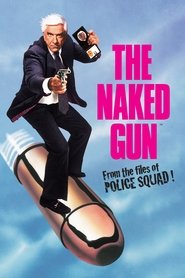
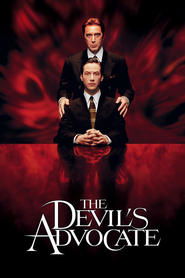
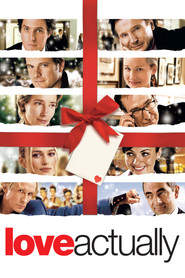
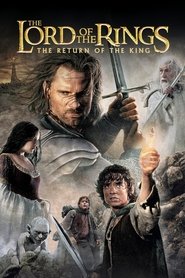
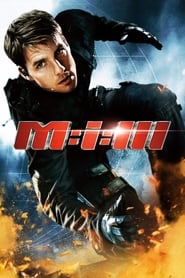
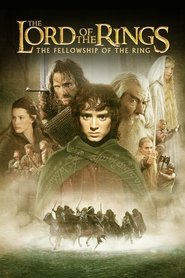
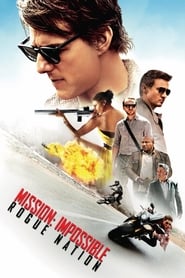
Related topics
Other topics that frequently come up in the same commentaries.