Topics / Editing & post
Visual effects & CGI
76 commentaries in the archive discuss this, with 308 total mentions and 168 sampled passages below.
By decade
-
1970s
2
-
1980s
13
-
1990s
16
-
2000s
27
-
2010s
12
-
2020s
6
Across the archive
ranked by mentions · click any passage for the moment in the transcript
-
director · 2h 19m 17 mentions
-
I told him, I want to destroy the images. I don't want to beautify them. I don't want to sentimentalize. I don't want to make them pretty. I want to destroy it. And this is what he came up with. And the third was, find a sound. You know, this should be a sound that, you know, everything is there to, you know, whatever it is, costume, makeup, production design, camera, VFX, music.
13:36 · jump to transcript →
-
Paul will, in fact, get buried alive. Here you see one of the soldiers losing. It's also a scene from the book, by the way. Pretty much verbatim. It's very hard to shoot. We shot it in Barndorf Studios. This is a studio set. Barndorf Studios in Prague. This is one of our only studio sets. One of our very few. This is the VFX, how this kid explodes. Just to...
26:24 · jump to transcript →
-
One carriage is real, the one on the left, and the one on the right that you see in the background is VFX, because there is no place in Prague with two train tracks next to each other, and this is how it was in Compiègne. From photos you can see how two train tracks stood across from each other. I'm very, very happy, if I can ever be happy with anything that I did,
1:03:06 · jump to transcript →
-
-
director · 2h 32m 15 mentions
-
And the boat, although it's CGI, is based on HMS Victory, which sits down at Portsmouth. And we took every conceivable angle of photo on it and did a LIDAR scan of the exact design of the hull and then reprojected still images of the Victory.
2:07 · jump to transcript →
-
onto a wireframe model in CGI. So one of the ways of making it look quite real is actually all the textures come from photographs. There was a photographic element to the look, but it's obviously changed the color scheme to make it look a little bit less like the victory. Now, the irony of this scene is, I mean, I have this passion in this film for the live-sung musical.
2:27 · jump to transcript →
-
a platform on a crane which then whizzed him about 70 foot into the air so it was quite precarious for Zak because he had to climb onto a platform which immediately lifted off so the timing had to be perfect. The end of that shot is then embedded into a visual effects shot which is based on a helicopter plate of Gordons, the French town and this Oxfordshire church is inserted onto this mountaintop but the mountain is created in CGI and we re-project photos
14:49 · jump to transcript →
-
-
director · 1h 34m 13 mentions
-
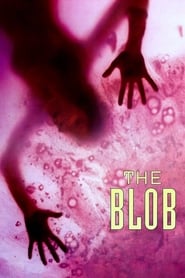
And this was intended to be my first directing contest. I remember hearing that, because you did a Q&A at the New Beverly years ago, and that was the first time that I had ever heard that. Hey! The maestro himself. Yes. And Lyle Conway, the blob maestro as well. The blobinator. The blobinator. Oh, goddammit, that's good. This is going to be a good commentary, everybody. Hoyt Yeatman, visual effects maestro as well. Dream Quest.
2:24 · jump to transcript →
-
Still remarkable to me. Yeah. That was all in camera. That was done today. That's 17 different visual effects plates. Easily. And there's something about the real thing that makes that small stud still. Maybe because I was there and I was on the edge of my damn seat. And the sun was coming up and we gotta go, we gotta go. Worried for everybody. This was, by the way, this was kind of the first film I shot in Hollywood in Griffith Park in the classic A Tree is a Tree shooted in Griffith Park. So all these scenes took place
12:02 · jump to transcript →
-
you kind of successfully got to employ into this? A weird overconfidence that did not serve me well here, which there was always something, whether it's an in-camera illusion, which is actually a first choice in many cases, or whether it's having a good team on my visual effects, that there's a way to take these a shot at a time and create an illusion that can help dramatize the world. And...
33:09 · jump to transcript →
-
-
director · 1h 56m 13 mentions
-
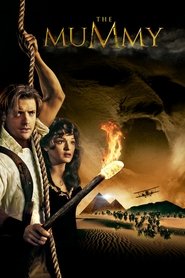
And this shot here done by ILM, it's a combination of live action and matte painting. The whole background, the moon, the sky, a lot of those statues are visual effects. I love this shot. This will be fun. This is Alan Cameron, my production designer at his finest. Alan also did Jungle Book with me. This sequence was a problematic sequence editorially.
4:00 · jump to transcript →
-
John Burton, the visual effects supervisor, suggested to Steve at one point, like on take 35 or something, that perhaps the Magi could be rewritten as hapless, which I think probably would have been a good idea. So the reason we cut the earlier intro of the Americans is because it made this poker game important for the bet that they make. But now we're meeting these characters for the first time, so it became a much more important scene, whereas before we'd already seen these guys.
25:12 · jump to transcript →
-
you know, an ILM computer-generated mummy, but, you know, we went with it, and I think the audience doesn't really bump. He's also juiced up a little bit. Are we supposed to be telling our flaws here, Bob, and, like, letting people know that there are times when we make mistakes? I think it's all right. Considering, you know, five months of filmmaking, there are only three mistakes, I think, Bob. Minor little things, nothing. You notice that box, that comes undone pretty easily also. I don't know if you noticed that or not. Just a little kick.
56:57 · jump to transcript →
-
-
director · 2h 3m 11 mentions
-
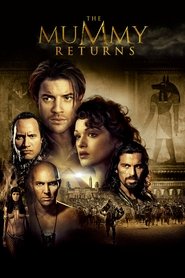
the sun gets too high and the shadows go away. This oasis forming here is obviously, it's all computer generated by our friends at ILM. The plates are photographed in Morocco with the rock, and then the foliage is added later in post-production. This was shot on the back lot
3:24 · jump to transcript →
-
at Shepperton Studios, or Pinewood Studios, actually, this one. Can you tell about the roller skating guys, Bob? Yeah, if you look deep in the background there, you'll see the guys in the fence just in the back there. They seem to be, I don't know, skating almost. One of the tricks that the visual effects company will be very unhappy that we pointed out to you. So we set this next shot up, and with all the burning flames, and it was...
3:53 · jump to transcript →
-
That may have been another thing that came into play. I did get to go location scouting there several times, and some of the digital work is right out of Egypt, but we didn't get to spend a lot of time shooting there. This sequence used to go on a little bit longer. The trap that Freddy's character built, one of the three goons gets his hand caught in the trap, and it actually got a good laugh, but we wanted to keep the
9:23 · jump to transcript →
-
-
director · 1h 36m 11 mentions
-
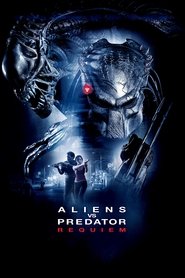
not only great visual effects artists, but they're actually going to be able to direct a film that's going to be really awesome. And this scene in particular I really like with what Daniel Pearl, who's our cinematographer, brought. His whole big thing is getting shafts of light and making the forest look like that. It was just such an amazing thing. Guys, how long did it take to do a lot of these visual effects? What's the process?
5:39 · jump to transcript →
-
These shots we had almost, what, eight weeks in the end? Ten weeks or so, yeah. These ones came in at the end. I mean, you always want to have as much time as possible with visual effects because it's just such a time-consuming process. But getting the Predator home planet scene in the movie was something that was thought about early on but took a little bit of convincing. So we didn't really get full go-ahead on that until kind of late in the process.
6:07 · jump to transcript →
-
by the way, visual effects in the computer. Yeah, the last shot of Sam bursting open is definitely a CG chestburster. Exactly. And see, here's Reiko again showing us what are going to be the various colors of her personality in this movie. Yeah, this is sort of the scene where she hasn't seen her daughter in a while. She's grown up quite a bit. There's a bit of distance between them.
15:21 · jump to transcript →
-
-
director · 1h 58m 9 mentions
-
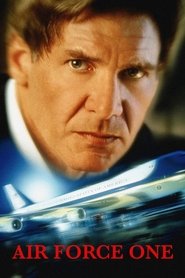
We had, of course, a computer-generated, what you do these days in filmmaking, as you know, a computer-generated Air Force One for very special shots that you could really not do with a plane or with a model. Here's Liesl, you know, that's the daughter. I found her with the help of the casting company. That's Jane Jenkins and Janet Hershenson. I always work with these two ladies. They are absolutely wonderful, great.
16:09 · jump to transcript →
-
These planes, the F-15s, these are partly computer-generated planes and partly models. If they come very close to the camera, it will be a model. If it's not so close, generally, basically, the first one here, foreground, model. The others, computer-generated. So these elements are then together. In the shot, we just saw our Air Force One as a model, big model, foreground F-15 model, and the other planes are
25:13 · jump to transcript →
-
computer-generated, and the clouds are real, but shot at daytime and filtered down for night. Same here. And the background, you see this, this is really Rickenbacker again. You know, the lights down there, that's all real. So it's amazing what you can do these days, mix all these elements. And if you have some parts of these shots are really reality and moved and so, then the illusion is just perfect.
25:42 · jump to transcript →
-
-
director · 1h 43m 9 mentions
-
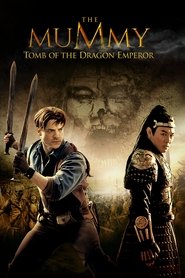
Here, one of our big, first, not big, but first complex special effects, visual effects, the gold snakes unraveling and slithering off, and the Eye of Shangri-La, this giant blue diamond opening up and containing the elixir from the Pool of Eternal Life, which is not water. I wanted it to be something else, so...
38:42 · jump to transcript →
-
break and reform, and this was all very complex algorithms that we did at the Rhythm and Hues, the visual effects company that did all the horses and this chase through Shanghai. The other company was Digital Domain, who did the conversion to Terracotta when the emperor is cursed, and as you'll see, the entire battle sequence in the third act.
42:35 · jump to transcript →
-
But a thousand visual effects is no small order, and you'll see many of them in this chase sequence. When I read the script by our veteran and very witty writers, Al Goff and Miles Millar, they had a form of this chase in there, and I went, there is, I've been to China many times, there is no Shanghai 1946 or 47 era left. The Bund is,
43:33 · jump to transcript →
-
-
director · 3h 29m 8 mentions
The Lord of the Rings The Fellowship of the Ring (2001)
Peter Jackson Fran Walsh Philippa Boyens
-
Peter Jackson Fran Walsh Philippa Boyens
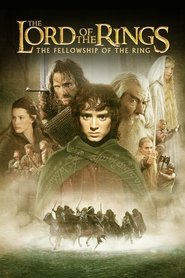
A lot of it's pretty low tech, quite simple. This is the big shot of Baradua where a miniature, I guess about 15 foot tall was used. The lava's just computer generated and I wanted to do one
32:05 · jump to transcript →
-
Peter Jackson Fran Walsh Philippa Boyens
This is one of my favorite shots in the movie, because normally with visual effects shots, the concept is that if it's fake, if it's some sort of trick, then you don't dwell on it. You don't let audiences study it long enough to see where the seams are. But the reason why I like this shot is it just keeps on going and going and going. I actually think it's over a minute long. And it's largely a miniature. I mean, everything that you're seeing, the environment, the scaffolding,
1:15:15 · jump to transcript →
-
Peter Jackson Fran Walsh Philippa Boyens
But that's the perfect proportional height to the hobbits. Yes, it is. That's right, because John and the hobbits don't have to be changed in relation to each other. Then Gondor will see it done. Mr. Frodo's not going anywhere without me. No, indeed, it is hardly possible to separate you even when he is summoned to a secret council. The group shot of the members all standing together was done, obviously it's a visual effects shot, and it was done against blue screen.
1:44:37 · jump to transcript →
-
-
director · 3h 43m 8 mentions
The Lord of the Rings The Two Towers (2002)
Peter Jackson Fran Walsh Philippa Boyens
-
Peter Jackson Fran Walsh Philippa Boyens
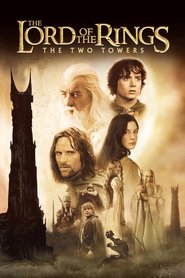
Hi everybody and welcome to the continuing epic commentary for the extended cut of the two towers. I'm Peter Jackson. And I'm Fran Walsh. And I'm Philippa Boyens. The first thing we can talk about is the New Line logo because what people won't realise is that the logo that New Line gave us was quite scratched and jumpy and old and so we actually put it through weta, the digital effects facility, and we cleaned it up and stabilised it and sharpened it and gave it back to New Line as a special little present.
0:04 · jump to transcript →
-
Peter Jackson Fran Walsh Philippa Boyens
This village was built on the side of a really amazing area called Poolburn Lakes in New Zealand. And we built quite a few of the huts. Some of them are computer generated in the wide shot. But most of what you see here we did for real. It was this amazing little Scandinavian style village on the side of the lake. Now it wasn't actually raining on this shot, was it? No, this rain was added later. It was computer generated rain. We did use rain towers for the close-ups, but this is too big and wide to...
22:46 · jump to transcript →
-
Peter Jackson Fran Walsh Philippa Boyens
horse trainer that we brought to New Zealand especially to work with Shadowfax and it's called liberty training in which the horse doesn't have any bridles or reins and it responds to voice commands and this is done in one shot there is no visual effects here Shadowfax or Damero was way over the hill and then Don called him and he galloped right up to Ian McKellen here and I couldn't believe it when I saw the cameras rolling on the shot goes right up to Ian in one take it was fantastic
57:31 · jump to transcript →
-
-
director · 2h 5m 8 mentions
-
I did that. It was one of my three visual effects shots. You did three visual effects shots of this movie. I had those. I got an amazing tutorial from the people at ILM. They were so wonderful. So here's... So these are different locations. That's a second unit shot in Fontana. That was stuff downtown. This is... All this stuff here is downtown LA. This we shot... Yeah, this was downtown. Boom.
16:24 · jump to transcript →
-
That's real. This is all real. No, that's all real. No, that's all real. It's not CGI. No, that's CGI. Now, this is a stunt we came up with that night. Well, we got that place, and Tom was saying, you know, the way we come down, it should be cooler. And you figured out this thing that if the car stops...
21:12 · jump to transcript →
-
You know, we did a lot of cool visual effects working all these pieces. That was ILM. That was ILM. This was back at the Paramount lot, an amazing set Scott Chang was built. This is back in Caserta. Again, all these pieces. Now, this is you actually doing this. I just want to say this. This is Tom actually doing what you're seeing. That actually hurt the knees, doing that. That impact on the wall. Fun. Fun, but impactful. Fun and impactful. Again, I mean, that piece... Okay, hold it, hold it. This is the Roman...
41:23 · jump to transcript →
-
-
director · 1h 26m 8 mentions
Underworld Rise of the Lycans (2009)
Patrick Tatopoulos, Len Wiseman, James McQuaide, Richard Wright + 1
-
Patrick Tatopoulos
My name is Patrick Tatopoulos. I'm the director, this one. And I have something to do with the two other ones as well. Hi, Richard Wright, producer of all three. Gary Lucchesi, producer of all three. James McQuaide, VFX supervisor of all three... ...and executive producer of all three. See, we don't stray far from the family. We like to keep this in-house. - That's right. This is the first time you're gonna see a Sketch Films logo. I just want you to know that. - Won't be the last. My family and friends all cheered in the premiere at that. Viktor increased his army, creating... So, Patrick, do you remember the original concept... ... for how far we were gonna start, how far back we were gonna go? We were gonna go to the beginning of the story. I mean, the plague, with Corvinus and everything. But the thing is, we had a plan to actually shoot... ...some little elements of that and get to the little sequence at the beginning. So we'd see actually part of the plague... ...part of the first bite, you know, William. And, yeah, ultimately, we had to concentrate this... ...on something a little tighter, and that's what we got. You know, just ran out of money. And you know, when I first saw that baby right there... ...when I saw the dailies, I thought it was animatronic. When it was next to the werewolf. - It is. Actually, we were watching and... Real werewolf, though. - Yeah. I thought there's no way they're putting a real baby... ...next to a terrifying creature. What price stardom?
0:20 · jump to transcript →
-
Patrick Tatopoulos
The fights are really nice in this picture, Patrick. They're really on par with the other two, certainly. Allan Poppleton was our New Zealand stunt coordinator. He did a fantastic job. - He did a great job, yeah. So, what you're seeing here is actually the set... ... you're gonna see later in the movie, an early stage of the castle. We tried to minimalise the dressing so it felt a little different. But it's basically the same space that you'll see later. And this was the first day of shooting. - Yeah, the balcony part. Yup. The big reveal. Wanna tell you a story about the castle. The castle is such a gigantic structure. Of course, there was no way to build this. We ended up building the, what you would call, the courtyard of the castle. How many feet tall, Richard? - About 20 feet. Twenty-five, 30 feet, yeah. Which was a little challenging for the lighting... ...because we were there on top of the set. When we started, it was difficult for CGI guys to kind of extend that. Yeah, it was terrible for Sound too. Every time it rained, we'd stop shooting. The train outside, the train station? - Yeah, the train... Note to self: Do not build set next to railroad tracks next time. We have a few transformation... ...but this one actually is not a transformation. It looks like one, but everything is practical. There's nothing mechanical or anything. I love it. It's a little more American Werewolf in London approach. There is no CG help whatsoever, though. Unlike the others.... This took a while to get right, just this whole prelude... ...and Kate's voiceover, and getting people caught up. There is a lot of history, and to decide, you know, where exactly to start... ...and how much to prep it with. Hopefully, we covered everything we needed to. It looks like we moved really quickly through. I wish we had a little bit more space, a little bit more in the... Yeah. - There's so much story to....
1:59 · jump to transcript →
-
Patrick Tatopoulos
So this is work... I mean, we had two companies doing the CGI werewolf on this movie. I need to mention that. The very first section of the movie, Sonja attacked... ...coming to the castle we saw before and this... ...was done by a French company called Duboi. And later on, the other part of the movie... ... you'll see werewolves again, the same one... ...done by another company called Luma. I need to say something about those guys. When the French started to do the first werewolf... ... they had a way of making those guys look quite elegant and sexy... ...but they were lacking a bit of weight, we felt. So we talked about that. The opposite came from Luma, giving them a lot of weight... ...but they were a little bit too brutal in some ways. And that's a typical example. When we met those guys, we had them looking at each other's work. And at the end, it sort of, like, you know, got better by looking at... Each other's work. - Yeah, covertly, and that really helped. There's a lot of practical wolf there as well, like, this is practical stuff. But there are probably 35 CG wolves in this sequence. Yeah. How many CG shots were in the whole movie, James? About 400. - Four hundred. But not just for the wolf. Everything. There's, like, 80 CG wolves. But this scene in particular, it's mixed from shot to shot to shot. And you really have to look closely now to tell the difference. Yeah, - Even in here, these three, four shots... ... they're back and forth, back and forth. That's a suit. And.... That one's CG. - Yeah. Sonja! Remember it took us, like, three different days to shoot that tunnel? That was such a nuisance, that thing. It was incredible. We really tried to prep ourselves, like great storyboard laid out. It was still a difficult scene to shoot. We're also talking over the appearance of Kevin Grevioux, and.... Fire. Who was obviously Raze in the first film... ...and, you know, a big part of the creation... ...of the writing of the first script. That's a Luma transformation. It was a great transformation. - It looks really good. And Luma's the only visual effects company that has worked in all three. That right? - True. How many visual effects companies ended up on Underworld? Is that 11, was it? Ten. - Ten. There's tons of them. This is one of the latest... - This is Kevin, guys. additions in the script of having Michael... ... actually do this roar that has the others back off. And it kind of.... It really opened up his character, and.... Yeah. Michael was really specific at the beginning. He asked if he could actually be doing the entire transformation... ...and being shot all the way to the end to bring his language. And I thought that helped everybody. CGI looking at him. He basically kept screaming almost like at the end of the transformation. And then he was replaced, but they got a good guideline. I wished we could have done a transformation back-to-human shot. Am I not master of this house? There's another shackle add-on right here. you are forbidden to remove your shackle. lt was added in later. you break my law after I gave you your life. Your days of plush living are over... We were lucky to have Bill Nighy on this movie. I mean, he's just a wonderful actor. He really is. He's fanta... And just a really, really great guy as well. He's always fun to work with and have on set. You couldn't have an Underworld without Viktor, Bill? I doubt it. - God, I don't know. It's tough because, like, you know, you kill these people off. And, you know, we'd always intended to do, you know, kind of a... In hopes and fantasize about doing a trilogy... ...which we've been able to be very lucky to do so now. And then you kill a lot of these great actors off. And, you know, I don't know. Don't know if it would feel the same without him. I mean, he wasn't... You know, it was great that we had him start in Underworld 2. You know, he wasn't in Underworld 2 for the beginning part of the film. Okay, that of... This is the best shot in the movie to see the size of the set. So now, we're in CG world. And we're entering now the practical set. So that's actually the set that Dan Hennah built for us... ...the last 20 feet of that, if you may. And there was this wall across to try to separate.... ...on the different flavours on both side. Yeah, this is one of my favourite shots. When I saw this, I was just... - Gorgeous. That's beautiful. - Thrilled. It looks fantastic. I was worried about that too. When we showed up... ...the sets were amazing, but they weren't very tall... in terms of how grand the space is. You know, to actually capture that on film... ... you're gonna have to see that it stops pretty short. Shoot off the edge. - And so it just meant... Every time you see that, it's a visual effects shot. It was basically the choice for that. Either wide or a little taller. But I felt the wise choice was to be wider for what we... The only other way to build it taller would've been to build it outside. Which would have been a disaster.
20:49 · jump to transcript →
-
-
director · 2h 43m 8 mentions
-
transitions from the entity to the crew, we did these little two frame dissolves to kind of soften the dissolves a little bit. So there's a couple in there and you'll see a couple later on. Yeah, it creates kind of a dreamy state. You'll see them later in the film. All of these shots of the exterior were CGI shots. Yeah, done by a VFX company called Bello. By Bello. That was very, very, very trepidatious about the notion of doing CG shots, entirely CG shots.
6:26 · jump to transcript →
-
I was looking at it and just saying, just take a moment. Just take a moment, kind of show her. I love the first time people see this. They're just like, wait a second. What? How did you do that? Where was the switch? Yeah, how did you do that? Yeah. And again, you're looking at, you know, Vanessa just doing such an amazing job. She's so sensational. And the work that we did with visual effects to keep her eyes brown. You don't see her put in contact lenses. And we just ran with that idea. We left her eyes brown through...
1:44:17 · jump to transcript →
-
resolution which is 3840 by 2160 and we're using an offline resolution called avid dnx hr lb which allows us to edit in ultra high definition quality and allows us to screen and create trailers and promo reels and you know so we're just working with like phenomenal um resolution and color from the word go which is great and also it means we all our visual effects come in at
1:50:02 · jump to transcript →
-
-
-
Nia DaCosta
Take it. Pick it up! Too slow, pal. We had to re-record dear Connor's dialog a couple of times because of his Glaswegian accent, which I, you know, understand just enough. But I think for the average American audience, they were a bit confused. Shit! It was really fun to do that stab. I really like special effects, especially when they have to do with, like, cuts or blood or gore, I think it's really fun. And so this is... And I wanted also much of the blood to be practical. I really hate VFX blood 'cause it looks so fake. And so in this scene, we have mostly real blood, but then VFX to either clean up or to match certain things. But everything we do is like a rig. So when you see the blood spraying out, it's always or almost always real... well, not real blood, but like real red fluid coming out of a pump. And then right off-screen, there's, like, SFX artists, like, pumping away at this can full of, you know, fake blood. Sir.
4:10 · jump to transcript →
-
Nia DaCosta
So, in my film, I really wanted the infected, if they were naked, to actually be naked, because I didn't want to have to shoot around modesty garments or do VFX and... And because Danny and I shot our film so differently, the way the infected look also had to be changed because I couldn't get away with some of the things that he was able to get away with, just because of the style, you know, shooting on iPhones, all that stuff, so... So, in my film, you see infected that are... more of them are clothed. And my reasoning for this basically was that you could say that, one, we're getting closer to civilization maybe, where we are in this part of the film or whatever civilization is left. And two, that one of these towns has just had, like, a big overtaking by the infected. So, you know, a town has fallen essentially and lost a bunch of people, and that was, in my head, why the infected in this movie have more clothes, mixed with some of the ones who are, you know, naked and skinny. Okay, So you just met Samson, who is great, love him, love his whole journey in this film. And then you meet his best friend, Kelson, his soon-to-be best friend, played by Ralph Fiennes, who is an icon of our times and a national treasure. So, that shot before was the real woman, and this is a dummy, obviously, 'cause we can't just be throwing women off of cliffs anymore.
8:57 · jump to transcript →
-
Nia DaCosta
So that was a mix of VFX blood and, like, rigged, like, real fake blood that comes out of this, like, sort of tube around his neck, which is really cool. And then you see, little little on the bottom right, Jimmy Ink walking towards the Bone Temple.
31:31 · jump to transcript →
-
-
technical · 1h 35m 7 mentions
Steven Lisberger, Donald Kushner, Harrison Ellenshaw, Richard Taylor
-
Associate Harrison Ellenshaw
This is Harrison Ellenshaw, visual effects Supervisor and associate producer on Tron.
0:10 · jump to transcript →
-
Computer Simulation Division Richard Taylor
One little thing I noticed... I mean, I didn't catch it when I was directing Jeff with this, is that when he plays Clu, he plays it with this strange computer accent, this mechanical accent. And now, when he's being tortured, he loses that, and I wonder whether he noticed it. We got so caught up in being in the scene that nobody realized that at the time. Clu's torture sequence is a great example of how light is used to create emotion. Lots of different filters were used on him as a part of that torture sequence. There are, basically, ripple glass effects, there's silk screen steel mesh, exposure changes, hand-done animation. When he's energized by the MCP, there are other filters that were used on the camera to give him that multiple-effect look. In this particular case, it was silk screen mesh, steel silk screen mesh that was on the taking camera and was spun around on the lens as a part of that effect. Dillinger's arrival to ENCOM in his personalized chopper was an interesting sequence. I took drawings of the chopper, schematic drawings, and created the design motif that you see on the chopper. And then over a two-day period, I applied these designs to the chopper myself with these varying sized, 3M reflective tapes. So, when we are shooting this sequence, what we are basically doing is flying air-to-air in another chopper parallel to this chopper. And we have a very low-intensity light source right near the lens of the camera, which is shooting across and reflecting directly back at the camera off of this 3M material. And it was a red light source, so it gives you the appearance that the chopper is either backlit or has some kind of neon lighting system on it. Again, there was the attempt to, for the outside, the window, to have the grid type of atmosphere and, kind of, cross-pollinize the electronic world with reality. Oh, I remember this stuff. Nice desktop computer built right into the glass. Touch screen. - Touch screen. I still want this desk. This was done with rear projection under the desk. The whole set had to be built up on the stage so that we could put a giant mirror under the set and project it in the old-fashioned way. There were technicians who were basically controlling light switches to different light boxes underneath this desk to light up different areas. The type itself, when it writes itself on, is actually matted into the scene from a computer graphics created type. And again, the view behind Dillinger is indistinguishable from the electronic world. And whose voice is the MCP? It's David Warner's voice. - Yeah. Yeah. It was just electronicized a little bit. End of line. Someone pointed out that they finally figured out that the reason that Bruce Boxleitner's character was wearing glasses is because he was supposed to be a little bit of a nerd. I think that was the intent. Just the readouts on the computers in the real world had to be pre-programmed ahead of time so that they wouldn't have rolling bars on them when we photographed them. Here you see another attempt to link the electronic world with the real world. The cubicles that the office workers are in are not dissimilar to the cubicles that the game players are in. And the intent was to have them go on forever or almost for infinity. Now, what thematically is happening is that at the time, computer people... Programmers were very concerned that the IBMs were going to take over the world of computers and exclude people. That they were going to be... That the system was going to be tyrannical. And what we're trying to show here is that the... Corporately, they've put a stranglehold on the system, and that the programmers are not being allowed the access that they want. And access for them is vital for their work. This character, Alan/Tron, is still inside the world of ENCOM and is more in balance. He seems... He's one of the people that's going to deal with the system from the inside. He's got a very methodical program in Tron, whereas Flynn is no... He's a renegade now. He just doesn't fit in and he's at war with the Dillinger character. The name Tron is derived from electron. Some programmers think it refers to "trace on, trace off." But that... We learned about that afterwards. There's a program in Japan called TRON, which is an educational school program, which has been running since 1985. And ENCOM was the only name we could find that wasn't already registered as a corporate name. Whereas Alan and Flynn are aligned with their counterpart programs, Dillinger has aligned himself with the tyrannical Master Control Program. So, the MCP is the ultimate controller, the big mainframe, the antithesis of the personal computer. The sequences that take place at the Lawrence Livermore Laboratory were interesting in their concept and in production. It was a very complex place to work. It was a very tight area, and we worked on this film with 65-millimeter equipment. And Bruce Logan, the DP, had his hands full. Sixty-five-millimeter film technology is quite cumbersome compared to Panaflexes and Panavision cameras. The size of the camera body itself, the limitations of the lenses, blimping the cameras... They're huge, so to get them in these cramped quarters was difficult. We were the only ones... Only film company ever allowed access to shoot in there. And nobody's been back since. A lot of this was lit, practically, by the fluorescents that are in there. It almost looks like a set. Yeah. We were very lucky that Lawrence Livermore let us use this facility. Because the cost of building a set this elaborate would have been astronomical. The Lawrence Livermore Lab is where they had the largest laser in the world. I don't know if it still does today. And they did a lot of research for NASA. Lawrence Livermore Lab was very cooperative with us, and allowed us to, really, kind of, run free through this particular area of the laboratory, which was their linear accelerator. So, we went into the one particular area, which we found most interesting for the area where Flynn gets de-rezzed, and where you first see the matter transportation effect, where the orange is digitized and deteriorated and then reassembled. In this particular case, we are seeing an orange, which was created by CGI by Triple-l. Animation that was done by the effects animation department, which was headed up by Lee Dyer and the effects animators, John Van Vliet, and John Norton, Barry Cook and Michael Wolf, Chris Casady. The name of that laser, by the way, Is Shiva, the Hindu goddess of creation and destruction. The 16 billion-year life cycle, she's got the drum of creation in one hand and the fire of destruction in the other. ...femain suspended in the laser beam. Then, when the computer plays out the model, the molecules fall back into place and voila! So simple. Why didn't I think of that? - That's right. Use that on Star Trek all the time. It's funny how they just kind of, just blow it off. Another afternoon's work down in the lab. Exactly. - Teletransportation, okay. Just digitized matter, no problem. Tomorrow we'll do watermelons. In a week, a human being. No, that comes sooner than that. A-ha! Oh, you're giving it away now.
7:08 · jump to transcript →
-
Computer Simulation Division Richard Taylor
When we came to make a decision about what film format to use for Tron, we felt very strongly that we needed to shoot it on a larger negative than traditionally done. And it came down to a choice between 65 millimeter and VistaVision for the whole show. But the availability of 65-millimeter cameras was far better than the availability of VistaVision cameras, so we made the decision to shoot the entire show in 65 millimeter. And to keep a certain consistency, and as long as we had rented the cameras, we felt that we might as well go ahead and shoot the real world in 65 millimeter and not in 35 millimeter. It was kind of one of those nice to have things, and nobody objected strenuously to it, and also it would be the first time since Ryan's Daughter that a film had been shot entirely in 65 millimeter. And I think you can see the results. I mean, it looks wonderful. In the monitors in Lawrence Livermore, one of the things that Triple-/ had to do was create lots of imagery that appeared on monitors, and that imagery had to be shot and created long before we got to production. So, there was a lot of planning in creating all of the monitor imagery, and Triple-I did a great job on that. Spent a Iot of time on this shot. To accomplish the effect, what we did was get a 4-by-5 still camera and photograph Jeff Bridges in his position after he's been zapped, and then immediately moved him out and took another photograph, which was the background by itself. So, as you pull away chunks of Jeff, you see the background behind him, and then to put the laser and the grid and all that on top of him was basically the effects animation of John Van Vliet. When Flynn is de-rezzed and pulled into the computer, we go through one of the most interesting sequences in Tron, which is the real world to electronic world transition. This sequence was created by Robert Abel & Associates, primarily under the direction of Kenny Merman. It was a sequence which I had designed, knowing that the way that Robert Abel & Associates was making these computer graphic images with the Evans & Sutherland computers, and, really, using vector graphics to create this particular look, would give us a look that would be unique just for this transition. The three-space transition, the movement through all these binary bit patterns and this polygonal landscape, was done by making multiple passes through a traditional animation camera that was pointed at a high-resolution, vector graphic, Evans & Sutherland computer screen, and making multiple passes, frame by frame, using different colored filters, coming back, making multiple passes of rewinding other filters, until you finally end up with this, which seems to be solid objects. But it's really made out of lots of tiny, tiny lines put together to make solid blocks of color or objects. Oh, man, this isn't happening. It only thinks it's happening. When Flynn says, "This isn't happening, it just thinks it's happening," it's a key line, because it means that the reality that he finds himself in now, not even he can fully believe exists. And if anyone should appreciate and understand this alternate reality, it's him, and now he finds himself trapped in it. All right, now we see Sark standing on the bridge, and all of a sudden, he is enclosed with these shrouds of light as he begins to have his conversation with the MCP. The database for the MCP was a human figure that we had created at Triple-/ called Adam Powers and was originally on the Information International sample reel. And if you look at that sample reel, you'll see a juggler character who was juggling balls. Well, that face of that character is the face of the MCP. So, the first time that you see him, he is a polygonal drawing of a face. And that's basically the underlying database of the face. So, it's made of polygons. And those polygons, we play them out on the Triple-I computers as the line-drawing polygons, and made 12-and-a-half by 20-inch stills, high-con stills of those. But we created the mouth positions for the vowels and the syllables so that you could take these interchangeable transparencies and lay them down and make him Say, by whatever order you put them in, whatever you wanted him to say. 'Cause he was voicing a lot of different dialogue. Then those were backlit, and then we applied an effect to those line drawings of putting a steel mesh screen over the taking camera, and it made it have that much more, kind of, complex look. And then we also animated the exposure occasionally. Early on in the film when I started working with Steven, we did a lot of experiments to work out how these characters were created. The thing that we finally decided was that the characters needed to have this energy inside themselves. They are obviously in this electronic world. Now, these costumes were unlike any costumes anyone had ever created for a picture before, in that they were costumes designed to have effects treatments done to them. They were white with black drawing or black lines over them. All of the black elements on the costume were turned into circuitry which could be backlit and light could be pushed through there. We originally shot a 65-millimeter image of these people, live-action photography of them on these black sets. Then from that 65-millimeter film, we created some photo-rotoscope machines, which basically could project the 65-millimeter film down to large pieces of film, which were pre-punched with animation punches. This film was created by Kodak for us, and we would project down with these photo-rotoscope machines, which would hold this film into a vacuum frame and make a continuous tone positive print of each frame of the film. Then these continuous tone prints were taken to a light table, it was a vacuum light table, where they were contact printed to high-con film to make a number of high-con positive and negative images. So that you basically have for every character a large cel and you have high-con positives, negatives, and a continuous tone positive. Then these high-con elements were hand-inked and painted to isolate the circuits on the body, the whites of the eyes, the whites of the teeth and any other circuits that we wanted to treat as a separate exposure. The characters are more often than not... The live-action characters are shot on an all black stage. When there is a set, the set is also black, but is measured out to conform with what we're seeing in this artwork. So that if a character appears elevated in a shot, like this shot, there was an elevated platform for him to walk on, but it didn't look at all like the set. Then we would composite these actors over paintings, transparencies, and once that was done, we would add the light and the color separately. And to simplify it, you can describe it as a sort of perfect blend between live action and animation in that we took live-action film, photographed it in a way that we could break it down to individual frames, then blow up those frames into large slides or transparencies. And we had 75,000 of these, which seems like an appallingly large number, but it really isn't if you compare it to an animation film. And because we were at Disney, they were not overly swamped. That's an actual Frisbee, by the way, and those are actual Frisbees on their backs. We had a excellent Frisbee coach, Sam Schaiz. I like the fact that the deadliest weapon in Tron is a Frisbee. A Iot of effects animation in this sequence and in the film. And that is the animation that makes the glows, and as the Frisbee gets brighter, and you see the reflections of it on their costumes, all that has to be done frame by frame. This is hand-drawn animation that, although it is drawn, a negative is made of that, and it is placed over a light source and then re-photographed, and the ability of the effects animators was such that we were never waiting on the effects animation on the show. They always performed very well. It was never a problem. They did very few redos, and that's because they had had experience doing this beforehand, whereas everything else that we were doing, outside of the effects animation, was the first time through. So, that had a much tougher and steeper learning curve. In the holding cells for the game grid, those are backgrounds that are entirely hand-drawn by the background department, again using Rapidographs and line drawing and airbrushing and then turning those into high-cons. But those drawings are all drawn to match the actual physical sets, which were built so that when someone passes behind something, or leans on something, those are actual physical sets that were built. But again, the sets were just black on black. They're as if they were made of black velvet. Part of the interesting thing as a cinemagraphic problem that was presented to Bruce Logan was that he had to shoot, unlike anybody had ever shot before, sets that were entirely black with white line drawings and white characters running around on these sets. Bruce Logan's job in photographing these people was very difficult because, unlike most photography for most films, you try and get as much chiaroscuro in the picture as you can. You let there be a lot of dark and you create shadows and you create this moodiness, which a cinematographer takes great pride in. In this film, during the sequences in the electronic world, basically, he had to light them so that we could see as much of the costume as possible with as little shading as possible because all of the shading and all of that were done by hand by making different masks and airbrush elements that were used under these costumes in post. The ring game was an interesting technical exercise. The set itself, again, was black flock paper with the rings drawn on this paper with tape. The actors had to realize which rings were there and which ones were not as they acted out the sequence, imagining that they were hundreds of feet above the ground. One of the inspirations of Tron is the movie Spartacus. And there's quite a few similarities to the persecuted people who had to fight in the gladiatorial games. This game, of course, was inspired by Pong and jai alai. I think one of the interesting parts of Tron was the synthesis of new games that were created. The design, for example, of the glove that's being worn here, we took a traditional jai alai glove and then rebuilt it and made it out of foam, added other elements to it to give it a more technological quality, and then again, I put the designs over the outside of that to make it blend with the rest of the costumes. Shooting in 65 millimeter, from a director's standpoint, is a lot of trouble. The cameras are huge and bulky. The format requires an enormous amount of light to fill that negative, so if you are shooting Lawrence of Arabia or Doctor Zhivago and you've got lots of snow and big exteriors, it's fine, but in low-light-level situations, it's very troublesome. The depth of field is sometimes as little as a half an inch, and you find your cameraman is asking you, "Now, which part of the eye do you want in focus? "Do you want the front of the eye or the back of the eye in focus?" Or if the head of the actor is not square to the camera, they ask you the really insane question of, "Which eye do you want in focus? "I can give you the front eye in focus or the back, "but the other one's gonna be blurry." Now a lot of these shots where you see actors talking to each other and we're doing over-the-shoulders, the camera couldn't hold focus for the blow-ups to be made, and I had to shoot the actors on separate passes. So, in a shot like this, where you see all three actors talking to each other, it wasnt filmed that way. I filmed them separately and they were composited. And there's quite a few shots like this. Whenever you see them walking around and they're separated by more than a couple feet, those are all separate shots, and then the actors are composited. So, it's very difficult for the actors because not only do they not see the environment they're in when we're filming, all they see is an all black stage, but they don't even see the actor they're talking to. Forming of the Lightcycles, again, is almost entirely done by hand-done animation done by the effects animation department in creating the way that these cycles form around these characters. We built an object that the actor could sit upon, and it was literally a mechanical shape that was the seat and the handlebars, so he could sit down and it would thrust his arms forward and pull him down into that locked position. So that everything that he sits upon and touches, it was, again, drawn by the animation department, and not until you see the final completed cycle, which is actually a CG/ rendering of the cycle, is any of it done by computer. The Lightcycle sequence was done by MAGI. Their way of creating an object were to take basic geometric shapes, cones, cubes, spheres, cylinders, and make an object by collaging those particular pieces together and creating an object. And that's how the Lightcycle was created. All wide shots that you see are computer-simulated. All of the shots, other than the very tight shots of the figures inside the canopies, are computer-simulated. The shots inside the canopies are actually hand-drawn artwork of parts of the Lightcycles, and the animation that's happening over the Lightcycle windshields is hand-done animation to give them a sense of speed. But virtually every scene that you see of the Lightcycles is entirely computer-generated. And there's not even effects animation in those scenes. If there's an explosion when a Lightcycle hits the wall and a tire bounces across, I think those were basically all CGI. Syd Mead worked really hard on designing these motorcycles so that they would incorporate the characters. But if you look closely at them, you'll see that the second half of the bike is flattened and sort of two-dimensional, and that was done because the computers couldn't handle too many compound curved surfaces. So, we restricted those curves to the wheels and the windscreens, and then the rest of the bike was simplified. The ability to move the camera through 3D space with these computer-graphic-looking landscapes is just great. The Recognizers are a sort of King Kong. There's a little head on top of that gate structure... Suggestion of a face, but it, sort of, got lost. The Recognizers were created by MAGI-Synthavision. As I mentioned, there are graphic vector lines, red lines outlining all of these objects, the same way with the tank. The tank was another unique design of Syd Mead, who is a futurist, a fabulous designer. Once Ram, Tron and Flynn have escaped the Lightcycle grid and are off through the canyons being pursued by the tanks, we cut inside the tanks and see another example of a Syd Mead set that was built as a three-dimensional set, again with black background, and all of the elements on there graphically put on so they could later be treated. So the camera, you can see, is moving through scenes in ways that no physical camera or no model shot could possibly do. The animators that I worked with to create the choreography for all of the CG/ sequences were Bill Kroyer and Jerry Rees. But to communicate all this information to the computer technologists, the people that are sitting at monitors at that time, took a new language which we had to create. So, what we did was, first of all, we had to think of each sequence as a real physical reality. Not only would they draw the point of view that they saw as an animator that we would work out together, that was the story point that Steven wanted to make, and also the point of view that we wanted to take. But after we would draw the original storyboards in a traditional, kind of, storyboard manner, we would have to go back and draw a top view, side view and front view of the objects, where they were in time, where the camera was in time, and what the camera's point of view was. So, we really had to define everything to the CG/ technologist in a three-world, three-dimensional space. And that was the first time that that had ever been done. They must've gone right past us. We made it...this far. Now, all of this, this revolt, it's all being led by the user who's gone in the system, Flynn. The Tron character and Ram character, they would have toed the line and gone through the software the way they're supposed to. We'd better, Null Unit. Null Unit. Get the computer dictionary out. Look up "Null Unit." What does that mean? In this sequence, you can really see some of the flaws. I don't really mean the flaws, but the imperfections in the cels, little bits of dirt that pop on and off. Yeah, but they're few and far between considering. Yeah. Come on, you little bugger. Come on. Look at that. A lot of pops and a lot of glitches in there that we would always Say, "Well, that's what happens in an electronic world." When we started there were going to be no differentiations between the flesh tones and the rest of their uniform. But at a certain point they looked, well, not very good. So as a result, that added, approximately, 120,000 extra frames, extra elements to the shot, so it did grow in many aspects. The cave sequence where Flynn, Tron and Ram finally re-energize their selves with this liquid energy was a very interesting technical problem to solve here. In the sequence in the cave when the water is being handled by the actors, literally, frame per frame, rotoscope animation is isolating the water from the body so that it can be treated with a different filter and a different exposure. And again, this is an example of how light is used to portray motion or energy, as Tron drinks and you see his circuits light up and they become energized. The set itself was a complex geometric shape, which was designed by Peter Lloyd, and we built into this set, basically, water channels, and the water itself was reflecting light sources that we put in angle so they would reflect to the camera, and the water was in black tanks so that all we're really seeing are the highlights on the water. Yeah, but the biggest problem at that time was do we fill this with colored water or clear water? Had to do tests, you know. - Right. That was your problem. Do we put milk in there and make it purple? I think that what Flynn is surprised now, ironically, to see that there's parts of this mirror world that are more alive than he anticipated. So, it's not just the harsh computer reality, there's something living about it. It's a very complex shot, again, with all the elements. Probably about 30 different elements, 30 different separate exposures for each frame. Normally in a special effects movie, you get a very bad bottleneck effect in that all these things have to be composited through one or two optical printers. Now we have digital compositing machines. But by putting it into a manufacturing system like this, where it became like an animated film, we could use 14 or 15 animation stands, and we could use a slew of effects animators and ink and paint people to do all of this work simultaneously. As far as I know, we still have more shots with human beings composited into an artificial environment than any other movie. I believe there's 1,100 special effect shots in the film and 900 of which have human beings composited in them. And that number is just very, very large. Just the organizational task alone was monumental, not even considering the creative side of it. For every frame you would have an additional five to 15 cels that isolated the different colors and the different... We had body mattes, we had face masks, continuous tones. You made print backs on top of print backs. So, those 75,000 original cels grew to over half a million. I think we ended up with something like 600,000 cels, all of which had to be kept in order. We had to pull trailers, literally these large house trailers, kind of, industrial trailers onto the lot. We ran out of space and we ended up with 10 trailers that would house all these cels and had to be organized and sent over... 80% of them were sent overseas and had to be numbered and then painted and kept in order. At one point we thought if we had 1,000 scenes, and this was around Christmas time, the film was going to come out later that summer, and we had no idea of how we were going to get it all done in that short a period of time. And we thought, "Well, it's summer vacation. We have two weeks. "We'll get college students, 500 college students in a room." We really believed this might happen. We discussed this for about an hour and we Said, "You'd have 500 students in a room. "We'll teach them how to do inking and painting and rotoscoping, "and they only have to do two scenes each. "And so they do one scene a week. "At the end of that time, we'll be done, "and we'll just go and shoot them on the animation stands." It didn't work out. So, we brought on Arnie Wong, who was an animator. We put him in charge of supervising Cuckoo's Nest, which is a ink and paint service that was in Taiwan. Approximately 80-some employees in a single room. And what we did is we went through and we made a videotape of every situation and what to do in that situation. So that if an inker over there, who didn't even have to understand English to do this, could go to a TV monitor, roll to this particular problem and see exactly what you'd do in that situation. And then he was there to answer questions that were unusual. And the most interesting thing, and one of the things that I'm particularly proud of with this technique is that in spite of what a pyramid it was to build, we managed to get all of this post-production done in six to nine months. And that is using a technology that we had developed. It had never been done before and we developed it and used it on this picture and delivered on time. And that was only possible because of this manufacturing technique. It's interesting the computer animation iS the simpler part of the set. - Yes. Ironically, one of the things that was a creative philosophy that we enjoyed and were proud of was that we were taking computer animation and letting it stand on its own. We weren't trying to make computer animation mimic reality. And the job was then to make reality, the actors and the sets, look like the computer animation. We used to say, "Well, if you've got lemons, make lemonade." Everybody else, and certainly since this point, has been going nuts trying to make computer animation mimic reality perfectly. And I found that the limitations of computer graphics at the time were the most exciting thing. If computer graphics... If computer animation is no longer different from reality, maybe we've lost something in that. Certainly you gain special effects technology and you can do certain things, but it's the limitations, I find, to be the creative challenge. I think at the time we were using four computer animation companies... Yes. -... which were probably the only animation companies that existed in the country at the time. Yeah, I had been visiting some of these companies for two years before we started making the movie. Maybe even longer than that. And I used to show up at their doorstep and Say, "One day I'm gonna make this movie. "You know, we're gonna do this and this is gonna be great." And they'd say, "Yeah, yeah, yeah." I'd come by every six months and say this is really gonna happen, and I think they were more surprised than anybody else when we really did this movie. And they got to show their stuff. The way the de-rezzing effect was created, for example, when Ram passes away and he's in the cabin of the Recognizer, there's a combination of the original photography of the character, and then that is overdrawn with literally hand-done, line-drawing animation done by the animation department. And between that animation and light exposures, you can make it just, basically, run off, dissipate and fade away. Also, upon viewing this again, for so many years, you tend to kind of lump it all together visually in your memory and we forget, I forget, how much detail, how much layering of texture was put into this film. - Mmm-hmm. Ai! these shots are all completely storyboarded. Even the electronic world and all the simulated shots were all on storyboards. There must have been thousands of storyboards. Yeah, it was very detailed. Because rendering times in computer graphic imagery, the time it takes for the computer to draw each frame, are high. They're even high by today's standards. It takes sometimes as long as an hour or more for each frame of film. Probably the most complicated CGI images that were in Tron were done by Information International. The Solar Sailer hangar, the Solar Sailer, its formation, the walls of that environment, that's all CGI. As far as Cindy Morgan's involvement, she was very brave to get involved because a lot of actresses Said, "What am I going to wear? "You're going to put what on my head? "I've got to have a helmet and headgear "and wear all this spandex?" And that scared a lot of actresses away. Yeah, it was very hard to get anyone to take us seriously. You'd call people up, they'd come in for casting sessions, and Steven would do his best to present the film, and they'd look at you askance, think you were crazy. You'd run some video on them, and they just didn't believe it was going to happen. And as a result, it was very, very difficult. And I think that was one of the last major parts that was cast. Yes, it was two or three days before the first shot or something. Yes. - It was very close. And one of the people we tried was Deborah Harry. Right. We screen-tested Deborah Harry. The Bit was created by Digital Effects Incorporated, and we didn't have the time to choreograph a CGI Bit for every scene. So, what we did was created a series of stills that could be cell flopped, and these transparencies were created by Digital Effects so that the Bit could be rotating and have these different pulses in it, and then when it wanted to express itself, we flipped to the next sequence of stills, which would make it become more spiky or change its shape, and literally those were cell flopped and then flown around by moving the animation camera on the object to give it its motion from left to right or up or down or wherever it moved, we got it closer to you. That was all put in by moves on the animation camera, on these stills that were being cell flopped. These characters were very interesting. I especially liked the one that looked like a vacuum tube. Other programs... - Other programs and... ...in the system. The Recognizer sequence is another set that was built based on designs by Syd Mead. The interior of the Recognizer, as the interior of the tanks, was all a physically complex shape that the actors moved around on with white line-drawing vector material over the surface of it, and isolated animation coming back and colorizing and animating those elements. I think one of the most successful pieces of computer choreography in Tron is the whole Recognizer sequence, when the Recognizer hits a bridge and becomes multiple pieces and Flynn pulls them all back together with his energy and the choreography of the way those parts all fall back into place and tumble. The thing that people don't realize about computer simulation, especially at this time, is there were no programs that imitated the effects of nature on choreography. Every piece and every part of every computer-simulated object had to literally be choreographed frame per frame by an animator. When the Recognizer moves along and bounces off the ground floor and the pieces separate and then come closer together and have that real, elastic, rubber-banding kind of quality to them... Simple things in choreography... I mean, when an object goes around a corner, does it just swing around the corner or does it have back animation? Does it weave left and right? Does it back animate before it moves forward? Those are the things that the animators brought to this and that the computer-simulation people did a terrific job of interpreting.
28:30 · jump to transcript →
-
-
director · 2h 24m 7 mentions
-
My name is Alec Gillis. I am the codesigner of the creature effects for Alien 3 of Amalgamated Dynamics Incorporated. I'm Tom Woodruff, Jr. I'm Alec's partner in Amalgamated Dynamics, cocreator of the Alien effects, and I was in the rubber monster suit. I'm Richard Edlund. I was the visual-effects supervisor on the show. It's the last movie we ever did totally photochemically, actually. Right. This was on the cusp of the digital age. We did have some digital elements. When the alien's head cracks at the end it was a digital shot. That was the only one. Styrofoam floor. - Yes. We had a better Styrofoam floor for that where we'd covered it with metallic dust. It made a more interesting effect. I've always been a little self-conscious of those Styrofoam floors. Plus, that alien juice is pretty mean stuff. I think it's interesting that you can fly through space in a Styrofoam ship! Hey, there's a glimpse... Was that it? That scan, that was a fun scan. There it is - the multilayered sculpture. Are those your star fields too, Richard? - Yeah. I'm Alex Thomson. I was the director of photography on this movie, Alien 3. I actually got involved because the original cameraman was Jordan Scott Cronenweth, who did Blade Runner for Ridley Scott, beautifully in my opinion. But Jordan became ill in the first four days of shooting and had to leave the production. I was asked to take over, and I was honored to be able to try and match to his lighting. All I heard, and I wouldn't know if there was any other reason whatsoever, was the fact that Jordan wasn't well. We knew he had got Parkinson's. We knew he had that. You could see he wasn't a fit man obviously when I used to go and talk to him. He was a great character. I liked him very much. I knew him from Blade Runner. I'd met him on Altered States, too, cos Stuart cut that, didn't he? But I'm convinced it was the fact that he wasn't well enough to continue. I Know it was a sad loss, but at the same time, I love Alex's work. I did Legend with him. I did Legend with him. Yeah, and I love him anyway. And I did The Saint with him. I love this shot, and I love the fact that it's a model. I just still feel that these miniatures have a quality that CGI spaceships just don't have. Do you think that, Richard, or is that just me? Am I being old-fashioned? Well, it can and it can't. I mean, it depends. On Air Force One I would never have made any models now. It depends on the kind of stuff. This is obviously special effects. These are models shot by the second unit, by Tony Spratling, up in the north of England.
0:59 · jump to transcript →
-
Yeah, there's that... There's all those cuts now. So now we're back into footage that was shot with the creature in LA. And this was actually... We built what we called a teenage alien and retrofitted it to use in this scene. Originally we built what we call a "Bambi-burster." That's the teenage alien which spits acid at one of the guys in the vent shaft and served us double duty here. And we built a little rod-puppeted version. This is a CGI version, which we had the benefit of the CGI in the 21st century here, which we didn't really. We built a rod-puppeted version, and we also tried a little dog in a costume. We tried a whippet in a costume. And he did pretty good at the audition. Then once you got him in front of the camera with all the rubber on, he kind of froze up a little bit. It was pretty funny. He was a nervous little doggy. And once we got him in situ, with all those frightening chickens around him in their cages, he kind of seized up and couldn't perform. But we built a Bambi-burster rod puppet, which was a one-to-one scale rod puppet, which had some mechanical stuff in it. I think we may have shot some elements with it. But it was never comped, it was never completed. The decision came down that they were going to go... Use the Rottweiler instead. And then when we got back to LA, we started building Rottweilers and mechanical dog parts and stuff like that for the scene.
29:33 · jump to transcript →
-
Will I Be A
There's a miniature shot of the alien running up, then it cuts to a close-up of Tom. We did do a fake head of Charles Dance - it's coming up here in a minute - where the creature punches a hole in his head. And we had to do a head cast of Charles in an extreme expression. And as I recall, he was great about it. He's actually, for as serious as this character is, he was a very jovial guy. Yeah, I guess it was like an animatronic head, dripping. In order to do this movie, we built a complete silent motion-control dolly that could go at running speed, which we wound up never needing to use. You could actually run with it at high speed and it would repeat, and it was quiet enough to shoot sound. Of course, when we got to England to set it up for the first shot, nothing worked. We were tearing our hair out and found out the system wasn't grounded because they had run an extension cord into the hallway. But then, once we found that, we didn't have any problems. But that was in order to enable us to shoot scenes with pans and tilts, and then scale those moves to shoot the scenes back at the studio with a rod-puppet alien one-third scale... with a moving camera, so it wouldn't skate around in the scene. I think this rod-puppet technique is very interesting. I think it still has some validity now, even in the digital era. Yeah. - And probably now, I don't know... Well, I guess you'd still have to do the motion-control stuff to match moves. Or track it now. If you're gonna do a CG character, you can track it. But you wouldn't be able to track like that with a miniature puppet, would you? You'd have to use motion control. It's a real mechanical lollapalooza. But there is a nice presence to it that really looks like a physical thing. It gets around some of the difficult issues of CGI, in that the lighting is playing on it. And the director can direct it. Fincher could come by and direct the puppet. Five guys, you know, operating this character against bluescreen, there were some pretty bizarre mountains of equipment to get these shots working. And flags, and stands, and wires everywhere. And flags, and stands, and wires everywhere.
1:04:35 · jump to transcript →
-
-
director · 2h 10m 7 mentions
-
And we had Alec come back and reshoot his dialogue, speaking with another actor for the eye line. Yeah. And he was so funny that day. He was torturing this other, this stand-in. Playfully, playfully torturing. Look at this, you can't even tell. No, you can't tell. It's amazing. It is amazing. Again, really great visual effects. See, that's the stuff where it's very helpful to be able to do that. Yes, and to never panic when you have some sort of technical disaster. No.
20:19 · jump to transcript →
-
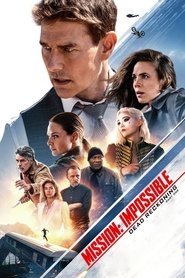
So the mask gag. Here comes the, we knew we had to do a mask gag. And what was really important to us, we were looking at, I said, it's been done this way, it's been done that way. I said, I want to do it in camera. I want to do it so there's absolutely no visual effects involved. And so what we ended up doing when we stood on the set is we designed a shot here in the mirror. Okay, those aren't my hands. That's not Tom Cruise on the left. That's Tom, and there's not really a mirror there.
56:58 · jump to transcript →
-
We did not finish the sequence until five days before the premiere. And you and I gave our last notes at 1130 at night, and we were not able to see those last notes. And there were shots that were still not quite there. And Dave Vickery, the visual effects supervisor at D-NAG, said, it's going to be great. It's going to be OK. And you and I left, and we went to the premiere, and we did not finish.
1:05:37 · jump to transcript →
-
-
multi · 2h 34m 6 mentions
James Cameron, Gale Anne Hurd, Stan Winston, Robert Skotak + 8
-
Robert Skotak
This is Robert Skotak. I was the visual effects supervisor on the film.
4:21 · jump to transcript →
-
Bill Paxton
I encouraged the actors to customize their own costumes and armor, to give the impression they had been out a lot, that they were seasoned, that they had been away from command authority on their own a lot and were good enough at their jobs that they were allowed these kind of latitudes. This is a continuation of the motif from the first film, where they're wearing Hawaiian shirts and all kinds of strange stuff, all of which was a new idea in science fiction. People always wore uniforms on spaceships. That's how it worked from Star Trek on. Every science fiction film ever made, there was the general-issue uniform. Alen broke that mold and it just seemed so right to people. They recognized the archetype instantly. "Oh, these guys are truck drivers." "They dress however they want. There's nobody to tell them not to." And so the idea here was extrapolated to a military unit that's worked at the extreme fringes of human civilization. The power loader was not designed by anybody in drawings per se. I had done some preliminary drawings, but it evolved basically from trying to figure out how to make it work. We built full-size mock-ups of the arms and legs in foam core. There's a guy inside that thing, a big, strong English stunt man moving it. It's supported by cables. It's completely an on-set gag. The English visual effects guys thought we were crazy the way we wanted to do it. I said "It's the gag where the dad lets the daughter walk on his feet, his three-year-old." So standing behind Sigourney right now is this big 270-pound body-building English stunt man. He's raising the arms himself and he has in his hands a control that allows him to raise the forearm of the power loader. And then when they walk, they have to walk together. The weight of the machine is held by a crane which is off-camera, or some kind of overhead track rig - we had two versions of it. If we didn't need the machine to turn, we mounted it on a pylon, a boom-arm thing, and if we needed it to pivot we hung it on wires.
35:31 · jump to transcript →
-
Bill Paxton
This is just a regular Handycam, a regular 8 Handycam, whatever the standard was at that time. This landing of the dropship was complicated in terms of trying to hit a mark while shooting at high speed. The dropship was shot overcranked, so the model had to be really moving fast and those landing legs were fairly frail. We would do take after take and the landing legs would get crushed. This film is not a wide-screen film. If I did it again, I'd shoot it wide-screen to be consistent with the first picture. But I didn't like anamorphic for the visual effects problems it created. I'd had a bad experience on Escape From New York trying to do anamorphic visual effects, so we decided to shoot 1.85. I almost shot the film in Super 35, but I got talked out of it by somebody that didn't understand that format, and then I wound up shooting all my subsequent films in Super 35. I still don't care for anamorphic. You have problems with lenses shooting miniatures, with depth of field, there are problems in composite. On Escape From New York we didn't have much money and we were inexperienced in anamorphic, so I didn't really have an alternative that I considered viable at the time. But now when I see the two pictures back-to-back screened - it doesn't make too much difference on video - I actually like the look of A/en better because I just like the aspect ratio. And I've come to know and love the 2.35:1 aspect ratio. The interesting thing is that the first film was anamorphic so it used more of the negative area. This is a 1.85 picture. In this exact year Kodak was in transition. They were changing their emulsions. This was a higher-speed negative than had been used previously. They hadn't worked out their T-grain emulsion. So it turned out grainier than I wanted. But this was actually the standard, just what that stock was that year. Because we weren't using the full negative, like with an anamorphic film, we weren't getting quite as much image quality. If I had shot Super 35, it would have looked terrible because of the graininess. By the time I got ready to do 7he Abyss a couple of years later, they had improved the emulsions enough that Super 35 looked pretty great. I was surprised recently at how grainy it was. Nobody noticed the grain at the time cos most films frankly looked like that.
45:14 · jump to transcript →
-
-
-
Francis Lawrence and Akiva Goldsman
you know, nine months over various weekends in New York City. And every time we went out there and we had a shot that had deer in it, we had to have our visual effects supervisor push around this little deer we named Dolly on this cart with wheels. And so it was always amusing to see him running up and down Park Avenue with this stuffed deer. This is our only blue screen sequence. Our only exterior blue screen sequence. Well...
5:22 · jump to transcript →
-
Francis Lawrence and Akiva Goldsman
One thing that is always elusive about movies like this is these visual effects components you work on endlessly towards the end of the movie. And you work on them until you literally have to have them wrenched from your hands. So the versions of these visual effects shots that we're looking at now, honestly, we've probably seen twice before. We probably saw them once to approve them, right at the end, and once in the final print. And we've seen hundreds of iterations leading up to them.
7:08 · jump to transcript →
-
Francis Lawrence and Akiva Goldsman
who was our alpha female, and we had a guy named Dash Mihawk, who's a very good actor, playing our alpha male, and then our core group as the rest, as our Praetorian guard and the rest of the group that's in the film. And what would happen was we would shoot with them on set and do anything we normally would, and then once our shots were chosen and the cut was put together, we would hand it off to the visual effects company and Sony Imageworks, and they would then replace them with our computer-generated creatures.
34:51 · jump to transcript →
-
-
-
Film Stephen Prince
is memorably evoked by the visual effects provided by Industrial Light and Magic, the company that George Lucas founded in 1975, and which helped lead Hollywood into the digital era. Kurosawa holds the shot there on the replica of the house that he grew up in. These brightly colored flowers that the I character walks through, and then in the reverse angle shot coming up, the rainbow and the mountains,
11:35 · jump to transcript →
-
Film Stephen Prince
provide an epic context for this iteration of what has always been the essential Kurosawa vision, of the self cast upon a lonely voyage of discovery. It's a very nice shot. Kurosawa uses visual effects very tastefully. The knife that he carries bears suggestions of suicide, lingering here as a possibility. Kurosawa's brother Heigo killed himself with a knife.
12:05 · jump to transcript →
-
Film Stephen Prince
And although the movie in release carried analog Dolby tracks, Kurosawa took advantage of the enhanced signal processing and noise reduction that Dolby had developed as a means of keeping analog sound viable as the digital era was dawning. The audio in Dreams has a much greater dynamic range than the older optical tracks did, and you can hear discrete sounds with a clarity unlike the mush and noise that you had on optical tracks when they carried too much audio information.
33:21 · jump to transcript →
-
-
-
Danny Boyle and Alex Garland
one of which is, how did you get Ewan McGregor to come out of the toilet in Trainspotting? The second one was, what was it like to work with Leonardo DiCaprio? I'm grateful that both of them have been replaced by, so how did you shoot the London scenes on this one? And the answer is, in the most obvious way you'd expect, really, is that we managed somehow to close the streets down, albeit only for brief moments of time. We used multi-cameras, the digital cameras, and we'd...
8:40 · jump to transcript →
-
Danny Boyle and Alex Garland
The wide shots of the rats are done brilliantly by the digital effects house, Clear. He did us a fantastic job there on those, and they're intercut with closer shots of rats. We actually did get complaints from a magazine called Rodent and Marsupial Quarterly about the stereotypical portrayal of rats. They're actually very friendly creatures, and why do we keep portraying them as horrible things? Fair's enough. They are very nice.
45:48 · jump to transcript →
-
Danny Boyle and Alex Garland
the clear, the digital house, we'd paint them out, the neon lights. So they're actually self-lit by the lights in the supermarket store. So we didn't have to do any lighting, but they just took it all out in post and we tried to avoid it as much as possible. That was a little Homer Simpson homage there. And in a way, the whole scene is a respectful nod towards George Romero's Dawn of the Dead set in a shopping mall, which is...
47:53 · jump to transcript →
-
-
-
Barry Sonnenfeld
We added all the raster lines. This was shot on 35mm film. Now, here's the opening title sequence, which was done by Sony Imageworks. We had four or five visual-effects houses on this movie. Industrial Light & Magic, Sony Imageworks... ...Rhythm & Hues did most of the Frank the Pug, talking dog, stuff.
1:58 · jump to transcript →
-
Barry Sonnenfeld
So we're back in Men in Black headquarters. Although Bo Welch, the production designer, and I made some changes... ...we always felt that this side of the room... ... should feel like it was like an airport. That's a real Rick Baker-designed creature. There's no visual effects in this shot at all. And we felt since we were creating an airport... ...we should have a Sprint store, a duty-free shop... ...a Burger King and really make it feel like an airport. There's an "I love New York" store. That's Nick Cannon, a big star of Nickelodeon. Good work in the subway. I remember Jeff when he was yea high. - What you got for me? We didn't change this set from the first movie... ...although I was wondering if we should have removed... ...one of those spaceships behind Zed since at the end of the first movie... ...Edgar flies off in one of those things... ...but we felt they wouldn't change the mural. Here comes Frank the Pug. There was a killing earlier. 177 Spring. Alien-on-alien. If you listen closely, Frank, when he walks into the room... . 1S humming "Hava Nagila." What happened with Tee...
17:23 · jump to transcript →
-
Barry Sonnenfeld
This guy is a mechanical creature like a puppet. This is all done mechanically, and this is John Berton right here. He was the visual effects supervisor on the whole show.
29:07 · jump to transcript →
-
-
director · 1h 34m 5 mentions
Scott Stewart Jason Blum Brian Kavanaugh-Jones Peter Gvozdas
-
Scott Stewart Jason Blum Brian Kavanaugh-Jones Peter Gvozdas
There was a lot of debate as we were putting the movie together as to how far to take this, whether we should... There was even an idea of adding a bigger visual effects element here, like a kinetic element to the sculpture. And it was all just sort of... When you're working on these movies, there's always a question about the degree of believability, how far can you push your characters, push the extremes of the situation before...
12:14 · jump to transcript →
-
Scott Stewart Jason Blum Brian Kavanaugh-Jones Peter Gvozdas
committed to the idea that you would see this totally from her point of view, that we would never cut to the gratuitous, big, giant, flocking visual effects shot outside of the house where you see this massive bird swarm. And there we go. That's the bird. I did this as a temp visual effect, this digital bird flying and hitting the glass. This is now a puppet.
26:14 · jump to transcript →
-
Scott Stewart Jason Blum Brian Kavanaugh-Jones Peter Gvozdas
And we just, it always made audiences jump, even just in the cutting room. And we liked it so much that even Fuse, which did, our visual effects vendor, did great work in the movie. But for some reason, that was one that we just really liked it. So we ended up keeping the temp in the movie. And your temp is actually a 2D bird. It's not three-dimensional. No, it's not. It's a 2D bird. That's great.
26:42 · jump to transcript →
-
-
-
Francis Lawrence
This sequence was probably one of the more complicated sequences in the movie. This intercut between Joel and Jen's introductions here... The big intro into the movie. I think there were 60 scenes alone in this first eight or nine minutes of the film. So it took quite a long time to complete. And this ballet sequence here, that we're about to get into, was probably our most difficult visual effects sequence. I had done a bunch of research in terms of ballet and found a great choreographer named Justin Peck from the New York City Ballet. And he brought in Isabella Boylston, who's one of the principal ballerinas at the ABT, also in New York. And so she doubled Jen. And Jen went through pretty rigorous training, doing about, I don't know, four or five hours a day for three months to learn how to dance, and learn the choreography that Justin had put together. So every shot you see here, we actually shot with both Jen and with Isabella, and then, using a variety of methods, put it together so it really seamlessly looks like Jen doing all of the dancing. But she put a lot of hard work into it, not just for this dance sequence, but also just to be able to carry herself like a ballerina. But I'm really happy with the way the sequence turned out.
4:33 · jump to transcript →
-
Francis Lawrence
It's not your fault. But you have to tell them what they want to know. Please. One of the things that we did digitally as well is the bloody, the kind of hemorrhagic eye itself. Often you can put stuff in the eye. There's drops you can put in, but they go away very quickly. You can also use contact lenses that affects the whites of the eye and make it look like you've been, you know, as if you've had hemorrhages in the eyes and things like that. But Jen has turned against contacts over the years. She's worn them occasionally for certain things and doesn't really want to wear them. So we agreed to, kind of, do all that work digitally. I think it worked really well. So any time you see her eyes kind of super red and hemorrhagic like that it was all done digitally. Didn't I do well, Uncle? This movie was really light on visual effects for me, actually. I mean that, you know, the Hunger Games movies, all had, I don't know, thousands of effects shots each, and very, very complicated sequences with creatures and liquid, you know, effects and all kinds of crazy things. And this one was very light. I think the dance sequence and the face replacements that we did in the beginning were probably the most complex. We had a few digital matte paintings. We had a lot of makeup fixes and things like that. But primarily all the effects that you see in the movie are invisible things that Alan, my editor, would do in terms of split screens that you can't see and speed changes and things like that.
1:46:48 · jump to transcript →
-
Francis Lawrence
And now we're starting another one of our pretty tricky sequences in the movie, just in terms of figuring out how to pull it off in terms of some minor visual effects. The continuity of certain elements and things. We have a big knife fight. There's a torture sequence here and a big knife fight that's coming up. And so it's something that we spent a lot of time talking about, and I spent a lot of time talking about it with Justin, the writer, and also Chris O'Hara, the stunt coordinator. And so we would set mock-ups before we had the set mock-ups of a room and so we could plan out what the blocking of all of this would be in terms of the beginning of the torture and the tying him down and the torture, and then the knife fight itself.
1:53:06 · jump to transcript →
-
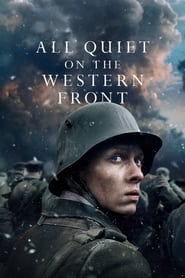
-
-
Fred Dekker
I mean, this always unnerved the – especially later on. It just unnerved the – It's immaculate. It's just – I mean, no CGI could be better than that. And I'm really – you know, there's a lot of problems I have with the screenplay. I'm really not proud of a lot of the choices. But one of them is we don't know – spoiler alert – we don't know he's a robot yet. No. And when we find out he is, it actually kind of works because of that.
54:01 · jump to transcript →
-
Fred Dekker
They did the Delta City commercial at the very beginning of the film, too. PDI was an effects house, and then they went on to start doing animation, CGI animation, and essentially became DreamWorks animation. And there's the morphing. Yeah, so this was new at the time. Right, right. And now you can do it on your laptop. I think you can do it on your iPhone.
57:45 · jump to transcript →
-
Fred Dekker
We would have digitally put in the sparks at the bottom of the gun so you knew that the bullets were keeping it aloft. But we did that practically. Everything in this movie is analog. It's all practical. So you weren't utilizing any CGI really at this point? Except for the stuff that... The morph stuff. Yeah. And Delta City at the beginning. This is a terrific stunt coming up. Watch this.
1:09:46 · jump to transcript →
-
-
-
do what you tell them all the time. And all these people that she doesn't know are, it's going to be too much for her. That's not possible. And so that, and a couple of other things were like, this just isn't possible to really actually make now. And, um, cause he had tried not to hinder himself when he was writing, just like anything you come up with. He's, you know, he said, I wrote a hundred gorillas. Where am I going to get a hundred gorillas? You know? And so he, he had lots of things. They didn't have digital effects then. So, um,
36:51 · jump to transcript →
-
side of it. You know, the visual effects supervisor after they shot all of this. And he had won the Oscar for Cocoon and was nominated for Backdraft. One of the things you're going to see here, too, that Frank Marshall had asked for is if they could raise the roof on the mine to make it look a little taller. I mean, sound stages are pretty huge, but then you have lights and you have different things. And it was already just a huge, intricate set. So...
1:21:09 · jump to transcript →
-
And they did some of the usual stuff of just shaking the camera for the earthquake. Right. I mean, I think... And weren't you telling me at one point, like, the actual set was kind of built on, I don't know, gimbals or something that would make it kind of... Yeah, like air compressors or something. Yeah, yeah. So that it would kind of rock, you know, back and forth like a... Not a bounce house, but a lowrider maybe. Yeah. Yeah. So it's one of those cases where it's, you know, it's like a combination of the practical stuff and the digital. You know, again, you've talked about how this...
1:23:30 · jump to transcript →
-
-
director · 1h 54m 4 mentions
-
Hello. My name is Jean-Pierre Jeunet. I'm the director of Alien Resurrection. Hi. I'm Dominique Pinon. I played Vriess, the guy on the wheelchair. And I'm Hervé Schneid, the editor. My name is Sylvain. I was a storyboard artist and a concept artist on Alien Resurrection. This was designed, composed, shot almost entirely and never used, because we couldn't complete it for budgetary reasons. But initially, in the first opening of the film, we looked at the mouth. The mouth of an insect. Except we didn't know it was an insect. We mistake it for an alien creature. And the camera backs out and actually reveals a little bug. And in one camera move, as it keeps on backing up, we see a finger crushing that insect and sticking the insect into a straw. And splattering that insect against the glass as we recede... And we go all the way back into outer space and actually reveal a giant spaceship, which is where the story begins. I remember especially about the main credit. When I arrived in LA, I was waiting for an offer from the studio. You can imagine - a poor French guy like me, I was very scared. I was in a hotel, waiting for the answer, and I didn't sleep because of jet lag and because I was scared. I thought "OK. To prove to myself I am able to make this film, I have to find a good idea for the main credit, for the first shot." Immediately, I found the story of the guy alone in a big spaceship, with the milk shake and the pipe. He scratches insects, he puts them in the pipe, he blows the insect on the camera. I was very happy about this idea. I told this idea to the studio and they were happy, too. We began to work on it, but it was very very very expensive. One day, my line producer told me, if you could find another idea, because we have not enough money to finish this idea. This is a secret - I was pretty relieved. In fact, I think it was a little bit too funny for the beginning of Alien. I didn't say anything to the people. I said "You want to cut my idea?!" But, in fact, I was very happy, and I prefer the credit we have now. This is a model, and at this time, we hesitated about to use CGI or models for the spaceships. And Pitof preferred to use models. Maybe it was one of the last films with spaceship in model. That was very impressive. I came once on the set while you shot the models, and it was really big. - Yeah. Not really big. It's never enough big. And Pitof made a lot of parts, and he mixed the different parts.
0:03 · jump to transcript →
-
My Question Initially To Jean-pierre Was
Dominique Pinon plays in all my films, and for me he is the perfect actor. He's so inventive, so nice, so perfect. It was amazing for me to bring this actor to the States, because Sigourney Weaver and the studio asked me to have Dominique Pinon. I told this story a lot of times, Dominique, but it's true: I didn't hire you, the studio wanted to work with you. I was very happy, obviously, but, I remember, when Sigourney wanted to call you by phone, and we called you in Paris and you didn't believe me. You said... "No. It's a joke." I remember very well that call, actually. The studio were a little bit worried about Ron Perlman. They appreciated the guy, but they weren't sure it was the right guy for the character. By luck, it was the first day of shooting and they saw the dailies. They came to see me on the stage and they told me "You're right. He is perfect." The set is basically what we call the Betty cargo bay, which is just a lovely, beautiful industrial piece of design. All the rust in the back of it. It's hard to convey just how incredible it was in real life, when you walk through it. It was just absolutely staggeringly detailed and gorgeous. Pitof, none of the ships were digital. That's all models? Pitof, none of the ships were digital. That's all models? I would like to make more digital stuff, but Nigel really wanted to have the real texture. I guess he was right because... They're beautiful. They are gorgeous. Is that background digital? Or was that a model also? The background is a mix with the digital and models. We had a model, but the size had been enhanced in postproduction. Also, it's a lot of layers of small things to make the texture real. So it's not just shooting the miniature as it is. There's a lot of work after that - to have the texture, to get the smoke, to give the depth, and all these things. Is shooting miniatures more time-consuming than doing it digitally? It was more efficient to shoot miniatures because the technology of digi was not as flexible as today. The idea about this film is that these guys are a bunch of hoodilums that are smuggling weapons on board a military ship. The thought was: they'll get strip-searched, and they have to have weapons at some point, so Jean-Pierre's take was that the only way you could bring weapons is by hiding them in plain sight. The two places where he thought you could hide them was a Thermos - which somebody is carrying, which turns out to be a gun - and the wheelchair. The thing about the wheelchair was designing it as a breakaway piece of technology, where every piece could reassemble itself into a weapon. Although the idea's really good, at some point the focus on that was a bit lost - you see all the characters breaking out weapons. I'm not sure how clear it is that they're recombining the wheelchair. But that's the way it was designed, as you could actually take pieces of it apart and snap them into weapons when the scene demanded it at some point. That little wheelchair was built on a structure which we called a mule, which is a six-wheeled radio-controlled robot which is a six-wheeled radio-controlled robot that's designed to lift enormous pieces of equipment in industrial settings. That mule was available to us, so Fox said: "If you can design the wheelchair around this, it'll save us money." So that's what we did.
17:58 · jump to transcript →
-
My Question Initially To Jean-pierre Was
I remember, I had to fight against the studio to get the smoke on the knife, because it wasn't on the budget. Here, same thing, it's for real. Sigourney gets it through the hand. No. Of course it's a cheat. On one side it's a retractable blade and on the other side it's a real one. A CG blade. So we CG-ed the second part of the blade. And the smoke is CGI? - The smoke is CGI, too. Lot of times, those little effects - like that - are the ones that have the most effect. Yeah, because it seems to be normal. It would be possible to have a fake hand... They talked to us about that, and it was impractical and too costly, because to give the hand enough life so it didn't look artificial was a lot of work. And to make it move, then stop... Too limiting in your shot. That was a great approach. On the shooting, it didn't take a longer time than just to play it. So it was very cost-effective. Tom, didn't you get together with Sigourney about the style of her movements? Yeah, right, because of her alien heritage now as a clone. We talked a little bit about movements that she saw me doing in the alien suit. We tried to find a way to integrate some of those into her performance. There's some later where she's swimming, there were some movements we worked out. Also when she escapes from her cell, there's an element where we were figuring out: "What is it about the alien when it's retreating that's the most noticeable feature?" The tail. And without a tail, we ended up doing something where she kicks her leg out as she's moving into the chamber and escaping from her cell. In the preproduction, I did some research for Jean-Pierre on animals, to find out the way for the alien to move, to find a halfway between feline and insects. So we did a lot of research on footage, to have an idea of this hybrid between feline and insect. It was cool. I met Ron Perlman in The City of Lost Children - he played One. I love him. I can't wait to work with him again. This isn't a modest thing to say, but I like the way the guns look in the film. Jean-Pierre's idea was: he'd seen the guns get bigger - especially in the second film - and he thought it can get quite absurd if we go too far, so it'd be a nice idea to shrink the sizes again and have guns that are more about efficiency. He wanted guns that snapped when they fired. He wanted to feel and hear every bullet as it ricocheted and hit the floor. He wanted something that was a bit more credible than the giant "Rambo" guns. So we designed with that in mind. It was something that felt very basic.
35:17 · jump to transcript →
-
-
director · 1h 43m 4 mentions
-
I wasn't trying to ever let the special effects dominate the live on-screen performances, but it was so important to create the world, and the only way to do it was using digital effects. Well, good night, Betty. And lots of physical effects, like the jiggling telephone there. Alan Hall was our on-set...
15:25 · jump to transcript →
-
The Grinch Baby, of course, is a tremendous work of just sort of old-fashioned Hollywood puppetry. Nothing computer-generated about that character.
25:16 · jump to transcript →
-
Nothing very tricky about this. Kelly can really get up and dance. No wires. No magic. Just a happy-go-lucky dog. Computer-generated dog. We don't throw dogs.
1:01:13 · jump to transcript →
-
-
director · 4h 13m 4 mentions
The Lord of the Rings The Return of the King (2003)
Peter Jackson Fran Walsh Philippa Boyens
-
Peter Jackson Fran Walsh Philippa Boyens
Jeff Murphy shot a lot of this fireball stuff, didn't he? The fireballs landing in the city. Yes, it was. Done in our set. Is that all CGI then? That's all CGI? That's all CGI, yeah. Even I think Minas Tirith itself is CGI. We often shot the miniature of Minas Tirith and then we projected the miniature footage onto a computer model of the city so we could get some different angles and slightly different camera moves if we had to. Grond is a big miniature. It was about eight,
2:19:42 · jump to transcript →
-
Peter Jackson Fran Walsh Philippa Boyens
Yeah, this was the scene that I was really looking forward to doing. I've got to admit that if there was one visual effects sequence in the entire Lord of the Rings that I've been waiting to do for years and years and years, it was the mummicle was this scene. Because I, you know, right at the beginning when we first came up with the idea of doing Lord of the Rings, I just was waiting to do this. And I had to wait till the very end because we didn't really put the scene together properly until the beginning of 2003 when we were in our post-production.
2:39:25 · jump to transcript →
-
Peter Jackson Fran Walsh Philippa Boyens
The lava's all computer-generated. I think it's a combination, actually, computer-generated and sort of a milk and syrup mixture that they blast in the air. This scene wasn't so difficult to shoot, really. These scenes are sometimes a bit easier, because I had a fairly clear idea in my mind about what I wanted this scene to feel like and to look like.
3:37:50 · jump to transcript →
-
-
director · 1h 52m 4 mentions
-
So we thought that was a good way of linking the two worlds. That's all the gangsters out there. Chloe was, as there's not many 11-year-old stunt girls out there, we had to sort of train Chloe up, and she learned all this in two months. I mean, as you can see, she's literally doing it. It's a Filipino. Ask me another. Excellent, good. The AR-15 was a lighter, smaller caliber. Look at that. No visual effects there. Eugene Stoners Ayrton. Now give me a hard one.
21:42 · jump to transcript →
-
I'm Hit-Girl. And that's Big Daddy. Hopefully you don't notice the visual effects in this film, because this is, um, you know, we didn't shoot it in New York. I mean, these are all sound stages, and we put New York in in the background and stuff, and, you know, DNA did the work, and I think they did a fantastic job. We had hardly any money. I mean, I think we ended up, I think we budgeted for 100 visual effects shots. We ended up doing 820 and, uh, around 820, and, um,
42:21 · jump to transcript →
-
I care about you a lot. I care about you a lot too. That's a real sunset, no digital enhancement. No visual effects. I remember just screaming, get the camera up there, we're gonna miss it.
1:15:59 · jump to transcript →
-
-
director · 1h 51m 4 mentions
-
God, we kept running back and forth on this set. It's the same set over and over and over that I redressed. There's one balcony in this whole entire thing. They're running over the same balcony here. And this is, of course, a massive visual effects shot down below, but where they're running is a section that we built out. And it's the same section. Boom, he's landing in it again. That's the same balcony that he comes out of with his cup of coffee. This is the same balcony where he comes out of with his cup of coffee in the beginning.
33:36 · jump to transcript →
-
very painstakingly just trace out all of these cars and paint out the the chassis that are underneath because we built all these hover cars on these um these race car chassis and so the actors were in the actual cars that we would drive around and smash them and we just shot it you know they're going a good like 40 or 50 miles an hour and shot it like a car chase i wanted to do it you know again practically and have the visual effects be a slave to the
47:50 · jump to transcript →
-
Some of the most difficult comps or visual effects sometimes are just traveling inside cars and just doing the green screen outside, like here. I don't know why, but you'll see it in many movies where all of a sudden when they're talking and they're on the road, it just looks so fake. I think one of the reasons is because we're so familiar with it that we know what it looks like that it draws our attention. So I put a lot of layers in there of putting reflections that are continuing to go by and again, shooting that practically so that
48:46 · jump to transcript →
-
-
technical · 1h 22m 4 mentions
Gary Lucchesi, Richard Wright, James McQuaide
-
Richard Wright, producer. Mans, director. Bjorn Stein, director. Gary Lucchesi, producer. James McQuaide, executive producer and visual effects supervisor. What, you get two titles? - Well, you know. Big shot. So here we are... ...at the beginning of the fourth Underworld movie. That's right. Been a lot of them. The first appearance of Len Wiseman's... ...new logo. - New logo. The world premiere. - In 3D, no less. Oh, my God. It's like our life flashing before our eyes. Yeah. We've lived through these. Exactly. I think it's fun to say that... ...I think we cut the... Edited the whole film for eight weeks... ...and then we spent three weeks editing the first three minutes. That's exactly right. - It was crazy how to get it... And it was, "Shall we do a recap or shall we not? Does it feel cheesy with a recap or is it good?" But I think that everybody agreed in the end... ... that we have this wonderful library or cupboard of wonderful images... ...SO let's use it. And it's a wonderful way to get into the mood... ...and this is the world. lt has been a while too, since Underworld 2... ...where this one picks up from. We're reminding ourselves of all the characters. It's not cool, but in the end it... Wow, it really works. Yeah, I had a friend-- We had a premiere yesterday, actually... ...and I had a friend who hasn't seen the prior ones... ...and she said it was helpful... ...to just get into the soul of what this is, so.... And it's so nice to see Michael Sheen... ...and Scott Speedman and Bill Nighy. Yeah. - Losing their heads. killed the elders.... Yeah. One of the things we really liked when we got the script... ...was that number four... That it was the beginning of something new. That it was not just number 17 or something. It was.... The trilogy was done... ...and now we got into something new... ...which is exactly what we're watching right now. And this was a big thing how... That we wanted it to be brutal... ...and hand-held and gritty, using a camera language... ... that hasn't been used in Underworld before. Yeah. To turn everything upside down. This is another part of the film where we did... ...a tremendous amount of work trying to figure out... ... how to frame the fact that we're 15 years in the future... ...and the world has changed... ...and how you do that economically... ...In a different camera style than the rest of the film. Because this is in 2D, not in 3D as the rest of the film is. One of the biggest inspirations for this intro... ...Was actually the Gavras video, the M.I.A. video. What's the name of that? "Born Free." - "Born Free." Oh, that guy. - He's great. This guy, he's just at casting... ...and we realized that we need something... ...and we cut this rollout and then suddenly we needed him... ...SO this is his casting tape. - His audition tape, yeah. Yeah. - Yep. Used it in the film. I love that head shot. James really enhanced this with the visual effects he put into it. These creatures, yeah. The creature shots. Because they weren't shot that way. Yes. They're hard to come by, these creatures. That one was a real one. That's a real one. - Yeah. A real Werewolf. Yeah, we had a few. - Yeah. We can cast them in the forests of Vancouver. What we just saw... That girl on the wall... ...IS Kate's stunt double. - Yeah. She did... - Alicia. Alicia Vela-Bailey, yeah. She took iPhotos of her body for each bruise she got. She was black and blue, this girl... ...and she's the toughest girl I've ever met. Went to the hospital more than once too. Yeah. - Yeah. But as he said, the toughest girl I ever met. Yeah, always with a smile. Always with a smile. And you will see her getting thrown around a lot in this one. All of those flying-into-the-wall sort of things... . It's actually a person, Alicia, getting thrown in. Or Kate sometimes, as well. - Yeah. So we wanted to start off in 2D, gritty... ...and then since this is 3D movie... ...we wanted it to... Really make it big... ...when we see Kate for the first time, and that's when we switch to 3D. This shot was actually planned to start inside the fire... .In the beginning, inside a skull... ...and then going through the flames... ...a Vampire skull, but it became too tedious. That was the four-hour version. Yeah, this... We're very European. European version. Very... It was also a shot that we fought to keep in... ...and there was some obstacle to that... ...but we succeeded in keeping it in. Obstacle being money. - I love the way you say that. We ran out of money. And you see the surroundings here is-- We tried to create... Since this is the first time we introduce a man really... ...In the Underworld franchise... ...we wanted to find architecture... ... for the city that wasn't, you know, just another city. And after a lot of thinking and looking.... You know, we were thinking the first film was shot in Budapest... ...and it had that gothic feel to it and... By the way, great blood splatter there. - I love it. That was beautiful. And then we found something-- If you haven't been to Eastern Europe... ... you see all these beautiful houses... ...but next to them you have these concrete, hard, depressing buildings. And there's something called brutalism. You mean brutalism? - Brutalism, yes. A word we've heard 700,000 times during the making of this film. You were insanely annoying by just trying to put brutalism in... ...brutalism in, put brutalism in... ...to find what we call neo-Goth. Which is a new Goth. - Neo-Goth, yeah. This plate's actually from Underworld 2. This was.... We were doing tests for that boat that exploded... ...and we went back and found the footage... ...and stole that plate and revamped it here for what you see. Yeah. The secret of every great artist is knowing where to steal. Where stuff is hidden, in this case. - Yeah. It was one of the biggest challenges that we didn't have Scott Speedman. So that was a face replacement of a stuntman... ...and I think that was the trickiest part to pull off, I think, in the movie... ...because we're setting up this love story. She's running for her love and we don't have the real guy. Yeah. - But I think because of the recap... ...we do get that.... Do you see that city in--? That city is all CG behind her that's burning. And I remember James had said, "What do you think?" And I remember we asked about that, like, months ago... ...or half a year ago, and I forgot about it... ...and then you just come up with this. It was like a birthday present. I was so happy. All these backgrounds in it... ...makes It so much richer. And remember this next shot coming up too of Kate swimming... ...was really the last footage that we shot on the movie. Yeah. In the tank. We all had this great concern that, you know... ...can Kate swim or not? She ended up being a fantastic swimmer. She was great. She was.... This is more than swimming. It's performing underwater. She held her breath so well. lt was unbelievable. We were.... - Yeah. Well, that's typical Kate, you know. Everything she does, when she does it is, like, perfect. Yeah. - Yeah. But filmmaking's about being afraid... ...things aren't gonna work. - Right. We had anticipated the worst and we were wrong. And this is-- Originally the Underworld title was here. This is our homage to Tree of Life. - Yes. We had the title here at one point... ...and this is a transition... ...which is very abstract and weird, actually. But I'm happy with it. These were the things... ...that I remember it was hard to describe. We were very sure exactly how we wanted it... ...but we couldn't really say "this is how to do it"... ...because we'd never seen it before. But now when I see it... James, who did this? - Celluloid. Fucking great. - It's great. Yeah. It's great too, because we added the spin... ... sort of late in the equation. This may be an intellectual idea. Hopefully it works. To sort of make the audience... ...particularly when you see it in 3D, disoriented. Kind of like Kate was as a result of being underwater... ...being Knocked out and waking up 12 years later. There's something about spinning... ... that sort of makes you visually confused. Also, not only the spinning, but also the kind of... ...stop and motion feel to it, that it's... - Time passing? lt has a time-lapse feel to it... ...which, you know, was a subtle way of saying time has passed... ...actually, 12 years. - It's one of my favorite shots. Yes. - This is beautiful. Another very disorienting shot, though. So this is actually Alicia hanging here... ...and it's Kate's face replacement on her. Yeah. And the ice is CG. - Yeah. Smoke is CG. I am glad that we put the name on the glass there, "Subject 1." Yeah. So nobody would get into the wrong tank. No, but the thing is, I don't think it's just for like: "Oh, it's for the idiots." But I think it looks good. Subject 1 sounds brutal, I think, in a very good way. There's that word again. - Yeah. And remember that set initially... ...when we first saw it, had all these shower curtains in front of it... ...and we asked Claude to remove them. Yeah. - Oh, right, yeah. One thing that we really wanted to do in this movie was that... And we told Brad, who was the excellent second-unit director... ...and stunt coordinator, we said that we very.... We want to hurt Selene a lot. "Could you find somebody we can do that to?" Yeah. Because she wasn't that hurt in the other movies. We said, "We really want to--" Do you think anybody's listening to you right now? The naked girl, I'm watching that instead. Everybody's so nervous when you shoot something like this... ...but Kate was so cool. She was. Yeah. - Yeah. It was nothing. - Here we have Stephen Rea. Yep, there he is. Our Irish. - Yeah. I think, yeah... I really liked working with him. He was... Stephen is a handful, but he's also.... He gives you what you need. Is there anybody in this film that ended up doing their native accent? The North Americans were doing English... Kate. - Yeah, Kate, that's true. Everybody else was doing a different accent. Sandrine Holt there. - Sandrine Holt. Hurry. Releasing... ...maximum dose of fentanyl.
0:10 · jump to transcript →
-
Oh, we started watching the movie. - Yeah. This is cool. - Will she make it? Got her clothes on. One of the things that we were very keen on... ... that we wanted, was that we wanted.... We had this ambition... ... that the audience should have their first breath... ...after the first 10 minutes... ...when she gets dropped off the truck... ...which we will see. And when I was watching the premiere yesterday with my wife... ...when she get-- She: At exactly that spot and I felt, "Wow... ... this was exactly what we were aiming for." I think the audience was a little surprised too. We had the premiere last night so we got to watch... ... the movie with a big audience. But they were surprised at the level of violence of the movie. This is a tougher movie than the other movies. Selene is a lot more badass in this movie. She kills a lot of people. - Yeah. Went through a lot more buckets of blood too. A sign of the times, I suppose. Yeah, you'll wish you hadn't done that. This was one of the big scenes in the trailer... ... that we had shown Screen Gems right at the beginning. I love the little splat of blood hitting there. That was sweet. I repeat, full containment... No, there was buckets of blood. I mean, it's.... Violence Is an aesthetic I think that, I mean, goes a hundred years back. Yep. Have we actually done a body count in this? It's a lot. You know what? I did once. Did you? What'd it end up being? - I can't remember. Counting Lycans and humans. Yeah, dead-- Corpses. Now, this moment was an additional shoot moment. It was the first thing we sh... - Wes Bentley, yeah. It's the last and first... - The uncredited Wes Bentley. The first and the last... - This jump was the first thing we shot. First day of shooting. - Look at this boom here. There. That hit in that shot, was Alicia... ...our excellent stunt girl, who just smacked... It sounded like the worst sound I ever heard. It's like, "We killed the stunt double on the first shot." And then you said, "Let's go again." The first day of shooting went so well... ... that I walked away thinking, "God, this is gonna be an easy movie." Oh, my God! - You were wrong. I was wrong. It was so difficult. This was the toughest by far we've done. They're not supposed to be easy. No. - There's a direct correlation... ...between the amount of suffering to do a movie... ...and how well it turns out. We never did a film, like, with this big budget kind of thing... ...but I think you always end up in the same position, you know? You don't have enough money. You always... Imagination can always outrun money. Yeah. - Yeah. The 3D made it more complicated too. Yeah, the 3D really-- You know, nobody had really done it. You know, how to plan it and how to shoot it and.... This is where we want people to breathe. Yeah, here. Here's brutalism again. - Yeah. I was talking with the cinematographer... ...ocott Kevan, last night and... Who did a great job. - He did a great job. And the person... I introduced him to my daughter. My daughter said, "Was this your first 3D movie?" He said, "No, my second. I made all my mistakes on the first one... ...So this one I could get right." Yeah, he was the only guy kind of who had done it. Yes. - And he kept telling us: "It'll take a long time." I remember-- Gary, you said: - It did. "If we go down the Amazonas, it'd be nice... ... to have someone who's been there." Done that trip. That was true. Scott was really there. - Yeah. He was great. But it's also-- It has been very... ...weird. - First shot of Kate. This was the first shot of Kate. Yeah. - First night. That terrible night when it would not stop raining. This was one of those.... - There's a gale right now. When the duck flew into the light? - Yeah. It was a duck who came from the sky... ...and landed in the middle of the set. The camera broke down about four times. Yeah. No, just shooting 3D was a weird experience in that sense... ... that we hadn't done it before and all the rules that you get... ... from various people who has done it... ...Just turn out to be not true or.... - Bullshit. Total bullshit. I don't know if the Red Epic that we used, the camera... ... kind of discarded some of them so it actually works now... ...and it's also.... You have to realize you're telling a story... ... you're not doing a 3D ride. Although this movie is like a ride but... No, but I think what.... True, because... .all these people that we talked about, they were technicians... ...and not filmmakers or storytellers. So they speak about the perfection of everything... ...and that's not really interesting, perfection... ...ecause what you go for is emotion, and emotion is not always perfect. It's also... You know, 3D is in its infancy. People really don't know the rules. When we took those classes... ... there'd been like six movies made and so people didn't know. Half of them were not real 3D, either. - Correct. Where you actually were using binocular cameras... ...to shoot the entire movie, which we did. I don't think any... There wasn't a rule they gave us... ...that we didn't break. - No. I mean, it was... - No. Everything. This is that hybrid POV, as we Call it. It's when Kate starts seeing through.... She thinks she sees through Michael's eyes... ...but it's actually India's. Eve, her daughter. This is so hard, I think, to decide as a filmmaker... ...when you do this. What it should look like? - No. Not technically, but I'm saying the suspension of disbelief... ...of is it Michael or not, and.... We didn't know... All the marketing now you've seen... ... you know, It's all out that she has a daughter in this one... ...which, you know, when we were planning this.... Hopefully that would be the secret. It's gonna be a surprise, yeah. - "Wow, she has a daughter." But.... And I think what helps us Is that we... - Michael Ealy, by the way. Michael Ealy. - Appearance of Michael Ealy. What helps us is the pace that we had to this. You just move so fast that, you know... ... you don't leave time for the mind to think that much. But it's.... Yeah, it's interesting. One of the scenes we shot here is outside in Vancouver. Vancouver-- When we heard we're shooting Underworld... ...and we're shooting it in Vancouver... ...we thought that was pretty strange because it's not gothic. But as Bjorn was talking about... ...when we found the neo-Goth and the brutalism... ...Vancouver Is fantastic. - We'll start counting... ...how many times that word comes. - You do that. It might be even more people than die. Yeah. A couple of words about Kate.... She's a movie star and a really, really good actress. Sometimes that's not the same thing. But she is, and she's very fun to work with. And she... You know, she's British, she always... Theo James. - Theo James. Very witty, yeah. - Young English actor making his... Who's also extremely funny. - Those damn Brits. Yeah. He's so funny. And you're around people who are gorgeous and funny... . It takes its toll on you. Yeah, it doesn't go together usually, yeah. No, and you just stand there in the middle and talking really bad English. I love this shot we did with Stephen. I remember we were shooting it, he was really somewhere else. He was... That was a scene we added after we had started shooting. It was Gary's scene. - That was my idea. We initially had a scene outside of here that l.... I remember seeing this location. I thought it was beautiful... ...but I couldn't wrap my head around a desk being in an exterior atrium... ...so I was struggling with that, but I'm sure glad we did it. I think it looks beautiful. I think you said when you saw it, "It's outside?" It started raining. - "It's outside?" And it was freezing cold. You remember how cold it was? Oh, my God, it was freezing. - God. This is the second... - Then we said: "We have all this concrete and it's freezing cold. Let's get water everywhere. That'll make it really comfortable." This is day one. Day zero, we did the jump we saw before. This is day one where it was full-on, all teams... ...SO this is the first scene that we shot of the whole film. And this shot was actually blown up. We had shot it wider, but we were able to push in on it. We did that with an enormous number.... One of the beauties of using the Red Epic camera... ...was the ability to push in and resize afterwards... ...1N postproduction. That's 175 percent. - Yeah. One of the things I believe that Mans and Bjérn should discuss... ...because we experienced it our first day of shooting... .IS that they are slightly unorthodox in terms of a directorial team. Slightly? They alternate the days they're shooting. So the first day, I believe it was Bjérn, right? You were directing the first day... ...and then Mans would direct the second day. And so, you know, you guys may wanna enlighten the audience... ...as to your procedure. - This was Mans. The prior one in the corridor, I did. I can't remember, but we always have the producer flip a coin... I did. I remember I flipped a coin. Yeah, flipped a coin and whoever gets the tails... ...whatever we decide, begins the day. The thing is, when I'm directing, Bjorn's my best buddy... ...as we Call it, and he doesn't do anything... ...except helping me. Nobody's allowed to talk to him. - Wait. We'll miss Wes getting thrown through the window. This is a totally reshot scene. - Yeah. We had another scene that was... - Just not working. No, it was a bit of a disaster. We got the opportunity to reshoot this, and I love this scene. I love it too. - It's great. This whole spider-webbing window thing.... That was actually Len Wiseman's idea of having him... ...be pushed through the window as it spider-webbed behind him. Yeah, we had.... Yeah. Fantastic idea. - Yeah, great shot. In the background, you see he's got little stuffed animals... ...because we wanted him to be a tinker... ...because he's been tinkering with her... What? I never saw those stuffed animals. I love this shot. I love this. It's too short. - Way too short. Yeah. It's way too short. You know, if you're starting to do movies or anything.... Please listen up, because Bjérn is saying something important. If you get into doing green-screen stuff, stay on it longer... ...because the visual effects will come in and you'll go: "Why the hell didn't we stay longer?" You had 36 frames of tail handle that you didn't use. So it's... So there. - Bollocks. I did not see that. - The famous.... Larz. Thank you, Larz. This is a 300-pound dummy in steel. Oh, God. Nothing.... I mean... Larz is the visual effects... - Special effects. Special effects. We thought, "There's no way. That's not gonna smash the car." Larz was like, "It's gonna smash the car." It did. - It smashed it great. Larz was right. It worked. And I love this shot of the camera pulling up... ...and catching Theo there. - Yeah. SO we are boosting up the mystery here. Theo, who is this guy. - The mystery man. And hopefully you don't know that he's a Vampire yet. He could be anyone, probably a human. Yeah, that was one of the challenges, as well, with the introducing. We introduce Michael Ealy, who plays Sebastian... ...and we have introduced David. We had introductions of a character called Quint, which is... Love this knife. - Yeah. The Uber-- Who was a Lycan, but it was taken out. Because there were too-- Yeah. Kris. - Kris Holden. Brilliant. - Brilliant guy, brilliant actor. It was taken out because there were too many people presented... ...and he gets presented after the car chase... ...and we only see him once. I'm not sure if that was perfect. In hindsight, maybe we should have. - But it's tough. That's... This is a movie where there's only one character... ... left over from other films. Every character has to be introduced. At a certain point, it's a struggle... ...trying to figure out ways to do it without overwhelming the audience. So we just caught a glimpse of the lower Lycans. And one of the things that we really loved in this one... ...was that we could expand the mythology and the universe... ...by inventing new creatures. And we liked the idea that they have been living in the sewers. There's one now. Yeah. And, you know, we thought, you know.... Here we thought Gollum. We thought rabid dog. We thought puss-- Run... Is that what you call it? Puss? Pus. - Pus running. Yeah. Saliva. Fucking crazy in the head. Rabid crazy. That... - Syphilitic. We wanted to because there's... One of the most wonderful lines... .In the history of Underworld is: "You're acting like a pack of rabid dogs! And that, gentlemen, simply won't do." That Michael Sheen says in Underworld 7. And we said, well, let's turn them into those rabid dogs now. They-- You know, they have lived here underground for so long... ... that they actually became these rabid dogs. Yeah, we actually don't see these guys as being human anymore. They're just Lycans. - And they... They turned out beautifully, James. Really beautiful. - These are my favorite Lycans. I think if there is a part five, there should be just these guys. I love them, just those.... The horde. - Yes. Really sick. It was the first time we moved away from suits. We always relied on practical prosthetic suits... ...and this was the first. This and the Uber are the two creatures that are purely CG. The Uber was hard to cast, so we had to go CG. This is an important moment. I loved shooting this. - This is where Selene sees... ...this child for the first moment. Without realizing who it is. - Right. She thinks it's Michael. I remember when shooting it... - She expected to find Michael. Right. Exactly. And she was so beautiful, and she looks so scared. Vulnerable. - Yeah. And the whole thing here we set up, you know.... We're gonna reveal later in the van, when she rips the Lycan's head apart. Hopefully that works, because we set up this girl as weak... ...as we see here, and vulnerable and so on... ...but she is the daughter of Selene, which means the girl's got powers. She's got the kick-ass gene. - Her name is Eve... ...which is never pronounced. - No. It isn't? We never say it? - We never say it. She says, "I'm Subject 2. You're Subject 1." So we might give her another name if we want to for the next one. Eve is perfect, I mean. No, but I think Selene is so beautiful... ...because Selene means moon in Greek. Is that right? - Yeah. Selene means moon in Greek? - Don't you know your Greek? Apparently not. Good Lord. Yeah. So here's the car chase, as we Call it. And it is pretty much... ...on the money on every shot that we storyboarded... ...which is extremely rewarding for a director... ...to see that it pulls off. This is also a triumph of visual effects. Probably half of the scene it was pouring down rain... ...and shooting in 3D, which means you can't really shoot. Shooting in 2D. We shot most of it in 2D. Because you can't shoot in 3D, the rain hits the mirror. The half-silvered mirror that you use in a 3D rig. So this whole thing was pieced together... ... from very, very rudimentary pieces.
10:50 · jump to transcript →
-
I think in the very early draft... ...we actually started cutting her up. Yeah. And then we realized, but she's healing instantly... ...SO actually that will just be a problem. It'd be kind of comical. Cut, cut, cut. - "She's healing!" Also here we.... I remember we just had scrubs on them, but Monique... ...who did the costume, she made this Antigen Labs.... The scrubs. Yeah. - Yeah. They were special. Michael Ealy's big moment. The blooper gun. This is the first time that this gun is used on film actually. Is it? - Yeah. We're trendsetters. Yep. Yep. This big black one. - Yep. Parking Level 3. Doesn't sound menacing, though. Blooper gun. No. It sounds like a joke. - Yeah. But the gun guys, who are really cool guys in Vancouver... ...when they were talking about... ... there had been this convention in Las Vegas. A gun convention in Vegas, and I said, "I actually wanna go there." God bless America. Yeah. God bless America. Here's a shot while we're in... While editing... - Great shot. While editing, everybody hated this because it looked so silly. And James, when you came in, "I think it looks pretty bitchen." And it does. - I know. It's funny when you go through all editorial with gray-scale animation... ... approximating what people are gonna look like... ...and then you finally see it done... ... it transforms the movie. It goes from being really bad to go to very exciting. It's... Yeah. - That's a huge step. That's a nice step, though. I like it when that happens. I remember shooting this. Kate was like, "Where's the camera?" "It's right behind here." "Naughty. Naughty." And also, you know, seeing all the gray scale and stuff... That's why we didn't test the film because it's pointless. You can't see what it looks like. It does look silly and just like a bad cartoon... ...So there's no point in testing it. Because, you know, even we, who are supposed to be really good at this... ...when you see it all together... ... you know, the final product, so much happens... -.,.be@Cause... - Let's be honest. And James can speak to this better than anybody... ...but my recollection was that in the last week prior to delivery... ... there were still 200 shots you hadn't received. Easily. - Yeah. I'd walk into his office every morning and it was like... These are things... - "How is it?" What's it like?" "A hundred and forty shots left." It was Wednesday and we had to deliver it Friday. The studio was saying, "You have to deliver the film three weeks earlier... ...than you thought you had." - That was a blow. There are versions of the visual effects that are different in the IMAX version... ...to the theatrical 2D to theatrical 3D, the video master. It was all depending on what the schedule would allow for. We kept working until... ...we couldn't do any more. I'm very happy here. We never shot the reverse of the guy getting shot. And people were angry at me because I was directing this day. But it's because the effect is there. When the effect wasn't there, it didn't work. I Know. But I think that's cool. Because I think it looks very '70Os. - It's like, "Shut up. Just get out of my way." - Yeah. Yeah. Yeah. Shaft kind of cool. Then this is one of my favorite blood splatters. That one. - That's real, actually. That was beautiful. Real? Did we shoot those guys? - Yes. Yeah. I love them. I will now resign. Did we kill people? - They meant they had squibs. Selene has to make the choice, does she go back to her husband or lover? Or does she go after her daughter? - Yep. Or does she try to have both? - The dilemma. One of the things that we were struggling with... ...In this script was that we thought, "Can we have a good third act?" Because the second movie, it's... The setting is so beautiful... ... with its old castle and underwater and so on. And, I mean, we scouted so many parking lots, it was obscene. Yep. Another example of how we wanted to hurt her so much. Yeah, that was Alicia, our stunt double, taking that hit. She landed on it. She's insane. - Yeah, well... Here's a shot that we don't think Is silly. No. No. It works. - Works. At least we think so. I hope you guys watching this think so as well. But it was always like: "Oh, so only his hand will grow very, very large and hairy. This will look so extremely silly." But it actually worked. This is when I think homage is really in a good way. Yeah. - It's not a fucking steal. It's you take something from 7... ...and you do it... - Underworld 7. The drop through the floor, right? - Yeah. And you update it. - Invert it. It's inverted. So I think that that's... That works really good. Len's-- That was Len's idea. The whole-- It's very scripted... ...how he shoots it.
1:04:06 · jump to transcript →
-
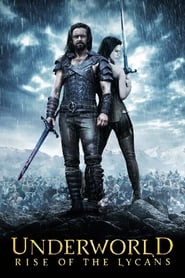
-
-
breakdown on the visual effects with Richard Edlund but the City Fantastic article had basically spoiled the movie they'd even reviewed basically the rough cut of it and talked about and they mentioned Hicks wasn't in it and all this stuff and people were furious that this magazine had basically spoiled it for everyone but yeah it's interesting reading it now because you know in hindsight what happens but at the time it must have been
24:28 · jump to transcript →
-
the trailer shot isn't it where just you know the bitch is back and you see you know it was obviously recognizes that she's got an alien inside of her um but people it's so funny like when i've posted stuff on socials about alien 3 people say oh the cgi in the film is terrible like there isn't a cgi there's actually one cg shot yeah you see the the skull go like crack about to break because of the from hot to cold whatever
1:05:02 · jump to transcript →
-
It's funny, isn't it? The Alien movies are such a great example of a series where all the ideas came from different places. That... When it jumps out there, the molten stuff looked like it was CG. But we're only told it's only this bit coming up when they drop the sprinklers, isn't it? Yeah, that's what they claim. That's it. But I never believe them when they say there's no VFX, there's no CG. It's in Cinefix they talk about that. There's a great book, actually, on Cinefix put all the Alien...
2:09:39 · jump to transcript →
-
-
-
At a party, after a few drinks, I told him I'm gonna direct a movie and you're gonna do the music and he said, sure, how many times have I heard that? And by next year, I made the movie and I called Kevin and I think his music is terrific and he still works and does great stuff. And those gunshots were not CGI as we do now. Well, there's Michael Prescott, my producing partner who came with me with the script and David Price.
7:46 · jump to transcript →
-
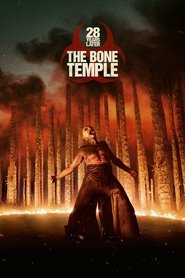
who I'm still friends with, who directed Children of the Corn 2. And matter of fact, I'm gonna have a barbecue at his house tonight. Excellent. And there's, I know that guy. I know that guy as well. So what I was gonna say, we actually did practical gunshots with blanks, and the last movie I did, we don't do that anymore. It's all CGI. So I miss being able to really shoot a blank.
8:12 · jump to transcript →
-
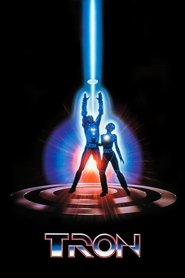
they'll say, no, he never did. But yeah, listen, the bottom line is they obviously had the power and they did let me keep it in. And here's Warwick going through the disintegration prosthetic makeup effects. There's the puppet stage. Yes. And the special effects for its day were good. But remember, this was 91, 92, and they didn't have the great CGI that we do now. Right. The optical effects were doing what they could. But they were very, very good for its day.
1:26:00 · jump to transcript →
-
-
-
Simon West
this plastic effigy of a man. So I thought up the big mechanical robot. And of course, it can climb walls, it has weapons, it has killing devices. And it was a much more advanced version of this very simple kind of boxing training device. Most of the shots in this sequence were done with a computer-generated robot.
1:36 · jump to transcript →
-
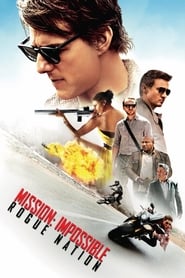
Simon West
that I would love to go back and shoot there again. Now, when Lara falls through the hole in the ground and she's tumbling through the earth, I shot this in one of the oldest techniques possible. It's not blue screen or green screen. It's not CGI. It's literally her standing on the ground with a rolling background
44:51 · jump to transcript →
-
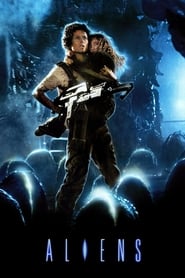
Simon West
that was built to this kind of scale and this standard. It was just incredible. I also wanted to do everything for real as much as possible. So instead of doing a lot of green screen or blue screen work or computer generated stuff, almost everything in the film happens in front of the camera. So as well as this set being on a gigantic scale, it's also a mechanical set. You'll see later in the scene that, of course, the log gets released and flies across the...
46:17 · jump to transcript →
-
-
-
Ted Tally
And here we had sort of a challenge as we were working over the script and getting ready to make the movie, because we're going here to a second house of murder victims. You don't want it to be repetitive, and you've got to find a way to make it quite different and move more quickly. Mark Helfrich, the editor, had some wonderful ideas for increasing the pace of this, which was a little bit longer. In the script, initially, I believe Graham goes into the house and has a few moments in it. Anything repetitive will never be in the film with Mark's editing. So we eliminated a couple of brief moments of him going into the house because it was too much like the other house he went into. And you try to move ahead to what's really new, dramatically, in the story. I love this shot. Jimmy Muro, my Steadicam and first camera operator, did this as one. A lot of good shots in this movie are in one, which I love, you feel like you're with him. And this was built. It's like the most incredible tree house in the world. It took about a week to build it. -/t looks pretty real. The tree is real, but we built the tree house. A platform, so that we didn't have to have Edward climbing up there. And it was awesome. It was so much fun that it was scary. Now he's looking from the killer's point of view at the murder victims' house and figuring out that the killer must have sat in the same place. But you cut the shot where he imagines the killer's point of view here. Yes. - Why was that? I cut it because I didn't want people to think he was psychic. I was worried that the audience... No. It was scripted that he would see in a sort of flashback what the killer saw, which was the woman walking past the window. I was really worried about it. I mean, it worked. I was worried that some people might be confused about his visions. I only wanted the visions when he was drinking in his hotel room alone. Where people sometimes have visions, you know? This was a great location. There was a real house here that was from 1770, that was the home of two congressmen. This is outside Baltimore, I guess. - Yeah. And here's the house that we built that we transitioned here... To a house built. ... that was inspired by the house from 1770 that they wouldn't let us use because... This entire house was built just for the movie outside of Los Angeles. - On the Disney Ranch. And here we have Kristi Zea in full-blown design glory. This is the voice of Ellen Burstyn, believe it or not, uncredited. That's interesting. You didn't know that? -/ did know that. I had Kristi do the still photographs because she's so great. In every single shot here, you see hundreds of separate decisions made by Kristi Zea and her team. Take off your nightshirt, and wipe yourself... I love this upstairs kind of lair of Dolarhyde. This was a big debate about the voice and... Now! - Please! Yeah. Should we... What are these voices? ls it Grandma's voice that has been transitioned into the Dragon's... Is it the imaginary voice of the Red Dragon? Originally, it was scripted that we heard the Red Dragon's voice in Dolarhyde's head. I got great actors reading the Dragon's voice, but I just could never make it work. I just felt it became hokey. It was a potential for people laughing where you didn't want them to. This is a CGI shot where we erased his teeth. So that you just see gums. - Yes, you just see gums.
39:12 · jump to transcript →
-
Ted Tally
I've always tried to hang on to what that cougar looked like. But by now, to tell the truth... This was made-up stuff that was not in the book. But I knew that they were going to have that scene later with the tiger, the sedated tiger, and I wanted to set up some deeper meaning to that scene for her. So I added this little section. You don't say much, do you? There was actually a scene that was left out. That was his arrival, but Mark thought it was unnecessary and Nis... - When they first arrived and walked into the apartment for the first time here. One of the things that amazes me about Ralph is that he... The script so often gives him so little to work with. The character is painfully shy, he speaks in monosyllables. This was a scene that I used to test the actors. - I remember seeing the test at the auditions. This is the scene that helped me decide that the actors that we tested werent right for the role because they can get the Dolarhyde torturing Freddy Lounds scene, but to have a vulnerability here... But you still have to fear this guy. It's a tremendous feat of acting to accomplish as much as he does with so little to say. My biggest worry going into production was that we would not be able to find an actor who could do everything that this part needed. This is a part where the actor has to bring so much, and the script doesn't help him as much as it does other actors. This is really where you see his imperfection, which is his cleft lip, which Matthew Mungle, who is a brilliant make-up artist and effects make-up artist did such a realistic job of. I tend to do a Iot of tests for hair and make-up and the tattoo. We spend a Iot of time. When you work with Dino and Martha, do they want input into those kind of choices or is that left mostly to you? I love working with Dino. Not only is the guy a legendary producer, but it's great working with Dino and Martha together because... It's a whole other energy. - Each one has their own opinion of things. Right. They are a great producing team. -/ never work with a producing team. - They are very shrewd about script. You did a lot of work with Dino and Martha before I even came on board and you delivered a first draft, basically, that was shootable. - The first draft was green-lit by the studio and it had a lot to do with Dino and Martha's notes because they are very shrewd about what the audience needs to know, and when they need to know it. The sense of the rhythms of the story, and the rhythms of the acts, they have a really good grasp. This is my favorite section of the film. This is where the pace really... It seems like it really takes off here. This is Run from Run-D.W.C. who unfortunately, I cut out of the film, not completely, but... That was him. - That was the top of his head? That was a wonderful appearance. The story really takes off here. The pacing of this section, to me, is very exciting. The music and the editing. This is where I was telling Harvey, "Can you do it twice as fast?" Harvey tends to pause in the strangest places. But it always comes out very natural. He's a brilliant actor. You had always wanted to work with him? - Always, yeah. You had always wanted to work with Harvey. Ever since I was a kid, I was just... I grew up on him. ... possibly from the Tooth Fairy. This was a Dante shot. - It's a spin. "Let's go around him." I said, "I don't want to get dizzy." He said, "No, it's an urgent scene." It does create the urgency of what's going on here, that events were spinning out of control as suggested by that. Because of 9/11 we couldn't fly a helicopter through the Washington skyline. So that was one of our few CGI shots. It's really called a composite, because we shot a plate and then we took a shot of a real helicopter. This was done on the set. Ralph read this on the set. - Standing next to them? Not when we were doing the scene, but he just read it once and this was the take we ended up using. This is a one-take performance. He was just so in the mode. He reads this letter very well. I love all this sort of hi-tech, FBI forensic stuff, and it's something that we couldn't get a whole lot of into the script because of just sheer space considerations. So where we could do these kinds of things, it was really fun. I love that shot, and that shot... All the shots of Lecter in this... Brett, you love all your shots. - I know, not all of them, but those specific ones. I like all the lighting changes through this. This is Tony Hopkins' stand-in. This is the only... I wondered why he had a British accent. I wondered why the superintendent of a hospital in Baltimore had a British accent. He migrated. This is Ken Leung who's been in three of my other movies. On the right? He's a great stage actor from Broadway, and he was the villain in the first Rush Hour, and he was in Family Man. He's just a... He's very good with this part. - He's excellent. He's really very real. ...are transparent to infrared. These could be the tips of "T's" here... This whole sequence is quite close to the book. Tom Harris is very well-grounded in all of these procedures. It's just a real gift to the screenwriter to have an author have done so much research, and be so on top of these things. ...they made that up. Three "T's" and an "R" in "Tattler." How do you communicate through a tabloid? You got what? News stories. This scene was much longer really, but we realized in the playing of this scene that the audience... This is an example where the audience was ahead of everybody. We shortened it because the characters just seemed like they were... The audience already knows who Dolarhyde is at this point. We held him back for as long as we could, but once we've shown him, the audience is just getting ahead of you. - That's my favorite shot!
55:10 · jump to transcript →
-
Ted Tally
That was a little storytelling thing, you know, helping, because you really couldn't hear her lines. Of course. There goes Grandma. There was a very complicated lighting set up for this. I read a cinematography article where Dante talked about how many different kinds of banks of lights that he had to set up for this one shot, right here. This is a real fire, but we enhanced it with CGI. This is a real fire. He's got this fire, but he's got to light the actors with extra instruments that are hidden out of shot. He's got the natural light of the cars. The lights flashing around. Francis Dolarhyde! Where is he? Look how many things are happening with light in this one nighttime shot. I put my hand in it. He set fire to the house. It's all justified because the headlights of the... It's red, it's blue, it's yellow. That was such a big explosion. You had to be half a mile away from it. All these stuntmen... I guess some people are wondering, "Why is there such a big explosion?" Actually, in the book, Dolarhyde has dynamite stored in this house for some unspecified future project. And you'd written a shot when we looked in the safe... I'd written a shot where we saw the dynamite, it didn't end up in the movie. We finally just decided, it's an old house, it's got... Let's lose the dynamite and keep... It's got oil tanks in it and the tanks blow up. I love this close-up of Emily. She just... What a face. Who could resist a charmer like me? You know, whatever part of him was still human... We really wanted that hair job to work, so we went crazy. You didn't draw a freak. Okay? It's a good scene for Edward, too. ...with a freak on his back. I should have known. No, sometimes you don't. Trust me... Initially, this scene was written as a sort of voiceover. Actually, it was one of Brett's, you know. Brett is very, very good on text, too. Just like Dino and Martha. And Brett said, "The audience loves this character "and we have to honor her by having a farewell with her." We have to see her. We have to give her some closure with him. They have to have a real scene together. The last time we saw her she was crying outside the house. And it was one of the best ideas that Brett had as the script was being revised, before we even started shooting. Dr. Voss, please call Pharmacy 4421. I love this scene that we came up with. This helped pay off the end. This is setting up the ending in a way that's not really in the book, I don't think. We needed for him to have knowledge of Dolarhyde that he could only have if he'd seen this big journal. So we went back and forth about how could he find this journal if that house blew up. Finally we thought, if we put the journal in the safe, it could conceivably have withstood that explosion. We were torn between, do we do a kid's drawing or a picture?
1:49:42 · jump to transcript →
-
-
-
James McTeigue
The way we shot that was Natalie standing on a dry stage. And then... - Um, excuse me. I sort of remember an extremely rainy, freezing stage for many days. I do too because I was lucky I was out of it. And I was like.... Well, the visual effects part of it. - There was a visual effects part, yes. But, yes, she was subject to a lot of rain. That is true. But... Which, with no hair, becomes extremely, extremely cold.
1:25:30 · jump to transcript →
-
Evey
We did concept-design work with an artist called George Hull... ...Who Larry, Andy and James all Know from Matrix. And he drew up the initial sketches that we approved... ...and put into the digital pipeline. When we were shooting it, we didn't actually do a great deal different. We kind of left them to it. We ended up having some rig removal. And the way the blood was done was very crude, if you like. We literally taped plastic bags of stage blood... ...to the costumes of the S.W.A.T. members. And V's stunt double, Dave Leitch... ...used a real knife. And he just had to be very precise to cut the bags... ... Just at the right level so that the blood would splurt out. There are some shots when the knife is in the air... ...where we have got digital knives. CG knives that we put in there. And then, throughout the sequence we had tracked V's motions... ...and rendered in the trails that you see. It's the final confrontation... ... sort of ideological confrontation... ... between Creedy, who represents the administration... ...and V, the independent-minded terrorist. The great line at the end of it is that, you know... ...when Creedy can't shoot him. And he says, "You can't kill me because an idea cannot be killed."
1:55:24 · jump to transcript →
-
Evey
For three nights we closed down Trafalgar Square... ...1N Whitehall and outside the Houses of Parliament. And logistically it was really tough. We could only shoot from 12 a.m. to 4 a.m. We had, probably, between the cast and the crew members, 1000 people... ...every night to move around in a very concise and succinct manner... ...and Terry Needham, who was the first A.D... ...I think he did an incredible job on that. When you do crowd replications... ... you know, the traditional way, and people will have seen... ... you shoot various passes and versions with the crowd standing in different places... ...and then you can add all those layers together to create your final shot. The shooting restrictions we had when we were on location... ...at Trafalgar Square and down at Parliament... ...Was SO, SO tight, that the amount of time we had... ...there was no opportunity to do anything special for visual effects. It was literally, try to get what they could for the main photography. What it does is you also have to be very concise... ...about your storytelling. We were able to use a lot of alternate takes, different angles... ...to build up the crowds. And the digital V figures were mainly used for the overheads. Obviously, a normal film day is 12 hours. And when you're condensed down into a 4-hour period... ... your appetite is always bigger than what you can ever achieve. That was a microcosm of that kind of, you know, filmmaking.
1:59:35 · jump to transcript →
-
-
director · 1h 42m 3 mentions
Len Wiseman, Brad Tatapolous, Brad Martin, Nicolas De Toth
-
He affected all the flashbacks. It actually takes a very long time to do all that. It does. It goes by really fast, but it's a lot of tweaking in the edit. Right, yeah. Actually, that chopping off of the head right there, and then also the chopping off of the head at the village right there, I know that you and Gary, the visual effects on-set supervisor, were at odds for a while saying that, well, he was thinking that it's not going to look good in 2D, and you're saying, well, no, it's going to look fine. And it ends up looking great in both shots where it takes his head right off.
15:29 · jump to transcript →
-
And we had a lot of mobility with him. Yeah, I got worried. I didn't want people to lose the fact that all this was done practically and the only thing CG in this is the wire removal and the wings. That's it. So the actual crane has been removed. And the crane removed. We haven't even mentioned Pyme and the guys at Luma who did the bulk of all the visual effects on this film and all the CG wings and the CG werewolves and everything.
32:48 · jump to transcript →
-
there in post so we could pick up some POV shots. This is my favorite shot of the dungeon right here. I thought Simon did an amazing job on just, you know, you need to see it, you need to light it. Same time you want to keep it very dark and creepy and it's not an easy thing to do. So I thought he did a really fantastic job at it. Another thing too is that Simon was really good in the digital intermediate.
1:26:05 · jump to transcript →
-
-
multi · 1h 33m 3 mentions
Wes Anderson, Peter Becker, Roman Coppola, Jake Ryan + 3
-
Wes Anderson
Exactly. The thing I love working with digital effects and things is compositing things. It's the ability we now have to take something and replace it, or reposition it, or change text, or modify things in the frame that are absolutely indistinguishable from if we had filmed it that way. All the time we rewrite text and it disappears. But that's a different kind of effects work, I guess. You know, it's often the signage. Probably, I would say, 80% of the shots in the movie have some kind of visual effect. And that all happened in postproduction.
6:42 · jump to transcript →
-
Peter Becker
And do you have to light specially for that? Or do you get to change the light in the digital space?
1:03:49 · jump to transcript →
-
Wes Anderson
You can change the light in the digital space, but there are things you're doing on the set that are different too, like practical lights that you're absolutely blasting because you know you're gonna bring the whole thing down so much.
1:03:54 · jump to transcript →
-
-
director · 1h 23m 3 mentions
-
But yeah, we ended up doing it with a real ladybug. We laugh now about this. We'll hear about it. This is Detroit, the family of Alex. Actually, you were saying there's no CGI in this, and we never, I don't recall any green screen either, did we? No, no, no, no. It's just... It's a rarity these days, my friend. Yeah.
4:55 · jump to transcript →
-
But I guess, you know, I'd like one. If we can pull it off, I think it's good. Yeah, make it more classy. But that was the whole approach of this movie. Like, since day one, it's trying to do this, you know, in a very classy way, not doing anything that was, you know, top-of-the-line CG or visual effects or anything like that, because stuff like that gets old, and a good story, I think, will never get old. Was this script inspired by...
5:21 · jump to transcript →
-
that he maintains in his life. Yeah. That was CGI, right? That was CG, yeah. That was the only, well, not the only, I think there's a couple of CG moments in the movie and that was, that's probably the fanciest CG effect in the whole movie, ironically, is the piece of treat of hot dog that is thrown to the dog that had to fly over the fence and land. All that was done actually in Uruguay, in our country. Because the money's in there and the paranoid fuck doesn't trust nobody.
15:08 · jump to transcript →
-
-
director · 2h 27m 3 mentions
-
Let that come out. Let's get to that. This shot is awesome. Entirely CG? I can't believe it. It was like the first time I've seen an entirely CG shot where I don't want to shoot myself. I know. Great work of Jody Johnson and all the people at D-Net. Great, great job. I have a real problem with CG shots, especially when the subject of the shot is CG. You can put computer-generated backgrounds all you want as long as what the eye is looking at is real, and that's
20:58 · jump to transcript →
-
And so here's a shot done in camera. Yes. We used a motion control camera so that you could do the same shot two times. And we are always trying to find a fun way to do the mask gags that isn't CG. And none of this required any CGI whatsoever. That shot's all done practically. And it's just a simple split screen. It's one of the oldest techniques there is.
1:23:29 · jump to transcript →
-
We shot in a day and a half. It's incredible. A day and a half. And then other pieces we shot, little tight things, all the tighter stuff, we shot at Leavesden. Again, great visual effects work, great production design. This is a moment we came up with. Later. Later. Look at that. Smudge. I like the Walker smudge.
2:12:10 · jump to transcript →
-
-
-
SFX Maestro Christien Tinsley
She's actually a hair person. She did most of the hair work on this show as far as, like, for the fake bodies and, you know, all the eyebrows and eyelashes and beards and things that go on a fake body. That's what she did. She's sleeping. But, yeah, it takes a team. You know, the great thing about the digital, which there are a lot of effects in this film that we did digitally, and when I mean digitally, meaning we scanned...
1:25:11 · jump to transcript →
-
SFX Maestro Christien Tinsley
We sculpted, we digitally printed the molds, and then we did traditional casting from all the digital work. I would say about 35% of the effects that we did for this film, we did digitally. And again, I just explained what I meant by that, but they are practical effects. But because we did them digitally, it really gave me the ability
1:25:39 · jump to transcript →
-
SFX Maestro Christien Tinsley
a few digital effects. So we applied the wounds and, you know, basically did like a reverse heal and reveal effect. Applied the pieces and then they digitally close them up.
1:58:17 · jump to transcript →
-
-
-
Hoyt Yeatman
Hi, I'm Hoyt Yeatman. I was the Visual Effects Supervisor for Blue Thunder. And this was the very first film that Dream Quest Images... ...the company I founded a number of years ago, worked on. So it was our big break. And John was so nice... ...giving a chance to show what we could do. Does Cochrane drive a grey Corvette? Yeah. Why? Check 9:00. At the time... ...the shots that we needed done-- And there were many shots needed for this movie. --Were very expensive. And when we got a quote on them... ...they were in the area of $25,000 a shot. And a shot may only last for two seconds or something. So Columbia said, "Oh, that will never work." And... And so the Columbia guys went out and they found some guys that said: "We can do this for $5000 a shot." And that particular group, that will remain nameless... ...came and did some test shots, and when they finally came back to us... ...they were unwatchable. And the producer, Phil Feldman... ...would not even show them to me. I said: "Well, Phil, I can see it. I'm a big boy. I know what stuff looks like." He says, "I'm not showing you these shots." So at this point, we discovered Hoyt. And Hoyt, if I remember right, you, or you and your company... ...was working in kind of a garage in Culver City. That's right. It was a very small little room where we had built... ...our first motion-control system. And on this show, what we did, instead of building exotic models... ...we went down to the hobby store, basically, and bought a Tamiya... ...a very finely made, you know, model of an F-16... ...and Greg Jean, a renowned model maker, built it for us. And so that was the first real model shop that we had. It was Greg building a standard, off-the-shelf model. And that's what we used for the model work in Blue Thunder. So the shots that came in from Hoyt were just fabulous... ...and at an amount that we could afford... ...a little bit more than the $5000 that Columbia wanted to spend. But on the other hand, thank goodness we were backed by Ray Stark... ...who was powerful enough to tell Columbia... ...that we had to have the thing look right... ...and not cheesy-- - Right. --like some old horror movie. Right. Believability, I think, in this picture, was of prime importance. Yes, we always wanted to have things very, very believable. And with the helicopter... ...to do as much real stuff with the helicopter as possible. But then when we get into areas with F-16s... ...and some trick things the helicopter did... ...we would have to rely on, you know, some new technology. Right.
58:30 · jump to transcript →
-
Hoyt Yeatman
Now, we're looking at a lot of stunt people running around... ...because they all participated in this sequence that came up... ...as the F-16s lock in on the heat source... ...of our Blue Thunder helicopter. And Scheider gets his plane where it's up against the sun reflection. He's hoping to decoy the helicopter into this. That was the miniature helicopter, too, going across right there. There's the miniature helicopter. Certainly the idea of it going into a building like this... ...was viewed by us as complete fantasy. And it never, ever occurred to us... ...that somebody would actually do something like that, you know. It's just beyond the range of thinking. At the time of 9/11, you couldn't have shown an image like this. Everybody got so sensitive. And then, suddenly, they realised... ...that people weren't as terrified of it... ...as we were saying they were going to be. Remember, people were saying, "We'll have nothing but Doris Day movies." Or, you know, whatever today's version of Doris Day movies is. But then, suddenly, the video stores started telling us... ...that every terrorist movie they had was gone from the shelves... ...that everybody was suddenly fascinated... ...with the very thing we said they wouldn't be... ...which proves William Goldman's old adage of, "Nobody knows anything." And you'll remember, when I talked about the first shot... ...with Malcolm McDowell. Well, here it is. This is the one where he comes... ...and has to jump inside the helicopter and take off. We probably won't be able to get permission... ...to do practical work like was done on Blue Thunder. In other words, I think the laws have changed... ...and people's concern for safety has increased. So we won't be seeing the same kind of amazing, live stunt work... ...which is really, you know, just some of the best ever done. They would depend on visual effects, other methods, to achieve the look... ...but it wouldn't be the real thing, which is what we got here... ...which is a real treat. So he didn't know he had the option of-- No option here. No, no option. But it looks really good. I mean, it looks like he's taking that helicopter off. And the pilot, Karl Wickman, was-- I don't know where Karl was, but I couldn't see him. At that point in Los Angeles, in the early 1980s... ...lots of new, giant structures were being built... ...and here we got to use one where we could shoot through it. And this is where we lost this helicopter... ...this little Hughes 500 helicopter. Its engine blew up. And the helicopter auto-rotated down to the ground... ...onto those parking lots that you see. And only because we had cleared the lots out... ...and had no traffic down there and no cars, no people, was it safe. And we thought we had killed Karl Wickman... ...because the engine blew up. But he was a Vietnam helicopter pilot... ...and he had rehearsed auto-rotating to the ground hundreds of times... ...and he took his helicopter down to the ground... ...and it only bent a couple of skids. And as it hit the ground, he actually was jumping out of it... ...right simultaneously backwards with a fire extinguisher... ...in his hand to put out the flame. But now you can see, we're down 40, 50 feet... ...above the Music Center in Los Angeles. That was not Bill Ryusaki. Good for him.
1:34:03 · jump to transcript →
-
-
-
Again, we don't have CGI. This is a real reality thing that we built the other side of the mirror. So you're looking through a window. So there's no special effects in terms of CGI. It's just practical. And there were, I think, three different mirror gags in this. This is the second one. And all of them were real rather than special effects.
39:00 · jump to transcript →
-
Well, I mean, your love of it definitely shows on film, because again, I love the car gags in this are just so much fun. And again, it's just the fact that it's all practical, that you don't have, you know, CGI cars and all that kind of stuff. Exactly. I mean, so it's, on the one hand, it doesn't compare to the big things, but it was an honest effort for time and budget. That's part of the
1:14:33 · jump to transcript →
-
-
-
Marco Brambilla Daniel Waters
actual computer generated effect so um this is uh based this was inspired by a kurt vonnegut novel where uh i think it was a sirens of titan where there's a substance called ice ice nine that that's cat's cradle buddy okay it's cat's cradle okay don't try to try not don't try to out vonnegut me stay in your lane buddy
9:54 · jump to transcript →
-
Marco Brambilla Daniel Waters
the kind of computer-generated action films, you can really see the difference in terms of the practical effects and the fact that that's really happening in front of the camera. But that explosion is computer, right? No, not at all. Oh, wow. No, the exterior is a fireball that was comped in in film, and the interior was all done practical. Oh, wow. This is a very abbreviated epilogue.
1:48:32 · jump to transcript →
-
-
-
But that was nothing with, I mean, visual effects, the cost of visual effects. Yeah, yeah, yeah, for what you got, no. I mean, because we did have to cut out a lot of things that we wanted to do. And now I look at things and think, oh, I can see, I'm just inside the tank and all the ad-libs you did, Laurie, that were so brilliant. I was just a goofball. Yeah, but what joy is that?
27:22 · jump to transcript →
-
I had to use all my superpowers and all my meditation and all that shit because that was real. That wasn't CGI, you know? Yeah, exactly. Now, there was some tough stuff in that piece. Yeah. In that tube bit, yeah. I'm in the baseball bat bag. I'm going in the thing. That was horrible. Yeah, that was not fun.
33:46 · jump to transcript →
-
-
-
Jonathan Lynn
Or when we zoomed in or zoomed out, that's the camera moving, and there's a newspaper just spinning on a piece of black velvet. So we were able to do that sequence for about $1,000 instead of vastly more if we'd done it computer-generated or optically. And it was beautifully cut by my editor, Tom Lewis. That was an ad lib by Bruce, which is pretty funny, I thought. He just improvised that on that take, and only that take.
8:20 · jump to transcript →
-
Jonathan Lynn
Unfortunately, this was the best take and it didn't have the sign. So... I contemplated putting it in with CGI, but no one in the audience has ever raised a question about it. Jimmy, you were right about him. This is one exceedingly sweet man, wife like he got, and still he believes in wet and foul. So do I, especially till death do us part. Oh, quite deep, right? I gotta go to the office. The day at the jazz club was, as I've already said, very tight.
45:44 · jump to transcript →
-
-
director · 2h 8m 2 mentions
Commentary With Kathryn Bigelow And Jeff Cronenweth
-
Commentary With Kathryn Bigelow And Jeff Cronenweth
not take advantage and not do what on some of the other pictures that have been made have done things slightly over scale to accommodate cameras. We kept true to the scope of those submarines and tried to promise ourselves that we would never put a camera in a position that we couldn't actually get it in into the submarine. And we stayed pretty true to that. There's a couple, you know, effect shots in the movie that obviously, you know, visual effects where we go from inside the sub out of the sub where we, you know, cross that line. But that was...
15:05 · jump to transcript →
-
Commentary With Kathryn Bigelow And Jeff Cronenweth
We were fortunate enough to be able to work with Eric Brevik on the visual effects. Eric works with ILM. And with Eric, we came up with the idea of moving from inside the submarine to outside or from outside the submarine to inside. So in other words, piercing that kind of fourth wall, if you will, in order to better understand what it might be like to be floating in this giant,
1:31:11 · jump to transcript →
-
-
-
And the interior of this location was inspired by a fencing facility that we location scouted that was adjacent to the Olympic Stadium from the 1930s. But we weren't able to shoot in that location, but we did replicate it in CGI and on the stages at the Babelsberg Studios, which have quite a history. Mm-hmm.
9:40 · jump to transcript →
-
It's amazing what goes into all of these sequences from the visual effects vendors, from digital domain,
1:17:36 · jump to transcript →
-
-
director · 1h 35m 2 mentions
-
In this part of the movie, we see London devastated and how now militaries are in control of the city. We introduce the character of Doyle, the sniper. In a way, I think that this beginning with the city, in terms of how we presented the city, we Start from the air with an aerial shot and then we landed on the rooftops with these snipers. And then, later on, we're going to see the city from the ground. This is a kind of trip from the air to the ground to see the effects of the infection, and how now the militaries are trying to rebuild and repopulate the area. This stuff with the militaries talking is inspired from the reality, because we made fantastic research with Alex, Alex Garland, about how soldiers speak in these situations and how the process... how the rebuilding process is absolutely based on real stuff. Yeah. It was really important to imply everything from reality, to move... forward in a situation that never happened, but has something in common with all the situations that happen in wars. In these shots of the airport, I think the work of Sean Mathiesen, the visual effects supervisor, is fantastic because we don't see anything in this airport. Everything is removed from the original shots because, in those shots, the airport was very busy with a lot of planes. And then in these shots, we see how now there is nothing in this airport. In this movie, it is particularly clear that the special effects is something crucial to get this feeling, to get this flavour of the emptiness of London. Yeah, the work of Sean Mathiesen is really notorious in this film. It's probably more difficult to remove than to add, and Sean made a fantastic work in these two ways, in these two senses. Most of the military presence is added visually by Sean and his crew.
12:25 · jump to transcript →
-
Again, Sean Mathiesen's work is really cool. The jets, obviously, are CG. We are not bombing anything, for sure. All the fire in this sequence, it's a CGI element shot in real with real fire, but, you know, they played around with these shots. The special effects in this sequence are very important, and I think the work of all these companies in the movie, they worked very well. And very hard, because that was made in record time. Yeah. 400 shots in more or less two months. The fire. The fire here is the only way for these people to clean the city, which is something terrible, and introduces the idea that the destruction of the powerful, the destruction of the human being is probably sometimes stronger and more destructive than the infection is instead. The connection between the blood and all the characters are... very important. It's a sequence we worked a lot in the editing, because it was difficult to deal with several layers in this story, which is the family, the militaries, the infected. So, we tested a lot of times, and I think we found at the end this perfect balance between the characters in the tunnel, the militaries in the bunker, and everybody out of these places are completely in danger. This music is exactly the opposite of what music in a spectacular movie deals with. I mean, this is an arrangement of the principal tune and this is arranged in a very sad way. This is exactly what we wanted.
1:05:12 · jump to transcript →
-
-
director · 1h 59m 1 mention
-
director · 1h 29m 1 mention
-
-
director · 1h 28m 1 mention
-
-
director · 1h 54m 1 mention
-
-
director · 1h 42m 1 mention
-
cast · 1h 36m 1 mention
The Garbage Pail Kids Movie (1987)
Lead Mackenzie Astin, Katie Barberi, Film Programmer William Morris
-
director · 1h 24m 1 mention
The Naked Gun From the Files of Police Squad! (1988)
David Zucker, Robert Weiss, Peter Tilden
-
-
-
director · 2h 17m 1 mention
-
-
-
director · 1h 59m 1 mention
-
director · 2h 10m 1 mention
Richard Curtis, Hugh Grant, Bill Nighy, Thomas Sangster
-
-
director · 1h 45m 1 mention
-
director · 1h 31m 1 mention
-
director · 1h 55m 1 mention
-
director · 1h 53m 1 mention
-
writer · 1h 35m 1 mention
Simon Barrett, Adam Wingard, Greg Hale, Timo Tjahjanto + 4
-
-
-
Related topics
Other topics that frequently come up in the same commentaries.