Topics / Editing & post
Sound design
68 commentaries in the archive discuss this, with 161 total mentions and 129 sampled passages below.
By decade
-
1950s
2
-
1960s
3
-
1970s
4
-
1980s
10
-
1990s
18
-
2000s
20
-
2010s
6
-
2020s
5
Across the archive
ranked by mentions · click any passage for the moment in the transcript
-
director · 2h 43m 13 mentions
-
and any number of people, including Rebecca. We should talk about the sound mix here because it's just extraordinary. It kind of rocks the theater when you're inside a cinema watching. Yeah, our sound team, this actually, there was a lot of time and effort that went into this, and then it was really only on the very last day when we took the sound design apart and put it back together again. There had been a lot of notes and thoughts and rules, and we finally just went down and picked specific sounds
14:50 · jump to transcript →
-
And then the most important part was to mix in a level of bass so that you actually feel the storm. Yeah, so if you're watching this at home, your subwoofer will be getting a very good workout in this little bit of the movie. Although we now go into much more subjective, dreamy sound design here. And we played with the end of this sequence, how it would end and where the credits would fall in the beginning of the movie many, many times. And finally settled on this. I love the dissolve here as well because...
15:19 · jump to transcript →
-
Yeah, because we wanted the desert to have a win in it. Yes, well, we knew that if you went into the credits believing that she had died and withheld it all the way to Rome, which is what we originally did. Yeah, a good hour into the movie, yeah. It affected the entire tone of the airport. Yeah. So we knew you had to reveal this somewhere else. Yeah. And we went full circle. We threw the idea out, and in the very last week of editing, the idea came back. And a lot of this is told through sound design. This is actually shot on the back lot.
24:28 · jump to transcript →
-
-
director · 1h 49m 7 mentions
-
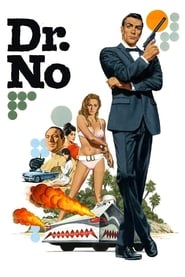
So most of it was basically done by them in London. Sound designer Norman Wanstall recalls how he added production value to Dr. No through sound effects. A typical example would be where I could contribute would be just literally to introduce voices where purely for atmosphere, which was something I learned from Wyn Ryder. He was a great fan of doing this, and I learned how he brought scenes alive just by having distant voices.
27:24 · jump to transcript →
-
In the studio, you can control everything much easier, so everybody was more quiet, and it was easier, it was less tension. Sound effects play a key role in the latter part of the film. Editor Peter Hunt. In order to level that all out, I know how we came to have that general hum, was that we thought, well, because it was way down, underground,
1:23:53 · jump to transcript →
-
the most technically and artistically perfect track for the cinema. Like all the departments, Wanstall was challenged by the film's limited budget. The budget was very low and this really was significant in my case because invariably on busy films like that, action films, you have two soundtrack editors. It's inevitable you need those because somebody has to look after all the dialogue and somebody has to look after the sound effects.
1:25:17 · jump to transcript →
-
-
director · 1h 36m 7 mentions
-
but then decides that he's hungry now. Yeah, nothing like mouth raping a bunch of pregnant women. That's going to hell for that one. Yeah, I kind of regret how quick this shot is now. I wish we held that one a little bit longer. It's just such a quick flash. By getting the sound effect right here when we were on the dubbing stage. Oh, yeah. Yeah, we're talking to an ADR, talking to the actress there.
1:06:28 · jump to transcript →
-
And she's like, so what are you looking for? We're like, yeah, just imagine a really large thing jammed down your throat, squirting eggs into your mouth. And she's just like, oh, okay. And we played for her, and she's just like, oh, my God. She was a little appalled at the footage that her voice was going to be applied to. Yeah, she did a very authentic choking sound there. It was good. In a movie like this and in this genre, sound design is very important, especially a lot of our—
1:06:54 · jump to transcript →
-
sound had to be otherworldly at points, and so it was designing and pulling that off so it would work. Oh, yeah, I mean, between the guys designing the sound... Yeah, Jay did a great job. Jay kicked ass. Our mixers were just fantastic, you know, trying to balance the music with the sound design, with the dialogue. I mean, because it's a challenge, because part of you just wants everything at a volume 11. You know, I love really, really loud movies, and...
1:07:24 · jump to transcript →
-
-
director · 1h 43m 6 mentions
-
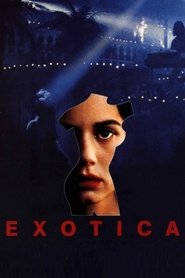
This piece just seemed to kind of get the mood of this strange encounter. I don't know what... Flustered. We should also talk about the wonderful sound design of Steve Munro, which a lot of times kind of crosses into music score. There's certain sounds that you'll hear in this pet shop, and certainly in the club,
22:05 · jump to transcript →
-
In the office, in the club, you'll hear these long bell tones, and a lot of people said that was their favorite part of the score, but in fact, it was just sound design. Actually, that's a really good point. We'll talk about that in terms of the scenes between Francis and Sarah Pauly's character in the car. There are these wonderful sounds that Steve...
22:33 · jump to transcript →
-
in a Denis Arcand film and told you about her. And I believe that's how she ended up. Loving human remains. Loving human remains, yeah. The baby with Eric. I found it. Does he know? I would hope so. But here, look at the sound design here. Like, you know, the sound of these, again, parrots or birds. I mean, like, it's sort of an abstract sound. Like, it's almost as though there's this garden outside. Like, there's this weird, you know, um...
47:41 · jump to transcript →
-
-
director · 1h 56m 6 mentions
-
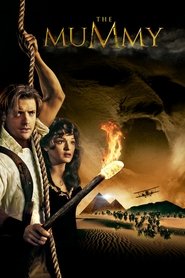
which means that the dialogue was replaced in post-production. And not because the performances were bad, they were actually quite good, but the actors didn't quite project well enough to get over the crowd when the scene was being photographed, so we went back in the studio and revoiced those lines with them and had them projected more so that it could get up over the crowd sound effects that were put in later in post-production. Now, right after this shot, there used to be a whole other scene
22:49 · jump to transcript →
-
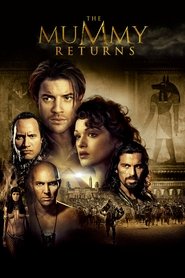
The part where the mummy comes back to life, that's based on a true story, right? That happened to me when I was younger, yes. I love the photography in this scene. You really, well, you feel like you're there. Torch lit. Creepy. Although, before we added sound effects, it sounded like they were walking on...
41:51 · jump to transcript →
-
which they were. Our sound designer, Leslie Schatz, did a great job in this sequence, because basically what he had to do was he had to make the sounds of humans seem like it's some scary sound, so you have to...
42:21 · jump to transcript →
-
-
director · 2h 3m 6 mentions
-
rubber sword there. Always amusing to... Try to cut around. Yeah. Also, when Freddy gets thrown across the room there, he suddenly becomes giant for a shot. That was his double. If you go back, you look at that sword under the... the old sword under the armpit stab. It's funny, though, with the sound effect, it's really effective. The actors here rehearsed and rehearsed, but on the day Addie nailed...
30:29 · jump to transcript →
-
Again, I love Patricia's eye. Watch her eyes, her focus. I mean, there's nothing there, and she has to really keep her eyeline straight. This is a really neat painting from ILM. Very evocative and impressive. And Leslie Schatz, who's been our sound designer since, again, film school. We work with the same people over and over again.
49:02 · jump to transcript →
-
Because we find good people and stick with them. And I just love the sound effect he put in when her thumb goes into his ear. I thought that was very effective in the theaters. Here, if you notice in the background, we're running out of time. The sky is lighting up. It's 5.15. I've got five more minutes to get that shot, that side of this scene done. Because see how black the sky is there? See at the top of the frame how blue it is there? We're running out of time, folks. It's Monday morning and the traffic's about to pour in. The sun's going to come up and I'm done.
49:32 · jump to transcript →
-
-
-
Darren Aronofsky
It's emphasized by Brian Emrich, our sound designer, who creates different, you know, sound design for different elements of the attacks. All the medical stuff is completely real except for that, our vaccination gun. It was built by a sculptor friend of mine in Brooklyn named Sasha Noe, who put it together from some old parts from his drilling machines.
7:59 · jump to transcript →
-
Darren Aronofsky
It looks pretty cool though. And that's just a sound effect to bring it alive. And of course, Sean's performance to make it real. So he's still waiting for the pain to come.
8:30 · jump to transcript →
-
Darren Aronofsky
He knows it's going to come. It hasn't hit him yet, and his nausea is growing in the back of his throat, and it doesn't kick in until there. We call that the vibrator cam, which was just basically shooting with a long lens and shaking the camera viciously. And now the paint is here, and we sort of accompanied it with not only the sound design, but the score as well. All the different elements working together, all the different departments.
8:54 · jump to transcript →
-
-
-
Novelist Tim Lucas
especially effective in the five-to-one sound mix. By taking out the music, the scene becomes more intimate and the two men feel more exposed, more out in the open. We're going to see what they're really made of. Just like the games we know. They have been behaving up to now, just as children do, but that's about to change.
54:18 · jump to transcript →
-
Novelist Tim Lucas
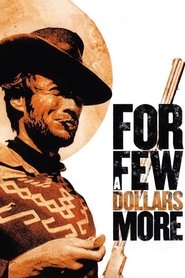
the sped-up, spring-like sound of a Jews harp. These are just two of the many ways that Ennio Morricone added to the film with musical sound effects as opposed to music. This elderly character actor playing the telegraph operator is Giovanni Tarallo,
1:10:25 · jump to transcript →
-
Novelist Tim Lucas
while the later stereo re-recordings were arranged to make a more ideal listening experience. As best I can determine, the first full-length soundtrack album was released by RCA Records in 1971, padded with music from A Fistful of Dollars. In 2004, there appeared a CD released from RCA Victor Europe, which lifted the mono tracks, replete with sound effects, directly off the film soundtrack. It had a running time of only 15 to 16 minutes,
1:12:36 · jump to transcript →
-
-
-
Film Stephen Prince
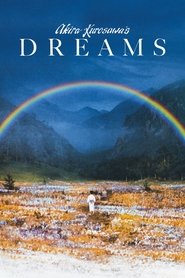
The sequence took 13 days to shoot, one of the longest in the film. Two of its most striking features are the use of slow motion and the sound design. Kurosawa used three high-speed cameras running at 72 frames per second, three times the normal speed at which film is shot. To get slow motion on film, you have to shoot at a high frame rate. This sequence then consumed a lot of film, which would have run through the cameras very quickly.
30:59 · jump to transcript →
-
Film Stephen Prince
He used slow motion in a more extended fashion in Ran during an epic battle scene that the slow motion, in conjunction with Taro Takamitsu's music, makes into a tragic lament for the foolishness and self-destructive nature of human beings. The sound design in the sequence is very striking. And indeed, the sound throughout the film is superlatively designed. We hear only a few sound effects,
32:27 · jump to transcript →
-
Film Stephen Prince
In other stories, she draws the breath from their body and along with it their life energy. In Kurosawa's variation, there's a physical struggle against which the I character must prevail. And the sound design again marks this shift. The beguiling soprano is gone, replaced by the harshness of the wind heard at high volume. As he struggles, she drops all pretense and begins holding him down. And she undergoes several changes in appearance.
39:31 · jump to transcript →
-
-
director · 1h 58m 4 mentions
-
Also, slow motion also will give me a lot of a strong impact, you know, like the horse racing. I want to see the energy. I want to see the beauty of the horse running. I want to see the muscle. I want to see the hair floating in the air, you know. So I shot the whole horse race shot with 120 frames. But in the meantime, when we cut into the scene, I need a very strong sound effect.
47:29 · jump to transcript →
-
So I would like to start with the slow motion, all the horse running out in slow motion. And then I emphasize the great sound effect. And they will draw a lot more of our attention. They will make the audience sit on the chair. Oh, what happened? What's going on? That kind of feeling. Bids from possible Chimera buyers.
47:56 · jump to transcript →
-
The sound effect guy, Mark, you know, he's brilliant. You know, he worked with me in Face Off, and he knows my style. I pretty much care about the sound effect. The sound effect is very important in the whole movie. Sometimes you make some boring scenes not that boring. Sometimes you create some kind of special sound. You make the simple scenes look different. It's better than being broke. I have terrorists and... And then I like to do some kind of experiment. For example, for the gunshot.
1:33:11 · jump to transcript →
-
-
-
Commentary With David Kalat
Fukabe also created the sound of Godzilla's roar among many sound effects that he tackled as extensions of the musical score. Concerned that the roar should be organic and natural without sounding like any living animal, he created the sound by taking a contrabass, one of the lowest pitched musical instruments, loosening its strings to drop the pitch even more, rubbing the strings with a leather glove to get the basic sound, and applying an echo to that recording played back at a slower speed.
1:20:16 · jump to transcript →
-
Commentary With David Kalat
When Ifukube requested access to the instrument for use in creating the monster roar, he had not previously had any opportunity to practice the sound effect. His finely tuned sensitivity to the sounds of objects and instruments allowed him to deduce in advance what lesser musicians could only learn by trial and error. Apparently, the filmmakers began to realize what an asset they had in Ifukube, and this sequence was amended during production to take advantage of that.
1:20:45 · jump to transcript →
-
Commentary With David Kalat
He complained that he had to make do with a smaller orchestra than he was used to in his classical works. And to show how chintzy the whole thing was, he directed the musicians while the Foley artists recorded the film's sound effects simultaneously on the same track. The movie studios pinched pennies like nobody's business, even on a project as unprecedentedly expensive as this. The final budget is said to have been 62 million yen.
1:22:13 · jump to transcript →
-
-
-
sound effects of traffic, all of which... builds as the intimacy builds and as the angles become more acute and as you get more into their face throughout the whole of the ten-minute sequence, because it was fairly difficult to figure out a way to put a ten-minute dialogue sequence in the middle of a movie. We are now in our California garb. California, yeah. It's supposed to be California in case you can't hear it. It is. I know it is, but you gotta...
45:39 · jump to transcript →
-
Anyway, at the end of the previous scenes, the trucks all make kind of a sonic envelope to it, and the sound effects are processed in the same key as the music. There's an accent as one truck goes through, just as he makes kind of a warning horn sound, just as he makes it approach the telephone and picks it up and calls Leo and makes his Faustian bargain, which he doesn't realize is a Faustian bargain at the time. What's the fifth alarm? We cannot run it down.
46:35 · jump to transcript →
-
the sound effects of the fire extinguisher have changed now in anticipation of a cue that's incoming. A what? In anticipation of the cue that will have a reverb on the sound effects of the fire extinguisher.
1:31:54 · jump to transcript →
-
-
multi · 2h 34m 3 mentions
James Cameron, Gale Anne Hurd, Stan Winston, Robert Skotak + 8
-
Bill Paxton
and the grips shook the set and the set collapsed on us and split open my scalp. So I'll always remember that line. It caught fire and the roof came in all on the same day. And it hit Jim in the head. I saw blood spurting out of his head. It was where Sigourney was supposed to be sitting, so it was good it hit Jim and not her. We'd have gotten a day off. Think they did that on purpose? No. - I'm just asking. At that point, maybe they would've. In the pipe. Five by five." My favorite line. These shots, it's just me shaking the back of the magazine of the camera. The poor camera operator had a bruise around his eye, cos sometimes I'd whack the magazine too, just to give it a sharp jolt. This is all my shake of the camera. The operator can't do it himself. It just gets into this bouncy rhythm if the operator tries to do it. It has to be imposed from the outside and then they fight it, which is the natural reflex. Such a wonderful sound design in this movie. Much of which was generated in our living room in England. At the time, people really weren't using synthesizers in England to create sound effects for films, and we had a Fairlight synthesizer in our living room. A lot of the sound effects were generated by Bob Garret, Randy Frakes and Jim in our living room near Pinewood, including the sound of the alien queen. It really was a home movie.
41:08 · jump to transcript →
-
Bill Paxton
This is, to me, the creepiest part of the movie. This thing running around, that sound effect he did of the facehugger. The first scenes of this movie when he did the chestbuster. The sequel, A/en - he took care of it in five minutes. That first scene. That it was a dream. - That was great. I thought it was so smart. It was just great. His storytelling. - The sound effects. That scrabbling noise. The way this whole thing was laid out in the first Aven and the second one, the whole genesis of the way it would start out in the pod and then it turned into the facehugger and then it turned into the alien.
1:47:16 · jump to transcript →
-
Bill Paxton
A Iot of the shots of it scuttling along the floor were done on our miniature stage. That shot where it just scuttled by was done right next to the twelfth-scale cargo lock. At the base of the twelfth-scale cargo lock there was a little set there. So Jim would have five or six or seven little setups poked in between our miniatures. We'd fog up the stage and get ready to shoot, but he needed to shoot with no fog, so we'd clear the stage, he'd shoot his thing and then we would continue on. So it was like one giant filmmaking unit but we were doing two or three miniature shots simultaneously and he was doing four or five live-action inserts. A concentrated dose of Aliens filming. It's very hard to see Paul Reiser as such an evil guy, after so many years of his TV series. He used to hate to ride to work with me. I used ride to work with him. And he didn't like it? - Hated it. I was like a real primitive. He's a sophisticated comic. - What were you doing? I was always grunting and groaning. Smoking, burping. - He hated everything about me. What a boring ride that was. You've been carrying this baggage a while. This is a good forum. - Let it rip, baby. It was because of the character he was playing. He's such a prissy, corporate guy in this. It's tough in these kind of movies. Especially when you're young, if you're playing a good guy, you're always hanging with the good guys. You don't trust yourself as an actor to be friendly with the bad guys. "One of the bad guys might wreck my big scene." We were too serious as actors to be able to hang with Paul. He was reading the paper the whole time. It was like I was interrupting if I talked to him. You didn't wanna ride to work with me? I was in a different area. You were right round the corner. You didn't want me with you. - Bullshit. We're yanking these facehuggers around. I called them rubber-chicken facehuggers cos they were these floppy ones. The crawling one had a mechanism inside it. That was shot backwards. We pulled the tail off and shot it backwards. There was a pretty good mechanism built into the ones that are really articulated, but a lot of the time we were just yanking them around on fishing line and doing it in cuts. People probably wonder why I had him shoot the window before he jumped through it. The idea was it's tempered glass. You have to get the crystal structure of the glass to shatter before you can go through it. So this is a bunch of grown people fighting a rubber chicken, basically. But, of course, it's the actors that make the effects real in our minds. Great sequence. I love the red light that he uses in this too. The warning light. That happens in the other sequence too when the aliens are coming through the roof. Look. This is another scene that James Cameron sets up as the family scene. There's just the three of us there as a family, ready for Aven 3. David Fincher did a really good job photographically and so on. I think it's really a well-made film, visually. It's just kind of a slap in the face of the fans who invested in Newt and Hicks and all of those character relationships. I understand the instinct, of course, which is you have to make it your own. I just don't think you should make it your own at the expense of what people like, personally. But everybody's gonna make their own decisions. But I had to change some things and make it my own on my film. And I know that Ridley probably watched it and wasn't pleased with a lot of things. He probably wasn't pleased with the fact that he hadn't made it. But I think it's tough. It's tough to see somebody continue on something that you've started. But then you learn to just get over it because that's the nature of this business. I think the trick to this type of film is you just take it utterly seriously. You don't step outside yourself and try to have fun with it and wink at the audience. You take it absolutely seriously and you don't give the audience a chance to question it. And if the actors can sell it, then it works. This is a distinction. I never got the sense in the first film that the alien had an intelligence that allowed it to manipulate their technology, but I didn't see that necessarily as a barrier here because certainly these creatures have been around longer. The alien in the first film had only been alive for 24 hours. It was still an infant, even though it had grown full size. These aliens have had weeks or months to figure things out. There's no reason why they couldn't figure out the electrical system. Not that they're technological, but the rudimentary stuff. The implication is that they're pretty clever. It's clear by the end of the film that the alien queen knows how to operate an elevator. It's amazing how such a low-tech little device that Jim sets up early on really builds the tension. You don't have to see them. You just see that locator and you realize they're getting closer with a little sound effect. This is one of the first films we worked on that we worked with a video to look at our effects. Prior to that you would shoot a shot and go by your perception at the moment as to whether it worked or not and looking at dailies the next day. You didn't see an instant replay. But on this film we used a video tap and offside video camera on some of the shots to analyze what worked and what didn't. It was fairly expensive to have a video tap camera. In most effects stuff, the cameras used were... These old Mitchell cameras were great but they didn't have video tap. It was an expense a lot of times you couldn't afford. More welding. - Just don't look at it. Look away or you'll be blinded. Weld it but don't look at it. Put your hand there. Don't look at it. Is this where you bite it? - Yeah. Well, pretty soon. I'm gonna keep talking, even if I'm dead.
1:48:04 · jump to transcript →
-
-
director · 1h 34m 3 mentions
-
And the catacombs are more interesting. The big kind of cesspit, whatever this is, a giant pool. Also, kudos to whoever in the sound design decided to put nunchuck sounds for the tendrils coming down. That's totally nunchuck sounds. I love that. We had fun with this. Oh, Craig Stern did an amazing job with all those. Yeah. Sluices and whatever. It was a big complicated set in a warehouse by Magic Mountain, California. And it held four feet of water.
1:03:42 · jump to transcript →
-
This is my fave. When it comes out of the... Yeah, because the way that it's designed, we're going, yeah, of course, it's the meteorite. And Jesus Christ. Yeah. This was a close encounter. Goddamn Reagan. Yeah. And the sound is so great. How long did you have for the sound design, knowing that, like, obviously you guys didn't have a... I remember having fun with the sound design, but I was in kind of a crazy state of mind at that point. It was like, tick-tock, we got to get this movie out.
1:04:35 · jump to transcript →
-
But like what Mark was saying before, the sound design on the blob itself, it's an integral part of the character. Absolutely. Doing sound design for this and the mask were the two most challenging. But when you got it right, the whole thing jumps off the screen. You don't even have to debate. Suddenly the right sound is there. You're inventive and it pops. It's remarkable. That's what you think. It's not going to work. He has such a good, ambitious attitude.
1:05:02 · jump to transcript →
-
-
-
Commentary With Author CG Paul M. Sammon
It wasn't bought by anyone. I bought it, and it turned into a film 20 years later that's quite a good movie. Anyway, I invited Joe Lansdale. There's some more of our graphics on the back. Now, if you'll notice during this brain surgery, this is mostly done with sound effects. And what you've got here is a cap. It was a fake cap on top of Tommy that they pulled off, right? And nice and gory. Again, there's a lot of gore in this film.
1:11:22 · jump to transcript →
-
Commentary With Author CG Paul M. Sammon
And then what you're seeing is close-ups of prosthetics and that kind of thing. You never really see anything. It's mostly sound effects. I did want to say once again that this was a genuine operating theater and an abandoned hospital.
1:11:49 · jump to transcript →
-
Commentary With Author CG Paul M. Sammon
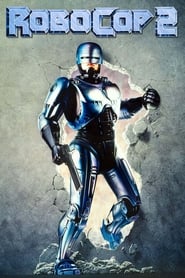
true testimonies to Hollywood craft. Sound effects by Stephen Hunter Flick. Steve Flick did the sound effects for the first RoboCop for Paul Verhoeven and in Starship Troopers 2, little known fact, Steve Flick and Paul Verhoeven came up with a language for every alien insect in the film and they worked on it for months and it
1:54:39 · jump to transcript →
-
-
-
uses a lot of weird sort of percussive instruments to create sound effects, and that's where they had a major sort of argument about the sound levels of the sound effects of the music, because the music's also creating sound effects, and what would you then level out and balance with the sound effects? But yeah, I think this is probably the most lush score out of the three, because even at the end when she...
54:43 · jump to transcript →
-
save the movie like you say it kind of blends into the sound effects and it at times becomes I'm going to get this the wrong way around aren't I at times it becomes diegetic I think that's the right way around it sounds like it's crossing the line between whether or not this is meant to be
55:37 · jump to transcript →
-
them trying to salvage the film, you know. This moment here where she's running down the corridor, you've got the sound of the score, which is making all these banging metal, also her running footsteps and touching stuff. You've got this kind of cacophony of noise, you know. I love it. I absolutely love that. Yeah, I love it. But it also shows you the nightmare of balancing what is sound effects and what is music, you know. It's another Tom Waits reference, really, because it does, at times, it really does sound like
1:08:09 · jump to transcript →
-
-
director · 1h 31m 3 mentions
David Steinberg, Dave Foley, David Higgins, Jay Kogen
-
The director, David Foley, one of the stars and one of the writers, and Jake Hogan, one of the writers. And a big player. And he does play a very important role in the film. And so does David, by the way. I do. No spoilers. Oh, that's Dave's name. That's your name, Dave. Can we get any of the sound in the headsets? Softly. Do you want it brought up a little bit? This is our Lawrence Schrag. Right, Lawrence Schrag's soundtrack and the great sort of...
0:21 · jump to transcript →
-
we want to do this gag, Martin gives it. Is it worth it? Yes. Is this gag really worth it? Yes. Is this joke worth it? Oh, yeah. Over and over again. Yes. The train had kind of a big wind to it. It was difficult. Yeah, yeah. If you watch the film, he's Dave Foley there. He's not Nelson Hibbard. It's Dave with this giant train driving by him. Trying not to fall off that box.
34:25 · jump to transcript →
-
Oh, and this was the one where we tried to get him to drive a little faster. We wanted because... The stunt. He throws Foley out of the car. He throws Dave out of the car. And this idea, we kept trying to get him to go a little faster. A little faster. And I think we did get him finally on this take that we used to go as fast as they possibly would.
44:15 · jump to transcript →
-
-
-
E. Elias Merhige
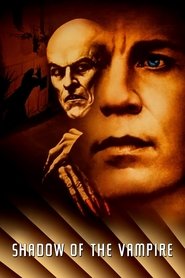
And a lot of the sound design in this film is just absolutely meticulous. And there are many times when I asked my sound designer, when we go to the black and white scenes, for example, I wanted everything taken off surround sound, Dolby stereo, and moved to the front speaker, where we then transferred all of the sound to wax cylinders. And those wax cylinders then
1:00:39 · jump to transcript →
-
E. Elias Merhige
In here you have this beautiful blend where music and sound design really you can't notice the difference between the two and this is something that Dan Jones and Nigel Heath you know my sound designer worked very much very closely together to create this this seamlessness so that you don't know the difference between where a sound design
1:09:31 · jump to transcript →
-
E. Elias Merhige
my sound designer to do is to take the sound of a Gatling gun from World War I which is like a primitive machine gun and to use that sound in creating the sound for the motion picture camera that we were using and see now you see Carrie going off leaving the camera but someone must man the camera the camera must never be left alone and it's here that Murnau then begins filming this kind of awful
1:20:44 · jump to transcript →
-
-
-
Simon West
is in Iceland, and just the sound effect of the helicopters carries over the cut, and so you feel that the helicopters have taken off over their heads, but actually they're in two completely different countries. So this shot is in England on Salisbury Plain. And this shot is in Iceland by the Iceberg Lake.
1:11:02 · jump to transcript →
-
Simon West
and it's just a sound effect that carries you across the cut. We take all doggies, da? Macho US greenback, da?
1:11:31 · jump to transcript →
-
Simon West
This was a very emotional scene for Angelina and John, and they modified the dialogue to be even more personal and relevant to their real relationship. I briefly tried some unusual camera angles and moves, but in the end realized it had to be kept very simple. In the editing stage, I also experimented with strange atmosphere and sound effects to make it sound like we were in the fourth dimension or inside time. But again, I stripped it back to the basics just to let the scene play itself. Only that which would inspire you and keep you safe
1:24:00 · jump to transcript →
-
-
director · 3h 43m 3 mentions
The Lord of the Rings The Two Towers (2002)
Peter Jackson Fran Walsh Philippa Boyens
-
Peter Jackson Fran Walsh Philippa Boyens
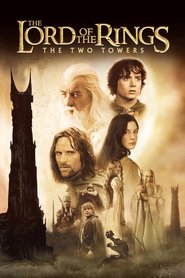
difficult to show visually. Sound design is very important here because all that Bernard's doing is obviously just throwing himself back in his chair, and Ian's just pushing his staff forward. There's no contact between the two of them, but the sound design really gives a feeling of power coming out of the staff. The shot here was done as a very simple morphing. Needed Bernard to go through three different makeups, each of which took half a day, so we basically shot him over the course of two days.
1:20:43 · jump to transcript →
-
Peter Jackson Fran Walsh Philippa Boyens
but to bring it to life conceptually is really, really hard. John has a great resonance to his voice, and we felt that John would make a good tree beard, get that slight Welsh kind of lilt to his voice, and the sound effects guys did a really nice sort of echo chamber thing to make it sound like his voice was coming out of a woody kind of voice box somewhere deep down. The shot of Viggo floating down the river was one in which he nearly drowned.
2:06:28 · jump to transcript →
-
Peter Jackson Fran Walsh Philippa Boyens
That's when he says, we will die here. Yeah, we will die. So it's just a slight departure. It qualifies as a slight departure again, which is good. We only ever do slight departures. Some lovely sound design here from Plan 9, isn't there? Yeah, the ring sound. Great animation. I love the animation on the Nazgul. It's really nice. This is how far gone Frodo has... That was deliberately similar to him holding the sword over...
3:20:43 · jump to transcript →
-
-
director · 2h 19m 3 mentions
-
the sewing machines are actually, they're actually machine gun fire. But as you put, as you see a sewing machine, you kind of think it's a sewing machine, but it is, I promise you, the sound effect is an actual machine gun. Again, a metaphor for the war machine. Oh, a very interesting
7:44 · jump to transcript →
-
thing also is another sound you heard that muffled sound when the kid Heinrich Gerber was diving behind the tree trunk our sound designer Frank Kruse he actually dragged microphones through the mud again to create a metaphor in terms of this is Prague by the way we shot this in Prague standing in for northern Germany Prague is a great city to shoot in felt very welcomed
8:08 · jump to transcript →
-
But again, it felt to us that it's important to get these sequences in one shot without editing too much. I'll later tell you a little bit about editing. But what I wanted to finish was the sound effect that Frank used, the sound recording he used when Heinrich Gerber in the beginning dives behind the tree. And you have this...
10:25 · jump to transcript →
-
-
director · 2h 9m 3 mentions
-
I think with the music and the sound effects, we just about get it to work the way it needs to, but it was tough. That spindle is the thread that Björk is spinning there with her distaff, suggestive of Alex's thread of fate.
38:48 · jump to transcript →
-
Finner's nose, or his lack of nose, probably looks the best in this scene. So I wanted to only hear the hallucinations and not see them. I don't know if that was the best choice, but the sound design
1:25:40 · jump to transcript →
-
The sound design is too loud of Alex's background action there, but it's good because you get to read it, so it makes sense. Tiny bit of comedy. The cub you once hunted ate of your nose. Now the wolf has grown.
1:56:25 · jump to transcript →
-
-
director · 1h 28m 2 mentions
Don Coscarelli, Cast Members Michael Baldwin, Angus Scrimm, Bill Thornbury
-
Once again, taking risks with young Michael in terms of the stunts. We never really had any stunt for any of these guys. I love this sound effect. The hammer hitting those toes. Hit anything that moves. Did you have a stand in for your feet, Bill? No, I did not.
29:08 · jump to transcript →
-
This is just done with simple mirrors here, isn't it? Yeah, it was a very basic... There's a mirror on the right-hand side of the screen that lines up. There's about two feet between the mirror and the far pole that Mike's putting his hand through right there. And we just put a little sound effect in and tried to match the color. That mirror's reflecting a wall from the other side of the set. And then Mike was just able to dive right through. That was a trampoline effect. We brought a trampoline up against a red wall and it was...
1:11:42 · jump to transcript →
-
-
director · 1h 29m 2 mentions
Jeff Kanew, Robert Carradine, Timothy Busfield, Curtis Armstrong
-
Get your father's good looks. OK, profiles, profiles. They have the same nose. And that was kind of a gift in the casting process. We didn't cast based on the nose, but it was a plus. Little sound effect coming up here. Not believable, but got a laugh. I remember I didn't like that sound effect.
5:34 · jump to transcript →
-
And this, of course, was sort of a... It was a total homage to Little House on the Prairie. No, no, no, Walton. I mean the Waltons, yeah. And then there's somebody at the end farts or... I belch. You belch. Supposedly. And I know you wanted to put in some sound effects after all the lights were out. Do you remember? No, I don't remember. Oh, I wanted to...
22:27 · jump to transcript →
-
-
director · 1h 42m 2 mentions
-
And here we have a whole compendium of the trick shots. Look, the up without looking, and pretty soon we're gonna have the famous shooting behind you, right? There we go, boom! Now, I remember in the mix, we went on and on with this, and you were speaking about Basil's music before, and I remember saying, you know, you should just turn the music up here, because the music is so nice, or something like that, and I remember being quite pleased that I came back in, and a lot of the sound effects were down, and it just, the music went.
1:05:00 · jump to transcript →
-
Speaking of sound effects, this picture won an Academy Award for Steve Flick and John Pospisil, who did the sound effects. Yeah. And for example, there's a lot of what you would call normal sound effects, but to get, let's say, interesting sound effects for RoboCop took a long time, especially the steps. You would expect to do something like a piece of metal on the ground, but that never worked. Ultimately, we used kind of like a track...
1:05:30 · jump to transcript →
-
-
-
It's such a nice shot of the forest. It's great. Sorry. Now just a little trivia. I've noticed, I watch this on Sci-Fi Channel because they play Leprechaun all the time and they took out the head turn. They took out the head break or the neck break. They actually edited it out or just the sound design? No, they edited it out because I guess this is in our picture.
44:29 · jump to transcript →
-
But here, you know, how can you not take this serious when he's got a stethoscope? Boom. There you go. See, sound effects always work. I still get excited when nobody hits anybody, but you put the sound effect in and it works. Now this is interesting when Ozzy runs back.
52:17 · jump to transcript →
-
-
director · 1h 56m 2 mentions
-
and give it an ominous sense, just that sound effect of a train running that close to you. And you see how you use that sound effect of that train in different places to create a more dangerous and dramatic effect. Well, now, you stay out of trouble. Remember, you got a wife to think about now. Quit fucking around. Son.
43:11 · jump to transcript →
-
And it ends up with that obligatory train blasting through and giving you that dangerous sort of sound effect which sort of ended their little moment. But you go, uh-uh, it sets you up. I think the sound effect of that train, I felt, was a good way of setting up the ominous quality of what was about to take place in this location. And we're about to come to that.
44:11 · jump to transcript →
-
-
director · 2h 49m 2 mentions
-
The sound effects, just the noises of all this stuff. It was hours of copious just finding the right kind of noises. Metallic clunks and the sounds of people being impaled on things.
1:29:42 · jump to transcript →
-
Great sound effects in this scene. 1,000 millimeter lens. I'm flying at the camera. It must be about 65, I don't know, 60, 75 frames, 96 frames a second. They kept it in focus all the way. Good focus pull.
2:14:51 · jump to transcript →
-
-
-
Taylor Hackford
At this point, seeing a guy walk up to him in the bar, Keanu is completely convinced... ...that one of his friends has put this guy up to it. And this actor, who is Ruben Santiago Hudson... ...is a fabulous actor. He won the Tony for an August Wilson play, Seven Guitars. I saw him on stage and just felt, "I want to work with this guy." So when the role of Leamon Heath came up, you know, I had Tony Gilroy... ...kind of tailor the role to fit Ruben, and then convinced Ruben to do the film... ...because he has a very unique quality. He's not your totally assimilated black character. He may have gone to Harvard, he may have gone to Yale... ...but he's maintained a lot of his own roots and integrity, and at the same time... ...he's smart like a whip and he knows he's got Kevin hooked. The next scene that you're about to see hot cut to Kevin's roots: A Southern church, and this congregation is real. Judith Ivey, who is being introduced here as Kevin's mother. You know Kevin was raised in this church, he's coming... ...and taking a look back at his past, was totally fundamentalist... ...and deeply, deeply rooted in Jesus and God. Judith Ivey is part of this group. I had to spend a lot of effort convincing Pastor Lovell and his church... ...in Gainesville, Florida to participate in this film, because I feel that... ...you know, the things that they believe in, the things they're after... ...have everything to do with establishing good and evil in the world... ...and fighting the devil, and that's what this film is about. But they were fabulous, and they really got the spirit of God in them. And I thought it was important to see that Judith Ivey is a believer. She is one with her God, she loves Him. And, you know, she's a formidable presence for good in this film. At the same time, she's a tough mother, and you can see that... ...she has raised him in a certain way and she doesn't particularly approve... ...of what he's done with his life. He's a lawyer, and you establish his wife... ...over at the car, Mary Ann, who obviously is a party girl, a liver, and not... Neither one of them are in church this morning, and Mother is not that happy. This sequence is important to understand that Kevin Lomax understands scripture. He may have made a choice at this point to stay outside the church. If you notice, he's half in, half out of the light. Tony Gilroy wrote this in the script. Kevin Lomax stands outside the congregation. He's half in, half out of the light. He is part of it and at the same time... ...he can't bring himself to walk in. There's a dichotomy in him, which you'll discover later. But in this instance, when his mother calls up and says: "Quote the Bible to me and mention scripture," he can quote it back to her. He knows what he's talking about. He was in that church and a devout member at one point. Now you get a sense of Mary Ann. She is a good person. She's trying to help this character. She doesn't want to get the company to repossess her car. But she's tough, and she's a businesswoman. You also have a sense, right here, of the fun that these two people have. Keanu, you know, biting off her earring and handing it back to her... ...that was totally spontaneous. He came in, did that. It was quite wonderful. Now you have a sense of the married couple. They've got Mother-in-law... ...and Mary Ann's no dummy... ...she knows exactly that she's persona non grata in that household. It isn't that she doesn't like her mother-in-law, but she understands... ...what she needs to do, like have a child. And right now you establish another theme of the film: "Let's give her a grandchild and everything will be all right." Mary Ann is ready. She's working. She's professional. But she's ready to start to have a family. But you hot cut to Kevin Lomax who's taken the deal. He's in New York. At the beginning it's just a vacation. He's going to consult on the selection of a jury. You see Foley Square, the seat of judicial power in New York... ...all the Federal buildings, the State buildings, the local... Everything is right there in one space. It's a very, very sobering look at the power of the legal community in New York City. And at the same time, for a guy from Gainesville, Florida, it's very impressive. Kevin's here. He's excited. He is working as a consultant... ...to one of Manhattan's best and most famous criminal trial attorneys. His name is Meisel, played by George Wyner. And in this moment I wanted people to see that Kevin Lomax truly has a talent. When you talk to criminal attorneys, you realize that they say... ...that between So to 95 percent of winning a case is selecting a jury. This is a scene that I think talks about the inside of lawyering... ...and the reality of how you win. You win by psyching-out everyone that's gonna be on that jury. Those are the people that are gonna make the decision of whether you win or lose. This is where Kevin Lomax shines. He has an intuitive spirit. At the end of the scene, you realize he's got something else. He's got a sixth sense. Now, it's important, when we see this courtroom, to understand... ...that I wanted authenticity in this film. You're in New York. You have some of the best looking courtrooms in, I think, the United States. At the beginning, Warner Bros. wanted me to go to Canada and shoot in Toronto... ...which is an entirely different judicial system and the courtrooms... ...don't look the same at all. I fought to shoot this film in New York... ...not only for the fantastic exteriors, but also for these interiors. This is a film about big-time lawyering, and you want to feel, when you see the sets... ...and these aren't sets, they're locations. You want to feel that this guy is in the big time. He's gone from Gainesville, Florida to the top of the food chain. We shot in probably seven or eight of the best courtrooms... ...you could find anywhere in the world. Look at these paintings up on the wall here in New York. You feel that this is the justice system. Now Kevin is exhilarated. He comes out of his first day... ...in the New York courtroom and he knows he's done well. He didn't know how he would measure up, and how he measures up is... ...he's smarter than they are. I mean, he has to feel great. He's walking down the street. He's saying I'm a guy from the hicks, and someone's watching him. This is the introduction of John Milton, who's played by Al Pacino. It was important to me to establish a very nice introduction to him. One thing that Al did, and you'll start to see into this... ...he chews on licorice all the way through this film. You don't explain it. You know he's doing something. And instead of just walking away, getting in a limousine, he goes downstairs... ...into the subway. Why would he do that? He's well dressed. That's it. But immediately I go into a time lapse sequence... ...and I wanted to see day and night change. I wanted it to also say that this trial's been going on for a long time. When Kevin walks in, Mary Ann says, "You're home early for a change." Time has passed here. You've seen it pass. But more importantly, you see Al Pacino going down into the subway... ...and you see that the next images are not real. There is a certain kind of power that this person... ...we don't even know who he is yet, exudes. I thought that the time lapse would be both unique in terms of time passage... ...and, at the same time, extraordinary in terms of the potential power... ...that this man has. Now you've got Wife and Husband in... Mary Ann's got room service all over the room. Clearly, they've been there for a long time. She's watching TV. She's having a good time. She's been shopping. She's been to a lot of things, but her husband's been gone every day. And now you see the way they play. Kevin looks like he's defeated. It looks like he's lost the case. She feels badly for him. You can really see how she would, you know, how warm and wonderful... ...and sweet she is. But he's kidding her. You can really see the slyness, I think, in Keanu Reeves here. And, at the same time, he killed 'em. He actually chose the jury... ...and won the case, almost an impossible case. It was like a savings-and-loan fraud. This is white-collar crime. The guy sitting there in the trial, with his white hair... ...looks extremely legit. But the fact is that, you know, he's like Charles Keating. You know, he stole not millions, but tens of millions of dollars. And in this instance, the next shot is, they are in John Milton's domain. This is Milton, Chadwick and Waters, and I wanted a location that immediately... ...established the power of this law firm. This is a real building. It's the Continental Plaza in Wall Street, in the financial district, Downtown... ...and you see what New York power is all about. That view is a three-bridge view. You're gonna see all the way up the island of Manhattan. But the important thing here was, this location was used before in other films. I didn't want to use that same look. There's a unique design look here. Bruno Rubeo, who is my production designer and my collaborator... ...on the last three films I've done... ...we spent probably six to eight months before this film began... ...talking about what we wanted from this film and the look. Right now you're looking at Christabella, the first time we see her... ...and if you notice as she walks forward, I slowed down. It goes in real time. There's no cut there. We ramped so she starts in real time... ...she slows down... ...and comes back out in real time. And Kevin Lomax, he doesn't know why he's fascinated by her. We'll find out later. But look at the design in this. It's ultra modern. We used both an Italian architect and a Japanese architect. This is the Italian. He used prefab concrete in the walls. Milton's office. You know, the rest of the building is very impressive... ...but this office is something else again. It's cold, it's austere, and it's incredibly impressive. Look at that fireplace in the background. It's set up off the floor. Bruno had a design in mind. The furniture in this place is... You have a big, massive place. But look at the furniture. That little settee in front of the fire: it's delicate, it's small. This whole room exudes taste and a certain stylistic quotient. John Milton, you know, it's a huge room, devoid of furniture, very minimal... ...this is a man who has real taste and real choices that he's made. At the same time, this whole law firm is very, very modern. For the design quotient of this film, I want you to be able to see this sequence... ...and then later on, when you see where Milton lives, see the dichotomy... ...the difference. This is cutting-edge modern architecture to the nth degree. What Bruno wanted to do, and I wanted to do in this instance... ...is establish Milton's environment. Here it's cold, corporate, but, at the same time, undeniably impressive... ...austere, ultra-designed. Milton is very smooth. You know, Al Pacino always gets this rap: "Oh, gee, he's over the top." He's not. Al Pacino can play everything. And everything he did in this film was calculated. I mean, it was one of the great experiences in my life to work with an actor of... ...his deep, deep ability, his deep, deep talent... ...and his uncompromising attitude towards all his work. At the same time, Keanu, who had this... I'm saying this because here's these... ...two actors meeting for the first time. Keanu, who had done a lot of young-man roles, a lot of teenage slackers... ...in this film is anything but that. Kevin Lomax is precise. He is not a Harvard educated, a Yale educated guy. He came from a small school in Florida, went to a small law school. But all criminal attorneys that are really great usually did that. They come from the street. He's street smart. He thinks on his feet. And he's up against a guy, for the first time, that seems to have a little bit more... ...on the ball than even he does. He's never met anybody before that is his equal. And Milton keeps blowing his mind, like he does right now. You see this office. All of a sudden, he goes and taps on the door... ...opens up, and I wanted this sequence to truly be a moment... ...that would blow everybody's mind, not only Kevin Lomax's. He walks out on a roof terrace and, effectively, I'm using... Again, this is from a Japanese design. Bruno and I saw an architect... ...that had a pond on the roof in Japan, and I said that is a perfect idea... ...for what we want to do here. Here is a man who has such a sense of design and such a sense of grandeur... ...that he has created for himself a balcony, if you will, a terrace, a park on top. But does it have greenery on it? No. It has water. He calls it calming, placid. And at the same time, he's going to take Keanu out there... ...and he's going to talk about his past. He's going to find out a little bit more about him. He asks about his father. Keanu says, "I never had one." He asks about his mother. And in this instance he's, you know, if you look at Al's reactions here... ...this is a long, talky sequence. This is what you do sometimes. By the way, this is real. This is not blue screen. We didn't put the artists in a studio. I fought to get this scene. I fought everyone, including Warner Bros. Nobody wanted me to go up and get this shot. It's on the roof of the Continental Tower. They had re-roofed the place. The building didn't want us up there. I just knew that this sequence was going to define this initial relationship... ...between Kevin Lomax and John Milton. And the two actors are basically 50 stories in the air right now. They're standing on an eight-foot platform. No, it's not right on the edge. It's about eight feet from the edge. But the fact is that they're standing there. We had to get this whole thing in one day, and they have to do... ...a very personal scene while they're perched on the top of this building. You can see Al, at that moment, trying to let us know a little bit how precarious it is. But do you notice any kind of nervousness from Pacino? Not at all. He's easy. And the whole essence here is that Keanu's sitting out there. One, his mind is blown... ...at the beginning, and then somehow he finds himself getting into it. And at the same time, he looks right here and says: "My God, John Milton's standing like a foot from the edge of a 50-story precipice. "What kind of guy is this?" He also wears elevator shoes, which I think is interesting. But the fact is, right here is what the film also is about. It's about pressure. It's about professionalism. And what John Milton has done is taken Keanu Reeves... ...or Kevin Lomax, in this case, up to the precipice. He's showing him: "All this can be yours." And what is it? It's Wall Street. It's the seat of capitalistic power in the world. And he's basically saying, you know, I know you're a hotshot... ...but can you take the pressure? Can you sleep at night? That little speech that Tony Gilroy wrote, I think, fits all professionals in this instance. When you have to deliver on a deadline, you know what he's talking about. Basically, Kevin is there. He's ready. He said, "What about money?" Milton laughs. "Money? That's the easy part." Kevin doesn't have any problem. He can sleep at night. He's a lawyer. He knows how to do it. We cut from that to Carnegie Hill, which is Fifth Avenue in the Nineties in New York. It's probably the most exclusive address in New York. Central Park is on one side. You have these beautiful, beautiful buildings with fantastic apartments inside. And the Heaths. You're meeting Jackie Heath for the first time. I reveal her with that wipe from the elevator, you see her in close-up. Leamon Heath and Jackie Heath, they are absolutely New Yorkers. They've maintained their integrity as black people, but at the same time... ...they are not about to resist the temptations of the city. They want it. They know how to deal with it. They're very sophisticated. Look at the clothes that Jackie's wearing. Leamon makes the money and she knows how to spend it... ...and she doesn't have any qualms about it. This apartment, I wanted to basically establish the sense of awe. You know, John Milton owns this building. He has it for his employees. Although it's usually for partners, and for Kevin Lomax to get an apartment first up... ...shows that he's a little special, and you can feel, right here... ...that they're a little jealous. "Took us six years to get in here." Every New Yorker will understand that when they really want to get into... ...a big building. This is a film about New York. Tony Gilroy, who lives in New York and understands it incredibly well... ...is able to put these nuances in here that are maybe not aimed at everyone. But certainly, you know, you make a film in New York... ...it was important to me that you do something real. Now, you know, Kevin has basically been offered the job. He's got to now sell his wife on it. And this is a big test. If she, you know... He says, "I'll take you home if you want." Of course, if she did, God knows what he'd think. She knows him. She knows what he wants. And at the same time, how could you turn this down? It's very important right now, at this moment... ...to understand that Mary Ann wants this as badly as Kevin does. I mean, who would resist? Come on. They're too big for a small pond. They both want this and, my God, she's looking at this and saying: "Hey, I want to have a family." She says right now, you know, she mentioned kids again. She's mentioned it in the back of the apartment... ...and she mentions it again right now, and she's saying, "I'm in. Let's go for it." And that moment is one of the last moments of true happiness... ...you're going to ever see them have. Now you're at the law firm, and I want to be able to show... ...what big time lawyering is about. These are all partners. It's an international law firm. John Milton has called a meeting. From all over the world, these partners have come. There's Eddie Barzoon, played by Jeffrey Jones, who is Milton's chief lieutenant. He's the managing partner of the firm. There are affiliate offices in major capitals all over the world... ...and you get a sense of what law is all about. It's about copyrights. It's about real estate. It's about EEC and EUC and those kinds of relationships.
11:08 · jump to transcript →
-
Taylor Hackford
And Mary Ann, who's innocent, just like she was in the beginning... ...she's right alongside. What I wanted to do at the end of this film, and that's why at this point... ...you see Neal Jones morph into Al Pacino... ...you realize you can't beat the devil every time. You might win one battle, but he's back there the next morning. I would not leave this film with you having a happy ending. I did that with Officer and a Gentleman. I want to basically say: Every single day of your life you can't get smug... ...and you have to confront morality. I think we all do. And that's why this is a moral tale. I'm not deeply religious and I don't think of this as a religious film... ...but I do think that it is a film of somebody who still feels... ...a certain idealism, and a realization that we have responsibilities in our life. And I think that all the people that worked on the film worked on it... ...in a fairly righteous way. You know, Andrew Neiderman wrote a novel at the beginning. Four writers contributed to the screenplay. And I want to mention the people I haven't mentioned. There's Mark Warner... ...who is my collaborator, my editor, fabulous collaborator through... ...this process. You can feel the pace of this film. Everybody put themselves into something here. I also want to give credit to Per Hallberg, who was the sound designer. All the way through this I think there are subtle effects in addition to the score... ...that really give you the feeling that there is something else going on. There are a lot of artists that worked on this film, and when you go through... ...the process of collaboration, you have a vision as a film maker... ...and you want to get that vision on the screen. But you can't do it alone. I know it's trite to say this, but you utilize... ...and when someone has a great idea, you grab it. I encourage that, and I worked with a wonderful group of collaborators... ...on this film, and I'm very proud of it. After having gone and talked for two hours here, almost nonstop... ...this must be a lot of dribble. I apologize if, in fact, it's gone on... ...ad nauseam, but, again, we had an opportunity to make a film. I appreciate Warner Bros. was very tough to work for. We had a lot of disagreements, but they did allow me to make a film... ...and, they did, ultimately, give me final cut of the film... ...so that I was able to make the film I wanted. No excuses. I'm very proud of it. I hope you enjoyed it. Subtitles conformed by SOFTITLER
2:17:38 · jump to transcript →
-
-
director · 1h 57m 2 mentions
-
Because it was edited when you were doing it. It's like here in the academy you always give the business cutting. To me that's easy. To save a performance is harder. The academy award for sound design always goes to any movie that has a ping sound from the submarine. You automatically get an academy award for sound. Oh, did you hear that? This sound is actually hard.
19:39 · jump to transcript →
-
I have fond memories of walking into the sound mix room, which looked like a, I'd say a... Numerous, numerous amount of work. It looked like an inoculation lab experiment for, you know, West Nile virus. Like, people just, like, in various stages. Wow, I'm glad I wasn't that person. What was it like at the Cannes Film Festival screening at the end of the scene? A big applause. It was wonderful.
20:35 · jump to transcript →
-
-
-
Jonathan Lynn
Jimmy Tedeschi. Jimmy the Tulip? Jimmy the Tulip lives next to you and you know him? Oz, can you introduce me to him? Jill. The man's a professional killer. The insane sound effect there was not thought of at the time he was shooting. And the first time that Matthew did that, he genuinely forgot he had the
47:47 · jump to transcript →
-
Jonathan Lynn
We didn't have any real backup. The camera was not on another boat We had with us apart from the actors we had the camera Handheld because there wasn't room for all the equipment to support the camera and dollies and things he had a light we had a piece of polystyrene to bounce light off and we had the sound mixer and the boom man and that for me and the ad that was it and
1:27:58 · jump to transcript →
-
-
-
Tom Tykwer
point out the importance of sound in this film. I mean, I'm very, very obsessed with sound generally in filmmaking. And I truly believe it is at least 50% of the experience. But in this specific case of Heaven, I've never had a movie that was more demanding in terms of sound design, sound structures. And that might be surprising to some people, but of course,
1:20:02 · jump to transcript →
-
Tom Tykwer
If you think about it more in detail, creating silence is a really complex issue. And I know that we had really successful responses with Run La La Run on the sound design and even lots of awards that went for it. And still, I have to say, to do Run La La Run on the sound level was big fun and also a great challenge. But this film was like...
1:20:31 · jump to transcript →
-
-
-
Ted Tally
This whole thing was in the script. The first shot was exactly the way it was in the book, which was, it took place on an open beach. Right. I said, "Ted, I just feel like... "I don't know how to shoot suspense on an open beach. I just don't know." We changed the ending of the book, and everybody had a contribution. Dino and Martha said, "The boy has to be in more jeopardy. "The son has to be in more jeopardy, that's what will make this work." Brett said, "It has to be more claustrophobic. "Interiors are scarier than exteriors. "We have to have hallways with doors where he could appear from anywhere." And then this great, great moment with the mirror which is pure Brett Ratner. It was not in the screenplay originally. It was Brett's idea that the reveal to this character should be the broken mirror. It was wonderful. This sequence is an excellent example of how a screenplay evolves from the producers, from the director, and from the writer. And what I wanted, which was not in the original ending of the book, was for Will Graham to be more heroic. And then we added... In the ending of the book, he's injured by Dolarhyde on the beach. The kid hooks Dolarhyde with a fishing rod. Graham Is injured on the beach and runs away and hides, leaving his family to deal with the bad guy. And I wanted Graham to be more heroic at the end here. So we each had a shopping list for this sequence and got what we wanted. I also wanted Graham to show cleverness here. He can't overwhelm Dolarhyde physically. But he can outthink him. That's what he's good at. And taking all this, because Ted even said to me, "Brett, I don't write action. I don't really do that." And so I said, "Okay." I sat down with my stunt coordinator, Conny Palmisano. We went through beat by beat of what could possibly happen physically. We called Ted and went through it, and he came up with this whole thing... Where he stabs his leg with a... He's got a second knife hidden. But the whole thing about him using what he saw in the book, which is much more heroic than anything else he could do physically. This was where we took quite a leap. And tried to use things that the book suggested but didn't actually dramatize. And it really worked. And Tyler Patrick Jones who's... Wonderful little boy. Who did an amazing job and went through hours and hours of being thrown to the ground and being yelled at, berated. And very smart and... He's the sweetest little boy. We should have put at the end, "No children were harmed during the making of this." It's not his first movie. - Yeah. He actually worked with Spielberg on Minority Report. He had a small part. He said he actually liked me more than he did Spielberg. So I was happy about that. Don't cry at me, you little faggot! He said my beard wasn't as big as Spielberg's. Nor your bank account. "I'm a freak." Say it! No. - Say it! Dad! - Say it, or I will cut it off! "I'm a dirty little beast." Ralph did a great job here, and he was nervous about this. "Is this gonna work, Brett?" That was his question. And I said, "Let's shoot it and find out." - We won't know until we finish. Sound Dogs did a great job on the sound design here. They did Family Man with me, and they work... I love how you drove this whole sequence. This just goes like a freight train, this sequence. It's a classic. It's like the end of Psycho or something. It's just a great, great suspense sequence. Every shot selection and the pauses. Josh? - Mom? Will? Where are you guys? I thought I heard some kind of... Will? Great set. It was great. It was modeled after a real house that we saw in the Keys. It had very narrow hallways. These types of doors. Rattan louvered doors. We needed the doors to be louvered, because Molly has to be able to reach through the door here in order to unlock it.
1:53:32 · jump to transcript →
-
Ted Tally
My dear Will: You must be healed by now. The movie could've ended here, which would've been bold. You didn't know if he was dead or alive. It could've ended here, but then... The movie could've ended in two or three places. In the end, we decided it would end three times. The audience loves this stuff, and they love Chilton. That ending you came up with was amazing. You couldn't go out of this movie without letting Hannibal Lecter have the last word. He always gets the last word in these movies. The problem we faced was, we couldn't have him get away as he did at the end of Silence of the Lambs. We couldn't have him running all over the world like in Hannibal. By the way, what Danny did was, he gave it a Silence of the Lambs ending, where this music here Is saying, Hannibal won. It's not like they'll live happily ever after. This is the natural ending of the movie. This is the sort of poetic or clichéd final shot of the movie, The boat sailing into the sunset. But the music is saying Hannibal's won. But I always wanted there to be one more little beat, so it wasn't quite such a tidy ending, so that it linked up with Silence. A young woman. Says she's from the FBI. This, for me, is such an audience pleaser. It makes me smile every time it comes on, because it's such a great call-back. The only mistake is the wardrobe isn't the same for him. that it is in Silence. I wish I would've got that same wardrobe. It's the only mistake I made. And this music is just like... This family is going to need a lot of therapy. What you don't see after this movie, is the years and years of therapy that the whole family goes through. Danny Elfman is just an amazing composer. I love how the music really becomes more and more assertive. And by two-thirds of the way through the movie, it feels like it's driving the movie to its conclusion. I just want to give some special thanks to Andy Davis... Who was there from the beginning and through every moment through all the shooting, through all the editing. And James Freitag, my associate producer and assistant director. Without these two guys, I don't think I would have been able to make this film, because Andy is not only a great producer but is a creative thinker when it comes to line producing a movie and shooting things, and organizing and hiring the best people that money can buy as far as crews. My special thanks to Dino and Martha who set the tone for the entire production and took a little bit of a gamble on Brett, which paid off brilliantly. And also Mark Helfrich, the editor, because the last draft of any screenplay is written in the editing room. I've not very often been as lucky as I was this time to have an editor who is so sensitive to the script as well as to the performances. And Landaker and Maslow, my sound mixers, who I thought did an amazing job. Hearing this movie and seeing the movie in New York City for the premiere at the Ziegfeld Theater with that sound mix was just a great experience. That's why I dreamed about making movies. Seeing it in a theater like that, in a wide-screen format, anamorphic, it's like a dream come true for me. That, for me, is a defining moment. Seeing my work. That's the best I'll ever see my work. Yeah, with a giant screen. - A giant, giant screen. With a big audience. - 1,500, 1,600 people. I don't know how many seats, but a huge theater with the score and the mix, and the quality and the energy, especially with a New York crowd, you know. - Right. When they're laughing in the right places, they're scared in the right places, screaming in the right places. It was a very exciting project. It was a good experience. Somehow the darkest subjects sometimes turn out to be the most fun to work on. If you have the right kind of atmosphere on the set. I know you, Ted. You and I worked together for about a year. You are not a dark person. You do some decadent stuff occasionally. I don't think either one of us are, but somehow, maybe that's the only way you can get through making a movie like this. A dark director or a dark writer would've gone too far with this movie and made something that was maybe hard for an audience to bear. 'Cause the scary thing about this is that, there really are people out there like this, and there's a lot of... I wanted to tell a story. I wanted to make a film about a guy who... The films I want to make really are about that I enjoy making... Because my favorite director is Hal Ashby... His movies had great relationships. Harold and Maude, Being There, and those movies... This movie has fantastic relationships. And a tremendous amount of heart and emotion. Even though it is a psychological thriller, the relationships in this film are why I'm so attracted to it, why I felt like I had to make it. I think it is unexpectedly moving for a thriller. It's really not just a scare machine. It actually is a movie about characters and relationships and it's moving in a surprising way to me.
1:58:44 · jump to transcript →
-
-
director · 4h 13m 2 mentions
The Lord of the Rings The Return of the King (2003)
Peter Jackson Fran Walsh Philippa Boyens
-
Peter Jackson Fran Walsh Philippa Boyens
I didn't shoot any of this scene. I was busy on another set and we had no other directors. And so we said to Andy, listen, do you mind if you direct yourself today? Because there's no one else that we can find to do it. Yeah, I love the sound design in this scene. We opted to drop out the music and just let the kind of intensity of the moment really take over. And at one point we cut the effects back and it wasn't half as scary.
3:43 · jump to transcript →
-
Peter Jackson Fran Walsh Philippa Boyens
A great piece of sound design where the sound sort of sucks the silence just before that lightning bolt goes up. I thought the guys did a great job. And I never thought that was going to work, but it just looks incredible. It's just such a connection too. I mean, I love Gandalf and Pippin looking at this event taking place in the mountains and Frodo and Sam are right underneath it. And it's just so valuable. I just, you know, you just love it.
57:24 · jump to transcript →
-
-
director · 2h 5m 2 mentions
-
Well, I just love that Ethan constantly opens logic with anything. It's like my favorite thing. I love it. That's that magician in you. I love it. I love it. I know. And this, again, this set, this was one of those pieces that, you know, there was a green screen out there. That whole thing is green screen. Look, they put the city out there, and it just, the sound effects, the whole thing just makes you feel like you're really there. What was so strange was having been to Shanghai for the location scout,
1:19:47 · jump to transcript →
-
It was early. Now, do you remember we came with this shot? This one, like, how are we going to end this? We were losing the light, remember? We were losing the darkness. Yeah, that's right. Ethan! Get in, they're coming! Who? Ben and security and they're pissed! Go, go, go! Right there is a sound effect that the sound guys...
1:30:18 · jump to transcript →
-
-
director · 1h 34m 2 mentions
Scott Stewart Jason Blum Brian Kavanaugh-Jones Peter Gvozdas
-
Scott Stewart Jason Blum Brian Kavanaugh-Jones Peter Gvozdas
We've skipped past the part where we first started to hear what we called the tone, the sort of alien tone. There was a lot of development time spent with the sound effects team to try to come up with this idea of the tone. And in the early versions, you know, an early cut of the movie and certainly in the script, we actually had this, what we called the sort of alien gray point of view that was drifting through the house. And it would drift and make its way up the stairs. And what we found was, is that it really slowed the pace of the movie down and it was kind of giving too much away too soon.
18:54 · jump to transcript →
-
Scott Stewart Jason Blum Brian Kavanaugh-Jones Peter Gvozdas
In this, you know, I'd always had in my head that I wanted to not do a traditional score, but to do an atmospheric score, an experimental score, and allow, you know, that you would have, I like this idea of a score that you couldn't really tell the difference in some cases between music and sound design.
1:33:29 · jump to transcript →
-
-
writer · 1h 35m 2 mentions
Simon Barrett, Adam Wingard, Greg Hale, Timo Tjahjanto + 4
-
but, you know, whatever. That father ghost is Brian Udovich, producer of All the Boys Love Mandy Lane and The Wackness and a bunch of other films. Oh, yeah, and I should real quick mention also that I had Owen, the sound designer, who worked on both VHS films, to steal a bunch of sound effects from Radio Silence, just short for this section right here as an homage, and to kind of just subtly tie in the two movies together. So those are literally...
23:32 · jump to transcript →
-
How about those sound effects? Yeah, that's good. But this is like, you know, the whole thing was like, there's a zombie. This is a fake hand. We didn't really chop Dave's fingers off. This is the whole thing. Like, the deal here is like, you know, does a zombie have to learn how to be a zombie? Like, do you automatically know that you can't eat yourself? Do you know what you can and cannot eat? So we kind of played around with, like, you know, the funny idea of,
34:33 · jump to transcript →
-
-
director · 2h 10m 2 mentions
-
And here's music editing. Yeah, music editing in the mix. Yes. Okay, those guys were... Incredible. And the job that they're doing to actually... And the sound design. Eddie working picture and certain transitions to land dramatically. Once I learned that we could do it, I became obsessive about it. Eddie created a monster. I was like, no, it's two frames too long. Figure it out. And, oh, they were just killing themselves. But again, here's a great...
34:45 · jump to transcript →
-
And this, you know, Eddie with the sound design, bringing the sound out, Eddie Hamilton, our editor, and pushing this to its absolute limit, that every time I watch it, I can't quite predict where it's all gonna kick in again. And this kind of gun plays a lot of fun, too, what Wade did with that. It's also, you said, look, I want you blocking her. Yes, you're blocking her, and then she's, and you're training the weapon, and it becomes, again, hand in glove. It's all behavior, and they all, each one knows what the other one is doing.
1:54:46 · jump to transcript →
-
-
director · 1h 25m 2 mentions
-
It doesn't seem to... No, no. No. Nope. It's hard for me. I love this. Yeah, the bug sounds are so good. Where did those come from? Did we have those in the edit, or did you do that in sound design? I don't remember. I think we might have replaced them in sound design. I think I did the bug sounds. I was just going to say, it sounds like a noise you would make. I mean, real.
1:04:55 · jump to transcript →
-
I love the shelter of the leaf. In the sound mix, I remember it was, I love this moment. In the sound mix, it was hard not to just, like, listen, just, like, relax. I'm like, what? Because the sound of that would be like, I have this rain sound. And it's like, pitter-patter, pitter-patter.
1:05:25 · jump to transcript →
-
-
-
director · 2h 41m 1 mention
-
director · 1h 59m 1 mention
-
-
director · 1h 29m 1 mention
-
-
director · 1h 28m 1 mention
-
director · 1h 30m 1 mention
A Nightmare on Elm Street (1984)
Wes Craven, Heather Langenkamp, John Saxon, Jacques Haitkin
-
-
director · 1h 24m 1 mention
The Naked Gun From the Files of Police Squad! (1988)
David Zucker, Robert Weiss, Peter Tilden
-
director · 2h 24m 1 mention
-
-
director · 2h 17m 1 mention
-
-
director · 1h 45m 1 mention
-
director · 1h 58m 1 mention
-
director · 1h 54m 1 mention
-
director · 3h 29m 1 mention
The Lord of the Rings The Fellowship of the Ring (2001)
Peter Jackson Fran Walsh Philippa Boyens
-
-
-
director · 1h 55m 1 mention
-
-
director · 1h 53m 1 mention
-
director · 1h 43m 1 mention
-
director · 1h 26m 1 mention
Underworld Rise of the Lycans (2009)
Patrick Tatopoulos, Len Wiseman, James McQuaide, Richard Wright + 1
-
director · 2h 32m 1 mention
-
technical · 1h 22m 1 mention
Gary Lucchesi, Richard Wright, James McQuaide
-
director · 2h 27m 1 mention
-
Related topics
Other topics that frequently come up in the same commentaries.