Topics / Performance
Rehearsal
77 commentaries in the archive discuss this, with 193 total mentions and 72 sampled passages on this page.
Filter commentaries
Filter this topic by the film's decade or the type of commentary.
By decade
Across the archive
ranked by mentions · click any passage for the moment in the transcript
-
director · 1h 37m 11 mentions
John Cameron Mitchell, Justin Vivian Bond, Sook-Yin Lee, Paul Dawson + 1
-
Between your lips and attached underneath your leg. It's always clear. It was hard to get a take without me, especially, cracking up during it. I think that was, in some ways, the most fun moment of the shoot. There's Lindsay Beamish. This is Severin. Lindsay Beamish, we met later in the rehearsal process in Los Angeles when an actor dropped out
2:16 · jump to transcript →
-
This is Ray Rivas, who is the most awesome performer playing Shabbos Goy. He's amazing. He's funny as hell. Remember the rehearsal where he got shot the week before? Yeah, he got shot. We're going to talk about that in the deleted scene. But he is a performance artist. He told me that he did a performance in that exact space in Dumba where he was, like, hanging from hooks and...
23:52 · jump to transcript →
-
We had more time to rehearse with you guys. These guys, Jan and Shanti, really jumped right into the short bus stew. Didn't hold back. In the middle of an orgy. Yeah. It was so funny when you were talking about watching the group sex there. Remember it?
31:00 · jump to transcript →
-
-
-
Edward Berger
So we cut to this battlefield. It was a really hard shot to get here. We rehearsed it a couple of times in a parking lot at ARRI in Prague because we wanted to get the exact height and the lens right. And then on this day, we just shot it just before sunset and probably took about four or five takes only.
2:08 · jump to transcript →
-
Edward Berger
in this case, and felt like an opening image that was a transition from the nature shots and slowly getting us into battle feeling. But also you realize that you don't hear the real sounds yet. We really only set in with the real sound, with the reality of the sound here. And this was a shot we probably rehearsed. You notice how it's uncut. You know, we run through the,
2:37 · jump to transcript →
-
Edward Berger
if this could work, if this would work, because I also want to see them all. Very soon they're in uniforms, and so I want to see their faces, I want to get to know them. But it just felt more as the group, and I rehearsed this in a gym with the kids before the shoot because I was nervous if it would work, and Felix, he had never been, Felix was the guy who plays Paul.
9:04 · jump to transcript →
-
-
multi · 2h 19m 9 mentions
Martin Scorsese, Nicholas Pileggi, Ray Liotta, Lorraine Bracco + 9
-
provoking Henry, saying, Do you think I'm funny? Why do you think I'm funny? Ray Liotta. It was in rehearsal. We were talking, and Joe was telling a story about he was with somebody, and the guy was saying something funny, and it's just something that happened to him. It supposedly is a true situation. I know that, to a certain extent, I mean, just the way he moves and what he says, I know it's true. So Pesci has too much of a familiarity with what happens in that scene. It's too real.
19:56 · jump to transcript →
-
I mean, it is his book. It's his painting. In fact, when I shot the film, except for opening up the story at times for dialogue that we felt we could add, myself being one of the co-writers, could add primarily in rehearsal, really. Except for those moments. The rest of the film, I was usually in a very grumpy mood doing the film because it had already been done. It was on the page. I mean, it seems...
25:34 · jump to transcript →
-
and got everybody laughing because it's not easy to laugh truthfully. Everybody can go, ha, ha, ha, ha, ha, you know, like Burt Lancaster, but it's not from inside. So knowing this and I could see that in the rehearsal it just wasn't happening. And so I took out a little page out of my own little director's book and Martin let it all happen. That's the kind of great director he is. And he saw me doing it. I sort of took over in a way as instigator of the emotional condition.
35:37 · jump to transcript →
-
-
-
Eleanor Bergstein
We spent days and days rehearsing the dirty dancing steps, and we had a theory. We had eight dirty dancers who we had cast in New York, and Kenny Ortega, our wonderful choreographer, and I had danced for them, and we'd hired these kind of gypsy dancers who were great, who you will see. And then we had a whole crew of dancers here in North Carolina, and we, for three days, shot the dirty dancing sequence. When...
13:58 · jump to transcript →
-
Eleanor Bergstein
said there was a rule that said the guys couldn't contact the girls for six months after film and the guys I remember came up to us and said is this six months after we've started rehearsing or six months after the film comes out and of course we had no right to enforce any of these things but it was really rather sweet that they were trying to be this careful and specific about it. I think
17:10 · jump to transcript →
-
Eleanor Bergstein
Jennifer is absolutely wonderful. We had had a camera running in the dance department all the time that we were doing rehearsals, which was very useful, because when Jennifer went back to dance, she said, I was never that bad, and we had to show her the early sequences to show her. There is Cynthia, who is so beautiful. I think it's just wonderful. And now comes the sequence that I think everybody remembers so well, when a baby comes up. Now, we were talking about casting earlier,
17:38 · jump to transcript →
-
-
-
rubber sword there. Always amusing to... Try to cut around. Yeah. Also, when Freddie gets thrown across the room there, he suddenly becomes giant for a shot. That was his double. If you go back, you look at that sword under the... the old sword under the armpit stab. It's funny, though, with the sound effect, it's really effective. The actors here rehearsed and rehearsed, but on the day Ade nailed...
30:29 · jump to transcript →
-
Big shots like that, you don't think about, but not only do they have to be lit and we have to rehearse it and get everything ready, but then we have to light all those flambos and light all the torches and wet down the floor. And sometimes by the time you're done, the floor is dried up or the fires have gone out. It's a funny thing about torches. You see all these people use torches in movies and you think, well, they last forever. Those torches, any kind of torch like that, they'll stay lit maybe three or four minutes, max.
37:27 · jump to transcript →
-
Doc's hand shakes there. He's afraid. This shot, it's funny because this shot is slightly out of focus at the beginning. And we picked it. It was actually just a... They filmed it, but it wasn't actually supposed to be a take. It was a second unit shot because it was a motion control camera that took a full day. This shot right here took a full day to do. And so second unit got it. And we decided the best take was their rehearsal take.
55:23 · jump to transcript →
-
-
-
Tony Scott
So here's the infamous scene between Chris Walken and Dennis Hopper. And again, I can only applaud Quentin here because this scene was totally on the page. We did a half day of rehearsals for the scene. And the actors, what Chris and Dennis brought to the scene was...
47:41 · jump to transcript →
-
Tony Scott
And there's a funny story here, because we rehearsed the scene, and when you're shooting on a set like this, you've got a choice. You say, okay, I'm going to shoot the left end of the trailer first, or the right end, because it took us four hours to take the end of the trailer off, redress it, and then put it back on again. And at the end of the rehearsal, we decided we were going to shoot Chris first, shoot the left end of the trailer first,
48:38 · jump to transcript →
-
Tony Scott
That wasn't on the page. That came out of rehearsals. When we were doing rehearsals, the guys were laughing so hard that we never got through one rehearsal in one pass because they thought the tone that they were giving in the scene was so good and so outrageous and so funny that they broke out laughing every time. And see, it's amazing. You look at Chris Walken's side of the scene, and this is the second day of shooting.
55:49 · jump to transcript →
-
-
-
backstory, here's something genuine, something you guys did do as a way of just saying something about the age of these people, their humor, their bond with each other, their ability to mess around even in tense situations. Calm under pressure, yeah. Yeah, there's a lot of information just within that little exchange that happens, I think. Evan rehearsed that for so long, his little dance move, and it showed.
4:12 · jump to transcript →
-
Yeah, and it's very similar. I mean, that's how we do it in the military. We rehearse when we go through these scenarios. We are applying principles, which is with these, to your point, is what they're doing. In Civil War, they'll buy a house scene. They'll bring this up all the time. That's essentially what we did. I would just run them through the whole thing. And it was very similar. Yeah, it was. Almost exactly the isolation. We just stayed in the house. No one went away.
22:19 · jump to transcript →
-
Then I'll hold up a hand like, this guy's the person on the left, this one's the one on the right. And I'll sort of think it through. Here, how many people we got up there? Like, 10? It's... I remember when we were rehearsing, it was like the first time I saw you actually ever get... Like, I don't think you're upset at me, but...
24:41 · jump to transcript →
-
-
multi · 2h 12m 5 mentions
Andrew Sarris, James Ellroy, Brian Helgeland, Michael Nathanson + 10
-
thing that happens in film is when they occur on screen while you're doing a take. That to me is, if you rehearse just enough, and you have just enough sense of where you might want to go in a scene, the magic happens when the camera rolls. Only one, up the stairs.
48:28 · jump to transcript →
-
you know what to do when this actor wants to rehearse a lot and this one doesn't want to rehearse much at all like how do you how do you balance that out and he's uh he's very skilled at that oh
51:55 · jump to transcript →
-
The rehearsal process was quite funny, really, because it was Russell and I and Curtis and Brian Helgeland sitting in a church at the top of Highland in Hollywood for about seven weeks, while Curtis was also casting the other characters. So we would sit around a table and talk about character and really figure out the relationship between the two and this, that, and the other.
52:52 · jump to transcript →
-
-
-
And then he showed up for rehearsal six weeks later looking like that. He had put on 25 pounds of muscle. Like that? Like that, yeah, no, that, exactly. And there was a gang bang triple play. By the way, is the Andrew Davis name on the cover any sort of, was that just a coincidence? Is there an Andrew Davis name on the cover? Yeah, and the one cover of The Girl, one of the bullets on the front page is a blurb about Andrew Davis. Does he owe us money for that? I don't know. I don't even know if you know him, but I wondered if that was any sort of illusion.
7:06 · jump to transcript →
-
In the script, they sort of spoke a lot more of their thoughts than you needed to show in the movie. Well, again, there was a series of scenes. You cut back to this diner. I love this lady. She doesn't care less about getting them coffee. And by the way, to any first-time director, whenever you're directing a scene with extras in the background, after the first rehearsal, or during the first rehearsal, don't even watch the actors. Watch the extras.
50:18 · jump to transcript →
-
I don't, I'm a vegetarian. She ate 75 shrimp. Wow. Because this is one scene that I did cover. I even shot a third angle. Sure, this one. And the poor girl doing take after take after take. And I went up to Taye. I don't know if I should tell this story. I went up to Taye after we rehearsed the scene. And I'm going to clean up the language. And I said, we've got a problem.
54:17 · jump to transcript →
-
-
-
Jonathan Lynn
shoot big and difficult scenes a little later on in the schedule when the actors know each other well enough and when the crew will be working together, but we had no choice. Miraculously, we shot this whole scene within a 12-hour period on the first day. And we had rehearsed it first. The actors were just wonderful, remembered everything we'd rehearsed. Whatever. It seems that our dentist friend here knows where Yimmy is. Oh.
25:41 · jump to transcript →
-
Jonathan Lynn
when we rehearsed. And then we spent about two hours discussing exactly what had happened so that we could reconstruct it correctly and shoot it. That little moment took a very long time on the day, but it almost invariably gets a round of applause when it's seen with a big audience. The other reason
1:30:56 · jump to transcript →
-
Jonathan Lynn
we were able to shoot the film fast is because we rehearsed for a couple of weeks with all the cast. And because as a result, I was able to have a complete shot list in my head before we started the movie. We didn't storyboard anything. It wasn't all drawn out. But I think we began the movie on day one with my knowing effectively every shot in the film. And that saves an awful lot of time.
1:31:25 · jump to transcript →
-
-
-
Simon West
And we attached the ropes to it and then got 200 or 300 local Cambodian extras to tug on those ropes. And it was going to be a one-take thing. It took days to put those blocks in. And I was leaving the following day. So we had one chance to pull this thing down. And we rehearsed them and rehearsed them. And I had four or five cameras on it and one Steadicam.
41:53 · jump to transcript →
-
Simon West
camera in the middle amongst the guys and the idea was that the Steadicam was to run down the middle between the guys just at the moment the blocks were pulled out and fell to the ground and as I said we rehearsed this over and over again to make sure all the extras knew what was going to happen. At the last minute they got overexcited and when we gave the signal to pull they pulled so hard that they all fell backwards and knocked the Steadicam
42:17 · jump to transcript →
-
Simon West
As I said, I came up with the idea of the swinging log quite late while we were already shooting. And so the set wasn't actually built with the log inside it. And so it was a late addition. And Angelina hadn't had time to rehearse jumping on this log and riding it. And so I had the stunt doubles.
51:12 · jump to transcript →
-
-
-
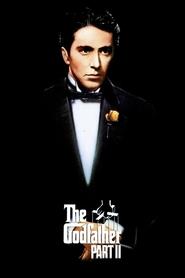
Francis Ford Coppola
I always like to use a lot of improvisation when we rehearse and big, long improvisations. And what we did in this sequence in Lake Tahoe in Godfather Part II is we had the cast there a couple of weeks right on that location. And I went around and said, okay, this is...
17:37 · jump to transcript →
-
Francis Ford Coppola
We actually lived in these houses while we were rehearsing and preparing Godfather II, so these various houses that all the scenes are taking place in were where we slept at night. It was pretty funny. Then, of course, when the movie started, we...
1:16:16 · jump to transcript →
-
Francis Ford Coppola
I remember one incident about this scene is that we rehearsed it in the morning, and Frankie Pentangeli gave this performance
2:35:10 · jump to transcript →
-
-
-
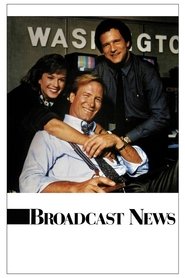
one thing holly's such a great actress and she was uh but she was afraid she couldn't cry on cue so during the rehearsal period and we had an we had a big rehearsal period on this there's polly's credit a big rehearsal period on this um she would have me just at times without warning take her into another room and ask her to cry just so she could be ready for this
7:37 · jump to transcript →
-
I want him to like me, there was no little, he's a big deal. There was none of that. These are deeply trained actors who just did their work together. I don't hate them. Well, they say if you can reach even one person, it means something. I think we did three weeks rehearsal, but Bill didn't rehearse, which turned out to be good. He had something else that he was doing. It turned out to be really good because he came in and he was playing catch-up, which was good for his character.
13:03 · jump to transcript →
-
We rehearsed this scene so thoroughly, and there was so much passion in the rehearsal as well. It was always this, you know, mountain there to be climbed. And everything was to sort of just put life in it and to sort of...
1:32:53 · jump to transcript →
-
-
multi · 1h 49m 3 mentions
John Cork, Ursula Andress, Eunice Gayson, Margaret LeWars + 20
-
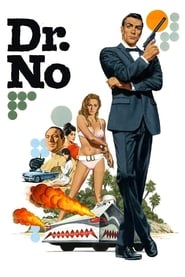
At the same time she was shooting Dr. No, Eunice Gason was also rehearsing for the London stage production of The Sound of Music, which presented some difficulties. Eunice Gason. I had met Richard Rogers in New York, who'd just seen me the week before in a play in London. And he said, you don't have to sing, do you? And I said, yes, I was trained for opera. He said, would you come and sing for me at the Shubert Theatre in New York? So I did. And then I got The Sound of Music.
15:09 · jump to transcript →
-
And not thinking that this series was actually going to happen. Because Terence wasn't too sure about it. And of course, the moment I started rehearsal for that, Terence rang me and said, right, are you on? I said, but I'm in rehearsal with The Sound of Music. He said, oh, come on. I've written this character now. So I said, well, can I do it rushing from the theater?
15:38 · jump to transcript →
-
Because I found spitting very, very difficult. You see, he wanted me to really spit, but I mean, I don't know, how much can you spit? We had an awful lot of rehearsals. I don't think he's been spat on so many times ever. Ken Adam talks about the set of the interior of Miss Tarrow's house. I tried to...
55:10 · jump to transcript →
-
-
-
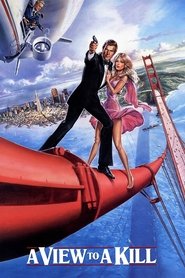
Roger Moore
and all these prosthetics on my face. And they had 35 seconds to get them off so that I could then be 30. And then they had 40 seconds to get them back on. And by the time we'd done two dress rehearsals, they'd taken all the skin off my face. I had the one hand that was made up old and the other hand that was made up young. So when I had to do a fight with this hand that was made up old, would I use the left hand?
22:33 · jump to transcript →
-
Roger Moore
To do a fight, you have to choreograph it the same as you would a dance routine. You can't just go in there and sort of wave your arms around. You have to know where you're going. You set points to move to. So, first of all, the camera's got to be able to photograph it, the second camera, because usually in a fight, you have it covered by two or three cameras. And you rehearse. And hopefully, you...
1:16:11 · jump to transcript →
-
Roger Moore
rehearse enough so that nobody gets hurt. It's not always the case. Oh, hell. Sorry, Granddad.
1:16:39 · jump to transcript →
-
-
cast · 1h 36m 3 mentions
Anthony Michael Hall, Judd Nelson, Jason Hillhouse
-
Judd Nelson
There's Judd. Right on. I told the story when we did the interview before with Jason, that you came to the audition just so ready, man. You were just there. You were already there. That's a long time in high school. - Yeah. All seven years of high school really paid off, and you got a great role. Judd, you were great. I remember from the day you came in for the audition, you just came in, like, "What movie? Can we start, or what?" Even these rehearsals, 'cause, John, if you remember, man, we did rehearsals in this space 'cause this art department had constructed this. And it was inside a gymnasium, so we had the benefit of working as if it were a stage, and it was already there, ready for us. It was cool, 'cause the studio took over the school, in a way. So, we could turn their gymnasium into this library. However, at the time, there was a USFL football team, the Chicago Blitz, they were practicing and using the school as their home base. So, they practiced in the big gymnasium. Not anymore, it became the library, and they went to the old, small gym, or had to go outside. And it was Chicago, and it was really cold, and they hated us. These hulking dudes would be like, "Get out of the way." I miss Paul, man. Paul was great. - Yeah, he was a cool guy.
4:49 · jump to transcript →
-
Judd Nelson
See, this is where it was cool where we had John. He was definitely a collaborative director and sought to get the best out of us all, and was looking for behavior, you know. So, I think, the wisdom of he and Dede Allen and their choices in making this all work, 'cause we had so much footage, it was great to see. All these years later, we take it for granted, what we see the final cut to be. But the truth is that, like we were talking about, Dede would come to the set and she would closely work with John. And also, he gave us the freedom to play and just have fun. And certain things, like the stuff you're seeing with Judd spinning around. I'm sticking a pen in my mouth, stupid stuff. We had no idea whether it would arrive in the film or be a part of it. I didn't. We were just having fun. But once we knew what the space was, we had the parameters. Rehearsal was key. - Yeah, it was like shooting a play. That's how I recollect and look back at it. We shot this play for 35 days and we were... Mostly in sequence. - Yeah. Yeah, we were fortunate to be extracted from Hollywood, and all of a sudden in this suburban gym of Illinois, not far from where John had grown up. So, it was a fortunate thing that we felt like we were shooting a play, 'cause we also had a week of rehearsal, which was... No, we had more than a week. - Was it more? We had more than a week. In fact, we weren't done with our rehearsal time when Hughes went, "We're ready. Let's go." All the work we've done keeping our faces in the industry since and maintaining our careers, it's still... To this day, I don't think I've ever had that since. So, it was a real... A real rehearsal. - Yeah, it was a real luxury. It was also a lot of fun, 'cause it really bonded us and gave us a chance to get a sense of where we were all at, and also made the work better, yeah. And we built real history, as opposed to that you believe you've made up a history. We actually had real experiences. Even if it's something as simple as dinner four nights in a row, you at least have some real past and things will reveal themselves to you further along in the work. And Hughes really wanted it to sound authentic. So, he never limited us. If you came up with something, you never felt like, "Oh, wow, "we took it beyond the text." Big deal. And he was always looking for it to get to that point, anyway. The freedom that he gave us, the idea that he would trust us like that, which is the point of the film. Just because they are 17 years old doesn't mean they are 17 years dumb. There's a weird thing, though, about rehearsals and stuff like that, where you think... You even said, "I've never done that before or since." It always seems to work out when actors and stuff get those chances. You hear those stories over and over. But, for the most part, people, they just don't do it. Yeah, in terms of genre, too, this is something that broke a mold, in a way, 'cause it was, in the industry talk, a talking heads film. It's really about a bunch of people sitting around, talking. So again, the play analogy comes into play. We really felt like... I remember rehearsing, and we were in these positions. I remember walking into that space, and John going, "Okay, you sit over here." We would rehearse these scenes. So, by the time we shot them, we all had a good sense of each other. We were a solid group, and we also knew where we were going with it. Now it looks like a luxury, but to this day, I've often looked back and thought about that, that it was great intelligence in just doing that, putting us in together. We sat in a room... - I thought they were all gonna be like that. I really did. I look back on that and that is a high-water mark in terms of the importance of having everyone being on the same page. Right. If you get rehearsal time and if you shoot in sequence, it's not like you are trusting the other actor to know that in the scene before this they actually threatened to kill me. So, it's a little bit heavier. You don't have to do that because before we shot this scene, we shot the scene where he threatened to kill me, so we know that. It's a great collaboration. You don't realize it till you're blessed enough to work in the business. When you're on the set, you see that there's... You know, sometimes the best idea will come from the script supervisor, or sometimes it's the guy at the crafts service table. It's a great collaboration, even though it's a director's medium. I think that sense of support was instilled in us with John, 'cause he gave us these roles and we all knew what we were doing, but he always was collaborative that way. I think that was his intelligence, too, that he allowed his scripts to transcend even the beauty that they had, because he hired people that he believed in. But there's a great collaboration, always. When you're talking about rehearsal, you're talking about the five of you guys. Were Paul and Kapelos kept away a little bit, to let you guys have your thing, a little "us vs. them" a little bit for that? Well, that was happening right away. Also, 'cause Paul wanted to hang with us, so that was perfect, 'cause it gave us the power to say, "No." So, we could. But you guys rehearsed those scenes, right, with you and Paul? But he wouldn't necessarily be sitting there on a day when... Just the five of us. - ...it was the five of us in that rehearsal, if we were gonna get to that stuff. We wouldn't do necessarily whole read-through of it. We would be taking it from the first scene and rehearsing it till it made some sense to us, and John knew, basically, how he wanted to see it and how he wanted to shoot it. It's a business, at the end of the day, like anything else, so there's always such a sense of the clock and rushing, so, as Judd said, a high water mark in our careers to start with this great project, and we had these great roles and a well-developed script. But he was smart enough to sit us all down and get our input and let us work through it. So, once we got on our feet with this and we were shooting the scenes, we had a closeness and a vibe already flowing between us. But it's funny you said that, 'cause I thought the same, too. I thought it would be like this after, and usually the director is the most stressed-out, doesn't know what the next shot is. It's like the world changed after this. But part of it was the good fortune we had to be in Chicago and do this. It was at the beginning of his career, after Sixteen Candles did pretty well, even though it was a small film. I think I remember him telling us that his intent was to do this first. I think the studio was gonna make this film first and they flipped them. So, we were fortunate to be away from everything and... Flipped it and Sixteen Candles, you mean? Yeah, exactly, in terms of the making of the films. So then we did this project second, and then we were, again, just in Chicago, and that sort of remote quality helps it, too. It's a lot of the fun of it. 'Cause then you came back here to do Weird Science, right? Yeah, that was fun. There is something about that, pulling it out of Hollywood. That's clichéd, "Hollywood's bad and you can't get anything done." But there is something to be said about that. Well, the story takes place there, and that's where he lives. Why not put it there? It's easier, it makes the most sense, and for the actors, it's one less thing you have to imagine, and hope everyone else is imagining the same thing. In fact, it is the same room where we're gonna go every day. It's a school. - Right. I remember, I went to some local schools, too, in that area at the time. It was fun just to get a sense of what... 'Cause I hadn't had that kind of upbringing. I grew up in New York City at a liberal arts high school. It was a different experience. It was a boys' reformatory, wasn't it? I was away a lot and... Very religious, wasn't it? - That's part of the fun, actually, just to get out of the mix, to be somewhere else. As an actor, the gift is getting the job, and then the sense of exploration is enhanced, I think, by being somewhere on location. It's fun. Makes it part of joining the circus, I guess. So, what, you guys went to an actual school, went in, mixed with the kids, did that whole... Yeah. Yeah. - I did some of that, yeah. Yeah, Hughes arranged it for us to go. I know that Ally, Emilio and I went to this high school, and the principal knew, but most of the teachers didn't, and it worked out perfectly. It was a school that had two halls, one called Jock Hall and one called Freak Hall. And I was like, "Are you kidding me? That's perfect." I just waved to Emilio, "See you at the end of the day," and then went over to the other side. It's great 'cause I was over 18, so I met some guys and I could buy them beer. I was like, "Yeah, I got an ID that'll work. Come on, let's go get some beer." Just treating it so poorly, it was perfect. You didn't get put in detention at that school, did you? No, but I did get sent to the principal's office, the one guy who knew that it was okay for me to be there, so it was perfect. I hadn't found my classroom yet, out of Freak Hall, and I didn't have a classroom, so I was always going to be found out there. Bender, that's school property there, and it doesn't belong to us. It's something not to be toyed with. That's very funny. Fix it. You should really fix that. - Am I a genius? No, you're an asshole. - What a funny guy. Fix the door, Bender. Everyone, just... I've been here before. I know what I'm doing. No. Fix the door! - Shut up! God damn it!
8:42 · jump to transcript →
-
Judd Nelson
I never did it, either. At this point, too, just where the industry was, there was no video village, so one of my best memories is of John being there. He would just sit behind the camera. He would be sitting on the floor with us, just like the camera operator would be on the floor to get these low angles. He was really there, part of it all. It was great. Was he a good audience? - He definitely was. Yeah. And he was a real audience. He wanted to be moved. In fact, that was a great lesson, to see a director lens his project like that, to be that invested in it. It was cool. It's a tricky thing where you have a director and sometimes it can be, everything you do is great. Like they want you to feel comfortable and they want you to feel like, "Everything you do is great!" But there's a bullshit meter that I think you get as an actor, where you go, "No, it wasn't." And you gotta get that level of trust, where if John says it's good, it's good. Yeah. - That kind of thing. Was he pretty good about that, too? Without telling you, you suck or something. No, that's the thing, you have to be very pragmatic as a director, always aware of the clock, so in lieu of all that, I never felt like he was rushing us. It was just the opposite. I think he would work on your performance with you. It was cool. And he would give us the freedom to try things. He would allow us to know that we maybe tried something that was no good, too. If you did something that was no good, he wouldn't say, "That's not very good." He would look at us and be like, "Yeah, I guess that one wasn't so good." You know what I mean? He would let us find it for ourselves. There's a paternal instinct, I think, that directors need to have. But with him, he felt more like a big brother. He wanted us to shine. He wanted to see us get the best out of it. So, he was never really precious about his words or anything, which I found to be really cool. - It was cool that even after all that rehearsal, even once you get on set, the crew's around, the pressure is on a little bit, like you said, time is a factor, trying to get the day. And he still gave you time, even after all that. You know that classic image of... It was a saying of, I guess, Jack Lemmon's, where he talked about "magic time." John was a director that appreciated that. When the camera's rolling, he was the first audience. He was the guy right there with you, watching as if it was one of your parents in the bleachers or something. So, that was a really cool thing because he was the writer, and, of course, in that sort of paternal spirit, we wanted to impress him, him to be happy with what we were doing. At the same time, it was never any finger pointing. He just guided you through the performance. And he had a great way of, I think, empowering all of us to put our best foot forward. It was cool. His scripts have a lot of heart, and Hughes has a lot of heart. He can hear the truth, I think, and if we did something that had strayed that sounded like that color of truth that he wanted, then it would stay. He also was... I just found him very encouraging. Yeah. - As a person and as a director. And that's like a captain. If the director is the captain of the ship, I would like the captain to be encouraging if we're gonna come upon some high seas or dangerous times. Crunch time, you want the captain to not be treating you like you're something he wants rubbed off the bottom of your shoe. Because I think we would have done anything for him. I think we probably still would. It's interesting, too, because in the structure of the film, it all leads back to these scenes. I guess for everybody it becomes therapy at the end here, where we're all sitting around literally like a group therapy, as is the image of the wide shot. - Yeah, that trust is important. You want your other actors to be alive in the scene. And because this, in real time, came later for us, as it does in the movie, shooting in sequence, you don't have to earn the respect from the people around you. Right. - It's already done. Suddenly, the only redemption that we can find is with each other, and that's the surprise, I think, at this point. Where everyone is peeling away, becoming naked to each other. I think that's part of the reason why it's so important, too, the way they cut this. Emilio is doing the thing, and the camera pans around him, right? And then we go and we get everybody's reaction shot while he's still talking because you guys are going through it, too. - Yeah. He's like this... He's like this mindless machine that I can't even relate to anymore. "Andrew! You've got to be number one! "I won't tolerate any losers in this family. "Your intensity is for shit! Win! Win! Win!" You son of a bitch.
1:10:08 · jump to transcript →
-
-
-
Hey, that's you. - That's me. So this was, uh-- I guess we... We could start about... Talking about the beginning of how this whole movie came about, really. I was in dire straits at the time, in terms of my career. I had just come off of a complete disaster, a big bomb. I didn't know if I was gonna direct again. I thought I'd have to go back to writing. So I was in Chicago staying at my in-laws' house... ...and my first daughter was just born... ...and John Hughes sent me, out of the kindness of his heart, two scripts. One was called Reach the Rock and the other was called Home Alone. One of them, it was rumored... I think it was this one. was written over a weekend... ...which some critics would probably jump on the bandwagon... ...and say, "Well, we always knew that." - Exactly. Ha, ha. So I read Home Alone and immediately responded to it. I thought it was just a great, great piece of material. And it talked about some of the things that I was interested in making a film about. Now, we had a meeting, I remember, in New York. I just-- It was-- You and my father were talking most of the time... ...and I was just imitating everything you were doing. Everything I was doing. - Yeah. You'd drink your water, I drank my water. Like that. I think I did that... I think I way overdid it. I think I just kept doing it the whole, like, hour. Well, you know, the interesting thing is we... Again, it was the kind of situation where we looked at hundreds of kids, again. And I was like-- Even though I didn't know if I'd ever direct a film again... ...I was like, "Well, you know, Macaulay was in Uncle Buck... ...and I don't wanna just cast him based on John Hughes producing the movie... ...because then it looks like I'm gonna give in to John Hughes and be a wimp." And I met all these... I met hundreds of kids. And when I met Macaulay, there was just no one else who came close... ...to what we needed for this film. I mean, really, in terms of an actor... ...a Child actor, at the time, you were the most unique, original kid I'd ever seen. So that was pretty... - Oh, thank you. I mean, I totally agree with you, but thank you anyway. But it really is-- It's sort of, uh... Because it was the fact that you, um... The camera loved you, obviously. You see the shots from the film. The camera loves you, but at the same time, uh... ... you were relatable to every kid in America... ...because you weren't an idealized version of a kid. Kids are used to-- Accustomed to seeing this ridiculously... Shirley Temple, and the curls and the whole thing, you know. And there was just something enormously real about you. That, and I could remember my lines and I had a lot of energy. That is true. You did have a lot of energy. Almost a sad amount of energy. It was, I mean.... Still do too. Uh, now, do you remem--? Like, this particular scene. We're starting from the beginning of the film. And I'm curious, because there were so many scenes in the film... We were talking before we started. where we would shoot your coverage first and then send you home... ...or I'd still be in jail. - Child labor laws. Yes, I'm still well-versed in the child labor laws. So there are obviously certain elements of the film-- Like this. Do you remember this being shot? - No. Because you weren't here. - I remember we did the whole... There was a whole sequence with, you know... ...people coming up the stairs, down. - Right. He's there, and the pizza guy's there. I remember that, and just like, you know, trying to coordinate that whole thing. But, no, in general, there's a lot of stuff... There's a lot of holes in it... In my memory. And this guy went on to do something on Nickelodeon. My kids know him. Yeah, Pete & Pete. - Yeah, Pete & Pete. Is it still on the air? - No, no. It lasted a couple years. It was actually a really kind of neat show. Yeah, my kids loved that show. But what was interesting about the whole look of this film... I guess we could talk about it a little bit. You'll even notice... Some people will think, "Well, this wasn't intentional." But we intended the film to feel like Christmas sort of. I wanted the house to feel very warm. You look at... - Greens, reds. Macaulay's wearing greens, a green and red shirt. There's a green and red jumper sweater on this guy back here. The wallpaper is all... - That's very clever. All conveying a warmth of Christmas and something that, uh... It just was interesting to us. So it wouldn't be over-the-top, but it'd feel warm. I wanted the house to feel like a warm place. Joe Pesci. What do you remember about Joe Pesci? What is, like, your first--? My first-- Gosh, I don't even... I have-- I still show this. I have a scar on my finger. - Uh-huh. We'll get to that part near the end... - Ha-ha-ha. ...when, you Know, he says, you know: - Okay. "I'm gonna bite each one of your fingers off, one at a time." During rehearsal, he actually bit my finger a little harder than I think he thought. I still have a little scar on my finger. It's my little Joe Pesci tooth mark. I'm telling you something, I believe... And I know Joe would probably get a little upset with me about this... ...but there was a little professional jealousy from a lot of the actors on set... ...because you were the star. There's this little kid who was the star, who we were all paying attention to... ...who was carrying the film. And there was a lot of passive-aggressive stuff going on. And I don't think Joe meant to bite through your finger... But, heck, you know, you never know. He was not particularly happy during the course of making this film. And I don't-- I think he would probably say the same thing. He had just come off of Goodfellas and Raging Bull, and he was... I don't know, did he win the Academy Award? He won for Goodfellas. His acceptance speech was, "Thanks," and that was it. Okay. Well, there you go, so, um.... And when he... I remember I was such a fan of his. Asking him to do the Goodfellas... The clown speech, you know. "Make me laugh," you know? "What do--? Am I funny to you like a clown?" And he would do that every day, and it was great. But at the same time, I could feel it from the actors. Because there's always a sense of rivalry between actors. There was this feeling of, you were the star of this movie, and that was un... That was not really common at the time. - Yeah, yeah. It created an interesting tension on the set, I have to say. Yeah, see, I never really felt that, but I was 9. Everyone around here knows he did it. It'll just be a matter of time... ...before he does it again. What's he doing? He walks up and down the streets every night... ... Salting the sidewalks. Maybe he's just trying to be nice. No way. See that garbage can full of salt? That's where he keeps his victims. The salt turns the bodies... ... Into mummies. Wow. - Mummies!
0:21 · jump to transcript →
-
So this, uh.... What's interesting about a lot of this movie is we would always put fake snow down. The foam and stuff. - The foam, and that's really... We had a Wisconsin ski... A bunch of guys who worked for this ski resort in Wisconsin put down snow. But... - That poor statue. Yeah, the statue was a running gag, and this guy... A lot of this movie was made on an extremely small budget. At the time, the picture was at one studio... ...and that studio didn't wanna make the movie, because of a $2-million difference... ...and it went over to Twentieth Century Fox. And we still were... We still made the film for a little above $18 million... ...which at the time was still a small budget. So we had to make things stretch, which we'll talk about through the picture. One of the great things about working with Pesci, I have to say... .IS his improvisational skills were terrific. And it was because of his training with Scorsese that... ...even on a picture like Home Alone, really comes in handy. He's a very funny guy, Joe. - Yeah. And his comedic instincts were really something I'd never seen before. Little snippets in pictures like Raging Bull and Goodfellas. But his ability to improvise was just phenomenal. And then John Heard. I cast John Heard because John Heard was someone I was always a big fan of. He was in this picture... It was called Cutter and Bone. Now it's called Cutter's Way. And his performance should've gotten an Academy Award. I've never seen it. It's Jeff Bridges and John Heard, and he is just amazing in that film. I was a huge fan, and it was always a dream to work with him. He also did this old film called Head Over Heels. And he was kind of a leading man back in his day. He's just a wonderful actor... ...and another guy who didn't really know why he was in this movie. At the time, he was sort of like, "Why am I doing this?" I remember feeling a certain amount of discomfort from him. He was like, "Why do I have to do this? Why am I in this kids' movie?" You know? "I'm a good a--" Understandable. No one really knew what this movie had the potential of becoming. We had always hoped it would be successful, but we never knew. Um.... Pfft. I always knew. You always had an idea. - I always knew. Now, this scene. Do you remember coming in on a Saturday to rehearse this scene? Yeah. - We had to rehearse this because it was so... Which was so chaotic with everybody. We ate so much pizza. I didn't wanna eat lunch. And this is something that was interesting. We... You'll notice that there's a rare shot in the film where... There's your brother. - Yeah, there he is. How are you guys--? He's working now, right? He's doing very well. Oh, yeah. He's doing very good, very well for himself. Un, this is typical of the style of this movie. Not the vomiting, obviously... ...but the separation of actors in certain scenes. Because Macaulay's time was so valuable... ...we needed to shoot Macaulay separately... ...and sometimes other kids as well. So you'll always see... I tried to block sequences where I could sort of keep Macaulay off by himself... ...and keep the other actors in another space... ...so I could shoot people separately. Child labor laws again. - Child labor laws. And we're-- And Kieran had to reshoot the chair in the face, I remember. Oh, yeah. - Like, he had to come back later. He was upset he had to get his hair cut like Fuller again. Oh, he was? - Ha-ha-ha. Well, he-- We made a special, very light rubber chair... ...so when it... - Yeah, that's... Yeah. That's-- I remember that. Catherine O'Hara was someone who I had, uh... ...Just loved her work on Second City TV. - Yeah. I mean, I was, uh... Aside from Saturday Night Live at the time in the '70Os... ...Second City Television was the-- Sort of the place where you learned about comedy. And for me it was... I was just such a huge fan... ...SO It was, again, a real honor... ...to be able to work with her on both of these films. Yeah, no, she's incredible. Even just the stuff she's doing now. She's still--? Oh, it's great. It's great stuff. Both of his kids are still going to school here. I guess he missed the family.... You got a pretty good cast. Yeah, it's kind of interesting for a film that... But we treated it... The weird thing about this film... ...and the reason I think the film has kind of stood the test of time for a lot of kids... ... IS because we always treated it with respect. We never felt that we were making a movie for kids. We were making a movie for the parents as well. It had a lot of appeal. And you never-- You wanted to... You wanted the photography to have a certain elegance about it... ...and the camera to be moving. And it was really never... So many times today, people try to make kids' movies... ...and they always cheapen them. And we never-- I mean, certainly we got cheap with our jokes. Let's not pretend that we didn't. - Ha-ha-ha. Oh, yeah. No, I mean, it's Three Stooges, you know? - Anything for a laugh. I
7:04 · jump to transcript →
-
Hi, pal. We outsmarted you this time. Okay, he's about to bite my finger. Now, how is it possible that he almost bit through your finger? It was a rehearsal. He didn't bite through it. He just... - But you still have a scar. I still got a little scar there. - Yeah. But it was only in the rehearsal, it wasn't in the take. Now, Marley, here.... Here's a really poor example of stuntman... The stuntman who hits... - Oh, it looks nothing like him. It's just like a 14-year-old guy. Look at that. It's just-- It's one of the things on a low-budget film you can't control. So he was a good stuntman. Unfortunately, he was still in high school. Pretending to be a 75-year-old guy.
1:29:42 · jump to transcript →
-
-
-
to set up and rehearse, and the frequency of visits from Joel and then the studio executives, and then even Lisa Hansen, who was the head of the studio at the time, dropped by to casually say, are we going to have a shot today? So that was a very tricky shot to set up. Oh boy, the things I don't have experience. And this is Sandra Bullock, who plays Lenina Huxley, which is
11:53 · jump to transcript →
-
And we rehearsed it with a stuntman. And the stuntman was injured because of this rap. This is the conveyor belt scene. So that was actually shot in the studio. Oh, I get it. Yeah, I was wondering. But this shot as well was with a camera car being on a trailer. And I think we did some of it with rear projection, like old school rear projection as well with the two real actors.
1:33:31 · jump to transcript →
-
using some elements from the other sets and reusing a lot of elements and then staging these scenes inside the convention center and this is where huxley is forced to resort to violence and she's good at it what did sandra bullock get to think of this finally going to do some action she rehearsed i mean date again working with the same martial arts
1:38:50 · jump to transcript →
-
-
-
Ron Howard
Josh Ryan Evans plays the young Grinch. Terrific young actor. And he spent some time with Jim Carrey, who had already begun developing the character, of course, in rehearsals. But it was really fun on these days to see
28:20 · jump to transcript →
-
Ron Howard
We'd rehearsed it. We knew the material was good. Jim had a great handle on it. But seeing it in character, in the cave, it just became a real highlight in the film.
39:54 · jump to transcript →
-
Ron Howard
again, didn't exist in the book whatsoever, but they're a real outgrowth of what we've developed through the first half of the story and provided a great performance opportunity for Jim and for Taylor. Look at that walk. Jim is so physical. When we were rehearsing this movie, of course, without the costumes, air-conditioned sets, Jim in a T-shirt and jeans,
41:25 · jump to transcript →
-
-
-
And by the meantime, she's just exactly similar quality of Audrey Hepburn. And she looks so elegant. That's what we need, elegant and sexy, you know, and smart. And then to pair with Tom, it just looked like the golden couple and the very charming couple, you know. So we are very excited about her. And then we did some, a little bit of rehearsal before we start shooting. And we put Tom and Thandie in front of the camera.
15:06 · jump to transcript →
-
I usually like to give them a lot of creative freedom. And I like them to improvise their dialogue and changing, you know, something. And I respect their ideas, you know. And I try to find a way to work it out, try to find a way to work into the scene. And I like instincts. I like they do everything by their own instinct. And I hate rehearsal. You know, I've never liked to do any rehearsal in advance. On a set, all I need is just a rough,
1:01:13 · jump to transcript →
-
rehearsal and, you know, walk around on the set and make everybody understand what the scene is about and make everybody feel comfortable on the staging. And then we just shoot it. I like happening. I like something unexpected thing happen. In face-off, even in this movie, I also did the same thing with Nicolas Cage, John Travolta, Tom Cruise, and Dougray Scott, and everyone. You know, I have never...
1:01:41 · jump to transcript →
-
-
-
follow the story and feel it emotionally without the use of dialogue and without the use of music, just with behavior. It was a big challenge but a lot of fun. We started moving to a place where during rehearsals we were almost trying to understand the scenes without the dialogue to just sort of finally get to what the behavior of a scene was and how much of the storytelling is really in that and I think
10:02 · jump to transcript →
-
We are all used to a lot of, especially in American movies, we're used to a lot of words. And it was really exciting to strip them down in rehearsal, in the making, and even in the editing of the movie, just to let the composition, performance, and story architecture sort of shine through. Yeah, but we had to be very, very specific too in the creation of the scenes and the layout and what kind of information emotionally we're sort of doling out. You know, are we doling out the feeling of family?
10:31 · jump to transcript →
-
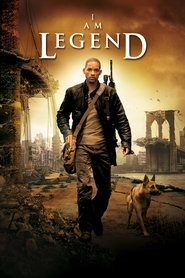
This was the Bob Marley virologist philosophy, which is something that we sort of came up with as we were working through sort of character and theme and early version of the screenplay and then in rehearsals. Yeah, and we're all big Bob Marley fans. And I remember, I think, I think Will came up with starting the use of it, just he was looking up Legend, I Am Legend, and came up with, saw Legend on the internet and Bob Marley's album, you know, Bob Marley's album, and brought it up and started thinking about it and
1:16:53 · jump to transcript →
-
-
-
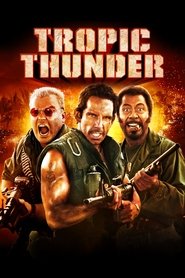
I feel like everybody got along pretty well in this movie, and there wasn't a lot of... There was nobody... I don't think we could have made the movie if there was anybody who wasn't on board for the whole experience. I think it was for everybody, Nick Nolte and... I was never late at the movie. No, you weren't, just today. Just rehearsals, too. You fucked up in a couple of the rehearsals early on. That's true. This was another sequence that felt like we shot it for seven years. LAUGHTER
23:57 · jump to transcript →
-
This was a tough one. This was a tough one because we had a lot to... You know, every scene, there were a lot of actors in every scene, so we had a lot of coverage we had to get. But we rehearsed it. We went out and rehearsed it. We rehearsed it in the jungle. Yeah, we went out to the location and rehearsed it. Two-hour drive to the jungle. Yeah. And you know what? It worked. We were mentally prepared. Yeah, this was... God bless the 4x4. It's four patties of meat.
24:25 · jump to transcript →
-
It's a great jam. Brandon T., God bless him, man. He helped us get the balance right. He did. So we didn't have people coming after us. Not that we wasn't sensitive. We have a moral psychology of sorts. No, but it was really important, obviously, to have his point of view. And when we were in rehearsals, we changed that scene around to make that feel right. That's where Jack says he wants to wear the entrails of the cloven-hoofed animal like a leotard. I don't think anyone... I don't know that it's actually a side effect.
54:05 · jump to transcript →
-
-
director · 1h 34m 3 mentions
Scott Stewart, Jason Blum, Brian Kavanaugh-Jones, Peter Gvozdas
-
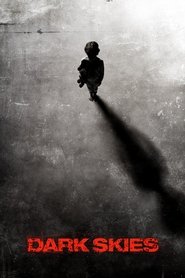
up to that point. He was, you know, just a little rain man. He knew the script by heart. Literally on our first day of rehearsal, you know, Josh and Carrie, you know, years have been acting since they were his age. And they were laughing when, you know, I would say, let's work on this particular scene. And Caden would already say the first line and they would flip through their scripts going, what scene is that? I don't even know my lines yet for this. And there is our six-year-old who already knows all of his lines by heart. But it was really important not to make him
7:25 · jump to transcript →
-
like he was, you know, how he rehearsed the lines with his parents and how to make it sound more natural. And so what we discovered really early on, and David Boyd helped a lot with this as well, was just we just, whenever we had a scene with Caden in it, we would aim all the cameras at him first. And we would do all of his, because his level of his focus, which you can see even at the beginning of
8:05 · jump to transcript →
-
definitive that what she was rehearsing or researching was actually what was really happening and that she thought, our children are in great jeopardy now. You would expect her, you wouldn't buy that Daniel comes home with some surprising news and that she decides to let it go and have a night of amour with him. And so we felt like it's really important that it
45:03 · jump to transcript →
-
-
director · 2h 43m 3 mentions
Mission Impossible Dead Reckoning Part One (2023)
Christopher McQuarrie, Eddie Hamilton
-
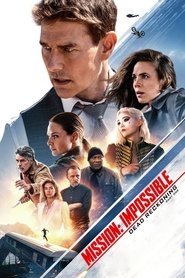
and we lined up all the cars and the actors and we figured out the shot and rehearsed it and then went to the location to get it. So we were very well prepared. I love Tarzan. Tarzan's so energetic. He's so good. So great. And Tarzan is just, a lot of what you're seeing is just his natural instinct as an actor. That moment with Shay. Yeah. That was Shay on set feeling that moment and creating energy between him and Ethan because we were still,
59:41 · jump to transcript →
-
I think, I seem to remember, we only had one night to shoot all of the coverage of their fight, the two of them. This was really, really challenging stuff to do. Lots of rehearsal went into it. And Tom's running. When to cut to Tom. And again, that's point of view. Keeping that character in there, keeping that point of view alive. This is a drone. It was the only...
1:38:28 · jump to transcript →
-
And then this was an idea that developed as we were rehearsing the fight and suddenly came up with the idea of 18 inches of clearance and what kind of complication that would present for the characters, but also for the camera. Because suddenly we realized the camera could at no time be higher than the actors or you'd be disconnected from the reality of the scene when you suddenly realized the camera was...
2:18:05 · jump to transcript →
-




Related topics
Other topics that frequently come up in the same commentaries.