Topics / Cinematography & lighting
The long take
54 commentaries in the archive discuss this, with 91 total mentions and 54 sampled passages on this page.
Filter commentaries
Filter this topic by the film's decade or the type of commentary.
By decade
Across the archive
ranked by mentions · click any passage for the moment in the transcript
-
-
Tom Hooper
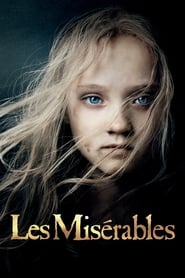
effectively each take becomes its own unique event. Because if an actor's varying tempos significantly, you can't necessarily cut one take with another take. And so what you, in a way, give up in order to have the freedom, or the actor to have that freedom, is the right or ability to always intercut all the takes you do. So I began to realize from early on that filming Les Misérables would be about making this commitment to...
12:55 · jump to transcript →
-
Tom Hooper
to filming each song in one take. I mean, interestingly in this, we shot some other coverage, you know, from the side and some wides, but through the editing process, we felt that the emotional power of the soliloquy was best served by this concentrated meditation on Hugh's extraordinary performance. Because, you know, when you come wide to show the world he's in, it's not really giving you an insight.
13:24 · jump to transcript →
-
Tom Hooper
I didn't say to Anne, you know, we're going to do this in one take. It's one shot, it's one camera, it's a big close-up, off you go. The big close-up came sort of democratically out of the process of editing. What I admire in what Anne's doing is the total lack of emotional self-indulgence. I mean, it is an extraordinary performance. I think she went to a very dark place this day. She opened some kind of box and looked inside and at the end of the day closed that box and...
29:50 · jump to transcript →
-
-
-
Oh, yes, and what's more, because we don't believe in all that papist claptrap... It's quite a tough scene to do because it's all just one shot, basically. I think we do a close-up, but we were trying to do it all in one take. And quite a lot, especially for Graham to remember. He was really good at it. He was really on top form. What do you mean? I could, if I wanted, have sexual intercourse with you... Oh, yes, Harry. ..and by wearing a rubber sheath... I just really like the difference between the interior of the Protestant's house
32:32 · jump to transcript →
-
It was a joke that we missed out of this, which I always wish we'd put in. When we come over the top, first of all, I was supposed to say to, I said, Jenkins, you go and get the buggers on the left flank, and I'll get the heterosexuals on the other flank. When we did the dialogue scene here, we had explosions going off. We had, I think, because we were trying to do it in one take, we had something like 60 explosions going off in one shot, which is a phenomenal number of explosions.
45:28 · jump to transcript →
-
Now, this is all one take from the beginning here. It's as long as a piece of film is. I think it's about three and a half minutes. It's just one take right through all the cleaning lady's little poem and then going to Eric and then following Eric and then going out into the street with Eric and following him up the road. It's all one take. It's quite a tour de force. But it didn't teach me nothing, I recall.
1:24:59 · jump to transcript →
-
-
director · 1h 42m 4 mentions
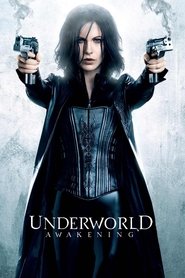
Len Wiseman, Patrick Tatopoulos, Brad Martin, Nicolas de Toth
-
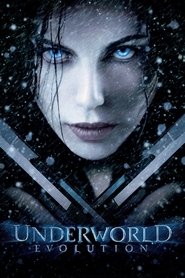
Yeah, this was a second unit. How many goes did you guys have on that? You just do one take of that? We did a couple, but just different run-ups. Yeah, of the fence breaking, we did one, and then a couple different run-ups, POVs, towards the warehouse and all that. This was fun to shoot, this truck coming through the warehouse. It's always fun to do something like that. Everybody gets amped up, and everybody hiding behind boxes in Video Village, and, you know, how far is this truck going to come, and are we going to get wiped out? That's always fun. Speedman had some, like, whitey-tidey
34:44 · jump to transcript →
-
What is that made of? It's just a plastic and it's cold. It's ready to explode. It's steel. Speedman is a stud, dude. He just ripped that thing apart. He worked out for months to do that one take. Dude, there's nothing fake. It's all real. Isn't it a really soft lead? Yeah. Soft plastic, right? For the piece. For the rings that break. The ring that breaks, it's a lead. So it bends and it opens up. Yeah. This is cool right here. I like this. This bathroom is a set, I need to say.
36:10 · jump to transcript →
-
And we did one take and slid right into camera right there. Boom, sticks. Sticks. And Schneider said he saved the movie. I didn't know that was Todd's idea. I'm calling it Todd Schneider's underworld evolution. That's nice. Just for him. I got to say, because when I'm on first unit, I'm watching the takes, and that thing is just, it was bouncing everywhere. It's hitting camera, it's going over to craft service, my unit, everywhere. It's going everywhere. So that was like take 17? It was somewhere around there, yeah. Wow.
40:45 · jump to transcript →
-
-
-
Tried to desaturate the grass because I feel like that green grass really makes the film seem less miserable. There you go. There's that water on the lens. Boy, I hate it. But this was the best take and there was water on the lens in every single take. We keep this one. The rest can go.
45:11 · jump to transcript →
-
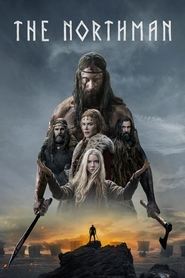
Claes nailed this scene every single take, I gotta say. He's also a very handsome man. He has that kind of Christopher Lee menacing stoicism. But I also think that Claes plays Fjölnir with a little bit of insecurity.
1:23:12 · jump to transcript →
-
And I was rewriting this scene, particularly her lines, like every time we did another take of it. And this is very demanding, like, you know, long take and great on her for being able to remember all the rewrites as we were going. And Claes also...
1:37:16 · jump to transcript →
-
-
scholar · 1h 32m 3 mentions
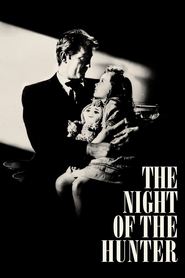
The Night of the Hunter (1955)
Terry Sanders, Robert Gitt, F. X. Feeney, Preston Neal Jones
-
later on there are two crucial scenes one with billy and lillian gish and one with gloria cristillo and lillian gish and they're all done single take beginning to end so lawton trusted his younger performers as much as the old veteran
15:05 · jump to transcript →
-
Now, I may be wrong, but I think this is the scene with the boy and Rachel, which is all in one shot. Yes, it's all in one shot. And it went over so well that there was no need. They didn't make a second take. He did it in one take and never made any more. They didn't need them.
1:12:47 · jump to transcript →
-
This is another one-take scene, by the way. We're looking for love, Ruby, in the only foolish way you knew how. Yeah, it's a great line. And Simon Callow, in his great book on the film, he wondered who came up with the line because it's not in the Davis Grubb novel, and it is in the first draft of the AG. But it's in the page. It's marooned in a page of a lot of other dialogue, so it's the brilliance of Lawton to say, no, that's your line. That's the only line they need, you know? Yes, it really wasn't in the novel, and it enriches the characters that Grubb had created.
1:16:12 · jump to transcript →
-
-
-
Oh, yeah, so now here we are with Joanna. No, this is the other side of her, the public persona. Never guess she was a whore by night, would you? I wonder which she enjoyed best. I have an idea. I think we did about 20 takes of this. I can't remember why. It was a bit awkward. Yeah, it was because you ran it all in one take, I remember.
25:28 · jump to transcript →
-
Oh, and he fluffed a bit. Yeah. Well, an actor's note has to be in one take. I'm sure he could have done it generally speaking. The end always got a bit undynamic, I remember. Yeah, oh, that's right, because he's got a hand with the gun. Yeah, that's right. There was a problem with the gun. Never mind. Got it in the end. What the hell is this? You think she's that dangerous? It depends on what you discover.
25:57 · jump to transcript →
-
This is an interesting shot. I remember this is a five or six minute sequence that's all done in one take. And it speaks to the skill and talent of Andy Potts and John Laughlin. They were able to sustain this all in one take. I remember we shot three takes, and I believe this was the first one that Ken used.
1:07:13 · jump to transcript →
-
-
-
And then this morning, the day we shot this was the next day, and just the principal actors and myself had sort of a bonding lunch to try to see what, you know, was the difficulty. And we got sort of, it became like a love fest, and we got all giddy, and this giddiness carried over into the scene because none of the actors could stop laughing. That shot really plays it there. You could see that there was a lot of laughing on the set that day. It was hard to get anybody to be serious. I was not able to get one take...
8:43 · jump to transcript →
-
But I like it's played in one take, and I like the hourglass sort of configuration. There are two faces in the space between. Yes, because their noses are so similar, as you can see. Gabriel's got, like, all the right flaws to make a face incredibly beautiful. This actually builds up to my favorite Gabriel moment in the film.
28:38 · jump to transcript →
-
But in one take, he flicks the cigarette right into Baldwin's eye while it's flaming. And he freaked out and jumped at him and sort of shut the scene off. But I had a B camera on Benicio, so I was able to use the take where Baldwin gets hit in the eye. Right there. So that's real. There's no stunt involved in that cigarette hitting him in the eye. Yeah.
49:38 · jump to transcript →
-
-
-
Darren Aronofsky
One take, I was like, Sean, just keep saying 1-8, 1-8, 1-8, and walk down the stairs the whole way. And when he did it, everyone applauded. It was really great. This shot, the Tai Chi shot, is perhaps my favorite shot in the film. And it was actually improvised. We showed up on set at 8, 9 AM. And there was a bunch of people doing Tai Chi. And I talked to my first AD, Laura Zuckman. I was like, let's shoot it. Let's get them. And they were up for it. So we did it.
3:08 · jump to transcript →
-
Darren Aronofsky
It was interesting, Sean did a really great performance thing here. On one take, he took a really mellow get out, like a pleading get out to Devi, and we almost used it, but we didn't want him to break down yet. We wanted him to still be like, you know, rocketing towards his insane breakdown. Look closely at the newspaper.
56:13 · jump to transcript →
-
Darren Aronofsky
wondering if this was really happening. So people often ask me how we did the drill shot, and my answer is that Sean's a method actor. We did one take and rushed him to the hospital. Luckily, we had ambulances standing by. Literally, this was one take. I won't tell you how it's done.
1:18:47 · jump to transcript →
-
-
writer · 1h 35m 3 mentions
Simon Barrett, Adam Wingard, Greg Hale, Eduardo Sánchez + 5
-
we actually made a switch while we point the camera upwards. Yeah, we did this a lot. I mean, there's a lot of this in this film, like even when it's supposed to be like one continuous shot like that, we put a lot of edits in there. There's about like this whole section from running into the room up until now, there's probably around about like four edits, I think, in total in that sequence. Four to five different cuts. Yeah, because like certain things will go right sometimes and, you know, all it takes really is for like one performer to kind of like mess up a little bit.
1:02:18 · jump to transcript →
-
Thank God he braved it for us. And that moment where they find him in the water, I just told him, like, give me one take, and I promise that will be it. And he was a trooper, and he did it, and we got it in one take, which was... You made him do it again. Let's be real. No, I didn't have to make it. He did it twice. No, you didn't have to do it. I got him up to the dock, and then I got a cut, and then he didn't have to be in the water anymore. I seem to remember him doing it twice. Rob's a liar. Yeah, you're a liar.
1:23:00 · jump to transcript →
-
If one cue screwed up, we'd have to do the whole take again. A lot of these shots are just one take. Yeah. And the hard part, too, is that this is like what you're seeing now is an elf doll that we gutted out. I don't know if you guys remember Elf, the TV show. But I always thought our family dog looked like Elf. And we just so happened to have an Elf doll. And I got my friend Sherry to hollow it out and turn it into a puppet.
1:23:54 · jump to transcript →
-
-
-
John Mackenzie
I had to stick my neck right out to keep this out of the forensic bloke's hands. Here we are in George V's dock, which is now a built-up area full of posh houses. They still keep some of those cranes in there. They're sort of decorative pieces between the houses. They're like bits of sculpture. This sort of scene, I remember, I thought, I've got it. I had a very short day to do all this. And I thought, well, the only way to do this is to do it in one take, one long take.
35:37 · jump to transcript →
-
John Mackenzie
Some of the clients you mob are out. Working against the clock like this and doing this long, long take, tracking, and keeping it interesting and getting slightly bigger all the time can be, as I say, if it comes off, can be very good, but it's totally the acting that carries it. There's no tricks. You can't cut into a close-up if it goes slightly wrong. At least I didn't have time to do that. They were impeccable, both of them.
36:37 · jump to transcript →
-
-
-
I love this scene. This is day for night, parked out in Malibu. Now we're on a stage. Remember that one, you had that one screening to see how the audience response? And you had in one take so much fake sweat that the audience was like, thought that your character was dying. Remember that? Yeah, that's right. It was like, but wait, I thought we were going to find out the conflict was that...
51:21 · jump to transcript →
-
He said, oh, he totally got it. Everything gelled, I think, after this night. When we finished it, I remember we started a night shoot. By the time we started shooting, we were done by 12.30. That's right. We finished really early. We had shot everything we could. We would just take one, take two, this way, and we were done by 1 o'clock in the morning. Look, as to you, I'm not going to be somebody like Diane Corda to kegger. This girl was different, man. When we go out, we wouldn't even have to go out, you know? We'd just hang out.
1:10:29 · jump to transcript →
-
-
-
We only shot one take, that's it. Rachel's now crawling in as the stuntwoman is crawling under the camera and I told her to stand up and perfect. Take one, one take only, that's it. 12,000 bucks. Steve called me from the location saying, okay, so what does it look like? Do we need to shoot it again? And I thought, well, I'm not sure what else you'd do to that shot. I think it's about as good as it could be. Yeah, it was a real pain because we arrived on the set
13:29 · jump to transcript →
-
His speech, and I suddenly, we're all getting really tired here, and we're looking at each other, and I suddenly realized that his speech was taking forever, and I just went, oh my God, I walked up to Jonathan, and I said, Jonathan, you know, this speech is taking a long, long time. I'm going to have to cut around it. And he just looked at me, smiled, nodded, and we did the speech, and he picked it up really quickly, and we did it all in one take. We never cut away from him. It's a speech that's coming up in a little while.
54:04 · jump to transcript →
-
-
-
But you see earlier in the scene, it cuts back and forth quite a few times. Benicio, by the way, king of the inserts. Did you see the way he dropped that in there and it just landed? Every insert that we ever shot, and most of which we didn't use. One take. But they would all, like, he'd pull a ton of crap out of his pocket and put it on the counter, and Dr. Painter's card would be folded and facing the camera so that you could perfectly read his business card. That's awesome. So anyway.
32:20 · jump to transcript →
-
Wherever you stood, you got a composition where no one was blocked. Oh, cool. How long did that take? About an hour. But then I brought the actors back, we rehearsed it, and when you see them all walk into position and nail the scene in that master, they nailed the entire scene in one take with no rehearsal. That was a shot in longer cuts.
1:21:33 · jump to transcript →
-
-
-
Simon West
And we attached the ropes to it and then got 200 or 300 local Cambodian extras to tug on those ropes. And it was going to be a one-take thing. It took days to put those blocks in. And I was leaving the following day. So we had one chance to pull this thing down. And we rehearsed them and rehearsed them. And I had four or five cameras on it and one Steadicam.
41:53 · jump to transcript →
-
Simon West
operator David Emmerichs flying so the shot looking between the guys is all I had of the rocks falling towards us and the frame later all you see is the camera hitting the ground and then clouds and sky so I think David was very upset that he didn't manage to get the great shot from the front and I had one take at it but that's why you have three or four cameras because I had the side angles and they work perfectly as you see so that's what ended up in the film.
42:46 · jump to transcript →
-
-
-
Tom Tykwer
one take and the next take where you shouldn't say too much, but you should also not say nothing. You should give an actor an idea where the next step is going to. Why are we doing another take? Apart from the fact that probably you feel it has to happen, you always have to express something, and of course you express it usually in language. And I actually needed a couple of movies to...
31:38 · jump to transcript →
-
Tom Tykwer
And it was not really a discussion. It's just that the moment you do it, when you see the scene in the film, the one we've just seen, it was, of course, there's only one take because you can't redo that. So we put on two cameras and we hoped that it all would work out. And also in a way you wanted to have a specific look that you dream of. And you can never have a pre-look at this
1:12:44 · jump to transcript →
-
-
-
I've always tried to hang on to what that cougar looked like. But by now, to tell the truth... This was made-up stuff that was not in the book. But I knew that they were going to have that scene later with the tiger, the sedated tiger, and I wanted to set up some deeper meaning to that scene for her. So I added this little section. You don't say much, do you? There was actually a scene that was left out. That was his arrival, but Mark thought it was unnecessary and Nis... - When they first arrived and walked into the apartment for the first time here. One of the things that amazes me about Ralph is that he... The script so often gives him so little to work with. The character is painfully shy, he speaks in monosyllables. This was a scene that I used to test the actors. - I remember seeing the test at the auditions. This is the scene that helped me decide that the actors that we tested werent right for the role because they can get the Dolarhyde torturing Freddy Lounds scene, but to have a vulnerability here... But you still have to fear this guy. It's a tremendous feat of acting to accomplish as much as he does with so little to say. My biggest worry going into production was that we would not be able to find an actor who could do everything that this part needed. This is a part where the actor has to bring so much, and the script doesn't help him as much as it does other actors. This is really where you see his imperfection, which is his cleft lip, which Matthew Mungle, who is a brilliant make-up artist and effects make-up artist did such a realistic job of. I tend to do a Iot of tests for hair and make-up and the tattoo. We spend a Iot of time. When you work with Dino and Martha, do they want input into those kind of choices or is that left mostly to you? I love working with Dino. Not only is the guy a legendary producer, but it's great working with Dino and Martha together because... It's a whole other energy. - Each one has their own opinion of things. Right. They are a great producing team. -/ never work with a producing team. - They are very shrewd about script. You did a lot of work with Dino and Martha before I even came on board and you delivered a first draft, basically, that was shootable. - The first draft was green-lit by the studio and it had a lot to do with Dino and Martha's notes because they are very shrewd about what the audience needs to know, and when they need to know it. The sense of the rhythms of the story, and the rhythms of the acts, they have a really good grasp. This is my favorite section of the film. This is where the pace really... It seems like it really takes off here. This is Run from Run-D.W.C. who unfortunately, I cut out of the film, not completely, but... That was him. - That was the top of his head? That was a wonderful appearance. The story really takes off here. The pacing of this section, to me, is very exciting. The music and the editing. This is where I was telling Harvey, "Can you do it twice as fast?" Harvey tends to pause in the strangest places. But it always comes out very natural. He's a brilliant actor. You had always wanted to work with him? - Always, yeah. You had always wanted to work with Harvey. Ever since I was a kid, I was just... I grew up on him. ... possibly from the Tooth Fairy. This was a Dante shot. - It's a spin. "Let's go around him." I said, "I don't want to get dizzy." He said, "No, it's an urgent scene." It does create the urgency of what's going on here, that events were spinning out of control as suggested by that. Because of 9/11 we couldn't fly a helicopter through the Washington skyline. So that was one of our few CGI shots. It's really called a composite, because we shot a plate and then we took a shot of a real helicopter. This was done on the set. Ralph read this on the set. - Standing next to them? Not when we were doing the scene, but he just read it once and this was the take we ended up using. This is a one-take performance. He was just so in the mode. He reads this letter very well. I love all this sort of hi-tech, FBI forensic stuff, and it's something that we couldn't get a whole lot of into the script because of just sheer space considerations. So where we could do these kinds of things, it was really fun. I love that shot, and that shot... All the shots of Lecter in this... Brett, you love all your shots. - I know, not all of them, but those specific ones. I like all the lighting changes through this. This is Tony Hopkins' stand-in. This is the only... I wondered why he had a British accent. I wondered why the superintendent of a hospital in Baltimore had a British accent. He migrated. This is Ken Leung who's been in three of my other movies. On the right? He's a great stage actor from Broadway, and he was the villain in the first Rush Hour, and he was in Family Man. He's just a... He's very good with this part. - He's excellent. He's really very real. ...are transparent to infrared. These could be the tips of "T's" here... This whole sequence is quite close to the book. Tom Harris is very well-grounded in all of these procedures. It's just a real gift to the screenwriter to have an author have done so much research, and be so on top of these things. ...they made that up. Three "T's" and an "R" in "Tattler." How do you communicate through a tabloid? You got what? News stories. This scene was much longer really, but we realized in the playing of this scene that the audience... This is an example where the audience was ahead of everybody. We shortened it because the characters just seemed like they were... The audience already knows who Dolarhyde is at this point. We held him back for as long as we could, but once we've shown him, the audience is just getting ahead of you. - That's my favorite shot!
55:10 · jump to transcript →
-
This next sequence, with this thing on fire... Ken Pepiot was our special effects coordinator and... These are real flames. This is real fire. I couldn't even walk into this room. You could only shoot for 10 seconds. Ten seconds and then the actors' clothes would start smoking. Then the technicians would have to rush in with fire extinguishers and shut everything down. The flames are gas, they're controlled. They're controlled, but it's hot. - They're real flames and smoke. Take me with you. And, actually, quite dangerous to shoot. Take you with me? This was probably the hardest stuff for the actors in the movie, especially with the fire, once we're in it. And they've got to stay in character. It's kind of like the scene with the live tiger. You've got to stay in character while everything's going crazy around you with flames and smoke and technicians and fire marshals. And she's blind. She's blind so she's not supposed to be able to see the flames. He lights it. She knows there's a gun being pointed at her face. She sees the gun being pointed at her, which is hard enough. She feels the heat. She has to be in a highly emotional state. And she could only shoot 10 seconds at a time before they cleared the set again. And she can't blink... - Right, she can't blink. ...when the gunshot goes off because she can't anticipate it. She wouldn't see it coming, So... If you know a gun will be shot in front of you, you'll blink. She can't blink even though she'll be splattered in the face. In the face with blood, which is right below the frame line. When she did this, it was mind-blowing. I think it was one take. I think she did it in one take. And when she did this, and had to scream at such a feverish pitch... It's incredibly hard to do that just... And you couldn't imagine how hot it was, because the fire was 360 degrees, you know, around. We had multiple cameras because we didn't want to shoot... We had another camera shooting the reverse. It was...
1:47:30 · jump to transcript →
-
-
director · 3h 43m 2 mentions
The Lord of the Rings The Two Towers (2002)
Peter Jackson, Fran Walsh, Philippa Boyens
-
horse trainer that we brought to New Zealand especially to work with Shadowfax and it's called liberty training in which the horse doesn't have any bridles or reins and it responds to voice commands and this is done in one shot there is no visual effects here Shadowfax or Damero was way over the hill and then Don called him and he galloped right up to Ian McKellen here and I couldn't believe it when I saw the cameras rolling on the shot goes right up to Ian in one take it was fantastic
57:31 · jump to transcript →
-
And it was just a very technically long, but it was all done as one continuous shot with no cuts. It was kind of audacious, but I just thought it would be a nice way to end the film. It certainly helped make him feel more real that you do something like this. Yeah, well, I just think if you're dealing with something artificial like Gollum, if you can do then...
3:33:47 · jump to transcript →
-
-
technical · 1h 22m 2 mentions
Måns Mårlind, Björn Stein, Gary Lucchesi, Richard Wright + 1
-
I think a lot of all these shots of-- Just of India. lt makes me think of Turner. Like old Pre-Raphaelites, and so on. She looks so beautiful. So perfect. Also very fun with Charles Dance that... When we talked to Len... ...and said we would love to have Charles for this... ...e was our first choice... ...and we were very happy that he could do tt. And Len was like, "Oh, great! I wanted him for the other films as well." Because he's always thought of him as a perfect Underworld... ...actor. - Yeah. I think he's perfect. Now we don't have Bill Nighy anymore... ...because he's dead. - Yeah. We chopped his head off rather thoroughly. And even so, he kept coming back. - Yeah. But he can't come back anymore, I think. No. - No. Not at this time frame. - Never say never. So that's Kate's mother in the background there, which is.... I love the shot of this tic she gets in her face. That's me screaming, "Twitch, twitch! Twitch!" - It was great. It gets cut off a little bit by the wipe... ...but it was such a great detail. And then Selene... ...has an emotional moment. - Is crying. Yeah. And here we had.... There was.... Now we have this, but before, I think, until the very end... ...It was flashbacks more of him. Right. - Their history, kissing and so on. Originally, it wasn't supposed to be that underwater sequence. lt was supposed to be him in all his glory and beauty. But it actually works really well... ...because you've seen that piece before... ...and it works better as a memory. - I think so too. This was a wonderful time in the filming... ...because all of a sudden... ...we went from the cold exteriors of Vancouver... ...where it would rain every day. It continued to rain, but at least we were inside a studio. We were there in this set for... - A while. Yeah, two or three weeks. And I remember Mans said to me, and Bjorn, they said: "This is our favorite point in the movie." I think it was. Yeah. - When I think back to it. Every day you'd go to work, and you'd be in this pretty set. We were doing interesting things. It's actually where most of the performance... ...the acting, took place. - Yeah. Here, we have an actual dramatic scene. Yeah, but also, it felt like we actually controlled the 3D beast here. The camera lived on the crane the whole time. Yeah. It didn't control us. We knew it. We understood it. I can give courses. And we weren't standing around at night in the rain. Right. - Exactly. There's that physical comfort part of it. We had a subway train to contend with a little bit. Every fourth minute or something. The elevated train that went by every 15 minutes. But I mean, I just want to say a couple words about Kate. She's so great here and she's so focused. It's crazy. You talk very little to her. I think good direction is more about being than talking. And with her, knowing the role so well... ... you kind of say, "So this is kind of what we need for the scene." She knows exactly, and then it just happens. This is a beautiful shot. I love that shot. If you want to make a small, small change, it's... You can direct her like a surgeon... ...ecause you can do so small changes. And it's exactly what you're looking for. I'm happy actually that that scene stayed in the movie. Because it's not.... - Me too. Me too. Almost came out, but you're right, it is... This scene almost came out too, but I'm glad-- This was a oner that... Everybody thought this scene would go. I liked it. I really fought for it. I really loved it. - It's so creepy too. Yeah, but I think it's important, because this is about the little girl... ... realizing her new identity. And this is a teenage, you know, coming of age, and so on. This is the creepy stepfather. - This is an incredibly creepy scene. It's a beautifully staged shot. You've gotta have a few of those in the movie, right? He wants to kill her, and here he is being nice and.... He wants to absolutely wipe her off the face of the earth. Yeah. He despises her. I think one of the most common words I used, or we used... ...Was "contempt" and "despise" to actors. Those are two great words for actors. - Yeah. And she nails it. She nails it. - Oh, those eyes. It's funny, because she has to do a lot of acting in this film with her face... ...where she doesn't have a lot of lines to really chew on... ...but she really is able to do a tremendous amount... ... Just with facial expression.
34:30 · jump to transcript →
-
We got so much mileage out of that set too. Yeah. - It just looks like it goes on forever. And most of all, it looks really real. Yeah. The texture-- The scenic painting and the texturing is first-rate. Claude, the production designer, said that he took great pride in detail. He said, "That's my middle name." And also in the wood too. The way they sandblasted the wood... ... to make it look ancient, it's just great. Yeah, I remember I talked to Gary, who was the art director. When they presented to Claude... ...Claude just... Like I said, they were working so hard with the detail... ...and Claude had been doing some other stuff, came back... ...and walked around, and then took Gary's head and kissed it. On the forehead. And he said, "Thank you. It's gorgeous." - Sounds like Claude, yeah. And here we are. - This is a fantastic scene. Yeah. There's a shot coming up that is just... ...beautiful, that Brad Martin, the second-unit director, shot. It's just... This oner. This is one of the things we.... This one. This one here. It's fantastic. There was no way we would have staged this shot as we did... -.../f it wasn't a 3D movie. - Yeah. Yeah. We wanted much more, actually, than we... That's all one shot. - Yeah. All with CG. It's... - That was a blend of CG and suits. Here, it's just CG. In the end of that scene, it was suits as well. Yeah, everything mixed. Like every trick we had In one shot. Here's suits and CG mixed. - That's a suit. Suit, suit. Background guy's CG. - Background guys are CG. That's a real one. Yeah. - If they're moving, they're CG. I remember at a certain point too... I remember at a certain point, for budget reasons, we had to cut... ...a lot of the CG shots of this sequence. You look at the sequence now and you can't imagine.... Well, Clint did give us more money. No. But I remember once we got the rule... James just said, "We can only have--" - There she goes. "We can only have 36 Uber shots in the movie." It's more. - Oh, yeah. There are 275 creature shots in this movie. Is that right? - The other thing is... ... for the audience, we keep using this word Uber because... It's not in the movie. - It's not referred to in the movie... ...but this larger than... This five-times-the-size Lycan. We sort of... - Nine foot tall. We... - We called it the Uber-Lycan. The inner circle called it the Uber-Lycan. He's not 9 foot tall. - Twelve feet tall. Fifteen feet tall or something. Theo, extremely... - Nine hundred pounds. Did all the stunts himself. The Necklace. - Yes, the Necklace. We give all these kind of moves aname. That was the Necklace. You threw that in, the head getting blown off. Had to happen. - Yeah. It's an Underworld movie. I love that when she bites him. - What? Where'd that come from? This one's great too. - Yeah. It's great. Oh, I remember... - The blood spray. We had to fight for that ax in the head, which I don't understand... ...because it's kind of given, I think. Always... - Was that a gibe? That was a gibe. No. And always put people in water. - Oh, this too. Yeah. Because they like it. - Yeah. Actors really like being cold and wet. No. It was freezing cold. Theo was extremely cool. Yeah. Not cold. Cool. - I really hate Theo, actually. I sincerely hate him for being gorgeous... ...and he played me the first two days, and I thought: "Oh, is he slow, this guy?" And he was so much smarter than me. And he was pulling my leg and just, you know, he was.... He's a perfect human being and so kind. So, you know.... I hear he's single. - Yeah. I hope he can't draw. He actually had a very nice... He has a very nice girlfriend. Even the sun has spots, I guess. Anyway, he's just one of those perfect human beings... ... that walk around there which makes you feel not perfect. Yeah. - The weaponry here... ... you saw that little glint there, or what do you call it? The: On her gun. I mean, the weaponry Is real important... ... for the Underworld movies. One of the things that we also love. I don't know how many hours or days we actually talked about what kind of... ...guns shall she have and when and where. It's an enormous amount of research. This was inspired, by the way, to shoot... To have the Uber-Lycan appear... ...and to do his first shots where you didn't see him... ...and then have a second reveal. We actually-- This... That came up because of the set. We didn't plan that. Then we saw the set, and I think... . James, it was your idea that we should have... This is the Uber-Lycan. And this is what we talked about. We really wanted to hurt Selene. We really wanted to, yeah. Although she hurt him, didn't she? Yeah. - That'll teach him. That's a setup for later on. You know, look, the fact of the matter is, when we shot this, we had... ...Kate or her stunt double in the foreground doing all the stunts. That's Kate there. - The Uber-Lycan... ...was placed in afterwards and.... - Yeah. Just brilliant. Just brilliant. - Yeah. Remember the giant to-scale Styrofoam gray Uber head? Which we all laughed at on the set. - No, I remember... Kate doesn't like shooting these kinds of things. She's like-- Because she feels like... You know, she does it perfectly, but it's, you know.... It's not her favorite thing to do. - No. It's hard. Because you look at the Styrofoam thing... ...and it's hard. - Yep. But she does it perfectly. - Yep. There's our dam. The Suede pose. - Yeah. This is beautiful in 3D. Yeah. He looks like Brett Anderson in Suede. Beautiful death. Death position. Yeah. Yeah. He died with style. - Like a dying dandy. One of my favorite Swedish paintings, The Dying Dandy. Yes. Wow, you really snuck that one in, didn't you?
43:18 · jump to transcript →
-
-
-
I go in, take three. That hurts. First time I grab the pole, broken. I know it. And all of this is being shot simultaneously. All these cameras are rolling at the same time. And it's all done in one take. I have to get past camera. Yes, exactly. I've got to get past camera. And I went to see you, and you were laying on a couch with your foot up and a bag of ice on it. And you said, did we get the shot? And I said, yeah, yeah, we got it. You said, good, because we're not coming back. It's broken.
1:34:35 · jump to transcript →
-
And also, keep in mind, in that eight minutes, you have to play the scene three different ways. Because remember, we said it's like play one where you're just being totally straight, play one where you're completely lying, and play one where you're kind of in the middle. And it gave us color to play with, and we used all the middle. It's so well acted. This is a really, what we used is one take. And it's really a testament to how great you are in this scene. I mean, everybody in the scene is phenomenal. See you soon.
1:49:16 · jump to transcript →
-
-
-
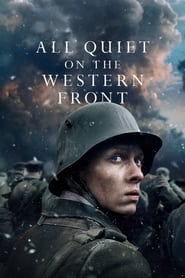
Edward Berger
the sun, the rising sun or the setting sun. Obviously this day here, there was no sun, even though we created the rain. It was the most miserable shooting day. These five, six actors here, they gave everything. And can you believe it? We shot 12 hours, I think, in this rain, in this manufactured rain. And in the last take, I said, all right, we need one take, one more take. They just started singing to...
20:16 · jump to transcript →
-
Edward Berger
and to create a graph that would help him through the movie. And it's an incredible technique, and I have to share it with you. But first I have to point out the shot when Paul puts cut, like tries to get help for him, and it's all in one take again. Because, again, we didn't want to manipulate time. We wanted to experience every moment of this momentous...
2:00:51 · jump to transcript →
-
-
director · 2h 43m 2 mentions
Mission Impossible Dead Reckoning Part One (2023)
Christopher McQuarrie, Eddie Hamilton
-
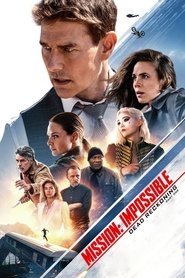
This is awesome. There's a cut right there. There's a tiny dissolve to get from one take to another there. That's brilliant Eddie Hamilton editing. We loved her delivery in one scene, in one shot. The impact. The impact in another. And it actually looks like a one-er, and there's actually a dissolve in there. It's quite spectacular. I remember watching all these dailies, and it was such fun to put all this together. This was. And the chaotic nature. What's she doing? The streets of Venice.
57:18 · jump to transcript →
-
And then, of course, this was a 70-ton train. And tossed it off a cliff. And you couldn't get that. Those things where we attached the cameras to the train and discovered the physics of it only when it went off the track. And we only had one take together.
2:24:09 · jump to transcript →
-
-
-
-
multi · 1h 59m 1 mention
David Naylor, Guy Hamilton, Tom Mankiewicz, John Barry + 14

Related topics
Other topics that frequently come up in the same commentaries.