Topics / Production
Location & scouting
131 commentaries in the archive discuss this, with 816 total mentions and 72 sampled passages on this page.
Filter commentaries
Filter this topic by the film's decade or the type of commentary.
Showing 36 of 131 commentaries
Clear filtersBy decade
Across the archive
ranked by mentions · click any passage for the moment in the transcript
-
director · 3h 43m 19 mentions
The Lord of the Rings The Two Towers (2002)
Peter Jackson, Fran Walsh, Philippa Boyens
-
It's sort of the one place we could find with all these jagged rocks and mountain peaks. Because the Emmen Muell scene is something that I love in the book as well, the idea of just walking around this misshrouded mountainous countryside and getting lost, going around in circles. Let's face it, Mr Frodo, we're lost. And the wider shots were shot about two years earlier, weren't they? Well, the wide shots were done in the original shoot, yeah, the wide location shots and the close-ups that we're looking at now
6:16 · jump to transcript →
-
were again part of the pickups that we did. And this sort of shows you what pickups can be like, where you're inserting a couple of new lines of dialogue into a scene you've already shot before. We just did these in the studio. That's a studio shot. That's a studio shot. And now we're back on location again, just... Two years earlier. Yeah, two years ago. Just coming up about...
6:46 · jump to transcript →
-
Now we're back on location shot. Two years apart. What food have we got left? Well, let me see. Oh, yes, lovely. Lambus bread. The lambus bread is a funny little thing, too, because the lambus bread was introduced in the Fellowship extended cut, but it was in a theatrical version of The Two Towers, so unless you knew something of Tolkien or had watched the DVD, you wouldn't have a clue what this stuff was, but, you know, too bad.
7:18 · jump to transcript →
-
-
director · 3h 29m 17 mentions
The Lord of the Rings The Fellowship of the Ring (2001)
Peter Jackson, Fran Walsh, Philippa Boyens
-
a character we don't really know, we have to talk about the fact that he's leaving and there's something strange going on. And just the concept of setting all that stuff up was a little bit tricky. We didn't want to be too dark and too ominous too early because there's so much of that in the film. We wanted to show Frodo, especially this, part of what we're trying to do here is show this young boy who has a very carefree life. We worked quite hard to do that. Hobbiton is a location in Matamata
13:54 · jump to transcript →
-
All of our Hobbit extras were gathered from the local farming community at Matamata. We just looked for the best Hobbit faces we could. Because we knew kind of what Hobbits should look like. They had to be slightly short and squat and have large eyes and round faces. A couple of those extras got married, did you know that? They met on set and got married. This shot shows the size of the location. It was literally a huge area of land, probably at least a mile wide.
14:53 · jump to transcript →
-
This is day one. He'd just come off X-Men, flown to New Zealand January 2000, and this was the very first scene that we shot. He really hadn't quite figured out Gandalf, but he was doing a pretty good job for his first day. The Ian Holm shots were actually done inside a studio from the location of Matamata, that's Ian McKellen, and then when you cut to Ian Holm, we're inside a studio. Andrew Lesney, our cinematographer, did a brilliant job of matching the indoors and outdoors. Now, some of the scale things
15:50 · jump to transcript →
-
-
-
And this, actually, this sequence is a great example of sort of my favorite thing about movies, which is just the magic of various locations. You know, this van stuff was shot, you know, at the Paramount lot. The exterior of, you know, the factory, for the most part, was shot in Fontana. This was an insert unit. This was in the back of the Paramount lot. You know, these shots here. That was at, that shot you just saw was in downtown L.A. Here we are back at, you know, the insert unit. Here we are back in Fontana.
13:45 · jump to transcript →
-
The use of multiple locations, you know, and often weeks and months apart, just I love the way it combines to sort of make one... Separate locations, yeah, and then... It's incredible. It takes a tremendous amount of...
14:14 · jump to transcript →
-
I did that. It was one of my three visual effects shots. You did three visual effects shots of this movie. I had those. I got an amazing tutorial from the people at ILM. They were so wonderful. So here's... So these are different locations. That's a second unit shot in Fontana. That was stuff downtown. This is... All this stuff here is downtown LA. This we shot... Yeah, this was downtown. Boom.
16:24 · jump to transcript →
-
-
director · 1h 36m 17 mentions
Aliens vs. Predator - Requiem (2007)
Colin Strause, Greg Strause, John Davis
-
it's understandable why there's not somehow 800 Predators there to fight her. Yeah, we actually had an even longer version of this with Predators loading facehugger tanks onto the scout ship in a loading bay, a big hangar bay and everything.
1:57 · jump to transcript →
-
So you get the interesting look to the optical distortion when he's cloaked. These here were a couple of these are green-screen shots actually shot on a stage, and then we put in the matte paintings of the lake location. Right, and by the way, both the aliens and the predators went back to the original house that had done AVP1. Yep, and Alien 3 and Alien Resurrection. Yeah, Amalgamated Dynamics. And those guys were just kick-ass as well. I mean, Tom and Alec are like...
20:18 · jump to transcript →
-
A bit of trivia there, though, that he's actually hanging in the back of that shot. Here's one of the more tender scenes in the film. Yeah, I think it's the only tender scene in the whole movie. More like a tenderizer scene, getting ready for the slaughter. Exactly. Again, this was a practical location.
24:56 · jump to transcript →
-
-
director · 4h 13m 15 mentions
The Lord of the Rings The Return of the King (2003)
Peter Jackson, Fran Walsh, Philippa Boyens
-
We were lucky here because this landscape on the slopes of Ruapehu actually had a fire, a forest fire. About six months before we were due to shoot there, it had all been burnt through with a blaze. And so we had this great landscape that was sort of ashy and volcanic looking, but it was actually the result of a fire had swept through and killed all the undergrowth. It's a great location for a World War I film, burnt trees and scorched land and yeah.
8:53 · jump to transcript →
-
A nice little sequence with Mary, who's Dom's on his knees, and that's Kieran, our scale double, kneeling down there. This was filmed, obviously, on our Everest location down in the South Island that we built and part of the original photography. It was a nod to the lovely relationship Ferdinand has with Mary in the book that we could never really develop properly because we didn't have time.
1:09:03 · jump to transcript →
-
This was another little pickup we did. Orlando and John Rhys-Davies were in New Zealand at different times and so we shot the Orlando piece with Brett, John's double on the back of the horse and then we shot the close-ups of John and we just shot them in front of a blue screen and we found an old shot from the South Island location that we'd done about three years earlier that served as a background plate for the shot with Orlando. It was actually filmed in the Wellington parking lot.
1:09:27 · jump to transcript →
-
-
director · 1h 42m 15 mentions
Len Wiseman, Patrick Tatopoulos, Brad Martin, Nicolas de Toth
-
It had to be built, and we stroked the set just a day before the station opened, and people were starting to ski again. So it's hard to believe it's a ski station, but that's what it is. But when we went there for prep, which was on a Friday, just to go look at the whole set and everything, there was no snow. And we were shooting on Monday, and we had to have snow there. Well, the thing is, we didn't seem to be able to get enough cash to get fake snow. No, we didn't. It's funny, because we didn't have the money to bring in fake snow. But then the thing is, once you're actually shooting in snow,
2:02 · jump to transcript →
-
It's also, I think, the only set that's remotely similar to the first movie. Everything else is quite different, although you kept the same tone at the end, and you made sure that those things fit together well, that the style was a little bit different, but this one was very much an attempt to recreate the first one. Because it was a safe house, and we go to safe houses in the other one. This was a location we shot at. It was underneath. It was some basement of a power plant, I think it was. But we had to bring the werewolf, though. He wasn't there when we got there.
10:50 · jump to transcript →
-
No, that was unfortunate. That was actually a mutant safe house that you guys used for this, right? That's right. Not a werewolf. And that's where the genius of Patrick came in, is turning a mutant. And didn't you guys, you had to bring everything down. It had a really narrow staircase. It was very narrow, very narrow. So, yes, it's a location, but it was dressed quite a bit, and there was some big piece of dressing elements. Then we had to close the entrance. Still, you know, it was great to find a place that sort of gave you what you wanted as a star, rather than having to build that, as you say.
11:20 · jump to transcript →
-
-
-
Part of the reason we didn't shoot this stuff in Egypt at the real locations is because this is in the 30s when this was supposed to take place. Everything looked different than it does now. Not everything, but now there are skyscrapers and Abu Simbel has been moved completely. They had to brick by brick take it apart and move it across the river. So we wanted it to look authentic. That and the fact that we were banned from Egypt for...
8:55 · jump to transcript →
-
That may have been another thing that came into play. I did get to go location scouting there several times, and some of the digital work is right out of Egypt, but we didn't get to spend a lot of time shooting there. This sequence used to go on a little bit longer. The trap that Freddie's character built, one of the three goons gets his hand caught in the trap, and it actually got a good laugh, but we wanted to keep the
9:23 · jump to transcript →
-
These exteriors were shot in a different location, which is typical of many things you do in movies. The interiors and exteriors are often not the same place. Funny thing is, this exterior, the interior of this old house... ...is the British Museum in both movies. And the exterior now is the O'Connell household. Now, by the way, it seems that...
23:20 · jump to transcript →
-
-
-
This is Catherine Bigelow. I'm the director of K-19. Jeff Kronoweth, the cinematographer on K-19. Jeff and I went to Russia about four months before we started shooting in the fall of 2000.
0:35 · jump to transcript →
-
and it was, even then, extremely cold. Yeah, actually, when I finally joined up with you guys, it was in January, the dead of winter, and one of the interesting things is that we actually had thoughts of shooting in Murmansk, where the Mothballed K-19 is
1:04 · jump to transcript →
-
Initially, when we started looking at locations in Moscow, I had a lot of reservation about what we'd find there and what the equipment would be like and what situations we'd find ourselves shooting in. And one of the first places we scouted, and it was actually the first shot of the film, the first shot that we shot of the film, was in the real Moscow, an operating subway.
2:30 · jump to transcript →
-
-
-
This location was at a veterinary university in Berlin and on their National Register of Historic Places, as is this location, which is the Sanssouci Park in Potsdam. Some great locations we got to shoot at.
5:04 · jump to transcript →
-
And this is actually a set. Part of it we did film on an actual location in Berlin. And I think it's seamless, the way that it moves from the actual location to the set. Mm-hmm.
5:40 · jump to transcript →
-
It was actually, I think, below freezing. It was so cold. And everyone who was on the rooftop had to, because it was so icy, there was a lot of removal of safety wires. Not that it affected the action, but just to make it a safe location.
7:59 · jump to transcript →
-
-
-
So that sequence, those two minutes of the movie, which could have been a very boring, dull sequence. I had a long conversation with Kristi Zea. It was wonderful. She called me up and said, "This book of Dolarhyde's. "What does it look like? What's in it? "How is the handwriting? What kind of photograph?" We had a long conversation which for a screenwriter... You don't often get a call from the production designer to talk about a prop. It was a wonderful opportunity to be part of the design of the movie in that little section. You've got a beautiful setup here, Will. This was actually in the Florida Keys. You know why I'm here? Was it Marathon? Yeah, I can guess. The location is meant to be Marathon, Florida. Dino wanted us to shoot in North Carolina because he had studios there and a house on the beach or Malibu because it's close to his house in Beverly Hills. But the truth is, I wanted to stay true. When I said I chose the tone, I'd really chosen the tone of the book, going back to the book. Everybody here was honoring the book. We really gave a lot of respect to Thomas' book. Tom Harris is a wonderful writer. When you're doing an adaptation like this, it's a great resource to everybody to be able to pick up the book, as you can go into more details than the screenplay. It's a help to both the production design and the actors, who can go back and find out details of motivation. It's helpful to everybody to have that bible to refer to. So when it said Marathon, Florida, I tried to stay true to that and actually go to the location in Marathon, Florida. It just felt like it was the tone and even the location, like Grandma's house in the same description of the rural area where it was, and the type of house it was. It was an old-age home once, which is really back-story, but Kristi incorporated that into the design. I was so happy that she and Ted really stayed true to the tone of the book visually as well when it described the locations. This was so much fun being down here, by the way. It was the end of the shoot, and we were just down there on the beach. This was probably the hardest scene I shot with these two guys. In what way? Because it's exposition? Anything with exposition... -/s tough. It's tough to make it sound like real conversation. But honestly, there's not a line in this movie that I'm not proud of. I mean I can't say there's a line... It was a tight script. We did cut a few lines and a few parts from scenes but Brett and I actually worked quite a bit on the script before the production started, and we had it pretty tight. And the shooting stayed quite faithful to the script. I have to say that every scene was hard for me because I'm used to scenes with not much dialogue. I, unfortunately, am a very talky screenwriter. So it was a clash of cultures. Coming from being a playwright, I guess. There is a lot of dialogue in this movie, I tell you. And it was not a single-spaced script. It's a long script, and I kept saying, "Make them talk faster. "Don't cut the thing, just make them talk faster." Ted's advice to me was, "Brett, when you're happy, "ask the actors for a take where they talk double speed." And I did that. Probably that's all the takes that Mark ended up using in the editor's room. He kept calling me, saying, "This movie will be four hours long "If you do not get them to speak faster." The thing you run into as a screenwriter, even with the best actors, is that you try to pace a scene to fit within an act structure and fit within the entire screenplay. But then actors wanna take very long, dramatic pauses. Actors want to look down and up, across the room, at each other, and finally say the line. - A lot of pausing. And that's what you're up against when trying to time out the length of the scene or act. I wanna say something about these actors. Once I got Edward Norton, I used Edward to get another actor. Once I got Ralph Fiennes, I used him, I got Emily Watson. - You parlayed them into each other. I said, "Philip Seymour Hoffman, I'm getting Mary-Louise Parker." I knew each one, who they were a fan of. I used them against each other to get them in the movie. I literally thought I'd be able to walk onto the set, and it would be the easiest movie I'd ever made because I had these brilliant actors. I could just say, "Action." I read one article or something about this movie that said this was the most distinguished cast that's been assembled in any movie in the last 20 years. But the truth is, it was probably the hardest movie I'd ever made because the smarter the actor, the more experience they have. It's a myth that these great actors don't need direction. They want direction more than any other actor. They want direction, but they have ideas of their own because in the end, it's up to them. They are the ones whose face is filling that whole screen. And they have to absolutely believe what they are doing, or they can't convince an audience of it. What I'm trying to say is, there was a lot of dialogue going on. A lot of intellectual discussions. And each of these actors are not only smart actors, but they're highly intelligent, all smarter than myself and... A lot of them have also directed or even written as well. They all had an opinion. And my job, I felt like it was my job to save the script. This was a script that worked to me. We had a table reading of it. It was fantastic. And Ted was
11:13 · jump to transcript →
-
We lost a great line at the end of this. Do you remember it? After this he said, "Are you not afraid of anything?" Oh, yes. And Lecter says, "I fear being bored. "And you're not as frightening as I thought you'd be." Something like that. It's probably true of Lecter. He actually only fears boredom. Because he wants to amuse himself at all times. You sure you're okay? Yeah, I'm okay. This is actually at a real hospital for the criminally insane. This location here. I think it's outside of Baltimore. This is a practical location. This was not a Set. This is a house. - This is actually a house? All the houses were... The hotel rooms were sets. Except for Grandma's house. We built the exterior and the interior.
36:36 · jump to transcript →
-
And here we had sort of a challenge as we were working over the script and getting ready to make the movie, because we're going here to a second house of murder victims. You don't want it to be repetitive, and you've got to find a way to make it quite different and move more quickly. Mark Helfrich, the editor, had some wonderful ideas for increasing the pace of this, which was a little bit longer. In the script, initially, I believe Graham goes into the house and has a few moments in it. Anything repetitive will never be in the film with Mark's editing. So we eliminated a couple of brief moments of him going into the house because it was too much like the other house he went into. And you try to move ahead to what's really new, dramatically, in the story. I love this shot. Jimmy Muro, my Steadicam and first camera operator, did this as one. A lot of good shots in this movie are in one, which I love, you feel like you're with him. And this was built. It's like the most incredible tree house in the world. It took about a week to build it. -/t looks pretty real. The tree is real, but we built the tree house. A platform, so that we didn't have to have Edward climbing up there. And it was awesome. It was so much fun that it was scary. Now he's looking from the killer's point of view at the murder victims' house and figuring out that the killer must have sat in the same place. But you cut the shot where he imagines the killer's point of view here. Yes. - Why was that? I cut it because I didn't want people to think he was psychic. I was worried that the audience... No. It was scripted that he would see in a sort of flashback what the killer saw, which was the woman walking past the window. I was really worried about it. I mean, it worked. I was worried that some people might be confused about his visions. I only wanted the visions when he was drinking in his hotel room alone. Where people sometimes have visions, you know? This was a great location. There was a real house here that was from 1770, that was the home of two congressmen. This is outside Baltimore, I guess. - Yeah. And here's the house that we built that we transitioned here... To a house built. ... that was inspired by the house from 1770 that they wouldn't let us use because... This entire house was built just for the movie outside of Los Angeles. - On the Disney Ranch. And here we have Kristi Zea in full-blown design glory. This is the voice of Ellen Burstyn, believe it or not, uncredited. That's interesting. You didn't know that? -/ did know that. I had Kristi do the still photographs because she's so great. In every single shot here, you see hundreds of separate decisions made by Kristi Zea and her team. Take off your nightshirt, and wipe yourself... I love this upstairs kind of lair of Dolarhyde. This was a big debate about the voice and... Now! - Please! Yeah. Should we... What are these voices? ls it Grandma's voice that has been transitioned into the Dragon's... Is it the imaginary voice of the Red Dragon? Originally, it was scripted that we heard the Red Dragon's voice in Dolarhyde's head. I got great actors reading the Dragon's voice, but I just could never make it work. I just felt it became hokey. It was a potential for people laughing where you didn't want them to. This is a CGI shot where we erased his teeth. So that you just see gums. - Yes, you just see gums.
39:12 · jump to transcript →
-
-
-
This was miserable, in this location. It was. It was the hardest. lt wasn't the coldest. There was something about that spongy mould. It was actually nice to go from... Because it actually went in order. We went from the subway, which was unbearably hot... ...to this cellar, which was... - Full of fungus. Yeah, which was pretty cold. It just stunk, and it was miserable for everybody. I thought the locations were hard. Weren't they? Yeah, they were. I guess locations in general are usually pretty hard.
10:41 · jump to transcript →
-
That's a set, right? - Yeah, it is. That's a location. - It's actually our house. It's the guest bedroom. It was cool. I thought that was really great there. That was a cool set... - That was the basketball place, right? The basketball court, yeah. - I had so much fun on that set. It had good karma, that set. - Didn't it? Wasn't it great? It was really fun. I was just pissed we couldn't actually play basketball, though. You did. - You played basketball everywhere... They had that stupid Huffy. That's not a basketball court. I wanted a basketball court. I went outside of town. Outside of town. Outside, like an hour and a half. Yeah, the bellhop in my hotel... I Kept walking out with a basketball. lt wasn't the basketball. Know why the bellhop liked you? lt was the short shorts. Those were not short. Those were basketball length. They were like... - They were not! He comes out in these, like, Richard Simmons shorts. Those were real basketball shorts. They look the cover of a Wheaties box. Maybe I wash them too much. Those are my favourite pair. They were good, stretched-out. Those were MJ basketball shorts, Michael Jordan's. He doesn't wear short shorts. - Well, you do. Well, okay. I'll have to get a new par. He took me outside of town to go play in this league. He kept driving me out into the country. Did he say there'd be puppies... I got scared. It was an hour and a half away. It was pretty amazing, though, that I got to play. I had a similar experience looking for a bikini wax. An hour out of town, there's a woman with this rusted bucket... ...and no teeth, wax in it. Who's that? - Who is that? That's Kevin. - Oh, greased. And he was just terrified. - Of what? Of having his shirt off. - Really? Yeah, he was-- He was.... You'd get cranky when people had their shirts off. One day, I had my top off. That was the day you were mean to me. Me? - Yeah. Wasn't that in the bathroom? - I was excited. What are you talking about? - You were cranky and punishing. That was for something else. That had nothing to do with your shirt off. Had to do with you taking a break when I was... ...three shots behind. - Please. lt was because you'd had me around for 17 hours. And my child was feeling like an orphan. Did we go over a lot? Like, did we... I can't remember. Did we have 15-hour days and stuff or not? We had-- It felt like it. I mean, we had a few of them. But it's not as bad when it's a night shoot. I don't know why. It doesn't feel... You're not waiting to get home to do anything. You know that when you're off... . It's dead. It's not like you're trying to go to the store. Speedy in the hood. - Yeah. I like it. You did like that hood. You wanted to keep it on. He's like me. If he could possibly be in a movie underneath a bag.... Yeah, I'd rather it. Desperate to get my hair in my face so no one can see me. The fact that you're showing both eyes is a miracle. A miracle, I know. I was glad I didn't have to wear this dress that was on the hanger. He's attractive, for a human. How can you tell I'm attractive? - It's that strong jaw. It is, I guess. It's the hood. You can tell.
14:46 · jump to transcript →
-
Because you're so cute. And Canadian. - You're Canadian and blond. I love that scene. - Really? Yeah. I think you did a great job. Oh, thanks. Thanks, man. Yeah, I was very happy with that. With both of you. That really is some makeup. My God. I felt so great on this movie. I had the shortest makeup call of everybody. All the boys had to come in before me. lt was so unusual. Well, I didn't, not until that last week. You were always having your nipples painted blue. No. - Had to get highlights. I don't have highlights. - Blond streaks. No, no, I don't do that. Remember I asked you? Early on, I thought that you did. Everybody does. - He does! I do not. - Please. Oh, my God. I swear to God, I do not. - I'm sick of this. And those are natural buttocks too, right? No, those-- That's fake. No, my ass Is fake, but my hair is real. - But his hair, I mean, come on. ls he--? What? No, that's a belt. - But he's basically in a skirt, isn't he? Yes. - I love that. You are so weird. You so don't look like a guy who'll design, like, a man-skirt. Yeah, it looks like he's got... I would wear a man-skirt. What's wrong with that? Without the makeup... - I do think people... ...when they meet me, they think I'll be some Goth with eyeliner. I did. I thought, especially with your name being Len Wiseman... ...I imagined you having a shoulder-length mullet... ...and a lab coat. Like, a white lab coat. Thank God I changed and got a haircut before I met you. Did you ever have mullet, Len? Do you like it right now? - Yeah. That's not a mullet, though. I had a mullet in high school. I didn't know I did, but I guess I did. Because it was behind you. - Yeah. I see pictures now and realise it's a mullet. You also thought I was Jewish. - I did not. Didn't you? - No, everyone else does. Why? - I thought you'd be about 52, though. Len Wiseman? - Len Wiseman. It's like a butcher's name. Maybe. What's going on here? What's happening? This is-- Thank you. This is another added scene. This was cut, again, for pacing. It just shows, again, that... ... she's involved in this plot, just helping it along its way... ...to get Kraven a bit more pissed off with Selene. That's a new shot as well. I always liked that shot... ...but couldn't fit it in. - You were in the position... ...of having to shave and shave stuff out of it, right? Yeah. I mean, we got down to where every second was counting. How long is the movie? Putting a stopwatch to us to take out things. I think it was-- Man, I don't Know. That's a new shot right there too. That's actually Nicole. Yeah, I don't recognise that. I don't remember being there. Where was I? Was I sick? - You went home and... You were never planned to be shot... ...because it was just gonna be a car pulling up... ...and then, since she was in the suit, we had her do the walk. It was cold in this set. - This set was cool. I love this. I really had a good time with it. You were sick. - You were very sick. We stopped one day and didn't film it and came back, right? No, we didn't. We were going to. We stopped, because you came down with pneumonia... ...and we ended up having to build this set on stage. Yeah. That's right. - All right. That was so fun, when we did it on the stage. Yeah, it was. So this-- Where was it? No, this was actually on location. Yeah. That was that freezing, freezing... This is when you were, like, coughing and hacking after each take. What are these for? Lycans are allergic to silver. All the women on the set walked past that tray. They'd be like, "Damn, I must get a pap smear." Why is my nose so red? You know, it's becoming a theme. - I think it really is. I look like a semi-coke addict or something. It was cold in there. It was cold, but I didn't know it. I didn't know. I'll get your back next time. - Please. Didn't I? Pull some hair out of your nose? That's why my nose is so red... ...because I kept getting her to pull hairs out of my nose. It's because you're so blond... ...and the way you had your head, it was twinkling. I really-- You know, I'm not good at cutting all that stuff. Somebody got ahold of it. Your eyes were watering up. Yeah. This is the same, right? Yeah. After-- There's a scene coming up after... ...oelene talks about her family and everything. The scene that we originally cut of... - Oh, yeah. ...ocott, when he's telling about how he got into... My back-story. Your back-story. Everything that builds and... I like that that was in Budapest. ...and kind of creates your character, we decided to cut. Did you put that back in? - We put it back in, yes. So we have the pleasure of it now? - We do. We should have some silence... - I don't think we need to. I think we can just talk over it and talk about how my nose... ...isn't red or something. - And it was-- It was a couple reasons. One, it was pacing, because this scene... ...it took a long time, and... - Scott, you were boring. People were kind of falling asleep, including Scott himself at the premiere. I wasn't even at the premiere. - Oh, even more committed. Well, I was at the premiere, but I left. A serious reason why we did cut it is... ...because it came right after Selene's back-story, and so it seemed like: "Here's my weepy story," and he's like, "Yeah? I've got one to top that." Actually, you were very good. Yeah, that's how it felt too. I mean, that's what it was. It was like, you Know, "Yeah'"-- - It was like a sort of AA meeting. "My name is Selene, and these are my problems." That's fine. There's his tunic. Look at that. What is that? You guys have a problem with that? - It's a man-skirt. He gave me the strength to avenge my family. Since then, I've never looked back.
55:50 · jump to transcript →
-
-
-
Again, in this part of the movie, we linked the family concept with the introduction of the kid arriving to London. And how now they are prepared to... to start a new life in their city which is now... with the presence of the militaries, trying to help these people to live again in this part of the city, which is the Isle of Dogs. This is the main location that we used in the movie as District One, the place that now the Londoners, the newcomers, are trying to live. Probably American audiences are not going to notice, but the T-shirt that Mackintosh Muggleton is wearing is a Real Madrid T-shirt. We are not supporters of Real Madrid, but this is one of our things we add from Spain. Yeah, this is a kind of homage of our country.
14:58 · jump to transcript →
-
Shooting in London is really, really complicated. You had to have in mind all the terrorist warnings we had in London this summer, this previous summer, not only in the airport, but also in the city. Uh... I have to congratulate Bernie Bellew's crew, which is really amazing, that allows us to do it.
20:53 · jump to transcript →
-
And this one was the original idea to show the iconic London through the eyes of the kids in this travel. I think it was important to find the right locations to show this abandoned London, but always from the point of view of the kids, which is a more character-driven style, which is something that we love. And, on the other hand, we can see this fantastic city which is London in an unnatural way. I mean without life, without anybody, which is, I think, one of the big images of this movie. Yeah, Tower of London is always dreamy, no? It reminds us of Peter Pan... Charles Dickens. This cemetery here is absolutely amazing.
32:12 · jump to transcript →
-
-
-
You know, it's pretty striking, always very effective. Yes, yes. Yes, we have. I can't believe this shot actually worked, by the way. Yeah. We shot this over at 10th Avenue in a location that got cut from the movie as well, this car dealership.
2:02 · jump to transcript →
-
oh, look, there are the bombs on the trash cans. There are bombs, right, which we barely use now, and our location at Washington Square. And for a long time, actually, in the conception of this, there were moments where he was living in a fire station that we were researching on 8th Avenue, and then we decided to bring it back to his home just so you at times could forget that you were in a science fiction film and you'd have this feeling of home and family and domestic safety there.
8:07 · jump to transcript →
-
at times when he's in his house and you could forget that you're in a science fiction film. That liquid he was pouring on the stoop is vinegar, which we decided the dark seekers couldn't smell through. It's utilized in order to mask his aroma and therefore mask his location.
8:37 · jump to transcript →
-
-
-
This was a tough one. This was a tough one because we had a lot to... You know, every scene, there were a lot of actors in every scene, so we had a lot of coverage we had to get. But we rehearsed it. We went out and rehearsed it. We rehearsed it in the jungle. Yeah, we went out to the location and rehearsed it. Two-hour drive to the jungle. Yeah. And you know what? It worked. We were mentally prepared. Yeah, this was... God bless the 4x4. It's four patties of meat.
24:25 · jump to transcript →
-
This was a great little location that we found, a little promontory near where we were shooting the compound. And that helicopter, you can't really tell from the way it's shot, but that helicopter actually had to be landed right on the top of that little area, which was not very big.
29:02 · jump to transcript →
-
This is like the show within the show inside another show. There you go. It's crazy. Clever, right? Real clever. Fuck, man. So, yeah, that was... So you thought of the head coming off and licking the blood from the head? Like... We did a writer's room. But just like a week before we started shooting? It was like the last thing? Not a week before. Like a week before we went off to location. So, you know, we just do a punch-up. You go through the script. So you had been writing this thing for 20 years, right?
31:57 · jump to transcript →
-
-
-
I was there on the scout. Just a piece of cloth. It was a genius guy, the martial art guy. That was a piece of cloth? Yeah, we had an argument whether she just jumped in from the lower window or upper. Because in the north, in China, only the upper level windows opens. Ah, okay. So the art department wanted to stick to it, and the martial art department, they wanted to just make it easy. It was a long debate.
15:22 · jump to transcript →
-
Yeah. Oh, did we get lost there? For three hours, the dust sitting down. Yeah, they kept showing locations like, here's one that's about four hours from Beijing. And I said, how about this location, which is like a seven-hour flight, then a 12-hour drive, and then you have to take the donkeys with the equipment up to get there. How about that one? And guess where we shot?
28:40 · jump to transcript →
-
And Tajikistan. Tajikistan. Yeah, this location is near the Kazakhstan border. Right. North of Tibet. Way west. I never knew the Middle East was so big. Yeah.
53:52 · jump to transcript →
-
-
-
Simon West
a kind of new age mysticism. Once I started moving the planets in the story, this gave me a great ticking clock to count down to to the finale of the film. And I realized that the theme of the film should be time. This would fit nicely with the genre I was dealing with, as a Tomb Raider is constantly dealing with the past. I then realized that, of course, the location or position of anything on our planet is measured in longitude and latitude, the units of which are read in minutes and seconds.
11:39 · jump to transcript →
-
Simon West
As I said earlier, I thought the theme for this film should be time, so all through the story, everyone is always dealing with clocks and time and, as I said, location is measured in time and position is measured in time. The theme of the story being time also means that this brought in the emotional side of the story for me, that Lara was searching for her...
15:33 · jump to transcript →
-
Simon West
The exterior for the shop was taken in central London, but the interior was in a very special stately home about two hours outside London, which is an incredible interior that I found when I was scouting for locations, and the entire inside of the building is hand-carved marble, and we had to be very careful moving around our equipment in here so we didn't do any damage.
23:21 · jump to transcript →
-
-
-
Hey, there's our writing credit. Look at that. I'm first. And here we've got a little extra bit of nudity, courtesy of Kyle Cooper and Prologue. That was not in the theatrical release. I guess we should talk about the directing credit. Sure. Why don't we talk about the directing credit? It says that Jeff Schaffer is the director, and I guess there's a little history behind this. The three of us wrote the movie and we wanted to have a three-person directing credit. So we went to the Directors Guild of America and we asked if we could have a three-man directing credit, and they have a lot of reasons why they said no. So ultimately we had to pick one of us who would receive that directing credit. And actually, on this DVD, there's a special feature called "How to Pick a Director" that shows exactly how we decided to choose who... A historical video document, if you will. No one should be listening right now because everyone is looking at the wonderful and talented Kristin Kreuk who did us an enormous favor and flew out for a part in the movie, and she was excellent and just the sweetest woman. She flew out to Prague where this was filmed, and actually, as we go through the movie, only two days of the entire filming schedule... we shot 54 days... only two days were shot outside of Prague and its surrounding areas. This was shot at the international school, which is, I guess, a bunch of foreign diplomats' kids going to school outside of Prague. And that's our friend Jeffrey Tambor, who we worked with on The Grinch who, lucky enough, was in town shooting Hellboy and we were able to steal him for a day to be Scotty's dad. Yeah, we were actually... we were location-scouting at a hotel and he was staying there. - That's right. He was staying at the hotel and just came out of the elevator. Sort of, "What are you doing here?" "What are you doing here?" "Will you be in our movie?" "Yes." And so that's how we... A lot of the familiar faces that you see were either in Prague or on their way from somewhere that they could sort of be taken out of the sky and put in Prague. It was not easy. Kristin did us a giant favor, Kristin Kreuk, by flying... I think she was shooting Smallville in Vancouver and we flew her from Vancouver to Prague. It was hard to get people to fly because SARS was sort of at its peak. It was an amazing time. The Iraqi war had started and then SARS was going on. So it was very tough to convince people, "Hey, come to Europe where they're protesting and fly on a 14-hour flight with people coughing." On a plane that just turned around in Hong Kong.
2:46 · jump to transcript →
-
Not that cursing. - Still makes me laugh. This kid... I swear, if Nial lived in Los Angeles... - Comedy gold. ...he would be on every sitcom in the world. He's a Star. - Every week, you'd just see him on different sitcoms, playing this exact part. I think he worked, like, six days for us, and I think we probably paid him about $130. It was $166. His character Bert, because we paid him $166, we began to discuss all expenses in terms of Berts as a method of payment. A very expensive dinner might be a Bert. Yeah, or like, "Oh, God, that's going to cost us two Berts." And it was-- One of the great things about shooting in Prague was cheap labor, cheap construction. Later in the movie, we get to the Vatican. Good labor and good construction. Fantastic. - The artisans are unbelievable. Great infrastructure, just great people that make movies. I mean, we put a crew together out of, you know, just really very few people from out of Prague and they were just fantastic. Especially because we'd never done this before. Our background was originally sitcoms. We all worked together on Seinfeld. Also Conan, Saturday Night Live, and so... I'll never forget it. I'm sorry. Bruce, the drummer of the band, has to sit next to Kristin and Matt and they all have to have their shirts off and Bruce says, "I don't know if I want to, because I have a rash." No, he said, "I'm just getting over the shingles." Shingles. That's what he said. He said it in front of Kristin. Kristin was like, "Oh, God, what have I gotten myself into?" I'm like, "He's joking, he's joking. He's a very funny musician." Without shingles, I promise. Actually, I remember we shot Mieke talking in English and in German, and we decided to use the German with the subtitles. We didn't think German would sound sexy or attractive, but she's Jessie. Somehow, when it comes out of Jessica Boehrs's mouth, she sounds sexy. Yeah, she's so warm and charming that even German sounds great. This is Jeff's favorite thing in the entire movie, that stupid jackalope T-shirt, which is not funny, but he swears is a joke. I don't think it's a joke. I just think it brings pleasure to those who see it. To you. - It's really a terrible T-shirt, especially compared to the many good T-shirts. This is actually-- I would almost... This is my favorite scene in the movie. This is the scene where the movie, to me, works the best, where these two guys were just sort of dialed in and their relationship... It helped very much that we shot this scene way toward the back of the shooting schedule. Yeah, if you look at the first bedroom scene where we already were, which is one of my least favorite scenes in the movie... Day three, we did not know where to put the camera. We did not get... We didn't take a wall out that we should have. It would've saved us time. We should've taken a wall out to get a master shot, a shot that allowed everything to happen and the camera to get it. We did not get that shot and got everything in little pieces and just then edited together the little pieces, and it just created... It took the entire day, which it just shouldn't have taken, and in this scene, which is basically a month and a half later, probably, we shot it... - Yeah. ...we knew which wall... We took the front wall out from when Jacob first walks into the room. Got our master shot, a really nice master. I think they were there performance-wise, in terms of their friendship. And, if I may, the jackalope T-shirt... - And the jackalope T-shirt... Also, it's sort of what we learned doing this movie that... The longest we ever shot in one location on this movie was three days, and this was probably the third day we were shooting on this set and we learned how to shoot this set. We definitely learned how to shoot the set. What wall to move and how to shoot it. The larger issue, I think, would be that I think any other... any person who had ever directed would've known, get a master. And so, an excellent lesson learned. - Yeah. I also think the actors were more comfortable with each other, we were a little bit more comfortable, and also we knew the set and we knew how to shoot it a little bit more. And that was one of the hardest things about this movie is, every day, we were shooting one, sometimes two, sometimes three locations, and you didn't have any time to learn each set and learn how to shoot it and what the easiest way to shoot it was, and as soon as you learned, you were done shooting there. - We had a location fall out, a Vatican location sort of fall out, which is how that other bedroom scene got moved up. And the initial schedule was sort of built to accommodate a little bit easier scenes with guest casts, things that maybe weren't as important and then that bedroom scene kind of got moved up and I do think it suffers.
14:17 · jump to transcript →
-
The shot just before this, the one outside, we actually shot at the Prague airport, which is another advantage to shooting in Prague. I don't think there's any way you could get a camera crew right on the departure gate of an American airport anymore because of security. Of course, one of the downsides of shooting at the real airport in Prague is that we had our day curtailed by a bomb threat. Bomb threat, which I still maintain... - Potato, potato. I maintain may have been because of us, and there was no bomb. There was no bomb. - I'm sure some... A grip left a bag of clamps somewhere and... But that was another scene, too, where, when we look at it, there was sort of a way of shooting it, two different ways of... We started shooting them sort of looking out where we were shooting into those boring offices, and obviously the prettier shot... I know I'm talking backwards... In hindsight, we should've shot the other direction. We should've shot in the other direction, because when they do turn around, you see that background. And again, these are lessons that were sort of both imparted to us as we were going along by our wonderful DP, who we should mention, David Eggby. - David Eggby, who saved us from ourselves every day. And there's a certain amount he can tell us, which he certainly did, and there's a certain number of times where we have to be wrong before you learn and certainly that was an example again, something we did where... The other thing in the deleted... - He warned us and we didn't. In between the courier counter and this scene, there's some fun stuff in the deleted scenes, which is they realize that they're gonna have to take all these courier packages, so they don't know what to do with all their clothes. They have to wear all of them onto the plane and through the airport. There was about 15 minutes of stuff which... Decide for yourself whether it works or not. It didn't work in the movie, but it's fun to look at. And by the way, Jacob's T-shirt says, "I'm rocking on your dime." Travis owned that T-shirt and we thought it was funny, so we put it on Jacob in the movie. These transitions-- That's my dog. These transitions were... That's my queen of England. - That's your beaded London flag. Yeah, it goes on the back of my cab seat. These transitions were also done by Kyle Cooper at Prologue. There's a few more of them coming up. You'll see. And this is our first big visual effects shot. Yeah, this was an amazing debate. That's not the real Jacob Pitts. That's a robot. This was shot in Prague by... There's a big river in Prague and that's all real. That's real. And we put a little British flag there, and basically the background was replaced. Not in these shots. In that shot. - In that shot, the background is replaced because on that side, I think, was... Is that where our hotel was? I don't remember. No, we were further down. - Further down, okay. And I guess we should mention Kevin Blank, who was our visual effects guru supervisor, who we found from the TV show Alias, where each week they do a lot of really amazing things like this. Right. If you look in the background, you see the buses on the bridge. The bridge is real and the buses are real, but the stuff behind that is not real. But the flag, for example, I don't think that's real. They added that. If you look at the clouds move... - There's cars moving on the side. The clouds are moving. They put those clouds in. And what Kevin allowed us to do, besides being a really good guy, as everyone on this movie was, he let us do a lot of big effects like that on sort of a TV budget which allowed... This was a "smaller budgeted movie," and it let us do some special effects without bringing in these, like, big effects companies where it would cost a lot of money. By the way, this is about the time that we should mention the Feisty Goat. This is the Feisty Goat pub. And we saw the sign out in front, which we misspelled. I think this is the right time to say that Alec, David and I went to Harvard and we didn't know how to spell "feisty." We spelled it wrong in the stage directions. Spelled it "fiesty." - The guys who made the sign just took our spelling. We showed up on the day and the crew was laughing and we couldn't figure out what they were laughing at. We shot an entire day without anyone noticing and on day two, people realized. - No, they knew. Did they know? Okay. - Oh, yeah. They were laughing their asses off at us. And then finally, it was like, "Did you guys know?" And they're like, "Yeah." - And this is the incomparable Vinnie Jones who, when we wrote the part of Mad Maynard, the chief hooligan, we hoped that maybe we could get Vinnie Jones. We wrote it with Vinnie Jones or a Vinnie Jones-type in mind, never thinking that we would get the real Vinnie Jones. The dream being Vinnie Jones or someone that would rip Vinnie off. And the pleasure of getting him was just so great. It was amazing. He scared the living daylights out of these two. They're not... This is, again, method acting. We told Vinnie that they were really... that the kids were really scared of him, and he did nothing to make them feel at home for this scene.
18:35 · jump to transcript →
-
-
-
Andrew Niccol
And this montage of locations just shows the varied scenery you can find in South Africa, the desert, this jungle here.
16:50 · jump to transcript →
-
Andrew Niccol
when you go from the most barren locations to the most urban. It was difficult to get permission actually to film near major landmarks after 9-11. And there was a lot of negotiation to get this location under the Brooklyn Bridge.
18:04 · jump to transcript →
-
Andrew Niccol
It's easy to write in a script, you know, exterior, freighter, Atlantic Ocean, but it's another thing to do it. The only thing worse than shooting on the sea is actually shooting in the air. And in this film, I was foolish enough to do both. Originally, I wanted to have a much larger container ship, but renting these ships is incredibly expensive.
18:31 · jump to transcript →
-
-
-
Jonathan Lynn
So you just gas me, pull the tooth out, and we'll still be friends, okay? Good. This dentist's office was a location, actually. There are very few built sets in the film. Partly for financial reasons, the film was made for a fairly low budget. And here we are in one of the most famous squares in the old town of Montreal, and this is Amanda Peet.
5:29 · jump to transcript →
-
Jonathan Lynn
Oz's house and Jimmy's house are two real houses that we found on location in the suburbs of Montreal. If we'd tried to build two houses on the back lot, we couldn't have come up with anything more suitable. Oz's house is little and pretty and the sort of thing that his wife would choose to live in. Jimmy's house is bigger and stronger and tougher and slightly more forbidding. It's at the top of a slight hill.
10:21 · jump to transcript →
-
Jonathan Lynn
Oz's house is at the bottom of the hill. You can see Jimmy's house from Oz's house, which is essential. And incredibly, the owners of both houses just agreed to move out for location and prep for the art department and for 11 days of shooting. We were very fortunate. We had driven around for weeks looking at dozens of unsuitable houses and we were beginning to despair of finding the right thing when
10:50 · jump to transcript →
-
-
-
E. Elias Merhige
a lot of ideas that are reflected in the actual story that you're going to see in Shadow the Vampire with this idea of science meeting the sort of ancient world, you know, when Murnau goes out into the mountains with his cast and crew to create this vampire film and chooses to use these actual locations, these actual places where the Templars once lived and fought and laughed and
4:21 · jump to transcript →
-
E. Elias Merhige
because we were out of that location that night and we shot this at 1.45 a.m. in the morning. We'd been shooting since eight in the morning and it was, I knew it was demoralizing for my crew to punish them this much and push them as hard as I was doing over those couple days and that's when I really focused on really being conscientious and caring a lot more about really getting people
41:29 · jump to transcript →
-
E. Elias Merhige
ship built right in the backyard of this 11th century castle. Ectoplasm once. Ectoplasm? What is ectoplasm? It's the mystical substance of ghosts. I saw a spiritualist pull it out of his mouth. But if it didn't work thematically, of course, I mean, I would have never done it. I mean, we would have gone to the ocean, but it just would have meant a four-day location move. It would have been a nightmare.
49:09 · jump to transcript →
-
-
-
Ridley Scott
It's a set, it's not a location. I chose it underneath the freeway, which was a kind of nice place to be. It was a big empty ground, which was normally a parking lot. And my production designer, Norris Spencer, and his team moved in. And of course, we needed to create somewhere which wasn't used every day, because otherwise it would be impossible. Because we were in here to shoot this sequence. I think we were in here for about four or five days. And we need to be in total control.
9:02 · jump to transcript →
-
Ridley Scott
And because of that event, Medicis took revenge and killed the other Pazzi by hanging him from the balcony of the, of the Palazzo Vecchio, which is, you know, what's written in the book and is history. But I didn't realize that when I chose this location, the man said, you know what you've chosen? I said, no, he said, well, this is the Pazzi family chapel.
1:03:45 · jump to transcript →
-
Ridley Scott
The problems of shooting in Florence were no more than enthusiasm. The Italians are great, you know, cinema kind of aficionados, enthusiasts, real enthusiasts, and therefore my only problem with them was just so many of them. They had to be held back sometimes and monitored, but generally it was great.
1:07:24 · jump to transcript →
-
-
writer · 1h 31m 5 mentions
Wes Anderson, Roman Coppola, Jason Schwartzman
-
Roman Coppola
So this scene is a... Here the conflict is brewing among the brothers, the suspicions and the questioning. And I remember we decided that-- I thought there was something nice about working in the compartment and not having cuts. And sort of-- You know it's a real space, and we'd also get this building kind of tension that's happening here. So anyway, to shoot this, I remember we built a mock-up of this compartment on the... At our art department, which was actually at the-- Which was actually, like, on train tracks. It was some kind of train-- At the train station. Yeah, it was like a train station. We built a train station in it, in fact. And I remember we rehearsed that shot-- It's one of the few times I remember actually rehearsing an entire shot with a dolly and the camera and everything on a completely different location. You know, in a-- You rarely rehearse with a crew present before you start a movie. But that one, we wanted to make sure we'd be able to do it, because the space was so compact, just because it's a real train rolling along.
16:18 · jump to transcript →
-
Roman Coppola
I really liked this temple. We went many times to this temple in the center of Jodhpur. I think we brought the cows ourselves. Okay. Spray in face. - Spray in face. This was shot much later, as I recall, actually at the location where we had the final convent, if I remember correctly. Yeah. - Yeah, outside of Udaipur. I remember when we were scouting, there was a day when it looked like this. It was all women. And I don't remember what the occasion was, but we recreated what we saw there. We invited back all the people who had been there on this day that we had scouted at the location and this ceremony was happening. This is a scene I remember we rehearsed in the temple itself and really kind of found the scene, the three of us sort of improvising it and acting it out. And we had a little text we were reading from, but sort of, you know, realizing it just the three of us. Yeah. When we were writing the script and we went to India on our reconnaissance mission, it was like a writing session and it ended up being a location session. And we found this temple and went back and shot there many months later. But as Roman said, this is-- We were walking around, we found this, we went in, we took our little micro scripts out, we rehearsed the scene to see if it was working and saw what worked and what didn't. And then we actually became so attached to this place that we went back and shot the real scene there.
23:08 · jump to transcript →
-
Roman Coppola
This, of course-- You know, in our travels in India, we had so many occasions to be in little airports. And this makes me think of all those times and particularly that one airport that was kind of like a military base was bombed out and there are people with weapons and... - Mm-hm. Shimla. - Yes. Yes, where we actually... Well, remember, we flew in that-- We went in that small airplane. I just remember we'd had a few flights that were-- Where we felt not that comfortable on them, and we decide-- We had had one bumpy flight that was very-- That was a bit unnerving. And I remember we had decided, Roman, Jason, me and also Alice, our friend Alice, who was traveling with us, and Waris, that if we ended up on a flight we weren't comfortable with it, if any one of us was not comfortable with it, we'd just go another way. We'd have another way to travel. We were getting ready to fly to near Dharamshala. Remember? - Mm-hm. And we'd heard the plane only held like 15 people and it was gonna be a smaller plane, and we just weren't quite sure. So we went on the plane, and it looked like it was maybe built in the '50s, I'd say, and had-- You know, it was the kind of plane where you can see all the rivets on it. And we went on it. It was tattered, and I remember one of the-- I leaned against one of the seats, and it collapsed. And Alice and Jason and I looked at each other, and we were like... ..."No, I don't think so." "No, I don't think..." "I definitely don't think so." And then we turned to Roman, who said, "Well, look, you know, we can take a train or we can drive. It would take longer, but it's fine, and I'm happy to do it, but just so you all-- Just so you know what I think, this-- It's a fairly old aircraft. It looks like it's been well maintained to me, quite well maintained. The interior hasn't been renovated in quite a long time, but I think that it's very safe, and I feel very safe on this plane. I've flown on planes that I felt much less safe than this. So, to me, it seems very safe." At which point we said, "Let's go"... - Yeah. ...and it was actually a nice flight. - It was a great flight. Yeah. - The kind of flight where you never really get that high off the ground anyway. We flew into some strange valley. But then we took the helicopter. Yeah. Yeah, tell about the helicopter. Well, we finished writing the script. Or had we finished writing the script? We finished it at an altitude of 5000 meters. What would that be, like a 17,000-foot elevation or something? I don't know what it is. We finished it at this hotel in the Himalayas. Shimla. - In Shimla. In Shimla. - And I remember the morning waking up there and looking out of our hotel room, and we were very, very-- Not only was the hotel at a high elevation, but our room was very high up for some reason and looked over this incredible valley, and when we woke up, don't you remember, there were just hundreds of butterflies flying around our hotel room outside? And then we took-- Anyway, we did the math. Above the trees, remember? - Well above the trees. There were-- Yeah. - Yellow butterflies. Thousands. - Thousands. And we did the math, and it would take like almost an entire day in kind of dangerous terrain to get off of the hill we were on. Or we could just take this helicopter. And, I mean, it wasn't a crazy-fancy helicopter or anything, but we sourced it out, got this helicopter, and I remember we took off right off of this military... like, army-base-style airport, a broken-- I mean, not broken, but not a-- It didn't seem like a functioning airport, if I'm right. You know what I mean. We were the only people there. There were no other flights going in or out of it, and it had been-- It looked like it'd been bombed. I don't know how that's possible. I think it was being renovated. It was like a military airport... - Yeah. ...being renovated, but the impression was pretty-- Like, the buildings had been knocked-- Like they were-- They had begun the demolition and abandoned the works... - Yeah, right. ...is what it felt like. - And I remember we took off in this helicopter, and I was really scared. And, you know, I've gone in and out of having different fears of flying. And I was at-- I was in a phase where I was very afraid of flying. And I had never really been in a helicopter like that. And I was scared, but I had remembered that there was, like-- I had read something somewhere that the mind will follow the body sometimes. And so if you're feeling down or whatever, just smile, and, you know, if you just force smiling, at a certain point, maybe your brain-- You'll just start to feel happy. So I tried to just smile the entire helicopter ride and, you know, hope that my mind and my nervous system would follow my smiling. And it did. Yeah. I remember what was great about the way we took off in that is-- Sometimes when you go in a helicopter, you lift up and then you go down a sort of runway pattern, anyway. This one, we took off and it went down the runway, but the runway ended on a cliff and with a drop that was just thousands and thousands of feet. So it was-- You went very slow. We went very slowly down the runway, and suddenly the ground was gone. - Yeah. And it was a kind of incredible way to leave this place after we finished our script. Here we are outside of Udaipur, which is sort of-- We're meant to be shooting that for the foothills of the Himalayas, where we had originally planned to shoot. We had found a location near a place called Mussoorie. In fact, it was a... It was the former house of Sir George Everest, who had surveyed Mount Everest and had originally determined that it was the highest mountain in the world. I'm also recalling-- I don't know how much we wanna put it on the commentary, but some of the wrong turns or the episodes that we wrote, like the train-wreck sequence... Yes. Gosh. And there were other kind of sidetracks that we knew weren't right or didn't feel right, but, you know, kind of occupied us for a couple weeks or stretches of time. And it's interesting, that sensation of kind of having something and working through something and then knowing that something was wrong and... Yeah. - You know, how much that would-- What was the uncle's name? - The which? The gay uncle? We had a gay uncle. Earl? - Huh? Earl? - Was it Earl? Roman, do you remember? I vaguely remember, but now I can't place it. I just remember, you know, the scene where the train wrecked. And also the fight in the bathroom. We had the sort of, you know-- Scraping below the bottom of the barrel. Exactly. And-- I remember because we had-- - What did we have? In the airport scene, we had had them-- A scene that I think we would have made a good scene of, in fact, but we had them getting into a fight with a-- The cricket team. - Oh, yeah, yeah. In a way-- They ran into a group of Australian cricket players who were drunk and a bit out of control. And in some way, they were a bit not wildly dissimilar from how the brothers are when we first meet them. And they're coming from a totally different point of view now, with what they've experienced, and they clashed. And I think our inspiration was that scene in The Last Detail when they get in the fight in the train station. But I remember we showed it to Scott Rudin, and he said we're "scraping below the bottom of the barrel with this one." He hated the scene. And then I remember our response was we used that in our dialogue. We had Francis say, "We're scraping below the bottom of the barrel here. We've got to turn this around." It seemed very appropriate to our character. And might I add here, I'm just thinking of something, which is that we shot this movie not like totally chronologically, like scene after scene after scene, but didn't we shoot it for the most part like train first, then off the train, then Anjelica Huston. You know what I mean? Didn't we shoot it, like, sequentially... - Yeah. ...chronologically? - Uh-huh. I remember by the time Anjelica had come to join us on this movie, we had really been on this journey, and we were all very-- You know, we'd started off the movie, I didn't really know Owen and Adrien that well. And it felt like by the time Anjelica got to the project, we were much closer, you know? We had been through something. I agree. - Yeah. Also, I remember in the-- Initially, when we first started talking about what this story might be, that, you know, Wes showed us the opening with the businessman character missing the train, and then there was also the notion that these three brothers had a mother who was in a convent in India. I think that was always part of the very, very beginning. And so, in a way, there was a sort of inevitability that we're gonna get to the mother one way or another. That was sort of comforting, to know where we were headed, or it was just a fact. But it's over, isn't it? Not for us.
1:06:46 · jump to transcript →
-
-
-
Noah Baumbach
This was actually, I remember, I think Wallace Shawn, when he had read a draft of the script, he said to you... What did it used to be like? - What did it used to be like? So we went back the next day and we wrote a scene about what it used to be like. This is it. - Yeah. In the ice. Steve looks more like Seymour with the blonder hair. I remember getting such a laugh when we made Klaus in a mohawk. Yes, apparently Klaus-- I feel it's more of a Travis Bickle type mohawk than a Sid Vicious. Yeah, definitely. - Yes. But yeah, Bill sort of looks like Seymour a bit. The one thing you could miss in this scene is on either side of the TV, you see it most in the first angle, are Zissou action figures. Right, well, we put sort of... You put-- The pinball machine also is a Zissou pinball machine. The sort of merchandising of Zissou. - From when things were better. There's a sort of Francesco Clemente-inspired image. I think it looks a lot like Alba Clemente, his wife, although it could even be Eleanor Zissou. - Right. Zissou has a basket of red caps, and apparently the birds are allowed to fly around freely, or they've gotten out of a cage they were being kept, but no one seems to mind. Which is oddly one of the things I remember from... You know, when you first presented the story to me, one of them was birds flying freely, I think. In the house, yes. - Yeah. A thing you've done in other movies, where you cut away quickly to, like, an image of the person discussed. Oh, yes. Yeah, yeah, that's true. A certain amount of this film was shot on studio sets. The cross section of the ship, all the interiors on the ship. But everything else we tried to build on location. We also found a place that had a-- This particular place that's their island, which is actually a peninsula, we had a beach where we could put our electric jellyfish, and it sort of had everything we needed. We could blow up dynamite in the water and do everything we wanted. We should maybe take a moment about the sugar crabs, they just-- I guess except for the crayon ponyfish, this is our first real image of Henry Selick's work, and the sort of deliberately artificial, you know, sort of undersea life. Should I say something about Henry? Yeah. Henry, there's another script we're working on now, Fantastic Mr. Fox. I had spoken to Henry about animating this other proj-- This Roald Dahl project that we're doing, and we came to realize that Henry might be perfect for this, to make these sort of homemade, old-fashioned style animated creatures. And Henry is, I think, perhaps the best person doing this in the world now. - Right. And he does it very painstakingly and his questions are always-- Our conversations are very similar to the ones I would have with an actor. His goal is to bring to life these... You know, what we've written, and to make these things seem alive, these objects, in the same way that an actor wants to bring the character off the page to life. And... And he observes, you know, behavior in order to do it. I remember when we came up with the idea that he would do the fish. I mean, it was one of those ideas that I thought was great on paper, but I was always worried a little bit, you know, I thought it was the way we had to do it, but-- You know, will it be weird that this stuff is so fake? But, I mean, I think it works really well the way you made the movie, is that it just feels completely integrated. Yeah. This will be Team Zissou's next stop.
38:20 · jump to transcript →
-
Noah Baumbach
Ned, how many fingers am I holding up? I always like these shots. Here we are with Bill Murray holding up three fingers for Ned to determine whether or not he's all right. But I kind of-- I hope it's not too stagey, but I like it when you have like nine characters in the shot. It does require it being kind of stagey, but I like it anyway. I don't know what to say. We've talked about it before. I mean, you know, you like very composed shots a lot of the time, but you also like dialogue and actors that are kind of... Have a documentary or a spontaneous-- Yeah, more spontaneous, uncomposed. Is that a right word? That works. - But, you know, more chaotic feel to them. Yeah. - You know, and again, I think it's that... Is that tablecloth on the table when they're eating the lobster? The one that's on the... on the man? I think it is. - I don't know if it is or not. I know the lobster and the Jeroboam of champagne and their dinner they're having seems to be like Zissou has decided to give them a really good dinner after they've been attacked by pirates. - We'd gone through a lot. In earlier drafts, we did have more of that sort of Zissou trying to make it up to them. Yes. My friend Kumar was at one point going to be a cook on the Zissou-- Team Zissou. But that was short-lived because there really wasn't room for a cook. This is a NATO research vessel called the Alliance, which becomes the Operation Hennessey research vessel. And we have a silk sofa for Jeff Goldblum to sit on. This is the strangest thing because we built this platform on the ship, and it's just like a platform ten feet in the air with a sofa and a camera in front of it, and it's just out in the open. It feels like it's in some little cabana thing he's got. But this, Bill Murray's side, is actually shot back at Cinecittà about three months later. I didn't know that. - Yeah, yeah. No, this is a completely-- This location doesn't exist on that boat. But this does. I have to run this by my bond-company stooge. He's been kidnapped. - That's true. I have to rescue him first. Sign it now, or I'm leaving you out here. The dog was a very sweet dog, this three-legged dog. How many three-legged dogs did you see? I had three or four that were brought over to the place where I lived in Rome. And they ran around in my yard, and I ran with them, and you could see-- And, you know, one thing is, every three-legged dog runs differently. It makes a big difference whether it's a front leg or a hind leg. This dog is named Leica, like the camera Leica, and he runs-- You'll see later in the film, he runs remarkably for an animal with his kind of... What's the word? - Situation. Situation. Yes. Disablement. - Right. Do you all not like me anymore? I mean, what am I supposed to do? I don't know. Look, if you're not against me, don't cross this line. If yes, do. I love you all.
1:06:24 · jump to transcript →
-
Noah Baumbach
Willem is very touching here. Yeah, Willem brings something to it. Now, I mentioned Noah Taylor. Noah has obviously played a lot of much bigger, fuller roles. And he's a really wonderful actor. In our movie, he has a line here, a line there. But his presence on the set was quite strong and he was very-- He was really valuable to the movie in ways that you wouldn't know. He was sort of the one who-- There are a lot of non-actors in Team Zissou and he was the one-- A lot of people who had never been on movie sets and certainly a lot of people who had never been sent away to location for periods of time, and he was their guide for that, and he was kind of their acting coach too. And he was-- He was a great person to have on the set. Well, pretty much everyone... Cast and crew really committed to, you know, be sort of immersed in this for months. There wasn't-- I guess some actors came in and out a little bit, but certainly most of Team Zissou had to be there for the whole shoot. Yeah. See, in the background here is a cane with a dolphin, albino dolphin handle. Zissou has albino dolphins, but it's-- What you can't see is engraved in it is "T.E. Mandrake," Zissou's mentor. Right, we saw in-- The picture was behind Hennessey, when they were on the boat, in the background. Right. And actually the person who sort of plays that part in the photographs is Jacques Henri Lartigue, a French photographer who I've always admired. But the person we wanted to use was Nic Roeg, the director Nic Roeg, who we weren't able to get over to Italy. It was all kind of last minute, and he-- But you were always gonna pose him in the same position that Lartigue is in that picture, right? Holding the... Well, yeah, we were gonna pose him-- No, I mean, we were gonna pose him in the water... standing in the water with a fishing net and a kid running behind him, something like that. What the painting is, when you see the painting. Now, this shot in the hallway, by the way, is the only shot in the movie where we actually use the camera to suggest that the boat is moving. It kind of rocks back and forth, which is funny because we watched a lot of different movies that are about-- Set on boats and set underwater, those things, and they all use a different technique. There are lots of different-- They gimbal the whole set, or they make the camera move. The Black Stallion was one of the ones we liked, and those scenes on that one, they don't do anything to suggest. They just trust that you know we're on a boat, and it works the same way as any of the others, except for one shot where they look down a hallway when they rock the camera. I don't know why they had one shot to do that. I think because the boat is sinking, and they wanted to just get that feeling. But we did the same thing. We never did anything to suggest we were on a boat in terms of movement. But for one shot, we made it rock back and forth. I remember when we were looking at some of those undersea movies or movies-- People on boats, The Abyss commentary taught us the term "dry for wet." Yes, yes. The Abyss taught us dry for wet. The other person I learned dry for wet from was Roman Coppola. Who, Roman, early on I asked his advice about some of the things, and Roman was very excited about the movie. Roman knows a lot about things like stop-motion and dry for wet, which is shooting underwater without water, using smoke and lighting to suggest that you're underwater. Which you can only do with miniatures, you can't use actors. You can't use people, although it's been done. In wet-- In crazy suits. - Really? The way you'd shoot, like, the moon.
1:09:43 · jump to transcript →
-
-
-
They're quite cute here. Yeah, they are. This was an extremely complicated location to find. I think the location manager went crazy on me. He hated me for this location because I wanted a very typical 50s house, Blackeberg house in the background and to have the man upside, no, in this balcony.
23:13 · jump to transcript →
-
seeing the whole scenery and to have this road in the foreground. So we were looking at hundreds of locations. Here we also see Eli using her childlike or his childlike appearance to lure people into her fangs, which is really, I think this is very ambivalent.
23:42 · jump to transcript →
-
extremely complicated and was also very complicated to find the right location so we had the right components in the right places and Magnus Johansson who was working together with me as a storyboard artist made a tremendous job in that sequence solving each and every frame to have it in the right way so
48:22 · jump to transcript →
-
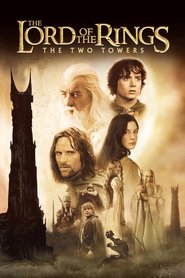
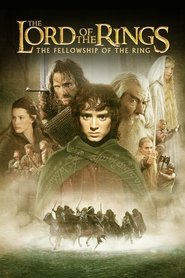
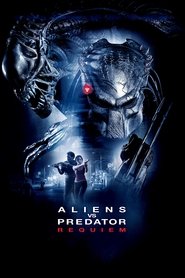
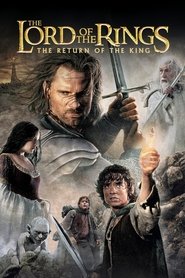
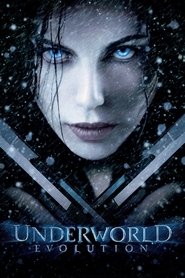
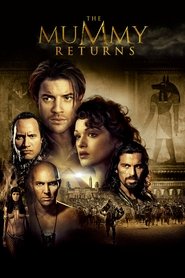
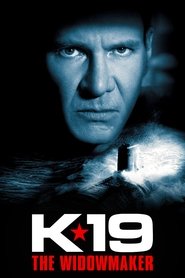

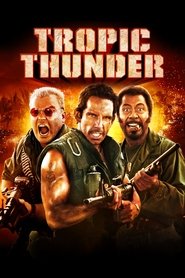
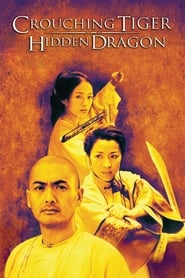

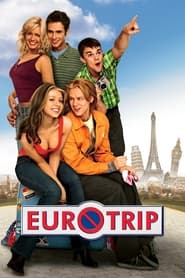
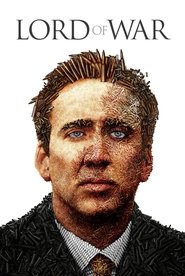

Related topics
Other topics that frequently come up in the same commentaries.