Topics / Production
Location & scouting
131 commentaries in the archive discuss this, with 816 total mentions and 8 sampled passages on this page.
Filter commentaries
Filter this topic by the film's decade or the type of commentary.
Showing 3 of 131 commentaries
Clear filtersBy decade
Across the archive
ranked by mentions · click any passage for the moment in the transcript
-
multi · 1h 49m 14 mentions
John Cork, Ursula Andress, Eunice Gayson, Margaret LeWars + 20
-
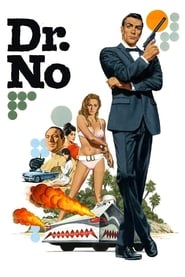
I think you would never believe that when this man was on location, away from the set, was a consummate piano player, raconteur, and a person that just took over the room. He was fantastic. Obviously, this side of him never came out in his screen roles. Throwing the gyroscopic controls of a guided missile off balance with a...
11:21 · jump to transcript →
-
Of course, it meant I couldn't go on location, because obviously I had to be there for eight shows a week. And that's how it came about, in a nutshell. Until the characters arrive in Dr. No's lair, much of what appears on screen was shot on location in Jamaica. Margaret LeWars recalls what Jamaica was like in the early 1960s. Jamaica in 1962 had just gained its independence.
16:05 · jump to transcript →
-
Location manager Chris Blackwell also remembers. Well, it was very uncluttered at that time. It didn't have any high-rise buildings. Ocho Rios was a fishing village. It was a tiny town. Port Maria at that time was a much, much more important town, and so was Aracabesa, a much more important town than Ocho Rios is today. There were quite a lot of very wealthy people, mainly from England, who had...
17:01 · jump to transcript →
-
-
-
Tim Lucas
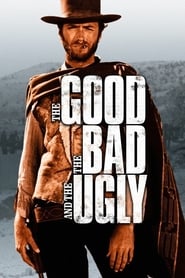
which Ennio Morricone will incorporate into his score, replicated by human voices, this being the story of human jackals. Mulock's face looks dead, merciless, as he stares us down. For dramatic purposes, this location is supposedly a Texas-Mexico border town called Paso Negro. In fact, it was a small village called La Sartenilla in the municipality of Tabernas in Almería, Spain.
3:00 · jump to transcript →
-
Tim Lucas
He's a mercenary, he's a killer, and there's real menace in his opening words and actions. This location was in Madrid. It's called La Pedriza de Manzanares el Real. Wallach's first close-up tells us a lot. Tuco may be endlessly wily, but he's a character who's never in charge of his own fate. He's like a ball, even a pair of balls, constantly being kicked around by circumstances and the restlessness of our country's history.
18:13 · jump to transcript →
-
Tim Lucas
Tuco is evolved enough to relish Blondie's clever scheme for taking financial advantage of the price on his head, but having half of anything leaves him feeling cheated. Tuco must have it all, all or nothing, and his loyalty to his own greed takes precedence over everything else, even his personal relationships, and this will ultimately be the cause of his undoing. This location is the Tabernas Desert near Almeria.
23:09 · jump to transcript →
-
-
-
Tim Lucas
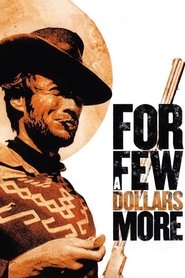
Castillo made only one known feature before this one, and it was made about five years earlier, during which time he garnered a great deal of attention as a stage actor. You can see this in his near-effortless commanding of this large space and its crowd of supporting players. This five-minute sequence takes place inside the hideout of Indio's gang, which happens to be an abandoned church. The actual location was the Castillo de Rodoquiar in Almeria.
36:18 · jump to transcript →
-
Tim Lucas
If you're familiar with much of the Italian cinema of this period, you'll know that it tends to be filmed in one of three places. One, on exterior locations that are either impoverished or familiar tourist spots. Two, sets or exterior constructions left over from other more expensive pictures. Or three, fairly rudimentary interior sets.
1:15:52 · jump to transcript →
-
Related topics
Other topics that frequently come up in the same commentaries.