Topics / Production
Location & scouting
131 commentaries in the archive discuss this, with 816 total mentions and 65 sampled passages on this page.
Filter commentaries
Filter this topic by the film's decade or the type of commentary.
Showing 30 of 131 commentaries
Clear filtersBy decade
Across the archive
ranked by mentions · click any passage for the moment in the transcript
-
-
Roger Moore
But he was along the same lines as John. Kill the actors. We were shooting in a blizzard on top of the Corvatsch in St. Moritz. The helicopter had to come down and my son Jeffrey was in the film. And a girl, I forget her name, we had to get in the helicopter. And he is teetering on the edge of this precipice.
2:46 · jump to transcript →
-
Roger Moore
That was very pleasant. I like shooting in France, in the studios, because the French don't start till midday. And they don't have tea breaks. They just shoot from 12 till 7.30. And then you can go out to dinner. And you don't have to get up at six or five in the morning. And so Lewis Gilbert, when we were working in Paris, would say, we'd be called, he'd say, I give Claude, director of photography,
20:26 · jump to transcript →
-
Roger Moore
This is the most beautiful location, the Chateau Chantilly, which belongs, I believe, to Aga Khan. The beautiful girl in riding clothes is Alison Doody. She married a friend of mine.
25:38 · jump to transcript →
-
-
-
So where are you filming here? Because we're on an actual location. Where was this filmed? Yeah, most of it was an actual location apart from the underworld scenes. We decided it would be best to do it all along the Thames, you know, the river, given that the underworlders live underground and along the sewer system.
5:14 · jump to transcript →
-
So we thought it would make more sense if there was a connection there and the connection was the river. This particular location is Nelson House. It's a very, very old house named after Nelson actually. It used to be a shipbuilder's house in Southwark. And I think the owner back in the 1800s actually jumped out the window and killed himself. Right. So this is our lead character. This is Nicole.
5:38 · jump to transcript →
-
I don't know, probably enough, but it's incredible how he memorized all those lines. And this seems just winding me up because I'd never met him before. It was the first time. It's trying to put you on the back foot just to sort of create a bit of tension. The first time I saw him was when he came out of his limo. Yeah, just there. You can see the cut between the close-up and the long shot there. You can see that the dark and lightness just slightly changed. Yeah, yeah. So we had one day to do this. So you were shooting in January and February of 85, is that right? Yeah, yeah.
15:42 · jump to transcript →
-
-
-
For some reason, shooting in Washington, D.C., for some reason, we had a horseshoe in terms of the actors we picked up. You'll see these three kid actors and who they're supposed to look like. And as I recall, it wasn't even that difficult. And I think each time it was sort of nailed. I will.
1:19 · jump to transcript →
-
Ritchie and I are just in the process of post-production on a movie that was set in Washington as well, and we only got to shoot three weeks there because of the exigencies of this time. And, here, we lived there forever, and we never left Washington. And it meant a lot. Here, we took over the... There was an office building. We took over one floor of the office building and built our newsroom in that floor. We were all practical locations. There was nothing at a studio.
20:53 · jump to transcript →
-
I never looked for a set longer than this practical location for Albert's house, because later on we were going to have a very long scene in his apartment, and I watched at the levels and we couldn't find it. And the thing that you need is people who don't look at you like you're crazy when you keep pressing.
47:29 · jump to transcript →
-
-
-
William Friedkin
to set up and manipulate on location than the original cranes were. A studio crane is too bulky and too unwieldy to take to a place like a bridge. It was only possible to do a shot like that because of this portable, lightweight crane that was originated in France and that they had a very few copies of
9:27 · jump to transcript →
-
William Friedkin
Well, I'm not going for that. I'm not going to do anything that goes against the law. In the course of the film, he is seduced by chance into the very thing that he fears most, and that's a compromise of his values as a law enforcement officer. The location of the lawyer who trades in counterfeit money
34:38 · jump to transcript →
-
William Friedkin
whose name is Waxman in the film, Max Waxman, and a church right across the street from Waxman's office. I chose those locations because I wanted an office that had a church across the street. And so that location is out in Pasadena. And we made the rain for that scene. We manufactured the rain because I just felt the location was pretty dull otherwise. But I wanted...
35:08 · jump to transcript →
-
-
-
Gary Goddard
The Masters of the Universe project was a labor of love to some degree. I was able to assemble a pretty stellar team of people to work with me. I was a first-time director doing essentially a $17 million movie at a time when an average film was probably closer to 6 to 8 million. Okay, now here comes the movie. This is the opening scene, which we were going to film in Iceland. We had scouted Iceland, some fantastic locations. As budgets will, we wound up shooting at Vasquez Rocks.
2:35 · jump to transcript →
-
Gary Goddard
to the location so that you really believe he's in the area. Because a lot of people, when he actually showed up to save her, was like, well, how did he get there? You can see where we almost burned down the place here. It's starting to catch fire up at the upper frame, but they caught it in time and we were able to get it out. But that was a bit of a frightening moment. Here we are. This is what we shot. He will hear her yell here in a second.
33:04 · jump to transcript →
-
Gary Goddard
This was all shot the first week. This was done the first week out on that location. I've been really worried about Julie. Kevin, is someone there? Are you okay? Yeah. Yeah, that's what I thought, too. Look, Kevin, this is really important. I know you can't talk. Just say yes or no. Do you still have that thing we found? Mm-hmm. Oh, thank God. All right, listen, don't do anything.
46:00 · jump to transcript →
-
-
-
brings you RoboCop later on. So this is Dallas, basically, what you see here. It's Dallas High School. Yeah, it was an old high school that we changed into a precinct. The scene inside the precinct that you just saw, the basement there in the locker rooms, that is that building. But the precinct itself, we built in another house, in another building, because we needed a bit more space. Again, there is nearly no studio involved in this at all, at mostly all locations.
6:40 · jump to transcript →
-
So we had no money at all to use studio, to go to a stage and build something there. We did it all on location, in fact, always using original buildings. Even like this where we added a lot of stuff. Okay, here we have our executive room. This is Dan O'Herlihy, the actor who once bombed New York City in Fail Safe. And he's a wonderful actor. I don't know how we lucked into him.
8:00 · jump to transcript →
-
by Rocco Gioffre, who was our matte painter on location. And I think we shot that in a very old-fashioned way, in that we couldn't even see it because it had to be developed much later. Right, there are original negative shots. The held negative technique. So, basically, you shoot the shot and then you expose the painting
14:20 · jump to transcript →
-
-
-
Did you have anything to do with the casting of the film at all? Because the cast is very interesting for this kind of film. Yeah, I did with some of it, and some of it happened when I was out scouting for locations and things and doing pre-production. But, yeah, a number of people I had interviewed or cast, and Bobby Leonard may be the most interesting of those because he had...
1:35 · jump to transcript →
-
looking for locations for dark sunday and the sheriff of the county was showing us around and we went down into downtown gaffney and picked out an alley and then after we'd agreed on being able to use that and shoot it and it was in downtown gaffney as we were walking away i said you know we're going to be
16:45 · jump to transcript →
-
If I was not shooting, I was probably doing something on the next day's shoot, either working on the script in some way or designing something or looking for locations or whatever. It's pretty relentless. I remember one day was we were going from one situation to another. Even though it was an off day, I finally had to say, stop, I need a sandwich. I need something.
28:07 · jump to transcript →
-
-
-
Tim Lucas
A lot of people were saddened when Reiner Schwarz died on August 30, 2014, at the age of 66. If you want to know more about the man, he left an interview with himself on YouTube. Kind of a Videodrome thing to do. Just search his name. The Civic TV boardroom scenes were shot on location, in an office at 70 Crawford Street. This elegant rooftop satellite reveal, shot on the rooftop at 7 Wellington Street West,
5:42 · jump to transcript →
-
Tim Lucas
The limo then pulls up outside the storefront of Spectacular Optical, which was shot on location at 728 Queen Street East in Toronto. When Les Carlson made this film, he was a familiar, beloved character actor who had been active in Canadian features and television for some time. In fact, both he and Jack Creley had provided voices for the 1960s animated series Marvel Super Heroes. And while this film was still in production, he played the Christmas tree salesman in Bob Clark's perennial A Christmas Story.
46:50 · jump to transcript →
-
Tim Lucas
and was eliminated on Friday, December 4th, just a few days before it was due to be shot on December 9th. Michael believed the effect would have been a career maker, one of the most impressive effect shots in the movie, and he looked back on the day it was cut as Black Friday. He estimated that the effect would have cost the production a whopping additional $3,000, but it wasn't just a factor of cost. We're now back at the 70 Crawford Street location. This was...
58:14 · jump to transcript →
-
-
-
John McTiernan
The movie started with a big discussion at the beginning, about the location. And McAlpine and I pleaded to shoot it where there was some real jungle. This stuff is all real jungle and it was done in Palenque. And all this stuff, McAlpine and I pleaded to shoot it there. _ There was somebody involved in the production who had turned out later for corrupt reasons.
11:44 · jump to transcript →
-
John McTiernan
To tell him to go to hell. I had never let somebody choose a location for me since.
12:34 · jump to transcript →
-
John McTiernan
The production designer hadn't done any research about, had no idea that the trees lost their leaves, that the west coast of Central America's deciduous. And I didn't know at the time to check stuff like that. And then I since learned a whole lot about how much research we got to do on the location and weather and that sort of thing. But he didn't know anything about it, so. Two weeks in or something, the leaves started dropping off the trees and he stood there like wondering, "What the hell happened."
12:52 · jump to transcript →
-
-
-
Yes, this was the actual location for this. Well, actually, we had built this part. We built this on top of their location. We added it in. And this was my own Casio watch... ...where I found it would come up with that little weird countdown. And it was always Dan O'Bannon's idea... ...that somebody trying to test his sanity would... ...see if he could tell time with his eyes closed.
1:22 · jump to transcript →
-
This particular location is real near to Dodger Stadium and Chavez Ravine. It had a nice look over the city of Los Angeles. Little tiny, tiny house. But still, you know, even little tiny houses can have great views.
22:53 · jump to transcript →
-
-- I think you did a wonderful job last night, too, by the way, with the-- Oh, yes. Yes, I-- New series, Blind Justice. Well, here's where I got in terrible trouble... ...with this particular shot right here... ...standing in front of Saint Joseph's Hospital in Burbank. They didn't want to let us shoot at that particular location... ...but I thought that's where we were going to go. And when I got there, I lined up the camera there... ...and then I hear on the walkie-talkie from Jerry Zeismer... ...the assistant director, that the head of the hospital... ...won't let us shoot there. And I said back to him on the walkie-talkie-- I said, "Jerry, you tell that head of the hospital where he can go. I'll shoot this thing and be out of here before he even knows... ...we're doing anything." And Jerry comes back with a kind of gulp in his voice: "I'm standing right next to the head of the hospital here. He just heard everything you said." So I said, "Well, we better roll fast." So we did it a couple of times with the actor and got out of there. If I ever get sick, I guess I'd better not go to Saint Joseph's Hospital. "That's the guy."
24:21 · jump to transcript →
-
-
-
Barry Levinson
Know it by rote. This was an interesting location, and it allowed us to look in in all the rooms. And so as we begin to just continue to dolly with it, we can sneak the dialogue from the upcoming scene kind of distant and then let it start to impact more on the scene, almost like it was dreamlike for a moment.
10:05 · jump to transcript →
-
Barry Levinson
By this point in the movie, as I say, we were shooting in continuity. They were really beginning to get into a rhythm with one another. Very, very kind of good, natural rhythm. We are not going to Cincinnati, and that's final. Raymond, that is final. Did you hear me? Come on!
56:20 · jump to transcript →
-
Barry Levinson
certain kind of locations like this sort of held. At this point in the movie, I thought the two of them were really, really clicking in terms of the way they can work together because the dialogue back and forth between them, it's really kind of rapid fire. They're both aware of one another.
1:04:06 · jump to transcript →
-
-
director · 1h 30m 4 mentions
A Nightmare on Elm Street (1984)
Wes Craven, Heather Langenkamp, John Saxon, Jacques Haitkin
-
I got to go. I think there's been an accident out there. This was a practical location also, I believe, in Venice, if I'm not mistaken. That's right. We were in Venice. The end of this scene is the scene that we used for the audition. I remember really clearly when I read for Wes at the audition, they picked this one scene with Tina. And it seemed like I did it a million times by the time we finally got to it.
6:44 · jump to transcript →
-
There were several different locations for this long scene. Where were we here? I don't remember this place. Are you still watching? I'm trying to remember. Yeah, so? By this time, the audience is totally lost. They don't know what is going on here. It's the kind of fun scene where you do backwards, where it makes no sense until the end, and then suddenly you can go back and make sense about it all. I remember catching that shot right before dawn one day. And I think we had to use...
37:55 · jump to transcript →
-
I remember in the last days, we were shooting in about five different places in the set at once. We had cameras everywhere shooting inserts and jail scenes. That became the way all those films were done. The last week and a half. I've done a lot of effects films. In the last two weeks, you start pulling out the units. You kind of realize what you need, too. Here's a shot that I find very interesting. I like to think that there was a tip of a hat to it in Terminator 2 where the killer comes through the jail cell.
39:21 · jump to transcript →
-
-
-
And this is in San Pedro, and this location was chosen so that at night we'd see the lights from the oil refinery.
3:11 · jump to transcript →
-
Marilyn Vance did a great job on Mary Stuart's look with those red fringe gloves, which John wrote. But, I mean, it all came together when she executed that look. She put me in miniskirts and cowboy boots, which is now back in. Look at the clothes. Now this shot, by the way, if you watch, for that time, starting now is a pretty elaborate dolly shot. At least, it was for this location. We're not on a Steadicam. We just have track going for about a half a mile. Did they even have Steadicam back then? Yeah.
7:27 · jump to transcript →
-
Is that the refinery back there? Yeah, that's the refinery. And this set is the value of someone like Jan Kiesser, the DP, because we didn't know where to shoot it, and he just created and kind of manufactured this setting. I remember he spotted the car there and we dressed the back with the hubcaps and kind of created it instantaneously that day because we were stuck. We had lost... We didn't lose the location, but we changed the schedule, and we had to shoot this scene, and... Anyway, not that important. But again, I'm remembering stuff as I'm seeing it, and... The light's beautiful.
22:58 · jump to transcript →
-
-
-
Paul Davis
makes it an American Werewolf in London. This was all shot around Earls Court, which is where the exterior location was for Jenny's flat. Look at those prices.
37:35 · jump to transcript →
-
Paul Davis
this movie about a friendly alien now. We're not going to do Night Skies. And, of course, that became E.T. And so at that point, everything then went gung-ho on American Werewolf in London. But this was October 1980, and they were going to start shooting in February. So that's always astounded me, the fact that they got all this stuff together so, so quickly, despite the fact that Rick...
1:11:08 · jump to transcript →
-
Paul Davis
But that sequence, man, Piccadilly, they shot that over two nights. Well, the main stuff at the location, they shot over two nights. This is all in the documentary, but I'll give you the abridged version. On location, it was two nights. It was a Saturday into Sunday, Sunday into Monday. And they essentially had to do the stunt in two minutes. They would do the stunt, clear the street.
1:30:19 · jump to transcript →
-
-
director · 1h 31m 3 mentions
Alex Cox, Michael Nesmith, Victoria Thomas, Sy Richardson + 2
-
So they took from you, Al. Well, I mean, it's quite a favorite shot, I think. Another repo first. But I suspect this has been used a lot, this location, because it's so picturesque. And San Pedro's popular with filmmakers, isn't it? You notice the glass break before we hit the shooting. Right. A little mistake.
49:45 · jump to transcript →
-
Ooh, ah, you know, because it was so beautiful. And we were so startled at realizing we were making a movie and that Robby Müller was shooting it and he was shooting it, you know, great. Yeah. And that was the scene where the lights went out on the bridge, wasn't it? I think it was that scene. I think it was that scene. It was really beautiful. Mr. Knickerbocker. That was a great thing also about doing this movie, just all the shooting in downtown L.A., East L.A., nothing really you'd think that L.A. didn't exist.
1:09:52 · jump to transcript →
-
like $600 a bucket, put it on there. That paint job goes like $6,000. Oh my God. 11 years of re-pulling cars and what have I got? Shit. Bud, listen to me. The art of negotiation. And I do know a lot of people, by the way, that came to live in that part of LA, south of downtown Los Angeles, from this movie. They were looking for all these locations. Really? Very strange.
1:23:40 · jump to transcript →
-
-
-
I hate to keep talking about this, but I think... This is in the valley. Yeah. What is this place? Seasons. Seasons. Yeah. Which is now probably a J.K. Frimple or something. J.K. Frimple? We're too embarrassing to even talk about. This was early on in the shoot. Yeah. Yeah. We were purely dependent on the availability of locations. Actually, there's a lot more continuity going on here that there's a woman comes and takes our order.
49:57 · jump to transcript →
-
you know, talking about a movie that was made in the 30s. We can't even remember. Well, that was back when Monogram was on the corner of Sunset. Yeah. That was before they took the streetcar tracks out. Oh, the old red car. Remember that? Yeah. Now, I still remember going to Cal State Dominguez to do the scout of that location. Mm-hmm. I do, too.
1:06:32 · jump to transcript →
-
Specifically in this location, we were all kind of trying to nail the art director because the graffiti didn't look very realistic for backstage rock and roll graffiti, and we'd been in enough toilets. He'd written, gosh darn it, on the wall. Go to the whiskey, go hang, go to the top of the troubadour. How about go to the borderline, where was that place in London? Oh, the borderline. That had the best graffiti in it. Yeah, and CBGBs.
1:12:24 · jump to transcript →
-
-
director · 1h 24m 3 mentions
The Naked Gun: From the Files of Police Squad! (1988)
David Zucker, Robert K. Weiss, Peter Tilden
-
We shot, that was the least, that was most under the top one. That's why we used that one. Oh really, he made bigger facial reactions? Oh yeah, he was much bigger. As big as all outdoors. Because you wanted him to, or? Now here's the one, this is the scene that Bobby Stevens lit, and it actually looks like an interior. Yeah, this is a location that we made look like a stage. Which takes a lot of doing, by the way. We were out there freezing, and it took us off, and it looks completely fake. How long did it take him to light that so it could look fake? A couple weeks.
51:51 · jump to transcript →
-
We had a big canasta game while he was... It does look like a set. It looks like a set. It looks like from Batman 3 or something. Big expense. How many trucks did we take out there? We were lighting for a... Now, did you know that immediately when you saw dailies? Location directors, yeah. This is the one where the guy cut down the tree.
52:20 · jump to transcript →
-
What happened to the hair in that one? Oh, she's distressed. They gave her a funny haircut. Well, plus, you remember it was windy up there. Oh. And the combination was brutal. It doesn't really look like a backdrop, though. You can't tell. It's another one. Our location looks complete fake. Here it is. Dew glistening on a newly formed leaf. Stoplights.
1:19:34 · jump to transcript →
-
-
-
John Mackenzie
Every inch is on location. There's no studio sets at all. We couldn't afford it. I think we did it for, what, 900,000 pounds in those days of budget. Well, under a million. We built sets, but exterior sets. We didn't, we shot everything else in real places, but we didn't shoot in a studio. It's the one way to do these things cheaply. Someone's been playing Guy Fawkes and my roles and a touch of George in the Lido. That's what's up, mate.
42:25 · jump to transcript →
-
John Mackenzie
cold storage of meat. Boy, did I think this was a great location. And did I hate it. Well, first of all, there was hanging these actors upside down and they all tended to be quite big guys with heavy guts and things. And it's very difficult for a poor actor to hang upside down. And you know, you can't do the scene in five minutes.
1:07:40 · jump to transcript →
-
-
technical · 1h 35m 2 mentions
Steven Lisberger, Donald Kushner, Harrison Ellenshaw, Richard Taylor
-
One little anecdote here is that the cameraman that was up on the platform shooting this, the viewfinder of his camera was broken, the pellicle mirror had shattered, and he couldn't see anything through the camera and he just aimed and shot. He didn't want to slow down the production by telling anyone that he couldn't see anything, and held his breath all the way till dailies, and the shot worked out. Oh, that's right. 'Cause there weren't very many 65-millimeter cameras available, and all this was shot in 65 millimeter. Yeah. When we opened these cameras, they still had the sand of Lawrence of Arabia in them. Well, Flynn's arcade was in Culver City. Yeah, it's across the street from the old MGM lot, which is now the Columbia lot, but now renamed as Sony Pictures. Now, there was actually a loft at the location. But then the re-shoot... The close-ups were the re-shoots on a stage. Yeah. That's the... The actual... The practical location. Space Paranoids. Space Paranoids. I take my son to the arcade in Westwood. We go once in a while. I have to bring my earplugs. But I've never seen an old couple like that in a video game arcade. That's right. We knew that Bally was going to release a video game simultaneous to the release of the picture, and therefore we wanted to have the design of the game in the arcade and the game in the real world that people would actually play be very similar. So, we go to Flynn's, and we see Flynn playing the electronic game and fighting off a Recognizer. That is the console which we created for the film that represented the game that Bally was going to create. Although, obviously, at that time, there was no way that a computer game could have real-time, interactive, full raster graphic imagery. So, it was a prediction of the future of the way games were going to evolve, and that is what we're now seeing in CD-ROM games and the games that are in home computers and arcades today. Jeff did get very good at video games. We had some on the set. Yeah, he was remarkable, and one day you suggested that we videotape him while he was actually doing it. And look at the neon in the back. I'd forgotten about that. OA, right. I don't think any of the actors actually went so far as to get themselves a computer and spend hours backstage... Programming. -... learning how to program and... That didn't happen, but they got as far as games. Battle Tank. We used to play a lot of Battle Tank. Battlezone. Yeah. Battlezone. There you go. Now, as! recall, you... We re-shot this sequence. Yeah, and I don't even remember... The lighting... To match, I think, the lighting of the game arcade. Well, I think, actually... - We changed dialogue. Did we? - Changed dialogue. And here's a little secret. We told the studio that we needed to redo it to match the lighting. Well, see, /... Still using the same excuse. That's right, you're still... You're still well-programmed... - /'// never tell. The lighting didn't match. The casting process was interesting. Originally, I'd pictured Jeff's character being younger and the Tron character being older. We were affected by some things that were definitely outside of our control. Tron predates Splash, and people forget that, really, Disney was having a hell of a time getting popular actors to work for the studio. And it had been a tough time for Disney. And it didn't help that we were saying, "Yeah, we want you to wear these funny costumes." And Jeff was always enthusiastic about being part of the picture. The Tron character... Bruce was... I don't think Bruce was quite as adventuresome at first, although he got into it after a while. I would have liked to have seen Bruce possibly be a little, I think... I had pictured him as sort of a younger Kirk Douglas. I think he would have been better if he had been a little older like he is now. I like the way he looks now. And I think Jeff... I was surprised at how physical Jeff was. I thought that... I pictured Flynn being a little more geekish or a pencil neck, and Jeff is very physically strong. So, in that sense, the two became somewhat similar, although their personalities and what they represent are completely different. One little anecdote is that... I can't point back at the character of Tron and say, "There were all these actors." Or, "It was between this one and that one." But I do remember one surprising actor who really wanted to play this part, and it was Peter O'Toole. - Yes. Oh, he wanted to play the part of Dillinger. No, it was Tron. Tron, that's right. I think we wanted him for Dillinger and he said, "No." And I had this amazing scene with him in the Beverly Wilshire Hotel where... In his hotel room where he said, "I can do this!" And he started leaping from one piece of furniture to the other and screaming that, "I want Tron on my tombstone right next to Lawrence of Arabia!" And who knows, maybe he would have been great, maybe I really missed it right there. All these interiors... Shooting them, these low-light interiors, in 65 millimeter is very difficult, because the depth of field, the focus plane is incredibly short, and it was a real struggle. And some of the close-ups, we actually had to run light stands up the backs of the actors through their jackets as braces, so that they would stay in the exact same spot, so that we could keep their eyes and faces in focus. You know, if your file was in there... - Hey, wait a minute. If we can get in there, I can forge us a Group 6 access. Well, shall we dance? And ENCOM was shot in downtown Los Angeles. I forget the building. Of, the Transam building? Oh, yeah, the Transamerica building. At the top of that was the helicopter pad. This sequence between these two heads of the company really expresses the philosophical problems that the other characters are going through. Again, the office is designed to mirror the other world in terms of its graphic look. Wasn't there something about the cold, corporate look as well, Steven? There's your door. - There's the door. The scene where they sneak into ENCOM and open the door that is 10 feet thick or 12 feet thick, that's a real door, that's not a prop movie door. That's an actual radiation door at Lawrence Livermore. ENCOM isn't the business you started in your garage anymore. In one scene, you see a number of things flip up into four corners. Images. That was a traditional optical that had to be done, and opticals in those days would take two, three, four, five weeks at least, and it was a big task. It was like making its own little movie. You know, you can remove men like Alan and me from the system, but we helped create it, and our spirit remains in every program we designed... That line is one of the key lines in the whole script, about the human element that the programmers put into the system. And it's this discussion between those two characters that really elevates the picture well beyond a video game movie. Now, the reverse was shot, actually, on the Iot, so there's a reverse... Getting into the Disney vaults? Yeah. Lawrence Livermore was quite proud of the fact that although this door weighed tens of tons, or whatever it was, it was so well hinged that you could open it by just pushing it. One person could. In fact, you found... I believe you saw that door as we were taking a tour of the facility and you Said, "This would be a great place for them to sneak in." So, you kind of re-wrote the scene to accommodate that huge door. And the irony is, as he punches the buttons, that the giant door opens, and no strength is exerted, but it's opened automatically. I kind of inherited the job of not only setting up the giant rear projector and the mirror and all that stuff, but I also had the job of putting together what would end up going onto the desk. That's an actual wireframe on there, for the carrier, as you See... Right. - ...in the film. I began searching around for footage to go onto the desk, and it was getting late, and we were about to shoot this thing in a couple of days, and I just ran out of stuff, so I put the flowchart from the film on there, and probably things out of my address book and anything I could... I was down to pulling things out of Life magazine and re-photographing those. I was just running out of stuff to put on the desk. What's interesting about this protagonist, Jeff Bridges' character, is that he's actually, um... He's a creative, technical type, and he's fighting for his creations, he's fighting for his work. I think that's pretty unique. He is somewhat of a paranoid character. But with some reason. With some... Yeah. - Some good reason. Dillinger will never know we've been in here. Good luck, hot shot.
16:15 · jump to transcript →
-
When we came to make a decision about what film format to use for Tron, we felt very strongly that we needed to shoot it on a larger negative than traditionally done. And it came down to a choice between 65 millimeter and VistaVision for the whole show. But the availability of 65-millimeter cameras was far better than the availability of VistaVision cameras, so we made the decision to shoot the entire show in 65 millimeter. And to keep a certain consistency, and as long as we had rented the cameras, we felt that we might as well go ahead and shoot the real world in 65 millimeter and not in 35 millimeter. It was kind of one of those nice to have things, and nobody objected strenuously to it, and also it would be the first time since Ryan's Daughter that a film had been shot entirely in 65 millimeter. And I think you can see the results. I mean, it looks wonderful. In the monitors in Lawrence Livermore, one of the things that Triple-/ had to do was create lots of imagery that appeared on monitors, and that imagery had to be shot and created long before we got to production. So, there was a lot of planning in creating all of the monitor imagery, and Triple-I did a great job on that. Spent a Iot of time on this shot. To accomplish the effect, what we did was get a 4-by-5 still camera and photograph Jeff Bridges in his position after he's been zapped, and then immediately moved him out and took another photograph, which was the background by itself. So, as you pull away chunks of Jeff, you see the background behind him, and then to put the laser and the grid and all that on top of him was basically the effects animation of John Van Vliet. When Flynn is de-rezzed and pulled into the computer, we go through one of the most interesting sequences in Tron, which is the real world to electronic world transition. This sequence was created by Robert Abel & Associates, primarily under the direction of Kenny Merman. It was a sequence which I had designed, knowing that the way that Robert Abel & Associates was making these computer graphic images with the Evans & Sutherland computers, and, really, using vector graphics to create this particular look, would give us a look that would be unique just for this transition. The three-space transition, the movement through all these binary bit patterns and this polygonal landscape, was done by making multiple passes through a traditional animation camera that was pointed at a high-resolution, vector graphic, Evans & Sutherland computer screen, and making multiple passes, frame by frame, using different colored filters, coming back, making multiple passes of rewinding other filters, until you finally end up with this, which seems to be solid objects. But it's really made out of lots of tiny, tiny lines put together to make solid blocks of color or objects. Oh, man, this isn't happening. It only thinks it's happening. When Flynn says, "This isn't happening, it just thinks it's happening," it's a key line, because it means that the reality that he finds himself in now, not even he can fully believe exists. And if anyone should appreciate and understand this alternate reality, it's him, and now he finds himself trapped in it. All right, now we see Sark standing on the bridge, and all of a sudden, he is enclosed with these shrouds of light as he begins to have his conversation with the MCP. The database for the MCP was a human figure that we had created at Triple-/ called Adam Powers and was originally on the Information International sample reel. And if you look at that sample reel, you'll see a juggler character who was juggling balls. Well, that face of that character is the face of the MCP. So, the first time that you see him, he is a polygonal drawing of a face. And that's basically the underlying database of the face. So, it's made of polygons. And those polygons, we play them out on the Triple-I computers as the line-drawing polygons, and made 12-and-a-half by 20-inch stills, high-con stills of those. But we created the mouth positions for the vowels and the syllables so that you could take these interchangeable transparencies and lay them down and make him Say, by whatever order you put them in, whatever you wanted him to say. 'Cause he was voicing a lot of different dialogue. Then those were backlit, and then we applied an effect to those line drawings of putting a steel mesh screen over the taking camera, and it made it have that much more, kind of, complex look. And then we also animated the exposure occasionally. Early on in the film when I started working with Steven, we did a lot of experiments to work out how these characters were created. The thing that we finally decided was that the characters needed to have this energy inside themselves. They are obviously in this electronic world. Now, these costumes were unlike any costumes anyone had ever created for a picture before, in that they were costumes designed to have effects treatments done to them. They were white with black drawing or black lines over them. All of the black elements on the costume were turned into circuitry which could be backlit and light could be pushed through there. We originally shot a 65-millimeter image of these people, live-action photography of them on these black sets. Then from that 65-millimeter film, we created some photo-rotoscope machines, which basically could project the 65-millimeter film down to large pieces of film, which were pre-punched with animation punches. This film was created by Kodak for us, and we would project down with these photo-rotoscope machines, which would hold this film into a vacuum frame and make a continuous tone positive print of each frame of the film. Then these continuous tone prints were taken to a light table, it was a vacuum light table, where they were contact printed to high-con film to make a number of high-con positive and negative images. So that you basically have for every character a large cel and you have high-con positives, negatives, and a continuous tone positive. Then these high-con elements were hand-inked and painted to isolate the circuits on the body, the whites of the eyes, the whites of the teeth and any other circuits that we wanted to treat as a separate exposure. The characters are more often than not... The live-action characters are shot on an all black stage. When there is a set, the set is also black, but is measured out to conform with what we're seeing in this artwork. So that if a character appears elevated in a shot, like this shot, there was an elevated platform for him to walk on, but it didn't look at all like the set. Then we would composite these actors over paintings, transparencies, and once that was done, we would add the light and the color separately. And to simplify it, you can describe it as a sort of perfect blend between live action and animation in that we took live-action film, photographed it in a way that we could break it down to individual frames, then blow up those frames into large slides or transparencies. And we had 75,000 of these, which seems like an appallingly large number, but it really isn't if you compare it to an animation film. And because we were at Disney, they were not overly swamped. That's an actual Frisbee, by the way, and those are actual Frisbees on their backs. We had a excellent Frisbee coach, Sam Schaiz. I like the fact that the deadliest weapon in Tron is a Frisbee. A Iot of effects animation in this sequence and in the film. And that is the animation that makes the glows, and as the Frisbee gets brighter, and you see the reflections of it on their costumes, all that has to be done frame by frame. This is hand-drawn animation that, although it is drawn, a negative is made of that, and it is placed over a light source and then re-photographed, and the ability of the effects animators was such that we were never waiting on the effects animation on the show. They always performed very well. It was never a problem. They did very few redos, and that's because they had had experience doing this beforehand, whereas everything else that we were doing, outside of the effects animation, was the first time through. So, that had a much tougher and steeper learning curve. In the holding cells for the game grid, those are backgrounds that are entirely hand-drawn by the background department, again using Rapidographs and line drawing and airbrushing and then turning those into high-cons. But those drawings are all drawn to match the actual physical sets, which were built so that when someone passes behind something, or leans on something, those are actual physical sets that were built. But again, the sets were just black on black. They're as if they were made of black velvet. Part of the interesting thing as a cinemagraphic problem that was presented to Bruce Logan was that he had to shoot, unlike anybody had ever shot before, sets that were entirely black with white line drawings and white characters running around on these sets. Bruce Logan's job in photographing these people was very difficult because, unlike most photography for most films, you try and get as much chiaroscuro in the picture as you can. You let there be a lot of dark and you create shadows and you create this moodiness, which a cinematographer takes great pride in. In this film, during the sequences in the electronic world, basically, he had to light them so that we could see as much of the costume as possible with as little shading as possible because all of the shading and all of that were done by hand by making different masks and airbrush elements that were used under these costumes in post. The ring game was an interesting technical exercise. The set itself, again, was black flock paper with the rings drawn on this paper with tape. The actors had to realize which rings were there and which ones were not as they acted out the sequence, imagining that they were hundreds of feet above the ground. One of the inspirations of Tron is the movie Spartacus. And there's quite a few similarities to the persecuted people who had to fight in the gladiatorial games. This game, of course, was inspired by Pong and jai alai. I think one of the interesting parts of Tron was the synthesis of new games that were created. The design, for example, of the glove that's being worn here, we took a traditional jai alai glove and then rebuilt it and made it out of foam, added other elements to it to give it a more technological quality, and then again, I put the designs over the outside of that to make it blend with the rest of the costumes. Shooting in 65 millimeter, from a director's standpoint, is a lot of trouble. The cameras are huge and bulky. The format requires an enormous amount of light to fill that negative, so if you are shooting Lawrence of Arabia or Doctor Zhivago and you've got lots of snow and big exteriors, it's fine, but in low-light-level situations, it's very troublesome. The depth of field is sometimes as little as a half an inch, and you find your cameraman is asking you, "Now, which part of the eye do you want in focus? "Do you want the front of the eye or the back of the eye in focus?" Or if the head of the actor is not square to the camera, they ask you the really insane question of, "Which eye do you want in focus? "I can give you the front eye in focus or the back, "but the other one's gonna be blurry." Now a lot of these shots where you see actors talking to each other and we're doing over-the-shoulders, the camera couldn't hold focus for the blow-ups to be made, and I had to shoot the actors on separate passes. So, in a shot like this, where you see all three actors talking to each other, it wasnt filmed that way. I filmed them separately and they were composited. And there's quite a few shots like this. Whenever you see them walking around and they're separated by more than a couple feet, those are all separate shots, and then the actors are composited. So, it's very difficult for the actors because not only do they not see the environment they're in when we're filming, all they see is an all black stage, but they don't even see the actor they're talking to. Forming of the Lightcycles, again, is almost entirely done by hand-done animation done by the effects animation department in creating the way that these cycles form around these characters. We built an object that the actor could sit upon, and it was literally a mechanical shape that was the seat and the handlebars, so he could sit down and it would thrust his arms forward and pull him down into that locked position. So that everything that he sits upon and touches, it was, again, drawn by the animation department, and not until you see the final completed cycle, which is actually a CG/ rendering of the cycle, is any of it done by computer. The Lightcycle sequence was done by MAGI. Their way of creating an object were to take basic geometric shapes, cones, cubes, spheres, cylinders, and make an object by collaging those particular pieces together and creating an object. And that's how the Lightcycle was created. All wide shots that you see are computer-simulated. All of the shots, other than the very tight shots of the figures inside the canopies, are computer-simulated. The shots inside the canopies are actually hand-drawn artwork of parts of the Lightcycles, and the animation that's happening over the Lightcycle windshields is hand-done animation to give them a sense of speed. But virtually every scene that you see of the Lightcycles is entirely computer-generated. And there's not even effects animation in those scenes. If there's an explosion when a Lightcycle hits the wall and a tire bounces across, I think those were basically all CGI. Syd Mead worked really hard on designing these motorcycles so that they would incorporate the characters. But if you look closely at them, you'll see that the second half of the bike is flattened and sort of two-dimensional, and that was done because the computers couldn't handle too many compound curved surfaces. So, we restricted those curves to the wheels and the windscreens, and then the rest of the bike was simplified. The ability to move the camera through 3D space with these computer-graphic-looking landscapes is just great. The Recognizers are a sort of King Kong. There's a little head on top of that gate structure... Suggestion of a face, but it, sort of, got lost. The Recognizers were created by MAGI-Synthavision. As I mentioned, there are graphic vector lines, red lines outlining all of these objects, the same way with the tank. The tank was another unique design of Syd Mead, who is a futurist, a fabulous designer. Once Ram, Tron and Flynn have escaped the Lightcycle grid and are off through the canyons being pursued by the tanks, we cut inside the tanks and see another example of a Syd Mead set that was built as a three-dimensional set, again with black background, and all of the elements on there graphically put on so they could later be treated. So the camera, you can see, is moving through scenes in ways that no physical camera or no model shot could possibly do. The animators that I worked with to create the choreography for all of the CG/ sequences were Bill Kroyer and Jerry Rees. But to communicate all this information to the computer technologists, the people that are sitting at monitors at that time, took a new language which we had to create. So, what we did was, first of all, we had to think of each sequence as a real physical reality. Not only would they draw the point of view that they saw as an animator that we would work out together, that was the story point that Steven wanted to make, and also the point of view that we wanted to take. But after we would draw the original storyboards in a traditional, kind of, storyboard manner, we would have to go back and draw a top view, side view and front view of the objects, where they were in time, where the camera was in time, and what the camera's point of view was. So, we really had to define everything to the CG/ technologist in a three-world, three-dimensional space. And that was the first time that that had ever been done. They must've gone right past us. We made it...this far. Now, all of this, this revolt, it's all being led by the user who's gone in the system, Flynn. The Tron character and Ram character, they would have toed the line and gone through the software the way they're supposed to. We'd better, Null Unit. Null Unit. Get the computer dictionary out. Look up "Null Unit." What does that mean? In this sequence, you can really see some of the flaws. I don't really mean the flaws, but the imperfections in the cels, little bits of dirt that pop on and off. Yeah, but they're few and far between considering. Yeah. Come on, you little bugger. Come on. Look at that. A lot of pops and a lot of glitches in there that we would always Say, "Well, that's what happens in an electronic world." When we started there were going to be no differentiations between the flesh tones and the rest of their uniform. But at a certain point they looked, well, not very good. So as a result, that added, approximately, 120,000 extra frames, extra elements to the shot, so it did grow in many aspects. The cave sequence where Flynn, Tron and Ram finally re-energize their selves with this liquid energy was a very interesting technical problem to solve here. In the sequence in the cave when the water is being handled by the actors, literally, frame per frame, rotoscope animation is isolating the water from the body so that it can be treated with a different filter and a different exposure. And again, this is an example of how light is used to portray motion or energy, as Tron drinks and you see his circuits light up and they become energized. The set itself was a complex geometric shape, which was designed by Peter Lloyd, and we built into this set, basically, water channels, and the water itself was reflecting light sources that we put in angle so they would reflect to the camera, and the water was in black tanks so that all we're really seeing are the highlights on the water. Yeah, but the biggest problem at that time was do we fill this with colored water or clear water? Had to do tests, you know. - Right. That was your problem. Do we put milk in there and make it purple? I think that what Flynn is surprised now, ironically, to see that there's parts of this mirror world that are more alive than he anticipated. So, it's not just the harsh computer reality, there's something living about it. It's a very complex shot, again, with all the elements. Probably about 30 different elements, 30 different separate exposures for each frame. Normally in a special effects movie, you get a very bad bottleneck effect in that all these things have to be composited through one or two optical printers. Now we have digital compositing machines. But by putting it into a manufacturing system like this, where it became like an animated film, we could use 14 or 15 animation stands, and we could use a slew of effects animators and ink and paint people to do all of this work simultaneously. As far as I know, we still have more shots with human beings composited into an artificial environment than any other movie. I believe there's 1,100 special effect shots in the film and 900 of which have human beings composited in them. And that number is just very, very large. Just the organizational task alone was monumental, not even considering the creative side of it. For every frame you would have an additional five to 15 cels that isolated the different colors and the different... We had body mattes, we had face masks, continuous tones. You made print backs on top of print backs. So, those 75,000 original cels grew to over half a million. I think we ended up with something like 600,000 cels, all of which had to be kept in order. We had to pull trailers, literally these large house trailers, kind of, industrial trailers onto the lot. We ran out of space and we ended up with 10 trailers that would house all these cels and had to be organized and sent over... 80% of them were sent overseas and had to be numbered and then painted and kept in order. At one point we thought if we had 1,000 scenes, and this was around Christmas time, the film was going to come out later that summer, and we had no idea of how we were going to get it all done in that short a period of time. And we thought, "Well, it's summer vacation. We have two weeks. "We'll get college students, 500 college students in a room." We really believed this might happen. We discussed this for about an hour and we Said, "You'd have 500 students in a room. "We'll teach them how to do inking and painting and rotoscoping, "and they only have to do two scenes each. "And so they do one scene a week. "At the end of that time, we'll be done, "and we'll just go and shoot them on the animation stands." It didn't work out. So, we brought on Arnie Wong, who was an animator. We put him in charge of supervising Cuckoo's Nest, which is a ink and paint service that was in Taiwan. Approximately 80-some employees in a single room. And what we did is we went through and we made a videotape of every situation and what to do in that situation. So that if an inker over there, who didn't even have to understand English to do this, could go to a TV monitor, roll to this particular problem and see exactly what you'd do in that situation. And then he was there to answer questions that were unusual. And the most interesting thing, and one of the things that I'm particularly proud of with this technique is that in spite of what a pyramid it was to build, we managed to get all of this post-production done in six to nine months. And that is using a technology that we had developed. It had never been done before and we developed it and used it on this picture and delivered on time. And that was only possible because of this manufacturing technique. It's interesting the computer animation iS the simpler part of the set. - Yes. Ironically, one of the things that was a creative philosophy that we enjoyed and were proud of was that we were taking computer animation and letting it stand on its own. We weren't trying to make computer animation mimic reality. And the job was then to make reality, the actors and the sets, look like the computer animation. We used to say, "Well, if you've got lemons, make lemonade." Everybody else, and certainly since this point, has been going nuts trying to make computer animation mimic reality perfectly. And I found that the limitations of computer graphics at the time were the most exciting thing. If computer graphics... If computer animation is no longer different from reality, maybe we've lost something in that. Certainly you gain special effects technology and you can do certain things, but it's the limitations, I find, to be the creative challenge. I think at the time we were using four computer animation companies... Yes. -... which were probably the only animation companies that existed in the country at the time. Yeah, I had been visiting some of these companies for two years before we started making the movie. Maybe even longer than that. And I used to show up at their doorstep and Say, "One day I'm gonna make this movie. "You know, we're gonna do this and this is gonna be great." And they'd say, "Yeah, yeah, yeah." I'd come by every six months and say this is really gonna happen, and I think they were more surprised than anybody else when we really did this movie. And they got to show their stuff. The way the de-rezzing effect was created, for example, when Ram passes away and he's in the cabin of the Recognizer, there's a combination of the original photography of the character, and then that is overdrawn with literally hand-done, line-drawing animation done by the animation department. And between that animation and light exposures, you can make it just, basically, run off, dissipate and fade away. Also, upon viewing this again, for so many years, you tend to kind of lump it all together visually in your memory and we forget, I forget, how much detail, how much layering of texture was put into this film. - Mmm-hmm. Ai! these shots are all completely storyboarded. Even the electronic world and all the simulated shots were all on storyboards. There must have been thousands of storyboards. Yeah, it was very detailed. Because rendering times in computer graphic imagery, the time it takes for the computer to draw each frame, are high. They're even high by today's standards. It takes sometimes as long as an hour or more for each frame of film. Probably the most complicated CGI images that were in Tron were done by Information International. The Solar Sailer hangar, the Solar Sailer, its formation, the walls of that environment, that's all CGI. As far as Cindy Morgan's involvement, she was very brave to get involved because a lot of actresses Said, "What am I going to wear? "You're going to put what on my head? "I've got to have a helmet and headgear "and wear all this spandex?" And that scared a lot of actresses away. Yeah, it was very hard to get anyone to take us seriously. You'd call people up, they'd come in for casting sessions, and Steven would do his best to present the film, and they'd look at you askance, think you were crazy. You'd run some video on them, and they just didn't believe it was going to happen. And as a result, it was very, very difficult. And I think that was one of the last major parts that was cast. Yes, it was two or three days before the first shot or something. Yes. - It was very close. And one of the people we tried was Deborah Harry. Right. We screen-tested Deborah Harry. The Bit was created by Digital Effects Incorporated, and we didn't have the time to choreograph a CGI Bit for every scene. So, what we did was created a series of stills that could be cell flopped, and these transparencies were created by Digital Effects so that the Bit could be rotating and have these different pulses in it, and then when it wanted to express itself, we flipped to the next sequence of stills, which would make it become more spiky or change its shape, and literally those were cell flopped and then flown around by moving the animation camera on the object to give it its motion from left to right or up or down or wherever it moved, we got it closer to you. That was all put in by moves on the animation camera, on these stills that were being cell flopped. These characters were very interesting. I especially liked the one that looked like a vacuum tube. Other programs... - Other programs and... ...in the system. The Recognizer sequence is another set that was built based on designs by Syd Mead. The interior of the Recognizer, as the interior of the tanks, was all a physically complex shape that the actors moved around on with white line-drawing vector material over the surface of it, and isolated animation coming back and colorizing and animating those elements. I think one of the most successful pieces of computer choreography in Tron is the whole Recognizer sequence, when the Recognizer hits a bridge and becomes multiple pieces and Flynn pulls them all back together with his energy and the choreography of the way those parts all fall back into place and tumble. The thing that people don't realize about computer simulation, especially at this time, is there were no programs that imitated the effects of nature on choreography. Every piece and every part of every computer-simulated object had to literally be choreographed frame per frame by an animator. When the Recognizer moves along and bounces off the ground floor and the pieces separate and then come closer together and have that real, elastic, rubber-banding kind of quality to them... Simple things in choreography... I mean, when an object goes around a corner, does it just swing around the corner or does it have back animation? Does it weave left and right? Does it back animate before it moves forward? Those are the things that the animators brought to this and that the computer-simulation people did a terrific job of interpreting.
28:30 · jump to transcript →
-
-
-
Jim Piddock
See, as he drags her towards the door, and so we move outside. Now, frequently in the making of a motion picture movie film, the location... Ooh, ow, ow. The location used for the exterior of a house will be completely... Ooh, ouch, nasty. Different from the location used for the interior of the same house, and the movie's spatial relations are completely fictive. The reasons for this, this rather obscure and technical... Good Lord, good Lord.
23:26 · jump to transcript →
-
Jim Piddock
This doorway here is not actually at the same location as the bar with the cash register. Through the magic of the editor's art, we think the two are in the same place, one just by the other. But in fact, this door was in an econo lodge right across town, but it has a nice dusty rug in front of it that the filmmakers simply fell in love with. So they shot that bit at the econo lodge, and then through the magic of editing, they implied that the doorway was part of our bar, and they got that lovely dust effect. And who would know?
44:23 · jump to transcript →
-
-
-
This was a real shop, wasn't it? Off a shopping mall. It was a mall right off of Hollywood Boulevard. No, right off of Franklin, actually. Tiny. Some of it was done in the studio, wasn't it? In some one location. Yeah. Can't remember what. No, sort of half and half. Yeah, yeah. China Blues Bedroom was certainly studio.
11:37 · jump to transcript →
-
There's a lot of stuff you did operate on your own. I don't recall in this scene, though. I think I did it old. It's possible, yeah. We were at this location for a few days, I remember. Were we? Yeah. Because we had to shoot all... It was one factory that we'd rented out because we had to shoot all her stuff there. I don't know what's right or wrong anymore. Did you really believe it was her? So I'm a lousy guesser.
42:06 · jump to transcript →
-
-
cast · 1h 36m 2 mentions
Anthony Michael Hall, Judd Nelson, Jason Hillhouse
-
Judd Nelson
See, this is where it was cool where we had John. He was definitely a collaborative director and sought to get the best out of us all, and was looking for behavior, you know. So, I think, the wisdom of he and Dede Allen and their choices in making this all work, 'cause we had so much footage, it was great to see. All these years later, we take it for granted, what we see the final cut to be. But the truth is that, like we were talking about, Dede would come to the set and she would closely work with John. And also, he gave us the freedom to play and just have fun. And certain things, like the stuff you're seeing with Judd spinning around. I'm sticking a pen in my mouth, stupid stuff. We had no idea whether it would arrive in the film or be a part of it. I didn't. We were just having fun. But once we knew what the space was, we had the parameters. Rehearsal was key. - Yeah, it was like shooting a play. That's how I recollect and look back at it. We shot this play for 35 days and we were... Mostly in sequence. - Yeah. Yeah, we were fortunate to be extracted from Hollywood, and all of a sudden in this suburban gym of Illinois, not far from where John had grown up. So, it was a fortunate thing that we felt like we were shooting a play, 'cause we also had a week of rehearsal, which was... No, we had more than a week. - Was it more? We had more than a week. In fact, we weren't done with our rehearsal time when Hughes went, "We're ready. Let's go." All the work we've done keeping our faces in the industry since and maintaining our careers, it's still... To this day, I don't think I've ever had that since. So, it was a real... A real rehearsal. - Yeah, it was a real luxury. It was also a lot of fun, 'cause it really bonded us and gave us a chance to get a sense of where we were all at, and also made the work better, yeah. And we built real history, as opposed to that you believe you've made up a history. We actually had real experiences. Even if it's something as simple as dinner four nights in a row, you at least have some real past and things will reveal themselves to you further along in the work. And Hughes really wanted it to sound authentic. So, he never limited us. If you came up with something, you never felt like, "Oh, wow, "we took it beyond the text." Big deal. And he was always looking for it to get to that point, anyway. The freedom that he gave us, the idea that he would trust us like that, which is the point of the film. Just because they are 17 years old doesn't mean they are 17 years dumb. There's a weird thing, though, about rehearsals and stuff like that, where you think... You even said, "I've never done that before or since." It always seems to work out when actors and stuff get those chances. You hear those stories over and over. But, for the most part, people, they just don't do it. Yeah, in terms of genre, too, this is something that broke a mold, in a way, 'cause it was, in the industry talk, a talking heads film. It's really about a bunch of people sitting around, talking. So again, the play analogy comes into play. We really felt like... I remember rehearsing, and we were in these positions. I remember walking into that space, and John going, "Okay, you sit over here." We would rehearse these scenes. So, by the time we shot them, we all had a good sense of each other. We were a solid group, and we also knew where we were going with it. Now it looks like a luxury, but to this day, I've often looked back and thought about that, that it was great intelligence in just doing that, putting us in together. We sat in a room... - I thought they were all gonna be like that. I really did. I look back on that and that is a high-water mark in terms of the importance of having everyone being on the same page. Right. If you get rehearsal time and if you shoot in sequence, it's not like you are trusting the other actor to know that in the scene before this they actually threatened to kill me. So, it's a little bit heavier. You don't have to do that because before we shot this scene, we shot the scene where he threatened to kill me, so we know that. It's a great collaboration. You don't realize it till you're blessed enough to work in the business. When you're on the set, you see that there's... You know, sometimes the best idea will come from the script supervisor, or sometimes it's the guy at the crafts service table. It's a great collaboration, even though it's a director's medium. I think that sense of support was instilled in us with John, 'cause he gave us these roles and we all knew what we were doing, but he always was collaborative that way. I think that was his intelligence, too, that he allowed his scripts to transcend even the beauty that they had, because he hired people that he believed in. But there's a great collaboration, always. When you're talking about rehearsal, you're talking about the five of you guys. Were Paul and Kapelos kept away a little bit, to let you guys have your thing, a little "us vs. them" a little bit for that? Well, that was happening right away. Also, 'cause Paul wanted to hang with us, so that was perfect, 'cause it gave us the power to say, "No." So, we could. But you guys rehearsed those scenes, right, with you and Paul? But he wouldn't necessarily be sitting there on a day when... Just the five of us. - ...it was the five of us in that rehearsal, if we were gonna get to that stuff. We wouldn't do necessarily whole read-through of it. We would be taking it from the first scene and rehearsing it till it made some sense to us, and John knew, basically, how he wanted to see it and how he wanted to shoot it. It's a business, at the end of the day, like anything else, so there's always such a sense of the clock and rushing, so, as Judd said, a high water mark in our careers to start with this great project, and we had these great roles and a well-developed script. But he was smart enough to sit us all down and get our input and let us work through it. So, once we got on our feet with this and we were shooting the scenes, we had a closeness and a vibe already flowing between us. But it's funny you said that, 'cause I thought the same, too. I thought it would be like this after, and usually the director is the most stressed-out, doesn't know what the next shot is. It's like the world changed after this. But part of it was the good fortune we had to be in Chicago and do this. It was at the beginning of his career, after Sixteen Candles did pretty well, even though it was a small film. I think I remember him telling us that his intent was to do this first. I think the studio was gonna make this film first and they flipped them. So, we were fortunate to be away from everything and... Flipped it and Sixteen Candles, you mean? Yeah, exactly, in terms of the making of the films. So then we did this project second, and then we were, again, just in Chicago, and that sort of remote quality helps it, too. It's a lot of the fun of it. 'Cause then you came back here to do Weird Science, right? Yeah, that was fun. There is something about that, pulling it out of Hollywood. That's clichéd, "Hollywood's bad and you can't get anything done." But there is something to be said about that. Well, the story takes place there, and that's where he lives. Why not put it there? It's easier, it makes the most sense, and for the actors, it's one less thing you have to imagine, and hope everyone else is imagining the same thing. In fact, it is the same room where we're gonna go every day. It's a school. - Right. I remember, I went to some local schools, too, in that area at the time. It was fun just to get a sense of what... 'Cause I hadn't had that kind of upbringing. I grew up in New York City at a liberal arts high school. It was a different experience. It was a boys' reformatory, wasn't it? I was away a lot and... Very religious, wasn't it? - That's part of the fun, actually, just to get out of the mix, to be somewhere else. As an actor, the gift is getting the job, and then the sense of exploration is enhanced, I think, by being somewhere on location. It's fun. Makes it part of joining the circus, I guess. So, what, you guys went to an actual school, went in, mixed with the kids, did that whole... Yeah. Yeah. - I did some of that, yeah. Yeah, Hughes arranged it for us to go. I know that Ally, Emilio and I went to this high school, and the principal knew, but most of the teachers didn't, and it worked out perfectly. It was a school that had two halls, one called Jock Hall and one called Freak Hall. And I was like, "Are you kidding me? That's perfect." I just waved to Emilio, "See you at the end of the day," and then went over to the other side. It's great 'cause I was over 18, so I met some guys and I could buy them beer. I was like, "Yeah, I got an ID that'll work. Come on, let's go get some beer." Just treating it so poorly, it was perfect. You didn't get put in detention at that school, did you? No, but I did get sent to the principal's office, the one guy who knew that it was okay for me to be there, so it was perfect. I hadn't found my classroom yet, out of Freak Hall, and I didn't have a classroom, so I was always going to be found out there. Bender, that's school property there, and it doesn't belong to us. It's something not to be toyed with. That's very funny. Fix it. You should really fix that. - Am I a genius? No, you're an asshole. - What a funny guy. Fix the door, Bender. Everyone, just... I've been here before. I know what I'm doing. No. Fix the door! - Shut up! God damn it!
8:42 · jump to transcript →
-
Judd Nelson
I never did it, either. At this point, too, just where the industry was, there was no video village, so one of my best memories is of John being there. He would just sit behind the camera. He would be sitting on the floor with us, just like the camera operator would be on the floor to get these low angles. He was really there, part of it all. It was great. Was he a good audience? - He definitely was. Yeah. And he was a real audience. He wanted to be moved. In fact, that was a great lesson, to see a director lens his project like that, to be that invested in it. It was cool. It's a tricky thing where you have a director and sometimes it can be, everything you do is great. Like they want you to feel comfortable and they want you to feel like, "Everything you do is great!" But there's a bullshit meter that I think you get as an actor, where you go, "No, it wasn't." And you gotta get that level of trust, where if John says it's good, it's good. Yeah. - That kind of thing. Was he pretty good about that, too? Without telling you, you suck or something. No, that's the thing, you have to be very pragmatic as a director, always aware of the clock, so in lieu of all that, I never felt like he was rushing us. It was just the opposite. I think he would work on your performance with you. It was cool. And he would give us the freedom to try things. He would allow us to know that we maybe tried something that was no good, too. If you did something that was no good, he wouldn't say, "That's not very good." He would look at us and be like, "Yeah, I guess that one wasn't so good." You know what I mean? He would let us find it for ourselves. There's a paternal instinct, I think, that directors need to have. But with him, he felt more like a big brother. He wanted us to shine. He wanted to see us get the best out of it. So, he was never really precious about his words or anything, which I found to be really cool. - It was cool that even after all that rehearsal, even once you get on set, the crew's around, the pressure is on a little bit, like you said, time is a factor, trying to get the day. And he still gave you time, even after all that. You know that classic image of... It was a saying of, I guess, Jack Lemmon's, where he talked about "magic time." John was a director that appreciated that. When the camera's rolling, he was the first audience. He was the guy right there with you, watching as if it was one of your parents in the bleachers or something. So, that was a really cool thing because he was the writer, and, of course, in that sort of paternal spirit, we wanted to impress him, him to be happy with what we were doing. At the same time, it was never any finger pointing. He just guided you through the performance. And he had a great way of, I think, empowering all of us to put our best foot forward. It was cool. His scripts have a lot of heart, and Hughes has a lot of heart. He can hear the truth, I think, and if we did something that had strayed that sounded like that color of truth that he wanted, then it would stay. He also was... I just found him very encouraging. Yeah. - As a person and as a director. And that's like a captain. If the director is the captain of the ship, I would like the captain to be encouraging if we're gonna come upon some high seas or dangerous times. Crunch time, you want the captain to not be treating you like you're something he wants rubbed off the bottom of your shoe. Because I think we would have done anything for him. I think we probably still would. It's interesting, too, because in the structure of the film, it all leads back to these scenes. I guess for everybody it becomes therapy at the end here, where we're all sitting around literally like a group therapy, as is the image of the wide shot. - Yeah, that trust is important. You want your other actors to be alive in the scene. And because this, in real time, came later for us, as it does in the movie, shooting in sequence, you don't have to earn the respect from the people around you. Right. - It's already done. Suddenly, the only redemption that we can find is with each other, and that's the surprise, I think, at this point. Where everyone is peeling away, becoming naked to each other. I think that's part of the reason why it's so important, too, the way they cut this. Emilio is doing the thing, and the camera pans around him, right? And then we go and we get everybody's reaction shot while he's still talking because you guys are going through it, too. - Yeah. He's like this... He's like this mindless machine that I can't even relate to anymore. "Andrew! You've got to be number one! "I won't tolerate any losers in this family. "Your intensity is for shit! Win! Win! Win!" You son of a bitch.
1:10:08 · jump to transcript →
-
-
-
Richard Donner
This little sequence was shot downtown in LA by the railroad yards. 3rd Street. I think it was really 3rd Street. I assume all these buildings are gone now. But there were things that don't exist on the lot. I don't think we shot very much on the lot. Locations were locations.
53:55 · jump to transcript →
-
Richard Donner
This was in that building actually, downtown. A location.
55:58 · jump to transcript →
-
-
-
To the tunnel and everything, that same road. Everyone goes there. Since probably silent films, Griffith Park has been the cheap go-to location. If you ever want to see a little bit of all the movies you've ever seen, visit Griffith Park. It's a museum of previous shoots. It kind of is. I did the big tribal camp in Scorpion King. In Griffith Park? The same place we shot Dreamscape, Bronson Canyon.
50:45 · jump to transcript →
-
Exactly. I'm not going to go to sleep. I'm taking control of my life. That's the moment that actually, it helps Kevin's character too because you're like, ah, you know what? The rogue will be back. At least we can hang our hat on this character, Shawnee. There's hope. She did such a terrific job. So this location, this was part of town. This was in Louisiana. This was the town hall in Abbeville. The real place. And just what you don't see is all the Spanish moss and the...
1:00:24 · jump to transcript →
-
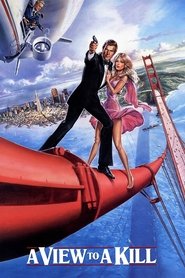
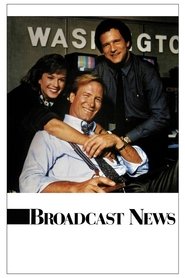
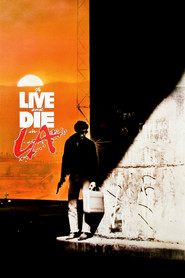
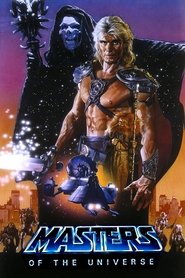
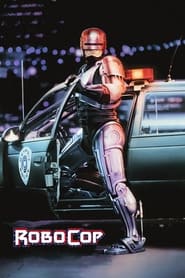
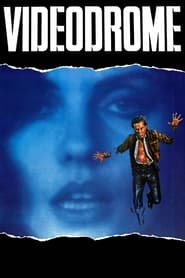
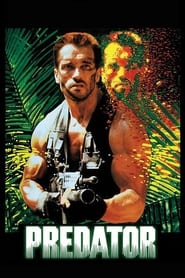
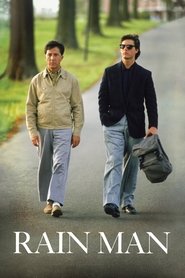
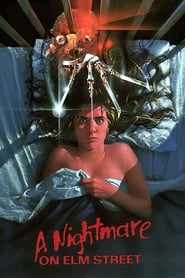

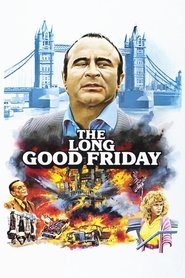
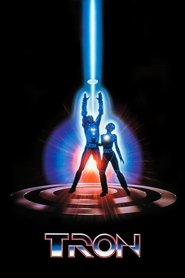
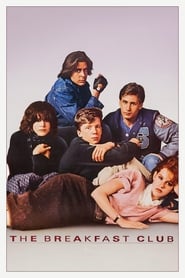
Related topics
Other topics that frequently come up in the same commentaries.