Topics / Writing & development
Adaptation & source material
141 commentaries in the archive discuss this, with 1,321 total mentions and 72 sampled passages on this page.
Filter commentaries
Filter this topic by the film's decade or the type of commentary.
Showing 37 of 141 commentaries
Clear filtersBy decade
Across the archive
ranked by mentions · click any passage for the moment in the transcript
-
director · 3h 29m 99 mentions
The Lord of the Rings The Fellowship of the Ring (2001)
Peter Jackson, Fran Walsh, Philippa Boyens
-
And it became so overstuffed with information and so sort of overburdened with its own enormity that we eventually decided we didn't need one. And we shot, obviously, everything for the prologue when we were doing the original photography. But then I remember that as we got into post-production and cutting, we felt that the prologue was possibly redundant and we developed an entirely different opening, which was more revolving around hobbits and what hobbits are.
0:59 · jump to transcript →
-
then this sequence started to feel like there was just too much narration. To some degree, that's probably true, but it is such a delightful sequence that I just felt that it deserved to be seen. And so, you know, for good or bad, here it is on this extended cut. Obviously, it establishes the book that Bilbo is writing, which we now see later in Rivendell.
9:01 · jump to transcript →
-
but it's possibly not the best way to introduce the character by seeing him in this manner first. The shots here of Gandalf and Frodo talking were done after the original Hobbiton scenes were shot. One of the difficult things with the beginning of the film was the fact that we have to talk about Bilbo
13:24 · jump to transcript →
-
-
director · 4h 13m 83 mentions
The Lord of the Rings The Return of the King (2003)
Peter Jackson, Fran Walsh, Philippa Boyens
-
A little peckish. Just when you're waiting for the lunch break to happen and you look around and see if there's any nibbles and the craft services table's a bit far away, but there's always a lambus bread lying there in the prop department. Pete, that's desperate. Yeah, no, that's where it all went when the props people were complaining that somebody was stealing it. It was me. It wasn't Gollum after all. There should be enough. So these are the pick-ups. This stuff here that we're looking at, these close-ups, were done four years after the original shots. The journey home.
8:15 · jump to transcript →
-
It was very windy that day. It was very windy and the wind kind of dictated the look of the scene to some degree. You know, it was creating problems for Christopher. His hair was blowing into his mouth while he was talking and his beard and robes were blowing around. But I kind of like the look of it. It has an organic kind of reality to it. And it was interesting because the original shooting of that scene back in 2000 was done with the wind and the look and the feel. And when we wrote some extra lines for him to do last year...
13:26 · jump to transcript →
-
We did those pickups three years after the original shoot in a studio this time. We weren't out in the parking lot. So we had enormous trouble getting all these wind machines in and we had to blow his hair to the same degree because it had to match perfectly. And so Christopher was now in the studio delivering lines, battling against this enormous wind machine that we had blowing into his face.
13:54 · jump to transcript →
-
-
director · 3h 43m 82 mentions
The Lord of the Rings The Two Towers (2002)
Peter Jackson, Fran Walsh, Philippa Boyens
-
about a million different ways to get the elvish rope into the... I know. Because it was just such an iconic moment. It's a lovely part of the book, and it was always tough to fit it in. It didn't have a story imperative, unfortunately. Well, you realise it's become a DVD special edition kind of thing now because the giving of the elvish rope to Sam was in the Fellowship extended cut, and then the using of it is in the Two Towers extended cut. If you look at the movie version, it doesn't exist. It's kind of cute.
4:24 · jump to transcript →
-
The Frodo that we see here at the beginning of the film... ...is more similar to how Frodo ends up at the end of the film... ...after he's travelled the journey that he's about to go on. Fran and I went hunting for something that could remind Frodo of the Shire. Sure enough, there it was in the book... ...and the salt is actually something that Sam does carry all the way. We can't leave this here for someone to follow us down. Who's going to follow us down here, Mr Frodo? The little prefiguring of Gollum is quite nice too...
5:20 · jump to transcript →
-
It's sort of the one place we could find with all these jagged rocks and mountain peaks. Because the Emmen Muell scene is something that I love in the book as well, the idea of just walking around this misshrouded mountainous countryside and getting lost, going around in circles. Let's face it, Mr Frodo, we're lost. And the wider shots were shot about two years earlier, weren't they? Well, the wide shots were done in the original shoot, yeah, the wide location shots and the close-ups that we're looking at now
6:16 · jump to transcript →
-
-
-
And the only thing I knew when I started writing the book was that I was to portray Blackeberg and something horrible would come there. I didn't know where it was from the beginning. I didn't know it was going to be a vampire. But then as the story went on and I knew it was going to be a love story about young people, I came up with that a vampire would be the best horrible thing to come there. And this is also very typical 80s. The policeman coming to visit your class talking about drugs.
5:12 · jump to transcript →
-
And Håkan was a character in the book that I had a lot of trouble with, because I didn't want him to be just a monster. It would have to be someone that you could feel empathy for. And I used a lot of space in the book to describe him in such a way that you could feel some sort of empathy. And amazingly enough, I think this goes through, even though he's only got a short role in the movie. Per Ragnar, who plays this character, does an amazing job, and
9:55 · jump to transcript →
-
re-edited the sequence because in the original in the book and in the script the tormentors come into the to the toilet and they bully him in there but we thought that when we had edited the film too much violence came too early so it sort of punctured the pressure so we wanted to wait a little
15:19 · jump to transcript →
-
-
-
And I'm Ted Tally, the screenwriter of this motion picture. Thanks for watching our DVD. I got a call from my agent who said Stacey Snider wanted to send me a script. Stacey called me directly. Stacey is the chairman of Universal for those of you who don't know. It said Red Dragon, and I said, "Red Dragon. Is this "the prequel to Silence of the Lambs?" I was familiar with the book but hadn't read it. At first, I was very insecure and said, "Am I like the 'Go-to' guy on sequels? "Why is she sending this to me? 'Cause no one can mess this one up?" And then, I saw Ted's name on it and said, "This is the guy who wrote Silence of the Lambs, "but didn't write Hannibal. "So, this must be special. "Why are they sending this to me? I'm not a dark guy. "I don't make dark movies. I do comedy." -/ think they sent it because you're cheap. - Exactly. So I read it, and I was completely blown away. Not to blow any smoke up anybody's butt in my presence, but the truth is the script was amazing. I called up Stacey and I said, "I want to do this." She said, "Now you get to meet Dino De Laurentiis." And I said, "Dino De Laurentiis "of Fellini fame?" - Scary thought! So I went to his house and first thing he says to me is, "Why do they like you? Who are you? "I never heard of you. What is Family Man, Rush Hour? I don't know these movies." I said, "Dino, I'm a talented guy. Trust me." And thank God, Ted had seen Family Man and Rush Hour, and his kids or someone in his family was a fan. Brett might not have been an obvious choice but Brett is an incredibly talented director and clearly ready to try something new that he'd never done before. He is a great fan of Hitchcock and of thrillers, and brings a tremendous energy and confidence to his work. I was such a big fan of Silence of the Lambs. You know what I was excited about? Most people asked, "Weren't you scared "of following in those footsteps?" First of all, I had three brilliant directors Michael Mann, Jonathan Demme, and Ridley Scott, who made three movies in the exact genre, but completely different. I was excited about it because, by watching those films, I knew what not to do or what I didn't want to do. I was able to decide on the type of movie that I wanted to make. And it helped me choose the tone of the movie. I realized I wanted to make a movie more like Silence of the Lambs. More Hitchcock-inspired. A movie that scared you by what you didn't see more than what you did see. I've read that the most important single decision you make in directing a movie is tone. - Absolutely. Because it's the direction of the film. It helps you with every choice that you make as far as the wardrobe, the production design, the music. The tone, to me, is really everything. Dante calls it, "The language of the film." We have to integrate what we're seeing now, Kristi Zea's set design with its dark, rich color in Dante's cinematography. The choice is even of the props. The integration of all of that, the wardrobe. It's sort of overlooked by people and it should be something that doesn't call attention to itself. But when all of those elements are integrated... Look at this moment here. You get a much more powerful movie if nothing sticks out. If everything is consistent in tone. Special Agent Graham. What an unexpected pleasure. I'm sorry to bother you again... If you see on the left-hand side over there, a little detail, I found this book of Sigmund Freud's office in, was it Vienna? That's where I kind of modeled Hannibal's office. I modeled the tchotchkes, the details.
0:08 · jump to transcript →
-
So that sequence, those two minutes of the movie, which could have been a very boring, dull sequence. I had a long conversation with Kristi Zea. It was wonderful. She called me up and said, "This book of Dolarhyde's. "What does it look like? What's in it? "How is the handwriting? What kind of photograph?" We had a long conversation which for a screenwriter... You don't often get a call from the production designer to talk about a prop. It was a wonderful opportunity to be part of the design of the movie in that little section. You've got a beautiful setup here, Will. This was actually in the Florida Keys. You know why I'm here? Was it Marathon? Yeah, I can guess. The location is meant to be Marathon, Florida. Dino wanted us to shoot in North Carolina because he had studios there and a house on the beach or Malibu because it's close to his house in Beverly Hills. But the truth is, I wanted to stay true. When I said I chose the tone, I'd really chosen the tone of the book, going back to the book. Everybody here was honoring the book. We really gave a lot of respect to Thomas' book. Tom Harris is a wonderful writer. When you're doing an adaptation like this, it's a great resource to everybody to be able to pick up the book, as you can go into more details than the screenplay. It's a help to both the production design and the actors, who can go back and find out details of motivation. It's helpful to everybody to have that bible to refer to. So when it said Marathon, Florida, I tried to stay true to that and actually go to the location in Marathon, Florida. It just felt like it was the tone and even the location, like Grandma's house in the same description of the rural area where it was, and the type of house it was. It was an old-age home once, which is really back-story, but Kristi incorporated that into the design. I was so happy that she and Ted really stayed true to the tone of the book visually as well when it described the locations. This was so much fun being down here, by the way. It was the end of the shoot, and we were just down there on the beach. This was probably the hardest scene I shot with these two guys. In what way? Because it's exposition? Anything with exposition... -/s tough. It's tough to make it sound like real conversation. But honestly, there's not a line in this movie that I'm not proud of. I mean I can't say there's a line... It was a tight script. We did cut a few lines and a few parts from scenes but Brett and I actually worked quite a bit on the script before the production started, and we had it pretty tight. And the shooting stayed quite faithful to the script. I have to say that every scene was hard for me because I'm used to scenes with not much dialogue. I, unfortunately, am a very talky screenwriter. So it was a clash of cultures. Coming from being a playwright, I guess. There is a lot of dialogue in this movie, I tell you. And it was not a single-spaced script. It's a long script, and I kept saying, "Make them talk faster. "Don't cut the thing, just make them talk faster." Ted's advice to me was, "Brett, when you're happy, "ask the actors for a take where they talk double speed." And I did that. Probably that's all the takes that Mark ended up using in the editor's room. He kept calling me, saying, "This movie will be four hours long "If you do not get them to speak faster." The thing you run into as a screenwriter, even with the best actors, is that you try to pace a scene to fit within an act structure and fit within the entire screenplay. But then actors wanna take very long, dramatic pauses. Actors want to look down and up, across the room, at each other, and finally say the line. - A lot of pausing. And that's what you're up against when trying to time out the length of the scene or act. I wanna say something about these actors. Once I got Edward Norton, I used Edward to get another actor. Once I got Ralph Fiennes, I used him, I got Emily Watson. - You parlayed them into each other. I said, "Philip Seymour Hoffman, I'm getting Mary-Louise Parker." I knew each one, who they were a fan of. I used them against each other to get them in the movie. I literally thought I'd be able to walk onto the set, and it would be the easiest movie I'd ever made because I had these brilliant actors. I could just say, "Action." I read one article or something about this movie that said this was the most distinguished cast that's been assembled in any movie in the last 20 years. But the truth is, it was probably the hardest movie I'd ever made because the smarter the actor, the more experience they have. It's a myth that these great actors don't need direction. They want direction more than any other actor. They want direction, but they have ideas of their own because in the end, it's up to them. They are the ones whose face is filling that whole screen. And they have to absolutely believe what they are doing, or they can't convince an audience of it. What I'm trying to say is, there was a lot of dialogue going on. A lot of intellectual discussions. And each of these actors are not only smart actors, but they're highly intelligent, all smarter than myself and... A lot of them have also directed or even written as well. They all had an opinion. And my job, I felt like it was my job to save the script. This was a script that worked to me. We had a table reading of it. It was fantastic. And Ted was
11:13 · jump to transcript →
-
whispering in my ear, "Dude, don't let these actors do this." He was right. The truth is, the words, the scenes, and the story work, which is why I was able to concentrate on my storytelling, my craft as a storyteller. If I had these great actors saying what was on the page, then I could work on telling the story, moving the camera, picking the lenses, and a lot of other aspects which I don't really get the time to focus on when I'm doing a movie like Rush Hour, which has 10,000 times more shots. The kind of scene that we're watching right now with Edward Norton investigating the home where the family was murdered. Is this a harder scene to do than other kinds of scenes? There's no dialogue here, so that the storytelling is purely visual. -/s that harder or easier for you? - I think it's easier for me. When there's a lot of dialogue, I'm used to Jackie and Chris who, God bless them, are so much fun to work with. They do two or three words at a time and then I cut. And then I pick up like one sentence. These actors can do five pages without stopping. So I have to remember all the... Any notes that I want, I have to remember. It's a huge amount of thinking. I was physically exhausted making a movie like Rush Hour at the end of every day. In this movie, I was mentally exhausted, which is more exhausting. And these actors demand my attention, my focus, and they want to have dialogue, sometimes after every take about, you know, what they did. "Why would I say that?" - "Why would they do that?" It's always "why?" That is the big question. Sometimes I'd say, "I really don't know. "Can you just say what's on the page? "Because it's gonna sound good if what you Say is on the page." I allowed the actors to experiment with stuff, but the truth is, I always got them to do exactly as it was on the page. And 97 percent of the stuff that's in the movie was on the page. Maybe even more. There were little moments like this added line here that Edward added about the way the kids were shot and stuff. Which indicated he might have used a silencer. I think it's probably in the book. Edward does a Iot of research and has a photographic... Is it "-graphic" or "-genic"? Photographic memory. He memorizes not only his lines but everybody else's lines. So he is very well-prepared, and really puts a lot of thought, like all the actors into what he is saying in every moment. It's very striking with Edward, as with other great actors, how much they can achieve while appearing to do little. It's very internalized. I think Edward is very concerned to not have a single false moment. And I respect that integrity in him.
17:12 · jump to transcript →
-
-
-
Ridley Scott
The fish market sequence, whilst it reads great in the book... ...and finally reads well in the screenplay... ...and I think comes off very well in the film... ...is kind of really a part of the film that's... I kept asking myself, is it necessary to have this? Why do we have to have a shootout? It doesn't matter how good it is, albeit it's conventional.
6:38 · jump to transcript →
-
Ridley Scott
one of the Vanderbilt houses that was one of his favorite houses. It's an extraordinary house that I decided, you know, had to really ask the question. All these are decisions when you're planning. I was reading the book and then in preparing the screenplay, how wealthy was Mason Verger? And so I figured that I had to make him really Vanderbilt wealthy, and being the black sheep, the son who strayed,
16:24 · jump to transcript →
-
Ridley Scott
He loves to, I think, visit certain films provided he's actually got... As he said, I don't mind the shortness of the part. He said, what I mind, it's about quality, not quantity. And he was very amused by the character. And as we can see and as we witness, he obviously had a very amusing time doing him because he creates humor out of this character that, you know, in the book is...
17:23 · jump to transcript →
-
-
-
Kat Ellinger
Hello and welcome. My name's Kat Ellinger and I'm an author, editor and critic. And welcome to my commentary for 2000's Baise-moi, co-directed by Coralie Trinh Thi and the original novelist of the controversial novel published in 1994, Baise-moi, Virginie Despentes.
0:00 · jump to transcript →
-
Kat Ellinger
womanhood in general and how we treat rape and how it can often define us. Based on Despentes's experience, she was actually raped by three men at gunpoint when she was 17 years old, her and a friend. And so not only do I find it an incredibly cathartic film, but from a feminist point of view,
0:50 · jump to transcript →
-
Kat Ellinger
what a powerful political statement that can become. There is this sense of porn always being somehow lesser. And one of the things I love about the character of Nadine, played by Karen Lancaume, or a.k.a. Karen Bach, and it's used in the book much more, is she's a porn junkie.
15:55 · jump to transcript →
-
-
-
E. Elias Merhige
We begin on the next frame with Saturn Films. Interestingly enough, the name that Nicolas Cage chose for his company, Saturn Films, is a name that Albin Grau, the original producer on the 1922 Nosferatu, chose for his journal, a journal that went through six years of editions. The journal was about esotericism and theosophy and anthroposophy.
0:30 · jump to transcript →
-
E. Elias Merhige
this Promethean fire of genius, of pure creativity, wanting nothing more than to spread itself like a disease out into the world and to transform and change the world through art. You will see this Promethean figure embodied in John Malkovich, and we worked very hard together to create, you know, who this Murnau is, who our Murnau is, because our Murnau obviously is, though based on some actual facts, you know, from history, is
5:18 · jump to transcript →
-
E. Elias Merhige
Take a look at the original Nosferatu and compare it with the scene. It's just a stunning comparison. And then you have these guys outside of the inn. They've turned this old inn into this movie studio.
19:55 · jump to transcript →
-
-
-
James Mangold
In this case, very few people except film buffs know of the original 310 Iyuma, so we weren't really motivated by greed as much as we were the power of the story. And I always look at it more like a revival, like they'd make on Broadway, where you do another production of, you know, Death of a Salesman with great esteem for the original, but trying to remount the story and see how it plays.
1:25 · jump to transcript →
-
James Mangold
One of the first tasks in terms of adapting and updating this story by Elmore Leonard was figuring out what we wanted and what we didn't in terms of how we were going to attack it and what story elements we were going to emphasize differently than the original film and what we thought they really got 100% right in the original film. One of the reasons that Halstead Wells is the first credited writer on the screenplay of this film
2:46 · jump to transcript →
-
James Mangold
is because we felt an awful lot that Halstead did in his screenplay in 1957 for the original 310 in Yuma was really right, was dead on right, and there's some great writing in that film that, out of ego, I wasn't gonna just dispose with. I thought these actors, Russell, Christian, Ben Foster, Gretchen Moll, et cetera, would have a great time doing this stuff and playing these words anew.
3:13 · jump to transcript →
-
-
director · 1h 36m 12 mentions
Aliens vs. Predator - Requiem (2007)
Colin Strause, Greg Strause, John Davis
-
Especially down in this scene when we murder children. Yes, this is one of the better parts. Exactly. Now, this is my favorite scene in the movie right now. I love this, and I love what's about to happen with the kid also. To me, it just reminds me of all the original Alien movies. It's my favorite part of the original Alien movies. And pop. Exactly. And a lot of this we did...
14:52 · jump to transcript →
-
our nickname for the Predalien. And he's establishing his dominance over the little newly shedding warriors. Bitch-smacked the warrior around and then gets to have his way with the homeless lady. And this is one of the homage shots, the original Predator. It's very, you know, the whole layout and composition of the shot was very similar to the opening of the original film. And again, obviously, this is a visual effects. You want to talk about Hydraulx a second, guys?
19:22 · jump to transcript →
-
So you get the interesting look to the optical distortion when he's cloaked. These here were a couple of these are green-screen shots actually shot on a stage, and then we put in the matte paintings of the lake location. Right, and by the way, both the aliens and the predators went back to the original house that had done AVP1. Yep, and Alien 3 and Alien Resurrection. Yeah, Amalgamated Dynamics. And those guys were just kick-ass as well. I mean, Tom and Alec are like...
20:18 · jump to transcript →
-
-
-
Ron Howard
that Seuss's book give us. And so our idea was to do the pre-story, to kind of let the first half or so of the movie be the prequel to the book. In doing so, we had to take a lot of creative license, including creating the myth of how the Grinch came to live on the mountain. It was fun and interesting in the writing, and also I was always very proud of the way audiences responded to this particular sequence that deals with the young Grinch.
24:12 · jump to transcript →
-
Ron Howard
trying to sort of weave the book together with the new material that we were going to be developing to try to expand the story, and to really keep working on Seuss's original theme. In analyzing all of Theodor Geisel's children's stories, what you begin to see is that they're all fables, and one thing that he often did was work through an innocent character, in this case, Cindy Lou Who. So even though the book, How the Grinch Stole Christmas, does not use that device,
32:50 · jump to transcript →
-
Ron Howard
again, didn't exist in the book whatsoever, but they're a real outgrowth of what we've developed through the first half of the story and provided a great performance opportunity for Jim and for Taylor. Look at that walk. Jim is so physical. When we were rehearsing this movie, of course, without the costumes, air-conditioned sets, Jim in a T-shirt and jeans,
41:25 · jump to transcript →
-
-
-
He had shown me some pictures and I didn't like the original pictures he showed me of some of the choices because the faces, the dogs didn't look warm and nice enough. And I wanted a German Shepherd with a lighter face and lighter eyes and that had a warmth. And then he found her. And I think he had about a month and a half to work with her and with Will to, you know, she didn't even know her name when she started. It's just amazing how great she was to work with.
19:32 · jump to transcript →
-
You know, we had a rule on set that she wasn't allowed to deal with anybody except Will and the trainer, so she could keep her focus. But man, she was so, so easy to work with. This is a scene that's inspired really by the original Omega Man that we took as our source material, both the Matheson novel and the second adaptation.
19:56 · jump to transcript →
-
this we actually our dog trainer had these Mexican hairless dogs that were pretty frightening looking and so we based these off of the Mexican hairless dogs and me and the visual effects supervisor went up to his ranch and we videotaped this dog being sort of taunted by this bone and snarling and hopping around and that's what the movement of these dogs was based on which is uh
52:09 · jump to transcript →
-
-
-
Rob Cohen
the boundaries of the Han Chinese Empire were at constant civil war. And ultimately, each king tried to become the emperor and rule the other six. And here, based on some true history, assassins were sent out to murder the one king that would be able to
1:52 · jump to transcript →
-
Rob Cohen
...unite the country and dominate the entire political system... ...which is the character Jet Li plays. And, by the way, the assassination attempt was the subject of Jet's movie Hero... ...which was also loosely based on the history of the Qin dynasty and that emperor. Here, in short strokes, I was trying to show the misery and ruthlessness...
2:20 · jump to transcript →
-
Rob Cohen
The book that's coming up... ...is actually a scroll called The Oracle Bones in the movie. And if you look to the left... ...those bones with the writing on it are the true Oracle Bones. I had to give a form of concentrated knowledge... ...but the real Oracle Bones were discovered... ...in the early to mid 20th century...
6:07 · jump to transcript →
-
-
-
Been through so many people for Dr. Painter. Here's Joe Sarno picking up the trail. Yeah. People miss that. People miss it. Oh, believe me. People miss a lot of stuff in this movie. People miss the movie. Now, here's, talk about. Timing? Well, talk about Benicio and writing. Those three lines were the last three lines of a three-page scene. Right. That I wrote based on a discussion with Benicio. Is he saying how can you kidnap someone with honor?
26:44 · jump to transcript →
-
purpose of of calling for the doctor and it was it went on forever it was this big argument but i wrote it based on benicio's need to have clarity for this character right and when when i finished it and handed it to him he says you know this whole scene is about these three lines you can cut out the rest of the scene yeah let's talk about that for a second or go ahead great benicio great touch with the wallet yeah it's really nice well he's really got the body language of parker down
27:38 · jump to transcript →
-
further than you did as a writer. Well, I mean, the original rough cut of this film was one hour and 45 minutes long. No, no, no, it was much longer than that. I'm sorry, two hours and 45 minutes long. One hour. We went out and shot more. Only Peckinpah shoots movies that take longer to watch than they do to shoot. Oh, yeah, and by the way, my apologies to Sam Peckinpah and his estate for making any comparison. I think it's completely unfair to Sam Peckinpah that this be called a Peckinpah film. Right.
30:41 · jump to transcript →
-
-
-
Andrew Niccol
I mean, one thing is getting the idea, but executing it's another. Shot required placing a 100-foot crane on a very rickety wooden pier. In the original script, we got to see Yuri's childhood in Ukraine. Ten-year-old Yuri comes up with the idea to pretend to be Jewish to escape the Soviet Union. But that part of the story had to be cut for budget reasons.
4:37 · jump to transcript →
-
Andrew Niccol
And potatoes, they seem bizarre, but it's actually based on the real precedent. South Africa, but it's supposed to be in Colombia, of course.
22:59 · jump to transcript →
-
Andrew Niccol
This legal loophole that Yuri uses in this scene is based on actual incidents I came across when researching the film. Arms dealers really do try to pass off military helicopters as rescue helicopters. In fact, during shooting, Mark Thatcher, son of former...
47:15 · jump to transcript →
-
-
multi · 1h 3m 8 mentions
Star Wars: Clone Wars, Volume Two (2005)
Genndy Tartakovsky, Bryan Andrews, Paul Rudish, Darrick Bachman
-
Right on. Let's do the Rancor face. And there it is. One of the things about the pre-production artwork from Lucasfilm was that the clone troopers all had different paint jobs. It was more like a World War II Vietnam where the soldiers would all dress up their helmets and everything like that, and that's one of the inspirations for some of the Clone Wars stuff. Actually, I think the original ARC trooper stuff came from Hasbro, and they did the first idea for that.
1:02 · jump to transcript →
-
It does. Kinda. So in moments like this, we get a little chance to harken back to the original movies by playing on some of the old lines and stuff, you know, like there's, you know, alternatives to fighting,
17:28 · jump to transcript →
-
you know, toe-to-toe, slugging it out. And I think we wanted all this stuff to be longer because we had so many ideas for, you know, big pirate battles between two ships coming together. That was one of the original ideas. Right. And then we finally got a chance to do all boarding parties. Yeah, we got to have two pirate ships with all the guys swinging on ropes across there. But even though we had more time for these episodes, it's still, like... Not enough. It's still not enough. We still want to have so many ideas. Right.
30:44 · jump to transcript →
-
-
-
James McTeigue
I wanted it to be like a fascist state but more about... ... how people live now. About more how... ... society is, and politic is... ...and people are controlled by capitalism. It's not about beating people into submission anymore. I think everyone's worked out that those manifestos don't work. Today, I think a dystopic vision... ...lncludes something more like, you know... ...material comfort, sort of, you know... ...quelling your desire to speak out against injustice, or something. It's more like an Iran totalitarian society... ... than a Soviet Union totalitarian society. You do have the creature comforts. Maybe your choice is limited. But it's not about being beaten into submission. It's about being complicit. He should conclude that the New Bailey will become the symbol of our time... ...and the future that our conviction has rewarded us. Mr. Heyer. Our surveillance cameras captured several images of the terrorist... ... though the mask obviously makes retinal identification impossible. We also managed to get a picture of the girl that Creedy's men were detaining. Who is she, Mr. Finch? - Not sure yet, sir. But we're working on several leads. - Anything else? We located the fireworks launch... ...and found traces of the explosives used at both sites. Unfortunately it appears that despite the heavy level of sophistication... ... these devices were homemade with over-the-counter chemicals... ...making them very difficult to trace. Whoever he is, chancellor, he's very good. Spare us your professional annotations, Mr. Finch. They are irrelevant. Apologies, chancellor. Gentlemen, this is a test. Moments such as these are matters of faith. To fail is to invite doubt into everything we believe... ...everything we have fought for. Doubt will plunge this country back into chaos, and I will not let that happen. Gentlemen, I want this terrorist found... ...and I want him to understand what terror really means. England prevails. England prevails. TV is so ubiquitous, you know. I mean, it's everywhere. You can't escape it. Part of it is a bastardization of what happened in the novel. There is, like, a TV station siege. Then, I think it's pretty obvious... ... that, you know, capitalism has won out, everywhere. Part of your social strata in some countries... ... 1S how big your TV is and how many TVs you've got. That's a way of disseminating information. And whether that information is right or wrong or it's bad or it's good... .or it's true or it's untrue. I think that's what I was trying to get at. It's also a part of the, obviously, part of the system of control. You have a government broadcasting station and it seems to be the only one. I mean, I can't remember. I might be wrong. But it seems like it's the only station that everyone.... And then you see everyone watching that very station... ...and Evey's working at it. And Deitrich is ready for his tea. I don't get it. Why does he wear a Guy Fawkes mask? Didn't Fawkes try to blow up Parliament? It's not too late. He's still got another 16 hours. Maybe he's just getting started. Yeah? Okay. A lead on the girl. Look, don't get me wrong, I love it. A cow getting crucified. It's hysterical. But you'll never get it approved. You've got to rewrite it, okay? Gotta go. I don't recall getting stood up by a more attractive woman. Mr. Deitrich... - Gordon, please. I don't need "mister" to make this body feel any older. Gordon... ...I was on my way last night, but there were Fingermen... ...and I got scared and went home. Sadly, after last night, I think our curfew will only get worse.
11:00 · jump to transcript →
-
James McTeigue
Right there. What's he thinking? Is he considering leaving her? After she just saved him? He's a terrorist. You can't expect him to act like you or me. Some part of him's human. And, for better or worse, she's stuck with him. I wanted the mood to almost stop, like she's being stopped. Or she's being trapped. And so I thought it was, like, good that she wakes up... ...she hears the music and then she comes out and, you know... ... she discovers the reality of her situation. And in some ways, you know, I wanted the music to draw her out. Because that was gonna be used as a recurring motif for later on. I think the Shadow Gallery is a, um.... And V is a custodian of many, many, um... ...art forms that have been either banned, that have been banned by the government. And so he's collected all these things together in this one space. So it's a place of refuge. And it's, in a way, it's a place of refuge for the viewer as well. As a result, because there are only two characters you see in the Shadow Gallery... . It's a place of intimacy. And it's where Evey and V start to connect as human beings, rather than.... You don't see the masked man, although, of course, he's still in a mask. You start to find out about the human being. It's also something that makes her.... It's a place that makes her understand the cause, I think. Because all of this art and literature and music and everything is there. You know, it's like the Churchill thing that he said during World War Il... ...when they asked him to cut arts spending... ...he said, "Well, then what are we fighting this war for?" It's like, you can't sacrifice... ... the very things you're fighting for. My favorite line in the movie... ... which obviously comes later in your chronology. But my favorite line is when V says... ...a revolution without dancing is a revolution not worth, you know, fighting. I think the other thing about the Shadow Gallery that I really liked... ...and it was a really nice part of the book, is... ... the art that they had in there. The books that they chose. The music that they had. And the things that they thought were gonna be banned. Which I thought were very interesting, you know, choices in the graphic novel. And then I just used an extension of that, almost. And it was a really good chance to put a lot of stuff in there that I like. And James won't brag about this, but, like... ... the jukebox... ... had, like, 300 handpicked songs... ...by James of, like, what he would save. It was all written out, like, very specifically. You were unconscious and I had to make a decision. I did have this crazy idea, at one point. I was gonna light the day scenes different to the night scenes. Just because I thought that V wouldn't perpetually live on, like, a... ...some sort of 24-hour clock. So I was gonna do this blue hue at one point... ...and then this, sort of, like, golden hue. But I went for the golden hue in the end. Because I thought the blue thing was a little cold.
25:55 · jump to transcript →
-
James McTeigue
It appears that the original electronic records have all been lost. Probably during the Reclamation. A lot of things went missing back then. But I found this hard copy filed in the cold vault. Everything we've got on Larkhill is In there. Thanks. This is a great help.
43:32 · jump to transcript →
-
-
director · 1h 37m 8 mentions
John Cameron Mitchell, Justin Vivian Bond, Sook-Yin Lee, Paul Dawson + 1
-
It's a secret. Or oysters, which is a natural source of both. PJ, coming in, wondering why his four orgasms that were in the original script were completely eradicated throughout time, and now I'm forever blue-balled. Is that a Neil Diamond song? That's a blue-ball face right there. Aww. This is my favorite moment of Raf's right here, is when he...
7:34 · jump to transcript →
-
It's totally stolen from another part of the scene. Yeah, it looks like it to me. I thought there was some handiwork in the editing. In some ways, this scene had the most editing work on it than any other scene. You're kidding. Because it was our first day, we really didn't quite have our rhythm yet. You guys were nervous. I was nervous. Frank was nervous. And the scene was very long. The original scene was 14 minutes. A lot of the scenes were a lot longer.
11:17 · jump to transcript →
-
So he was the creator of the Real Life Salon. The Real Salon that this was based on, he would show 60mm films. There's Jonathan Couette. Jonathan Couette, who directed Tarnation. He auditioned for Shortbus, and that's how we met him. And he had elements of his film Tarnation in his audition tape for Shortbus, which is how I became aware of it and tried to help him out.
21:27 · jump to transcript →
-
-
-
And then he also had been talking about he wanted every episode to have a different style from a different director. That made me feel relaxed. And then he said that this is a completely new story. There's no need to connect with the first one and no need to worry about the original TV series. So I had no worry. I could see it as my own movie. You keep staring at that watch as if your life depended on it, Doctor. Oh, yes.
1:33 · jump to transcript →
-
During concerts, we also using the flamenco dance, guitar music, and the sound of a footstep. And the footstep, and getting stronger and stronger, and the concerts are getting much more crazier, and it feels so much of an energy and romantic, you know? And then I came up with the ideas, you know, of the flamenco dance, and also to make Thandie's character as a thief. In the original script, she was one of the spies or something like that. I think a spy is not interesting.
12:51 · jump to transcript →
-
Whatever it is you're talking about, you couldn't possibly want me off tonight's performance. You didn't do that, Ben. After the party scene, you know, that Tom tried to convince Taney, in the original script, you know, there were only both of them talking in the room. But I just feel it's pretty boring.
17:26 · jump to transcript →
-
-
director · 2h 10m 7 mentions
Richard Curtis, Hugh Grant, Bill Nighy, Thomas Sangster
-
Trouble is, once you've done car scenes, you always know that they're sitting on a trailer. Yeah, I know. - You always think, "Why is the car so high?" I know. And there's a slightly odd squeak and things. We've tried to cover it, but... Clever guys, although I think the original version was by Frankie Valli & the Four Seasons. I think this bit of conversation's a bit obscure for people, apart from you and me. I slightly worry about it. Where do you stand on the Tremeloes? Where do I stand... I could never quite relax around the Tremeloes, but they were... On the other hand, Frankie Valli and the Four Seasons, I think, are... More serious, yeah. - ...a fantastic band. And now Billy Bob Thornton. - Yeah, take a look. Extraordinary human being.
39:17 · jump to transcript →
-
Come on through. I'm sorry your wife couldn't make it, by the way. Billy took the part based on the letter that we sent him. He thought we sounded like a nice bunch of guys. Well... - And he fancied a trip to England. So... And I love him for that. Yeah, well, the difference is you're still sickeningly handsome, Did you feel... - But he does have particular demands. He's a wonderful actor with particular demands. Like the one that he can't be around antique furniture. This scene must have been torture to him. There. - And there on the wall, incredibly, is a picture of Benjamin Disraeli and his biggest phobia of all in life is Benjamin Disraeli, so he's actually being very brave. - It's true. Very sensitive about this. - I know. And I said to him, "You're frightened of Benjamin Disraeli?" He said, "Don't be ridiculous. Who would be frightened of Benjamin Disraeli? "But, on the other hand, his facial hair, terrifying." ls it particularly Benjamin Disraeli? - Yes. Yes, it is. Before he came here to make this film and saw Ben... Absolutely. - He walks around... And in this scene here, just when he's about to do an important close-up, I slipped that picture of Benjamin Disraeli in front of him. And that's why he's looking so distressed. Well, it worked. Wow. Golly. Now he hates you. Yeah. Now he's gonna punish you. There's no point in tiptoeing around today. Glamour. Look at that tie. It's actually made of sheer gold. The costumes were done by Joanna Johnston, and I won't talk about her for 40 minutes, but she was fantastic and did this great thing of always trying to push me a bit further than I wanted to be pushed, particularly with your clothes, Bill. - Well, quite. Yeah. Bit further than I wanted to. -[t made it so much more interesting. She always wanted that third button undone. She also followed the golden rule, which is to spend much more on my suits than Colin Firth. Which is very good. - Yeah.
40:08 · jump to transcript →
-
a relationship based on the President taking exactly what he wants and casually ignoring all those things... Do you know, when I watch this, I feel such deep respect for you as a human being, Hugh. We had a difficult day, this day, because of this moment here, wasn't it? There was an extra thing in the list. Well, you rewrote it at the last moment. - Adding the words... Adding the words, "Catherine Zeta-Jones's breasts." That's right, and Hugh couldn't deliver them. And he kept on breaking and saying, "No
43:17 · jump to transcript →
-
-
-
My name is Len Wiseman. I'm the director of the film. I'm sitting here with Kate Beckinsale and Scott Speedman. And Kate plays Selene, obviously. And Speedman, I think you were one of the set PAs. Yeah, set PA. I got promoted. That's Speedman right there. - That's me. That's me. Or Michael. Michael. - Yeah, it's Michael. You've got a lovely young back. - I do, really nice little back. So we're watching... This is an extended cut. This is not a director's cut. What it is, It's a version that's put together... ...to show you what's missing from the original film... ...and what had been cut out and what's been changed. And I'll go into some detail, not too boring... ... about why that happened. I like that type of thing. Do you? - That was Nate, right? That was Nate. That was Nate Robinson.
0:06 · jump to transcript →
-
There should have been a sinister laugh there. I love evil, sinister laughs. Those are the best. They're so funny, man. Michael should have belted one out. - If anyone could, it's him. He definitely can. See, we just bashed open one door. I was quite feeble in this one. It took a wee bit. Well, remember you kept locking your wrists? Like a ballerina? - Yeah. Those days are gone. - Gone. What's that? - No idea. Where are we? - This is a movie called Underworld. It's about vampires fighting... I'm glad you didn't make me blow dust off it. Wasn't there a movie we saw where... ...someone blew dust off five things? It irritated me. No, don't say what it was. - Yeah, I won't say the movie. What was it? - I'm not telling. Screw it. It was poor. - It was a poor movie. There was a lot of... - Dust blowing. Dust blowing. - Yeah, that sucks. Did you draw these, babe? - I didn't draw these. No, I didn't. - You can draw? I try. This is an extended scene. Let me talk about this. Okay. I'm not in it, so... - No, this is actually... ... Just goes into depth a little bit more about... ... how the Lycans were taken as slaves, and you see the branding here... ...and how they were all... - Why wasn't this in? It's cool. It's pacing. It was just taking too long... Who's Korgel? - Yeah, who is Korgel? I think he was, like, one of the transportation guys. And it shows that everybody-- Like, with the actual brands that, you know... ...Lucian has the brand of... With a V in it, so he was kind of... as a... Like Viktor's cattle, of sorts, so... I think this should have been in. This is cool. I agree with you. - Yeah. That's helpful. This is an extended version, ithas some stuff... ...that would have been in a director's cut... ...but then also some stuff that's in here that... ...was taken out for good reason. - I really like this. It looks thick for skin. It is, and looks like Play-doh when it's ripped off. Now, who's that? That is Lucian, who's in this movie called Underworld that.... I didn't see his head, man. Did you get a script? - Yeah, I read it. We don't know Lucian, even though we've seen him. It's him. He's got that necklace. So I'm just wondering... I mean, I know... lf you were asking me, I would have said Lucian, but I wanted to know. We're coming out with an animated version for children. You can get that. He only read his bit. You know that. - They only sent me my scenes. This is good. I like this. - This movie? Yeah, it's good. - You should maybe rent it. I should rent it. It's funny now. I get really... - Protective? In Blockbuster, some guy next to me was deciding whether or not he was... ...going to buy Underworld or Pirates of the Caribbean. And it really makes me quite nervous now when I see stuff like that. What did he buy? - I actually had... Pirates of the Caribbean. - I actually had to-- The good thing is... I said, "Oh, I would kind of go for that one right there. That's a good one." You did? - I did. And he said, "You know, I would have bought it... ...but I've rented it three times, and I should've bought it the first time." So that was good. - That's cool. Look at you exposing yourself. There's Forrest going in for the kill. Look, there's, again, there's close, close talking. This is the very first day for me. For everybody. Do you remember the conversation about repeating the lines? Me? - No, just with anybody. Oh, yeah. Yeah. Yeah. And then I did it. Did I do it? You did it once, and I said I liked that. When I do it, it's great. - You can pull it off. No, but I actually like this scene. I actually... No, I think this worked well. It's because I wasn't there. - You can tell it's, like, our first day. We don't look tired and... - I was really stressed. That was stressful. - It was the first scene I've done. lt was a really small set. Everybody was, like, crammed in. lt was a tense day. Everybody was there. That's always a tense day, but, for whatever reason, it was extra tense. Between reels, we were talking a bit about the Internet. And apparently, Kate found a site where it's discussed in a forum... ... that's discussing whether or not Len Wiseman... ...iS the worst person on the planet. - What? Based on what? And I say, "Yes." - Based on what? "He's a liar, a thief, a coward, a highwayman, something." How does he know you so well? Who is it? They're talking about whether-- It's, like, listing about, "He's a coward." Why would they call you a coward? - Because he's a big, old fraidy pants. But no, seriously. Did you read on or just turn it off? We read on. It's actually a bunch of... - They said he poses like a gangster. I pose like a gangster. - That is quite humourous. Sounds like a lot of jealousy to me. - It's a lot of jealous 16, 17 year olds. I thought it was all true. - Did you? This was the day you were mean to me, babe. Why were you mean? Because she was slowing down our day. I was not. - No, I don't even... You slow down your own damn day. - I don't even remember. I think there's a few witnesses to that. - Well, that's true. That's true. I know what it was. - What was it? I had arrived at 6 in the morning, and you wanted me to work through... ... Without lunch until 4, because it was convenient to you. But my child arrived three hours before, and I was... ... feeling a little bit like, you know, "Could I please go see my child... ...for the half-hour I'm promised?" - No, it actually... That's what it was. - I was not aware of that. You may not have been aware, but you were still an asshole about it. Crap. - There's a certain way that a movie... I feel like the child of divorced parents, I really do. I'm not aware when people eat lunch. That's the AD's thing. I wasn't talking about lunch but about parenting. Sometime, I'll take you through how a movie set operates. Oh, like you know, Mr. One-Movie. Oh, crap. This does not fare well.
41:53 · jump to transcript →
-
Oh, and you weren't here for this whole... Were you very glad, because the other babe was there? Yeah. That helped take some of the pressure off... ...but the-- Well, actually, this whole costume, we had a "wardrobe flaw"... Her whole boob escaping. - ...aS Janet Jackson would say. Poor you. Poor baby. - I rushed in as soon as I heard. Yeah, you're really good like that. How have you done that? That's CG, right? That's CG, which I don't think you've even seen yet. We shot that practically, and it just looked horrendous. It looked like three blind mice kind of popping up. And this was all a reshoot that we did. - Oh, really? Yeah, this was all back in L.A. We had a good time. It was just blood and guts. That's me throwing the paint across the window. Oh, is that you? - Yeah. Can you do a bit, like, when my coat flaps around, you're flapping it? That's the prop guy. - Very hands on. Yeah. What were you thinking right here? - "Is it nearly lunchtime? Should I buff my bottom? Am I gonna worry about my camel toe?" Remember how many people were on camel-toe watch because of that suit? No, it became "CT." I would just yell out, "CT," and, "Okay!" There were four people who made it their mission. This is new. This is a new shot here that's just showing Speedman... ...dreaming about the Olsen twins. And so we had some flashes that were supposed to happen right there. This is in the original. Coming up, there's a section where Viktor takes out some of the implants... ...and you see him unhooking himself from that stuff... ... that we had cut out of the original. This isn't it, right? - Yeah, this is. These shots, though.... These, I did all those in post. None of those shots... We didn't take any of the lights down. lt was something we did as an afterthought... ...and just darkened it to make it look like all the lights went down. It actually worked okay. I was worried I wouldn't catch it. I didn't have my glasses on. I couldn't find the takes to put on the outtake reel, but... There weren't that many, because I'd been practising like crazy. Oh, it didn't show. - Oh, really? Look at that. Yeah, look at that. Look at that now. - I was so proud of that. lf someone throws something at me, I tend to duck and wince. The amount of windowpanes we had to replace in the background.
1:14:38 · jump to transcript →
-
-
-
Simon West
The original starting point for the story came to me as I was reading a short article in a science magazine about a true life planetary alignment that was due the following year. One of the previous times this had happened was over 4,000 years ago and was such a world-shaking event that the Chinese started their calendar from that day. There was some debate as to whether this new one would cause all manner of natural disasters. This fitted in with my desire for the film to contain ideas of nature still not being tamed, even in our age of technology.
11:10 · jump to transcript →
-
Simon West
This of course is one of the oldest jokes in the book but it always got a great reaction and I did cut it out at one point because I thought it was too cheap a joke but when I put it back in and tried it in front of an audience they liked it so I put it back in because it's just a great old joke about getting caught at an auction buying something. This is Daniel Craig who plays Alex West in the film and he's originally...
18:48 · jump to transcript →
-
Simon West
In the original cut this upcoming scene was very much longer and had a lot of interplay between Powell and his assistant Pimms.
34:06 · jump to transcript →
-
-
-
This is based on... When we first started this, Alex wrote all these images for the beginning, a lot of which were based on Soria Samora's footage from Sierra Leone, and we debated at one point about using the real footage of terrible civil unrest and death and violence, and we decided rightly, I think, that we wouldn't use anything that involved any real deaths, and the footage that is in there...
0:39 · jump to transcript →
-
And we'll be out of there by 7.30 or 8 o'clock in the morning. And they're used to, I think, the bullshit that film people are full of, you know, where actually they end up taking 18 hours to shoot it. But actually we did each day, we kept to our word. This stuff is based on a photograph out of Cambodia after Pol Pot was driven out of Phnom Penh. And there was money all in the streets because it was useless. And there's various kind of...
10:33 · jump to transcript →
-
to make the best of our limited resources always. That's based on a photograph, a famous photograph from Northern Ireland of some people escaping from a bomb blast by just happening to be in the gaps between windows as the bomb goes off inside. This is Canary Wharf tube station on the Docklands Light Railway, which is one of the modern pieces of infrastructure in London.
17:16 · jump to transcript →
-
-
-
I guess we should introduce ourselves, right? Sure. - That seems like a way to start. I'm Jeff Schaffer. - David Mandel. Hi. I'm Alec Berg and this is our commentary. This is actually... If you have the unrated DVD, this is the first of two commentaries. This is a sober commentary. And the second commentary is what we're calling the "Party Along" commentary, which I'm assuming will prove to be considerably sloppier. Which will be more informative is up to you. Here we go. By the way, this excellent title sequence was done by Kyle Cooper and his company Prologue. They did a really great job on this. I think they did the credits to Se7en. That was his, sort of, big... And Panic Room. - Panic Room. He did the Oscars this year. Yeah, really good. So, should we talk about the title? - I suppose we should. First, for all the people who saw the movie in the theaters, thank you. I guess that's our parents. But the original title of this movie was always Ugly Americans. Yeah, we sold the movie as a spec script, and that was the title, Ugly Americans, which I guess we... and I guess everyone we know... thought was a great title. Well, it was like the phrase, you know, the phrase "the ugly American," which is what every American tourist who goes to Europe is called by every European who suffers through every American tourist. But I guess there was some concern that people would think that the movie was either about ugly people or that it was a bad time to be ironic about patriotism and the title wouldn't go over so well. So ultimately it was decided that the movie would be called EuroTrip. And EuroTrip is a fine title, but I guess we always... We always kind of liked Ugly Americans better and... Yeah, I guess we still think of it as Ugly Americans.
0:14 · jump to transcript →
-
We're in the French restaurant. You cannot tell by looking at everybody, but it is over 100 degrees in there. They turned off the air conditioning at this restaurant. No one told them to, but they thought they would help us by turning off the air conditioning. And the kids are just sweating. I mean, you can't even... If a take went wrong, we'd have to stop. You couldn't just keep rolling because they're dripping. And we actually had a guy, this poor English actor that we cast, who was actually really funny, who came in and was so hot and sweating so badly that he just couldn't focus. It's in the deleted scenes. You'll see some very funny scenes with a French waiter and some funny French waiter flashbacks. We just had to cut it, 'cause it wasn't... Featuring Jim Morrison and General Patton. The other thing... It'll come up again later, but them putting the food down leads to the food map joke, which will be coming. I'll tell that story later. It's good to-- We'll earmark it. - A little preview. This is the main Prague train station. And our production... - Again Allan and... Allan and Neno dressed it, so that people actually got off the train, a couple of people, and thought they were in Paris 'cause they saw the signs and they were very weirded out 'cause they had gotten on a train in, like, Hungary somewhere and they thought they were in Paris mistakenly. Michelle being a fantastic sport. The first of many indignities that she was forced to suffer. And Coca-Cola being a great sport. This is what shooting in a train station is about. Another one of these, "We are idiots, we don't know, so we'll set a scene in a train station." If you notice in the background... This is a game Alec likes to play: train, no train. Okay. This is my little game in this scene. Behind him, green train. That train is gone in the next shot. - Okay. No train. But who cares about the train, I mean... Train. - Again, the lesson learned... It's my game, I'll play it. - I know, but look at these backgrounds. No train. - These great, deep backgrounds. We are in a train station in Europe. We are not in Vancouver. No train. Train. - Michelle's scream turn is one that... She's just... - She did it fantastically. Different train. - We caught that attitude a little bit from our own little Seinfeld experience. It's what we like to call a Julia Louis-Dreyfus, Elaine move. The sort of being sweet, screaming and then going back to sweet. And Buffy was a hilarious show. - Can't say enough about Michelle. And I don't know if Michelle always got a chance... You know, she was sort of a supporting character on that show. And on this, she got to really shine with her comedy. Anyway, here's the maps. What I wanted to say is this is a Raiders of the Lost Ark map parody, which is a joke that is about, I don't know, ten years old. It's something we wanted to do a million years ago and again something we saved. There's the Jackie Collins book again. And the headline, "Merde Alors! L'Hooligan! I actually-- I don't know if I even told you guys this, but I was at an Iron Maiden concert about six months ago and I saw a guy wearing that Deep South Monster Truck 1987 shirt. Was that guy you? - Or whatever it is-- Rally '79. No, it wasn't me, but I envied him. Fred Armisen. - As what we... In the script, he's called the Creepy Italian Guy. Not, as some people wrote down in the test screenings, the Train Homo. We actually call him Creepy Italian Guy. And, again, just production-wise, we're shooting on a moving train here, which is yet another of our naive mistakes. - Do not shoot on a moving train. We thought, "Just put them on a train. It'll be easy." Just the most cramped quarters, limited angles. We actually shot this one scene in three different compartments. We had a compartment where we could look one way, a compartment where we could look another way... We pulled out walls so we could shoot different ways. And then we had one compartment where we were shooting in, one that we were shooting out. It was madness. - Plus... Fred, by the way, is just so funny in this. We, last minute... - We also... I'm sorry. I do wanna say that we also then shot it both moving and then did other shots not moving so that we could do the light effects of the tunnel. Which is a poor man's process, because there's no tunnel. This is obviously on a moving train. - 'Cause you can see the window. And then when we do the shots where it goes from light to dark or from dark to light, we pulled the train inside a barn and blacked it all out and then did the lighting effect by hand. So, the Creepy Italian Guy, Fred Armisen from Saturday Night Live... This was another thing where we originally went into this thinking we will find a genuine Italian guy. And, again, we searched the world for a real Italian guy. A lot of Europeans are not funny. They just didn't get the joke. - It's a language problem. They were simply performing the words of the script, but didn't necessarily have any idea what they actually meant. And Fred is someone who's just fantastic on SNL. That little shrug is awesome. So, that shot, for instance, is inside. I think we hired him... - And that's inside. We hired him on a Sunday and he was out there on Tuesday. Yeah. - So, really amazing. And, again, these are all these little touches that he added. I think Travis, who plays Jamie, is fantastic with him. They were a great pair. This was something we never landed on. - I don't think we ever got this right. We had a bunch of different things we shot for this darkness sequence. We had a lot of flashing lights and weird little things of Fred in various stages of undress. - What was going on in the dark. In the end, it was just undercutting... - This end reveal. Which, again... - And, I think, for the unrated version, we put this back. For the theatrical release, we kind of cut right here somewhere. No, exactly. - And then, for this one, we decided to let it roll. - This is something we just enjoyed. It's just that a guy with no pants sees more people and goes in. Actually, that's where we're sitting. That's the compartment where we are sitting with the monitor. To do it all over again, one thing that might've been enjoyable was had we come running out of the compartment. Just, the idea that the man with no pants... This is the very first thing we shot. - First shot ever. It's actually an interesting way to see our cast. The train revealing our cast and us seeing them for the first time. It was a neat experience. - A horrible-looking little train station. The first time we visited it was in winter and just looked awful. And, again, Allan and his guys just came in there... And I think, actually, the manager of the train station asked them to leave everything. Left it all, those flower boxes and the shutters, and just turning it into this beautiful, little French countryside place. That was always a fun shot, where he lays down and jumps back into it. You know, and again, day one, we must've done 30 takes on everything on day one. One of the things about comedy... - We also shot close-ups of everything. Every angle. Everything. - This is more toward the end. This is one of the two days we shot outside of Prague. This is not a great example, because this is more towards the end, but I also think we screwed up here. That's the thing, you look back... - We did it all in one shot. Which I think is the way to do this. We did do it all in one shot, but... One of the things, I think... When I look back at the movie, a lot of our starts of scenes, I find we... Definitely something we were never thinking enough about. So that you're kind of going, "We're going to this beach." And then they're just sort of walking. And maybe had we come off a sign... - That was one of my favorite things. Definitely a fun joke. - Also, it was freezing. You can see Scott... - It's freezing. The gray sky. Wish we'd gone in and maybe colored the sky blue a little more. 'Cause the sun does come out. But just something that maybe... If the camera had moved or something to kind of say "beach," as opposed to that weird stock shot of nothing and then this. And this scene seems to get a lot of people in an uproar. Everyone sort of sees it-- and people... There we are. - Right. This is one of the two days we shot outside of Prague. This is in Rostock, in former East Germany. This was apparently one of Hitler's favorite beach resorts. It's very close to where Wernher von Braun used to develop the V-2 rocket. Wall of cock. - Speaking of V-2 rockets... Everyone seems to laugh at this scene and also go... It is everyone's favorite and least favorite. In all the test screenings we did, it was the most favorite scene and also the least favorite scene. And I think a lot of it had to do with... There were a lot of, like, 18, 19-year-old guys who felt obliged to put it down because they needed to state that they weren't gay. We originally started off shooting it with sort of an idea towards an Austin Powers kind of a thing. You know, you could even see a couple of guys with ridiculously long cameras and stuff trying to cover penises. - Kind of strategically... And once we were there, it just looked dumb and we realized, to some extent... I mean, to us, the only rule is ever: "What's the funniest thing?" And, ultimately, 50 penises was the funniest thing. Everyone goes, "How did you get those guys to take their clothes off?" It's like, "This is Germany. We showed up with a camera. They were already naked." The most surprised people on the set were those 50 naked German guys when they found out they got paid. It was really weird. Like, we'd take a ten-minute break and usually if there's any nudity on an American set, people dive into their robes. These guys were just letting it hang out. If these guys could've taken more clothing off, they would've. We had this amazing German AD that day. Andreas. - Andreas. Who just yelled at them and yelled at their penises. By the way, Michelle, who was very nervous about the bikini scene, couldn't look more beautiful. She was, you know, "The bikini scene, the bikini scene." And it was sort of this big thing in her mind, which... She was nervous about it for no reason 'cause she... But I think also David went out of his way to make her feel comfortable, and also to light her beautifully. Also, again, this was very near the end of the shoot. And I think there was more of a comfort level with the crew, too, and the main camera team. The comfort level was bothered a lot by the fact that Jacob, once he took his pants off for that first naked shot, wouldn't put them back on 'cause he knew it bothered everybody. I think he really enjoyed how nervous he made everyone. And poor Eggby. Poor Eggby had to go up there with the light meter. That guy-- There was a lot of protest, a lot of discussion about the old man yelling, "Chica, chica." Which... For whatever reason, it's one of our favorite things. You get a shot of him. There he is again. "Chica, chica." Which always gets a nice rise out of the crowd. This is the most beautiful shot in the movie. Not shot by us. Shot by... - Gary Wordham. ...Gary Wordham and his unit, his second unit. And it's just absolutely beautiful. And here we are on another train. But, again, we are... Because it's a night shot, we are faking this. It's a poor man's process. Occasional lights moving on the side. Because we could not do a moving train at night. So, we are inside for all of this. SO, this is, like, our fourth version of a train car. And, originally, there was... You'll see in the original script. There was another train in the deleted scene. There was another train scene of them running onto a train. This had happened earlier. It was just too many train scenes and the movie just not moving. That, again, was another one of the lessons we learned. As a writer and then a director, there are lots of things on the page that are really funny, but sometimes, when you're actually then watching the movie, "Why are they still in Paris? Why is it taking so long? Why have they not gotten to the next place?" There were too many train scenes. That one flew out, this one was in. Even if the individual scenes are funny, sometimes the cumulative effect of all these funny things makes it worse. - That's exactly it. This is a joke we created after we had shot what we did. Thanks to our music supervisors extraordinaire, John and Patrick Houlihan, who found this amazing music that was playing under this fantasy. They found this piece of music and said, "What do you think of this?" We thought it was hilarious. We said, "What is it?" And they said, "Well, it's David Hasselhoff." We thought it was so much funnier if you knew that it was David Hasselhoff. So we were like, "Is there a video?" "Yes, there is." And not only is there a video, but this is the video. And it looks something like this. Which is incredible. - That is a real David Hasselhoff video. We're still not sure whether David Hasselhoff knows that his likeness appears in this movie. I think we licensed this... - David Hasselhoff, if you're watching this with Matt Damon, thank you. Thank you both. If the two of you are just hanging out and watching this, you were fantastic. But, yeah, the German company licensed it to us and he may or may not know. And Fred back again. Which makes everybody very happy. When we were cutting the TV spots and stuff, we tried to use this lick. It's one of the things that people felt we couldn't put in television spots. We had a really hard time cutting spots that... Even though it's an R movie, I guess spots for TV need to meet both... They have to be G. - They have to be G. 'Cause trailers need to be G. You can't have anything in the commercial that isn't in the trailer. Plus, you also have to meet network standards. So, we had a really hard time putting things in the commercial. - Showing people what's in the movie. Yeah, telling people this is a good movie. Now we're in Amsterdam. This is interesting... Except we are in Prague. - We're still in Prague. This is... Yeah, it's the Kampa section of Prague. Again, one of these early locations, they found this little canal from the original scouting photos. "My God, we can even do Amsterdam there." This is also-- In Prague, there's a very famous bridge called the Charles Bridge, which is basically right above the kids. There are just hordes and hordes of tourists lined up watching this. Yeah, it was like shooting with bleachers there. This was spring, when it was packed with tourists. And this is an example where on the deleted scenes, originally when they arrive, they go to a youth hostel for a very funny scene that we ended up cutting out because, basically, there was too much Amsterdam. They had an adventure and then they had these separate adventures. It's another one of these tough things, where the scene itself was funny, but its overall effect on the movie was negative. And then actually, oddly, if you go back, originally, Amsterdam was actually very different. Originally, in the script we sold, there was a scene where, instead of going to this sex club... - With Cooper. Instead of going to the sex club with Cooper, there was this whole nother scene. Actually, everything was completely different. The original spec script we sold is on the DVD, so you have to go back and check that out. Definitely worth checking out. - By the way, we should mention her. Lucy Lawless. - Lucy Lawless. Just funny, just hilarious, obviously, and gorgeous. The entire crew was just in love with her. So we shot long on these two days. By the way, when we were shooting on these days, you've never seen more grips and crew members holding lights that used to be held by stands and holding fans that used to be hung. Everyone needed to be in this room at this time for some reason. And she also-- She, being from New Zealand, knew our A camera operator, who we should also mention. - Peter McCaffrey. Peter McCaffrey, who is absolutely fantastic. The whole A camera team, our main guys, were just incredible. Just never a problem, and just really patient and wonderful with us. The brownies. I remember these brownies... Michal, our Czech prop man, would always come in and say, "I've got more brownies for you." He'd show up with these piles of different kinds of brownies from every bakery in Prague. Which, oddly, social decorum dictated that we eat. We didn't want to be rude. So we'd start these meetings looking at all these props with all these brownies and by the end, you had chosen a brownie and also eaten it. You weren't sure which one you actually liked. You were sick to your stomach because of the meeting and how badly it went and also because we'd eaten 50 pounds of Czech brownies. This is the lovely and talented Jana Pallaske who we found in Germany. We did casting in... - London. Here. We started in LA. We did casting in New York. We did casting in Chicago, Vancouver, Atlanta, I believe, Miami, and then we went to London, Munich, Berlin, Prague. We had people in Paris. We had people in Italy. - Rome, Paris. She came out of this, and again, this was another area where things moved around in the script. Originally, this was in London. - In the original script, this was Cooper... This was Cooper in London before they met the hooligans. When Scott and Cooper first got to London, they went to a pub and they met these girls, and this was a Cooper scene. Cooper went out in the alley and was getting blown and got robbed. Which happened to a friend of ours, by the way. And we just decided that there was... - Named Out Cold. There was too much... There was too much stuff going on in London, so we moved it to... You wanted to get to the hooligans. And originally in our script, Jamie was with Scott and Jenny at the brownie bar. While Jacob was at the Anne Frank House. We just decided that they should all split up and have their own stories here. And also, what if Jamie has all their money and all their stuff and he's the one who gets robbed... - It seemed like a good plot point. I mean, it is sort of traditional, but with Jamie playing... I'm sorry, with Travis playing Jamie as sort of the somewhat traditional, you know, stick-in-the-mud, him having a little bit of a sexual escapade as opposed to Cooper, who's more lascivious, it became a funnier scene. It also helped Cooper out because Cooper wants sex and he keeps getting... He gets a version of it in this scene, but not what he wanted. Not quite the version that he wanted. - Not what he was expecting. As opposed to going to London immediately, hooking up with a girl. It oddly felt a little strange that we were going to get him together with Jenny at the end of the movie after he had gotten blown in an alley. Also, he's looking for crazy European sex and he got it right off the boat. That is a crazy outfit. - Yeah, that's the sex superhero. She is the sex superhero. As are these guys. - One of these guys is a Czech policeman. Vilem. Guy on the left. - I can't remember what the other guy does. The other guy is a large Czech clown. They were just sweaty and having a ball. Their names are Hans and Gruber, which is a small inside joke, the name of Alan Rickman's character in Die Hard. Hans Gruber. And this is a very odd scene. Anytime you're not actually seeing our two main actors, a lot of this was done second unit. - Like the shot of his ass, the shot of him with the clamps was second unit. We had a limited amount of time with Lucy. We had two days. - That's second unit, not Jacob's hand. So everything that we had to get done with her and him, we did, and then what was really helpful was we edited it... Not we, our editor edited it. - Roger. Oh, yeah, mention him. The whole editing staff, actually. We had them over in Prague with us for reasons like this. Roger Bondelli and his assistant. Marty Heselov. - Marty Heselov and Davis. Davis Reynolds. And basically, he edited what we shot and it allowed us to go... "We need this, we need that." This is things we're missing which we could instruct the second unit to get, such as guy wheeling in cart, close-up of guy doing the shocking. And it did help having the editor there, which was something originally... The editor was not going to be with us in Prague. Very helpful to have the editor there to be able to look at scenes to know what we wanted to change. That-- We're a little behind. That was Diedrich Bader from The Drew Carey Show, who was hilarious. Really funny in Office Space and in The Drew Carey Show. And flew all the way out to Prague to help us out and did a day of work. He said the last time he was there, he'd actually been here in '89. He'd gotten drunk, climbed up a statue, fallen down and broken his arm, so he was happy to come back. The pot brownie scene-- It's so funny. When you show them in front of an audience, all the sort of younger kids, just the very fact... The mention of Amsterdam got people to go... And then the fact that they're actually doing pot makes them laugh. This, we were writing on the fly. We realized the scene needed something. He needed to say something embarrassing. So he came up with the gay porno stuff. But we tried, like, three or four things. When he was a little kid, he ate dog poo. "They told me it was a candy bar!" - Really high-class stuff. But this guy, who plays the Rasta guy... - Go Go Jean Michel. ...| think we did probably ten takes with him and he got each line right one time and we ended up using it. But he cuts together great. I'm not sure, when we were doing it, I ever actually thought the microphone was picking up a word he said. Yet, oddly, it was there when we got to the edit room. Helder with his walk-off home run right there. "These are not hash branches." Because I think he had been eating hash branches earlier. Yeah, he was not an actor as much as a man who had smoked a lot of pot. And again, ultimately, this was a longer scene. There was more to do about not being able to name the safe word and the monkey was originally brought out and you just start trimming 'cause, again, you're just in Amsterdam too long. We went into this scene... There was another beat where she brought out golf shoes with big spikes and was hitting him in the ass. - We cut that almost immediately. That we cut on the day we never filmed, because we were way over time. And we ended up shooting... - This actually cuts together great. These few moments. It's a huge charge to see this thing. That is a huge charge. - Then to the f#ugelkenhaimler. The flugelkenhaimler. Gotta mention Jeff Jingle real quick. Jeff created that. - Jeff designed and built that and then came over to Prague with it, traveled with it. How he was not arrested and thrown into jail by the customs people, I don't know. - Just did an amazing job on that. There you can see the Charles Bridge. - Yeah, the Charles Bridge is behind him. We lost out. We should be making these Vandersexxx T-shirts. Someone is selling them on eBay, but they're one color. They're wrong. If you're the person who's making them on eBay, just make them the same way. But it's a fun shirt. You can see all the bugs that are flying around there. We did it as a crew shirt, actually. We gave it out to the crew. Well, this is dawn. We shot all night. This is dawn for dawn. No, no. We shot this... This is dusk for dawn? - This is dusk for dawn. This is the first shot. We were shooting nights on the bridge, and that was the first thing we did, because we were shooting that Jamie thing and we ran out of time 'cause It was getting too dark. If you go to your deleted scenes, you will see a scene that sort of happens right about now, which is Jenny... Michelle Trachtenberg-- saying, "Look, boys, I'll take care of it," and she tries to sort of strip to get them to hitchhike on the autobahn, which is impossible. Again, we were out here on this highway way too long. This is the same deserted highway where we shot the bus driving around. Also, it was freezing. - We were here way too long. It was 30 degrees and drizzling. - This was, again, continuing the rule of every time we tried to do a close-up on Michelle, it rained or hailed. She was such a trouper. Cooper's shirt, by the way, says, "I Love Ping-Pong." This phone joke was interesting. We originally had the first one which took place on the bridge in London, and that always got a good laugh. And this one never really gets that good a laugh. But there's a third one later, the comedy rule of threes, that only really works as good as it does because the second one sort of exists. And so we left it in, even though we never loved it. This is Dominic Raacke, who is basically like the Dennis Franz of Germany. He's a big cop show star in Germany. Our casting woman-- What was her name? Risa Kes found him. And actually, there's another... We were talking about the clearance stuff earlier. God, yeah. - We shot about eight takes of this guy and you can see that thing hanging from his rearview mirror. Originally there was a Tweety Bird, a Warner Brothers property, hanging from that thing and we shot about eight takes and we moved on to a different shot and somebody was looking at playback and said, "Is that Tweety?" And we looked at the playback. "We'll never clear that." - And we just decided we'll never clear. So we had to go back and reshoot everything we had done. And the camera guys thought it was so funny that we had screwed up that it became a running joke. They kept the Tweety Bird and they began adding it. Every time we would set up to do a shot, they would roll a little film before we ended up doing the shot and they would put the Tweety Bird in front of the camera, so we have a reel somewhere of that Tweety Bird in every location that we shot. - And it's fantastic. He's wearing a pope hat. He's in the hot tub. We'd love to show it to you, but Tweety doesn't clear, so we can't. So just imagine every shot in the movie with a Tweety in it.
33:13 · jump to transcript →
-
This, by the way, we did not build, we did not dress. I mean, we put some clothes in. There's a little bit we did, but when we showed up, we showed up in winter to scout this location and the trees were all barren and there was dirt and stuff everywhere. Basically looked exactly like this and we said, "This is absolutely perfect." I do think Allan added some of the garbage and some of the cool graffiti. - Yeah, garbage, trees and stuff. But what's funny is our location people didn't quite understand what we were going for, and at one point they cleaned the whole place up. It was like, "No, no, no." They told us, "It's clean." We said, "No, put it back." So they had to spend the money to put all the dirt back. Also, the trees were growing leaves and we had to kill the trees. We basically paid some sort of fee to the government to kill the trees. The dog with the hand we should throw in there. Yeah, that's a highfalutin allusion to Akira Kurosawa's Yojimbo. For those of you who have seen Yojimbo and this movie, all six of you. And there was also another shot that showed the desolation of Eastern Europe. As they're walking, they see the dog. They see the guy bathing. - Horrified. And there was a girl, a little girl who they smile at and wave to who then basically cops a squat and starts peeing, which is in the end credits of the movie, as sort of a little joke, and basically people were just sort of... I don't know. It's one of these things where in the movie... You love it or you hate it. - Yeah. We love it. And apparently more powerful people than us hated it. We wanted it to be in the body of the movie, especially in this unrated cut, and it is not. And I guess we'll just leave it there. I guess we should mention, also, Tibor who you just saw. - Yeah, Rade Šerbedžija. All of our casting in this movie is based on the works of Guy Ritchie, so having cast Vinnie and then needing someone to play Tibor... By the way, that money, $1.83, we actually didn't have... We forgot. - ...61.83 in American money on the day. We had to scrounge up... It ended up being $1.46. I think I had a quarter in my backpack. Just what people had. We didn't have the money. We'd been in Prague for so long. - This, I think, was our second day. Yeah. - No, this was our first day. We shot the train station in the morning. - This was day one. Or at least bits and pieces of it. - And this... This was actually the first thing we ever, ever shot, which we've now added back. - Yeah. Originally, when they're on the side of the road and Michelle is trying to get the cars to stop, Scott mentions that you can't... No one's pulling over 'cause she's showing her bra. - He says, "This is Europe. They have orange juice ads with lesbians and dildos. You gotta give them something they haven't seen before." Then later in Eastern Europe... You see the orange juice ad with lesbians and dildos. And in the theatrical version, we actually cut the orange juice ad completely because it just felt like the joke of the opulent hotel was better if it was just shorter. So we got to this stuff quicker. The guy who just ran out, the waiter, is like... Dustin Hoffman. - ...Jim Carrey. Miroslav Táborský. - He's like the Jim Carrey of Prague, and he's really funny. I'm not sure he ever... He never trusted us. No. We had to explain. He didn't want to slap with the backhand and we had to explain that in America... - We had to lie to him... "In America, it's called a bitch slap, the most degrading thing you can do." - We made up this crazy excuse to get him to do what we wanted to do. He just didn't trust us. Nothing you can do about that. That was something we wanted designed, which was the keyboard in the radioactive box played with gloves. Didn't quite work. - No, I'm not sure anyone cares. But we know it's there. This was a factory... It's a high-voltage testing facility. It's a real, working, high-voltage testing facility. And they have it in the movie XXX, but we shot it very differently. And David really went all out here. I mean, especially those sort of finger lights that you see, he put into the background of every shot and Allan gave a lot of neon. And this is some of the best-looking stuff in the entire film. Michelle does look beautiful. - Michelle looks incredible. Of course, the only problem is this place has a horrible, cavernous echo, and there are things in here we just had to sort of loop. We had no choice. The stuff in that bottle, by the way, is so toxic... Poisonous chemical. ...that when they were dancing with the bottles later and two bottles met and broke, they literally had to clear the floor, scrub it down, decontaminate before we could go again. Anyway, our actors are hovering over the fumes right now. It's fine. Again, look at the lights in the back of all this. That big piece of equipment, that's really there. Michelle's close-up here... That is such a gorgeous shot. - That's incredible. That stupid VIP sign behind him was awful. That was there for all day and we never saw it until too late. Well, you can't, you know... You look at a tiny monitor on the set and you can't see everything that the camera picks up. And then you get in the editing room, you go, "Oh, my God, you can see all that stuff." But also, I don't know if it was us being first-time directors or what. On any given day, there are two or three things you're really obsessing on because you feel that those are the most important things, and you solve those only to realize later that there was one minor thing, like that stupid VIP sign, and there's one of those in every scene where you just go, "What was I thinking?" - Sometimes you're obsessing on something that ultimately turns out to be insanely unimportant, and the massively important thing is sitting right in front of you and you screw it up. - In that scene, we were obsessing on a line when they were flirting. That we ended up just cutting. Yeah, he said he was the black sheep of the family and then she was trying to be witty and she was sort of saying, "That's okay. I have an uncle who 'blank. And we must have done take after take after take. "You think you're the black sheep of the family. My aunt's a female bodybuilder." Just take after take after take of stuff, nothing that was ever used, and it makes the VIP sign all the more, sort of, laughing at us. By the way, the Green Fairy is played by Steve Hytner... So great. - ...who played Bania on Seinfeld. We worked with him also. - A real good friend too. He really did us a huge favor. - Yeah. He was going to a wedding in Italy, I think, and he stopped into Prague on his way to... Here's a little added extra. Yeah, this was just a little something we cooked up. Jacob was really funny doing this. In the theatrical version, we cut it. There's no time for this in the theatrical version, but we felt we'd subject you to it. And he just... He got it, you know, that he was... Again, we're into the production at this point, and his Cooper had become a character. - He was dialed in. Exactly. And here we go. - On the day this happened, Travis comes up to me and says, "I have a cold." I say, "You're not going to tell Michelle you have a cold because your tongue is going to be down her throat." Also on that day, Michelle's mother, sister, and sister's boyfriend... Decided to show up. - ...came to visit. And it was just like, "Oh, God." But ultimately, they went for it. They went for it, and it's all about the tongue. Yeah.
58:03 · jump to transcript →
-
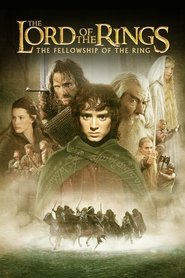
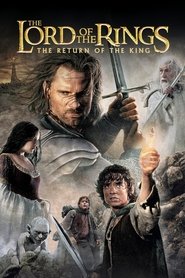
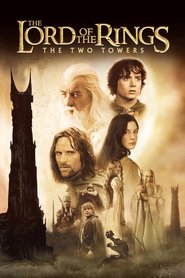
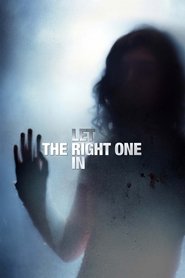
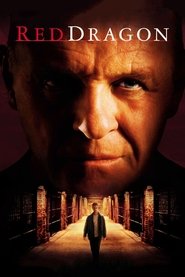
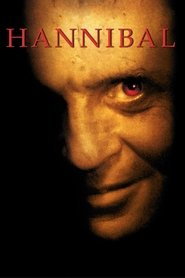

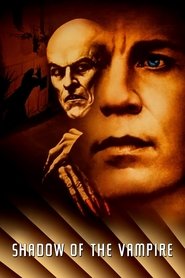
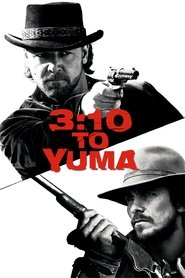
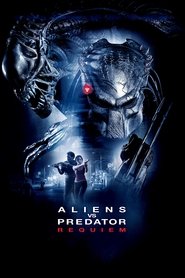
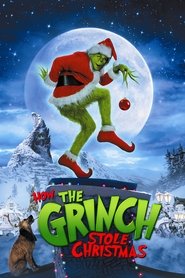
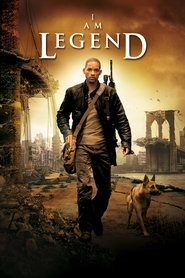
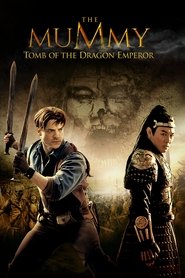


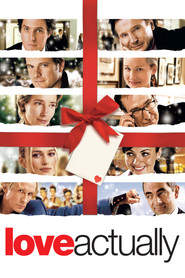
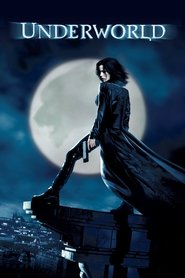

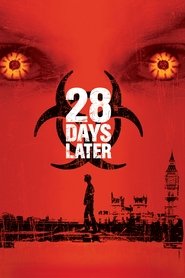
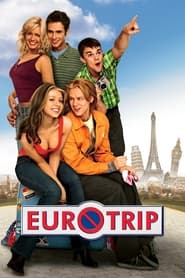
Related topics
Other topics that frequently come up in the same commentaries.