Topics / Writing & development
The screenplay
147 commentaries in the archive discuss this, with 1,188 total mentions and 40 sampled passages on this page.
Filter commentaries
Filter this topic by the film's decade or the type of commentary.
Showing 39 of 147 commentaries
Clear filtersBy decade
Across the archive
ranked by mentions · click any passage for the moment in the transcript
-
-
short film, yeah, Sogno, Your Dream. And this is actually the director of that short film presented and in a way produced by Brass. Nicolaj Pennestri is also one of the writers, one of the many writers, it should be noted, of Cheeky. So he obviously managed to slip into the Brass entourage. The other...
23:52 · jump to transcript →
-
Carla Cipriani and we commented obviously on the fact that as most people know she was most often than not this continuity or script supervisor for her husband although we we know that she she was also very much involved in the casting in the pre-production and even in the locations but it is first with the frivolous Lola
24:48 · jump to transcript →
-
It's a comedy, it's light, but it has very different colour scheme compared to previous films. And even the writing is very different. It feels much more like episodes put together. There is something episodic about Cheeky compared to other films where sometimes not exactly narrative heavy, but
25:48 · jump to transcript →
-
-
-
Ron Howard
And I had some cartoon animators come in and do the storyboarding alongside some of the traditional Hollywood storyboard artists. And they came up with a lot of gags. There were many days when I would wander in there and we'd be going over the storyboards and the script would get funnier because of just wisecracks that the storyboard artists were throwing out or visual ideas that were being presented. Very creative, again, a kind of a throwback to old school animation.
5:28 · jump to transcript →
-
Ron Howard
She just seemed to thoroughly enjoy the experience every day that we were filming, and it was a pleasure. I can't underline or emphasize enough Jim Carrey's contribution to the overall tone of the movie and certainly the creation of the Grinch character. I spent one of the most exciting creative weeks of my life sitting with the writers and Jim in an office
11:00 · jump to transcript →
-
Ron Howard
Great ad libs from Jim Carrey. Of course, you know, you'd get the script sort of shot and done in about four or five takes, and then you'd want to do another eight or nine, or Jim would, just to keep trying variations. And I felt like it was sort of like working with a great, great...
13:02 · jump to transcript →
-
-
-
E. Elias Merhige
I don't think we need the writer any longer. And here I wanted John to really pause and say, well, okay, you can have the writer, but just don't touch anybody else. There's a few shots, a few takes that I did where you have John actually considering serving up the writer to Max Schreck, and I just thought that was, let's just put it this way, I got a big kick out of it.
44:25 · jump to transcript →
-
E. Elias Merhige
This is something that I modified from the original script because there isn't an ocean that's anywhere near Luxembourg and there isn't a large enough body of water to put a boat so basically I changed the script and modified it to make him this difficult actor that just doesn't like the water and doesn't want and vampires don't like the water so I had it so Murnau ordered to have the
48:39 · jump to transcript →
-
E. Elias Merhige
What was for you the most wondrous thing you ever saw? I once saw Greta Schröder naked. No. That beats ectoplasm. Jesus, Max. And this is a scene when I first read Stephen Katz's script that I just thought was absolutely something so special and so wonderful that I really wanted to
49:35 · jump to transcript →
-
-
-
I guess we should introduce ourselves, right? Sure. - That seems like a way to start. I'm Jeff Schaffer. - David Mandel. Hi. I'm Alec Berg and this is our commentary. This is actually... If you have the unrated DVD, this is the first of two commentaries. This is a sober commentary. And the second commentary is what we're calling the "Party Along" commentary, which I'm assuming will prove to be considerably sloppier. Which will be more informative is up to you. Here we go. By the way, this excellent title sequence was done by Kyle Cooper and his company Prologue. They did a really great job on this. I think they did the credits to Se7en. That was his, sort of, big... And Panic Room. - Panic Room. He did the Oscars this year. Yeah, really good. So, should we talk about the title? - I suppose we should. First, for all the people who saw the movie in the theaters, thank you. I guess that's our parents. But the original title of this movie was always Ugly Americans. Yeah, we sold the movie as a spec script, and that was the title, Ugly Americans, which I guess we... and I guess everyone we know... thought was a great title. Well, it was like the phrase, you know, the phrase "the ugly American," which is what every American tourist who goes to Europe is called by every European who suffers through every American tourist. But I guess there was some concern that people would think that the movie was either about ugly people or that it was a bad time to be ironic about patriotism and the title wouldn't go over so well. So ultimately it was decided that the movie would be called EuroTrip. And EuroTrip is a fine title, but I guess we always... We always kind of liked Ugly Americans better and... Yeah, I guess we still think of it as Ugly Americans.
0:14 · jump to transcript →
-
One other interesting note about this scene, that is a real keg with real beer, and Jacob Pitts, our delightful Cooper, really liked these scenes a lot. It's what we like to call method acting. That's one of the things we learned. Or simply drinking. - Aren't they the same? I guess we should introduce our cast, now that you've been watching for ten minutes. Scotty Mechlowicz as Scott Thomas. - Which is why we cast him. Make it very easy on ourselves. The beautiful and talented Michelle Trachtenberg as Jenny. And Travis Wester is her twin, Jamie. And that's Jacob Pitts going off to take a leak. And this was another one of our delightful cameos that we got because we were in Prague. Yep, that's Matt Damon, which... Everyone in the theater sort of goes, "It can't be. Is it? Is it really?" Why is his head shaved? He was actually in Prague shooting Brothers Grimm for Terry Gilliam at the time. And we actually went to college with Matt years ago. So we've been sort of friendly ever since. And he was in Prague and we asked him to do a day of work for us, and he agreed. The biggest favor ever. - Thank you, thank you, thank you, Matt. Yeah, Matt's just hilarious here. Matt's not watching this DVD. We're going to make him watch it. That'll be another commentary. That would be the biggest favor he's ever done. But the band was actually started by some other friends of ours from college. I guess this is as good a time as any... A couple of them were of Matt Damon's roommates in college. The band Lustra... - One of them. The band Lustra, good guys. And they wrote the song, which is really fun. We've known each other since college. I'm going to just talk now 'cause no one's listening to what I'm saying, because there's a naked girl on the screen. I wasn't listening. What were you talking about? Now this, in the unrated version that we're watching, she started off topless. In the theatrical release, if you saw it, we actually cut a different version where she started off with her top on and Cooper talks her out of her top. - He convinced her to take it off. And it was very strange, sort of, when you get into this whole nudity thing. Obviously, it's a hot tub scene, but somehow when her top was on and he talked her out of it, while it was a very exciting moment that he talked her out of it, it oddly made her dumber, even though she is sort of a stereotypical dumb blonde. - Right. And we always liked it this way, the way you're seeing it. We liked the scene to answer the question, "What is beyond gratuitous?" That's the answer. - There it is. And there they are. The answers. The other stuff we added back into the scene is just more of him screwing around with her. Because, to us, once you're at the nudity, it's how far he goes. This scene... - It's not about nudity. No, this scene was always about the crazy extent to which he got her to play with herself, as opposed to just getting her to take her top off. By the way, the banner in the background originally... This is what happens when you work in Prague. It's a big congratulations banner. The first day when we got there, it just said "congratulation," like one singular congratulation, which is a word we didn't know existed. Sort of a funny story about this scene, which, hopefully, we can tell. We were actually rewriting another movie, which I guess we'll leave nameless, that had a hot tub scene in it and we came up with this idea, which was the fact that a guy saying, "You have a smudge. You've got something on you." And we were really enjoying what we were doing so much that we didn't put it in that script. And we're like, "We'll use it one day." And here it is. Screw it. The movie was called Out Cold, I think. Yeah, exactly.
7:55 · jump to transcript →
-
The other thing I was gonna mention... We're constantly behind in the mentioning. Part of the reason we ended up in Prague and actually ended up with Allan was because of Neno. - Yeah. Neno Pecur, who was Croatian. We hired him as an art director to scout Prague and to scout the real European locales before we knew we were going to Prague. Basically, he would go to Paris and go, "This is what it really does look like." Then he went to Prague and said, "We could do something like this here." And from his pictures, we used some of his actual locations that he took photos of and made the decision to go to Prague. And then Neno has worked with Allan for many years as his art director, and he helped us get Allan. The two of them, their team... They brought Bill... Cimino. Our set decorator. - Cimino. That's right. Just fantastic and along with the guys from Prague. I think it's now time to mention, though, at the robot scene, which was the first time... We've been writers for a long time and you sort of go, "Look, I think we know what this is gonna be. This is gonna be really funny. It's gonna be a slow-motion kung fu fight scene between two people being robots." You write it and it seems funny. There's the old joke about the writer writes "Rome burns," and the director has to realize that. We were on the spot here because it was easy when we wrote it to just hand it off, but now we handed it off to ourselves. Actually, this is one of the things... - At one point, we cut this, actually. At one point... - We cut it from the script. We talked about cutting it. We were afraid we didn't know how to realize it. We just were like, "What is this? This could be bad." Left it in for a table read. - We left it in for the table read. And it got such huge laughs at the table read that we realized, "We gotta at least try and shoot it." We then initiated a worldwide search for a robot man. This is J.P. Manoux, who's an incredibly talented actor. We found him here in Los Angeles. Yeah. We looked at all these mimes... We looked at real French guys. - ...weird acrobats, and French guys whatever, and, of course, a guy from LA who was actually a friend of a friend and was in the Groundlings, of course, ended up being a really good guy. He is just outstanding. - And he came in with this ability... I mean, a lot of what you're seeing, like him laughing and just his attitude as a French guy, was in his audition. We were also very lucky that Scott... - Scott, exactly. ...knew how to robot. I guess Scott grew up watching Shields and Yarnell... No, no. J.P. - Was that J.P.? Scott had an acting teacher... - Who was in the Barney costume. Yeah. - Okay. And we went there on a Saturday to basically work it out. And we had blocked off an entire Saturday. We choreographed the fight with little bits of Enter the Dragon and some Matrix in about... Twenty minutes. - Yeah, like, 20 minutes. And the first time we did it in Our crazy wide shot... because we knew to get a master... the crew laughed, and we were like, "Oh, okay." It was also-- This was pretty early in the schedule. And I think it was maybe the first time the crew thought, "Okay, these guys actually know what they're doing." Like, "This is something we haven't seen." Wrongly, but they thought that. - But they assumed it.
29:59 · jump to transcript →
-
-
multi · 1h 3m 5 mentions
Star Wars: Clone Wars, Volume Two (2005)
Genndy Tartakovsky, Bryan Andrews, Paul Rudish, Darrick Bachman
-
Hi, my name is Genndy Tartakovsky. I was the director and producer for Star Wars: Clone Wars. This is Bryan Andrews. I was one of the writers and storyboard artists for this show. I'm Paul Rudish, art director and writer and other stuff. I'm Darrick Bachman. I'm one of the writers and I'm also the production manager of Star Wars: Clone Wars. So one of the first things that we started doing for this new set is George definitely wanted to finish the story that we set up in Chapter 20 from the last season.
0:02 · jump to transcript →
-
Shaak Ti. They're stabilized, sir. They just might make it. And the others? Just a quickie, I think that these two characters have a secret love affair. Shaak Ti and Ki-Adi-Mundi, they're very close. It's never talked about. It's very secret. Hush, hush. Before we started this, we took a trip to Lucas and we got a chance to read the script for Revenge of the Sith. And I was trying to think back. I had lunch with George before we started this and he kind of told me what he wanted us to do.
3:50 · jump to transcript →
-
but it ain't gonna be the way that you guys think it's gonna be so he will be tested he will be tested do it in the classic way or not it's gonna happen and so then throughout the story we have right you know him having his tests throughout his journeys throughout the war as opposed to doing it at jedi school and especially the one that happens at the tail end of the show with you know final the nilvans and all that stuff that's a big test so that was one of our first themes that we wanted to do then after reading the script
5:38 · jump to transcript →
-
-
-
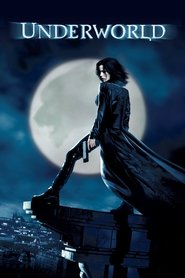
There should have been a sinister laugh there. I love evil, sinister laughs. Those are the best. They're so funny, man. Michael should have belted one out. - If anyone could, it's him. He definitely can. See, we just bashed open one door. I was quite feeble in this one. It took a wee bit. Well, remember you kept locking your wrists? Like a ballerina? - Yeah. Those days are gone. - Gone. What's that? - No idea. Where are we? - This is a movie called Underworld. It's about vampires fighting... I'm glad you didn't make me blow dust off it. Wasn't there a movie we saw where... ...someone blew dust off five things? It irritated me. No, don't say what it was. - Yeah, I won't say the movie. What was it? - I'm not telling. Screw it. It was poor. - It was a poor movie. There was a lot of... - Dust blowing. Dust blowing. - Yeah, that sucks. Did you draw these, babe? - I didn't draw these. No, I didn't. - You can draw? I try. This is an extended scene. Let me talk about this. Okay. I'm not in it, so... - No, this is actually... ... Just goes into depth a little bit more about... ... how the Lycans were taken as slaves, and you see the branding here... ...and how they were all... - Why wasn't this in? It's cool. It's pacing. It was just taking too long... Who's Korgel? - Yeah, who is Korgel? I think he was, like, one of the transportation guys. And it shows that everybody-- Like, with the actual brands that, you know... ...Lucian has the brand of... With a V in it, so he was kind of... as a... Like Viktor's cattle, of sorts, so... I think this should have been in. This is cool. I agree with you. - Yeah. That's helpful. This is an extended version, ithas some stuff... ...that would have been in a director's cut... ...but then also some stuff that's in here that... ...was taken out for good reason. - I really like this. It looks thick for skin. It is, and looks like Play-doh when it's ripped off. Now, who's that? That is Lucian, who's in this movie called Underworld that.... I didn't see his head, man. Did you get a script? - Yeah, I read it. We don't know Lucian, even though we've seen him. It's him. He's got that necklace. So I'm just wondering... I mean, I know... lf you were asking me, I would have said Lucian, but I wanted to know. We're coming out with an animated version for children. You can get that. He only read his bit. You know that. - They only sent me my scenes. This is good. I like this. - This movie? Yeah, it's good. - You should maybe rent it. I should rent it. It's funny now. I get really... - Protective? In Blockbuster, some guy next to me was deciding whether or not he was... ...going to buy Underworld or Pirates of the Caribbean. And it really makes me quite nervous now when I see stuff like that. What did he buy? - I actually had... Pirates of the Caribbean. - I actually had to-- The good thing is... I said, "Oh, I would kind of go for that one right there. That's a good one." You did? - I did. And he said, "You know, I would have bought it... ...but I've rented it three times, and I should've bought it the first time." So that was good. - That's cool. Look at you exposing yourself. There's Forrest going in for the kill. Look, there's, again, there's close, close talking. This is the very first day for me. For everybody. Do you remember the conversation about repeating the lines? Me? - No, just with anybody. Oh, yeah. Yeah. Yeah. And then I did it. Did I do it? You did it once, and I said I liked that. When I do it, it's great. - You can pull it off. No, but I actually like this scene. I actually... No, I think this worked well. It's because I wasn't there. - You can tell it's, like, our first day. We don't look tired and... - I was really stressed. That was stressful. - It was the first scene I've done. lt was a really small set. Everybody was, like, crammed in. lt was a tense day. Everybody was there. That's always a tense day, but, for whatever reason, it was extra tense. Between reels, we were talking a bit about the Internet. And apparently, Kate found a site where it's discussed in a forum... ... that's discussing whether or not Len Wiseman... ...iS the worst person on the planet. - What? Based on what? And I say, "Yes." - Based on what? "He's a liar, a thief, a coward, a highwayman, something." How does he know you so well? Who is it? They're talking about whether-- It's, like, listing about, "He's a coward." Why would they call you a coward? - Because he's a big, old fraidy pants. But no, seriously. Did you read on or just turn it off? We read on. It's actually a bunch of... - They said he poses like a gangster. I pose like a gangster. - That is quite humourous. Sounds like a lot of jealousy to me. - It's a lot of jealous 16, 17 year olds. I thought it was all true. - Did you? This was the day you were mean to me, babe. Why were you mean? Because she was slowing down our day. I was not. - No, I don't even... You slow down your own damn day. - I don't even remember. I think there's a few witnesses to that. - Well, that's true. That's true. I know what it was. - What was it? I had arrived at 6 in the morning, and you wanted me to work through... ... Without lunch until 4, because it was convenient to you. But my child arrived three hours before, and I was... ... feeling a little bit like, you know, "Could I please go see my child... ...for the half-hour I'm promised?" - No, it actually... That's what it was. - I was not aware of that. You may not have been aware, but you were still an asshole about it. Crap. - There's a certain way that a movie... I feel like the child of divorced parents, I really do. I'm not aware when people eat lunch. That's the AD's thing. I wasn't talking about lunch but about parenting. Sometime, I'll take you through how a movie set operates. Oh, like you know, Mr. One-Movie. Oh, crap. This does not fare well.
41:53 · jump to transcript →
-
I remember, this was... You know, stare at this and watch it do absolutely nothing. Yeah. - I think it's cool. Was that when we were up high, and I was gonna push--? Yeah, this was all... Because this had to be... ...eight feet below the ground. This was built up on a stage. I think we were about 17 feet up. - There's always people going: "Only six people are allowed on," making it sound really scary. Yeah, shouting, making everybody really nervous. And you loved your hair this day. lt was a Nancy Reagan do. No, I know what it was. It was the Butterfield 8 head. - Yes. What's Butterfield 8? - I have no idea, but it sounds funny. What is it? - Isn't it that Liz Taylor movie? I don't know. - I don't Know either. Yeah. The man in the booth is saying yes. Thumbs up. Thank God. - Thank God. My gay friends will still soeak to me. To my knowledge, an Awakening has never been attempted.... Looks a bit like a baby crib. Don't really like that shot. - Who is that? Me. - No, I Know that's you. Yeah, she plays Selene in this movie called Underworld. Who's in there? That's-- That would be... Viktor. - Viktor, right. I thought he was in a cage or something. Like, in the glass thing. No? - That's some other film. No, isn't he behind something...? I'm wondering. Right? Your script page had numbers on it? I'm being serious. He goes into the glass thing, right? Yes, eventually. Once he's woken up, then he goes behind the glass cage. I've watched the movie. I Know what's going on. I'm not saying I don't know. - Which is quite clear. I do Know what's going on. I just want to talk about stuff, and what exactly... Remember, this was a... You actually could not stop laughing... ...because they loaded you up with blood.
47:54 · jump to transcript →
-
I really liked that shot for some reason. l've always liked it. I like it too. I think it's just, because It all stays in one... ...and just, the decision is made, and the gun comes out. It's a cool shot. What people don't know is that, I mean, like on this day... ... you guys can barely be able to keep a straight face. Because I had to shout, "Get down!" I expected him to dance. This is when you guys were doing the whole Charlie's Angels business... ...and really taking the day seriously, which I appreciate. I took everything seriously except Speedman. There goes Brad. We thought he was gonna die doing that one... ... falling into those cardboard boxes. That was a dangerous stunt. Yeah, it was, and because the alley was so narrow... ... there was a lot of talk about... I guess there was a fatal accident... ...on Vampire in Brooklyn, where someone did a similar stunt... ...and had more space than what we had there. And slammed into a wall or something. - And hit the other building. This is where Speedman decks Mike. He really punched him right there. That Mike can fall like that... And I would talk to Mike. He wasn't telling Speedman. I don't Know why. I don't know what was going on there. But he said, "He keeps hitting me in the nose." Speedman had already broken one nose so far. That's when I hurt myself the most in the movie. That was my worst injury in the movie. Running to the window. - You hated the two-hand thing. I didn't like it either. - What's it called? Weaver. Yeah. For we had established it in what Nicole had done with the stunt. And so we had to match to that. - I felt a little cheesy, like a Miami cop. But it really hurt. I slammed into the window. I had a huge bruise. You wouldn't believe me. And then I mentioned it to Shane. There's Danny, the writer.
1:19:49 · jump to transcript →
-
-
-
James McTeigue
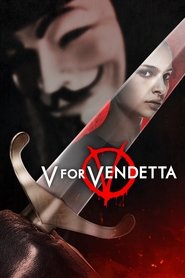
I was really excited by the idea... ...of having this big, sort of, Hollywood movie... ...with some very provocative political ideas... ...and things that just continually... ... you know, stimulate you. Guy Fawkes was a character... ... who was caught underneath Parliament in 1604... ... trying to blow up Parliament. A thinly, sort of, veiled Catholic plot against the king and the government of the day. He is now a folkloric hero in England. So, even though he tried to blow up the king and the queen and the government... ... he's now celebrated by burning his effigy every November the fifth. It's, I suppose it's... ...a kind of revisionist approach to the Guy Fawkes story... ... which largely, in England, he would be considered an enemy and a devil. And it's interesting to approach it in that way, you know. To look at things from the point of view of the oppressed... ... father than the oppressor. I suppose that's the history of a big empire... ... 1S the story of the victorious. The graphic novel was, like, really rich material... ...written by Alan Moore and David Lloyd. When, you know, the Wachowski's did, like, another version of the script... . like, in the mid-nineties, and then... ... towards the end of the second and third Matrixes... ...we decided to pull it out of the drawer because we thought it was really relevant... ...but we also thought it could be made more relevant by updating the material.
0:31 · jump to transcript →
-
James McTeigue
I'm not a character who is interested... ...in the company of young, pretty ladies. I'd be one of the few people who wouldn't give their eyeteeth... ...to have dinner with Natalie Portman. Though, I like her very much as a person. But that's another thing I have to hide. My character can't parade his sexuality in this brave new Britain... ...because that's outlawed. And so, what with my art and my sexuality... ... that's my little secret world. But I invite women from time to time... ...because that's expected of a successful man. And I've invited her, but she never makes it. But she trusts me. Um, and.... And after a few adventures on her part... ...she ends up at my house and I come out to her... ...in every sense. As an art-lover and as a gay man and everything else. And her bravery, I think, is what pushes me over... ...and makes me think, okay, I'm going to make a stand now and l... ...fip up the censor-approved script of my nightly show... ...and write one which makes vicious fun of the chancellor. The Deitrich show was the homage to Benny Hill, in a lot of ways. And it was also something that would really piss of Sutler... ... you know, in a very short amount of time. Because it was an attack on his personality in a lot of ways. And he's hailed as this icon in the government. And I thought it was a really good way for the audience... ...to see how Deitrich really got underneath his skin. This is Gordon's swan song. I mean, a part of him seems to believe... ... if we're to take him on trust... ... that he's gonna get away with it. That he'll be made to apologize in public... ...and have to sort of work in the salt mines of television for a while... ...before being reinstated. But actually what happens is he that he's beaten to a pulp by... ...oy the brute squad. - To be fair... ...that was one of John Hurt's ideas. I was gonna face-mold him, actually. And I got to talking to him about it one day... ...and he just said, "What about if I did that?" "I'll just play both guys. You know, we'll split them down the middle... ...and we'll see how it goes." I talked to Paul Engelen... ...the makeup designer... ...and he said, "Yeah, I could put, like, big pancake makeup on him"... ...and it looked like he had a mask, almost. And I like that idea that you kind of, "Is it him? Is it not him?" The little glasses girl, she's going, "Oh, it's him! Oh, it's the Chancellor." And he did a great job. And he really has a great physicality too. That's a lot of him rolling around on the floor... ...and falling over and tripping over. Faker! - Fraud! Ready! - Aim! Fire! - Fire!
1:04:47 · jump to transcript →
-
James McTeigue
I know there's no way I can convince you... ... this is not one of their tricks, but I don't care. lam me. My name is Valerie. I don't think I'll lve much longer. I wanted to tell someone about my life. This is the only autobiography that I will ever write and, God... .../'m writing it on toilet paper. There is always that great history of the first people... ...picked on or imprisoned are minorities. And it was important to, you know, show the Valerie character... ...and where she starts off with... ...and where, you know, where her life leads her... ...and then, you know, how the government come in... ...and they sweep up all those people... ...and then... ...and then how it affects Evey... ...and how Evey comes to, like, understand what has happened to those people... ...and how it, I guess it really sparks her political consciousness after her parents. Natasha, who plays Valerie is really, really lovely. And she, I mean, incredible actress. And James had her on set so that when I was reading the letter... ... that she would be reading it live for me... ...Which made it so much more human, instead of... I mean, not to disparage script Supervisors in any way... ...but a lot of times when there's voiceovers that you hear... ...the script supervisor will just read it from the script. And obviously they shouldn't be trying to act it out or anything... ...but that can be a very cold feeling. When you have the actual actor there, that's pretty amazing. For me, it's a point in the film where you're both propelled on... ...and also you're propelled backwards. And so you're going down this fantastic rabbit hole... ...at a point in the film where it expands the film... ...and it expands your mind. And you have to stay on the train you're on, but also at the same time... ...get onto another train. And I love it when films do that. So It's a fantastic thing to do at that point in time. It also is a very important back-story for V as well. Because it's to that note... ...1S something that links all three characters. And, you know, I love that all that... The thing that changes them... ... IS written on a piece of toilet paper. I think that is, like, totally fantastic. You would. I'd always known what I wanted to do with my life... ...and in 2015 I starred in my first film, The Salt Flats. lt was the most important role of my life. Not because of my career... ... but because that was how I met Ruth. The first time we kissed... ...I knew I never wanted to kiss any other lips but hers again.
1:12:51 · jump to transcript →
-
-
-
Wes Anderson
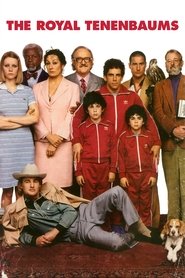
The movie was always meant to be a New York movie, but somewhere along the way it became, like, as I feel, basically everything that I've done kind of became sort of a fable. I didn't want to call it New York, and I didn't want it to be a familiar New York. So we sort of avoid all the landmarks, but we also kind of avoid... We kind of find some kind of stranger parts of New York. This neighborhood where this house is, which finding this house was a big deal for us. I mean, we found it a year before we started shooting and I'd just been working on the script for two years by then. And, you know, it was already kind of set, but this house had everything in it. It was really surprising to find a house that just had everything waiting to sort of be converted into the movie. You know, it was-- All the rooms were there, and it-- Immediately, it was apparent which room belonged to which character and which scenes were gonna go where, and all that stuff. It was there.
16:43 · jump to transcript →
-
Wes Anderson
Often there's music that inspires ideas in the script. It also, the music, can sort of suggest the tenor of the movie in a way.
25:57 · jump to transcript →
-
Wes Anderson
The text of these chapters is taken from the script, which I thought was right because I didn't think that... I thought the movie and the book should be the same thing, in a way. It's based on a fake book, but the book should only exist kind of as the movie. That's why, like, the words, "chapter one," "chapter two," aren't written on the pages. They're superimposed on it, so it can kind of only exist as a movie. A weird abstract idea, really, to no end, but that's sort of what I was trying to accomplish.
1:21:37 · jump to transcript →
-
-
director · 1h 42m 3 mentions
Len Wiseman, Patrick Tatopoulos, Brad Martin, Nicolas de Toth
-
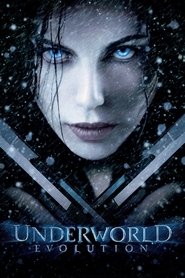
Well, there's the original original one, which was Selene as a child running into the barn, and then the medieval sequence, and then the eye. Yeah, the script went through many revisions. And Kate and Scott. I wish Kate and Scott were with us. Yeah. That's a big bummer. We had a really good time with them, and they're both... Kate's in Nova Scotia shooting a movie right now, and Scott, I believe, is...
9:55 · jump to transcript →
-
They've done such an amazing job on this one. No, they really did. Yeah, no kidding. So what is the writing there? It's Greek. You know, it's funny. On pages, people don't always think. You have to draw every page, basically. So you have graphic artists that really step in. And you can come up with a little concept, but those guys know how to write. That's what they do. We had people that just do handwriting, especially. Do they actually write a story?
54:41 · jump to transcript →
-
After the destruction and everything and the snow started coming in, that was my favorite look that the set had. This shot coming up. This one. That's a great shot. Early on in the writing phase, I wanted to find a way to bring the elements of having this snowfall in that setting. And I thought, why not bring it after the explosion? Let's just...
1:29:09 · jump to transcript →
-
-
writer · 1h 31m 3 mentions
Wes Anderson, Roman Coppola, Jason Schwartzman
-
Roman Coppola
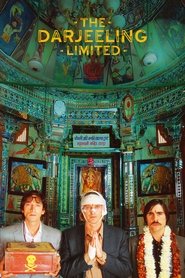
I really liked this temple. We went many times to this temple in the center of Jodhpur. I think we brought the cows ourselves. Okay. Spray in face. - Spray in face. This was shot much later, as I recall, actually at the location where we had the final convent, if I remember correctly. Yeah. - Yeah, outside of Udaipur. I remember when we were scouting, there was a day when it looked like this. It was all women. And I don't remember what the occasion was, but we recreated what we saw there. We invited back all the people who had been there on this day that we had scouted at the location and this ceremony was happening. This is a scene I remember we rehearsed in the temple itself and really kind of found the scene, the three of us sort of improvising it and acting it out. And we had a little text we were reading from, but sort of, you know, realizing it just the three of us. Yeah. When we were writing the script and we went to India on our reconnaissance mission, it was like a writing session and it ended up being a location session. And we found this temple and went back and shot there many months later. But as Roman said, this is-- We were walking around, we found this, we went in, we took our little micro scripts out, we rehearsed the scene to see if it was working and saw what worked and what didn't. And then we actually became so attached to this place that we went back and shot the real scene there.
23:08 · jump to transcript →
-
Roman Coppola
This, of course-- You know, in our travels in India, we had so many occasions to be in little airports. And this makes me think of all those times and particularly that one airport that was kind of like a military base was bombed out and there are people with weapons and... - Mm-hm. Shimla. - Yes. Yes, where we actually... Well, remember, we flew in that-- We went in that small airplane. I just remember we'd had a few flights that were-- Where we felt not that comfortable on them, and we decide-- We had had one bumpy flight that was very-- That was a bit unnerving. And I remember we had decided, Roman, Jason, me and also Alice, our friend Alice, who was traveling with us, and Waris, that if we ended up on a flight we weren't comfortable with it, if any one of us was not comfortable with it, we'd just go another way. We'd have another way to travel. We were getting ready to fly to near Dharamshala. Remember? - Mm-hm. And we'd heard the plane only held like 15 people and it was gonna be a smaller plane, and we just weren't quite sure. So we went on the plane, and it looked like it was maybe built in the '50s, I'd say, and had-- You know, it was the kind of plane where you can see all the rivets on it. And we went on it. It was tattered, and I remember one of the-- I leaned against one of the seats, and it collapsed. And Alice and Jason and I looked at each other, and we were like... ..."No, I don't think so." "No, I don't think..." "I definitely don't think so." And then we turned to Roman, who said, "Well, look, you know, we can take a train or we can drive. It would take longer, but it's fine, and I'm happy to do it, but just so you all-- Just so you know what I think, this-- It's a fairly old aircraft. It looks like it's been well maintained to me, quite well maintained. The interior hasn't been renovated in quite a long time, but I think that it's very safe, and I feel very safe on this plane. I've flown on planes that I felt much less safe than this. So, to me, it seems very safe." At which point we said, "Let's go"... - Yeah. ...and it was actually a nice flight. - It was a great flight. Yeah. - The kind of flight where you never really get that high off the ground anyway. We flew into some strange valley. But then we took the helicopter. Yeah. Yeah, tell about the helicopter. Well, we finished writing the script. Or had we finished writing the script? We finished it at an altitude of 5000 meters. What would that be, like a 17,000-foot elevation or something? I don't know what it is. We finished it at this hotel in the Himalayas. Shimla. - In Shimla. In Shimla. - And I remember the morning waking up there and looking out of our hotel room, and we were very, very-- Not only was the hotel at a high elevation, but our room was very high up for some reason and looked over this incredible valley, and when we woke up, don't you remember, there were just hundreds of butterflies flying around our hotel room outside? And then we took-- Anyway, we did the math. Above the trees, remember? - Well above the trees. There were-- Yeah. - Yellow butterflies. Thousands. - Thousands. And we did the math, and it would take like almost an entire day in kind of dangerous terrain to get off of the hill we were on. Or we could just take this helicopter. And, I mean, it wasn't a crazy-fancy helicopter or anything, but we sourced it out, got this helicopter, and I remember we took off right off of this military... like, army-base-style airport, a broken-- I mean, not broken, but not a-- It didn't seem like a functioning airport, if I'm right. You know what I mean. We were the only people there. There were no other flights going in or out of it, and it had been-- It looked like it'd been bombed. I don't know how that's possible. I think it was being renovated. It was like a military airport... - Yeah. ...being renovated, but the impression was pretty-- Like, the buildings had been knocked-- Like they were-- They had begun the demolition and abandoned the works... - Yeah, right. ...is what it felt like. - And I remember we took off in this helicopter, and I was really scared. And, you know, I've gone in and out of having different fears of flying. And I was at-- I was in a phase where I was very afraid of flying. And I had never really been in a helicopter like that. And I was scared, but I had remembered that there was, like-- I had read something somewhere that the mind will follow the body sometimes. And so if you're feeling down or whatever, just smile, and, you know, if you just force smiling, at a certain point, maybe your brain-- You'll just start to feel happy. So I tried to just smile the entire helicopter ride and, you know, hope that my mind and my nervous system would follow my smiling. And it did. Yeah. I remember what was great about the way we took off in that is-- Sometimes when you go in a helicopter, you lift up and then you go down a sort of runway pattern, anyway. This one, we took off and it went down the runway, but the runway ended on a cliff and with a drop that was just thousands and thousands of feet. So it was-- You went very slow. We went very slowly down the runway, and suddenly the ground was gone. - Yeah. And it was a kind of incredible way to leave this place after we finished our script. Here we are outside of Udaipur, which is sort of-- We're meant to be shooting that for the foothills of the Himalayas, where we had originally planned to shoot. We had found a location near a place called Mussoorie. In fact, it was a... It was the former house of Sir George Everest, who had surveyed Mount Everest and had originally determined that it was the highest mountain in the world. I'm also recalling-- I don't know how much we wanna put it on the commentary, but some of the wrong turns or the episodes that we wrote, like the train-wreck sequence... Yes. Gosh. And there were other kind of sidetracks that we knew weren't right or didn't feel right, but, you know, kind of occupied us for a couple weeks or stretches of time. And it's interesting, that sensation of kind of having something and working through something and then knowing that something was wrong and... Yeah. - You know, how much that would-- What was the uncle's name? - The which? The gay uncle? We had a gay uncle. Earl? - Huh? Earl? - Was it Earl? Roman, do you remember? I vaguely remember, but now I can't place it. I just remember, you know, the scene where the train wrecked. And also the fight in the bathroom. We had the sort of, you know-- Scraping below the bottom of the barrel. Exactly. And-- I remember because we had-- - What did we have? In the airport scene, we had had them-- A scene that I think we would have made a good scene of, in fact, but we had them getting into a fight with a-- The cricket team. - Oh, yeah, yeah. In a way-- They ran into a group of Australian cricket players who were drunk and a bit out of control. And in some way, they were a bit not wildly dissimilar from how the brothers are when we first meet them. And they're coming from a totally different point of view now, with what they've experienced, and they clashed. And I think our inspiration was that scene in The Last Detail when they get in the fight in the train station. But I remember we showed it to Scott Rudin, and he said we're "scraping below the bottom of the barrel with this one." He hated the scene. And then I remember our response was we used that in our dialogue. We had Francis say, "We're scraping below the bottom of the barrel here. We've got to turn this around." It seemed very appropriate to our character. And might I add here, I'm just thinking of something, which is that we shot this movie not like totally chronologically, like scene after scene after scene, but didn't we shoot it for the most part like train first, then off the train, then Anjelica Huston. You know what I mean? Didn't we shoot it, like, sequentially... - Yeah. ...chronologically? - Uh-huh. I remember by the time Anjelica had come to join us on this movie, we had really been on this journey, and we were all very-- You know, we'd started off the movie, I didn't really know Owen and Adrien that well. And it felt like by the time Anjelica got to the project, we were much closer, you know? We had been through something. I agree. - Yeah. Also, I remember in the-- Initially, when we first started talking about what this story might be, that, you know, Wes showed us the opening with the businessman character missing the train, and then there was also the notion that these three brothers had a mother who was in a convent in India. I think that was always part of the very, very beginning. And so, in a way, there was a sort of inevitability that we're gonna get to the mother one way or another. That was sort of comforting, to know where we were headed, or it was just a fact. But it's over, isn't it? Not for us.
1:06:46 · jump to transcript →
-
Roman Coppola
This is a scene where I remember Roman sug-- This was Roman's suggestion. We were trying to write this big scene between the mother and her children and, you know, where they're really getting things off of their chest. And we were struggling to write it. And Roman said, "You know, there is this acting exercise where you don't say anything. You just say the lines with your eyes." And we tried to do that. We, like, tried to just act out the scene with our eyes, and then we said, "Why don't we just put that in the script?" And that's how that scene got in the script and in the movie. That's right.
1:17:24 · jump to transcript →
-
-
-
Rob Cohen
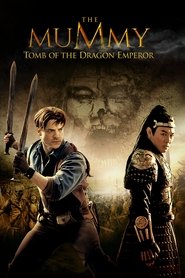
The book that's coming up... ...is actually a scroll called The Oracle Bones in the movie. And if you look to the left... ...those bones with the writing on it are the true Oracle Bones. I had to give a form of concentrated knowledge... ...but the real Oracle Bones were discovered... ...in the early to mid 20th century...
6:07 · jump to transcript →
-
Rob Cohen
But a thousand visual effects is no small order, and you'll see many of them in this chase sequence. When I read the script by our veteran and very witty writers, Alfred Gough and Miles Millar, they had a form of this chase in there, and I went, there is, I've been to China many times, there is no Shanghai 1946 or 47 era left. The Bund is,
43:33 · jump to transcript →
-
Rob Cohen
As Napoleon said, the plan rarely outlives the first shot of a battle. Here, John Hannah improvising like mad. You know, I would give him situations, I'd give him the essence... ...but I wouldn't let him have a script, so...
1:05:36 · jump to transcript →
-
-
-
Simon West
I don't think anyone can really tell the difference. The matching in the lighting is brilliant, and also the set builders and art directors did a great job matching as well. This scene was quite a bit more surreal in the original concept in the script, and the monk actually metamorphosized into her father, and they both levitated and moved around the temple before going back to reality. But again, this was...
1:03:10 · jump to transcript →
-
Simon West
This scene was originally a little longer. The idea was that Lara was keeping Alex alive underwater by breathing into his mouth. Powell laid out his deal up top in the short moments that Lara came up to fill her lungs. In the script stage, I had notes from people saying that this was impossible as she would be breathing carbon dioxide into him. I tried to explain that this would mean an end to the CPR business or the kiss of life.
1:21:10 · jump to transcript →
-
-
-
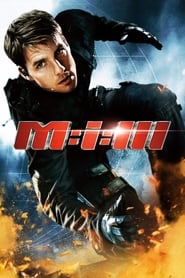
Yeah, with that helicopter that he's got. Isn't that nice? Ethan, get in. We don't want to use force here. You know we will. Ethan, get in. Tell me you came here. I just like how your structure, you know. Just when this thing is happening, it's like, you know. And reading the script, it was a real page turner. That's where it is. Again, I love your running here. It became this sort of theme in the movie, inadvertently, that Ethan, you know...
1:12:37 · jump to transcript →
-
And this is a reveal. I remember we were trying to figure out how to shoot this on the day, and we came up with this, which I loved as a way to reveal, look what you've done. There used to be in the script a whole sequence. This is Michelle Arthur. She's a terrific actress. I also realized Kate was actually pregnant during this day. Are you kidding? Yeah, I didn't know until afterwards. Ladies and gentlemen, I had no idea. Fantastic. Yeah. Okay. Okay, now this bird is very...
1:18:24 · jump to transcript →
-
-
-
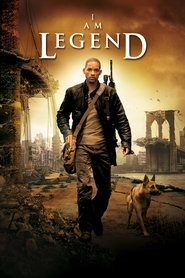
It's an impossible thing to have to imagine. And that's really the shot, by the way, that saves the whole sequence, which is you need to know that Sam is no longer Sam, that Sam has turned. And it's very funny. In very early drafts of the script, Sam used to come back, and Francis and I were kind of like, nah, not so much. But so strong were the instincts. Yeah, we had to convince some people at Warner Brothers that no, Sam cannot come back. That would be a little too ridiculous.
55:52 · jump to transcript →
-
This was the Bob Marley virologist philosophy, which is something that we sort of came up with as we were working through sort of character and theme and early version of the screenplay and then in rehearsals. Yeah, and we're all big Bob Marley fans. And I remember, I think, I think Will came up with starting the use of it, just he was looking up Legend, I Am Legend, and came up with, saw Legend on the internet and Bob Marley's album, you know, Bob Marley's album, and brought it up and started thinking about it and
1:16:53 · jump to transcript →
-
-



Related topics
Other topics that frequently come up in the same commentaries.