Topics / Editing & post
Practical effects
93 commentaries in the archive discuss this, with 224 total mentions and 53 sampled passages on this page.
Filter commentaries
Filter this topic by the film's decade or the type of commentary.
By decade
Across the archive
ranked by mentions · click any passage for the moment in the transcript
-
-
That was a little freaky, but then it became so much fun that I just wanted to keep doing it. Well, at least that part was fun. I think interacting with the banners was a lot less than fun. That was a really... That right there, that kind of free dive was something that I actually really did, and we shot that on a stage.
49:18 · jump to transcript →
-
It's interesting that we really did have a multinational cast. The hit squad, we hired them all out of Berlin. And...
53:53 · jump to transcript →
-
some more banner things to do. I think in this sequence, Hydraulx did a really terrific job. No, they really did.
1:23:19 · jump to transcript →
-
-
director · 1h 37m 3 mentions
John Cameron Mitchell, Justin Vivian Bond, Sook-Yin Lee, Paul Dawson + 1
-
It was a combination of public domain. And Jay's domain. And Jay's domain. And also, as you'll see in the deleted scenes, originally the stalker is on the phone while watching the national anthem. We have some patriotic themes in this film. Sook-Yin Lee demanded we shoot this before we had finished lighting. Because why? Well, because I wanted to, you know, I wanted to be for real.
37:48 · jump to transcript →
-
You know, it's all for real, right? So I had drunk, like, three bottles of water, and I couldn't take it anymore. I was going to pee my pants. So I was like, guys, get in there and pee. We ended up using fake pee sounds. Thanks for this position, by the way. It gives us all great abs. Yeah, John, thank you. The rotate. No one can hear you saying carpet burn. Because everybody's laughing at rotate. Oh, Jay got carpet burn, didn't he, on his bum? This...
38:16 · jump to transcript →
-
This is shot in our friend Michael Warner and Sean Bellman's apartment. They kindly gave us their apartment. Don't ever give your apartment to a film because you never know what they're gonna do in it. Or what they're gonna do on your piano. Yeah, and those are all their real books. Those guys are a couple eggheads for real. Brainstuds, we call them. They're brilliant. Brainstuds. They also have a salon every once in a while. They had one last Sunday. Brilliant performances.
43:54 · jump to transcript →
-
-
technical · 1h 22m 3 mentions
Måns Mårlind, Björn Stein, Gary Lucchesi, Richard Wright + 1
-
At a certain point, you really can do the entire dialogue. It's not so hard in this one because they don't talk. There's 12 lines in the movie. But we loved shooting this one. When me and Bjérn... We do it, like, every second day. But there's one exception is that if one day goes on until the next day... ...we don't change. And I think this one took two days to shoot this whole thing. And I loved this because If you think about what she's talking about... ... you know, it's hard to do this for real. She's talking about Werewolves and so on. But she does it for real. - She sells it. Yeah. She sells it. Yeah. - She really does. Yeah. And, I mean, every good actor finds truth in anything. They can find truth in anything. And then they get... And it was also-- I remember when... - Hang on. This scene here. This scene is one of the trippiest scenes in any of the Underworld films. And it is real. - Yes. No CG. That's so fun. Because it's an entire thing... ...we built up. - That's CG. That's CG. Other than that. - That's CG. No, but the shot is actually done... It's actually set up so that we could do it live in-camera. Todd Masters and the guys did a great job with his stomach. This is your revenge on Theo. - Bollocks. That's a real stomach. The blood pouring? - Yeah. Well, yeah. But the stomach is real. - Now, now, boys. Boys. The old hand squeezing. The heart-squeezing shot. Well, remember she has the blood of Alexander Corvinus. That's right. That's the old Corvinus injection... ... that he's gotten there. I always call this the Videodrome shot. Yes. - Yep. That of course Is... - "Long live the new flesh." ...a prosthetic chest that's put on top of him. His body is underneath. - No, it was me cutting Theo. We knew you wanted to. The audience was applauding when they saw this scene. They thought it was great. - Yeah. Here is Richard's shot coming up. Thank you. I like that shot. - It's a great shot. You said we needed it so we got it, and I'm happy we got it. It's in every trailer. - Slow-motion too. Yeah. This worked out well too. - Yeah. This, I thought was a waste of money, these two shots. And it's really, really cool in the end result. This was one... My biggest fear actually... ...because Goth people don't look good at daytime. They are born... They are made for the night. They're plain silly in daylight. Exactly. So I was concerned that will she look silly in daylight. Yeah. This is the darkest-looking daytime... ...and maybe that's the Swedish influence. Don't you have half the year where it's dark? This is sun everywhere. It is, but it's inside a dark... - It's not a beach. Scott lit it... - I agree. What else did we shoot this day? That was cool. The old cowboy switch there. Yeah. - Love it. Then we think-- I think we shot the exterior of her coming out... ...of the tunnel or something and the Lycans following her? That's it. Yeah. - There's something called ADR... ...which means additional dialogue recording. It's when you get bad sounds so you re-record the sound. Right. - This scene was ADR"d... ...and you usually hate ADR because you always lose performance. It's not the same when the actor's standing there with... ...a cup Of latte in their hand and everything. Or mocha latte. - Mocha latte. Whatever. In Burbank rather than in the real world. But that scene was so good in ADR. Because she was able to whisper... ...which she couldn't do on the real set. Right. And get the... - Yeah. So she-- It's so much better. It was so noisy, so they wouldn't have heard each other... ...If she whispered. - Yeah. This is one we call the All the President's Men scene. Yep. Our homage to... I loved this ceiling. - ...Investigative reporting movies. Yeah. - And this is the-- What was this? It was the legal library of the university. That was being rebuilt. It was gorgeous. It's not there anymore? It's gone? This is the last thing that happened... ...and then they tore it down and rebuilt it. That's just brutal. - Yeah. That was brutal. To destroy something brutal as that. But you see the squares and the concrete. Yeah. Wow, what a place. We talked for hours what kind of concrete should be used. Some concrete was wrong. And this concrete is right. Michael. Cool guy. - Yep. Loved him. - Yep. First thing that-- The scene we just saw. He walks up to the set. He never worked with Kate. Kate says, "So, Michael, sexiest black guy on the planet." That rocked him on his heels. He should have said: "SO, Kate, sexiest woman on the planet." He could have. And if he was British, probably he would have said that. Who are the two ugly gimps next to them? That's not fair.
50:54 · jump to transcript →
-
I think there was a huge concern before shooting this... ... that: "Will we see the other ac--?" Because there's three actions going on. Oh, yeah, that's true. - SO.... We were always kind of sure that... You know, it's a movie. So when we are in the sequence, we're there. We don't think about anything else. - Yeah. When you start thinking about it, then it's almost like you can't shoot it. Otherwise you drive yourself crazy. - Yeah. And we know how that place looks, and it's so hard. It's so hard to get geography for an audience. Watch out for her. She's pissed. He's also pissed. Everybody's pissed here. Not a lot of love going on. - Stephen did a good performance. It was just that we didn't have time for talking here. Right. We didn't have time. - No. There's no space for it. That was the suspension of disbelief of everything happening... ...at the same time here. If you have a long dialogue there... . it's like, "Isn't there a couple of fights going on in the background?" You would start to listen for them and say, "It's awfully quiet in here." And here's a really good thing, I think, coming up. Todd Masters and the guys did a really good job with the Werewolves... ...but we were never happy with the way he looked. We thought-- Although he looks perfect, picture real. I think it was Bjorn, you came up with... ...S0 let's shoot him in the face. - Right. So this is all post. - Right. Suddenly he turns.... Swedish company called Fido did it. Very proud of those. - Go Sweden. He looks really, really gnarly. - It really works, yeah. And when he headbutts her, coming up here.... With his bloody head, yeah. - It's so cool. The other thing we decided... ...IS we really did like Theo's performance earlier in the movie. So he'd come back to life. You know, Selene brought him back to life. And we thought, "Let's put him in this finale." This is my favorite part of the whole end fight, where she's in here. Yeah, it's so gritty, and he looks so big. Yeah, so big. - And here we throw Alicia again. Yeah. Just never stopped throwing that girl. - Wait a minute. ls that a grenade? - Yeah. Maybe it's good. I thought it was too on the head. "On the nose" you say, right? - Yeah. On the nose. But maybe it's necessary. - That poor Lincoln Continental. And it's all show off. He can just walk-- Pass by. Okay, coming up.... Yeah. - And the blood spatters? Yeah. - Okay, this one.... No, wait, where is it? - No, it's coming up. This is one of the things that we asked: "James, can we please have a head popping off?" "We can't afford it." Then you came with a surprise. Look at this little bonus. - "Look what I got you."
1:11:42 · jump to transcript →
-
I liked the rehearsal. Let's do it for real.
1:23:07 · jump to transcript →
-
-
director · 1h 34m 3 mentions
Scott Stewart, Jason Blum, Brian Kavanaugh-Jones, Peter Gvozdas
-
There was a little bit of technical snafu with these, but it did allow, particularly Caden, the six-year-old, the chance to really play the scene for real. Did you do any magic tricks on this? Well, performance-wise, it's great because the kids are playing off each other. Sound-wise, it was a technical issue because there's all this popping and squawking when they're releasing the button on and off between each other's lines.
6:44 · jump to transcript →
-
of this scene here in the kitchen, he would just play and that's great because that's real. So he's playing for real here and what we would just do is we'd start to just fold the scene in around him and I wouldn't yell action or cut. Carrie and Josh and Dakota would just start to do the dialogue of the scene or work their way toward the dialogue of the scene and that way we were able to get a much more naturalistic performance out of him and fortunately because we were shooting digitally we had the ability to run the cameras for quite a long time.
8:27 · jump to transcript →
-
And what we did is we put Lexan up here, and the reflection is then composited on. And she just went to town. Yeah, she really did go to town on that. And when we first saw her doing it, she started kicking the glass. We thought she had really hit her head, and everybody jumped out of their seats. Everyone leapt up. It was one of those things where you just knew it was going to work. This was a funny moment we learned just screening it for people.
41:46 · jump to transcript →
-
-
-
scenes that really did i mean you know a lot of what we do is sort of opportunistic stylistically isn't it that you kind of you see something that works and then if you see any other examples of it then you you work with that as well and definitely her looking directly into the camera and being very comfortable early on and then looking increasingly uncomfortable as her fame grew was something that started with that very piece of footage that we looked at the epic landscape of east finchley yeah not
6:14 · jump to transcript →
-
quite serious and she really did push things really quite far and suffer a lot of kind of personal self-degradation in a way you know when Lauren was saying that she went around to the house and it looked like someone had squatted in it
40:47 · jump to transcript →
-
These issues which are, you know, films about Amy, but the audience definitely, the number of people that come up to me saying that's such an important point to get across for young girls now, or, you know, the audience watching this film, fans of Amy, to realise that this was an issue that really did a lot of harm. And it isn't really talked about, it's not something that came up a lot.
53:42 · jump to transcript →
-
-
multi · 1h 43m 2 mentions
The Taking of Pelham One Two Three (1974)
Nathaniel Thompson, Steve Mitchell
-
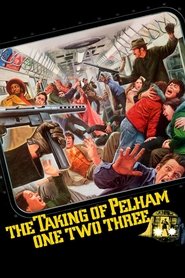
And as I said, of course, the Godfather. But Owen Roizman has said that when he went to that set, he didn't have to light it. They would turn the lights on and they had these fluorescent lights and they really did little or no lighting. They would use like a white bounce card occasionally, but the fluorescents were probably, you know, brighter than normal fluorescent lights, but he didn't have to light this. And, you know, one of the things about this movie is
25:04 · jump to transcript →
-
and steering them. But again, most of what's here was in the book, although Doris Roberts from Everybody Loves Raymond, who plays the mayor's wife, Jessie. And Remington Steele. Yeah. And she is sort of a construct for this scene. But again, Stone not missing opportunities for real humor. And again,
41:38 · jump to transcript →
-
-
-
Paul Davis
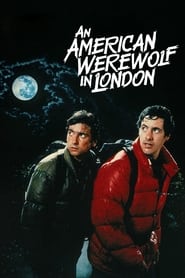
And he kind of put it into a crouching position and built a fake back and shoulders. And they had an additional mold of the head. And that was just a little thing that was rod puppeted from underneath. But that transformation sequence, for me, that and Rob Bottin's work on the thing are still completely untouched in terms of practical effects.
1:01:29 · jump to transcript →
-
Paul Davis
But yeah, that's an American Werewolf in London and you know, here we are 38 years later and it still holds up. And you know, I don't think that we'll ever have a movie with practical effects quite like this. It's still the benchmark when people talk about
1:34:42 · jump to transcript →
-
-
-
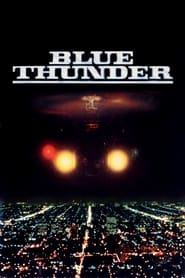
Is that right? Warren was so terrific in this scene. Oh, yeah. Warren had a wonderful, dry humour. With the other actor, Jack Murdock, I wanted somebody who sounded like... ...he could piss Jack Daniel's. Like he had had so much... ...go through his system with that gravelly, gravelly voice. Now, at the time that we did this picture... ...computer technology really did not exist. So that almost all the day footage... ...that we see here in the helicopter, was shot up in the sky. And our guys are actually up in the sky... ...as we fly along with them. And we're looking not at a computerised background here... ...but shooting from the little control tower that we had built on top of... ...what's known as the Piper Tech facility in Downtown Los Angeles. And it's where the city of Los Angeles keeps all of its vehicles... ...and including its helicopter that's on-- Helicopters, that is on the top pad.
2:42 · jump to transcript →
-
Were you up there much? I got to go up there lots and lots. I really love flying in a helicopter. It's quite exciting... ...and Gavin was actually teaching me how to fly, a little bit. Roy Scheider really did learn how to fly it. I'll show you some shots where he was actually flying the helicopter... ...and not just being a passenger pretending to fly the helicopter.
1:17:58 · jump to transcript →
-
-
cast · 1h 36m 2 mentions
Anthony Michael Hall, Judd Nelson, Jason Hillhouse
-
Judd Nelson
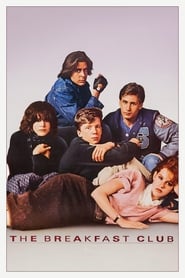
See, this is where it was cool where we had John. He was definitely a collaborative director and sought to get the best out of us all, and was looking for behavior, you know. So, I think, the wisdom of he and Dede Allen and their choices in making this all work, 'cause we had so much footage, it was great to see. All these years later, we take it for granted, what we see the final cut to be. But the truth is that, like we were talking about, Dede would come to the set and she would closely work with John. And also, he gave us the freedom to play and just have fun. And certain things, like the stuff you're seeing with Judd spinning around. I'm sticking a pen in my mouth, stupid stuff. We had no idea whether it would arrive in the film or be a part of it. I didn't. We were just having fun. But once we knew what the space was, we had the parameters. Rehearsal was key. - Yeah, it was like shooting a play. That's how I recollect and look back at it. We shot this play for 35 days and we were... Mostly in sequence. - Yeah. Yeah, we were fortunate to be extracted from Hollywood, and all of a sudden in this suburban gym of Illinois, not far from where John had grown up. So, it was a fortunate thing that we felt like we were shooting a play, 'cause we also had a week of rehearsal, which was... No, we had more than a week. - Was it more? We had more than a week. In fact, we weren't done with our rehearsal time when Hughes went, "We're ready. Let's go." All the work we've done keeping our faces in the industry since and maintaining our careers, it's still... To this day, I don't think I've ever had that since. So, it was a real... A real rehearsal. - Yeah, it was a real luxury. It was also a lot of fun, 'cause it really bonded us and gave us a chance to get a sense of where we were all at, and also made the work better, yeah. And we built real history, as opposed to that you believe you've made up a history. We actually had real experiences. Even if it's something as simple as dinner four nights in a row, you at least have some real past and things will reveal themselves to you further along in the work. And Hughes really wanted it to sound authentic. So, he never limited us. If you came up with something, you never felt like, "Oh, wow, "we took it beyond the text." Big deal. And he was always looking for it to get to that point, anyway. The freedom that he gave us, the idea that he would trust us like that, which is the point of the film. Just because they are 17 years old doesn't mean they are 17 years dumb. There's a weird thing, though, about rehearsals and stuff like that, where you think... You even said, "I've never done that before or since." It always seems to work out when actors and stuff get those chances. You hear those stories over and over. But, for the most part, people, they just don't do it. Yeah, in terms of genre, too, this is something that broke a mold, in a way, 'cause it was, in the industry talk, a talking heads film. It's really about a bunch of people sitting around, talking. So again, the play analogy comes into play. We really felt like... I remember rehearsing, and we were in these positions. I remember walking into that space, and John going, "Okay, you sit over here." We would rehearse these scenes. So, by the time we shot them, we all had a good sense of each other. We were a solid group, and we also knew where we were going with it. Now it looks like a luxury, but to this day, I've often looked back and thought about that, that it was great intelligence in just doing that, putting us in together. We sat in a room... - I thought they were all gonna be like that. I really did. I look back on that and that is a high-water mark in terms of the importance of having everyone being on the same page. Right. If you get rehearsal time and if you shoot in sequence, it's not like you are trusting the other actor to know that in the scene before this they actually threatened to kill me. So, it's a little bit heavier. You don't have to do that because before we shot this scene, we shot the scene where he threatened to kill me, so we know that. It's a great collaboration. You don't realize it till you're blessed enough to work in the business. When you're on the set, you see that there's... You know, sometimes the best idea will come from the script supervisor, or sometimes it's the guy at the crafts service table. It's a great collaboration, even though it's a director's medium. I think that sense of support was instilled in us with John, 'cause he gave us these roles and we all knew what we were doing, but he always was collaborative that way. I think that was his intelligence, too, that he allowed his scripts to transcend even the beauty that they had, because he hired people that he believed in. But there's a great collaboration, always. When you're talking about rehearsal, you're talking about the five of you guys. Were Paul and Kapelos kept away a little bit, to let you guys have your thing, a little "us vs. them" a little bit for that? Well, that was happening right away. Also, 'cause Paul wanted to hang with us, so that was perfect, 'cause it gave us the power to say, "No." So, we could. But you guys rehearsed those scenes, right, with you and Paul? But he wouldn't necessarily be sitting there on a day when... Just the five of us. - ...it was the five of us in that rehearsal, if we were gonna get to that stuff. We wouldn't do necessarily whole read-through of it. We would be taking it from the first scene and rehearsing it till it made some sense to us, and John knew, basically, how he wanted to see it and how he wanted to shoot it. It's a business, at the end of the day, like anything else, so there's always such a sense of the clock and rushing, so, as Judd said, a high water mark in our careers to start with this great project, and we had these great roles and a well-developed script. But he was smart enough to sit us all down and get our input and let us work through it. So, once we got on our feet with this and we were shooting the scenes, we had a closeness and a vibe already flowing between us. But it's funny you said that, 'cause I thought the same, too. I thought it would be like this after, and usually the director is the most stressed-out, doesn't know what the next shot is. It's like the world changed after this. But part of it was the good fortune we had to be in Chicago and do this. It was at the beginning of his career, after Sixteen Candles did pretty well, even though it was a small film. I think I remember him telling us that his intent was to do this first. I think the studio was gonna make this film first and they flipped them. So, we were fortunate to be away from everything and... Flipped it and Sixteen Candles, you mean? Yeah, exactly, in terms of the making of the films. So then we did this project second, and then we were, again, just in Chicago, and that sort of remote quality helps it, too. It's a lot of the fun of it. 'Cause then you came back here to do Weird Science, right? Yeah, that was fun. There is something about that, pulling it out of Hollywood. That's clichéd, "Hollywood's bad and you can't get anything done." But there is something to be said about that. Well, the story takes place there, and that's where he lives. Why not put it there? It's easier, it makes the most sense, and for the actors, it's one less thing you have to imagine, and hope everyone else is imagining the same thing. In fact, it is the same room where we're gonna go every day. It's a school. - Right. I remember, I went to some local schools, too, in that area at the time. It was fun just to get a sense of what... 'Cause I hadn't had that kind of upbringing. I grew up in New York City at a liberal arts high school. It was a different experience. It was a boys' reformatory, wasn't it? I was away a lot and... Very religious, wasn't it? - That's part of the fun, actually, just to get out of the mix, to be somewhere else. As an actor, the gift is getting the job, and then the sense of exploration is enhanced, I think, by being somewhere on location. It's fun. Makes it part of joining the circus, I guess. So, what, you guys went to an actual school, went in, mixed with the kids, did that whole... Yeah. Yeah. - I did some of that, yeah. Yeah, Hughes arranged it for us to go. I know that Ally, Emilio and I went to this high school, and the principal knew, but most of the teachers didn't, and it worked out perfectly. It was a school that had two halls, one called Jock Hall and one called Freak Hall. And I was like, "Are you kidding me? That's perfect." I just waved to Emilio, "See you at the end of the day," and then went over to the other side. It's great 'cause I was over 18, so I met some guys and I could buy them beer. I was like, "Yeah, I got an ID that'll work. Come on, let's go get some beer." Just treating it so poorly, it was perfect. You didn't get put in detention at that school, did you? No, but I did get sent to the principal's office, the one guy who knew that it was okay for me to be there, so it was perfect. I hadn't found my classroom yet, out of Freak Hall, and I didn't have a classroom, so I was always going to be found out there. Bender, that's school property there, and it doesn't belong to us. It's something not to be toyed with. That's very funny. Fix it. You should really fix that. - Am I a genius? No, you're an asshole. - What a funny guy. Fix the door, Bender. Everyone, just... I've been here before. I know what I'm doing. No. Fix the door! - Shut up! God damn it!
8:42 · jump to transcript →
-
Judd Nelson
That school really did look like a prison, didn't it? Look at that. Yeah, it did. - Here comes Ron Dean. Chicago's own. - Looking at her like, "She's going to blow your ride?" "Who's the chickie?" - Yeah I like how he looked at her ass out the window there. "That's a class act from Chicago." - "That's my boy." Yeah. "From a Chicago guy."
1:33:09 · jump to transcript →
-
-
multi · 2h 34m 2 mentions
James Cameron, Gale Anne Hurd, Stan Winston, Robert Skotak + 8
-
Pat McClung
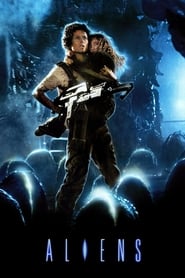
Even though I liked the symmetry of the fact that she had had a daughter and lost her - that's Sigourney's mother, so there's an interesting inversion here. She's looking at the face of her mother but playing it as her daughter. As an actor, it allowed her to work the connection. All my movies are love stories. This one is about parental love, protectiveness and a sense of duty, and the ultimate sacrifice that a person would make, given that sense of duty. That was a nice touch. That was Sigourney's idea. This was one of the seminal scenes in the movie and was one of the ones that had to be deleted and omitted from the theatrical version because of length. We didn't have multiplexes, and there were only so many showings a day that you could have of a film, and we had to get it no more than two hours ten minutes in order to get the maximum number of screenings per day. Peter Lamont came up with a simple and austere look for our future sets. I watched this film recently and I was amazed at how little we see of the conventional future world, as opposed to the spacecraft interiors. She's actually on Gateway Station here. She hasn't returned all the way to earth. She never sets foot on earth in the whole series of films, which is interesting. This is as close as she gets until the end of the fourth movie, where she's re-entering the atmosphere. But this is earth for all intents and purposes. This is everyday life circa a couple of hundred years from now. And Peter came up with a very spartan look. It's not overworked at all, which I think was quite clever. We wanted to do it minimalist. We didn't have her walking around corridors. We didn't create a world because we weren't interested. We were interested in the through-line of her story and her character's dilemma and problems, the fact that she's not believed, that she understands there's this great threat. The same applied to the costumes. We didn't wanna suggest a wildly separated future from our present one. This might be one of the first science fiction movies where men still wear coats and ties. The thinking was people will still wear coats and ties. They may not look exactly the same. We turned up the collar on the jackets. It's no big deal but it's a subtle change. We wanted to have a place to go. We wanted the space environment once they get to the colony planet to be exotic and so we didn't wanna overwork earth. We also wanted to understand who these people were, and a Suit Is a suit. These characters are suits and we wanted to reinforce that. If everybody's in Star Wars type costumes, it's harder to relate to them as characters. I was thinking more of a writer than a designer when I was making my picks of what things should look like from amongst the suggestions made by the costume designer. Denny, did they shoot at 25 frames per second for all the video playback stuff? Do you remember? They did. The 24-frame issue was messy. It can be done, but it's such a big procedure. Shooting 25 frames per second on the camera puts the video in sync with the film camera very easily. There's a slight speed differential but it's almost impossible to perceive. In Britain they have a different television system, a 25-frame-per-second system. 625 resolution instead of 525. Later in the film there's some video footage that was used, appearing on video monitors. But the PAL system is better than NTSC, which is our system here in the United States. It almost looked like a slightly too fuzzy version of film, sort of in between. It's not as good as it should be for film, but it wasn't obvious it was video. Jim realized and made the video images noisier or break up more often so it was more obvious. The tag of this scene is gonna be a throw to this big sequence that takes place on the colony which is before the aliens attack. That's cut out of the release version, so coming up Is the biggest single change from the release version of the film. It's an entire reel. I'll never forget Gale Hurd, who was my wife and producer at the time, trying to shorten the film by 20 minutes. I just could not see how it was possible to do a cut here, a cut there, a few seconds, a bit of a scene, the tag of a scene maybe. She said "I've been thinking about this for days." I said "Go ahead." She said "Reel three." Which starts here. "You can take out reel three." I immediately rejected that as completely absurd. Then I thought about it. Reel three ends with Newt's scream when her father has the facehugger on his face. It works flawlessly. It's a brilliant cut and I have to credit Gale with that. I had poured a lot of energy into the design of these scenes and the alien derelict ship. The problem for me was that I couldn't imagine this film without the cognitive tether to the first film of the alien derelict, but it turns out that it works perfectly. A little dialogue bridge and it works fine. I like this tractor a lot, this tractor with this articulated leg design. This is one of my favorite effects. You see the big tractor driving by and in the background you see these people struggling to put a tarp over that tractor. That was done in perspective. There were full-size people back there, and a miniature in the foreground with distance between. It put everything in camera all at one time without any opticals or anything beyond that. The trick was that the actors had to act at double their normal speed of acting, because the camera was running at 48 frames per second. We had a Ritter fan on them to really kick those tarps around in excess of what it would be in real time, but because we were overcranking, that motion would then look normal. The multi-wheeled vehicle at the beginning is a fifth-scale miniature, radio-controlled, that Jim designed. On the airplane coming over from Los Angeles to London he just doodled it. Ron Cobb, I believe, fleshed it out.
10:08 · jump to transcript →
-
Bill Paxton
James Horner came up with this music sting here and I always thought it was totally over the top. When I saw the whole film put together with the score, I thought "No, that's what we need." I thought "How can you sting somebody opening their eyes?" But it works. Oh! Mm-hm. She shouldn't have had the bangers and mash. Kill it. Fry it. Come on. What are you doing, Hicks? Bad-ass nasty shot. That's a nasty shot of that thing. That's a good shot of it there getting fried. Gosh. Here they come. I think our chestburster looks a little cooler than the one in the first film. Stan Winston's guys really did a good job on it. John Rosengrant and Shane Mahan. Look who's back. Another one of our problems to solve for this movie was creating the whole army of warrior aliens and being legitimate to the original movie but having to improve on it for movement and for the look of being able to study them. In the original A/ien they were rubber suits and very difficult for the actor to move around in. And yet he was very tall and very skinny. And Jim wanted to do a lot of very interesting moves with the warrior aliens, so we came up with a technique to create the suit that really involved a lot of spandex and pieces on it. And then we designed the set pieces for the aliens to fit into the walls, like the one that is behind him there, so that the camouflage would work. An enormous amount of wirework for all of these stunt alien performers, which required that the alien costumes be extremely user-friendly. This was inspired by the scene in the first film where Dallas is in the air vents and they see the signal moving and get a little freaked, and Veronica Cartwright says "Get outta there" and he makes the wrong move and gets killed. That's one of the most suspenseful scenes in the first film. I took that idea that they're getting these readings that are getting them spooked and then they make some bad moves. Form follows function. This is a perfect example of it. You start with what it is you wanna achieve, and once you have that, you can design it, so the actions and the performance is consistent with what you want in the finished film. Believe it or not, very few people work that way. They just wanna come up with something that's cool, and then you spend hours and hours trying to get it to work for the ultimate film. I happen to agree with Gale. My background is as an actor. I really come from a place where the creatures and the characters are wonderful to look at, but it's always about their performance. We have to figure out how they're gonna be able to act, and create a good performance, or it's a waste. And so that's really always at the top of the priority list when we're creating any creature - what is it gonna do and how is it gonna do it? What he does is create a character, and that's why I think his work is So unique. When you look at a film, you can always tell who's done the creatures, if they actually have a character. Because he creates a character that can act and perform. The whole film builds to this moment, where the power transfers from the authoritarian structure to the individual who takes action. Ripley's not supposed to do anything. She's just there as an observer. We're coming up to a sequence where Sigourney takes control of the APC and this sequence is comprised of live-action shots, but as it comes down this hallway and is banging into pipes and walls and sparking, that's all done in miniature. In some cases, the cameraman - cos the set was mounted at an angle - was on a cart, a wheeled cart, and was rolling backwards as the radio-controlled APC was coming at camera. There was a point when he was just put into free fall, rolling backwards downhill, photographing what was in front of him as he went backwards. Here we go. - This is the shot. This is also miniatures. There was a shot with the full-size when the brakes didn't work, and took out the camera, and luckily it was a remote-operated camera. It was the shot where we were actually crushing an alien warrior, when it broke through. This is the shot, actually, when it took the camera out. Then there's another shot where it takes down an alien.
1:12:00 · jump to transcript →
-
-
-
Oh, man, why does a guy like that have to lose? And the audiences felt the same way. They really did. They did. I think they went this far. I think many in the audience overcame their anti-Semitism. It's one of the killer facts of life, I think, that the kind of intimacy they have as friends...
57:37 · jump to transcript →
-
I did relate to it, I really did. It was unusual for you to cut to yourself when you teared up, and that might not have been my choice. You know, maybe that's the beginning, the beginning of what could have led to love, I guess, you know, when you begin to challenge your own thoughts because somebody else represents the alternative. Okay. Okay.
1:12:20 · jump to transcript →
-
-
-
Gary Goddard
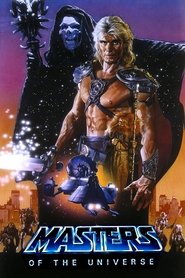
This was one of the largest sets built in Hollywood in probably the 10 years or so before that. This throne room set is the real deal. It was so large, we actually used two sound stages. And that hall right there that he's walking by, it connects two sound stages. That's actually outside. That runway you're seeing there is a real runway. Now, of course, we've matted in the upper shots on top. That's a matte painting. But the actual runway and the throne room and the scale of that is all for real.
3:05 · jump to transcript →
-
Gary Goddard
and to meet the budget and schedule and get it out for summer, but we did do that. I like this shot also, this shot where you have Skeletor overpowering on an epic scale, dominating the screen, and you introduce your hero here against him as he turns in camera. It was very deliberate, pitting him, hero, who is watching the devastation of his world, Eternia, and the overpowering presence of Skeletor.
5:16 · jump to transcript →
-
-
-
It really did. Just personally, it's one of those things you always keep way down deep inside. I remember finally being in a situation with the girl that I really, really, really wanted to be with. What about this scene, though? I know. I'm going to wrap this up quickly so I can talk about this scene. But I shivered, and she felt protective of me, and I was so embarrassed about it. I was embarrassed for a very long time that I was just so unused to being in this position with something that's unattainable that I shook.
53:38 · jump to transcript →
-
Just a little side. Oh, yeah. Oh, yeah. 13 years. I always thought you connected to this stuff. I did. I obviously did. You really did. In a pretty primal kind of way. Yeah, I really think I really did. But I know what you mean. Like, if this had happened with my dad, I don't know. Yeah, just think. I don't know if I would have been able to cut him off. But her ideals and her standards are such because. Well, it's not a, you know, it's.
1:21:24 · jump to transcript →
-
-
multi · 2h 19m 2 mentions
Martin Scorsese, Nicholas Pileggi, Ray Liotta, Lorraine Bracco + 9
-
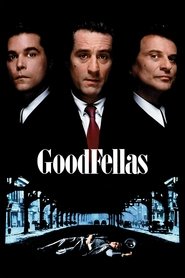
In the scene when you see Karen on top of Henry, I remember it being very difficult to shoot, especially since when you learn filmmaking with Marty Scorsese. I really did that to the camera, not so much to Ray. Michael Ballhaus, who was our director of photography,
1:13:20 · jump to transcript →
-
When I watched the movie this morning, and I just fell in love with him all over again. I really did. I have to say, I think he's extremely gorgeous, sexy, exciting man. And I'm sure that the real Henry Hill for the real Karen Hill was all of those things. And I think we got that right. Every day when we walked into Hair and Makeup, we were Karen and Henry.
1:40:09 · jump to transcript →
-
-
-
Paul M. Sammon
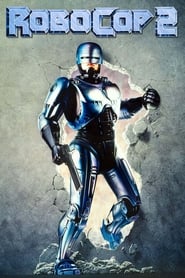
And he's not playing the violin. He's mimicking it, but he is for real. And this whole thing, this silliness with having this fundraiser for the city of Detroit, I get it, but the lines are open. But as far as I'm concerned, except for the violinists, this is a bit of dead air. Okay, and now we are in the hideout, excuse me, with the remaining people.
1:13:18 · jump to transcript →
-
Paul M. Sammon
And we finally found a piece I cannot remember where. By the way, the music on RoboCop 2, people have asked, why did not Basil Polidorus do the music for RoboCop 2 when he did such a great score for Robo 1? The answer is quite simple. Because the film came together so quickly, Kirshner really did not have a lot of choices as to the crew members. John Davison was the one who was primarily responsible for putting a lot of the package together.
1:34:43 · jump to transcript →
-
-
-
And this actually resonated quite a bit for me because it really did feel like, even though we were on the East Coast, it felt like a very similar situation. You know, when I came up from L.A. to San Francisco and marched to Golden Gate Park,
1:06:08 · jump to transcript →
-
I am a man of my word. Now, in those days, you did that the old-fashioned way. For real. I like to compare this whole debate, I guess, or question about digital effects to the microphone. You know, nobody says...
1:33:00 · jump to transcript →
-
-
-
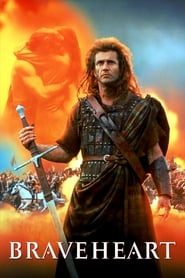
Wallace really did have an idea that he could unite people. He was a kind of a revolutionary who was way ahead of his time. How is the time to declare a king? And you're prepared to recognize our legitimate succession? You're the ones who won't support the rightful queen. Those were lies when you first wrote them. That's true.
1:34:12 · jump to transcript →
-
and how to react, and the stunt guys work with them to minimize injury and so that people wouldn't get all excited about it and flustered and start whacking one another for real, because that can happen if they're not experienced. And we told them that whole thing about, what does a camera see? And if you close one of your eyes, it sort of takes the three-dimension aspect out of what you can see. You can see things, but you can't see depth as well. So there's no depth perception.
1:51:48 · jump to transcript →
-
-
-
rate his contribution to this I mean as you say all of these because I mean I think all of these changes are part of like why he's a great screenwriter like he really did you know Michael Crichton was really good at like the cliffhangers you know read like a movie anyway but I think the the changes improved it yeah especially for a movie I wanted to really quick before we move on
41:18 · jump to transcript →
-
we want to talk about. He had worked with Frank Marshall and Kathleen Kennedy on three of the Steven Spielberg movies they were involved with, E.T., The Color Purple, and Empire of the Sun. He basically, his interest in cinematography started when he was a young man. He worked in camera stores and film labs as a teenager.
1:14:04 · jump to transcript →
-
-
-
Tom Tykwer
And so the decision to stay inside the building for that explosion was more or less very logical and consequent. That's just for those people who wonder whether we changed that shot because of September 11th or whether we discussed the whole issue. We never really did because we also never felt that this film was a film that in any way discusses
11:36 · jump to transcript →
-
Tom Tykwer
Of course, you know that the actress will say, are you sure? And you might have some discussions about it because, of course, cutting off your hair, you can't really fake it. If you want to show it, you have to do it for real. And luckily enough, Cate is not an actress that even discusses these kind of things. She knew when she had read the script that we had to do it and we had to do it for real.
1:12:17 · jump to transcript →
-
-
director · 2h 10m 2 mentions
Richard Curtis, Hugh Grant, Bill Nighy, Thomas Sangster
-
I think you've changed the cut since I saw this. 'Cause it all used to play in the wide shot. No, it does jerk around. - Did it always? This is one of those things that makes me think you actors are very good. No, it's just the way that you actually have to do it. You've got... We were 40 people around you in a room, and guys with microphones and everything like that, and then suddenly, you've actually got to do something for real. Bill, can you cry? -/ can if you give me... A day? - A day in the corner thinking bad thoughts. Thomas? - Me? Can you cry to order? Cry now. I'm not sure. - Stop. For God's sake. Here, there's a hanky. But she does it so... She's completely brilliant. It's not just that she cries, it's the way she cries. Yeah, but she is on the verge of a nervous breakdown as a human being. That's true. You can't bear it, can you? There we go. That stuff. Well, there we go.
1:29:40 · jump to transcript →
-
Well, Bill... It was a weird day, this, wasn't it, Bill? We were in some strange flat in Maida Vale or something like that. This wasn't a set, this really did feel like where a manager would end up. It was a very witty set, like a shrine.
1:40:23 · jump to transcript →
-
-
-
lt was so-- It was the most fun I think I've ever had... ...making a movie. Everybody was so great. But it's not a film set I would be dying to be naked on. No. - For so many reasons. What do you mean by that? - It was freezing. But I don't know. I would have felt really funny about it. What film would you feel comfortable about being naked on? You know, more comfortable. There was something giddy about the whole thing. You felt like people would have just laughed at your ass or something. All right. - You know? Sophia was... - Horrified. Quite horrified. - She was? Yeah. - Did she have--? Was covered--? Yeah, it was covered, and... - That's good. Which makes it difficult. - This was so hard for me. This was hard. This was difficult. He was showing me some outtakes, the number of times... ... you and I were cracking up. You can't make me kiss him in the second one, or I won't get through. Every kiss, there's about 12 takes of you guys laughing. I had so much fun with you, I must say. I really did. We had fun. - I had so much fun. I would have more fun if I wasn't looking at my watch. It's got to be tough. But we did laugh a lot. We were laughing. We were laughing. There's something, when you had the gun... ...and you would do that Charlie's Angels stunt. My God, I still laugh about that. That's me trying not to laugh right there. Well, in the outtakes, that's what you're... Yeah. - We had it tough here, a tough time. You kept getting "silver round" and "single round"-- Now, what did I say? What'd he say? - What'd he say?
1:05:04 · jump to transcript →
-
God, this day.... Again, it was.... You guys were just cracking up the whole day. We had to actually look full in the face and kiss each other. This kiss is actually taken out of the original. Oh, yeah, that's right. And you put It back in. Michael does not look happy about that. It's quite a long kiss there. - Yeah. What's going on? - Don't you remember, you and I? Remember, we were just like, "Why is he leaving us here?" Why am I leaving you? I was behind the camera going, "Excuse me." Most directors will shout "Cut" when they're done. I was yelling "Cut" and doing the clap. - You were not. You just had the drool coming out of one side of your mouth. A lot of wandering about that was cut. Again, this isn't a director's cut, this is an extended cut. And a lot of the stuff, you can see why it was taken out. It was just like things like this. lt wasn't necessary at the end of the day. Essentially, a director's cut, the difference... An extended cut is basically a longer movie that the director says: "This has got nothing to do with me." Yes. I mean, there's stuff in here that I wanted to see back in... . like Scott's back-story and Singe's original reveal. But a lot of the stuff, I was glad to see it go. That's my favourite shot of a werewolf... ...that low-angle roar. I thought he looked the most like a real animal. Good old Bill. I mean, he really did so much of that stuff himself. Oh, yeah. That's like, when he stabs with the sword here... ...this look that he's got with the baring the fangs. No, when he was doing all the fighting... ... he'd never even done a stage fight in his life. And he was in that water for hours at the end. Oh, yeah. And he's, you know, going up against, you know, Scott. Scott and the stunt guys, and.... No, he hung in there. We just beat the shit out of him too. It was really.... He was just exhausted and was... Freezing in that water too. - Yeah, it was. But he never, you know, put his hands up and said: "It's just, you Know, it's too much." Everybody was pretty good like that. - Oh, they were all-- They were great.
1:50:35 · jump to transcript →
-
-
-
This, by the way, we did not build, we did not dress. I mean, we put some clothes in. There's a little bit we did, but when we showed up, we showed up in winter to scout this location and the trees were all barren and there was dirt and stuff everywhere. Basically looked exactly like this and we said, "This is absolutely perfect." I do think Allan added some of the garbage and some of the cool graffiti. - Yeah, garbage, trees and stuff. But what's funny is our location people didn't quite understand what we were going for, and at one point they cleaned the whole place up. It was like, "No, no, no." They told us, "It's clean." We said, "No, put it back." So they had to spend the money to put all the dirt back. Also, the trees were growing leaves and we had to kill the trees. We basically paid some sort of fee to the government to kill the trees. The dog with the hand we should throw in there. Yeah, that's a highfalutin allusion to Akira Kurosawa's Yojimbo. For those of you who have seen Yojimbo and this movie, all six of you. And there was also another shot that showed the desolation of Eastern Europe. As they're walking, they see the dog. They see the guy bathing. - Horrified. And there was a girl, a little girl who they smile at and wave to who then basically cops a squat and starts peeing, which is in the end credits of the movie, as sort of a little joke, and basically people were just sort of... I don't know. It's one of these things where in the movie... You love it or you hate it. - Yeah. We love it. And apparently more powerful people than us hated it. We wanted it to be in the body of the movie, especially in this unrated cut, and it is not. And I guess we'll just leave it there. I guess we should mention, also, Tibor who you just saw. - Yeah, Rade Šerbedžija. All of our casting in this movie is based on the works of Guy Ritchie, so having cast Vinnie and then needing someone to play Tibor... By the way, that money, $1.83, we actually didn't have... We forgot. - ...61.83 in American money on the day. We had to scrounge up... It ended up being $1.46. I think I had a quarter in my backpack. Just what people had. We didn't have the money. We'd been in Prague for so long. - This, I think, was our second day. Yeah. - No, this was our first day. We shot the train station in the morning. - This was day one. Or at least bits and pieces of it. - And this... This was actually the first thing we ever, ever shot, which we've now added back. - Yeah. Originally, when they're on the side of the road and Michelle is trying to get the cars to stop, Scott mentions that you can't... No one's pulling over 'cause she's showing her bra. - He says, "This is Europe. They have orange juice ads with lesbians and dildos. You gotta give them something they haven't seen before." Then later in Eastern Europe... You see the orange juice ad with lesbians and dildos. And in the theatrical version, we actually cut the orange juice ad completely because it just felt like the joke of the opulent hotel was better if it was just shorter. So we got to this stuff quicker. The guy who just ran out, the waiter, is like... Dustin Hoffman. - ...Jim Carrey. Miroslav Táborský. - He's like the Jim Carrey of Prague, and he's really funny. I'm not sure he ever... He never trusted us. No. We had to explain. He didn't want to slap with the backhand and we had to explain that in America... - We had to lie to him... "In America, it's called a bitch slap, the most degrading thing you can do." - We made up this crazy excuse to get him to do what we wanted to do. He just didn't trust us. Nothing you can do about that. That was something we wanted designed, which was the keyboard in the radioactive box played with gloves. Didn't quite work. - No, I'm not sure anyone cares. But we know it's there. This was a factory... It's a high-voltage testing facility. It's a real, working, high-voltage testing facility. And they have it in the movie XXX, but we shot it very differently. And David really went all out here. I mean, especially those sort of finger lights that you see, he put into the background of every shot and Allan gave a lot of neon. And this is some of the best-looking stuff in the entire film. Michelle does look beautiful. - Michelle looks incredible. Of course, the only problem is this place has a horrible, cavernous echo, and there are things in here we just had to sort of loop. We had no choice. The stuff in that bottle, by the way, is so toxic... Poisonous chemical. ...that when they were dancing with the bottles later and two bottles met and broke, they literally had to clear the floor, scrub it down, decontaminate before we could go again. Anyway, our actors are hovering over the fumes right now. It's fine. Again, look at the lights in the back of all this. That big piece of equipment, that's really there. Michelle's close-up here... That is such a gorgeous shot. - That's incredible. That stupid VIP sign behind him was awful. That was there for all day and we never saw it until too late. Well, you can't, you know... You look at a tiny monitor on the set and you can't see everything that the camera picks up. And then you get in the editing room, you go, "Oh, my God, you can see all that stuff." But also, I don't know if it was us being first-time directors or what. On any given day, there are two or three things you're really obsessing on because you feel that those are the most important things, and you solve those only to realize later that there was one minor thing, like that stupid VIP sign, and there's one of those in every scene where you just go, "What was I thinking?" - Sometimes you're obsessing on something that ultimately turns out to be insanely unimportant, and the massively important thing is sitting right in front of you and you screw it up. - In that scene, we were obsessing on a line when they were flirting. That we ended up just cutting. Yeah, he said he was the black sheep of the family and then she was trying to be witty and she was sort of saying, "That's okay. I have an uncle who 'blank. And we must have done take after take after take. "You think you're the black sheep of the family. My aunt's a female bodybuilder." Just take after take after take of stuff, nothing that was ever used, and it makes the VIP sign all the more, sort of, laughing at us. By the way, the Green Fairy is played by Steve Hytner... So great. - ...who played Bania on Seinfeld. We worked with him also. - A real good friend too. He really did us a huge favor. - Yeah. He was going to a wedding in Italy, I think, and he stopped into Prague on his way to... Here's a little added extra. Yeah, this was just a little something we cooked up. Jacob was really funny doing this. In the theatrical version, we cut it. There's no time for this in the theatrical version, but we felt we'd subject you to it. And he just... He got it, you know, that he was... Again, we're into the production at this point, and his Cooper had become a character. - He was dialed in. Exactly. And here we go. - On the day this happened, Travis comes up to me and says, "I have a cold." I say, "You're not going to tell Michelle you have a cold because your tongue is going to be down her throat." Also on that day, Michelle's mother, sister, and sister's boyfriend... Decided to show up. - ...came to visit. And it was just like, "Oh, God." But ultimately, they went for it. They went for it, and it's all about the tongue. Yeah.
58:03 · jump to transcript →
-
That's a little clip from the Summer at Sea. Trying to look at any other cast people and things we should be mentioning. I guess... - The prop guys, by the way. Just Lukas and Michal. Good guys. Really good guys. Lots of the stuff that you're seeing here you can see in their entirety in the... Including probably a little more of that. We were one of the few movies that have ever gone in and used a lot of key Czech people as heads of big departments. Usually... We did have some guys shadowing guys that we brought in, but we really did try and use a lot of Czech crew. And I think we were rewarded for it. - They were awesome. I think it was a really good set. People seemed to go out of their way to tell us that. Anyway, so that's the movie. It was, hopefully, as fun for you guys to watch and hear about as it was for us to make it. Very odd for us to watch it. - Yeah. Hopefully, it was less odd for you. It was Maurice Chevalier, not Charles Aznavour. Oh, God. Jesus. James Venable. Yes. Our composer. And, by the way, there'll be... If you're watching the unrated DVD, there's another commentary you can enjoy, and also secretly buried on the DVD elsewhere is us doing three separate commentaries where we talk about each other. But James Venable is the composer. He's done stuff for Kevin Smith. I worked with him on the Clerks animated show, and he kicked ass. There was just-- Creepy Italian Guy's theme, a couple of the other pieces were... I love the music. He was a real pleasure. It's like the end of the Oscars. I know, I know. It's like, "Who did we forget?" Everybody was great. Everyone was great, except the guy who did coke and tried to steal that we had to fire. - But he was still good. And here's our favorite thing. That's why we made the movie. A little reward for those of you who sit in your seats. Good night, everybody. - Goodbye. Bye.
1:29:52 · jump to transcript →
-
-
-
Andrew Niccol
a more natural look. Some of these shots that you see, like this one, are done in camera, where the people in the plane are in the same shot. And others like these are composited together.
1:10:55 · jump to transcript →
-
Andrew Niccol
The arms dealer I rented the plane from probably wouldn't be too happy if I took it apart for real. Once again, it was done by Yann Blondel from L'E.S.T. in France. Ironically, this plane crashed a month later in Uganda, carrying what was described as a suspicious cargo, and all the crew were killed. Not the same crew who flew the plane
1:17:22 · jump to transcript →
-
-
director · 1h 36m 2 mentions
Aliens vs. Predator - Requiem (2007)
Colin Strause, Greg Strause, John Davis
-
Matt's voice was used for a majority of the shots, and he just used to do the Predator mimicking kind of as a joke, and then we were like, wait a minute, God, you're really good. Maybe we should actually try you out for real, and we sent him over to where the guys were recording all the voices, and he auditioned for it and actually ended up getting the role. It was definitely the best. Great party trick, huh? Hey, I'm the Predator. I'm going to do the Predator. Yeah, definitely...
22:19 · jump to transcript →
-
This is our much more intense version of Jesse getting pinned to the wall. We actually redid this in visual effects with her splitting in half and her guts dripping out. But yeah, that was her stunt double for her, and that was real-time, in-camera, actually hit the wall. I thought she snapped her neck when we did that first stunt. We probably did it four takes. I could not believe how hard that stunt woman was great.
1:21:55 · jump to transcript →
-

Related topics
Other topics that frequently come up in the same commentaries.