Topics / Editing & post
Practical effects
93 commentaries in the archive discuss this, with 224 total mentions and 4 sampled passages on this page.
Filter commentaries
Filter this topic by the film's decade or the type of commentary.
Showing 2 of 93 commentaries
Clear filtersBy decade
Across the archive
ranked by mentions · click any passage for the moment in the transcript
-
-
David Kalat
It entails painting part of the scene onto a plane of optically clear glass and filming through it to create an in-camera superimposition, as opposed to an optical effect or process shot in which different aspects are combined after the fact in the lab. Tsuburaya uses both techniques throughout Godzilla, and you have to bear in mind that neither technique had been used very much at all at that point previously. Tsuburaya's team was starting from scratch. There was no body of experience to draw on.
18:29 · jump to transcript →
-
David Kalat
This is another in-camera superimposition. The villagers in the puppet Godzilla were photographed at two different times, but on the same strip of celluloid. The result is a far superior looking image as compared to combining the plates in a lab, but it's a far riskier proposition. If anything goes wrong on either side and the film is ruined, you have to do the whole thing over again. But the art of Japanese optical effects was spotty at best, so the use of such opticals is very limited.
22:20 · jump to transcript →
-
David Kalat
The film stock they used was exceptionally soft and vulnerable to dust. Fingerprints and hair, any kind of foreign particle could permanently mar the picture. Every time you handled the film, you increased its risk of contact to airborne contaminants. In-camera multiple exposures, basically any time Godzilla or a model are seen in the same shot as a living actor or a real patch of city, magnified the dust problem.
22:48 · jump to transcript →
-
-
scholar · 1h 32m 1 mention
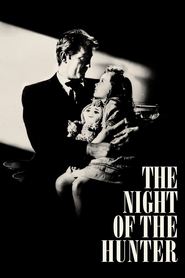
The Night of the Hunter (1955)
Terry Sanders, Robert Gitt, F. X. Feeney, Preston Neal Jones

Related topics
Other topics that frequently come up in the same commentaries.