Topics / Performance
Casting
128 commentaries in the archive discuss this, with 465 total mentions and 63 sampled passages on this page.
Filter commentaries
Filter this topic by the film's decade or the type of commentary.
Showing 34 of 128 commentaries
Clear filtersBy decade
Across the archive
ranked by mentions · click any passage for the moment in the transcript
-
director · 1h 36m 10 mentions
Aliens vs. Predator - Requiem (2007)
Colin Strause, Greg Strause, John Davis
-
Yeah, you weren't working on the chopper that morning, John, were you? No, I was actually watching the chopper go up with you in it. So, again, the casting on the movie was a really fun but also at times difficult process because a lot of the bit parts had to come from the Vancouver actor pool. Yeah, and at the time Vancouver was really busy, so the pool was smaller than it normally would be. Fan 4-2 was up there shooting.
10:28 · jump to transcript →
-
They got up there and got started before we did. So a lot of the good local talent up there got sort of sucked up by the bigger movies. But we were fortunate. The young girl, who I think is both very pretty and very good, who you're going to see at the door in a second, we found her in Toronto. Yes, Kristen Hager. She's great. And this is Johnny Lewis here. Yes. Mindy Marin was our casting director.
10:58 · jump to transcript →
-
We needed to find people in the casting process who were really kind of people you would believe were in this town. We didn't want to break the wall of reality here by having really familiar faces. And so we were able to find really very, very accomplished actors who hopefully you haven't seen in a lot of movies before. And it was also the cool thing, too, a lot of our main leads were all stage actors from
11:25 · jump to transcript →
-
-
director · 3h 43m 9 mentions
The Lord of the Rings The Two Towers (2002)
Peter Jackson, Fran Walsh, Philippa Boyens
-
The audition piece for Irwin was about four pages of almost undiluted text from the book, and it was a very, very difficult read. A lot of people were struggling with it. And we hadn't found Irwin, had we? She was a big, big search. But I remember Fran very, very early on had been tracking Miranda and keeping her in mind and had asked her to come in and read. Miranda was the only person who actually rang and wanted to talk about this character and what the scene actually meant.
1:13:49 · jump to transcript →
-
Yeah, it's a lighter scene. It's a scene that actually has something of the spirit of the relationship in the books, doesn't it? I mean, everybody seems to remember of Herbs and Stewed Rabbit. They do. It's a great, memorable chapter. Yeah. And it was one that we really wanted to put into the movie. Yeah. We met Andy through the Hubbards, who did the casting in England, and they did an initial sweep through the main roles, and they presented Andy on a tape...
1:42:41 · jump to transcript →
-
you felt the character needed. Well, what was interesting about that performance in the audition is that we were videotaping the audition even though we were just looking for the voice. What was compelling was actually seeing what he was doing. It wasn't just the voice he was using. It was actually seeing the expressions on his face. Because I remember it was a pretty rough, bad quality video that we ended up with. But I remember coming back to New Zealand and having the first kind of Gollum conversations with Weta. This was long before we started shooting. And I remember dragging the Andy Serkis tape in to show them
1:43:31 · jump to transcript →
-
-
director · 2h 10m 8 mentions
Richard Curtis, Hugh Grant, Bill Nighy, Thomas Sangster
-
We never decided... Here we go. Stop, Hugh's turned up. Okay, this is the first time they've seen the film. Don't be ridiculous. - No, it's true. I'm just recovering from the sight of myself in that dodgy shirt. Yes, you do, you look terrible. - Yeah, I know. See what I mean. When Hugh first got the film, you were quite cross about Bill's part, weren't you? I'm still quite cross about it. I still think it could be trimmed, to be absolutely honest. You felt that you would take some of the attention. This was a controversial piece of casting. What do you think about this guy, Hugh? Very bad. - Oh, yeah. No, no, no. No, he has been good. - Who is he? He just looks a little long in the fang. I love you. - I Know. SO... - Who's that girl? That's not part of... No, that's Sienna Guillory, who's... -/ think we're watching the wrong film. She's so beautiful it hurts. We in fact shot this scene later. We thought we wanted to know a little bit more about Colin. Oh, good God. Bloody hell. - That was a tough shock. I've never seen this scene. Let's see that... Can we wind back? Right, so... - So what's the idea, that she dumps him? Yeah. That's the girl who, with the brother, dumps... So here we have Liam. It's very odd, just looking at that phone, it was very odd, talking on the phone to Liam Neeson, trying to ask him if he'd do the part. It's such a legendary voice, it strikes you that you're probably talking to an impressionist, not to the real person. Understood. Emma"s very good with vegetables. - Yeah. You used to always have food in your films. Yes, I used to get letters about it from my Japanese fans.
3:45 · jump to transcript →
-
love I've never seen any of this. This is looking very good, this scene. Very good, this film. - This is terrific. Look, it's Pikey. Who's that, with the guitar? Is that... He's a friend of our friend, Adams, and is an exceptionally good guitarist. - Oh, God, we're back to the boring bit. What the hell are you doing here? I just popped over to borrow some old CDs. The lady of the house let you in, did she? - Yeah. Lovely, obliging girl. - Yeah. This is Dan, who was one of our favorite actors, who came in for... To audition for some part, ended up with this one, and the next time I saw him, he was actually in Claudia Schiffer's house. So he's rather well-connected in a slightly annoying way. Blimey. - So he's the evil... Do you hang out with supermodels, Bill? - Not... No. Thomas? - No. But you, Hugh...
11:13 · jump to transcript →
-
Okay, this was all shot by the river. What's going on? Oh, yeah, he's a caterer. - Yeah, that's right. How much will you pay me not to reveal the secret of this scene? Taste explosion? No, you can reveal the secret of this scene. Okay, so this highly amusing scene coming up now about catering, with this girl, is a reworking of a highly amusing scene about catering which bore a remarkable resemblance, down to the last line, which was originally in Four Weddings and a Funeral, and which was one of my audition scenes, but which got cut from the final film. But waste not, want not. - Do you know what's most shaming about it is that when I put it in the film, I forgot to change the name on one of the lines. So it said, "Colin says this, Colin says this," and then, "Charles says this," for some reason. So this woman is the most extraordinary actress. I think you'll get to know her very well in the future. I've just worked out why I can never find true love. Why is that? - English girls. Now, this was Abdul's first film, I think, and I have never known a man be happier on a set. Yeah. He was lovely. I really liked him. - He had no nerve. Just always completely perky. Unlike some people. Hugh, over to you. What was my cousin like on the film set? Deep. - Was he? Yeah. Completely unflustered. We're talking about Thomas here, who is related to Hugh. Did you know that? Is that something you'd been talking about at school or were you shocked and ashamed when you found out? -/ think he's played it down. - Did you know? Did you know? I knew, yeah. - Yeah, okay. No, I mean, I wouldn't talk about it if it was me. His great-grandmother... - Yeah. ... Aunt Bala... Bala? -... yes, is my grandmother's sister. There you are. - Nice. And I used to play cricket with his Uncle George. Now these two... This was a very, very brave part to accept. Martin is a star of The Office, and the first time I saw The Office, I just thought, "He just has to be in the next film we do." - Crikey! Yeah. - And I mean he is the most wonderful actor. And Joanna here is so divine. She's marvelous. - And so guilelessly sweet. Yeah. - Nice face, too. She's getting married in a few weeks' time, and I spoke to her about her wedding and she said that her best friend wasn't going to be the bridesmaid because she'd had a breast job and she wasn't having a woman with enormous breasts walking behind her down the aisle. down the aisle. And then I said, "Well, who's taking her place?" And she said, "The dog." She's actually going to have a dog dressed in white. And I said, "If you thought that the people in the audience were going to be distracted "by a large-breasted woman, I promise you, a dog's gonna be worse." Now, this is clearly a sad scene. And the girl in the pictures is a girl that I've been in love with a long time called Rebecca Frayn. Yeah. - She's a director and a writer and her dad's Michael Frayn and her husband is Andy Harris. I managed to get her to agree that we could have all the prettiest pictures of her from her whole life. ls that... I see, in the photographs. - Yeah. Get out. Get out. - Yeah. No, I meant get out. So there we go, that's actually Rebecca as a baby and there's this wonderful... Oh, God, she's lovely.
12:16 · jump to transcript →
-
-
-
I went to New York with Dino, and I was very nervous. This was Tony, Anthony Hopkins. The thing I did know and what I was confident about was the type of movie I wanted to make. Like I said, I went in there knowing the tone of the movie, my approach to the movie, how I wanted to not show any of the gore. I didn't want to make a horror film. I wanted to make a film that was psychological, emotional, and smart. That was what was on the page. And the only scene that Tony had a concern with when I sat with him was this scene right here. Tony was concerned that as originally written, his attack on Graham here was too graphic. By the way, it's an interpretation because 10 directors would direct a scene in 10 different ways and show various degrees of violence. It's about showing the details of the guts falling out of his stomach, or the blood, how much blood to show. And I chose to play it mostly on their faces. Once the attack happens... Here's my little homage to Silence. You see the... - I see the bug. You like that. So I chose to play the violence part of this scene on their faces. I love this book. This is an original. My prop guy, Brad, found this original book from France, Larousse... When I read it, I had no idea what the hell it was. It's the bible of cookbooks. - Yes, I learned that quickly. He found this real old French cookbook. There was a lot of dialogue about how do we sell his moment? It's really just a subliminal thing. It wasn't really supposed to be so pointed where it was like, "Oh, sweetbreads." I thought sweetbreads was brains but it's not. It's actually... Thyroid. -... thymus. I learned so much about anatomy on this film. If you work on a Lecter movie, you learn a lot about cooking. I thought Edward was fantastic. There is a tremendous intensity of performances in this movie. And really a dream cast as Brett already said. If you could have anybody in the world for these parts and be lucky enough to get them. It's pretty much what happened to us. Great actors want to play good characters. They want to play great characters and all of these characters, down to Freddy Lounds, and other smaller roles, were just written so well. They were interesting and dynamic. And these actors were interested in playing this. To convince these actors to do a third in the series, all that went out the window when they read the script. Certainly once they started working. There's our cold opening. I'm very proud of this title sequence because it was actually done two days before we had to lock picture. My editor, Mark Helfrich actually was the brainchild behind this because... You re-shot the journal here in a very interesting way. Initially, this was done in a much more straightforward way with the images very flat against the screen. Yes, a lot of times. Mark is kind of... Everybody on my team, from my AD to my production designer, are filmmakers. Mark is a filmmaker in his own right and he just understands the visuals and storytelling. I love how, you know... But this was written. - Yes, it was. But the way that the camera roams over these pages and when we go in very close and it gets grainy, the camera movement left to right, up and down, is all not scripted, of course. This is something I don't really have the patience for. Mark kind of took this book that he was fascinated by. I think he has a copy of it in his closet at home. He just knew every page, every frame and went with Dante and literally just shot. This is a wonderful opportunity. This kind of title sequence is sort of old-fashioned in a way. But it's a wonderful opportunity for a screenwriter to get information in quickly to cover a lot of ground between the arrest of Lecter and where we are when the movie is going to start. Covering a period of several years, you are doing that without any dialogue just by these images. It's a very useful shorthand. Danny did the same thing that Ted did with the script in this sequence that Mark did with the visuals in this sequence. Danny did the same thing with the music. I think the music here is so fantastic. It's very much like a Bernard Hermann score, which I knew was a big inspiration for Danny. Danny is a big fan of Bernard, and this was his chance. He's done darker scores, but they've had a kind of lightness, or comedic darkness to it. Danny did something here that kind of made people's skin crawl in the theater, like, "You're in for it. "If you're gonna sit through this movie, you'll experience some stuff. "Shit's gonna go down."
6:02 · jump to transcript →
-
It's hard to pull off this stunt with rising excitement, meanwhile. I'm amazed by him in this scene. It is a very hard thing to pull off. This is an example of a scene that my editor, Mark, was particular about, collaborating with me and telling me, "Brett, how are you gonna pull this off?" I said, "I don't know, I'll just shoot it." He had me bring Edward to the edit room and took a video camera and shot the scene for me, before showing the way it might intercut since there are devices in here which are the flashes, and you've seen it in hundreds of films and I didn't want it to be false. He said, "I have an idea of how to do this." He shot the scene for me before I shot it. It was a great reference. We adjusted and tweaked things, but this is all protecting the cliché. You can see the power that editing brings to a sequence like this. It startles you and moves the story forward in a way that the story is always a leap or two ahead of the audience. And pulling them along behind it. That's a function of great editing. It is important here because once the audience is ahead of you, you're in trouble, they are sleeping. It's the same thing on The Silence of the Lambs, I used to worry that we were cutting so many tiny beats that the audience would be confused. And Jonathan Demme said, "Better if they're confused "for five minutes than bored for five seconds." And this film is very tightly edited. Gentlemen. Ladies. This is what the subject's teeth look like. The impressions came from bite marks on Mrs. Leeds. This degree of crookedness... Here we... Where was this? - This was shot in LA. This is shot in LA in a government building that the city gave us. Here's Bill Duke. - He's one of my favorite actors. Again, an example of the meticulousness that Brett brings to casting. These wonderful actors who could be the stars of their own movies, who are playing supporting parts in this. I literally called them and begged them to be in the movie. I love actors. I love great actors. I spend as much time on the smaller roles as I do on the bigger roles. It's important because an actor who has one line can take you out of the movie and hurt it in my opinion. It goes back to the whole question of tone. A single wrong note will make an audience self-conscious, and pull them out of the movie. This film is the opposite of any of the films I've ever done. Family Man, that had dramatic moments, was still a comedy. So you can go farther with realism, but this especially, when it's dealing with the FBI, forensics, and scientific... -[t has to be grounded in reality. - Very grounded. In order for the audience to accept the extravagant parts of the movie, the more baroque characters in the movie like Dolarhyde and Lecter, scenes like this have to be very credibly rooted in police reality, in procedural reality. Would you give that up? The other thing also is, when we're talking about the tone, the choice... I was thinking about It, why I really chose not to show, not only because of Silence, because even Silence might've shown more violence than this film. Really, because the only scene we have is the biting of the lips. We certainly tried to hold it down. But I think the reason was because when I went to the FBI at Quantico and started looking at all these visuals of serial killers' work, it was so disturbing to me. It really bothered me. I said, "Why do I want to do this to audiences? "It'll completely turn them off." As with Silence, what you really want to do with this movie is a detective story. You really want to do a psychological thriller, a detective story. You're not trying to make a horror movie at all. Sometimes they're referred to as horror movies. I've never understood that. To me, these are thrillers, detective movies. In this scene, Harvey's Jewishness really comes out. "You're the light of my life." He sounds like my grandmother. I love that line. I can't answer more questions. Here's Philip Seymour Hoffman, a great actor. Who we should not have been lucky enough to get for this small part. Yeah. He actually wanted to play Dolarhyde, and I wanted Ralph to do it. I had dinner with him, and then called them back a week later. He wanted to play Dolarhyde, and his schedule wouldn't let him do a bigger part anyway. And then I called him and said, "I think you should do Freddy Lounds." He said, "Let me read it again." Then he called and said, "I'll do it." He would've been good as Dolarhyde, in a different way. He would've been amazing. - I mean, a great actor is a chameleon. Remember? With the tubes hanging out of me? Forget that prick. This was a very difficult scene, too. This was difficult because... And this was a scene where Edward had a Iot of input as we were revising the script before we shot. Edward said, "This is a difficult transition for this character to make." Here he's out of the loop, he doesn't want to be involved in the investigation. He's sort of done a favor for his friend and mentor, Jack Crawford, but he doesn't want to get deeper into this 'cause of psychological and physical scars. Because of his commitment to his family, he doesn't want to do this. Now he has to do the most difficult thing he could possibly do, which is to confront Lecter again. There was a lot of back-and-forth and a lot of revision, and a lot of talk about how we might credibly motivate this transition in the story. Edward was actually very helpful here with his thoughts. I think it works. Because it's not the cliché of the guy jumping back... Getting back on the horse and showing off. I'm proud of how it turned out. Again, it was really Mark's editing of the scene. It's also Harvey's matter-of-fact performance here. It could, potentially, have been a real glitch in the story. Where the audience says, "He wouldn't go back to see Lecter again. "He's scared to death of Lecter."
21:36 · jump to transcript →
-
I love this. You did this kind of stuff in Family Man as well. I love doing it. Doing home videos within a movie. It must be fun for you as a director. It is. It's a lot of fun. I love the kitsch kind of... And Kristi has an unerring eye for this kind of middle-class Americana. She has a lot of fun with these designs. And the casting of this is very important. You don't ever really get to know these people. They're dead before the movie starts. But it's important for them to seem like a family and to be real, and to be someone that we feel we could've gotten to know and care about. And this dialogue was great. These little lines. I literally read, like, 300 women for this part, because I was like, "I want her to be the all-American, real, likeable..." Yeah, she's wonderful. It's such a small part, but I couldn't... It was the last thing I cast. Marguerite Macintyre. Great actress. All right, you want a kiss? - I want one. The big romantic kind.
37:50 · jump to transcript →
-
-
-
One other interesting note about this scene, that is a real keg with real beer, and Jacob Pitts, our delightful Cooper, really liked these scenes a lot. It's what we like to call method acting. That's one of the things we learned. Or simply drinking. - Aren't they the same? I guess we should introduce our cast, now that you've been watching for ten minutes. Scotty Mechlowicz as Scott Thomas. - Which is why we cast him. Make it very easy on ourselves. The beautiful and talented Michelle Trachtenberg as Jenny. And Travis Wester is her twin, Jamie. And that's Jacob Pitts going off to take a leak. And this was another one of our delightful cameos that we got because we were in Prague. Yep, that's Matt Damon, which... Everyone in the theater sort of goes, "It can't be. Is it? Is it really?" Why is his head shaved? He was actually in Prague shooting Brothers Grimm for Terry Gilliam at the time. And we actually went to college with Matt years ago. So we've been sort of friendly ever since. And he was in Prague and we asked him to do a day of work for us, and he agreed. The biggest favor ever. - Thank you, thank you, thank you, Matt. Yeah, Matt's just hilarious here. Matt's not watching this DVD. We're going to make him watch it. That'll be another commentary. That would be the biggest favor he's ever done. But the band was actually started by some other friends of ours from college. I guess this is as good a time as any... A couple of them were of Matt Damon's roommates in college. The band Lustra... - One of them. The band Lustra, good guys. And they wrote the song, which is really fun. We've known each other since college. I'm going to just talk now 'cause no one's listening to what I'm saying, because there's a naked girl on the screen. I wasn't listening. What were you talking about? Now this, in the unrated version that we're watching, she started off topless. In the theatrical release, if you saw it, we actually cut a different version where she started off with her top on and Cooper talks her out of her top. - He convinced her to take it off. And it was very strange, sort of, when you get into this whole nudity thing. Obviously, it's a hot tub scene, but somehow when her top was on and he talked her out of it, while it was a very exciting moment that he talked her out of it, it oddly made her dumber, even though she is sort of a stereotypical dumb blonde. - Right. And we always liked it this way, the way you're seeing it. We liked the scene to answer the question, "What is beyond gratuitous?" That's the answer. - There it is. And there they are. The answers. The other stuff we added back into the scene is just more of him screwing around with her. Because, to us, once you're at the nudity, it's how far he goes. This scene... - It's not about nudity. No, this scene was always about the crazy extent to which he got her to play with herself, as opposed to just getting her to take her top off. By the way, the banner in the background originally... This is what happens when you work in Prague. It's a big congratulations banner. The first day when we got there, it just said "congratulation," like one singular congratulation, which is a word we didn't know existed. Sort of a funny story about this scene, which, hopefully, we can tell. We were actually rewriting another movie, which I guess we'll leave nameless, that had a hot tub scene in it and we came up with this idea, which was the fact that a guy saying, "You have a smudge. You've got something on you." And we were really enjoying what we were doing so much that we didn't put it in that script. And we're like, "We'll use it one day." And here it is. Screw it. The movie was called Out Cold, I think. Yeah, exactly.
7:55 · jump to transcript →
-
The other thing I was gonna mention... We're constantly behind in the mentioning. Part of the reason we ended up in Prague and actually ended up with Allan was because of Neno. - Yeah. Neno Pecur, who was Croatian. We hired him as an art director to scout Prague and to scout the real European locales before we knew we were going to Prague. Basically, he would go to Paris and go, "This is what it really does look like." Then he went to Prague and said, "We could do something like this here." And from his pictures, we used some of his actual locations that he took photos of and made the decision to go to Prague. And then Neno has worked with Allan for many years as his art director, and he helped us get Allan. The two of them, their team... They brought Bill... Cimino. Our set decorator. - Cimino. That's right. Just fantastic and along with the guys from Prague. I think it's now time to mention, though, at the robot scene, which was the first time... We've been writers for a long time and you sort of go, "Look, I think we know what this is gonna be. This is gonna be really funny. It's gonna be a slow-motion kung fu fight scene between two people being robots." You write it and it seems funny. There's the old joke about the writer writes "Rome burns," and the director has to realize that. We were on the spot here because it was easy when we wrote it to just hand it off, but now we handed it off to ourselves. Actually, this is one of the things... - At one point, we cut this, actually. At one point... - We cut it from the script. We talked about cutting it. We were afraid we didn't know how to realize it. We just were like, "What is this? This could be bad." Left it in for a table read. - We left it in for the table read. And it got such huge laughs at the table read that we realized, "We gotta at least try and shoot it." We then initiated a worldwide search for a robot man. This is J.P. Manoux, who's an incredibly talented actor. We found him here in Los Angeles. Yeah. We looked at all these mimes... We looked at real French guys. - ...weird acrobats, and French guys whatever, and, of course, a guy from LA who was actually a friend of a friend and was in the Groundlings, of course, ended up being a really good guy. He is just outstanding. - And he came in with this ability... I mean, a lot of what you're seeing, like him laughing and just his attitude as a French guy, was in his audition. We were also very lucky that Scott... - Scott, exactly. ...knew how to robot. I guess Scott grew up watching Shields and Yarnell... No, no. J.P. - Was that J.P.? Scott had an acting teacher... - Who was in the Barney costume. Yeah. - Okay. And we went there on a Saturday to basically work it out. And we had blocked off an entire Saturday. We choreographed the fight with little bits of Enter the Dragon and some Matrix in about... Twenty minutes. - Yeah, like, 20 minutes. And the first time we did it in Our crazy wide shot... because we knew to get a master... the crew laughed, and we were like, "Oh, okay." It was also-- This was pretty early in the schedule. And I think it was maybe the first time the crew thought, "Okay, these guys actually know what they're doing." Like, "This is something we haven't seen." Wrongly, but they thought that. - But they assumed it.
29:59 · jump to transcript →
-
We're in the French restaurant. You cannot tell by looking at everybody, but it is over 100 degrees in there. They turned off the air conditioning at this restaurant. No one told them to, but they thought they would help us by turning off the air conditioning. And the kids are just sweating. I mean, you can't even... If a take went wrong, we'd have to stop. You couldn't just keep rolling because they're dripping. And we actually had a guy, this poor English actor that we cast, who was actually really funny, who came in and was so hot and sweating so badly that he just couldn't focus. It's in the deleted scenes. You'll see some very funny scenes with a French waiter and some funny French waiter flashbacks. We just had to cut it, 'cause it wasn't... Featuring Jim Morrison and General Patton. The other thing... It'll come up again later, but them putting the food down leads to the food map joke, which will be coming. I'll tell that story later. It's good to-- We'll earmark it. - A little preview. This is the main Prague train station. And our production... - Again Allan and... Allan and Neno dressed it, so that people actually got off the train, a couple of people, and thought they were in Paris 'cause they saw the signs and they were very weirded out 'cause they had gotten on a train in, like, Hungary somewhere and they thought they were in Paris mistakenly. Michelle being a fantastic sport. The first of many indignities that she was forced to suffer. And Coca-Cola being a great sport. This is what shooting in a train station is about. Another one of these, "We are idiots, we don't know, so we'll set a scene in a train station." If you notice in the background... This is a game Alec likes to play: train, no train. Okay. This is my little game in this scene. Behind him, green train. That train is gone in the next shot. - Okay. No train. But who cares about the train, I mean... Train. - Again, the lesson learned... It's my game, I'll play it. - I know, but look at these backgrounds. No train. - These great, deep backgrounds. We are in a train station in Europe. We are not in Vancouver. No train. Train. - Michelle's scream turn is one that... She's just... - She did it fantastically. Different train. - We caught that attitude a little bit from our own little Seinfeld experience. It's what we like to call a Julia Louis-Dreyfus, Elaine move. The sort of being sweet, screaming and then going back to sweet. And Buffy was a hilarious show. - Can't say enough about Michelle. And I don't know if Michelle always got a chance... You know, she was sort of a supporting character on that show. And on this, she got to really shine with her comedy. Anyway, here's the maps. What I wanted to say is this is a Raiders of the Lost Ark map parody, which is a joke that is about, I don't know, ten years old. It's something we wanted to do a million years ago and again something we saved. There's the Jackie Collins book again. And the headline, "Merde Alors! L'Hooligan! I actually-- I don't know if I even told you guys this, but I was at an Iron Maiden concert about six months ago and I saw a guy wearing that Deep South Monster Truck 1987 shirt. Was that guy you? - Or whatever it is-- Rally '79. No, it wasn't me, but I envied him. Fred Armisen. - As what we... In the script, he's called the Creepy Italian Guy. Not, as some people wrote down in the test screenings, the Train Homo. We actually call him Creepy Italian Guy. And, again, just production-wise, we're shooting on a moving train here, which is yet another of our naive mistakes. - Do not shoot on a moving train. We thought, "Just put them on a train. It'll be easy." Just the most cramped quarters, limited angles. We actually shot this one scene in three different compartments. We had a compartment where we could look one way, a compartment where we could look another way... We pulled out walls so we could shoot different ways. And then we had one compartment where we were shooting in, one that we were shooting out. It was madness. - Plus... Fred, by the way, is just so funny in this. We, last minute... - We also... I'm sorry. I do wanna say that we also then shot it both moving and then did other shots not moving so that we could do the light effects of the tunnel. Which is a poor man's process, because there's no tunnel. This is obviously on a moving train. - 'Cause you can see the window. And then when we do the shots where it goes from light to dark or from dark to light, we pulled the train inside a barn and blacked it all out and then did the lighting effect by hand. So, the Creepy Italian Guy, Fred Armisen from Saturday Night Live... This was another thing where we originally went into this thinking we will find a genuine Italian guy. And, again, we searched the world for a real Italian guy. A lot of Europeans are not funny. They just didn't get the joke. - It's a language problem. They were simply performing the words of the script, but didn't necessarily have any idea what they actually meant. And Fred is someone who's just fantastic on SNL. That little shrug is awesome. So, that shot, for instance, is inside. I think we hired him... - And that's inside. We hired him on a Sunday and he was out there on Tuesday. Yeah. - So, really amazing. And, again, these are all these little touches that he added. I think Travis, who plays Jamie, is fantastic with him. They were a great pair. This was something we never landed on. - I don't think we ever got this right. We had a bunch of different things we shot for this darkness sequence. We had a lot of flashing lights and weird little things of Fred in various stages of undress. - What was going on in the dark. In the end, it was just undercutting... - This end reveal. Which, again... - And, I think, for the unrated version, we put this back. For the theatrical release, we kind of cut right here somewhere. No, exactly. - And then, for this one, we decided to let it roll. - This is something we just enjoyed. It's just that a guy with no pants sees more people and goes in. Actually, that's where we're sitting. That's the compartment where we are sitting with the monitor. To do it all over again, one thing that might've been enjoyable was had we come running out of the compartment. Just, the idea that the man with no pants... This is the very first thing we shot. - First shot ever. It's actually an interesting way to see our cast. The train revealing our cast and us seeing them for the first time. It was a neat experience. - A horrible-looking little train station. The first time we visited it was in winter and just looked awful. And, again, Allan and his guys just came in there... And I think, actually, the manager of the train station asked them to leave everything. Left it all, those flower boxes and the shutters, and just turning it into this beautiful, little French countryside place. That was always a fun shot, where he lays down and jumps back into it. You know, and again, day one, we must've done 30 takes on everything on day one. One of the things about comedy... - We also shot close-ups of everything. Every angle. Everything. - This is more toward the end. This is one of the two days we shot outside of Prague. This is not a great example, because this is more towards the end, but I also think we screwed up here. That's the thing, you look back... - We did it all in one shot. Which I think is the way to do this. We did do it all in one shot, but... One of the things, I think... When I look back at the movie, a lot of our starts of scenes, I find we... Definitely something we were never thinking enough about. So that you're kind of going, "We're going to this beach." And then they're just sort of walking. And maybe had we come off a sign... - That was one of my favorite things. Definitely a fun joke. - Also, it was freezing. You can see Scott... - It's freezing. The gray sky. Wish we'd gone in and maybe colored the sky blue a little more. 'Cause the sun does come out. But just something that maybe... If the camera had moved or something to kind of say "beach," as opposed to that weird stock shot of nothing and then this. And this scene seems to get a lot of people in an uproar. Everyone sort of sees it-- and people... There we are. - Right. This is one of the two days we shot outside of Prague. This is in Rostock, in former East Germany. This was apparently one of Hitler's favorite beach resorts. It's very close to where Wernher von Braun used to develop the V-2 rocket. Wall of cock. - Speaking of V-2 rockets... Everyone seems to laugh at this scene and also go... It is everyone's favorite and least favorite. In all the test screenings we did, it was the most favorite scene and also the least favorite scene. And I think a lot of it had to do with... There were a lot of, like, 18, 19-year-old guys who felt obliged to put it down because they needed to state that they weren't gay. We originally started off shooting it with sort of an idea towards an Austin Powers kind of a thing. You know, you could even see a couple of guys with ridiculously long cameras and stuff trying to cover penises. - Kind of strategically... And once we were there, it just looked dumb and we realized, to some extent... I mean, to us, the only rule is ever: "What's the funniest thing?" And, ultimately, 50 penises was the funniest thing. Everyone goes, "How did you get those guys to take their clothes off?" It's like, "This is Germany. We showed up with a camera. They were already naked." The most surprised people on the set were those 50 naked German guys when they found out they got paid. It was really weird. Like, we'd take a ten-minute break and usually if there's any nudity on an American set, people dive into their robes. These guys were just letting it hang out. If these guys could've taken more clothing off, they would've. We had this amazing German AD that day. Andreas. - Andreas. Who just yelled at them and yelled at their penises. By the way, Michelle, who was very nervous about the bikini scene, couldn't look more beautiful. She was, you know, "The bikini scene, the bikini scene." And it was sort of this big thing in her mind, which... She was nervous about it for no reason 'cause she... But I think also David went out of his way to make her feel comfortable, and also to light her beautifully. Also, again, this was very near the end of the shoot. And I think there was more of a comfort level with the crew, too, and the main camera team. The comfort level was bothered a lot by the fact that Jacob, once he took his pants off for that first naked shot, wouldn't put them back on 'cause he knew it bothered everybody. I think he really enjoyed how nervous he made everyone. And poor Eggby. Poor Eggby had to go up there with the light meter. That guy-- There was a lot of protest, a lot of discussion about the old man yelling, "Chica, chica." Which... For whatever reason, it's one of our favorite things. You get a shot of him. There he is again. "Chica, chica." Which always gets a nice rise out of the crowd. This is the most beautiful shot in the movie. Not shot by us. Shot by... - Gary Wordham. ...Gary Wordham and his unit, his second unit. And it's just absolutely beautiful. And here we are on another train. But, again, we are... Because it's a night shot, we are faking this. It's a poor man's process. Occasional lights moving on the side. Because we could not do a moving train at night. So, we are inside for all of this. SO, this is, like, our fourth version of a train car. And, originally, there was... You'll see in the original script. There was another train in the deleted scene. There was another train scene of them running onto a train. This had happened earlier. It was just too many train scenes and the movie just not moving. That, again, was another one of the lessons we learned. As a writer and then a director, there are lots of things on the page that are really funny, but sometimes, when you're actually then watching the movie, "Why are they still in Paris? Why is it taking so long? Why have they not gotten to the next place?" There were too many train scenes. That one flew out, this one was in. Even if the individual scenes are funny, sometimes the cumulative effect of all these funny things makes it worse. - That's exactly it. This is a joke we created after we had shot what we did. Thanks to our music supervisors extraordinaire, John and Patrick Houlihan, who found this amazing music that was playing under this fantasy. They found this piece of music and said, "What do you think of this?" We thought it was hilarious. We said, "What is it?" And they said, "Well, it's David Hasselhoff." We thought it was so much funnier if you knew that it was David Hasselhoff. So we were like, "Is there a video?" "Yes, there is." And not only is there a video, but this is the video. And it looks something like this. Which is incredible. - That is a real David Hasselhoff video. We're still not sure whether David Hasselhoff knows that his likeness appears in this movie. I think we licensed this... - David Hasselhoff, if you're watching this with Matt Damon, thank you. Thank you both. If the two of you are just hanging out and watching this, you were fantastic. But, yeah, the German company licensed it to us and he may or may not know. And Fred back again. Which makes everybody very happy. When we were cutting the TV spots and stuff, we tried to use this lick. It's one of the things that people felt we couldn't put in television spots. We had a really hard time cutting spots that... Even though it's an R movie, I guess spots for TV need to meet both... They have to be G. - They have to be G. 'Cause trailers need to be G. You can't have anything in the commercial that isn't in the trailer. Plus, you also have to meet network standards. So, we had a really hard time putting things in the commercial. - Showing people what's in the movie. Yeah, telling people this is a good movie. Now we're in Amsterdam. This is interesting... Except we are in Prague. - We're still in Prague. This is... Yeah, it's the Kampa section of Prague. Again, one of these early locations, they found this little canal from the original scouting photos. "My God, we can even do Amsterdam there." This is also-- In Prague, there's a very famous bridge called the Charles Bridge, which is basically right above the kids. There are just hordes and hordes of tourists lined up watching this. Yeah, it was like shooting with bleachers there. This was spring, when it was packed with tourists. And this is an example where on the deleted scenes, originally when they arrive, they go to a youth hostel for a very funny scene that we ended up cutting out because, basically, there was too much Amsterdam. They had an adventure and then they had these separate adventures. It's another one of these tough things, where the scene itself was funny, but its overall effect on the movie was negative. And then actually, oddly, if you go back, originally, Amsterdam was actually very different. Originally, in the script we sold, there was a scene where, instead of going to this sex club... - With Cooper. Instead of going to the sex club with Cooper, there was this whole nother scene. Actually, everything was completely different. The original spec script we sold is on the DVD, so you have to go back and check that out. Definitely worth checking out. - By the way, we should mention her. Lucy Lawless. - Lucy Lawless. Just funny, just hilarious, obviously, and gorgeous. The entire crew was just in love with her. So we shot long on these two days. By the way, when we were shooting on these days, you've never seen more grips and crew members holding lights that used to be held by stands and holding fans that used to be hung. Everyone needed to be in this room at this time for some reason. And she also-- She, being from New Zealand, knew our A camera operator, who we should also mention. - Peter McCaffrey. Peter McCaffrey, who is absolutely fantastic. The whole A camera team, our main guys, were just incredible. Just never a problem, and just really patient and wonderful with us. The brownies. I remember these brownies... Michal, our Czech prop man, would always come in and say, "I've got more brownies for you." He'd show up with these piles of different kinds of brownies from every bakery in Prague. Which, oddly, social decorum dictated that we eat. We didn't want to be rude. So we'd start these meetings looking at all these props with all these brownies and by the end, you had chosen a brownie and also eaten it. You weren't sure which one you actually liked. You were sick to your stomach because of the meeting and how badly it went and also because we'd eaten 50 pounds of Czech brownies. This is the lovely and talented Jana Pallaske who we found in Germany. We did casting in... - London. Here. We started in LA. We did casting in New York. We did casting in Chicago, Vancouver, Atlanta, I believe, Miami, and then we went to London, Munich, Berlin, Prague. We had people in Paris. We had people in Italy. - Rome, Paris. She came out of this, and again, this was another area where things moved around in the script. Originally, this was in London. - In the original script, this was Cooper... This was Cooper in London before they met the hooligans. When Scott and Cooper first got to London, they went to a pub and they met these girls, and this was a Cooper scene. Cooper went out in the alley and was getting blown and got robbed. Which happened to a friend of ours, by the way. And we just decided that there was... - Named Out Cold. There was too much... There was too much stuff going on in London, so we moved it to... You wanted to get to the hooligans. And originally in our script, Jamie was with Scott and Jenny at the brownie bar. While Jacob was at the Anne Frank House. We just decided that they should all split up and have their own stories here. And also, what if Jamie has all their money and all their stuff and he's the one who gets robbed... - It seemed like a good plot point. I mean, it is sort of traditional, but with Jamie playing... I'm sorry, with Travis playing Jamie as sort of the somewhat traditional, you know, stick-in-the-mud, him having a little bit of a sexual escapade as opposed to Cooper, who's more lascivious, it became a funnier scene. It also helped Cooper out because Cooper wants sex and he keeps getting... He gets a version of it in this scene, but not what he wanted. Not quite the version that he wanted. - Not what he was expecting. As opposed to going to London immediately, hooking up with a girl. It oddly felt a little strange that we were going to get him together with Jenny at the end of the movie after he had gotten blown in an alley. Also, he's looking for crazy European sex and he got it right off the boat. That is a crazy outfit. - Yeah, that's the sex superhero. She is the sex superhero. As are these guys. - One of these guys is a Czech policeman. Vilem. Guy on the left. - I can't remember what the other guy does. The other guy is a large Czech clown. They were just sweaty and having a ball. Their names are Hans and Gruber, which is a small inside joke, the name of Alan Rickman's character in Die Hard. Hans Gruber. And this is a very odd scene. Anytime you're not actually seeing our two main actors, a lot of this was done second unit. - Like the shot of his ass, the shot of him with the clamps was second unit. We had a limited amount of time with Lucy. We had two days. - That's second unit, not Jacob's hand. So everything that we had to get done with her and him, we did, and then what was really helpful was we edited it... Not we, our editor edited it. - Roger. Oh, yeah, mention him. The whole editing staff, actually. We had them over in Prague with us for reasons like this. Roger Bondelli and his assistant. Marty Heselov. - Marty Heselov and Davis. Davis Reynolds. And basically, he edited what we shot and it allowed us to go... "We need this, we need that." This is things we're missing which we could instruct the second unit to get, such as guy wheeling in cart, close-up of guy doing the shocking. And it did help having the editor there, which was something originally... The editor was not going to be with us in Prague. Very helpful to have the editor there to be able to look at scenes to know what we wanted to change. That-- We're a little behind. That was Diedrich Bader from The Drew Carey Show, who was hilarious. Really funny in Office Space and in The Drew Carey Show. And flew all the way out to Prague to help us out and did a day of work. He said the last time he was there, he'd actually been here in '89. He'd gotten drunk, climbed up a statue, fallen down and broken his arm, so he was happy to come back. The pot brownie scene-- It's so funny. When you show them in front of an audience, all the sort of younger kids, just the very fact... The mention of Amsterdam got people to go... And then the fact that they're actually doing pot makes them laugh. This, we were writing on the fly. We realized the scene needed something. He needed to say something embarrassing. So he came up with the gay porno stuff. But we tried, like, three or four things. When he was a little kid, he ate dog poo. "They told me it was a candy bar!" - Really high-class stuff. But this guy, who plays the Rasta guy... - Go Go Jean Michel. ...| think we did probably ten takes with him and he got each line right one time and we ended up using it. But he cuts together great. I'm not sure, when we were doing it, I ever actually thought the microphone was picking up a word he said. Yet, oddly, it was there when we got to the edit room. Helder with his walk-off home run right there. "These are not hash branches." Because I think he had been eating hash branches earlier. Yeah, he was not an actor as much as a man who had smoked a lot of pot. And again, ultimately, this was a longer scene. There was more to do about not being able to name the safe word and the monkey was originally brought out and you just start trimming 'cause, again, you're just in Amsterdam too long. We went into this scene... There was another beat where she brought out golf shoes with big spikes and was hitting him in the ass. - We cut that almost immediately. That we cut on the day we never filmed, because we were way over time. And we ended up shooting... - This actually cuts together great. These few moments. It's a huge charge to see this thing. That is a huge charge. - Then to the f#ugelkenhaimler. The flugelkenhaimler. Gotta mention Jeff Jingle real quick. Jeff created that. - Jeff designed and built that and then came over to Prague with it, traveled with it. How he was not arrested and thrown into jail by the customs people, I don't know. - Just did an amazing job on that. There you can see the Charles Bridge. - Yeah, the Charles Bridge is behind him. We lost out. We should be making these Vandersexxx T-shirts. Someone is selling them on eBay, but they're one color. They're wrong. If you're the person who's making them on eBay, just make them the same way. But it's a fun shirt. You can see all the bugs that are flying around there. We did it as a crew shirt, actually. We gave it out to the crew. Well, this is dawn. We shot all night. This is dawn for dawn. No, no. We shot this... This is dusk for dawn? - This is dusk for dawn. This is the first shot. We were shooting nights on the bridge, and that was the first thing we did, because we were shooting that Jamie thing and we ran out of time 'cause It was getting too dark. If you go to your deleted scenes, you will see a scene that sort of happens right about now, which is Jenny... Michelle Trachtenberg-- saying, "Look, boys, I'll take care of it," and she tries to sort of strip to get them to hitchhike on the autobahn, which is impossible. Again, we were out here on this highway way too long. This is the same deserted highway where we shot the bus driving around. Also, it was freezing. - We were here way too long. It was 30 degrees and drizzling. - This was, again, continuing the rule of every time we tried to do a close-up on Michelle, it rained or hailed. She was such a trouper. Cooper's shirt, by the way, says, "I Love Ping-Pong." This phone joke was interesting. We originally had the first one which took place on the bridge in London, and that always got a good laugh. And this one never really gets that good a laugh. But there's a third one later, the comedy rule of threes, that only really works as good as it does because the second one sort of exists. And so we left it in, even though we never loved it. This is Dominic Raacke, who is basically like the Dennis Franz of Germany. He's a big cop show star in Germany. Our casting woman-- What was her name? Risa Kes found him. And actually, there's another... We were talking about the clearance stuff earlier. God, yeah. - We shot about eight takes of this guy and you can see that thing hanging from his rearview mirror. Originally there was a Tweety Bird, a Warner Brothers property, hanging from that thing and we shot about eight takes and we moved on to a different shot and somebody was looking at playback and said, "Is that Tweety?" And we looked at the playback. "We'll never clear that." - And we just decided we'll never clear. So we had to go back and reshoot everything we had done. And the camera guys thought it was so funny that we had screwed up that it became a running joke. They kept the Tweety Bird and they began adding it. Every time we would set up to do a shot, they would roll a little film before we ended up doing the shot and they would put the Tweety Bird in front of the camera, so we have a reel somewhere of that Tweety Bird in every location that we shot. - And it's fantastic. He's wearing a pope hat. He's in the hot tub. We'd love to show it to you, but Tweety doesn't clear, so we can't. So just imagine every shot in the movie with a Tweety in it.
33:13 · jump to transcript →
-
-
-
How did you get that out of her head? She was open to having a craniotomy. I was like, look. Keri is so perfect. She will do anything for... Okay, now, here we go. We got Fish. You can't say enough about Fish, bro. Fish, I've known since I was a teenager. Isn't that amazing? I know. And I can't believe this is the first time that we've worked together. That's incredible. I know. He's one of those guys, and when we were talking about casting the movie, it was so important. Did we miss my... I missed the chocolate. Okay.
27:57 · jump to transcript →
-
He just said the chocolate line. Did I miss the chocolate line? I love the chocolate line. But it was so important that we cast the movie, for me, that we cast the movie with actors who, if I see them on screen with you, will hold their own. Because I did feel like it was a risk, given that it was you in this movie, that you wouldn't really be paying attention to other people. And so when you have actors like Billy and like Fish, who...
28:26 · jump to transcript →
-
This is my favorite kind of a thing, classic Mission: Impossible style, where you've got two IMF team members playing roles in front of other people to make them believe that something is what it is not. And there's a whole other thing where you have to remember her. Yes, that's right. It's important in terms of casting her. And the music here, no question. Look at this. There's Academy Award winning Philip Seymour Hoffman just...
55:07 · jump to transcript →
-
-
director · 1h 37m 5 mentions
John Cameron Mitchell, Justin Vivian Bond, Sook-Yin Lee, Paul Dawson + 1
-
and I wanted a totally new character to fit into that slot of the film. And she gave an incredible audition, made me crack up, she made me cry. But it was really a year into the workshop process, which is the way we created the film, which was through improvisation over two and a half years with all you guys.
2:47 · jump to transcript →
-
Paul and PJ were in a relationship before they were cast in the film. And, you know, the beautiful energy was... I just remember when I heard that you guys got together before the film got cast, and I was like... I just had this thrill in my heart. It's like, because I loved you both and admired you both as actors so much, and I'm like, oh, my God, they're together. And look, they're together there. And it's like this...
15:06 · jump to transcript →
-
You know, I didn't want to tell you, but, like, I wanted all of you guys in the film before I started auditioning. But I wanted you guys to go through the audition process just in case something felt wrong or the other actors didn't have a rapport. But all four of you, I wanted you guys in.
15:35 · jump to transcript →
-
-
-
made interesting casting choices. And definitely Black Angel is one of the most bizarre. You have an actress like Anna Galiena, very different from kind of the brass actresses. And then a soap opera actor like Gabriel Garko. So that definitely generated a lot of attention, although it didn't generate significant box office takings. Yeah.
15:36 · jump to transcript →
-
Carla Cipriani and we commented obviously on the fact that as most people know she was most often than not this continuity or script supervisor for her husband although we we know that she she was also very much involved in the casting in the pre-production and even in the locations but it is first with the frivolous Lola
24:48 · jump to transcript →
-
Yeah, one can't help but wonder if some of the changes and kind of shifts in tone and staging and just generally also casting choices of Cheeky depended also on trying to appeal to a slightly different audience. Because it has to be said, for example, that in Italy around this time, there was also a big...
51:42 · jump to transcript →
-
-
director · 3h 29m 4 mentions
The Lord of the Rings The Fellowship of the Ring (2001)
Peter Jackson, Fran Walsh, Philippa Boyens
-
And I don't quite know whether that comes across like that, but I guess it's sort of interesting. I think it does. Yeah. I remember seeing audition tapes for worms and spiders and earwigs. Oh, it was horrible. I hate them. Yeah. But that was really funny, after seeing hours and hours of audition tapes of actors that have to audition spiders and worms. Oh, yes. But the weirdest thing was we had, was it a weta? And that big centipede. Yes, we had a weta and a centipede. And a weta is, you know, this New Zealand, it's rather...
54:44 · jump to transcript →
-
Yeah, a five foot tall gymnast on three foot high stilts that made them look like big people. We had fun casting this scene because we basically wanted to get extras that were the most unusual, odd, seedy looking people that we could possibly find. Because I thought Bree was a great moment to make the hobbits feel very much like fish out of water that...
1:00:14 · jump to transcript →
-
fight that Vigo did was his very first day, wasn't it? This is day one of Vigo, wasn't it? Yes, it was, yeah. He had just been cast in the film, as most people probably know. He came to the movie very late that he was cast after we started shooting, in fact, and he had to get on a plane immediately and come down to New Zealand. And within like two days of getting off the plane, once we'd made sure his costume fitted, he was put on set. And this scene that we're looking at now, it was the very first thing that he shot on day one.
1:13:50 · jump to transcript →
-
-
-
Noah Baumbach
Now, this is Noah, Noah Baumbach. That's me in the back there. Playing the role of Phillip, Zissou's aide-de-camp. I mean, Drakoulias's. I was cast during a writing session. You said, "Who could play Phillip? Well, you could play Phillip." That was casting. - That was it. We chalked that one off the list. Drakoulias's glasses, by the way, are modeled on Sergio Leone's. The stoplight on Owen's hat, I believe I saw on a kid outside of Bar Pitti. Oh, yeah. - He had a hat with a stoplight on it. So these things, the significance of them is left open.
34:41 · jump to transcript →
-
Noah Baumbach
We had-- This was actually something we did a little research on was sort of the more modern-day pirate situation, sort of inspired at least the sort of design of these pirates and the vibe that we get from these pirates. Yeah, I know we talked about the pirates being kind of-- Trying to make them feel like documentary style and that the movie would suddenly snap into kind of a William Friedkin-type of very real, very energetic. In the end, however, the pirates arrive while a guy's playing a David Bowie song on the deck of the ship, and Bill's sitting here in a blue-tiled-- There's so many things to undermine it, and it ends up being some-- And also, by the way, my idea of what the pirates would look like is not reflected in the film. This is what we kind of-- This was trying to do, but somehow it ends up being much-- They end up being funny and... We cast people who we had in Rome. They're not real pirates. They're-- And they brought-- You know, there's more about these-- You know, they brought themselves to it and the feeling on the set. And it ends up, I think, being different from what I envisioned and being more like the rest of the movie. I don't know. I think it affects different people in different ways. You're talking about... the editing style of the movie. I was thinking about it there with the quick cuts as the pirates come rushing in. Sort of... Another thing I've sort of thought about, which I didn't mention, is like when he opens the correspondence stock, and then suddenly we just cut right to the-- You know, rather than take the time to show him opening the-- Yeah. - You know, and-- You know, but at the same time, you like to do a lot of long takes and a lot of, you know, let the actors really kind of behave in scenes, and I think it's a-- We've talked about sort of a French New Wave style of editing... Yeah. - ...that we respond to, sort of, you know, just getting the boring parts out of the way, but taking time with the stuff you think needs to take time. And I feel for some people-- A movie like this, for a lot of people, I think it plays as deliberately paced. And then for other people, it seems like breakneck. But I think for a larger number of people, it's slow. But, you know, it's just sort of-- Now, here's something we do here. We go to a very... Very cool timing, in blue, for this section of the film. During this pirate attack thing here. And then it comes back to the warm, because most of the movie's time, very warm, very yellow, a lot of red. And... And in the end, I think the way the movie looks, it's also very saturated colors. The way most of the movie looks is sort of inspired by the way the Ektachrome stuff looks, which was not the original idea. It's just sort of what felt right as we went along. Although this sequence, to me, looks more like... Like Bud Cort looks like the way the photographs look, the way they're printed on the front page of The New York Times. - Right. The way that has some documentary kind of feeling. Yeah, there is that Friedkin feeling of sort of '70s color, or at least '70s color as we now experience it on television. Yeah. These things are filtered through things like that... I like how Bud does the Portuguese. Yes, Bud studied very carefully how to get his dialogue in Tagalog, I think, it's Filipino. He'd originally learned it in Indonesian, but then he had to switch. And he had it very precisely figured out, although we also had his Filipino translator on the set with us, who Bud ruled over and... ...is his sidekick.
59:21 · jump to transcript →
-
Noah Baumbach
Was there a picture of Antonioni also? Yes, Antonioni and some Avedon photographs that were taken in Italy. I'm just gonna comment further on Roman. Roman Coppola, who then-- Roman kept saying he would help us with the second unit of the movie, which I'd never had second unit before and I never knew what to ask him to do. And finally, Roman just showed up and started shooting things, and ended up shooting all kinds of shots. Shots of the boats at sea, from the helicopter, and things that were difficult to get, and things that we couldn't do, and Roman made a great contribution to the movie with a variety of shots, and did it with a lot of enthusiasm. That's true. What happened to me? Did I lose my talent? Am I ever gonna be good again? This sequence is set in Ravello, above the Amalfi Coast. It's supposed to be Alistair Hennessey's villa. Villa Hennessey. - In West Port-au-Patois. West Port-au-Patois, maybe kind of like Haiti or something. In the background, down below here, when Zissou and Eleanor are on the balcony at Hennessey's place. There's a guy who she calls Javier, her research assistant. His name is Muzius, and he lives there. He was the guy who showed us the place. So we cast him in the scene because he sort of comes with the house. I was thinking, like, "What perfect casting." But he actually came with the house. - He was local. That was also based on a photo. There's two cigarettes kissing. Yeah, it was.
1:15:53 · jump to transcript →
-
-
director · 4h 13m 3 mentions
The Lord of the Rings The Return of the King (2003)
Peter Jackson, Fran Walsh, Philippa Boyens
-
John Noble's a really interesting actor. He's someone that is not very well known, just from the mere fact he hasn't made many films, but he's a very experienced stage actor in Australia. And Denethor's a very Shakespearean character, and John's done a lot of Shakespeare. And when we auditioned him, he was making the lines come to life and giving them meaning in a way that I'd never heard before. The archaic language was suddenly making sense to me because he was putting
45:45 · jump to transcript →
-
all the emphasis on the right words and delivering it in such a wonderful way. And that's one of the reasons why I wanted to cast him, was I just loved his interpretation of that language. But it is not now. We also didn't want to put a beard on him, because I think when you read the book, he's even described as having a beard in the book, but we just ended up with so many...
46:13 · jump to transcript →
-
Couldn't even scratch his nose. So was this Sean Astin's audition scene, wasn't it? Yeah, it was. We did about three scenes for Samwise and actually Sean struggled. I was a bit dubious. I remember how he would handle the English stuff. Actually, what was funny was a lot of the English actors who were auditioning found this scene really hard. Sean Astin just nailed it. It was really moving.
2:27:17 · jump to transcript →
-
-
-
Andrew Niccol
and coming up the mountains of Afghanistan. It was harder to find authentic looking extras, but I had a great extras casting director, Mito Skellern, who did an amazing job finding faces to populate the various countries that Yuri visits in the course of the film. That's not one of the extras.
17:02 · jump to transcript →
-
Andrew Niccol
his bed, casting better live up to it. Liya Kebede and Jasmine Burgess
56:50 · jump to transcript →
-
Andrew Niccol
Amir and I wanted to give the sequence a different look from the rest of the film. The woman who played this prostitute, Carlin April, is a good actor. I just wish I had more for her to do. And this young girl in the scene actually does have an arm. I just digitally removed it. I just couldn't bear the thought of a casting session with actual amputee children.
1:23:22 · jump to transcript →
-
-
-
You know, we wanted to shoot this in front of Grand Central. It was one of the trickiest things. The city had never shut this viaduct down before, and we needed it for six days. So they let us do it over three consecutive weekends, six days. So we would actually shoot for two days, go away for a week, shoot for two days. We really lucked out again with weather. You know, there was one moment where you see the mannequin move, and we had actually had a little thing running where we cast people to play our mannequins. And in the background of some shots, you can see they're real people playing the mannequins and not
46:17 · jump to transcript →
-
I'm running in on the haze. I always liked the idea that, you know, you might think it's his wife and daughter, but then you quickly see that it's not. It's kind of a hot Brazilian girl. Hot Brazilian girl. That's Alice Braga, whom we love. We cast her first off. She was the first person we met with. She was...
1:02:27 · jump to transcript →
-
beautiful and genuine and talented. We'd all seen her work in City of God. And we fell for her. Yeah, she was the only person that came in and met with us and read with Will. And we sort of played a joke on her and brought her back in one day when we were testing with all the creatures. Brought her back in and she thought she was going to be put through the paces again and we gave her the job on the spot the very next day. And one of the things I think that Will and I really liked about casting a girl from South America was that because our whole movie takes place in New York,
1:02:56 · jump to transcript →
-
-
-
to kill. So what do you do when you have a lot of time? You get into complicated puzzles. This was also the scene we used when we were casting. So I heard this text thousands and thousands of times and we've gone through it thoroughly.
21:01 · jump to transcript →
-
grown up, though they're so young. They are 12 as they are in the film. And we had a casting process that lasted over like 12 months and we met I think a thousand kids to find those two. But they really make this film a lot and
31:15 · jump to transcript →
-
A critical moment for the actors, Kåre and Lina, to kiss. Of course, everything else was nothing compared to this. But they do. And for me, this is the best film kiss ever. With blood. I love this. What did you think when you saw them first? Well, the first time I saw them together was you showed me this early casting thing.
1:37:34 · jump to transcript →
-
-
director · 1h 26m 3 mentions
Underworld Rise of the Lycans (2009)
Patrick Tatopoulos, Len Wiseman, James McQuaide, Richard Wright + 1
-
This was part of what we described as our Spartacus sequence... ...where we wanted to have the slaves working on the rocks. Yep. This again, Dan Hennah and his.... It's an astonishing scale that we were able to get for the limited budget. Look at Larry. Larry's got the cruellest villain face. Ever. - Yeah, he was. I mean, Larry Rew's fantastic. He's just great, great expressions. And he was a local New Zealand actor, right? We found good actors in New Zealand. He was from there, and when we started to consider him... ... he actually decided to move to England. He came back from... What's the deal? - Yeah, that was weird. You will not always be his favourite, and when you fall... ...I will be there. I gotta say about Michael, really, because I was talking about Rhona. We just went through this. Michael... The first thing when I did the movie, I thought this is a bit of a fun little ride. He took the character and the part so... You guys saw that. He was so into it. And he was a real, real strong.... He was very big part of actually the way the character developed. He was very professional. Completely professional. And brings so much to the-- Yeah. I think you have to, you know, for these, it's.... You know, It's a different kind of film, but, you know, people that are... You know, If you were really into this kind of genre... ... you'd take it as seriously as anything else. And he is, actually. When you ask him what he likes, he likes Stephen King. He like that kind of stuff. - Oh, yeah, oh, yeah. These two actors are actually very well-known New Zealand actors... ...normally doing theatre and considerably more high-brow stuff. But they had a great time playing these roles. Orsova and Coloman. - Yeah, he's great. I remember seeing him early on... - David Ashton, yeah. David Ashton, yeah. Yeah, when we were going through all the casting and everything. He popped out. He was great. They're very solid actors. They're fantastic people. We're very lucky to have them onboard. And Elizabeth as well. - Yeah. This is so different from the type of roles... ... that she normally gets to play. They had such a good time, though. And who was the--? I Know we had a couple of different... . like, arrangements for their costume design. Who was doing for this stuff here? Who did these--? - Because I know that... Beanie did all the costume except for Rhona. Except for Rhona, right. Wendy Partridge did Rhona. Jane Holland, New Zealand? - Yeah. She did absolutely every costume in the movie. The only thing she didn't touch was basically Rhona's wardrobe. I remember when I showed up on set telling Gary that, you know... ...producing this one rather than, you know, directing... ... that I was jealous of the detail that you guys got out of it. It's like, in the costumes, in the sets, everything. I wanted to make you jealous about some things. I heard that, and you did, and you did. I'm already terribly, over the accent itself.
9:10 · jump to transcript →
-
Bring them in. SO, like, the nobles are coming now. When we just started to play with the movie... ...and the look, the nobles should be the one that... The only touches of colour in the movie. Because we're in the Underworld world... ...Which is very blue and brown. We're trying to bring colour from those guys. They're the only few people that should be looking... ...also like the actual period of time, which is 12th century. And, you know, the vampire world is a little tweaked. It goes, you know, it feels futuristic and past. Those guys should feel like the period. That's more or less, the way the people look at the time. So it was fun to do something, in some ways, truly period-y. This is our biggest set, the great hall set. When you see the wide shot, the entire thing is set. We built the entire thing. There's no set extensions at all. lt was a huge set, but it was one of the first things that we shot in the film. And being in that big cathedral-type space... ...Was great for everybody, because it really got everybody... ...1nto the spirit of the film, and really feeling positive... ...about the production design and how great everything was gonna look. Tim Raby, I mean, when we did the casting... -... Tim Raby is playing the, you know... - Janosh. I just love the way... Yeah, he was fun. He's good actor. He's fantastic actor. I also love the way you did when Viktor actually rushes over... ...I love that you stayed in Coloman. Yeah. - You just see that... It's almost like, watch this look, and it looks like: "Oh, God, here we go." And he just, I guess, supernatural freak of motion... ...and Coloman's look was like, "Oh, shit." It's coming now, and now. Remember this, though? The first time we shot this stunt, they forgot to turn the camera on. The guy had to go back and do it over again. "What do you mean the camera was not on?" It's, like, one of those classic movie moments. So I always felt we went slightly overboard on the impact. But, you know, it's an old castle. You could believe the rock Is bit... - I love that shot. Oh, yeah, this one. It was littlke much, but... Viktor giving benediction to the other nobles.
31:53 · jump to transcript →
-
Now, there's a very Underworld prop. Yeah, it shows up all over the place. - You know, this was something that.... There's many things to.... Actually, that I can actually address now. I'm hearing questions that are asked, and I don't really get to answer them. The.... The Sonja back-story... You know, Sonja was always the one that.... Well, Selene reminded Viktor of his daughter... ...and there was a similarity between them. And when we actually shot the death scene of Sonja... ... ln Underworld 1, we actually... People talking about, "Why is she blond?" "And now you've got Rhona Mitra, and she's got dark hair." "And couldn't the filmmakers just go back and watch the first film?" Of course we watched the first film. And it really just came down to a budget in the first one. And, Richard, you'd probably remember... ... that we literally, we had... We were given the okay to actually shoot that. One day. We got one day. - That back-story. One day, and no money, and one actress... ... that even remotely had an interesting look, but had blond hair. And at the time... Then we had, like, a day to find her too. And it bugged me at the time, I'm thinking: But it's supposed to be Sonja who reminded... Viktor. - Viktor. And so she has to have dark hair. And we asked the actress to dye her hair... ...she wanted more money. It was one of those things that you just think... And it just couldn't happen. We literally did not have the money to pay to dye her hair... ...and then have it coloured back again. And we didn't have time to build a wig that looked appropriate in one day. And so there we have it. And Sonja was more of a blond girl. And so that's.... I would actually now love to, in some version... ...take the death scene that we have now... ...and put it in Underworld 7. Funny you should say that. That's what I was doing all day today. - What do you mean? Recutting the genetic memories using footage from 3... For fun? - Yeah. For who? For a future... Exactly, just to have it in the bank. Cool. - Yeah. You know, there's a.... You know, I'd love to see this whole series all put together... ...because I think, unlike a lot of series... ... this actually does tie in fairly well, hopefully, to the other films... ...and actually arrange them in a proper timeline. With this one first. - Yeah, it really does. And therefore, kind of swap out... And also, just money-wise, we didn't have the ability... ...to do the kind of set and setting for her death scene in the original one. We had to revamp the crypt, which I never think really sold... There was an interesting thing when I watched it again... ...While we're doing this one, that there was actually Lycans... ...people standing around the room. Yeah. It was interesting. Actually, when you first talked to me about directing this one... ...I was thinking she was gonna be blond... ...because of that, because you had established that. I was not thinking. When I was starting to think about casting... ... I was like, "Oh, so she's Eastern European blond. That's what she's gonna be." - No, not at all. I was actually.... I was amazed at how many people actually, for a scene... ...that shows up for, you know, maybe 30 seconds... ...1n the original film, how much everybody really remembered... ... that she had, you know, blond hair, and.... I guess of course they're going to. For me, it's just... To do an entire film where the whole basis... ...of Viktor saving Selene is that there was such a parallel... ...to his own daughter that she had to be dark hair.
36:47 · jump to transcript →
-
-
-
I hate casting process. It always bothered me. And I have never liked it, you know, because I'm the man that it's hard to say no. Sometimes it's so sad for me, you know. But for my theory, whoever could come into the room, they're all talented. They're all good, you know. And it's so difficult to make a choice. When you see somebody, they're all looking for a chance and they all wanted to be part of the movie so eagerly.
56:17 · jump to transcript →
-
And then he said no to him. I feel very sad. Just feel like I say no to my kids. Whenever they ask for me, I just give them everything, whatever they need. I usually spend not much time on casting. I usually let the casting manager to find the right one and then present to me. I rather like to just talk with them. And I hate to see them reading. I think they're all very good.
56:46 · jump to transcript →
-
-
-
Ridley Scott
But Il Mostro was so complicated a story to tell, which really didn't go anywhere, that eventually we had to cut him out. In fact, the guy that I cast as Il Mostro, who did a good job, he's not an actor, is this guy here, the guy with the lectern, where we bring them together, where we actually see Il Mostro witness Hannibal dealing with
1:10:27 · jump to transcript →
-
Ridley Scott
Rinaldo Pazzi, hidden in the room behind the curtain, he watches him, but it just kind of got in the way. But this gentleman here was a local guy from Florence, who I cast as a maestro. But too complicated to tell a story at this juncture, so we had to simplify it and thin it out. This room is a set.
1:10:58 · jump to transcript →
-
-
-
Simon West
I thought she should do something beautiful, but also very athletic and daring. And this is a very impressive routine that Lara does every night before she goes to bed, but Angelina actually had to learn to do for real. Now, I never expected her to do all this. When I cast her, I never thought of her as a stunt person, but during her training program before the shoot, she just learned how to do this thing from top to bottom, and I realized I wasn't going to have to use stunt doubles at all.
26:15 · jump to transcript →
-
Simon West
I'd always been a big fan of Jon Voight, and so it was great fun for me working with him. Every day I could come in and ask him about films that he'd worked on as I was growing up. And so one day I would get an anecdote about Deliverance, and the next day I'd get an anecdote about Midnight Cowboy. So as a film buff, it was a great piece of casting for me because it kept me entertained every day that he was there on the set.
39:37 · jump to transcript →
-
-
-
This is one of the scenes that was part of the casting process, wasn't it? Yeah. It was Selina's fall in love and fuck lines. Yeah. There's a bit of Danny's writing coming up here. Did we keep that?
31:15 · jump to transcript →
-
And in this scene, it's really our first attempt, having laid a little bit of groundwork to try and create a relationship, a spark between the two of them. I probably went over this scene in a way more than any other because this was the scene that we were using in casting of the two of them. And so we heard this scene again and again and again with lots of different actors and
54:44 · jump to transcript →
-
-
-
Tom Tykwer
favorite scenes in terms of what how strange can directing be sometimes you meet you have to cast two actors the milk van driver and this woman who enters the car now and when you do the casting you tell them what the scene will be they're going to do and the only thing they do is they meet and they have sex and then they split up again that's all they have to do and still you know they're very ambitious interesting and
1:03:12 · jump to transcript →
-
Tom Tykwer
And casting those actors, you can imagine, is very strange. You tell them, this is what you have to do, and then you ask them, how would you do it? And then you make a little rehearsal of that scene. But nobody has met each other before at all. So it's a very, very strange and confusing situation where I always wonder, what kind of a job have I got myself into that I have to put people into this weird situation?
1:05:09 · jump to transcript →
-
-
-
He loves ending and opening on exits, and he did it numerous times with Harrison, and such a master. And the cast, I had two extraordinary casting directors, a woman named Mallie Finn and a woman named Mary Selway.
1:14:07 · jump to transcript →
-
Mally is pretty much responsible for the actors who came from the United States, Mary Selway from the actors that came from Europe and Iceland, and then Ross Clydesdale who's responsible for the wonderful actors that came from Canada. So these three casting directors who really brought to one place these amazing faces and actors from all over the world
1:14:33 · jump to transcript →
-
-
-
I think what is truly original in this movie is to put the focus on the family, instead of doing it in all the district. It was very important, the casting in this movie. The kids was one of the big things in the beginning, and Shaheen Baig, the casting director, she helped a lot, especially with the trainings that she had with a lot of kids from different schools. I think when you're assisting these trainings, you know, you can see clearly if the kid is going to respond and if it's going to work in the way that you're expecting.
19:59 · jump to transcript →
-
Catherine was the first person that Juan Carlos chose in the casting of the film. I think I felt a connection immediately with her because she... You know, this character needs to show two things, which is she is a mother and she is a survivor, as well. So this strength, it's noticeable with her, but at the same time she's so tender and you understand why she's asking for the kids.
38:50 · jump to transcript →
-
-
-
James Mangold
What I like to believe makes this sequence stand out is that these men look so completely comfortable with the weapons, on their horses, et cetera. And one of the ways I was really lucky in putting this film together with Kathy Conrad, my producer and partner, was that when we cast the film with Russell and Christian, what we got were more than just two of the best
9:32 · jump to transcript →
-
James Mangold
One of the struggles you have when you're making a film that is 95% outdoors is just the weather, the sun. We shot this in the winter. We started in October, so the days were extremely short. And on one side, it made the lighting really beautiful because the sun is always very long and casting long shadows. But on another side makes it extremely challenging because I only had about six hours a day that I could actually shoot.
13:56 · jump to transcript →
-
-
-
Young actor who plays the character Tru. And he really just, I was amazed when he came in and auditioned. He was on fire for this sequence too, man. Here we go. That must be an old French mine. It's a remnant from colonial Indochina. This jungle must be full of them. Hey! Don't you get it? He's messing with our heads. That's what all that playing God stuff was about. He's trying to get us to act good, save the movie. He ain't playing God.
27:06 · jump to transcript →
-
Yeah, this was back in L.A., shooting on the stages. You really worked with that young man. Yes, he was amazing. He was a natural, but he needed you. Well, Brandon Soo Hoo, he's a really great young actor. It's his first movie. He came in, he just nailed it in the audition. Just a hell of a turnaround, man. The audience goes crazy for this bit. And he did not hold back on the switch.
57:57 · jump to transcript →
-
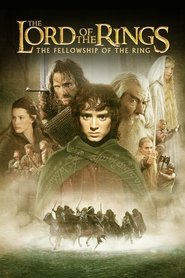
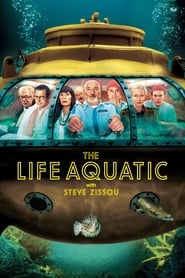
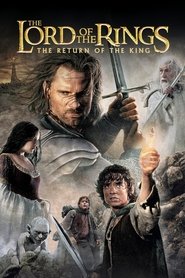



Related topics
Other topics that frequently come up in the same commentaries.