Topics / Performance
Casting
128 commentaries in the archive discuss this, with 465 total mentions and 65 sampled passages on this page.
Filter commentaries
Filter this topic by the film's decade or the type of commentary.
Showing 31 of 128 commentaries
Clear filtersBy decade
Across the archive
ranked by mentions · click any passage for the moment in the transcript
-
director · 1h 31m 12 mentions
Alex Cox, Michael Nesmith, Victoria Thomas, Sy Richardson + 2
-
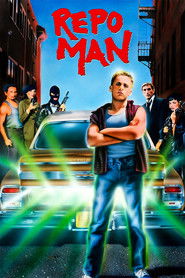
My name is Alex Cox, and I am the director and writer of Repo Man. And my name is Vicki Thomas. I'm the casting director. And I'm Michael Nesmith. I was the executive producer. My name is Sy Richardson. I was Lite and the guy who did Bad Man. It's Juicy Bananas. My name is Zander Schloss. I am a PA and the late Fox Harris' driver-turned-actor. I play Kevin. I'm Del Zamora, and I played Lagarto Rodriguez, the older...
0:16 · jump to transcript →
-
And the actors really didn't like us, and they would eat our food, and we'd put a padlock on the refrigerator, and they broke the padlock to steal our food. And the only actor who would speak to either of us was Fox Harris. And so before Repo Man was even conceived, I'd formed this very, very favorable opinion of this guy Fox. He seemed really nice. And then when we were casting the film, Harry Dean Stanton said, there's an actor that you need to meet, because the only guy who can play this role is a guy called Fox.
1:10 · jump to transcript →
-
We used my car initially to cast this movie at UCLA Film School. That's right. I auditioned in that car at UCLA. My Chevy Impala was on a soundstage at UCLA Film School, and Biff Yeager was the very first actor. We read for the film. And I came with my girlfriend in separate cars, and she thought Alex was the strangest guy she'd ever met, and she left. Well, Alex had orange hair at the time, didn't he?
8:50 · jump to transcript →
-
-
-
done a movie with her. I can't remember the name of the movie. She was in a film called Dreamchild, wasn't she? That's right, Dreamchild. Thank you for reminding me. It was 40 years ago. My memory's gone. Yes, so Nicola, he recommended Nicola and we liked her so we cast her as Nicola. Did you view the film to sort of get a sense of what she was like or was it a casting?
6:19 · jump to transcript →
-
Yes, it was a cast meeting. I can't remember if I saw the film or not. I mean, in terms of casting the actors in this film, some of that must have come through connections with the producers or perhaps through you. But did you, as a director, see people in other things and think, I want to work with them and let's see if we can reach their agent or let's see if they're interested?
6:44 · jump to transcript →
-
Well, the casting director was Gail Stevens. She was actually married to... ...Danny Boyle at the time. And Danny wasn't famous, actually, when we were doing this... ...but why he became so famous after that. But Gail was doing the casting and...
7:13 · jump to transcript →
-
-
-
Did you have anything to do with the casting of the film at all? Because the cast is very interesting for this kind of film. Yeah, I did with some of it, and some of it happened when I was out scouting for locations and things and doing pre-production. But, yeah, a number of people I had interviewed or cast, and Bobby Leonard may be the most interesting of those because he had...
1:35 · jump to transcript →
-
been flown out. We'd been struggling to find somebody for this role. And he'd been flown out to Los Angeles from New York by Steven Spielberg for an audition for one of his movies. And by the time we heard about Bobby and that he was here, he was packing to leave. And we were in Century City. And so the producer and I grabbed a couple of scripts and raced over to Universal where he was.
2:05 · jump to transcript →
-
And the limo was waiting to take him to the airport as we rushed into his hotel room. And we did a very, very quick audition in which it turned out the two scripts that we had didn't match. They were different versions. And so as the producer was reading, was feeding lines to Bobby, Bobby had to figure out how to adjust them for the script that he had on the run. And it was pretty impressive how effortlessly he did it.
2:34 · jump to transcript →
-
-
director · 1h 29m 7 mentions
Jeff Kanew, Robert Carradine, Timothy Busfield, Curtis Armstrong
-
Get your father's good looks. OK, profiles, profiles. They have the same nose. And that was kind of a gift in the casting process. We didn't cast based on the nose, but it was a plus. Little sound effect coming up here. Not believable, but got a laugh. I remember I didn't like that sound effect.
5:34 · jump to transcript →
-
Boy, talk about your great introduction to an evil character. Yeah. And he's not even the evilest of the evil characters. He's the sidekick. It's just... And he's 50. I know. Well, he got held back, you know? He was actually a stunt person who came in to audition as Ogre. He was way too old. He had a beard. I told him, you look too old and you have a beard.
8:06 · jump to transcript →
-
When I first cast him, it was off a calendar. The men of USC, that's where I saw him. And he was a model. But he was great and he's still great. He's a great guy and he's funny and much funnier than you'd expect a handsome guy to be. Some of these college kids that we picked up as background players and put them in these scenes, this is a highlight of their life right here. I mean, these kids are... I remember the...
14:09 · jump to transcript →
-
-
-
William Friedkin
The casting director was a guy named Bob Weiner, who's since passed away. He was a brilliant young guy who was not really a casting director. He was a writer for The Village Voice, which is a counterculture newspaper in New York, still going. And he would see every play and every unusual or foreign film. So he had a wide range of knowledge about actors around the world.
19:10 · jump to transcript →
-
William Friedkin
But I met him, just sat in a room with him, and I said, this guy's great. He has extraordinary quality, exactly what I want, a theatrical background. He's been in front of a camera. Nobody really knows who he is. And so I went with him, which is what I tend to do when casting. I'll just go instinctively.
24:33 · jump to transcript →
-
William Friedkin
We actually shot the prison scene at San Luis Obispo State Prison. And that's where, by the way, some of the Manson family are being held. And we shot with actual inmates in the yard, no actors, just our principals, John Turturro and a couple of other guys that were cast in that scene. One thing I remember about being there is that William Petersen and I
52:53 · jump to transcript →
-
-
-
It's really what I call action horror, adventure horror. Oh, absolutely. It's definitely adventure horror. It's save the girl, save the city. And honestly, Shawnee saves Kevin as much as he saves her, which is a little progressive for the 80s. You were working with casting director Johanna Ray. Correct. Who does all of David Lynch's movies and everything. I mean, her eye for talent, especially young talent.
6:57 · jump to transcript →
-
is second to none, especially back then. She's great. When you were casting the film, you were saying before how Donovan was such a great archetype for the hero, only to subvert that later on, kill him off, and then now we're left with... It's the old Psycho. ...Mullet-tron 2000 with Kevin Dillon. It was very purposeful on my part trying to emulate what Hitchcock did in Psycho, which is Janet Leigh's dead at the end of the first act. How did that go over with the studio, though? We were very... This was...
7:18 · jump to transcript →
-
I heard a story about how he became involved. Do you remember at all? Tell me. Well, he was unavailable originally. And then it was like a commercial or something like that fell through. And then all of a sudden it was like, oh, shit, I actually need a gig. And then that's how we show up. When you were casting with Joanna, was it something that she offered? Who came up with the idea? I don't know who, but the two people I loved were him and...
14:18 · jump to transcript →
-
-
-
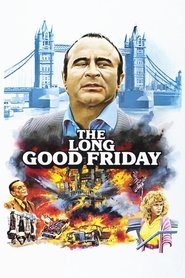
John Mackenzie
It's quite interesting, a lot of these characters have sort of gone on and become, you know, quite well known in other areas. Now here we had a guy who came out of the blue. We cast about three different people for this part of Charlie until, for one reason or another, it fell through. And then we had this, I think, a brilliant idea to cast Eddie Constantine.
17:34 · jump to transcript →
-
John Mackenzie
They were all Irish, these guys, who are cast in those parts. This is the Lamb of God who takes away the sins of the world. Happy are those who are called to his supper. It was nice to show that, you know, the Hoskins character, the Sian character, was such a sort of...
19:53 · jump to transcript →
-
John Mackenzie
really make them so effective. He feels it all so personal, it's a personal affront to his amour propre. I had a great casting, a lady called Simone.
43:28 · jump to transcript →
-
-
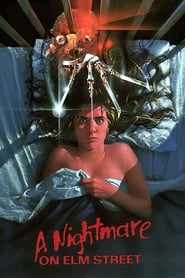
director · 1h 30m 5 mentions
A Nightmare on Elm Street (1984)
Wes Craven, Heather Langenkamp, John Saxon, Jacques Haitkin
-
I got to go. I think there's been an accident out there. This was a practical location also, I believe, in Venice, if I'm not mistaken. That's right. We were in Venice. The end of this scene is the scene that we used for the audition. I remember really clearly when I read for Wes at the audition, they picked this one scene with Tina. And it seemed like I did it a million times by the time we finally got to it.
6:44 · jump to transcript →
-
There's an interesting story with Johnny's casting. We headed down to four guys, and the other three were like surfer dude and, you know, the typical handsome kid and everything else. And at the time my daughter was visiting, she was about 13, with a friend of hers, and I said, what do you think, surfer dude? And they both at the same time said, Johnny Depp. There was like absolutely no doubt in their mind. It was completely unknown at that time, but they just fell in love with him by seeing him once or twice in casting sessions.
7:16 · jump to transcript →
-
Yeah, it's all there. You had that quality of the girl next door, the all-American girl, right? The first casting, I just thought, well, I found Nancy. The brick. The brick. Is it the brick? I think it was Marilyn Monroe. Their hair looks a lot better than mine. You know what I mean. Yeah, well, the camera likes you. Thanks, Josh. That's very kind of you to say that.
58:17 · jump to transcript →
-
-
-
It's that Loudon Wainwright song, there wasn't a man who couldn't speak. And who's this woman? Wasn't she actually married to someone like... Oh, she sure was. She was married to a real rocker. I thought she was... Was that Jackson's girlfriend? Maybe that was Jackson's girlfriend, but she'd been married before to someone else. As far as the casting goes, there were situations like, for example, Howard Hesseman. His character did not exist until the day before we shot it. Originally, it was going to be a rock and roll...
24:51 · jump to transcript →
-
There was a scene that was only a bit of which came into that montage, but there was a piece in which we were so blasé and tired and weary of the road that we had the girls destroy the hotel room because we were too tired to do it, so we just told the girls to do it. And the only thing left from that was Tony hitting the TV set with the cricket bat. I miss you too, darling. This is again the Bonaventure Hotel downtown. We had great casting sessions too.
27:41 · jump to transcript →
-
Wonderful Smith. Originally cast in the part was a man named Spodey Odie. But he died right before, you know, his call time. I also had this experience for real. My friend Danny Rifkin is occasional manager of the Grateful Dead, who have years of occasional management to their credit. And he invited me to see them at Madison Square Garden. I was living in New York. Madison Square Garden has a circular rotunda to it. And I went around and around and finally went in the wrong door and was in Felt Forum and watching two light heavyweights boxing.
49:00 · jump to transcript →
-
-
-
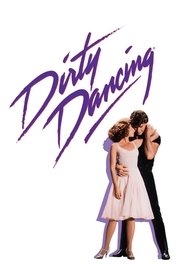
Eleanor Bergstein
And without understanding that, you didn't understand most of the story. That's the kind of line that you later realize is so important and only when you consult people. Here, of course, is our wonderful Patrick. I should talk a little bit about casting and how we first found Patrick, but first I'd like to talk about Emile Ardolino, also...
6:43 · jump to transcript →
-
Eleanor Bergstein
We spent days and days rehearsing the dirty dancing steps, and we had a theory. We had eight dirty dancers who we had cast in New York, and Kenny Ortega, our wonderful choreographer, and I had danced for them, and we'd hired these kind of gypsy dancers who were great, who you will see. And then we had a whole crew of dancers here in North Carolina, and we, for three days, shot the dirty dancing sequence. When...
13:58 · jump to transcript →
-
Eleanor Bergstein
Jennifer is absolutely wonderful. We had had a camera running in the dance department all the time that we were doing rehearsals, which was very useful, because when Jennifer went back to dance, she said, I was never that bad, and we had to show her the early sequences to show her. There is Cynthia, who is so beautiful. I think it's just wonderful. And now comes the sequence that I think everybody remembers so well, when a baby comes up. Now, we were talking about casting earlier,
17:38 · jump to transcript →
-
-
-
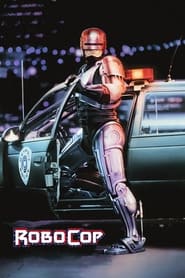
And here's the introduction of our hero, Peter, or Murphy. Of course, when we were casting, we were not only looking for a good actor, we were also looking for an actor that had a good jawline. Because that's the only thing that you can see when he puts the mask on later, the robot mask. And we felt that if it would be a weak jawline, that that part of the face that was visible would make him look weak. So it was not only that Peter...
3:29 · jump to transcript →
-
Nicely done, Mr. Verhoeven. Yeah. I don't know if it was a stuntman. I think it was an actor. No, no, that was one of the stuntmen that... We had a lot of stuntmen who had to have lines in this, and they did really well. Right. Well, we cast 80% of the movie in Dallas, isn't it, Jon? Yes, because we could not take the entire cast from Los Angeles. Because we had no money, isn't it? Right, of course. And it worked out very well, because we were forced to be extremely creative, and the casting women...
35:49 · jump to transcript →
-
Yeah, I remember the day you shot this, Paul, it was a real acting challenge, because you said both of the actors wanted to really act, and all you wanted them to do was be as cool as they could. As possible, yeah. And you kept bringing them down, and it reminds me of a tape we did when we were doing the casting, and Armand Assante, who's a brilliant actor, came in, and maybe not the right actor for this kind of a part, and he was reading this moment where the guy sees himself, and he started to scream and tear his hair and fall on the floor, and I always think of that when I see that scene, and thinking...
1:22:24 · jump to transcript →
-
-
-
Freddy Shoop, remedial English, right here. Everybody just calls me Shoop. Okay, Shoop. Why am I here? Oh, thumbtacks. What a talent, though, huh, Carl? I remember when she came in to read and how torn away you were with her. She was terrific. You know, the same reaction I had to her is the reaction that when she first came out from the Midwest, Kansas, and the first audition was for
8:12 · jump to transcript →
-
Sweet Bird of Youth, I don't know. What was the play? Yeah, she had done that at the Taper. Yeah, Sweet Bird of Youth. Maggie the Cat. She hadn't done anything big before and back home. She came and auditioned and got the job. Yeah. I mean, that's an extraordinary talent. I saw her in that. She was wonderful. For someone to reach on down through the sleaze and the slime, pick him up and hose him off. I mean, who knows? If we fail with even one shot, we might be losing the next Ted Koppel.
8:40 · jump to transcript →
-
Wow, this went so wrong, so wrong. Nothing went wrong on this whole shoot. These kids were so nice and so cooperative. You were terrific with them. I remember that each and every day they all had different ideas. They'd come to you every morning and they'd say, how about this, how about that? And you'd listen. You were so patient with every one of them. The whole trick of being a good director is casting correctly. And by casting correctly...
12:14 · jump to transcript →
-
-
director · 1h 24m 4 mentions
The Naked Gun: From the Files of Police Squad! (1988)
David Zucker, Robert K. Weiss, Peter Tilden
-
That guy happened to have that birthmark. That's how you cast him? Yeah, he had the birthmark. It was going to save time. Did anybody ever notice it's in the shape of North Vietnam? No, no one commented. A wasted joke. Well, there was going to be a contest, you remember, like a geography thing. We never did it. I meant Gorbachev's real birthmark. It's actually in the shape of Vietnam. Do you remember our worries when we released the picture? We were concerned that the Ayatollah would kick off before the picture came out ruining this joke.
1:21 · jump to transcript →
-
This is Ed Williams, who was also on the TV show, who's a high school teacher in Northern California. This is true. I kid you not. And you cast him out? I don't know how we cast him originally. He came in in red? Paid us money. You've done it again. But he's again. Good work, Ted. What will you lap boys think of next? That was a little movie joke there. Yeah. To the casual observer, an ordinary shoe. I don't know if we did that one in the show.
26:17 · jump to transcript →
-
Oh, that's my mom. Well, you put her in a lot. She's in every movie. She's the banker in Ghost. Is that a casting process? No, it's a flat deal. She just signed on for every picture. Is there something wrong, Mr. Ludwig? Oh, no, no. It's nothing. Then may we get down to business. Did he like doing comedy? He loved it. All except for that Our Lady the Pickle thing. Well, you know, if that's the worst it got...
28:43 · jump to transcript →
-
-
-
Well, you saw a ton of people for this, right? Didn't you see... I have to tell you, I found an old casting sheet in my garage, and I actually saw my agent, and he came in to read for Brad. Wow. Amazing. But you saw all of those people that ended up doing the Hughes movies and other stuff? Yeah, we saw Ally Sheedy, do you remember her? Yeah. And Meg Tilly, and...
1:49 · jump to transcript →
-
Because those guys don't know the joke. Or at least then, all the stoners would just be funny in ways they had no idea they were funny. And so it was really kind of almost a violation when Don Phillips said, we've got this kid coming in from TAPS, and he's supposed to be great. And then it was Sean, who I don't think even read. I don't think he even auditioned. We just hired him.
26:08 · jump to transcript →
-
Or we brought him to you, I think, at that point? I think you guys saw him and talked to him and you just were blown away. And then I was going to meet him and he was going to read. Right. And I just remember walking through the casting, the outer office, and he was sitting on the floor and he looked up at me and his intensity. Yeah. And it wasn't like, oh, my God, he's like a stoner character or anything. It was just like the intensity of Sean Penn. Wow. And it was like, wow.
26:36 · jump to transcript →
-
-
-
Roger Moore
sort of get your mates around you to work, it's always much more pleasant. So I always have a list I give a casting director of people I like and it would be nice to be working with. Of course Cubby Broccoli was the producer and Michael G. Wilson, who produced together with Cubby, would always
11:24 · jump to transcript →
-
Roger Moore
A fellow sportsman. What about fishing? Fly casting? I'm neglecting my other guests. Enjoy yourself, you'll find the young lady's stimulating company. I'm sure they will.
33:48 · jump to transcript →
-
Roger Moore
I love working in San Francisco. I made a film there before. I made an Italian-American production called The Sicilian Cross. It was one of those unlikely bits of casting where I was the consigliere, anything less Italian as me. But it was wonderful shooting in San Francisco.
1:03:04 · jump to transcript →
-
-
multi · 2h 34m 3 mentions
James Cameron, Gale Anne Hurd, Stan Winston, Robert Skotak + 8
-
Pat McClung
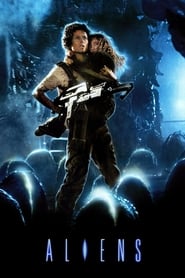
This is Pat McClung. I was the model-shop supervisor on the film. They're wearing modified costumes from Outland, or the basic suit is from Outland and it's been redesigned and they put some stencils on it. This is microglitter and fuller's earth blown on there. I remember in this scene the batteries in the flashlights kept going out. You would think this would be an easy scene to do, but, as with everything in this movie, it was harder than it looked. There are no easy scenes with Jim. There's that nice dissolve, the contour of the earth matching her face. When we shot this, a matte painting combined with miniature and perspective, there are some perspective gags going on there. We used a clip of Sigourney's face in the viewfinder to line up the curvature of the earth, so we had a nice match. I wrote the piece obviously with Sigourney in mind for the character. I was told she was on board and I should just toddle off and write the film when in fact no deal had been made with her whatsoever. So here was a script that was written that everybody wanted to make, in which she was in every scene, and they hadn't made a deal with her yet. That's why she got her first big payday of her acting career. She got a million bucks, which was a big deal. She might have been the first actress to get a million dollars for a movie in movie history. It was all because it was mishandled by the producers. She was the main character and they hadn't made the deal. She was worth every penny of it and more. When people saw the film, they realized that. I Knew what a phenomenal actress she was. I'd never met her. I had her picture up while I was writing the script. I went off the character that had been created in the first film, took her much further. Of course, this is Paul Reiser. I certainly had no idea what a great comic actor he would prove to be, and certainly that's how people think of him, not as a dramatic actor. I just read him in a lineup of actors in the normal casting methodology, and I thought he was really interesting, that he could play this really sincere but slightly smarmy guy who could then turn evil. This is a dream sequence, but you don't know that yet. I remember from the premiere screening of the film that the incomplete chestburster scene here really got people cranked up and on edge, set the tone for the whole movie, that you were here to be messed with, which is a good way to start off, I think. The way you get a cat to hiss like that is you put another cat close to it. I had no idea. I didn't know what you did to make a cat do that. But that's standard procedure. Bring a cat it doesn't know close to it and it'll do that.
4:32 · jump to transcript →
-
Bill Paxton
Everybody's archetypical in this thing. I don't remember all the stuff hanging off of Mark. Chicken bones. I look like a boy. That's what we liked about you. Was this the day, Michael, you were passed out by the lockers and Sigourney walked by and said "There's my leading man"? Am I mistaken with another day? Somewhere around in here. I had to audition. They made you audition for Fox. No, it wasn't for Fox. They had a limit on how many Americans they could bring over. So they auditioned a lot of Englishmen for that role. The casting director, Mary Selway, and I had to meet every member of the North American registry from British Actors' Equity who was interested in being in this film before we could bring anyone from the US. I think we must have met and auditioned 3,000 people.
34:24 · jump to transcript →
-
Bill Paxton
Carrie Henn, who plays Newt, was an astonishing find. Mary Selway, our casting director, and her associate, Sarah Jackson, searched throughout England and, in fact, I think the entire British Isles, trying to find a young girl who could portray this character. And we had every young girl who wanted to be an actress, or whose parents wanted them to act, to come in and audition. Almost all of them had done commercials, and every time they delivered a line they would smile. Of course, this is a little girl suffering from traumatic stress. She's watched her family wiped out, every other person on the mining colony wiped out, and I think we probably had 500 little girls on tape. And Carrie was found at a US Air Force base in England. Her father was a US serviceman serving there. And she came in and auditioned, never having acted even in a school play, and was dead on from the very first reading. She's such a good little actress. Has she done anything since this? She has a normal life. She did not pursue acting as her career. One of the things that we were very concerned about was whether or not this film would traumatize her. It's very intense and unlike now, where we could composite creatures in seamlessly, or create one digitally, she really was terrorized by the alien warriors in the film, and she understood it was make-believe. Her parents were tremendously supportive and she really had her feet on the ground. This really is acting.
58:31 · jump to transcript →
-
-
cast · 1h 36m 3 mentions
The Garbage Pail Kids Movie (1987)
Mackenzie Astin, Katie Barberi, William Morris
-
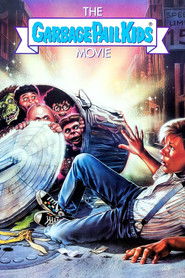
This was all fun to do for the most part. You know, it was a movie. We were both working on a movie. We were both working on a major motion picture produced by, you know, a big company. That, by the way, everyone auditioned for. Everyone? All of the young actors and all of the young actresses from the 80s that became, some of them became A-listers and some of them didn't. They saw them all. And we wanted the choices. No kidding.
6:34 · jump to transcript →
-
for this project, for the Garbage Pail Kids movie. Those were the real guys. They showed up in their motorcycles and everything. Amazing. That guy actually lost a toe during filming. He did, but in another part of the movie. Right. Not at the hand of Alligator. Yeah, no, these were real biker dudes. These were real tough dudes. These were not central casting experts. These were the real guys. Amazing.
45:34 · jump to transcript →
-
There you go. And now we watch the guilty as charged. The guilty as charged. That's actually, I remember that being particularly interesting that Phil got a separate credit, which I think is rad. I mean, that guy's a talented actor with a long and distinguished career. Well, and the thing is, is that Phil also, he became kind of the ringleader. He was from the beginning, but he was a ringleader. He was casting. He was a lot of things for the little people on this movie.
1:33:57 · jump to transcript →
-
-
-
Peter Greenaway
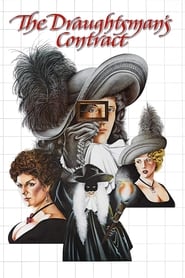
body language that the man had, and I think it's always a characteristic of casting. I always held a somewhat, maybe to some people, reactionary point of view that actors can really only play one person, and that's himself or herself. So the casting is extremely important for me. So though it's not entirely Fellini casting, that is to say, characters chosen not because of the way they speak or the way they emote, but simply because of the way they look, that would certainly be important for me.
49:28 · jump to transcript →
-
Peter Greenaway
There's also a way that the casting sessions for me, which are often very troublesome and anxious times, because I am so fearful of not finding the right characterization for the character I want. But I do believe that through extreme, I hope, hard work, but also a certain amount of luck, we found here two characters were absolutely fitted for the roles that I had written. As I have heard tell, a talented draftsman,
49:57 · jump to transcript →
-
-
technical · 1h 35m 2 mentions
Steven Lisberger, Donald Kushner, Harrison Ellenshaw, Richard Taylor
-
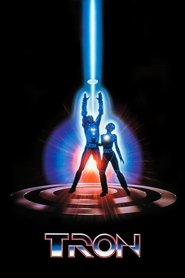
One little anecdote here is that the cameraman that was up on the platform shooting this, the viewfinder of his camera was broken, the pellicle mirror had shattered, and he couldn't see anything through the camera and he just aimed and shot. He didn't want to slow down the production by telling anyone that he couldn't see anything, and held his breath all the way till dailies, and the shot worked out. Oh, that's right. 'Cause there weren't very many 65-millimeter cameras available, and all this was shot in 65 millimeter. Yeah. When we opened these cameras, they still had the sand of Lawrence of Arabia in them. Well, Flynn's arcade was in Culver City. Yeah, it's across the street from the old MGM lot, which is now the Columbia lot, but now renamed as Sony Pictures. Now, there was actually a loft at the location. But then the re-shoot... The close-ups were the re-shoots on a stage. Yeah. That's the... The actual... The practical location. Space Paranoids. Space Paranoids. I take my son to the arcade in Westwood. We go once in a while. I have to bring my earplugs. But I've never seen an old couple like that in a video game arcade. That's right. We knew that Bally was going to release a video game simultaneous to the release of the picture, and therefore we wanted to have the design of the game in the arcade and the game in the real world that people would actually play be very similar. So, we go to Flynn's, and we see Flynn playing the electronic game and fighting off a Recognizer. That is the console which we created for the film that represented the game that Bally was going to create. Although, obviously, at that time, there was no way that a computer game could have real-time, interactive, full raster graphic imagery. So, it was a prediction of the future of the way games were going to evolve, and that is what we're now seeing in CD-ROM games and the games that are in home computers and arcades today. Jeff did get very good at video games. We had some on the set. Yeah, he was remarkable, and one day you suggested that we videotape him while he was actually doing it. And look at the neon in the back. I'd forgotten about that. OA, right. I don't think any of the actors actually went so far as to get themselves a computer and spend hours backstage... Programming. -... learning how to program and... That didn't happen, but they got as far as games. Battle Tank. We used to play a lot of Battle Tank. Battlezone. Yeah. Battlezone. There you go. Now, as! recall, you... We re-shot this sequence. Yeah, and I don't even remember... The lighting... To match, I think, the lighting of the game arcade. Well, I think, actually... - We changed dialogue. Did we? - Changed dialogue. And here's a little secret. We told the studio that we needed to redo it to match the lighting. Well, see, /... Still using the same excuse. That's right, you're still... You're still well-programmed... - /'// never tell. The lighting didn't match. The casting process was interesting. Originally, I'd pictured Jeff's character being younger and the Tron character being older. We were affected by some things that were definitely outside of our control. Tron predates Splash, and people forget that, really, Disney was having a hell of a time getting popular actors to work for the studio. And it had been a tough time for Disney. And it didn't help that we were saying, "Yeah, we want you to wear these funny costumes." And Jeff was always enthusiastic about being part of the picture. The Tron character... Bruce was... I don't think Bruce was quite as adventuresome at first, although he got into it after a while. I would have liked to have seen Bruce possibly be a little, I think... I had pictured him as sort of a younger Kirk Douglas. I think he would have been better if he had been a little older like he is now. I like the way he looks now. And I think Jeff... I was surprised at how physical Jeff was. I thought that... I pictured Flynn being a little more geekish or a pencil neck, and Jeff is very physically strong. So, in that sense, the two became somewhat similar, although their personalities and what they represent are completely different. One little anecdote is that... I can't point back at the character of Tron and say, "There were all these actors." Or, "It was between this one and that one." But I do remember one surprising actor who really wanted to play this part, and it was Peter O'Toole. - Yes. Oh, he wanted to play the part of Dillinger. No, it was Tron. Tron, that's right. I think we wanted him for Dillinger and he said, "No." And I had this amazing scene with him in the Beverly Wilshire Hotel where... In his hotel room where he said, "I can do this!" And he started leaping from one piece of furniture to the other and screaming that, "I want Tron on my tombstone right next to Lawrence of Arabia!" And who knows, maybe he would have been great, maybe I really missed it right there. All these interiors... Shooting them, these low-light interiors, in 65 millimeter is very difficult, because the depth of field, the focus plane is incredibly short, and it was a real struggle. And some of the close-ups, we actually had to run light stands up the backs of the actors through their jackets as braces, so that they would stay in the exact same spot, so that we could keep their eyes and faces in focus. You know, if your file was in there... - Hey, wait a minute. If we can get in there, I can forge us a Group 6 access. Well, shall we dance? And ENCOM was shot in downtown Los Angeles. I forget the building. Of, the Transam building? Oh, yeah, the Transamerica building. At the top of that was the helicopter pad. This sequence between these two heads of the company really expresses the philosophical problems that the other characters are going through. Again, the office is designed to mirror the other world in terms of its graphic look. Wasn't there something about the cold, corporate look as well, Steven? There's your door. - There's the door. The scene where they sneak into ENCOM and open the door that is 10 feet thick or 12 feet thick, that's a real door, that's not a prop movie door. That's an actual radiation door at Lawrence Livermore. ENCOM isn't the business you started in your garage anymore. In one scene, you see a number of things flip up into four corners. Images. That was a traditional optical that had to be done, and opticals in those days would take two, three, four, five weeks at least, and it was a big task. It was like making its own little movie. You know, you can remove men like Alan and me from the system, but we helped create it, and our spirit remains in every program we designed... That line is one of the key lines in the whole script, about the human element that the programmers put into the system. And it's this discussion between those two characters that really elevates the picture well beyond a video game movie. Now, the reverse was shot, actually, on the Iot, so there's a reverse... Getting into the Disney vaults? Yeah. Lawrence Livermore was quite proud of the fact that although this door weighed tens of tons, or whatever it was, it was so well hinged that you could open it by just pushing it. One person could. In fact, you found... I believe you saw that door as we were taking a tour of the facility and you Said, "This would be a great place for them to sneak in." So, you kind of re-wrote the scene to accommodate that huge door. And the irony is, as he punches the buttons, that the giant door opens, and no strength is exerted, but it's opened automatically. I kind of inherited the job of not only setting up the giant rear projector and the mirror and all that stuff, but I also had the job of putting together what would end up going onto the desk. That's an actual wireframe on there, for the carrier, as you See... Right. - ...in the film. I began searching around for footage to go onto the desk, and it was getting late, and we were about to shoot this thing in a couple of days, and I just ran out of stuff, so I put the flowchart from the film on there, and probably things out of my address book and anything I could... I was down to pulling things out of Life magazine and re-photographing those. I was just running out of stuff to put on the desk. What's interesting about this protagonist, Jeff Bridges' character, is that he's actually, um... He's a creative, technical type, and he's fighting for his creations, he's fighting for his work. I think that's pretty unique. He is somewhat of a paranoid character. But with some reason. With some... Yeah. - Some good reason. Dillinger will never know we've been in here. Good luck, hot shot.
16:15 · jump to transcript →
-
When we came to make a decision about what film format to use for Tron, we felt very strongly that we needed to shoot it on a larger negative than traditionally done. And it came down to a choice between 65 millimeter and VistaVision for the whole show. But the availability of 65-millimeter cameras was far better than the availability of VistaVision cameras, so we made the decision to shoot the entire show in 65 millimeter. And to keep a certain consistency, and as long as we had rented the cameras, we felt that we might as well go ahead and shoot the real world in 65 millimeter and not in 35 millimeter. It was kind of one of those nice to have things, and nobody objected strenuously to it, and also it would be the first time since Ryan's Daughter that a film had been shot entirely in 65 millimeter. And I think you can see the results. I mean, it looks wonderful. In the monitors in Lawrence Livermore, one of the things that Triple-/ had to do was create lots of imagery that appeared on monitors, and that imagery had to be shot and created long before we got to production. So, there was a lot of planning in creating all of the monitor imagery, and Triple-I did a great job on that. Spent a Iot of time on this shot. To accomplish the effect, what we did was get a 4-by-5 still camera and photograph Jeff Bridges in his position after he's been zapped, and then immediately moved him out and took another photograph, which was the background by itself. So, as you pull away chunks of Jeff, you see the background behind him, and then to put the laser and the grid and all that on top of him was basically the effects animation of John Van Vliet. When Flynn is de-rezzed and pulled into the computer, we go through one of the most interesting sequences in Tron, which is the real world to electronic world transition. This sequence was created by Robert Abel & Associates, primarily under the direction of Kenny Merman. It was a sequence which I had designed, knowing that the way that Robert Abel & Associates was making these computer graphic images with the Evans & Sutherland computers, and, really, using vector graphics to create this particular look, would give us a look that would be unique just for this transition. The three-space transition, the movement through all these binary bit patterns and this polygonal landscape, was done by making multiple passes through a traditional animation camera that was pointed at a high-resolution, vector graphic, Evans & Sutherland computer screen, and making multiple passes, frame by frame, using different colored filters, coming back, making multiple passes of rewinding other filters, until you finally end up with this, which seems to be solid objects. But it's really made out of lots of tiny, tiny lines put together to make solid blocks of color or objects. Oh, man, this isn't happening. It only thinks it's happening. When Flynn says, "This isn't happening, it just thinks it's happening," it's a key line, because it means that the reality that he finds himself in now, not even he can fully believe exists. And if anyone should appreciate and understand this alternate reality, it's him, and now he finds himself trapped in it. All right, now we see Sark standing on the bridge, and all of a sudden, he is enclosed with these shrouds of light as he begins to have his conversation with the MCP. The database for the MCP was a human figure that we had created at Triple-/ called Adam Powers and was originally on the Information International sample reel. And if you look at that sample reel, you'll see a juggler character who was juggling balls. Well, that face of that character is the face of the MCP. So, the first time that you see him, he is a polygonal drawing of a face. And that's basically the underlying database of the face. So, it's made of polygons. And those polygons, we play them out on the Triple-I computers as the line-drawing polygons, and made 12-and-a-half by 20-inch stills, high-con stills of those. But we created the mouth positions for the vowels and the syllables so that you could take these interchangeable transparencies and lay them down and make him Say, by whatever order you put them in, whatever you wanted him to say. 'Cause he was voicing a lot of different dialogue. Then those were backlit, and then we applied an effect to those line drawings of putting a steel mesh screen over the taking camera, and it made it have that much more, kind of, complex look. And then we also animated the exposure occasionally. Early on in the film when I started working with Steven, we did a lot of experiments to work out how these characters were created. The thing that we finally decided was that the characters needed to have this energy inside themselves. They are obviously in this electronic world. Now, these costumes were unlike any costumes anyone had ever created for a picture before, in that they were costumes designed to have effects treatments done to them. They were white with black drawing or black lines over them. All of the black elements on the costume were turned into circuitry which could be backlit and light could be pushed through there. We originally shot a 65-millimeter image of these people, live-action photography of them on these black sets. Then from that 65-millimeter film, we created some photo-rotoscope machines, which basically could project the 65-millimeter film down to large pieces of film, which were pre-punched with animation punches. This film was created by Kodak for us, and we would project down with these photo-rotoscope machines, which would hold this film into a vacuum frame and make a continuous tone positive print of each frame of the film. Then these continuous tone prints were taken to a light table, it was a vacuum light table, where they were contact printed to high-con film to make a number of high-con positive and negative images. So that you basically have for every character a large cel and you have high-con positives, negatives, and a continuous tone positive. Then these high-con elements were hand-inked and painted to isolate the circuits on the body, the whites of the eyes, the whites of the teeth and any other circuits that we wanted to treat as a separate exposure. The characters are more often than not... The live-action characters are shot on an all black stage. When there is a set, the set is also black, but is measured out to conform with what we're seeing in this artwork. So that if a character appears elevated in a shot, like this shot, there was an elevated platform for him to walk on, but it didn't look at all like the set. Then we would composite these actors over paintings, transparencies, and once that was done, we would add the light and the color separately. And to simplify it, you can describe it as a sort of perfect blend between live action and animation in that we took live-action film, photographed it in a way that we could break it down to individual frames, then blow up those frames into large slides or transparencies. And we had 75,000 of these, which seems like an appallingly large number, but it really isn't if you compare it to an animation film. And because we were at Disney, they were not overly swamped. That's an actual Frisbee, by the way, and those are actual Frisbees on their backs. We had a excellent Frisbee coach, Sam Schaiz. I like the fact that the deadliest weapon in Tron is a Frisbee. A Iot of effects animation in this sequence and in the film. And that is the animation that makes the glows, and as the Frisbee gets brighter, and you see the reflections of it on their costumes, all that has to be done frame by frame. This is hand-drawn animation that, although it is drawn, a negative is made of that, and it is placed over a light source and then re-photographed, and the ability of the effects animators was such that we were never waiting on the effects animation on the show. They always performed very well. It was never a problem. They did very few redos, and that's because they had had experience doing this beforehand, whereas everything else that we were doing, outside of the effects animation, was the first time through. So, that had a much tougher and steeper learning curve. In the holding cells for the game grid, those are backgrounds that are entirely hand-drawn by the background department, again using Rapidographs and line drawing and airbrushing and then turning those into high-cons. But those drawings are all drawn to match the actual physical sets, which were built so that when someone passes behind something, or leans on something, those are actual physical sets that were built. But again, the sets were just black on black. They're as if they were made of black velvet. Part of the interesting thing as a cinemagraphic problem that was presented to Bruce Logan was that he had to shoot, unlike anybody had ever shot before, sets that were entirely black with white line drawings and white characters running around on these sets. Bruce Logan's job in photographing these people was very difficult because, unlike most photography for most films, you try and get as much chiaroscuro in the picture as you can. You let there be a lot of dark and you create shadows and you create this moodiness, which a cinematographer takes great pride in. In this film, during the sequences in the electronic world, basically, he had to light them so that we could see as much of the costume as possible with as little shading as possible because all of the shading and all of that were done by hand by making different masks and airbrush elements that were used under these costumes in post. The ring game was an interesting technical exercise. The set itself, again, was black flock paper with the rings drawn on this paper with tape. The actors had to realize which rings were there and which ones were not as they acted out the sequence, imagining that they were hundreds of feet above the ground. One of the inspirations of Tron is the movie Spartacus. And there's quite a few similarities to the persecuted people who had to fight in the gladiatorial games. This game, of course, was inspired by Pong and jai alai. I think one of the interesting parts of Tron was the synthesis of new games that were created. The design, for example, of the glove that's being worn here, we took a traditional jai alai glove and then rebuilt it and made it out of foam, added other elements to it to give it a more technological quality, and then again, I put the designs over the outside of that to make it blend with the rest of the costumes. Shooting in 65 millimeter, from a director's standpoint, is a lot of trouble. The cameras are huge and bulky. The format requires an enormous amount of light to fill that negative, so if you are shooting Lawrence of Arabia or Doctor Zhivago and you've got lots of snow and big exteriors, it's fine, but in low-light-level situations, it's very troublesome. The depth of field is sometimes as little as a half an inch, and you find your cameraman is asking you, "Now, which part of the eye do you want in focus? "Do you want the front of the eye or the back of the eye in focus?" Or if the head of the actor is not square to the camera, they ask you the really insane question of, "Which eye do you want in focus? "I can give you the front eye in focus or the back, "but the other one's gonna be blurry." Now a lot of these shots where you see actors talking to each other and we're doing over-the-shoulders, the camera couldn't hold focus for the blow-ups to be made, and I had to shoot the actors on separate passes. So, in a shot like this, where you see all three actors talking to each other, it wasnt filmed that way. I filmed them separately and they were composited. And there's quite a few shots like this. Whenever you see them walking around and they're separated by more than a couple feet, those are all separate shots, and then the actors are composited. So, it's very difficult for the actors because not only do they not see the environment they're in when we're filming, all they see is an all black stage, but they don't even see the actor they're talking to. Forming of the Lightcycles, again, is almost entirely done by hand-done animation done by the effects animation department in creating the way that these cycles form around these characters. We built an object that the actor could sit upon, and it was literally a mechanical shape that was the seat and the handlebars, so he could sit down and it would thrust his arms forward and pull him down into that locked position. So that everything that he sits upon and touches, it was, again, drawn by the animation department, and not until you see the final completed cycle, which is actually a CG/ rendering of the cycle, is any of it done by computer. The Lightcycle sequence was done by MAGI. Their way of creating an object were to take basic geometric shapes, cones, cubes, spheres, cylinders, and make an object by collaging those particular pieces together and creating an object. And that's how the Lightcycle was created. All wide shots that you see are computer-simulated. All of the shots, other than the very tight shots of the figures inside the canopies, are computer-simulated. The shots inside the canopies are actually hand-drawn artwork of parts of the Lightcycles, and the animation that's happening over the Lightcycle windshields is hand-done animation to give them a sense of speed. But virtually every scene that you see of the Lightcycles is entirely computer-generated. And there's not even effects animation in those scenes. If there's an explosion when a Lightcycle hits the wall and a tire bounces across, I think those were basically all CGI. Syd Mead worked really hard on designing these motorcycles so that they would incorporate the characters. But if you look closely at them, you'll see that the second half of the bike is flattened and sort of two-dimensional, and that was done because the computers couldn't handle too many compound curved surfaces. So, we restricted those curves to the wheels and the windscreens, and then the rest of the bike was simplified. The ability to move the camera through 3D space with these computer-graphic-looking landscapes is just great. The Recognizers are a sort of King Kong. There's a little head on top of that gate structure... Suggestion of a face, but it, sort of, got lost. The Recognizers were created by MAGI-Synthavision. As I mentioned, there are graphic vector lines, red lines outlining all of these objects, the same way with the tank. The tank was another unique design of Syd Mead, who is a futurist, a fabulous designer. Once Ram, Tron and Flynn have escaped the Lightcycle grid and are off through the canyons being pursued by the tanks, we cut inside the tanks and see another example of a Syd Mead set that was built as a three-dimensional set, again with black background, and all of the elements on there graphically put on so they could later be treated. So the camera, you can see, is moving through scenes in ways that no physical camera or no model shot could possibly do. The animators that I worked with to create the choreography for all of the CG/ sequences were Bill Kroyer and Jerry Rees. But to communicate all this information to the computer technologists, the people that are sitting at monitors at that time, took a new language which we had to create. So, what we did was, first of all, we had to think of each sequence as a real physical reality. Not only would they draw the point of view that they saw as an animator that we would work out together, that was the story point that Steven wanted to make, and also the point of view that we wanted to take. But after we would draw the original storyboards in a traditional, kind of, storyboard manner, we would have to go back and draw a top view, side view and front view of the objects, where they were in time, where the camera was in time, and what the camera's point of view was. So, we really had to define everything to the CG/ technologist in a three-world, three-dimensional space. And that was the first time that that had ever been done. They must've gone right past us. We made it...this far. Now, all of this, this revolt, it's all being led by the user who's gone in the system, Flynn. The Tron character and Ram character, they would have toed the line and gone through the software the way they're supposed to. We'd better, Null Unit. Null Unit. Get the computer dictionary out. Look up "Null Unit." What does that mean? In this sequence, you can really see some of the flaws. I don't really mean the flaws, but the imperfections in the cels, little bits of dirt that pop on and off. Yeah, but they're few and far between considering. Yeah. Come on, you little bugger. Come on. Look at that. A lot of pops and a lot of glitches in there that we would always Say, "Well, that's what happens in an electronic world." When we started there were going to be no differentiations between the flesh tones and the rest of their uniform. But at a certain point they looked, well, not very good. So as a result, that added, approximately, 120,000 extra frames, extra elements to the shot, so it did grow in many aspects. The cave sequence where Flynn, Tron and Ram finally re-energize their selves with this liquid energy was a very interesting technical problem to solve here. In the sequence in the cave when the water is being handled by the actors, literally, frame per frame, rotoscope animation is isolating the water from the body so that it can be treated with a different filter and a different exposure. And again, this is an example of how light is used to portray motion or energy, as Tron drinks and you see his circuits light up and they become energized. The set itself was a complex geometric shape, which was designed by Peter Lloyd, and we built into this set, basically, water channels, and the water itself was reflecting light sources that we put in angle so they would reflect to the camera, and the water was in black tanks so that all we're really seeing are the highlights on the water. Yeah, but the biggest problem at that time was do we fill this with colored water or clear water? Had to do tests, you know. - Right. That was your problem. Do we put milk in there and make it purple? I think that what Flynn is surprised now, ironically, to see that there's parts of this mirror world that are more alive than he anticipated. So, it's not just the harsh computer reality, there's something living about it. It's a very complex shot, again, with all the elements. Probably about 30 different elements, 30 different separate exposures for each frame. Normally in a special effects movie, you get a very bad bottleneck effect in that all these things have to be composited through one or two optical printers. Now we have digital compositing machines. But by putting it into a manufacturing system like this, where it became like an animated film, we could use 14 or 15 animation stands, and we could use a slew of effects animators and ink and paint people to do all of this work simultaneously. As far as I know, we still have more shots with human beings composited into an artificial environment than any other movie. I believe there's 1,100 special effect shots in the film and 900 of which have human beings composited in them. And that number is just very, very large. Just the organizational task alone was monumental, not even considering the creative side of it. For every frame you would have an additional five to 15 cels that isolated the different colors and the different... We had body mattes, we had face masks, continuous tones. You made print backs on top of print backs. So, those 75,000 original cels grew to over half a million. I think we ended up with something like 600,000 cels, all of which had to be kept in order. We had to pull trailers, literally these large house trailers, kind of, industrial trailers onto the lot. We ran out of space and we ended up with 10 trailers that would house all these cels and had to be organized and sent over... 80% of them were sent overseas and had to be numbered and then painted and kept in order. At one point we thought if we had 1,000 scenes, and this was around Christmas time, the film was going to come out later that summer, and we had no idea of how we were going to get it all done in that short a period of time. And we thought, "Well, it's summer vacation. We have two weeks. "We'll get college students, 500 college students in a room." We really believed this might happen. We discussed this for about an hour and we Said, "You'd have 500 students in a room. "We'll teach them how to do inking and painting and rotoscoping, "and they only have to do two scenes each. "And so they do one scene a week. "At the end of that time, we'll be done, "and we'll just go and shoot them on the animation stands." It didn't work out. So, we brought on Arnie Wong, who was an animator. We put him in charge of supervising Cuckoo's Nest, which is a ink and paint service that was in Taiwan. Approximately 80-some employees in a single room. And what we did is we went through and we made a videotape of every situation and what to do in that situation. So that if an inker over there, who didn't even have to understand English to do this, could go to a TV monitor, roll to this particular problem and see exactly what you'd do in that situation. And then he was there to answer questions that were unusual. And the most interesting thing, and one of the things that I'm particularly proud of with this technique is that in spite of what a pyramid it was to build, we managed to get all of this post-production done in six to nine months. And that is using a technology that we had developed. It had never been done before and we developed it and used it on this picture and delivered on time. And that was only possible because of this manufacturing technique. It's interesting the computer animation iS the simpler part of the set. - Yes. Ironically, one of the things that was a creative philosophy that we enjoyed and were proud of was that we were taking computer animation and letting it stand on its own. We weren't trying to make computer animation mimic reality. And the job was then to make reality, the actors and the sets, look like the computer animation. We used to say, "Well, if you've got lemons, make lemonade." Everybody else, and certainly since this point, has been going nuts trying to make computer animation mimic reality perfectly. And I found that the limitations of computer graphics at the time were the most exciting thing. If computer graphics... If computer animation is no longer different from reality, maybe we've lost something in that. Certainly you gain special effects technology and you can do certain things, but it's the limitations, I find, to be the creative challenge. I think at the time we were using four computer animation companies... Yes. -... which were probably the only animation companies that existed in the country at the time. Yeah, I had been visiting some of these companies for two years before we started making the movie. Maybe even longer than that. And I used to show up at their doorstep and Say, "One day I'm gonna make this movie. "You know, we're gonna do this and this is gonna be great." And they'd say, "Yeah, yeah, yeah." I'd come by every six months and say this is really gonna happen, and I think they were more surprised than anybody else when we really did this movie. And they got to show their stuff. The way the de-rezzing effect was created, for example, when Ram passes away and he's in the cabin of the Recognizer, there's a combination of the original photography of the character, and then that is overdrawn with literally hand-done, line-drawing animation done by the animation department. And between that animation and light exposures, you can make it just, basically, run off, dissipate and fade away. Also, upon viewing this again, for so many years, you tend to kind of lump it all together visually in your memory and we forget, I forget, how much detail, how much layering of texture was put into this film. - Mmm-hmm. Ai! these shots are all completely storyboarded. Even the electronic world and all the simulated shots were all on storyboards. There must have been thousands of storyboards. Yeah, it was very detailed. Because rendering times in computer graphic imagery, the time it takes for the computer to draw each frame, are high. They're even high by today's standards. It takes sometimes as long as an hour or more for each frame of film. Probably the most complicated CGI images that were in Tron were done by Information International. The Solar Sailer hangar, the Solar Sailer, its formation, the walls of that environment, that's all CGI. As far as Cindy Morgan's involvement, she was very brave to get involved because a lot of actresses Said, "What am I going to wear? "You're going to put what on my head? "I've got to have a helmet and headgear "and wear all this spandex?" And that scared a lot of actresses away. Yeah, it was very hard to get anyone to take us seriously. You'd call people up, they'd come in for casting sessions, and Steven would do his best to present the film, and they'd look at you askance, think you were crazy. You'd run some video on them, and they just didn't believe it was going to happen. And as a result, it was very, very difficult. And I think that was one of the last major parts that was cast. Yes, it was two or three days before the first shot or something. Yes. - It was very close. And one of the people we tried was Deborah Harry. Right. We screen-tested Deborah Harry. The Bit was created by Digital Effects Incorporated, and we didn't have the time to choreograph a CGI Bit for every scene. So, what we did was created a series of stills that could be cell flopped, and these transparencies were created by Digital Effects so that the Bit could be rotating and have these different pulses in it, and then when it wanted to express itself, we flipped to the next sequence of stills, which would make it become more spiky or change its shape, and literally those were cell flopped and then flown around by moving the animation camera on the object to give it its motion from left to right or up or down or wherever it moved, we got it closer to you. That was all put in by moves on the animation camera, on these stills that were being cell flopped. These characters were very interesting. I especially liked the one that looked like a vacuum tube. Other programs... - Other programs and... ...in the system. The Recognizer sequence is another set that was built based on designs by Syd Mead. The interior of the Recognizer, as the interior of the tanks, was all a physically complex shape that the actors moved around on with white line-drawing vector material over the surface of it, and isolated animation coming back and colorizing and animating those elements. I think one of the most successful pieces of computer choreography in Tron is the whole Recognizer sequence, when the Recognizer hits a bridge and becomes multiple pieces and Flynn pulls them all back together with his energy and the choreography of the way those parts all fall back into place and tumble. The thing that people don't realize about computer simulation, especially at this time, is there were no programs that imitated the effects of nature on choreography. Every piece and every part of every computer-simulated object had to literally be choreographed frame per frame by an animator. When the Recognizer moves along and bounces off the ground floor and the pieces separate and then come closer together and have that real, elastic, rubber-banding kind of quality to them... Simple things in choreography... I mean, when an object goes around a corner, does it just swing around the corner or does it have back animation? Does it weave left and right? Does it back animate before it moves forward? Those are the things that the animators brought to this and that the computer-simulation people did a terrific job of interpreting.
28:30 · jump to transcript →
-
-
-
Tim Lucas
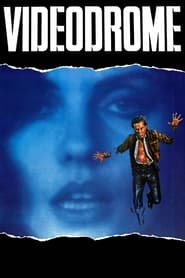
It's also the red of the Videodrome set on the television screen, so they are literally being bathed in the signal. Just before this film was cast in July 1981, Debbie Harry released her first solo album, Cuckoo, whose cover, designed by the Swiss artist H.R. Giger, showed her face being horizontally penetrated by four skewers. That cover may well have influenced Debbie's casting and the directions taken by Cronenberg's screenplay.
16:31 · jump to transcript →
-
Tim Lucas
so her casting was probably predicated to some extent on a plausible resemblance to both Debbie Harry and Julie Khaner, though they actually hardly blur at all in the final cut. Sonja was born in Ottawa Valley, Ontario in September 1958, and she has had her most lasting success in television, where she has worked steadily in such series as Falcon Crest, Airwolf, Odyssey 5, and Street Legal, for which she's won a Gemini Award.
39:31 · jump to transcript →
-
-
-
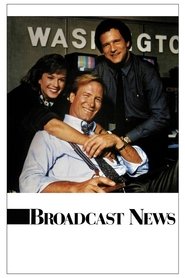
I never told you the reason I was telling you everything before. Hey. Those audition tapes I sent out, I've been hired by your network for the Washington Bureau, so I'll probably be seeing you at work. What? Sorry.
19:09 · jump to transcript →
-
This is my daughter, Amy, 14 at the time. And I tried so hard not to cast her, and I couldn't find somebody. I believe her performance speaks for itself. And she kept on auditioning for people behind my back and building up a fan base that finally overwhelmed me. And Aaron was on that 14-day raft trip with us last year. Come on, man. Perfect work. Look at that kid.
35:29 · jump to transcript →
-
-
-
Gary Goddard
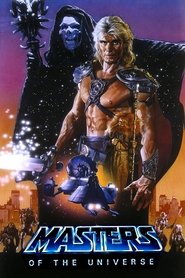
So, and even looks at him when he goes away. Now we have Robbie's chicken and ribs and introducing Courtney Cox in her first motion picture. And she did a great job. She had very natural quality and I liked her right away. Vicki Thomas, my casting director, brought her to my attention. She had just done the Springsteen dance video. I got a going away present for you, but it isn't wrapped.
20:20 · jump to transcript →
-
Gary Goddard
Behind the scenes, we had Canon Films. And Canon had never done a movie this expensive before, $17 million. We had Mattel. Mattel had to sign off on the script and on the casting, on just about everything we did. And Mattel, I think they were actually fairly workable. But we did have a lot of issues, because they had the ultimate right to approve things. And then we had all the normal involvement of the producer and studio.
1:20:51 · jump to transcript →
-
-
-
John McTiernan
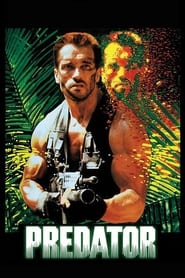
This is Shane Black, he is a writer. I cast him because I wanted a writer on the set. And I just, I loved his work. And he's got a great wise-ass manner.
8:20 · jump to transcript →
-
John McTiernan
Here is Sonny Landham. In order to cast him, insurance company insisted we have a bodyguard. Not to protect Sonny, but to protect other people from Sonny. This giant huge man, six feet six inches tall, not Sonny, the bodyguard, who was assigned to follow Sonny, 24-hours a day, and always know where he was. To keep Sonny from getting in a fight or hurting somebody.
17:45 · jump to transcript →
-
-
-
It didn't feel like it was coming from way down deep inside. And when he finished the audition, he just sat around talking with us and he was Joe. So we had him read Joe and it was like a slam dunk. He is Joe at this point in his life. I love this because he's trying to, he's trying to reason with him. Yeah. So what's up? She's a human being. Why do you think I keep her tapes? Gonna be valuable someday. No.
27:18 · jump to transcript →
-
But better yet, you're acting it so great. I felt like I was a fly on the wall a little bit. Well, I remember it's, you know, I think so much of film is casting chemistry and script. And of course, that's the most obvious thing anyone's ever said. But I don't think if I was making the movie with someone other than Ione, we would have been as good as it was. I mean, at least from my end.
52:18 · jump to transcript →
-



Related topics
Other topics that frequently come up in the same commentaries.