Topics / Studio & business
Studio notes
95 commentaries in the archive discuss this, with 285 total mentions and 54 sampled passages on this page.
Filter commentaries
Filter this topic by the film's decade or the type of commentary.
Showing 23 of 95 commentaries
Clear filtersBy decade
Across the archive
ranked by mentions · click any passage for the moment in the transcript
-
-
Jim Piddock
during the slower mood-setting scenes. Perhaps now I can begin to tell you about the plot of the movie as originally envisaged by the filmmakers. You see, quite a different movie. The filmmakers' cut was previewed for a test audience, but after the preview, the studio insisted on certain changes which were rather ham-handedly implemented. Rather an old story in Hollywood, I'm afraid. So what you see here is, to no small degree, the result of studio bastardization.
25:18 · jump to transcript →
-
Jim Piddock
This character was introduced lighting himself a hand-rolled cigarette with an engraved cigarette lighter, and he puts the lighter down on the desktop in a close insert. Well, I'd urge you to go back and examine that insert carefully, because, you see, it's not the actor's hand depositing it on the desktop. It's someone else's hand. For that insert was shot well after the movie was finished, after the studio preview. That insert showing a cigarette lighter engraved Lauren, presumably the character's name.
31:15 · jump to transcript →
-
Jim Piddock
marvelous Texas character who appears to be related to an Eastern European communist dictator. How did he come to this lonesome backwater, this dark, dark place where he attracts flies? Well, the studio was having none of it, perhaps believing that the reference to Todor Zhivkov would be too obscure for a mainstream audience.
32:14 · jump to transcript →
-
-
-
And they were saying, like, can't you get some adult characters and have nostalgia in here so it'll be like American graffiti? And that was our whole battle, I remember, is to convince the studio that, you know, young people would actually show up if they had a movie about them. Well, one thing I loved about the book was that teachers and parents, they were not part of their world. It was like there was the world of the teenagers. Right. And you were...
20:44 · jump to transcript →
-
This amendment to our Constitution has a profound impact upon all of our... Where is Jeff Spicoli? I saw him earlier today near the first floor bathrooms. Is he still on campus? This is good. Anyone? Yes, Desmond? Now that's Frank Price's son. Yeah. Ahead of the studio. I love that bring him in. What is this fascination with truancy?
23:28 · jump to transcript →
-
I love what you said about Spicoli has to be the spice. It's so true. Because people have... I know you've probably been bombarded over the years on people saying, hey, let's do a Spicoli sequel. Just Spicoli. You remember the first day we saw the movie in Westwood, and I guess, who was it from the studio? Was it Thom or Sean? Somebody said, okay, guys, Spicoli goes to college. Yeah, they were just ready to go. They're ready to go. It wouldn't have been the same. Spicoli without Brad.
29:26 · jump to transcript →
-
-
-
Roger Moore
but he was willing to go along with it. Now this restaurant here on the Eiffel Tower, unfortunately we never went, we went to the Eiffel Tower, we never went to the restaurant. This was all constructed in the studio until the month set. I remember one
15:16 · jump to transcript →
-
Roger Moore
We're actually inside the set on the studio, which is supposed to be inside City Hall. I can tell the London Financial Times. Yes. My readers may like to know why Zoran is pumping seawater into his pipeline
1:11:29 · jump to transcript →
-
Roger Moore
Sorry. This, of course, is the real thing. The interior of the offices we shot in the studio, but this is the real McCoy. We're looking for a low tonight of 57, high tomorrow, 75.
1:12:29 · jump to transcript →
-
-
multi · 2h 34m 5 mentions
James Cameron, Gale Anne Hurd, Stan Winston, Robert Skotak + 8
-
Bill Paxton
Bill, isn't there dialogue that you have on this that people have used in video games? Yeah, I think so. "Game over, man" and things like that. You get anything for that? - I don't think so. I'm not even getting anything to sit here and do this commentary. They expect us to do it for no money. You got a beer out of it, though. No, it's just fun. I got a beer out of it, so that's cool. This was an amazing set, this concourse A. And it was long. And later on when all hell's breaking loose, Jim had that little video camera. He had everybody on the crew having coffee while we would run at him and do different things. It was SO amazing to see this gigantic set, one of the biggest sets I'd ever seen, and there's Jim by himself with this little camera. When did the bust-out almost happen? He was gonna move the movie. When did that happen? I remember there were some problems. There were some union problems. The crew weren't used to working the same way. With Jim. They weren't used to working. That's unfair. They were craftsmen, but they had an indentured way of doing everything. Jim needs something, he just grabs it. If he needs a light moved, he'll grab it himself. We punched a hole through somewhere cos he needed to run a line. He didn't wanna wait around. He just said "Give me a hammer." But this was an ambitious schedule. Jim was running from stage to stage. I think we had about three big sound stages with giant sets. And then there were two sound stages with miniatures. And then there was a stage with all those tunnels. I remember them putting you in that damn tunnel. That pipe. We had gone to the power station to shoot the atmosphere-processor scenes and come back to the set after it had been wrecked. So we're into Adrian Biddle's photography here. He was the second DP. I encouraged Adrian, to save time, to use as much built-in lighting as possible. This is lit by the fluorescents in the set, with just a little additional lighting. Adrian liked to work on a raw and edgy look and work with the practical lights a lot more. This is another thing that is important. With a lot of science fiction movies that are all interior, you often lose track geographically of where you are and it becomes incredibly confusing and it's hard to build the tension and the suspense. Jim was aware of this from the script stage and made sure that we established through the helmet cams, through the motion trackers, where they are, and then ultimately, later on, where the aliens are. Even in this version, you're left to fill in what happened. We don't see the baittle. We'll see plenty of battles later and this is promising you that. We have a shot coming up here where there were acid holes - acid... holes... eaten into the floor by these so far unseen aliens. And, of course, these sets were not double-deck sets. Jim wanted a scene where a character looks down through one of these holes. I think Bill spits down into it to give some perspective. So this down-view we shot on our miniature stage. We layered the set and photographed that. This is where you spit and they did it in miniature. They even did a miniature spit. - Is that what that is? To get that spitting effect, it was actually not spit. It didn't work very well, so it was a combination of milk... Milk and water in an eyedropper right underneath the lens. The complaint from the studio was that the film went on too long without anything really happening. I was winding the suspense tighter before you actually saw anything. The studio said we were just jerking around. Too many movies that I see now, it's all upfront. You start seeing stuff right away and there's no sense of a build. So this is the miniature APC that was built by Bob and Denny Skotak. Pretty good size. I remember it being five or six feet long. Most people don't twig that as a miniature. That's the real APC pulling in. They matched the lighting pretty nicely. I think Jim did some of his live-action stuff undercranked. He ran the camera slightly slower on the APC so that it felt slightly more as if it were a miniature but you knew it was real because you could see people interacting with it. So if any of the miniature stuff didn't quite work for whatever reason, it took the curse off that cos it felt that the two were blended together. I think he wound up undercranking because the APC, the full-size one, didn't move as fast as he wanted it. I think it could only go eight or ten miles an hour. One difficult thing about making this movie was 7erminator wasn't out in England and the perception of Jim Cameron, who looked about 20 when he directed this movie, and myself as the directing-producing team was met with a great deal of resistance because back then the system in England was that you had to put in years and years to rise up to the level of being a producer or a director. And we were simply not treated with a great deal of respect and it was very hard every day of the shoot. We were being second-guessed and every decision we made was questioned and the tremendous thing, of course, having Stan on the film was that... I was old. - No. ...was that you were a cheerleader for both of us. By demonstrating the respect and enthusiasm that you did, I think other people gradually relented. I knew it was the best thing for me and for everybody on that set. There are people that you know, no matter how they do it, what they're doing is special. This particular directing-producing team had been a win for me in my career and stayed that way. I never thought our facehuggers looked as good as the one in A/en. We had to make lots of 'em and they had to run around and do things, but, texturally, the one in the first film looked great. It really held up. The bits of oysters and stuff inside it looked great. But I did wanna see the disgusting thing that had been down the inside of Kane's throat in the first film. You never see it in the movie, in A/en, so I figured we'd gross everybody out. All of Giger's designs have a real sexual undercurrent to them. And that's what horrified people about the alien as much as anything, is it worked on a kind of Freudian subconscious level. And Ridley and Giger knew that and they went for that. This film was never intended to be as much of a horror film as the first one. It was working on a different thematic level but I still wanted to be true to some of those ideas, some of those design concepts. It would be natural to assume I'd wanna work with Giger, but it just didn't occur to me at the time. Maybe it was because we really only needed to design one new creature and I had already designed her by the time I wrote the script. The alien queen. I guess maybe it was my own ego as an artist. I just felt like he'd made his stamp and I knew from what I'd read that he had to do everything his way and I had a very specific idea for the alien queen to extrapolate beyond what had been done before. I got the impression from what I read that I wasn't gonna get the dynamic character that I wanted. In a funny way, part of what attracted me to doing this film was the opportunity to do cool design stuff. So maybe I was just a little bit too in love with the idea of designing the creatures and the weapons and doing all that stuff.
47:57 · jump to transcript →
-
Bill Paxton
I heard that some of the studio execs were screening footage back in the States, and they were a little perturbed and asking "Where's the effects shot?" Gale Hurd said "You just saw an effects shot." She was referring to that perspective shot. They were completely fooled by it. They thought nothing had been shot. They thought they were spending huge amounts of money on these sets. They said "You spent so much and there's no miniature." She said "No, that is the miniature." It was a smart move on Cameron's part, to do it that way very quickly in the film, so the studio wasn't worried quite as much about what was going on 5,000 miles away in London. It does make it a bit tricky to shoot, though. If anything goes wrong, you're stuck with it or you have to fix it later but with a reshoot. You can't really fix it later. So that worked out quite well, but with actors and everything there's a lot on the line. Something we've lost sight of over the years is that with this era of filmmaking, not only for live-action but for miniatures, there wasn't much ability to go back and fix something. Now, digitally, you can change an actor's face, you can get rid of wires, do all kinds of tricks, split-screen, take elements and change shots. But at that time you had to plan these things and make it work within a narrow tolerance, otherwise that was it, that's what wound up in the film. IIt reminds me of a stage play. You're doing it live, in a sense. What was on film was it. There was no going back. You could only do it so many times. There was a limited budget to work with and it had to work on film, no matter what.
1:08:47 · jump to transcript →
-
Bill Paxton
I like these really advanced laptops they have. We thought we were being so advanced here. This is an added scene with these sentry guns. This is a scene that got the ax as a result of the studio's idea that we were wasting too much time not really getting on with the story. I actually think this stuff really ups the ante and increases the fear a lot.
1:29:55 · jump to transcript →
-
-
-
Eleanor Bergstein
out a message where he was sequestered in his jury saying, please don't choose anybody else until I can talk to you. I'm the best person in the world for this. So unlike Emile to say something like that, that every time I reminded him of it, he blushed. But he was exactly right because he was a brilliant director of dance and just a brilliant and wonderful man. And at first, the studio was not sure that they wanted him because he had this huge ballet background and they wanted
7:39 · jump to transcript →
-
Eleanor Bergstein
the most respect and love and gratitude for Patrick and Jennifer. I love the way she pulls her dress down. That was just wonderful. The first day Patrick came in that day, he and Jennifer had worked together on Red Dawn. Then they came out and did a dance, and I told Jennifer just to circle around behind him and put her hand down on his rear, as finally she does in the cry to me scene. And we were all standing around, everybody from the studio, everyone,
20:34 · jump to transcript →
-
Eleanor Bergstein
unturned wayable and I still think is the heart of this movie is the way they are together just something extraordinary happens and I should say that we got a steady stream of concerned notes from the studio which was pretty supportive in fact they had found Virginia from us two of the executives on the plane had found the Virginia place but they kept saying Johnny and Penny look so great together who will ever believe that he's going to go off with Jennifer and we sat down and we talked about it and we said no
21:53 · jump to transcript →
-
-
-
John McTiernan
Trying to sell stuff to the studio, he is a knife maker. He had a special knife that blah-blah-blah. And I wasn't real impressed with that but I said, "Could you make us a machete?" Which has to do with the jungle. So he made this thing that basically looks like a Thracian short sword but, what the hell. It's Arnold's... Arnold's machete. He gave it to me at the end, I've still got it. And the one liner came from that. The "Stick around" came from, came out of looking at the machete.
28:11 · jump to transcript →
-
John McTiernan
This joke, is Shane's joke. It's entirely Shane's joke. Shane didn't write in an official way but he wrote in an unofficial way like the joke, the pussy joke. He was just there, and he would come up with stuff. Now, the heat vision here, when we first did the heat vision, they had a real heat vision. From the folks in New York City that did the effects stuff. And it was this enormous thing with the umbilical that was six-inches thick and it would, could only get maybe four-feet from the truck. And it really would see someone based on temperature. But there was this little tiny problem, which was the ambient temperature in Mexico was in the 90s. Consequently... People were the same temperatures as the background and they were perfectly camouflaged. So in order to deal with that, the splendid folks in the special effects field said, "Well, it's no problem. "We will put ice water on the jungle. "And we will have the actors stand next to a fire just before their, "the shot," So, they literally were doing that, and they spent about, I don't know, a week getting one shot, maybe two shots. It was just a nightmare, it cost a... Every shot cost a fortune. So, finally, I went off to a video special effects house. They did commercials and things. And I sat down for about three hours, we had to do this in secret. One of the studio...
32:42 · jump to transcript →
-
John McTiernan
Studio post-production guys set it up for me. And we did it behind the back of all the executives and stuff. And the producers.
34:45 · jump to transcript →
-
-
-
So this is Long Beach now. This is a little area that we... You have to realize the politics of the movie were very interesting at the time because when we were shooting in Pittsburgh, that was the end of the movie. And we had already shot too long, according to the studio and our own schedule. I had gone over schedule. And Jon said, you know, we have no time to finish the movie this way. And...
19:37 · jump to transcript →
-
So we have to satisfy Orion and get out of Pittsburgh. And of course, he realized that there was one scene that could never be omitted by the studio, which was the death of Murphy. So we didn't shoot it.
20:00 · jump to transcript →
-
I mean, it's sort of like you're a fly. No, you're a small animal, and the boys have got you, and they're going to tear you apart. With Paul, lots of things tend to become Christ metaphors, so he would always go to the studio to defend how violent the scene was by saying you have to have the crucifixion so we can have the resurrection of Peter as RoboCop. Here we have a little bit of stigmata coming up right here, you know, just a little bit. Nice Roman centurion here.
21:30 · jump to transcript →
-
-
director · 1h 31m 4 mentions
Alex Cox, Michael Nesmith, Victoria Thomas, Sy Richardson + 2
-
My name is Alex Cox, and I am the director and writer of Repo Man. And my name is Vicki Thomas. I'm the casting director. And I'm Michael Nesmith. I was the executive producer. My name is Sy Richardson. I was Lite and the guy who did Bad Man. It's Juicy Bananas. My name is Zander Schloss. I am a PA and the late Fox Harris' driver-turned-actor. I play Kevin. I'm Del Zamora, and I played Lagarto Rodriguez, the older...
0:16 · jump to transcript →
-
His whole, guess how many ties I got. That's right, right. Yeah, because we had these long monologues that we'd use as audition pieces, including that one. The Tracy. The one of Tracy about flying saucers and the one of Sy about the suits and ties. You know, I mean, to talk about memorable lines, how about that line at the end of the tune? You know, how can you tell your woman really loves you? How can you tell, Sy? Oh, I need somebody...
25:43 · jump to transcript →
-
Funnily enough, at the same time as we made this film, Penelope Spheeris made Suburbia. And there are lots of little similarities. There's a point at which the executive producer of Suburbia appears on a television within the frame, right about where Michael does in Repo Man. There's a guy who's a murderer. He kills a little kid in the car, and he's wearing a Dodgers baseball cap. And all these little things happen that sort of have something to do with Repo Man.
1:01:02 · jump to transcript →
-
-
-
I didn't want to do something that was soulless. I wanted it to be a comedy, to be about an optimist, but I wanted to have those bottom notes and that soul. After a while, I knew that we were trying for the same thing. I knew that there was a certain point when Jim Brooks, I think, who really was very protective of the film and great to the film, he was our greatest champion. He also protected the movie at the studio, I know, because there was a lot of stuff early on, like, why does that dad have to be guilty?
45:52 · jump to transcript →
-
The boys were in Chicago and you'd met them. And you said, hey, what about these guys for these guys? And we put some riff down. We rehearsed. No, you guys made a film. That's right. We made a tape on it and sent it out to you. And you said you wanted them out there, but the studio didn't want to pay to have them out. So I think you and I flew them out. That's right. That's right. And then we shot this, I think somewhere in the first third of shooting, I believe. After that night.
1:10:05 · jump to transcript →
-
In the kind of terror that happens in a studio before they put a movie out and spend all the money to promote it, there was a real feeling at the studio at the time, like, who's gonna go see this movie? Is it for the family or is it for kids? There was a screening, and someone invited a writer who brought his daughter, and they just kind of quizzed them after the screening, and some people decided that it was gonna only appeal to kids. So the movie was never really... Kids? Kids? What do you mean, kids?
1:35:58 · jump to transcript →
-
-
technical · 1h 35m 3 mentions
Steven Lisberger, Donald Kushner, Harrison Ellenshaw, Richard Taylor
-
This is Richard Taylor, I was one of the special effects directors on Tron, and I was the director of the computer simulation division on Tron. And we're here to provide you with some audio commentary on Tron. The origin of Tron dates back to early work we did in animation experimenting with characters, animated characters who would be made out of light, who would be not rendered in ink and paint and put on cels, but actually only exist as light imagery. And we were looking for a place where characters like that could be part of a Story. And I saw a Pong game, and it reminded me of gladiatorial games. And at the time, I had been trying to keep up to date on what was happening with early computer graphics, 'cause it was part of animation. And so, all of those things came together very nicely, the Pong game, the characters made of light, and the computer animation was the environment. And through computer animation, we got to know computer people and programmers and computer technicians. And the more I got to know them, the more the story accommodated their personas in the electronic world. I think one of the original guys was one of the guys who created... Or one of the creators of the PowerBook, that was... Yeah. - Yeah, Alan Kay. And Alan, the alter ego for the Tron character was called Alan, named after Alan Kay. And what impressed me about these guys was that they were pioneering this new reality. And that with pioneering that world, certain frustrations had taken them over. They felt that they were fighting a losing battle in certain areas. Alan Kay was trying to convince the world that people were going to have small, portable computers that they were going to carry around, and no one would believe him. Other computer programmers I worked with were doing computer graphics, and they thought that their stuff was going to be in movies one day and hold up, and nobody would believe them either. So, I looked upon them as a group of warriors and believers in their own abilities, and fighting and... Characters who were fighting a good fight, and... It's a little difficult for the audience because I think the audience doesn't necessarily relate, didn't relate then, it relates a little more now, to a group of people who speak computer talk, who are interested in computers, and who are fighting to make cyberspace, or the electronic world as we called it, a good place. Basically, Steve and I had worked in developing it for over a year. We had developed the script, and we had done a promo reel for the film of certain computer effects and certain kinds of digitized effects of what the electronic world would look like. And we put together a little booklet, I think, of storyboards, and also photographs, and then went to see Tom Wilhite, who was head of the studio at the time. And in our first pitch meeting, he really got it. You know, say that... When we first pitched it to him, he got the idea right away. We developed this movie before he went to Disney. I think in the back of our minds, we always Said to ourselves, "This would be the perfect Disney movie, "so, therefore, they won't buy it." But I think they got it right away. Yeah, originally it was our dream to try to make this film as our independent film. But it got too big for us and... I think at that time we invested every nickel we had developing the script, the effects techniques... And a couple nickels we borrowed, too. Don't remind me of that. You have in... If I may, a commentary about Donald's influence on the film was that as producer, he and Steven came to the studio. I was brought onto the show because I had been at the studio at Disney before and was, kind of, to be the connection between... To help be the connection between the studio and this new type of filmmaking that was going to take place. And so, a great deal of Donald's input was bridging the gap, and the gap was quite large between a traditional studio used to making either pure animation or live-action films, and doing this film that was... You couldn't describe. It was not a typical film by any means. And everything from the hiring of the people and moving them through a traditional studio system became something that Donald had to deal with on a daily basis. And the producer is as much an enabler as anything. I can remember... I can remember Tom Wilhite calling me into his office and describing this project, this was before I met Steven and Donald, and said that he was going ahead with a film about a video game, about players in the video game, and I thought, "Well, that's going to be great, but how are you going to do it?" And he said, "/ don't know, "I thought you were going to tell me how we were going to do it." And it went from there. And I... You know, we had an idea, and Steven brought the concept of how it would be done, how it would be inked and painted. But we really never sat down and faced the reality of it. And I think if we had, we never would have started it. Now, here we're really getting into the mind of a hacker, of a computer type in the early '80s. He's communicating with the computer, which in this case is anthropomorphisized as an alter ego. What's happened here is that he has an agent program, and agent programs are a technology that's only now really being discussed about, in terms of whether it's going to be used in a mainstream way. And he sent his program in to get information to prove that Dillinger has been stealing things from him through the computer system. So, as a hacker, he's breaking in and trying to prove this in the computer world. And he got caught. The Recognizers are the cops.
0:16 · jump to transcript →
-
One little anecdote here is that the cameraman that was up on the platform shooting this, the viewfinder of his camera was broken, the pellicle mirror had shattered, and he couldn't see anything through the camera and he just aimed and shot. He didn't want to slow down the production by telling anyone that he couldn't see anything, and held his breath all the way till dailies, and the shot worked out. Oh, that's right. 'Cause there weren't very many 65-millimeter cameras available, and all this was shot in 65 millimeter. Yeah. When we opened these cameras, they still had the sand of Lawrence of Arabia in them. Well, Flynn's arcade was in Culver City. Yeah, it's across the street from the old MGM lot, which is now the Columbia lot, but now renamed as Sony Pictures. Now, there was actually a loft at the location. But then the re-shoot... The close-ups were the re-shoots on a stage. Yeah. That's the... The actual... The practical location. Space Paranoids. Space Paranoids. I take my son to the arcade in Westwood. We go once in a while. I have to bring my earplugs. But I've never seen an old couple like that in a video game arcade. That's right. We knew that Bally was going to release a video game simultaneous to the release of the picture, and therefore we wanted to have the design of the game in the arcade and the game in the real world that people would actually play be very similar. So, we go to Flynn's, and we see Flynn playing the electronic game and fighting off a Recognizer. That is the console which we created for the film that represented the game that Bally was going to create. Although, obviously, at that time, there was no way that a computer game could have real-time, interactive, full raster graphic imagery. So, it was a prediction of the future of the way games were going to evolve, and that is what we're now seeing in CD-ROM games and the games that are in home computers and arcades today. Jeff did get very good at video games. We had some on the set. Yeah, he was remarkable, and one day you suggested that we videotape him while he was actually doing it. And look at the neon in the back. I'd forgotten about that. OA, right. I don't think any of the actors actually went so far as to get themselves a computer and spend hours backstage... Programming. -... learning how to program and... That didn't happen, but they got as far as games. Battle Tank. We used to play a lot of Battle Tank. Battlezone. Yeah. Battlezone. There you go. Now, as! recall, you... We re-shot this sequence. Yeah, and I don't even remember... The lighting... To match, I think, the lighting of the game arcade. Well, I think, actually... - We changed dialogue. Did we? - Changed dialogue. And here's a little secret. We told the studio that we needed to redo it to match the lighting. Well, see, /... Still using the same excuse. That's right, you're still... You're still well-programmed... - /'// never tell. The lighting didn't match. The casting process was interesting. Originally, I'd pictured Jeff's character being younger and the Tron character being older. We were affected by some things that were definitely outside of our control. Tron predates Splash, and people forget that, really, Disney was having a hell of a time getting popular actors to work for the studio. And it had been a tough time for Disney. And it didn't help that we were saying, "Yeah, we want you to wear these funny costumes." And Jeff was always enthusiastic about being part of the picture. The Tron character... Bruce was... I don't think Bruce was quite as adventuresome at first, although he got into it after a while. I would have liked to have seen Bruce possibly be a little, I think... I had pictured him as sort of a younger Kirk Douglas. I think he would have been better if he had been a little older like he is now. I like the way he looks now. And I think Jeff... I was surprised at how physical Jeff was. I thought that... I pictured Flynn being a little more geekish or a pencil neck, and Jeff is very physically strong. So, in that sense, the two became somewhat similar, although their personalities and what they represent are completely different. One little anecdote is that... I can't point back at the character of Tron and say, "There were all these actors." Or, "It was between this one and that one." But I do remember one surprising actor who really wanted to play this part, and it was Peter O'Toole. - Yes. Oh, he wanted to play the part of Dillinger. No, it was Tron. Tron, that's right. I think we wanted him for Dillinger and he said, "No." And I had this amazing scene with him in the Beverly Wilshire Hotel where... In his hotel room where he said, "I can do this!" And he started leaping from one piece of furniture to the other and screaming that, "I want Tron on my tombstone right next to Lawrence of Arabia!" And who knows, maybe he would have been great, maybe I really missed it right there. All these interiors... Shooting them, these low-light interiors, in 65 millimeter is very difficult, because the depth of field, the focus plane is incredibly short, and it was a real struggle. And some of the close-ups, we actually had to run light stands up the backs of the actors through their jackets as braces, so that they would stay in the exact same spot, so that we could keep their eyes and faces in focus. You know, if your file was in there... - Hey, wait a minute. If we can get in there, I can forge us a Group 6 access. Well, shall we dance? And ENCOM was shot in downtown Los Angeles. I forget the building. Of, the Transam building? Oh, yeah, the Transamerica building. At the top of that was the helicopter pad. This sequence between these two heads of the company really expresses the philosophical problems that the other characters are going through. Again, the office is designed to mirror the other world in terms of its graphic look. Wasn't there something about the cold, corporate look as well, Steven? There's your door. - There's the door. The scene where they sneak into ENCOM and open the door that is 10 feet thick or 12 feet thick, that's a real door, that's not a prop movie door. That's an actual radiation door at Lawrence Livermore. ENCOM isn't the business you started in your garage anymore. In one scene, you see a number of things flip up into four corners. Images. That was a traditional optical that had to be done, and opticals in those days would take two, three, four, five weeks at least, and it was a big task. It was like making its own little movie. You know, you can remove men like Alan and me from the system, but we helped create it, and our spirit remains in every program we designed... That line is one of the key lines in the whole script, about the human element that the programmers put into the system. And it's this discussion between those two characters that really elevates the picture well beyond a video game movie. Now, the reverse was shot, actually, on the Iot, so there's a reverse... Getting into the Disney vaults? Yeah. Lawrence Livermore was quite proud of the fact that although this door weighed tens of tons, or whatever it was, it was so well hinged that you could open it by just pushing it. One person could. In fact, you found... I believe you saw that door as we were taking a tour of the facility and you Said, "This would be a great place for them to sneak in." So, you kind of re-wrote the scene to accommodate that huge door. And the irony is, as he punches the buttons, that the giant door opens, and no strength is exerted, but it's opened automatically. I kind of inherited the job of not only setting up the giant rear projector and the mirror and all that stuff, but I also had the job of putting together what would end up going onto the desk. That's an actual wireframe on there, for the carrier, as you See... Right. - ...in the film. I began searching around for footage to go onto the desk, and it was getting late, and we were about to shoot this thing in a couple of days, and I just ran out of stuff, so I put the flowchart from the film on there, and probably things out of my address book and anything I could... I was down to pulling things out of Life magazine and re-photographing those. I was just running out of stuff to put on the desk. What's interesting about this protagonist, Jeff Bridges' character, is that he's actually, um... He's a creative, technical type, and he's fighting for his creations, he's fighting for his work. I think that's pretty unique. He is somewhat of a paranoid character. But with some reason. With some... Yeah. - Some good reason. Dillinger will never know we've been in here. Good luck, hot shot.
16:15 · jump to transcript →
-
Time lapse. This is a wonderful time lapse shot that... Shot in 65 millimeter. See all the airplanes landing at LAX. That's what those... - Yeah. Those little things. Were flecking through the... Right. Who's this guy? I forgot what went into this movie. I literally haven't seen it in over 10 years or... Really? - Yeah, I'd forgot. It's overwhelming, isn't it? Yeah. -/ mean, it's really a piece of art. - It's remarkable. You know, you have to go into these projects not looking at the whole global reality. Because if you would, you would never have attempted it. It's easy in retrospect now to look at it and judge it and say, "Well, it should have had a little more this or that." But we never had that luxury. We had no luxury at all. - We were going flat out. It's like getting into a car and they say the only way you can go is if you put a cinderblock on the gas pedal. And there is no brake. - Right. And when it runs out of gas, wherever you are, that's where you are. And we're not sure of what the course is that you're going to take. Right. So, get out there and drive where you think you should be going. And there was no map. And that was it. We had one saying though, when anyone from the studio asked, it was, "No problem," right? Nothing was a problem. - Well, that's... But we had the technology. Because at night we knew the little fuzzy animals were going to come down the hall and help us. I tell you, the lot has that juice in it, though. There is a certain vibe. We were in the animation building and you are inspired when you are there. You feel that this is, sort of, hallowed creative ground and that, you know, you do want to push the envelope. I think this film got willed into being. There was a great deal of just brute will to get it done. Force the issue. If we say we're going to have dailies tomorrow, then we'll have something to show at dailies. And to add insult to injury, this was my first film. Right. Animalympics, which was two television specials put together, it was fully animated. But this was my first feature film. And that's what Tom Wilhite always... Whenever people said, "Well, isn't this Steven Lisberger's first film?" Tom Wilhite would say, "No, he's done another film before," and then hoped they wouldn't ask what. Because he would always... He would say that each time. And then, you know, the fact was that it was a full-on commitment and there was no turning back. This was the most no-turning-back film I've ever been associated with. And I'd like to add to that. We all owe a debt of thanks to Tom Wilhite, who was the president of the Motion Picture Group at the time, for green-lighting this picture. And I think he felt that the picture was in the tradition of experimental cinema that Disney Studios always had. I always felt that Tron would remind you of something you've never seen before, and I think it accomplished that. Tron was a once-in-a-lifetime combination of technologies that'll never happen again. The evolution of computer graphics has gone on from Tron. The incredible complexity of what we can do today compared to what we could do at that time is much more intense than I ever thought it would be by this time. But it was phenomenal what was created at that time with the very, very limited state of the art of computer graphics. And then that whole technique by which the characters in the electronic world were created will never be done again. It was just too labor intensive and too unique and there are other ways to do maybe that same type of imagery now. Steven Lisberger really created a unique piece of communication, it was right on time, and his insight into the technologies and the combination of technologies to create that film, I think, was a one-time situation that will probably never arise again. The labor-intensive quality of the film, I think, Is... No one really to this day understands. "How did they do this?" - Yeah. I know, I know. How did we do it? I don't know. We were nuts. We were young is what we were. Well, thanks for all the help, guys, really. I can't believe we made the whole thing.
1:31:01 · jump to transcript →
-
-
cast · 1h 36m 3 mentions
Anthony Michael Hall, Judd Nelson, Jason Hillhouse
-
Judd Nelson
I have a lot of gray now. Giving me everything inside and out and Love's strange So real in the dark Think of the tender things that we were working on Slow change may pull us apart When the light gets into your heart... Now there's a person... This is a woman I have to tip my hat to, Dede Allen. Incredible. - Before I knew what editing was about, this woman was really an interesting presence. And it was cool, too, how she would come to the set. Remember? She would really work closely with John, which was really cool to see. And also, that's the first time I'd ever been looping where she made me feel that the worst I could do would be the production draft. That it's possible, in looping, to improve a performance. Right. - So, from that moment on, it's like, now I don't get all like, "Why didn't we get that on the set?" And also, at the time, I think the studio, as well as John, I mean, I was too young to appreciate it, but I think everybody was thrilled that this woman who had cut all these classic movies, like Reds and Dog Day Afternoon... - Bonnie and Clyde. Yeah, it was a great choice to arm John with. She was a real ally for him. And also, there were a lot of overlaps which they, as a rule, don't like, which is when one character in the close-up is talking... And then somebody talks over like this. Yeah. - And somebody talks over... Sorry. Sorry. Judd and I both need a shave, and here we are. You wanna explain for the people at home that don't know what looping is? Looping is a slang term for post-sync dubbing, which is when, on a movie set, you've shot something, but a plane went overhead. Then, you have to redo that in the studio, and you have to get the picture synched up with the sound. The technical term is ADR, which stands for "Automated Dialogue Replacement," but in the industry we call it "looping." As Judd was telling that story before, it is a cool thing to learn. It's part of our craft that you can often make a performance better, and you can come back in and add some element or dimension to it, which helps. If you can help. And it's hard to take stuff that's off camera that overlaps on camera and keep it in the movie. If you're not on camera, and you talk over the guy on camera, they can't use either piece. She was able to save a lot of it, and that was very important to a lot of those high-octane scenes. Definitely.
1:11 · jump to transcript →
-
Judd Nelson
There's Judd. Right on. I told the story when we did the interview before with Jason, that you came to the audition just so ready, man. You were just there. You were already there. That's a long time in high school. - Yeah. All seven years of high school really paid off, and you got a great role. Judd, you were great. I remember from the day you came in for the audition, you just came in, like, "What movie? Can we start, or what?" Even these rehearsals, 'cause, John, if you remember, man, we did rehearsals in this space 'cause this art department had constructed this. And it was inside a gymnasium, so we had the benefit of working as if it were a stage, and it was already there, ready for us. It was cool, 'cause the studio took over the school, in a way. So, we could turn their gymnasium into this library. However, at the time, there was a USFL football team, the Chicago Blitz, they were practicing and using the school as their home base. So, they practiced in the big gymnasium. Not anymore, it became the library, and they went to the old, small gym, or had to go outside. And it was Chicago, and it was really cold, and they hated us. These hulking dudes would be like, "Get out of the way." I miss Paul, man. Paul was great. - Yeah, he was a cool guy.
4:49 · jump to transcript →
-
Judd Nelson
See, this is where it was cool where we had John. He was definitely a collaborative director and sought to get the best out of us all, and was looking for behavior, you know. So, I think, the wisdom of he and Dede Allen and their choices in making this all work, 'cause we had so much footage, it was great to see. All these years later, we take it for granted, what we see the final cut to be. But the truth is that, like we were talking about, Dede would come to the set and she would closely work with John. And also, he gave us the freedom to play and just have fun. And certain things, like the stuff you're seeing with Judd spinning around. I'm sticking a pen in my mouth, stupid stuff. We had no idea whether it would arrive in the film or be a part of it. I didn't. We were just having fun. But once we knew what the space was, we had the parameters. Rehearsal was key. - Yeah, it was like shooting a play. That's how I recollect and look back at it. We shot this play for 35 days and we were... Mostly in sequence. - Yeah. Yeah, we were fortunate to be extracted from Hollywood, and all of a sudden in this suburban gym of Illinois, not far from where John had grown up. So, it was a fortunate thing that we felt like we were shooting a play, 'cause we also had a week of rehearsal, which was... No, we had more than a week. - Was it more? We had more than a week. In fact, we weren't done with our rehearsal time when Hughes went, "We're ready. Let's go." All the work we've done keeping our faces in the industry since and maintaining our careers, it's still... To this day, I don't think I've ever had that since. So, it was a real... A real rehearsal. - Yeah, it was a real luxury. It was also a lot of fun, 'cause it really bonded us and gave us a chance to get a sense of where we were all at, and also made the work better, yeah. And we built real history, as opposed to that you believe you've made up a history. We actually had real experiences. Even if it's something as simple as dinner four nights in a row, you at least have some real past and things will reveal themselves to you further along in the work. And Hughes really wanted it to sound authentic. So, he never limited us. If you came up with something, you never felt like, "Oh, wow, "we took it beyond the text." Big deal. And he was always looking for it to get to that point, anyway. The freedom that he gave us, the idea that he would trust us like that, which is the point of the film. Just because they are 17 years old doesn't mean they are 17 years dumb. There's a weird thing, though, about rehearsals and stuff like that, where you think... You even said, "I've never done that before or since." It always seems to work out when actors and stuff get those chances. You hear those stories over and over. But, for the most part, people, they just don't do it. Yeah, in terms of genre, too, this is something that broke a mold, in a way, 'cause it was, in the industry talk, a talking heads film. It's really about a bunch of people sitting around, talking. So again, the play analogy comes into play. We really felt like... I remember rehearsing, and we were in these positions. I remember walking into that space, and John going, "Okay, you sit over here." We would rehearse these scenes. So, by the time we shot them, we all had a good sense of each other. We were a solid group, and we also knew where we were going with it. Now it looks like a luxury, but to this day, I've often looked back and thought about that, that it was great intelligence in just doing that, putting us in together. We sat in a room... - I thought they were all gonna be like that. I really did. I look back on that and that is a high-water mark in terms of the importance of having everyone being on the same page. Right. If you get rehearsal time and if you shoot in sequence, it's not like you are trusting the other actor to know that in the scene before this they actually threatened to kill me. So, it's a little bit heavier. You don't have to do that because before we shot this scene, we shot the scene where he threatened to kill me, so we know that. It's a great collaboration. You don't realize it till you're blessed enough to work in the business. When you're on the set, you see that there's... You know, sometimes the best idea will come from the script supervisor, or sometimes it's the guy at the crafts service table. It's a great collaboration, even though it's a director's medium. I think that sense of support was instilled in us with John, 'cause he gave us these roles and we all knew what we were doing, but he always was collaborative that way. I think that was his intelligence, too, that he allowed his scripts to transcend even the beauty that they had, because he hired people that he believed in. But there's a great collaboration, always. When you're talking about rehearsal, you're talking about the five of you guys. Were Paul and Kapelos kept away a little bit, to let you guys have your thing, a little "us vs. them" a little bit for that? Well, that was happening right away. Also, 'cause Paul wanted to hang with us, so that was perfect, 'cause it gave us the power to say, "No." So, we could. But you guys rehearsed those scenes, right, with you and Paul? But he wouldn't necessarily be sitting there on a day when... Just the five of us. - ...it was the five of us in that rehearsal, if we were gonna get to that stuff. We wouldn't do necessarily whole read-through of it. We would be taking it from the first scene and rehearsing it till it made some sense to us, and John knew, basically, how he wanted to see it and how he wanted to shoot it. It's a business, at the end of the day, like anything else, so there's always such a sense of the clock and rushing, so, as Judd said, a high water mark in our careers to start with this great project, and we had these great roles and a well-developed script. But he was smart enough to sit us all down and get our input and let us work through it. So, once we got on our feet with this and we were shooting the scenes, we had a closeness and a vibe already flowing between us. But it's funny you said that, 'cause I thought the same, too. I thought it would be like this after, and usually the director is the most stressed-out, doesn't know what the next shot is. It's like the world changed after this. But part of it was the good fortune we had to be in Chicago and do this. It was at the beginning of his career, after Sixteen Candles did pretty well, even though it was a small film. I think I remember him telling us that his intent was to do this first. I think the studio was gonna make this film first and they flipped them. So, we were fortunate to be away from everything and... Flipped it and Sixteen Candles, you mean? Yeah, exactly, in terms of the making of the films. So then we did this project second, and then we were, again, just in Chicago, and that sort of remote quality helps it, too. It's a lot of the fun of it. 'Cause then you came back here to do Weird Science, right? Yeah, that was fun. There is something about that, pulling it out of Hollywood. That's clichéd, "Hollywood's bad and you can't get anything done." But there is something to be said about that. Well, the story takes place there, and that's where he lives. Why not put it there? It's easier, it makes the most sense, and for the actors, it's one less thing you have to imagine, and hope everyone else is imagining the same thing. In fact, it is the same room where we're gonna go every day. It's a school. - Right. I remember, I went to some local schools, too, in that area at the time. It was fun just to get a sense of what... 'Cause I hadn't had that kind of upbringing. I grew up in New York City at a liberal arts high school. It was a different experience. It was a boys' reformatory, wasn't it? I was away a lot and... Very religious, wasn't it? - That's part of the fun, actually, just to get out of the mix, to be somewhere else. As an actor, the gift is getting the job, and then the sense of exploration is enhanced, I think, by being somewhere on location. It's fun. Makes it part of joining the circus, I guess. So, what, you guys went to an actual school, went in, mixed with the kids, did that whole... Yeah. Yeah. - I did some of that, yeah. Yeah, Hughes arranged it for us to go. I know that Ally, Emilio and I went to this high school, and the principal knew, but most of the teachers didn't, and it worked out perfectly. It was a school that had two halls, one called Jock Hall and one called Freak Hall. And I was like, "Are you kidding me? That's perfect." I just waved to Emilio, "See you at the end of the day," and then went over to the other side. It's great 'cause I was over 18, so I met some guys and I could buy them beer. I was like, "Yeah, I got an ID that'll work. Come on, let's go get some beer." Just treating it so poorly, it was perfect. You didn't get put in detention at that school, did you? No, but I did get sent to the principal's office, the one guy who knew that it was okay for me to be there, so it was perfect. I hadn't found my classroom yet, out of Freak Hall, and I didn't have a classroom, so I was always going to be found out there. Bender, that's school property there, and it doesn't belong to us. It's something not to be toyed with. That's very funny. Fix it. You should really fix that. - Am I a genius? No, you're an asshole. - What a funny guy. Fix the door, Bender. Everyone, just... I've been here before. I know what I'm doing. No. Fix the door! - Shut up! God damn it!
8:42 · jump to transcript →
-
-
-
Gary Goddard
I'm the director of the movie, Gary Goddard, and I've been asked to give some commentary about the making of Masters of the Universe, which I will be doing here as we watch the movie. Over the credits here, I'll just say that Masters of the Universe came my way because it was a very popular toy at the time, an animated cartoon show. Ed Pressman was looking for someone to be able to adapt this into a story that could be done for a budget that the studio would accept, that would also be able to bring the story to life as a live-action picture.
0:17 · jump to transcript →
-
Gary Goddard
I actually didn't want to cut away from him at all. I wanted to stay on him. This is exactly what I said. I want this energy coming right out of his nose and eyes and stuff through his hand. I want him bathed in this power, this energy, as if he's coming into his own. And I think he does a brilliant performance. The cutaways, I reluctantly agreed to. The studio felt we needed him, but I really felt this was a scene where we could stay with Frank for the whole performance. I think if I do it all over again, I probably would have stuck with that. There's these few cutaways that slightly break the rhythm, I think.
1:28:29 · jump to transcript →
-
Gary Goddard
And the one thing I would redo if I was to re-edit this today is there's a slightly longer farewell scene that has the ring of Dorothy when she leaves the characters in Oz. And you see a piece of it here, but it gets cut short a little bit. She actually had a separate goodbye for each of the characters, to Teela and to Man-at-Arms and to each of them. And I thought it was a great moment. And it was the one compromise I made at the studio's bequest because they wanted to get to the ending faster and they thought it was a little...
1:37:24 · jump to transcript →
-
-
cast · 1h 36m 3 mentions
The Garbage Pail Kids Movie (1987)
Mackenzie Astin, Katie Barberi, William Morris
-
The first AD asking the studio teacher, the social worker, hey, how much time we got left with it? And, you know, there was like two minutes to midnight. And the AD goes, I think it's two minutes. And the social worker goes, make it 10. Yeah. Which, in retrospect, I can appreciate. Because had we stopped shooting at exactly midnight, there would have been another night we had to go back out and line the Cocoa Puffs and tampons.
16:02 · jump to transcript →
-
William, to answer your question in many, many ways, which I think we've tried to do, we all needed to be more on the same page. And that's every aspect of the production as to what it was that we were making. Again, if we would have gone in that direction and if the studio had respected it, this is exactly, this is an anti-consumerism message. This is an anti-children's film.
43:19 · jump to transcript →
-
True of anything. That's true of any project ever. So this is actually an interior. This is the interior of the studio. This is not exterior. You can barely tell. There's Lynn Cartwright. No, you can't tell. You totally can't tell. There's Lynn Cartwright. She is Hollywood royalty, Mackenzie Astin. Very good. Very good. These were extras. These were models playing. These were extras playing models who were given very little information about what they were going to do. What was...
1:11:19 · jump to transcript →
-
-
-
is second to none, especially back then. She's great. When you were casting the film, you were saying before how Donovan was such a great archetype for the hero, only to subvert that later on, kill him off, and then now we're left with... It's the old Psycho. ...Mullet-tron 2000 with Kevin Dillon. It was very purposeful on my part trying to emulate what Hitchcock did in Psycho, which is Janet Leigh's dead at the end of the first act. How did that go over with the studio, though? We were very... This was...
7:18 · jump to transcript →
-
made the director's brain explode. Yeah. And someone had to get fired because he wasn't getting his days. So it was the... It all comes down to those eyelines, man. Those can drive a director crazy. To get the eyeline, is he going to look to the dugout? Is he going to look to the other cast members on third base and second base and to the gal in the stands? And he's pitching to the... It's like you literally start covering every possible eyeline in your screen. Yeah. Poker games and baseball games. Where was this scene shot? It was just up the road from the studio in Castaic in California.
1:28:44 · jump to transcript →
-
Never respected that, okay, we're doing a franchise and we're going to make three and this is number one. We're going to call it Blob One. It's up to the audience. You were in the studio going, I got a blob cinematic universe ready to go. Easily. Only three decades to wait, kids. Never grow up. So I wanted to make a hit film, but I wasn't sitting there sketching out the Game of Thrones arc for seven sequels. So the 12-year-old kid who had seen this movie and was so inspired by it. Look at this. Great work by Tony.
1:29:43 · jump to transcript →
-
-
-
hooking, rigging this huge chain that was supported by a crane out of shot, getting the basic shots done and getting out of there before we got nicked. In fact, somebody, I think, had paid Sergeant Dunn at the local police station some money to stay away. Once it started moving, we were in the studio pulling the thing along, pushing bricks and pieces out. And these
6:05 · jump to transcript →
-
Can we have your liver, then? Yeah, all right. You talked me into it. Eric! And the shooting style changes, folks. Now, this is where Terry Gilliam's original Pirates scene was meant to go originally. It was meant to be just a five-minute animation. That's how it started off. And then Terry gradually took over the studio next door and was shooting more elaborate stuff than we were shooting for the main film. He went on and on.
1:15:11 · jump to transcript →
-
-
-
This was a real shop, wasn't it? Off a shopping mall. It was a mall right off of Hollywood Boulevard. No, right off of Franklin, actually. Tiny. Some of it was done in the studio, wasn't it? In some one location. Yeah. Can't remember what. No, sort of half and half. Yeah, yeah. China Blues Bedroom was certainly studio.
11:37 · jump to transcript →
-
and she thinks she's now returning to her facade of power, that she's safe, but she's not safe. This whole sequence had to be cut for the, to get an R rating, which the studio insisted on, which is too bad because it's very much the key to her whole transformation.
1:20:01 · jump to transcript →
-
-
director · 1h 24m 2 mentions
The Naked Gun: From the Files of Police Squad! (1988)
David Zucker, Robert K. Weiss, Peter Tilden
-
The police station, you see. Time was spent on these names. You'll see, that's coming up, I think. The hospital. Is that one of the Everly brothers? Wait a second. Did you ever get negative mail on any of this stuff? Any of the stunts? Just from the studio. And to this day, you still get the negative. Oh, we love the police scientists.
25:53 · jump to transcript →
-
When we made this picture, I remember the studio said, you will never get real baseball teams. No one's done it. You'll never, which is all I have to hear. And we actually made a deal. We got the Angels and the Mariners.
1:01:10 · jump to transcript →
-
-
director · 1h 30m 1 mention
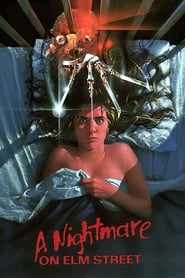
A Nightmare on Elm Street (1984)
Wes Craven, Heather Langenkamp, John Saxon, Jacques Haitkin
-
director · 1h 29m 1 mention
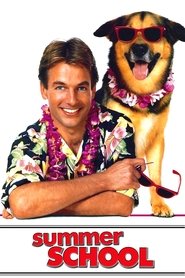
Jeff Kanew, Robert Carradine, Timothy Busfield, Curtis Armstrong
-
-
-
-


Related topics
Other topics that frequently come up in the same commentaries.