Topics / Editing & post
The score
117 commentaries in the archive discuss this, with 416 total mentions and 33 sampled passages on this page.
Filter commentaries
Filter this topic by the film's decade or the type of commentary.
Showing 13 of 117 commentaries
Clear filtersBy decade
Across the archive
ranked by mentions · click any passage for the moment in the transcript
-
director · 2h 27m 10 mentions
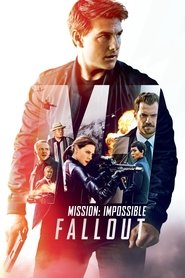
Mission: Impossible - Fallout (2018)
Tom Cruise, Christopher McQuarrie
-
You always have that story in mind, but you're looking at this actor and you're going, what's going to really serve that actor? So I love that because you and I share that same love of a movie where you want all of these actors to score, but also for the audience to have these characters that are...
13:19 · jump to transcript →
-
They brought out all of this color and detail. It's so gorgeous, too. And one of the things, as Lorne Balfe, brilliant composer, one of the things that they were trying to do was bring out more detail in everybody's face. But in doing it, faces started to look muddy. And I said, no, let it be a darker scene. The light is going to come. And so I love the scene. It's got this very unusual...
17:48 · jump to transcript →
-
I never tire of looking at these shots. And look at this, the design. You come over, here she is. You're just wondering, who is that? You have so much going on. And you know who it is, but you don't. But you don't. And it's taking your time, allowing the audience to absorb that. Now it's a perfect shot to have that here. And a shift in Lorne's score. When the truck tips over, it stops being the mission theme and it tells you, now it's on. And that you discovered...
52:52 · jump to transcript →
-
-
director · 2h 10m 9 mentions
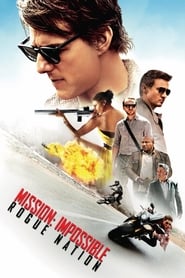
Mission: Impossible - Rogue Nation (2015)
Tom Cruise, Christopher McQuarrie
-
These are all shot in London, not Austria. We just needed these little pieces. Remember, we ran out of time. Yep, that rope, we shot it. That was in Austria. And then Joe, again, I drove Joe crazy with the music. On this cue, yep. The cue, getting off the opera and keeping the pace going, and then he brings in the theme like this, and it was really beautiful. And this was, again, just the things that sort of, the moments of humor like this that...
41:22 · jump to transcript →
-
And all of these little intercutty bits that we did. We actually shot a lot more of that, of those guys in the control room. We thought we needed more of that. And we actually ended up needing very little. And the other big piece of this was score. Were we going to have music on this sequence or not? And Joe Kraemer actually wrote a fabulous piece of music for this sequence. And we debated it right up until the end. And what it ultimately came down to was that I noticed the effect of music...
1:06:28 · jump to transcript →
-
It actually didn't look like... So we could capture the image. Yeah, and it had to create... All of those bubbles are to create the sense of movement that you wouldn't otherwise feel. You needed to constantly feel this sense of current. This is me just being pulled along. Yeah. And then here is where the score begins again. I like what you did here with that also, bringing her character in. Very heroic. Yes. Well, you remember, we debated that. There was a whole thing about whether or not to see Ilsa jump in.
1:09:11 · jump to transcript →
-
-
-
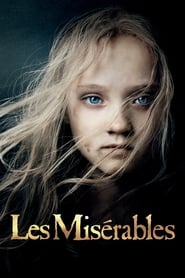
Tom Hooper
And we changed it to, I've saved your soul for God, because to me, buying someone's soul had a kind of connotation that made me think of the Faust myth and lacked that kind of warmth and beauty. But that's a personal choice. I should say here that the extraordinary thing about making this film is that I was reunited with the original creators of the musical, Claude-Michel Schönberg, who wrote this extraordinary score.
10:32 · jump to transcript →
-
Tom Hooper
is Valjean rescuing Fantine. But it was also an interesting example of how, you know, I originally felt that we probably couldn't cut the music down, that we'd have to take it, you know, as it came. But it was interesting that the more I got to know the score, the more Claude-Michel could show me how there were ways of, you know, making cuts in the score, particularly in the recitative. Bertie Carvel, who plays Bamatabois, actually is an Olivier Award winner for the musical Matilda. He's a wonderful actor.
33:26 · jump to transcript →
-
Tom Hooper
It was more interesting if the soldier really thinks there's a special intimacy going on between them, but it's all really in the surface of stealing from him. I love the music in this. We had this great band of seven or eight players who did a huge amount of improvisation based around the score. And we'd kind of watch the scene together at Abbey Road and mark up certain beats I'd want to hit with the gypsy violin or with the accordion.
51:45 · jump to transcript →
-
-
-
Matthew Vaughn
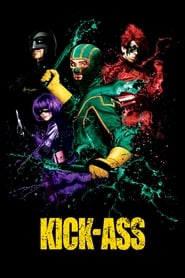
Marius de Vries, one of the composers, came up with the idea of the radio sort of from the 50s, 60s, everything that was what we thought was the beginning of the superhero culture. And the music here is, I'm very proud of the music. It took us about eight months to get it right and four composers. And we wanted to do what we call a sort of a John Williams-style score, which then morphs into a modern kick-ass identity, shall we say.
0:52 · jump to transcript →
-
Matthew Vaughn
This is a piece of score we wrote, literally. I mean, a lot of this music we did in the last week. We had a source track here, and then I turned on TV, and it had become, I think, a Renault adverts music. So I thought, forget that. So Marius de Vries rescued us and wrote a new piece of music. Well done, Marius de Vries, again.
7:22 · jump to transcript →
-
Matthew Vaughn
And here, this is our love letter to a John Williams-style score. Obviously heavily influenced by Superman. And I think this scene illustrates how difficult to get this movie right, because if we pitched it one degree left or right, this would really be an embarrassing piece of crap to watch.
11:28 · jump to transcript →
-
-
director · 1h 34m 5 mentions
Scott Stewart, Jason Blum, Brian Kavanaugh-Jones, Peter Gvozdas
-
the parts that somehow we orchestrated to get the actors to be able to create a feeling and do a thing and emote in a particular way and the photography and I just, you know, like this moment here between, you know, Dakota and just, you know, Carrie's performance here. It's one of the only times in here where we talk about Joe Bechara's music, which is this great score. And this is really one of the only places in the movie where we have
1:20:52 · jump to transcript →
-
pretty music, like dramatic music in the score. And it's because it's the only place, you know, we really didn't want to have drama music anywhere in the movie. Right. And because we didn't want any of the moments to sort of shift into kind of a saccharine place. But here it's kind of earned because it's so grim what's happening to them and Carrie's sadness about what their children are going through is such a nice counterpoint. And what Josh
1:21:22 · jump to transcript →
-
ending on mom's face like that. And that's it. And that's it. And then you get, you know, we should spend a moment here talking about Joe Bishara's score, which there's so much to talk about. You can't talk about all of the great work that everybody's done on the movie. But Joe came in. I had heard his work on Insidious, and I was so impressed by it. He really managed to eschew cliché, you know, horror movie clichés, and come up with some really creative stuff. And...
1:33:00 · jump to transcript →
-
-
-
The only interesting part, I guess, about the logos is the movie starts right away. The soundtrack, that eerie soundtrack, starts in the first image of the movie. That's hopefully when the audience gets hooked, and we never really let them go until the end. Detroit. And there you are, Lang.
0:44 · jump to transcript →
-
I think also the first time that you start feeling Roque Baños, a magnificent soundtrack, which is, like he said, it was, you know, the whole music was actually done through not classical instruments, but mostly pipes and weird instruments that he found made by a guy in Tucson that created his own instruments in his backyard called Anorchestra. And
22:09 · jump to transcript →
-
And then this whole shot, you really get to enjoy that soundtrack. And like Roque said, it's like if the house was singing this unsettling song. Right. Here we get a glimpse of the daughter. She's curious. Of course, the TV is there, but he doesn't watch the TV. So I thought it was interesting to have it pointed in a strange way, not towards the house, not towards the bed.
22:40 · jump to transcript →
-
-
writer · 1h 35m 4 mentions
Simon Barrett, Adam Wingard, Greg Hale, Eduardo Sánchez + 5
-
much more physical way than I think you expected. Man, I can write so much VHS fan fiction now from this commentary. By the way, that was not the clearest explanation of this, but maybe we'll get into it more, and no, we probably won't. You know what's funny is I helped them score that desk a little bit. We took a bunch of knives and stuff and were rubbing it, and like...
7:08 · jump to transcript →
-
The guy who does that band, it's a side project of his. His name's Steve Moore, and he's a great composer. He's actually going to be doing our next film we're doing. Yeah, The Guest, which we start shooting in a month. Yeah, I don't know if people pick up on it, but she is supposed to have recently tried to kill herself, which is what's going on with that bandage and the blood on there. You can't really see it that well. I keep going past it really fast, but Tom, the production designer, is really proud of the photograph to the left.
20:52 · jump to transcript →
-
And then James Gammon, who's a composer that we know, a very talented composer, did this little thing for us very quickly. And then, yeah, and we've got no comments on it. It was like all this debate as to whether or not we did it or not. Yeah, I mean, I think, you know, in these movies, I think it's just kind of like, you know, it's entertainment, the entertainment value. I don't know if Trump's anything. So I hope you enjoyed it. Yep, it was a lot of fun to make. See you later.
39:33 · jump to transcript →
-
-
multi · 1h 33m 3 mentions
Wes Anderson, Peter Becker, Roman Coppola, Jake Ryan + 3
-
Jason Schwartzman
No, I'm actually at my friend's house. This guy named Julian Wass, who's a composer, and he did the music for this movie The Overnight.
1:10:16 · jump to transcript →
-
Wes Anderson
Oh, yes. - And I'm-- We're gonna put the movie out on a soundtrack, and I'm over here, just gonna do a song with him for the soundtrack.
1:10:27 · jump to transcript →
-
Peter Becker
So where I was going with the music set of questions had to do with Randy Poster, Alexandre Desplat. And, presumably in this case, Britten is almost like your third composer. He came with the package. - [Anderson] Yeah. We sort of started with Britten. And there are some Britten pieces that I just started listening to anything I could get a hold of because I didn't know the whole body of work. And many of these pieces, some of my favorite ones are ones I just found trying to say, "Well, how could this fit into the thing," during the script-writing phase.
1:20:20 · jump to transcript →
-
-
-
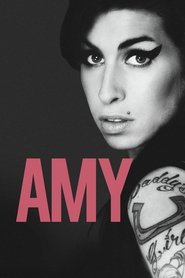
And Antonio Pinto's score, which was absolutely crucial to the scene as well, as were all his cues throughout the film. Amy's writing comes in here as well, her notebooks, her diaries, which I think are really amazing. I find it so powerful just looking at her handwriting and seeing how she came up with the process of creating these songs and crossing out things. And also when she sings it, she sings it differently. It's an ongoing process of the songs developing.
33:05 · jump to transcript →
-
That's Amy's humour again. It's still there. It makes everyone laugh. But we very consciously were evoking, taking the audience back to that jazz. We used jazz score here as well to put you back in to that moment where she had kind of felt like she perhaps got to the limits of the kind of pop
1:46:08 · jump to transcript →
-
as it plays out now, but those piano notes are the first sound in the film, and now it comes back in again and develops and evolves into a very huge and beautiful piece of lamentful music. It's difficult, difficult to come up with, you know, do you have a composer when you're making a film about a musician like Amy? Her music is so iconic, do you just make it with Amy's music? But I always felt we needed something else to kind of move away from her music and to keep that special and to underscore key elements, and so...
1:57:37 · jump to transcript →
-
-
-
Len Wiseman
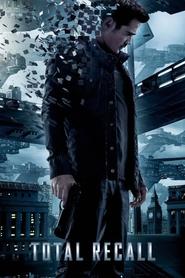
Got a medic down in here. I haven't talked much about music. I've been focused on the director's cut side of it, but Harry Gregson-William had done the score for this, and I really love the combination of the technical side.
1:48:42 · jump to transcript →
-
Len Wiseman
That right there, just to go back, I don't know how many people catch that. He checks her hand again. He just checked. It was just a detail. Actually, that was Colin's idea that I thought was genius. You know, when he finally meets up with Melina, he's just like, just let me check the hand just to see that this is really the person. There's just too many twists and turns going on that he just wants to make sure. And some people catch it, some people don't. But Harry Gregson Williams did the score that the combination of having this, you know, kind of very
1:49:14 · jump to transcript →
-
-
-
Francis Lawrence
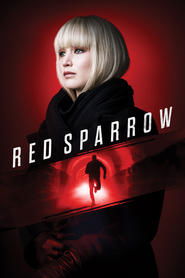
These kind of moments are always sort of fun to me, too, with playing around with editing. When you can sort of play with time a little bit, and make it feel like she might still be in the room as Marta's coming upstairs. But really she's been long gone and quite safe. That was him at the Embassy. It was. Playing hard to get, are you? No substitute for a good old-fashioned blow job in my experience. He's not like that. One of the things I often thought about with this movie, and I think I talked about it a little bit in the beginning, in terms of the screen direction thing, was Hitchcock, right? That this was not an action film. It's a mystery and suspense thriller. So to sort of play around with tension was really fun. You can even hear the Hitchcock reference a little bit in some of the music that James Newton Howard composed for the film. And not particularly in the beginning and the very end, in terms of the big, operatic ballet pieces, but in the more thematic material that's in the body of the movie, you can hear that influence, the Bernard Herrmann influence to the music. This is, I would say, I think it's my sixth movie with James. He started working with me on I Am Legend, and we haven't stopped since, in terms of movies. So he did all the Hunger Games movies with me, and Water for Elephants. And I wanted to bring him on here. He had quite a job. I mean, there's a fair amount of music to it, but it was also just really a unique opportunity for music. If you just look at the opening and the end sequences, the music there is really tricky. We had basically choreographed those ballet pieces, to pieces of The Firebird. But we knew we were never gonna do The Firebird. We were not specifically doing The Firebird. It was just inspired by The Firebird. So we maintained a very specific beats per minute, but the idea was for him to create a solid piece of music for those first I don't know, 10 minutes of the movie, that were gonna carry us through, that were gonna work for the Dominika sections, that were gonna work for the Joel sections, that were gonna have some sort of tension. It's also gonna feel like a ballet, because I wanted it to feel like a dance, and then it was then gonna lead into a ballet that was gonna truly work for both, the dance and also for the pieces of Joel running. And then we sort of do something at the end, and I'll get into that at the end. But the idea that there's almost a mirrored, book-ended dance sequence when she sets her plan into motion at the end, a new kind of ballet score comes up and plays to the end of the movie.
1:04:15 · jump to transcript →
-
Francis Lawrence
I love this idea too with music. That you hear this music that's this kind of dance that is playing into the dance that she's doing, and her plan. But it also kind of works almost as source and not just a score. So when you see the record playing it's like as if he's also listening to the music as well. And I just love that moment of him leaving his door open expecting to be arrested at any moment. And, you know, us getting to play with the expectations of the audience there.
2:05:15 · jump to transcript →
-
-
technical · 1h 22m 1 mention
Måns Mårlind, Björn Stein, Gary Lucchesi, Richard Wright + 1
-
Related topics
Other topics that frequently come up in the same commentaries.