Topics / Production
Production design
138 commentaries in the archive discuss this, with 776 total mentions and 39 sampled passages on this page.
Filter commentaries
Filter this topic by the film's decade or the type of commentary.
Showing 14 of 138 commentaries
Clear filtersBy decade
Across the archive
ranked by mentions · click any passage for the moment in the transcript
-
director · 2h 10m 8 mentions
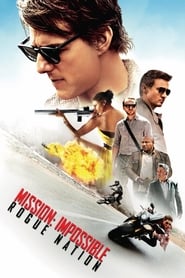
Mission: Impossible - Rogue Nation (2015)
Tom Cruise, Christopher McQuarrie
-
the course of the entire production. We kept saving this record booth and going back and shooting little pieces. As the story was developing. Yeah. Your mission, should you choose to accept it, is to face your fate. Pursue us, you will be caught. Resist us. And there's, on the phone, that's from... That's from Mina, right? That's from... We needed more pictures of Tom. We just sent it from the set of the film I was shooting after. That shot was the last day. That was the very last shot. The very last day, like...
8:39 · jump to transcript →
-
an obstacle for you. You remember we were struggling with the scene. And then you came in, you said, look, I wanted the gate, and she locks me out and she's forcing him away. Yes. And then we changed the direction. Remember, you guys were coming around the corner. Yep. Instead of coming straight towards the gate. And it was just, it was much more dynamic. So we kind of rebuilt the set on the day a little bit. Where they're running down the hall was, we were never supposed to use that piece of the set. And the world's worst marksman.
17:26 · jump to transcript →
-
All that cast, we just picked up these little shots. And you remember, you came to the set and you were like, what are we doing? And I was like, I just, I've got this idea. I just want to feel like a little bit of a, it's almost like a great escape moment. You know, I want to feel like a buddy moment between the two of you. And as soon as you looked at the shot, you were like. I got it. Yeah, you're like, I know what to do. And you two guys just did it. It was so great. I like this idea of the old IMF.
45:02 · jump to transcript →
-
-
-
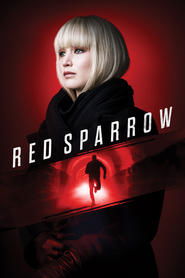
Francis Lawrence
Red Sparrow was a novel by Jason Matthews, and it was sent to me by Fox as I was finishing working on the Hunger Games movies. I think we were actually in post-production on the final Mockingjay, and had actually started to promote the final Mockingjay film when the book landed on my desk. I took a look at it and immediately fell in love with it. I've always loved spy movies. And this spy story I thought was quite unique. It's by far I think the most genre-specific story that I've ever done. But I just found the character of Dominika, as you can see here, played by Jen Lawrence, to be quite a unique and unlikely hero, and a really unique way in to a spy Story. It becomes a much more personal spy story with her in the lead. I actually, even while reading the book, Started to think of Jen immediately for the part. You know, she and I had done three Hunger Games films together over the course of five years. I thought she was a fantastic actress, and we had a great time working together. So I thought it would be fun to find something new to do together. And specifically, because we had done this... We'd been working together with the same character over the course of five years it would be really fun to do something totally different, use different muscles. And I thought she could also look Russian, but thought it would be fun for her to look different and speak differently and move differently, and push herself into new territory. So when I had read the book, and I was gonna go pitch the studio, I actually called her first, and said, "Hey, hypothetically, would you be into doing a Story like this?" And she said yes, and, you know, I just pitched it very briefly. And then made my pitch to Fox about my approach in the story, which was to make Dominika the kind of heart and soul of the story, and to follow her story, and I had a couple of tweaks that I wanted to do to the last act of the book. And also spoke a lot about the tone, and the kind of hard-R quality that the movie... I thought the movie was gonna need. And everybody agreed. We got cracking, and I went to work with Justin Haythe, who is a writer that I've known for a long time, and we had developed something together before that had never been made. But we had a great time working together. And he also saw eye to eye with me in terms of the tone and the point of view of the story. And so we got working and it came together really quickly. So that by the time we had finished and released the final Mockingjay film in the Hunger Games series, we were pretty ready to go, and we were almost ready to start prepping this. We ended up bringing a bunch of people from the Hunger Games film with us. Jo Willems, the cinematographer that did my three films came with us, and our camera operator, who's worked with me since I Am Legend, and has also done numerous other films with Jen, 'cause he does the David O. Russell movies, came with us, and Trish Summerville, who did costumes. The new big addition for me, in terms of crew here, is Maria Djurkovic, the production designer. She had done Tinker Tailor and many other great films, and I just really enjoyed her work. And we really bonded over the references that we had found, and the kind of color palette that we both thought that the movie should follow. And she joined us, and we shot the film in Budapest. And primarily all practical locations. Some little set builds within locations, but primarily all practical locations.
0:22 · jump to transcript →
-
Francis Lawrence
One of the fun things for me about this whole sequence is the intercut. I just thought that it could be a great introduction to the two characters and to the two worlds. And one of the things that I played with throughout the sequence is screen direction. So if you notice even from the very beginning, I typically have Jennifer facing left to right, and Joel facing right to left, as you can see here. It was a trick that I learned. I remember watching old Hitchcock movies, and watching Strangers on a Train, and there's... In the opening sequence, you see the two men who are moving toward one another, and eventually gonna meet. And it's something that I've employed a lot, I think, that screen direction is actually a huge benefit in storytelling. But especially in a sequence like this where you feel like these two characters are gonna end up on a collision course with one another, that narratively, you know that at some point, that they're gonna come together. American! Most of this ballet sequence here was shot in the Budapest opera house. And we had support of the Budapest opera, and the Budapest ballet company. And most of the other dancers there are all dancers with the Budapest company, and from a variety of places. There's some Americans, actually, and some Hungarians. Great group of people. And there was our nice leg break, one of the first specific, kind of, tonal hits in the movie. It was something I wanted to do with the movie, was to not hold back too much in terms of some of the shock, and audacity of some of the moments that take place within the story. And so to see the real damage done to her leg there... I just remember seeing, you know, there's been sports injuries over the years. And not too long before we shot this, there was a French athlete in some, I want to say some Olympic games or something, who had done some vaulting, and just kind of landed slightly wrong and bent his leg at this really horrible angle. And it was really difficult to look at, but we basically modeled the bend in her leg based on the images of this French Olympian. Word is they were vice cops, looking for Chechen dealers... or some family guy getting a blow job in the bushes. They weren't there for Marble. They just got lucky. Chances are they would have questioned you, and let you go. You can see here, one of our really cool locations. Maria, my production designer, was just really fantastic at looking for locations and scouting. And I think she had gone out to Budapest a few months before me. And we had also hired Klaus, who was our location manager for the Berlin portion of the Hunger Games films, and we liked him a lot. And he was nearby, and so he came down to Budapest and they worked together, and they found these fantastic places. These old abandoned hospitals, where the surgery Is, and where she's about to wake up, was this old, abandoned maternity hospital. And this fantastic space is part of a library in the seventh district of Budapest. Undercover narcotics agents saw what they thought... was a drug deal in process. You can see outside of Jen, too, that we really put together a fantastic cast for this movie. Jeremy Irons, who's an icon and a fantastic guy, and I think one of the best actors to have ever existed, was my first choice to play Korchnoi. And luckily he said yes. And Matthias, we brought in. I'd been a fan of his since seeing him in Bullhead and Rust and Bone and things like that. And he's so versatile. But he became a choice when we actually decided to skew the age of Dominika's uncle down a little bit. I wanted to add a little bit of creepiness to their relationship. And so the idea that, you know, maybe her father had a much younger brother, so that, as she was growing up, there was this, you know, charming, handsome, much younger uncle, you know, somebody that she might have even been attracted to, and he might have been attracted to her, was something that I wanted to play with in the course of this. And I thought he was just perfect for it. He's such a fantastic actor.
6:35 · jump to transcript →
-
Francis Lawrence
This moment here was also another piece that we kind of debated, this phone call. This is something that's quite easily lifted, and she could just go home after having seen the blood on her hands. But this idea that she could do something so violent in the steam room, but then have this moment of conscience and call the action in was very important. And then we have this moment here of finding her mother, which was the moment where she knows that the ballet company that's been supporting her has kind of pulled the plug on any money and any help for her mother, and she is gonna have to go and find help from her uncle. I'm going to take care of us. So one of the fun things about this job and in terms of the world-building, was finding all the various kinds of architecture that exist in this world. And this place here was actually in Bratislava. So we went on a search. We shot primarily in Budapest, but we also shot in Bratislava, which is in Slovakia, and Vienna, and London. And we went on a big search for buildings and sites that could feel like Moscow or places near Moscow. And Maria, the production designer, had found these great Brutalist buildings in Bratislava, including this one, which we decided would be perfect for Matthias's character's office building. Just a big monolithic, very Stark, stark building. The problem here was actually... We shot this scene very, very quickly, even though there's a lot of dialogue, because it gets front-lit quite quickly after about 7:00, 7:30 in the morning. This is near the end of our schedule on the movie. And so we Set this up at sunrise and dawn, with multiple cameras, and shot the whole scene within about 45 minutes, I think, 'cause otherwise, if the sun came up, it was gonna be really unflattering, and it wasn't gonna feel as bitingly cold as we wanted it to. Do this for your mother, Dominika. He has dinner at the Hotel Andarja every Friday at 9:00. A car will arrive at your apartment to bring you to the hotel. Now, you carry nothing with you. We will arrange a room and something for you to wear. This is back in Budapest, shooting in a hotel in downtown Budapest. We were originally modeling the idea of this hotel in Moscow, with the Metropole. Which is a classic, really upscale hotel that's been around fora really long time in Moscow. And then we, kind of, ended up going in our own direction. We searched, you know, in London for hotels, searched all over Budapest for hotels, and we pieced together various things, and we used the exterior of a hotel in Budapest, and we ended up using a room... This room is part of an abandoned building in Budapest. And Maria built that bathroom attached to the room in that abandoned building, and just did a great job. She brought in these great Italian scenics to create all that fake marble. It's actually just wood that's been painted, but just looks unbelievable.
16:11 · jump to transcript →
-
-
-
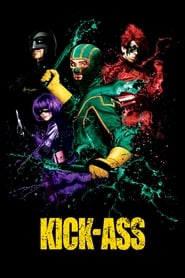
Matthew Vaughn
You can be brave. I think films are better if they start slow and speed up compared to other movies that you start at 10 out of 10 and there's only one way to go from there. So this is a set. We shot this in Pinewood. And about three days before we shot it, it was still pouring with rain and the set was sort of flooded.
5:45 · jump to transcript →
-
Matthew Vaughn
had real problems. And when I say a set, we got told it was impossible to create what we created because it was just scaffolding. And Russell De Rozario, I'll have to call him the costume designer, the production designer, did a brilliant job. In fact, I think someone should open a comic store like this. The idea of a diner-stroke comic book store would be a place I think my son and I would go to. Here is the kid that does not like to be called McLovin.
6:14 · jump to transcript →
-
Matthew Vaughn
And that is the town that used to be the... ...GLC headquarters in London. That's actually the production designer there, the fat guy. He's now thin, so I can say that. He's must have lost 100 pounds. It's like, unreal. Now we're in the art world. I thought it'd be cooler. This is a whole set we built. I thought, wouldn't it be great to have it instead of... You know, you always see the gangsters living in sort of...
19:09 · jump to transcript →
-
-
-
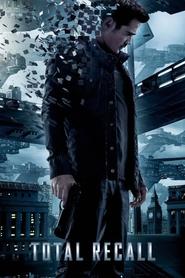
Len Wiseman
Please prepare for gravity reversal. You know, once they actually turn around, which is happening now, this whole thing turns. Now, we didn't turn the set, actually. We just turned those big ribs that you see moving right now. Those are the only things that moved. The actors stayed in the same place. So just to give the illusion that it's moving, we set our camera on a rotator that the camera...
11:08 · jump to transcript →
-
Len Wiseman
And that's one of the reasons, too. Tell me to ask for Mac. It's right inside. Thanks. This was the first scene we actually shot was this set. First actual moment that we shot was that fight that Colin does, because we had to kind of build this massive, like, truss and camera system within the set.
20:20 · jump to transcript →
-
Len Wiseman
that we had to kind of tear apart. So we started with that fight, and then we tore that down, and then we were able to patch up and build the rest of the set. Welcome. Hey. You're a friend of Merrick's? Yes. Yeah, we, uh, we work together. Is that it? And John Cho was really on board with letting me dye his hair. It feels like real life.
20:47 · jump to transcript →
-
-
-
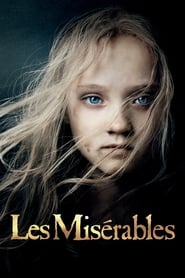
Tom Hooper
slightly in order to allow this moment of spiritual conversion to land. The interior here we actually found in Paddington in London. It's in the crypt of a beautiful church which Eve Stewart, my brilliant production designer, adapted to be the bishop's lodgings. Here we fleetingly set up Jean Valjean's relationship to God at this point and his lack of connection.
8:30 · jump to transcript →
-
Tom Hooper
So Anne had her hair cut for real and she was very keen to do that I think because she wanted to go through some of the emotions of what it's like to lose your hair in that way and because she thought she could feed those into her performance and also you know both Hugh and Anne were always looking to make the film as real and ground as possible in terms of what she did with her characters. The set actually stank because we had
24:45 · jump to transcript →
-
Tom Hooper
an unbelievable amount of fish imported into the set, which then slowly rotted. So when you went onto the set, it really did feel real, and we left the heating off to keep that cold feeling, so it was pretty unpleasant.
25:13 · jump to transcript →
-
-
multi · 1h 33m 5 mentions
Wes Anderson, Peter Becker, Roman Coppola, Jake Ryan + 3
-
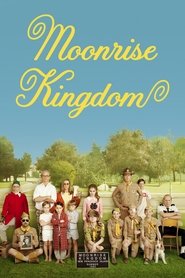
Wes Anderson
We'll fact-check ourselves on this. It was a very nice small, small island with one house on it. Anyway, the set is a combination of all those things and Naushon.
5:19 · jump to transcript →
-
Wes Anderson
So it was very clear when Roman and I had finished this script that the crucial thing was going to be who plays Sam and who plays Suzy, our two main characters. And that's really-- There's no movie if they aren't great. Well, we got our casting director, Doug Aibel, on very, very early, and we spent, I want to say, six or eight months or something searching for them. And along the way, we picked up all our scouts. There were lots of people auditioning, and we'd say, "Well, this one's still not quite the right one for Sam, but this is a great one. This is a kid at this moment in his life who's gonna be very interesting." And so by the time we did find the two of them, which was quite late in the game, we had all the other kids too. Jared, I remember, in his audition, was just... It wasn't his audition, it was him that really was entertaining. And Kara, in her audition, she played this scene as if she was making it up completely herself and just seemed completely authentic. And they were great to work with. They were very invested in the movie. And sometimes when you work with very young people, they learn the script and they know it better than anybody on the set. And they know everybody's lines. And they brought some special kind of emotion that only they know that has to do with they're really that age. They're really like these people. They understand them in a way we can only try to recall. If the movie works for them, it works because of these guys. Yeah, I remember seeing the tests, and Jared just stood out. I remember thinking, you know, he had such a different energy than I expected in our lead role 'cause we had sort of described him with his corncob pipe and kind of a little bit of a JD, and he had just this other quality, but I couldn't totally see it at first. But then, of course, it just couldn't have been better. It was just so right for it. But it wasn't really written in the way that he portrayed it. At least my mind's eye didn't see someone like Jared, but he's so one of a kind, it's hard to even imagine that till you meet him.
26:35 · jump to transcript →
-
Wes Anderson
Well, I always feel like, you know, we have a sort of plan, and, you know, Edward is interested to see these little storyboard things we make in advance nowadays. Some actors, like Willem likes to watch these, Edward is interested in these. Some people, I think, they feel like, this is gonna-- I don't need to see that. And I don't make them for the cast, really, it's just if anybody wants to see them. More than anybody, it's for the production designer. So we know what we're gonna build. Adam Stockhausen, Bob Yeoman, those are the people who they're really for, and for me, so I don't mess up something. But the thing I feel is, even if you have a very precise plan of how the thing is gonna be, and even if you're not gonna change the dialogue or anything like that, I never know what the actors are gonna do. I never know what they're gonna take with this and how they're gonna bring it to life, and it's always a complete surprise to me. I actually like Wes's line readings in his animatics. So I find myself not infrequently just turning and saying, "Say that again." You know, like--[chuckles] And probably 'cause Wes just has a great feeling for rhythm of the lines he's written, he obviously hears them. And I just like to hit it. And the easiest thing for me is just to have him say it and then replicate it, in many cases. And I am kind of a compulsive mimic, so I get satisfaction out of that. But I don't usually like line readings from directors, but I like them from Wes. A line reading from Alejandro Iñárritu is a disaster. Whereas from Wes, it's actually usually very effective.
51:24 · jump to transcript →
-
-
technical · 1h 22m 5 mentions
Måns Mårlind, Björn Stein, Gary Lucchesi, Richard Wright + 1
-
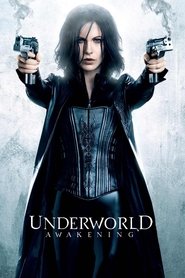
Oh, we started watching the movie. - Yeah. This is cool. - Will she make it? Got her clothes on. One of the things that we were very keen on... ... that we wanted, was that we wanted.... We had this ambition... ... that the audience should have their first breath... ...after the first 10 minutes... ...when she gets dropped off the truck... ...which we will see. And when I was watching the premiere yesterday with my wife... ...when she get-- She: At exactly that spot and I felt, "Wow... ... this was exactly what we were aiming for." I think the audience was a little surprised too. We had the premiere last night so we got to watch... ... the movie with a big audience. But they were surprised at the level of violence of the movie. This is a tougher movie than the other movies. Selene is a lot more badass in this movie. She kills a lot of people. - Yeah. Went through a lot more buckets of blood too. A sign of the times, I suppose. Yeah, you'll wish you hadn't done that. This was one of the big scenes in the trailer... ... that we had shown Screen Gems right at the beginning. I love the little splat of blood hitting there. That was sweet. I repeat, full containment... No, there was buckets of blood. I mean, it's.... Violence Is an aesthetic I think that, I mean, goes a hundred years back. Yep. Have we actually done a body count in this? It's a lot. You know what? I did once. Did you? What'd it end up being? - I can't remember. Counting Lycans and humans. Yeah, dead-- Corpses. Now, this moment was an additional shoot moment. It was the first thing we sh... - Wes Bentley, yeah. It's the last and first... - The uncredited Wes Bentley. The first and the last... - This jump was the first thing we shot. First day of shooting. - Look at this boom here. There. That hit in that shot, was Alicia... ...our excellent stunt girl, who just smacked... It sounded like the worst sound I ever heard. It's like, "We killed the stunt double on the first shot." And then you said, "Let's go again." The first day of shooting went so well... ... that I walked away thinking, "God, this is gonna be an easy movie." Oh, my God! - You were wrong. I was wrong. It was so difficult. This was the toughest by far we've done. They're not supposed to be easy. No. - There's a direct correlation... ...between the amount of suffering to do a movie... ...and how well it turns out. We never did a film, like, with this big budget kind of thing... ...but I think you always end up in the same position, you know? You don't have enough money. You always... Imagination can always outrun money. Yeah. - Yeah. The 3D made it more complicated too. Yeah, the 3D really-- You know, nobody had really done it. You know, how to plan it and how to shoot it and.... This is where we want people to breathe. Yeah, here. Here's brutalism again. - Yeah. I was talking with the cinematographer... ...ocott Kevan, last night and... Who did a great job. - He did a great job. And the person... I introduced him to my daughter. My daughter said, "Was this your first 3D movie?" He said, "No, my second. I made all my mistakes on the first one... ...So this one I could get right." Yeah, he was the only guy kind of who had done it. Yes. - And he kept telling us: "It'll take a long time." I remember-- Gary, you said: - It did. "If we go down the Amazonas, it'd be nice... ... to have someone who's been there." Done that trip. That was true. Scott was really there. - Yeah. He was great. But it's also-- It has been very... ...weird. - First shot of Kate. This was the first shot of Kate. Yeah. - First night. That terrible night when it would not stop raining. This was one of those.... - There's a gale right now. When the duck flew into the light? - Yeah. It was a duck who came from the sky... ...and landed in the middle of the set. The camera broke down about four times. Yeah. No, just shooting 3D was a weird experience in that sense... ... that we hadn't done it before and all the rules that you get... ... from various people who has done it... ...Just turn out to be not true or.... - Bullshit. Total bullshit. I don't know if the Red Epic that we used, the camera... ... kind of discarded some of them so it actually works now... ...and it's also.... You have to realize you're telling a story... ... you're not doing a 3D ride. Although this movie is like a ride but... No, but I think what.... True, because... .all these people that we talked about, they were technicians... ...and not filmmakers or storytellers. So they speak about the perfection of everything... ...and that's not really interesting, perfection... ...ecause what you go for is emotion, and emotion is not always perfect. It's also... You know, 3D is in its infancy. People really don't know the rules. When we took those classes... ... there'd been like six movies made and so people didn't know. Half of them were not real 3D, either. - Correct. Where you actually were using binocular cameras... ...to shoot the entire movie, which we did. I don't think any... There wasn't a rule they gave us... ...that we didn't break. - No. I mean, it was... - No. Everything. This is that hybrid POV, as we Call it. It's when Kate starts seeing through.... She thinks she sees through Michael's eyes... ...but it's actually India's. Eve, her daughter. This is so hard, I think, to decide as a filmmaker... ...when you do this. What it should look like? - No. Not technically, but I'm saying the suspension of disbelief... ...of is it Michael or not, and.... We didn't know... All the marketing now you've seen... ... you know, It's all out that she has a daughter in this one... ...which, you know, when we were planning this.... Hopefully that would be the secret. It's gonna be a surprise, yeah. - "Wow, she has a daughter." But.... And I think what helps us Is that we... - Michael Ealy, by the way. Michael Ealy. - Appearance of Michael Ealy. What helps us is the pace that we had to this. You just move so fast that, you know... ... you don't leave time for the mind to think that much. But it's.... Yeah, it's interesting. One of the scenes we shot here is outside in Vancouver. Vancouver-- When we heard we're shooting Underworld... ...and we're shooting it in Vancouver... ...we thought that was pretty strange because it's not gothic. But as Bjorn was talking about... ...when we found the neo-Goth and the brutalism... ...Vancouver Is fantastic. - We'll start counting... ...how many times that word comes. - You do that. It might be even more people than die. Yeah. A couple of words about Kate.... She's a movie star and a really, really good actress. Sometimes that's not the same thing. But she is, and she's very fun to work with. And she... You know, she's British, she always... Theo James. - Theo James. Very witty, yeah. - Young English actor making his... Who's also extremely funny. - Those damn Brits. Yeah. He's so funny. And you're around people who are gorgeous and funny... . It takes its toll on you. Yeah, it doesn't go together usually, yeah. No, and you just stand there in the middle and talking really bad English. I love this shot we did with Stephen. I remember we were shooting it, he was really somewhere else. He was... That was a scene we added after we had started shooting. It was Gary's scene. - That was my idea. We initially had a scene outside of here that l.... I remember seeing this location. I thought it was beautiful... ...but I couldn't wrap my head around a desk being in an exterior atrium... ...so I was struggling with that, but I'm sure glad we did it. I think it looks beautiful. I think you said when you saw it, "It's outside?" It started raining. - "It's outside?" And it was freezing cold. You remember how cold it was? Oh, my God, it was freezing. - God. This is the second... - Then we said: "We have all this concrete and it's freezing cold. Let's get water everywhere. That'll make it really comfortable." This is day one. Day zero, we did the jump we saw before. This is day one where it was full-on, all teams... ...SO this is the first scene that we shot of the whole film. And this shot was actually blown up. We had shot it wider, but we were able to push in on it. We did that with an enormous number.... One of the beauties of using the Red Epic camera... ...was the ability to push in and resize afterwards... ...1N postproduction. That's 175 percent. - Yeah. One of the things I believe that Mans and Bjérn should discuss... ...because we experienced it our first day of shooting... .IS that they are slightly unorthodox in terms of a directorial team. Slightly? They alternate the days they're shooting. So the first day, I believe it was Bjérn, right? You were directing the first day... ...and then Mans would direct the second day. And so, you know, you guys may wanna enlighten the audience... ...as to your procedure. - This was Mans. The prior one in the corridor, I did. I can't remember, but we always have the producer flip a coin... I did. I remember I flipped a coin. Yeah, flipped a coin and whoever gets the tails... ...whatever we decide, begins the day. The thing is, when I'm directing, Bjorn's my best buddy... ...as we Call it, and he doesn't do anything... ...except helping me. Nobody's allowed to talk to him. - Wait. We'll miss Wes getting thrown through the window. This is a totally reshot scene. - Yeah. We had another scene that was... - Just not working. No, it was a bit of a disaster. We got the opportunity to reshoot this, and I love this scene. I love it too. - It's great. This whole spider-webbing window thing.... That was actually Len Wiseman's idea of having him... ...be pushed through the window as it spider-webbed behind him. Yeah, we had.... Yeah. Fantastic idea. - Yeah, great shot. In the background, you see he's got little stuffed animals... ...because we wanted him to be a tinker... ...because he's been tinkering with her... What? I never saw those stuffed animals. I love this shot. I love this. It's too short. - Way too short. Yeah. It's way too short. You know, if you're starting to do movies or anything.... Please listen up, because Bjérn is saying something important. If you get into doing green-screen stuff, stay on it longer... ...because the visual effects will come in and you'll go: "Why the hell didn't we stay longer?" You had 36 frames of tail handle that you didn't use. So it's... So there. - Bollocks. I did not see that. - The famous.... Larz. Thank you, Larz. This is a 300-pound dummy in steel. Oh, God. Nothing.... I mean... Larz is the visual effects... - Special effects. Special effects. We thought, "There's no way. That's not gonna smash the car." Larz was like, "It's gonna smash the car." It did. - It smashed it great. Larz was right. It worked. And I love this shot of the camera pulling up... ...and catching Theo there. - Yeah. SO we are boosting up the mystery here. Theo, who is this guy. - The mystery man. And hopefully you don't know that he's a Vampire yet. He could be anyone, probably a human. Yeah, that was one of the challenges, as well, with the introducing. We introduce Michael Ealy, who plays Sebastian... ...and we have introduced David. We had introductions of a character called Quint, which is... Love this knife. - Yeah. The Uber-- Who was a Lycan, but it was taken out. Because there were too-- Yeah. Kris. - Kris Holden. Brilliant. - Brilliant guy, brilliant actor. It was taken out because there were too many people presented... ...and he gets presented after the car chase... ...and we only see him once. I'm not sure if that was perfect. In hindsight, maybe we should have. - But it's tough. That's... This is a movie where there's only one character... ... left over from other films. Every character has to be introduced. At a certain point, it's a struggle... ...trying to figure out ways to do it without overwhelming the audience. So we just caught a glimpse of the lower Lycans. And one of the things that we really loved in this one... ...was that we could expand the mythology and the universe... ...by inventing new creatures. And we liked the idea that they have been living in the sewers. There's one now. Yeah. And, you know, we thought, you know.... Here we thought Gollum. We thought rabid dog. We thought puss-- Run... Is that what you call it? Puss? Pus. - Pus running. Yeah. Saliva. Fucking crazy in the head. Rabid crazy. That... - Syphilitic. We wanted to because there's... One of the most wonderful lines... .In the history of Underworld is: "You're acting like a pack of rabid dogs! And that, gentlemen, simply won't do." That Michael Sheen says in Underworld 7. And we said, well, let's turn them into those rabid dogs now. They-- You know, they have lived here underground for so long... ... that they actually became these rabid dogs. Yeah, we actually don't see these guys as being human anymore. They're just Lycans. - And they... They turned out beautifully, James. Really beautiful. - These are my favorite Lycans. I think if there is a part five, there should be just these guys. I love them, just those.... The horde. - Yes. Really sick. It was the first time we moved away from suits. We always relied on practical prosthetic suits... ...and this was the first. This and the Uber are the two creatures that are purely CG. The Uber was hard to cast, so we had to go CG. This is an important moment. I loved shooting this. - This is where Selene sees... ...this child for the first moment. Without realizing who it is. - Right. She thinks it's Michael. I remember when shooting it... - She expected to find Michael. Right. Exactly. And she was so beautiful, and she looks so scared. Vulnerable. - Yeah. And the whole thing here we set up, you know.... We're gonna reveal later in the van, when she rips the Lycan's head apart. Hopefully that works, because we set up this girl as weak... ...as we see here, and vulnerable and so on... ...but she is the daughter of Selene, which means the girl's got powers. She's got the kick-ass gene. - Her name is Eve... ...which is never pronounced. - No. It isn't? We never say it? - We never say it. She says, "I'm Subject 2. You're Subject 1." So we might give her another name if we want to for the next one. Eve is perfect, I mean. No, but I think Selene is so beautiful... ...because Selene means moon in Greek. Is that right? - Yeah. Selene means moon in Greek? - Don't you know your Greek? Apparently not. Good Lord. Yeah. So here's the car chase, as we Call it. And it is pretty much... ...on the money on every shot that we storyboarded... ...which is extremely rewarding for a director... ...to see that it pulls off. This is also a triumph of visual effects. Probably half of the scene it was pouring down rain... ...and shooting in 3D, which means you can't really shoot. Shooting in 2D. We shot most of it in 2D. Because you can't shoot in 3D, the rain hits the mirror. The half-silvered mirror that you use in a 3D rig. So this whole thing was pieced together... ... from very, very rudimentary pieces.
10:50 · jump to transcript →
-
By the way, there's my daughter, I should say. In the car. Ashley McQuaide, her big cameo. She's great. She's gonna go do good. She's very sought after in Hollywood. The one thing I can say is this. This crash coming up was a bit of a fuckup. The taxi was supposed to fly over the other car. SO we were disappointed... ...but I think that the shot still looks pretty bitchen. It looks fantastic. Your eye is drawn to the Lycan. Which is what it should.... - Could have been better. And here-- You know, Paul Haslinger did the music here. I love this, you know, how we changed into this new... ...Style in the music exactly when we get into close combat here. Paul, being an old hand... ...having done the score for Underworlds 7 and 3. He did an amazing job. - Amazing job. Yeah. - Yeah. Every-- All these Lycans are CG Lycans... ...but they mostly are.... There were guys dressed in blue with funny heads. So they look like really big... - Suits kind of looking like... This was a big moment. - Looks great. And India's face.... We really didn't do anything to it. She was able to scrinch up her face. - Yeah, she's a badass. Well, there's a bit of CG going on. We changed her eye shape and the color of her skin, obviously. But she was good. - This is an old trick, you know. The guy dry his fist across his mouth. I told Theo to do that. But it really always looks good, I think. It's the moment too, where Selene realizes... ...that this creature back there has... ls connected to her. - ls connected to her. She saw a level of power in there she hadn't imagined. Here's the Kris Holden-Ried introduction. Yeah. Here's where he comes in. Might have... And it's not even the last new character. In the script, this is the third time we see Kris... ...or Quint. - Quint. And here, we talked about that scene... In the apartment when she throws the guy out of the window. If you look at the monitor, there's actually a shot from... ...coming out of the club... ...which was Prey. So we used footage for that as well. lt was not a waste of time shooting there. Very expensive stills. - Those two days... ...that we spent shooting there. - That town is all CG, and then we.... Somebody gave us that in the last... There were so many people working so hard... ...for no money for this one. I love it. - Yep. How did you find me? Now we have an actual conversation. An actual dramatic scene. Yeah. - The first of the entire film. There's not a lot of talking. - Yeah. I think Michael Babcock, who did the sound design... Which is so beautiful, I almost cry when I think about it. When we heard about... "What did you do, Michael?" "I did Inception and Dark Knight." We're like, "Okay, good." And I think when he showed us the first reel... ...we had, like, no notes. lt was perfect. Anyway, he said... ... after we'd done this, "I really enjoyed working with this. ll even do a talkie with you guys." That's nice. - Yeah. I remember at the end of this scene, when we did India's side... ... that Kate went up to her and complimented her and said: "You did a really great job." - Yeah. And it was a.... It shows Kate's consideration... ...for other actors, and really the.... The person that Kate is. You know, because here's this young girl... ...who was clearly a little bit nervous acting... ... against a movie star, and an actress of Kate Beckinsale's quality. Yet Kate was very generous with her. The funniest thing-- Not funny, but extraordinary thing about India... .IS that she is like a very old soul in a young body. Oh, my God, yeah. She's 17 when we shot this movie. But she's incredibly mature. - Yeah. Incredibly. And sometimes when I talk to her, I feel very like a kid... ...and she's the old-- Yeah. Yeah. - She's the grownup. But she knew this character. And so many times, "No, let's do it like this." And she always stood her ground, saying, "No, she wouldn't do that." And I love being told that... ...because that means the actor knows. Are your fingers crossed? - No. No. No. Okay. All right. Okay. No, I like it when the actors know their characters, so they... Yeah. This is also our first day shooting. I loved shooting this scene. Oh, God. This scene. "Blight of nature." That's, you know, epic Underworld dialogue. It's one of those scenes that in 2D doesn't look great. In 3D, it looks spectacular. - Yeah. Why is it raining? Because it looks nice. Why is it thunderstorms? - Because it sounds nice. Theo James, stunt driver. - Yes. You can actually see that a bit. Yeah, and if you look at the van, I mean.... All the.... We wanted everything to be low-tech... ...as all the other movies. The low-tech is very important. That combined with the Vampire aesthetics that you see. The Celtic signs of Kate's corset... ... the weaponry and stuff like that. This area here is actually shot in that dam. In the actual hydroelectric dam. What's the name of that dam, Richard? I can't remember. Spencer Dam or something? - I don't know. It's outside... Up above Vancouver. - Up above Vancouver. Nobody shot there. Like, 20 years ago... ...someone shot there. I can't remember what film. It's been closed down, so.... We were the first to... - Part of the water supply. Amazing location. - Yeah. Absolutely beautiful. And brutal. - And remember how it--? Brutal as well? - Brutalism. But it also rained... ...torrentially before we shot. We thought we'd get two streams of water... ...and we got the whole megillah. lt was fantastic. This is one of the things I love about Underworld. These, you know.... The looks. And it feels... It makes me believe that this world exists. Now we're also back in... This is Underworld. We've been in brutalism. - Yeah. Now we're back in-- Oh, yeah. This is a wonderful set that Claude Pare designed. Our production designer. Wonderful production designer. Award-winning production designer, might I point out. And this, actually, was fun... ...ecause I was walking the streets and suddenly: Here in L.A. before we started shooting. I started talking to Kate and Len, and Len... And Kate says-- I don't know how she came up with it... ...but she says, "I know Russian." So I said, "We must get some Russian in, then." So.... Because I think it's so sexy. - Yeah. Of course that means Charles Dance... ...as to Know Russian too. Yes, and Theo James. That's Kate's mother, by the way. The Sony people, when they heard that, were excited. Because internationally, Russia is now a big territory. So.... At a certain point, they said, "Can you have more Russian in the movie?" This, again, being Charles Dance... ...a well-known British actor. Charles Dance is one of those fantastic old-school actors who... ...when you give him direction, he looks at you and he says: "Thank you, sir." Then he does exactly what you asked him to. He does exactly what you ask for... ...and It's such a pleasure to work with him. Listen to me. I start speaking British. And the actress here playing the doctor is... Her character's name is Olivia. Is Catlin Adams... ...who is Kate's.... Acting coach? - Occasionally. Kate recommended her. - Happy family. That's how Underworld is. - Yeah. Or SCars. I've never seen a child... We should have had more Swedish in the film. We have a little. Underworld 5, actually, I've heard that there's a big Swedish subplot. I had Kate say: Which all Swedes will understand, but she said it. It's very cute and.... So she, you know.... Because she's.... The musicality of it here. Her Russian is perfect and it... She speaks, I don't know, how many languages? Five languages. - A lot. Yeah. And she could just start speaking Swedish. That was insanely fun. I love this sequence... ...because it's so many things at the same time. I think it's terrifying, but I also think... ... It's, you know, touching, but also sexy. I think it's one of the most disturbing scenes in the movie though. Where you realize that this girl... ...who you thought was this innocent child... ...now has this voracious taste for blood... ...and has now gone to a different place. She is a creature of the night. - Yep. The blood on her face was great. You added that afterwards, James? - It was all CG, yeah. Good.
25:58 · jump to transcript →
-
We got so much mileage out of that set too. Yeah. - It just looks like it goes on forever. And most of all, it looks really real. Yeah. The texture-- The scenic painting and the texturing is first-rate. Claude, the production designer, said that he took great pride in detail. He said, "That's my middle name." And also in the wood too. The way they sandblasted the wood... ... to make it look ancient, it's just great. Yeah, I remember I talked to Gary, who was the art director. When they presented to Claude... ...Claude just... Like I said, they were working so hard with the detail... ...and Claude had been doing some other stuff, came back... ...and walked around, and then took Gary's head and kissed it. On the forehead. And he said, "Thank you. It's gorgeous." - Sounds like Claude, yeah. And here we are. - This is a fantastic scene. Yeah. There's a shot coming up that is just... ...beautiful, that Brad Martin, the second-unit director, shot. It's just... This oner. This is one of the things we.... This one. This one here. It's fantastic. There was no way we would have staged this shot as we did... -.../f it wasn't a 3D movie. - Yeah. Yeah. We wanted much more, actually, than we... That's all one shot. - Yeah. All with CG. It's... - That was a blend of CG and suits. Here, it's just CG. In the end of that scene, it was suits as well. Yeah, everything mixed. Like every trick we had In one shot. Here's suits and CG mixed. - That's a suit. Suit, suit. Background guy's CG. - Background guys are CG. That's a real one. Yeah. - If they're moving, they're CG. I remember at a certain point too... I remember at a certain point, for budget reasons, we had to cut... ...a lot of the CG shots of this sequence. You look at the sequence now and you can't imagine.... Well, Clint did give us more money. No. But I remember once we got the rule... James just said, "We can only have--" - There she goes. "We can only have 36 Uber shots in the movie." It's more. - Oh, yeah. There are 275 creature shots in this movie. Is that right? - The other thing is... ... for the audience, we keep using this word Uber because... It's not in the movie. - It's not referred to in the movie... ...but this larger than... This five-times-the-size Lycan. We sort of... - Nine foot tall. We... - We called it the Uber-Lycan. The inner circle called it the Uber-Lycan. He's not 9 foot tall. - Twelve feet tall. Fifteen feet tall or something. Theo, extremely... - Nine hundred pounds. Did all the stunts himself. The Necklace. - Yes, the Necklace. We give all these kind of moves aname. That was the Necklace. You threw that in, the head getting blown off. Had to happen. - Yeah. It's an Underworld movie. I love that when she bites him. - What? Where'd that come from? This one's great too. - Yeah. It's great. Oh, I remember... - The blood spray. We had to fight for that ax in the head, which I don't understand... ...because it's kind of given, I think. Always... - Was that a gibe? That was a gibe. No. And always put people in water. - Oh, this too. Yeah. Because they like it. - Yeah. Actors really like being cold and wet. No. It was freezing cold. Theo was extremely cool. Yeah. Not cold. Cool. - I really hate Theo, actually. I sincerely hate him for being gorgeous... ...and he played me the first two days, and I thought: "Oh, is he slow, this guy?" And he was so much smarter than me. And he was pulling my leg and just, you know, he was.... He's a perfect human being and so kind. So, you know.... I hear he's single. - Yeah. I hope he can't draw. He actually had a very nice... He has a very nice girlfriend. Even the sun has spots, I guess. Anyway, he's just one of those perfect human beings... ... that walk around there which makes you feel not perfect. Yeah. - The weaponry here... ... you saw that little glint there, or what do you call it? The: On her gun. I mean, the weaponry Is real important... ... for the Underworld movies. One of the things that we also love. I don't know how many hours or days we actually talked about what kind of... ...guns shall she have and when and where. It's an enormous amount of research. This was inspired, by the way, to shoot... To have the Uber-Lycan appear... ...and to do his first shots where you didn't see him... ...and then have a second reveal. We actually-- This... That came up because of the set. We didn't plan that. Then we saw the set, and I think... . James, it was your idea that we should have... This is the Uber-Lycan. And this is what we talked about. We really wanted to hurt Selene. We really wanted to, yeah. Although she hurt him, didn't she? Yeah. - That'll teach him. That's a setup for later on. You know, look, the fact of the matter is, when we shot this, we had... ...Kate or her stunt double in the foreground doing all the stunts. That's Kate there. - The Uber-Lycan... ...was placed in afterwards and.... - Yeah. Just brilliant. Just brilliant. - Yeah. Remember the giant to-scale Styrofoam gray Uber head? Which we all laughed at on the set. - No, I remember... Kate doesn't like shooting these kinds of things. She's like-- Because she feels like... You know, she does it perfectly, but it's, you know.... It's not her favorite thing to do. - No. It's hard. Because you look at the Styrofoam thing... ...and it's hard. - Yep. But she does it perfectly. - Yep. There's our dam. The Suede pose. - Yeah. This is beautiful in 3D. Yeah. He looks like Brett Anderson in Suede. Beautiful death. Death position. Yeah. Yeah. He died with style. - Like a dying dandy. One of my favorite Swedish paintings, The Dying Dandy. Yes. Wow, you really snuck that one in, didn't you?
43:18 · jump to transcript →
-
-
multi · 1h 39m 5 mentions
The Grand Budapest Hotel (2014)
Wes Anderson, Roman Coppola, Jeff Goldblum, Kent Jones
-
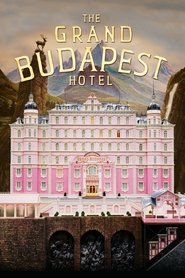
Kent Jones
On The Life Aquatic. - [Anderson] On The Life Aquatic. And we had-- And it was a very exciting-- I mean, you guys can comment on this, but we all had a lot of fun there. But the way it worked when we did that film was we shot at Cinecittà and we shot at sea, and then everyone went to their apartments and hotels, all sorts of different places all around Rome, and went to dinners and did things... And I found that that was not a... That was fun for a week, but then when it came to: "Are we getting our work done?" or "Are we able to be--?" I would prefer to be doing a movie where we live in it. Like, Jeff, for instance, you don't particularly leave the set. Jeff, I know you like to stay in the moment, in the scene, while it's happening, and--
14:21 · jump to transcript →
-
Wes Anderson
I was gonna say, both Jeff and Roman, you-- We-- It had an effect on how we made this movie, Grand Budapest Hotel, because, Jeff, you know, you and Willem both-- I saw that you would stay on the set and you were always watching what's going on. By the time we got to where we're gonna figure out what we're doing next, you already always know everything. You've seen anything that would be happening while other people might be off in a trailer. And on Life Aquatic, there were like 1 1 of them. And starting then, I thought: "I want everybody to stay on the set all the time now as much as we possibly can." And if there's a place to go, it needs to be within range that I can shout to it. If there's some chairs and a thing behind a screen or a greenroom or something, it can't be too far that we can't just shout to it. When we did Darjeeling Limited, as Roman was talking about, Roman in particular had some thoughts such as: "Let's not have... Let's have everyone do their makeup themselves, like a play. Everyone can be responsible for their makeup." In fact, we had then-- We wrote a script where there are different makeups. Owen Wilson's face has been damaged by a motorcycle accident. He's covered with bandages. We needed some makeup. In fact, we have a great makeup artist, Frances Hannon, who was with us. But nevertheless, it was part of our-- Of a new system where we say, "We're gonna keep everything very contained." And especially this thing where we started all living together when we do the movie, and we have-- Someone's gonna cook for us, and when we finish the shooting day, we're all gonna go to the same place. And at the end of the movie, everybody can go off where they would like to go again. But during the movie, let's just stay in this little bubble until we finish the thing. And I have to say, not only has that been wildly more efficient for us in so many different ways, but I find it to be a more fun way to make a movie.
16:30 · jump to transcript →
-
Jeff Goldblum
Michael Chapman, he gave me a copy of Das Kapital on the set of Invasion of the Body Snatchers. I took it home to Pittsburgh. My dad, who was still alive then, went, "What's this? Why do you have this?!"
53:51 · jump to transcript →
-
-
-
Joss Whedon
And I love the two of them. I did at one point realise that I had sort of turned Maria Hill into a girl Friday in this movie, because there were too many heroes for her to do that much. But it makes it all the better, I think, when she shows up in her old gear, firing a gun like she should ought to. This shot was very difficult. Again, one of the last shots we got. Kevin is very leery of shots that feel artificial, and when you are flying with someone and you do a camera move around them, you're in great danger of feeling artificial. And so we worked hard in the colouring and the way New York was and in the textures, to try and mitigate that and keep it real. And then we went right through that glass, which is a beautifully crafted effect. This shot is something slightly similar to what I did in my first film, Serenity, in that every member of the team is in it. Not all of them speak, but they are all visible at some point. And we get, basically, a tour of the place. Obviously, because they come in through the "A," it has only been referred to as the "A-hole shot," but what it is for me is a very important way to explain the space of Avengers Tower to the audience. There is a bit of showing off. There is a bit of, "Look at all our grandeur." But what I'm really doing is explaining exactly where everything is in relation to everything else, because later on we will need to know. Robots are down here, and party's over here, and Pietro is gonna be standing on that glass later. Charlie Wood designed the set, and it's the biggest and one of the most beautiful things I've ever set foot on. It is glorious. Sometimes it's almost overwhelming. And besides wanting to show the scope of it, to play into the epic nature of the thing, it allowed me to come up with gags like Pietro getting... Like Hawkeye shooting out the glass from under him. And it allowed me to create action, and also to just have an enormous amount of fun. Sometimes the least fun. This particular space is so big and that sort of holo area so empty that it was sometimes difficult to shoot in, to figure out what to do with people. But every frame is such candy because the work these guys put into it, building it and dressing it, and the depth in frame that you can get in these instances is never not exciting. I literally finished shooting on this set, and on that day walked into a corner I had never been in downstairs, and was like, "Wait a minute, "there's 100 cool ideas I have for this area."
15:34 · jump to transcript →
-
Joss Whedon
This is actually in Seoul, Korea. One of the great things about doing this one and shooting from London meant we could go everywhere. Where, in the first one, we had to create places, in this one we could really go to them, and you find architecture like that, which you would not find, even perhaps in your own imagination. So it's very exciting. ...iS the next me. Most of the stuff in these labs was rewritten many times after the fact, and Claudia came in to re-shoot a bunch of it as it sort of got moved around. There was so much exposition that she and James had to give us, yet keep it dynamic, which they did a good job with. That shot of the house and barn is probably my last opportunity to explain that those places dont exist. They were built for the movie, and we shot them for one day. We shot one day outside there, and then they were gone. They built the interior of the house. The barn was an actual barn in England. And the design is not completely dissimilar to the farm that I spent a lot of my childhood on in Upstate New York. And it's a very comforting space. If that were real, I would want to live there. But actually what really exists on that field usually is not a house, but very angry cows. Angry, angry, bitter cows. I don't know what it is. They were just... They weren't pleasant. That I was an Avenger. That I was anything more... This scene, you only get the first two-thirds of the scene in the movie. We cut out the end. People thought it would be, and I agree in part, I do, that it would be better to leave the question of whether they were together without answering It. But if you watch the scene in the DVD extras, you see the whole scene, and you see just more of why I'm in love with these two people. And I'm in love with their love, and I'm in love with their pain. And they were so good on this day. And Mark and Scarlett only ever bring goofy, happy energy to the set. But then you Start the cameras, and they go to a place of pain that is just so human and so excruciating. This scene caused my first-ever completely un-ironic group hug because I was so proud of them and what they did. I insisted we have an extra day of shooting for this scene. We didn't need it. They just came out and nailed it. This moment from her... They sterilise you.
1:04:38 · jump to transcript →
-
Joss Whedon
But the things about it that I love, I love very much. But I always think, "I could've done better there." He's uploading himself into the body. - Where? And this is Claudia, who is SO impressive, doing the hardest thing in the movie, emotional exposition, where we give her a ton of dialogue to say, then we add to it later, and she's still emotional and cool. No manifest. That could be him. There. It's a truck from the lab. Right above you, Cap. On the loop by the bridge. Coming to Seoul was a real opportunity for us. Not a lot of people had shot there. And we had to sit down with one of their ministers of culture, and explain what it was we were trying to do, and make sure that we were gonna show Seoul in a good light. And, in fact, why we liked the city was because we knew we were gonna have a chase throughout the whole city and... Not the whole city, it's one of the most enormous cities in the world. But through some lovely bits of it. And we wanted a place that was very modern and very exciting, and not gritty in the same sense. We wanted every place to register as itself. Johannesburg, Seoul. And then we wanted to fly under buildings, when clearly he could have flown over them, just because they were there and they were pretty. You know what's in that cradle? I've talked about ILM and the extraordinary work they did, which I can't say enough about. But, as is the case with movies like this, there's hundreds of houses doing various effects and various bits. This whole sequence, the Ultron portion of it, most of the major work in it was done by DNEG. And the houses are really good about helping each other out. Some of these shots were shared by, like, four different houses. Somebody's doing a background, somebody's doing a stunt face replacement, somebody's doing a digital creature. And with the Vision, somebody at one house did body, one did face, one did cape, one did background. It was just... But they're all very cooperative, they're very inventive, and everybody brings that extra quality. A lot of these low-angle shots you see of Cap going over camera, her going through alleys, were shot with a little remote-controlled car, which honestly is my favourite thing. I like the remote-control car way more than the motorcycle because it's just so cool. This moment here, um, Bryan Andrews, storyboard artist, who has done a lot of great stuff for us, came in after the fact and looked at this. And we had knocked all the cars over. It was Bryan's idea to add Captain America to what we referred to as the "car ballet." And it took something that was pretty, but pointlessly destructive, and turned it into a moment of peril for one of our guys, and made it not just more exciting, but worthy. And that kind of feedback, and having those new eyes iS SO crucial and so exciting, because it just keeps getting better. The thing about a sequence like this is it's always about the connection between the players. The more you can connect them, the more we would add dialogue between them. It wasn't just stunt, stunt, stunt. You felt their humanity. There was an emotional thread going through here for Scarlett when we shot it, that she had been rejected by Banner very brutally. If you see the entire sequence on DVD, it's a rough thing, and it made her have this kind of self-destructive, just brave kind of fatalism. And then some of this stuff was shot after that had been cut, but most of it beforehand, and so you end up with someone who's playing something that is no longer in the film. And it's just a very delicate process to make sure that you don't have some inexplicable emotional malaise from her. But luckily she's the kind of person who hides that sort of stuff, and as a character, she plays on the surface as very in control. And so we were able to cut it together without it seeming strange. But it also means that one of the emotional arcs of this sequence disappeared, and then you end up relying on spectacle, which is the last thing that you want, even though the spectacle is beautifully put together. And you have the kids going from villain to hero, which is a major plot turn. And you have Ultron disappearing with Widow, so you're servicing the story, but emotionally there's not as much going on as there would have been. And that's complicated because once you start a sequence this massive without that particular emotional hook, it's very easy for people to get pummelled. But by bringing the kids in, by cutting it down, and just by the beautiful job Jeff did cutting it, I think it sustains. But I'm always gonna look at what's not. Almost all of that was in Korea, or shot with plates from Korea. This is actually in England, in Longcross, a place we used for a few of the sets and exteriors near Shepperton, where we shot most of it, that they dressed up very specifically and brought the trains. I think we brought them from Korea, the two train cars that we had. Dressed them in. One of the things I love about having all these characters is the way their alliances can shift and change, and Captain America's never expressed anything but sympathy for these guys, even while he was fighting them. So for him to suddenly say one mean thing, and then, boom, they're allies. It's exciting, but it also feels emotionally logical, and then it brings us back to the idea that Tony is the villain. One of the true villainous moments he has is telling Hawkeye, "Why don't you disappear?" and I'm gonna make an evil eyebrow face, because I'm about to do something crazy. And the idea that he's gonna lean into the very thing that is wrong with him is interesting to me, because the idea that the worst thing about us is useful gives this thing texture. Look at the reflection of Jarvis in Bruce's glasses. That's something that... That level of detail is... Because, of course, Jarvis is not there, that was added later. And that level of care and detail is in every frame of this movie. Our VFX head, Chris Townsend, was running 97 different houses. And one of the things I love about Marvel is that good enough is never good enough. And the level of texture and detail and character that they put into VFX doubles, this sort of amorphous character. It's so complicated figuring out, "How do we make him feel like a program that's talking?" Give him personality, but not too much. Make him not cartoony. Make him feel integrated into a universe that is, at its base, very grounded. We're asking that question about every effect, every day. And the stuff they gave me is so human on every level. And ultimately these stories never work. This scene was created in post. There was some amusement at the literal translation of what had been post-viz. On the left the... I don't want to say phallic, uh, implement of... But if you look carefully at it, oh, yeah. And we sort of laughed about it but then I decided I wanted to keep it, since, as he becomes more aggressive, the idea that his iconography becomes more male. When he's just a program, it's very Georgia O'Keeffe in the lab, and then now he's becoming pure aggression. This is also one of my favourite performances from James and ILM. The love and poignancy of his dream deferred, and how insane it makes him. We had another version of the scene that was just too civilised, something I do a lot, where people are just holding a cup of tea instead of ripping their own faces and guts apart. And Scarlett, with no lines, giving me beautiful stuff, and the idea obviously of somebody doing the infamous and, in fact, somewhat clichéd Nietzsche quote, but then putting a genuine spin on it. A very literal one. It was very exciting and fun. And designing his final armour to be different, it was super tough to find something that worked. It covers his face and some of the greatness of his delivery a little bit, and I think we all regretted that a little bit. But it also brings him more towards the Ultron that we know from the comics, and gives us that distance that we need to get into the final act. Shut it down! - Nope, not gonna happen. You don't know what you're doing. And you do? She's not in your head? Once again, internal conflict is the thing that makes these things work. And that's fairly badass of Banner. You don't Know what's in there. - This isn't a game!
1:19:28 · jump to transcript →
-
-
-
and the dynamics of the whole movie. Yeah, the idea that he really can hear anything. He has a good, well-trained ear. And the detail of the cross in the wall, which is an amazing job of Naaman Marshall, the production designer.
24:06 · jump to transcript →
-
You know what I mean? There's no way to fake that. There's no way to fake that. And me as a director, the last thing I want is to see a lot of that thing be faked too much. And actually, remember that Danny always tells the story that he actually asked you, like, you got to bring it, like, just bring it, like, I'll take it. But then at the end of that day, he was, I remember coming back to me, like, oh, man, he was terrified. But that's a great thing. I think that's something that you really brought to the film and the set that...
30:55 · jump to transcript →
-
Remember that with the context lenses that you were wearing, how much you could see? You couldn't really see a lot, right? So remember that somebody would bring you to the set and you were really becoming that character in so many levels. It's just the fact that you got to know that house pretty well and you really... I don't remember seeing you bumping against anything during the making of the movie. You could barely see with those. Right, right. I mean, you know, the lenses were extremely helpful because there are...
33:24 · jump to transcript →
-
-
-
We're actually going to jump out of the plane, aren't we? We have to do all of this for real. For real, while you're falling. While I'm falling, we're going to have to get and switch the tanks. Yes. This is the Grand Palais in Paris, France, which was kind enough to let us shoot there. Beautiful. DJ Harvey. Great, great choice. Thank you. Thank you. Look at this lighting. Awesome. Now, Peter Wenham, our production designer, was really amazing. We only had a limited amount of time in the Grand Palais, and so I said to Peter, I want you to build a set.
27:22 · jump to transcript →
-
You know, and a classic, gorgeous city. You want a classic car. Yes. The green, you know. The green was, you remember Graham, who does our vehicles. He brought a BMW that's slightly older than this one. And it was that color. Oh, it's fantastic. And Peter Wenham, our production designer, he said, but that's, it's retirement green.
1:03:52 · jump to transcript →
-
The Grand Palais. That was just sitting on the stage. I showed up on the set. I'm like, what the hell are we doing? What are you doing? You guys threw this together in about 20 minutes. Oh, yeah. It was literally 20 minutes. Trust me. It's going to be cool. It's going to be cool. And it is. Oh, it's this whole section. And then to wake up, and it's another rule we've broken in Mission: Impossible. We've jumped ahead to another place before we've established it. And you come out of it going, how much of this has been a dream? It was a really impactful cut.
1:16:32 · jump to transcript →
-
-
writer · 1h 35m 3 mentions
Simon Barrett, Adam Wingard, Greg Hale, Eduardo Sánchez + 5
-
that he was a video game designer and so we wanted him to just play in a video game here and fortunately my brother is a video game designer at EA Games so we just use his real game and by the way like all this is actually like it doesn't look like it but this this film has been decorated it looks just like a messy house all this stuff is put here and I told the production designer Tom I was like I brought him over to my apartment and I said like
11:31 · jump to transcript →
-
we came to it. Yeah, I mean, it was literally like two days after Simon had delivered the script, and Tom, the production designer, and myself had read it, and we were actually going to just be planning on talking about it while we were at this party, and as soon as we walked into the place, Tom was like,
12:18 · jump to transcript →
-
The guy who does that band, it's a side project of his. His name's Steve Moore, and he's a great composer. He's actually going to be doing our next film we're doing. Yeah, The Guest, which we start shooting in a month. Yeah, I don't know if people pick up on it, but she is supposed to have recently tried to kill herself, which is what's going on with that bandage and the blood on there. You can't really see it that well. I keep going past it really fast, but Tom, the production designer, is really proud of the photograph to the left.
20:52 · jump to transcript →
-
-
director · 1h 34m 2 mentions
Scott Stewart, Jason Blum, Brian Kavanaugh-Jones, Peter Gvozdas
-
David Schott, he's very well known for having done the pilots of Friday Night Lights, The Walking Dead, Deadwood, and also movies. I think right now he's shooting the pilot of the new Joss Whedon S.H.I.E.L.D. pilot. He's just a legend in television and a great shooter and a great presence to have on the set.
31:32 · jump to transcript →
-
And I should not click on every link that I find on the internet because it's going to lead me to a crazy place. And another thing that we do in our, you know, we try to get out of the house as much as possible. And I think, you know, our locations folks and our production design team led by Jeff Higginbotham just did a great job. You know, the location you just saw with Trevor St. John, who was the second interviewer,
45:57 · jump to transcript →
-
-
Related topics
Other topics that frequently come up in the same commentaries.