Topics / Production
Production design
138 commentaries in the archive discuss this, with 776 total mentions and 11 sampled passages on this page.
Filter commentaries
Filter this topic by the film's decade or the type of commentary.
Showing 4 of 138 commentaries
Clear filtersBy decade
Across the archive
ranked by mentions · click any passage for the moment in the transcript
-
-
David Kalat
Grant, an A-list star of light comedy and amiable action films whose popularity would keep him a top marquee name for many decades. In contrast to Kochi's insecurity, Takarada swaggered onto the set and introduced himself as the star. The grizzled crew chuckled, Godzilla's the star. And since the monster is the star of the show, to talk about the cast, we really need to talk about the special effects director, Aiji Tsuburaya.
17:56 · jump to transcript →
-
David Kalat
But these preoccupations didn't just pop into place on the set of Godzilla. Honda had been ruminating on Japan's post-war zeitgeist for some time. When he served as Kurosawa's assistant director on Stray Dog, Kurosawa tasked Honda with directing the sequence in which the detective, played by Toshiro Mifune, takes his first walk on the wild side, exploring the criminal underbelly of the city, an extended, wordless sequence that stands out as one of the more memorable set pieces in that film.
30:06 · jump to transcript →
-
David Kalat
It was, in fact, the very first scene shot by the special effects crew. It was a pretty inauspicious beginning. As they were dressing the set in preparation for the shoot, one of the crew members broke through the floor of the set by accident and fell onto the miniature diet building, which had been pre-stressed to break on cue. Well, sure enough, it shattered. They spent hours putting it back together again and restoring the set. Finally ready to proceed, Nakajima put on the Godzilla suit and took his position, only to crash through the floor himself.
1:04:06 · jump to transcript →
-
-
scholar · 1h 32m 3 mentions
The Night of the Hunter (1955)
Terry Sanders, Robert Gitt, F. X. Feeney, Preston Neal Jones
-
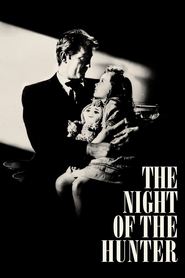
Now, Terry, were you present for any of the filming of these? I was pretty much back east, and Dennis was the dialogue coach. You know, he would read lines with actors, and so, you know, I heard... Occasionally, when I came back from the second unit, I hung around the set. What kind of stories would Dennis tell you? Were there any that come to mind?
22:32 · jump to transcript →
-
Now, unusual for the time, and really for any time, Lawton had his art director, his editor, and his composer on the set with him, working as part of the creative unit all the time. Lawton didn't want Bob Golden to do any editing until all of the film was shot. This is the one scene in the picture that Bob Golden did start editing ahead of time because they wanted to be sure to clear it with the Breen office. It's a dicey, very dramatic scene.
29:22 · jump to transcript →
-
Stanley Cortez remembered that they had to pack a lot of set onto a very small soundstage, so much so that they didn't even have the legal three or four feet between the edge of the set and the wall that you usually had to have. It was hard to light and shoot, he remembered. I read that Stanley Cortez once referred to light as that incredible thing that can't be described, and he said, of the directors I worked with, only two have understood it, Orson Welles and Charles Lawton.
1:10:46 · jump to transcript →
-
-
-
Alan K. Rode
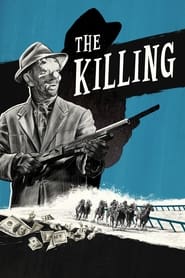
him to shoot the scene with a certain lens and a certain track and Ballard changed it without telling him. When Kubrick called him on it, Ballard downplayed it saying, hey, don't worry about it. No one will know the difference. Now, Stanley Kubrick was not a screamer or temperamental, but he quietly told Ballard that he would either accept his direction or have to leave the set permanently. Ballard acquiesced and as Kubrick became granularly involved in the staging and lighting of every shot in the movie,
8:18 · jump to transcript →
-
Alan K. Rode
Money to be divided in safety at a later date. After what he had seen and not knowing the cause or the circumstance... Regarding his back injury, Hayden was able to return to the set after a 10-day hiatus that he rested his back for the final scenes that were shot at Burbank Airport. Ten minutes later, he bought the largest suitcase he could find. Hayden buys a suitcase in a pawn shop located at 831 West 3rd Street in downtown L.A.,
1:14:33 · jump to transcript →
-
Alan K. Rode
Two instances of perfect casting, Robert B. Williams and the hulking Charles Cane as the two plainclothes coppers staking out the airport. Back to Coleen on Ruth Sobotka, said that she would leave and then the set decorator would come and straighten the shade and make it horizontal. Then Sobotka would reappear and make it askew. Coleen laughed. This went on and on. I've seen The Killing many times, but until I watched it for this commentary, I didn't recognize the old woman and the dog as actress Cecil Elliott.
1:18:25 · jump to transcript →
-
-
-
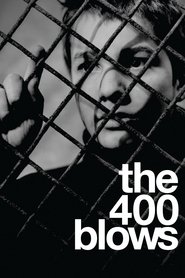
So it wasn't very complicated for him to ask her to come to the set one evening, just for an hour in fact, and do a little number. That happened a lot, people volunteering to lend a hand on each other's projects. That was really an integral part of the spirit of the New Wave, helping your buddies out. That was what it was about. Friendship meant a lot in those days, and camaraderie. It was like the gang of 13 in Balzac, and maybe the idea even came from there.
41:00 · jump to transcript →
-
a group that moves up together, each one with his own special expertise. And we were constantly improvising, particularly since we weren't shooting on the set where the scenery has been designed to match your plans. We changed everything around as needed, but that contributed a distinctive flavor of life to the film. The actual locations determined the mise-en-scene.
41:28 · jump to transcript →
-

Related topics
Other topics that frequently come up in the same commentaries.