Topics / Production
Make-up & prosthetics
114 commentaries in the archive discuss this, with 417 total mentions and 72 sampled passages on this page.
Filter commentaries
Filter this topic by the film's decade or the type of commentary.
By decade
Across the archive
ranked by mentions · click any passage for the moment in the transcript
-
-
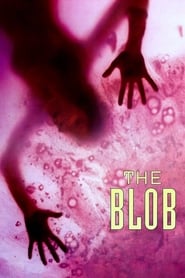
Good evening, everybody. Welcome to the blog. We're already off to a great start. I already regret inviting you. That was my blog voice. That's all I got. And next to Mark, we have makeup effects maestro, creature effects maestro, and all-around great guy, Tony Gardner. Hello, everybody. And we also have... This is like the dating game. I know. Door number three. And the man, the myth...
0:44 · jump to transcript →
-
And this is acid, literally acid on a styrofoam countertop. Now, that was a rule. Like, who came up with the rules of the blob? By the way, the use of no score in this is masterful. Because when the reveal hits and the sting happens. There it is. There it is going up over his face. That shot. There's a makeup on him, but all that stretching is the real face. Yeah, there's a whole rig that he's in that's rolling across the floor. Look at that. When she's running up to him, she looks like miniature. Miniature.
26:31 · jump to transcript →
-
So it was a warehouse, but it was all right. So watch this now, folks. This is just so interesting. I have to narrate this a little bit. So full scale set. Right. But when Jeffrey DeMunn and one of Tony's better moments with the makeup prop effects comes floating up, it's well set up in that you want these two to get together, but not this way. We anticipated. She's trying to call the guy to save her. And he ends up as blob bait on her phone booth. Then Eric Allard.
44:43 · jump to transcript →
-
-
-
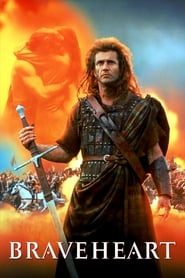
She's quite perfect to look at. She looks like a statue. And I thought it was good if you're going to get some French queen or princess, get someone from France. And she fit the bill perfectly. And no one could figure out who this guy was, this guy, the king. Because we actually doctored him with a prosthetic nose. And he's this fellow who used to be on all these TV shows in the mid-'60s.
16:57 · jump to transcript →
-
I actually had to lose that shot in England. But it was a fine example of the makeup of Peter Frampton. Not the guitar guy, but his name is Peter Frampton. He won an Oscar for the makeup. But as you can see, I mean, look at that leg. I mean, it's... Everything. Everyone looked dirty and grubby and gritty. It was before the days of terrific hygiene.
52:58 · jump to transcript →
-
Sit down. Stay a while. No one knew who this man was. He's pretty well disguised with leprosy makeup, which I guess was common back then. Sanitation wasn't what it should have been. I think leprosy was common in some of the more northern climes of Europe where the diet consisted of mostly seafoods, like fish.
1:03:59 · jump to transcript →
-
-
-
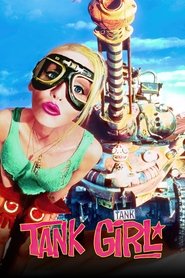
Oh, I remember when Gwen Stefani came out and someone called me on the phone and said, Lori, I love, I didn't know you were a singer. I love your music video. I said, what are you talking about? So all of that to say that Arianne and you and the makeup people and myself included created this, you know, and Jamie and everybody with Tank Girl. She had so many emulators. I mean, to this day, I still think Gwen Stefani
11:15 · jump to transcript →
-
That battle armor, all that Ripper material that was designed by Stan Winston, I mean, just brilliant. It was funny. I was always in makeup for 900 hours in the morning, and then the Rippers were in makeup in another room for 900 hours in the morning. I never saw Ice-T and all those guys without their costumes on. No, for months, never. But they saw me in real life, right?
39:09 · jump to transcript →
-
But I never would see them because I would have to get my hair taken out and my makeup off and then I'd have to go work out and I'd have to eat and I'd have to shower and I'd have, you know, you know how it was. So I never saw them socially. And then, you know, I'd see them a year later and they're like, you know, Ice-T's like telling me what's up and I'm like, oh, that's right, I worked with him. But he was a kangaroo. Yeah.
40:00 · jump to transcript →
-
-
director · 1h 26m 5 mentions
Underworld Rise of the Lycans (2009)
Patrick Tatopoulos, Len Wiseman, James McQuaide, Richard Wright + 1
-
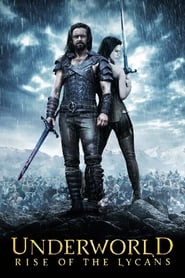
So Dan was the art director on Lord of the Rings... ...and I met through a friend of mine, Gino Acevedo, the makeup artist. And we met and.... Since we already had a sense of what I wanted to see as a castle... ...came with some drawings at the beginning. Dan was perfect for that. Just took the drawing. As an art director, just became clearly someone that expanded the vision. But he's textured the style, you cannot recognise, I mean... Yeah, we were really lucky to get him. He was actually working on a different show when we got to New Zealand. And we thought maybe we wouldn't get him. But that other show had money problems... ...and shut down the production. And we were very lucky that he was able to step right into Underworld. Now, this was a scene that, at least, my recollection... ...when we originally sort of storyboarded it... ...wWe had a lot of werewolves in it, and then we couldn't afford them. So we went back and we begged Clint Culpepper... ...to give us about a hundred more werewolves. And he did. - Which he did. We also had to build this canyon right here. And I do think it makes a difference of just... Before, we were talking about doing a version... ... Which is just all within the trees. And, you know, Patrick, you and I talked a lot about... I liked the idea of you going from... There's a separation. You got the forest, and then this canyon, that then leads into... Leads into the meadow, yeah. Into the castle. Yup, and this castle, obviously, is a location that doesn't exist. So basically... - Neither do the rocks. What we had, it's basically like a golf course-looking... There was no rocks, nothing. It's very flat, very boring. And there was a lot of work to be done later on post and, you know.... The trees and the grass are basically all that were there. Yeah. The big crossbows. We only had one working crossbow, correct? Yes. - We still have it in storage too. We should take it out and play with it. We had a lot of, like, one thing working out of everything. We had one werewolf head mechanical. And we had to make it, you know, out of that stuff. So this wall behind. This is again basically the outside of the set. That set already, basically. - Yup. The whole courtyard and the little bit of the outside was built. We tried that shot right there, where the werewolf comes in. We tried that practically. And it just looked like.... Just dragging in a muppet. - A piece of rubber. Now, this is Rhona. - She is.
4:04 · jump to transcript →
-
That, if anybody is interested... I called that on the day when I saw that bloody scar. That was actually the same one that Guy used for Singe. For Singe. When he gets busted by... - Exactly. When Viktor punches him in the crypt in number one. You see, if you never said that, nobody would have known. Now they... Hey, cost-effective. - That's right. There's a lot of recycling like this in makeup effect. If you're clever, you know... - Of course. I love this scene between them. - Yeah. And just the tension and, you know. And the next time you see them together... ...when they go in that room is one of my favourite moments. That one was like the little homage I wanted to make... ...at Murnau's Nosferatu. You know that creature that comes into that room. It feels like you don't know if he's gonna strike at him or stuff. And then we were really worried about this whole daylight. Forest daylight. Not Knowing what colour to get. We'd never gone outside before in the Underworld series at all. It just popped out and felt kind of, we had our... ...Xena conversations and worries. You know, with the combination of just... The costumes could only be but so different, you know. These guys are supposed to break out of prison and grab what they can... ...from the other soldiers. And then putting them in the forest. You know, Lucy Lawless comes in and it's all over. So we finally got, like a... Went with a bit more of a green stylized than normal daylight. That's the shot. What's funny is that Steven and Bill were actually very, very close friends. And they had dinner every night together... ...and in between takes they'd be sitting there talking to each other. And then get time to get back on the set. And then Bill would be bullying... I need to make a-- Oh, yeah, here. Just to make a little note, we haven't talked about the music here. Paul Haslinger was just... That was a challenging one. You don't wanna be too over-the-top with the music. Yet you wanna create a little suspense. And I think... He did the first Underworld as well. He did the first one as well. - Yeah. I love that. That was a... It's a perfect display of what Viktor is about and what he's like. And then Tannis' reaction to that I really loved. This was another shot that was vastly improved... ... after Clint fattened the visual-effects budget. Before it was like three guys standing around. It was seven guys. Don't be... - There was smoke, no flame. And no fire. It was nothing. The whole mountain behind Michael was CG.
47:34 · jump to transcript →
-
Now, did his makeup get less? Because when he first appeared, his makeup is quite strong. Kind of white, cakey... - You know what this is? We shot pretty much... - In order? Yeah, in order. Not completely, but not far from that. And there was a sense like it was... Which I like. I like the way it got toned down. It's better. I like Bill's makeup at the end much better as well. lt was a little more theatrical at the beginning. Another scene that changed dramatically... ... from the way that we originally shot it. So here, basically, there is just a little piece of corridor... ...and the green screen at the end. Everything was done by... Duboi did all the cave stuff and the werewolves. This is a gorgeous shot, this one here. All the detail on all the wolves in the background. That's a shot that came first as a very blue shot. You know, It's funny how blue sometimes looks CG. We ended up turning and make it much more brown... ...and I think feels more real suddenly. But I thought it was great to be able to see that many wolves together.
50:55 · jump to transcript →
-
-
-
Francis Lawrence
Here, we deal in psychological manipulation. You'll be trained to determine a target's weakness... Sparrow School was always one of the aspects of Jason's book that really intrigued me. It was one of the really, truly unique pieces of the story. And I always thought that it was gonna be a standout segment in the movie. But it was something that Justin and I had to really, kind of, develop out specifically. And it was fun to try and figure out what makes it hard for her, the kinds of horrible things you have to learn to do, but what specifically they would teach you that's not the obvious, right? Not just how do you put makeup on, how do you look sexy, how do you act sexy and, you know, walk in heels or something like that. It was the idea of having to get past what you might find disgusting to try and foo! somebody. But more importantly, to figure out the human puzzle, right? There's a great line that Justin came up with that every human being iS a puzzle of need. Find the missing piece, and they'll give you what you want. So that idea of really learning how to figure out the target, figure out what they need, and become what they need was really interesting, because that actually becomes the sort of, the objective for her later, as She Starts to target Joel. She has to really be smart, because she's not dealing with an amateur when she's dealing with Joel. Simon... I've been with this guy for three years. He is not going to deal with anybody... You can see here Joe! now. He's such a fantastic actor, I mean... He was my first choice for this role. I think he's probably one of the best working actors of his age right now. I've been a fan for a really long time. I mean, all the way back from Animal Kingdom. And he was in my friend Scott Cooper's movie, Black Mass. But what I always really like about him is that he feels really honorable and feels really honest, and I wanted those elements to the character. And I think he brought that in a big way. And it was really fun to work with him, too. He's just a good guy, and kind of gelled in with the group. Worn on the hands, after intimate contact... the subject will be traceable for up to six weeks.
31:56 · jump to transcript →
-
Francis Lawrence
In the book, this portion of the story took place in Helsinki, but since we ended up shooting in Budapest, we just decided, "Why cheat Budapest for Moscow and Helsinki, "and why not just have the Helsinki part take place in Budapest?" So we decided to use Budapest for Budapest, which was nice and really fun. And this is Thekla, who's a Dutch actress, who read for the part of Marta and is playing Marta, obviously. But I remember seeing her reading for the part of Marta, and she was quite good, but Marta was described as being a little rough. And Thekla, to me... She is a very, very beautiful woman, and there's something very sophisticated about her, in a weird way. I don't even think I ever told her this, but there's something about her. When you see her in person, she feels like she could be part of a royal family or something. There's just something about her. So I actually asked her to read again. And she wasn't wearing a ton of makeup. But I just wanted her to sort of try and tone down whatever she had done in terms of, like, nice lighting and the hair and all this kind of stuff, and to do it again, because she couldn't be quite as beautiful as she really is. And then it was perfect. She sent me a new tape that was not quite as glamorous as the original. Usually two men on a girl. No relationships to speak of. That woman right there that we just tipped up from is Valentina, one of the costumers who has worked with us many, many times on all the Hunger Games movies. Again, another one of the cameos. And this is Douglas Hodge, who my casting director brought in. I think, yeah, Denise brought him in to play this role, and he just, I think, did a fantastic job playing Volontov.
50:44 · jump to transcript →
-
Francis Lawrence
One of the things that we did a Iot, which is kind of interesting, and this is something that Alan Bell, my editor, is really good at, is he does a lot of tricks often in scenes like this where, you know, to maybe speed things up or pace things up he might do split screens and speed ramp either side, SO you can speed conversations up and things like that. What we ended up doing a lot here that he's also very good at is makeup augmentation. So, Jen's makeup artist did a great job, but we had decided sort of after the fact when you see the cut come together that she should have a little more bruising and a little more damage to her lip than she had on the day. And so we did a lot of digital wound work. And even this, that vomit there, that vomit is actually digital as well. That she kind of dry-heaved. But we decided that because she dry-heaved in the beginning in the movie that maybe she should actually vomit here. But we added that all in later. This now becomes another one of the tent pole moments in terms of Dominika's trajectory and what her objectives are. When the uncle comes in, and she corners the uncle in a way. And it's one of those moments where you really wonder what side she's working on. Jen just did a great job in this scene.
1:45:16 · jump to transcript →
-
-
-
Francis Ford Coppola
to actually turn black in front of the camera. And the way we did that is we put some special makeup that when a fine mist of water is sprayed on it, it would look as though the face was turning black from suffocation. I don't know if it worked, but it was very elaborate. We put the special makeup and we sprayed water while they were strangling him.
43:13 · jump to transcript →
-
Francis Ford Coppola
We had a very good makeup artist on the film, Dick Smith, and we really wired Al's jaw. I tried to make the notion of his suffering from a real punch from a strong man. Normally people get punched in movies and it's like the next day they're just talking. We really asked medical help as to what it would be like and we temporarily wired his jaw so he couldn't talk.
1:10:41 · jump to transcript →
-
Francis Ford Coppola
I accepted these three things from Marlon. So I then called up Marlon Brando and suggested maybe it'd be nice if I did like a little makeup test or something. I could come over your house and, you know, he said to me, all right. So I got some of my friends from San Francisco and I had heard that Marlon Brando does not like loud noises. That's why he wears earplugs often. He doesn't like all that loud shouting on the set and everything. So I said to the fellas who were going to go with me and, uh,
1:34:53 · jump to transcript →
-
-
-
The weight of the sky is just something indescribable. I mean, it's a magic place. It really is New Mexico. I'd never seen real cowboys, and I mean, these cowboys were nothing like the film cowboys. They were skinheads with tattoos and rings through their noses and ears, and they would dance with their spurs on. We went to a nightclub, and a makeup artist came with us. His name was, was it Justin?
25:25 · jump to transcript →
-
makeup artist, and his wife, Marilyn, this gorgeous wife that he had. He was sort of a slightly fey young man. And a cowboy came over to us and he said, how long are you all in town? And he hid behind me and said, just the week. It's just as an old village in England in the medieval times, immediately someone comes in.
25:56 · jump to transcript →
-
Some of the makeup took several, well, not several hours, a couple of hours. It wasn't bad. I think the wig could have been improved upon, but that's hindsight. The main problem was because of an early start to get the makeup on, I couldn't even begin to go out drinking with the English crew the night before. Nobody's a freak. What do you see in the cards?
53:16 · jump to transcript →
-
-
director · 1h 30m 4 mentions
A Nightmare on Elm Street (1984)
Wes Craven, Heather Langenkamp, John Saxon, Jacques Haitkin
-
I remember the guy that was up on the big condor, the big light tower, was always worried he was going to get shot at. What a brilliant tackle! What the hell are you doing here? Came to make up, no big deal. You my home? Of course. Oh, what's that? Intense, huh? I still have this.
9:11 · jump to transcript →
-
You wake up, you think you're safe, and then it gets worse. How many minutes is this? It seems like it's already been about 10 minutes long. I'm already scared. This sequence also was the first to be censored in the film. I wonder why. I don't know. These people are so sensitive. That was a pretty bad prosthetic, actually. I know. Oh, see, that, to me, was brutal. Yes. That's awful. Now, here we're in...
17:02 · jump to transcript →
-
She was never quite satisfied with her makeup, so she would usually go and fiddle with it after the makeup and hair were done with her, so we never knew quite what she would look like when she got to the set. Did she do anything after this? I know she was in The Driver, which I enjoyed immensely. Yes. It's hard to actually imagine that John and...
19:18 · jump to transcript →
-
-
-
Roger Moore
and all these prosthetics on my face. And they had 35 seconds to get them off so that I could then be 30. And then they had 40 seconds to get them back on. And by the time we'd done two dress rehearsals, they'd taken all the skin off my face. I had the one hand that was made up old and the other hand that was made up young. So when I had to do a fight with this hand that was made up old, would I use the left hand?
22:33 · jump to transcript →
-
Roger Moore
180 visiting journalists, all of whom wished to do an in-depth interview with me. At one point I said, we can make up our mind what we're going to do. We can just do publicity or make a movie. There's no point in having the publicity unless we've got something to show for it. At the end of the day, I really didn't have time.
1:02:16 · jump to transcript →
-
Roger Moore
Bizarin sent along his gorillas to help you make up your mind. They have.
1:19:02 · jump to transcript →
-
-
-
Oliver Stone
It's a very interesting new technique. It was used at that time in 1986 when we shot the movie. It involved applying a glue-like prosthetic to his face and giving it that shape within an hour. And I think we got it down by the end. We got it down to about half an hour of work. So it's an amazing amount of...
12:22 · jump to transcript →
-
Oliver Stone
I mean, the conventional way would have taken hours to put that makeup on. It did have a tightening effect and a deleterious effect on Barringer's skin, so we used it sparingly so that he would not... In other words, we would ask him to put the scar on when we did all as much work as we could on the right side of his face so that he wouldn't have to walk around with it all day long. I think in front of the men, it's necessary for me to give the orders.
12:42 · jump to transcript →
-
Oliver Stone
No wind, no wash. Good wounds, good makeup. A lot of these guys, they're really struggling. Some of them are getting out, though, and they're happy. Some of these actors are finishing today, you know, too. We shot in sequence. So they're getting home, going home. They're getting out of this mess. Yeah, that happened.
1:17:34 · jump to transcript →
-
-
-
You do have to admire how well he carved in that coffin. It must have had long fingernails or something. It's very well done. Now, this shot... I always debated because if you look real close at that mummy... ...and then the one that later on comes alive, the coloration isn't correct. It's because that one was a prosthetic and the one later on was...
56:34 · jump to transcript →
-
...a difficult task, and in fact the tone of the picture... ...is probably the single biggest editorial challenge. And that scene, really, I think that was one of our home run scenes. Sort of that was what we were aiming for. That's a prosthetic hand there, popping through there. Not CG, not everything is CG... ...although a lot of the work in this picture is, or the majority of it is. Fort Brydon, Cairo, we got that name.
1:08:18 · jump to transcript →
-
This shot was also photographed day for night, or actually day for eclipse, I guess is what we really call this. This shot was originally not intended to be an effect shot. It is now an effect shot at the end when the mummy is revealed behind Jonathan. That's now digital makeup that was there originally. We were just gonna go with the makeup that was there and we decided that it needed to be enhanced. This was a fun scene.
1:17:08 · jump to transcript →
-
-
-
horrendous life. And you see how Jimmy has highlighted the scars on the bridge of his nose and his eyebrow. Jimmy said, the character is a survivor. I want to show what he survived. I want to show that he has not lived through this unscathed. He's not Superman. And I want to show this guy's vulnerability without giving away what is truly vulnerable about him. And so he brought in pictures of this bullet hole scar. And he worked with the makeup department
41:39 · jump to transcript →
-
And boy, he paid for it. It was easily 90 degrees on that set. Man. Because there were the big lights outside to simulate the sun. Everything was so hot. And Ryan said, Ryan's like, it's too hot in here. Let me just do this without my jacket. I said, Ryan, you get glass in your arm later. And he said, you know, I talked to the makeup guy and I think, you know, and I didn't have any time to see a test. Right. I just said, all right, I'm going to take your word for it. Take off the jacket. But boy, that better work. Yeah. Because I hate all that prosthetic crap.
1:37:23 · jump to transcript →
-
for about seven minutes. That's a fun recording session. By the way, here's a shot. This whole scene, this whole transition that Benicio goes through in this scene, this was one situation in which I realized that no writing, no dialogue was ever going to get us through the transition that this character has to go through. And I simply told Benicio, take all the time you want to make up your mind to leave.
1:42:20 · jump to transcript →
-
-
-
The prosthetics, those two bodies are prosthetics, which are just dazzling. The prosthetic guys, what they're capable of now is incredible, really. They're very unnerving things to be with when you're in the same room as them. They're so real. This was something we invented later. This wasn't in the original script, and Alex wrote this when we inserted it. We wanted to kind of connect with him more emotionally at that point, to feel his loss more, really, so that you're more...
23:56 · jump to transcript →
-
bit of psycho i suppose where you get rid of someone who you think or hopefully think is going to be a key player the next minute they're gone mark see look it's the shower scene isn't it there's a longer version of that which is pretty unwatchable i have to tell you um again the prosthetic guys can just do anything now it is very scary they can almost do anything and convince you somebody's arm is being chopped off
29:14 · jump to transcript →
-
the realities of Life Without Water. We did have a long sequence in here, which I don't think has made it into the deleted scenes, because it's just bits, really, where he actually cut all his hair off and shaved his beard, which were real at the time. And, of course, it being a film, we had to go back later and make a wig for him, because we had to pick up some stuff that was shot before we cut his hair. And Sally, our makeup designer, did a great job to coordinate all that.
36:57 · jump to transcript →
-
-
-
Which is fine when you're dealing with an animated character, but a little less comfortable if you're... See, I said let's go for it, but then Gale was like, no. We just didn't have enough of a body makeup budget to cover the bruises. Yeah, no, that would have just been really impossible.
12:48 · jump to transcript →
-
Shane Paish, who designed the makeup. It's a tricky thing with a character like this to get away with, you know, her and the animated being pretty much made up and definitely having a look, but also not making it ridiculous and not letting it kind of take over the film or the character. They all did a really great job. I have to say, I think that the team of Enzo and Shane
41:00 · jump to transcript →
-
are the best hair and makeup team I've ever worked with. And I'm going to second that, but I might be just biased. I'm not. They're definitely the easiest. Yeah, definitely so creative, but also they make it so easy. And, you know, when you work these long hours, the last thing you want to do is sit in a chair for two hours or three hours. And they're so understanding of that.
41:29 · jump to transcript →
-
-
-
Len Wiseman
something I wanted to do practically. I didn't want to do the CG version of it. I wanted to go old school, prosthetic, build a wire, put it in his hand. And a lot of people thought that this was silly. There were a few things in this movie that, you know, when you're coming up with new ideas, you're like, oh, so he's just going to talk into his hand? Yeah, that's going to be a bit ridiculous. And I thought, but it's not unlike a secret agent, you know, when he's pushing.
36:28 · jump to transcript →
-
Len Wiseman
This is in the red light district. This is the same set where he's crossing by the club. That's why it's got a lot of lights and things, and we put different doors up and such. That was the nightclub where he just talked to the three-breasted prostitute. This, again, was a prosthetic piece
37:55 · jump to transcript →
-
Len Wiseman
And then we did Melina's, Jessica's ponytail is the only part that's CG so that her ponytail would float around as if it was in zero gravity. And then Colin's gun is also CG if you go back through there and it's flopping around in CG so that, you know, just have those few elements that are floating that bring it to life. And this one we shot Kate, just a little information here. It was a screw up and they put the prosthetic on the wrong hand. And so this whole shot, this whole sequence is flopped so that
1:36:44 · jump to transcript →
-
-
-
with the cast and the crew. How much of a crew was there, first off? Let me ask you that. It was the most minimalist crew that we could get away with with a full IA deal. They allowed us not to have a hairdresser, not to have a makeup artist. These were, like, major, major concessions. But we had, instead of having one of the small production units...
1:06:54 · jump to transcript →
-
I don't know about you, but sometimes you just find that the lighting or exposure or something makes it very difficult for the flesh tones. But nobody wore makeup in the picture. I think that pancake makeup stands as a barrier between the actor and the audience. And so I got everybody to get a little bit of a tan, and we didn't have any makeup.
1:31:49 · jump to transcript →
-
And sometimes, in spite of that fact, it looks like somebody's wearing makeup, and that always annoys me. And I don't know why that happens. Sometimes it's just a combination of things. Yeah, the balance of the light inside and out. You know, I pretty much shot all of Rudy's screenplay. I think maybe, you know, two or three scenes were cut out before we began shooting. But...
1:32:19 · jump to transcript →
-
-
-
I don't think she found it fun in the end coming at 6 o'clock or 5 o'clock in the morning to have her makeup applied. This is Paul Bown, is that right? Correct. And that's Doo-Doo, Paul Mari, who is an old college friend of mine and we made the antagonist together. And, yeah, Phil Davis. Phil Davis, he'd just done Mutiny on the Bounty with Mel Gibson.
31:24 · jump to transcript →
-
Yes, he designed the Max Headroom mask. In fact, Christopher Tucker was also involved behind the scenes on the creations of the creatures. I think he did all the moulding and the prosthetics work. So Peter and his team designed it, created it, did all the sculpting, and then the actual manufacturing...
1:09:08 · jump to transcript →
-
of the prosthetics was done by Christopher Tucker, who did The Elephant Man. Yes, absolutely, yeah. I think Peter Litten had worked on a film called Don't Open Till Christmas beforehand as well, kind of a Christmas-themed slasher movie, which is magnificently tasteless for a British film. Was that Dick Randall? Yes, that's right, yeah. Yeah, Dick Randall, yeah. I met Dick.
1:09:35 · jump to transcript →
-
-
-
Eleanor Bergstein
does an absolutely beautiful job. And as I said, the conditions were very, very, very hard to make this. This is the famous watermelon line. And they worked very, very, very hard. And she's in almost every scene. And it was exhausting. And she was a real trooper. She was absolutely wonderful. Make up to you every night. Make up to you when you think about it. I want a picture of everything. All right, cause, cause, cause, cause, cause I'm a love man.
18:36 · jump to transcript →
-
Eleanor Bergstein
The last morning after the wrap party, Emile said, we don't have enough for the teaching sequence. And we woke Jennifer up, and she was such a trooper. She came out. She did these things. It was just Emile, Kenny, Jennifer, and the camera. Even the makeup department wasn't up yet, which is why we have some sequences from the back, because I was standing behind her holding the makeup case. And Emile was absolutely right. We didn't have enough, though. It's so hard to tell. And I remember waking Jennifer up.
34:36 · jump to transcript →
-
Eleanor Bergstein
such care. Now, I sent Cynthia back to makeup four or five times in this because I said, remember, she has just come from really serious, annihilating surgery. And finally, you've got to get the makeup off her. And finally, they said, that's what she looks like without makeup, Eleanor. And the fact is, Cynthia with no makeup at all looks so radiant that she looks like she's going to a ball. So we finally had to paste her face down.
51:31 · jump to transcript →
-
-
cast · 1h 36m 3 mentions
The Garbage Pail Kids Movie (1987)
Mackenzie Astin, Katie Barberi, William Morris
-
This makeup knew that I was still, after we broke up, I was in my sadness. They got me the Polaroid of you in the tub. They snubbed that to me, and I still have it to this day. Incredible. Incredible. And I believe illegal if you carry it across state lines. I haven't, though. I mean, it's complicated.
21:32 · jump to transcript →
-
stuff that gets scooped in there and then you add water and stir? Well, no, yeah, that was part of the process, but they also had, remember slime? Remember that toy slime? Yes, yes. My job was very specific, William. My job was to cut up the pieces of sponge, of sponges that they used on actors, like the makeup department, that had been colored with food coloring to resemble different pieces of semi-digested food.
1:09:27 · jump to transcript →
-
And that's what I'm talking about. Like they were very, they were very well organized. Phil was at the head of that. Everybody, all of the, all CG, I mean, I'm sorry, all animatronics, all art, all makeup, all wardrobe, they all kicked ass. They were all very good at their jobs. They all worked very hard on a very small budget. Everybody did their very, very level best on this project.
1:34:25 · jump to transcript →
-
-
director · 1h 24m 3 mentions
The Naked Gun: From the Files of Police Squad! (1988)
David Zucker, Robert K. Weiss, Peter Tilden
-
You just tell them what it is? You say you'll get it to them, you'll get on the pages, and by the time they get there to make up, it's too late. So that's what happened to Bob Costas in BASEketball. He was so appalled. It's a version of rope-a-dope. Did Houseman live to see the movie in the premiere? I don't think so. I don't think so. A lot of physical comedy. Pretty good.
33:19 · jump to transcript →
-
Because in the early days, we used to all have these... Mark's brother's life? Plungo, Checo, Skepto. I was Checo, Jerry was Plungo, Jim was Skepto. Mine was the only one that stuck. There was a lot of testing that went on with the exact makeup that Leslie needed for the... That's right. Big laugh for the pistachios. All through this. Big laughs. Lots of laughs. It was tricky because...
43:19 · jump to transcript →
-
Because the Mariners were nothing then. They made us take the Mariners. To get the Angels, we had to take the expansion team. Did you have to pay for the team, or is it promotional for them? Well, they actually gave us, I don't know, like 200 season tickets to the Mariners game, which is the equivalent at the time of 20 cents, or worth 20 cents. But we gave them away to charity. We wanted to use the Brewers, and they wouldn't let us. Go figure. But we were able to use real teams, because otherwise you'd have to make up fake teams and...
1:01:23 · jump to transcript →
-
-
-
Stephen Prince
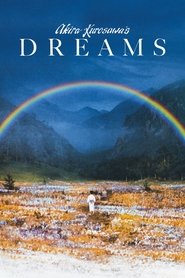
Inari was associated with agriculture and fertility, and her fox messengers were all white. But foxes might also be mischievous or malevolent, taking possession of human beings. They can be changelings, shapeshifters, which is how Kurosawa shows them here with human bodies and makeup resembling masks that points to their deceptive character as depicted in numerous stories and plays.
5:56 · jump to transcript →
-
Stephen Prince
the transitions blocked by her flowing hair, until she becomes visibly a demon. The character is played by Meiko Harada, who gave an extraordinary performance for Kurosawa as the vengeful Lady Kaida in Ran. The demon face that we see at the end of her appearance in this segment required a makeup session lasting nearly three hours.
39:59 · jump to transcript →
-
Stephen Prince
Underneath the George Romero zombie makeup, Private Noguchi has a familiar face. He's played by Yoshitaka Zushi, who played Chobo, the feral child in Redbeard, and who also played Roku-chan, the simple-minded boy in love with trolleys in Dodeskaden. He also makes small appearances in Ran and Matadayo. As I mentioned, Kurosawa escaped military service, so it's interesting that his I character in this dream is a soldier.
50:59 · jump to transcript →
-
-
-
Tony Scott
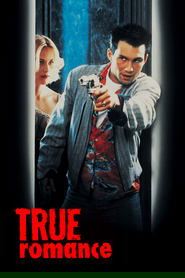
because his head was in a different place, and we ended up by going back and re-shooting the first day, the second day. And the second day, he kicked right in. He really had a handle on who Drexel was. He managed to get the voice of the character he was referencing in New York, and his mum at the end of each take would applaud. His mum was in her 80s. She was this little darling English lady. So it was a strange set, Gary storming around with that makeup and that hairdo and a shotgun in his hand, and...
21:22 · jump to transcript →
-
Tony Scott
...and happy families is the sofa. The sofa is what tied the scene and gave me my hook... ...and gave me the tone of the scene. And there's Patricia relaxing on Christian's shoulder sitting on the sofa. It was funny. My relatives came to the set and I was shooting this scene... ...and Patricia had all this prosthetic makeup on her face... ...where she'd taken this beating from Virgil here. And my sister-in-law came to me quietly... ...about an hour after they came to the set and said...
1:28:54 · jump to transcript →
-
Tony Scott
My God, what happened to Patricia? She looks terrible. Yeah, so obviously the makeup guy had done a good job. Floyd, you sure that's how you get to the Beverly? Yeah, man, I'm positive.
1:29:23 · jump to transcript →
-
-
-
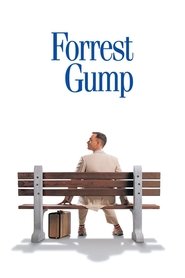
But that's not what it really is. She ages with makeup. And so she read the script, and she was signed on in a second. She just completely got it. Now, it's interesting that the character of young Forrest came to us very serendipitously in that this young boy saw an open casting call.
6:35 · jump to transcript →
-
shows his talents in so many different ways. The way he could just pick up ping pong. I don't know if he played ping pong hardly at all in his life, but just after no time at all, he was playing like an expert. I remember we were in the editing room and we were playing with the three songs here that make up this sequence, these three Doors songs.
59:00 · jump to transcript →
-
The running sequence was really the most complicated sequence to incorporate to shooting this movie because we had to create a timeline for Forrest taking this extraordinary run, crisscrossing the country a number of times. And he went through a whole evolution of his hair and makeup and wardrobe and found characters along the way that followed him.
1:53:14 · jump to transcript →
-
-
multi · 1h 54m 3 mentions
Jean-Pierre Jeunet, Hervé Schneid, Alec Gillis, Tom Woodruff Jr. + 5
-
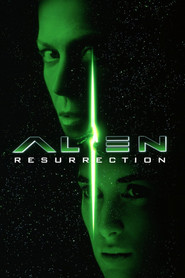
I think this is one of my favorite scenes, this thing in the med lab, where Ripley goes in and finally discovers what her true origin is, and where the audience discovers it, too. I think the reason I like it is because it's such a... Because we had a lot of creative freedom in coming up with the look of these alien clones. That was a big deal, to be able to go in and design all seven of these things, and have each one be so different. There was a lot of research into birth defects, as well as all the physical alien attributes that we would combine in various ways. We really wanted to get a feeling of pathos out of each one of these sculptures, so that you would see the pain and the torture that the evil corporate scientists had put these poor ghastly creations through. We had some great artists working on these, too. Jordu Schell was really key to the designs. Chris Cunningham did conceptual work on it as well. Steve Wang sculpted. Steve Koch. Mike Smithson did a great job sculpting as well. Mike Larrabee was painting. Didn't he paint all these? Him and Jim Hogue? Beautiful. These are all made out of translucent silicone. So many layers of skin to give them the right levels. The set design is just beautiful in this scene, too. Also having these things in these tanks of this badly-colored liquid is... It's made it very cool. Then the number seven clone, which was great, because Sigourney is so willing to stick her neck out and go through the grueling rigors of makeup, and she's OK making herself look bad. This was a mechanical body, with a silicone skin, that was grafted onto Sigourney. She was coming up through a slant board, through a hole in the table. Tom and I applied the neck makeup, along with Linda DeVetta, Sigourney's makeup artist. I really love the breathing mechanism on this in particular. The tube of liquids coming out of her body, there was some discussion as to whether or not we could get away with that. But look at her. And she sells it so well on both sides of this scene. Then we had to torch the actual one, didn't we? We built a stunt one for the fire gag, but, because it was so close in frame, we looked at it with Jean-Pierre and he said: "I know you want this for your display room, but it's gotta be in the foreground." So we said "Yep, you're right." And there it went. - That's it. We did get it back. It kinda turned into like an overcooked marshmallow. Luckily, for the rest of this scene, we got to make blow-up dummy copies of all of these clones. Look at her go. What impresses me about Sigourney is that she's... Look at the emotion there, while she's firing a big-ass flame-thrower. You know? It's really... She really makes this series, I think.
57:43 · jump to transcript →
-
Has anyone other than me broached the idea of... of peeing when we were stuck in that pool for two weeks? Did you pee in the water, Leland? - It was kind of an honor system. I never broke it. - It's five years later. On the record, I never peed in the pool. I'm never gonna speak to any of these people again. Did you pee? I never peed. There were times when we were in there for an hour and a half, two hours. Under our costumes were wet suits. - I didn't pee. It wasn't that I was uncomfortable peeing in the pool, but in my own wet suit. So you did pee? - No. Not for the sake of the pool. For the sake of the suit. That's a little makeup where we had to put Gary into an appliance to show his face all eaten away by acid.
1:15:55 · jump to transcript →
-
This shot was a complicated one, to be able to get inside the mouth. There he is. Oh, look at that. Oh, it's beautiful. Birth is a lovely thing, isn't it? It's a miracle, really. - And that's the end of me. It started with the camera in my throat, pulling it out, and then reversed the film. Oh, is that how they did it? - Yeah. This scene was gonna be shot upside down. All these cocooned humans were actually upside down above a pool of blood and guts and alien goo that was quite liquid. As we drew closer to the end of the shoot, which pretty much happened chronologically, Ripley was supposed to be upside down on the wall, free herself and wind up on the floor. The reason is it became too complicated and too costly to turn the set into a liquid set. It would have had to be waterproof and that cost too much money. But the whole idea is the queen was lying in that pool of goo. All you saw was her belly just stick out of the water and she gave birth like that. Ripley fell into the pool, freed herself and then battled a few aliens. But there were all kind of logistical problems. If the actors were hanging upside down, you'd have had to have had swiveling panels on the walls so you could relieve them from that position every few minutes. So it was just too costly to build. When you have some close-up on Sigourney, the set was unfinished, and she had to imagine exactly what's happened in front of her. I remember we worked exactly like for a silent movie. I spoke with her. "And now the newborn moved, and now the queen is going to die." And she listened to me. It was pretty funny to make. Pitof made all this, this scene with the newborn. So this is the birthing of the newborn. The concept behind the newborn was to show a creature whose genetic makeup had been as affected as Ripley's had been, but in the opposite way. Instead of it being a human tainted by alien DNA, it's an alien that's been tainted by human DNA. Even down to the eyes. The big concept change on this was to show an alien creature that had eyes. So much has been made of the fact that these things don't have eyes and there's no way of telling how they're aware of what's going on around them. But because this thing had been tainted, Jean-Pierre's feeling was that the eyes would be a great way to lock that whole idea in. A rather momentous event in the Alien saga. This was a big day. We had 30 puppeteers to do the queen and the newborn. The newborn was completely hydraulic. I think we had ten puppeteers on the newborn and maybe another ten on the queen. We had another handful inside that egg sac. I think it was 30 puppeteers. - I guess it was 40. Yeah, 30 or 40. I had five cameras. It was a crazy day. Pitof, you directed most of this. We did some stuff with Sigourney like this over-the-shoulder stuff, but then everything else was broken down into pieces. You told me the story of Sigourney when she acted with gorillas. Exactly. She made a film with gorillas and she knows you have to avoid to look on the eyes of the beast as always and she looks on the side. Was that an accident? I don't remember if it was something that was directed or... Sometimes we'd get weird little lurching movements. I can't remember. Oh, there's that tongue.
1:33:55 · jump to transcript →
-
Related topics
Other topics that frequently come up in the same commentaries.