Topics / Production
Make-up & prosthetics
114 commentaries in the archive discuss this, with 417 total mentions and 46 sampled passages on this page.
Filter commentaries
Filter this topic by the film's decade or the type of commentary.
Showing 21 of 114 commentaries
Clear filtersBy decade
Across the archive
ranked by mentions · click any passage for the moment in the transcript
-
-
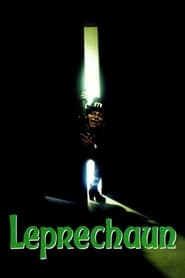
This is the Lionsgate logo. I was waiting for the Trimark logo. This is Mark Jones. I'm the writer-director of the first Leprechaun, which I think we're watching. And next to me is... Gabe Barteles. I did the special makeup effects on Leprechaun. And he did a great job, and you're going to see his work, or at least part of his work, through the shadows. Do you remember where this...
0:07 · jump to transcript →
-
Interesting because for, and it was only in Leprechaun 1, in designing the makeup, the prosthetics go through architectural changes. In the beginning, he's more passive. He's calm. The brow was sculpted with curvatures that arched like rainbows, and it was non-aggressive. And as the film went on, if you broke it down by act, by act two, the pieces got more aggressive, and by three, it's full on.
18:45 · jump to transcript →
-
As the Leprechaun films went on, those nuances began to go away, which is I also think why one stands above the others, that those tiny details that seem to be pesky distractions really do pile up to a film that hits you at all levels. And the prosthetics was something we did.
19:14 · jump to transcript →
-
-
-
Paul M. Sammon
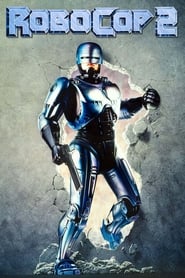
forecasting what's going to happen to him. He's looking at himself in the mirror and thinking, who am I? This was all shot, incidentally, in the River Oaks area, which was a nice part of Houston. Houston at that time was a very depressed city. So we were able to do a lot of things. This is the wonderful makeup by Stéphane Dupuis, the face of RoboCop unmasked. The idea was supposed to be that Robo, when he was first created, actually had his face skinned off.
15:13 · jump to transcript →
-
Paul M. Sammon
like a mask, and his eyes and his lips were attached to a mechanism underneath. So that's why the skin goes over on the sides of the helmet. And Stephane Dupuy did this marvelous blending job, a Canadian makeup artist. And there on the left, you will see one of the first aspects of what one of my jobs was on the film. I was the CG supervisor.
15:43 · jump to transcript →
-
Paul M. Sammon
And, of course, it's all done with prosthetics. There was blood bags underneath the sheet, and all they had to do was cut through them, and you would get a line of fake stage blood. This actually has got some of the better dialogue that I think is in the film. Here's a very scary hack doctor. And there's the giggly saw.
41:57 · jump to transcript →
-
-
-
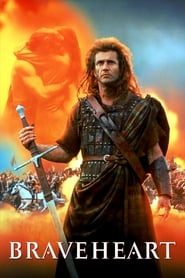
She's quite perfect to look at. She looks like a statue. And I thought it was good if you're going to get some French queen or princess, get someone from France. And she fit the bill perfectly. And no one could figure out who this guy was, this guy, the king. Because we actually doctored him with a prosthetic nose. And he's this fellow who used to be on all these TV shows in the mid-'60s.
16:57 · jump to transcript →
-
I actually had to lose that shot in England. But it was a fine example of the makeup of Peter Frampton. Not the guitar guy, but his name is Peter Frampton. He won an Oscar for the makeup. But as you can see, I mean, look at that leg. I mean, it's... Everything. Everyone looked dirty and grubby and gritty. It was before the days of terrific hygiene.
52:58 · jump to transcript →
-
Sit down. Stay a while. No one knew who this man was. He's pretty well disguised with leprosy makeup, which I guess was common back then. Sanitation wasn't what it should have been. I think leprosy was common in some of the more northern climes of Europe where the diet consisted of mostly seafoods, like fish.
1:03:59 · jump to transcript →
-
-
-
Oh, I remember when Gwen Stefani came out and someone called me on the phone and said, Lori, I love, I didn't know you were a singer. I love your music video. I said, what are you talking about? So all of that to say that Arianne and you and the makeup people and myself included created this, you know, and Jamie and everybody with Tank Girl. She had so many emulators. I mean, to this day, I still think Gwen Stefani
11:15 · jump to transcript →
-
That battle armor, all that Ripper material that was designed by Stan Winston, I mean, just brilliant. It was funny. I was always in makeup for 900 hours in the morning, and then the Rippers were in makeup in another room for 900 hours in the morning. I never saw Ice-T and all those guys without their costumes on. No, for months, never. But they saw me in real life, right?
39:09 · jump to transcript →
-
But I never would see them because I would have to get my hair taken out and my makeup off and then I'd have to go work out and I'd have to eat and I'd have to shower and I'd have, you know, you know how it was. So I never saw them socially. And then, you know, I'd see them a year later and they're like, you know, Ice-T's like telling me what's up and I'm like, oh, that's right, I worked with him. But he was a kangaroo. Yeah.
40:00 · jump to transcript →
-
-
-
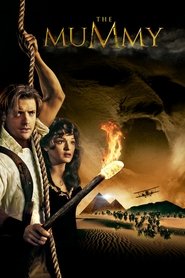
You do have to admire how well he carved in that coffin. It must have had long fingernails or something. It's very well done. Now, this shot... I always debated because if you look real close at that mummy... ...and then the one that later on comes alive, the coloration isn't correct. It's because that one was a prosthetic and the one later on was...
56:34 · jump to transcript →
-
...a difficult task, and in fact the tone of the picture... ...is probably the single biggest editorial challenge. And that scene, really, I think that was one of our home run scenes. Sort of that was what we were aiming for. That's a prosthetic hand there, popping through there. Not CG, not everything is CG... ...although a lot of the work in this picture is, or the majority of it is. Fort Brydon, Cairo, we got that name.
1:08:18 · jump to transcript →
-
This shot was also photographed day for night, or actually day for eclipse, I guess is what we really call this. This shot was originally not intended to be an effect shot. It is now an effect shot at the end when the mummy is revealed behind Jonathan. That's now digital makeup that was there originally. We were just gonna go with the makeup that was there and we decided that it needed to be enhanced. This was a fun scene.
1:17:08 · jump to transcript →
-
-
-
Stephen Prince
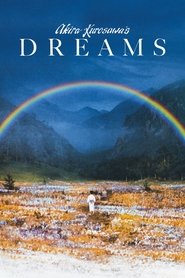
Inari was associated with agriculture and fertility, and her fox messengers were all white. But foxes might also be mischievous or malevolent, taking possession of human beings. They can be changelings, shapeshifters, which is how Kurosawa shows them here with human bodies and makeup resembling masks that points to their deceptive character as depicted in numerous stories and plays.
5:56 · jump to transcript →
-
Stephen Prince
the transitions blocked by her flowing hair, until she becomes visibly a demon. The character is played by Meiko Harada, who gave an extraordinary performance for Kurosawa as the vengeful Lady Kaida in Ran. The demon face that we see at the end of her appearance in this segment required a makeup session lasting nearly three hours.
39:59 · jump to transcript →
-
Stephen Prince
Underneath the George Romero zombie makeup, Private Noguchi has a familiar face. He's played by Yoshitaka Zushi, who played Chobo, the feral child in Redbeard, and who also played Roku-chan, the simple-minded boy in love with trolleys in Dodeskaden. He also makes small appearances in Ran and Matadayo. As I mentioned, Kurosawa escaped military service, so it's interesting that his I character in this dream is a soldier.
50:59 · jump to transcript →
-
-
-
Tony Scott
because his head was in a different place, and we ended up by going back and re-shooting the first day, the second day. And the second day, he kicked right in. He really had a handle on who Drexel was. He managed to get the voice of the character he was referencing in New York, and his mum at the end of each take would applaud. His mum was in her 80s. She was this little darling English lady. So it was a strange set, Gary storming around with that makeup and that hairdo and a shotgun in his hand, and...
21:22 · jump to transcript →
-
Tony Scott
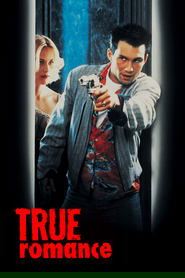
...and happy families is the sofa. The sofa is what tied the scene and gave me my hook... ...and gave me the tone of the scene. And there's Patricia relaxing on Christian's shoulder sitting on the sofa. It was funny. My relatives came to the set and I was shooting this scene... ...and Patricia had all this prosthetic makeup on her face... ...where she'd taken this beating from Virgil here. And my sister-in-law came to me quietly... ...about an hour after they came to the set and said...
1:28:54 · jump to transcript →
-
Tony Scott
My God, what happened to Patricia? She looks terrible. Yeah, so obviously the makeup guy had done a good job. Floyd, you sure that's how you get to the Beverly? Yeah, man, I'm positive.
1:29:23 · jump to transcript →
-
-
-
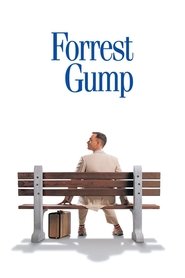
But that's not what it really is. She ages with makeup. And so she read the script, and she was signed on in a second. She just completely got it. Now, it's interesting that the character of young Forrest came to us very serendipitously in that this young boy saw an open casting call.
6:35 · jump to transcript →
-
shows his talents in so many different ways. The way he could just pick up ping pong. I don't know if he played ping pong hardly at all in his life, but just after no time at all, he was playing like an expert. I remember we were in the editing room and we were playing with the three songs here that make up this sequence, these three Doors songs.
59:00 · jump to transcript →
-
The running sequence was really the most complicated sequence to incorporate to shooting this movie because we had to create a timeline for Forrest taking this extraordinary run, crisscrossing the country a number of times. And he went through a whole evolution of his hair and makeup and wardrobe and found characters along the way that followed him.
1:53:14 · jump to transcript →
-
-
multi · 1h 54m 3 mentions
Jean-Pierre Jeunet, Hervé Schneid, Alec Gillis, Tom Woodruff Jr. + 5
-
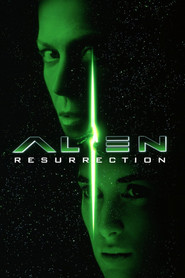
I think this is one of my favorite scenes, this thing in the med lab, where Ripley goes in and finally discovers what her true origin is, and where the audience discovers it, too. I think the reason I like it is because it's such a... Because we had a lot of creative freedom in coming up with the look of these alien clones. That was a big deal, to be able to go in and design all seven of these things, and have each one be so different. There was a lot of research into birth defects, as well as all the physical alien attributes that we would combine in various ways. We really wanted to get a feeling of pathos out of each one of these sculptures, so that you would see the pain and the torture that the evil corporate scientists had put these poor ghastly creations through. We had some great artists working on these, too. Jordu Schell was really key to the designs. Chris Cunningham did conceptual work on it as well. Steve Wang sculpted. Steve Koch. Mike Smithson did a great job sculpting as well. Mike Larrabee was painting. Didn't he paint all these? Him and Jim Hogue? Beautiful. These are all made out of translucent silicone. So many layers of skin to give them the right levels. The set design is just beautiful in this scene, too. Also having these things in these tanks of this badly-colored liquid is... It's made it very cool. Then the number seven clone, which was great, because Sigourney is so willing to stick her neck out and go through the grueling rigors of makeup, and she's OK making herself look bad. This was a mechanical body, with a silicone skin, that was grafted onto Sigourney. She was coming up through a slant board, through a hole in the table. Tom and I applied the neck makeup, along with Linda DeVetta, Sigourney's makeup artist. I really love the breathing mechanism on this in particular. The tube of liquids coming out of her body, there was some discussion as to whether or not we could get away with that. But look at her. And she sells it so well on both sides of this scene. Then we had to torch the actual one, didn't we? We built a stunt one for the fire gag, but, because it was so close in frame, we looked at it with Jean-Pierre and he said: "I know you want this for your display room, but it's gotta be in the foreground." So we said "Yep, you're right." And there it went. - That's it. We did get it back. It kinda turned into like an overcooked marshmallow. Luckily, for the rest of this scene, we got to make blow-up dummy copies of all of these clones. Look at her go. What impresses me about Sigourney is that she's... Look at the emotion there, while she's firing a big-ass flame-thrower. You know? It's really... She really makes this series, I think.
57:43 · jump to transcript →
-
Has anyone other than me broached the idea of... of peeing when we were stuck in that pool for two weeks? Did you pee in the water, Leland? - It was kind of an honor system. I never broke it. - It's five years later. On the record, I never peed in the pool. I'm never gonna speak to any of these people again. Did you pee? I never peed. There were times when we were in there for an hour and a half, two hours. Under our costumes were wet suits. - I didn't pee. It wasn't that I was uncomfortable peeing in the pool, but in my own wet suit. So you did pee? - No. Not for the sake of the pool. For the sake of the suit. That's a little makeup where we had to put Gary into an appliance to show his face all eaten away by acid.
1:15:55 · jump to transcript →
-
This shot was a complicated one, to be able to get inside the mouth. There he is. Oh, look at that. Oh, it's beautiful. Birth is a lovely thing, isn't it? It's a miracle, really. - And that's the end of me. It started with the camera in my throat, pulling it out, and then reversed the film. Oh, is that how they did it? - Yeah. This scene was gonna be shot upside down. All these cocooned humans were actually upside down above a pool of blood and guts and alien goo that was quite liquid. As we drew closer to the end of the shoot, which pretty much happened chronologically, Ripley was supposed to be upside down on the wall, free herself and wind up on the floor. The reason is it became too complicated and too costly to turn the set into a liquid set. It would have had to be waterproof and that cost too much money. But the whole idea is the queen was lying in that pool of goo. All you saw was her belly just stick out of the water and she gave birth like that. Ripley fell into the pool, freed herself and then battled a few aliens. But there were all kind of logistical problems. If the actors were hanging upside down, you'd have had to have had swiveling panels on the walls so you could relieve them from that position every few minutes. So it was just too costly to build. When you have some close-up on Sigourney, the set was unfinished, and she had to imagine exactly what's happened in front of her. I remember we worked exactly like for a silent movie. I spoke with her. "And now the newborn moved, and now the queen is going to die." And she listened to me. It was pretty funny to make. Pitof made all this, this scene with the newborn. So this is the birthing of the newborn. The concept behind the newborn was to show a creature whose genetic makeup had been as affected as Ripley's had been, but in the opposite way. Instead of it being a human tainted by alien DNA, it's an alien that's been tainted by human DNA. Even down to the eyes. The big concept change on this was to show an alien creature that had eyes. So much has been made of the fact that these things don't have eyes and there's no way of telling how they're aware of what's going on around them. But because this thing had been tainted, Jean-Pierre's feeling was that the eyes would be a great way to lock that whole idea in. A rather momentous event in the Alien saga. This was a big day. We had 30 puppeteers to do the queen and the newborn. The newborn was completely hydraulic. I think we had ten puppeteers on the newborn and maybe another ten on the queen. We had another handful inside that egg sac. I think it was 30 puppeteers. - I guess it was 40. Yeah, 30 or 40. I had five cameras. It was a crazy day. Pitof, you directed most of this. We did some stuff with Sigourney like this over-the-shoulder stuff, but then everything else was broken down into pieces. You told me the story of Sigourney when she acted with gorillas. Exactly. She made a film with gorillas and she knows you have to avoid to look on the eyes of the beast as always and she looks on the side. Was that an accident? I don't remember if it was something that was directed or... Sometimes we'd get weird little lurching movements. I can't remember. Oh, there's that tongue.
1:33:55 · jump to transcript →
-
-
multi · 2h 19m 2 mentions
Martin Scorsese, Nicholas Pileggi, Ray Liotta, Lorraine Bracco + 9
-
So when I picked out my clothes and my hair and my makeup and jewelry, I always kept Elizabeth Taylor in there somewhere. And I also used a lot of music to put me in those frames of mind. I used a lot of Bette Midler in The Rose. She sings about when a man loves a woman.
51:04 · jump to transcript →
-
When I watched the movie this morning, and I just fell in love with him all over again. I really did. I have to say, I think he's extremely gorgeous, sexy, exciting man. And I'm sure that the real Henry Hill for the real Karen Hill was all of those things. And I think we got that right. Every day when we walked into Hair and Makeup, we were Karen and Henry.
1:40:09 · jump to transcript →
-
-
multi · 2h 24m 2 mentions
Alex Thomson, Terry Rawlings, Alec Gillis, Tom Woodruff Jr. + 3
-
There was a makeup on that guy's face, too. But it was hard to see. Well, that's a classic example of less is more, like the hugger in the original Alien. It was a few frames, but it sticks with everybody forever. Yeah, that was great coverage and editing. It really makes the puppet work well. We always depend on editors and sound-effects people to make us look great. You watch this stuff in dailies and you go "How's it ever gonna work?" And then the sound effects of whipping tails... Jim Cameron used to say that as a way to make us feel better after a shot - I think he thought he made us feel better - "Don't worry. This is all 70% sound effects." I guess that means we only accomplished 30% of our goal!
39:02 · jump to transcript →
-
We had the one on the ceiling? - Yeah. Tom could actually run through shots in his suit. I remember you standing there with your Adidas shoes on, other than the alien suit. They were Nikes. I still get sponsorship money from Nike. But we built at one-third scale. There it is. That's the suit still. This was a fun shot where you can see the alien up on top tearing into this guy. We were up there for a good part of the day because I had to have leg extensions on because there's one leg hanging over the wall. We got to a lunch break, and I stayed up there in costume during lunch. And this is the mechanical Bishop. This is one we built animatronically. We talked with Fincher and decided to go animatronic on this, as opposed to makeup, so that we could really crush the head in. The idea was that she jump-starts him by hooking him up to some battery devices. Parts of this are... That's our gelatin guy again, a dummy guy. That's my hand, right there. We built one in London for these connecting shots, but we didn't feel that we would have the opportunity, the resources to build it quite the way it needed to be to do lip-synch and this kind of facial emotion, so when we got back to LA we built one. Dave Nelson was the mechanical designer. David Anderson did a sculpture of the Bishop character, basically working from reference from an old head cast, but it's got about, I think, 25 servo motors in it. Fincher really wanted you to feel real pathos for him, he kept saying like Robert Kennedy when he was shot. We had all the white blood pumping out. It was a great sequence, guys. - Real hand in the foreground, um... Again, translucent skin materials. This was urethane. This was before silicones. We really started using silicones with animatronic skins on Death Becomes Her, which was about six months after this. So this was urethane. It was stiffer, but still had some translucence. There was a beautiful profile shot of this that Fincher opted not to cut into the film, but it really showed the translucence of the skin. There's a scene in here where the Bishop doll is all trashed up. I did that voice for the doll. I was quite pleased with this practical lamp, which is creating the source of light on Sigourney's face, as you Can see by the moving shadow on her forehead, created by the practical lamp. I'm pleased because normally you'd like to film a scene with the lamp itself but the source becomes so bright it flares out the lens and doesn't give you the effect required, so you have to augment it with another kind of lamp. But you really get the feeling that she's lit by this lamp. The separation between the shadow side of her head is created by just lighting a bit on the wall behind her, so that you see the shape of the head. I think it's quite an effective shot. Not on this particular picture, but when you have actors with false hairpieces, often you can see the join. You have to help it with the lighting by just shading it a bit or changing the angle of the light so that you can't see the neck join, in a wig for example. And quite often contact lenses are quite noticeable. If the light's at an acute angle, you see the edges of the contact lens, so you've got to help that as well. Those little things, you know. You have to keep your eye on the actors all the time because they're not aware of how they look, and also they get so absorbed in playing the part that they forget quite often their instructions about lighting. You can only suggest it, you can't tell them what to do because you're there to help them.
55:01 · jump to transcript →
-
-
-
Michael Mann
Extras that came to work for the big scenes, if they were daytime scenes, we anticipate starting to shoot about 9.30 in the morning, had a report about 2 a.m. to go through the hair and makeup and tattoos. Obviously, it was quite complicated to take about anywhere from 1,200 to 2,000 extras and then ready for shooting.
39:36 · jump to transcript →
-
Michael Mann
Right here, there's a father shamelessly putting his daughter, who's in the light blue dress in the background, in the film. She was 12 at the time we made the film and went to work with me every day and worked in wardrobe, getting extras ready with makeup and put in the same 16- and 17-hour days that everybody else did. And then she and many other people became extras.
52:14 · jump to transcript →
-
-
-
And so it was really about finding a good actor who could do it. And Bob, he had a humanity to him, and that was really what it came down to, is that you need to see the man inside the machine or the movie doesn't work. And did anyone properly prepare him for the rigors of having to work with the suit and the makeup? No. The answer is no.
15:32 · jump to transcript →
-
Was... We were mentioning Rob before. Was he present on set a lot for this, or did he have a crew mostly handling everything? He had his crew, but he was there for... Not for Robo, because that was a well-oiled machine, and Stephan Dupois did the prosthetic makeup on Bob Burke later, when he's got the helmet off. And the Robo team were basically in charge of making sure that that suit always looked good. By the way, I changed the color on Robo in this movie. I...
36:41 · jump to transcript →
-
-
-
The most effortlessly complex actor. That's probably the most perfect description I've ever heard of Gabriel. Gabriel is also the most popular man on the set whenever Bryan would yell cut, hair, makeup, you name any sort of woman on the set that was working in any capacity would flock around Gabriel with Baldwin standing ten feet away going, when you're done with Mr. Byrne, I'm here.
16:00 · jump to transcript →
-
Kevin did some interesting things with the cerebral palsy visiting the center to learn more about it. He also, I remember, the bottoms of his shoes, he filed them so that when he walked, you know, as they would be filed down by walking for months and months, you know, with a palsy. He also... He also brought in some interesting photographs of prosthetic hands that looked like they'd been through meat grinders and napalm accidents. Yeah, we decided not to go with that, but we instead put a piece of appliance... We actually...
24:12 · jump to transcript →
-
-
-
Darren Aronofsky
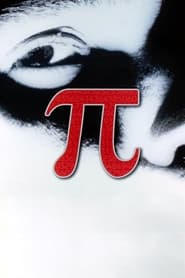
The shot was actually shot without our makeup artist. She had to leave early and it required some makeup because I had to put blood onto Max Cohen's nose and I was convinced that Ariella was gonna beat me up the next day, but she turned out to be real nice about it. And the voiceover you're hearing was written by me and Sean. It was a collaboration that we started about eight months
1:49 · jump to transcript →
-
Darren Aronofsky
She was the makeup and special effects person. Don't taste this stuff. It's dangerous. And I looked at Sean and winked at him, and Sean winked back to me, and I knew he would. It really matters because you really see his saliva making contact with the substance. But that's Sean. Full method. Full method. Fully, deeply committed. It doesn't matter if he's going to get cancer on the tip of his tongue. He goes for it. That's probably the second shot of the film that we ever shot.
40:55 · jump to transcript →
-
-
-
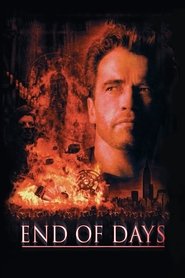
I've never seen anything like this. I think this is written in... And, frankly, that's just very good prosthetic makeup. Look at the skin tone and look at the skin patterns in that chest. That's really good. ...of his prison. Uh, this next part is not clear. I think it's in English. It says, Christ... Christ in New York.
45:45 · jump to transcript →
-
Uh, we spent the night, New Year's 1999, in Times Square with... multiple cameras. So there are shots in this film, but you'll see, have half a million people in them. By the way, that stitching is done by the makeup guy, Jeff Dawn. How long? He's really quite wonderful. You almost slept the whole day. You're lucky to be alive.
1:28:36 · jump to transcript →
-
-
-
-
-
multi · 2h 12m 1 mention
Andrew Sarris, James Ellroy, Brian Helgeland, Michael Nathanson + 10
-


Related topics
Other topics that frequently come up in the same commentaries.