Topics / Cinematography & lighting
Composition & framing
139 commentaries in the archive discuss this, with 726 total mentions and 72 sampled passages on this page.
Filter commentaries
Filter this topic by the film's decade or the type of commentary.
By decade
Across the archive
ranked by mentions · click any passage for the moment in the transcript
-
-
John Mackenzie
And as I said to the producer, I said, that's the one thing we shouldn't call it, because I don't want to reveal that this is about Ireland at the moment. I mean, a very discerning guy, if he was looking very closely at this particular bit of film, might notice that it's Fagin's pub in the background. But you'd have to be a fantastic aficionado, and I've seen the film many times, to realise that. So I didn't want to reveal the Irish connection at all, and so we changed the name.
5:01 · jump to transcript →
-
John Mackenzie
What was interesting about that pub, it was so real. We were on Wapping, right next to Wapping Steps, and next to it is quite a well-known warehouse, which is now lots of flats and things. But what was interesting is we built that, even those little pillars are ours, but you see the warehouse in the background, but we built a sort of what was a car park and everything. Well, you know, before we could get in there shooting, cars drew up, MGs, I remember, drove into the car park, they would walk into the pub,
49:25 · jump to transcript →
-
John Mackenzie
The casting of Derek, we had quite a difficult time with that because there were so many different characters, and I wasn't quite sure who to cast. And we didn't have him in the frame until I saw a television player, and he was in it. The thing that struck me was that he did have a very good film technique.
55:41 · jump to transcript →
-
-
-
That's right. ...his background was, which I think is a smart choice. Ultimately, that... Because he's such a bizarre character who has a life of his own. Exactly. Isn't there a porno, a bit of a porno melody? I think... Yes.
37:20 · jump to transcript →
-
I can't think of a better way to start a friendship. We haven't met. I'm Bobby Grady. Joanna Crane. I saw it on the mailbox. What are you, about 30? Still call yourself Bobby? I'll grow up when I'm ready. Oh, I think you're ready. Are you alone? Aren't we all? It's interesting framing of that shot. The two of them from a distance. And they're both going through their own...
1:14:28 · jump to transcript →
-
Again, framing her from a distance. Look, I'm sorry. I know it's late. But remember when you said, if you need me, I'm here? Well, I need you. Come on in. Yes, now she's facing him as Joanna. And it's, we'll see whether or not she can deal with that.
1:28:33 · jump to transcript →
-
-
director · 1h 31m 5 mentions
Alex Cox, Michael Nesmith, Victoria Thomas, Sy Richardson + 2
-
boom that did hurt that hurt that put a bruise on on my ribs even though i was wearing a protective girdle about the size of a cantaloupe well louis told me that he says he wants to be an actor i'm gonna initiate him yeah dick rude dick rude with a sid vicious t-shirt and in the background miguel sandoval prescience and the circle jerks playing and they're listening to the circle jerks later up here
6:07 · jump to transcript →
-
Pretty good. Yeah, yeah. That was nicely directed, too, Alex. You had that floating camera through there. That's right. It was all handheld, wasn't it? Robbie did a lot of handheld. Yeah. A lot of handheld. In that sequence. Check this out. They go to see Mr. Humphreys. Poor guy. And who's that in the background?
54:53 · jump to transcript →
-
Funnily enough, at the same time as we made this film, Penelope Spheeris made Suburbia. And there are lots of little similarities. There's a point at which the executive producer of Suburbia appears on a television within the frame, right about where Michael does in Repo Man. There's a guy who's a murderer. He kills a little kid in the car, and he's wearing a Dodgers baseball cap. And all these little things happen that sort of have something to do with Repo Man.
1:01:02 · jump to transcript →
-
-
director · 1h 29m 5 mentions
Jeff Kanew, Robert Carradine, Timothy Busfield, Curtis Armstrong
-
He developed the honk, and Bobby took it to another level. Yeah. Thanks. This song you're hearing, the Revenge of the Nerds, it's a group called the Rubinoos, but there is a version somewhere where Bobby Carradine and Anthony Edwards are singing the lead on this, but it never got into the movie. However, if you listen to the background track, whenever you hear somebody go, nerds, it's me. Dad, how fast are we going?
2:03 · jump to transcript →
-
When I first cast him, it was off a calendar. The men of USC, that's where I saw him. And he was a model. But he was great and he's still great. He's a great guy and he's funny and much funnier than you'd expect a handsome guy to be. Some of these college kids that we picked up as background players and put them in these scenes, this is a highlight of their life right here. I mean, these kids are... I remember the...
14:09 · jump to transcript →
-
Blonde and who knows what happens to the girl. His first love. Just like this. He's done with her. Use her and throw her away like an old sock. These guys improvised this. Yeah, this was a whole scene that they came up with. I remember they showed it to Jeff while we were there. The framing of this shot I think is classic and I will take credit for it.
44:03 · jump to transcript →
-
-
-
Cheap trick in the background, right? Cheap trick. You want it, you got it. You want it, you got it. And this also follows the great rule of you can repeat something until it's just not funny anymore. And it's still funny. Lily on the guitar is just... Great. I could watch it all day long. Parties are just never like this ever again. There's Spoonie, Greg Spoonie.
28:49 · jump to transcript →
-
Like, I just held them far away from me, so they did the same to me. Nice car he drives, I gotta say, with the... What was that stuff? The thing on the... The bumpers on the... Yeah. What are those called? I don't know. Jack Lord always had them in Hawaii Five-0, so why not Lloyd? We can walk from here. Okay. We did this scene right across the street from where Lloyd holds up the boom box, so right to the right of the frame is where we...
34:13 · jump to transcript →
-
But I came to the set, and I was like, Laszlo, what if we have them like magpies up against the fence, and then they're going to be rapping in the background, and he's, is that cliche? And he's like, no, no, that's good. And this was the scene that the next day Laszlo came to the set and said, I get the movie. Wow. I also remember this was the scene. These guys were great. We were, you know.
1:09:40 · jump to transcript →
-
-
multi · 1h 54m 5 mentions
Jean-Pierre Jeunet, Hervé Schneid, Alec Gillis, Tom Woodruff Jr. + 5
-
Dominique Pinon plays in all my films, and for me he is the perfect actor. He's so inventive, so nice, so perfect. It was amazing for me to bring this actor to the States, because Sigourney Weaver and the studio asked me to have Dominique Pinon. I told this story a lot of times, Dominique, but it's true: I didn't hire you, the studio wanted to work with you. I was very happy, obviously, but, I remember, when Sigourney wanted to call you by phone, and we called you in Paris and you didn't believe me. You said... "No. It's a joke." I remember very well that call, actually. The studio were a little bit worried about Ron Perlman. They appreciated the guy, but they weren't sure it was the right guy for the character. By luck, it was the first day of shooting and they saw the dailies. They came to see me on the stage and they told me "You're right. He is perfect." The set is basically what we call the Betty cargo bay, which is just a lovely, beautiful industrial piece of design. All the rust in the back of it. It's hard to convey just how incredible it was in real life, when you walk through it. It was just absolutely staggeringly detailed and gorgeous. Pitof, none of the ships were digital. That's all models? Pitof, none of the ships were digital. That's all models? I would like to make more digital stuff, but Nigel really wanted to have the real texture. I guess he was right because... They're beautiful. They are gorgeous. Is that background digital? Or was that a model also? The background is a mix with the digital and models. We had a model, but the size had been enhanced in postproduction. Also, it's a lot of layers of small things to make the texture real. So it's not just shooting the miniature as it is. There's a lot of work after that - to have the texture, to get the smoke, to give the depth, and all these things. Is shooting miniatures more time-consuming than doing it digitally? It was more efficient to shoot miniatures because the technology of digi was not as flexible as today. The idea about this film is that these guys are a bunch of hoodilums that are smuggling weapons on board a military ship. The thought was: they'll get strip-searched, and they have to have weapons at some point, so Jean-Pierre's take was that the only way you could bring weapons is by hiding them in plain sight. The two places where he thought you could hide them was a Thermos - which somebody is carrying, which turns out to be a gun - and the wheelchair. The thing about the wheelchair was designing it as a breakaway piece of technology, where every piece could reassemble itself into a weapon. Although the idea's really good, at some point the focus on that was a bit lost - you see all the characters breaking out weapons. I'm not sure how clear it is that they're recombining the wheelchair. But that's the way it was designed, as you could actually take pieces of it apart and snap them into weapons when the scene demanded it at some point. That little wheelchair was built on a structure which we called a mule, which is a six-wheeled radio-controlled robot which is a six-wheeled radio-controlled robot that's designed to lift enormous pieces of equipment in industrial settings. That mule was available to us, so Fox said: "If you can design the wheelchair around this, it'll save us money." So that's what we did.
17:58 · jump to transcript →
-
Pitof made this shot with the second unit. Pitof was a special effects supervisor for Delicatessen and The City of Lost Children, and now he's a director. At the beginning, he made the shot just for the small things, the creature, and little by little, day by day, he began to make some big scenes. Jean-Pierre said to us that he thought that the eggs in Aliens, I think it was, which we worked on, were lifeless, mechanical. So we said "OK..." So we put all this squirming stuff and bladders in the lips of the petals. So there's lots of organic movement in the lips there, and inflated bladders on the inside. A lot of layers of silicone - especially inside - to you give the feeling of all the gelatinous layers of this inner egg, before we see the facehugger... I was ashamed, Pitof, this day, because I had told you that we'd put a facehugger tail in there. Somehow it didn't get packed with everything. At the last minute I discovered it, and you said "Where's the tail?" And I went "Oh, it's in Chatsworth." Yes, I remember that. You do remember that? I let you down. Sigourney Weaver was so proud to do everything herself. She wanted absolutely to put the ball inside the basketball without special effects. I was very worried, because I thought "We are going to make maybe 200 takes." I said: "Sigourney, we won't use a machine, but please work with your trainer, because I don't want to spend a lot of time." She was so upset about that. She wanted to do so herself, she did that. It was amazing. You will see Ron Perlman... No, you won't see it, because... I had to cut before. The close-up of Ron just after the basket is just incredible. I used it until the last possible frame, because the frame afterwards he was so astonished.
25:26 · jump to transcript →
-
I love this shot because it's a simple effect. The ball is on the hand at the beginning of the shot, we do just a pan, and it works. I remember, Sigourney Weaver didn't believe me. She told me "Jean-Pierre, it doesn't work. It's so silly, so weird." I said "Believe me, I am sure." But I was pretty worried about this shot. And it works. There's a shot that you could claim, Pitof, as a digital shot, except it's real. When she throws that ball? It's amazing. This shot was supposed to be digital. What Jean-Pierre wanted is to make an impossible throw. Sigourney did it for real. This shot is real. Look at that. How many takes? I think it was six takes. - Six takes. Yeah. I was here when we shot that, and I feel in her eyes that something was weird. And she made it. Wow. - I had a little problem with Sigourney. The ball is going out of the frame and then back in the frame. I said "Sigourney, I'll fix that and I'll make a perfect path." So you feel the impression that the ball is always in the frame - like this ass - and... That's a silicone butt that we made. That's my favorite shot. I love this part of the film. And... Tell the story of this shot, Hervé. That's one of the famous Jean-Pierre Jeunet's favorite scenes, where somebody's putting polish on his shoes. When I got the rushes, I said to Jean-Pierre: "Well, you remember you did already that scene before." And you just didn't realize it. You didn't remember. The design of the wheels, something Eric Allard had developed way back, right after Short Circuit. Each wheel, instead of treads, they had ball bearings that would roll independently, so it could turn and maneuver. I think he had it patented, and I think NASA was using the design as well. This is a stupid idea. When you arrive in the States the first thing you see is the TV, because you don't sleep. And what do you see on TV? This kind of show. This miniature was not very big. This was pretty small - three meters diameter. That's nine feet to you non-metric folk. And this - you composited Aliens. Exactly. That's miniature and greenscreen. A very composite shot. Was a lot of passes to have the light and the texture and the depth and the atmosphere. For the alien, obviously, it's man in suit. It's very difficult to shoot an alien with a man inside, because it looks like a man inside. You are obliged to shoot very close. Here's Tom Woodruff. - Here's Tom. You were talking about being on the set. Here's the deal for me: being on set in these suits, it's even more claustrophobic than being on set, because I'm literally... I've got some slots for my eyes and breathing, but there's no real interaction between what I'm doing and anybody else on set, in terms of talking or just getting a break. I can interact with the actors and they can respond during the course of the action, but then, once the shot is over, it's like total isolation. But people love you when you're in the suit, Tom. Brad Dourif was great here. It was creepier for me on my side of the glass than it was for him being on his side watching me. I like Brad Dourif in this film. Yeah, he's twisted. Wonderfully imaginative actor. Brad and that creature were dating for a few months right after they completed this scene. I love what Darius did - the slime. He put a lot of care into shooting these and designing the lighting. He, at times, would almost build a cage of fluorescence around the alien, so that you'd get a million little kicks off of the slime. so that you'd get a million little kicks off of the slime. He kept coming back to us and asking for thicker slime, because the stuff in the other movies was too runny. He wanted a quarter-inch build-up, so we went to a slime that was almost like gel. It really had a different look. It was a pleasure to work with Winona Ryder. I remember, sometimes I tried to direct her, and she told me: "Jean-Pierre, take it easy." "I have a lot of imagination. I'm going to give you some improvisation." Remember, at the editing room, everything worked, all the time. In this scene, Winona was feigning drunkenness so she could slip out. Since she's a robot, she can't be drunk. This is a nice shot with the 10mm. It was a very short corridor and it looks so huge. This is a matte painting from a French guy, Jean-Marie Vives. He worked on Delicatessen and City of Lost Children, too. It's fascinating how there's a hint of City of Lost Children in the look of the sets. That's what I love about style, ultimately it just permeates everything that somebody does. That's a clever idea. That's gotta be Jean-Pierre. Very Jean-Pierre. It's great. This set is pretty high, and we used it again at the end of the film in the chapel. The same set but horizontal. - Really? Yeah. - I didn't know. When Jean-Pierre started the movie, he spoke little English - he always had an interpreter with him - and by the end spoke better English than me. Than I. - You see? That's what I'm talking about. It's amazing, because he didn't speak a word of English when he started. Sigourney Weaver loves to have the director very close to her. She hates when the director is very far away behind the video. It was a very good relationship, because, I remember, after a take she looked at me and it was unnecessary to speak. Just one look and we knew if the take was perfect or not. It was unnecessary to speak about the take - just a look. This is a scene that's almost vaguely erotic between Ripley and Call, the two females discovering each other inside of that tube.
27:46 · jump to transcript →
-
-
-
Taylor Hackford
At this point, seeing a guy walk up to him in the bar, Keanu is completely convinced... ...that one of his friends has put this guy up to it. And this actor, who is Ruben Santiago Hudson... ...is a fabulous actor. He won the Tony for an August Wilson play, Seven Guitars. I saw him on stage and just felt, "I want to work with this guy." So when the role of Leamon Heath came up, you know, I had Tony Gilroy... ...kind of tailor the role to fit Ruben, and then convinced Ruben to do the film... ...because he has a very unique quality. He's not your totally assimilated black character. He may have gone to Harvard, he may have gone to Yale... ...but he's maintained a lot of his own roots and integrity, and at the same time... ...he's smart like a whip and he knows he's got Kevin hooked. The next scene that you're about to see hot cut to Kevin's roots: A Southern church, and this congregation is real. Judith Ivey, who is being introduced here as Kevin's mother. You know Kevin was raised in this church, he's coming... ...and taking a look back at his past, was totally fundamentalist... ...and deeply, deeply rooted in Jesus and God. Judith Ivey is part of this group. I had to spend a lot of effort convincing Pastor Lovell and his church... ...in Gainesville, Florida to participate in this film, because I feel that... ...you know, the things that they believe in, the things they're after... ...have everything to do with establishing good and evil in the world... ...and fighting the devil, and that's what this film is about. But they were fabulous, and they really got the spirit of God in them. And I thought it was important to see that Judith Ivey is a believer. She is one with her God, she loves Him. And, you know, she's a formidable presence for good in this film. At the same time, she's a tough mother, and you can see that... ...she has raised him in a certain way and she doesn't particularly approve... ...of what he's done with his life. He's a lawyer, and you establish his wife... ...over at the car, Mary Ann, who obviously is a party girl, a liver, and not... Neither one of them are in church this morning, and Mother is not that happy. This sequence is important to understand that Kevin Lomax understands scripture. He may have made a choice at this point to stay outside the church. If you notice, he's half in, half out of the light. Tony Gilroy wrote this in the script. Kevin Lomax stands outside the congregation. He's half in, half out of the light. He is part of it and at the same time... ...he can't bring himself to walk in. There's a dichotomy in him, which you'll discover later. But in this instance, when his mother calls up and says: "Quote the Bible to me and mention scripture," he can quote it back to her. He knows what he's talking about. He was in that church and a devout member at one point. Now you get a sense of Mary Ann. She is a good person. She's trying to help this character. She doesn't want to get the company to repossess her car. But she's tough, and she's a businesswoman. You also have a sense, right here, of the fun that these two people have. Keanu, you know, biting off her earring and handing it back to her... ...that was totally spontaneous. He came in, did that. It was quite wonderful. Now you have a sense of the married couple. They've got Mother-in-law... ...and Mary Ann's no dummy... ...she knows exactly that she's persona non grata in that household. It isn't that she doesn't like her mother-in-law, but she understands... ...what she needs to do, like have a child. And right now you establish another theme of the film: "Let's give her a grandchild and everything will be all right." Mary Ann is ready. She's working. She's professional. But she's ready to start to have a family. But you hot cut to Kevin Lomax who's taken the deal. He's in New York. At the beginning it's just a vacation. He's going to consult on the selection of a jury. You see Foley Square, the seat of judicial power in New York... ...all the Federal buildings, the State buildings, the local... Everything is right there in one space. It's a very, very sobering look at the power of the legal community in New York City. And at the same time, for a guy from Gainesville, Florida, it's very impressive. Kevin's here. He's excited. He is working as a consultant... ...to one of Manhattan's best and most famous criminal trial attorneys. His name is Meisel, played by George Wyner. And in this moment I wanted people to see that Kevin Lomax truly has a talent. When you talk to criminal attorneys, you realize that they say... ...that between So to 95 percent of winning a case is selecting a jury. This is a scene that I think talks about the inside of lawyering... ...and the reality of how you win. You win by psyching-out everyone that's gonna be on that jury. Those are the people that are gonna make the decision of whether you win or lose. This is where Kevin Lomax shines. He has an intuitive spirit. At the end of the scene, you realize he's got something else. He's got a sixth sense. Now, it's important, when we see this courtroom, to understand... ...that I wanted authenticity in this film. You're in New York. You have some of the best looking courtrooms in, I think, the United States. At the beginning, Warner Bros. wanted me to go to Canada and shoot in Toronto... ...which is an entirely different judicial system and the courtrooms... ...don't look the same at all. I fought to shoot this film in New York... ...not only for the fantastic exteriors, but also for these interiors. This is a film about big-time lawyering, and you want to feel, when you see the sets... ...and these aren't sets, they're locations. You want to feel that this guy is in the big time. He's gone from Gainesville, Florida to the top of the food chain. We shot in probably seven or eight of the best courtrooms... ...you could find anywhere in the world. Look at these paintings up on the wall here in New York. You feel that this is the justice system. Now Kevin is exhilarated. He comes out of his first day... ...in the New York courtroom and he knows he's done well. He didn't know how he would measure up, and how he measures up is... ...he's smarter than they are. I mean, he has to feel great. He's walking down the street. He's saying I'm a guy from the hicks, and someone's watching him. This is the introduction of John Milton, who's played by Al Pacino. It was important to me to establish a very nice introduction to him. One thing that Al did, and you'll start to see into this... ...he chews on licorice all the way through this film. You don't explain it. You know he's doing something. And instead of just walking away, getting in a limousine, he goes downstairs... ...into the subway. Why would he do that? He's well dressed. That's it. But immediately I go into a time lapse sequence... ...and I wanted to see day and night change. I wanted it to also say that this trial's been going on for a long time. When Kevin walks in, Mary Ann says, "You're home early for a change." Time has passed here. You've seen it pass. But more importantly, you see Al Pacino going down into the subway... ...and you see that the next images are not real. There is a certain kind of power that this person... ...we don't even know who he is yet, exudes. I thought that the time lapse would be both unique in terms of time passage... ...and, at the same time, extraordinary in terms of the potential power... ...that this man has. Now you've got Wife and Husband in... Mary Ann's got room service all over the room. Clearly, they've been there for a long time. She's watching TV. She's having a good time. She's been shopping. She's been to a lot of things, but her husband's been gone every day. And now you see the way they play. Kevin looks like he's defeated. It looks like he's lost the case. She feels badly for him. You can really see how she would, you know, how warm and wonderful... ...and sweet she is. But he's kidding her. You can really see the slyness, I think, in Keanu Reeves here. And, at the same time, he killed 'em. He actually chose the jury... ...and won the case, almost an impossible case. It was like a savings-and-loan fraud. This is white-collar crime. The guy sitting there in the trial, with his white hair... ...looks extremely legit. But the fact is that, you know, he's like Charles Keating. You know, he stole not millions, but tens of millions of dollars. And in this instance, the next shot is, they are in John Milton's domain. This is Milton, Chadwick and Waters, and I wanted a location that immediately... ...established the power of this law firm. This is a real building. It's the Continental Plaza in Wall Street, in the financial district, Downtown... ...and you see what New York power is all about. That view is a three-bridge view. You're gonna see all the way up the island of Manhattan. But the important thing here was, this location was used before in other films. I didn't want to use that same look. There's a unique design look here. Bruno Rubeo, who is my production designer and my collaborator... ...on the last three films I've done... ...we spent probably six to eight months before this film began... ...talking about what we wanted from this film and the look. Right now you're looking at Christabella, the first time we see her... ...and if you notice as she walks forward, I slowed down. It goes in real time. There's no cut there. We ramped so she starts in real time... ...she slows down... ...and comes back out in real time. And Kevin Lomax, he doesn't know why he's fascinated by her. We'll find out later. But look at the design in this. It's ultra modern. We used both an Italian architect and a Japanese architect. This is the Italian. He used prefab concrete in the walls. Milton's office. You know, the rest of the building is very impressive... ...but this office is something else again. It's cold, it's austere, and it's incredibly impressive. Look at that fireplace in the background. It's set up off the floor. Bruno had a design in mind. The furniture in this place is... You have a big, massive place. But look at the furniture. That little settee in front of the fire: it's delicate, it's small. This whole room exudes taste and a certain stylistic quotient. John Milton, you know, it's a huge room, devoid of furniture, very minimal... ...this is a man who has real taste and real choices that he's made. At the same time, this whole law firm is very, very modern. For the design quotient of this film, I want you to be able to see this sequence... ...and then later on, when you see where Milton lives, see the dichotomy... ...the difference. This is cutting-edge modern architecture to the nth degree. What Bruno wanted to do, and I wanted to do in this instance... ...is establish Milton's environment. Here it's cold, corporate, but, at the same time, undeniably impressive... ...austere, ultra-designed. Milton is very smooth. You know, Al Pacino always gets this rap: "Oh, gee, he's over the top." He's not. Al Pacino can play everything. And everything he did in this film was calculated. I mean, it was one of the great experiences in my life to work with an actor of... ...his deep, deep ability, his deep, deep talent... ...and his uncompromising attitude towards all his work. At the same time, Keanu, who had this... I'm saying this because here's these... ...two actors meeting for the first time. Keanu, who had done a lot of young-man roles, a lot of teenage slackers... ...in this film is anything but that. Kevin Lomax is precise. He is not a Harvard educated, a Yale educated guy. He came from a small school in Florida, went to a small law school. But all criminal attorneys that are really great usually did that. They come from the street. He's street smart. He thinks on his feet. And he's up against a guy, for the first time, that seems to have a little bit more... ...on the ball than even he does. He's never met anybody before that is his equal. And Milton keeps blowing his mind, like he does right now. You see this office. All of a sudden, he goes and taps on the door... ...opens up, and I wanted this sequence to truly be a moment... ...that would blow everybody's mind, not only Kevin Lomax's. He walks out on a roof terrace and, effectively, I'm using... Again, this is from a Japanese design. Bruno and I saw an architect... ...that had a pond on the roof in Japan, and I said that is a perfect idea... ...for what we want to do here. Here is a man who has such a sense of design and such a sense of grandeur... ...that he has created for himself a balcony, if you will, a terrace, a park on top. But does it have greenery on it? No. It has water. He calls it calming, placid. And at the same time, he's going to take Keanu out there... ...and he's going to talk about his past. He's going to find out a little bit more about him. He asks about his father. Keanu says, "I never had one." He asks about his mother. And in this instance he's, you know, if you look at Al's reactions here... ...this is a long, talky sequence. This is what you do sometimes. By the way, this is real. This is not blue screen. We didn't put the artists in a studio. I fought to get this scene. I fought everyone, including Warner Bros. Nobody wanted me to go up and get this shot. It's on the roof of the Continental Tower. They had re-roofed the place. The building didn't want us up there. I just knew that this sequence was going to define this initial relationship... ...between Kevin Lomax and John Milton. And the two actors are basically 50 stories in the air right now. They're standing on an eight-foot platform. No, it's not right on the edge. It's about eight feet from the edge. But the fact is that they're standing there. We had to get this whole thing in one day, and they have to do... ...a very personal scene while they're perched on the top of this building. You can see Al, at that moment, trying to let us know a little bit how precarious it is. But do you notice any kind of nervousness from Pacino? Not at all. He's easy. And the whole essence here is that Keanu's sitting out there. One, his mind is blown... ...at the beginning, and then somehow he finds himself getting into it. And at the same time, he looks right here and says: "My God, John Milton's standing like a foot from the edge of a 50-story precipice. "What kind of guy is this?" He also wears elevator shoes, which I think is interesting. But the fact is, right here is what the film also is about. It's about pressure. It's about professionalism. And what John Milton has done is taken Keanu Reeves... ...or Kevin Lomax, in this case, up to the precipice. He's showing him: "All this can be yours." And what is it? It's Wall Street. It's the seat of capitalistic power in the world. And he's basically saying, you know, I know you're a hotshot... ...but can you take the pressure? Can you sleep at night? That little speech that Tony Gilroy wrote, I think, fits all professionals in this instance. When you have to deliver on a deadline, you know what he's talking about. Basically, Kevin is there. He's ready. He said, "What about money?" Milton laughs. "Money? That's the easy part." Kevin doesn't have any problem. He can sleep at night. He's a lawyer. He knows how to do it. We cut from that to Carnegie Hill, which is Fifth Avenue in the Nineties in New York. It's probably the most exclusive address in New York. Central Park is on one side. You have these beautiful, beautiful buildings with fantastic apartments inside. And the Heaths. You're meeting Jackie Heath for the first time. I reveal her with that wipe from the elevator, you see her in close-up. Leamon Heath and Jackie Heath, they are absolutely New Yorkers. They've maintained their integrity as black people, but at the same time... ...they are not about to resist the temptations of the city. They want it. They know how to deal with it. They're very sophisticated. Look at the clothes that Jackie's wearing. Leamon makes the money and she knows how to spend it... ...and she doesn't have any qualms about it. This apartment, I wanted to basically establish the sense of awe. You know, John Milton owns this building. He has it for his employees. Although it's usually for partners, and for Kevin Lomax to get an apartment first up... ...shows that he's a little special, and you can feel, right here... ...that they're a little jealous. "Took us six years to get in here." Every New Yorker will understand that when they really want to get into... ...a big building. This is a film about New York. Tony Gilroy, who lives in New York and understands it incredibly well... ...is able to put these nuances in here that are maybe not aimed at everyone. But certainly, you know, you make a film in New York... ...it was important to me that you do something real. Now, you know, Kevin has basically been offered the job. He's got to now sell his wife on it. And this is a big test. If she, you know... He says, "I'll take you home if you want." Of course, if she did, God knows what he'd think. She knows him. She knows what he wants. And at the same time, how could you turn this down? It's very important right now, at this moment... ...to understand that Mary Ann wants this as badly as Kevin does. I mean, who would resist? Come on. They're too big for a small pond. They both want this and, my God, she's looking at this and saying: "Hey, I want to have a family." She says right now, you know, she mentioned kids again. She's mentioned it in the back of the apartment... ...and she mentions it again right now, and she's saying, "I'm in. Let's go for it." And that moment is one of the last moments of true happiness... ...you're going to ever see them have. Now you're at the law firm, and I want to be able to show... ...what big time lawyering is about. These are all partners. It's an international law firm. John Milton has called a meeting. From all over the world, these partners have come. There's Eddie Barzoon, played by Jeffrey Jones, who is Milton's chief lieutenant. He's the managing partner of the firm. There are affiliate offices in major capitals all over the world... ...and you get a sense of what law is all about. It's about copyrights. It's about real estate. It's about EEC and EUC and those kinds of relationships.
11:08 · jump to transcript →
-
Taylor Hackford
...things that we did from research, looking at religions of Dahomey. But as Phillipe Moyez says here, played by Delroy Lindo, this is not voodoo. This is not Candomblé. This is not Santeria. This is his own amalgam of a very old religion. Now, in no way, shape or form was this a desire to put down African religions. More importantly, it's to say that individuals, whoever they might be... ...find ways to establish power, and we certainly know this... ...from preachers of all ilks, whether they be Jim Jones or whoever. The fact is that Phillipe Moyez seems to be in a very weird situation here. He's got body parts in the refrigerator. He is using a lot of superstition here. It looks like a very meager and downtrodden place. You'll find out later that he's quite a rich man. What we wanted is a little bit of a creepy situation here that Keanu is faced with. He's a lawyer. He's representing a client, and that client seems to be... ...completely oblivious to him. But, at the same time, the client was interesting. "I thought I would recognize you, but I do not." It's bizarre. Now meanwhile, Keanu's in this situation and he's now having to confront... ...using his brain, how he's gonna win almost an unwinnable case. They caught him. They caught him dead to rights, sacrificing animals. He's going to have to delve into the health codes. Is he gonna give up or not? You look at this sequence, and what I've done. Mary Ann is redecorating... ...and she's getting one frustration after another, after another. I used digital wipes here to kind of interconnect the two. While she's working and getting more frustrated... ...he's getting deeper and deeper into his research... ...until he finally finds a key that is going to help him in this trial. And Jackie, who is very, very helpful, Miss Helpful, Miss Best Friend... ...and just trying to help. She's very sophisticated. She's trying to help Mary Ann get into what it's like to live in New York... ...and really be a top-rated housewife. But Mary Ann's getting frustrated. Kevin, on the other hand, is getting deeper and deeper into his work. You see him eating hamburgers. She's eating Popeye's Chicken. They're no longer eating together. They're eating separately. They're separate. She's getting more and more frustrated and confused. She needs his help and he's not there. And in this scene that's coming up, you get a sense now of what her life is going to be. This is a scene in which Jackie kind of lays the law down. "You have to understand, it's a bargain. You've got a job. He's got a job." And this is not what Mary Ann bargained for. And I think Charlize and Tamara Tunie, who plays Jackie... ...Tamara is absolutely fabulous in this role, I think. You know, they're girlfriends. They're talking turkey. They're talking plain. Jackie is truly trying to help her. But there's another level going on here. There's a little bit of... ...an animal of prey and the preyed upon going on here. This decor, by the way, you get a sense of Mary Ann's empty apartment... ...and then you can see what Jackie did with hers. This is right across the hallway. It's done to the nth degree. She's paid a lot of money to a lot of decorators. "Look around, honey. "This is why I do what I do. This is what I get paid." And it's kind of establishing here a kind of life of sophistication in New York City... ...which is not exactly what Mary Ann had in mind in a marriage. Now I cut... ...directly to the bacon, as it were. Keanu has developed a defense for Phillipe Moyez, and it's based on religion. It's based on the fact that you couldn't have religious freedom. And I must tell you that this case is absolutely based on fact. There was a Santeria case in Florida in which the neighbors attacked a church... ...sued a church. They were sacrificing animals. And it was won on the basis of the fact that this is ritual and religion has ritual. I mean, religion has circumcision, as Keanu says here. You have kosher butchering... ...which is, of course, how he wins the case. He's got a Jewish judge. And he is defiant here. He is arrogant. He is using a system and pointing out... ...hypocrisies within that system. At the same time with this happening... ...his opposing attorney starts to cough. It might just be a frog in his throat, whatever. But remember, Phillipe Moyez was going to put nails in the tongue of that cow... ...down in his basement, and he basically says, "I have done all I can do for you. "I'm not gonna help you with the case. I'm doing what I can do." And in this moment, where you see a really brilliant piece of lawyering... ...you know, Keanu feels this is below him, but he does do a huge amount of work... ...on health codes and wins the case. He wants to show John Milton: "You may be insulting me with this case, but damn it, I will deliver," and he does. At the same time, his opponent can't talk. Phillipe Moyez, I intercut with Delroy's face, back and forth, and you kind of see... ...there's a moment here in which you start to realize maybe, in fact... ...Phillipe Moyez has more power than we gave him credit for. Maybe there is something else happening here. And these elements of subliminal intrigue, supernatural element, this is... ...in fact it has to have, because it's about the devil, some elements of supernatural. I tried to keep them questionable, are they real, or are they not? Throughout. But they're here. And meanwhile, after they win the case... ...John Milton has been there to watch. He snuck in to kind of watch his new protégé. Look at those frescos in the background. That's a real New York courtroom. You know, just fantastic. Again, another courtroom, a great location. Now I come out and I'm on Canal Street. When you know New York, it's so fantastic. The street life is so incredible. And to me, Chinatown in New York... ...is one of the great places. Canal Street, which is in lower Manhattan, is alive. It's vibrant. It's also a major thoroughfare. You see these huge trucks rumbling along. You see Chinese fish markets and vegetable markets... ...and all those things happening, and that crush of real New York. Now Al Pacino is the kind of actor... I first saw him in Panic in Needle Park. It was his first film. You see him in Serpico. You see him in Dog Day Afternoon. He is uniquely a New York street animal. And what I wanted with John Milton is a man who is incredibly powerful. He's head of an international law firm. He's smart as anyone you've ever met. And at the same time, he was not born with a silver spoon in his mouth. You know he's from the street. And in this scene, he takes... ...his son to the place that he loves. He wants, he feels the vibrancy here. He wants to say, "I saw you work. You're terrific. You're also arrogant. "You've got those good looks. You're tall. You're not short like I am. "You know what I've got are those eyes. What I've got is that ability." Look at those Pacino eyes. "What I've got is that ability to fool people. "I'm charming. I have to sneak up on them." What I wanted from my devil is not the obvious. I didn't want a godlike devil. Pacino said, "Why don't you go to Robert Redford or Sean Connery?" I said, "Well, you know, the devil looked like that before. "What I want is somebody who is bored. He needs a challenge. "He has to overcome obstacles," and in this instance, Pacino liked that. He could have got up and walked out of the room, but he loved it. "Because you never see me comin'." That's the key to this... ...and Tony Gilroy understood it, and we made this uniquely for Al Pacino. Now here's a sequence that I thought was another thing that's important. Pacino is a character you meet. He seems all powerful. He seems like a corporate lawyer. Now he looks, seems like a street guy. He speaks fluent Chinese. Pacino speaks five or six languages in this film... ...and every single one of them is accurate. He is speaking Chinese here. I think what you get out of the character is: here's a man who is all powerful... ...at the same time he says right here, "Stay in the subways. "I only take planes, or the subway. I don't take limousines. That's not me. "That's the only way I travel. Stay in the trenches. Stay close to the people." That's who Pacino is. But you also feel throughout: this is a man who has incredible intelligence. He can learn anything. Cut back to the apartment. There is an evolution happening. Mary Ann is starting to decorate. She's trying to get control of things. She's now become Jackie's friend. She's talking to all the wives in the building. She is building a nursery. That means she's telling him, in no uncertain terms... ...that this is what it's going to be. "I'm staying home.
32:35 · jump to transcript →
-
Taylor Hackford
You know, it's wordplay. It's foreplay. And, as every woman knows, the best foreplay is good words to put somebody... ...in the mood, and in this instance... ...it works with Mary Ann, as you can see. Now we cut and we're on the balcony, outside. There is Manhattan, the reservoir which is right across from Carnegie Hill. You see Downtown Manhattan on one view. You see the George Washington Bridge on the other. And in this instance I must admit to the fact that this is a green-screen sequence... ...because it was freezing cold. Connie's wearing no underwear and a beautiful dress with a lot of skin showing. To be able to get the kind of comfort I needed in this scene, we shot plates of... ...meaning views of this actual location, and then did it on a stage. I think the blue-screen work is very good. But it was important to kind of show... ...the grandeur of New York with these two people out here. Meanwhile, inside the party, you have the motto of the law firm: "Let's ride 'em as long as we can and then eat 'em." You get a sense of the ruthlessness of the law firm... ...and in the background you see the ruthlessness represented by that tapestry. Connie Nielsen is a wonderful actress and, as I said before... ...she speaks five, six languages. She is Danish, but lived in Italy for a long time. She is very sophisticated, and I think what Kevin Lomax is coming up against... ...is Christabella, who calls a spade a spade. She asks him if he's alone. He doesn't, he demurs, he kind of comes up with it and she says: "You're married." She basically is not about to play along. And at the same time she flirts. "You like to be on top," an unquestionably sexual innuendo. And he likes it. He's ready to pop, except Milton interrupts. And Milton has a sense of pride here. He's the head of a law firm. He owns a law firm with two really bright, young lawyers in it, but it's more than that. There's something that you'll discover as the film goes on. There's a relationship between these people he's particularly proud of. And I think, in this instance, you know, Al Pacino's smooth, he's walked around. He's spent about an hour at the party. He's talked to Mary Ann. He's talked to the senator. He's talked to the women. He's in no hurry. But in reality, he's got something else on Kevin's agenda.
46:47 · jump to transcript →
-
-
director · 1h 26m 5 mentions
Underworld Rise of the Lycans (2009)
Patrick Tatopoulos, Len Wiseman, James McQuaide, Richard Wright + 1
-
You know those lenses they're wearing? You have no idea how many shot we have to adjust them later. They keep sliding. Bill actually, he prefers to keep his eyes in at all times, right? I remember talking to him on the first one. It is a little bit strange that he's our only vampire... ... that keeps his eyes glowing the whole time. I think it's... He really loves it, and it helps him with, you know, the... I guess Viktor's just, you know, a little more enraged... .at all times than anybody else. There's only one day when we shot... One or a couple of days? We shot the rain stuff? The fight with Sonja. That was really hard, remember, Richard? The lens just kept falling out. - Because they keep... I mean, the teeth would fall out. It was crazy. He had-- There was something... There was something wrong with Bill's teeth too. His teeth never stayed in. They were always falling out. Nobody's teeth really stay in. No. - There was always the teeth problem. There's probably 50 takes in the movie where Bill's tooth falls out. You had to shoot another take. Just to give credit for the guys. Those teeth are so thin. They're like little veneers so they don't deform the mouth. They, of course, have very little place to be supported. So, yeah, it becomes a bit of a headache, but... I always thought this was a very, very cool scene. You know, it's interesting how an actor like Michael Sheen... ...can absolutely command the screen still being very, very quiet. And he really did... Remember the pain it was to shoot in that dungeon? Yeah, it was tiny. - We basically built a real dungeon. And the walls are covered with concrete and stucco... ...S0 you couldn't take... - It was miserable in there, wasn't it? Oh, God, it was just hot. - It was small. lt was tiny and couldn't turn around. We'd also built it so there was only one or two ways out. So it really was a dungeon. - Yeah. It's a difficult situation where you're limited by what the scene Is. They're across the door. We shot first through the... And then we just, you know, you would just see them through the little... Little scene of eyeballs. - Exactly. It became really unbearable, and we decided, Richard... ...to give this a little time to re-shoot an exterior, because... It was impossible. - Yeah. It is claustrophobic. But it became too much, you saw nothing. It was just like, well... Plus, it's a big scene. It's where they're hatching the plot. The conspiracy. And you were so distracted by the fact that all you saw were eyes... ... through a hole in a grate. Now these were pick-up shots, these were later, right? All of these. This is practical, in front of a green screen. Kind of like the carriage, and this, you know, the background is CGI. And that's, again, Intelligent Creature, James? Yep. - Correct. That's right.
29:02 · jump to transcript →
-
We went for, like, one... One big transformation that I really like is the one where, you know... ...when Lucian regresses. We often see transformation one way, from a man to wolf. This time, it was like from the creature to the man. I was really pleased with that. Michael again gave us the whole choreography there. Beautiful shot. And Dan built us so many corridors. This is all like... I mean, we had a big chunk of corridors. We kept playing, turning around corners. lt was actually quite a big set. It was huge. lt was a three-storey set... ...basically all the way up to the ceiling of the thing. And with short ceiling on the lower floor... ...and then in the dungeon chamber, two storeys. And again, that's the big set. - The courtyard set. And this next action sequence too is an example... ...of just really squeezing everything out of what you've got... ...to make a sequence. I think we had, at the time... ...maybe two practical arrows that came in and maybe two hallways. And one real firing arrow, and just... We were able to be creative and make a whole sequence out of it. Well, this was one of the sequences that benefited the most... ... from Clint coming back with more money. I'm so glad we did that shot of the man in the face too. It was... - Excellent. Again, only one crossbow actually fires. Everything else was, you know, just editorial. You know, there's a huge culture of the weaponry... . like the machine gun in Underworld 7 and 2... ... that when you do a period, you just have bows and thing. lt was important that we have big bad-ass crossbow. They were more like machine guns than anything else. Just because I'm sure the audience liked what you had... ...with the guns, and the rifle and the other one. And that sort of like replaces it in some ways. The very powerful... We played with sound a lot there. So they look like when they shoot, they're really massively powerful. Same arrows. - Same arrows, yup. And who did the CG for the actual men that are getting pierced? We did extensive post vis with a company called Proof. And they had never done final VFX shots. Oh, Proof did that. - They came in and did the finals. They did a great, tremendous job. - Yeah, they're great. No! My lord. I wanted to do that shot so it feels like how big the corridor. I think it's kind of cool to see them walking across. It's a bit of an homage to Jacques Tati. Some things he's done, we see people walking for two hours before they... It's risky, but it sort of worked well with Bill in the foreground.
43:56 · jump to transcript →
-
Now, did his makeup get less? Because when he first appeared, his makeup is quite strong. Kind of white, cakey... - You know what this is? We shot pretty much... - In order? Yeah, in order. Not completely, but not far from that. And there was a sense like it was... Which I like. I like the way it got toned down. It's better. I like Bill's makeup at the end much better as well. lt was a little more theatrical at the beginning. Another scene that changed dramatically... ... from the way that we originally shot it. So here, basically, there is just a little piece of corridor... ...and the green screen at the end. Everything was done by... Duboi did all the cave stuff and the werewolves. This is a gorgeous shot, this one here. All the detail on all the wolves in the background. That's a shot that came first as a very blue shot. You know, It's funny how blue sometimes looks CG. We ended up turning and make it much more brown... ...and I think feels more real suddenly. But I thought it was great to be able to see that many wolves together.
50:55 · jump to transcript →
-
-
writer · 1h 35m 5 mentions
Simon Barrett, Adam Wingard, Greg Hale, Eduardo Sánchez + 5
-
See, so here's when they bring in the comedic beats. And this is actually also Steve, the BP, with just kind of that camera. Right, right. Yeah, it was, I mean, the vast majority of the time it's Jay with the camera really on the helmet. But then sometimes just where the framing was important or the timing.
35:27 · jump to transcript →
-
Epi, actually, a bit of background about him, he was actually more a comedian on TV shows in Indonesia. A very harmless comedian. Yeah, known for doing comedy mostly in Indonesia. And then Timo decided to cast him as a pedophile jerking off in his ABC's of Death short.
46:41 · jump to transcript →
-
He brings so much to the role that probably wasn't there on the page. And what I love most about him is the little things he does outside of the dialogue. Like later on when we see him turn into the aggressor and stuff, I love those little moments. Like the fact that he just hummed that tune that he came up with. And that was completely his own thing. Actually, let's talk a bit about the background of the story. I...
52:16 · jump to transcript →
-
-
-
Joss Whedon
So I asked the question, "Why would I do this, again?" And the main answer was because I wanted to make a new movie. A different Avengers movie. And while providing the things that people expect from the Avengers movie, i.e. the tie-in shot that you saw before, I also wanted to not just tell a different story, but tell it differently. And a lot of that can be seen in the editing and framing and general style, the lenses. In the first film, I was very slavish to 3D. I was playing it as though anything not in the vernacular of 3D was going to be confusing for the audience. And in the couple of years in-between, it became clear that, that isn't really the case. And, besides, 3D really spoke to the way I was used to shooting. I like wide lenses. I like understanding the space around me very Clearly. I didn't like a lot of heavy cutting. I liked shots that would deliberately go from one place to another, very old-fashioned. For the second film, I wanted to do something unlike anything I had really done. It's a little bit like the film I shot right before, Much Ado About Nothing, which was kind of... We had a bunch of great actors standing around, speaking Shakespeare, and, as often as possible, three cameras, occasionally four, at least two, getting them. And quick side note, the mercenary who speaks right here... No, it wasn't. That was a bit I added very late in editing. And that's actually Jeffrey Ford, one of the editors, who just, uh, did it on a mic in the room, and we liked it so well, we kept it. You're also gonna hear his name and Lisa Lassek"s name, those editors who... I don't wanna say saved my life, but I just did. They are so much a part of everything that works in this movie. I'm incredibly grateful. Lot of moving parts, partially because of the way, um, I, uh... As I said, I wanted to shoot this differently. Where the first one was very deliberate, this one was deliberately casual. Yay. [hat little "Yay," by the way, for which both Robert and I have been given credit, was actually Jeremy Latcham, again, saying, "He needs to make a noise there," um, in post-production. And I was like, "Oh, no, he doesn't. "We could do it, but no one's gonna hear it." So, he gets all the credit for that. And we have fo talk about ILM, too, and the extraordinary work they did with the Hulk and with Ultron. I mean, what they did in the first movie was amazing, but this is a completely different level. This is a real performance. And even with all the reference that Mark gave them, it's something that has to be crafted pixel by pixel, and then made human. And I can never stop looking at these guys. Because, again, with all of these cameras and this very different way of shooting, we ended up with something like that, an over, where you see just a blurry shoulder. That blurry shoulder is about as expensive as a face. It's something we could never do in the first movie. But we talked about it specifically as wanting to have the Hulk play a character in the film, not an effect, and to use the same casual vernacular when we were shooting him as we would with any of the other, um, players. And their thing, the idea that Natasha has this power over the Hulk, and obviously this, uh, budding romance with Banner, really came from that scene. That's where it all started. The idea of the lullaby as how they deal with him spiralled up into the idea that Bruce Banner and Natasha Romanoff are actually very similar. And so the scene always made perfect sense to me, and we had Scarlett's side of it, but we really didn't have the scene until just a few weeks before we delivered the film. And even I was kind of stunned by the physicality, the sensuality, and the emotion of that encounter. And it's one of those things where you all say, "This will work," but then you get to feel it and It's like nobody ever told you about it. It's an extraordinary thing to work on something for two years and not understand it until you see it. Or not understand the power it will have.
5:19 · jump to transcript →
-
Joss Whedon
There are two kinds of filming that are really delightful. One is this, kid in a candy store. The other is the opposite, when you have kind of an impossible space. I like that very much because you become more inventive in those instances. You have to think on your feet. You have to let the space dictate the frame to an extent, and that makes it more real, or just possibly more left of centre. But in this instance, I didn't mind the candy store. And the "Science Brothers," as they are affectionately known. Any time these guys get together, it's fun. They're very different in their energy as actors. By the way, give me curved glass and reflections that go on forever, and there is no way I'm not shooting it. I
18:52 · jump to transcript →
-
Joss Whedon
Which, by the way, was another difference in this film than anything else I'd shot. I would stop and say, "Wait a minute, we're gonna get another setup. "We're gonna do something "just because I think we can and should and it looks cool." Generally, because of my background, I have shot exactly what I needed and nothing else. On this film, I shot everything I needed, and then some things I thought I might want. Which during shooting was very liberating and exciting, and because we moved so quickly, was not a problem for the schedule. During editing, interesting side note, it turned out to be the worst idea in the world, and I'm definitely going back to shooting only what I need because that amount of choice can sometimes, like a giant set, be too much. This is one of those cute little ideas. We're on a memory-head track, so that we can do four different setups in the exact same configuration and tell the story quickly. It's one of those cute ideas that takes half a day at least to give you 20 seconds of footage. So I tried to have fewer cute ideas after that. /'// continue to run variations on the interface.
19:50 · jump to transcript →
-
-
-
Again, this is another kind of sequence that would usually be, like, a big montage of a whole lot of quick shots, so it was difficult to, like, not be boring, have a lot of drama, show the storm, have the gimbal not look like a gimbal and really sell that water in the background so that it really feels real, see everybody struggling, but really it's just a shot that's slowly dolling in from wide into Alex's face.
38:17 · jump to transcript →
-
You can kind of see it, Iceland. This, unfortunately, though, is not Iceland. This is Ireland again. Those rock formations that were way on screen left were some rock formations photographed in Iceland and comped in. And then this background, of course, is Iceland that we comped in. And the sand was made black. And this is basically because of COVID.
39:50 · jump to transcript →
-
Our core enslaved people were all really great, great, great, great sports and good. I mean, you know, the extras in this film are good. I am quite lucky. So many things can be, you know, ruined by bad background performers, but we lucked out.
1:25:05 · jump to transcript →
-
-
-
Alan K. Rode
Only this, I went through his clothes while he was showering. I'm quite sure George went there tonight. Kiddo, I think we got something. Nice shot here with a low-key light coming ostensibly from the lamp with both of their faces lit in a dark background. George's cut's going to be peanuts compared to this whole thing. We've got to find out more about the overall plan. You think he'll tell you any more? Not a chance. I could see he was scared stiff because he talked as much as he did.
18:30 · jump to transcript →
-
Alan K. Rode
During shots of other actors, Carey can be seen in the background mugging and making faces. When de Toth was asked about working with Carey, he shook his head and said, what you see is what you get. Early in his career, Carey was reportedly fired off of Ace in the Hole by Billy Wilder for the same type of behavior. Because that's the way he runs. So he goes down, a couple of other horses pile up on top of him. There'd be plenty of confusion, I can guarantee you that.
33:54 · jump to transcript →
-
Alan K. Rode
Today, isn't it? Huh? What makes you think that? Again, Kubrick's composition, the two-shot with both of them at the table, the light coming through the kitchen window that gives you the indication that it's early morning. Even with a limited budget, it's just masterful. I'm in it, Sherry, and I'm getting fed up.
38:21 · jump to transcript →
-
-
director · 1h 28m 4 mentions
Don Coscarelli, A. Michael Baldwin, Angus Scrimm, Bill Thornbury
-
There's a crew guy, and there's my dad in the background, and Reggie's mother. We made this film on a very tight budget, to say the least. And it was very ambitious in a lot of ways. And so there are a few corners that we had to scrimp along the way. Now, right there, that was the first shot of the cuda, wasn't it? Yeah, well, we'll get to that in a second. But I wanted to talk here for a moment about this...
8:17 · jump to transcript →
-
This is a nice bit of acting on Bill's part. The other thing that I found in trying to make a film that had some payoff in it, where you'd have the scares, is that every once in a while you could throw in one of these scenes where there is no payoff, where it's just a suspense wandering around a graveyard, and it would work because the audience knew that since we demonstrated there'd be some payoff and there'd be some more later on. Now, is this a special framing for the LaserDisc?
24:15 · jump to transcript →
-
There was a stop sign right in the shot that destroyed the composition, but Roberto Quezada, our visual consultant, got in the van and just happened to accelerate in the wrong direction. And the composition was perfect after that. Creative independent filmmaking. Yes.
31:28 · jump to transcript →
-
-
-
Paul Davis
of something in the darkness. And they put scotch light in the eyes so that you could just see the eyes glowing in the background. But again, for whatever reason, I guess John wanted to conceal the monster as much as possible. And they kept it out of the movie. That guy laying there, right there, he was the former dean of British stuntmen, Paddy Ryan.
16:53 · jump to transcript →
-
Paul Davis
apartment that she's in on her own, so she kind of made up that this character obviously came from a wealthy background. It's one of the greatest scenes in the movie. I remember asking Rick Baker about that makeup, because David Naughton has always maintained that it was, you know, out of everything that he endures with the werewolf transformation, he always maintains that that makeup in the woods is
28:35 · jump to transcript →
-
Paul Davis
And the most, you know, the most horrid thing for him is losing loved ones. So it was the combination of those two things, which is why we ended up with these Nazi monsters completely decimating David's family. With the Muppet show in the background as well, which really people did not like.
31:07 · jump to transcript →
-
-
director · 1h 30m 4 mentions
A Nightmare on Elm Street (1984)
Wes Craven, Heather Langenkamp, John Saxon, Jacques Haitkin
-
Ronnie could have ever been married. Well, it was appropriate. But they were divorced. What was some of the background on your relationship? That's what all their friends said. I can't believe those two ever got married in the first place. Oh, and you forgot to mention the fourth character of this film, my hair. I thought your hair was pretty good, actually. It was pretty large.
19:39 · jump to transcript →
-
And the other person that should be mentioned here is Rick Shaine, the editor, who did a magnificent job cutting this film. Has there been any background in the text about Freddy Krueger at this point? Uh, no. No. What do you mean, in the text? I mean, who he was and...
27:21 · jump to transcript →
-
talking about it. No, it was... That's a little later. In the film, yeah, it's Ronee Blakley's... Talks to me about it or something. Well, she tells Nancy what the background was. Oh, yeah. Until this time, we don't even have a name attached to this person. Hmm. You see the beginning of Nancy's ingenuity at this moment. This is kind of her defining brave action, burning herself on this pipe. Right. I love that.
27:48 · jump to transcript →
-
-
-
Jim Piddock
Plate shots, that is, shots that were filmed as background for titles. Although here, as you see, there are actually no titles, so they aren't in fact plate shots, but simply shots, I suppose you'd call them. Very, very lovely. They do set the mood, I think. Very effective. And now we've cut and we're driving. But are we driving? The picture is...
0:51 · jump to transcript →
-
Jim Piddock
garden hose piddling down on the windscreen, and so we think we're driving in the rain. Now, these pass-bys had to be precisely timed to the dialogue, so this shot had to be done in reverse. That is, if you were there observing on the set, you would have seen these passing lights being pushed, in fact, away from us into the background, not coming at us, so that their moment of entrance, that is, their apparent moment of exit, as it were, could be precisely timed.
2:06 · jump to transcript →
-
Jim Piddock
altogether, though, of course, for the sense of the frame, has been composed to exclude the nether regions. Always a sensitive time on the set, of course, the nudity, sometimes an occasion for embarrassment, although this actor, very manly. In fact, I understand that on the set as he stood up, the makeup girl fainted. And now we're in another place, an envelope. We'll get a look at the characters here in a moment. More people, a new place, the plot thickens.
6:00 · jump to transcript →
-
-
-
Oliver Stone
I love framing these landscapes, putting men into landscapes. I love that always in movies. It's fun to have guys all the way back out there. Two, three, four hundred yards from camera. Charlie's literary and quality, that's the way I was. I mean, he wrote about people like Captain Ahab. I love this shot. This is a toughie. Great hit on the back. Timing is good.
45:21 · jump to transcript →
-
Oliver Stone
Strange bilateral relationship we had with the Vietnamese. Two different directions, love, hate. It's like the knuckles on Ra's hand. We got some great light here. You can see the sun on the grass. It must be that magic hour around five o'clock, maybe six. The green is popping, the sun's popping off the green. And in the background, we blew the village. Two cameras, you see that?
58:28 · jump to transcript →
-
Oliver Stone
What the hell, it's only a movie. This is interesting, we have the NVA shooting at the, keeping the air support from getting too close and they're getting blown to smithereens. Squibs in the ground, that's tough, complicated. Great shot though, long lens, seeing them in the background.
1:19:54 · jump to transcript →
-
-
-
but he did frequently, and it was always so great when he did. And one of the things that happens when you hold the camera yourself is that you're not just trying to hold the frame. You're not just trying to keep everything. His wife was an actress. Michael's wife was an actress. And so that when a cinematographer with that kind of sophistication, that kind of feeling for actors puts his eye to it, he'll go wherever his instinct takes them because of feeling what they're doing.
1:19:59 · jump to transcript →
-
It's a pleasure to read, really. There's water on the set in case I get an attack of cottonmouth. Yeah, sure. You'll be fine. It's really important for me to use all the research, so a lot of the background conversations you hear is sort of based on an enormous time at research. Best severance pay in the business. He was lecturing me. Finally, I just said, I'm sorry. I refuse to look at it as a negative. I'm young, and my news appeals to people my age. And it isn't as if he just didn't hire a 26-year-old producer himself.
1:21:29 · jump to transcript →
-
I'd like to take everybody out. But I can't tell you how completely I feel as I look at it that in almost every role, the person that we had was indispensable to the picture as it turned out. And when you look at the people in the background, understand that most of them weren't actors and all of them are acting. I don't know how that happened to us. I've tried to repeat that experience since and I haven't been able to, not like this. Bill.
1:41:40 · jump to transcript →
-
-
-
Eleanor Bergstein
out a message where he was sequestered in his jury saying, please don't choose anybody else until I can talk to you. I'm the best person in the world for this. So unlike Emile to say something like that, that every time I reminded him of it, he blushed. But he was exactly right because he was a brilliant director of dance and just a brilliant and wonderful man. And at first, the studio was not sure that they wanted him because he had this huge ballet background and they wanted
7:39 · jump to transcript →
-
Eleanor Bergstein
So you see them at various places and sides of the frame practicing it so that when they come down the aisle at the end, it doesn't come out of nowhere if you look very closely. You see that all along they've been practicing it, and that's what at some point Johnny says to Neil, oh, you know, we've been practicing this Cuban rhythm kind of thing, and Neil says, no, do the pachanga. So they really have their own story, their own kind of dancing that they want to do, and at the end they're really totally confirmed with this, and this is the place that starts the...
32:14 · jump to transcript →
-
Eleanor Bergstein
and you can see life in every corner of the frame here. This will later be where Johnny comes to find Baby. Here we are in the rain. One day the camera crew came to me and said, Eleanor, we see that you have a camera instruction here which says the air is hung with silver. Do you mind telling us how you plan for us to do that? And I said,
40:02 · jump to transcript →
-
-
-
Most of us do. I assume he didn't need background. Like, what's in the actual book? Because we never really get to find out too many of the rules. He just keeps saying, I've got to read that book. Well, that book is blank. Yeah. Not much. It's whatever we made up as we went along. It's a good thing the book doesn't fall into somebody else's hand. That's a dangerous thing to have lying around. Well, I thought about that.
30:08 · jump to transcript →
-
You were talking about character motivation earlier on with David Warner. Did Rene come up with any sort of background? Because he drops these little funny comments about how old he is and all these famous people that he met over the years. Did he ever talk about maybe who his character was, where he came from? No. All those things came from the actual script. And I don't remember having those particular conversations with him.
51:14 · jump to transcript →
-
But I remember it very well because it is a tricky sort of thing to do. But I assume it went off without a hitch, though. Well, it did. And the stuntmen were really good in this. A guy named Spiro Razatos was in charge of it all. And he brought in good people and they did good things. And I like action. I used to race cars myself. So I have a little background in that sort of thing.
1:13:38 · jump to transcript →
-
-
-
John McTiernan
And a kind of traditional stunt style of shooting is just... Static cameras, you know, like this, what you just saw, you watch the guys get thrown out in the background and you rack focus to Dillon in the foreground, here you... Somebody signals Arnold and the rack focus to Arnold. Now, this is second unit.
23:19 · jump to transcript →
-
John McTiernan
This joke, is Shane's joke. It's entirely Shane's joke. Shane didn't write in an official way but he wrote in an unofficial way like the joke, the pussy joke. He was just there, and he would come up with stuff. Now, the heat vision here, when we first did the heat vision, they had a real heat vision. From the folks in New York City that did the effects stuff. And it was this enormous thing with the umbilical that was six-inches thick and it would, could only get maybe four-feet from the truck. And it really would see someone based on temperature. But there was this little tiny problem, which was the ambient temperature in Mexico was in the 90s. Consequently... People were the same temperatures as the background and they were perfectly camouflaged. So in order to deal with that, the splendid folks in the special effects field said, "Well, it's no problem. "We will put ice water on the jungle. "And we will have the actors stand next to a fire just before their, "the shot," So, they literally were doing that, and they spent about, I don't know, a week getting one shot, maybe two shots. It was just a nightmare, it cost a... Every shot cost a fortune. So, finally, I went off to a video special effects house. They did commercials and things. And I sat down for about three hours, we had to do this in secret. One of the studio...
32:42 · jump to transcript →
-
John McTiernan
these early shots of the predator, I am not sure where we did them, actually I think they were done in Los Angeles. We had, in order to get the predator, we had to, in effect make a hole in the jungle, a hole in the background. And so what they did is they dressed a man in a red suit, and I was desperate to try to get him to swing through the trees or do something that didn't just look like James Arness in The Thing, stalking around, stiff legged. And I got some stuff, I had them build this enormous bungee rig, which actually we got a couple of shots out of. I did some other things to get the guy looking semi-mobile in the trees. What I really wanted was a monkey. So I had them make a red suit for a poor monkey. And the problem was the monkey, once we got the red suit on him, that would separate him from the background and then I could make the effect out of. The problem was, the monkey was so embarrassed by the red suit that he hid! He'd go up in a tree, and he'd cower, and he wouldn't do what monkeys do. He wouldn't go from tree to tree or do anything, 'cause he's too damn embarrassed by the red suit.
42:44 · jump to transcript →
-
-
-
Barry Levinson
It just seemed to be appropriate, certainly in the shot coming up, as the car has to make the turn and the windmill's in the background. He's going to have to go to Cincinnati. It's always the logistical problems of having to shoot and chasing the sun.
7:18 · jump to transcript →
-
Barry Levinson
and sort of framing it in some fashion. Because this is really a talking kind of movie, trying to hold on to the visuals where you can find it and frame a certain scene gets to be difficult. You can only sit so long in some of these closer shots. So whenever you can add air to the film, I thought it would be beneficial.
1:01:16 · jump to transcript →
-
Barry Levinson
I like the graphic of that framing of that. It's very simple and straightforward in contrast to where we were just before this.
1:48:58 · jump to transcript →
-
-
multi · 2h 19m 4 mentions
Martin Scorsese, Nicholas Pileggi, Ray Liotta, Lorraine Bracco + 9
-
He's dead another way, you know. And if you look at the two-camera setup, it was very important that the film was not widescreen, was not 2-3-5 aspect ratio, was not Panavision or anamorphic, I should say. I was still shooting 1-8-5, normal widescreen. But I packed the frame with everybody around Joe and packed the frame with everybody around Ray because there were no close-ups. Because a close-up would isolate them. What's happening in the scene is something that is essential to that way of life.
21:56 · jump to transcript →
-
framing of every shot is so important to him that I remember when he first started using Steadicams, he didn't like it because while it was allowing him to do something remarkable, for example, following Robert De Niro in Raging Bull from down in his dressing room all the way up into a gigantic ring for a championship fight, a very exhilarating shot, he
32:35 · jump to transcript →
-
prefers when he can absolutely control the framing of the shot and he doesn't have to, when the Steadicam operator sometimes is moving, he has to frame, he has to make framing decisions himself. And Marty would prefer to make those decisions. But as he's gone on, he's become more and more friendly to the use of the Steadicam. The famous Koppersad was, it was
32:58 · jump to transcript →
-
-
-
Michael Mann
issues in her own life of which she may have felt contradictory on a subconscious level, such as her inner doubt that she can't quite put a name to or get a handle on about Hayward's proposal to her in the earlier scene in the paltrons. In constructing her character and building a background for Madeleine Stowe, the notion was, what was her background? Where was she in 1755? What was her life in London? And we suppose that she lived in an
24:38 · jump to transcript →
-
Michael Mann
Right here, there's a father shamelessly putting his daughter, who's in the light blue dress in the background, in the film. She was 12 at the time we made the film and went to work with me every day and worked in wardrobe, getting extras ready with makeup and put in the same 16- and 17-hour days that everybody else did. And then she and many other people became extras.
52:14 · jump to transcript →
-
Michael Mann
In the accompanying documentary, you'll see some of the background scenes about the training of Daniel for battles such as these. There was a very interesting puzzle or mystery that we had. These moves in hand-to-hand combat with edged weapons are both elaborately choreographed and very accurate.
1:15:59 · jump to transcript →
-
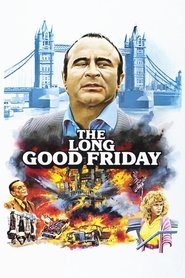
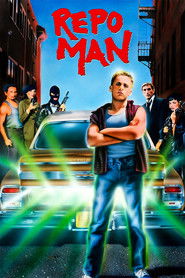

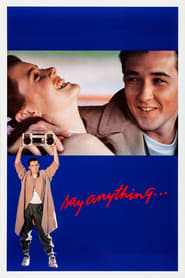
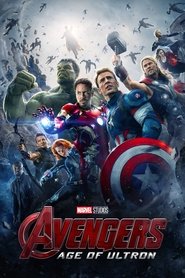
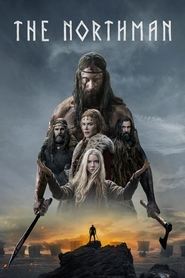
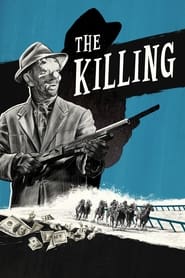
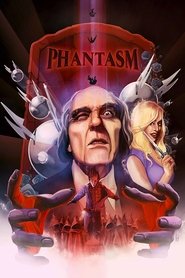
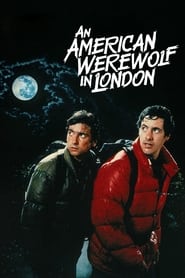
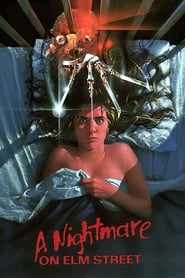
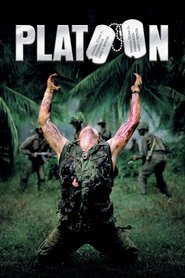
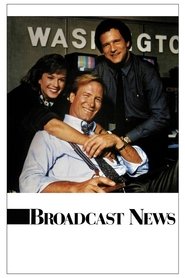
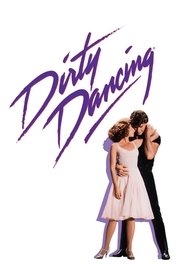
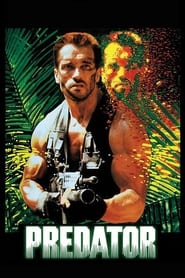
Related topics
Other topics that frequently come up in the same commentaries.