Topics / Cinematography & lighting
Composition & framing
139 commentaries in the archive discuss this, with 726 total mentions and 72 sampled passages on this page.
Filter commentaries
Filter this topic by the film's decade or the type of commentary.
By decade
Across the archive
ranked by mentions · click any passage for the moment in the transcript
-
director · 1h 24m 8 mentions
The Naked Gun: From the Files of Police Squad! (1988)
David Zucker, Robert K. Weiss, Peter Tilden
-
I think we did. Remember when he shot the bullet through the videocassettes? Or was that in... That was in the show, yeah. That was in the show. I think he watched. No, no, the thing where you have something on the big L who's out of the frame. I think the shoe was just for the movie. Swiss Army shoe. Yeah. This is one of my favorite lines where he says, Ted, why?
26:48 · jump to transcript →
-
I think that Vincent Ludwig was involved in a number of... Again, there was some laughter at that point. No, it's a compelling... There you go. That's pretty funny. Big laugh. Isn't this the part in the second act where you can go have a drink or something? This was another concession break. Yeah. I'm sorry. I'm worried about you. I don't trust you. But there was a very good, faint, you know, physical thing coming up. It's coming up right now. We're in the famous pass-out scene that she does not notice at all. Oh, yes. Done in the background.
50:46 · jump to transcript →
-
Now, it's good to put some jokes in the background, because if you draw too much attention to them, you can be held accountable. Or you can be disappointed. Exactly. He's such a gentleman. He's so generous. He just wants to have a talk with you and clear up any doubts that you might have about him. Wham.
51:15 · jump to transcript →
-
-
multi · 2h 24m 8 mentions
Alex Thomson, Terry Rawlings, Alec Gillis, Tom Woodruff Jr. + 3
-
You notice in these sequences, the camera is near the ground so the ceiling becomes more important than the floor and one is shooting up people's nostrils. This was an approach David Fincher wanted, which I think is terribly effective indeed and makes it more distinctive than the other three, rather, in my opinion. I tried to keep it fairly shadowy, so that it looks moody. Where I could, I brought the light from the top because it's unusual for the light to come from the floor, but one had to be careful about it obviously. The difficulty was getting light into the eyes so we could see what the actors were thinking but not at the expense of the mood. I remember at Pinewood Studios when the sets were going up, Fincher would have us walk through the sets just looking at the scope of them. It was truly amazing to see these things go up. Norman Reynolds is a great production designer. He builds the world. It's very difficult to control him cos George would tell him on Star Wars "Don't build that. We're gonna paint it", and the next day - "It's too late. It's built." When they sent us over, we said "Why are we going to London?" They said "It's the sets, the set design, the artistry and the craftsmanship." And it really was very true. British actors is another good reason to go there. Somehow the British accent does a lot for these movies, I think. Vincent has had a deep, abiding interest in Luddite monks, and had done a great movie called The Navigator, where these monks dig their way through the earth, coming out into the 20th Century. It was a great movie. But, anyway, the original idea was that this was a wooden planet built by the Luddites and in the bottom of the planet, symbolically, the reactor was kind of hell. The technology that kept this thing going was emanating from the bowels of Lucifer. What drew me to the project first was that it wasn't a retread kind of sequel. It was a completely new idea, and some of it survived in the final script. David was entirely in control from the beginning. He put his stamp on it. He was the director and nobody ever questioned it. He was completely in control of the set and everybody hung on his words. He was definitely doing it. There was no weakness in it at all. He was very, very confident in what he was doing and wouldn't be swayed. He had this vision and that was what he was going to do. He came under quite a lot of pressure from 20th Century Fox to hurry up or do it the quickest way or the most expedient way, but he wouldn't listen. He would do what he wanted to do, quite rightly, in my opinion. As I say, his compositions are marvelous and the use of the frame, and so on. David had been a cinematographer before he became a director, so he knew lighting. He knew what was good and what was bad. That's not to take away from David Worley, the operator. His contribution was enormous as well.
10:16 · jump to transcript →
-
Even for whatever he was, 26, 27, he'd seen a lot of pictures. He was a cineaste. He told me about his background, where he'd come from and how he'd got the gig. His ideas seemed very cinematic. Even then he'd joke and say "This is a Hitchcockian bit." "Here comes John Ford and here comes somebody else", so there are little nods. It was the kind of energy of somebody confident and someone who is a fan. When we'd work he'd say "Remember I told you this was that scene from The Third Man?" And you'd get it, whether it was some shots, some camera angles, some bit of lighting. It was nice. It was a bit of bravado, but he was very confident and decisive. Good to work with, and he also knew and liked actors.
18:54 · jump to transcript →
-
The commissary or canteen, whichever you'd like to call it, is one of the lighter places in this prison complex because it's lit from the top. I purposely tried to keep the fluorescent lights above different colors. I mixed the tubes so that it looked more run-down, less maintained, like they'd just put in any kind of tube that they had handy. I think the use of the frame is marvelous with the close-ups, and the composition's terrific, and this is mainly, well, entirely due to David Fincher. He would position the camera meticulously on each shot. He would position the camera meticulously on each shot. Coming onto the production four days late, most of the questions had been answered, in that I guess that David Fincher spoke to Jordan Cronenweth about how he saw it and also to the production designer, and so on. But that had been done before I got onto the production. They were four days into shooting, so all the decisions had been made. So I was faced with just getting on with it, basically, trying to match to Jordan's first conception of it.
35:13 · jump to transcript →
-
-
-
Darren Aronofsky
One of my favorite things about the sequence is in the background are all those numbers that you see sort of all the way in the background are actually numbers of pi continuously pumping by endlessly. And the sequence ends with a flash of brilliant white, which is how all the headache sequences end. And we begin the film.
1:22 · jump to transcript →
-
Darren Aronofsky
I bought the ants. He still doesn't know what they mean. So this little voiceover segment was written by Sean. Here we have the tree that I was telling you to look out for if you remember what it looked like in the first act. It was a little bit more contrasty. This we wanted to go for a lot more moody, and we also changed the frame rate. He's moving a lot slower, and the tree itself is moving a lot quicker and a lot more manically.
21:16 · jump to transcript →
-
Darren Aronofsky
you know, was just executed really well by the actors. This Archimedes story comes from, I think my dad told it to me first when he was in the bathtub once. I think he sort of told me this whole story about Archimedes and it just sort of stuck with me. My dad's a trained geologist who was a teacher for years and I think that science background is where I got some of my
23:14 · jump to transcript →
-
-
-
E. Elias Merhige
Herr Doctor, I warned you. You should be more concerned about these things. The crosses are not for decoration. We will put them back. They just overwhelm our composition. But not for men of science. The crosses are just merely decoration. We must go. Henrik, what's the scene number? Uh, 23. Quickly. Yes.
21:17 · jump to transcript →
-
E. Elias Merhige
on the production team was nervous and I needed to get this shot. If I didn't have Willem and John and Eddie and everybody so brilliant and so quick, I mean they're like super computers in the way they know their marks and where to stand and where the limits of the frame are. But I'm going to stop talking about that because I really want to talk about this scene for a moment.
40:04 · jump to transcript →
-
E. Elias Merhige
in bed on time and not exhausting everyone because otherwise things get sloppy. This is one of my favorite shots in the film. It's one shot through the back window of a Model T from 1919 and we're looking through the back window and we see Wolf at the right in the foreground out of focus. Now we move around the car and here we see the conversation continue but there are no cuts here and this is the kind of filmmaking that
41:57 · jump to transcript →
-
-
-
My background is in filmmaking and not in nuclear physics. It was a very interesting and illuminating odyssey in order to prepare for this. And then going further and finding out what would happen to skin, what would happen to vital organs when exposed to radiation, and understanding what obviously the visual aspects
35:09 · jump to transcript →
-
Yeah, something that you don't really realize, and it makes it much more adventurous than it normally would be, is that because they're all period vessels, all of them had been mothballed. The destroyer that we had in the background, the K-19 and then the rescue sub, all had no functioning engines, and they all had to be towed and guided by several towboats.
56:30 · jump to transcript →
-
small and large armies and equipment and coordinating in such a way that it's like it's a choreography of impossible precision. Yeah, and to go a step further with that, one of the responsibilities of an AD is to help stage background players.
59:09 · jump to transcript →
-
-
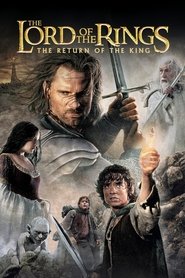
director · 4h 13m 8 mentions
The Lord of the Rings The Return of the King (2003)
Peter Jackson, Fran Walsh, Philippa Boyens
-
I always thought this was a dodgy scene because we shot it in our Fangorn set in the studio, which was a tiny studio and you can basically look at a painted cyclorama in the background. And it's one of the reasons why we shot it so much out of focus is to try to disguise the fact that it was just a painted backdrop. And that shot there in particular.
9:23 · jump to transcript →
-
I was always amused at the dog that crossed twice in the background and the wide shots. Well, Rohan have a whole dog trainer programme going on. They're one of the few places in Middle Earth that really have instigated that particular programme. Yeah. An MP from Parliament came on the day we shot this. We built Edoras in conservation land. It was built on a very protected area of New Zealand and we had to be very careful with the impact on the environment and things.
34:44 · jump to transcript →
-
That guard that they've rushed past there was Big Paul. I think it's the only time in the movies that Big Paul gets his face actually seen. This shot's a little tricky because you're seeing the small version of Mary running who's the four foot high scale double and then we had Dominic Monaghan on his knees waiting for the scale double to get around the corner and then without cutting the camera we had Dom popping up in the foreground. And this scene was really also about the fact that Mary has always taken responsibility for Pippin.
36:13 · jump to transcript →
-
-
-
No, it's the burial. It's the frame around the grave. I know, but I think it's... There's a dolly right there. No. No, there was no dolly near you. Remember, this was a long lens. Look, there's a... I know. There's no way that you would have seen the camera. I sent you a piece of mail from Berlin and asked us to call you when it arrived. It came this morning.
31:10 · jump to transcript →
-
I know. Now, by the way, this is a shot where one of our crew members, and she will remain nameless, is actually in the background right there, right between you two. Right there. She's running. She realizes you can hardly see it. We actually went back and we did this shot, which is a very tricky shot to get.
32:59 · jump to transcript →
-
And I love this reveal of her. Again, the music, too, I have to say. No, this whole sequence is brilliant. The choreography of this is really... Also, if you watch the guard behind the background, he's facing to the right. And then in this shot, he's facing... Wait, he's facing to the right. Hold on. Now he's facing to the left. You can barely tell. We kept having flopping guard problems in post. We're going to have to move sooner than we thought. Can you identify who made the drop? Negative. Again, just, you know, a testament to ILM. Yeah, this is my favorite cue. I love this cue. I just...
49:11 · jump to transcript →
-
-
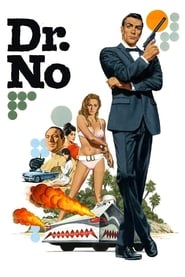
multi · 1h 49m 7 mentions
John Cork, Ursula Andress, Eunice Gayson, Margaret LeWars + 20
-
A little background on actor Timothy Moxon, who plays Strangways. At the time of Dr. No, Moxon was making his living as a charter pilot and crop duster in Jamaica. But before he moved to the Caribbean, he had been an actor in London, where he knew director Terrence Young, which led to Moxon being cast in the role of Strangways. Actor Anthony Dawson plays Professor Dent. Dawson appeared in many films for director Young, beginning with They Were Not Divided in 1950 and continuing with Action of the Tiger in 1957.
2:52 · jump to transcript →
-
Lois Maxwell also worked with Terrence Young on 1949's Corridor of Mirrors. She recalls discussing the role of Miss Moneypenny with the director. I said, Terrence, look, if we can give a background to Miss Moneypenny, and I don't have my long hair in a bun, and I don't have to wear glasses, and I don't have a pencil over my ear, I think I'd be more interested in playing Miss Moneypenny. And he said, good girl.
9:21 · jump to transcript →
-
Sean and I and Terrence decided on the background of the relationship between James Bond and Miss Moneypenny. And that was that when he was a tea boy and she was in the secretarial pool, they had gone off together for a lovely bank holiday weekend to a rose-covered cottage.
9:52 · jump to transcript →
-
-
-
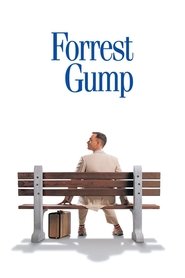
So we actually took colors and in fact the outside of the school scene that's coming up was taken literally from a composition of his. Looking at Sally Field now, I recall that Bob saying that for the first, you know, 20 minutes of the movie or so, the whole movie is
5:11 · jump to transcript →
-
You know, like, for example, when Kennedy's got the football at the very first shot, that was actually in Rose Garden. But we found that image of him and we put him in the Oval Office with our, you know, background plate. Stuff like that. So we just looked at everything. And then when we found the bits of film, we went back, revised the script to try to weave the story into what we had. And I know the joke of, like, when Kennedy says, I believe he said he has to go pee.
30:52 · jump to transcript →
-
Going to Vietnam in the service and not going and fighting the war and what made you a man of that generation? And Forrest just kind of was able to do all the right things. And right here, I mean, you know and you just feel how much he really, really cares. Now, this was on a bridge outside of Savannah, wasn't it? Yeah. Where we shot this? Yeah, and then we put in all the lights in the background.
38:35 · jump to transcript →
-
-
-
Jonathan Lynn
who handles this scene with characteristic skill. People who see the film for the first time just don't realize that she is offering, seriously offering to kill Oz's wife. And yet she does it. So when you look back on it, you can really see that she is a killer, but it nonetheless surprises people when they discover it. Background music here is jazz violin.
5:58 · jump to transcript →
-
Jonathan Lynn
agreed to charge us to such an extent that we couldn't afford to shoot there anymore. And then we found this location, which is just wonderful and shows a panoramic view of Montreal. I was really pleased that, yet again, financial considerations forced us into making a change, which turned out to be for the better. After the ensuing scandal and bankruptcy and embarrassment, my wife and her mother decided it would be best that we move back here. That's the St. Lawrence River in the background, of course.
13:43 · jump to transcript →
-
Jonathan Lynn
No, I live here with my wife. You sure you're a dentist? Yeah, why? Because I've never met a dentist I liked. Well, I try to keep things as painless as possible. Me too. Yet again, you can hear French accordion music in the background of that scene.
14:12 · jump to transcript →
-
-
-
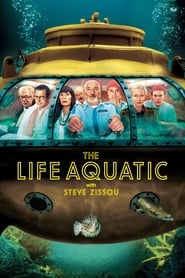
Noah Baumbach
Let me tell you about my boat. This is something when you first brought the idea of the character and the story to me, this was something you always wanted to include. I remember you said, you know, idea of this character, originally named Steve Cousteau. We later made him Steve Zissou. Oceanographer. He has this show. And then you said, "I want to do this--" Visual. - This visual. So this set, this is sort of inspired by, you know, World Book Encyclopedia, and Time-Life books, and, you know... elementary school books with fold-outs. And so that's kind of where it comes from, but making it in three dimensions. And for me, it was just something that I was inspired by. And it was years and years ago that I was planning to do this. And it was very kind of thrilling to be able to build this set because it was such an unusual one. And so many people-- For us, the movie is about all these characters who we made up, but they relate to people we know and they're characters we really love. We don't really have a lot of bad guys or anything. We just have these people we connect with. And the idea of having them all in there at once in this environment, that sort of encapsulates something about the movie. I think it goes back to what you were saying about your-- That this is also about what you love about making movies, and how you feel, you know, sort of lucky and privileged to be able to do it. And here, you know, in a way, this is like your dream of, "If I could make a movie, I want to do this." I mean, you've had this for so long. - Yes. And we shot it... It was like shooting a play. Explorers Club? - Right. You were on the set. - Yeah. This is-- Yeah, I spilled an entire espresso on my shirt. During the filming of this scene? Yeah. I was so jet-lagged. I was listening with a headset and it somehow disconnected from the headphones, the little mic part, and it knocked the espresso out of my hand and all over my shirt. Yes. You know, I always like paintings. - You do have a lot of paintings in your movies. - Yeah. And those tell about the character of his mentor, Lord Mandrake, and then we have Zissou, and then we have... And this story was actually based on something a friend of ours had been talking loudly in L.A... Chris Eigeman. Chris Eigeman had been talking loudly at an Indian restaurant in L.A. He thought that there was somebody who looked like a famous action hero, and he was talking very loudly about what happened to this guy, and it turned out to actually be the guy, and Chris was humiliated. And we lifted it wholesale and dropped it right into the film. And at one point you were going to have Chris play the guy until then you decided to make him Italian. It seemed nice to be able to put it all in subtitles. The Explorers Club is also-- This place is inspired by a club in New York who actually let us use their flag, which you can see in the background. And it's the Explorers Club on 70th Street, a block away from where I used to live.
14:59 · jump to transcript →
-
Noah Baumbach
One thing here, by the way, in the background of Owen's shot, you see this painting here, a nice little landscape, and there it is there in Cate's also. - That's interesting. Part of the magic. Theoretically, it's two of them, but it really isn't.
26:18 · jump to transcript →
-
Noah Baumbach
Bill Murray, one thing about Bill, there's kind of two parts of working with Bill. I feel like the two of us have a very similar understanding of how to approach the scenes in terms of what we each have to do. He's easy for me to communicate with. He's quick to grasp what I'm thinking of. He's quick to come up with his own interpretation that gets at what I'm hoping for, what I might not be able to describe to him in words that made any sense, he can somehow make sense of. There's another part of Bill, which is this sort of wildness that he brings to the set because he's somebody who can walk into a room and immediately command it, and he can always think of something great to say, and he loves being around people and getting them behind him and getting them following him. I've never met anybody else like him that I can absolutely certify. He really has an effect on people, and he has an effect on a group of actors, and he has an effect on a crew of people who will just never forget him. This scene, I really like how they play this. Yeah, this we did with the... Cate brings a lot out of Bill, and I think she has a real effect on him. Bill has a wildness about him. - He's really on the edge here. When he points the gun at her, that was improvised in his off-camera. In one take, I saw something black pop into the bottom of the frame, and the camera bumped, and afterwards I suddenly did a... "Did you just point your gun at the pregnant reporter?" It was a nice touch. Yeah, it was such a nice touch that I think I thought we wrote it.
27:31 · jump to transcript →
-
-
-
David Kalat
With his background in engineering, he was given to fashion his own equipment and jerry-rigged devices to achieve special pictorial effects impossible otherwise. His colleagues nicknamed him Smoke. But atmospheric effects were but tools in a wider arsenal, and he aspired to improve upon the still primitive art of special effects when he saw a film that shattered him.
20:14 · jump to transcript →
-
David Kalat
although some were at an even smaller scale to create forced perspective effects. So get a load of this. This is an in-camera double exposure in which fleeing extras at the bottom of the frame and the top half is made up of a miniature set and a man in a suit. To get the synchronization between the bits entailed precision timing between two different scenes shot by two completely different production crews months apart. And any mistake would mean starting over from scratch.
45:59 · jump to transcript →
-
David Kalat
Haruo Nakajima had been hired to play Godzilla thanks to his martial arts training, his background in stunt work, and his overall strength. You can imagine how being hired to play a monster in a rubber suit might cause you to maybe not take your job all that seriously. But not Nakajima.
56:42 · jump to transcript →
-
-
-
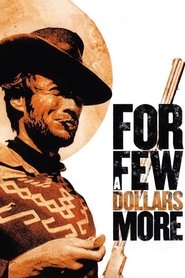
Tim Lucas
I can't find a distinct identification for the actor playing this ousted hotel guest, addressed as Señor Martinez. Let's appreciate the beautifully layered composition of this shot. For a few dollars more was photographed by Massimo Dallamano, who shot A Fistful of Dollars so brilliantly. He had already photographed close to 40 films, but this was his last major assignment before he graduated to the position of director.
34:15 · jump to transcript →
-
Tim Lucas
For a few dollars more was the first time that Sergio Leone had Ennio Morricone compose and record the film's music before he began filming. And this, I believe, is the reason behind this film's tremendous leap in musical imagination. Morricone was not tailoring his music to the action on screen. Leone was tailoring his images and indeed his actors' performances to Morricone's music, which the maestro could now approach from the purer vantage point of composition.
1:13:30 · jump to transcript →
-
Tim Lucas
He read the script and scored what he experienced in his imagination. Of course, Leone had to be agreeable to the directions he was taking first. They had a simple way of synchronizing themselves. Morricone would play for him, very badly, he said, the basic themes that he had in mind on the piano. And if Leone felt moved by them, even in the context of a poor piano performance, he was told to go ahead with the full composition.
1:14:00 · jump to transcript →
-
-
-
oddly enough, in previous years to kind of grow up and more expectations to grow up than kids are now. What can I say? I love this introduction of this character so much. And that the jukebox is in the frame really does it for me. It's a Wurlitzer, too.
9:42 · jump to transcript →
-
As you know, I just love so much how it's shot. I just love the widescreen. I love how actors got a chance in your movie to work against the frame, work with space, and not have to be so confined as we see in so many movies today. How did you work with that?
30:38 · jump to transcript →
-
composition and work with the actors within the space? Well, it was an interesting choice. I think part of it was economic because it was two perfs instead of four, so we were getting twice as much on every roll of film. So, you know, it was cheaper to shoot. But I think, you know, that long, thin...
31:07 · jump to transcript →
-
-
-
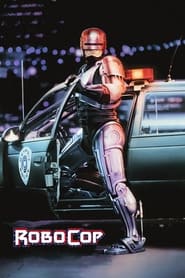
Getting ready to pound the nail. I mean, a lot of this, of course, is kind of part of the crucifixion, the passion story of Jesus, you know. And I always felt, for me, it was continuously a situation in the background that RoboCop somehow was an American replacement of Jesus. That's why at the end of the movie, as a modern Jesus, an American Jesus,
22:00 · jump to transcript →
-
And probably in death, we all have to assume that happens to us. You can't go back. And in fact, in terms of a classic storytelling, it's like this is the point where he can no longer return to the state he was before. And you really can't. He's dead. So it's really a complete... Yeah, Roboteam built an extra layer here so we can have all this gruesome stuff on the foreground.
25:51 · jump to transcript →
-
Anyhow, so what I said that this is what you see burning in the background is still the result, more or less, of the explosion. We had to shoot it very fast after the explosion. I think we rehearsed it even before the explosion so we could rush to this spot with the cameras and shoot it while the building was still burning. And the fire department was trying to get us out of town. Now, this is the CompuLab. And this is a sequence which, you know, normally would be an exposition sequence that would be pretty dull.
52:49 · jump to transcript →
-
-
-
Well, I was going to say psychosexual, but it's not even... The sexuality is actually a camouflage for something else that they're trying to wrestle with. And so even though if you look at the background, you see Chrissy and Francis, played by Bruce...
11:57 · jump to transcript →
-
from high school. We were, she directed my plays in high school, so she had this very strong theatrical background. And so I think a lot of the theatricality and the feel of the place was something that I owe to Linda's imagination. And really, anyway, okay, so here we're seeing physically this theme as it's
35:16 · jump to transcript →
-
all these images of who her mother was. If you look closely, you'll see, you know, it was a much more glamorous place, right? It sort of, I think what you like about it, Mychael, is that it's kind of a little seedy, but we're seeing like pictures of young Chloe embraced by her mother in the background. There's the mother behind Mia right now. And so, you know, it's this idea of another life.
46:47 · jump to transcript →
-
-
-
Oh, I wanted to say about Shanley also is that, fun fact, 15 years earlier, he spent a year studying gorillas to write a play called Gorilla. So maybe that was part of how he came to this. I mean, he would obviously be probably Frank Marshall's first choice because they had worked together anyway, but he did have that gorilla background. This is probably a time I should bring up this hippo. The special effects on this movie, they had a physical effects...
1:00:36 · jump to transcript →
-
like he lets the actors improv and kind of find their own character. And that went for the grays also. And they had to kind of figure out what the gray society was like and kind of what the hierarchies were. And, you know, they did all the usual background kind of actor work. And same thing for like the carvings on the walls and how they laid out this.
1:18:12 · jump to transcript →
-
this village this mine or whatever um on the production design side like everyone is doing deep background work even though you can't necessarily you know see it on the script you feel it on the screen even if it's not explained on the screen um but they decided that the grays should be like chimps on steroids which the people who know about uh apes they don't speak very highly of chimps in general like gorillas are definitely preferred um but uh
1:18:33 · jump to transcript →
-
-
-
One other interesting note about this scene, that is a real keg with real beer, and Jacob Pitts, our delightful Cooper, really liked these scenes a lot. It's what we like to call method acting. That's one of the things we learned. Or simply drinking. - Aren't they the same? I guess we should introduce our cast, now that you've been watching for ten minutes. Scotty Mechlowicz as Scott Thomas. - Which is why we cast him. Make it very easy on ourselves. The beautiful and talented Michelle Trachtenberg as Jenny. And Travis Wester is her twin, Jamie. And that's Jacob Pitts going off to take a leak. And this was another one of our delightful cameos that we got because we were in Prague. Yep, that's Matt Damon, which... Everyone in the theater sort of goes, "It can't be. Is it? Is it really?" Why is his head shaved? He was actually in Prague shooting Brothers Grimm for Terry Gilliam at the time. And we actually went to college with Matt years ago. So we've been sort of friendly ever since. And he was in Prague and we asked him to do a day of work for us, and he agreed. The biggest favor ever. - Thank you, thank you, thank you, Matt. Yeah, Matt's just hilarious here. Matt's not watching this DVD. We're going to make him watch it. That'll be another commentary. That would be the biggest favor he's ever done. But the band was actually started by some other friends of ours from college. I guess this is as good a time as any... A couple of them were of Matt Damon's roommates in college. The band Lustra... - One of them. The band Lustra, good guys. And they wrote the song, which is really fun. We've known each other since college. I'm going to just talk now 'cause no one's listening to what I'm saying, because there's a naked girl on the screen. I wasn't listening. What were you talking about? Now this, in the unrated version that we're watching, she started off topless. In the theatrical release, if you saw it, we actually cut a different version where she started off with her top on and Cooper talks her out of her top. - He convinced her to take it off. And it was very strange, sort of, when you get into this whole nudity thing. Obviously, it's a hot tub scene, but somehow when her top was on and he talked her out of it, while it was a very exciting moment that he talked her out of it, it oddly made her dumber, even though she is sort of a stereotypical dumb blonde. - Right. And we always liked it this way, the way you're seeing it. We liked the scene to answer the question, "What is beyond gratuitous?" That's the answer. - There it is. And there they are. The answers. The other stuff we added back into the scene is just more of him screwing around with her. Because, to us, once you're at the nudity, it's how far he goes. This scene... - It's not about nudity. No, this scene was always about the crazy extent to which he got her to play with herself, as opposed to just getting her to take her top off. By the way, the banner in the background originally... This is what happens when you work in Prague. It's a big congratulations banner. The first day when we got there, it just said "congratulation," like one singular congratulation, which is a word we didn't know existed. Sort of a funny story about this scene, which, hopefully, we can tell. We were actually rewriting another movie, which I guess we'll leave nameless, that had a hot tub scene in it and we came up with this idea, which was the fact that a guy saying, "You have a smudge. You've got something on you." And we were really enjoying what we were doing so much that we didn't put it in that script. And we're like, "We'll use it one day." And here it is. Screw it. The movie was called Out Cold, I think. Yeah, exactly.
7:55 · jump to transcript →
-
Not that cursing. - Still makes me laugh. This kid... I swear, if Nial lived in Los Angeles... - Comedy gold. ...he would be on every sitcom in the world. He's a Star. - Every week, you'd just see him on different sitcoms, playing this exact part. I think he worked, like, six days for us, and I think we probably paid him about $130. It was $166. His character Bert, because we paid him $166, we began to discuss all expenses in terms of Berts as a method of payment. A very expensive dinner might be a Bert. Yeah, or like, "Oh, God, that's going to cost us two Berts." And it was-- One of the great things about shooting in Prague was cheap labor, cheap construction. Later in the movie, we get to the Vatican. Good labor and good construction. Fantastic. - The artisans are unbelievable. Great infrastructure, just great people that make movies. I mean, we put a crew together out of, you know, just really very few people from out of Prague and they were just fantastic. Especially because we'd never done this before. Our background was originally sitcoms. We all worked together on Seinfeld. Also Conan, Saturday Night Live, and so... I'll never forget it. I'm sorry. Bruce, the drummer of the band, has to sit next to Kristin and Matt and they all have to have their shirts off and Bruce says, "I don't know if I want to, because I have a rash." No, he said, "I'm just getting over the shingles." Shingles. That's what he said. He said it in front of Kristin. Kristin was like, "Oh, God, what have I gotten myself into?" I'm like, "He's joking, he's joking. He's a very funny musician." Without shingles, I promise. Actually, I remember we shot Mieke talking in English and in German, and we decided to use the German with the subtitles. We didn't think German would sound sexy or attractive, but she's Jessie. Somehow, when it comes out of Jessica Boehrs's mouth, she sounds sexy. Yeah, she's so warm and charming that even German sounds great. This is Jeff's favorite thing in the entire movie, that stupid jackalope T-shirt, which is not funny, but he swears is a joke. I don't think it's a joke. I just think it brings pleasure to those who see it. To you. - It's really a terrible T-shirt, especially compared to the many good T-shirts. This is actually-- I would almost... This is my favorite scene in the movie. This is the scene where the movie, to me, works the best, where these two guys were just sort of dialed in and their relationship... It helped very much that we shot this scene way toward the back of the shooting schedule. Yeah, if you look at the first bedroom scene where we already were, which is one of my least favorite scenes in the movie... Day three, we did not know where to put the camera. We did not get... We didn't take a wall out that we should have. It would've saved us time. We should've taken a wall out to get a master shot, a shot that allowed everything to happen and the camera to get it. We did not get that shot and got everything in little pieces and just then edited together the little pieces, and it just created... It took the entire day, which it just shouldn't have taken, and in this scene, which is basically a month and a half later, probably, we shot it... - Yeah. ...we knew which wall... We took the front wall out from when Jacob first walks into the room. Got our master shot, a really nice master. I think they were there performance-wise, in terms of their friendship. And, if I may, the jackalope T-shirt... - And the jackalope T-shirt... Also, it's sort of what we learned doing this movie that... The longest we ever shot in one location on this movie was three days, and this was probably the third day we were shooting on this set and we learned how to shoot this set. We definitely learned how to shoot the set. What wall to move and how to shoot it. The larger issue, I think, would be that I think any other... any person who had ever directed would've known, get a master. And so, an excellent lesson learned. - Yeah. I also think the actors were more comfortable with each other, we were a little bit more comfortable, and also we knew the set and we knew how to shoot it a little bit more. And that was one of the hardest things about this movie is, every day, we were shooting one, sometimes two, sometimes three locations, and you didn't have any time to learn each set and learn how to shoot it and what the easiest way to shoot it was, and as soon as you learned, you were done shooting there. - We had a location fall out, a Vatican location sort of fall out, which is how that other bedroom scene got moved up. And the initial schedule was sort of built to accommodate a little bit easier scenes with guest casts, things that maybe weren't as important and then that bedroom scene kind of got moved up and I do think it suffers.
14:17 · jump to transcript →
-
The shot just before this, the one outside, we actually shot at the Prague airport, which is another advantage to shooting in Prague. I don't think there's any way you could get a camera crew right on the departure gate of an American airport anymore because of security. Of course, one of the downsides of shooting at the real airport in Prague is that we had our day curtailed by a bomb threat. Bomb threat, which I still maintain... - Potato, potato. I maintain may have been because of us, and there was no bomb. There was no bomb. - I'm sure some... A grip left a bag of clamps somewhere and... But that was another scene, too, where, when we look at it, there was sort of a way of shooting it, two different ways of... We started shooting them sort of looking out where we were shooting into those boring offices, and obviously the prettier shot... I know I'm talking backwards... In hindsight, we should've shot the other direction. We should've shot in the other direction, because when they do turn around, you see that background. And again, these are lessons that were sort of both imparted to us as we were going along by our wonderful DP, who we should mention, David Eggby. - David Eggby, who saved us from ourselves every day. And there's a certain amount he can tell us, which he certainly did, and there's a certain number of times where we have to be wrong before you learn and certainly that was an example again, something we did where... The other thing in the deleted... - He warned us and we didn't. In between the courier counter and this scene, there's some fun stuff in the deleted scenes, which is they realize that they're gonna have to take all these courier packages, so they don't know what to do with all their clothes. They have to wear all of them onto the plane and through the airport. There was about 15 minutes of stuff which... Decide for yourself whether it works or not. It didn't work in the movie, but it's fun to look at. And by the way, Jacob's T-shirt says, "I'm rocking on your dime." Travis owned that T-shirt and we thought it was funny, so we put it on Jacob in the movie. These transitions-- That's my dog. These transitions were... That's my queen of England. - That's your beaded London flag. Yeah, it goes on the back of my cab seat. These transitions were also done by Kyle Cooper at Prologue. There's a few more of them coming up. You'll see. And this is our first big visual effects shot. Yeah, this was an amazing debate. That's not the real Jacob Pitts. That's a robot. This was shot in Prague by... There's a big river in Prague and that's all real. That's real. And we put a little British flag there, and basically the background was replaced. Not in these shots. In that shot. - In that shot, the background is replaced because on that side, I think, was... Is that where our hotel was? I don't remember. No, we were further down. - Further down, okay. And I guess we should mention Kevin Blank, who was our visual effects guru supervisor, who we found from the TV show Alias, where each week they do a lot of really amazing things like this. Right. If you look in the background, you see the buses on the bridge. The bridge is real and the buses are real, but the stuff behind that is not real. But the flag, for example, I don't think that's real. They added that. If you look at the clouds move... - There's cars moving on the side. The clouds are moving. They put those clouds in. And what Kevin allowed us to do, besides being a really good guy, as everyone on this movie was, he let us do a lot of big effects like that on sort of a TV budget which allowed... This was a "smaller budgeted movie," and it let us do some special effects without bringing in these, like, big effects companies where it would cost a lot of money. By the way, this is about the time that we should mention the Feisty Goat. This is the Feisty Goat pub. And we saw the sign out in front, which we misspelled. I think this is the right time to say that Alec, David and I went to Harvard and we didn't know how to spell "feisty." We spelled it wrong in the stage directions. Spelled it "fiesty." - The guys who made the sign just took our spelling. We showed up on the day and the crew was laughing and we couldn't figure out what they were laughing at. We shot an entire day without anyone noticing and on day two, people realized. - No, they knew. Did they know? Okay. - Oh, yeah. They were laughing their asses off at us. And then finally, it was like, "Did you guys know?" And they're like, "Yeah." - And this is the incomparable Vinnie Jones who, when we wrote the part of Mad Maynard, the chief hooligan, we hoped that maybe we could get Vinnie Jones. We wrote it with Vinnie Jones or a Vinnie Jones-type in mind, never thinking that we would get the real Vinnie Jones. The dream being Vinnie Jones or someone that would rip Vinnie off. And the pleasure of getting him was just so great. It was amazing. He scared the living daylights out of these two. They're not... This is, again, method acting. We told Vinnie that they were really... that the kids were really scared of him, and he did nothing to make them feel at home for this scene.
18:35 · jump to transcript →
-
-
technical · 1h 22m 6 mentions
Måns Mårlind, Björn Stein, Gary Lucchesi, Richard Wright + 1
-
Oh, we started watching the movie. - Yeah. This is cool. - Will she make it? Got her clothes on. One of the things that we were very keen on... ... that we wanted, was that we wanted.... We had this ambition... ... that the audience should have their first breath... ...after the first 10 minutes... ...when she gets dropped off the truck... ...which we will see. And when I was watching the premiere yesterday with my wife... ...when she get-- She: At exactly that spot and I felt, "Wow... ... this was exactly what we were aiming for." I think the audience was a little surprised too. We had the premiere last night so we got to watch... ... the movie with a big audience. But they were surprised at the level of violence of the movie. This is a tougher movie than the other movies. Selene is a lot more badass in this movie. She kills a lot of people. - Yeah. Went through a lot more buckets of blood too. A sign of the times, I suppose. Yeah, you'll wish you hadn't done that. This was one of the big scenes in the trailer... ... that we had shown Screen Gems right at the beginning. I love the little splat of blood hitting there. That was sweet. I repeat, full containment... No, there was buckets of blood. I mean, it's.... Violence Is an aesthetic I think that, I mean, goes a hundred years back. Yep. Have we actually done a body count in this? It's a lot. You know what? I did once. Did you? What'd it end up being? - I can't remember. Counting Lycans and humans. Yeah, dead-- Corpses. Now, this moment was an additional shoot moment. It was the first thing we sh... - Wes Bentley, yeah. It's the last and first... - The uncredited Wes Bentley. The first and the last... - This jump was the first thing we shot. First day of shooting. - Look at this boom here. There. That hit in that shot, was Alicia... ...our excellent stunt girl, who just smacked... It sounded like the worst sound I ever heard. It's like, "We killed the stunt double on the first shot." And then you said, "Let's go again." The first day of shooting went so well... ... that I walked away thinking, "God, this is gonna be an easy movie." Oh, my God! - You were wrong. I was wrong. It was so difficult. This was the toughest by far we've done. They're not supposed to be easy. No. - There's a direct correlation... ...between the amount of suffering to do a movie... ...and how well it turns out. We never did a film, like, with this big budget kind of thing... ...but I think you always end up in the same position, you know? You don't have enough money. You always... Imagination can always outrun money. Yeah. - Yeah. The 3D made it more complicated too. Yeah, the 3D really-- You know, nobody had really done it. You know, how to plan it and how to shoot it and.... This is where we want people to breathe. Yeah, here. Here's brutalism again. - Yeah. I was talking with the cinematographer... ...ocott Kevan, last night and... Who did a great job. - He did a great job. And the person... I introduced him to my daughter. My daughter said, "Was this your first 3D movie?" He said, "No, my second. I made all my mistakes on the first one... ...So this one I could get right." Yeah, he was the only guy kind of who had done it. Yes. - And he kept telling us: "It'll take a long time." I remember-- Gary, you said: - It did. "If we go down the Amazonas, it'd be nice... ... to have someone who's been there." Done that trip. That was true. Scott was really there. - Yeah. He was great. But it's also-- It has been very... ...weird. - First shot of Kate. This was the first shot of Kate. Yeah. - First night. That terrible night when it would not stop raining. This was one of those.... - There's a gale right now. When the duck flew into the light? - Yeah. It was a duck who came from the sky... ...and landed in the middle of the set. The camera broke down about four times. Yeah. No, just shooting 3D was a weird experience in that sense... ... that we hadn't done it before and all the rules that you get... ... from various people who has done it... ...Just turn out to be not true or.... - Bullshit. Total bullshit. I don't know if the Red Epic that we used, the camera... ... kind of discarded some of them so it actually works now... ...and it's also.... You have to realize you're telling a story... ... you're not doing a 3D ride. Although this movie is like a ride but... No, but I think what.... True, because... .all these people that we talked about, they were technicians... ...and not filmmakers or storytellers. So they speak about the perfection of everything... ...and that's not really interesting, perfection... ...ecause what you go for is emotion, and emotion is not always perfect. It's also... You know, 3D is in its infancy. People really don't know the rules. When we took those classes... ... there'd been like six movies made and so people didn't know. Half of them were not real 3D, either. - Correct. Where you actually were using binocular cameras... ...to shoot the entire movie, which we did. I don't think any... There wasn't a rule they gave us... ...that we didn't break. - No. I mean, it was... - No. Everything. This is that hybrid POV, as we Call it. It's when Kate starts seeing through.... She thinks she sees through Michael's eyes... ...but it's actually India's. Eve, her daughter. This is so hard, I think, to decide as a filmmaker... ...when you do this. What it should look like? - No. Not technically, but I'm saying the suspension of disbelief... ...of is it Michael or not, and.... We didn't know... All the marketing now you've seen... ... you know, It's all out that she has a daughter in this one... ...which, you know, when we were planning this.... Hopefully that would be the secret. It's gonna be a surprise, yeah. - "Wow, she has a daughter." But.... And I think what helps us Is that we... - Michael Ealy, by the way. Michael Ealy. - Appearance of Michael Ealy. What helps us is the pace that we had to this. You just move so fast that, you know... ... you don't leave time for the mind to think that much. But it's.... Yeah, it's interesting. One of the scenes we shot here is outside in Vancouver. Vancouver-- When we heard we're shooting Underworld... ...and we're shooting it in Vancouver... ...we thought that was pretty strange because it's not gothic. But as Bjorn was talking about... ...when we found the neo-Goth and the brutalism... ...Vancouver Is fantastic. - We'll start counting... ...how many times that word comes. - You do that. It might be even more people than die. Yeah. A couple of words about Kate.... She's a movie star and a really, really good actress. Sometimes that's not the same thing. But she is, and she's very fun to work with. And she... You know, she's British, she always... Theo James. - Theo James. Very witty, yeah. - Young English actor making his... Who's also extremely funny. - Those damn Brits. Yeah. He's so funny. And you're around people who are gorgeous and funny... . It takes its toll on you. Yeah, it doesn't go together usually, yeah. No, and you just stand there in the middle and talking really bad English. I love this shot we did with Stephen. I remember we were shooting it, he was really somewhere else. He was... That was a scene we added after we had started shooting. It was Gary's scene. - That was my idea. We initially had a scene outside of here that l.... I remember seeing this location. I thought it was beautiful... ...but I couldn't wrap my head around a desk being in an exterior atrium... ...so I was struggling with that, but I'm sure glad we did it. I think it looks beautiful. I think you said when you saw it, "It's outside?" It started raining. - "It's outside?" And it was freezing cold. You remember how cold it was? Oh, my God, it was freezing. - God. This is the second... - Then we said: "We have all this concrete and it's freezing cold. Let's get water everywhere. That'll make it really comfortable." This is day one. Day zero, we did the jump we saw before. This is day one where it was full-on, all teams... ...SO this is the first scene that we shot of the whole film. And this shot was actually blown up. We had shot it wider, but we were able to push in on it. We did that with an enormous number.... One of the beauties of using the Red Epic camera... ...was the ability to push in and resize afterwards... ...1N postproduction. That's 175 percent. - Yeah. One of the things I believe that Mans and Bjérn should discuss... ...because we experienced it our first day of shooting... .IS that they are slightly unorthodox in terms of a directorial team. Slightly? They alternate the days they're shooting. So the first day, I believe it was Bjérn, right? You were directing the first day... ...and then Mans would direct the second day. And so, you know, you guys may wanna enlighten the audience... ...as to your procedure. - This was Mans. The prior one in the corridor, I did. I can't remember, but we always have the producer flip a coin... I did. I remember I flipped a coin. Yeah, flipped a coin and whoever gets the tails... ...whatever we decide, begins the day. The thing is, when I'm directing, Bjorn's my best buddy... ...as we Call it, and he doesn't do anything... ...except helping me. Nobody's allowed to talk to him. - Wait. We'll miss Wes getting thrown through the window. This is a totally reshot scene. - Yeah. We had another scene that was... - Just not working. No, it was a bit of a disaster. We got the opportunity to reshoot this, and I love this scene. I love it too. - It's great. This whole spider-webbing window thing.... That was actually Len Wiseman's idea of having him... ...be pushed through the window as it spider-webbed behind him. Yeah, we had.... Yeah. Fantastic idea. - Yeah, great shot. In the background, you see he's got little stuffed animals... ...because we wanted him to be a tinker... ...because he's been tinkering with her... What? I never saw those stuffed animals. I love this shot. I love this. It's too short. - Way too short. Yeah. It's way too short. You know, if you're starting to do movies or anything.... Please listen up, because Bjérn is saying something important. If you get into doing green-screen stuff, stay on it longer... ...because the visual effects will come in and you'll go: "Why the hell didn't we stay longer?" You had 36 frames of tail handle that you didn't use. So it's... So there. - Bollocks. I did not see that. - The famous.... Larz. Thank you, Larz. This is a 300-pound dummy in steel. Oh, God. Nothing.... I mean... Larz is the visual effects... - Special effects. Special effects. We thought, "There's no way. That's not gonna smash the car." Larz was like, "It's gonna smash the car." It did. - It smashed it great. Larz was right. It worked. And I love this shot of the camera pulling up... ...and catching Theo there. - Yeah. SO we are boosting up the mystery here. Theo, who is this guy. - The mystery man. And hopefully you don't know that he's a Vampire yet. He could be anyone, probably a human. Yeah, that was one of the challenges, as well, with the introducing. We introduce Michael Ealy, who plays Sebastian... ...and we have introduced David. We had introductions of a character called Quint, which is... Love this knife. - Yeah. The Uber-- Who was a Lycan, but it was taken out. Because there were too-- Yeah. Kris. - Kris Holden. Brilliant. - Brilliant guy, brilliant actor. It was taken out because there were too many people presented... ...and he gets presented after the car chase... ...and we only see him once. I'm not sure if that was perfect. In hindsight, maybe we should have. - But it's tough. That's... This is a movie where there's only one character... ... left over from other films. Every character has to be introduced. At a certain point, it's a struggle... ...trying to figure out ways to do it without overwhelming the audience. So we just caught a glimpse of the lower Lycans. And one of the things that we really loved in this one... ...was that we could expand the mythology and the universe... ...by inventing new creatures. And we liked the idea that they have been living in the sewers. There's one now. Yeah. And, you know, we thought, you know.... Here we thought Gollum. We thought rabid dog. We thought puss-- Run... Is that what you call it? Puss? Pus. - Pus running. Yeah. Saliva. Fucking crazy in the head. Rabid crazy. That... - Syphilitic. We wanted to because there's... One of the most wonderful lines... .In the history of Underworld is: "You're acting like a pack of rabid dogs! And that, gentlemen, simply won't do." That Michael Sheen says in Underworld 7. And we said, well, let's turn them into those rabid dogs now. They-- You know, they have lived here underground for so long... ... that they actually became these rabid dogs. Yeah, we actually don't see these guys as being human anymore. They're just Lycans. - And they... They turned out beautifully, James. Really beautiful. - These are my favorite Lycans. I think if there is a part five, there should be just these guys. I love them, just those.... The horde. - Yes. Really sick. It was the first time we moved away from suits. We always relied on practical prosthetic suits... ...and this was the first. This and the Uber are the two creatures that are purely CG. The Uber was hard to cast, so we had to go CG. This is an important moment. I loved shooting this. - This is where Selene sees... ...this child for the first moment. Without realizing who it is. - Right. She thinks it's Michael. I remember when shooting it... - She expected to find Michael. Right. Exactly. And she was so beautiful, and she looks so scared. Vulnerable. - Yeah. And the whole thing here we set up, you know.... We're gonna reveal later in the van, when she rips the Lycan's head apart. Hopefully that works, because we set up this girl as weak... ...as we see here, and vulnerable and so on... ...but she is the daughter of Selene, which means the girl's got powers. She's got the kick-ass gene. - Her name is Eve... ...which is never pronounced. - No. It isn't? We never say it? - We never say it. She says, "I'm Subject 2. You're Subject 1." So we might give her another name if we want to for the next one. Eve is perfect, I mean. No, but I think Selene is so beautiful... ...because Selene means moon in Greek. Is that right? - Yeah. Selene means moon in Greek? - Don't you know your Greek? Apparently not. Good Lord. Yeah. So here's the car chase, as we Call it. And it is pretty much... ...on the money on every shot that we storyboarded... ...which is extremely rewarding for a director... ...to see that it pulls off. This is also a triumph of visual effects. Probably half of the scene it was pouring down rain... ...and shooting in 3D, which means you can't really shoot. Shooting in 2D. We shot most of it in 2D. Because you can't shoot in 3D, the rain hits the mirror. The half-silvered mirror that you use in a 3D rig. So this whole thing was pieced together... ... from very, very rudimentary pieces.
10:50 · jump to transcript →
-
I think a lot of all these shots of-- Just of India. lt makes me think of Turner. Like old Pre-Raphaelites, and so on. She looks so beautiful. So perfect. Also very fun with Charles Dance that... When we talked to Len... ...and said we would love to have Charles for this... ...e was our first choice... ...and we were very happy that he could do tt. And Len was like, "Oh, great! I wanted him for the other films as well." Because he's always thought of him as a perfect Underworld... ...actor. - Yeah. I think he's perfect. Now we don't have Bill Nighy anymore... ...because he's dead. - Yeah. We chopped his head off rather thoroughly. And even so, he kept coming back. - Yeah. But he can't come back anymore, I think. No. - No. Not at this time frame. - Never say never. So that's Kate's mother in the background there, which is.... I love the shot of this tic she gets in her face. That's me screaming, "Twitch, twitch! Twitch!" - It was great. It gets cut off a little bit by the wipe... ...but it was such a great detail. And then Selene... ...has an emotional moment. - Is crying. Yeah. And here we had.... There was.... Now we have this, but before, I think, until the very end... ...It was flashbacks more of him. Right. - Their history, kissing and so on. Originally, it wasn't supposed to be that underwater sequence. lt was supposed to be him in all his glory and beauty. But it actually works really well... ...because you've seen that piece before... ...and it works better as a memory. - I think so too. This was a wonderful time in the filming... ...because all of a sudden... ...we went from the cold exteriors of Vancouver... ...where it would rain every day. It continued to rain, but at least we were inside a studio. We were there in this set for... - A while. Yeah, two or three weeks. And I remember Mans said to me, and Bjorn, they said: "This is our favorite point in the movie." I think it was. Yeah. - When I think back to it. Every day you'd go to work, and you'd be in this pretty set. We were doing interesting things. It's actually where most of the performance... ...the acting, took place. - Yeah. Here, we have an actual dramatic scene. Yeah, but also, it felt like we actually controlled the 3D beast here. The camera lived on the crane the whole time. Yeah. It didn't control us. We knew it. We understood it. I can give courses. And we weren't standing around at night in the rain. Right. - Exactly. There's that physical comfort part of it. We had a subway train to contend with a little bit. Every fourth minute or something. The elevated train that went by every 15 minutes. But I mean, I just want to say a couple words about Kate. She's so great here and she's so focused. It's crazy. You talk very little to her. I think good direction is more about being than talking. And with her, knowing the role so well... ... you kind of say, "So this is kind of what we need for the scene." She knows exactly, and then it just happens. This is a beautiful shot. I love that shot. If you want to make a small, small change, it's... You can direct her like a surgeon... ...ecause you can do so small changes. And it's exactly what you're looking for. I'm happy actually that that scene stayed in the movie. Because it's not.... - Me too. Me too. Almost came out, but you're right, it is... This scene almost came out too, but I'm glad-- This was a oner that... Everybody thought this scene would go. I liked it. I really fought for it. I really loved it. - It's so creepy too. Yeah, but I think it's important, because this is about the little girl... ... realizing her new identity. And this is a teenage, you know, coming of age, and so on. This is the creepy stepfather. - This is an incredibly creepy scene. It's a beautifully staged shot. You've gotta have a few of those in the movie, right? He wants to kill her, and here he is being nice and.... He wants to absolutely wipe her off the face of the earth. Yeah. He despises her. I think one of the most common words I used, or we used... ...Was "contempt" and "despise" to actors. Those are two great words for actors. - Yeah. And she nails it. She nails it. - Oh, those eyes. It's funny, because she has to do a lot of acting in this film with her face... ...where she doesn't have a lot of lines to really chew on... ...but she really is able to do a tremendous amount... ... Just with facial expression.
34:30 · jump to transcript →
-
We got so much mileage out of that set too. Yeah. - It just looks like it goes on forever. And most of all, it looks really real. Yeah. The texture-- The scenic painting and the texturing is first-rate. Claude, the production designer, said that he took great pride in detail. He said, "That's my middle name." And also in the wood too. The way they sandblasted the wood... ... to make it look ancient, it's just great. Yeah, I remember I talked to Gary, who was the art director. When they presented to Claude... ...Claude just... Like I said, they were working so hard with the detail... ...and Claude had been doing some other stuff, came back... ...and walked around, and then took Gary's head and kissed it. On the forehead. And he said, "Thank you. It's gorgeous." - Sounds like Claude, yeah. And here we are. - This is a fantastic scene. Yeah. There's a shot coming up that is just... ...beautiful, that Brad Martin, the second-unit director, shot. It's just... This oner. This is one of the things we.... This one. This one here. It's fantastic. There was no way we would have staged this shot as we did... -.../f it wasn't a 3D movie. - Yeah. Yeah. We wanted much more, actually, than we... That's all one shot. - Yeah. All with CG. It's... - That was a blend of CG and suits. Here, it's just CG. In the end of that scene, it was suits as well. Yeah, everything mixed. Like every trick we had In one shot. Here's suits and CG mixed. - That's a suit. Suit, suit. Background guy's CG. - Background guys are CG. That's a real one. Yeah. - If they're moving, they're CG. I remember at a certain point too... I remember at a certain point, for budget reasons, we had to cut... ...a lot of the CG shots of this sequence. You look at the sequence now and you can't imagine.... Well, Clint did give us more money. No. But I remember once we got the rule... James just said, "We can only have--" - There she goes. "We can only have 36 Uber shots in the movie." It's more. - Oh, yeah. There are 275 creature shots in this movie. Is that right? - The other thing is... ... for the audience, we keep using this word Uber because... It's not in the movie. - It's not referred to in the movie... ...but this larger than... This five-times-the-size Lycan. We sort of... - Nine foot tall. We... - We called it the Uber-Lycan. The inner circle called it the Uber-Lycan. He's not 9 foot tall. - Twelve feet tall. Fifteen feet tall or something. Theo, extremely... - Nine hundred pounds. Did all the stunts himself. The Necklace. - Yes, the Necklace. We give all these kind of moves aname. That was the Necklace. You threw that in, the head getting blown off. Had to happen. - Yeah. It's an Underworld movie. I love that when she bites him. - What? Where'd that come from? This one's great too. - Yeah. It's great. Oh, I remember... - The blood spray. We had to fight for that ax in the head, which I don't understand... ...because it's kind of given, I think. Always... - Was that a gibe? That was a gibe. No. And always put people in water. - Oh, this too. Yeah. Because they like it. - Yeah. Actors really like being cold and wet. No. It was freezing cold. Theo was extremely cool. Yeah. Not cold. Cool. - I really hate Theo, actually. I sincerely hate him for being gorgeous... ...and he played me the first two days, and I thought: "Oh, is he slow, this guy?" And he was so much smarter than me. And he was pulling my leg and just, you know, he was.... He's a perfect human being and so kind. So, you know.... I hear he's single. - Yeah. I hope he can't draw. He actually had a very nice... He has a very nice girlfriend. Even the sun has spots, I guess. Anyway, he's just one of those perfect human beings... ... that walk around there which makes you feel not perfect. Yeah. - The weaponry here... ... you saw that little glint there, or what do you call it? The: On her gun. I mean, the weaponry Is real important... ... for the Underworld movies. One of the things that we also love. I don't know how many hours or days we actually talked about what kind of... ...guns shall she have and when and where. It's an enormous amount of research. This was inspired, by the way, to shoot... To have the Uber-Lycan appear... ...and to do his first shots where you didn't see him... ...and then have a second reveal. We actually-- This... That came up because of the set. We didn't plan that. Then we saw the set, and I think... . James, it was your idea that we should have... This is the Uber-Lycan. And this is what we talked about. We really wanted to hurt Selene. We really wanted to, yeah. Although she hurt him, didn't she? Yeah. - That'll teach him. That's a setup for later on. You know, look, the fact of the matter is, when we shot this, we had... ...Kate or her stunt double in the foreground doing all the stunts. That's Kate there. - The Uber-Lycan... ...was placed in afterwards and.... - Yeah. Just brilliant. Just brilliant. - Yeah. Remember the giant to-scale Styrofoam gray Uber head? Which we all laughed at on the set. - No, I remember... Kate doesn't like shooting these kinds of things. She's like-- Because she feels like... You know, she does it perfectly, but it's, you know.... It's not her favorite thing to do. - No. It's hard. Because you look at the Styrofoam thing... ...and it's hard. - Yep. But she does it perfectly. - Yep. There's our dam. The Suede pose. - Yeah. This is beautiful in 3D. Yeah. He looks like Brett Anderson in Suede. Beautiful death. Death position. Yeah. Yeah. He died with style. - Like a dying dandy. One of my favorite Swedish paintings, The Dying Dandy. Yes. Wow, you really snuck that one in, didn't you?
43:18 · jump to transcript →
-
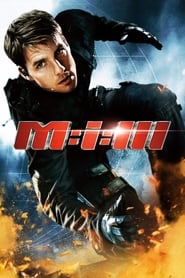
-
director · 2h 10m 6 mentions
Mission: Impossible - Rogue Nation (2015)
Tom Cruise, Christopher McQuarrie
-
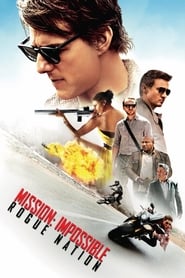
And people keep asking me about the insurance on this. I really don't know how that works. I have no idea. Mechanicals are locked out. What about the electrical system? Oh, that might work. Some great effects work going on in the background here. All of these hangers don't actually exist. And they were all put in digitally by Double Negative, the effects team. This is a hillside right outside the offices at Leavesden Studios. And Tom and I were walking by that hill one day going, how are we going to get...
2:42 · jump to transcript →
-
That's shot in London. There's my brother Doug in the foreground walking towards the camera. Here's your great beard. Yeah. They did a great job. They put that on in the morning. Yeah. It was a lot of fun putting the beard on. That didn't take forever. No. And a strange ad for Nokia in our movie. Thank you, Nokia. And Jeremy is really nice within all of these scenes. Jeremy is the...
21:47 · jump to transcript →
-
working in the background of the sequence because we were determined to shoot it all as a piece. This is a fantastic idea Wade came up with to get you down there. These were all things that we were working out on the location. And then this shot here, this is one of my favorite shots in the entire film. This moment, Eddie Hamilton found this music and dropped it in from the moment you come out the door. And this just happened to line up with the edit.
32:19 · jump to transcript →
-
-
-
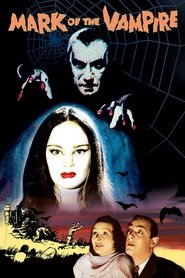
The Chaney, although we suspect he gives brilliant pantomime performances, doesn't actually have a role to play. He doesn't have any emotional investment. Critics at the time said this, that it was disappointing because they didn't get to see Chaney. In the way that they liked seeing Clark Gable slap women around or James Cagney with a gun, people liked seeing Lon Chaney suffering in silence in the background as the girl waltzed off with...
12:57 · jump to transcript →
-
That's a story in which the leading woman role is really interesting and really strong. And she did a couple of these things. She was in The Mystery of Mr. X, which is the policeman murdering film. Then at MGM, she got, I suppose, what British actresses often got, supporting roles to Greta Garbo in Camille and wearing pretty frocks in the background of A Tale of Two Cities. But during the war, she went back to Britain and she's...
26:32 · jump to transcript →
-
I mean, Carroll Borland, who never did anything else except a couple of very minor quickies later in life, sort of made a whole career of giving interviews about being involved with this film and her relationship with Bela Lugosi and her fascination with the genre for basically wandering around in the background in the mists...
27:39 · jump to transcript →
-
-
-
Robert Sommer
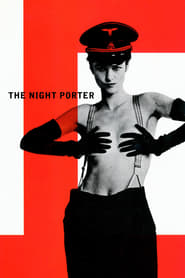
So I mean, she comes from the background, of course, with Italian fascism.
10:33 · jump to transcript →
-
Dr. Gerd Naumann
In the background there are, again, some scenes that we will certainly talk about, which one day do not work so well.
11:14 · jump to transcript →
-
Dr. Gerd Naumann
She comes back to films in the historical background of the 1930s, 1940s, 1950s.
41:11 · jump to transcript →
-
-
multi · 1h 43m 5 mentions
The Taking of Pelham One Two Three (1974)
Nathaniel Thompson, Steve Mitchell
-
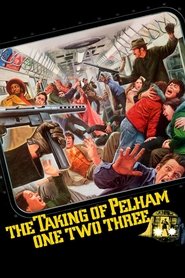
You know, he's trying to sort of seem enthusiastic about what's going on, and he doesn't know. The great joke is he doesn't know if they speak English. And, you know, again, if you know anything about New York, New Yorkers like to slack if they don't have to. I love the fact the guy's drawing on the cup. And then there's Jerry Stiller in the background as Rico Patrone. And so he is, in essence, Garber's partner.
11:56 · jump to transcript →
-
he played fast and loose with the geography. The thing that's so great about this is the frame for all of the geography is laid out in the book, and then it is held sacred by the production and Joseph Sargent, the director. By the way, that is Gracie Mansion, which is actually one of the few freestanding places
31:48 · jump to transcript →
-
The great Kenneth McMillan right in the middle of that maelstrom of people. You know, again, all of these great faces, you know, they're like your pals. And again, with the proper attitude. And I wonder if some of those onlookers in the back are extras or real onlookers. Sadly, there's the World Trade Center in the background there.
40:17 · jump to transcript →
-
-
-
I wanted to integrate certain general rules of the genre into the movie. From there you can go farther and expand. But this right here is a very typical and traditional scene for this genre. The space has this wonderful of depth in the back. And the bed in the background. The set design was by Henning von Gierke who has a spectacular sense for these things. Yes. Spectacular. Parts of this we also built ourselves. The oven and things like that. It was a former hunting lodge of party functionaries. At that point there were only lumberjacks living there. During the day you only found lumberjacks there. ...were already on the other side. Here you have this sense of foreboding and doom. I liked the gypsies so much. They were very good. Watching this reminds me of Degas' "The Execution of Emperor Maximilian" in Mexico. Yes. Careful. Not too many paintings, otherwise... That's just a sign for how interesting and good this is. This is a wonderful face. I also enjoy the way they speak. Yes, definitely. He says you should... They said the dialogue I wanted but in their language, which I believe was not Romani. They translated it themselves and did it very well. You can see this was outdoors and at night which was always a problem for me because I'm not a night person. I had to stay awake until very late, and I've always hated night shoots. I had to force myself to stay up with gallons of coffee. This is also a recurring theme in your films... Native Americans, Mexicans, and Gypsies. Something completely foreign. But also the dignity of these people.
14:47 · jump to transcript →
-
What a great nose this man has. He also did a really good job. Obviously none of these people had ever been in front of a camera before. Casting Bruno and Isabelle...? Because of "The Story of Adele H", Isabelle was already a big star, which wasn't true of Bruno... - No, he was a star of the theatre. ...even though he had just done "The American Friend". There were several films that had made him very well known. He wasn't a big international star, but he was already quite important for the European cinema. Did you choose the cast yourself, or was that...? Yes. I decided that myself. And Kinski as we will see. We always knew we would not make the film without Kinski. That makes sense. For Kinski... The strange thing is that even though we haven't seen him yet, you can already feel his presence. The whole film works towards that. You get closer to him. Right, that is the result of the dialogue, images, and the text. We planned how we would work towards that. In total, I believe that Kinski is in the movie for less than 17 minutes runtime. Nevertheless, he dominates it completely. ...in the graves and the undead. That is great dialogue with the undead and... For this I read a lot of the vampire literature of the 18th and 19th century, and then used parts of it. Neither Bram Stoker nor Murnau have that. You have always been interested in liturgy and things like that, right? Maybe that's the result of a traumatizing religious period when I was younger. When I was 14, I converted to Catholicism. Texts like that, liturgies, or very ritualistic things... The ritual itself. All that resonates somewhere in the background in many of my movies. Along the street... The ritualistic and liturgy necessarily are connected with the film structure and the music. Yes. I also noticed that frequently you use references to the music of the Middle Ages... Yes. Without it being spherical. It confuses me...
17:11 · jump to transcript →
-
All of this was also shot in Delft. You have to know that this was tricky in Delft at that time. They had had a problem with rats for years and had finally gotten it under control. With difficulty, we obtained a permit to release 11,000 rats. Where you see the water were nets. All manholes, entrances, everything was hermetically sealed. In the back of the frame near a small alley was a wooden wall which was carried out when the rats came to close. Nevertheless, we got into trouble with the population, even though we didn't lose a single rat in Delft. Really? - Yes. Unfortunately, that complicated our lives for a while. This is Lübeck. Murnau also shot a scene right in front of these buildings. Oh, this is Lübeck? - That is Lübeck. I was confused because the structure does not match Delft. Granaries in Lübeck, I believe. They still stand today. In Murnau's film you see some bushes. To the left or the right you see the large old trees they've become.
1:07:28 · jump to transcript →
-



Related topics
Other topics that frequently come up in the same commentaries.