Topics / Cinematography & lighting
Camera movement
102 commentaries in the archive discuss this, with 295 total mentions and 13 sampled passages on this page.
Filter commentaries
Filter this topic by the film's decade or the type of commentary.
Showing 5 of 102 commentaries
Clear filtersBy decade
Across the archive
ranked by mentions · click any passage for the moment in the transcript
-
director · 2h 43m 13 mentions
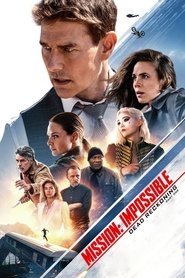
Mission Impossible Dead Reckoning Part One (2023)
Christopher McQuarrie, Eddie Hamilton
-
And here, we had a different line originally, when we were still finding Hayley's character. That's right. And it was just too frivolous, and so we slipped this other line in, basically turned the sound off, read her lips, and said, what other words can I slip in there? This is getting exciting, is what you put in there. This is, now what you're gonna see here, the camera that we're using, we're using a combination of, that's a Rialto, it's a small handheld camera.
39:18 · jump to transcript →
-
There's Steadicam, and then there's a camera called a Stableye. We're gonna get real nerdy. We're talking about editorial. Exactly. Everyone loves this stuff, Chris. Stableye is like a handheld remote head. So you have somebody sitting at wheels operating the camera, and you have a camera operator who's carrying it, and the person operating the wheels, Chunky, is talking to Ross, the operator, who's moving the camera around while Chunky is panning and tilting the head.
39:47 · jump to transcript →
-
And you'll see there's some extraordinary camera work that you can't do with a Steadicam. Graphics on the bomb, again, very specific graphics that are exhaustive and really, you have so few frames to communicate so much information and you always want it to be fluid. And here comes one hell of a shot. This is done with a stable eye. Couldn't do that with a Steadicam. Yeah, going all the way down to the floor. To be able to jib down like that.
40:14 · jump to transcript →
-
-
-
Edward Berger
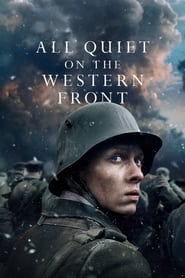
how we did it, we put the camera, we had this device called a Stabileye that we carried, that we hooked the camera up to and two grips carried it and then eventually to get it out of the trench we had to hook it on a techno crane who then lifted it out of the trench and then we created this diversion because it takes a bit of time for the camera to come off this
3:34 · jump to transcript →
-
Edward Berger
come off this crane, this techno crane. So we hooked it up. So we created this diversion, this explosion. And in order to gain three, four seconds in the time Heinrich Gerber could in the time sort of duck and be afraid of the explosion. And that was the time that the grips needed to get the camera out of the techno crane hookup and then carry it with this kit.
4:03 · jump to transcript →
-
Edward Berger
our actor and pan down at the right time. There's someone, the operator sits at a wheel and operates it from the wheel. Again, I think you can probably see it in the making of footage, how it works. And if not, Google a YouTube video of Stable Eye. They also used it on 1917. And that's where we actually sort of had the idea from to use this piece of equipment to be able to follow our actors in this mud. It's not a Steadicam territory.
30:48 · jump to transcript →
-
-
-
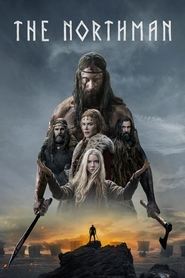
It was raining while we were shooting it. The snow is artificial, but you can't see the rain. But we were pushing the dolly down the hill, and then we had to then, at the very bottom of the hill, push it forward. And it took a whole lot of muscle to make that work. And then this camera move here...
19:38 · jump to transcript →
-
This was also a very difficult shot to achieve, and putting a dolly on a Viking longship is not easy. And the guys behind Alex had to, like, duck and throw his oar out of the boat in order to achieve this shot.
22:57 · jump to transcript →
-
worked so hard with me and Jarin Blaschke, the DP, on being able to articulate our vision. And with the horse falls and all this stuff, I mean, it was a nightmare. And we spent, I don't know how many times we visited this location with a viewfinder, restaking all these buildings so that they would all be built in such a way that we could achieve this shot and move the dolly through it and have enough room for the horses and see down the different alleyways to get enough depth.
26:53 · jump to transcript →
-
-
-
Nia DaCosta
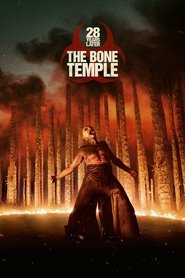
So, there are a bunch of whip pans in this movie, which I don't usually do. But we have this rig, basically like a modified Trinity, that was really fun. And Simon Wood, our Trinity operator, who's amazing, he also does Steadicam, he does B-camera sometimes. But he basically changed the rig up because I'd asked for some different specifications and we ended up being able to do this really cool whip pan that sort of slams to a stop really directly on either side of the whip. So we thought, "Let's use that for the Jimmies," 'cause that's very much their vibe. Just madness and whip pans.
3:29 · jump to transcript →
-
Nia DaCosta
Cause the crowd all love Pulling Dolly
11:02 · jump to transcript →
-
Nia DaCosta
So, Jem Morton, my amazing key grip, he figured out how we could shoot, 'cause I wanted to shoot in front of them, but we were literally off of a cliff. So there was no way to, like, stand someone up in front of them to get a shot. So what he did was he built this amazing deck and he got the crane out there, like, as you can see, it's a drop-off there. So he got the crane out and had the arm out, and he gave us just a lot of flexibility here, which was great. So we're shooting a lot of these frontal shots off the crane. But that's like the least of what Jem Morton can do. He's just phenomenal. So I think this is our third film together, which is great. Aye, it
57:33 · jump to transcript →
-
-
Related topics
Other topics that frequently come up in the same commentaries.