Topics / Cinematography & lighting
Camera movement
102 commentaries in the archive discuss this, with 295 total mentions and 8 sampled passages on this page.
Filter commentaries
Filter this topic by the film's decade or the type of commentary.
Showing 3 of 102 commentaries
Clear filtersBy decade
Across the archive
ranked by mentions · click any passage for the moment in the transcript
-
scholar · 1h 32m 4 mentions
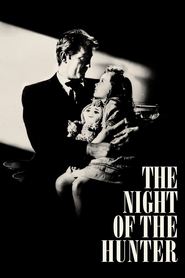
The Night of the Hunter (1955)
Terry Sanders, Robert Gitt, F. X. Feeney, Preston Neal Jones
-
It's interesting to notice, too, how the camera is very light, almost like handheld in certain places, like when Peter Graves stood up and so forth, and the camera moves with the characters, which I think was fairly new to movies. Getting away from the static shots of the 40s here in the 50s is lighter equipment, I'm thinking. That's what I mean. It's a different lens, but it's the exact same angle. And again, very simple set. You've got a flag, the wooden...
7:22 · jump to transcript →
-
Now, it was Cortez's idea that they pull back here at this point. Originally, they were going to zero in from back and go into a close-up, but he had the idea of reversing it, and Lawton immediately said, oh, that's much better. I think that's the first time we've heard this. That's the Dixie Queen, yeah. Or the Delta Queen, excuse me. Delta Queen, probably, yeah.
15:24 · jump to transcript →
-
Now, these days, at least, I don't know about 55, that shot gets a laugh in theaters these days. Does it? Because it's so clear, I think. If they had murked it up a little bit, it would... But, of course, nobody could argue with this last shot there. It's like Dolly somehow. Yes.
44:22 · jump to transcript →
-
-
-
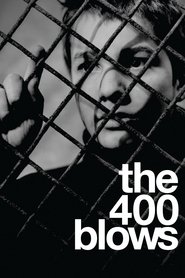
Note that the signature shot, that is, where the director places his own name, occurs at the unique moment of perfect framing by the base of the Eiffel Tower. The film on many levels will seek such a balance of the unsteady handheld look of cinéma vérité, the disorderliness of life itself, and yet the perfection of form, the balance that comes only from art. It's one of the light touches of mastery that gives The 400 Blows its charm. As if it were a novel and he its author, Truffaut dedicates his film to his mentor, André Bazin,
2:35 · jump to transcript →
-
Many of the director's choices in this film were dictated by budgetary constraints, for the film was produced independently. Thus, the choice of black and white film stock, which came to be associated with new wave films, was essentially a matter of economy. Similarly, the handheld camera, which permitted shooting in narrow locations and made the quick pans back and forth in this classroom scene feel natural, was less costly to operate than the bulky camera setups of studio filming.
4:44 · jump to transcript →
-
I discovered with a sense of wonder that very lightweight technique of filming. The camera was handheld, three quarters of the time. Until then, my experiences had been with what we called heavy video on TV. In other words, those enormous cameras that you needed three or four people to move left and right. I found the freedom of this new way of shooting terrific. I remember vividly...
34:24 · jump to transcript →
-
-
-
Alan K. Rode
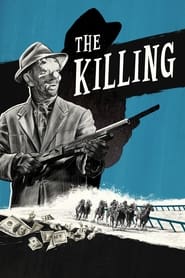
And as Sterling Hayden grabs a bottle of suds, check out this tracking shot following him through the apartment. The design of this shot, using the lens and other aspects of the photography, created tension between Kubrick and his DOP, Lucien Ballard. Second build, Coleen Gray, is getting dressed. Since the production code couldn't show them in bed together, this shot of her finishing dressing with an assist from Hayden establishes the intimacy of their relationship.
6:44 · jump to transcript →
-
Alan K. Rode
Kubrick didn't attribute his directorial skills and style to many others, but he was profoundly impressed by the director Max Ophuls. In an interview after he filmed Paths of Glory, Kubrick said Ophuls was his favorite director and he had watched Ophuls' Le Plaisir countless times. Ophuls was renowned for his supple camera movement and we see that influence in Kubrick, particularly in his early films like the dolly shot following Hayden through Unger's apartment.
48:41 · jump to transcript →
-
Related topics
Other topics that frequently come up in the same commentaries.