Topics / Cinematography & lighting
Camera movement
102 commentaries in the archive discuss this, with 295 total mentions and 5 sampled passages on this page.
Filter commentaries
Filter this topic by the film's decade or the type of commentary.
Showing 3 of 102 commentaries
Clear filtersBy decade
Across the archive
ranked by mentions · click any passage for the moment in the transcript
-
-
Tim Lucas
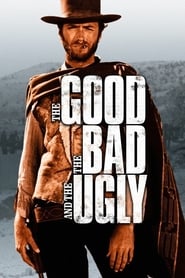
It's at this point that two continuous scenes were cut from the U.S. version. In the first, Angel Eye's pursuit of Bill Carson leads him to the ruins of a raided fort. This scene contains some of the most beautiful cinematography in the picture, notably a camera move around Angel Eye's head that seems to use the brim of his black hat as a dolly track. In this ruin, he meets a wild-eyed drunken Confederate sergeant played by the wonderful Spanish character actor Victor Israel.
45:45 · jump to transcript →
-
Tim Lucas
Essentially, Blondie has been rearmed, but his gun is at rest. He's been given a reprieve of sorts, and he now has the luxury of time in which to think of a way out of his predicament. This shot is the film's equivalent of the inexpressibly moving crane shot that introduces the town of Flagstone in Once Upon a Time in the West. We open with this vignette of the Matthew Brady-like Civil War photographer.
1:35:43 · jump to transcript →
-
Tim Lucas
What we see is already invested with depth of focus and breadth of composition. It feels quite complete. We need nothing else. And then the camera crane rises to reveal an unexpected extension of depth and composition that is absolutely majestic. This railroad station sequence was filmed at the La Calahorra station between Granada and Almeria.
1:36:07 · jump to transcript →
-
-
-
Related topics
Other topics that frequently come up in the same commentaries.