Topics / Editing & post
Visual effects & CGI
77 commentaries in the archive discuss this, with 310 total mentions and 60 sampled passages on this page.
Filter commentaries
Filter this topic by the film's decade or the type of commentary.
Showing 27 of 77 commentaries
Clear filtersBy decade
Across the archive
ranked by mentions · click any passage for the moment in the transcript
-
-
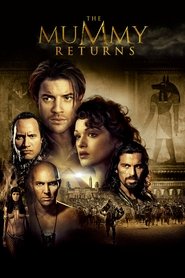
the sun gets too high and the shadows go away. This oasis forming here is obviously, it's all computer generated by our friends at ILM. The plates are photographed in Morocco with the rock, and then the foliage is added later in post-production. This was shot on the back lot
3:24 · jump to transcript →
-
at Shepperton Studios, or Pinewood Studios, actually, this one. Can you tell about the roller skating guys, Bob? Yeah, if you look deep in the background there, you'll see the guys in the fence just in the back there. They seem to be, I don't know, skating almost. One of the tricks that the visual effects company will be very unhappy that we pointed out to you. So we set this next shot up, and with all the burning flames, and it was...
3:53 · jump to transcript →
-
That may have been another thing that came into play. I did get to go location scouting there several times, and some of the digital work is right out of Egypt, but we didn't get to spend a lot of time shooting there. This sequence used to go on a little bit longer. The trap that Freddie's character built, one of the three goons gets his hand caught in the trap, and it actually got a good laugh, but we wanted to keep the
9:23 · jump to transcript →
-
-
director · 1h 36m 11 mentions
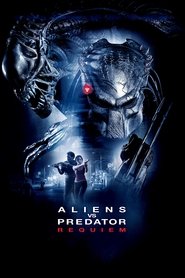
Aliens vs. Predator - Requiem (2007)
Colin Strause, Greg Strause, John Davis
-
not only great visual effects artists, but they're actually going to be able to direct a film that's going to be really awesome. And this scene in particular I really like with what Daniel Pearl, who's our cinematographer, brought. His whole big thing is getting shafts of light and making the forest look like that. It was just such an amazing thing. Guys, how long did it take to do a lot of these visual effects? What's the process?
5:39 · jump to transcript →
-
These shots we had almost, what, eight weeks in the end? Ten weeks or so, yeah. These ones came in at the end. I mean, you always want to have as much time as possible with visual effects because it's just such a time-consuming process. But getting the Predator home planet scene in the movie was something that was thought about early on but took a little bit of convincing. So we didn't really get full go-ahead on that until kind of late in the process.
6:07 · jump to transcript →
-
by the way, visual effects in the computer. Yeah, the last shot of Sam bursting open is definitely a CG chestburster. Exactly. And see, here's Reiko again showing us what are going to be the various colors of her personality in this movie. Yeah, this is sort of the scene where she hasn't seen her daughter in a while. She's grown up quite a bit. There's a bit of distance between them.
15:21 · jump to transcript →
-
-
-
Rob Cohen
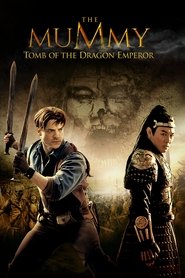
Here, one of our big, first, not big, but first complex special effects, visual effects, the gold snakes unraveling and slithering off, and the Eye of Shangri-La, this giant blue diamond opening up and containing the elixir from the Pool of Eternal Life, which is not water. I wanted it to be something else, so...
38:42 · jump to transcript →
-
Rob Cohen
break and reform, and this was all very complex algorithms that we did at the Rhythm and Hues, the visual effects company that did all the horses and this chase through Shanghai. The other company was Digital Domain, who did the conversion to Terracotta when the emperor is cursed, and as you'll see, the entire battle sequence in the third act.
42:35 · jump to transcript →
-
Rob Cohen
But a thousand visual effects is no small order, and you'll see many of them in this chase sequence. When I read the script by our veteran and very witty writers, Alfred Gough and Miles Millar, they had a form of this chase in there, and I went, there is, I've been to China many times, there is no Shanghai 1946 or 47 era left. The Bund is,
43:33 · jump to transcript →
-
-
director · 3h 29m 8 mentions
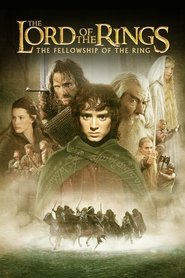
The Lord of the Rings The Fellowship of the Ring (2001)
Peter Jackson, Fran Walsh, Philippa Boyens
-
A lot of it's pretty low tech, quite simple. This is the big shot of Baradua where a miniature, I guess about 15 foot tall was used. The lava's just computer generated and I wanted to do one
32:05 · jump to transcript →
-
This is one of my favorite shots in the movie, because normally with visual effects shots, the concept is that if it's fake, if it's some sort of trick, then you don't dwell on it. You don't let audiences study it long enough to see where the seams are. But the reason why I like this shot is it just keeps on going and going and going. I actually think it's over a minute long. And it's largely a miniature. I mean, everything that you're seeing, the environment, the scaffolding,
1:15:15 · jump to transcript →
-
But that's the perfect proportional height to the hobbits. Yes, it is. That's right, because John and the hobbits don't have to be changed in relation to each other. Then Gondor will see it done. Mr. Frodo's not going anywhere without me. No, indeed, it is hardly possible to separate you even when he is summoned to a secret council. The group shot of the members all standing together was done, obviously it's a visual effects shot, and it was done against blue screen.
1:44:37 · jump to transcript →
-
-
director · 3h 43m 8 mentions
The Lord of the Rings The Two Towers (2002)
Peter Jackson, Fran Walsh, Philippa Boyens
-
Hi everybody and welcome to the continuing epic commentary for the extended cut of the two towers. I'm Peter Jackson. And I'm Fran Walsh. And I'm Philippa Boyens. The first thing we can talk about is the New Line logo because what people won't realise is that the logo that New Line gave us was quite scratched and jumpy and old and so we actually put it through weta, the digital effects facility, and we cleaned it up and stabilised it and sharpened it and gave it back to New Line as a special little present.
0:04 · jump to transcript →
-
This village was built on the side of a really amazing area called Poolburn Lakes in New Zealand. And we built quite a few of the huts. Some of them are computer generated in the wide shot. But most of what you see here we did for real. It was this amazing little Scandinavian style village on the side of the lake. Now it wasn't actually raining on this shot, was it? No, this rain was added later. It was computer generated rain. We did use rain towers for the close-ups, but this is too big and wide to...
22:46 · jump to transcript →
-
horse trainer that we brought to New Zealand especially to work with Shadowfax and it's called liberty training in which the horse doesn't have any bridles or reins and it responds to voice commands and this is done in one shot there is no visual effects here Shadowfax or Damero was way over the hill and then Don called him and he galloped right up to Ian McKellen here and I couldn't believe it when I saw the cameras rolling on the shot goes right up to Ian in one take it was fantastic
57:31 · jump to transcript →
-
-
-
I did that. It was one of my three visual effects shots. You did three visual effects shots of this movie. I had those. I got an amazing tutorial from the people at ILM. They were so wonderful. So here's... So these are different locations. That's a second unit shot in Fontana. That was stuff downtown. This is... All this stuff here is downtown LA. This we shot... Yeah, this was downtown. Boom.
16:24 · jump to transcript →
-
That's real. This is all real. No, that's all real. No, that's all real. It's not CGI. No, that's CGI. Now, this is a stunt we came up with that night. Well, we got that place, and Tom was saying, you know, the way we come down, it should be cooler. And you figured out this thing that if the car stops...
21:12 · jump to transcript →
-
You know, we did a lot of cool visual effects working all these pieces. That was ILM. That was ILM. This was back at the Paramount lot, an amazing set Scott Chambliss was built. This is back in Caserta. Again, all these pieces. Now, this is you actually doing this. I just want to say this. This is Tom actually doing what you're seeing. That actually hurt the knees, doing that. That impact on the wall. Fun. Fun, but impactful. Fun and impactful. Again, I mean, that piece... Okay, hold it, hold it. This is the Roman...
41:23 · jump to transcript →
-
-
director · 1h 26m 8 mentions
Underworld Rise of the Lycans (2009)
Patrick Tatopoulos, Len Wiseman, James McQuaide, Richard Wright + 1
-
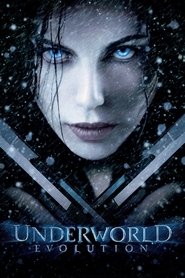
My name is Patrick Tatopoulos. I'm the director, this one. And I have something to do with the two other ones as well. Hi, Richard Wright, producer of all three. Gary Lucchesi, producer of all three. James McQuaide, VFX supervisor of all three... ...and executive producer of all three. See, we don't stray far from the family. We like to keep this in-house. - That's right. This is the first time you're gonna see a Sketch Films logo. I just want you to know that. - Won't be the last. My family and friends all cheered in the premiere at that. Viktor increased his army, creating... So, Patrick, do you remember the original concept... ... for how far we were gonna start, how far back we were gonna go? We were gonna go to the beginning of the story. I mean, the plague, with Corvinus and everything. But the thing is, we had a plan to actually shoot... ...some little elements of that and get to the little sequence at the beginning. So we'd see actually part of the plague... ...part of the first bite, you know, William. And, yeah, ultimately, we had to concentrate this... ...on something a little tighter, and that's what we got. You know, just ran out of money. And you know, when I first saw that baby right there... ...when I saw the dailies, I thought it was animatronic. When it was next to the werewolf. - It is. Actually, we were watching and... Real werewolf, though. - Yeah. I thought there's no way they're putting a real baby... ...next to a terrifying creature. What price stardom?
0:20 · jump to transcript →
-
The fights are really nice in this picture, Patrick. They're really on par with the other two, certainly. Allan Poppleton was our New Zealand stunt coordinator. He did a fantastic job. - He did a great job, yeah. So, what you're seeing here is actually the set... ... you're gonna see later in the movie, an early stage of the castle. We tried to minimalise the dressing so it felt a little different. But it's basically the same space that you'll see later. And this was the first day of shooting. - Yeah, the balcony part. Yup. The big reveal. Wanna tell you a story about the castle. The castle is such a gigantic structure. Of course, there was no way to build this. We ended up building the, what you would call, the courtyard of the castle. How many feet tall, Richard? - About 20 feet. Twenty-five, 30 feet, yeah. Which was a little challenging for the lighting... ...because we were there on top of the set. When we started, it was difficult for CGI guys to kind of extend that. Yeah, it was terrible for Sound too. Every time it rained, we'd stop shooting. The train outside, the train station? - Yeah, the train... Note to self: Do not build set next to railroad tracks next time. We have a few transformation... ...but this one actually is not a transformation. It looks like one, but everything is practical. There's nothing mechanical or anything. I love it. It's a little more American Werewolf in London approach. There is no CG help whatsoever, though. Unlike the others.... This took a while to get right, just this whole prelude... ...and Kate's voiceover, and getting people caught up. There is a lot of history, and to decide, you know, where exactly to start... ...and how much to prep it with. Hopefully, we covered everything we needed to. It looks like we moved really quickly through. I wish we had a little bit more space, a little bit more in the... Yeah. - There's so much story to....
1:59 · jump to transcript →
-
So this is work... I mean, we had two companies doing the CGI werewolf on this movie. I need to mention that. The very first section of the movie, Sonja attacked... ...coming to the castle we saw before and this... ...was done by a French company called Duboi. And later on, the other part of the movie... ... you'll see werewolves again, the same one... ...done by another company called Luma. I need to say something about those guys. When the French started to do the first werewolf... ... they had a way of making those guys look quite elegant and sexy... ...but they were lacking a bit of weight, we felt. So we talked about that. The opposite came from Luma, giving them a lot of weight... ...but they were a little bit too brutal in some ways. And that's a typical example. When we met those guys, we had them looking at each other's work. And at the end, it sort of, like, you know, got better by looking at... Each other's work. - Yeah, covertly, and that really helped. There's a lot of practical wolf there as well, like, this is practical stuff. But there are probably 35 CG wolves in this sequence. Yeah. How many CG shots were in the whole movie, James? About 400. - Four hundred. But not just for the wolf. Everything. There's, like, 80 CG wolves. But this scene in particular, it's mixed from shot to shot to shot. And you really have to look closely now to tell the difference. Yeah, - Even in here, these three, four shots... ... they're back and forth, back and forth. That's a suit. And.... That one's CG. - Yeah. Sonja! Remember it took us, like, three different days to shoot that tunnel? That was such a nuisance, that thing. It was incredible. We really tried to prep ourselves, like great storyboard laid out. It was still a difficult scene to shoot. We're also talking over the appearance of Kevin Grevioux, and.... Fire. Who was obviously Raze in the first film... ...and, you know, a big part of the creation... ...of the writing of the first script. That's a Luma transformation. It was a great transformation. - It looks really good. And Luma's the only visual effects company that has worked in all three. That right? - True. How many visual effects companies ended up on Underworld? Is that 11, was it? Ten. - Ten. There's tons of them. This is one of the latest... - This is Kevin, guys. additions in the script of having Michael... ... actually do this roar that has the others back off. And it kind of.... It really opened up his character, and.... Yeah. Michael was really specific at the beginning. He asked if he could actually be doing the entire transformation... ...and being shot all the way to the end to bring his language. And I thought that helped everybody. CGI looking at him. He basically kept screaming almost like at the end of the transformation. And then he was replaced, but they got a good guideline. I wished we could have done a transformation back-to-human shot. Am I not master of this house? There's another shackle add-on right here. you are forbidden to remove your shackle. lt was added in later. you break my law after I gave you your life. Your days of plush living are over... We were lucky to have Bill Nighy on this movie. I mean, he's just a wonderful actor. He really is. He's fanta... And just a really, really great guy as well. He's always fun to work with and have on set. You couldn't have an Underworld without Viktor, Bill? I doubt it. - God, I don't know. It's tough because, like, you know, you kill these people off. And, you know, we'd always intended to do, you know, kind of a... In hopes and fantasize about doing a trilogy... ...which we've been able to be very lucky to do so now. And then you kill a lot of these great actors off. And, you know, I don't know. Don't know if it would feel the same without him. I mean, he wasn't... You know, it was great that we had him start in Underworld 2. You know, he wasn't in Underworld 2 for the beginning part of the film. Okay, that of... This is the best shot in the movie to see the size of the set. So now, we're in CG world. And we're entering now the practical set. So that's actually the set that Dan Hennah built for us... ...the last 20 feet of that, if you may. And there was this wall across to try to separate.... ...on the different flavours on both side. Yeah, this is one of my favourite shots. When I saw this, I was just... - Gorgeous. That's beautiful. - Thrilled. It looks fantastic. I was worried about that too. When we showed up... ...the sets were amazing, but they weren't very tall... in terms of how grand the space is. You know, to actually capture that on film... ... you're gonna have to see that it stops pretty short. Shoot off the edge. - And so it just meant... Every time you see that, it's a visual effects shot. It was basically the choice for that. Either wide or a little taller. But I felt the wise choice was to be wider for what we... The only other way to build it taller would've been to build it outside. Which would have been a disaster.
20:49 · jump to transcript →
-
-
-
you know, nine months over various weekends in New York City. And every time we went out there and we had a shot that had deer in it, we had to have our visual effects supervisor push around this little deer we named Dolly on this cart with wheels. And so it was always amusing to see him running up and down Park Avenue with this stuffed deer. This is our only blue screen sequence. Our only exterior blue screen sequence. Well...
5:22 · jump to transcript →
-
One thing that is always elusive about movies like this is these visual effects components you work on endlessly towards the end of the movie. And you work on them until you literally have to have them wrenched from your hands. So the versions of these visual effects shots that we're looking at now, honestly, we've probably seen twice before. We probably saw them once to approve them, right at the end, and once in the final print. And we've seen hundreds of iterations leading up to them.
7:08 · jump to transcript →
-
who was our alpha female, and we had a guy named Dash Mihok, who's a very good actor, playing our alpha male, and then our core group as the rest, as our Praetorian guard and the rest of the group that's in the film. And what would happen was we would shoot with them on set and do anything we normally would, and then once our shots were chosen and the cut was put together, we would hand it off to the visual effects company and Sony Imageworks, and they would then replace them with our computer-generated creatures.
34:51 · jump to transcript →
-
-
-
one of which is, how did you get Ewan McGregor to come out of the toilet in Trainspotting? The second one was, what was it like to work with Leonardo DiCaprio? I'm grateful that both of them have been replaced by, so how did you shoot the London scenes on this one? And the answer is, in the most obvious way you'd expect, really, is that we managed somehow to close the streets down, albeit only for brief moments of time. We used multi-cameras, the digital cameras, and we'd...
8:40 · jump to transcript →
-
The wide shots of the rats are done brilliantly by the digital effects house, Clear. He did us a fantastic job there on those, and they're intercut with closer shots of rats. We actually did get complaints from a magazine called Rodent and Marsupial Quarterly about the stereotypical portrayal of rats. They're actually very friendly creatures, and why do we keep portraying them as horrible things? Fair's enough. They are very nice.
45:48 · jump to transcript →
-
the clear, the digital house, we'd paint them out, the neon lights. So they're actually self-lit by the lights in the supermarket store. So we didn't have to do any lighting, but they just took it all out in post and we tried to avoid it as much as possible. That was a little Homer Simpson homage there. And in a way, the whole scene is a respectful nod towards George Romero's Dawn of the Dead set in a shopping mall, which is...
47:53 · jump to transcript →
-
-
-
Barry Sonnenfeld
We added all the raster lines. This was shot on 35mm film. Now, here's the opening title sequence, which was done by Sony Imageworks. We had four or five visual-effects houses on this movie. Industrial Light & Magic, Sony Imageworks... ...Rhythm & Hues did most of the Frank the Pug, talking dog, stuff.
1:58 · jump to transcript →
-
Barry Sonnenfeld
So we're back in Men in Black headquarters. Although Bo Welch, the production designer, and I made some changes... ...we always felt that this side of the room... ... should feel like it was like an airport. That's a real Rick Baker-designed creature. There's no visual effects in this shot at all. And we felt since we were creating an airport... ...we should have a Sprint store, a duty-free shop... ...a Burger King and really make it feel like an airport. There's an "I love New York" store. That's Nick Cannon, a big star of Nickelodeon. Good work in the subway. I remember Jeff when he was yea high. - What you got for me? We didn't change this set from the first movie... ...although I was wondering if we should have removed... ...one of those spaceships behind Zed since at the end of the first movie... ...Edgar flies off in one of those things... ...but we felt they wouldn't change the mural. Here comes Frank the Pug. There was a killing earlier. 177 Spring. Alien-on-alien. If you listen closely, Frank, when he walks into the room... . 1S humming "Hava Nagila." What happened with Tee...
17:23 · jump to transcript →
-
Barry Sonnenfeld
This guy is a mechanical creature like a puppet. This is all done mechanically, and this is John Berton right here. He was the visual effects supervisor on the whole show.
29:07 · jump to transcript →
-
-
-
Ron Howard
I wasn't trying to ever let the special effects dominate the live on-screen performances, but it was so important to create the world, and the only way to do it was using digital effects.
15:25 · jump to transcript →
-
Ron Howard
The Grinch Baby, of course, is a tremendous work of just sort of old-fashioned Hollywood puppetry. Nothing computer-generated about that character.
25:16 · jump to transcript →
-
Ron Howard
Nothing very tricky about this. Kelley can really get up and dance. No wires. No magic. Just a happy-go-lucky dog. Computer-generated dog. We don't throw dogs.
1:01:13 · jump to transcript →
-
-
director · 4h 13m 4 mentions
The Lord of the Rings The Return of the King (2003)
Peter Jackson, Fran Walsh, Philippa Boyens
-
Jeff Murphy shot a lot of this fireball stuff, didn't he? The fireballs landing in the city. Yes, it was. Done in our set. Is that all CGI then? That's all CGI? That's all CGI, yeah. Even I think Minas Tirith itself is CGI. We often shot the miniature of Minas Tirith and then we projected the miniature footage onto a computer model of the city so we could get some different angles and slightly different camera moves if we had to. Grond is a big miniature. It was about eight,
2:19:42 · jump to transcript →
-
Yeah, this was the scene that I was really looking forward to doing. I've got to admit that if there was one visual effects sequence in the entire Lord of the Rings that I've been waiting to do for years and years and years, it was the mummicle was this scene. Because I, you know, right at the beginning when we first came up with the idea of doing Lord of the Rings, I just was waiting to do this. And I had to wait till the very end because we didn't really put the scene together properly until the beginning of 2003 when we were in our post-production.
2:39:25 · jump to transcript →
-
The lava's all computer-generated. I think it's a combination, actually, computer-generated and sort of a milk and syrup mixture that they blast in the air. This scene wasn't so difficult to shoot, really. These scenes are sometimes a bit easier, because I had a fairly clear idea in my mind about what I wanted this scene to feel like and to look like.
3:37:50 · jump to transcript →
-
-
-
Simon West
this plastic effigy of a man. So I thought up the big mechanical robot. And of course, it can climb walls, it has weapons, it has killing devices. And it was a much more advanced version of this very simple kind of boxing training device. Most of the shots in this sequence were done with a computer-generated robot.
1:36 · jump to transcript →
-
Simon West
that I would love to go back and shoot there again. Now, when Lara falls through the hole in the ground and she's tumbling through the earth, I shot this in one of the oldest techniques possible. It's not blue screen or green screen. It's not CGI. It's literally her standing on the ground with a rolling background
44:51 · jump to transcript →
-
Simon West
that was built to this kind of scale and this standard. It was just incredible. I also wanted to do everything for real as much as possible. So instead of doing a lot of green screen or blue screen work or computer generated stuff, almost everything in the film happens in front of the camera. So as well as this set being on a gigantic scale, it's also a mechanical set. You'll see later in the scene that, of course, the log gets released and flies across the...
46:17 · jump to transcript →
-
-
-
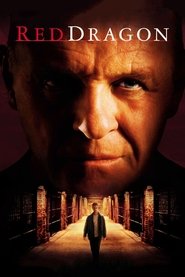
And here we had sort of a challenge as we were working over the script and getting ready to make the movie, because we're going here to a second house of murder victims. You don't want it to be repetitive, and you've got to find a way to make it quite different and move more quickly. Mark Helfrich, the editor, had some wonderful ideas for increasing the pace of this, which was a little bit longer. In the script, initially, I believe Graham goes into the house and has a few moments in it. Anything repetitive will never be in the film with Mark's editing. So we eliminated a couple of brief moments of him going into the house because it was too much like the other house he went into. And you try to move ahead to what's really new, dramatically, in the story. I love this shot. Jimmy Muro, my Steadicam and first camera operator, did this as one. A lot of good shots in this movie are in one, which I love, you feel like you're with him. And this was built. It's like the most incredible tree house in the world. It took about a week to build it. -/t looks pretty real. The tree is real, but we built the tree house. A platform, so that we didn't have to have Edward climbing up there. And it was awesome. It was so much fun that it was scary. Now he's looking from the killer's point of view at the murder victims' house and figuring out that the killer must have sat in the same place. But you cut the shot where he imagines the killer's point of view here. Yes. - Why was that? I cut it because I didn't want people to think he was psychic. I was worried that the audience... No. It was scripted that he would see in a sort of flashback what the killer saw, which was the woman walking past the window. I was really worried about it. I mean, it worked. I was worried that some people might be confused about his visions. I only wanted the visions when he was drinking in his hotel room alone. Where people sometimes have visions, you know? This was a great location. There was a real house here that was from 1770, that was the home of two congressmen. This is outside Baltimore, I guess. - Yeah. And here's the house that we built that we transitioned here... To a house built. ... that was inspired by the house from 1770 that they wouldn't let us use because... This entire house was built just for the movie outside of Los Angeles. - On the Disney Ranch. And here we have Kristi Zea in full-blown design glory. This is the voice of Ellen Burstyn, believe it or not, uncredited. That's interesting. You didn't know that? -/ did know that. I had Kristi do the still photographs because she's so great. In every single shot here, you see hundreds of separate decisions made by Kristi Zea and her team. Take off your nightshirt, and wipe yourself... I love this upstairs kind of lair of Dolarhyde. This was a big debate about the voice and... Now! - Please! Yeah. Should we... What are these voices? ls it Grandma's voice that has been transitioned into the Dragon's... Is it the imaginary voice of the Red Dragon? Originally, it was scripted that we heard the Red Dragon's voice in Dolarhyde's head. I got great actors reading the Dragon's voice, but I just could never make it work. I just felt it became hokey. It was a potential for people laughing where you didn't want them to. This is a CGI shot where we erased his teeth. So that you just see gums. - Yes, you just see gums.
39:12 · jump to transcript →
-
I've always tried to hang on to what that cougar looked like. But by now, to tell the truth... This was made-up stuff that was not in the book. But I knew that they were going to have that scene later with the tiger, the sedated tiger, and I wanted to set up some deeper meaning to that scene for her. So I added this little section. You don't say much, do you? There was actually a scene that was left out. That was his arrival, but Mark thought it was unnecessary and Nis... - When they first arrived and walked into the apartment for the first time here. One of the things that amazes me about Ralph is that he... The script so often gives him so little to work with. The character is painfully shy, he speaks in monosyllables. This was a scene that I used to test the actors. - I remember seeing the test at the auditions. This is the scene that helped me decide that the actors that we tested werent right for the role because they can get the Dolarhyde torturing Freddy Lounds scene, but to have a vulnerability here... But you still have to fear this guy. It's a tremendous feat of acting to accomplish as much as he does with so little to say. My biggest worry going into production was that we would not be able to find an actor who could do everything that this part needed. This is a part where the actor has to bring so much, and the script doesn't help him as much as it does other actors. This is really where you see his imperfection, which is his cleft lip, which Matthew Mungle, who is a brilliant make-up artist and effects make-up artist did such a realistic job of. I tend to do a Iot of tests for hair and make-up and the tattoo. We spend a Iot of time. When you work with Dino and Martha, do they want input into those kind of choices or is that left mostly to you? I love working with Dino. Not only is the guy a legendary producer, but it's great working with Dino and Martha together because... It's a whole other energy. - Each one has their own opinion of things. Right. They are a great producing team. -/ never work with a producing team. - They are very shrewd about script. You did a lot of work with Dino and Martha before I even came on board and you delivered a first draft, basically, that was shootable. - The first draft was green-lit by the studio and it had a lot to do with Dino and Martha's notes because they are very shrewd about what the audience needs to know, and when they need to know it. The sense of the rhythms of the story, and the rhythms of the acts, they have a really good grasp. This is my favorite section of the film. This is where the pace really... It seems like it really takes off here. This is Run from Run-D.W.C. who unfortunately, I cut out of the film, not completely, but... That was him. - That was the top of his head? That was a wonderful appearance. The story really takes off here. The pacing of this section, to me, is very exciting. The music and the editing. This is where I was telling Harvey, "Can you do it twice as fast?" Harvey tends to pause in the strangest places. But it always comes out very natural. He's a brilliant actor. You had always wanted to work with him? - Always, yeah. You had always wanted to work with Harvey. Ever since I was a kid, I was just... I grew up on him. ... possibly from the Tooth Fairy. This was a Dante shot. - It's a spin. "Let's go around him." I said, "I don't want to get dizzy." He said, "No, it's an urgent scene." It does create the urgency of what's going on here, that events were spinning out of control as suggested by that. Because of 9/11 we couldn't fly a helicopter through the Washington skyline. So that was one of our few CGI shots. It's really called a composite, because we shot a plate and then we took a shot of a real helicopter. This was done on the set. Ralph read this on the set. - Standing next to them? Not when we were doing the scene, but he just read it once and this was the take we ended up using. This is a one-take performance. He was just so in the mode. He reads this letter very well. I love all this sort of hi-tech, FBI forensic stuff, and it's something that we couldn't get a whole lot of into the script because of just sheer space considerations. So where we could do these kinds of things, it was really fun. I love that shot, and that shot... All the shots of Lecter in this... Brett, you love all your shots. - I know, not all of them, but those specific ones. I like all the lighting changes through this. This is Tony Hopkins' stand-in. This is the only... I wondered why he had a British accent. I wondered why the superintendent of a hospital in Baltimore had a British accent. He migrated. This is Ken Leung who's been in three of my other movies. On the right? He's a great stage actor from Broadway, and he was the villain in the first Rush Hour, and he was in Family Man. He's just a... He's very good with this part. - He's excellent. He's really very real. ...are transparent to infrared. These could be the tips of "T's" here... This whole sequence is quite close to the book. Tom Harris is very well-grounded in all of these procedures. It's just a real gift to the screenwriter to have an author have done so much research, and be so on top of these things. ...they made that up. Three "T's" and an "R" in "Tattler." How do you communicate through a tabloid? You got what? News stories. This scene was much longer really, but we realized in the playing of this scene that the audience... This is an example where the audience was ahead of everybody. We shortened it because the characters just seemed like they were... The audience already knows who Dolarhyde is at this point. We held him back for as long as we could, but once we've shown him, the audience is just getting ahead of you. - That's my favorite shot!
55:10 · jump to transcript →
-
That was a little storytelling thing, you know, helping, because you really couldn't hear her lines. Of course. There goes Grandma. There was a very complicated lighting set up for this. I read a cinematography article where Dante talked about how many different kinds of banks of lights that he had to set up for this one shot, right here. This is a real fire, but we enhanced it with CGI. This is a real fire. He's got this fire, but he's got to light the actors with extra instruments that are hidden out of shot. He's got the natural light of the cars. The lights flashing around. Francis Dolarhyde! Where is he? Look how many things are happening with light in this one nighttime shot. I put my hand in it. He set fire to the house. It's all justified because the headlights of the... It's red, it's blue, it's yellow. That was such a big explosion. You had to be half a mile away from it. All these stuntmen... I guess some people are wondering, "Why is there such a big explosion?" Actually, in the book, Dolarhyde has dynamite stored in this house for some unspecified future project. And you'd written a shot when we looked in the safe... I'd written a shot where we saw the dynamite, it didn't end up in the movie. We finally just decided, it's an old house, it's got... Let's lose the dynamite and keep... It's got oil tanks in it and the tanks blow up. I love this close-up of Emily. She just... What a face. Who could resist a charmer like me? You know, whatever part of him was still human... We really wanted that hair job to work, so we went crazy. You didn't draw a freak. Okay? It's a good scene for Edward, too. ...with a freak on his back. I should have known. No, sometimes you don't. Trust me... Initially, this scene was written as a sort of voiceover. Actually, it was one of Brett's, you know. Brett is very, very good on text, too. Just like Dino and Martha. And Brett said, "The audience loves this character "and we have to honor her by having a farewell with her." We have to see her. We have to give her some closure with him. They have to have a real scene together. The last time we saw her she was crying outside the house. And it was one of the best ideas that Brett had as the script was being revised, before we even started shooting. Dr. Voss, please call Pharmacy 4421. I love this scene that we came up with. This helped pay off the end. This is setting up the ending in a way that's not really in the book, I don't think. We needed for him to have knowledge of Dolarhyde that he could only have if he'd seen this big journal. So we went back and forth about how could he find this journal if that house blew up. Finally we thought, if we put the journal in the safe, it could conceivably have withstood that explosion. We were torn between, do we do a kid's drawing or a picture?
1:49:42 · jump to transcript →
-
-
-
James McTeigue
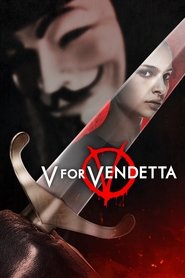
The way we shot that was Natalie standing on a dry stage. And then... - Um, excuse me. I sort of remember an extremely rainy, freezing stage for many days. I do too because I was lucky I was out of it. And I was like.... Well, the visual effects part of it. - There was a visual effects part, yes. But, yes, she was subject to a lot of rain. That is true. But... Which, with no hair, becomes extremely, extremely cold.
1:25:30 · jump to transcript →
-
We did concept-design work with an artist called George Hull... ...Who Larry, Andy and James all Know from Matrix. And he drew up the initial sketches that we approved... ...and put into the digital pipeline. When we were shooting it, we didn't actually do a great deal different. We kind of left them to it. We ended up having some rig removal. And the way the blood was done was very crude, if you like. We literally taped plastic bags of stage blood... ...to the costumes of the S.W.A.T. members. And V's stunt double, Dave Leitch... ...used a real knife. And he just had to be very precise to cut the bags... ... Just at the right level so that the blood would splurt out. There are some shots when the knife is in the air... ...where we have got digital knives. CG knives that we put in there. And then, throughout the sequence we had tracked V's motions... ...and rendered in the trails that you see. It's the final confrontation... ... sort of ideological confrontation... ... between Creedy, who represents the administration... ...and V, the independent-minded terrorist. The great line at the end of it is that, you know... ...when Creedy can't shoot him. And he says, "You can't kill me because an idea cannot be killed."
1:55:24 · jump to transcript →
-
For three nights we closed down Trafalgar Square... ...1N Whitehall and outside the Houses of Parliament. And logistically it was really tough. We could only shoot from 12 a.m. to 4 a.m. We had, probably, between the cast and the crew members, 1000 people... ...every night to move around in a very concise and succinct manner... ...and Terry Needham, who was the first A.D... ...I think he did an incredible job on that. When you do crowd replications... ... you know, the traditional way, and people will have seen... ... you shoot various passes and versions with the crowd standing in different places... ...and then you can add all those layers together to create your final shot. The shooting restrictions we had when we were on location... ...at Trafalgar Square and down at Parliament... ...Was SO, SO tight, that the amount of time we had... ...there was no opportunity to do anything special for visual effects. It was literally, try to get what they could for the main photography. What it does is you also have to be very concise... ...about your storytelling. We were able to use a lot of alternate takes, different angles... ...to build up the crowds. And the digital V figures were mainly used for the overheads. Obviously, a normal film day is 12 hours. And when you're condensed down into a 4-hour period... ... your appetite is always bigger than what you can ever achieve. That was a microcosm of that kind of, you know, filmmaking.
1:59:35 · jump to transcript →
-
-
director · 1h 42m 3 mentions
Len Wiseman, Patrick Tatopoulos, Brad Martin, Nicolas de Toth
-
He affected all the flashbacks. It actually takes a very long time to do all that. It does. It goes by really fast, but it's a lot of tweaking in the edit. Right, yeah. Actually, that chopping off of the head right there, and then also the chopping off of the head at the village right there, I know that you and Gary, the visual effects on-set supervisor, were at odds for a while saying that, well, he was thinking that it's not going to look good in 2D, and you're saying, well, no, it's going to look fine. And it ends up looking great in both shots where it takes his head right off.
15:29 · jump to transcript →
-
And we had a lot of mobility with him. Yeah, I got worried. I didn't want people to lose the fact that all this was done practically and the only thing CG in this is the wire removal and the wings. That's it. So the actual crane has been removed. And the crane removed. We haven't even mentioned Pyme and the guys at Luma who did the bulk of all the visual effects on this film and all the CG wings and the CG werewolves and everything.
32:48 · jump to transcript →
-
there in post so we could pick up some POV shots. This is my favorite shot of the dungeon right here. I thought Simon did an amazing job on just, you know, you need to see it, you need to light it. Same time you want to keep it very dark and creepy and it's not an easy thing to do. So I thought he did a really fantastic job at it. Another thing too is that Simon was really good in the digital intermediate.
1:26:05 · jump to transcript →
-
-
-
Jonathan Lynn
Or when we zoomed in or zoomed out, that's the camera moving, and there's a newspaper just spinning on a piece of black velvet. So we were able to do that sequence for about $1,000 instead of vastly more if we'd done it computer-generated or optically. And it was beautifully cut by my editor, Tom Lewis. That was an ad lib by Bruce, which is pretty funny, I thought. He just improvised that on that take, and only that take.
8:20 · jump to transcript →
-
Jonathan Lynn
Unfortunately, this was the best take and it didn't have the sign. So... I contemplated putting it in with CGI, but no one in the audience has ever raised a question about it. Jimmy, you were right about him. This is one exceedingly sweet man, wife like he got, and still he believes in wet and foul. So do I, especially till death do us part. Oh, quite deep, right? I gotta go to the office. The day at the jazz club was, as I've already said, very tight.
45:44 · jump to transcript →
-
-
-
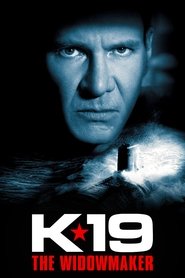
not take advantage and not do what on some of the other pictures that have been made have done things slightly over scale to accommodate cameras. We kept true to the scope of those submarines and tried to promise ourselves that we would never put a camera in a position that we couldn't actually get it in into the submarine. And we stayed pretty true to that. There's a couple, you know, effect shots in the movie that obviously, you know, visual effects where we go from inside the sub out of the sub where we, you know, cross that line. But that was...
15:05 · jump to transcript →
-
We were fortunate enough to be able to work with Eric Brevik on the visual effects. Eric works with ILM. And with Eric, we came up with the idea of moving from inside the submarine to outside or from outside the submarine to inside. So in other words, piercing that kind of fourth wall, if you will, in order to better understand what it might be like to be floating in this giant,
1:31:11 · jump to transcript →
-
-
-
And the interior of this location was inspired by a fencing facility that we location scouted that was adjacent to the Olympic Stadium from the 1930s. But we weren't able to shoot in that location, but we did replicate it in CGI and on the stages at the Babelsberg Studios, which have quite a history. Mm-hmm.
9:40 · jump to transcript →
-
It's amazing what goes into all of these sequences from the visual effects vendors, from Digital Domain,
1:17:36 · jump to transcript →
-
-
-
In this part of the movie, we see London devastated and how now militaries are in control of the city. We introduce the character of Doyle, the sniper. In a way, I think that this beginning with the city, in terms of how we presented the city, we Start from the air with an aerial shot and then we landed on the rooftops with these snipers. And then, later on, we're going to see the city from the ground. This is a kind of trip from the air to the ground to see the effects of the infection, and how now the militaries are trying to rebuild and repopulate the area. This stuff with the militaries talking is inspired from the reality, because we made fantastic research with Alex, Alex Garland, about how soldiers speak in these situations and how the process... how the rebuilding process is absolutely based on real stuff. Yeah. It was really important to imply everything from reality, to move... forward in a situation that never happened, but has something in common with all the situations that happen in wars. In these shots of the airport, I think the work of Sean Mathiesen, the visual effects supervisor, is fantastic because we don't see anything in this airport. Everything is removed from the original shots because, in those shots, the airport was very busy with a lot of planes. And then in these shots, we see how now there is nothing in this airport. In this movie, it is particularly clear that the special effects is something crucial to get this feeling, to get this flavour of the emptiness of London. Yeah, the work of Sean Mathiesen is really notorious in this film. It's probably more difficult to remove than to add, and Sean made a fantastic work in these two ways, in these two senses. Most of the military presence is added visually by Sean and his crew.
12:25 · jump to transcript →
-
Again, Sean Mathiesen's work is really cool. The jets, obviously, are CG. We are not bombing anything, for sure. All the fire in this sequence, it's a CGI element shot in real with real fire, but, you know, they played around with these shots. The special effects in this sequence are very important, and I think the work of all these companies in the movie, they worked very well. And very hard, because that was made in record time. Yeah. 400 shots in more or less two months. The fire. The fire here is the only way for these people to clean the city, which is something terrible, and introduces the idea that the destruction of the powerful, the destruction of the human being is probably sometimes stronger and more destructive than the infection is instead. The connection between the blood and all the characters are... very important. It's a sequence we worked a lot in the editing, because it was difficult to deal with several layers in this story, which is the family, the militaries, the infected. So, we tested a lot of times, and I think we found at the end this perfect balance between the characters in the tunnel, the militaries in the bunker, and everybody out of these places are completely in danger. This music is exactly the opposite of what music in a spectacular movie deals with. I mean, this is an arrangement of the principal tune and this is arranged in a very sad way. This is exactly what we wanted.
1:05:12 · jump to transcript →
-
-
-
director · 2h 10m 1 mention
Richard Curtis, Hugh Grant, Bill Nighy, Thomas Sangster
-
-
director · 1h 45m 1 mention
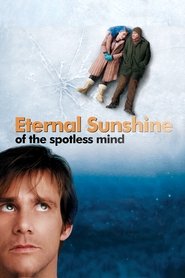
Eternal Sunshine of the Spotless Mind (2004)
Michel Gondry, Charlie Kaufman



Related topics
Other topics that frequently come up in the same commentaries.