Topics / Editing & post
Visual effects & CGI
77 commentaries in the archive discuss this, with 310 total mentions and 33 sampled passages on this page.
Filter commentaries
Filter this topic by the film's decade or the type of commentary.
Showing 12 of 77 commentaries
Clear filtersBy decade
Across the archive
ranked by mentions · click any passage for the moment in the transcript
-
-
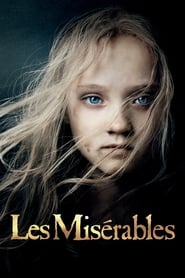
Tom Hooper
And the boat, although it's CGI, is based on HMS Victory, which sits down at Portsmouth. And we took every conceivable angle of photo on it and did a LIDAR scan of the exact design of the hull and then reprojected still images of the Victory.
2:07 · jump to transcript →
-
Tom Hooper
onto a wireframe model in CGI. So one of the ways of making it look quite real is actually all the textures come from photographs. There was a photographic element to the look, but it's obviously changed the color scheme to make it look a little bit less like the victory. Now, the irony of this scene is, I mean, I have this passion in this film for the live-sung musical.
2:27 · jump to transcript →
-
Tom Hooper
a platform on a crane which then whizzed him about 70 foot into the air so it was quite precarious for Zac because he had to climb onto a platform which immediately lifted off so the timing had to be perfect. The end of that shot is then embedded into a visual effects shot which is based on a helicopter plate of Gourdon, the French town and this Oxfordshire church is inserted onto this mountaintop but the mountain is created in CGI and we re-project photos
14:49 · jump to transcript →
-
-
director · 2h 10m 7 mentions
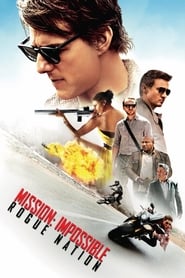
Mission: Impossible - Rogue Nation (2015)
Tom Cruise, Christopher McQuarrie
-
And we had Alec come back and reshoot his dialogue, speaking with another actor for the eye line. Yeah. And he was so funny that day. He was torturing this other, this stand-in. Playfully, playfully torturing. Look at this, you can't even tell. No, you can't tell. It's amazing. It is amazing. Again, really great visual effects. See, that's the stuff where it's very helpful to be able to do that. Yes, and to never panic when you have some sort of technical disaster. No.
20:19 · jump to transcript →
-
So the mask gag. Here comes the, we knew we had to do a mask gag. And what was really important to us, we were looking at, I said, it's been done this way, it's been done that way. I said, I want to do it in camera. I want to do it so there's absolutely no visual effects involved. And so what we ended up doing when we stood on the set is we designed a shot here in the mirror. Okay, those aren't my hands. That's not Tom Cruise on the left. That's Tom, and there's not really a mirror there.
56:58 · jump to transcript →
-
We did not finish the sequence until five days before the premiere. And you and I gave our last notes at 1130 at night, and we were not able to see those last notes. And there were shots that were still not quite there. And Dave Vickery, the visual effects supervisor at D-NAG, said, it's going to be great. It's going to be OK. And you and I left, and we went to the premiere, and we did not finish.
1:05:37 · jump to transcript →
-
-
director · 1h 34m 5 mentions
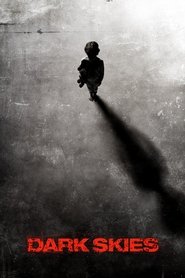
Scott Stewart, Jason Blum, Brian Kavanaugh-Jones, Peter Gvozdas
-
There was a lot of debate as we were putting the movie together as to how far to take this, whether we should... There was even an idea of adding a bigger visual effects element here, like a kinetic element to the sculpture. And it was all just sort of... When you're working on these movies, there's always a question about the degree of believability, how far can you push your characters, push the extremes of the situation before...
12:14 · jump to transcript →
-
committed to the idea that you would see this totally from her point of view, that we would never cut to the gratuitous, big, giant, flocking visual effects shot outside of the house where you see this massive bird swarm. And there we go. That's the bird. I did this as a temp visual effect, this digital bird flying and hitting the glass. This is now a puppet.
26:14 · jump to transcript →
-
And we just, it always made audiences jump, even just in the cutting room. And we liked it so much that even Fuse, which did, our visual effects vendor, did great work in the movie. But for some reason, that was one that we just really liked it. So we ended up keeping the temp in the movie. And your temp is actually a 2D bird. It's not three-dimensional. No, it's not. It's a 2D bird. That's great.
26:42 · jump to transcript →
-
-
-
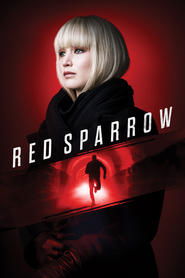
Francis Lawrence
This sequence was probably one of the more complicated sequences in the movie. This intercut between Joel and Jen's introductions here... The big intro into the movie. I think there were 60 scenes alone in this first eight or nine minutes of the film. So it took quite a long time to complete. And this ballet sequence here, that we're about to get into, was probably our most difficult visual effects sequence. I had done a bunch of research in terms of ballet and found a great choreographer named Justin Peck from the New York City Ballet. And he brought in Isabella Boylston, who's one of the principal ballerinas at the ABT, also in New York. And so she doubled Jen. And Jen went through pretty rigorous training, doing about, I don't know, four or five hours a day for three months to learn how to dance, and learn the choreography that Justin had put together. So every shot you see here, we actually shot with both Jen and with Isabella, and then, using a variety of methods, put it together so it really seamlessly looks like Jen doing all of the dancing. But she put a lot of hard work into it, not just for this dance sequence, but also just to be able to carry herself like a ballerina. But I'm really happy with the way the sequence turned out.
4:33 · jump to transcript →
-
Francis Lawrence
It's not your fault. But you have to tell them what they want to know. Please. One of the things that we did digitally as well is the bloody, the kind of hemorrhagic eye itself. Often you can put stuff in the eye. There's drops you can put in, but they go away very quickly. You can also use contact lenses that affects the whites of the eye and make it look like you've been, you know, as if you've had hemorrhages in the eyes and things like that. But Jen has turned against contacts over the years. She's worn them occasionally for certain things and doesn't really want to wear them. So we agreed to, kind of, do all that work digitally. I think it worked really well. So any time you see her eyes kind of super red and hemorrhagic like that it was all done digitally. Didn't I do well, Uncle? This movie was really light on visual effects for me, actually. I mean that, you know, the Hunger Games movies, all had, I don't know, thousands of effects shots each, and very, very complicated sequences with creatures and liquid, you know, effects and all kinds of crazy things. And this one was very light. I think the dance sequence and the face replacements that we did in the beginning were probably the most complex. We had a few digital matte paintings. We had a lot of makeup fixes and things like that. But primarily all the effects that you see in the movie are invisible things that Alan, my editor, would do in terms of split screens that you can't see and speed changes and things like that.
1:46:48 · jump to transcript →
-
Francis Lawrence
And now we're starting another one of our pretty tricky sequences in the movie, just in terms of figuring out how to pull it off in terms of some minor visual effects. The continuity of certain elements and things. We have a big knife fight. There's a torture sequence here and a big knife fight that's coming up. And so it's something that we spent a lot of time talking about, and I spent a lot of time talking about it with Justin, the writer, and also Chris O'Hara, the stunt coordinator. And so we would set mock-ups before we had the set mock-ups of a room and so we could plan out what the blocking of all of this would be in terms of the beginning of the torture and the tying him down and the torture, and then the knife fight itself.
1:53:06 · jump to transcript →
-
-
-
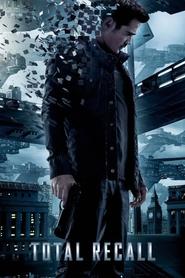
Len Wiseman
God, we kept running back and forth on this set. It's the same set over and over and over that I redressed. There's one balcony in this whole entire thing. They're running over the same balcony here. And this is, of course, a massive visual effects shot down below, but where they're running is a section that we built out. And it's the same section. Boom, he's landing in it again. That's the same balcony that he comes out of with his cup of coffee. This is the same balcony where he comes out of with his cup of coffee in the beginning.
33:36 · jump to transcript →
-
Len Wiseman
very painstakingly just trace out all of these cars and paint out the the chassis that are underneath because we built all these hover cars on these um these race car chassis and so the actors were in the actual cars that we would drive around and smash them and we just shot it you know they're going a good like 40 or 50 miles an hour and shot it like a car chase i wanted to do it you know again practically and have the visual effects be a slave to the
47:50 · jump to transcript →
-
Len Wiseman
Some of the most difficult comps or visual effects sometimes are just traveling inside cars and just doing the green screen outside, like here. I don't know why, but you'll see it in many movies where all of a sudden when they're talking and they're on the road, it just looks so fake. I think one of the reasons is because we're so familiar with it that we know what it looks like that it draws our attention. So I put a lot of layers in there of putting reflections that are continuing to go by and again, shooting that practically so that
48:46 · jump to transcript →
-
-
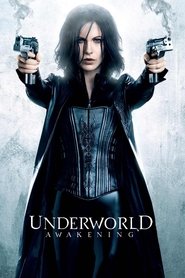
technical · 1h 22m 4 mentions
Måns Mårlind, Björn Stein, Gary Lucchesi, Richard Wright + 1
-
Richard Wright, producer. Mans, director. Bjorn Stein, director. Gary Lucchesi, producer. James McQuaide, executive producer and visual effects supervisor. What, you get two titles? - Well, you know. Big shot. So here we are... ...at the beginning of the fourth Underworld movie. That's right. Been a lot of them. The first appearance of Len Wiseman's... ...new logo. - New logo. The world premiere. - In 3D, no less. Oh, my God. It's like our life flashing before our eyes. Yeah. We've lived through these. Exactly. I think it's fun to say that... ...I think we cut the... Edited the whole film for eight weeks... ...and then we spent three weeks editing the first three minutes. That's exactly right. - It was crazy how to get it... And it was, "Shall we do a recap or shall we not? Does it feel cheesy with a recap or is it good?" But I think that everybody agreed in the end... ... that we have this wonderful library or cupboard of wonderful images... ...SO let's use it. And it's a wonderful way to get into the mood... ...and this is the world. lt has been a while too, since Underworld 2... ...where this one picks up from. We're reminding ourselves of all the characters. It's not cool, but in the end it... Wow, it really works. Yeah, I had a friend-- We had a premiere yesterday, actually... ...and I had a friend who hasn't seen the prior ones... ...and she said it was helpful... ...to just get into the soul of what this is, so.... And it's so nice to see Michael Sheen... ...and Scott Speedman and Bill Nighy. Yeah. - Losing their heads. killed the elders.... Yeah. One of the things we really liked when we got the script... ...was that number four... That it was the beginning of something new. That it was not just number 17 or something. It was.... The trilogy was done... ...and now we got into something new... ...which is exactly what we're watching right now. And this was a big thing how... That we wanted it to be brutal... ...and hand-held and gritty, using a camera language... ... that hasn't been used in Underworld before. Yeah. To turn everything upside down. This is another part of the film where we did... ...a tremendous amount of work trying to figure out... ... how to frame the fact that we're 15 years in the future... ...and the world has changed... ...and how you do that economically... ...In a different camera style than the rest of the film. Because this is in 2D, not in 3D as the rest of the film is. One of the biggest inspirations for this intro... ...Was actually the Gavras video, the M.I.A. video. What's the name of that? "Born Free." - "Born Free." Oh, that guy. - He's great. This guy, he's just at casting... ...and we realized that we need something... ...and we cut this rollout and then suddenly we needed him... ...SO this is his casting tape. - His audition tape, yeah. Yeah. - Yep. Used it in the film. I love that head shot. James really enhanced this with the visual effects he put into it. These creatures, yeah. The creature shots. Because they weren't shot that way. Yes. They're hard to come by, these creatures. That one was a real one. That's a real one. - Yeah. A real Werewolf. Yeah, we had a few. - Yeah. We can cast them in the forests of Vancouver. What we just saw... That girl on the wall... ...IS Kate's stunt double. - Yeah. She did... - Alicia. Alicia Vela-Bailey, yeah. She took iPhotos of her body for each bruise she got. She was black and blue, this girl... ...and she's the toughest girl I've ever met. Went to the hospital more than once too. Yeah. - Yeah. But as he said, the toughest girl I ever met. Yeah, always with a smile. Always with a smile. And you will see her getting thrown around a lot in this one. All of those flying-into-the-wall sort of things... . It's actually a person, Alicia, getting thrown in. Or Kate sometimes, as well. - Yeah. So we wanted to start off in 2D, gritty... ...and then since this is 3D movie... ...we wanted it to... Really make it big... ...when we see Kate for the first time, and that's when we switch to 3D. This shot was actually planned to start inside the fire... .In the beginning, inside a skull... ...and then going through the flames... ...a Vampire skull, but it became too tedious. That was the four-hour version. Yeah, this... We're very European. European version. Very... It was also a shot that we fought to keep in... ...and there was some obstacle to that... ...but we succeeded in keeping it in. Obstacle being money. - I love the way you say that. We ran out of money. And you see the surroundings here is-- We tried to create... Since this is the first time we introduce a man really... ...In the Underworld franchise... ...we wanted to find architecture... ... for the city that wasn't, you know, just another city. And after a lot of thinking and looking.... You know, we were thinking the first film was shot in Budapest... ...and it had that gothic feel to it and... By the way, great blood splatter there. - I love it. That was beautiful. And then we found something-- If you haven't been to Eastern Europe... ... you see all these beautiful houses... ...but next to them you have these concrete, hard, depressing buildings. And there's something called brutalism. You mean brutalism? - Brutalism, yes. A word we've heard 700,000 times during the making of this film. You were insanely annoying by just trying to put brutalism in... ...brutalism in, put brutalism in... ...to find what we call neo-Goth. Which is a new Goth. - Neo-Goth, yeah. This plate's actually from Underworld 2. This was.... We were doing tests for that boat that exploded... ...and we went back and found the footage... ...and stole that plate and revamped it here for what you see. Yeah. The secret of every great artist is knowing where to steal. Where stuff is hidden, in this case. - Yeah. It was one of the biggest challenges that we didn't have Scott Speedman. So that was a face replacement of a stuntman... ...and I think that was the trickiest part to pull off, I think, in the movie... ...because we're setting up this love story. She's running for her love and we don't have the real guy. Yeah. - But I think because of the recap... ...we do get that.... Do you see that city in--? That city is all CG behind her that's burning. And I remember James had said, "What do you think?" And I remember we asked about that, like, months ago... ...or half a year ago, and I forgot about it... ...and then you just come up with this. It was like a birthday present. I was so happy. All these backgrounds in it... ...makes It so much richer. And remember this next shot coming up too of Kate swimming... ...was really the last footage that we shot on the movie. Yeah. In the tank. We all had this great concern that, you know... ...can Kate swim or not? She ended up being a fantastic swimmer. She was great. She was.... This is more than swimming. It's performing underwater. She held her breath so well. lt was unbelievable. We were.... - Yeah. Well, that's typical Kate, you know. Everything she does, when she does it is, like, perfect. Yeah. - Yeah. But filmmaking's about being afraid... ...things aren't gonna work. - Right. We had anticipated the worst and we were wrong. And this is-- Originally the Underworld title was here. This is our homage to Tree of Life. - Yes. We had the title here at one point... ...and this is a transition... ...which is very abstract and weird, actually. But I'm happy with it. These were the things... ...that I remember it was hard to describe. We were very sure exactly how we wanted it... ...but we couldn't really say "this is how to do it"... ...because we'd never seen it before. But now when I see it... James, who did this? - Celluloid. Fucking great. - It's great. Yeah. It's great too, because we added the spin... ... sort of late in the equation. This may be an intellectual idea. Hopefully it works. To sort of make the audience... ...particularly when you see it in 3D, disoriented. Kind of like Kate was as a result of being underwater... ...being Knocked out and waking up 12 years later. There's something about spinning... ... that sort of makes you visually confused. Also, not only the spinning, but also the kind of... ...stop and motion feel to it, that it's... - Time passing? lt has a time-lapse feel to it... ...which, you know, was a subtle way of saying time has passed... ...actually, 12 years. - It's one of my favorite shots. Yes. - This is beautiful. Another very disorienting shot, though. So this is actually Alicia hanging here... ...and it's Kate's face replacement on her. Yeah. And the ice is CG. - Yeah. Smoke is CG. I am glad that we put the name on the glass there, "Subject 1." Yeah. So nobody would get into the wrong tank. No, but the thing is, I don't think it's just for like: "Oh, it's for the idiots." But I think it looks good. Subject 1 sounds brutal, I think, in a very good way. There's that word again. - Yeah. And remember that set initially... ...when we first saw it, had all these shower curtains in front of it... ...and we asked Claude to remove them. Yeah. - Oh, right, yeah. One thing that we really wanted to do in this movie was that... And we told Brad, who was the excellent second-unit director... ...and stunt coordinator, we said that we very.... We want to hurt Selene a lot. "Could you find somebody we can do that to?" Yeah. Because she wasn't that hurt in the other movies. We said, "We really want to--" Do you think anybody's listening to you right now? The naked girl, I'm watching that instead. Everybody's so nervous when you shoot something like this... ...but Kate was so cool. She was. Yeah. - Yeah. It was nothing. - Here we have Stephen Rea. Yep, there he is. Our Irish. - Yeah. I think, yeah... I really liked working with him. He was... Stephen is a handful, but he's also.... He gives you what you need. Is there anybody in this film that ended up doing their native accent? The North Americans were doing English... Kate. - Yeah, Kate, that's true. Everybody else was doing a different accent. Sandrine Holt there. - Sandrine Holt. Hurry. Releasing... ...maximum dose of fentanyl.
0:10 · jump to transcript →
-
Oh, we started watching the movie. - Yeah. This is cool. - Will she make it? Got her clothes on. One of the things that we were very keen on... ... that we wanted, was that we wanted.... We had this ambition... ... that the audience should have their first breath... ...after the first 10 minutes... ...when she gets dropped off the truck... ...which we will see. And when I was watching the premiere yesterday with my wife... ...when she get-- She: At exactly that spot and I felt, "Wow... ... this was exactly what we were aiming for." I think the audience was a little surprised too. We had the premiere last night so we got to watch... ... the movie with a big audience. But they were surprised at the level of violence of the movie. This is a tougher movie than the other movies. Selene is a lot more badass in this movie. She kills a lot of people. - Yeah. Went through a lot more buckets of blood too. A sign of the times, I suppose. Yeah, you'll wish you hadn't done that. This was one of the big scenes in the trailer... ... that we had shown Screen Gems right at the beginning. I love the little splat of blood hitting there. That was sweet. I repeat, full containment... No, there was buckets of blood. I mean, it's.... Violence Is an aesthetic I think that, I mean, goes a hundred years back. Yep. Have we actually done a body count in this? It's a lot. You know what? I did once. Did you? What'd it end up being? - I can't remember. Counting Lycans and humans. Yeah, dead-- Corpses. Now, this moment was an additional shoot moment. It was the first thing we sh... - Wes Bentley, yeah. It's the last and first... - The uncredited Wes Bentley. The first and the last... - This jump was the first thing we shot. First day of shooting. - Look at this boom here. There. That hit in that shot, was Alicia... ...our excellent stunt girl, who just smacked... It sounded like the worst sound I ever heard. It's like, "We killed the stunt double on the first shot." And then you said, "Let's go again." The first day of shooting went so well... ... that I walked away thinking, "God, this is gonna be an easy movie." Oh, my God! - You were wrong. I was wrong. It was so difficult. This was the toughest by far we've done. They're not supposed to be easy. No. - There's a direct correlation... ...between the amount of suffering to do a movie... ...and how well it turns out. We never did a film, like, with this big budget kind of thing... ...but I think you always end up in the same position, you know? You don't have enough money. You always... Imagination can always outrun money. Yeah. - Yeah. The 3D made it more complicated too. Yeah, the 3D really-- You know, nobody had really done it. You know, how to plan it and how to shoot it and.... This is where we want people to breathe. Yeah, here. Here's brutalism again. - Yeah. I was talking with the cinematographer... ...ocott Kevan, last night and... Who did a great job. - He did a great job. And the person... I introduced him to my daughter. My daughter said, "Was this your first 3D movie?" He said, "No, my second. I made all my mistakes on the first one... ...So this one I could get right." Yeah, he was the only guy kind of who had done it. Yes. - And he kept telling us: "It'll take a long time." I remember-- Gary, you said: - It did. "If we go down the Amazonas, it'd be nice... ... to have someone who's been there." Done that trip. That was true. Scott was really there. - Yeah. He was great. But it's also-- It has been very... ...weird. - First shot of Kate. This was the first shot of Kate. Yeah. - First night. That terrible night when it would not stop raining. This was one of those.... - There's a gale right now. When the duck flew into the light? - Yeah. It was a duck who came from the sky... ...and landed in the middle of the set. The camera broke down about four times. Yeah. No, just shooting 3D was a weird experience in that sense... ... that we hadn't done it before and all the rules that you get... ... from various people who has done it... ...Just turn out to be not true or.... - Bullshit. Total bullshit. I don't know if the Red Epic that we used, the camera... ... kind of discarded some of them so it actually works now... ...and it's also.... You have to realize you're telling a story... ... you're not doing a 3D ride. Although this movie is like a ride but... No, but I think what.... True, because... .all these people that we talked about, they were technicians... ...and not filmmakers or storytellers. So they speak about the perfection of everything... ...and that's not really interesting, perfection... ...ecause what you go for is emotion, and emotion is not always perfect. It's also... You know, 3D is in its infancy. People really don't know the rules. When we took those classes... ... there'd been like six movies made and so people didn't know. Half of them were not real 3D, either. - Correct. Where you actually were using binocular cameras... ...to shoot the entire movie, which we did. I don't think any... There wasn't a rule they gave us... ...that we didn't break. - No. I mean, it was... - No. Everything. This is that hybrid POV, as we Call it. It's when Kate starts seeing through.... She thinks she sees through Michael's eyes... ...but it's actually India's. Eve, her daughter. This is so hard, I think, to decide as a filmmaker... ...when you do this. What it should look like? - No. Not technically, but I'm saying the suspension of disbelief... ...of is it Michael or not, and.... We didn't know... All the marketing now you've seen... ... you know, It's all out that she has a daughter in this one... ...which, you know, when we were planning this.... Hopefully that would be the secret. It's gonna be a surprise, yeah. - "Wow, she has a daughter." But.... And I think what helps us Is that we... - Michael Ealy, by the way. Michael Ealy. - Appearance of Michael Ealy. What helps us is the pace that we had to this. You just move so fast that, you know... ... you don't leave time for the mind to think that much. But it's.... Yeah, it's interesting. One of the scenes we shot here is outside in Vancouver. Vancouver-- When we heard we're shooting Underworld... ...and we're shooting it in Vancouver... ...we thought that was pretty strange because it's not gothic. But as Bjorn was talking about... ...when we found the neo-Goth and the brutalism... ...Vancouver Is fantastic. - We'll start counting... ...how many times that word comes. - You do that. It might be even more people than die. Yeah. A couple of words about Kate.... She's a movie star and a really, really good actress. Sometimes that's not the same thing. But she is, and she's very fun to work with. And she... You know, she's British, she always... Theo James. - Theo James. Very witty, yeah. - Young English actor making his... Who's also extremely funny. - Those damn Brits. Yeah. He's so funny. And you're around people who are gorgeous and funny... . It takes its toll on you. Yeah, it doesn't go together usually, yeah. No, and you just stand there in the middle and talking really bad English. I love this shot we did with Stephen. I remember we were shooting it, he was really somewhere else. He was... That was a scene we added after we had started shooting. It was Gary's scene. - That was my idea. We initially had a scene outside of here that l.... I remember seeing this location. I thought it was beautiful... ...but I couldn't wrap my head around a desk being in an exterior atrium... ...so I was struggling with that, but I'm sure glad we did it. I think it looks beautiful. I think you said when you saw it, "It's outside?" It started raining. - "It's outside?" And it was freezing cold. You remember how cold it was? Oh, my God, it was freezing. - God. This is the second... - Then we said: "We have all this concrete and it's freezing cold. Let's get water everywhere. That'll make it really comfortable." This is day one. Day zero, we did the jump we saw before. This is day one where it was full-on, all teams... ...SO this is the first scene that we shot of the whole film. And this shot was actually blown up. We had shot it wider, but we were able to push in on it. We did that with an enormous number.... One of the beauties of using the Red Epic camera... ...was the ability to push in and resize afterwards... ...1N postproduction. That's 175 percent. - Yeah. One of the things I believe that Mans and Bjérn should discuss... ...because we experienced it our first day of shooting... .IS that they are slightly unorthodox in terms of a directorial team. Slightly? They alternate the days they're shooting. So the first day, I believe it was Bjérn, right? You were directing the first day... ...and then Mans would direct the second day. And so, you know, you guys may wanna enlighten the audience... ...as to your procedure. - This was Mans. The prior one in the corridor, I did. I can't remember, but we always have the producer flip a coin... I did. I remember I flipped a coin. Yeah, flipped a coin and whoever gets the tails... ...whatever we decide, begins the day. The thing is, when I'm directing, Bjorn's my best buddy... ...as we Call it, and he doesn't do anything... ...except helping me. Nobody's allowed to talk to him. - Wait. We'll miss Wes getting thrown through the window. This is a totally reshot scene. - Yeah. We had another scene that was... - Just not working. No, it was a bit of a disaster. We got the opportunity to reshoot this, and I love this scene. I love it too. - It's great. This whole spider-webbing window thing.... That was actually Len Wiseman's idea of having him... ...be pushed through the window as it spider-webbed behind him. Yeah, we had.... Yeah. Fantastic idea. - Yeah, great shot. In the background, you see he's got little stuffed animals... ...because we wanted him to be a tinker... ...because he's been tinkering with her... What? I never saw those stuffed animals. I love this shot. I love this. It's too short. - Way too short. Yeah. It's way too short. You know, if you're starting to do movies or anything.... Please listen up, because Bjérn is saying something important. If you get into doing green-screen stuff, stay on it longer... ...because the visual effects will come in and you'll go: "Why the hell didn't we stay longer?" You had 36 frames of tail handle that you didn't use. So it's... So there. - Bollocks. I did not see that. - The famous.... Larz. Thank you, Larz. This is a 300-pound dummy in steel. Oh, God. Nothing.... I mean... Larz is the visual effects... - Special effects. Special effects. We thought, "There's no way. That's not gonna smash the car." Larz was like, "It's gonna smash the car." It did. - It smashed it great. Larz was right. It worked. And I love this shot of the camera pulling up... ...and catching Theo there. - Yeah. SO we are boosting up the mystery here. Theo, who is this guy. - The mystery man. And hopefully you don't know that he's a Vampire yet. He could be anyone, probably a human. Yeah, that was one of the challenges, as well, with the introducing. We introduce Michael Ealy, who plays Sebastian... ...and we have introduced David. We had introductions of a character called Quint, which is... Love this knife. - Yeah. The Uber-- Who was a Lycan, but it was taken out. Because there were too-- Yeah. Kris. - Kris Holden. Brilliant. - Brilliant guy, brilliant actor. It was taken out because there were too many people presented... ...and he gets presented after the car chase... ...and we only see him once. I'm not sure if that was perfect. In hindsight, maybe we should have. - But it's tough. That's... This is a movie where there's only one character... ... left over from other films. Every character has to be introduced. At a certain point, it's a struggle... ...trying to figure out ways to do it without overwhelming the audience. So we just caught a glimpse of the lower Lycans. And one of the things that we really loved in this one... ...was that we could expand the mythology and the universe... ...by inventing new creatures. And we liked the idea that they have been living in the sewers. There's one now. Yeah. And, you know, we thought, you know.... Here we thought Gollum. We thought rabid dog. We thought puss-- Run... Is that what you call it? Puss? Pus. - Pus running. Yeah. Saliva. Fucking crazy in the head. Rabid crazy. That... - Syphilitic. We wanted to because there's... One of the most wonderful lines... .In the history of Underworld is: "You're acting like a pack of rabid dogs! And that, gentlemen, simply won't do." That Michael Sheen says in Underworld 7. And we said, well, let's turn them into those rabid dogs now. They-- You know, they have lived here underground for so long... ... that they actually became these rabid dogs. Yeah, we actually don't see these guys as being human anymore. They're just Lycans. - And they... They turned out beautifully, James. Really beautiful. - These are my favorite Lycans. I think if there is a part five, there should be just these guys. I love them, just those.... The horde. - Yes. Really sick. It was the first time we moved away from suits. We always relied on practical prosthetic suits... ...and this was the first. This and the Uber are the two creatures that are purely CG. The Uber was hard to cast, so we had to go CG. This is an important moment. I loved shooting this. - This is where Selene sees... ...this child for the first moment. Without realizing who it is. - Right. She thinks it's Michael. I remember when shooting it... - She expected to find Michael. Right. Exactly. And she was so beautiful, and she looks so scared. Vulnerable. - Yeah. And the whole thing here we set up, you know.... We're gonna reveal later in the van, when she rips the Lycan's head apart. Hopefully that works, because we set up this girl as weak... ...as we see here, and vulnerable and so on... ...but she is the daughter of Selene, which means the girl's got powers. She's got the kick-ass gene. - Her name is Eve... ...which is never pronounced. - No. It isn't? We never say it? - We never say it. She says, "I'm Subject 2. You're Subject 1." So we might give her another name if we want to for the next one. Eve is perfect, I mean. No, but I think Selene is so beautiful... ...because Selene means moon in Greek. Is that right? - Yeah. Selene means moon in Greek? - Don't you know your Greek? Apparently not. Good Lord. Yeah. So here's the car chase, as we Call it. And it is pretty much... ...on the money on every shot that we storyboarded... ...which is extremely rewarding for a director... ...to see that it pulls off. This is also a triumph of visual effects. Probably half of the scene it was pouring down rain... ...and shooting in 3D, which means you can't really shoot. Shooting in 2D. We shot most of it in 2D. Because you can't shoot in 3D, the rain hits the mirror. The half-silvered mirror that you use in a 3D rig. So this whole thing was pieced together... ... from very, very rudimentary pieces.
10:50 · jump to transcript →
-
I think in the very early draft... ...we actually started cutting her up. Yeah. And then we realized, but she's healing instantly... ...SO actually that will just be a problem. It'd be kind of comical. Cut, cut, cut. - "She's healing!" Also here we.... I remember we just had scrubs on them, but Monique... ...who did the costume, she made this Antigen Labs.... The scrubs. Yeah. - Yeah. They were special. Michael Ealy's big moment. The blooper gun. This is the first time that this gun is used on film actually. Is it? - Yeah. We're trendsetters. Yep. Yep. This big black one. - Yep. Parking Level 3. Doesn't sound menacing, though. Blooper gun. No. It sounds like a joke. - Yeah. But the gun guys, who are really cool guys in Vancouver... ...when they were talking about... ... there had been this convention in Las Vegas. A gun convention in Vegas, and I said, "I actually wanna go there." God bless America. Yeah. God bless America. Here's a shot while we're in... While editing... - Great shot. While editing, everybody hated this because it looked so silly. And James, when you came in, "I think it looks pretty bitchen." And it does. - I know. It's funny when you go through all editorial with gray-scale animation... ... approximating what people are gonna look like... ...and then you finally see it done... ... it transforms the movie. It goes from being really bad to go to very exciting. It's... Yeah. - That's a huge step. That's a nice step, though. I like it when that happens. I remember shooting this. Kate was like, "Where's the camera?" "It's right behind here." "Naughty. Naughty." And also, you know, seeing all the gray scale and stuff... That's why we didn't test the film because it's pointless. You can't see what it looks like. It does look silly and just like a bad cartoon... ...So there's no point in testing it. Because, you know, even we, who are supposed to be really good at this... ...when you see it all together... ... you know, the final product, so much happens... -.,.be@Cause... - Let's be honest. And James can speak to this better than anybody... ...but my recollection was that in the last week prior to delivery... ... there were still 200 shots you hadn't received. Easily. - Yeah. I'd walk into his office every morning and it was like... These are things... - "How is it?" What's it like?" "A hundred and forty shots left." It was Wednesday and we had to deliver it Friday. The studio was saying, "You have to deliver the film three weeks earlier... ...than you thought you had." - That was a blow. There are versions of the visual effects that are different in the IMAX version... ...to the theatrical 2D to theatrical 3D, the video master. It was all depending on what the schedule would allow for. We kept working until... ...we couldn't do any more. I'm very happy here. We never shot the reverse of the guy getting shot. And people were angry at me because I was directing this day. But it's because the effect is there. When the effect wasn't there, it didn't work. I Know. But I think that's cool. Because I think it looks very '70Os. - It's like, "Shut up. Just get out of my way." - Yeah. Yeah. Yeah. Shaft kind of cool. Then this is one of my favorite blood splatters. That one. - That's real, actually. That was beautiful. Real? Did we shoot those guys? - Yes. Yeah. I love them. I will now resign. Did we kill people? - They meant they had squibs. Selene has to make the choice, does she go back to her husband or lover? Or does she go after her daughter? - Yep. Or does she try to have both? - The dilemma. One of the things that we were struggling with... ...In this script was that we thought, "Can we have a good third act?" Because the second movie, it's... The setting is so beautiful... ... with its old castle and underwater and so on. And, I mean, we scouted so many parking lots, it was obscene. Yep. Another example of how we wanted to hurt her so much. Yeah, that was Alicia, our stunt double, taking that hit. She landed on it. She's insane. - Yeah, well... Here's a shot that we don't think Is silly. No. No. It works. - Works. At least we think so. I hope you guys watching this think so as well. But it was always like: "Oh, so only his hand will grow very, very large and hairy. This will look so extremely silly." But it actually worked. This is when I think homage is really in a good way. Yeah. - It's not a fucking steal. It's you take something from 7... ...and you do it... - Underworld 7. The drop through the floor, right? - Yeah. And you update it. - Invert it. It's inverted. So I think that that's... That works really good. Len's-- That was Len's idea. The whole-- It's very scripted... ...how he shoots it.
1:04:06 · jump to transcript →
-
-
-
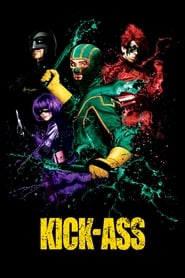
Matthew Vaughn
Hopefully you don't notice the visual effects in this film, because this is, um, you know, we didn't shoot it in New York. I mean, these are all sound stages, and we put New York in in the background and stuff, and, you know, DNEG did the work, and I think they did a fantastic job. We had hardly any money. I mean, I think we ended up, I think we budgeted for 100 visual effects shots. We ended up doing 820 and, uh, around 820, and, um,
42:24 · jump to transcript →
-
Matthew Vaughn
That's a real sunset, no digital enhancement. No visual effects. I remember just screaming, get the camera up there, we're gonna miss it.
1:16:07 · jump to transcript →
-
Matthew Vaughn
That's just them standing in a green screen room. I think the guys, the visual effects did a great job because I really feel that does look like they're in New York. I think this is fabulous acting. I mean, two kids standing in a green room wearing superhero costumes and they put emotion into it.
1:48:46 · jump to transcript →
-
-
multi · 1h 33m 3 mentions
Wes Anderson, Peter Becker, Roman Coppola, Jake Ryan + 3
-
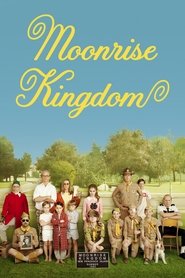
Wes Anderson
Exactly. The thing I love working with digital effects and things is compositing things. It's the ability we now have to take something and replace it, or reposition it, or change text, or modify things in the frame that are absolutely indistinguishable from if we had filmed it that way. All the time we rewrite text and it disappears. But that's a different kind of effects work, I guess. You know, it's often the signage. Probably, I would say, 80% of the shots in the movie have some kind of visual effect. And that all happened in postproduction.
6:42 · jump to transcript →
-
Peter Becker
And do you have to light specially for that? Or do you get to change the light in the digital space?
1:03:49 · jump to transcript →
-
Wes Anderson
You can change the light in the digital space, but there are things you're doing on the set that are different too, like practical lights that you're absolutely blasting because you know you're gonna bring the whole thing down so much.
1:03:54 · jump to transcript →
-
-
-
But yeah, we ended up doing it with a real ladybug. We laugh now about this. We'll hear about it. This is Detroit, the family of Alex. Actually, you were saying there's no CGI in this, and we never, I don't recall any green screen either, did we? No, no, no, no. It's just... It's a rarity these days, my friend. Yeah.
4:55 · jump to transcript →
-
But I guess, you know, I'd like one. If we can pull it off, I think it's good. Yeah, make it more classy. But that was the whole approach of this movie. Like, since day one, it's trying to do this, you know, in a very classy way, not doing anything that was, you know, top-of-the-line CG or visual effects or anything like that, because stuff like that gets old, and a good story, I think, will never get old. Was this script inspired by...
5:21 · jump to transcript →
-
that he maintains in his life. Yeah. That was CGI, right? That was CG, yeah. That was the only, well, not the only, I think there's a couple of CG moments in the movie and that was, that's probably the fanciest CG effect in the whole movie, ironically, is the piece of treat of hot dog that is thrown to the dog that had to fly over the fence and land. All that was done actually in Uruguay, in our country.
15:08 · jump to transcript →
-
-
-
Let that come out. Let's get to that. This shot is awesome. Entirely CG? I can't believe it. It was like the first time I've seen an entirely CG shot where I don't want to shoot myself. I know. Great work of Jody Johnson and all the people at D-Net. Great, great job. I have a real problem with CG shots, especially when the subject of the shot is CG. You can put computer-generated backgrounds all you want as long as what the eye is looking at is real, and that's
20:58 · jump to transcript →
-
And so here's a shot done in camera. Yes. We used a motion control camera so that you could do the same shot two times. And we are always trying to find a fun way to do the mask gags that isn't CG. And none of this required any CGI whatsoever. That shot's all done practically. And it's just a simple split screen. It's one of the oldest techniques there is.
1:23:29 · jump to transcript →
-
We shot in a day and a half. It's incredible. A day and a half. And then other pieces we shot, little tight things, all the tighter stuff, we shot at Leavesden. Again, great visual effects work, great production design. This is a moment we came up with. Later. Later. Look at that. Smudge. I like the Walker smudge.
2:12:10 · jump to transcript →
-
-
-
Joss Whedon
But the things about it that I love, I love very much. But I always think, "I could've done better there." He's uploading himself into the body. - Where? And this is Claudia, who is SO impressive, doing the hardest thing in the movie, emotional exposition, where we give her a ton of dialogue to say, then we add to it later, and she's still emotional and cool. No manifest. That could be him. There. It's a truck from the lab. Right above you, Cap. On the loop by the bridge. Coming to Seoul was a real opportunity for us. Not a lot of people had shot there. And we had to sit down with one of their ministers of culture, and explain what it was we were trying to do, and make sure that we were gonna show Seoul in a good light. And, in fact, why we liked the city was because we knew we were gonna have a chase throughout the whole city and... Not the whole city, it's one of the most enormous cities in the world. But through some lovely bits of it. And we wanted a place that was very modern and very exciting, and not gritty in the same sense. We wanted every place to register as itself. Johannesburg, Seoul. And then we wanted to fly under buildings, when clearly he could have flown over them, just because they were there and they were pretty. You know what's in that cradle? I've talked about ILM and the extraordinary work they did, which I can't say enough about. But, as is the case with movies like this, there's hundreds of houses doing various effects and various bits. This whole sequence, the Ultron portion of it, most of the major work in it was done by DNEG. And the houses are really good about helping each other out. Some of these shots were shared by, like, four different houses. Somebody's doing a background, somebody's doing a stunt face replacement, somebody's doing a digital creature. And with the Vision, somebody at one house did body, one did face, one did cape, one did background. It was just... But they're all very cooperative, they're very inventive, and everybody brings that extra quality. A lot of these low-angle shots you see of Cap going over camera, her going through alleys, were shot with a little remote-controlled car, which honestly is my favourite thing. I like the remote-control car way more than the motorcycle because it's just so cool. This moment here, um, Bryan Andrews, storyboard artist, who has done a lot of great stuff for us, came in after the fact and looked at this. And we had knocked all the cars over. It was Bryan's idea to add Captain America to what we referred to as the "car ballet." And it took something that was pretty, but pointlessly destructive, and turned it into a moment of peril for one of our guys, and made it not just more exciting, but worthy. And that kind of feedback, and having those new eyes iS SO crucial and so exciting, because it just keeps getting better. The thing about a sequence like this is it's always about the connection between the players. The more you can connect them, the more we would add dialogue between them. It wasn't just stunt, stunt, stunt. You felt their humanity. There was an emotional thread going through here for Scarlett when we shot it, that she had been rejected by Banner very brutally. If you see the entire sequence on DVD, it's a rough thing, and it made her have this kind of self-destructive, just brave kind of fatalism. And then some of this stuff was shot after that had been cut, but most of it beforehand, and so you end up with someone who's playing something that is no longer in the film. And it's just a very delicate process to make sure that you don't have some inexplicable emotional malaise from her. But luckily she's the kind of person who hides that sort of stuff, and as a character, she plays on the surface as very in control. And so we were able to cut it together without it seeming strange. But it also means that one of the emotional arcs of this sequence disappeared, and then you end up relying on spectacle, which is the last thing that you want, even though the spectacle is beautifully put together. And you have the kids going from villain to hero, which is a major plot turn. And you have Ultron disappearing with Widow, so you're servicing the story, but emotionally there's not as much going on as there would have been. And that's complicated because once you start a sequence this massive without that particular emotional hook, it's very easy for people to get pummelled. But by bringing the kids in, by cutting it down, and just by the beautiful job Jeff did cutting it, I think it sustains. But I'm always gonna look at what's not. Almost all of that was in Korea, or shot with plates from Korea. This is actually in England, in Longcross, a place we used for a few of the sets and exteriors near Shepperton, where we shot most of it, that they dressed up very specifically and brought the trains. I think we brought them from Korea, the two train cars that we had. Dressed them in. One of the things I love about having all these characters is the way their alliances can shift and change, and Captain America's never expressed anything but sympathy for these guys, even while he was fighting them. So for him to suddenly say one mean thing, and then, boom, they're allies. It's exciting, but it also feels emotionally logical, and then it brings us back to the idea that Tony is the villain. One of the true villainous moments he has is telling Hawkeye, "Why don't you disappear?" and I'm gonna make an evil eyebrow face, because I'm about to do something crazy. And the idea that he's gonna lean into the very thing that is wrong with him is interesting to me, because the idea that the worst thing about us is useful gives this thing texture. Look at the reflection of Jarvis in Bruce's glasses. That's something that... That level of detail is... Because, of course, Jarvis is not there, that was added later. And that level of care and detail is in every frame of this movie. Our VFX head, Chris Townsend, was running 97 different houses. And one of the things I love about Marvel is that good enough is never good enough. And the level of texture and detail and character that they put into VFX doubles, this sort of amorphous character. It's so complicated figuring out, "How do we make him feel like a program that's talking?" Give him personality, but not too much. Make him not cartoony. Make him feel integrated into a universe that is, at its base, very grounded. We're asking that question about every effect, every day. And the stuff they gave me is so human on every level. And ultimately these stories never work. This scene was created in post. There was some amusement at the literal translation of what had been post-viz. On the left the... I don't want to say phallic, uh, implement of... But if you look carefully at it, oh, yeah. And we sort of laughed about it but then I decided I wanted to keep it, since, as he becomes more aggressive, the idea that his iconography becomes more male. When he's just a program, it's very Georgia O'Keeffe in the lab, and then now he's becoming pure aggression. This is also one of my favourite performances from James and ILM. The love and poignancy of his dream deferred, and how insane it makes him. We had another version of the scene that was just too civilised, something I do a lot, where people are just holding a cup of tea instead of ripping their own faces and guts apart. And Scarlett, with no lines, giving me beautiful stuff, and the idea obviously of somebody doing the infamous and, in fact, somewhat clichéd Nietzsche quote, but then putting a genuine spin on it. A very literal one. It was very exciting and fun. And designing his final armour to be different, it was super tough to find something that worked. It covers his face and some of the greatness of his delivery a little bit, and I think we all regretted that a little bit. But it also brings him more towards the Ultron that we know from the comics, and gives us that distance that we need to get into the final act. Shut it down! - Nope, not gonna happen. You don't know what you're doing. And you do? She's not in your head? Once again, internal conflict is the thing that makes these things work. And that's fairly badass of Banner. You don't Know what's in there. - This isn't a game!
1:19:28 · jump to transcript →
-
Joss Whedon
Oh, no. One more time, back in. Yeah, no. It's over. This also came l/ate. I think it was Jeff Ford's idea that we knew Thor was gonna hit it from up top, but the idea that Iron Man's down below came late. Iron Man's action usually gets enhanced late in the film because, like the Hulk and Ultron, he's not there. He doesn't exist, that's a CGI character, and so you think you know what you want him to do, and then you find, "Wait, there's a way to up the stakes here." This is another thing that I feel like other studios wouldn't let you do, is have him just singing like that, to himself. And then getting genuinely brutal. I wanted this to be unlovely. And when I said to Jeremy, "Just look at it and know that your death is imminent, "and that you're okay with it." The look on his face was, um, priceless. And the cut to Wanda with the sound of what's going on here before anything happens, is revealed, rather, is also great. I almost didn't wanna cut to that overhead shot of him because he did that fall, just face-planted, so beautifully that I wanted people to see. But then I couldn't resist the hyperbole of being directly above him when he landed on the ground. Emotional hyperbole, let's face it, that's my jam.
1:59:16 · jump to transcript →
-
-
writer · 1h 35m 1 mention
Simon Barrett, Adam Wingard, Greg Hale, Eduardo Sánchez + 5
Related topics
Other topics that frequently come up in the same commentaries.