Topics / Studio & business
Studio notes
95 commentaries in the archive discuss this, with 285 total mentions and 61 sampled passages on this page.
Filter commentaries
Filter this topic by the film's decade or the type of commentary.
By decade
Across the archive
ranked by mentions · click any passage for the moment in the transcript
-
director · 4h 13m 4 mentions
The Lord of the Rings The Return of the King (2003)
Peter Jackson, Fran Walsh, Philippa Boyens
-
I always thought this was a dodgy scene because we shot it in our Fangorn set in the studio, which was a tiny studio and you can basically look at a painted cyclorama in the background. And it's one of the reasons why we shot it so much out of focus is to try to disguise the fact that it was just a painted backdrop. And that shot there in particular.
9:23 · jump to transcript →
-
We did those pickups three years after the original shoot in a studio this time. We weren't out in the parking lot. So we had enormous trouble getting all these wind machines in and we had to blow his hair to the same degree because it had to match perfectly. And so Christopher was now in the studio delivering lines, battling against this enormous wind machine that we had blowing into his face.
13:54 · jump to transcript →
-
So this is a really tricky little intercut between new footage and old footage. We had no water when I was shooting, we just had David and the rocks. So that's an old shot. And then this shot here is an old. These splashes are all old. There's stuff that John Mahaffey shot. But whenever you see David fighting with a sword, it's the new stuff that we did in the studio. Because we never really had Faramir as part of this battle, and obviously he's there, he's commanding.
1:03:44 · jump to transcript →
-
-
-
Francis Lawrence
Red Sparrow was a novel by Jason Matthews, and it was sent to me by Fox as I was finishing working on the Hunger Games movies. I think we were actually in post-production on the final Mockingjay, and had actually started to promote the final Mockingjay film when the book landed on my desk. I took a look at it and immediately fell in love with it. I've always loved spy movies. And this spy story I thought was quite unique. It's by far I think the most genre-specific story that I've ever done. But I just found the character of Dominika, as you can see here, played by Jen Lawrence, to be quite a unique and unlikely hero, and a really unique way in to a spy Story. It becomes a much more personal spy story with her in the lead. I actually, even while reading the book, Started to think of Jen immediately for the part. You know, she and I had done three Hunger Games films together over the course of five years. I thought she was a fantastic actress, and we had a great time working together. So I thought it would be fun to find something new to do together. And specifically, because we had done this... We'd been working together with the same character over the course of five years it would be really fun to do something totally different, use different muscles. And I thought she could also look Russian, but thought it would be fun for her to look different and speak differently and move differently, and push herself into new territory. So when I had read the book, and I was gonna go pitch the studio, I actually called her first, and said, "Hey, hypothetically, would you be into doing a Story like this?" And she said yes, and, you know, I just pitched it very briefly. And then made my pitch to Fox about my approach in the story, which was to make Dominika the kind of heart and soul of the story, and to follow her story, and I had a couple of tweaks that I wanted to do to the last act of the book. And also spoke a lot about the tone, and the kind of hard-R quality that the movie... I thought the movie was gonna need. And everybody agreed. We got cracking, and I went to work with Justin Haythe, who is a writer that I've known for a long time, and we had developed something together before that had never been made. But we had a great time working together. And he also saw eye to eye with me in terms of the tone and the point of view of the story. And so we got working and it came together really quickly. So that by the time we had finished and released the final Mockingjay film in the Hunger Games series, we were pretty ready to go, and we were almost ready to start prepping this. We ended up bringing a bunch of people from the Hunger Games film with us. Jo Willems, the cinematographer that did my three films came with us, and our camera operator, who's worked with me since I Am Legend, and has also done numerous other films with Jen, 'cause he does the David O. Russell movies, came with us, and Trish Summerville, who did costumes. The new big addition for me, in terms of crew here, is Maria Djurkovic, the production designer. She had done Tinker Tailor and many other great films, and I just really enjoyed her work. And we really bonded over the references that we had found, and the kind of color palette that we both thought that the movie should follow. And she joined us, and we shot the film in Budapest. And primarily all practical locations. Some little set builds within locations, but primarily all practical locations.
0:22 · jump to transcript →
-
Francis Lawrence
This is actually something that Justin and I, Justin, the writer, Justin Haythe and I debated quite a bit. We spent a lot of time thinking about Dominika"s living conditions. And part of it was from research that even though it seems like quite a glamorous job to be a principal ballerina with, you know, a real high-end ballet company in Moscow, that the living conditions would be quite modest. And I also thought it was important that they remain modest, because as she's fighting for survival, when she needs help from her uncle to survive, it's not about material things. It's not about getting a nicer place to live in, or keeping a nice place to live in, or keeping a nice car or anything like that. It's just keeping things as they are, in terms of the simple life that she actually has with her mother. And her mother is played by the great Joely Richardson, who was I think one of the last people we cast for no real reason. I think it was the last role that we got to. But she came in, and it was a bit tricky for her, and she was a trooper, because I think we cast her maybe 10 days or so before she started shooting, and she had a lot to do, you know? We had decided that her character, although you never hear it, had MS, and so we wanted her to meet with experts about MS, so she would know how to move, and how to make it look like she had trouble using her hands and trouble getting up. And she had to learn the subtle Russian accent that everybody had been training for, and she also had to learn how to play the violin. It's now a scene. I'm sure she's not happy about it, but we ended up cutting it 'cause she spent a bunch of time learning a song on the violin while giving a speech to Dominika. But she was a real trooper. She also did something interesting that I had never seen an actor do before, which was that she was really curious about the tone of the movie as she came in, and wanted to immerse herself in it. And so she came to Budapest a few weeks early, and she would come to set on days we were shooting other things, and she would just, kind of, watch and see what other people were doing, and see what I was doing, to get into the tone of the world a little bit. And I think it's honestly gonna be something that I carry into other movies that I do now, and inviting actors as they come in, so that nobody really starts completely cold again. Sonya? Hey. How are you? What is it? /'m scared. I went to see her at the hospital. The way she looked at me, she knows. She doesn't know. What we have done is a sin. They've always favored her. No one else ever got a chance. Is that fair? This was a fun sequence. This is another one of the dynamic sequences in the movie that really sets up the tone, and really specifically sets up how Dominika is truly an unlikely hero. I think without this, and this is something that we, you know, the producers and the studio and the writer and I debated about a fair amount, just in terms of how violent this sequence gets. Really sets up what Dominika's capable of. We shot this in a basement of an art school in Budapest, and Maria brilliantly changed this empty basement room, series of rooms, into a steam room, and locker room, as if it was at the bottom of a ballet company. And I think it looks really beautiful.
11:19 · jump to transcript →
-
Francis Lawrence
This was one of the tougher sequences to shoot. You know, leading up to this movie, quite honestly, I was afraid, even though I wanted Jen to do it, I was really afraid she wasn't going to want to do it. Because she really just had never done anything that had this kind of content before. So, before she had read the script, I started... We were going on a lot of press tours, and spending a fair amount of time together, promoting the Hunger Games, the last Hunger Games film. And so I would dole out information bit by bit. But really, she didn't know the full extent of what was gonna be in the movie, content-wise, until she read the script. And she read the script, and she thought about it for a little while, and then she said that she was ready to do it, and she wanted to do it. And we Started to have really lengthy conversations because I wanted to make sure that we got all these moments really tonally correct. And that she was prepared for what it was gonna be like to shoot these kinds of days. And I would talk a lot about how we would handle the days, and handle the content, both practically on the day, but also in the movie. I wanted to make sure that it was always really narratively important. The idea was never for the movie to be erotic in any way. But that it would become part of her survival story, and that there was always something tough about it. There was always a very specific emotional value to it. The scenes were always moving the story forward, and it was part of her struggle to survive. This idea of getting pulled into this horrible world of espionage from her uncle, and she was gonna have to do things that she didn't want to do to survive. One of the things that she and I spoke about was that I promised her that she would be the first person to see the movie. That Alan Bell, the editor, and I, and I think two of his assistants that were obviously gonna have to handle the footage and help organize things were gonna be the only ones to see all of the footage. So, you know, dailies like this scene were always held back from the producers and even from the studio, so that when we came up with our cut, which I think was about six weeks after we had wrapped production, I went to New York and I showed Jen the movie first, so that she had the first chance to Say, "Yes, this can be in," or "No, I want that to be out." So that she had the power to make those decisions before anybody saw anything. And she saw the movie, and she loved the movie. I think it was a fair amount longer than it is now. I think it was two hours and 35 minutes or something. But that's kind of the way we worked.
22:28 · jump to transcript →
-
-
scholar · 1h 32m 3 mentions
The Night of the Hunter (1955)
Terry Sanders, Robert Gitt, F. X. Feeney, Preston Neal Jones
-
This is in the studio here. Exactly. This is a very suspenseful and poetic touch, I thought, because we open with Lillian Gish. And for people who don't know the movie, it might occur to them, oh, is that Lillian Gish's body that's been found? Because she looks like she's in heaven. So it creates an extra element of suspense. And now here's Robert Mitchum. But again, this is Terry's work with Mitchum's double there. Yes.
2:30 · jump to transcript →
-
Now, was this all shot on Back Lot, Terry, or did they have locations near L.A. that served? I think it was the Columbia Ranch, was it? It was the Rollin' V. Lee Ranch in Chatsworth. Okay, in Chatsworth. It was all... But then they... But the studio was... Yeah, I think it was in Culver City. Oh, Culver City, yeah. This is a stock shot, actually from an old Fox picture made during World War II, interestingly enough, that Stanley Cortez had remembered and mentioned it to Lawton, and Lawton found it and used it.
13:29 · jump to transcript →
-
I arrived at the studio just after the piddling, as Bob says. And Gregory was saying, did you see that? Did you see what he did? Did you see that? Yeah, apparently that was when he showed up too drunk to work and Gregory wanted him to go home and Mitchum didn't want to go home. He wanted to act. That feels right. Yeah.
1:20:28 · jump to transcript →
-
-
-
I'm thinking about you taking the script to the studio with so little dialogue. How did that whole process happen? Well, there was another script by Will Corry, which they bought. Not Universal, by the way. We were at another studio before. And then I was permitted to, quote, hire somebody to do...
14:48 · jump to transcript →
-
In spite of the fact that it wasn't a normal, I mean, there was so much that was unusual, and people were relying on the fact that this was a new world, you know, the world after Easy Rider, where, you know, maybe they know more than we know mentality. That's what the, you know, some of the studio mentalities were, thank goodness. I know, isn't that, I think about that often. I think, boy, I'm glad that that movie did so well, Easy Rider, because then we got to have Two-Lane Blacktop.
16:01 · jump to transcript →
-
Janis's version feels like hearing her perform it. Yeah, it's so authentic and it's an experience of his. I mean, it's an emotional thing. And how was Universal, like at this point, were they monitoring what you were doing? Did they have somebody from the studio coming out or were you just on your own? They had no idea where we were or what we were doing.
38:41 · jump to transcript →
-
-
technical · 1h 35m 3 mentions
Steven Lisberger, Donald Kushner, Harrison Ellenshaw, Richard Taylor
-
This is Richard Taylor, I was one of the special effects directors on Tron, and I was the director of the computer simulation division on Tron. And we're here to provide you with some audio commentary on Tron. The origin of Tron dates back to early work we did in animation experimenting with characters, animated characters who would be made out of light, who would be not rendered in ink and paint and put on cels, but actually only exist as light imagery. And we were looking for a place where characters like that could be part of a Story. And I saw a Pong game, and it reminded me of gladiatorial games. And at the time, I had been trying to keep up to date on what was happening with early computer graphics, 'cause it was part of animation. And so, all of those things came together very nicely, the Pong game, the characters made of light, and the computer animation was the environment. And through computer animation, we got to know computer people and programmers and computer technicians. And the more I got to know them, the more the story accommodated their personas in the electronic world. I think one of the original guys was one of the guys who created... Or one of the creators of the PowerBook, that was... Yeah. - Yeah, Alan Kay. And Alan, the alter ego for the Tron character was called Alan, named after Alan Kay. And what impressed me about these guys was that they were pioneering this new reality. And that with pioneering that world, certain frustrations had taken them over. They felt that they were fighting a losing battle in certain areas. Alan Kay was trying to convince the world that people were going to have small, portable computers that they were going to carry around, and no one would believe him. Other computer programmers I worked with were doing computer graphics, and they thought that their stuff was going to be in movies one day and hold up, and nobody would believe them either. So, I looked upon them as a group of warriors and believers in their own abilities, and fighting and... Characters who were fighting a good fight, and... It's a little difficult for the audience because I think the audience doesn't necessarily relate, didn't relate then, it relates a little more now, to a group of people who speak computer talk, who are interested in computers, and who are fighting to make cyberspace, or the electronic world as we called it, a good place. Basically, Steve and I had worked in developing it for over a year. We had developed the script, and we had done a promo reel for the film of certain computer effects and certain kinds of digitized effects of what the electronic world would look like. And we put together a little booklet, I think, of storyboards, and also photographs, and then went to see Tom Wilhite, who was head of the studio at the time. And in our first pitch meeting, he really got it. You know, say that... When we first pitched it to him, he got the idea right away. We developed this movie before he went to Disney. I think in the back of our minds, we always Said to ourselves, "This would be the perfect Disney movie, "so, therefore, they won't buy it." But I think they got it right away. Yeah, originally it was our dream to try to make this film as our independent film. But it got too big for us and... I think at that time we invested every nickel we had developing the script, the effects techniques... And a couple nickels we borrowed, too. Don't remind me of that. You have in... If I may, a commentary about Donald's influence on the film was that as producer, he and Steven came to the studio. I was brought onto the show because I had been at the studio at Disney before and was, kind of, to be the connection between... To help be the connection between the studio and this new type of filmmaking that was going to take place. And so, a great deal of Donald's input was bridging the gap, and the gap was quite large between a traditional studio used to making either pure animation or live-action films, and doing this film that was... You couldn't describe. It was not a typical film by any means. And everything from the hiring of the people and moving them through a traditional studio system became something that Donald had to deal with on a daily basis. And the producer is as much an enabler as anything. I can remember... I can remember Tom Wilhite calling me into his office and describing this project, this was before I met Steven and Donald, and said that he was going ahead with a film about a video game, about players in the video game, and I thought, "Well, that's going to be great, but how are you going to do it?" And he said, "/ don't know, "I thought you were going to tell me how we were going to do it." And it went from there. And I... You know, we had an idea, and Steven brought the concept of how it would be done, how it would be inked and painted. But we really never sat down and faced the reality of it. And I think if we had, we never would have started it. Now, here we're really getting into the mind of a hacker, of a computer type in the early '80s. He's communicating with the computer, which in this case is anthropomorphisized as an alter ego. What's happened here is that he has an agent program, and agent programs are a technology that's only now really being discussed about, in terms of whether it's going to be used in a mainstream way. And he sent his program in to get information to prove that Dillinger has been stealing things from him through the computer system. So, as a hacker, he's breaking in and trying to prove this in the computer world. And he got caught. The Recognizers are the cops.
0:16 · jump to transcript →
-
One little anecdote here is that the cameraman that was up on the platform shooting this, the viewfinder of his camera was broken, the pellicle mirror had shattered, and he couldn't see anything through the camera and he just aimed and shot. He didn't want to slow down the production by telling anyone that he couldn't see anything, and held his breath all the way till dailies, and the shot worked out. Oh, that's right. 'Cause there weren't very many 65-millimeter cameras available, and all this was shot in 65 millimeter. Yeah. When we opened these cameras, they still had the sand of Lawrence of Arabia in them. Well, Flynn's arcade was in Culver City. Yeah, it's across the street from the old MGM lot, which is now the Columbia lot, but now renamed as Sony Pictures. Now, there was actually a loft at the location. But then the re-shoot... The close-ups were the re-shoots on a stage. Yeah. That's the... The actual... The practical location. Space Paranoids. Space Paranoids. I take my son to the arcade in Westwood. We go once in a while. I have to bring my earplugs. But I've never seen an old couple like that in a video game arcade. That's right. We knew that Bally was going to release a video game simultaneous to the release of the picture, and therefore we wanted to have the design of the game in the arcade and the game in the real world that people would actually play be very similar. So, we go to Flynn's, and we see Flynn playing the electronic game and fighting off a Recognizer. That is the console which we created for the film that represented the game that Bally was going to create. Although, obviously, at that time, there was no way that a computer game could have real-time, interactive, full raster graphic imagery. So, it was a prediction of the future of the way games were going to evolve, and that is what we're now seeing in CD-ROM games and the games that are in home computers and arcades today. Jeff did get very good at video games. We had some on the set. Yeah, he was remarkable, and one day you suggested that we videotape him while he was actually doing it. And look at the neon in the back. I'd forgotten about that. OA, right. I don't think any of the actors actually went so far as to get themselves a computer and spend hours backstage... Programming. -... learning how to program and... That didn't happen, but they got as far as games. Battle Tank. We used to play a lot of Battle Tank. Battlezone. Yeah. Battlezone. There you go. Now, as! recall, you... We re-shot this sequence. Yeah, and I don't even remember... The lighting... To match, I think, the lighting of the game arcade. Well, I think, actually... - We changed dialogue. Did we? - Changed dialogue. And here's a little secret. We told the studio that we needed to redo it to match the lighting. Well, see, /... Still using the same excuse. That's right, you're still... You're still well-programmed... - /'// never tell. The lighting didn't match. The casting process was interesting. Originally, I'd pictured Jeff's character being younger and the Tron character being older. We were affected by some things that were definitely outside of our control. Tron predates Splash, and people forget that, really, Disney was having a hell of a time getting popular actors to work for the studio. And it had been a tough time for Disney. And it didn't help that we were saying, "Yeah, we want you to wear these funny costumes." And Jeff was always enthusiastic about being part of the picture. The Tron character... Bruce was... I don't think Bruce was quite as adventuresome at first, although he got into it after a while. I would have liked to have seen Bruce possibly be a little, I think... I had pictured him as sort of a younger Kirk Douglas. I think he would have been better if he had been a little older like he is now. I like the way he looks now. And I think Jeff... I was surprised at how physical Jeff was. I thought that... I pictured Flynn being a little more geekish or a pencil neck, and Jeff is very physically strong. So, in that sense, the two became somewhat similar, although their personalities and what they represent are completely different. One little anecdote is that... I can't point back at the character of Tron and say, "There were all these actors." Or, "It was between this one and that one." But I do remember one surprising actor who really wanted to play this part, and it was Peter O'Toole. - Yes. Oh, he wanted to play the part of Dillinger. No, it was Tron. Tron, that's right. I think we wanted him for Dillinger and he said, "No." And I had this amazing scene with him in the Beverly Wilshire Hotel where... In his hotel room where he said, "I can do this!" And he started leaping from one piece of furniture to the other and screaming that, "I want Tron on my tombstone right next to Lawrence of Arabia!" And who knows, maybe he would have been great, maybe I really missed it right there. All these interiors... Shooting them, these low-light interiors, in 65 millimeter is very difficult, because the depth of field, the focus plane is incredibly short, and it was a real struggle. And some of the close-ups, we actually had to run light stands up the backs of the actors through their jackets as braces, so that they would stay in the exact same spot, so that we could keep their eyes and faces in focus. You know, if your file was in there... - Hey, wait a minute. If we can get in there, I can forge us a Group 6 access. Well, shall we dance? And ENCOM was shot in downtown Los Angeles. I forget the building. Of, the Transam building? Oh, yeah, the Transamerica building. At the top of that was the helicopter pad. This sequence between these two heads of the company really expresses the philosophical problems that the other characters are going through. Again, the office is designed to mirror the other world in terms of its graphic look. Wasn't there something about the cold, corporate look as well, Steven? There's your door. - There's the door. The scene where they sneak into ENCOM and open the door that is 10 feet thick or 12 feet thick, that's a real door, that's not a prop movie door. That's an actual radiation door at Lawrence Livermore. ENCOM isn't the business you started in your garage anymore. In one scene, you see a number of things flip up into four corners. Images. That was a traditional optical that had to be done, and opticals in those days would take two, three, four, five weeks at least, and it was a big task. It was like making its own little movie. You know, you can remove men like Alan and me from the system, but we helped create it, and our spirit remains in every program we designed... That line is one of the key lines in the whole script, about the human element that the programmers put into the system. And it's this discussion between those two characters that really elevates the picture well beyond a video game movie. Now, the reverse was shot, actually, on the Iot, so there's a reverse... Getting into the Disney vaults? Yeah. Lawrence Livermore was quite proud of the fact that although this door weighed tens of tons, or whatever it was, it was so well hinged that you could open it by just pushing it. One person could. In fact, you found... I believe you saw that door as we were taking a tour of the facility and you Said, "This would be a great place for them to sneak in." So, you kind of re-wrote the scene to accommodate that huge door. And the irony is, as he punches the buttons, that the giant door opens, and no strength is exerted, but it's opened automatically. I kind of inherited the job of not only setting up the giant rear projector and the mirror and all that stuff, but I also had the job of putting together what would end up going onto the desk. That's an actual wireframe on there, for the carrier, as you See... Right. - ...in the film. I began searching around for footage to go onto the desk, and it was getting late, and we were about to shoot this thing in a couple of days, and I just ran out of stuff, so I put the flowchart from the film on there, and probably things out of my address book and anything I could... I was down to pulling things out of Life magazine and re-photographing those. I was just running out of stuff to put on the desk. What's interesting about this protagonist, Jeff Bridges' character, is that he's actually, um... He's a creative, technical type, and he's fighting for his creations, he's fighting for his work. I think that's pretty unique. He is somewhat of a paranoid character. But with some reason. With some... Yeah. - Some good reason. Dillinger will never know we've been in here. Good luck, hot shot.
16:15 · jump to transcript →
-
Time lapse. This is a wonderful time lapse shot that... Shot in 65 millimeter. See all the airplanes landing at LAX. That's what those... - Yeah. Those little things. Were flecking through the... Right. Who's this guy? I forgot what went into this movie. I literally haven't seen it in over 10 years or... Really? - Yeah, I'd forgot. It's overwhelming, isn't it? Yeah. -/ mean, it's really a piece of art. - It's remarkable. You know, you have to go into these projects not looking at the whole global reality. Because if you would, you would never have attempted it. It's easy in retrospect now to look at it and judge it and say, "Well, it should have had a little more this or that." But we never had that luxury. We had no luxury at all. - We were going flat out. It's like getting into a car and they say the only way you can go is if you put a cinderblock on the gas pedal. And there is no brake. - Right. And when it runs out of gas, wherever you are, that's where you are. And we're not sure of what the course is that you're going to take. Right. So, get out there and drive where you think you should be going. And there was no map. And that was it. We had one saying though, when anyone from the studio asked, it was, "No problem," right? Nothing was a problem. - Well, that's... But we had the technology. Because at night we knew the little fuzzy animals were going to come down the hall and help us. I tell you, the lot has that juice in it, though. There is a certain vibe. We were in the animation building and you are inspired when you are there. You feel that this is, sort of, hallowed creative ground and that, you know, you do want to push the envelope. I think this film got willed into being. There was a great deal of just brute will to get it done. Force the issue. If we say we're going to have dailies tomorrow, then we'll have something to show at dailies. And to add insult to injury, this was my first film. Right. Animalympics, which was two television specials put together, it was fully animated. But this was my first feature film. And that's what Tom Wilhite always... Whenever people said, "Well, isn't this Steven Lisberger's first film?" Tom Wilhite would say, "No, he's done another film before," and then hoped they wouldn't ask what. Because he would always... He would say that each time. And then, you know, the fact was that it was a full-on commitment and there was no turning back. This was the most no-turning-back film I've ever been associated with. And I'd like to add to that. We all owe a debt of thanks to Tom Wilhite, who was the president of the Motion Picture Group at the time, for green-lighting this picture. And I think he felt that the picture was in the tradition of experimental cinema that Disney Studios always had. I always felt that Tron would remind you of something you've never seen before, and I think it accomplished that. Tron was a once-in-a-lifetime combination of technologies that'll never happen again. The evolution of computer graphics has gone on from Tron. The incredible complexity of what we can do today compared to what we could do at that time is much more intense than I ever thought it would be by this time. But it was phenomenal what was created at that time with the very, very limited state of the art of computer graphics. And then that whole technique by which the characters in the electronic world were created will never be done again. It was just too labor intensive and too unique and there are other ways to do maybe that same type of imagery now. Steven Lisberger really created a unique piece of communication, it was right on time, and his insight into the technologies and the combination of technologies to create that film, I think, was a one-time situation that will probably never arise again. The labor-intensive quality of the film, I think, Is... No one really to this day understands. "How did they do this?" - Yeah. I know, I know. How did we do it? I don't know. We were nuts. We were young is what we were. Well, thanks for all the help, guys, really. I can't believe we made the whole thing.
1:31:01 · jump to transcript →
-
-
cast · 1h 36m 3 mentions
Anthony Michael Hall, Judd Nelson, Jason Hillhouse
-
Judd Nelson
I have a lot of gray now. Giving me everything inside and out and Love's strange So real in the dark Think of the tender things that we were working on Slow change may pull us apart When the light gets into your heart... Now there's a person... This is a woman I have to tip my hat to, Dede Allen. Incredible. - Before I knew what editing was about, this woman was really an interesting presence. And it was cool, too, how she would come to the set. Remember? She would really work closely with John, which was really cool to see. And also, that's the first time I'd ever been looping where she made me feel that the worst I could do would be the production draft. That it's possible, in looping, to improve a performance. Right. - So, from that moment on, it's like, now I don't get all like, "Why didn't we get that on the set?" And also, at the time, I think the studio, as well as John, I mean, I was too young to appreciate it, but I think everybody was thrilled that this woman who had cut all these classic movies, like Reds and Dog Day Afternoon... - Bonnie and Clyde. Yeah, it was a great choice to arm John with. She was a real ally for him. And also, there were a lot of overlaps which they, as a rule, don't like, which is when one character in the close-up is talking... And then somebody talks over like this. Yeah. - And somebody talks over... Sorry. Sorry. Judd and I both need a shave, and here we are. You wanna explain for the people at home that don't know what looping is? Looping is a slang term for post-sync dubbing, which is when, on a movie set, you've shot something, but a plane went overhead. Then, you have to redo that in the studio, and you have to get the picture synched up with the sound. The technical term is ADR, which stands for "Automated Dialogue Replacement," but in the industry we call it "looping." As Judd was telling that story before, it is a cool thing to learn. It's part of our craft that you can often make a performance better, and you can come back in and add some element or dimension to it, which helps. If you can help. And it's hard to take stuff that's off camera that overlaps on camera and keep it in the movie. If you're not on camera, and you talk over the guy on camera, they can't use either piece. She was able to save a lot of it, and that was very important to a lot of those high-octane scenes. Definitely.
1:11 · jump to transcript →
-
Judd Nelson
There's Judd. Right on. I told the story when we did the interview before with Jason, that you came to the audition just so ready, man. You were just there. You were already there. That's a long time in high school. - Yeah. All seven years of high school really paid off, and you got a great role. Judd, you were great. I remember from the day you came in for the audition, you just came in, like, "What movie? Can we start, or what?" Even these rehearsals, 'cause, John, if you remember, man, we did rehearsals in this space 'cause this art department had constructed this. And it was inside a gymnasium, so we had the benefit of working as if it were a stage, and it was already there, ready for us. It was cool, 'cause the studio took over the school, in a way. So, we could turn their gymnasium into this library. However, at the time, there was a USFL football team, the Chicago Blitz, they were practicing and using the school as their home base. So, they practiced in the big gymnasium. Not anymore, it became the library, and they went to the old, small gym, or had to go outside. And it was Chicago, and it was really cold, and they hated us. These hulking dudes would be like, "Get out of the way." I miss Paul, man. Paul was great. - Yeah, he was a cool guy.
4:49 · jump to transcript →
-
Judd Nelson
See, this is where it was cool where we had John. He was definitely a collaborative director and sought to get the best out of us all, and was looking for behavior, you know. So, I think, the wisdom of he and Dede Allen and their choices in making this all work, 'cause we had so much footage, it was great to see. All these years later, we take it for granted, what we see the final cut to be. But the truth is that, like we were talking about, Dede would come to the set and she would closely work with John. And also, he gave us the freedom to play and just have fun. And certain things, like the stuff you're seeing with Judd spinning around. I'm sticking a pen in my mouth, stupid stuff. We had no idea whether it would arrive in the film or be a part of it. I didn't. We were just having fun. But once we knew what the space was, we had the parameters. Rehearsal was key. - Yeah, it was like shooting a play. That's how I recollect and look back at it. We shot this play for 35 days and we were... Mostly in sequence. - Yeah. Yeah, we were fortunate to be extracted from Hollywood, and all of a sudden in this suburban gym of Illinois, not far from where John had grown up. So, it was a fortunate thing that we felt like we were shooting a play, 'cause we also had a week of rehearsal, which was... No, we had more than a week. - Was it more? We had more than a week. In fact, we weren't done with our rehearsal time when Hughes went, "We're ready. Let's go." All the work we've done keeping our faces in the industry since and maintaining our careers, it's still... To this day, I don't think I've ever had that since. So, it was a real... A real rehearsal. - Yeah, it was a real luxury. It was also a lot of fun, 'cause it really bonded us and gave us a chance to get a sense of where we were all at, and also made the work better, yeah. And we built real history, as opposed to that you believe you've made up a history. We actually had real experiences. Even if it's something as simple as dinner four nights in a row, you at least have some real past and things will reveal themselves to you further along in the work. And Hughes really wanted it to sound authentic. So, he never limited us. If you came up with something, you never felt like, "Oh, wow, "we took it beyond the text." Big deal. And he was always looking for it to get to that point, anyway. The freedom that he gave us, the idea that he would trust us like that, which is the point of the film. Just because they are 17 years old doesn't mean they are 17 years dumb. There's a weird thing, though, about rehearsals and stuff like that, where you think... You even said, "I've never done that before or since." It always seems to work out when actors and stuff get those chances. You hear those stories over and over. But, for the most part, people, they just don't do it. Yeah, in terms of genre, too, this is something that broke a mold, in a way, 'cause it was, in the industry talk, a talking heads film. It's really about a bunch of people sitting around, talking. So again, the play analogy comes into play. We really felt like... I remember rehearsing, and we were in these positions. I remember walking into that space, and John going, "Okay, you sit over here." We would rehearse these scenes. So, by the time we shot them, we all had a good sense of each other. We were a solid group, and we also knew where we were going with it. Now it looks like a luxury, but to this day, I've often looked back and thought about that, that it was great intelligence in just doing that, putting us in together. We sat in a room... - I thought they were all gonna be like that. I really did. I look back on that and that is a high-water mark in terms of the importance of having everyone being on the same page. Right. If you get rehearsal time and if you shoot in sequence, it's not like you are trusting the other actor to know that in the scene before this they actually threatened to kill me. So, it's a little bit heavier. You don't have to do that because before we shot this scene, we shot the scene where he threatened to kill me, so we know that. It's a great collaboration. You don't realize it till you're blessed enough to work in the business. When you're on the set, you see that there's... You know, sometimes the best idea will come from the script supervisor, or sometimes it's the guy at the crafts service table. It's a great collaboration, even though it's a director's medium. I think that sense of support was instilled in us with John, 'cause he gave us these roles and we all knew what we were doing, but he always was collaborative that way. I think that was his intelligence, too, that he allowed his scripts to transcend even the beauty that they had, because he hired people that he believed in. But there's a great collaboration, always. When you're talking about rehearsal, you're talking about the five of you guys. Were Paul and Kapelos kept away a little bit, to let you guys have your thing, a little "us vs. them" a little bit for that? Well, that was happening right away. Also, 'cause Paul wanted to hang with us, so that was perfect, 'cause it gave us the power to say, "No." So, we could. But you guys rehearsed those scenes, right, with you and Paul? But he wouldn't necessarily be sitting there on a day when... Just the five of us. - ...it was the five of us in that rehearsal, if we were gonna get to that stuff. We wouldn't do necessarily whole read-through of it. We would be taking it from the first scene and rehearsing it till it made some sense to us, and John knew, basically, how he wanted to see it and how he wanted to shoot it. It's a business, at the end of the day, like anything else, so there's always such a sense of the clock and rushing, so, as Judd said, a high water mark in our careers to start with this great project, and we had these great roles and a well-developed script. But he was smart enough to sit us all down and get our input and let us work through it. So, once we got on our feet with this and we were shooting the scenes, we had a closeness and a vibe already flowing between us. But it's funny you said that, 'cause I thought the same, too. I thought it would be like this after, and usually the director is the most stressed-out, doesn't know what the next shot is. It's like the world changed after this. But part of it was the good fortune we had to be in Chicago and do this. It was at the beginning of his career, after Sixteen Candles did pretty well, even though it was a small film. I think I remember him telling us that his intent was to do this first. I think the studio was gonna make this film first and they flipped them. So, we were fortunate to be away from everything and... Flipped it and Sixteen Candles, you mean? Yeah, exactly, in terms of the making of the films. So then we did this project second, and then we were, again, just in Chicago, and that sort of remote quality helps it, too. It's a lot of the fun of it. 'Cause then you came back here to do Weird Science, right? Yeah, that was fun. There is something about that, pulling it out of Hollywood. That's clichéd, "Hollywood's bad and you can't get anything done." But there is something to be said about that. Well, the story takes place there, and that's where he lives. Why not put it there? It's easier, it makes the most sense, and for the actors, it's one less thing you have to imagine, and hope everyone else is imagining the same thing. In fact, it is the same room where we're gonna go every day. It's a school. - Right. I remember, I went to some local schools, too, in that area at the time. It was fun just to get a sense of what... 'Cause I hadn't had that kind of upbringing. I grew up in New York City at a liberal arts high school. It was a different experience. It was a boys' reformatory, wasn't it? I was away a lot and... Very religious, wasn't it? - That's part of the fun, actually, just to get out of the mix, to be somewhere else. As an actor, the gift is getting the job, and then the sense of exploration is enhanced, I think, by being somewhere on location. It's fun. Makes it part of joining the circus, I guess. So, what, you guys went to an actual school, went in, mixed with the kids, did that whole... Yeah. Yeah. - I did some of that, yeah. Yeah, Hughes arranged it for us to go. I know that Ally, Emilio and I went to this high school, and the principal knew, but most of the teachers didn't, and it worked out perfectly. It was a school that had two halls, one called Jock Hall and one called Freak Hall. And I was like, "Are you kidding me? That's perfect." I just waved to Emilio, "See you at the end of the day," and then went over to the other side. It's great 'cause I was over 18, so I met some guys and I could buy them beer. I was like, "Yeah, I got an ID that'll work. Come on, let's go get some beer." Just treating it so poorly, it was perfect. You didn't get put in detention at that school, did you? No, but I did get sent to the principal's office, the one guy who knew that it was okay for me to be there, so it was perfect. I hadn't found my classroom yet, out of Freak Hall, and I didn't have a classroom, so I was always going to be found out there. Bender, that's school property there, and it doesn't belong to us. It's something not to be toyed with. That's very funny. Fix it. You should really fix that. - Am I a genius? No, you're an asshole. - What a funny guy. Fix the door, Bender. Everyone, just... I've been here before. I know what I'm doing. No. Fix the door! - Shut up! God damn it!
8:42 · jump to transcript →
-
-
-
Gary Goddard
I'm the director of the movie, Gary Goddard, and I've been asked to give some commentary about the making of Masters of the Universe, which I will be doing here as we watch the movie. Over the credits here, I'll just say that Masters of the Universe came my way because it was a very popular toy at the time, an animated cartoon show. Ed Pressman was looking for someone to be able to adapt this into a story that could be done for a budget that the studio would accept, that would also be able to bring the story to life as a live-action picture.
0:17 · jump to transcript →
-
Gary Goddard
I actually didn't want to cut away from him at all. I wanted to stay on him. This is exactly what I said. I want this energy coming right out of his nose and eyes and stuff through his hand. I want him bathed in this power, this energy, as if he's coming into his own. And I think he does a brilliant performance. The cutaways, I reluctantly agreed to. The studio felt we needed him, but I really felt this was a scene where we could stay with Frank for the whole performance. I think if I do it all over again, I probably would have stuck with that. There's these few cutaways that slightly break the rhythm, I think.
1:28:29 · jump to transcript →
-
Gary Goddard
And the one thing I would redo if I was to re-edit this today is there's a slightly longer farewell scene that has the ring of Dorothy when she leaves the characters in Oz. And you see a piece of it here, but it gets cut short a little bit. She actually had a separate goodbye for each of the characters, to Teela and to Man-at-Arms and to each of them. And I thought it was a great moment. And it was the one compromise I made at the studio's bequest because they wanted to get to the ending faster and they thought it was a little...
1:37:24 · jump to transcript →
-
-
cast · 1h 36m 3 mentions
The Garbage Pail Kids Movie (1987)
Mackenzie Astin, Katie Barberi, William Morris
-
The first AD asking the studio teacher, the social worker, hey, how much time we got left with it? And, you know, there was like two minutes to midnight. And the AD goes, I think it's two minutes. And the social worker goes, make it 10. Yeah. Which, in retrospect, I can appreciate. Because had we stopped shooting at exactly midnight, there would have been another night we had to go back out and line the Cocoa Puffs and tampons.
16:02 · jump to transcript →
-
William, to answer your question in many, many ways, which I think we've tried to do, we all needed to be more on the same page. And that's every aspect of the production as to what it was that we were making. Again, if we would have gone in that direction and if the studio had respected it, this is exactly, this is an anti-consumerism message. This is an anti-children's film.
43:19 · jump to transcript →
-
True of anything. That's true of any project ever. So this is actually an interior. This is the interior of the studio. This is not exterior. You can barely tell. There's Lynn Cartwright. No, you can't tell. You totally can't tell. There's Lynn Cartwright. She is Hollywood royalty, Mackenzie Astin. Very good. Very good. These were extras. These were models playing. These were extras playing models who were given very little information about what they were going to do. What was...
1:11:19 · jump to transcript →
-
-
-
is second to none, especially back then. She's great. When you were casting the film, you were saying before how Donovan was such a great archetype for the hero, only to subvert that later on, kill him off, and then now we're left with... It's the old Psycho. ...Mullet-tron 2000 with Kevin Dillon. It was very purposeful on my part trying to emulate what Hitchcock did in Psycho, which is Janet Leigh's dead at the end of the first act. How did that go over with the studio, though? We were very... This was...
7:18 · jump to transcript →
-
made the director's brain explode. Yeah. And someone had to get fired because he wasn't getting his days. So it was the... It all comes down to those eyelines, man. Those can drive a director crazy. To get the eyeline, is he going to look to the dugout? Is he going to look to the other cast members on third base and second base and to the gal in the stands? And he's pitching to the... It's like you literally start covering every possible eyeline in your screen. Yeah. Poker games and baseball games. Where was this scene shot? It was just up the road from the studio in Castaic in California.
1:28:44 · jump to transcript →
-
Never respected that, okay, we're doing a franchise and we're going to make three and this is number one. We're going to call it Blob One. It's up to the audience. You were in the studio going, I got a blob cinematic universe ready to go. Easily. Only three decades to wait, kids. Never grow up. So I wanted to make a hit film, but I wasn't sitting there sketching out the Game of Thrones arc for seven sequels. So the 12-year-old kid who had seen this movie and was so inspired by it. Look at this. Great work by Tony.
1:29:43 · jump to transcript →
-
-
-
But then at some point they started bringing on other writers, because it was the 80s when they did that all the time as just a matter of course. Right. And that came about sort of, the next writer came about sort of through the first director that they had. I mean, initially, actually, the first director who the studio approached was Roger Donaldson, who was coming off of a couple of big hits. He had done No Way Out, which was another Orion movie.
11:38 · jump to transcript →
-
So I'll give it to him. I've never heard another story of how it came about. Well, I guess as we get towards the end of the movie here, I wanted to make sure I talked just a few minutes about Orion, the studio that released this movie. You know, this movie came toward the end of Orion's initial reign as one of the truly great production and distribution companies in Hollywood history. You know, it was formed in 1978 by five executives who left United Artists to start their own company.
1:47:56 · jump to transcript →
-
Works of art. Eventually, MGM bought the studio and there have kind of been some attempts to resurrect the label in recent years. And in fact, as we record this in 2024, we're recording this a couple of weeks before the Oscars. And one of the best picture nominees, American Fiction, is an Orion movie. The new incarnation of Orion released American Fiction. So maybe they're going to come back. I did not realize that. That's interesting. Maybe they're going to come back. But they were really...
1:50:30 · jump to transcript →
-
-
-
I tried to convince people that I was the mark and try mark, but it didn't work. There you go. Look, they kept my name on it. Actually, there's a story to this limousine. It originally was white, and they wanted to, the studio did say, let's change it to black and reshoot this part because they thought black was scarier.
1:01 · jump to transcript →
-
And we actually painted the zigzag of tire tread on his face, buried him. Buried him and had him come up. And it was an elaborate gag and it took us like four hours. And it was very funny, like the truck ran over him. And for some reason, the executives at Trimark said, no, that's too cartoony. Oh, really? Let's cut it out. And of course, now I think these are the things that we should go do the director's cut and put back in. But it was in one of my first cuts. But yeah.
33:39 · jump to transcript →
-
Now, that's not Jennifer. That's the stunt double. Got a little Dutch angle tip there. Yes, yes. They're L.A. gear, and I don't know why they don't send me some money. Now, that's David Trippett, who's one of the executives who I still am in contact with. That's his little cameo. I won't mention the fact that I think it was one of his memos to take out Fuck You, Lucky Charms, but he may have just been sending it.
1:14:42 · jump to transcript →
-
-
-
I have a screenwriter friend who said, "What has become of this prop?" I think the editor has it. I'm sure Dino has one. This book? - Yeah, there are two of them. Universal maybe has one. I should have one. - Yeah, and I should have one. You and I should have one. Why don't we have one? We could auction it in 20 years. Anyway, talk a little bit about how you got Ralph Fiennes into this cast. Like I said, I went after the actors that everyone told me I couldn't get. "Ralph's never going to do a movie like this, he's a Shakespearean actor." Basically, I sent him the script. And he loved it so much he agreed to fly in and meet with me. I gave him my vision of it. I told him he was not going to live in a haunted house. He told me he was very attracted to the idea of playing a monster who had a soul. That he had some kind of inner life and was not just a bogeyman. He loved the relationship between him and Reba, Emily Watson's character. He loved that there was humanity in this horrible person doing horrible things, but there was humanity in him. Here's a great sequence. We should talk about the way you staged it. This was originally written, if you remember, as an outdoor exercise scene. I said to Ted, "I can't see Hannibal Lecter "even if there were guards all around and they cleared the whole yard, "I can't see him in an exterior location, out of prison." The scene was originally through a fence. A sort of dog run or something, or a big mesh fence. And the dialogue between Will Graham and Hannibal was through a fence. It was an electrified fence. But I said, "Then there's no threat." There's no real threat. And I said, "Why don't we put him on a dog leash?" And I found this location, which is in an actual location for the mentally disturbed. There are mental patients all over this building. This was another case where Kristi would talk to Brett, and then she would send me drawings for the design for this knowing that it might help me as I thought about the scene and wrote it. Kristi had a lot of fun with the look of this scene and so did Dante. Dante did an amazing job because his interpretation put a lot of smoke in here so that the white lights would... Dante liked the way Lecter goes in and out of the brightness so that he almost seems to be a ghost. Which is like evil light as well. He said, "Evil light doesn't only have to be dark. It can be white as well." This leash thing, I love. He meant to use the bolt cutter to enter the house, but he didn't. That shot I did earlier, where you see the line saying, "Do not cross." It was the last shot of the night, and I almost forgot it, but I said, "In this whole scene, when I shot it, I don't remember seeing the floor. "I have to establish it so that the audience knows there's a do-not-cross line." Why is he standing there? The original idea for the scene was that you'd think it was a dream sequence. If you look, it's shot very close. The way you shot Edward's entrance into the room, we don't know at first where he is or whether it's a dream. And here comes Lecter walking towards him with no bars between them. Then we pop out and reveal that he's on a leash. It's a great moment in the film. When I was working on the first draft, I just thought, "This is a scene that's not in the book." Most of these Lecter scenes are not. I thought, "If I were directing this movie, I'd like to get away from that cell for once. "And give the actor a chance to use his whole body. "And have nothing between the two actors." To me, it was really the parallel of the scene with Jodie and Tony at the museum in Memphis, in that big cell that Kristi designed, which was amazing. I needed a set piece as magnificent as that, 'cause that really opened up the movie. I thought you'd be very grateful not to have the Plexiglass between them for once. And to have them be able to move together, walk together. Sometimes just the technical challenges you face force more creativity. It was only his first time. Already in Atlanta he did much better. Rest assured, my dear Will, this one will give you plenty of exercise. I love Will's reaction to that line. Edward's great when he's not saying lines, actually. You know, the mark of great acting is: How interesting is an actor when he's only listening? He's a very good listener. - Jodie Foster is a great listener. She listens with such intelligence and such engagement, and Edward can do the same thing, and so can Tony. It really is a hallmark of great acting. You see that a lot with Ralph Fiennes here. He doesnt have a lot of dialogue. He's listening, thinking and reacting. It's a very poignant performance by Ralph. It's easy to play the monster. It's hard to be the guy who's a horrible monster... It's hard to make the audience care about the character instead of just dismissing them. This is Azura Skye who is one of my favorite young actresses, who was in 28 Days. She had a small part in Bandits and she was awesome. Again, the importance that Brett gives to casting every part, even if it's an actor who only has a one-page scene. You want somebody who looks like they could star in their own movie. If this movie suddenly became about this bookstore, it would be interesting for the next 90 minutes. Even the voice of the girl on the phone, I cast the voice very specifically. Did you drive the studio crazy by waiting to cast some of these parts for so long? Till the last minute, yeah. ...darn it, she never did. I'm just a temp. Linda will be in on Monday. I have to catch FedEx in about five minutes. I hate to bother Dr. Bloom about it because he told Linda to send it and I don't want to get her into trouble. This was hard for timing because it's one shot and it's a lot of dialogue, and I wanted the camera to land at the right place. The camera and the lens that you pick help with the emotion, intensity, and realness of the scene. Is it hard to move in like this without changing lenses and keep the focus? Yeah. Especially anamorphic. The focus on this move is impossible. Mike Weldon was the AC on this movie. He's a genius. Anamorphic is the wide screen? Anamorphic is wide screen, but there's not a lot of depth of field at all. So it's impossible to focus when you're moving into a subject. It's just the hardest thing ever.
43:19 · jump to transcript →
-
I've always tried to hang on to what that cougar looked like. But by now, to tell the truth... This was made-up stuff that was not in the book. But I knew that they were going to have that scene later with the tiger, the sedated tiger, and I wanted to set up some deeper meaning to that scene for her. So I added this little section. You don't say much, do you? There was actually a scene that was left out. That was his arrival, but Mark thought it was unnecessary and Nis... - When they first arrived and walked into the apartment for the first time here. One of the things that amazes me about Ralph is that he... The script so often gives him so little to work with. The character is painfully shy, he speaks in monosyllables. This was a scene that I used to test the actors. - I remember seeing the test at the auditions. This is the scene that helped me decide that the actors that we tested werent right for the role because they can get the Dolarhyde torturing Freddy Lounds scene, but to have a vulnerability here... But you still have to fear this guy. It's a tremendous feat of acting to accomplish as much as he does with so little to say. My biggest worry going into production was that we would not be able to find an actor who could do everything that this part needed. This is a part where the actor has to bring so much, and the script doesn't help him as much as it does other actors. This is really where you see his imperfection, which is his cleft lip, which Matthew Mungle, who is a brilliant make-up artist and effects make-up artist did such a realistic job of. I tend to do a Iot of tests for hair and make-up and the tattoo. We spend a Iot of time. When you work with Dino and Martha, do they want input into those kind of choices or is that left mostly to you? I love working with Dino. Not only is the guy a legendary producer, but it's great working with Dino and Martha together because... It's a whole other energy. - Each one has their own opinion of things. Right. They are a great producing team. -/ never work with a producing team. - They are very shrewd about script. You did a lot of work with Dino and Martha before I even came on board and you delivered a first draft, basically, that was shootable. - The first draft was green-lit by the studio and it had a lot to do with Dino and Martha's notes because they are very shrewd about what the audience needs to know, and when they need to know it. The sense of the rhythms of the story, and the rhythms of the acts, they have a really good grasp. This is my favorite section of the film. This is where the pace really... It seems like it really takes off here. This is Run from Run-D.W.C. who unfortunately, I cut out of the film, not completely, but... That was him. - That was the top of his head? That was a wonderful appearance. The story really takes off here. The pacing of this section, to me, is very exciting. The music and the editing. This is where I was telling Harvey, "Can you do it twice as fast?" Harvey tends to pause in the strangest places. But it always comes out very natural. He's a brilliant actor. You had always wanted to work with him? - Always, yeah. You had always wanted to work with Harvey. Ever since I was a kid, I was just... I grew up on him. ... possibly from the Tooth Fairy. This was a Dante shot. - It's a spin. "Let's go around him." I said, "I don't want to get dizzy." He said, "No, it's an urgent scene." It does create the urgency of what's going on here, that events were spinning out of control as suggested by that. Because of 9/11 we couldn't fly a helicopter through the Washington skyline. So that was one of our few CGI shots. It's really called a composite, because we shot a plate and then we took a shot of a real helicopter. This was done on the set. Ralph read this on the set. - Standing next to them? Not when we were doing the scene, but he just read it once and this was the take we ended up using. This is a one-take performance. He was just so in the mode. He reads this letter very well. I love all this sort of hi-tech, FBI forensic stuff, and it's something that we couldn't get a whole lot of into the script because of just sheer space considerations. So where we could do these kinds of things, it was really fun. I love that shot, and that shot... All the shots of Lecter in this... Brett, you love all your shots. - I know, not all of them, but those specific ones. I like all the lighting changes through this. This is Tony Hopkins' stand-in. This is the only... I wondered why he had a British accent. I wondered why the superintendent of a hospital in Baltimore had a British accent. He migrated. This is Ken Leung who's been in three of my other movies. On the right? He's a great stage actor from Broadway, and he was the villain in the first Rush Hour, and he was in Family Man. He's just a... He's very good with this part. - He's excellent. He's really very real. ...are transparent to infrared. These could be the tips of "T's" here... This whole sequence is quite close to the book. Tom Harris is very well-grounded in all of these procedures. It's just a real gift to the screenwriter to have an author have done so much research, and be so on top of these things. ...they made that up. Three "T's" and an "R" in "Tattler." How do you communicate through a tabloid? You got what? News stories. This scene was much longer really, but we realized in the playing of this scene that the audience... This is an example where the audience was ahead of everybody. We shortened it because the characters just seemed like they were... The audience already knows who Dolarhyde is at this point. We held him back for as long as we could, but once we've shown him, the audience is just getting ahead of you. - That's my favorite shot!
55:10 · jump to transcript →
-
I'm leery of letting Lecter's message run without Knowing what it says. The movie's really cooking now for me, at this point. You hope it has a continuous build. You introduce all the characters, you introduce, you know, the potential danger to Reba, you've got the FBI hot on the scent. I sent Kristi down here. I was unavailable to shoot this shot and she just did a fantastic job. - Kristi was the second unit director on this? Yeah, she did a great job on that. Very simple one shot, telling the whole story, cut into the insert, and then we're off to the races. You can feel the whole story shift gears here. This was another digital shot. He actually had a phone at his ear and we erased it. Amazing! That is amazing. This is another thing that Mark pointed out about the story. I didn't shoot this correctly, so you didn't know it was a cookbook. But you can tell it's a cookbook. - Now you do, but when I shot it, you didn't know it was a cookbook because the shot was on his face. So we did an insert. Okay, Lloyd. This is an example of Dino's and Martha's kind of shrewdness about storytelling. I wanted Mark and Mark wanted to lose... And myself and Andy Davis, kind of my creative producer, as well, and part producing partner came up with the idea of just cutting to the chase, and not hearing the message. Not hearing Lecter's message about "Marathon, Florida, kill them all." I am sure I asked you. - We talked about it again and again. Dino says, "Yeah, but the audience needs to know. "It's more frightening." It's more frightening for them if they've heard Lecter's entire message. This is another example of a scene that wasn't in the script, but after I saw the movie with an audience, forget about what they write... This was actually the last scene shot. This was added later. It was added later because I thought... Originally, it just cut to this next shot, where the helicopter arrives. He gets the phone call, cut, and they're safe. They were too safe, too quickly. -/ called Ted, I said, "Maybe we can put some suspense in here. "This is a psychological thriller that has suspense in it." The studio loved the cut of the movie so much that they gave me the money to go back to do it. Sometimes you don't know until it's assembled. You say, "Something's missing here." We had an opportunity that we didn't take advantage of to have a little more tension. I had food poisoning on this shot, I remember. On this shot? - I was So Sick. -/ did not feel good. - This is a great location. This was originally written to be at the... - This is where I am gonna shoot Superman. It's Smallville. I'm gonna just... - That's Smallville? I'm sorry. Mary-Louise is very, very good in this movie. Mary-Louise Parker, and again, is not really given that much to work with by the script. So she's got to make the most of every moment. Actually, in the first draft, the draft I read... Once I got Mary-Louise, I said to Ted, "Let's give something for women to really..." Let's give her a really dramatic moment that began the evolution of the ending of the movie as we revised it where she ends up shooting Dolarhyde herself. There's Barney, we had to get him in there. - That's Frankie again. ... your latest rejection slip from the archives. It was brought... I love this scene. It goes over a lot of people's heads. I don't know why. Sorry.
1:04:16 · jump to transcript →
-
-
-
Tom Hooper
periodocs that we needed, but also just the complications of shooting at night and capturing live sound. We thought it'd be better to commit to doing some of these big set pieces in a studio environment where we can control it. And so what we do is we do sky replacements where in shots like these, the foreground separates it off the studio ceiling and we put night skies in.
23:52 · jump to transcript →
-
Tom Hooper
live singing, live accompaniment, Russell slows down and basically the music suspends itself to create this sort of climactic moment. None of these choices would be possible if you were doing it to a conventional musical playback. You know, Russell would have to be kind of sticking with the decisions he laid down three months before when he pre-recorded in the studio.
2:09:08 · jump to transcript →
-
Tom Hooper
Russell did the jump himself in the studio which was a shorter jump off the section of bridge
2:09:46 · jump to transcript →
-
-
-
On the mark. One of the things I like about the beginning of the projection room sequence is that when the sound dies out from the newsreel, it sounds like somebody's giving a raspberry to the film we've just seen. This was actually the first thing that was shot for the film. And it was done because they, you know, the studio was reluctant to give Welles a go ahead, even though he had this freedom. So he claimed that this was, he just needed to do a test.
12:39 · jump to transcript →
-
He takes the studio's side against Ophuls in one or two cases during the production of Letter from an Unknown Woman. So he is an intelligent producer, a skilled producer, a good manager, but he plays by the Hollywood rules. Right, which is the reason why he didn't like Ophuls.
1:11:38 · jump to transcript →
-
-
-
Hello, this is Brian Stonehill, and I will assume as you listen to this audio essay that you've already watched François Truffaut's wonderful film The 400 Blows. I don't want to spoil any of its surprises for you. The title sequence is shot out of doors in the actual Paris streets, announcing that the film is going to be shot out of the studio in the new tradition.
0:36 · jump to transcript →
-
Once again and somewhat paradoxically, the limited means of the New Wave directors helped to create a new dimension of realism in the movies by leaving the artifices of the studio behind. These scenes of the family coming back home from the movies are the first scenes of family joy and mirth that we've seen. It's hard not to be aware that it's a film, a movie, that has put them in this good mood. If Marcel Carnet's 1945 classic Children of Paradise had been cinema's homage to the theater, with the New Wave we begin to get cinema's homage to the cinema,
52:34 · jump to transcript →
-
-
multi · 1h 49m 2 mentions
John Cork, Ursula Andress, Eunice Gayson, Margaret LeWars + 20
-
Soon, we will get our first glimpse of Ursula Andress as Honey Rider. United Artists Publicity Director Jerry Giroux recalls the actress. Ursula Andress, I first met when she was signed by Paramount as an actress at the studio in the early 50s. She was absolutely one of the most beautiful women that I have ever seen. The unfortunate thing was she spoke very little English in those days. She was a Swiss-German girl.
59:57 · jump to transcript →
-
In the studio, you can control everything much easier, so everybody was more quiet, and it was easier, it was less tension. Sound effects play a key role in the latter part of the film. Editor Peter Hunt. In order to level that all out, I know how we came to have that general hum, was that we thought, well, because it was way down, underground,
1:23:53 · jump to transcript →
-
-
-
Tim Lucas
It was photographed at the Grotte di Salone beneath the streets of Rome, a location used in other well-known Italian pictures of this period like Hercules Unchained and even Caltiki the Immortal Monster. This scene, filmed in the studio location in Almeria known as Mini Hollywood, is the film's first really foregrounded acknowledgement that our insignificant little story is taking place against the backdrop of the Civil War.
37:55 · jump to transcript →
-
Tim Lucas
De Gemini had previously contributed to Leonard Bernstein's soundtrack for West Side Story, as well as For a Few Dollars More. My friend John Bender shared with me a story that was attributed to De Gemini, who shared it with an early obsessed fan of these films named Richard Landwehr. According to De Gemini, one of the recording sessions for The Good, the Bad, and the Ugly was suddenly disrupted by a recurring sound in the studio that could not readily be traced.
1:54:33 · jump to transcript →
-
-
multi · 1h 43m 2 mentions
The Taking of Pelham One Two Three (1974)
Nathaniel Thompson, Steve Mitchell
-
The studio had a hard time negotiating, and it took about eight weeks to negotiate the deal. And, you know, Joe Sargent was talking about, and he's the director of the film, and I think this is probably Sargent's best movie. Sargent is primarily, or primarily was before and after this, a TV director. But Sargent did an amazing job with this picture, and Sargent said that we're making a movie, not a handbook on subway hijacking.
53:59 · jump to transcript →
-
is that movies were mostly out of the studio and on location. And so one of the things that's great about a movie like this is it's a time machine to take you back to the New York that doesn't exist anymore. And I have a certain fondness for this New York, but also I've seen documentaries recently that took place in New York in the 70s and they were shooting in and around Times Square.
1:03:56 · jump to transcript →
-
-
-
Do you know that we wanted to use this logo? This is against Richard Hartley's piano playing, I think. Of the 20th Century Fox theme. - Yes, maybe I will... We wanted to use that for the denouement. Ah. - Instead of the RKO sign. So that was interesting. Michael White and Lou Adler's names there, our producers. Yes, that's correct. - Erstwhile people. I'm rather... And now whose mouth do you think this might be? Ooh. M-m-m-mine. Yeah, it is. Now, interesting... - There we go. Course, when we did the stage play, it was you that sang this song. That's right. - And then they offered you the part of Magenta in the movie, and what did you say to them? I said-- well, they told me that I wasn't going to be able to sing the song 'cause they couldn't have an usherette open the film, so I'd lost my song "Science Fiction." And, um, I said, "Well, you can take your movie and shove it up your..." Where the sun don't shine. Yes. - Mm-hmm. And they were very amazed 'cause they'd taken me to a restaurant Yeah, yeah. - Jim Sharman. Always do it after lunch. Always tell them no after lunch. Yeah, after lunch. And I said I'm not interested. Don't want to do it. Then they took me round to John Goldstone, one of the other producers, round to his house to see the sets. They said, "No, please, Pat, come and see. Come and just have a look." And then they showed me the pink room, the laboratory. And then they showed me all the drawings of the costumes and whatever, whatever, whatever, and, um, I said, "I can't wait." "I'll begin tomorrow." I didn't mind about the song. Yeah, well, I didn't know anything about that until this moment in time and, uh... Well, I have blamed you for it ever since. Well, you see, I got along to the studio, and they'd done the backing tracks... Richard Hartley and the crew had done the backing tracks at Olympic Studios. I love my name dripping like that. Oh, yes. And... Sorry. It was a bit of a drip. And... - I said-- They said "We want you to sing the opening title song because you're the author of the show," and I said, "What do you mean, as a backing, guide vocal for Pat?" They went, "No, we want you to sing it." And, um, so I did, but until that moment in time, I had no idea that I was... Well, ladies and gentlemen, or whoever's listening, today is the first time this has been revealed in how many years? Oh, um, 25? So in all these years, I have begrudged you taking my song. And in all these years, I've begrudged you for being you and having that delightful mouth. Thank you. I mean, look, it's a wonderful mouth. One wonders, you know, oh, well, wonders, just wonders, really. Has your dentist seen this movie? Yes, I really wanted to give her a plug today. Veronica Morris. Because, really, she's been keeping my teeth in great order. This is marvelous. And Veronica'll be so pleased. This mouth, of course, is Brian Thomson's idea. It was the Man Ray photograph of the mouth and the sky is where he got that from. Yes, it... Is ita photograph or was it a painting? It's a photograph. - It's a photo. Lios Over Hollywood. Yeah. - Is that what it is? That's what it's called. It's over the Hollywood sign-- a mouth. Man Ray picture. - And this was the first mouth. I mean, I'd never seen a mouth this symbolic before. The Rolling Stones got a mouth after that, didn't they? Yeah, they got a mouth after. Not a mouth before. Bit mouthy. - A bit mouthy. No, no, and it was wonderful when they asked me to do this 'cause they asked me to do this mouth on the very last day of the film. Mm-hmm. Jim Sharman came up to me, it was a wrap, finished. We'd done it, and he came up and said, "We've got an idea about this mouth." Yeah. - "And will you do it?" And they painted all your skin black. Yes, they did, And I went out to Elstree Studios... - But your timing was perfect. I mean, your lip-sync is fantastic. Yes, well, I'm good at that. And I sort of know how you do things. So, uh, so we... We, uh... Ramon Gow. Look, the hairdresser, Ramon Gow. We'll talk about Ramon a little bit later on. Yes, he was wonderful. - Yeah. He kept us happy. Did he keep you happy? And Pierre. Pierre did the makeup, didn't he? Pierre La Roche. Oh, God. He did Bowie's makeup. You know, for what was that Bowie thing? You know, when he had the makeup. - When did Bowie never have makeup? All right, with Bowie. Ziggy Stardust. Yes, and it was fantastic. And I thought Guy La Roche will give me the most fantastic face in the world. And he looked at me, and he said, he gave me no bones... No, Pierre La Roche. - Pierre. Pierre La Roche. Guy de la Roche is... - I beg your pardon. Pierre La Roche. And I was so shocked that he just said, "We're going to totally whiten the face." And what-- here we are. And what-- here we are. And what-- here we are. The fade into the cross there. - Fade into the cross, yeah. And down the old... And now this is interesting 'cause this was just a facade, wasn't it? That little room-- There's a little room on stilts behind that door. Just tiny little room. There's darling Henry Woolf. He's just such a darling friend. A great, um, Pinter. Pierre Bedenes in the front here. Now, Perry was the boyfriend of Brian Thomson at the time. Uh, we should say... that little girl there, where is she? She's gone now, but that was... what's her name? She was the photographer that went out with Prince Andrew for a while. What was the name? - Koo Stark. Koo Stark there, yeah. She's in the back there. She's there. Uh, I was gonna point at the screen as if that made any difference. Yes, -Gaye Brown. There's Pierre. And Henry. - And Henry. Henry was in my house the other evening. He now teaches in Saskatchewan. Yeah. He's been over here doing the Harold Pinter plays, hasn't he? That's right. He was in the first play that Pinter wrote. He made him write it, actually. Well, there they are. - There's our Brad. The two lads-- so very butch. Ouch, that hurt. And there she is, Susan Sarandon. We didn't know either of these people when they arrived, did we? No, we didn't, but they... - Weren't familiar with their background. Although he'd been doing Grease on Broadway. Great dancer, great legs. But it was wonderful. - Wonderful. There's my wife there jumping up and down. My ex-wife. My first wife. Is it Kimi? - Yes, in that little plaid dress there. Yes, and that lovely handbag. - With the bangs. Yes. Gorgeous. And this is Rufus Thomas, I think, driving the car. Rufus was with the-- there he is. He was with The Living Theatre for some years. He choreographed Jesus Christ Superstar in its first British incarnation. Gosh. Such class we had in this. Oh, yeah, we were all, yes, very groovy. - I remember those two. Now there's us in the background being American Gothic. Yes, which was such a surprise to me, and it was freezing cold that day. And I swore I'd never talk about the cold again on this film... We were walking to that set the first day we ever walked to that set, and we'd smoked something rather exotic. And I'd never smoked before. - No, no. Richard really led me into really bad ways. It was a bit difficult clinging on to reality, wasn't it? It was wonderful. I loved it. Ah, there we go. - There's our signs. In the graveyard. - "Denton." "The Home of Happiness." "Dammit Janet." "Dammit Janet." "Dammit Janet." She looked very pretty. Sue Blane did some wonderful costumes, and they've really hung on, even though we do the stage show 20... well, it's longer than 25 years from the movie, the stage show. But we still use Sue's designs. She reinvents them, and it's still the same kind of look. Well, I must say, the thing... she's stunning-- is at the time... I demand that Sue Blane invented punk, and this film invented punk. And down the road was Vivienne Westwood with a shop called Sex, and she thought she'd started it, but no, sorry. She'd copied us from up the road. We were on the stage at the time. I think there's a certain amount of truth in what you say. I think we were a precursor of Malcolm McLaren and Vivienne. That's correct. - But then again, you say, as Coco Chanel said, "Anyone who thinks they're original has got no sense of history." 2 If there's one fool for you Then lamit > Janet 2 I've one thing to say And that's damn it, Janet > Now look at that heart there. I want you to see that heart there, 'cause when we go back and rub it out, I think this is... Maybe it's the same heart. I thought it was a different one. Maybe they got it... There's a boom microphone shadow we'll see, I think, soon. Somewhere out there. - Why do you point out the faults? Well, why not? You know... I mean, that's what the fans do. - Do they? Yes. Oh, look, she dropped it. What a shame. Wasn't she meant to? I have no idea. - Or was she not? Now, this is interesting. This room, we could only afford this end and the other end. The altar end, and we didn't have any sides to the room, so we could only shoot it looking this way or looking the other way. We couldn't pan around 'cause there were no sides to this room. 'Cause we didn't have enough money. So there we go, you see, walking towards camera without background. Good heavens. And walking away from camera to there, but there were no sides. > Oh, Janet 2 For you? 2 I love you too } They were very good, these two, weren't they? When you consider we'd been doing this for the show... We were like a family, and they came in, and they joined in, like, so easily, so quickly. I find them astonishing. This must be... I don't want to go into detail, but it's a very small coffin, isn't it? Oh. - One does wonder. About what? Could have been a rabbit in there probably. Well, every day was a great surprise to me on Rocky Horror. I never knew what was going to happen next. Yeah, me neither. I mean, I didn't know what even American Gothic was. Till I saw the painting in the hall a few days later. I thought, "Why am I dressed like this?" Were you not familiar with that picture? - No. There we are... three good-looking people. And those opticals were rather good I thought. And those opticals were rather good I thought. And those opticals were rather good I thought. They really were mechanically derived by... But, you know, today, of course, you'd have optical wipes and all sorts of things with video. There's dear Charles Gray who's departed from us recently. Yes, Charlie has parted from us. And I loved it when you said to me it'd be wonderful if you and I were Charles Gray and Ava Gardner. We could visit each other often. Yes. - 'Cause they were great friends. They lived next door to each other. And I thought they've both gone. So we've got to now move into the same street. I think they're probably on a similar street in the sky somewhere doing the same things.
0:05 · jump to transcript →
-
Oh, look. Nice car, that, that woodie. Yes, and what was the tape playing? Was it Nixon? Nixon's-- which I... I don't like that speech being played, actually because it locks the movie into a time frame. I thought it was terribly clever. And that late November evening wasn't in time with Nixon's speech. Speech. And, you know, there's lots of things. Now we see this motorcyclist here. Those people who played Transylvanians were on the back of those motorbikes. They would have to go to the studio this very night, dress up, put all their Transylvanian gear on, and then put motorbike leathers on as well. Yeah. - And then go out on these motorbikes. They didn't drive them themselves. No, no. They had motorcyclists. They paid pillion passengers. Yeah. And, as Ramon Gow said, you know, I said, "Why are they coming in to do this? It could be anybody wet in the dark. And he said, "Could be a gorilla with a pipe, luv." Gorilla with a pipe? But I'll never forget the first day I saw the Transylvanians, 'cause they were rehearsing in a room in the house. And we didn't have Transylvanians in the play, and suddenly this door was open, and I don't want politically noncorrect, but it was so freaky because they were freaks. Sorry. - As indeed we all are. No, speak for yourself. And in the amazement of tall, small, fat, thin, you Know... You lost a sense of norms, you do. Sense of center. Yes, and I saw all these people dancing doing the "Time Warp," and I almost collapsed. I couldn't believe it. I thought... Because I didn't know they were going to be in this. I didn't know there was a cast of Transylvanians. No. - No. Well, when I went into the room and David Toguri was rehearsing them, Well, when I went into the room and David Toguri was rehearsing them, Well, when I went into the room and David Toguri was rehearsing them, and Barry Bostwick and Susan Sarandon was standing amongst these people, with hugely different, physically, SO very... I'll never work again for using the word "freak." It seemed to me that Susan and Barry, who most people would say are relatively good-looking human beings, seemed just as freakish. There was no standard. The standards had disappeared. Yes, that's what freakish-- yes, right. And that was interesting.
12:03 · jump to transcript →
-
-
-
I got up at 9.30 and I chatted away to these strangers until 10. And boy, there were some strangers. Strangers coming and going. And 10.30 came. There was a call from the studio. It looks like 11. At about 3, I thought, this is a wrap. This is not going to happen. But by that time, I think I'd had a couple of good martinis. I thought, well, if I stay till 3, I might as well stay till 3.30.
2:37 · jump to transcript →
-
goes into the pawn shop where are you from you know i mean okay with a western world and the and the he's from england he could speak english but he was an alien you know maybe i remember someone said to me some years later studio collection said i never understood that movie at all and he said i was driving into the valley to the studio and i pulled over the side of the road and i thought
7:16 · jump to transcript →
-
-
-
hooking, rigging this huge chain that was supported by a crane out of shot, getting the basic shots done and getting out of there before we got nicked. In fact, somebody, I think, had paid Sergeant Dunn at the local police station some money to stay away. Once it started moving, we were in the studio pulling the thing along, pushing bricks and pieces out. And these
6:05 · jump to transcript →
-
Can we have your liver, then? Yeah, all right. You talked me into it. Eric! And the shooting style changes, folks. Now, this is where Terry Gilliam's original Pirates scene was meant to go originally. It was meant to be just a five-minute animation. That's how it started off. And then Terry gradually took over the studio next door and was shooting more elaborate stuff than we were shooting for the main film. He went on and on.
1:15:11 · jump to transcript →
-
-
-
This was a real shop, wasn't it? Off a shopping mall. It was a mall right off of Hollywood Boulevard. No, right off of Franklin, actually. Tiny. Some of it was done in the studio, wasn't it? In some one location. Yeah. Can't remember what. No, sort of half and half. Yeah, yeah. China Blues Bedroom was certainly studio.
11:37 · jump to transcript →
-
and she thinks she's now returning to her facade of power, that she's safe, but she's not safe. This whole sequence had to be cut for the, to get an R rating, which the studio insisted on, which is too bad because it's very much the key to her whole transformation.
1:20:01 · jump to transcript →
-
-
director · 1h 24m 2 mentions
The Naked Gun: From the Files of Police Squad! (1988)
David Zucker, Robert K. Weiss, Peter Tilden
-
The police station, you see. Time was spent on these names. You'll see, that's coming up, I think. The hospital. Is that one of the Everly brothers? Wait a second. Did you ever get negative mail on any of this stuff? Any of the stunts? Just from the studio. And to this day, you still get the negative. Oh, we love the police scientists.
25:53 · jump to transcript →
-
When we made this picture, I remember the studio said, you will never get real baseball teams. No one's done it. You'll never, which is all I have to hear. And we actually made a deal. We got the Angels and the Mariners.
1:01:10 · jump to transcript →
-
-
-
Yeah, yeah. It's a very mean movie. It is. It is. And if you know my work, you know, that's one thing I don't think I bring to the table. Coming into this, you know, that's not something I wanted to do. That's not something that the studio wanted to do. So we kind of were screwed from the get-go in a way. And I think we were screwed in another way in the sense that I've come to realize that the character of Murphy...
7:22 · jump to transcript →
-
I think probably the amount you would expect. But it all came from me. I mean, never once did Patrick Crowley, who was my wonderful producer, who's gone on to Jurassic World and the Bourne films, and he's a wonderful guy and a great producer, never once did Pat ever say to me, I don't know if this is the right tone, or I don't know if that works. And no one at the studio level did either.
1:18:43 · jump to transcript →
-
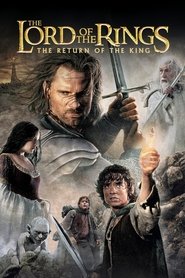
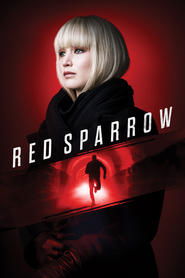
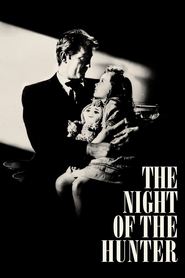
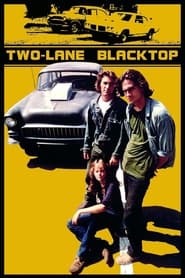
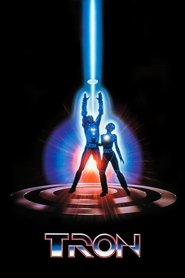
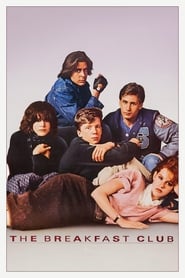
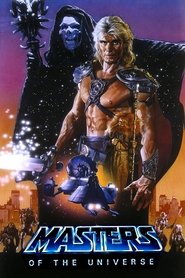
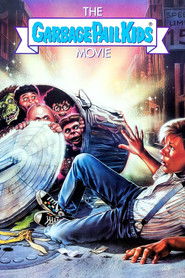
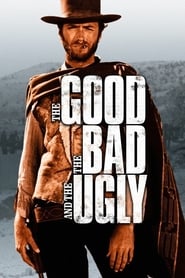
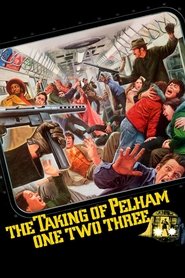
Related topics
Other topics that frequently come up in the same commentaries.