Topics / Editing & post
Sound design
73 commentaries in the archive discuss this, with 171 total mentions and 42 sampled passages on this page.
Filter commentaries
Filter this topic by the film's decade or the type of commentary.
By decade
Across the archive
ranked by mentions · click any passage for the moment in the transcript
-
director · 1h 29m 2 mentions
Jeff Kanew, Robert Carradine, Timothy Busfield, Curtis Armstrong
-
Get your father's good looks. OK, profiles, profiles. They have the same nose. And that was kind of a gift in the casting process. We didn't cast based on the nose, but it was a plus. Little sound effect coming up here. Not believable, but got a laugh. I remember I didn't like that sound effect.
5:34 · jump to transcript →
-
And this, of course, was sort of a... It was a total homage to Little House on the Prairie. No, no, no, Walton. I mean the Waltons, yeah. And then there's somebody at the end farts or... I belch. You belch. Supposedly. And I know you wanted to put in some sound effects after all the lights were out. Do you remember? No, I don't remember. Oh, I wanted to...
22:27 · jump to transcript →
-
-
-
And here we have a whole compendium of the trick shots. Look, the up without looking, and pretty soon we're gonna have the famous shooting behind you, right? There we go, boom! Now, I remember in the mix, we went on and on with this, and you were speaking about Basil's music before, and I remember saying, you know, you should just turn the music up here, because the music is so nice, or something like that, and I remember being quite pleased that I came back in, and a lot of the sound effects were down, and it just, the music went.
1:05:00 · jump to transcript →
-
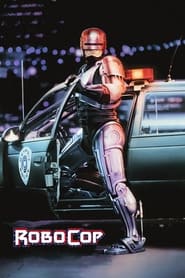
Speaking of sound effects, this picture won an Academy Award for Steve Flick and John Pospisil, who did the sound effects. Yeah. And for example, there's a lot of what you would call normal sound effects, but to get, let's say, interesting sound effects for RoboCop took a long time, especially the steps. You would expect to do something like a piece of metal on the ground, but that never worked. Ultimately, we used kind of like a track...
1:05:30 · jump to transcript →
-
-
-
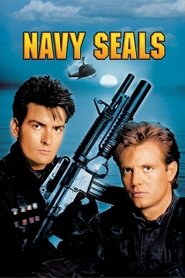
Other directors who've worked with him multiple times include Francis Coppola, Walter Hill, Oliver Stone, Paul Verhoeven, Ridley Scott, and Joe Dante. He's particularly good as an action sound designer. He worked on Cliffhanger and James Cameron's True Lies. He did multiple movies for John McTiernan in the 1990s. Interestingly, Michael Mikler was also the re-recording mixer on The Freshman, the other big movie that was released on the same day as Maybe Seals. Wow.
1:41:23 · jump to transcript →
-
they have a lot of the same guys working on them. It's insane how many great people they work with and how many classic films. Yeah, I mean, speaking of like award kind of movies, as we record this, some of Maycore's most recent credits include Baz Luhrmann's Elvis, which was a big Oscar contender, you know, a year or two ago. He also did a non-Oscar contender, Rob Zombie's Three from Hell, but I have mentioned that because being such a Rob Zombie fan. But you know, too, when you're a sound mixer,
1:42:06 · jump to transcript →
-
-
-
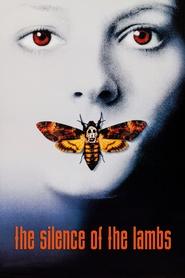
like descent into hell that Clarice has to undergo in order to, you know, meet Hannibal Lecter for the first time where Jonathan Demme and his cinematographer, Tak Fujimoto and, um, the rest of the crew are just using every trick in the book to kind of create this atmosphere and this mood and this ominous feeling, uh, including like the submarine sound effects and the red gel lighting. And, um, what is really the defining, um,
12:27 · jump to transcript →
-
And I think the stylistic difference between Manhunter and Silence of the Lambs is never so apparent in these scenes right here. In Manhunter, Hannibal Lecter's jail cell is this austere white room with bars, whereas Jonathan Demme presents this as almost like some gothic sub-dungeon with the submarine sound effects, and it's like this descent into hell. Yeah, subterranean descent.
19:27 · jump to transcript →
-
-
-
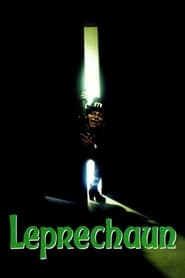
It's such a nice shot of the forest. It's great. Sorry. Now just a little trivia. I've noticed, I watch this on Sci-Fi Channel because they play Leprechaun all the time and they took out the head turn. They took out the head break or the neck break. They actually edited it out or just the sound design? No, they edited it out because I guess this is in our picture.
44:29 · jump to transcript →
-
But here, you know, how can you not take this serious when he's got a stethoscope? Boom. There you go. See, sound effects always work. I still get excited when nobody hits anybody, but you put the sound effect in and it works. Now this is interesting when Ozzy runs back.
52:17 · jump to transcript →
-
-
-
Tony Scott
and give it an ominous sense, just that sound effect of a train running that close to you. And you see how you use that sound effect of that train in different places to create a more dangerous and dramatic effect. Well, now, you stay out of trouble. Remember, you got a wife to think about now. Quit fucking around. Son.
43:11 · jump to transcript →
-
Tony Scott
And it ends up with that obligatory train blasting through and giving you that dangerous sort of sound effect which sort of ended their little moment. But you go, uh-uh, it sets you up. I think the sound effect of that train, I felt, was a good way of setting up the ominous quality of what was about to take place in this location. And we're about to come to that.
44:11 · jump to transcript →
-
-
-
The sound effects, just the noises of all this stuff. It was hours of copious just finding the right kind of noises. Metallic clunks and the sounds of people being impaled on things.
1:29:42 · jump to transcript →
-
Great sound effects in this scene. 1,000 millimeter lens. I'm flying at the camera. It must be about 65, I don't know, 60, 75 frames, 96 frames a second. They kept it in focus all the way. Good focus pull.
2:14:51 · jump to transcript →
-
-
-
Taylor Hackford
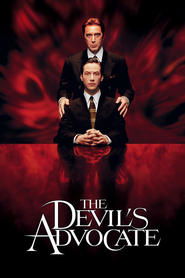
At this point, seeing a guy walk up to him in the bar, Keanu is completely convinced... ...that one of his friends has put this guy up to it. And this actor, who is Ruben Santiago Hudson... ...is a fabulous actor. He won the Tony for an August Wilson play, Seven Guitars. I saw him on stage and just felt, "I want to work with this guy." So when the role of Leamon Heath came up, you know, I had Tony Gilroy... ...kind of tailor the role to fit Ruben, and then convinced Ruben to do the film... ...because he has a very unique quality. He's not your totally assimilated black character. He may have gone to Harvard, he may have gone to Yale... ...but he's maintained a lot of his own roots and integrity, and at the same time... ...he's smart like a whip and he knows he's got Kevin hooked. The next scene that you're about to see hot cut to Kevin's roots: A Southern church, and this congregation is real. Judith Ivey, who is being introduced here as Kevin's mother. You know Kevin was raised in this church, he's coming... ...and taking a look back at his past, was totally fundamentalist... ...and deeply, deeply rooted in Jesus and God. Judith Ivey is part of this group. I had to spend a lot of effort convincing Pastor Lovell and his church... ...in Gainesville, Florida to participate in this film, because I feel that... ...you know, the things that they believe in, the things they're after... ...have everything to do with establishing good and evil in the world... ...and fighting the devil, and that's what this film is about. But they were fabulous, and they really got the spirit of God in them. And I thought it was important to see that Judith Ivey is a believer. She is one with her God, she loves Him. And, you know, she's a formidable presence for good in this film. At the same time, she's a tough mother, and you can see that... ...she has raised him in a certain way and she doesn't particularly approve... ...of what he's done with his life. He's a lawyer, and you establish his wife... ...over at the car, Mary Ann, who obviously is a party girl, a liver, and not... Neither one of them are in church this morning, and Mother is not that happy. This sequence is important to understand that Kevin Lomax understands scripture. He may have made a choice at this point to stay outside the church. If you notice, he's half in, half out of the light. Tony Gilroy wrote this in the script. Kevin Lomax stands outside the congregation. He's half in, half out of the light. He is part of it and at the same time... ...he can't bring himself to walk in. There's a dichotomy in him, which you'll discover later. But in this instance, when his mother calls up and says: "Quote the Bible to me and mention scripture," he can quote it back to her. He knows what he's talking about. He was in that church and a devout member at one point. Now you get a sense of Mary Ann. She is a good person. She's trying to help this character. She doesn't want to get the company to repossess her car. But she's tough, and she's a businesswoman. You also have a sense, right here, of the fun that these two people have. Keanu, you know, biting off her earring and handing it back to her... ...that was totally spontaneous. He came in, did that. It was quite wonderful. Now you have a sense of the married couple. They've got Mother-in-law... ...and Mary Ann's no dummy... ...she knows exactly that she's persona non grata in that household. It isn't that she doesn't like her mother-in-law, but she understands... ...what she needs to do, like have a child. And right now you establish another theme of the film: "Let's give her a grandchild and everything will be all right." Mary Ann is ready. She's working. She's professional. But she's ready to start to have a family. But you hot cut to Kevin Lomax who's taken the deal. He's in New York. At the beginning it's just a vacation. He's going to consult on the selection of a jury. You see Foley Square, the seat of judicial power in New York... ...all the Federal buildings, the State buildings, the local... Everything is right there in one space. It's a very, very sobering look at the power of the legal community in New York City. And at the same time, for a guy from Gainesville, Florida, it's very impressive. Kevin's here. He's excited. He is working as a consultant... ...to one of Manhattan's best and most famous criminal trial attorneys. His name is Meisel, played by George Wyner. And in this moment I wanted people to see that Kevin Lomax truly has a talent. When you talk to criminal attorneys, you realize that they say... ...that between So to 95 percent of winning a case is selecting a jury. This is a scene that I think talks about the inside of lawyering... ...and the reality of how you win. You win by psyching-out everyone that's gonna be on that jury. Those are the people that are gonna make the decision of whether you win or lose. This is where Kevin Lomax shines. He has an intuitive spirit. At the end of the scene, you realize he's got something else. He's got a sixth sense. Now, it's important, when we see this courtroom, to understand... ...that I wanted authenticity in this film. You're in New York. You have some of the best looking courtrooms in, I think, the United States. At the beginning, Warner Bros. wanted me to go to Canada and shoot in Toronto... ...which is an entirely different judicial system and the courtrooms... ...don't look the same at all. I fought to shoot this film in New York... ...not only for the fantastic exteriors, but also for these interiors. This is a film about big-time lawyering, and you want to feel, when you see the sets... ...and these aren't sets, they're locations. You want to feel that this guy is in the big time. He's gone from Gainesville, Florida to the top of the food chain. We shot in probably seven or eight of the best courtrooms... ...you could find anywhere in the world. Look at these paintings up on the wall here in New York. You feel that this is the justice system. Now Kevin is exhilarated. He comes out of his first day... ...in the New York courtroom and he knows he's done well. He didn't know how he would measure up, and how he measures up is... ...he's smarter than they are. I mean, he has to feel great. He's walking down the street. He's saying I'm a guy from the hicks, and someone's watching him. This is the introduction of John Milton, who's played by Al Pacino. It was important to me to establish a very nice introduction to him. One thing that Al did, and you'll start to see into this... ...he chews on licorice all the way through this film. You don't explain it. You know he's doing something. And instead of just walking away, getting in a limousine, he goes downstairs... ...into the subway. Why would he do that? He's well dressed. That's it. But immediately I go into a time lapse sequence... ...and I wanted to see day and night change. I wanted it to also say that this trial's been going on for a long time. When Kevin walks in, Mary Ann says, "You're home early for a change." Time has passed here. You've seen it pass. But more importantly, you see Al Pacino going down into the subway... ...and you see that the next images are not real. There is a certain kind of power that this person... ...we don't even know who he is yet, exudes. I thought that the time lapse would be both unique in terms of time passage... ...and, at the same time, extraordinary in terms of the potential power... ...that this man has. Now you've got Wife and Husband in... Mary Ann's got room service all over the room. Clearly, they've been there for a long time. She's watching TV. She's having a good time. She's been shopping. She's been to a lot of things, but her husband's been gone every day. And now you see the way they play. Kevin looks like he's defeated. It looks like he's lost the case. She feels badly for him. You can really see how she would, you know, how warm and wonderful... ...and sweet she is. But he's kidding her. You can really see the slyness, I think, in Keanu Reeves here. And, at the same time, he killed 'em. He actually chose the jury... ...and won the case, almost an impossible case. It was like a savings-and-loan fraud. This is white-collar crime. The guy sitting there in the trial, with his white hair... ...looks extremely legit. But the fact is that, you know, he's like Charles Keating. You know, he stole not millions, but tens of millions of dollars. And in this instance, the next shot is, they are in John Milton's domain. This is Milton, Chadwick and Waters, and I wanted a location that immediately... ...established the power of this law firm. This is a real building. It's the Continental Plaza in Wall Street, in the financial district, Downtown... ...and you see what New York power is all about. That view is a three-bridge view. You're gonna see all the way up the island of Manhattan. But the important thing here was, this location was used before in other films. I didn't want to use that same look. There's a unique design look here. Bruno Rubeo, who is my production designer and my collaborator... ...on the last three films I've done... ...we spent probably six to eight months before this film began... ...talking about what we wanted from this film and the look. Right now you're looking at Christabella, the first time we see her... ...and if you notice as she walks forward, I slowed down. It goes in real time. There's no cut there. We ramped so she starts in real time... ...she slows down... ...and comes back out in real time. And Kevin Lomax, he doesn't know why he's fascinated by her. We'll find out later. But look at the design in this. It's ultra modern. We used both an Italian architect and a Japanese architect. This is the Italian. He used prefab concrete in the walls. Milton's office. You know, the rest of the building is very impressive... ...but this office is something else again. It's cold, it's austere, and it's incredibly impressive. Look at that fireplace in the background. It's set up off the floor. Bruno had a design in mind. The furniture in this place is... You have a big, massive place. But look at the furniture. That little settee in front of the fire: it's delicate, it's small. This whole room exudes taste and a certain stylistic quotient. John Milton, you know, it's a huge room, devoid of furniture, very minimal... ...this is a man who has real taste and real choices that he's made. At the same time, this whole law firm is very, very modern. For the design quotient of this film, I want you to be able to see this sequence... ...and then later on, when you see where Milton lives, see the dichotomy... ...the difference. This is cutting-edge modern architecture to the nth degree. What Bruno wanted to do, and I wanted to do in this instance... ...is establish Milton's environment. Here it's cold, corporate, but, at the same time, undeniably impressive... ...austere, ultra-designed. Milton is very smooth. You know, Al Pacino always gets this rap: "Oh, gee, he's over the top." He's not. Al Pacino can play everything. And everything he did in this film was calculated. I mean, it was one of the great experiences in my life to work with an actor of... ...his deep, deep ability, his deep, deep talent... ...and his uncompromising attitude towards all his work. At the same time, Keanu, who had this... I'm saying this because here's these... ...two actors meeting for the first time. Keanu, who had done a lot of young-man roles, a lot of teenage slackers... ...in this film is anything but that. Kevin Lomax is precise. He is not a Harvard educated, a Yale educated guy. He came from a small school in Florida, went to a small law school. But all criminal attorneys that are really great usually did that. They come from the street. He's street smart. He thinks on his feet. And he's up against a guy, for the first time, that seems to have a little bit more... ...on the ball than even he does. He's never met anybody before that is his equal. And Milton keeps blowing his mind, like he does right now. You see this office. All of a sudden, he goes and taps on the door... ...opens up, and I wanted this sequence to truly be a moment... ...that would blow everybody's mind, not only Kevin Lomax's. He walks out on a roof terrace and, effectively, I'm using... Again, this is from a Japanese design. Bruno and I saw an architect... ...that had a pond on the roof in Japan, and I said that is a perfect idea... ...for what we want to do here. Here is a man who has such a sense of design and such a sense of grandeur... ...that he has created for himself a balcony, if you will, a terrace, a park on top. But does it have greenery on it? No. It has water. He calls it calming, placid. And at the same time, he's going to take Keanu out there... ...and he's going to talk about his past. He's going to find out a little bit more about him. He asks about his father. Keanu says, "I never had one." He asks about his mother. And in this instance he's, you know, if you look at Al's reactions here... ...this is a long, talky sequence. This is what you do sometimes. By the way, this is real. This is not blue screen. We didn't put the artists in a studio. I fought to get this scene. I fought everyone, including Warner Bros. Nobody wanted me to go up and get this shot. It's on the roof of the Continental Tower. They had re-roofed the place. The building didn't want us up there. I just knew that this sequence was going to define this initial relationship... ...between Kevin Lomax and John Milton. And the two actors are basically 50 stories in the air right now. They're standing on an eight-foot platform. No, it's not right on the edge. It's about eight feet from the edge. But the fact is that they're standing there. We had to get this whole thing in one day, and they have to do... ...a very personal scene while they're perched on the top of this building. You can see Al, at that moment, trying to let us know a little bit how precarious it is. But do you notice any kind of nervousness from Pacino? Not at all. He's easy. And the whole essence here is that Keanu's sitting out there. One, his mind is blown... ...at the beginning, and then somehow he finds himself getting into it. And at the same time, he looks right here and says: "My God, John Milton's standing like a foot from the edge of a 50-story precipice. "What kind of guy is this?" He also wears elevator shoes, which I think is interesting. But the fact is, right here is what the film also is about. It's about pressure. It's about professionalism. And what John Milton has done is taken Keanu Reeves... ...or Kevin Lomax, in this case, up to the precipice. He's showing him: "All this can be yours." And what is it? It's Wall Street. It's the seat of capitalistic power in the world. And he's basically saying, you know, I know you're a hotshot... ...but can you take the pressure? Can you sleep at night? That little speech that Tony Gilroy wrote, I think, fits all professionals in this instance. When you have to deliver on a deadline, you know what he's talking about. Basically, Kevin is there. He's ready. He said, "What about money?" Milton laughs. "Money? That's the easy part." Kevin doesn't have any problem. He can sleep at night. He's a lawyer. He knows how to do it. We cut from that to Carnegie Hill, which is Fifth Avenue in the Nineties in New York. It's probably the most exclusive address in New York. Central Park is on one side. You have these beautiful, beautiful buildings with fantastic apartments inside. And the Heaths. You're meeting Jackie Heath for the first time. I reveal her with that wipe from the elevator, you see her in close-up. Leamon Heath and Jackie Heath, they are absolutely New Yorkers. They've maintained their integrity as black people, but at the same time... ...they are not about to resist the temptations of the city. They want it. They know how to deal with it. They're very sophisticated. Look at the clothes that Jackie's wearing. Leamon makes the money and she knows how to spend it... ...and she doesn't have any qualms about it. This apartment, I wanted to basically establish the sense of awe. You know, John Milton owns this building. He has it for his employees. Although it's usually for partners, and for Kevin Lomax to get an apartment first up... ...shows that he's a little special, and you can feel, right here... ...that they're a little jealous. "Took us six years to get in here." Every New Yorker will understand that when they really want to get into... ...a big building. This is a film about New York. Tony Gilroy, who lives in New York and understands it incredibly well... ...is able to put these nuances in here that are maybe not aimed at everyone. But certainly, you know, you make a film in New York... ...it was important to me that you do something real. Now, you know, Kevin has basically been offered the job. He's got to now sell his wife on it. And this is a big test. If she, you know... He says, "I'll take you home if you want." Of course, if she did, God knows what he'd think. She knows him. She knows what he wants. And at the same time, how could you turn this down? It's very important right now, at this moment... ...to understand that Mary Ann wants this as badly as Kevin does. I mean, who would resist? Come on. They're too big for a small pond. They both want this and, my God, she's looking at this and saying: "Hey, I want to have a family." She says right now, you know, she mentioned kids again. She's mentioned it in the back of the apartment... ...and she mentions it again right now, and she's saying, "I'm in. Let's go for it." And that moment is one of the last moments of true happiness... ...you're going to ever see them have. Now you're at the law firm, and I want to be able to show... ...what big time lawyering is about. These are all partners. It's an international law firm. John Milton has called a meeting. From all over the world, these partners have come. There's Eddie Barzoon, played by Jeffrey Jones, who is Milton's chief lieutenant. He's the managing partner of the firm. There are affiliate offices in major capitals all over the world... ...and you get a sense of what law is all about. It's about copyrights. It's about real estate. It's about EEC and EUC and those kinds of relationships.
11:08 · jump to transcript →
-
Taylor Hackford
And Mary Ann, who's innocent, just like she was in the beginning... ...she's right alongside. What I wanted to do at the end of this film, and that's why at this point... ...you see Neal Jones morph into Al Pacino... ...you realize you can't beat the devil every time. You might win one battle, but he's back there the next morning. I would not leave this film with you having a happy ending. I did that with Officer and a Gentleman. I want to basically say: Every single day of your life you can't get smug... ...and you have to confront morality. I think we all do. And that's why this is a moral tale. I'm not deeply religious and I don't think of this as a religious film... ...but I do think that it is a film of somebody who still feels... ...a certain idealism, and a realization that we have responsibilities in our life. And I think that all the people that worked on the film worked on it... ...in a fairly righteous way. You know, Andrew Neiderman wrote a novel at the beginning. Four writers contributed to the screenplay. And I want to mention the people I haven't mentioned. There's Mark Warner... ...who is my collaborator, my editor, fabulous collaborator through... ...this process. You can feel the pace of this film. Everybody put themselves into something here. I also want to give credit to Per Hallberg, who was the sound designer. All the way through this I think there are subtle effects in addition to the score... ...that really give you the feeling that there is something else going on. There are a lot of artists that worked on this film, and when you go through... ...the process of collaboration, you have a vision as a film maker... ...and you want to get that vision on the screen. But you can't do it alone. I know it's trite to say this, but you utilize... ...and when someone has a great idea, you grab it. I encourage that, and I worked with a wonderful group of collaborators... ...on this film, and I'm very proud of it. After having gone and talked for two hours here, almost nonstop... ...this must be a lot of dribble. I apologize if, in fact, it's gone on... ...ad nauseam, but, again, we had an opportunity to make a film. I appreciate Warner Bros. was very tough to work for. We had a lot of disagreements, but they did allow me to make a film... ...and, they did, ultimately, give me final cut of the film... ...so that I was able to make the film I wanted. No excuses. I'm very proud of it. I hope you enjoyed it. Subtitles conformed by SOFTITLER
2:17:38 · jump to transcript →
-
-
-
Because it was edited when you were doing it. It's like here in the academy you always give the business cutting. To me that's easy. To save a performance is harder. The academy award for sound design always goes to any movie that has a ping sound from the submarine. You automatically get an academy award for sound. Oh, did you hear that? This sound is actually hard.
19:39 · jump to transcript →
-
I have fond memories of walking into the sound mix room, which looked like a, I'd say a... Numerous, numerous amount of work. It looked like an inoculation lab experiment for, you know, West Nile virus. Like, people just, like, in various stages. Wow, I'm glad I wasn't that person. What was it like at the Cannes Film Festival screening at the end of the scene? A big applause. It was wonderful.
20:35 · jump to transcript →
-
-
-
Jonathan Lynn
Jimmy Tedeschi. Jimmy the Tulip? Jimmy the Tulip lives next to you and you know him? Oz, can you introduce me to him? Jill. The man's a professional killer. The insane sound effect there was not thought of at the time he was shooting. And the first time that Matthew did that, he genuinely forgot he had the
47:47 · jump to transcript →
-
Jonathan Lynn
We didn't have any real backup. The camera was not on another boat We had with us apart from the actors we had the camera Handheld because there wasn't room for all the equipment to support the camera and dollies and things he had a light we had a piece of polystyrene to bounce light off and we had the sound mixer and the boom man and that for me and the ad that was it and
1:27:58 · jump to transcript →
-
-
-
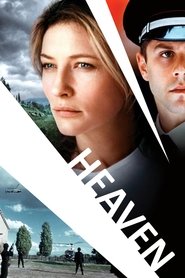
Tom Tykwer
point out the importance of sound in this film. I mean, I'm very, very obsessed with sound generally in filmmaking. And I truly believe it is at least 50% of the experience. But in this specific case of Heaven, I've never had a movie that was more demanding in terms of sound design, sound structures. And that might be surprising to some people, but of course,
1:20:02 · jump to transcript →
-
Tom Tykwer
If you think about it more in detail, creating silence is a really complex issue. And I know that we had really successful responses with Run Lola Run on the sound design and even lots of awards that went for it. And still, I have to say, to do Run Lola Run on the sound level was big fun and also a great challenge. But this film was like...
1:20:31 · jump to transcript →
-
-
-
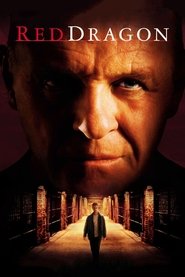
This whole thing was in the script. The first shot was exactly the way it was in the book, which was, it took place on an open beach. Right. I said, "Ted, I just feel like... "I don't know how to shoot suspense on an open beach. I just don't know." We changed the ending of the book, and everybody had a contribution. Dino and Martha said, "The boy has to be in more jeopardy. "The son has to be in more jeopardy, that's what will make this work." Brett said, "It has to be more claustrophobic. "Interiors are scarier than exteriors. "We have to have hallways with doors where he could appear from anywhere." And then this great, great moment with the mirror which is pure Brett Ratner. It was not in the screenplay originally. It was Brett's idea that the reveal to this character should be the broken mirror. It was wonderful. This sequence is an excellent example of how a screenplay evolves from the producers, from the director, and from the writer. And what I wanted, which was not in the original ending of the book, was for Will Graham to be more heroic. And then we added... In the ending of the book, he's injured by Dolarhyde on the beach. The kid hooks Dolarhyde with a fishing rod. Graham Is injured on the beach and runs away and hides, leaving his family to deal with the bad guy. And I wanted Graham to be more heroic at the end here. So we each had a shopping list for this sequence and got what we wanted. I also wanted Graham to show cleverness here. He can't overwhelm Dolarhyde physically. But he can outthink him. That's what he's good at. And taking all this, because Ted even said to me, "Brett, I don't write action. I don't really do that." And so I said, "Okay." I sat down with my stunt coordinator, Conny Palmisano. We went through beat by beat of what could possibly happen physically. We called Ted and went through it, and he came up with this whole thing... Where he stabs his leg with a... He's got a second knife hidden. But the whole thing about him using what he saw in the book, which is much more heroic than anything else he could do physically. This was where we took quite a leap. And tried to use things that the book suggested but didn't actually dramatize. And it really worked. And Tyler Patrick Jones who's... Wonderful little boy. Who did an amazing job and went through hours and hours of being thrown to the ground and being yelled at, berated. And very smart and... He's the sweetest little boy. We should have put at the end, "No children were harmed during the making of this." It's not his first movie. - Yeah. He actually worked with Spielberg on Minority Report. He had a small part. He said he actually liked me more than he did Spielberg. So I was happy about that. Don't cry at me, you little faggot! He said my beard wasn't as big as Spielberg's. Nor your bank account. "I'm a freak." Say it! No. - Say it! Dad! - Say it, or I will cut it off! "I'm a dirty little beast." Ralph did a great job here, and he was nervous about this. "Is this gonna work, Brett?" That was his question. And I said, "Let's shoot it and find out." - We won't know until we finish. Sound Dogs did a great job on the sound design here. They did Family Man with me, and they work... I love how you drove this whole sequence. This just goes like a freight train, this sequence. It's a classic. It's like the end of Psycho or something. It's just a great, great suspense sequence. Every shot selection and the pauses. Josh? - Mom? Will? Where are you guys? I thought I heard some kind of... Will? Great set. It was great. It was modeled after a real house that we saw in the Keys. It had very narrow hallways. These types of doors. Rattan louvered doors. We needed the doors to be louvered, because Molly has to be able to reach through the door here in order to unlock it.
1:53:32 · jump to transcript →
-
My dear Will: You must be healed by now. The movie could've ended here, which would've been bold. You didn't know if he was dead or alive. It could've ended here, but then... The movie could've ended in two or three places. In the end, we decided it would end three times. The audience loves this stuff, and they love Chilton. That ending you came up with was amazing. You couldn't go out of this movie without letting Hannibal Lecter have the last word. He always gets the last word in these movies. The problem we faced was, we couldn't have him get away as he did at the end of Silence of the Lambs. We couldn't have him running all over the world like in Hannibal. By the way, what Danny did was, he gave it a Silence of the Lambs ending, where this music here Is saying, Hannibal won. It's not like they'll live happily ever after. This is the natural ending of the movie. This is the sort of poetic or clichéd final shot of the movie, The boat sailing into the sunset. But the music is saying Hannibal's won. But I always wanted there to be one more little beat, so it wasn't quite such a tidy ending, so that it linked up with Silence. A young woman. Says she's from the FBI. This, for me, is such an audience pleaser. It makes me smile every time it comes on, because it's such a great call-back. The only mistake is the wardrobe isn't the same for him. that it is in Silence. I wish I would've got that same wardrobe. It's the only mistake I made. And this music is just like... This family is going to need a lot of therapy. What you don't see after this movie, is the years and years of therapy that the whole family goes through. Danny Elfman is just an amazing composer. I love how the music really becomes more and more assertive. And by two-thirds of the way through the movie, it feels like it's driving the movie to its conclusion. I just want to give some special thanks to Andy Davis... Who was there from the beginning and through every moment through all the shooting, through all the editing. And James Freitag, my associate producer and assistant director. Without these two guys, I don't think I would have been able to make this film, because Andy is not only a great producer but is a creative thinker when it comes to line producing a movie and shooting things, and organizing and hiring the best people that money can buy as far as crews. My special thanks to Dino and Martha who set the tone for the entire production and took a little bit of a gamble on Brett, which paid off brilliantly. And also Mark Helfrich, the editor, because the last draft of any screenplay is written in the editing room. I've not very often been as lucky as I was this time to have an editor who is so sensitive to the script as well as to the performances. And Landaker and Maslow, my sound mixers, who I thought did an amazing job. Hearing this movie and seeing the movie in New York City for the premiere at the Ziegfeld Theater with that sound mix was just a great experience. That's why I dreamed about making movies. Seeing it in a theater like that, in a wide-screen format, anamorphic, it's like a dream come true for me. That, for me, is a defining moment. Seeing my work. That's the best I'll ever see my work. Yeah, with a giant screen. - A giant, giant screen. With a big audience. - 1,500, 1,600 people. I don't know how many seats, but a huge theater with the score and the mix, and the quality and the energy, especially with a New York crowd, you know. - Right. When they're laughing in the right places, they're scared in the right places, screaming in the right places. It was a very exciting project. It was a good experience. Somehow the darkest subjects sometimes turn out to be the most fun to work on. If you have the right kind of atmosphere on the set. I know you, Ted. You and I worked together for about a year. You are not a dark person. You do some decadent stuff occasionally. I don't think either one of us are, but somehow, maybe that's the only way you can get through making a movie like this. A dark director or a dark writer would've gone too far with this movie and made something that was maybe hard for an audience to bear. 'Cause the scary thing about this is that, there really are people out there like this, and there's a lot of... I wanted to tell a story. I wanted to make a film about a guy who... The films I want to make really are about that I enjoy making... Because my favorite director is Hal Ashby... His movies had great relationships. Harold and Maude, Being There, and those movies... This movie has fantastic relationships. And a tremendous amount of heart and emotion. Even though it is a psychological thriller, the relationships in this film are why I'm so attracted to it, why I felt like I had to make it. I think it is unexpectedly moving for a thriller. It's really not just a scare machine. It actually is a movie about characters and relationships and it's moving in a surprising way to me.
1:58:44 · jump to transcript →
-
-
director · 4h 13m 2 mentions
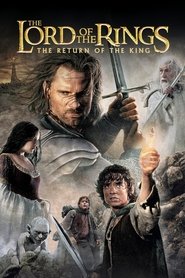
The Lord of the Rings The Return of the King (2003)
Peter Jackson, Fran Walsh, Philippa Boyens
-
I didn't shoot any of this scene. I was busy on another set and we had no other directors. And so we said to Andy, listen, do you mind if you direct yourself today? Because there's no one else that we can find to do it. Yeah, I love the sound design in this scene. We opted to drop out the music and just let the kind of intensity of the moment really take over. And at one point we cut the effects back and it wasn't half as scary.
3:43 · jump to transcript →
-
A great piece of sound design where the sound sort of sucks the silence just before that lightning bolt goes up. I thought the guys did a great job. And I never thought that was going to work, but it just looks incredible. It's just such a connection too. I mean, I love Gandalf and Pippin looking at this event taking place in the mountains and Frodo and Sam are right underneath it. And it's just so valuable. I just, you know, you just love it.
57:24 · jump to transcript →
-
-
-
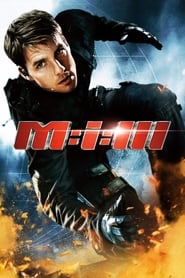
Well, I just love that Ethan constantly opens logic with anything. It's like my favorite thing. I love it. That's that magician in you. I love it. I love it. I know. And this, again, this set, this was one of those pieces that, you know, there was a green screen out there. That whole thing is green screen. Look, they put the city out there, and it just, the sound effects, the whole thing just makes you feel like you're really there. What was so strange was having been to Shanghai for the location scout,
1:19:47 · jump to transcript →
-
It was early. Now, do you remember we came with this shot? This one, like, how are we going to end this? We were losing the light, remember? We were losing the darkness. Yeah, that's right. Ethan! Get in, they're coming! Who? Ben and security and they're pissed! Go, go, go! Right there is a sound effect that the sound guys...
1:30:18 · jump to transcript →
-
-
director · 1h 34m 2 mentions
Scott Stewart, Jason Blum, Brian Kavanaugh-Jones, Peter Gvozdas
-
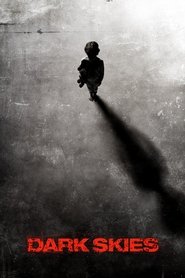
We've skipped past the part where we first started to hear what we called the tone, the sort of alien tone. There was a lot of development time spent with the sound effects team to try to come up with this idea of the tone. And in the early versions, you know, an early cut of the movie and certainly in the script, we actually had this, what we called the sort of alien gray point of view that was drifting through the house. And it would drift and make its way up the stairs. And what we found was, is that it really slowed the pace of the movie down and it was kind of giving too much away too soon.
18:54 · jump to transcript →
-
In this, you know, I'd always had in my head that I wanted to not do a traditional score, but to do an atmospheric score, an experimental score, and allow, you know, that you would have, I like this idea of a score that you couldn't really tell the difference in some cases between music and sound design.
1:33:29 · jump to transcript →
-
-
writer · 1h 35m 2 mentions
Simon Barrett, Adam Wingard, Greg Hale, Eduardo Sánchez + 5
-
but, you know, whatever. That father ghost is Brian Udovich, producer of All the Boys Love Mandy Lane and The Wackness and a bunch of other films. Oh, yeah, and I should real quick mention also that I had Owen, the sound designer, who worked on both VHS films, to steal a bunch of sound effects from Radio Silence, just short for this section right here as an homage, and to kind of just subtly tie in the two movies together. So those are literally...
23:32 · jump to transcript →
-
How about those sound effects? Yeah, that's good. But this is like, you know, the whole thing was like, there's a zombie. This is a fake hand. We didn't really chop Dave's fingers off. This is the whole thing. Like, the deal here is like, you know, does a zombie have to learn how to be a zombie? Like, do you automatically know that you can't eat yourself? Do you know what you can and cannot eat? So we kind of played around with, like, you know, the funny idea of,
34:33 · jump to transcript →
-
-
director · 2h 10m 2 mentions
Mission: Impossible - Rogue Nation (2015)
Tom Cruise, Christopher McQuarrie
-
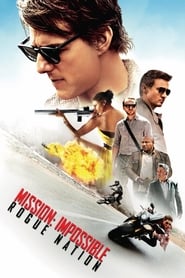
And here's music editing. Yeah, music editing in the mix. Yes. Okay, those guys were... Incredible. And the job that they're doing to actually... And the sound design. Eddie working picture and certain transitions to land dramatically. Once I learned that we could do it, I became obsessive about it. Eddie created a monster. I was like, no, it's two frames too long. Figure it out. And, oh, they were just killing themselves. But again, here's a great...
34:45 · jump to transcript →
-
And this, you know, Eddie with the sound design, bringing the sound out, Eddie Hamilton, our editor, and pushing this to its absolute limit, that every time I watch it, I can't quite predict where it's all gonna kick in again. And this kind of gun plays a lot of fun, too, what Wade did with that. It's also, you said, look, I want you blocking her. Yes, you're blocking her, and then she's, and you're training the weapon, and it becomes, again, hand in glove. It's all behavior, and they all, each one knows what the other one is doing.
1:54:46 · jump to transcript →
-
-
multi · 1h 25m 2 mentions
Marcel the Shell with Shoes On (2021)
Dean Fleischer Camp, Jenny Slate, Nick Paley
-
No, no. No. Nope. It's hard for me. I love this. Yeah, the bug sounds are so good. Where did those come from? Did we have those in the edit, or did you do that in sound design? I don't remember. I think we might have replaced them in sound design. I think I did the bug sounds. I was just going to say, it sounds like a noise you would make. I mean, real.
1:04:57 · jump to transcript →
-
I love the shelter of the leaf. In the sound mix, I remember it was, I love this moment. In the sound mix, it was hard not to just, like, listen, just, like, relax. I'm like, what? Because the sound of that would be like, I have this rain sound. And it's like, pitter-patter, pitter-patter.
1:05:25 · jump to transcript →
-
-
-
-
multi · 1h 59m 1 mention
David Naylor, Guy Hamilton, Tom Mankiewicz, John Barry + 14
-
-
-




Related topics
Other topics that frequently come up in the same commentaries.