Topics / Studio & business
Sequels & franchise
86 commentaries in the archive discuss this, with 211 total mentions and 55 sampled passages on this page.
Filter commentaries
Filter this topic by the film's decade or the type of commentary.
By decade
Across the archive
ranked by mentions · click any passage for the moment in the transcript
-
-
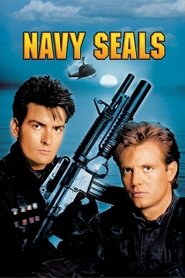
And during one of those breaks, she got to chatting with Michael Douglas. And she told him that she was producing a movie about Navy SEALs. And Michael Douglas said that she should think about Louis Teague as a director. Because Douglas had just worked with Teague a couple years earlier on Jewel of the Nile, the Romancing the Stone sequel. And he really liked him. Now, of course, at this time, Richard Marquand was still set to direct. So Brenda Feigen basically thanked Michael Douglas for the...
16:55 · jump to transcript →
-
And by the end of the year, Teague had another film in theaters, Jewel of the Nile, the movie I mentioned before, which was the Romancing Stone sequel. That movie gave Teague a massive hit on his biggest budget to that point, somewhere around $25 million. And so that really was kind of a big, big, big movie. Technically, on his resume, this is his next movie, Navy Seals. But he actually made a movie in between them.
1:04:11 · jump to transcript →
-
And he had also, his first big role in a movie, because mostly it had been TV, maybe some TV movies, but his first big role in a movie was with Charlie Sheen in Major League. He was Pedro Serrano, the Cuban player who was into voodoo. Yeah, yeah, yeah. And so that was a really funny role. And then, of course, he's in the sequel also. But that film role came 11 years after his first TV credit. And then...
1:06:31 · jump to transcript →
-
-
-
Ron Howard
that Seuss's book give us. And so our idea was to do the pre-story, to kind of let the first half or so of the movie be the prequel to the book. In doing so, we had to take a lot of creative license, including creating the myth of how the Grinch came to live on the mountain. It was fun and interesting in the writing, and also I was always very proud of the way audiences responded to this particular sequence that deals with the young Grinch.
24:12 · jump to transcript →
-
Ron Howard
From a structural standpoint, this marks sort of the end of the prequel. Soon we're going to be into the more faithful adaptation of the book, How the Grinch Stole Christmas.
58:51 · jump to transcript →
-
Ron Howard
Again, I can't say enough about the design team, led by Michael Corenblith, but also really assisted strongly by Todd Hallowell, and then every department. People were so delighted to be making a Dr. Seuss movie, and thanks to Universal, Ron Meyer and Stacey Snyder and Mary Parent, the executives gave us the tools that we needed to really fulfill the potential and create this world.
1:07:49 · jump to transcript →
-
-
-
E. Elias Merhige
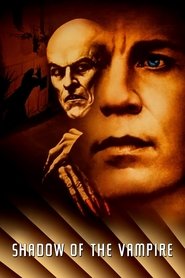
the human and the mechanical science and invention that is leading and giving birth to this completely new world, this world of the cinema. And the first image that we see of Greta with the cat is the first image of the world that we see. And this image of the world that we see is the image of a cinematic, artificial world.
6:45 · jump to transcript →
-
E. Elias Merhige
This bunker, Assheton and I were talking about this World War II bunker, this subterranean place where the final ritual, the final scene of the film is gonna work itself out. And here we have Cary and Udo
1:07:34 · jump to transcript →
-
E. Elias Merhige
It was something that I had storyboarded from early on with this idea of moving from this world of black and white into the world of color. You know, you have Willem very poetically staring into this lamp, this light. At first he was concerned because he thought it was the sun, but now as he flings the lamp away he sees...
1:23:26 · jump to transcript →
-
-
director · 3h 29m 3 mentions
The Lord of the Rings The Fellowship of the Ring (2001)
Peter Jackson, Fran Walsh, Philippa Boyens
-
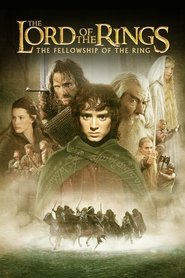
a script that was written by a Hollywood screenwriter for, I believe it was an animated version in the 1950s or 60s. He had particularly objected to what he called the use of the eagles as Middle Earth taxis. Right. But yes, he had a very specific reason, which was that the eagles are their own race. They're not necessarily part of this world and they do things for very specific reasons. Welcome to Rivendell.
1:26:12 · jump to transcript →
-
Yes, yes, there are other forces at work in this world besides the will of evil. And the other great message in this scene is all you have to decide is what to do with the time that is given to you. That is the essence of it. Well, that's about free will, which again plays directly to the powerful themes that underlie the story, which really...
2:09:17 · jump to transcript →
-
who was very loved by members of the crew and the cast. And he did a fantastic job on this film. And really, we would have been sunk without him. In a sense, filming The Lord of the Rings, the trilogy of The Lord of the Rings, all in one big hit over 15 months,
3:24:06 · jump to transcript →
-
-
-
Tom Tykwer
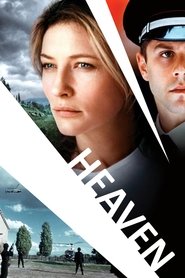
Kieślowski and his co-writing partner Krzysztof Piesiewicz. Both of them had written an amazing body of work before that. The famous series called Dekalog, based on the Ten Commandments. The trilogy of three colors, blue, white and red. And among others, a film called The Double Life of Véronique.
1:34 · jump to transcript →
-
Tom Tykwer
of the outside world that is going to be closed and that is going to endanger those two characters who behave as if they were in a bubble that is outside of reality and this world. So this is also a reminder for them
59:25 · jump to transcript →
-
Tom Tykwer
outside of this world and towards that sky and towards this heaven, which for me is anyhow a projection field for, much more projection field for utopias and because it represents endlessness. And in a way, of course, because of endlessness, it also represents eternity. So here they are, our two strange, weird heroes.
1:27:30 · jump to transcript →
-
-
-
I think you arranged that hair yourself, didn't you? Oh, I always arrange the hair. We gotta figure something out for the sequel, some kind of moulded shell... ...some helmet that looks perfect, that doesn't move. I might do that Olsen-twins movie myself. Well, it sucks because there's so many elements in a shot... ...and the fact that the hair makes you do the shot over is really frustrating. But if the hair falls in your actor's face... ... you just can't use it. And it was just an ongoing battle. Did you ever let the art department do this... ...or were you busy all over this thing as well? No, I let them do it. For these shots, I would arrange it... ...and just pick a bunch of stuff off and put it together. They went crazy around the office. Actually, the first attempt to do that bulletin board... ...which I said should look like some really creepy homicide board, was... They went and took a lot of pictures of people in the production office. You actually see people at drafting tables. And other people are kind of looking and smiling into the camera. And I said, "It's supposed to be surveillance photos." It's a little bit too chummy. - Yeah, a little bit too aware. You've got a guy with an illustration of a crypt set in the background.
1:27:19 · jump to transcript →
-
He'd try that, though. He'd try to get the scarf and maybe a little piece... ...of jewellery or whatever. - He'd come out... ...of the wardrobe trailer, "And what do you think about these bracelets... ...and these earrings?" I was like, "I don't think it fits with your character." He liked that pink spectrum and the fuchsia. Remember when he kept coming out... He wanted to wear the eyeliner... ...and with the eye shadow... - Which would've looked so dumb. No. Like, "Scotty, nobody else is wearing lip gloss." So.... And also, remember, he wanted, like, the really blown-out hair, like...? You know, he wanted his hair longer. Yeah. He had this obsession with the whole Dukes of Hazzard... ...and getting that very.... Maybe we shouldn't out him like that. - Of course I should. His own daughter. He was a chick in the movie, and he didn't get any of the cool chick stuff. I can understand him being upset. - No, I can too. He'll have a pocketbook next time. He'll come into his own in the sequel. He's gonna have Hello Kitty accessories head to toe. Nice pink boots. Great hair, though, right? - Yeah. It was worth fighting with him on that one.
1:36:54 · jump to transcript →
-
And here we are, setting up our sequel.
2:04:59 · jump to transcript →
-
-
-
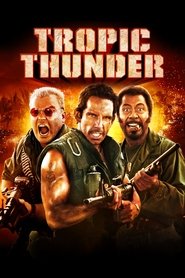
Lincoln Osiris or Kirk Lazarus or what would you? Just Lincoln, thank you. Lincoln, okay. Goddamn. Sergeant Osiris. Fuck, dude. Wait, wait, wait. Listen to VO. Here it come right now. Here we go again. Again. Again. Yeah. You see? That works. We took it and we took it one more time. That was good. I actually heard here we go again in a real trailer for a sequel this summer.
1:17 · jump to transcript →
-
Which was sort of ironic. Okay, Jack, here's your fallback franchise. That's me. They're all me, except for that guy. Did you draw on people you know in your life? No, but I did spend a lot of time in the mirror figuring out the best faces.
1:47 · jump to transcript →
-
Death of a franchise. Yeah. You guys are really fucking with my livelihood here. It's like all the goodwill that Kung Fu Panda built up for us was just totally killed there. I remember seeing you shooting this scene too. Oh, were you there? Really? I was walking by. I was about to shoot something else. Yeah. Man, these guys work together like a charm. Yeah. It was great to see these two guys work together. They complement one another.
49:46 · jump to transcript →
-
-
-
Doing a sequel, we thought for a minute about doing a plot film like Help, which purported to be taking place in 1967, when they were in their first flash of fame, a quickie American international film. We didn't make any money off the first film, so who's gonna ask us to do a sequel? After a while, we did. I mean, as the 80s rolled along and the film had some kind of adherence, people came up to us and said, when are you gonna do the sequel? You can't do the same form again.
29:27 · jump to transcript →
-
I mean, that was clear. We weren't going to do another backstage documentary about this band. So, like, a sequel just seemed to be out of the question. We looked too old to do the thing. Well, that's true, too. I think if we had done it right afterwards, we could have gotten away with it. But like I say, the profits were not the point. I'm not really sure this was such a great idea. I mean, I don't feel any better than I did at the hotel. He was going to do a TV special from here. This was shot...
29:55 · jump to transcript →
-
-
-
John McTiernan
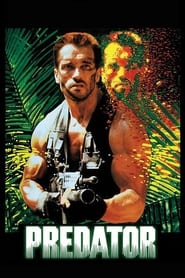
That was one of the back to the drawing board parts. The only image of an alien life form that had captured the imagination or looked halfway plausible, or functional was this stuff that came from H.R. Giger. Illustrations that became Alien. You know, one of those images of the ultimately terrifying other life, only shows up once in a generation or more. You're not just gonna, you know, hire some cartoonist and say, "Come up with a next H.R. Giger." 'Cause H.R. Giger only comes along as I said, once in a generation. And I didn't see how you could do anything associated with it without just being that derivative also-ran. And, frankly, having seen what they did in the sequel, that's exactly what I thought. I thought it was, it was best that they didn't shoot it. Here you see Jesse actually carrying Painless. He had no ammunition at this point, that's why he could carry it. And there's obviously no battery connection and it wasn't operable that way. We shot this in Palenque, where we could get a real snake. The worry was that Painless would buck and get away from him, and spin. Even if you had everybody clear out in front for 50 feet, that the man firing it might not be able to control it. And that he could wind up in the way of all this wading and bits of brass and stuff that was flying out of the front end of it. So the first time, they fired it, they did a Iot of... They anchored it. And yet tried to give him a chance to figure out if he can control it, so it was like bungee cords and things. So that if it started to get out of control, they could yank it in and protect him. But to let him see, you know, what other... You know, what other concussive forces... You know, what happens when the thing starts spinning. We learned that there was enough gyroscopic force in the spinning of the cylinder, that it kept it online. That actually was very difficult to move it around or aim it, and in an odd way, it was very safe. You couldn't have it wind up aiming where you didn't want it, 'cause it wouldn't move. Because of all the gyroscopic force and the spin, but it took us a while of experimenting with it, and I think he first tried it out over, with the second unit. And it was like half a day, you know, we kept hearing reports of, "They're gonna fire Painless, "in 45 minutes. "Well, no..." It's like a count down to the moon launch or something, "They're gonna fire Painless." And I think later that afternoon it fired, and we were about a mile up the valley. I could hear tt. It sounds like, it's the loudest buzz-saw in the world. Some people, I guess, were concerned about how impractical it was, but the notion was that, Painless was... Look, it's a movie prop. You know, we never would've used it, but it's a lot of fun to watch. Here we got Bill Duke to fire Painless. You notice he is not walking while he does this. Now, this particular sequence, I made when I first went to work on this project, I had the feeling that people had a sort of perverse fascination with pictures of guns firing, literally almost a pornographic desire.
44:06 · jump to transcript →
-
John McTiernan
There are a number of scenes in the sequel that were things I campaigned like crazy not to have in this movie, like the journey inside the spaceship to see the various preserved bits of stuffed humans and things which was just yorkie. I tried to throw all sorts of handicaps in the way, because I thought it was just a yucky notion. I didn't think one could ever do it successfully, that it would be silly-looking and repulsive. Because this was my first studio feature, I had a limited amount of, a short leash on how much I could change the screenplay, but the... I wrote this sequence, which they used later. Arnold remembered and used later on. I wrote this sequence where I wanted them to, instead of going in by helicopter, I wanted them to go in in a halo jump, which is, to go in an airplane that, where the back end opens up, and they jump out.
1:12:32 · jump to transcript →
-
-
multi · 2h 19m 2 mentions
Martin Scorsese, Nicholas Pileggi, Ray Liotta, Lorraine Bracco + 9
-
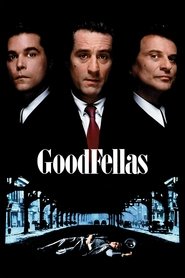
in front of the others, it's a problem. So you have to do it in such a way. And it was a very big negotiation. So the reason why that scene had to be done in one take through the underground labyrinth of this world and then to emerge in the spotlight like a king, you know, king and queen, this was the highest he could aspire to. And he hit it at a very young age.
31:41 · jump to transcript →
-
of this world, or at least a little taste of it, because I didn't know anything about it, and I don't know if Lorraine did, but we had such a great, fun time that night that I think just right from the beginning, we were both sitting there with Martin Scorsese, and then here's these real guys around us, and we were kind of like the new kids on the block. And
42:14 · jump to transcript →
-
-
-
Paul M. Sammon
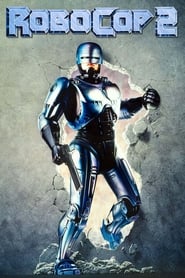
Okay? So don't worry mothers, or fathers, or children lovers. Maybe latex lovers should worry. To go back to the history of the film, what happened very briefly was that Orion made so much money unexpectedly on the first RoboCop. They made approximately $50 million in 1987. They immediately wanted to go into production for a sequel, particularly because they were in financial trouble at that point.
13:47 · jump to transcript →
-
Paul M. Sammon
sequel is, I think, a monument to the true beauty of behind the scenes Hollywood craft. Kirsch came in with very few weeks, no prep, did this entire film on the fly.
47:14 · jump to transcript →
-
-
-
Mark Amin said, I think I see something in the picture. Yeah, I think as the footage rolled in, it became clear there was a vision behind it. And I think we felt that as each day went on. Every setup is a decision you're making, Mark. And we quickly, you could feel everyone getting on board, understanding this world, which it really is its own world, which is also what makes it fun. It's totally out of time and space, like a cartoon. And...
21:30 · jump to transcript →
-
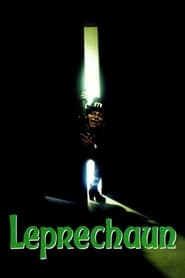
There were no laurels for him to fall back on. Everything was being built from this experience, and it became monumental for me. Like, wow, this guy's amazing. He was terrific. He got into it. He understood it. He brought his own personality to it, and I think that's the reason all the leprechauns work so well is it's Warwick. It's the character. Yeah. And that's why, you know, I'm disappointed they're not using Warwick in the new reboot of Leprechaun, but...
23:24 · jump to transcript →
-
-
-
And then Marshall would return to the fold for the Jurassic park sequels, as well as the Indiana Jones sequels that Spielberg and James Mangold directed. And Kathleen Kennedy was involved with the James Mangold, Indiana Jones movie as running Lucas. So it's all very, they kind of keep going in and out. Um,
56:39 · jump to transcript →
-
In that period between Amblin and Lucasfilm, when the Kennedy Marshall Company was thriving, some of the movies they made included The Sixth Sense, The Bourne Identity and its sequels, and The Curious Case of Benjamin Button, as well as more Spielberg collaborations like Munich and Lincoln. In recent years, Frank Marshall has also gotten into producing Broadway plays and musicals. As we record this, he has one.
57:22 · jump to transcript →
-
-
-
Darren Aronofsky
Euclid predicts AAR at six and a half. AAR hasn't been beneath 40 in 20 years. Explanations for anomaly, human error. Me and Abe Lincoln share the same birthday. So Max tries to reboot the computer and now we sort of introduce his sort of homemade brain
19:19 · jump to transcript →
-
Darren Aronofsky
And that's King Neptune, who's a character that I've dealt with in several different projects that I've written. King Neptune is actually the living King Neptune who's somehow lost his trident in this world of evil and is searching for it with a metal detector on the beach of Coney Island. And right there, he finds something else. It's not his trident, but it's almost as good. And it intrigues Max and brings him over. The original King Neptune that we cast was a...
38:41 · jump to transcript →
-
-
-
They wouldn't be just spewing gibberish. It's actually what this professor believed ancient Egyptian would sound like. Arnold was pretty good at it, but Anck was terrific. If we do a sequel, we'll bring her back big time.
3:05 · jump to transcript →
-
which I'm sure will be important in the sequel. Thank you very much for tuning in. Hope you enjoyed the movie. It was very, very, very informative.
1:56:48 · jump to transcript →
-
-
-
James McTeigue
Mmm. It's delicious. - Good. God, I haven't had real butter since I was a little girl. Where did you get it? A government supply train on its way to Chancellor Sutler. You stole this from Chancellor Sutler? - Yes. You're insane. I dare do all that may become a man. Who dares more is none. Macbeth. - Very good. My mum, she used to read all his plays to me... ...and ever since, I've always wanted to act. Be in plays, movies. When I was 9, I played Viola in Twelfth Night. Mum was very proud. Where is your mother now? She's dead. I'm sorry. Can I ask about what you said on the telly? Did you mean it? - Every word. You really think blowing up Parliament's going to make this country a better place? There's no certainty, only opportunity. You can be pretty certain that if anyone does show up... ...Creedy'll black-bag every one of them. People should not be afraid of their governments. Governments should be afraid of their people. And you'll make that happen by blowing up a building? The building is a symbol, as is the act of destroying it. Symbols are given power by people. Alone, a symbol is meaningless, but with enough people... ...blowing up a building can change the world. I wish I believed that was possible. Every time I've seen this world change, it's always been for the worse. Roger Allam, who plays Prothero, is a fantastic theater actor. Those shock jocks exist in every country... ...whether it's America or whether it's England... ...or whether it's Australia or wherever you are. I think the common denominator is they are in every country in some form. And he really embodied that. All the awfulness... ...and the disgustingness and the duplicity that a lot of those guys have. He's the voice of Britain, so he runs a television program... ...in which he rants his particular beliefs... ...which are also the beliefs of the government. I mean, very much like, I suppose... ...some of those evangelist kind of programs that you have in the States. Only his evangelism is a kind of nationalistic fascism, I Suppose. Roger really relished the role. I thought that he really did a good job. So, you know, I made him.... You know, he has those shirts that have the, like, the squeezing neck... ...and I put him, like, in a fat suit... ...and I made him a bit colorful and really made him over the top. One's initial impulse is to be quite big. Then you think, this is a movie. I better be smaller. And they were sort of also, "Oh, no, be big." You know, so. So, you know, you pick up influences... ...and direction and encouragement from wherever you can, really... ...and just sort of hope it all stitches together. Don't worry, I've made sure our reunion won't be disturbed by... ...any pesky late-night phone calls, commander. Stop. Why do you keep calling me that? That was your title, remember? When we first met, all those years ago. You wore a uniform in those days.
31:22 · jump to transcript →
-
These tracks lead to Parliament. Yes. Then it's really going to happen, isn't it? It will if you want it to. What? - This is my gift to you, Evey. Everything that I have: my home, my books, the gallery, this train... ...l'm leaving to you to do with what you will. Is this another trick, V? No. No more tricks. No more lies. Only truth. And the truth is, you made me understand that I was wrong... ... that the choice to pull this lever is not mine to make. Why? - Because this world... ...the world that I'm a part of and that I helped shape, will end tonight. And tomorrow, a different world will begin... ... that different people will shape, and this choice belongs to them.
1:50:03 · jump to transcript →
-
-
-
The CCTV cameras in this movie is an element that conveys that the city's under control. Everything is under control, which is part of the... it's one of... it's part of the process when somebody's trying to rebuild a city like this. With Rose Byrne, the character of the doctor, we introduce the concerns about the infection. Maybe it's not under control and they need more time. A little conflict in the militaries about if they are doing the right procedure, in terms of they are bringing kids to this world which is something maybe dangerous.
19:00 · jump to transcript →
-
It's driving them crazy, because, you know, it's so difficult to see who is infected and who is not infected. And, again, a character taking a difficult decision, which is one of the leitmotifs in the movies... in the movie. A right decision or a wrong decision? But always it's a decision that implies destruction. Yeah, and all these decisions have been taken from the fear. The fear is... Everything is around the fear here. Everybody takes a decision in this... in the presence of the fear, which is moving everything forward. When you're watching the movie you understand why people take these decisions, because I think when we feel this fear in the real life, you're in trouble. It's not a cold decision, it's not a decision taken from a quiet moment. It's... when you're surrounded by something really powerful as the infection. This tune, this theme, was taken - musically - was taken from the first movie. This is a tune we always loved from the first movie, from John Murphy's soundtrack. And we had no time for John's... He had only two weeks to compose the music of the film. This is absolutely amazing to say that, but it's the truth. And we decided to bring this theme again back here in this sequel, and to work it in different ways. For me, it's hypnotical. I... I like the way we use it here. I like the way that John orchestrated and arranged absolutely in a different... It's different from the first one. We are going to hear this tune four times in the movie, in key moments. This is one of them. And that... this sound, this music, reminds that the infection is a building process. The infection is spreading. That's why the music is building up and, you know, getting this kind of big, intense moment with the guitars, which is the best combination with the infection around. On the other hand, the music has a kind of heart, emotional heart, which is telling that this movie is about character, it's about people... who try to survive. Now there's the moment of Doyle's dilemma. Another decision to take, another difficult decision to take, which is to put out of his misery his colleague.
54:07 · jump to transcript →
-
-
-
James Mangold
And I think what you see here among these men is a tremendous sense of confidence and comfort in this wardrobe and in this world. The other thing that I think is important with actors is that, and this stems from what I was talking about a moment ago, good guys and bad guys, villains and heroes, no one, no person in the world, including Hitler or Osama bin Laden, walks around believing they're a bad guy.
21:27 · jump to transcript →
-
James Mangold
a rebellious figure against a kind of change, an inexorable change that is coming. All these things, I mean, I hope you see, we're really, we were very conscious of in assembling the journey of this movie. We wanted every one of these forces represented very clearly so that people might see, in a sense, our current world through the prism of this world.
24:53 · jump to transcript →
-
-
director · 1h 36m 2 mentions
Aliens vs. Predator - Requiem (2007)
Colin Strause, Greg Strause, John Davis
-
extensive cost to do a feature film, but to be able to actually do the sequel to Alien vs. Predator and to have the writer from the first Alien vs. Predator join us, one of the writers, which was Shane Salerno. Unfortunately, Shane can't be here today. He was going to join the commentary, but the writer's strike in Hollywood has prevented him from coming in and actually doing video commentary, so we're going to have to thank him for his script and all of his hard work without him being here. He's here in spirit, I guess.
3:42 · jump to transcript →
-
That allow for the sort of space travel that we saw in the other films. Yeah, and it ties into Predator 2, which was the whole idea that they were trying to, you know, secret government organizations trying to capture the Predators and get their technology from them. So it's like that scene to us sets up for what could be the, you know, the AVP3 and, you know, how it bridges to the Alien franchise. And the last thing I'd like to say is just...
1:35:12 · jump to transcript →
-
-
-
influenced by the Blair Witch Project for this sequence. And I think one of the key ideas was that the actors in that film were really horrified in all of those sequences. They weren't the hero that were going up against the villain, you know, with courage. But here we have Will petrified, and you just never see that. And I think we are just living in this world in his shoes, and if he's petrified, we have to be petrified. Remember we had a version of this sequence years ago that was in the U.N.?
28:06 · jump to transcript →
-
somewhere it's a yeah it was a closed actually it was a closed hotel well it's next door we would go in through a closed hotel the hotel was taking it over right right right but yeah we found this vault which is one of the reasons i wanted to shoot here it had these great stairwells and narrow tunnels and it was sort of wrecked and we went with the idea that it was a burnt out bank and i also loved the idea of this money this you know that in our world now all that cash laying on the ground is so enticing but here in this world it means absolutely nothing
29:34 · jump to transcript →
-
-
-
Rob Cohen
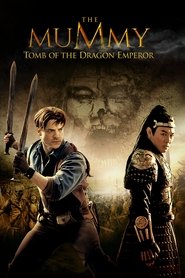
the country of China, the geography of China, the spirit of China, and the history of China. It's the reason I did the film. I did not ever, I haven't done a sequel to my own films. The Skulls had a series of direct-to-video sequels. xXx has had two sequels, now a third one coming. I mean, The Fast and the Furious has had
1:39:43 · jump to transcript →
-
Rob Cohen
two sequels and a third one coming, and XXX had one sequel with a cast change. And, you know, I didn't do those for reasons. There are too many new ideas and too many new things to explore.
1:40:14 · jump to transcript →
-
-
technical · 1h 22m 2 mentions
Måns Mårlind, Björn Stein, Gary Lucchesi, Richard Wright + 1
-
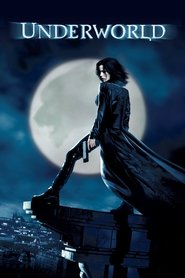
Richard Wright, producer. Mans, director. Bjorn Stein, director. Gary Lucchesi, producer. James McQuaide, executive producer and visual effects supervisor. What, you get two titles? - Well, you know. Big shot. So here we are... ...at the beginning of the fourth Underworld movie. That's right. Been a lot of them. The first appearance of Len Wiseman's... ...new logo. - New logo. The world premiere. - In 3D, no less. Oh, my God. It's like our life flashing before our eyes. Yeah. We've lived through these. Exactly. I think it's fun to say that... ...I think we cut the... Edited the whole film for eight weeks... ...and then we spent three weeks editing the first three minutes. That's exactly right. - It was crazy how to get it... And it was, "Shall we do a recap or shall we not? Does it feel cheesy with a recap or is it good?" But I think that everybody agreed in the end... ... that we have this wonderful library or cupboard of wonderful images... ...SO let's use it. And it's a wonderful way to get into the mood... ...and this is the world. lt has been a while too, since Underworld 2... ...where this one picks up from. We're reminding ourselves of all the characters. It's not cool, but in the end it... Wow, it really works. Yeah, I had a friend-- We had a premiere yesterday, actually... ...and I had a friend who hasn't seen the prior ones... ...and she said it was helpful... ...to just get into the soul of what this is, so.... And it's so nice to see Michael Sheen... ...and Scott Speedman and Bill Nighy. Yeah. - Losing their heads. killed the elders.... Yeah. One of the things we really liked when we got the script... ...was that number four... That it was the beginning of something new. That it was not just number 17 or something. It was.... The trilogy was done... ...and now we got into something new... ...which is exactly what we're watching right now. And this was a big thing how... That we wanted it to be brutal... ...and hand-held and gritty, using a camera language... ... that hasn't been used in Underworld before. Yeah. To turn everything upside down. This is another part of the film where we did... ...a tremendous amount of work trying to figure out... ... how to frame the fact that we're 15 years in the future... ...and the world has changed... ...and how you do that economically... ...In a different camera style than the rest of the film. Because this is in 2D, not in 3D as the rest of the film is. One of the biggest inspirations for this intro... ...Was actually the Gavras video, the M.I.A. video. What's the name of that? "Born Free." - "Born Free." Oh, that guy. - He's great. This guy, he's just at casting... ...and we realized that we need something... ...and we cut this rollout and then suddenly we needed him... ...SO this is his casting tape. - His audition tape, yeah. Yeah. - Yep. Used it in the film. I love that head shot. James really enhanced this with the visual effects he put into it. These creatures, yeah. The creature shots. Because they weren't shot that way. Yes. They're hard to come by, these creatures. That one was a real one. That's a real one. - Yeah. A real Werewolf. Yeah, we had a few. - Yeah. We can cast them in the forests of Vancouver. What we just saw... That girl on the wall... ...IS Kate's stunt double. - Yeah. She did... - Alicia. Alicia Vela-Bailey, yeah. She took iPhotos of her body for each bruise she got. She was black and blue, this girl... ...and she's the toughest girl I've ever met. Went to the hospital more than once too. Yeah. - Yeah. But as he said, the toughest girl I ever met. Yeah, always with a smile. Always with a smile. And you will see her getting thrown around a lot in this one. All of those flying-into-the-wall sort of things... . It's actually a person, Alicia, getting thrown in. Or Kate sometimes, as well. - Yeah. So we wanted to start off in 2D, gritty... ...and then since this is 3D movie... ...we wanted it to... Really make it big... ...when we see Kate for the first time, and that's when we switch to 3D. This shot was actually planned to start inside the fire... .In the beginning, inside a skull... ...and then going through the flames... ...a Vampire skull, but it became too tedious. That was the four-hour version. Yeah, this... We're very European. European version. Very... It was also a shot that we fought to keep in... ...and there was some obstacle to that... ...but we succeeded in keeping it in. Obstacle being money. - I love the way you say that. We ran out of money. And you see the surroundings here is-- We tried to create... Since this is the first time we introduce a man really... ...In the Underworld franchise... ...we wanted to find architecture... ... for the city that wasn't, you know, just another city. And after a lot of thinking and looking.... You know, we were thinking the first film was shot in Budapest... ...and it had that gothic feel to it and... By the way, great blood splatter there. - I love it. That was beautiful. And then we found something-- If you haven't been to Eastern Europe... ... you see all these beautiful houses... ...but next to them you have these concrete, hard, depressing buildings. And there's something called brutalism. You mean brutalism? - Brutalism, yes. A word we've heard 700,000 times during the making of this film. You were insanely annoying by just trying to put brutalism in... ...brutalism in, put brutalism in... ...to find what we call neo-Goth. Which is a new Goth. - Neo-Goth, yeah. This plate's actually from Underworld 2. This was.... We were doing tests for that boat that exploded... ...and we went back and found the footage... ...and stole that plate and revamped it here for what you see. Yeah. The secret of every great artist is knowing where to steal. Where stuff is hidden, in this case. - Yeah. It was one of the biggest challenges that we didn't have Scott Speedman. So that was a face replacement of a stuntman... ...and I think that was the trickiest part to pull off, I think, in the movie... ...because we're setting up this love story. She's running for her love and we don't have the real guy. Yeah. - But I think because of the recap... ...we do get that.... Do you see that city in--? That city is all CG behind her that's burning. And I remember James had said, "What do you think?" And I remember we asked about that, like, months ago... ...or half a year ago, and I forgot about it... ...and then you just come up with this. It was like a birthday present. I was so happy. All these backgrounds in it... ...makes It so much richer. And remember this next shot coming up too of Kate swimming... ...was really the last footage that we shot on the movie. Yeah. In the tank. We all had this great concern that, you know... ...can Kate swim or not? She ended up being a fantastic swimmer. She was great. She was.... This is more than swimming. It's performing underwater. She held her breath so well. lt was unbelievable. We were.... - Yeah. Well, that's typical Kate, you know. Everything she does, when she does it is, like, perfect. Yeah. - Yeah. But filmmaking's about being afraid... ...things aren't gonna work. - Right. We had anticipated the worst and we were wrong. And this is-- Originally the Underworld title was here. This is our homage to Tree of Life. - Yes. We had the title here at one point... ...and this is a transition... ...which is very abstract and weird, actually. But I'm happy with it. These were the things... ...that I remember it was hard to describe. We were very sure exactly how we wanted it... ...but we couldn't really say "this is how to do it"... ...because we'd never seen it before. But now when I see it... James, who did this? - Celluloid. Fucking great. - It's great. Yeah. It's great too, because we added the spin... ... sort of late in the equation. This may be an intellectual idea. Hopefully it works. To sort of make the audience... ...particularly when you see it in 3D, disoriented. Kind of like Kate was as a result of being underwater... ...being Knocked out and waking up 12 years later. There's something about spinning... ... that sort of makes you visually confused. Also, not only the spinning, but also the kind of... ...stop and motion feel to it, that it's... - Time passing? lt has a time-lapse feel to it... ...which, you know, was a subtle way of saying time has passed... ...actually, 12 years. - It's one of my favorite shots. Yes. - This is beautiful. Another very disorienting shot, though. So this is actually Alicia hanging here... ...and it's Kate's face replacement on her. Yeah. And the ice is CG. - Yeah. Smoke is CG. I am glad that we put the name on the glass there, "Subject 1." Yeah. So nobody would get into the wrong tank. No, but the thing is, I don't think it's just for like: "Oh, it's for the idiots." But I think it looks good. Subject 1 sounds brutal, I think, in a very good way. There's that word again. - Yeah. And remember that set initially... ...when we first saw it, had all these shower curtains in front of it... ...and we asked Claude to remove them. Yeah. - Oh, right, yeah. One thing that we really wanted to do in this movie was that... And we told Brad, who was the excellent second-unit director... ...and stunt coordinator, we said that we very.... We want to hurt Selene a lot. "Could you find somebody we can do that to?" Yeah. Because she wasn't that hurt in the other movies. We said, "We really want to--" Do you think anybody's listening to you right now? The naked girl, I'm watching that instead. Everybody's so nervous when you shoot something like this... ...but Kate was so cool. She was. Yeah. - Yeah. It was nothing. - Here we have Stephen Rea. Yep, there he is. Our Irish. - Yeah. I think, yeah... I really liked working with him. He was... Stephen is a handful, but he's also.... He gives you what you need. Is there anybody in this film that ended up doing their native accent? The North Americans were doing English... Kate. - Yeah, Kate, that's true. Everybody else was doing a different accent. Sandrine Holt there. - Sandrine Holt. Hurry. Releasing... ...maximum dose of fentanyl.
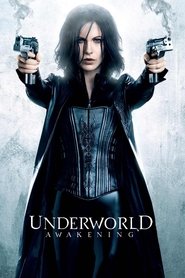
0:10 · jump to transcript →
-
By the way, there's my daughter, I should say. In the car. Ashley McQuaide, her big cameo. She's great. She's gonna go do good. She's very sought after in Hollywood. The one thing I can say is this. This crash coming up was a bit of a fuckup. The taxi was supposed to fly over the other car. SO we were disappointed... ...but I think that the shot still looks pretty bitchen. It looks fantastic. Your eye is drawn to the Lycan. Which is what it should.... - Could have been better. And here-- You know, Paul Haslinger did the music here. I love this, you know, how we changed into this new... ...Style in the music exactly when we get into close combat here. Paul, being an old hand... ...having done the score for Underworlds 7 and 3. He did an amazing job. - Amazing job. Yeah. - Yeah. Every-- All these Lycans are CG Lycans... ...but they mostly are.... There were guys dressed in blue with funny heads. So they look like really big... - Suits kind of looking like... This was a big moment. - Looks great. And India's face.... We really didn't do anything to it. She was able to scrinch up her face. - Yeah, she's a badass. Well, there's a bit of CG going on. We changed her eye shape and the color of her skin, obviously. But she was good. - This is an old trick, you know. The guy dry his fist across his mouth. I told Theo to do that. But it really always looks good, I think. It's the moment too, where Selene realizes... ...that this creature back there has... ls connected to her. - ls connected to her. She saw a level of power in there she hadn't imagined. Here's the Kris Holden-Ried introduction. Yeah. Here's where he comes in. Might have... And it's not even the last new character. In the script, this is the third time we see Kris... ...or Quint. - Quint. And here, we talked about that scene... In the apartment when she throws the guy out of the window. If you look at the monitor, there's actually a shot from... ...coming out of the club... ...which was Prey. So we used footage for that as well. lt was not a waste of time shooting there. Very expensive stills. - Those two days... ...that we spent shooting there. - That town is all CG, and then we.... Somebody gave us that in the last... There were so many people working so hard... ...for no money for this one. I love it. - Yep. How did you find me? Now we have an actual conversation. An actual dramatic scene. Yeah. - The first of the entire film. There's not a lot of talking. - Yeah. I think Michael Babcock, who did the sound design... Which is so beautiful, I almost cry when I think about it. When we heard about... "What did you do, Michael?" "I did Inception and Dark Knight." We're like, "Okay, good." And I think when he showed us the first reel... ...we had, like, no notes. lt was perfect. Anyway, he said... ... after we'd done this, "I really enjoyed working with this. ll even do a talkie with you guys." That's nice. - Yeah. I remember at the end of this scene, when we did India's side... ... that Kate went up to her and complimented her and said: "You did a really great job." - Yeah. And it was a.... It shows Kate's consideration... ...for other actors, and really the.... The person that Kate is. You know, because here's this young girl... ...who was clearly a little bit nervous acting... ... against a movie star, and an actress of Kate Beckinsale's quality. Yet Kate was very generous with her. The funniest thing-- Not funny, but extraordinary thing about India... .IS that she is like a very old soul in a young body. Oh, my God, yeah. She's 17 when we shot this movie. But she's incredibly mature. - Yeah. Incredibly. And sometimes when I talk to her, I feel very like a kid... ...and she's the old-- Yeah. Yeah. - She's the grownup. But she knew this character. And so many times, "No, let's do it like this." And she always stood her ground, saying, "No, she wouldn't do that." And I love being told that... ...because that means the actor knows. Are your fingers crossed? - No. No. No. Okay. All right. Okay. No, I like it when the actors know their characters, so they... Yeah. This is also our first day shooting. I loved shooting this scene. Oh, God. This scene. "Blight of nature." That's, you know, epic Underworld dialogue. It's one of those scenes that in 2D doesn't look great. In 3D, it looks spectacular. - Yeah. Why is it raining? Because it looks nice. Why is it thunderstorms? - Because it sounds nice. Theo James, stunt driver. - Yes. You can actually see that a bit. Yeah, and if you look at the van, I mean.... All the.... We wanted everything to be low-tech... ...as all the other movies. The low-tech is very important. That combined with the Vampire aesthetics that you see. The Celtic signs of Kate's corset... ... the weaponry and stuff like that. This area here is actually shot in that dam. In the actual hydroelectric dam. What's the name of that dam, Richard? I can't remember. Spencer Dam or something? - I don't know. It's outside... Up above Vancouver. - Up above Vancouver. Nobody shot there. Like, 20 years ago... ...someone shot there. I can't remember what film. It's been closed down, so.... We were the first to... - Part of the water supply. Amazing location. - Yeah. Absolutely beautiful. And brutal. - And remember how it--? Brutal as well? - Brutalism. But it also rained... ...torrentially before we shot. We thought we'd get two streams of water... ...and we got the whole megillah. lt was fantastic. This is one of the things I love about Underworld. These, you know.... The looks. And it feels... It makes me believe that this world exists. Now we're also back in... This is Underworld. We've been in brutalism. - Yeah. Now we're back in-- Oh, yeah. This is a wonderful set that Claude Pare designed. Our production designer. Wonderful production designer. Award-winning production designer, might I point out. And this, actually, was fun... ...ecause I was walking the streets and suddenly: Here in L.A. before we started shooting. I started talking to Kate and Len, and Len... And Kate says-- I don't know how she came up with it... ...but she says, "I know Russian." So I said, "We must get some Russian in, then." So.... Because I think it's so sexy. - Yeah. Of course that means Charles Dance... ...as to Know Russian too. Yes, and Theo James. That's Kate's mother, by the way. The Sony people, when they heard that, were excited. Because internationally, Russia is now a big territory. So.... At a certain point, they said, "Can you have more Russian in the movie?" This, again, being Charles Dance... ...a well-known British actor. Charles Dance is one of those fantastic old-school actors who... ...when you give him direction, he looks at you and he says: "Thank you, sir." Then he does exactly what you asked him to. He does exactly what you ask for... ...and It's such a pleasure to work with him. Listen to me. I start speaking British. And the actress here playing the doctor is... Her character's name is Olivia. Is Catlin Adams... ...who is Kate's.... Acting coach? - Occasionally. Kate recommended her. - Happy family. That's how Underworld is. - Yeah. Or SCars. I've never seen a child... We should have had more Swedish in the film. We have a little. Underworld 5, actually, I've heard that there's a big Swedish subplot. I had Kate say: Which all Swedes will understand, but she said it. It's very cute and.... So she, you know.... Because she's.... The musicality of it here. Her Russian is perfect and it... She speaks, I don't know, how many languages? Five languages. - A lot. Yeah. And she could just start speaking Swedish. That was insanely fun. I love this sequence... ...because it's so many things at the same time. I think it's terrifying, but I also think... ... It's, you know, touching, but also sexy. I think it's one of the most disturbing scenes in the movie though. Where you realize that this girl... ...who you thought was this innocent child... ...now has this voracious taste for blood... ...and has now gone to a different place. She is a creature of the night. - Yep. The blood on her face was great. You added that afterwards, James? - It was all CG, yeah. Good.
25:58 · jump to transcript →
-
-
-
Joss Whedon
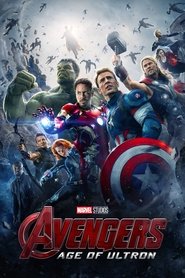
But I think the most important thing about the movie is that it's mine. That it's all me, and that really because I'm the director and the writer, I really created it all myself. I think that's important to bear in mind. Especially because, while I've been talking, you've already seen the work of two other directors, not to mention the insanely large village, possibly a metropolitan area, full of people who are working in every frame to fulfil whatever vision it was I thought I had. One thing about this movie that you're gonna hear a lot is how extraordinary the crew, the post, the pre, uh, the production people, how they not just carried or fulfilled, but inspired this movie, which begins with this rather iconic image. Um... A very deliberate decision on my part was to start off with the hardest thing in the movie from the first one, what we refer to as the "tie-in shot." Rather than getting the Avengers back together, I wanted to say right up front, "No, they're in it. "And here's the very climax of the first film. "Here's the very thing you always showed up for, "all of these guys in one enormous shot "with a big slow-mo, kind of, uh, comic book panel moment." And my original concept had been that the very first frame would be the slow-motion part. Kevin Feige very rightly argued that without some context, people just wouldn't know what they were seeing, um, and wouldn't appreciate it as much as they would at the end of the shot. Which, um, turned out to be very true. When I talk about the other directors... There was a short shot of people running up the stairs that my producer, Jeremy Latcham, went ahead and got with our "C" cameraman, Sam, while we were in Dover Castle, which is right here and played as the interior of the fortress. Um... We were mostly stuck in big, beautiful rooms filled with equipment, and there are so many lovely little spaces. He said, "Shouldn't we go and get soldiers running about, "and show some of the stairwells and the halls, "and all the things that make this space more than just big rooms?" And we ended up using a lot of that footage. It was just grand. And, of course, the other director I'm referring to is John Mahaffie, who is an actual director, um, the second-unit director, who shot so much great footage for this movie. I shot about 100 days, he shot over 50. And some of them are elaborate. That's another, what I was referring to before. Some of the more elaborate stuff inevitably gets shot by second unit because the characters in it are CG, and requires camera setups that take hours and hours. And so on the one hand, I, being the most important director, the director of the first unit, I'm busy getting really the heart of the piece, and he's getting these secondary shots. Except that the "secondary shots" he was getting, I just used air quotes, you cant tell, but I did, were very much some of the most beautiful footage that was shot in the film. And I started to feel like Reaction-Shot Joe. I would just see these glorious things he'd stitch together, and then I'd... There'd be a close-up of somebody reacting to it. I was like, "That's me! I did that. I'm also a part of the team." Um... Because the team is how this gets done. You're gonna find that's also part of what we have to say in the movie. But in the making of the movie, it's very much the same thing. Both of these guys, Thomas Kretschmann and Henry Goodman, extraordinary thespians, who would come in to do smaller roles. I actually said, "If we made a movie with only the day players..." They worked more than that, but just literally people who were there for just a day. "we'd have the most star-studded cast you could work with." It's wonderful. It's probably a terrible thing about the industry that you can get amazing actors to play these smaller roles in franchise films, but it works for me.
0:42 · jump to transcript →
-
Joss Whedon
This was exactly what I pitched, again, before the movie. Loki failed, Red Skull failed. Ronan failed. So, it's time. Third movie, it's time, which is somebody else's problem. There is one more thing I have to say. I'm not going to speak through 48 minutes of credits, though you should watch them all because every person listed in them did extraordinary work, and I'm enormously grateful. And I apologise to all the people I didn't mention because I should've. But I did promise that I would say something about an Easter egg. I dont... Usually, I try not to be self-indulgent. I just had a feeling there was a connection between the evils of this world and the evils of all worlds. And there is that one shot in Thor's dream of three guys in an archway, wearing three masks, and the masks are very expressionistic, so it might be hard to see exactly what they are, and we only held on them for a moment. And they were originally seen over a line of Thor's that was taken out, where he says, "It's been a long journey, and dark forces followed me." And the idea that there is something bigger at stake, which we hit in his revelation of the jewels, but "dark forces" was when you cut to those guys. Basically, though expressionistic, they are based on three animals, a wolf, a ram, and a hart. And some of you might know what that means to me. Thank you for listening. We're done.
2:13:24 · jump to transcript →
-
-
-
Francis Lawrence
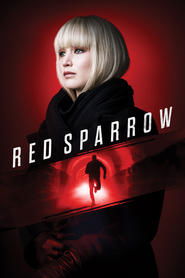
This moment here was also another piece that we kind of debated, this phone call. This is something that's quite easily lifted, and she could just go home after having seen the blood on her hands. But this idea that she could do something so violent in the steam room, but then have this moment of conscience and call the action in was very important. And then we have this moment here of finding her mother, which was the moment where she knows that the ballet company that's been supporting her has kind of pulled the plug on any money and any help for her mother, and she is gonna have to go and find help from her uncle. I'm going to take care of us. So one of the fun things about this job and in terms of the world-building, was finding all the various kinds of architecture that exist in this world. And this place here was actually in Bratislava. So we went on a search. We shot primarily in Budapest, but we also shot in Bratislava, which is in Slovakia, and Vienna, and London. And we went on a big search for buildings and sites that could feel like Moscow or places near Moscow. And Maria, the production designer, had found these great Brutalist buildings in Bratislava, including this one, which we decided would be perfect for Matthias's character's office building. Just a big monolithic, very Stark, stark building. The problem here was actually... We shot this scene very, very quickly, even though there's a lot of dialogue, because it gets front-lit quite quickly after about 7:00, 7:30 in the morning. This is near the end of our schedule on the movie. And so we Set this up at sunrise and dawn, with multiple cameras, and shot the whole scene within about 45 minutes, I think, 'cause otherwise, if the sun came up, it was gonna be really unflattering, and it wasn't gonna feel as bitingly cold as we wanted it to. Do this for your mother, Dominika. He has dinner at the Hotel Andarja every Friday at 9:00. A car will arrive at your apartment to bring you to the hotel. Now, you carry nothing with you. We will arrange a room and something for you to wear. This is back in Budapest, shooting in a hotel in downtown Budapest. We were originally modeling the idea of this hotel in Moscow, with the Metropole. Which is a classic, really upscale hotel that's been around fora really long time in Moscow. And then we, kind of, ended up going in our own direction. We searched, you know, in London for hotels, searched all over Budapest for hotels, and we pieced together various things, and we used the exterior of a hotel in Budapest, and we ended up using a room... This room is part of an abandoned building in Budapest. And Maria built that bathroom attached to the room in that abandoned building, and just did a great job. She brought in these great Italian scenics to create all that fake marble. It's actually just wood that's been painted, but just looks unbelievable.
16:11 · jump to transcript →
-
Francis Lawrence
One of the things that I wanted to do... There used to be a little more footage of Joel, kind of back home when he got suspended, and you can see compared to the, kind of, the color and the textures and things in the environments we have here, it's actually quite bland. We shot everything in pretty much white environments, made it as bland as possible, so that you get this feeling that it's just not the kind of life that he wants. That he likes living internationally, and he likes working, and he likes the mystery, and he likes the intrigue, and he likes the work. The last thing he wants to do is be at home and be in an office. And so we made it as drab, and as lonely as possible. He wants a daughter... someone to take care of, and he'll pay for it. So here you see some of the work I was talking about in terms of the development of Sparrow School. This idea of figuring out what people need. But you can see in a moment here, it's actually gonna lead into a bit of a harsh lesson from Matron about having to get over what disgusts you. To make people believe that you're attracted to them, or that you're willing to do specific things for them. Yes. - Correct. Though, we mustn't be so judgmental. We all have our passions. His happen to be rather young. Anya, come here for a moment. This is Sasha Frolova. She was actually one of the first people other than Jen that we cast in the movie. It was something. Denise Chamian, my casting director, instantly sent her over for the role of Anya, which was actually expanded a little bit originally in the script. Give him what he wants. And I liked the idea of seeing what a school like this could do to somebody that's fragile. And so, she slowly falls apart. You used to see in some of the scenes that I think we have in deleted scenes, you used to see Dominika helping her out, and seeing some of Dominika's humanity in helping Anya out. Part of what I really like about this sequence here is that Matron knows that Anya's never going to be able to do this. Really, what the whole point of this is for her to crumble so she can make a point to the class about how part of the training here at Sparrow School is to get over the things that might disgust you, and that you're gonna have to learn the tricks of the trade to be able to do the horrible things you're gonna have to do in this job. And that also thematically was important for me because it needed to be horrible. This is not a glamorous world. I didn't want it to be a glamorous world, and I didn't want Dominika to think it was a glamorous world. I wanted Dominika to hate it and to hate her uncle for dragging her into this world, so that she would want nothing more than to get out of the world. ...brings blood to the groin. Manipulation of the nipple... I remember on the day watching this sequence and I still do, and I just think it's a real original. I've just never seen anything like it. With Charlotte and weeping Sasha. Yeah, I'm really proud of the sequences that we did here, at Sparrow School. You must learn to love on command.
34:19 · jump to transcript →
-




Related topics
Other topics that frequently come up in the same commentaries.