Topics / Studio & business
Sequels & franchise
86 commentaries in the archive discuss this, with 211 total mentions and 25 sampled passages on this page.
Filter commentaries
Filter this topic by the film's decade or the type of commentary.
By decade
Across the archive
ranked by mentions · click any passage for the moment in the transcript
-
-
Like a serial killer? There you go. They just explained two and a half movies of who Art the Clown is. If a demon enters this world in the flesh, a counterpart must be appointed to stop it from becoming too powerful. It's you, Sienna.
1:07:49 · jump to transcript →
-
just help sort of organize and produce the Terrifier movies. And so the Terrifier movie franchise exists not just because of Damien, but because of that guy right there. And Phil is a hell of a guy. Not only a character, if you've ever had a chance to meet Phil at a convention or anything like that, he is...
1:59:36 · jump to transcript →
-
-
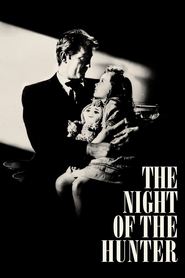
scholar · 1h 32m 1 mention
The Night of the Hunter (1955)
Terry Sanders, Robert Gitt, F. X. Feeney, Preston Neal Jones
-
-
-
-
director · 1h 28m 1 mention
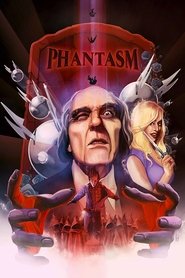
Don Coscarelli, A. Michael Baldwin, Angus Scrimm, Bill Thornbury
-
-
-
-
-
director · 1h 30m 1 mention
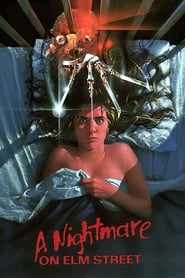
A Nightmare on Elm Street (1984)
Wes Craven, Heather Langenkamp, John Saxon, Jacques Haitkin
-
-
director · 1h 31m 1 mention
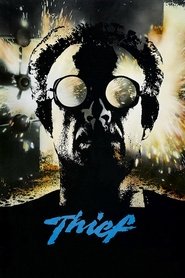
Alex Cox, Michael Nesmith, Victoria Thomas, Sy Richardson + 2
-
-
cast · 1h 36m 1 mention
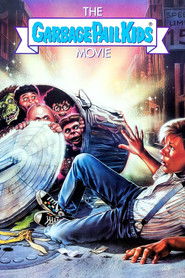
The Garbage Pail Kids Movie (1987)
Mackenzie Astin, Katie Barberi, William Morris
-
director · 1h 24m 1 mention
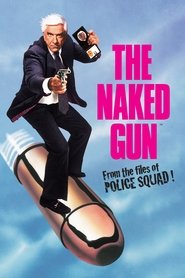
The Naked Gun: From the Files of Police Squad! (1988)
David Zucker, Robert K. Weiss, Peter Tilden
-
-
-
-
multi · 2h 24m 1 mention
Alex Thomson, Terry Rawlings, Alec Gillis, Tom Woodruff Jr. + 3
-
-
-
multi · 1h 54m 1 mention
Jean-Pierre Jeunet, Hervé Schneid, Alec Gillis, Tom Woodruff Jr. + 5
-
multi · 2h 12m 1 mention
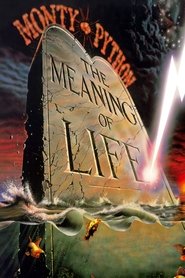
Andrew Sarris, James Ellroy, Brian Helgeland, Michael Nathanson + 10





Related topics
Other topics that frequently come up in the same commentaries.