Topics / Writing & development
True story / real events
131 commentaries in the archive discuss this, with 408 total mentions and 31 sampled passages on this page.
Filter commentaries
Filter this topic by the film's decade or the type of commentary.
Showing 14 of 131 commentaries
Clear filtersBy decade
Across the archive
ranked by mentions · click any passage for the moment in the transcript
-
-
Matthew Vaughn
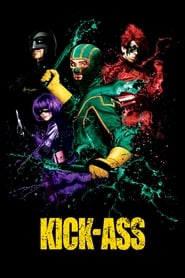
This is Omari Hardwick. The whole point about this scene, you're thinking, oh shit, a cop's just broken in and you're just, you know, you need to put what I call a reality figure into this madness of their apartment and their life. And that's what Marcus is. And this is where we see the real Damon. First of all, you know, we see their backstory in the second on the comic book. But secondly, you know, this is, it's very important to put balance in and this is,
49:03 · jump to transcript →
-
Matthew Vaughn
I just can't believe he's dead, that's all. Oh, I know. And here, this sequence, we nearly did cut, but without it, the audience, what happened is they were so confused that the next scene, they weren't laughing, enjoying themselves, because they were just trying to put two and two together, going, does that mean he's dead or he's alive? What's going on still? Because, you know, and then some smartass said to me, well, how do they know it's a kick-ass impersonation if it's not the real kick-ass?
54:26 · jump to transcript →
-
Matthew Vaughn
That is on location. I think there's one sort of thing where the CG looks fake and it's the real thing. It's like typical.
1:16:33 · jump to transcript →
-
-
-
Tom Hooper
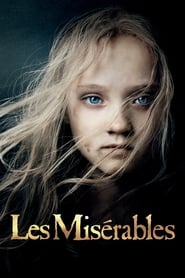
art-directed barricade standing by in the next-door studio, ready to shift in when we finished that sequence. But Eve and I both looked at this thing that the students had created and said, this is so great, it really looks like the real thing. So rather than getting rid of it and weaning in the one that she'd prepared, we stuck a few nails in the one that the students had created and went with it. I must admit I did a bit of art directing, things like the tusks at the front and the two coffins as sort of teeth.
1:40:23 · jump to transcript →
-
Tom Hooper
But I felt in the end it was the real story was the two men coming face to face. And here we did everything we could to try to create the momentary illusion that Valjean might be about to do something to Javert.
1:49:23 · jump to transcript →
-
Tom Hooper
which is so powerful emotionally. It's the real beginning of that unhinging, which you can see in Russell's eyes so brilliantly. In fact, in one of these all-in-one takes, see that sewer entrance where there's a tube that runs from that, which basically came out where my monitors were. So in the middle of this battle sequence, suddenly, Hughie turned up sort of under my monitors covered in mud.
2:03:46 · jump to transcript →
-
-
writer · 1h 35m 4 mentions
Simon Barrett, Adam Wingard, Greg Hale, Eduardo Sánchez + 5
-
Well, in real life, you don't really see your eyeball go up and down, or your eyelids at all. It really is just like a black frame. And I actually went back and watched Enter the Void and realized it looked like that's exactly what he was doing in that film as well. So that actually was like one of those things that kind of helped out.
14:23 · jump to transcript →
-
I want the real Clarissa, and I want her to explain everything to me. So you don't have to worry. This scene was originally, there was a, I wrote a big expository chunk of dialogue here, part of which kind of played into the overall VHS mythology with her talking about how ghosts are just really electromagnetic impressions of people at their most extreme emotions left on their environment, kind of referencing the stone tape a bit.
19:21 · jump to transcript →
-
And I was like, you know, actually, Simon, you did talk about that short now that I think about it. And I was like, that was a reference point for you. And he was like, oh, yeah, yeah, forget everything I just said. When the camera goes into Adam's mouth here, it's actually the real button camera that we bought for the wraparound attached to the end of a pencil. And Adam is with a little light. I'm deep-throating it. And Adam is shoving it in the back of his throat. Yeah, just shove it in. So, yeah, no digital trickery there.
24:52 · jump to transcript →
-
-
-
Francis Lawrence
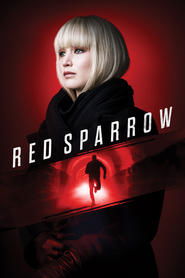
One of the fun things for me about this whole sequence is the intercut. I just thought that it could be a great introduction to the two characters and to the two worlds. And one of the things that I played with throughout the sequence is screen direction. So if you notice even from the very beginning, I typically have Jennifer facing left to right, and Joel facing right to left, as you can see here. It was a trick that I learned. I remember watching old Hitchcock movies, and watching Strangers on a Train, and there's... In the opening sequence, you see the two men who are moving toward one another, and eventually gonna meet. And it's something that I've employed a lot, I think, that screen direction is actually a huge benefit in storytelling. But especially in a sequence like this where you feel like these two characters are gonna end up on a collision course with one another, that narratively, you know that at some point, that they're gonna come together. American! Most of this ballet sequence here was shot in the Budapest opera house. And we had support of the Budapest opera, and the Budapest ballet company. And most of the other dancers there are all dancers with the Budapest company, and from a variety of places. There's some Americans, actually, and some Hungarians. Great group of people. And there was our nice leg break, one of the first specific, kind of, tonal hits in the movie. It was something I wanted to do with the movie, was to not hold back too much in terms of some of the shock, and audacity of some of the moments that take place within the story. And so to see the real damage done to her leg there... I just remember seeing, you know, there's been sports injuries over the years. And not too long before we shot this, there was a French athlete in some, I want to say some Olympic games or something, who had done some vaulting, and just kind of landed slightly wrong and bent his leg at this really horrible angle. And it was really difficult to look at, but we basically modeled the bend in her leg based on the images of this French Olympian. Word is they were vice cops, looking for Chechen dealers... or some family guy getting a blow job in the bushes. They weren't there for Marble. They just got lucky. Chances are they would have questioned you, and let you go. You can see here, one of our really cool locations. Maria, my production designer, was just really fantastic at looking for locations and scouting. And I think she had gone out to Budapest a few months before me. And we had also hired Klaus, who was our location manager for the Berlin portion of the Hunger Games films, and we liked him a lot. And he was nearby, and so he came down to Budapest and they worked together, and they found these fantastic places. These old abandoned hospitals, where the surgery Is, and where she's about to wake up, was this old, abandoned maternity hospital. And this fantastic space is part of a library in the seventh district of Budapest. Undercover narcotics agents saw what they thought... was a drug deal in process. You can see outside of Jen, too, that we really put together a fantastic cast for this movie. Jeremy Irons, who's an icon and a fantastic guy, and I think one of the best actors to have ever existed, was my first choice to play Korchnoi. And luckily he said yes. And Matthias, we brought in. I'd been a fan of his since seeing him in Bullhead and Rust and Bone and things like that. And he's so versatile. But he became a choice when we actually decided to skew the age of Dominika's uncle down a little bit. I wanted to add a little bit of creepiness to their relationship. And so the idea that, you know, maybe her father had a much younger brother, so that, as she was growing up, there was this, you know, charming, handsome, much younger uncle, you know, somebody that she might have even been attracted to, and he might have been attracted to her, was something that I wanted to play with in the course of this. And I thought he was just perfect for it. He's such a fantastic actor.
6:35 · jump to transcript →
-
Francis Lawrence
Here's a little cameo. This is one of Jen's best friends, Laura, who also acted as her assistant on the movie. What a pleasure. May I join you? There's a fair amount of cameos in this movie, probably more than I've ever done in terms of people who work on the movie. And friends, and things like that. If you notice the policeman in the beginning of the film that's on the subway train with Joel, in the furry hat, is actually Chris Surgent, my first assistant director, who I've worked with since I Am Legend. I actually met him on I Am Legend. He was the first assistant director of the second unit, and did all the big New York City lockdown sequences for us, for the opening, and I was really impressed with him. And we've become good friends, and work together all the time now. Tell me the real reason you are here. This was actually a really, really beautiful location in downtown Budapest. It's the New York Cafe, which is attached to the hotel that we used for the exterior. And it's become a very popular tourist attraction, and a place to go eat because of its opulence. But I just thought it would be a fantastic spot for this character, for Ustinov's character to hang out. One of the things that I wanted to do, and also Maria, the production designer, was to show different facets of Russian architecture, right? The kind of classic, opulent stuff like places like this, or the ballet, the kind of socialist, Brutalist structures like her uncle's office. Some of the government housing-type environments like where she lives with her mother. But one of the things that really excited me that we got into was the idea of color. I think, honestly, people tend to expect in movies like this for it to be very gray, you know, just bleak. And what Maria and I found in our research was that there is plenty of color throughout the environments. And we had decided to really try and utilize that, and she pulled, I don't know, hundreds and hundreds and hundreds of photos that we used, that gave us a real sense of color palette and a sense of mood and a sense of light. And we ended up using that also for Jo, the cinematographer and I, in terms of how the movie kind of looks in terms of lighting styles as well. And that led us into a direction of, you know, post-World War I/ Russian art, and found that a lot of the, kind of, colors that are in that art were also found in a lot of these environments that we were finding in Central and Eastern Europe. And we ended up really trying to utilize those. And it was something really exciting for me, because to discover that this movie could be quite colorful was a lot of fun.
19:29 · jump to transcript →
-
Francis Lawrence
One of the things that Trish and I worked on, Trish Summerville, the costume designer, and I was, the different kinds of looks for Jennifer. Because when you think about a character like this, right, she's actually playing two completely different people, right. You've got Jennifer the dancer in the beginning, right. And so dancers have their own culture and sense of style and how they dress when they're not at work and how they dress in rehearsals or how they dress on stage and things like that. But that's the real Dominika. And then you've got the Sparrow, right, in the uniform, and that's a bit utilitarian. And then you've got the young woman who's sent to Budapest that's playing a part, right. And so she's not supposed to be a dancer, she's actually supposed to be somebody else. So, the decision of how do you dress and how do you present yourself to the world when you're supposed to be a young woman from Moscow who's a translator at the Hungarian embassy. It's really interesting to dive in to doing different kinds of things. And also thinking about the seasons, because, you know, we Started in just before the dead of winter and then Sparrow School! took us through the dead of winter and then we decided that Budapest, it was the end of winter, and into spring. We never really wanted to see leaves on the trees at all, but we wanted to sort of get in at a slightly nicer, I would say maybe sort of damp weather, as opposed to icy weather as the story progressed. He told me about what happened at the park after I established trust. Hmm.
1:11:09 · jump to transcript →
-
-
multi · 1h 33m 3 mentions
Wes Anderson, Peter Becker, Roman Coppola, Jake Ryan + 3
-
Wes Anderson
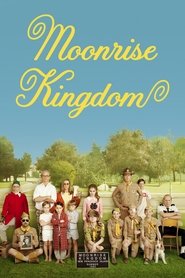
Well, the cameras we had, we used these Aaton cameras, which are Swiss, I think, and one very small camera in particular, the A-Minima, it's called. I mean, these are now all kind of, even now, these are sort of obsolete. But the A-Minimas, I think, were developed with the input of Jean-Luc Godard. And maybe they weren't finished in time for Godard to want to use them anymore. But I believe they come out of a collaborative process that was happening with the guy who owns Aatan. The way these cameras are operated, you don't put them on your shoulder, these little ones, they're underslung. You know, you hold them in your hand like a video camera. You hold them at chest level or even waist level, and you look down through the top of them like a Rolleiflex. Rolodex is another thing. And this was very good because many of the characters in our movie were short. They were 12-year-olds or younger, and it's hard to handhold scenes with someone who's down below you like that. But with this, it was at their eye level. We didn't do the whole movie with these cameras, but we used the Aaton system and it was great. And also, the slow-stock film that we used-- Slow-- The slow-speed Kodak film that we were using, in 16 mm, looks very, very close, almost identical to the fast 35 mm stock. And since we now do the transfers digitally, there's not like a blow-up where you get extra grain. It can look very-- You can get the real feeling of 16 mm, and you don't feel like you're kind of compromising it as you make it into a bigger projection. So anyway-- And that was all part of what went into the-- One aside, when you look at one of the little handheld films I shot on Moonrise, we're about to all get on a boat and go out. There's a moment at which Fran McDormand realizes that the boat is taking on some water, and she starts saying, "We're taking on water, we're taking on water. Does that matter?" And then Nate, our first AD, starts telling people to get out of the boat and try to sort it out. If you watch Wes in that moment, he's not only unconcerned about the safety of the children on the boat or anything like that, he immediately uses it as an opportunity to throw more crew off. As soon as he realizes, you can literally see the moment that a light bulb goes off in his brain and he realizes, "I now have a rationale for getting rid of more people." And he immediately starts saying, "Okay, so who can we lose?"
17:07 · jump to transcript →
-
Wes Anderson
Yes, we had the idea that the real place where they're going was 3.25-- Mile 3.25, tidal inlet, and that they were gonna invent their own name of the place. And Moonrise, I remember, is-- I had seen this movie directed by Frank Borzage called Moonrise, which is a strange word. You don't often hear the word "moonrise." And that was just one little aspect of it we can share with Ryan.
22:05 · jump to transcript →
-
Wes Anderson
I mean, it's quite nice, he does jump from a moving boat here, which is not normally a thing you really do in real life.
1:15:58 · jump to transcript →
-
-
multi · 1h 39m 3 mentions
The Grand Budapest Hotel (2014)
Wes Anderson, Roman Coppola, Jeff Goldblum, Kent Jones
-
Kent Jones
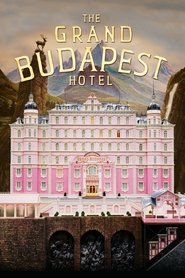
You like to camp out in particular places and build your film out of the real places.
14:06 · jump to transcript →
-
Wes Anderson
Did I say, "Jeff, will you explain to him how actors have to do--? Sometimes you just do a thing you would never do in real life, but you have to do it."
1:06:32 · jump to transcript →
-
Wes Anderson
Which I hope is a good thing, in a way, but I certainly don't know how I would have done it in real life.
1:18:35 · jump to transcript →
-
-
-
stems from the original recording which has got some of the other instrumentation in it and then eventually we go through to the full mix but by that stage we remixed the song really and spread it so that it was in 5-1 so particularly when you're in the cinemas you're absolutely surrounded by this music it was quite a complicated mix I think it's one of the real powers of when
43:53 · jump to transcript →
-
pretty much you know within a week or something like that but we didn't have very much to tell the story with but these stills just going back to that her eyes and her just holding on those shots it felt like you were seeing the real her again at that particular moment there's a sadness in her eyes this is someone who is trying to disappear
1:29:46 · jump to transcript →
-
Nobody wanted to share this material. This is so personal, having his answer messages. It wasn't an easy thing for people to share it, to know that the world would then hear it. And maybe some people would then judge that person for recording it. It was like she left a message for him and he kept it. He's in the music business. And really, I think everybody felt they wanted the world to know the real Amy. I think the reason they did it was because of their love for her and how much they cared about her. And they wanted us to try to get it right as much as we possibly could, which is why they were willing to put themselves on the line in a way by being a part of this film.
1:42:22 · jump to transcript →
-
-
technical · 1h 22m 2 mentions
Måns Mårlind, Björn Stein, Gary Lucchesi, Richard Wright + 1
-
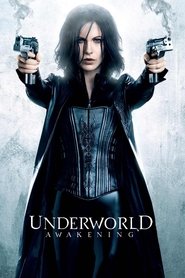
Richard Wright, producer. Mans, director. Bjorn Stein, director. Gary Lucchesi, producer. James McQuaide, executive producer and visual effects supervisor. What, you get two titles? - Well, you know. Big shot. So here we are... ...at the beginning of the fourth Underworld movie. That's right. Been a lot of them. The first appearance of Len Wiseman's... ...new logo. - New logo. The world premiere. - In 3D, no less. Oh, my God. It's like our life flashing before our eyes. Yeah. We've lived through these. Exactly. I think it's fun to say that... ...I think we cut the... Edited the whole film for eight weeks... ...and then we spent three weeks editing the first three minutes. That's exactly right. - It was crazy how to get it... And it was, "Shall we do a recap or shall we not? Does it feel cheesy with a recap or is it good?" But I think that everybody agreed in the end... ... that we have this wonderful library or cupboard of wonderful images... ...SO let's use it. And it's a wonderful way to get into the mood... ...and this is the world. lt has been a while too, since Underworld 2... ...where this one picks up from. We're reminding ourselves of all the characters. It's not cool, but in the end it... Wow, it really works. Yeah, I had a friend-- We had a premiere yesterday, actually... ...and I had a friend who hasn't seen the prior ones... ...and she said it was helpful... ...to just get into the soul of what this is, so.... And it's so nice to see Michael Sheen... ...and Scott Speedman and Bill Nighy. Yeah. - Losing their heads. killed the elders.... Yeah. One of the things we really liked when we got the script... ...was that number four... That it was the beginning of something new. That it was not just number 17 or something. It was.... The trilogy was done... ...and now we got into something new... ...which is exactly what we're watching right now. And this was a big thing how... That we wanted it to be brutal... ...and hand-held and gritty, using a camera language... ... that hasn't been used in Underworld before. Yeah. To turn everything upside down. This is another part of the film where we did... ...a tremendous amount of work trying to figure out... ... how to frame the fact that we're 15 years in the future... ...and the world has changed... ...and how you do that economically... ...In a different camera style than the rest of the film. Because this is in 2D, not in 3D as the rest of the film is. One of the biggest inspirations for this intro... ...Was actually the Gavras video, the M.I.A. video. What's the name of that? "Born Free." - "Born Free." Oh, that guy. - He's great. This guy, he's just at casting... ...and we realized that we need something... ...and we cut this rollout and then suddenly we needed him... ...SO this is his casting tape. - His audition tape, yeah. Yeah. - Yep. Used it in the film. I love that head shot. James really enhanced this with the visual effects he put into it. These creatures, yeah. The creature shots. Because they weren't shot that way. Yes. They're hard to come by, these creatures. That one was a real one. That's a real one. - Yeah. A real Werewolf. Yeah, we had a few. - Yeah. We can cast them in the forests of Vancouver. What we just saw... That girl on the wall... ...IS Kate's stunt double. - Yeah. She did... - Alicia. Alicia Vela-Bailey, yeah. She took iPhotos of her body for each bruise she got. She was black and blue, this girl... ...and she's the toughest girl I've ever met. Went to the hospital more than once too. Yeah. - Yeah. But as he said, the toughest girl I ever met. Yeah, always with a smile. Always with a smile. And you will see her getting thrown around a lot in this one. All of those flying-into-the-wall sort of things... . It's actually a person, Alicia, getting thrown in. Or Kate sometimes, as well. - Yeah. So we wanted to start off in 2D, gritty... ...and then since this is 3D movie... ...we wanted it to... Really make it big... ...when we see Kate for the first time, and that's when we switch to 3D. This shot was actually planned to start inside the fire... .In the beginning, inside a skull... ...and then going through the flames... ...a Vampire skull, but it became too tedious. That was the four-hour version. Yeah, this... We're very European. European version. Very... It was also a shot that we fought to keep in... ...and there was some obstacle to that... ...but we succeeded in keeping it in. Obstacle being money. - I love the way you say that. We ran out of money. And you see the surroundings here is-- We tried to create... Since this is the first time we introduce a man really... ...In the Underworld franchise... ...we wanted to find architecture... ... for the city that wasn't, you know, just another city. And after a lot of thinking and looking.... You know, we were thinking the first film was shot in Budapest... ...and it had that gothic feel to it and... By the way, great blood splatter there. - I love it. That was beautiful. And then we found something-- If you haven't been to Eastern Europe... ... you see all these beautiful houses... ...but next to them you have these concrete, hard, depressing buildings. And there's something called brutalism. You mean brutalism? - Brutalism, yes. A word we've heard 700,000 times during the making of this film. You were insanely annoying by just trying to put brutalism in... ...brutalism in, put brutalism in... ...to find what we call neo-Goth. Which is a new Goth. - Neo-Goth, yeah. This plate's actually from Underworld 2. This was.... We were doing tests for that boat that exploded... ...and we went back and found the footage... ...and stole that plate and revamped it here for what you see. Yeah. The secret of every great artist is knowing where to steal. Where stuff is hidden, in this case. - Yeah. It was one of the biggest challenges that we didn't have Scott Speedman. So that was a face replacement of a stuntman... ...and I think that was the trickiest part to pull off, I think, in the movie... ...because we're setting up this love story. She's running for her love and we don't have the real guy. Yeah. - But I think because of the recap... ...we do get that.... Do you see that city in--? That city is all CG behind her that's burning. And I remember James had said, "What do you think?" And I remember we asked about that, like, months ago... ...or half a year ago, and I forgot about it... ...and then you just come up with this. It was like a birthday present. I was so happy. All these backgrounds in it... ...makes It so much richer. And remember this next shot coming up too of Kate swimming... ...was really the last footage that we shot on the movie. Yeah. In the tank. We all had this great concern that, you know... ...can Kate swim or not? She ended up being a fantastic swimmer. She was great. She was.... This is more than swimming. It's performing underwater. She held her breath so well. lt was unbelievable. We were.... - Yeah. Well, that's typical Kate, you know. Everything she does, when she does it is, like, perfect. Yeah. - Yeah. But filmmaking's about being afraid... ...things aren't gonna work. - Right. We had anticipated the worst and we were wrong. And this is-- Originally the Underworld title was here. This is our homage to Tree of Life. - Yes. We had the title here at one point... ...and this is a transition... ...which is very abstract and weird, actually. But I'm happy with it. These were the things... ...that I remember it was hard to describe. We were very sure exactly how we wanted it... ...but we couldn't really say "this is how to do it"... ...because we'd never seen it before. But now when I see it... James, who did this? - Celluloid. Fucking great. - It's great. Yeah. It's great too, because we added the spin... ... sort of late in the equation. This may be an intellectual idea. Hopefully it works. To sort of make the audience... ...particularly when you see it in 3D, disoriented. Kind of like Kate was as a result of being underwater... ...being Knocked out and waking up 12 years later. There's something about spinning... ... that sort of makes you visually confused. Also, not only the spinning, but also the kind of... ...stop and motion feel to it, that it's... - Time passing? lt has a time-lapse feel to it... ...which, you know, was a subtle way of saying time has passed... ...actually, 12 years. - It's one of my favorite shots. Yes. - This is beautiful. Another very disorienting shot, though. So this is actually Alicia hanging here... ...and it's Kate's face replacement on her. Yeah. And the ice is CG. - Yeah. Smoke is CG. I am glad that we put the name on the glass there, "Subject 1." Yeah. So nobody would get into the wrong tank. No, but the thing is, I don't think it's just for like: "Oh, it's for the idiots." But I think it looks good. Subject 1 sounds brutal, I think, in a very good way. There's that word again. - Yeah. And remember that set initially... ...when we first saw it, had all these shower curtains in front of it... ...and we asked Claude to remove them. Yeah. - Oh, right, yeah. One thing that we really wanted to do in this movie was that... And we told Brad, who was the excellent second-unit director... ...and stunt coordinator, we said that we very.... We want to hurt Selene a lot. "Could you find somebody we can do that to?" Yeah. Because she wasn't that hurt in the other movies. We said, "We really want to--" Do you think anybody's listening to you right now? The naked girl, I'm watching that instead. Everybody's so nervous when you shoot something like this... ...but Kate was so cool. She was. Yeah. - Yeah. It was nothing. - Here we have Stephen Rea. Yep, there he is. Our Irish. - Yeah. I think, yeah... I really liked working with him. He was... Stephen is a handful, but he's also.... He gives you what you need. Is there anybody in this film that ended up doing their native accent? The North Americans were doing English... Kate. - Yeah, Kate, that's true. Everybody else was doing a different accent. Sandrine Holt there. - Sandrine Holt. Hurry. Releasing... ...maximum dose of fentanyl.
0:10 · jump to transcript →
-
At a certain point, you really can do the entire dialogue. It's not so hard in this one because they don't talk. There's 12 lines in the movie. But we loved shooting this one. When me and Bjérn... We do it, like, every second day. But there's one exception is that if one day goes on until the next day... ...we don't change. And I think this one took two days to shoot this whole thing. And I loved this because If you think about what she's talking about... ... you know, it's hard to do this for real. She's talking about Werewolves and so on. But she does it for real. - She sells it. Yeah. She sells it. Yeah. - She really does. Yeah. And, I mean, every good actor finds truth in anything. They can find truth in anything. And then they get... And it was also-- I remember when... - Hang on. This scene here. This scene is one of the trippiest scenes in any of the Underworld films. And it is real. - Yes. No CG. That's so fun. Because it's an entire thing... ...we built up. - That's CG. That's CG. Other than that. - That's CG. No, but the shot is actually done... It's actually set up so that we could do it live in-camera. Todd Masters and the guys did a great job with his stomach. This is your revenge on Theo. - Bollocks. That's a real stomach. The blood pouring? - Yeah. Well, yeah. But the stomach is real. - Now, now, boys. Boys. The old hand squeezing. The heart-squeezing shot. Well, remember she has the blood of Alexander Corvinus. That's right. That's the old Corvinus injection... ... that he's gotten there. I always call this the Videodrome shot. Yes. - Yep. That of course Is... - "Long live the new flesh." ...a prosthetic chest that's put on top of him. His body is underneath. - No, it was me cutting Theo. We knew you wanted to. The audience was applauding when they saw this scene. They thought it was great. - Yeah. Here is Richard's shot coming up. Thank you. I like that shot. - It's a great shot. You said we needed it so we got it, and I'm happy we got it. It's in every trailer. - Slow-motion too. Yeah. This worked out well too. - Yeah. This, I thought was a waste of money, these two shots. And it's really, really cool in the end result. This was one... My biggest fear actually... ...because Goth people don't look good at daytime. They are born... They are made for the night. They're plain silly in daylight. Exactly. So I was concerned that will she look silly in daylight. Yeah. This is the darkest-looking daytime... ...and maybe that's the Swedish influence. Don't you have half the year where it's dark? This is sun everywhere. It is, but it's inside a dark... - It's not a beach. Scott lit it... - I agree. What else did we shoot this day? That was cool. The old cowboy switch there. Yeah. - Love it. Then we think-- I think we shot the exterior of her coming out... ...of the tunnel or something and the Lycans following her? That's it. Yeah. - There's something called ADR... ...which means additional dialogue recording. It's when you get bad sounds so you re-record the sound. Right. - This scene was ADR"d... ...and you usually hate ADR because you always lose performance. It's not the same when the actor's standing there with... ...a cup Of latte in their hand and everything. Or mocha latte. - Mocha latte. Whatever. In Burbank rather than in the real world. But that scene was so good in ADR. Because she was able to whisper... ...which she couldn't do on the real set. Right. And get the... - Yeah. So she-- It's so much better. It was so noisy, so they wouldn't have heard each other... ...If she whispered. - Yeah. This is one we call the All the President's Men scene. Yep. Our homage to... I loved this ceiling. - ...Investigative reporting movies. Yeah. - And this is the-- What was this? It was the legal library of the university. That was being rebuilt. It was gorgeous. It's not there anymore? It's gone? This is the last thing that happened... ...and then they tore it down and rebuilt it. That's just brutal. - Yeah. That was brutal. To destroy something brutal as that. But you see the squares and the concrete. Yeah. Wow, what a place. We talked for hours what kind of concrete should be used. Some concrete was wrong. And this concrete is right. Michael. Cool guy. - Yep. Loved him. - Yep. First thing that-- The scene we just saw. He walks up to the set. He never worked with Kate. Kate says, "So, Michael, sexiest black guy on the planet." That rocked him on his heels. He should have said: "SO, Kate, sexiest woman on the planet." He could have. And if he was British, probably he would have said that. Who are the two ugly gimps next to them? That's not fair.
50:54 · jump to transcript →
-
-
director · 2h 10m 2 mentions
Mission: Impossible - Rogue Nation (2015)
Tom Cruise, Christopher McQuarrie
-
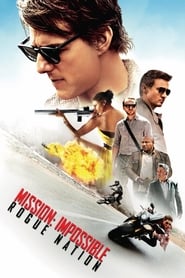
And that was the least of our concerns. The real concerns were debris on the runway. Well, it was a bit of a concern. I didn't say it wasn't a concern. That was just the least of our concerns. There were greater concerns, like a pigeon hitting you in the head. The pigeon, the fumes. Yes, the fumes were not just... From the jet engine. That was horrible. When I came out on the runway to talk to you, and of course he had earplugs in and contact lenses, he couldn't see me, he couldn't hear me, but the...
4:33 · jump to transcript →
-
She was absolutely fabulous, had a great presence. She had a whole beautiful scene with Simon, and unfortunately it didn't make it into the film. Just a story, unfortunately, when you're working on something, story's king. Yes, and Sean Harris lost a big scene, Alec Baldwin lost a big scene. That is not my hand, that's the real Simon Pegg. And again, just a beautiful surprise that the music editors put into the movie, and you just feel so great when you...
25:09 · jump to transcript →
-
-
-
Yes. They're too close. Yes. You know? And the trick of this scene is that while the audience, as you, somebody watching the movie for the first time, you're looking at where is this all headed? You might be figuring it out. You might know that there's a trap. You might know that something is afoot. And we're hiding from you what our real intention is, which is we want you for the first 30 seconds to think that something terrible really happened so that you feel...
14:09 · jump to transcript →
-
And by following Ethan's emotion in these scenes and letting Ethan's emotion dictate the cuts. It pulls you in. Lighting in this is extraordinary. Yeah, lighting is exceptional. It's really great. It's all great cinematography. I loved filming this. We built this roof on a back lot. And this was real. And everybody was saying, you don't need to go on the real thing. We have the back lot shot. I was like, really? Really? Wait till we get there. And you wouldn't have this. And this shot.
1:38:18 · jump to transcript →
-
-
-
director · 1h 34m 1 mention
Scott Stewart, Jason Blum, Brian Kavanaugh-Jones, Peter Gvozdas
-
-

Related topics
Other topics that frequently come up in the same commentaries.