Topics / Writing & development
Structure
92 commentaries in the archive discuss this, with 205 total mentions and 5 sampled passages on this page.
Filter commentaries
Filter this topic by the film's decade or the type of commentary.
Showing 2 of 92 commentaries
Clear filtersBy decade
Across the archive
ranked by mentions · click any passage for the moment in the transcript
-
-
Alan K. Rode
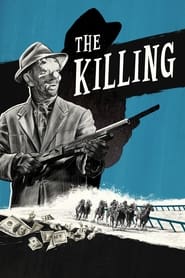
With Hayden in tow, United Artists guaranteed $200,000 to finance the killing, but not a penny more. And of course, their money would come back off the top, just like Marvin Unger's front money in the movie. This scene was shot at the old Hollywood Greyhound bus station at 1409 Vine Street, which is now occupied by a parking structure and a McDonald's.
44:09 · jump to transcript →
-
Alan K. Rode
near Normandy and Exposition Boulevard, close to the Coliseum, to ask for assistance. I don't think Ted's motto is to protect and serve. This overhead shot tracks de Corsia's police car from Grand Street as the car turns north from 3rd, heading towards 2nd Avenue. The main aspect that attracted Kubrick and Harris to adapting Clean Break was the structure of the book with its unique,
51:39 · jump to transcript →
-
Alan K. Rode
non-sequential, non-linear, episodic vignettes to tell the story of the heist. So the killing was filmed copying Lionel White's narrative structure. So everyone was pleased until the film was previewed in Huntington Park.
52:04 · jump to transcript →
-
-
-
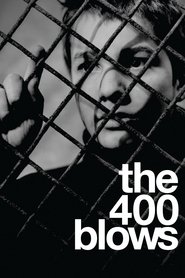
Our interview with Marcel Mousty can be heard later in this commentary. The screenwriter explains why Truffaut requested his collaboration and how he was called on to give structure and memorable dialogue to embody Truffaut's novelistic prose. Philippe de Broca, indicated here as one of Truffaut's assistant directors, would later have a successful career in his own right. He would direct King of Hearts, for instance, in 1966.
2:11 · jump to transcript →
-
The fade to black that indicates a night's passage here helps to accentuate the film's sense of structure and rhythm. That rhythm is strengthened by the now familiar shot of Antoine leaving for school the next morning to the chipper melody of Jean Constantin's original music. The snitch or spy whom we've seen watching the boys before now runs into the Doinel's building.
31:07 · jump to transcript →
-
Related topics
Other topics that frequently come up in the same commentaries.