Topics / Performance
Improvisation
65 commentaries in the archive discuss this, with 154 total mentions and 19 sampled passages on this page.
Filter commentaries
Filter this topic by the film's decade or the type of commentary.
Showing 10 of 65 commentaries
Clear filtersBy decade
Across the archive
ranked by mentions · click any passage for the moment in the transcript
-
-
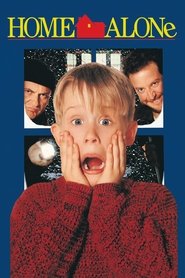
So this, uh.... What's interesting about a lot of this movie is we would always put fake snow down. The foam and stuff. - The foam, and that's really... We had a Wisconsin ski... A bunch of guys who worked for this ski resort in Wisconsin put down snow. But... - That poor statue. Yeah, the statue was a running gag, and this guy... A lot of this movie was made on an extremely small budget. At the time, the picture was at one studio... ...and that studio didn't wanna make the movie, because of a $2-million difference... ...and it went over to Twentieth Century Fox. And we still were... We still made the film for a little above $18 million... ...which at the time was still a small budget. So we had to make things stretch, which we'll talk about through the picture. One of the great things about working with Pesci, I have to say... .IS his improvisational skills were terrific. And it was because of his training with Scorsese that... ...even on a picture like Home Alone, really comes in handy. He's a very funny guy, Joe. - Yeah. And his comedic instincts were really something I'd never seen before. Little snippets in pictures like Raging Bull and Goodfellas. But his ability to improvise was just phenomenal. And then John Heard. I cast John Heard because John Heard was someone I was always a big fan of. He was in this picture... It was called Cutter and Bone. Now it's called Cutter's Way. And his performance should've gotten an Academy Award. I've never seen it. It's Jeff Bridges and John Heard, and he is just amazing in that film. I was a huge fan, and it was always a dream to work with him. He also did this old film called Head Over Heels. And he was kind of a leading man back in his day. He's just a wonderful actor... ...and another guy who didn't really know why he was in this movie. At the time, he was sort of like, "Why am I doing this?" I remember feeling a certain amount of discomfort from him. He was like, "Why do I have to do this? Why am I in this kids' movie?" You know? "I'm a good a--" Understandable. No one really knew what this movie had the potential of becoming. We had always hoped it would be successful, but we never knew. Um.... Pfft. I always knew. You always had an idea. - I always knew. Now, this scene. Do you remember coming in on a Saturday to rehearse this scene? Yeah. - We had to rehearse this because it was so... Which was so chaotic with everybody. We ate so much pizza. I didn't wanna eat lunch. And this is something that was interesting. We... You'll notice that there's a rare shot in the film where... There's your brother. - Yeah, there he is. How are you guys--? He's working now, right? He's doing very well. Oh, yeah. He's doing very good, very well for himself. Un, this is typical of the style of this movie. Not the vomiting, obviously... ...but the separation of actors in certain scenes. Because Macaulay's time was so valuable... ...we needed to shoot Macaulay separately... ...and sometimes other kids as well. So you'll always see... I tried to block sequences where I could sort of keep Macaulay off by himself... ...and keep the other actors in another space... ...so I could shoot people separately. Child labor laws again. - Child labor laws. And we're-- And Kieran had to reshoot the chair in the face, I remember. Oh, yeah. - Like, he had to come back later. He was upset he had to get his hair cut like Fuller again. Oh, he was? - Ha-ha-ha. Well, he-- We made a special, very light rubber chair... ...so when it... - Yeah, that's... Yeah. That's-- I remember that. Catherine O'Hara was someone who I had, uh... ...Just loved her work on Second City TV. - Yeah. I mean, I was, uh... Aside from Saturday Night Live at the time in the '70Os... ...Second City Television was the-- Sort of the place where you learned about comedy. And for me it was... I was just such a huge fan... ...SO It was, again, a real honor... ...to be able to work with her on both of these films. Yeah, no, she's incredible. Even just the stuff she's doing now. She's still--? Oh, it's great. It's great stuff. Both of his kids are still going to school here. I guess he missed the family.... You got a pretty good cast. Yeah, it's kind of interesting for a film that... But we treated it... The weird thing about this film... ...and the reason I think the film has kind of stood the test of time for a lot of kids... ... IS because we always treated it with respect. We never felt that we were making a movie for kids. We were making a movie for the parents as well. It had a lot of appeal. And you never-- You wanted to... You wanted the photography to have a certain elegance about it... ...and the camera to be moving. And it was really never... So many times today, people try to make kids' movies... ...and they always cheapen them. And we never-- I mean, certainly we got cheap with our jokes. Let's not pretend that we didn't. - Ha-ha-ha. Oh, yeah. No, I mean, it's Three Stooges, you know? - Anything for a laugh. I
7:04 · jump to transcript →
-
This is a... You know, this is an interesting scene... ... because, again, the comedy... These two really worked well together. You believe them as a couple... ...and the comic timing is really pretty sweet, I have to say. I remember when I watched a lot of the dailies... ... they would always fool around whenever you... You wouldn't yell, "Cut," and they kind of just... They'd keep going a little bit and do some silly stuff. I think they really-- You know, again, it was a kind of... At times, it was tense being on the set... ...because these actors, who are so good, didn't know why they were there. And on the second one, that eased up completely. Because everyone felt that they had a responsibility... ...because they knew a lot of people would see this movie. Now, here's something I always felt pretty horrible about because... ...particularly once you have your own kids, this is the last thing you want them to do. This was a big worry, I remember. - Oh, yeah. Whether or not this was gonna stay or not. See, no one really ever understood when I'm lining up the sled... . that it doesn't exactly line up with the door. There's people who watch it who actually giggle, I remember... ...saying, "That doesn't line up. How is he gonna do that?" Yeah. You would've smashed into the wall. Yeah. But that was Larry. I remember watching the dailies. That was hilarious. Larry, our stuntman. - Yeah. Stuntman, literally. - He was probably 20... No, maybe he was about 30 back then. - Yeah. And he was your size. - Yeah. He was built like me too. Now, he was amazing. He would do anything. There's one moment coming later when we'll talk about Larry. Where he falls? - Where he falls, and he froze that day. He didn't wanna do it, but Larry had... As most of the stuntmen did in this movie... I don't know if these types of stuntmen exist anymore. Yeah, I know. - Willing to kill themselves for... It's amazing. I have a lot of that, yeah.... ...a lot of memories of these guys doing all kinds of crazy stuff. Oh, yeah. - They were my favorite, the stunt guys. The stunt guys were great. - When you're 9... ...they can do all kinds of neat stuff. - That's true. Ha, ha. Oh, yeah. They were always my best friends. We'll talk about-- A little later, we'll talk about Troy Brown and Leon Delaney... ...the two stuntmen for Joe Pesci and Daniel Stern, who were truly... Truly went above and beyond the call of duty. I haven't spoken to them in years... ...but they probably are still in a great deal of pain... ...because of some of this stuff. Daniel Stern is interesting... ...because Dan Stern was my first choice for this role... ...and the studio didn't wanna pay him at the time. We cast another actor, unfortunately-- This is the only time in my career this happened. and we did a screen test with the other actor and Joe Pesci. And the screen test was flat... ...and the other actor just couldn't really improvise with Joe... ...and you didn't believe him in the role. And I had the-- I had the horrible situation of actually telling the actor... ...I couldn't use him. Basically firing him. Oh, boy. And then the studio then understood. They saw the screen test, and they were willing to hire Danny... ...which was really an amazing working situation for me. He's one of the funniest guys I've met. And he truly was up for anything, as we'll see later in this commentary. I still have that sled in my office.... In my office here in San Francisco. I just saw it before I came over here. Signed by everyone. Signed by everyone. That's really cool. - Yeah. And when I get a little older, and things start not working out in the career... ...1 can sell it. - EBay. Yeah, eBay.
25:39 · jump to transcript →
-
- I love this guy. I love when he says that. It's just, like, a great improvised moment. "I
39:21 · jump to transcript →
-
-
-
Darren Aronofsky
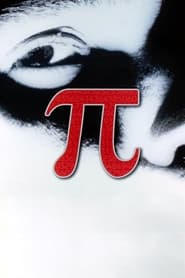
Now we introduce little Jenna. She was created to help create some sympathy for Max Cohen and also to set up his sort of math brilliance. Very quickly with this math problem, we set up his, you know, his incredible skills in math. And the second math problem was actually improvised to have him keep going on .181818.
2:42 · jump to transcript →
-
Darren Aronofsky
One take, I was like, Sean, just keep saying 1-8, 1-8, 1-8, and walk down the stairs the whole way. And when he did it, everyone applauded. It was really great. This shot, the Tai Chi shot, is perhaps my favorite shot in the film. And it was actually improvised. We showed up on set at 8, 9 AM. And there was a bunch of people doing Tai Chi. And I talked to my first AD, Laura Zuckman. I was like, let's shoot it. Let's get them. And they were up for it. So we did it.
3:08 · jump to transcript →
-
Darren Aronofsky
some of my interest in the subject matter in Pi. This was Mark Margolis' improvisation, sticking his pinky into the fishbowl, which I loved. And of course, you know, he improvised, and so we banged him for a close-up.
23:44 · jump to transcript →
-
-
-
Tony Scott
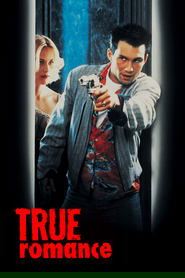
and what you think is improvised and little moments that we see here where chris walken is tying his shoelace um or little smiles or little paws he puts in they were not seen they were i watched him build and construct his character through that scene whilst he's playing off camera to dennis the day before yeah and what i always i always thought with chris so much was improvised and shooting from the hip i realized it was
49:57 · jump to transcript →
-
Tony Scott
Nothing. Forget it. And here we have Brad doing his classic stoner, watching Super Trucks on TV and asking Dick Ritchie when he comes back to bring some cleaning products. That was an improvised line. That was Brad's line. Yeah, so when you bring some cleaning products. That was out of Brad's brain, that line, and it was brilliant. When he said it, I thought, that's great, because that is the character.
1:30:57 · jump to transcript →
-
Tony Scott
the insanity and the ridiculousness of quality of life of these characters. And then all these guys, all the heavies that come through the door, and Brad, for him, after just having a huge hit on his bong, you can't work out whether it's reality or it's the dope talking. But with Brad, Brad did improvise all these little moments here, improvised which, you know, pieces which weren't on the page.
1:37:39 · jump to transcript →
-
-
multi · 1h 54m 3 mentions
Jean-Pierre Jeunet, Hervé Schneid, Alec Gillis, Tom Woodruff Jr. + 5
-
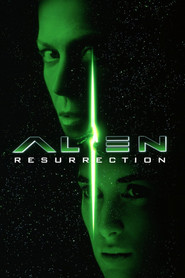
I love this shot because it's a simple effect. The ball is on the hand at the beginning of the shot, we do just a pan, and it works. I remember, Sigourney Weaver didn't believe me. She told me "Jean-Pierre, it doesn't work. It's so silly, so weird." I said "Believe me, I am sure." But I was pretty worried about this shot. And it works. There's a shot that you could claim, Pitof, as a digital shot, except it's real. When she throws that ball? It's amazing. This shot was supposed to be digital. What Jean-Pierre wanted is to make an impossible throw. Sigourney did it for real. This shot is real. Look at that. How many takes? I think it was six takes. - Six takes. Yeah. I was here when we shot that, and I feel in her eyes that something was weird. And she made it. Wow. - I had a little problem with Sigourney. The ball is going out of the frame and then back in the frame. I said "Sigourney, I'll fix that and I'll make a perfect path." So you feel the impression that the ball is always in the frame - like this ass - and... That's a silicone butt that we made. That's my favorite shot. I love this part of the film. And... Tell the story of this shot, Hervé. That's one of the famous Jean-Pierre Jeunet's favorite scenes, where somebody's putting polish on his shoes. When I got the rushes, I said to Jean-Pierre: "Well, you remember you did already that scene before." And you just didn't realize it. You didn't remember. The design of the wheels, something Eric Allard had developed way back, right after Short Circuit. Each wheel, instead of treads, they had ball bearings that would roll independently, so it could turn and maneuver. I think he had it patented, and I think NASA was using the design as well. This is a stupid idea. When you arrive in the States the first thing you see is the TV, because you don't sleep. And what do you see on TV? This kind of show. This miniature was not very big. This was pretty small - three meters diameter. That's nine feet to you non-metric folk. And this - you composited Aliens. Exactly. That's miniature and greenscreen. A very composite shot. Was a lot of passes to have the light and the texture and the depth and the atmosphere. For the alien, obviously, it's man in suit. It's very difficult to shoot an alien with a man inside, because it looks like a man inside. You are obliged to shoot very close. Here's Tom Woodruff. - Here's Tom. You were talking about being on the set. Here's the deal for me: being on set in these suits, it's even more claustrophobic than being on set, because I'm literally... I've got some slots for my eyes and breathing, but there's no real interaction between what I'm doing and anybody else on set, in terms of talking or just getting a break. I can interact with the actors and they can respond during the course of the action, but then, once the shot is over, it's like total isolation. But people love you when you're in the suit, Tom. Brad Dourif was great here. It was creepier for me on my side of the glass than it was for him being on his side watching me. I like Brad Dourif in this film. Yeah, he's twisted. Wonderfully imaginative actor. Brad and that creature were dating for a few months right after they completed this scene. I love what Darius did - the slime. He put a lot of care into shooting these and designing the lighting. He, at times, would almost build a cage of fluorescence around the alien, so that you'd get a million little kicks off of the slime. so that you'd get a million little kicks off of the slime. He kept coming back to us and asking for thicker slime, because the stuff in the other movies was too runny. He wanted a quarter-inch build-up, so we went to a slime that was almost like gel. It really had a different look. It was a pleasure to work with Winona Ryder. I remember, sometimes I tried to direct her, and she told me: "Jean-Pierre, take it easy." "I have a lot of imagination. I'm going to give you some improvisation." Remember, at the editing room, everything worked, all the time. In this scene, Winona was feigning drunkenness so she could slip out. Since she's a robot, she can't be drunk. This is a nice shot with the 10mm. It was a very short corridor and it looks so huge. This is a matte painting from a French guy, Jean-Marie Vives. He worked on Delicatessen and City of Lost Children, too. It's fascinating how there's a hint of City of Lost Children in the look of the sets. That's what I love about style, ultimately it just permeates everything that somebody does. That's a clever idea. That's gotta be Jean-Pierre. Very Jean-Pierre. It's great. This set is pretty high, and we used it again at the end of the film in the chapel. The same set but horizontal. - Really? Yeah. - I didn't know. When Jean-Pierre started the movie, he spoke little English - he always had an interpreter with him - and by the end spoke better English than me. Than I. - You see? That's what I'm talking about. It's amazing, because he didn't speak a word of English when he started. Sigourney Weaver loves to have the director very close to her. She hates when the director is very far away behind the video. It was a very good relationship, because, I remember, after a take she looked at me and it was unnecessary to speak. Just one look and we knew if the take was perfect or not. It was unnecessary to speak about the take - just a look. This is a scene that's almost vaguely erotic between Ripley and Call, the two females discovering each other inside of that tube.
27:46 · jump to transcript →
-
We built a miniature version of the newborn as well that we never photographed. We didn't have the time or the money, I think. There was a lot of hard choices being made. Jean-Pierre's idea for the newborn was that he wanted it to be like a toddler that was curious and prone to tantrums and completely unaware of its own strength. And, like toddlers, eat people's heads. I remember at the beginning we thought about Sigourney inside a cocoon, but when we arrived on set in the morning, she told me "No, it's a mistake. I can't stay in a cocoon. It's a mistake." We had to improvise something. We had to improvise something. It's not easy for a director to change their mind when you have a lot of special effects and these kind of sets. It's pretty difficult. But she was right. We had all these technical words to say in English, which is very difficult for a French actor.
1:38:13 · jump to transcript →
-
The newborn was supposed to be digital, and, again, for budgetary reasons, it was decided Jean-Pierre would have to do everything with the newborn as animatronic. I think it was a problem for him because initially he wanted to have a real chase. He wanted Ripley to be chased down the halls by this thing. The beast was so big, the animatronic. It was a nightmare to shoot the scene when he tries to catch Winona Ryder. I remember I had to improvise, to change my mind, and it wasn't an easy time for me. I cheat on this shot because it's like a point of view of the newborn and it's fake, he is inside.
1:40:42 · jump to transcript →
-
-
-
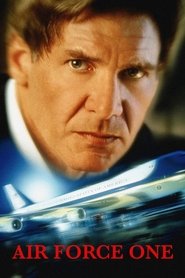
And we shot it various times. Also with Gary, it's always a little different, what I like. And I just like to watch this guy. So I shot it like six or seven times. And I had six or seven totally different versions later on. So he was improvising? Not necessarily the lines, but the way he said it. You see, this is the phone where he just opened this. This is the whole antenna. And so that's the satellite phone. And here, people sometimes thought it's just your usual cellular phone. But it's not. And this is one of the biggest laughs here.
54:32 · jump to transcript →
-
I could have done like a second decision or connected to the bottom. I was thinking at that point you can mix the two movies together. We would like to be on our own here. Yeah, you couldn't use that idea, right? Right, right. This is a scene we improvised on the set. I mean, Andrew Marlowe came all of a sudden and came up with this scene.
1:49:13 · jump to transcript →
-
-
multi · 2h 19m 1 mention
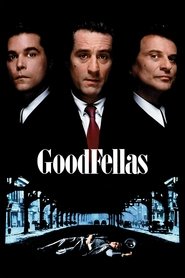
Martin Scorsese, Nicholas Pileggi, Ray Liotta, Lorraine Bracco + 9
-
-
-
director · 1h 31m 1 mention
David Steinberg, Dave Foley, David Higgins, Jay Kogen
-
Related topics
Other topics that frequently come up in the same commentaries.