Topics / Creative decisions
Happy accidents
132 commentaries in the archive discuss this, with 443 total mentions and 72 sampled passages on this page.
Filter commentaries
Filter this topic by the film's decade or the type of commentary.
By decade
Across the archive
ranked by mentions · click any passage for the moment in the transcript
-
-
Roger Moore
This is a lovely Swedish lady who was... I think she was Miss World. Yeah. Yeah, Bond was a lucky fella. Got to work with all these nice ladies.
5:17 · jump to transcript →
-
Roger Moore
I was very lucky when I did a television series, Ivanhoe, and I had a wonderful 17-hand grey called Shane. He was a bit of a camera hog. He'd be galloping across screen and he would go sideways when he saw the camera. But he would always hit his mark. I could always rely on being centre screen because Shane would get me there.
48:22 · jump to transcript →
-
Roger Moore
When we were shooting the Sicilian cross, we had a little problem with controlling traffic until we had a little chat with the chief of police who happened to be Italian. And then all of a sudden we had a lot of motorcycle policemen who were all in Italian. They said, come on the set. And the great thing for us shooting in San Francisco
1:03:32 · jump to transcript →
-
-
-
He was great. He was quite the gentleman about everything. He was a very elegant and wonderful man and a very serious actor. I used to joke that in order to get him to cross the room, I had to tell him a story about when his character was a child. Something had happened to him that now, these years later, he needed to cross the room.
24:56 · jump to transcript →
-
But we had some luck with Oingo Boingo and some of the other groups. Yeah, it's like you were lucky because some other films have had a pretty hellish time with some of the songs they try to get in their movies and always cause problems later on. But yeah, this one kind of lucked out. By the way, I love seeing one of the original Whole Foods shops in here. It's a little... Compared to what it turned into, it's kind of fun.
47:31 · jump to transcript →
-
Yeah, unfortunately, René and David are no longer with us, but, yeah, I think everybody else is. Yeah, no, they were both great gentlemen and very special talents that I was lucky to work with them. I had watched them for a long time. And, I mean, they really are just a huge advantage to this film. They just bring so much, like, I don't want to use the word gravitas, but they kind of just give it this sort of, like,
52:09 · jump to transcript →
-
-
-
Well, you know what's nice about it is it happens rarely, but you meet someone that you play opposite and you like them as a person, really honestly like them. And if you're lucky, you get that on camera, which I think we did here. You sure got it with her. That's why everybody asked me. There's Patrick Labyorteaux. You're good at names, boy. I know Pat, and I've worked with him before and since, so he's one of the ones I do run into.
9:57 · jump to transcript →
-
You actually used judgment. My God, do you realize that if anything had happened to these kids, the lawsuits, you could have bankrupt the entire district. And messed up your chances of being elected to the state assembly. Yes! Now watch your pants. And you did it, too. One shot. I remember that. See, that's having a quarterback in the part. You and I.
26:58 · jump to transcript →
-
to tell the people that the goldfish that were in that tank, we bought dead. That was a dead goldfish. I remember there was talk about that, that dead goldfish just happened to show up like that. We told people, don't throw your dead goldfish away. We're going to use them. So we called every store in the area and said, save your dead goldfish.
43:49 · jump to transcript →
-
-
-
Alexander Payne
need to thank their lucky stars and be very, very grateful that the entire school didn't find out about certain indiscretions that could have ruined their reputations and their chances to win certain elections. And I think certain older people, like you and your colleague, shouldn't be leching after their students, especially when some of them can't even get their own wives pregnant.
56:18 · jump to transcript →
-
Alexander Payne
Looks like today's your lucky day. You're off the hook. Tammy here has confessed. I told you. We like the irony, we meaning Jim Taylor and I, my co-writer, we like the irony that this is set at George Washington Carver High School, but it's a completely white school.
58:38 · jump to transcript →
-
Alexander Payne
set painters. I happened to notice that she made them or they were pointed out to me somehow and I said, oh darn, let's use those in the film. Sora. That's her name. Dear God, thank you for all your blessings. You've given me so many things like good health, nice parents, a nice truck, and what I'm told is a large penis and I'm very grateful.
1:07:32 · jump to transcript →
-
-
-
There's a lot of blood around and there's a kind of madness around as well because she says, did any of it get in your mouth? And it's a warning about how infectious it is. And yet there's a kind of abandonment on her part in terms of, you know, she doesn't try and shield herself from blood the whole time. And I always thought she had that kind of, that had been a decision she'd come to. If she got, if it happened to her, it happened to her. But she wasn't going to, the only way that she could protect her life was being as...
29:46 · jump to transcript →
-
before it started pouring rain, and we would have been forced inside then, in some way. We'd have had to invent a reason to go inside. Something might have happened to me. I had to be alarmed. I couldn't risk it. But with other people... If it's a recording, for all we know, the soldiers who made it a day... But they are beginning to kind of bicker and bind together as a unit, really, in a way, before they know it, because they don't really have a choice. They've got to sort of stick together, really, or they're going to.
42:04 · jump to transcript →
-
That's the one we should have kept, but of course they were south of the river. This was filmed actually in Croydon, and then this is back to the Blackwall Tunnel, which is one of the main routes under the river in London. And we were very lucky to get... The actual tunnel itself is not one of the real tunnels, it's a disused tunnel.
43:30 · jump to transcript →
-
-
-
If you had to design the office of Hannibal Lecter, V.D., what kinds of things were on his desk and on his bookshelf? What curios does he collect? The script suggested some of them. But a great designer like Kristi Zea has a field day with this kind of opportunity. I was very lucky. Once I got the movie officially and I started going after the people who created Silence, I went after Kristi who I'd worked with in Family Man, so I had a prior relationship. I felt I was born to make this movie because ironically, I'd worked with Dante before. Even though he'd done Manhunter, I said, "I'm gonna send you the script. "I know you'll not wanna do it because you've done it before." Dante read it and said, "I want to do this." I said, "Come on, you've done this movie before." He said, "Monet painted the cathedral 13 times, what's the difference? "And this is a totally different movie." I also wanted to help myself with some of the credibility. Get some Academy Award-winning or nominated people aside from Ted who can be a part of this. The script to me, honestly, I'm not saying this 'cause Ted's here, but the script is everything. It allowed me to get the crew that I wanted because of the material, and especially the actors. I basically went after all the actors that everybody said I couldn't get. The first actor I had to get was Anthony Hopkins, and I didn't know this. I thought I was signing on to a Ted Tally script with Anthony Hopkins as Hannibal Lecter. But Dino, after he says, "You got the job, Brett," he said, "Go to New York and convince Anthony Hopkins to do the movie." After having already played the part twice, Tony needed a little bit of coaxing to do it the third time. He wanted to be convinced that he could find something new and different in this.
4:10 · jump to transcript →
-
I went to New York with Dino, and I was very nervous. This was Tony, Anthony Hopkins. The thing I did know and what I was confident about was the type of movie I wanted to make. Like I said, I went in there knowing the tone of the movie, my approach to the movie, how I wanted to not show any of the gore. I didn't want to make a horror film. I wanted to make a film that was psychological, emotional, and smart. That was what was on the page. And the only scene that Tony had a concern with when I sat with him was this scene right here. Tony was concerned that as originally written, his attack on Graham here was too graphic. By the way, it's an interpretation because 10 directors would direct a scene in 10 different ways and show various degrees of violence. It's about showing the details of the guts falling out of his stomach, or the blood, how much blood to show. And I chose to play it mostly on their faces. Once the attack happens... Here's my little homage to Silence. You see the... - I see the bug. You like that. So I chose to play the violence part of this scene on their faces. I love this book. This is an original. My prop guy, Brad, found this original book from France, Larousse... When I read it, I had no idea what the hell it was. It's the bible of cookbooks. - Yes, I learned that quickly. He found this real old French cookbook. There was a lot of dialogue about how do we sell his moment? It's really just a subliminal thing. It wasn't really supposed to be so pointed where it was like, "Oh, sweetbreads." I thought sweetbreads was brains but it's not. It's actually... Thyroid. -... thymus. I learned so much about anatomy on this film. If you work on a Lecter movie, you learn a lot about cooking. I thought Edward was fantastic. There is a tremendous intensity of performances in this movie. And really a dream cast as Brett already said. If you could have anybody in the world for these parts and be lucky enough to get them. It's pretty much what happened to us. Great actors want to play good characters. They want to play great characters and all of these characters, down to Freddy Lounds, and other smaller roles, were just written so well. They were interesting and dynamic. And these actors were interested in playing this. To convince these actors to do a third in the series, all that went out the window when they read the script. Certainly once they started working. There's our cold opening. I'm very proud of this title sequence because it was actually done two days before we had to lock picture. My editor, Mark Helfrich actually was the brainchild behind this because... You re-shot the journal here in a very interesting way. Initially, this was done in a much more straightforward way with the images very flat against the screen. Yes, a lot of times. Mark is kind of... Everybody on my team, from my AD to my production designer, are filmmakers. Mark is a filmmaker in his own right and he just understands the visuals and storytelling. I love how, you know... But this was written. - Yes, it was. But the way that the camera roams over these pages and when we go in very close and it gets grainy, the camera movement left to right, up and down, is all not scripted, of course. This is something I don't really have the patience for. Mark kind of took this book that he was fascinated by. I think he has a copy of it in his closet at home. He just knew every page, every frame and went with Dante and literally just shot. This is a wonderful opportunity. This kind of title sequence is sort of old-fashioned in a way. But it's a wonderful opportunity for a screenwriter to get information in quickly to cover a lot of ground between the arrest of Lecter and where we are when the movie is going to start. Covering a period of several years, you are doing that without any dialogue just by these images. It's a very useful shorthand. Danny did the same thing that Ted did with the script in this sequence that Mark did with the visuals in this sequence. Danny did the same thing with the music. I think the music here is so fantastic. It's very much like a Bernard Hermann score, which I knew was a big inspiration for Danny. Danny is a big fan of Bernard, and this was his chance. He's done darker scores, but they've had a kind of lightness, or comedic darkness to it. Danny did something here that kind of made people's skin crawl in the theater, like, "You're in for it. "If you're gonna sit through this movie, you'll experience some stuff. "Shit's gonna go down."
6:02 · jump to transcript →
-
It's hard to pull off this stunt with rising excitement, meanwhile. I'm amazed by him in this scene. It is a very hard thing to pull off. This is an example of a scene that my editor, Mark, was particular about, collaborating with me and telling me, "Brett, how are you gonna pull this off?" I said, "I don't know, I'll just shoot it." He had me bring Edward to the edit room and took a video camera and shot the scene for me, before showing the way it might intercut since there are devices in here which are the flashes, and you've seen it in hundreds of films and I didn't want it to be false. He said, "I have an idea of how to do this." He shot the scene for me before I shot it. It was a great reference. We adjusted and tweaked things, but this is all protecting the cliché. You can see the power that editing brings to a sequence like this. It startles you and moves the story forward in a way that the story is always a leap or two ahead of the audience. And pulling them along behind it. That's a function of great editing. It is important here because once the audience is ahead of you, you're in trouble, they are sleeping. It's the same thing on The Silence of the Lambs, I used to worry that we were cutting so many tiny beats that the audience would be confused. And Jonathan Demme said, "Better if they're confused "for five minutes than bored for five seconds." And this film is very tightly edited. Gentlemen. Ladies. This is what the subject's teeth look like. The impressions came from bite marks on Mrs. Leeds. This degree of crookedness... Here we... Where was this? - This was shot in LA. This is shot in LA in a government building that the city gave us. Here's Bill Duke. - He's one of my favorite actors. Again, an example of the meticulousness that Brett brings to casting. These wonderful actors who could be the stars of their own movies, who are playing supporting parts in this. I literally called them and begged them to be in the movie. I love actors. I love great actors. I spend as much time on the smaller roles as I do on the bigger roles. It's important because an actor who has one line can take you out of the movie and hurt it in my opinion. It goes back to the whole question of tone. A single wrong note will make an audience self-conscious, and pull them out of the movie. This film is the opposite of any of the films I've ever done. Family Man, that had dramatic moments, was still a comedy. So you can go farther with realism, but this especially, when it's dealing with the FBI, forensics, and scientific... -[t has to be grounded in reality. - Very grounded. In order for the audience to accept the extravagant parts of the movie, the more baroque characters in the movie like Dolarhyde and Lecter, scenes like this have to be very credibly rooted in police reality, in procedural reality. Would you give that up? The other thing also is, when we're talking about the tone, the choice... I was thinking about It, why I really chose not to show, not only because of Silence, because even Silence might've shown more violence than this film. Really, because the only scene we have is the biting of the lips. We certainly tried to hold it down. But I think the reason was because when I went to the FBI at Quantico and started looking at all these visuals of serial killers' work, it was so disturbing to me. It really bothered me. I said, "Why do I want to do this to audiences? "It'll completely turn them off." As with Silence, what you really want to do with this movie is a detective story. You really want to do a psychological thriller, a detective story. You're not trying to make a horror movie at all. Sometimes they're referred to as horror movies. I've never understood that. To me, these are thrillers, detective movies. In this scene, Harvey's Jewishness really comes out. "You're the light of my life." He sounds like my grandmother. I love that line. I can't answer more questions. Here's Philip Seymour Hoffman, a great actor. Who we should not have been lucky enough to get for this small part. Yeah. He actually wanted to play Dolarhyde, and I wanted Ralph to do it. I had dinner with him, and then called them back a week later. He wanted to play Dolarhyde, and his schedule wouldn't let him do a bigger part anyway. And then I called him and said, "I think you should do Freddy Lounds." He said, "Let me read it again." Then he called and said, "I'll do it." He would've been good as Dolarhyde, in a different way. He would've been amazing. - I mean, a great actor is a chameleon. Remember? With the tubes hanging out of me? Forget that prick. This was a very difficult scene, too. This was difficult because... And this was a scene where Edward had a Iot of input as we were revising the script before we shot. Edward said, "This is a difficult transition for this character to make." Here he's out of the loop, he doesn't want to be involved in the investigation. He's sort of done a favor for his friend and mentor, Jack Crawford, but he doesn't want to get deeper into this 'cause of psychological and physical scars. Because of his commitment to his family, he doesn't want to do this. Now he has to do the most difficult thing he could possibly do, which is to confront Lecter again. There was a lot of back-and-forth and a lot of revision, and a lot of talk about how we might credibly motivate this transition in the story. Edward was actually very helpful here with his thoughts. I think it works. Because it's not the cliché of the guy jumping back... Getting back on the horse and showing off. I'm proud of how it turned out. Again, it was really Mark's editing of the scene. It's also Harvey's matter-of-fact performance here. It could, potentially, have been a real glitch in the story. Where the audience says, "He wouldn't go back to see Lecter again. "He's scared to death of Lecter."
21:36 · jump to transcript →
-
-
-
Nick Pinkerton
Sidekick to Wild Bill Elliott's character Wild Bill Hickok through 13 film westerns. Then in the same role, sidekick to Tex Ritter, Russell "Lucky" Hayden, Charles Starrett, the Durango Kid, and Jimmy Wakely. More recently, he'd shown up as a member of the Sam Peckinpah Stock Company.
14:16 · jump to transcript →
-
Nick Pinkerton
Fox Farm Road, Great Falls, Montana. What the hell happened to it? Lightfoot asks of the one-room schoolhouse with the fortune stashed inside, and Thunderbolt's response, given with a detectable sneer, is progress.
43:18 · jump to transcript →
-
Nick Pinkerton
but about 60 pages in got a piece of news that he was going to get his first opportunity to direct his own script for the film that would be 1973's Dillinger, starring Warren Oates, released through American International Pictures. So Milius was off, and Eastwood needed someone to finish the job on Magnum Force, and who happened to be hanging around at the moment but Michael Cimino. And so Cimino...
47:08 · jump to transcript →
-
-
director · 1h 28m 4 mentions
Don Coscarelli, A. Michael Baldwin, Angus Scrimm, Bill Thornbury
-
Sort of worked it into the film. What happened to this car? This car, that's a good question. Didn't you own it for, you had it for a while and drove it around, didn't you? Yeah, then Dave had it for, Dave Brown, the art director, wound up with it. And then, you know, there were some articles in the newspaper, I mean, in the car magazines about this car. And, you know, there have been numerous sightings around the country, supposedly, of this car. Occasionally, I'd say every...
11:31 · jump to transcript →
-
There was a stop sign right in the shot that destroyed the composition, but Roberto Quezada, our visual consultant, got in the van and just happened to accelerate in the wrong direction. And the composition was perfect after that. Creative independent filmmaking. Yes.
31:28 · jump to transcript →
-
almost a student type production I got my father to be the sole investor in the film but we were lucky enough to get Universal Pictures to pick that up. Based on that success he was actually able to get a couple of his friends interested in investing in another film and this one was called Kenny and Company which 20th Century Fox released in 1976. Mike Baldwin was the star of that film.
41:04 · jump to transcript →
-
-
-
Paul Davis
Yes, Doctor. No surprise. The brilliant John Woodvine. What exactly did he call out? He said, Jack. That would be Jack Goodman, the boy who was killed. What happened to them? The police report said they were attacked by an escaped lunatic. One of the things John Woodvine was very quick to tell me while we were making the documentary was that John Landis' directing methods were unlike anything that he'd...
18:38 · jump to transcript →
-
Paul Davis
And that's when references are done right, I believe. I'm torn between feeling very sorry for you and finding you terribly attractive. So this is back to day one of filming when they were up on Hay Bluff. Dr. Hirsch is going to do some investigating into what happened to the two boys.
47:19 · jump to transcript →
-
Paul Davis
to him to revisit it but then he had this idea of Debbie Klein who is the character that the two boys are talking about at the beginning of the movie she was now a literal agent and comes to London to work but on the side she's investigating what actually happened to Jack and David and she tracks down Alex who is now a recluse and lives with Dr. Hirsch who
50:58 · jump to transcript →
-
-
-
The only thing he can see for himself to do is to rid himself of everything he cares about so that he's reduced to that nihilistic state in which there is no meaning in his life. And then he's that dangerous guy. Which is what he was when we meet him in the very beginning. Right. And which is what he was in prison. It was made him dangerous in prison. He didn't give a shit about what happened to himself. Well, that's... He didn't have anybody else. That would be coming up and is made, I think, hopefully very clear in that scene in the diner with Tuesday. Here's Tuesday.
31:44 · jump to transcript →
-
right dead in the center would, if you drilled it, that would be. And the reason that Richmond-Lockett's were so valuable is that they would hand make them and they would place these drops or fences, whatever you want to call them. They'd place a lockbox in a different place and each individual safe. So you couldn't just, you'd be there all day, you didn't have to make 3,000 holes to get lucky. So that's what this scene is about, getting a tool to cut a door and walk in.
50:50 · jump to transcript →
-
You're lucky you got such a nice baby, huh? Thank you. Thank you very much. Can you warm this up? No problem. What is his name, huh? No name. Not yet. So, here we are. Are you okay?
1:10:18 · jump to transcript →
-
-
-
Peter Greenaway
The front of the house that faces west... We were very lucky to find a Jacobean country house, which already would have been at least 60 or 70 years old in 1694, at a place called Groombridge in Kent. The layout of the house, the original fabric, probably made in the 1650s, maybe even earlier, certainly still exists right at the time of filming in the early 1980s.
16:46 · jump to transcript →
-
Peter Greenaway
on a contract exactly like her mother's, so that another 12 drawings are now ordered to be manufactured for the house, but this time it's the woman who demands sexual satisfaction from the man. The man himself, of course, could consider himself lucky. He now has 24 sexual liaisons with these two interesting women of the house in order for him to complete his job as a draftsman.
52:42 · jump to transcript →
-
Peter Greenaway
to provide either the old woman or the younger woman with an heir who will be completely in their control so that they can continue to live and prosper in the same estate. The draftsman now finds himself to be either in the lucky or the unlucky position.
53:41 · jump to transcript →
-
-
-
I'm Frank Morriss. I'm the editor. Lucky enough to be the editor of this movie. It's a very interesting picture because though a lot of people... ...thought it was science fiction... ...we always looked at it as science fact. And so the message here is mostly true. And many of the things that are not quite true... ...were not quite true at the time... ...such things that we'll run into as "whisper mode" and so on. And yet, a lot of these innovative things... ...weren't actually happening at the time. Reiss. Maloney. The Los Angeles helicopter squad... ...is one of the best in the country... ...and it's the only way that they're able to cover this huge area of Los Angeles. They're up in the air almost 20 hours a day. Where we're shooting right here is a brand-new facility... ...that they had not moved into, and they let us use it.
0:11 · jump to transcript →
-
We were very lucky to have what was the last performance... ...from Warren Oates, who's on the right of Roy Scheider. And then a very young Daniel Stern here, who's, you know... ...a wonderful comic influence.
2:05 · jump to transcript →
-
Photographing this helicopter at night was a serious challenge. Because the normal way that they had done it... ...was to have another helicopter fly along... ...and spread light all over the chopper. But it looked just terrible, you know. It looked all lit up and phoney. And Alonzo came up with the idea-- He said: "I'm gonna make this helicopter light itself." I said, "What did you mean?" And he said, "I'm gonna put lights all over it that are hidden... ...and wherever it goes, it will have light on it." So he and his electricians built lights that are... ...hidden along the bottom of the skids of the helicopter. They're hidden up in the tail, all over the place. Just little tiny guys spreading light along the body of the helicopter... ...so you could see it against the real night sky. And it took them a long time to develop it. And they would keep coming back with test footage... ...where I'd say, "Oh, this looks very nice. When do we get to see the helicopter?" And they'd say, "Well, it's right in the middle of the frame." But it was so pitch black. Because we had to make a helicopter... ...that was, like, midnight blue. And, of course, that was terrible. The only thing worse than that... ...would have been if it were painted black. Then we never would have seen it at all. Well, we're actually very lucky, because right now... ...we've just been joined in this session... ...by an absolute genius in the area of special effects. Hoyt, would you introduce yourself?
56:36 · jump to transcript →
-
-
director · 1h 31m 4 mentions
Alex Cox, Michael Nesmith, Victoria Thomas, Sy Richardson + 2
-
That's happened to me like I can't remember how many times. I didn't know there were that many kings of Sweden. Well, you should never insult anybody unintentionally. Who's this woman? She's an English lady. Well, yes. Her name is Helen. Helen Markham? No, no, no, no, no, no. No? She's great. She's also, you can see she's impromptu here. She's totally ad-libbing. You might be right. She might be, huh?
27:06 · jump to transcript →
-
And if you look real closely, there I am over to the side, bawling to Vicki about... It was actually that night. But you know, that's a really nice shot too, just that nice two shot there, and the wide shot also when it goes wide is really nice. We were very lucky, we were extremely lucky that we got Robby Müller, because at that time he hadn't shot, I think he'd shot one other American film, hadn't he? If that, that was it. And we were shocked when he called. He said he'd do it, yeah.
34:01 · jump to transcript →
-
You're awful, Del. This is all before Arnold Schwarzenegger, Hasta La Vista, and that kind of stuff. Another first. So what I want to know is what's happened to Kevin? Well, I believe what you told me, Al, was that...
1:19:24 · jump to transcript →
-
-
-
Michael Mann
The way they may approach a woman has to do with something that happened to them when they were 16 or is a function of a particularly adverse environment they may have lived in in their early 20s or some bad prehistory as a child. The way all these things are to connect inside all of us is of course true playing a Hawkeye. So it's only an artist like Daniel who immerses that totally in it that makes Hawkeye
20:00 · jump to transcript →
-
Michael Mann
in a way that has the potential of being mythic and enduring and standing the test of time. And I think Daniel's work as Hawkeye does stand the test of time, and it's not by accident. We became lifelong friends during the making of this picture and still are. He is one of the most pleasant and unique people and of a very high standard and a very high personal caliber and high integrity around.
20:28 · jump to transcript →
-
Michael Mann
I thought all our colonial scouts were in the militia. The militia is fighting the French in the north. I ain't your scout. You sure ain't in no damn militia. Going back to Cora, the frontier is going to present itself to her in circumstances such as this massacre that happened to the Camerons. And doing that is going to cause her to confront
24:09 · jump to transcript →
-
-
multi · 2h 12m 4 mentions
Andrew Sarris, James Ellroy, Brian Helgeland, Michael Nathanson + 10
-
Funnily enough, ironically, just as I got cast, just as I was told that I got the role in the film, I came back to Australia and Ellroy happened to be doing a world tour and he happened to be coming to Melbourne. And he was doing one of his sort of one-man, you know, he does like a one-man show where he reads from some of his books and there's actually a band and he performs stuff. It's a really interesting show. So he was at a theatre in St Kilda and I went along and I'm sort of sitting at the back and at the end of his show,
18:35 · jump to transcript →
-
We found it, and we were very lucky. We managed to find it. This election
1:07:31 · jump to transcript →
-
There was, what happened that went wrong? That's right, I have to jump up on a, I jump up on a sort of deck by a window to shoot out the window. And I, as I jumped up onto the deck, I sort of gripped with my hand, the wrong hand and fired three shots off in the actual, in the motel. So lucky it was, there were blanks and not real bullets. I don't think I killed anyone. It was really well orchestrated obviously from a stunt point of view and
1:59:00 · jump to transcript →
-
-
-
This, we'd already picked a courtyard in Marrakesh for the jail scene. And on our way back to the hotel, we pulled up to somebody who needed to buy some stamps or something. I happened to look down an alley and saw this thing. So that's how we found this courtyard.
19:15 · jump to transcript →
-
It turned out well. It rained the entire summer in London. Every single day we were there, except this day. This is incredibly lucky. Although in Brendan's close-ups, you can actually see the sky clouding up a little bit. All the rest of this is in fairly good light, and his close-ups are a little bit overcast.
24:15 · jump to transcript →
-
The part where the mummy comes back to life, that's based on a true story, right? That happened to me when I was younger, yes. I love the photography in this scene. You really, well, you feel like you're there. Torch lit. Creepy. Although, before we added sound effects, it sounded like they were walking on...
41:51 · jump to transcript →
-
-
director · 2h 10m 4 mentions
Richard Curtis, Hugh Grant, Bill Nighy, Thomas Sangster
-
It was one of those lucky moments where an actor didn't absolutely stick to their guns and finally she just did it. Now, Hugh, this was... This was a... This is the scene I look forward to more than any. We had some fights over this. Hugh wouldn't rehearse, wanted not to do it. I thought it was funny on paper but un-actable. I don't know. Take a look. Wow. Did you think about doing it in time, or did you think, "No, why?" - I say I did do it in time and you edited it wrong. - We moved the music. Yes. Oh, it's brilliant. - l'm in time there. Yeah. Yeah, yeah, yeah! Oh, no. - This is in time. This is brilliant! Well done. That bit's not, I grant you. And the disaster here was that you mimed, "I'll take you down." So we've had to totally cut a minute and a half out of the song in order to get there. It was a disaster on the day. Oh, God. - Was there supposed to be more? Well, no, we just let the song run, but we then had no choice how long the song had to be. - It's brilliant. This is almost my favorite scene just in terms of how pretty it is.
45:31 · jump to transcript →
-
I'm very lucky I've got one of those constitutions where I never put on weight. Hello. This scene, which isn't in the extras in the DVD, originally, when he answered the phone, he spoke to Heike, who was his ex-girlfriend. But we cut that whole thing and then we gave him the different girlfriend at the beginning. Really? - Yeah. It just shows you that movies are just... Why is Heike no longer his ex-girlfriend? - ...things in shots and patches. I think because it actually made this next scene, when he gets a crush on Lucia, made it like he was damaged rather than actually falling in love. It made it seem more compensatory. There was such a huge wind machine behind them. The sound here was So... All these lines had to be dubbed. Stop! Stop.
47:00 · jump to transcript →
-
This is a good bit, I grant you. A happy accident. Happy accident or directed? I think happy accident. Thomas, if you have to grow up to be one of those actors, Hugh or Colin, whose career do you think you'd prefer to pursue? -/ don't know. - Just say Hugh, Thomas. Just say it. Just say it. "He's bad," and we can all move on.
51:18 · jump to transcript →
-
-
-
Hey, there's our writing credit. Look at that. I'm first. And here we've got a little extra bit of nudity, courtesy of Kyle Cooper and Prologue. That was not in the theatrical release. I guess we should talk about the directing credit. Sure. Why don't we talk about the directing credit? It says that Jeff Schaffer is the director, and I guess there's a little history behind this. The three of us wrote the movie and we wanted to have a three-person directing credit. So we went to the Directors Guild of America and we asked if we could have a three-man directing credit, and they have a lot of reasons why they said no. So ultimately we had to pick one of us who would receive that directing credit. And actually, on this DVD, there's a special feature called "How to Pick a Director" that shows exactly how we decided to choose who... A historical video document, if you will. No one should be listening right now because everyone is looking at the wonderful and talented Kristin Kreuk who did us an enormous favor and flew out for a part in the movie, and she was excellent and just the sweetest woman. She flew out to Prague where this was filmed, and actually, as we go through the movie, only two days of the entire filming schedule... we shot 54 days... only two days were shot outside of Prague and its surrounding areas. This was shot at the international school, which is, I guess, a bunch of foreign diplomats' kids going to school outside of Prague. And that's our friend Jeffrey Tambor, who we worked with on The Grinch who, lucky enough, was in town shooting Hellboy and we were able to steal him for a day to be Scotty's dad. Yeah, we were actually... we were location-scouting at a hotel and he was staying there. - That's right. He was staying at the hotel and just came out of the elevator. Sort of, "What are you doing here?" "What are you doing here?" "Will you be in our movie?" "Yes." And so that's how we... A lot of the familiar faces that you see were either in Prague or on their way from somewhere that they could sort of be taken out of the sky and put in Prague. It was not easy. Kristin did us a giant favor, Kristin Kreuk, by flying... I think she was shooting Smallville in Vancouver and we flew her from Vancouver to Prague. It was hard to get people to fly because SARS was sort of at its peak. It was an amazing time. The Iraqi war had started and then SARS was going on. So it was very tough to convince people, "Hey, come to Europe where they're protesting and fly on a 14-hour flight with people coughing." On a plane that just turned around in Hong Kong.
2:46 · jump to transcript →
-
The other thing I was gonna mention... We're constantly behind in the mentioning. Part of the reason we ended up in Prague and actually ended up with Allan was because of Neno. - Yeah. Neno Pecur, who was Croatian. We hired him as an art director to scout Prague and to scout the real European locales before we knew we were going to Prague. Basically, he would go to Paris and go, "This is what it really does look like." Then he went to Prague and said, "We could do something like this here." And from his pictures, we used some of his actual locations that he took photos of and made the decision to go to Prague. And then Neno has worked with Allan for many years as his art director, and he helped us get Allan. The two of them, their team... They brought Bill... Cimino. Our set decorator. - Cimino. That's right. Just fantastic and along with the guys from Prague. I think it's now time to mention, though, at the robot scene, which was the first time... We've been writers for a long time and you sort of go, "Look, I think we know what this is gonna be. This is gonna be really funny. It's gonna be a slow-motion kung fu fight scene between two people being robots." You write it and it seems funny. There's the old joke about the writer writes "Rome burns," and the director has to realize that. We were on the spot here because it was easy when we wrote it to just hand it off, but now we handed it off to ourselves. Actually, this is one of the things... - At one point, we cut this, actually. At one point... - We cut it from the script. We talked about cutting it. We were afraid we didn't know how to realize it. We just were like, "What is this? This could be bad." Left it in for a table read. - We left it in for the table read. And it got such huge laughs at the table read that we realized, "We gotta at least try and shoot it." We then initiated a worldwide search for a robot man. This is J.P. Manoux, who's an incredibly talented actor. We found him here in Los Angeles. Yeah. We looked at all these mimes... We looked at real French guys. - ...weird acrobats, and French guys whatever, and, of course, a guy from LA who was actually a friend of a friend and was in the Groundlings, of course, ended up being a really good guy. He is just outstanding. - And he came in with this ability... I mean, a lot of what you're seeing, like him laughing and just his attitude as a French guy, was in his audition. We were also very lucky that Scott... - Scott, exactly. ...knew how to robot. I guess Scott grew up watching Shields and Yarnell... No, no. J.P. - Was that J.P.? Scott had an acting teacher... - Who was in the Barney costume. Yeah. - Okay. And we went there on a Saturday to basically work it out. And we had blocked off an entire Saturday. We choreographed the fight with little bits of Enter the Dragon and some Matrix in about... Twenty minutes. - Yeah, like, 20 minutes. And the first time we did it in Our crazy wide shot... because we knew to get a master... the crew laughed, and we were like, "Oh, okay." It was also-- This was pretty early in the schedule. And I think it was maybe the first time the crew thought, "Okay, these guys actually know what they're doing." Like, "This is something we haven't seen." Wrongly, but they thought that. - But they assumed it.
29:59 · jump to transcript →
-
We're in the French restaurant. You cannot tell by looking at everybody, but it is over 100 degrees in there. They turned off the air conditioning at this restaurant. No one told them to, but they thought they would help us by turning off the air conditioning. And the kids are just sweating. I mean, you can't even... If a take went wrong, we'd have to stop. You couldn't just keep rolling because they're dripping. And we actually had a guy, this poor English actor that we cast, who was actually really funny, who came in and was so hot and sweating so badly that he just couldn't focus. It's in the deleted scenes. You'll see some very funny scenes with a French waiter and some funny French waiter flashbacks. We just had to cut it, 'cause it wasn't... Featuring Jim Morrison and General Patton. The other thing... It'll come up again later, but them putting the food down leads to the food map joke, which will be coming. I'll tell that story later. It's good to-- We'll earmark it. - A little preview. This is the main Prague train station. And our production... - Again Allan and... Allan and Neno dressed it, so that people actually got off the train, a couple of people, and thought they were in Paris 'cause they saw the signs and they were very weirded out 'cause they had gotten on a train in, like, Hungary somewhere and they thought they were in Paris mistakenly. Michelle being a fantastic sport. The first of many indignities that she was forced to suffer. And Coca-Cola being a great sport. This is what shooting in a train station is about. Another one of these, "We are idiots, we don't know, so we'll set a scene in a train station." If you notice in the background... This is a game Alec likes to play: train, no train. Okay. This is my little game in this scene. Behind him, green train. That train is gone in the next shot. - Okay. No train. But who cares about the train, I mean... Train. - Again, the lesson learned... It's my game, I'll play it. - I know, but look at these backgrounds. No train. - These great, deep backgrounds. We are in a train station in Europe. We are not in Vancouver. No train. Train. - Michelle's scream turn is one that... She's just... - She did it fantastically. Different train. - We caught that attitude a little bit from our own little Seinfeld experience. It's what we like to call a Julia Louis-Dreyfus, Elaine move. The sort of being sweet, screaming and then going back to sweet. And Buffy was a hilarious show. - Can't say enough about Michelle. And I don't know if Michelle always got a chance... You know, she was sort of a supporting character on that show. And on this, she got to really shine with her comedy. Anyway, here's the maps. What I wanted to say is this is a Raiders of the Lost Ark map parody, which is a joke that is about, I don't know, ten years old. It's something we wanted to do a million years ago and again something we saved. There's the Jackie Collins book again. And the headline, "Merde Alors! L'Hooligan! I actually-- I don't know if I even told you guys this, but I was at an Iron Maiden concert about six months ago and I saw a guy wearing that Deep South Monster Truck 1987 shirt. Was that guy you? - Or whatever it is-- Rally '79. No, it wasn't me, but I envied him. Fred Armisen. - As what we... In the script, he's called the Creepy Italian Guy. Not, as some people wrote down in the test screenings, the Train Homo. We actually call him Creepy Italian Guy. And, again, just production-wise, we're shooting on a moving train here, which is yet another of our naive mistakes. - Do not shoot on a moving train. We thought, "Just put them on a train. It'll be easy." Just the most cramped quarters, limited angles. We actually shot this one scene in three different compartments. We had a compartment where we could look one way, a compartment where we could look another way... We pulled out walls so we could shoot different ways. And then we had one compartment where we were shooting in, one that we were shooting out. It was madness. - Plus... Fred, by the way, is just so funny in this. We, last minute... - We also... I'm sorry. I do wanna say that we also then shot it both moving and then did other shots not moving so that we could do the light effects of the tunnel. Which is a poor man's process, because there's no tunnel. This is obviously on a moving train. - 'Cause you can see the window. And then when we do the shots where it goes from light to dark or from dark to light, we pulled the train inside a barn and blacked it all out and then did the lighting effect by hand. So, the Creepy Italian Guy, Fred Armisen from Saturday Night Live... This was another thing where we originally went into this thinking we will find a genuine Italian guy. And, again, we searched the world for a real Italian guy. A lot of Europeans are not funny. They just didn't get the joke. - It's a language problem. They were simply performing the words of the script, but didn't necessarily have any idea what they actually meant. And Fred is someone who's just fantastic on SNL. That little shrug is awesome. So, that shot, for instance, is inside. I think we hired him... - And that's inside. We hired him on a Sunday and he was out there on Tuesday. Yeah. - So, really amazing. And, again, these are all these little touches that he added. I think Travis, who plays Jamie, is fantastic with him. They were a great pair. This was something we never landed on. - I don't think we ever got this right. We had a bunch of different things we shot for this darkness sequence. We had a lot of flashing lights and weird little things of Fred in various stages of undress. - What was going on in the dark. In the end, it was just undercutting... - This end reveal. Which, again... - And, I think, for the unrated version, we put this back. For the theatrical release, we kind of cut right here somewhere. No, exactly. - And then, for this one, we decided to let it roll. - This is something we just enjoyed. It's just that a guy with no pants sees more people and goes in. Actually, that's where we're sitting. That's the compartment where we are sitting with the monitor. To do it all over again, one thing that might've been enjoyable was had we come running out of the compartment. Just, the idea that the man with no pants... This is the very first thing we shot. - First shot ever. It's actually an interesting way to see our cast. The train revealing our cast and us seeing them for the first time. It was a neat experience. - A horrible-looking little train station. The first time we visited it was in winter and just looked awful. And, again, Allan and his guys just came in there... And I think, actually, the manager of the train station asked them to leave everything. Left it all, those flower boxes and the shutters, and just turning it into this beautiful, little French countryside place. That was always a fun shot, where he lays down and jumps back into it. You know, and again, day one, we must've done 30 takes on everything on day one. One of the things about comedy... - We also shot close-ups of everything. Every angle. Everything. - This is more toward the end. This is one of the two days we shot outside of Prague. This is not a great example, because this is more towards the end, but I also think we screwed up here. That's the thing, you look back... - We did it all in one shot. Which I think is the way to do this. We did do it all in one shot, but... One of the things, I think... When I look back at the movie, a lot of our starts of scenes, I find we... Definitely something we were never thinking enough about. So that you're kind of going, "We're going to this beach." And then they're just sort of walking. And maybe had we come off a sign... - That was one of my favorite things. Definitely a fun joke. - Also, it was freezing. You can see Scott... - It's freezing. The gray sky. Wish we'd gone in and maybe colored the sky blue a little more. 'Cause the sun does come out. But just something that maybe... If the camera had moved or something to kind of say "beach," as opposed to that weird stock shot of nothing and then this. And this scene seems to get a lot of people in an uproar. Everyone sort of sees it-- and people... There we are. - Right. This is one of the two days we shot outside of Prague. This is in Rostock, in former East Germany. This was apparently one of Hitler's favorite beach resorts. It's very close to where Wernher von Braun used to develop the V-2 rocket. Wall of cock. - Speaking of V-2 rockets... Everyone seems to laugh at this scene and also go... It is everyone's favorite and least favorite. In all the test screenings we did, it was the most favorite scene and also the least favorite scene. And I think a lot of it had to do with... There were a lot of, like, 18, 19-year-old guys who felt obliged to put it down because they needed to state that they weren't gay. We originally started off shooting it with sort of an idea towards an Austin Powers kind of a thing. You know, you could even see a couple of guys with ridiculously long cameras and stuff trying to cover penises. - Kind of strategically... And once we were there, it just looked dumb and we realized, to some extent... I mean, to us, the only rule is ever: "What's the funniest thing?" And, ultimately, 50 penises was the funniest thing. Everyone goes, "How did you get those guys to take their clothes off?" It's like, "This is Germany. We showed up with a camera. They were already naked." The most surprised people on the set were those 50 naked German guys when they found out they got paid. It was really weird. Like, we'd take a ten-minute break and usually if there's any nudity on an American set, people dive into their robes. These guys were just letting it hang out. If these guys could've taken more clothing off, they would've. We had this amazing German AD that day. Andreas. - Andreas. Who just yelled at them and yelled at their penises. By the way, Michelle, who was very nervous about the bikini scene, couldn't look more beautiful. She was, you know, "The bikini scene, the bikini scene." And it was sort of this big thing in her mind, which... She was nervous about it for no reason 'cause she... But I think also David went out of his way to make her feel comfortable, and also to light her beautifully. Also, again, this was very near the end of the shoot. And I think there was more of a comfort level with the crew, too, and the main camera team. The comfort level was bothered a lot by the fact that Jacob, once he took his pants off for that first naked shot, wouldn't put them back on 'cause he knew it bothered everybody. I think he really enjoyed how nervous he made everyone. And poor Eggby. Poor Eggby had to go up there with the light meter. That guy-- There was a lot of protest, a lot of discussion about the old man yelling, "Chica, chica." Which... For whatever reason, it's one of our favorite things. You get a shot of him. There he is again. "Chica, chica." Which always gets a nice rise out of the crowd. This is the most beautiful shot in the movie. Not shot by us. Shot by... - Gary Wordham. ...Gary Wordham and his unit, his second unit. And it's just absolutely beautiful. And here we are on another train. But, again, we are... Because it's a night shot, we are faking this. It's a poor man's process. Occasional lights moving on the side. Because we could not do a moving train at night. So, we are inside for all of this. SO, this is, like, our fourth version of a train car. And, originally, there was... You'll see in the original script. There was another train in the deleted scene. There was another train scene of them running onto a train. This had happened earlier. It was just too many train scenes and the movie just not moving. That, again, was another one of the lessons we learned. As a writer and then a director, there are lots of things on the page that are really funny, but sometimes, when you're actually then watching the movie, "Why are they still in Paris? Why is it taking so long? Why have they not gotten to the next place?" There were too many train scenes. That one flew out, this one was in. Even if the individual scenes are funny, sometimes the cumulative effect of all these funny things makes it worse. - That's exactly it. This is a joke we created after we had shot what we did. Thanks to our music supervisors extraordinaire, John and Patrick Houlihan, who found this amazing music that was playing under this fantasy. They found this piece of music and said, "What do you think of this?" We thought it was hilarious. We said, "What is it?" And they said, "Well, it's David Hasselhoff." We thought it was so much funnier if you knew that it was David Hasselhoff. So we were like, "Is there a video?" "Yes, there is." And not only is there a video, but this is the video. And it looks something like this. Which is incredible. - That is a real David Hasselhoff video. We're still not sure whether David Hasselhoff knows that his likeness appears in this movie. I think we licensed this... - David Hasselhoff, if you're watching this with Matt Damon, thank you. Thank you both. If the two of you are just hanging out and watching this, you were fantastic. But, yeah, the German company licensed it to us and he may or may not know. And Fred back again. Which makes everybody very happy. When we were cutting the TV spots and stuff, we tried to use this lick. It's one of the things that people felt we couldn't put in television spots. We had a really hard time cutting spots that... Even though it's an R movie, I guess spots for TV need to meet both... They have to be G. - They have to be G. 'Cause trailers need to be G. You can't have anything in the commercial that isn't in the trailer. Plus, you also have to meet network standards. So, we had a really hard time putting things in the commercial. - Showing people what's in the movie. Yeah, telling people this is a good movie. Now we're in Amsterdam. This is interesting... Except we are in Prague. - We're still in Prague. This is... Yeah, it's the Kampa section of Prague. Again, one of these early locations, they found this little canal from the original scouting photos. "My God, we can even do Amsterdam there." This is also-- In Prague, there's a very famous bridge called the Charles Bridge, which is basically right above the kids. There are just hordes and hordes of tourists lined up watching this. Yeah, it was like shooting with bleachers there. This was spring, when it was packed with tourists. And this is an example where on the deleted scenes, originally when they arrive, they go to a youth hostel for a very funny scene that we ended up cutting out because, basically, there was too much Amsterdam. They had an adventure and then they had these separate adventures. It's another one of these tough things, where the scene itself was funny, but its overall effect on the movie was negative. And then actually, oddly, if you go back, originally, Amsterdam was actually very different. Originally, in the script we sold, there was a scene where, instead of going to this sex club... - With Cooper. Instead of going to the sex club with Cooper, there was this whole nother scene. Actually, everything was completely different. The original spec script we sold is on the DVD, so you have to go back and check that out. Definitely worth checking out. - By the way, we should mention her. Lucy Lawless. - Lucy Lawless. Just funny, just hilarious, obviously, and gorgeous. The entire crew was just in love with her. So we shot long on these two days. By the way, when we were shooting on these days, you've never seen more grips and crew members holding lights that used to be held by stands and holding fans that used to be hung. Everyone needed to be in this room at this time for some reason. And she also-- She, being from New Zealand, knew our A camera operator, who we should also mention. - Peter McCaffrey. Peter McCaffrey, who is absolutely fantastic. The whole A camera team, our main guys, were just incredible. Just never a problem, and just really patient and wonderful with us. The brownies. I remember these brownies... Michal, our Czech prop man, would always come in and say, "I've got more brownies for you." He'd show up with these piles of different kinds of brownies from every bakery in Prague. Which, oddly, social decorum dictated that we eat. We didn't want to be rude. So we'd start these meetings looking at all these props with all these brownies and by the end, you had chosen a brownie and also eaten it. You weren't sure which one you actually liked. You were sick to your stomach because of the meeting and how badly it went and also because we'd eaten 50 pounds of Czech brownies. This is the lovely and talented Jana Pallaske who we found in Germany. We did casting in... - London. Here. We started in LA. We did casting in New York. We did casting in Chicago, Vancouver, Atlanta, I believe, Miami, and then we went to London, Munich, Berlin, Prague. We had people in Paris. We had people in Italy. - Rome, Paris. She came out of this, and again, this was another area where things moved around in the script. Originally, this was in London. - In the original script, this was Cooper... This was Cooper in London before they met the hooligans. When Scott and Cooper first got to London, they went to a pub and they met these girls, and this was a Cooper scene. Cooper went out in the alley and was getting blown and got robbed. Which happened to a friend of ours, by the way. And we just decided that there was... - Named Out Cold. There was too much... There was too much stuff going on in London, so we moved it to... You wanted to get to the hooligans. And originally in our script, Jamie was with Scott and Jenny at the brownie bar. While Jacob was at the Anne Frank House. We just decided that they should all split up and have their own stories here. And also, what if Jamie has all their money and all their stuff and he's the one who gets robbed... - It seemed like a good plot point. I mean, it is sort of traditional, but with Jamie playing... I'm sorry, with Travis playing Jamie as sort of the somewhat traditional, you know, stick-in-the-mud, him having a little bit of a sexual escapade as opposed to Cooper, who's more lascivious, it became a funnier scene. It also helped Cooper out because Cooper wants sex and he keeps getting... He gets a version of it in this scene, but not what he wanted. Not quite the version that he wanted. - Not what he was expecting. As opposed to going to London immediately, hooking up with a girl. It oddly felt a little strange that we were going to get him together with Jenny at the end of the movie after he had gotten blown in an alley. Also, he's looking for crazy European sex and he got it right off the boat. That is a crazy outfit. - Yeah, that's the sex superhero. She is the sex superhero. As are these guys. - One of these guys is a Czech policeman. Vilem. Guy on the left. - I can't remember what the other guy does. The other guy is a large Czech clown. They were just sweaty and having a ball. Their names are Hans and Gruber, which is a small inside joke, the name of Alan Rickman's character in Die Hard. Hans Gruber. And this is a very odd scene. Anytime you're not actually seeing our two main actors, a lot of this was done second unit. - Like the shot of his ass, the shot of him with the clamps was second unit. We had a limited amount of time with Lucy. We had two days. - That's second unit, not Jacob's hand. So everything that we had to get done with her and him, we did, and then what was really helpful was we edited it... Not we, our editor edited it. - Roger. Oh, yeah, mention him. The whole editing staff, actually. We had them over in Prague with us for reasons like this. Roger Bondelli and his assistant. Marty Heselov. - Marty Heselov and Davis. Davis Reynolds. And basically, he edited what we shot and it allowed us to go... "We need this, we need that." This is things we're missing which we could instruct the second unit to get, such as guy wheeling in cart, close-up of guy doing the shocking. And it did help having the editor there, which was something originally... The editor was not going to be with us in Prague. Very helpful to have the editor there to be able to look at scenes to know what we wanted to change. That-- We're a little behind. That was Diedrich Bader from The Drew Carey Show, who was hilarious. Really funny in Office Space and in The Drew Carey Show. And flew all the way out to Prague to help us out and did a day of work. He said the last time he was there, he'd actually been here in '89. He'd gotten drunk, climbed up a statue, fallen down and broken his arm, so he was happy to come back. The pot brownie scene-- It's so funny. When you show them in front of an audience, all the sort of younger kids, just the very fact... The mention of Amsterdam got people to go... And then the fact that they're actually doing pot makes them laugh. This, we were writing on the fly. We realized the scene needed something. He needed to say something embarrassing. So he came up with the gay porno stuff. But we tried, like, three or four things. When he was a little kid, he ate dog poo. "They told me it was a candy bar!" - Really high-class stuff. But this guy, who plays the Rasta guy... - Go Go Jean Michel. ...| think we did probably ten takes with him and he got each line right one time and we ended up using it. But he cuts together great. I'm not sure, when we were doing it, I ever actually thought the microphone was picking up a word he said. Yet, oddly, it was there when we got to the edit room. Helder with his walk-off home run right there. "These are not hash branches." Because I think he had been eating hash branches earlier. Yeah, he was not an actor as much as a man who had smoked a lot of pot. And again, ultimately, this was a longer scene. There was more to do about not being able to name the safe word and the monkey was originally brought out and you just start trimming 'cause, again, you're just in Amsterdam too long. We went into this scene... There was another beat where she brought out golf shoes with big spikes and was hitting him in the ass. - We cut that almost immediately. That we cut on the day we never filmed, because we were way over time. And we ended up shooting... - This actually cuts together great. These few moments. It's a huge charge to see this thing. That is a huge charge. - Then to the f#ugelkenhaimler. The flugelkenhaimler. Gotta mention Jeff Jingle real quick. Jeff created that. - Jeff designed and built that and then came over to Prague with it, traveled with it. How he was not arrested and thrown into jail by the customs people, I don't know. - Just did an amazing job on that. There you can see the Charles Bridge. - Yeah, the Charles Bridge is behind him. We lost out. We should be making these Vandersexxx T-shirts. Someone is selling them on eBay, but they're one color. They're wrong. If you're the person who's making them on eBay, just make them the same way. But it's a fun shirt. You can see all the bugs that are flying around there. We did it as a crew shirt, actually. We gave it out to the crew. Well, this is dawn. We shot all night. This is dawn for dawn. No, no. We shot this... This is dusk for dawn? - This is dusk for dawn. This is the first shot. We were shooting nights on the bridge, and that was the first thing we did, because we were shooting that Jamie thing and we ran out of time 'cause It was getting too dark. If you go to your deleted scenes, you will see a scene that sort of happens right about now, which is Jenny... Michelle Trachtenberg-- saying, "Look, boys, I'll take care of it," and she tries to sort of strip to get them to hitchhike on the autobahn, which is impossible. Again, we were out here on this highway way too long. This is the same deserted highway where we shot the bus driving around. Also, it was freezing. - We were here way too long. It was 30 degrees and drizzling. - This was, again, continuing the rule of every time we tried to do a close-up on Michelle, it rained or hailed. She was such a trouper. Cooper's shirt, by the way, says, "I Love Ping-Pong." This phone joke was interesting. We originally had the first one which took place on the bridge in London, and that always got a good laugh. And this one never really gets that good a laugh. But there's a third one later, the comedy rule of threes, that only really works as good as it does because the second one sort of exists. And so we left it in, even though we never loved it. This is Dominic Raacke, who is basically like the Dennis Franz of Germany. He's a big cop show star in Germany. Our casting woman-- What was her name? Risa Kes found him. And actually, there's another... We were talking about the clearance stuff earlier. God, yeah. - We shot about eight takes of this guy and you can see that thing hanging from his rearview mirror. Originally there was a Tweety Bird, a Warner Brothers property, hanging from that thing and we shot about eight takes and we moved on to a different shot and somebody was looking at playback and said, "Is that Tweety?" And we looked at the playback. "We'll never clear that." - And we just decided we'll never clear. So we had to go back and reshoot everything we had done. And the camera guys thought it was so funny that we had screwed up that it became a running joke. They kept the Tweety Bird and they began adding it. Every time we would set up to do a shot, they would roll a little film before we ended up doing the shot and they would put the Tweety Bird in front of the camera, so we have a reel somewhere of that Tweety Bird in every location that we shot. - And it's fantastic. He's wearing a pope hat. He's in the hot tub. We'd love to show it to you, but Tweety doesn't clear, so we can't. So just imagine every shot in the movie with a Tweety in it.
33:13 · jump to transcript →
-
-
-
James McTeigue
Gotcha. What I wanted to do there... ...was make everyone inside the TV station feel a little trapped. I guess. So, I said it was important, uh... ...to make it like a classic TV station... ...but to make it very.... You know, there's a little element of green in the paint... ...which sort of gives you that, sort of, sickly, kind of, neon-y feel. And then, I wanted not only for V to feel like there was no way out... ...but, sort of no way out for Evey... ...and the other characters that come into the TV station. You know, the Deitrich character's in there, the Finch character. Dominic. You know, Dascomb. You would get the overall feel that... ... everybody couldn't get out of the TV station once V laid siege to it. Including V himself. This looks serious. Her parents were political activists. They were detained when she was 12. - What happened to her? Juvenile Reclamation Project... ...for five years. - Shit. We're gonna need backup, but keep it minimal. You sure about that, sir? I want a chance to talk to her... ... before she disappears into one of Creedy's black bags.
15:14 · jump to transcript →
-
James McTeigue
V, yesterday I couldn't find my ID. You didn't take it, did you? Would you prefer a lie or the truth? Did you have anything to do with that? Yes, I killed him. - YOu.... Oh, God. - You're upset. I'm upset? You just said you killed Lewis Prothero. I might have killed the Fingermen that attacked you. I heard no objection. What? - Violence can be used for good. What are you talking about? - Justice. Oh, I see. There's no court in this country for men like Prothero. And are you going to kill more people? Yes. Take a look at this. Prothero's military record. What do you see? lraq, Kurdistan, Syria, before and after, Sudan. Busy boy. - But after all that... ... they put him in charge of a detention facility at Larkhill. Well, no good deed goes unpunished. You think there's a connection between our boy and Larkhill? It might explain the connection between him and the Hammond girl. Problem is, I can't find any other record of it. Larkhill? Larkhill? I cannot recall that particular facility, inspector. You're welcome to review our records. - We've been through your records. All it says is that there was a detention facility at Larkhill... ... approximately 10 miles north of Salisbury. Well, there you have it. This is a matter of some urgency, major. We need to know if there was anything different about this facility. I'm sorry, inspector, I simply cannot recall. Was there a specific profile for those being sent there? Usual undesirables, I should think. - But do you know? Of course not. I wasn't stationed there. - Do you know who was? I cannot recall specific names, but if you look through our records... Your records are either deleted, omitted or missing. As head of the Detention Program at that... Before you go further, let me remind you things were very chaotic back then. Now we don't have the problems we had back then. We all did what we had to do. And in those circumstances, we did the best we could. That's all I have to say about that. I think there is a lot of fear-based politic now. And not that there hasn't always been, you know, because tt's, like, the good tool... ... that you can use to really, you know, keep the population under wraps. The Evey character becomes, like... ... you know, becomes encased in that sort of subtle fear, I guess I would call it. I also think that fear is at the heart of the film. In a totalitarian state... ... fear is the major weapon that's used. And fear is the state in which everybody in that state lives. Not just your average person in the street... ...In fact, even the top echelons of government. They're living in fear. And it's true in the film. - Also, the other extreme... ... fearlessness, which, obviously we deal with too... ... 1S also equally dangerous. I mean, fear is a socially necessary... It's how you save your life. - It's-- Yeah. It's how you learn from your past experiences... ...and protect yourself in the future from further pain... ... that you've experienced in the past or you've heard about from other people. And obviously it is exploited by governments, by media... ...to control people. But fearlessness is another extreme of a dangerous position to be in... ...where people are willing to do things that do put themselves or others at risk. The character of Evey in the graphic novel is a... ...well, let's call her, like, a very unconscious, you know... ... young girl. Almost like a, you know, a caricature of a blond, young, kid. And she becomes, in the graphic novel like a piece of clay that, you know, V molds... ...and sort of pushes this way and pushes that way. We thought it'd be better to make her a little politically aware... ... you know, like, through her parents. But not, you know, super conscious. It's like she tried to push that back because of what happened to her parents... ...and how her life as a child was and how it had been affected by her parents. And on that point as well... ...by giving her certain strengths that she may not have in the graphic novel... . it actually humanizes V as well... ...because it forces him to change and it forces him to be... ...more than just this all-powerful figure who kind of is a step away from that... ...a step removed from humanity. And it actually gives him, forces feelings upon him... ... that he may not necessarily feel otherwise. In the graphic novel it really feels like... ...V can almost, like, do anything he wants to her... ...and I think when you give the Evey character... ... you make her a little stronger... ... it makes her push up against V a little bit... ...and makes the conflict a little more interesting, I thought. One thing is true of all governments: The most reliable records are tax records.
38:13 · jump to transcript →
-
James McTeigue
I know there's no way I can convince you... ... this is not one of their tricks, but I don't care. lam me. My name is Valerie. I don't think I'll lve much longer. I wanted to tell someone about my life. This is the only autobiography that I will ever write and, God... .../'m writing it on toilet paper. There is always that great history of the first people... ...picked on or imprisoned are minorities. And it was important to, you know, show the Valerie character... ...and where she starts off with... ...and where, you know, where her life leads her... ...and then, you know, how the government come in... ...and they sweep up all those people... ...and then... ...and then how it affects Evey... ...and how Evey comes to, like, understand what has happened to those people... ...and how it, I guess it really sparks her political consciousness after her parents. Natasha, who plays Valerie is really, really lovely. And she, I mean, incredible actress. And James had her on set so that when I was reading the letter... ... that she would be reading it live for me... ...Which made it so much more human, instead of... I mean, not to disparage script Supervisors in any way... ...but a lot of times when there's voiceovers that you hear... ...the script supervisor will just read it from the script. And obviously they shouldn't be trying to act it out or anything... ...but that can be a very cold feeling. When you have the actual actor there, that's pretty amazing. For me, it's a point in the film where you're both propelled on... ...and also you're propelled backwards. And so you're going down this fantastic rabbit hole... ...at a point in the film where it expands the film... ...and it expands your mind. And you have to stay on the train you're on, but also at the same time... ...get onto another train. And I love it when films do that. So It's a fantastic thing to do at that point in time. It also is a very important back-story for V as well. Because it's to that note... ...1S something that links all three characters. And, you know, I love that all that... The thing that changes them... ... IS written on a piece of toilet paper. I think that is, like, totally fantastic. You would. I'd always known what I wanted to do with my life... ...and in 2015 I starred in my first film, The Salt Flats. lt was the most important role of my life. Not because of my career... ... but because that was how I met Ruth. The first time we kissed... ...I knew I never wanted to kiss any other lips but hers again.
1:12:51 · jump to transcript →
-
-
-
Not because of some big stunt or anything. No, I was just walking down some steps with some heels on. And with Stuart watching. Yes, and with Stuart watching. This was an interesting scene because when it was scripted, we never knew we were talking about shooting it or going in with special effects to kind of see the tongue taking the pill. And then we never did anything digital because I was lucky enough to get my real boy there.
4:02 · jump to transcript →
-
and Bauhaus and that sensibility in terms of architecture. Mm-hmm. We did get really lucky with our locations, really incredible locations where we got to shoot. And that's one of the interesting things, I think, about Berlin is that in Peter Chung's animated series, it's a divided city. And, of course, the recent heritage of Berlin as a divided city really worked. Yeah, definitely. For this film.
10:41 · jump to transcript →
-
She was so game. She's always so game. I was lucky to do another film right after this with her. And it doesn't matter if she's showing up for three days of work or three months. I mean, just such a great attitude, this woman. And she's so committed. So committed. She became creatively involved as, of course, Charlize is.
13:26 · jump to transcript →
-
-
director · 1h 26m 4 mentions
Underworld Rise of the Lycans (2009)
Patrick Tatopoulos, Len Wiseman, James McQuaide, Richard Wright + 1
-
So Dan was the art director on Lord of the Rings... ...and I met through a friend of mine, Gino Acevedo, the makeup artist. And we met and.... Since we already had a sense of what I wanted to see as a castle... ...came with some drawings at the beginning. Dan was perfect for that. Just took the drawing. As an art director, just became clearly someone that expanded the vision. But he's textured the style, you cannot recognise, I mean... Yeah, we were really lucky to get him. He was actually working on a different show when we got to New Zealand. And we thought maybe we wouldn't get him. But that other show had money problems... ...and shut down the production. And we were very lucky that he was able to step right into Underworld. Now, this was a scene that, at least, my recollection... ...when we originally sort of storyboarded it... ...wWe had a lot of werewolves in it, and then we couldn't afford them. So we went back and we begged Clint Culpepper... ...to give us about a hundred more werewolves. And he did. - Which he did. We also had to build this canyon right here. And I do think it makes a difference of just... Before, we were talking about doing a version... ... Which is just all within the trees. And, you know, Patrick, you and I talked a lot about... I liked the idea of you going from... There's a separation. You got the forest, and then this canyon, that then leads into... Leads into the meadow, yeah. Into the castle. Yup, and this castle, obviously, is a location that doesn't exist. So basically... - Neither do the rocks. What we had, it's basically like a golf course-looking... There was no rocks, nothing. It's very flat, very boring. And there was a lot of work to be done later on post and, you know.... The trees and the grass are basically all that were there. Yeah. The big crossbows. We only had one working crossbow, correct? Yes. - We still have it in storage too. We should take it out and play with it. We had a lot of, like, one thing working out of everything. We had one werewolf head mechanical. And we had to make it, you know, out of that stuff. So this wall behind. This is again basically the outside of the set. That set already, basically. - Yup. The whole courtyard and the little bit of the outside was built. We tried that shot right there, where the werewolf comes in. We tried that practically. And it just looked like.... Just dragging in a muppet. - A piece of rubber. Now, this is Rhona. - She is.
4:04 · jump to transcript →
-
This was part of what we described as our Spartacus sequence... ...where we wanted to have the slaves working on the rocks. Yep. This again, Dan Hennah and his.... It's an astonishing scale that we were able to get for the limited budget. Look at Larry. Larry's got the cruellest villain face. Ever. - Yeah, he was. I mean, Larry Rew's fantastic. He's just great, great expressions. And he was a local New Zealand actor, right? We found good actors in New Zealand. He was from there, and when we started to consider him... ... he actually decided to move to England. He came back from... What's the deal? - Yeah, that was weird. You will not always be his favourite, and when you fall... ...I will be there. I gotta say about Michael, really, because I was talking about Rhona. We just went through this. Michael... The first thing when I did the movie, I thought this is a bit of a fun little ride. He took the character and the part so... You guys saw that. He was so into it. And he was a real, real strong.... He was very big part of actually the way the character developed. He was very professional. Completely professional. And brings so much to the-- Yeah. I think you have to, you know, for these, it's.... You know, It's a different kind of film, but, you know, people that are... You know, If you were really into this kind of genre... ... you'd take it as seriously as anything else. And he is, actually. When you ask him what he likes, he likes Stephen King. He like that kind of stuff. - Oh, yeah, oh, yeah. These two actors are actually very well-known New Zealand actors... ...normally doing theatre and considerably more high-brow stuff. But they had a great time playing these roles. Orsova and Coloman. - Yeah, he's great. I remember seeing him early on... - David Ashton, yeah. David Ashton, yeah. Yeah, when we were going through all the casting and everything. He popped out. He was great. They're very solid actors. They're fantastic people. We're very lucky to have them onboard. And Elizabeth as well. - Yeah. This is so different from the type of roles... ... that she normally gets to play. They had such a good time, though. And who was the--? I Know we had a couple of different... . like, arrangements for their costume design. Who was doing for this stuff here? Who did these--? - Because I know that... Beanie did all the costume except for Rhona. Except for Rhona, right. Wendy Partridge did Rhona. Jane Holland, New Zealand? - Yeah. She did absolutely every costume in the movie. The only thing she didn't touch was basically Rhona's wardrobe. I remember when I showed up on set telling Gary that, you know... ...producing this one rather than, you know, directing... ... that I was jealous of the detail that you guys got out of it. It's like, in the costumes, in the sets, everything. I wanted to make you jealous about some things. I heard that, and you did, and you did. I'm already terribly, over the accent itself.
9:10 · jump to transcript →
-
So this is work... I mean, we had two companies doing the CGI werewolf on this movie. I need to mention that. The very first section of the movie, Sonja attacked... ...coming to the castle we saw before and this... ...was done by a French company called Duboi. And later on, the other part of the movie... ... you'll see werewolves again, the same one... ...done by another company called Luma. I need to say something about those guys. When the French started to do the first werewolf... ... they had a way of making those guys look quite elegant and sexy... ...but they were lacking a bit of weight, we felt. So we talked about that. The opposite came from Luma, giving them a lot of weight... ...but they were a little bit too brutal in some ways. And that's a typical example. When we met those guys, we had them looking at each other's work. And at the end, it sort of, like, you know, got better by looking at... Each other's work. - Yeah, covertly, and that really helped. There's a lot of practical wolf there as well, like, this is practical stuff. But there are probably 35 CG wolves in this sequence. Yeah. How many CG shots were in the whole movie, James? About 400. - Four hundred. But not just for the wolf. Everything. There's, like, 80 CG wolves. But this scene in particular, it's mixed from shot to shot to shot. And you really have to look closely now to tell the difference. Yeah, - Even in here, these three, four shots... ... they're back and forth, back and forth. That's a suit. And.... That one's CG. - Yeah. Sonja! Remember it took us, like, three different days to shoot that tunnel? That was such a nuisance, that thing. It was incredible. We really tried to prep ourselves, like great storyboard laid out. It was still a difficult scene to shoot. We're also talking over the appearance of Kevin Grevioux, and.... Fire. Who was obviously Raze in the first film... ...and, you know, a big part of the creation... ...of the writing of the first script. That's a Luma transformation. It was a great transformation. - It looks really good. And Luma's the only visual effects company that has worked in all three. That right? - True. How many visual effects companies ended up on Underworld? Is that 11, was it? Ten. - Ten. There's tons of them. This is one of the latest... - This is Kevin, guys. additions in the script of having Michael... ... actually do this roar that has the others back off. And it kind of.... It really opened up his character, and.... Yeah. Michael was really specific at the beginning. He asked if he could actually be doing the entire transformation... ...and being shot all the way to the end to bring his language. And I thought that helped everybody. CGI looking at him. He basically kept screaming almost like at the end of the transformation. And then he was replaced, but they got a good guideline. I wished we could have done a transformation back-to-human shot. Am I not master of this house? There's another shackle add-on right here. you are forbidden to remove your shackle. lt was added in later. you break my law after I gave you your life. Your days of plush living are over... We were lucky to have Bill Nighy on this movie. I mean, he's just a wonderful actor. He really is. He's fanta... And just a really, really great guy as well. He's always fun to work with and have on set. You couldn't have an Underworld without Viktor, Bill? I doubt it. - God, I don't know. It's tough because, like, you know, you kill these people off. And, you know, we'd always intended to do, you know, kind of a... In hopes and fantasize about doing a trilogy... ...which we've been able to be very lucky to do so now. And then you kill a lot of these great actors off. And, you know, I don't know. Don't know if it would feel the same without him. I mean, he wasn't... You know, it was great that we had him start in Underworld 2. You know, he wasn't in Underworld 2 for the beginning part of the film. Okay, that of... This is the best shot in the movie to see the size of the set. So now, we're in CG world. And we're entering now the practical set. So that's actually the set that Dan Hennah built for us... ...the last 20 feet of that, if you may. And there was this wall across to try to separate.... ...on the different flavours on both side. Yeah, this is one of my favourite shots. When I saw this, I was just... - Gorgeous. That's beautiful. - Thrilled. It looks fantastic. I was worried about that too. When we showed up... ...the sets were amazing, but they weren't very tall... in terms of how grand the space is. You know, to actually capture that on film... ... you're gonna have to see that it stops pretty short. Shoot off the edge. - And so it just meant... Every time you see that, it's a visual effects shot. It was basically the choice for that. Either wide or a little taller. But I felt the wise choice was to be wider for what we... The only other way to build it taller would've been to build it outside. Which would have been a disaster.
20:49 · jump to transcript →
-
-
writer · 1h 35m 4 mentions
Simon Barrett, Adam Wingard, Greg Hale, Eduardo Sánchez + 5
-
This little girl ghost, by the way, Corey Fitzpatrick, this 12-year-old actress, was also in the first VHS. She plays one of the alien girls in the segment that we did with Joe. So actually, she and I are the only actors that are repeating from the first VHS, actually. Well, I guess I am, too. When are you in the first one? I'm in the parking garage. Oh, that's right. You're the guy who gets attacked. So we're the only returning people. But yeah, she was an alien in the sick thing that happened to Emily when she
14:40 · jump to transcript →
-
I love this. We got really lucky here because the blood streaked across the lens of the GoPro. So there, when Epi kind of stretches out, it stretches his body. It kind of distorts his body. It makes him look fucking muscular. It makes him look like he's completely in control of this and that he's the fucking king. But he's actually such a small little character. Yeah. He was actually in great pain there, man. Because the blood actually went into his fucking eyes. And, you know, the blood is so sticky and concentrated. It all sort of...
1:00:01 · jump to transcript →
-
And we got very lucky with like a cross dissolve where we got to kind of switch from one location to the next and then making it feel quite seamless into the basement of this building. And throughout this section here, later on, once we sort of run up the stairs, there's a quick turnaround of the camera. That's already in another location. No, this is the same location. Now we're in the new location right here. And now we're running out to the door of the house that we used for the exterior and then going into the car.
1:09:14 · jump to transcript →
-
-
-
And the interesting thing about this, all of which, there's something that Tom has said more than once, which is, I'd rather be lucky than good. She's wearing green, you're wearing green. We have all this beautiful green. None of this was planned before we shot it. She chose that outfit, and you chose that suit, separate of each other, when you did the white widow scene, which was...
1:13:37 · jump to transcript →
-
on top of this location. Everything had to be brought out by helicopter. A whole camp had to be built up there. It's a very, very, very challenging shoot. Very challenging. And we got lucky with the weather. With the weather. Because my broken ankle, I still have a broken ankle here. Oh, this was your first day back. Yeah, this is actually... After breaking your ankle. All the climbing, everything. My ankle's broken here. I'm wearing a brace. If you can see, my right foot is much bigger because I'm wearing a little brace. I can't tell. I know. And I...
2:10:53 · jump to transcript →
-
Yeah. They're so good. And this moment of, what do we do? McQ, elegant. Thank you. Elegant. Necessity. This is in the script, but it's elegant. But it's necessity. You don't need to see me take the thing. It's cut to the white. Yeah. Well, there was no dramatic way to do it. There wasn't a cliffhanger way of you pulling that out with your teeth. Now, here's where we got lucky. We knew all of this in the script. One of the few things we did know in the script.
2:13:52 · jump to transcript →
-
-
-
Francis Lawrence
We also got very lucky too, to bring in Sergei, who was introduced just a moment earlier. Sergei Polunin, who's probably one of the best male ballet dancers of all time. And he's also just gotten into acting recently. He was just in Murder on the Orient Express, and I think doing various other things. And he still dances and models. He was fantastic to work with, great to work with Jen, and really supportive. And really just looked perfect.
5:59 · jump to transcript →
-
Francis Lawrence
One of the fun things for me about this whole sequence is the intercut. I just thought that it could be a great introduction to the two characters and to the two worlds. And one of the things that I played with throughout the sequence is screen direction. So if you notice even from the very beginning, I typically have Jennifer facing left to right, and Joel facing right to left, as you can see here. It was a trick that I learned. I remember watching old Hitchcock movies, and watching Strangers on a Train, and there's... In the opening sequence, you see the two men who are moving toward one another, and eventually gonna meet. And it's something that I've employed a lot, I think, that screen direction is actually a huge benefit in storytelling. But especially in a sequence like this where you feel like these two characters are gonna end up on a collision course with one another, that narratively, you know that at some point, that they're gonna come together. American! Most of this ballet sequence here was shot in the Budapest opera house. And we had support of the Budapest opera, and the Budapest ballet company. And most of the other dancers there are all dancers with the Budapest company, and from a variety of places. There's some Americans, actually, and some Hungarians. Great group of people. And there was our nice leg break, one of the first specific, kind of, tonal hits in the movie. It was something I wanted to do with the movie, was to not hold back too much in terms of some of the shock, and audacity of some of the moments that take place within the story. And so to see the real damage done to her leg there... I just remember seeing, you know, there's been sports injuries over the years. And not too long before we shot this, there was a French athlete in some, I want to say some Olympic games or something, who had done some vaulting, and just kind of landed slightly wrong and bent his leg at this really horrible angle. And it was really difficult to look at, but we basically modeled the bend in her leg based on the images of this French Olympian. Word is they were vice cops, looking for Chechen dealers... or some family guy getting a blow job in the bushes. They weren't there for Marble. They just got lucky. Chances are they would have questioned you, and let you go. You can see here, one of our really cool locations. Maria, my production designer, was just really fantastic at looking for locations and scouting. And I think she had gone out to Budapest a few months before me. And we had also hired Klaus, who was our location manager for the Berlin portion of the Hunger Games films, and we liked him a lot. And he was nearby, and so he came down to Budapest and they worked together, and they found these fantastic places. These old abandoned hospitals, where the surgery Is, and where she's about to wake up, was this old, abandoned maternity hospital. And this fantastic space is part of a library in the seventh district of Budapest. Undercover narcotics agents saw what they thought... was a drug deal in process. You can see outside of Jen, too, that we really put together a fantastic cast for this movie. Jeremy Irons, who's an icon and a fantastic guy, and I think one of the best actors to have ever existed, was my first choice to play Korchnoi. And luckily he said yes. And Matthias, we brought in. I'd been a fan of his since seeing him in Bullhead and Rust and Bone and things like that. And he's so versatile. But he became a choice when we actually decided to skew the age of Dominika's uncle down a little bit. I wanted to add a little bit of creepiness to their relationship. And so the idea that, you know, maybe her father had a much younger brother, so that, as she was growing up, there was this, you know, charming, handsome, much younger uncle, you know, somebody that she might have even been attracted to, and he might have been attracted to her, was something that I wanted to play with in the course of this. And I thought he was just perfect for it. He's such a fantastic actor.
6:35 · jump to transcript →
-
Francis Lawrence
And off to the side, in some side room, was this broken down bathroom that had this really strange tile. And you can see the tile here. We duplicated it. But it's based on a tile that was actually used in a bathroom. And it was this green, splotchy tile. And if you were to see the detail of it it actually looks wet, which I thought was really strange, because it basically makes it look like the bathroom is wet and moldy. And Maria and I really fell in love with it. And she did a mock-up of it. And at first, this is the only set that she and I went back and forth on a little bit. The rest we were in complete agreement right away. But this one, for a while, I was worried was too striped. It wasn't the color that bothered me, and it wasn't the tile specifically, but it was once you put all the tile together, it felt a little too designed for me. And what we ended up doing, and Maria ended up doing, was working on the contrast between the dark green stripes and the lighter stripes in the middle, so that it didn't become sort of too hypnotizing. It was almost gonna be too distracting before. I'll be able to take care of us now. You don't have to do this. Sparrow School. It was so well-described in Jason's book as being this place out in the middle of nowhere. And I think in the book, you actually have to take a hydrofoil over some sort of water to get there. But here we didn't do that. We just had that big snowy landscape with that drone shot of the car driving. But we found this place about an hour and a half away from central Budapest called Castle Dég that was a private estate at one point. And then I think, post-war, it became an orphanage. And oddly, I think an orphanage for Greek boys or something, which was really strange. But now it's, kind of, a museum and empty, and they really let us use it a bunch. And this was toward the beginning of our schedule. It was quite cold, and everybody was really sick. Pretty much people were sick from the first day we started shooting, but by the time we got here, which was about three weeks in, it had really spread like wildfire, and everybody was really sick. Which of course had to marry up with primarily shooting outside in sub-zero temperatures, which was pretty brutal. But I loved this location. And of course, this was the beginning of our work with Charlotte. I'm a huge fan of Charlotte's work, always have been. Loved her movies, think she's a fantastic actress. But the idea to cast her as Matron came when Justin Haythe and I were working on the script, and he had seen 45 Years, which had come out recently, and suggested I see it. And I did, and just fell in love with it, and just started to think about her. I mean, it's completely a different character, but just started to think about her for this role. And so we sent her the script, and at first she was interested and she was intrigued, but she thought that her character was a little thin. And Justin and I had some ideas, and so we ended up flying out to Paris where she lives and meeting her in an apartment that she uses to paint in. And we had a great little meeting. And I think sat with her for maybe an hour, hour and a half, and pitched her the take that we had on her, and some of the secrets that I have about her. So that if we get to make another one of these, that we can carry on into new stories. And then she said yes. And we got very lucky. And it ended up being really good for Jen, because she was there for one of Jen's, probably Jen's hardest scene to shoot in this movie, which was something that's coming up in, I don't know, 15 minutes or so. But it was great for Charlotte to be there for Jen.
28:11 · jump to transcript →
-
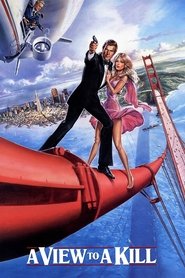
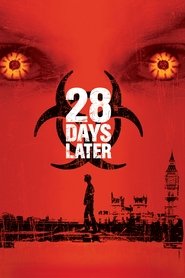
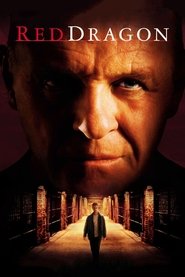

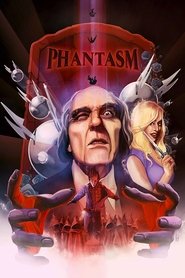
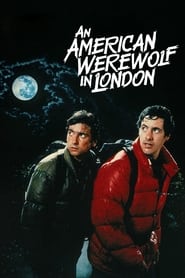
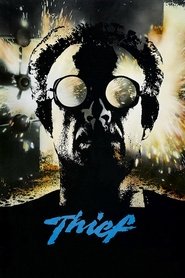
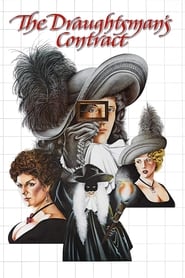
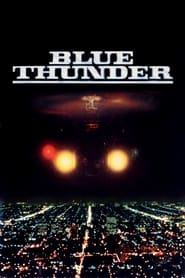
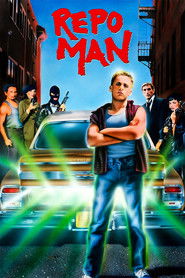
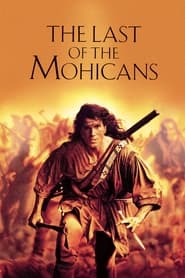
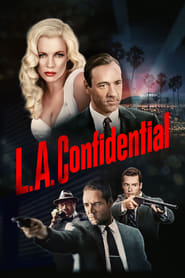
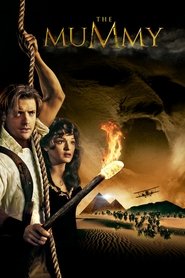
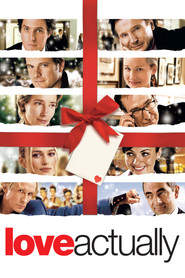
Related topics
Other topics that frequently come up in the same commentaries.