Topics / Creative decisions
Happy accidents
132 commentaries in the archive discuss this, with 443 total mentions and 72 sampled passages on this page.
Filter commentaries
Filter this topic by the film's decade or the type of commentary.
By decade
Across the archive
ranked by mentions · click any passage for the moment in the transcript
-
-
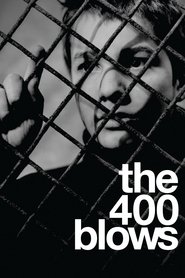
Balzac wrote of Parisian life largely, and particularly of what happened to the ideals of ambitious young men who came to Paris from the provinces. In a sense, Balzac's own ambitions as a writer were on the epic scale, as he sought in the 20 novels of what he called his human comedy to paint a broad canvas of every stratum of society. Truffaut works on a much smaller, more intimate scale that would seem to rule out any strict comparison.
49:53 · jump to transcript →
-
I went to live in a hotel just opposite to the shop. I spied on her every night. But after a while, I got tired of seeing her go to the movies with other guys, so I enlisted in the army. After six months in the army, they gave me a leave before going to Indochina. But I had enough of the army and didn't go back. The trouble was, though, that I didn't have a penny to my name, no civilian clothes, and didn't dare let Bazin know where I was. One night, I happened to meet Chris Marker in a cafe. He was very surprised and said to me,
1:19:19 · jump to transcript →
-
That's exactly what happened to me. I only went that once, though, because on top of the ordinary rules, his father had given specific instructions that if Lacheney comes, be sure you don't let him in. He thought I was a bad influence, evidently. My parents were the same way about Francois. They called him Truffaut, the evil genius. What did they know?
1:33:05 · jump to transcript →
-
-
multi · 1h 49m 3 mentions
John Cork, Ursula Andress, Eunice Gayson, Margaret LeWars + 20
-
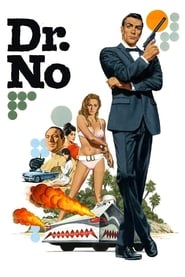
I was just standing there and doing that thing just by the sea and I couldn't believe that it appealed so much. I really sincerely couldn't believe it. I was really lucky that they liked it so much because I don't, you know, here I stand there with a shell and that's it. That's the fantastic opening. I was only lucky.
1:02:18 · jump to transcript →
-
I was lucky. Ursula Andrus recalls how she and Dr. No's costume designer, Tessa Pendergast, created the now famous white bikini. When I got there, we had no wardrobe. So we had to get right away the bikini, right away the little dress for the Chinese dress. And it was so strange. There was a girl who had a boutique, and she was also making dresses.
1:02:49 · jump to transcript →
-
It was pretty good, but I never had any idea at that time that they would either be making them into films or that I would ever be working on them. Dana Brockley remembers the day that her husband, legendary producer Cubby Brockley, and his new partner, Harry Saltzman, sealed their deal for the Bond films with United Artists. It happened to come on our second anniversary.
1:22:07 · jump to transcript →
-
-
-
Tim Lucas
It was this crazy idea. And it stayed. And it stayed. To put his hands on the money inside. Get in there and grab all the money. Sure? You think that carpenter was lucky the way things work out. That he was lucky to go and joust that bank. It wasn't true. His good fortune stopped that day. Because later...
39:05 · jump to transcript →
-
Tim Lucas
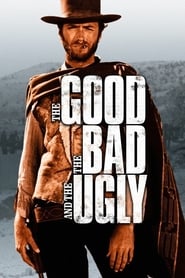
Kinski, also a renowned stage actor, had no respect for that trash, as he called it, and likely thought of himself as a failure at this point in his career. Yet this film turned things around for him forevermore. This was the first film he made that was literally shown everywhere around the world to great success. It was followed by David Lean's Dr. Zhivago, which I believe he actually shot first, but it happened to be released later.
44:12 · jump to transcript →
-
Tim Lucas
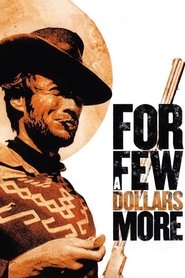
He made some good movies after working with Leone, but there's no question he was never better than he was in Leone's hands. Thanks to this film in particular, he made such a global impression that echoes of his character not only continued to resonate through his own later work, but he also became the model for the wonderful character Elliot Belt in the French Lucky Luke comic strips by René Gauchini and Morris. It's available in English now. Look for Lucky Luke, Volume 26, The Bounty Hunter.
1:45:24 · jump to transcript →
-
-
-
Tim Lucas
may have been inspired by Mario Monicelli's 1959 film The Great War, which also happened to be a United Artists release. In brief, The Great War is a film starring Alberto Sordi and Vittorio Gassman as two rogues conscripted into the Italian army in 1916 at the height of the Austrian-Italian conflict of the First World War.
1:01:50 · jump to transcript →
-
Tim Lucas
Unfortunately, while standing nearby and giving some last-minute instructions to a member of the Spanish camera unit, Di Giacomo happened to use the word VI in another context, and this captain overheard him, and then this happened. Fortunately, a couple or a few of the other camera units happened to be already rolling.
2:12:31 · jump to transcript →
-
Tim Lucas
It all greatly evokes the shattered landscape of Italy as it stood, for better or worse, when Leone was yet a young man contemplating his future. He has peopled it with the heroes of a more innocent time and made them as crafty as they need to be to live even so little as another year. And here he gives us a powerful vista of the many who were not so lucky, the witnesses of this final showdown, death multiplied around the circle of the gold doubloon.
2:20:24 · jump to transcript →
-
-
-
It reminded me, you know, Marianne Moore was talking about flying and why she didn't fly. And she says, you can get on a plane in New York, and five hours later, you're in San Francisco. And you don't know any more when you get there than when you left. And that's the difference. I mean, I feel so lucky to have grown up in a time when you didn't...
47:48 · jump to transcript →
-
I also think that it's when the trouble begins, when everyone's too conscious. Now, you see the car up on the lift? I think right now there's a license plate on there. Well, that license plate disappears in a little while. I love having little... We didn't plan this, but...
57:40 · jump to transcript →
-
You know, it's like I'll take any risk as long as the story's going to be pretty good, you know. And I can, you know, make it even better, of course. But I still do it today. But if I'm telling an anecdote, something that happened to somebody, I'll embellish it. I'll make it a little bit better than it was. Yeah, it's, you have to. It's a gift to the person that's listening. Exactly. Oh, God. Come down the hall, will you? You know the way?
1:20:02 · jump to transcript →
-
-
-
Francis Ford Coppola
And so what we did is we looked through all the shots and after I had said cut, there would be maybe a few feet of just empty corridor and we took those. And you'll see later in the sequence when you cut to an empty corridor, those are just the little ends of shots that happened to be after the actor walked out of the frame, there was a little piece. So advice to directors, very often the most important stuff that you get
1:02:33 · jump to transcript →
-
Francis Ford Coppola
As I said, we had two cameras doing this. We did one take. And when the take was over, I had not barely said cut and when this guy said, lunch, you know, and everyone went off to lunch. And I often think how easy it would have been for this scene not to exist because they didn't want it. And we just got lucky, really, that we got it.
2:31:36 · jump to transcript →
-
Francis Ford Coppola
or images that it suggested, really right down to the last image was there in the book. You know, in a movie, every element, when you're lucky, comes together. In The Godfather, we had this wonderful cast
2:51:50 · jump to transcript →
-
-
-
The operator was a wonderful man, Gordon Heyman. There's an extraordinary relationship between director and the operator. He is the eye, he's your eye, and I was very lucky. I've enjoyed working with him many, many times. He's an extraordinary operator, but on many occasions, even he couldn't get into the room with me at the same time and the actors. I had to operate myself on a lot of that handheld stuff.
43:45 · jump to transcript →
-
Quite private, secret people. It was an experience that had changed their lives. It's quite interesting to find the history of the astronauts, what happened to them all. The early ones, from Gagarin, who apparently ended up in an asylum. The experience was totally extraordinary to look down on the world. There's been conjecture about Gagarin having been put away because at the time it was the height of the Cold War to look down on...
1:38:03 · jump to transcript →
-
I think they weren't looking at the subject. They weren't looking at the people involved. They were looking at, oh, that's a movie with David Bowie. They looked at record sales and they looked at everything except, probably has David except the script. They looked at everything, which was very lucky. I think this script was the casualty of this movie. Which was very lucky that it got made as a lot of things to really by accident.
2:14:43 · jump to transcript →
-
-
-
Roger Moore
Now, this sequence... ...I was called for 8:30 in the morning and this was the back... This was before the La Fenice theater burnt down... ...and this was shooting just across from the back of the theater. In fact, that's the stage door over behind us. And... ...I was ready at 8:30, and came on the set, and we were all standing there... ...ready to go, and there were adjustments being made... ...and, you know, I have a cup of coffee and this went on. And I finally said, "Lewis, why can't we get on with this? You know, we must do this shot." And he said, "Well, it's a little embarrassing." You see, it was the time of the high tide of the equinox... ...and the boat that had all the props on it... ... had been tied up with the tide very high... ...and then when the tide started to drop, one of those numerous poles... ... that are in the water in Venice was underneath the boat. And as the tide went down... ...the pole came up through the bottom of the boat. Then the boat went up again and the water rushed in... ...and the prop boat sank. And on the prop boat, apart from all my wonderful Ferragamo luggage... ... that I was looking forward to stealing... ...Was a prop that was essential in this scene. ...Was a prop that was essential in this scene. And they had to get somebody to dive down and find it. Now, this shot of the Concorde landing... ... has a bit of a story for me. We had been ready to leave Paris to come to Rio... ...to shoot our sequences there. And Lewis Gilbert and Ken Adam and Letizia... ...and my then wife, Luisa, we were... ...at Charles de Gaulle Airport in Paris, all ready to leave. We got on to the Concorde, and then they said there was a slight problem... ...and we would have to disembark and wait in the lounge. They then said, well, there'd be a little time... ...so we could go into any one of the five restaurants in the terminal... ...and have lunch. So off we went. We had something. I wasn't feeling that good, and I sort of just picked at something. And then before we finished, I said, "Lewis, I really don't feel good at all. Would you come with me to the pharmacy? I think I'm beginning to have a Renal colic." Meaning that-- Something that had happened to me... ...before with kidney stones. And they're extremely painful when they start on the move. And really pethidine or morphine... ... is necessary to stop you falling on the floor... ...with your knees underneath your chin and start screaming. So I went to the pharmacy in the airport, and they said: "No, I'm afraid we can't." And I said... They could tell that I was very ill and in great pain. But they did suggest that there was a doctor in the airport. You know, a surgery. So I went to see him. He took one look at me... ...and pulled a syringe out and started drawing off painkiller. Lewis never liked needles... ...and started shuffling sideways... ...With the "Lewis Gilbert shuffle," I call it. And he said, "Well, I think I'd better tell the others what is going on." And that was the last I saw of Lewis.
54:35 · jump to transcript →
-
Roger Moore
As on most locations, you only ever... ...If you're lucky, get one day off in a week. And I don't remember too much what I did with my leisure time. I know at one point we went with Ken and Letizia on a boat. But otherwise, there wasn't much spare time.
1:05:01 · jump to transcript →
-
Roger Moore
I'm looking at this and I'm thinking: "I wonder where that actor or that actress is today... ...and how are they." I remember a line of David Niven's when we were... ...I think, making a film in Goa. And he said, "You know... ...making a movie is like going on a cruise for a month... ... two months. You have the same people at breakfast... ...at lunch and at dinner. You see them all through the day. And then when the ship docks, you might never see them again. Unless you get on another cruise that they happen to be on." And it's true. You know, I made a few films with Niv... ...and So we were very lucky, or I was very lucky. I got to get on the right cruises.
2:01:00 · jump to transcript →
-
-
-
Now, the ping here, we spend ages, Andre and I spend ages trying to find the right ping. I don't know, I quite felt we got quite the right one. Thank you, thank you. We tried to do our best. Well, do carry on. I think this says so much about what's happened to medicine, what's happened to broadcasting. The accountancy has taken over and the management has taken over.
23:26 · jump to transcript →
-
We were just so lucky that the sky was blue today. Sorry about the mess, sir. We'll try and get it cleared up by the time you get back. We'll show them, don't we, sir? Yeah. Yeah, we've got a search party. Leave that alone. This is fun, sir, isn't it? All this killing, bloodshed. Bloody good fun, sir, isn't it? Yeah, it's very good. Morning, sir. Plastic wounded out there, Potter. Thank you very much, sir. Come on, Private. Making up a search party.
56:56 · jump to transcript →
-
Whatever happened to all these Python performers? They were so good. They're really brilliant. They've gone on to what? I guess fame and fortune, but they've never been as good as they are here.
1:06:30 · jump to transcript →
-
-
multi · 2h 34m 3 mentions
James Cameron, Gale Anne Hurd, Stan Winston, Robert Skotak + 8
-
Pat McClung
This scene was shot really quickly. It was pretty much all handheld, 48 or 60 frames a second. I think 48. Then Sigourney had to loop all her lines at slow speed, which is always odd. Our first effect in the movie. It's great, because it's what you expected to happen and then it's not what you expect. She was actually under the bed for that sequence. We built an artificial body from her neck down. Someone is under the bed with her. I can't remember who the lucky guy was that created the illusion of the chestburster. Pushing its way through her. It sets up the character. This is her nightmare. You know that she never wants to have to face it in real life again because she's haunted by it in her dreams and her nightmares. This effect is as if you're outdoors. When the camera dollies over, you see it's just a video projection. The idea was that in outer space there would be places you could go to get a feeling you were in a natural environment. So that plate behind her was shot out in the garden at Pinewood Studios. It was a VistaVision plate. Originally, there was supposed to be a birdhouse in the background in that garden, and she would have Jones on her lap and a bird would fly in and Jones would jump up and hit the screen and that's how the audience would find out that she wasn't actually on the earth. This scene was cut from the release version of the film, which became the source of some controversy with Sigourney. She later said in print that she had based her entire character on this scene, and she was devastated when it was removed. At the time she first screened the film, she told me she didn't like the scene, and then we wound up reading interviews where she had a big problem with that. We didn't have a chance to talk about it because of the postproduction schedule. We were working in England, kind of in isolation.
7:47 · jump to transcript →
-
Pat McClung
Obviously, this is the heart and soul of the movie, which is Ripley's internal demon. I think Sigourney's just great in these scenes. Interestingly, Sigourney herself had an issue with my take on her character. She didn't think that Ripley hated the alien. We had a long creative dialogue and I said "No, she hates him." She hates the alien that killed her crew members and put her through the most traumatic event of her life, and wants to see them destroyed. But I think the way I finally sold it to her was - because Sigourney's very liberal - that Ripley would want to prevent the trauma she went through happening to anybody else, and she knows there are colonists on that planet. So I displaced it outside of her, when in reality I saw it as a very straightforward revenge story. But I think that was beneficial, because that creative tug of war between us actually caused me to think outside of my limited box as a writer at that time, and see that her motivation was on a higher plane as well, she was acting out of a sense of duty. That spoke to some of the themes I already had in the story with respect to her relationship with Newt. Once she finds out that the colony is lost and that battle is lost, she really only has one thing to fight for, and that's the little girl, the one survivor. Her mission has been to help these people avoid what happened to her and her crew.
24:19 · jump to transcript →
-
Bill Paxton
Spunkmeyer. In the pipe. Five by five." I always liked the way she said that. Actually, those are the hard ones. What did Mark have on there? I don't remember him wearing all those... Scars and bones. I think Jim had put the chin-up bar up there to make the line "Anyone ever mistaken you for a man?" work, cos in the T-shirt no one would have mistaken me for a man. He said "How can we make this line work?" So he said "Can you do behind-the-neck chins?" I said "Yeah." Is this the scene where you guys do the thing with the knife? I remember saying at the time "Jim, what about...?" "Shut up, Michael." Why did he put your hand on top of his? What happened was that Jim had wanted me to do it like a demonstration. And we got right to the moment and I said "Jim, this is really gonna be boring." I said "What if I put my hand on Billy's hand?" And since I won't hurt anybody, I would never hurt him, it would make it more interesting. I never understood what Bill was so scared of, because his hand was underneath. After the movie was done, we all went out and partied and drank a lot of beer, and I remember a voice in the middle of the night saying "You gotta come back because when they sped up the film it looked phony." Remember? We had to come back. And that's when I caught your pinky by accident. Just barely touched it and he almost died. I had to have reconstructive cuticle surgery. But, anyway, it was more interesting on his hand. This effect was one of the first uses of this camera with a variable speed. Magic Cam? - Yeah. Which is used a lot now, but it was a first here. What's great about it is that you could start out at 24 frames per second and then the camera, without having to cut and set up a separate camera, would automatically adjust for a faster or slower frame rate and then go back. Change the aperture while it was changing its speed. Do you remember Lance brought over his knives? No. I met Lance Henriksen at the airport when he was coming over from the US. They have much stricter weapons laws in England. He'd packed the knives that he'd been practicing that effect with in his suitcase. He said "I'm always the one that they check to do the luggage search." Going through customs he said "Stick with me." It was the first time he hadn't had his luggage searched. I thought "That's great. An actor coming over here with concealed weapons."
29:38 · jump to transcript →
-
-
-
Eleanor Bergstein
So I wasn't until the movie became this great hit. And then Emile swore that he went into theater after theater shouting, who is that woman? Let's see more of her. And when we were in Deauville, I was sitting between Patrick and Emile at the Deauville Film Festival. He had not seen the final cut. And when this part came up, he said in this loud voice, Eleanor, what happened to our turn? What happened to our dip down to the floor? So small as it is, we do feel that it is probably one of the reasons the movie has been a hit.
26:13 · jump to transcript →
-
Eleanor Bergstein
oh my god and i still think this is one of the most extraordinary and sexual scenes in the movie i love this i love this this trio and so we set that up but we just came upon it by accident and we just thought oh it's just wonderful now this this was shot very very late at night and we were trying to pick up some stuff
36:53 · jump to transcript →
-
Eleanor Bergstein
I'm So Sick of the Rain has to stand for all the days that we couldn't have a rain machine and all the shots of the rain that we wanted to have. So, of course, Jane went right back to it. Oh, Johnny's Cabin, which was something that we found by accident that we loved. Now, here, song, let me explain what I mean by spin. This is a little girl's song with a woman's question. And this song, again, was expensive, and it was taken away up until the last minute. And Emile finally said, as we tried many, many songs, he finally said...
1:03:33 · jump to transcript →
-
-
-
Richard Donner
This is amazing. You know, we happened to be out there doing a documentary, and these guys... We actually were filming this, and then these guys showed up, and the attack started and we were lucky. Bob Goulet. Did I really make this movie? Robert Goulet in the Everglades. Cajun Christmas. Great man. Well, it's a great cast. Great names, great people. All a lot of fun.
2:19 · jump to transcript →
-
Richard Donner
He is cheap. Look at that. Were we lucky? Bob Mitchum. You all better know who Bob Mitchum is, or else go do your homework.
10:54 · jump to transcript →
-
Richard Donner
Look at the famous Karen Allen eyes. Is that not the happiest, sweetest face you ever wanna know in your life? Look at that, Karen Allen. Very special. Very special. As I keep repeating, it was a great cast. Makes the director real lucky.
27:15 · jump to transcript →
-
-
-
So this is a slice of... This is the true story, gang. In Park Ridge, Illinois, it really happened to a friend of mine. I'd be proud if it was me, but it was a famous story in our high school that this happened. Whatever happened after that? Could he be in the sequel? The real guy is now, you know... 12 kids later? Exactly. May I say, Ricky Paull Goldin, the swagger this kid has is true to him, undirectable.
13:02 · jump to transcript →
-
We're lucky the actors were good sports. It's putting them in uncomfortable situations. But you're doing something beyond what they're... They're in their comfort zone and it legitimately... They sign up for something and it's like, oh, and then we're going to shove a bunch of methicill up your nose and do all this stuff. I don't remember that in my contract. And we had people that were really up for experimenting with us to figure it out and they really made it part of a collaborative process. So it was really easy...
1:20:10 · jump to transcript →
-
I would not be here today, for better or for worse, who knows, without the collective work that you guys put into this film. And knowing that you make movies, you do affect people around the world. Maybe you knew that when you were making The Blob, maybe you didn't. We're lucky we get to make movies. At all. Can I just say one thing? Please. I love the remixes I'm seeing on YouTube, especially whoever did something called, I think it's called Blob Meat Harvest. It's like amazing recuts.
1:32:38 · jump to transcript →
-
-
-
A, I'm not that lucky. Two, we have smoke detectors.... One of John's funnier lines. "A, two." "D"? Is it "A, two, D"? I think so, yeah. - Yeah. There it goes again. This guy went on to... This guy who played the pizza guy moved to L.A. and had a couple of roles... ...but I haven't heard from him since I think we shot this. I've seen him in a couple things, yeah. But watching this movie again today, I thought to myself, "This was really--" You know, you think about how fun it was to shoot the movie... ...and I think that fun translates to the screen because we did laugh a lot. There was a lot of laughter, a lot of good times. Okay.
47:41 · jump to transcript →
-
I have to say, you know, sometimes you get... Critics complain about certain things, but Dan Stern in this scene... IS SO funny because of his body language. He's like a combination of a giant bird and a human being. And just the way he reacts in this scene... ... Just, again, was one of those situations that brought the house down. And the audience was So.... You wouldn't have thought that it would... Like you said earlier, that this would work twice, this gag, but... He sells it. - He sells it. All right, Johnny. I'm sorry. I'm going. One, two...70. Another improv... Improvised moment, again, from you here. I remember asking you to just say the line... ...and kept in the movie, and the audience roared. Keep the change, you filthy animal. See, you're just about ready to laugh there. You can see it cut right before I start giggling. I don't know who, but somebody got blown away. Huh? - Somebody beat us. They're in there. Two of them. There was arguing. One blew the other one away. Who? - I don't know. I thought I recognized one of their... Dan is so wonderfully stupid in this scene that it makes it... It makes it work. Sometimes Pesci becomes De Niro. Did you notice that? Yeah. "I don't know no Snakes." - He just became De Niro for a second there. I think they spent quite some time together. Yeah. - Suppose the cops finger us on a job.... I don't know. I read this article, I think in Premiere, saying: "What ever happened to Joe Pesci?" And I have no idea. He is now... - He came out with an album, I think. I think he came out with a singing album. Seriously? - I-- Like, year... Like 1998, '99 or something like that. He had some tasteless record in the '60s, like the early '60s... ...called Something the Stuttering Donkey or something. Some ridiculous novelty record, so he's got... And supposedly he's in Jersey Boys as a character. The play Jersey Boys, yeah. He's at the beginning. He hangs out with the Four Seasons or something. Now, this is-- This, to me, is amazing. This happened three weeks ago. I get a call from a guy doing a documentary on Elvis Presley. The guys says to me, "We've heard--" This guy's convinced Elvis is alive. He's doing a legitimate documentary. He goes, "Elvis supposedly was an extra in Home Alone." I'm like, "What?" - Awesome. He sends me this thing that is a huge... See the guy--? The bearded guy behind the woman in white. They are convinced, these people, that this is Elvis Presley. He's come back. He's faked his death, and he was now... Because he still loves show business, is now an extra in Home Alone. So they've got stills. This guy sent me all these stills of this guy with El... Compared to Elvis in this movie Charro! where they look... Look at this guy. He's not Elvis Presley. I remember talking to the guy. But these people are convinced that that is Elvis Presley, so it's now... It may appear in this documentary, so... - And this is recent? This is--? This is-- It's a couple-- Yeah. Few weeks ago. But more importantly... Forget about Elvis Presley. Yeah, look over the other shoulder. Look over her other shoulder. There we go. John Candy, who was at the time friends with John Hughes, who later... John and I became very close. He was, I have to say... ...one of the sweetest guys in the world to work with, and one of the... And probably the funniest man I'd ever met. There's no question about that. He loved improvising, he loved trying anything... ...and his entire supporting role in Home Alone was shot in one day. Yeah. I actually-- I came in. It was my day off. I actually came in to go see him again. And we started at 7 in the morning, and we finished at 6 a.m... ...SO It was a 23-hour day. And I don't know, uh.... I don't know if I've ever seen that kind of energy from a guy who was big... John's a big guy. That kind of energy was remarkable. He liked being on set. - He loved working. Loved working.
55:40 · jump to transcript →
-
That's another thing John Hughes would be very helpful for. I don't know if Gus Polinski was a polka king, if he was in the original script. I can't remember how she got home, but I don't remember it being a polka band. So it'd be interesting to go back there and look at those early.... Those early drafts? - Although... ...I don't know if I ever have that kind of time unless... I've gotta go see those old Home Alone scripts. I do it every day. This is all I think about, is this movie. Consumes my being. It's always interesting, because I wonder: "How do you really feel about the movie?" Because it's the thing that... Like you said, it's like a blessing and a curse. It's the thing that propelled you to international superstardom in one sense... ...and then in the other sense... . it's this thing-- It's all... Not that it's an albatross, but it exist... It's part of your career forever. Personally, I don't think about it. - That's a good thing. Ha-ha-ha. - Yeah, right. You know, it's just something I did, you know? It was just something I've always done. It just happened to be on a bigger scale, really. Right, exactly. - But, you know.... It's just the way... You know, just the way the... The way the whole thing worked out. - The way of the business. Yeah. Now, there was a certain critic in Chicago-- This movie... When Home Alone was released... .It was not favorably review... It was-- It got some good reviews... ...but some people really didn't like the movie. Two people who didn't like the movie, Siskel and Ebert, gave it two thumbs down. In your face. - But what was amazing about that... .IS I had to sit there and watch that, watch the show. And then three weeks later... ...after the film was this runaway success that couldn't be stopped... I think it was number one at the box office for 16 weeks, maybe? A couple months. - Some insane amount of time. So then they take... The late, great Gene Siskel. I met him. Nice guy. But then he was forced to go back to the house... ...and report on where Home Alone was shot. So after slamming us... ...he appeared in that window where Joe Pesci was... Pesci poked his head in. --and said, "This is where the scene was shot." And I thought to myself, "Well, this is sweet revenge in one sense." Had to go all the way out to Winnetka. Mom, where are you?
1:00:32 · jump to transcript →
-
-
multi · 2h 24m 3 mentions
Alex Thomson, Terry Rawlings, Alec Gillis, Tom Woodruff Jr. + 3
-
I liked Sigourney Weaver. She was clever, charming, intelligent. She seemed, um... I even liked the impression that she was, in fact, rather more for theater in New York and literature, than this particular lark. She never said as much, but I always got the impression it was all, not beneath her, but, you know... Movies are OK, but theater's where it's at. I liked that. We had some good conversations and she gave as good as she got, as is well known. She palpably had power, control, but never wielded it or made you feel uncomfortable. No, she seemed charming and good to work with. A fine actor. If she didn't like you, you'd soon find out about it, but then this is a professional scene, a professional outfit. I liked her. She demanded respect, and she got it. And these changes'd come by, these script changes, and we'd hear news from the front, and you'd take it in your stride. Where my character was concerned, Golic, there was this whole other subplot of the story for people who may not have seen it. When we shot the footage, Golic escapes from the sanatorium, from the hospital wing. He kills somebody, breaks out of there and he goes to where the monster is incarcerated and manages to free the monster in order to appeal to the monster, to join forces. A "You and me, monster, can go and kill them all, they all deserve to die" kind of scene. We shot this scene. Again, this is nothing unusual for a picture of this scale. We shot two or three different endings. If you were undecided, you would decide later. This is fairly standard, but it kept you on your toes. And also you could run a sweep as to which ending they were going to use. If you were lucky, it might be yours! It was like a multiple-choice thing. I worked on a Spielberg picture once, and it was exactly the same circumstance. Spielberg is good enough to call on the telephone and say "You know I told you I shoot three pictures at once? You ain't in the final picture." But what can you say? You enjoy the experience. You put it down to experience.
42:46 · jump to transcript →
-
The Sulaco was left from the last movie. We had one shot of it to remember it. It had to be modernized and tricked out for this show, and there it is. You borrowed that back from Bob Burns, who had been given it? You borrowed that back from Bob Burns, who had been given it? I think you're right. - Burns really helped this series out cos on Resurrection we also got the queen-alien head that Jim Cameron gave him, and refurbished that. Thank God he's around. He saved Fox a lot of money. That was nice of him. At Fox there's some wonderful people, and good that they saved a few bucks. When you're setting up a shot, sometimes you get an accident. Somebody wrecks something and you think "Oh, let's do that." That's a lovely thing about filmmaking - you have the ability to change your mind. And there's certain things that happen by accident that are just magic. I'll always remember Conrad Hall talking about putting a light through a window, and this guy's in a room, and it's raining outside and it created tears, shadows of the rain dripping like tears on the man's face. Purely by accident. There were elements here that were shot months and months apart. She sees, or she thinks she sees, the alien tucked up here among the ductwork and pipes. It was a miserable sequence. I had to be in this suit, completely still, while David shot her POV. But, again, we had dumped these crickets all over the suit. This is the scene I remember most vividly. The crickets had crawled down through the neck in the suit and I could feel them. It's like they were moving between my skin and the suit. I know these things weren't biting me, but you could feel their little claws digging. Their evil intent. - I knew they were after me. There was some oxygen deprivation too, cos he couldn't really breathe as well as he should have. He was all crammed up... All this stuff of Sigourney, shot in London, I'm up on top of that ledge overhead, waiting for this moment to crawl out and fall on her. This is the cricket shot. So this is a mislead here, right? I was crying, I was weeping inside that suit. These lines, I remember hearing them over and over during each take, and I was wedged up in this ledge. And Alec was behind me, giving me something to push off against so I could crawl down and drop off in front of her. Yeah, but the cue came, right? And you, Tom, I couldn't believe it, you were asleep, weren't you? It wasn't sleep as much as I had gone unconscious from the lack of oxygen. It was oxygen-deprivation apoplexy. It was amazing because... - He was asleep back there. Look how motionless I am. The only reason he gets up to make his cue is that I pounded him on the foot. His foot was hanging over. I'd hear "Action", and Sigourney, and I would just pass out, take after take. Well, that's what good dialogue does, Tom. There a masochistic aspect to this. But it's so worth it when you sit in the theater and see the audience crawl. You make them squirm like the crickets did you. I am the cricket on their skin. Wasn't that the song from Beaches? But it is amazing how much stuff goes on behind the scenes, that nobody's aware of at all, that's required to get all this stuff to happen. And it just fleets by, but sticks in the mind. Sometimes. It's good that people aren't aware of it. Oh, no. Of course not. But that's what we're talking about today. All the nightmares that we... - Yeah, right.
1:42:29 · jump to transcript →
-
If you line up all of Fincher's movies, you can see that it's a Fincher movie. I still think he did a great job with this. Not a lot of people could have really pulled it off, given the obstacles that he was facing. I think he did a great job with it. He did have a great team, from production designer, camera, you guys... And you. Don't forget that, Richard. I know you can't say it yourself, but we can. Well, I can say you guys. And the track is good too. You know, Goldenthal. Elliot Goldenthal. You know, the creature work that you guys are doing now is better than this work, because you've just been able to play the violin for longer. If you could start again, you'd have done it differently. Cos that's the interesting thing about this kind of work - you figure a way to do something, and later you figure, I could have done it this way, and it would have been better. And even within the context of when this was done, I think had we finished this movie, and then started immediately right after, and done it all again, even without any advances in materials or technology, we so would have done things differently. It's like anything: the more often you do it, the better you get at it. What draws me to this business is that it's always prototypical. Everything you do, you haven't done. So it's always interesting and new. You build off your experiences, but you look for ways to put a different spin on it. And you're working with a different psychology of people too. Every director's different... It's like a family. It's interesting how movies create a family of people, all these crew members, and they all come together and become this interwoven, well-knit group. And then at the end of the production, they explode. Then you work together again, but never in that combination. But it is fun. When we see you here in the hallway, it's like, "Hey, there's Richard." And you recall those experiences. It's almost like being war vets or something. And you say "What happened to...? Where's this guy? He still alive?" It is like going to war, except your enemy is time and money. I'll bet you don't hear this kind of warmth and love on the other audio tracks.
2:20:17 · jump to transcript →
-
-
-
I went to CityWalk and I thought, what if all of Los Angeles was CityWalk? And this also predicts a couple of technologies. So this is kind of a precursor to the iPad. And obviously you saw a self-driving car earlier. And we were very lucky because one of the biggest costs on the production like this is the vehicles itself. So to make vehicles for science fiction movies is incredibly complicated.
12:48 · jump to transcript →
-
I got very lucky finding a lot of corporate architecture that we didn't have to do very much, uh, to, to make it futuristic. And this is the jingles coming up now. Well, I had a, I had a CD of jingles and like, I just remember we'd play them one after the other and go, who, who would, why did I buy this CD? The CD is so grating. And like, I'm like, oh, wait, wait a second. And then when I got hired to do this movie, I'm like, wait a second. What if this is the music of the future?
42:55 · jump to transcript →
-
I mean, we were so lucky. I was so lucky to get Sandra Bullock because we started the film with a different actor, actress. And the scene you just saw in The Habitation was shot originally with Laurie Petty. And there was no chemistry between the two of them. And we had really unfortunate, one of those terrible things that happened.
1:15:42 · jump to transcript →
-
-
-
So I couldn't believe how lucky we were. And he has been a huge support and fan of it. And the hardest thing was just everybody being so hot 24-7 on the show. I remember being comfortable one day of 92 when we were in Liquid Silver. One day. Oh, that's right. Oh, Liquid Silver. I can't wait until we get to that part. Yeah.
9:44 · jump to transcript →
-
And then we did all this stuff where we didn't show Malcolm Kesslee's face because we didn't want to give away what had happened to him for all this time. After he got his head cut off. So you don't know what's trying not to give stuff away. I remember this shot of you guys going down in the filthy, dirty pit. Oh, yeah. And...
56:54 · jump to transcript →
-
just looking over the top of those. And when we first arrived and just looking at it, then you get there and you think, are we ever going to be able to light this and shoot this? And then there you are, and it's, oh, wow. How lucky am I to get to make this movie on every level? It took me a year, though, to option the project initially. I spent a year convincing them that I would be respectful to the project. Wow. And that I was the right person to get the option. And when I'd finally given up,
1:28:51 · jump to transcript →
-
-
-
Kat Ellinger
in the process of looking at Baise-moi, because I think the film exposes a lot of that on this very subtextual, subtle level that's almost undetectable unless you know it, unless you've been there. But as soon as you've been raped and you say, I've been raped, all of a sudden you are a victim and these judgments are made about you and what happened to you.
5:30 · jump to transcript →
-
Kat Ellinger
what had happened to me back in on myself because I had nowhere else to express it. I know a lot of people have problems with the rape-revenge genre as a genre, and I've certainly got into these conversations over the years. How can you watch that? This assumption that I wouldn't understand, like this assumption that...
22:52 · jump to transcript →
-
Kat Ellinger
Despentes has her own sort of grammatical way. She doesn't... And she was and still is like a huge lover of fiction. I mean, when she's raped, she says in King Kong theory, the first thing she does is go to literature for some identification, for something to make sense of what's happened to her. But she breaks the literary mould and she just writes this really incredibly angry...
27:38 · jump to transcript →
-
-
-
Jonathan Lynn
We got really lucky. Feeling better? Yes, thank you. Okay. Let's go for a drive. A drive? Yeah, a drive. Well, I don't know anyone else in town. This was a slightly complex, difficult crane shot. It doesn't look difficult when you watch it.
11:20 · jump to transcript →
-
Jonathan Lynn
expect. For me, some of the comedy of the scene lies in the fact that it's not lit in a kind of spooky way, but the fact that these macabre happenings are all taking place in ordinary light as if it's ordinary daily activity. That's what Harry Lefkowitz thought. What happened to Harry Lefkowitz? I don't want to know what happened to Harry Lefkowitz.
1:09:27 · jump to transcript →
-
Jonathan Lynn
But that's what they've always been called. I use them just to create a sense of unsettlement, as it were. A sense that things are not quite right. Audiences don't generally notice them. There's a great many. Some are really almost too subtle to notice. You're a lucky guy. This scene on the boat was shot in one day. You're about to find out if the woman you love really loves you. And...
1:27:31 · jump to transcript →
-
-
-
Noah Baumbach
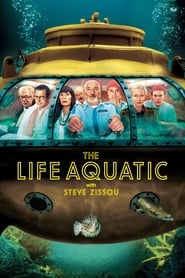
Let me tell you about my boat. This is something when you first brought the idea of the character and the story to me, this was something you always wanted to include. I remember you said, you know, idea of this character, originally named Steve Cousteau. We later made him Steve Zissou. Oceanographer. He has this show. And then you said, "I want to do this--" Visual. - This visual. So this set, this is sort of inspired by, you know, World Book Encyclopedia, and Time-Life books, and, you know... elementary school books with fold-outs. And so that's kind of where it comes from, but making it in three dimensions. And for me, it was just something that I was inspired by. And it was years and years ago that I was planning to do this. And it was very kind of thrilling to be able to build this set because it was such an unusual one. And so many people-- For us, the movie is about all these characters who we made up, but they relate to people we know and they're characters we really love. We don't really have a lot of bad guys or anything. We just have these people we connect with. And the idea of having them all in there at once in this environment, that sort of encapsulates something about the movie. I think it goes back to what you were saying about your-- That this is also about what you love about making movies, and how you feel, you know, sort of lucky and privileged to be able to do it. And here, you know, in a way, this is like your dream of, "If I could make a movie, I want to do this." I mean, you've had this for so long. - Yes. And we shot it... It was like shooting a play. Explorers Club? - Right. You were on the set. - Yeah. This is-- Yeah, I spilled an entire espresso on my shirt. During the filming of this scene? Yeah. I was so jet-lagged. I was listening with a headset and it somehow disconnected from the headphones, the little mic part, and it knocked the espresso out of my hand and all over my shirt. Yes. You know, I always like paintings. - You do have a lot of paintings in your movies. - Yeah. And those tell about the character of his mentor, Lord Mandrake, and then we have Zissou, and then we have... And this story was actually based on something a friend of ours had been talking loudly in L.A... Chris Eigeman. Chris Eigeman had been talking loudly at an Indian restaurant in L.A. He thought that there was somebody who looked like a famous action hero, and he was talking very loudly about what happened to this guy, and it turned out to actually be the guy, and Chris was humiliated. And we lifted it wholesale and dropped it right into the film. And at one point you were going to have Chris play the guy until then you decided to make him Italian. It seemed nice to be able to put it all in subtitles. The Explorers Club is also-- This place is inspired by a club in New York who actually let us use their flag, which you can see in the background. And it's the Explorers Club on 70th Street, a block away from where I used to live.
14:59 · jump to transcript →
-
Noah Baumbach
Was there a picture of Antonioni also? Yes, Antonioni and some Avedon photographs that were taken in Italy. I'm just gonna comment further on Roman. Roman Coppola, who then-- Roman kept saying he would help us with the second unit of the movie, which I'd never had second unit before and I never knew what to ask him to do. And finally, Roman just showed up and started shooting things, and ended up shooting all kinds of shots. Shots of the boats at sea, from the helicopter, and things that were difficult to get, and things that we couldn't do, and Roman made a great contribution to the movie with a variety of shots, and did it with a lot of enthusiasm. That's true. What happened to me? Did I lose my talent? Am I ever gonna be good again? This sequence is set in Ravello, above the Amalfi Coast. It's supposed to be Alistair Hennessey's villa. Villa Hennessey. - In West Port-au-Patois. West Port-au-Patois, maybe kind of like Haiti or something. In the background, down below here, when Zissou and Eleanor are on the balcony at Hennessey's place. There's a guy who she calls Javier, her research assistant. His name is Muzius, and he lives there. He was the guy who showed us the place. So we cast him in the scene because he sort of comes with the house. I was thinking, like, "What perfect casting." But he actually came with the house. - He was local. That was also based on a photo. There's two cigarettes kissing. Yeah, it was.
1:15:53 · jump to transcript →
-
Noah Baumbach
At the bottom of the ocean, he cries about Ned's death and everything else. Esteban, and finding this shark, and that it actually does exist, and whatever this thing is he actually did accomplish, and all the things he didn't. And the day we shot it, Bill, you couldn't even speak to him that day. I mean, he's locked in a submarine with 12 actors, and he doesn't say a word to them the whole time, and he's reading a book. And he just... I felt like he put everything of himself into it. And then afterwards, it was like a weight was lifted off for the rest of the movie. It was like he'd finished the movie at that point. I don't know if that really sounds like anything, but it's something about what happened to him during this scene... Someone in an interview asked me about, you know, what the shark means, and I didn't have a good answer because I think, as we've talked about, we don't really know. But I do think it's significant that it takes a kind of something that is... You know, in some ways, looks very deliberately artificial. I mean, I think it's beautiful, but it's very artificial-looking. And something that maybe comes out of Zissou's mind. It's almost like something he would have invented. It takes something like that for him to become emotional and to cry, you know, in a way that he hasn't been able to the entire movie with all the kind of complications of real life that happened to him. And I think that's... It is beautiful, Steve. ...probably significant. Yeah, it's pretty good, isn't it?
1:47:13 · jump to transcript →
-
-
-
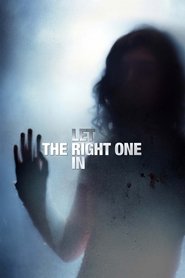
a very hard surface, like if it was marble or a very stiff table, that mixture. And this snowfall wasn't planned to be included in the movie in the beginning, but you just saw this beautiful snowfall, filmed it and decided to include it. Yeah, yeah, yeah. And that is the...
1:53 · jump to transcript →
-
You probably do it all over the world with people like Oskar. That was one of the things that actually did happen to me. This story is quite autobiographical, but just things of a similar significance happened to me, not the actual things, but this thing I remember, yeah.
49:21 · jump to transcript →
-
He really has a bad day, Lacke. Yeah. So many bad things happened to him. Everything is taken away from him by Eli, really. And I remember us also removing this whole police investigation bit around Håkan from the script because of...
1:24:14 · jump to transcript →
-
-
-
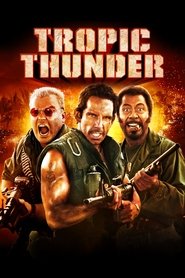
Here comes what? Here comes some more blood spraying the face. Here it is. Look at that, right on his own face. It's a tricky thing to fake that you accidentally are spraying yourself with something by accident. It's counterintuitive. Yeah. That's Jeff Imada. He's a very accomplished stuntman. Oh, gut shot. It looked a lot like Egg Fu Young, I remember, on the day. Well, we did a test with real animal guts, and that was too realistic, so we went with more cartoony sort of guts.
6:32 · jump to transcript →
-
Spit that shit out, man. There it is. Man, I was having a ball that day. Crazy eyes. Look at that. That's it, dead eyes. I ain't even in my body. That's one of those things you just can't explain, but to me it's one of the funniest things I've ever seen in a movie, ever. I'll just say it, dead eyes. And there, look at how we got lucky with that. The boom right in front of the face there. And we are trained actors, motherfucker. And I ain't gonna sugarcoat it.
1:05:28 · jump to transcript →
-
Congrats, Ben. Thank you. And look, look who's back. Look who's back. Oh, hi. Robert Downey Jr. Oh, man. He's finally made it. Congrats to you, Robert. Come on, man. Thank you. It wasn't easy. Jack, great work. Thank you. I feel very lucky to have worked with you guys in this movie. I am fine that you were late. It was the other brothers that were intolerant. I know. Look.
1:39:05 · jump to transcript →
-
-
-
Matthew Vaughn
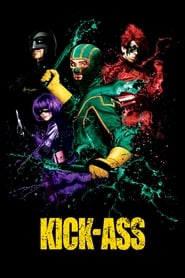
a really fun sequence of him, straight from the comic, of him hallucinating and having sex with spiders and stuff, but A, we couldn't afford it, but B, we just wanted to keep the pace up. Now we'll meet my lucky talisman, Jason Flemyng. He's the actor on the right. I only made one movie without him and that was swept away, so he's gonna be in them all, hopefully.
18:41 · jump to transcript →
-
Matthew Vaughn
We suddenly see the vulnerability of Nick Cage, or Damon, and also the madness. I think it's the scene where you suddenly realize it was sort of fun crazy before, here it's sad crazy. I think it's important, again, it's sort of another trick you do to make you really just feel sorry for him and think, you know what? Get revenge for the horrible things that have happened to you. Get rid of these bad guys.
51:27 · jump to transcript →
-
Matthew Vaughn
I think he enjoyed himself, Nick, in this movie. I know he liked putting on the costume, that's for sure. Still wish we got to see the Nick Cage and Tim Burton's Superman. See, what we're doing now is probably what they would have done. Maybe I was lucky that they didn't do it, because they left a hole in the market, which they might have claimed.
1:07:55 · jump to transcript →
-
-
-
Tom Hooper
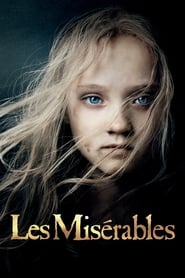
but we were very lucky to shoot in it. My location manager, Camilla, tracked it down. I didn't even know it existed. It's an entire building built as a sort of mini recreation of Versailles in the English countryside. So this is our big investment, the street set that we built on the Richard Attenborough stage. It took a vast army of people to create this, and it was an amazing set because I could put
1:10:38 · jump to transcript →
-
Tom Hooper
captivating enough, Marius and Cosette, you could lead the audience to this broadening out of the story's focus. And in Eddie Redmayne and Amanda Seyfried, I was so lucky to find two actors who really make this broadening of the story very exciting.
1:12:01 · jump to transcript →
-
Tom Hooper
active navigation and that's why I felt so lucky to have Claude-Michel and Alain as partners and Cameron in the process. Tina to help guide me through it. Eddie was very concerned that
1:46:28 · jump to transcript →
-



Related topics
Other topics that frequently come up in the same commentaries.