Topics / Creative decisions
First feature
99 commentaries in the archive discuss this, with 256 total mentions and 54 sampled passages on this page.
Filter commentaries
Filter this topic by the film's decade or the type of commentary.
By decade
Across the archive
ranked by mentions · click any passage for the moment in the transcript
-
-
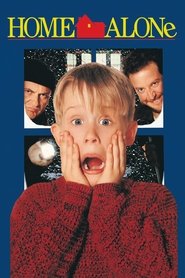
Hey, that's you. - That's me. So this was, uh-- I guess we... We could start about... Talking about the beginning of how this whole movie came about, really. I was in dire straits at the time, in terms of my career. I had just come off of a complete disaster, a big bomb. I didn't know if I was gonna direct again. I thought I'd have to go back to writing. So I was in Chicago staying at my in-laws' house... ...and my first daughter was just born... ...and John Hughes sent me, out of the kindness of his heart, two scripts. One was called Reach the Rock and the other was called Home Alone. One of them, it was rumored... I think it was this one. was written over a weekend... ...which some critics would probably jump on the bandwagon... ...and say, "Well, we always knew that." - Exactly. Ha, ha. So I read Home Alone and immediately responded to it. I thought it was just a great, great piece of material. And it talked about some of the things that I was interested in making a film about. Now, we had a meeting, I remember, in New York. I just-- It was-- You and my father were talking most of the time... ...and I was just imitating everything you were doing. Everything I was doing. - Yeah. You'd drink your water, I drank my water. Like that. I think I did that... I think I way overdid it. I think I just kept doing it the whole, like, hour. Well, you know, the interesting thing is we... Again, it was the kind of situation where we looked at hundreds of kids, again. And I was like-- Even though I didn't know if I'd ever direct a film again... ...I was like, "Well, you know, Macaulay was in Uncle Buck... ...and I don't wanna just cast him based on John Hughes producing the movie... ...because then it looks like I'm gonna give in to John Hughes and be a wimp." And I met all these... I met hundreds of kids. And when I met Macaulay, there was just no one else who came close... ...to what we needed for this film. I mean, really, in terms of an actor... ...a Child actor, at the time, you were the most unique, original kid I'd ever seen. So that was pretty... - Oh, thank you. I mean, I totally agree with you, but thank you anyway. But it really is-- It's sort of, uh... Because it was the fact that you, um... The camera loved you, obviously. You see the shots from the film. The camera loves you, but at the same time, uh... ... you were relatable to every kid in America... ...because you weren't an idealized version of a kid. Kids are used to-- Accustomed to seeing this ridiculously... Shirley Temple, and the curls and the whole thing, you know. And there was just something enormously real about you. That, and I could remember my lines and I had a lot of energy. That is true. You did have a lot of energy. Almost a sad amount of energy. It was, I mean.... Still do too. Uh, now, do you remem--? Like, this particular scene. We're starting from the beginning of the film. And I'm curious, because there were so many scenes in the film... We were talking before we started. where we would shoot your coverage first and then send you home... ...or I'd still be in jail. - Child labor laws. Yes, I'm still well-versed in the child labor laws. So there are obviously certain elements of the film-- Like this. Do you remember this being shot? - No. Because you weren't here. - I remember we did the whole... There was a whole sequence with, you know... ...people coming up the stairs, down. - Right. He's there, and the pizza guy's there. I remember that, and just like, you know, trying to coordinate that whole thing. But, no, in general, there's a lot of stuff... There's a lot of holes in it... In my memory. And this guy went on to do something on Nickelodeon. My kids know him. Yeah, Pete & Pete. - Yeah, Pete & Pete. Is it still on the air? - No, no. It lasted a couple years. It was actually a really kind of neat show. Yeah, my kids loved that show. But what was interesting about the whole look of this film... I guess we could talk about it a little bit. You'll even notice... Some people will think, "Well, this wasn't intentional." But we intended the film to feel like Christmas sort of. I wanted the house to feel very warm. You look at... - Greens, reds. Macaulay's wearing greens, a green and red shirt. There's a green and red jumper sweater on this guy back here. The wallpaper is all... - That's very clever. All conveying a warmth of Christmas and something that, uh... It just was interesting to us. So it wouldn't be over-the-top, but it'd feel warm. I wanted the house to feel like a warm place. Joe Pesci. What do you remember about Joe Pesci? What is, like, your first--? My first-- Gosh, I don't even... I have-- I still show this. I have a scar on my finger. - Uh-huh. We'll get to that part near the end... - Ha-ha-ha. ...when, you Know, he says, you know: - Okay. "I'm gonna bite each one of your fingers off, one at a time." During rehearsal, he actually bit my finger a little harder than I think he thought. I still have a little scar on my finger. It's my little Joe Pesci tooth mark. I'm telling you something, I believe... And I know Joe would probably get a little upset with me about this... ...but there was a little professional jealousy from a lot of the actors on set... ...because you were the star. There's this little kid who was the star, who we were all paying attention to... ...who was carrying the film. And there was a lot of passive-aggressive stuff going on. And I don't think Joe meant to bite through your finger... But, heck, you know, you never know. He was not particularly happy during the course of making this film. And I don't-- I think he would probably say the same thing. He had just come off of Goodfellas and Raging Bull, and he was... I don't know, did he win the Academy Award? He won for Goodfellas. His acceptance speech was, "Thanks," and that was it. Okay. Well, there you go, so, um.... And when he... I remember I was such a fan of his. Asking him to do the Goodfellas... The clown speech, you know. "Make me laugh," you know? "What do--? Am I funny to you like a clown?" And he would do that every day, and it was great. But at the same time, I could feel it from the actors. Because there's always a sense of rivalry between actors. There was this feeling of, you were the star of this movie, and that was un... That was not really common at the time. - Yeah, yeah. It created an interesting tension on the set, I have to say. Yeah, see, I never really felt that, but I was 9. Everyone around here knows he did it. It'll just be a matter of time... ...before he does it again. What's he doing? He walks up and down the streets every night... ... Salting the sidewalks. Maybe he's just trying to be nice. No way. See that garbage can full of salt? That's where he keeps his victims. The salt turns the bodies... ... Into mummies. Wow. - Mummies!
0:21 · jump to transcript →
-
This is a... You know, this is an interesting scene... ... because, again, the comedy... These two really worked well together. You believe them as a couple... ...and the comic timing is really pretty sweet, I have to say. I remember when I watched a lot of the dailies... ... they would always fool around whenever you... You wouldn't yell, "Cut," and they kind of just... They'd keep going a little bit and do some silly stuff. I think they really-- You know, again, it was a kind of... At times, it was tense being on the set... ...because these actors, who are so good, didn't know why they were there. And on the second one, that eased up completely. Because everyone felt that they had a responsibility... ...because they knew a lot of people would see this movie. Now, here's something I always felt pretty horrible about because... ...particularly once you have your own kids, this is the last thing you want them to do. This was a big worry, I remember. - Oh, yeah. Whether or not this was gonna stay or not. See, no one really ever understood when I'm lining up the sled... . that it doesn't exactly line up with the door. There's people who watch it who actually giggle, I remember... ...saying, "That doesn't line up. How is he gonna do that?" Yeah. You would've smashed into the wall. Yeah. But that was Larry. I remember watching the dailies. That was hilarious. Larry, our stuntman. - Yeah. Stuntman, literally. - He was probably 20... No, maybe he was about 30 back then. - Yeah. And he was your size. - Yeah. He was built like me too. Now, he was amazing. He would do anything. There's one moment coming later when we'll talk about Larry. Where he falls? - Where he falls, and he froze that day. He didn't wanna do it, but Larry had... As most of the stuntmen did in this movie... I don't know if these types of stuntmen exist anymore. Yeah, I know. - Willing to kill themselves for... It's amazing. I have a lot of that, yeah.... ...a lot of memories of these guys doing all kinds of crazy stuff. Oh, yeah. - They were my favorite, the stunt guys. The stunt guys were great. - When you're 9... ...they can do all kinds of neat stuff. - That's true. Ha, ha. Oh, yeah. They were always my best friends. We'll talk about-- A little later, we'll talk about Troy Brown and Leon Delaney... ...the two stuntmen for Joe Pesci and Daniel Stern, who were truly... Truly went above and beyond the call of duty. I haven't spoken to them in years... ...but they probably are still in a great deal of pain... ...because of some of this stuff. Daniel Stern is interesting... ...because Dan Stern was my first choice for this role... ...and the studio didn't wanna pay him at the time. We cast another actor, unfortunately-- This is the only time in my career this happened. and we did a screen test with the other actor and Joe Pesci. And the screen test was flat... ...and the other actor just couldn't really improvise with Joe... ...and you didn't believe him in the role. And I had the-- I had the horrible situation of actually telling the actor... ...I couldn't use him. Basically firing him. Oh, boy. And then the studio then understood. They saw the screen test, and they were willing to hire Danny... ...which was really an amazing working situation for me. He's one of the funniest guys I've met. And he truly was up for anything, as we'll see later in this commentary. I still have that sled in my office.... In my office here in San Francisco. I just saw it before I came over here. Signed by everyone. Signed by everyone. That's really cool. - Yeah. And when I get a little older, and things start not working out in the career... ...1 can sell it. - EBay. Yeah, eBay.
25:39 · jump to transcript →
-
Nothing to Chicago? This is her first film role. - You got a good cast there. She's obviously not French, but she is-- She did a great job.
34:39 · jump to transcript →
-
-
-
He was also on The Adventures of Briscoe County Jr. And he's also here with... Oh, yeah, this is Taylor Nichols playing his partner here. This is a guy who I was a big fan of in this period, mainly from the Whit Stillman movies. This is pretty early in Nichols' career. He made his debut five years before this in Whit Stillman's first film, Metropolitan.
5:00 · jump to transcript →
-
So Marshall went and worked for Bogdanovich as an unpaid production assistant and kind of all-around gopher on Targets, Bogdanovich's first feature film as a director. And he got a real crash course in low-budget filmmaking as Bogdanovich called on him to fill a variety of different roles throughout production. But he actually didn't work on a film again until a couple years later. He was sort of kicking around working as a waiter and a musician. Wow.
43:14 · jump to transcript →
-
made happen. And they technically left Amblin in 1991. I mean, they keep working for Spielberg a bunch, which I'll talk about. But they left Amblin in 1991, not long after Marshall made his directorial debut with Arachnophobia. And they formed the Kennedy Marshall Company, which produced Congo, as well as some other movies Marshall directed, Alive, which he did between Arachnophobia and Congo, and Eight Below, which he made in 2006.
47:44 · jump to transcript →
-
-
-
Darren Aronofsky
One take, I was like, Sean, just keep saying 1-8, 1-8, 1-8, and walk down the stairs the whole way. And when he did it, everyone applauded. It was really great. This shot, the Tai Chi shot, is perhaps my favorite shot in the film. And it was actually improvised. We showed up on set at 8, 9 AM. And there was a bunch of people doing Tai Chi. And I talked to my first AD, Laura Zuckman. I was like, let's shoot it. Let's get them. And they were up for it. So we did it.
3:08 · jump to transcript →
-
Darren Aronofsky
cover up the brain and cover up the blood and you know have people you know tell people watch their step and but luckily there were no cops and middle of the night I don't know it was probably four o'clock in the morning I was off on one end of the platform and suddenly my first AD was like Darren uh how many more stops to Coney Island and I'm like
35:59 · jump to transcript →
-
Darren Aronofsky
Um, you know, sometimes you get an actor with a uniform, and all it is is an actor with a uniform. Nuff said. So here we are in Coney Island. I'm from South Brooklyn. I grew up about two miles away from Coney Island. And the first film I wanted to make actually took place all in Coney Island. And so when I started working on Pi,
37:47 · jump to transcript →
-
-
-
urged to please cut away sooner, and I thought, no, you gotta see the actors get out of the car. And the broken mirror on the car, by the way. But these two guys, Andres and Armando, the one on the right, the older guy, is a stuntman, and the younger guy has never acted in his life. This was his first film.
1:20:42 · jump to transcript →
-
How do you feel about the movie? How do I feel about the movie? I'm extremely proud of everything that everybody did in the movie, with exception to myself. It's my first film, and I promise I'll do better next time. I'm very proud of it. I think you should be. I...
1:55:18 · jump to transcript →
-
I think now that I've done this film, I'm finally prepared to score my first movie. Yes. Well, you know what? I remember the day very specifically when you and I were on the recording stage and we were there to record the score of the film. And we were having a great deal of difficulty.
1:57:59 · jump to transcript →
-
-
-
Francis Lawrence
One of the fun things for me about this whole sequence is the intercut. I just thought that it could be a great introduction to the two characters and to the two worlds. And one of the things that I played with throughout the sequence is screen direction. So if you notice even from the very beginning, I typically have Jennifer facing left to right, and Joel facing right to left, as you can see here. It was a trick that I learned. I remember watching old Hitchcock movies, and watching Strangers on a Train, and there's... In the opening sequence, you see the two men who are moving toward one another, and eventually gonna meet. And it's something that I've employed a lot, I think, that screen direction is actually a huge benefit in storytelling. But especially in a sequence like this where you feel like these two characters are gonna end up on a collision course with one another, that narratively, you know that at some point, that they're gonna come together. American! Most of this ballet sequence here was shot in the Budapest opera house. And we had support of the Budapest opera, and the Budapest ballet company. And most of the other dancers there are all dancers with the Budapest company, and from a variety of places. There's some Americans, actually, and some Hungarians. Great group of people. And there was our nice leg break, one of the first specific, kind of, tonal hits in the movie. It was something I wanted to do with the movie, was to not hold back too much in terms of some of the shock, and audacity of some of the moments that take place within the story. And so to see the real damage done to her leg there... I just remember seeing, you know, there's been sports injuries over the years. And not too long before we shot this, there was a French athlete in some, I want to say some Olympic games or something, who had done some vaulting, and just kind of landed slightly wrong and bent his leg at this really horrible angle. And it was really difficult to look at, but we basically modeled the bend in her leg based on the images of this French Olympian. Word is they were vice cops, looking for Chechen dealers... or some family guy getting a blow job in the bushes. They weren't there for Marble. They just got lucky. Chances are they would have questioned you, and let you go. You can see here, one of our really cool locations. Maria, my production designer, was just really fantastic at looking for locations and scouting. And I think she had gone out to Budapest a few months before me. And we had also hired Klaus, who was our location manager for the Berlin portion of the Hunger Games films, and we liked him a lot. And he was nearby, and so he came down to Budapest and they worked together, and they found these fantastic places. These old abandoned hospitals, where the surgery Is, and where she's about to wake up, was this old, abandoned maternity hospital. And this fantastic space is part of a library in the seventh district of Budapest. Undercover narcotics agents saw what they thought... was a drug deal in process. You can see outside of Jen, too, that we really put together a fantastic cast for this movie. Jeremy Irons, who's an icon and a fantastic guy, and I think one of the best actors to have ever existed, was my first choice to play Korchnoi. And luckily he said yes. And Matthias, we brought in. I'd been a fan of his since seeing him in Bullhead and Rust and Bone and things like that. And he's so versatile. But he became a choice when we actually decided to skew the age of Dominika's uncle down a little bit. I wanted to add a little bit of creepiness to their relationship. And so the idea that, you know, maybe her father had a much younger brother, so that, as she was growing up, there was this, you know, charming, handsome, much younger uncle, you know, somebody that she might have even been attracted to, and he might have been attracted to her, was something that I wanted to play with in the course of this. And I thought he was just perfect for it. He's such a fantastic actor.
6:35 · jump to transcript →
-
Francis Lawrence
Here's a little cameo. This is one of Jen's best friends, Laura, who also acted as her assistant on the movie. What a pleasure. May I join you? There's a fair amount of cameos in this movie, probably more than I've ever done in terms of people who work on the movie. And friends, and things like that. If you notice the policeman in the beginning of the film that's on the subway train with Joel, in the furry hat, is actually Chris Surgent, my first assistant director, who I've worked with since I Am Legend. I actually met him on I Am Legend. He was the first assistant director of the second unit, and did all the big New York City lockdown sequences for us, for the opening, and I was really impressed with him. And we've become good friends, and work together all the time now. Tell me the real reason you are here. This was actually a really, really beautiful location in downtown Budapest. It's the New York Cafe, which is attached to the hotel that we used for the exterior. And it's become a very popular tourist attraction, and a place to go eat because of its opulence. But I just thought it would be a fantastic spot for this character, for Ustinov's character to hang out. One of the things that I wanted to do, and also Maria, the production designer, was to show different facets of Russian architecture, right? The kind of classic, opulent stuff like places like this, or the ballet, the kind of socialist, Brutalist structures like her uncle's office. Some of the government housing-type environments like where she lives with her mother. But one of the things that really excited me that we got into was the idea of color. I think, honestly, people tend to expect in movies like this for it to be very gray, you know, just bleak. And what Maria and I found in our research was that there is plenty of color throughout the environments. And we had decided to really try and utilize that, and she pulled, I don't know, hundreds and hundreds and hundreds of photos that we used, that gave us a real sense of color palette and a sense of mood and a sense of light. And we ended up using that also for Jo, the cinematographer and I, in terms of how the movie kind of looks in terms of lighting styles as well. And that led us into a direction of, you know, post-World War I/ Russian art, and found that a lot of the, kind of, colors that are in that art were also found in a lot of these environments that we were finding in Central and Eastern Europe. And we ended up really trying to utilize those. And it was something really exciting for me, because to discover that this movie could be quite colorful was a lot of fun.
19:29 · jump to transcript →
-
Francis Lawrence
Here, we deal in psychological manipulation. You'll be trained to determine a target's weakness... Sparrow School was always one of the aspects of Jason's book that really intrigued me. It was one of the really, truly unique pieces of the story. And I always thought that it was gonna be a standout segment in the movie. But it was something that Justin and I had to really, kind of, develop out specifically. And it was fun to try and figure out what makes it hard for her, the kinds of horrible things you have to learn to do, but what specifically they would teach you that's not the obvious, right? Not just how do you put makeup on, how do you look sexy, how do you act sexy and, you know, walk in heels or something like that. It was the idea of having to get past what you might find disgusting to try and foo! somebody. But more importantly, to figure out the human puzzle, right? There's a great line that Justin came up with that every human being iS a puzzle of need. Find the missing piece, and they'll give you what you want. So that idea of really learning how to figure out the target, figure out what they need, and become what they need was really interesting, because that actually becomes the sort of, the objective for her later, as She Starts to target Joel. She has to really be smart, because she's not dealing with an amateur when she's dealing with Joel. Simon... I've been with this guy for three years. He is not going to deal with anybody... You can see here Joe! now. He's such a fantastic actor, I mean... He was my first choice for this role. I think he's probably one of the best working actors of his age right now. I've been a fan for a really long time. I mean, all the way back from Animal Kingdom. And he was in my friend Scott Cooper's movie, Black Mass. But what I always really like about him is that he feels really honorable and feels really honest, and I wanted those elements to the character. And I think he brought that in a big way. And it was really fun to work with him, too. He's just a good guy, and kind of gelled in with the group. Worn on the hands, after intimate contact... the subject will be traceable for up to six weeks.
31:56 · jump to transcript →
-
-
-
So, this I love. He should just walk home, right, Ilya? That's correct. He's good. Tell us who he is. Fuck! Sasha? - Sasha is not just... Sasha is a very good friend of mine. He's a big actor from Russia. Big in the sense that he has quite a big following, he's been in a bunch of great movies. And I did... He was in my first film for a little cameo, and then we did a couple of music videos together, and I've just been a huge fan of his. And soon as Universal said, "Let's make the Russians more interesting," I said, "Well, the way you make it more interesting "Is you get Russians to play Russians." And... Which is rare for a studio film, not just a studio, for an American film to really go out and get you know... If you have a... If you have a certain nation portrayed, then you actually get people from there, which is what we got with this film, which is fantastic, makes me very happy. And also, I can go back home and people won't look at me weird. Which is also something to consider.
29:48 · jump to transcript →
-
Well, he's gonna get into his car and then he decides, "Forget about that. "Remember that car that neighbor told me about that was so good? "Let's take that and do that." I love how his neighbors come out of their houses to see his house burning down. This was the first scene that I storyboarded because it's a music video and I thought I'd start with easier stuff. Right. - And... I just loved the idea of everybody seeing... And then Hutch, he doesn't give a shit, 'cause he steals the car in front of everybody, while everyone's seeing. Yeah. - One thing I do miss, though. lf I was a little bit smarter, I would have had Paul Essiembre, as Jim the neighbor, run out after screaming. That would've been a perfect ending to this drive off. Yeah. But I realized in the edit, great. My character's probably upstairs in his bedroom with a stripper, knocked out from two nights of drinking and partying. Wait. The nursing home? What's this? Yeah, remember he warned his dad that he was tangling with some big, bad guys and to watch out. And speaking of big bad guys, there's Ilya Naishuller, our director, right there on the right. My first Hollywood part.
1:02:07 · jump to transcript →
-
This was not filmed on the actual PCH. This is all green screen in Winnipeg. Oh, yeah. We were lucky that these plates exist, and the light matched. Congratulations, Ilya. I love this little movie. It's not so little. It's big. I love this movie. - I love it. I love it. - I enjoyed working on it very, very much. I never would have imagined I could feel such affection. I knew this would be a challenge. I knew I'd be out of my wheelhouse. I'd be pushing myself. I knew I wanted it to be non-ironic. I've done a lot of comedy in my career. I've made fun of action movies a million times. I've made fun of the swagger and the surety that action stars put forth. But I think I've now had this experience of years of playing someone without that safety net of comedy and making fun, and I find it to be the greatest magic to try to conjure up the non-ironic and intense big feelings that TV shows like Better Call Saul and Breaking Bad, and movies like Nobody work to present and to explore. And so I was thankful to have you. I mean, you just did a great job here, and we all understood what we were making. And Derek did such a great job, and we were so lucky to have these producers. Kelly McCormick was the first one to... Well, Marc Provissiero, my manager, understood immediately. Braden Aftergood also seemed to immediately connect with it. Kelly McCormick was the linchpin, because Kelly has great experience with action movies. And David Leitch then joining and leading, I think, tonally, this whole project. David has been a part of the biggest action movies of the past 15 years. And so that's what brought us all to where we are. I just gotta thank you and, you know, you were with this movie through two different regimes, two different companies. Yep. - And you hung in there with it. And, of course, your experience... We didn't once mention Hardcore Henry, your first film. And I'm sure that's worthy of hours of talk too. Anyway, thank you. - Thank you very much for listening, guys. This was Ilya and Bob, talking about something we spent a couple years of our life on. Thanks for watching. Thanks for listening. And have a nice day. Thank you so much. I'll see you next time. Bye.
1:28:04 · jump to transcript →
-
-
scholar · 1h 32m 2 mentions
The Night of the Hunter (1955)
Terry Sanders, Robert Gitt, F. X. Feeney, Preston Neal Jones
-
So I've got two more mouths to feed. And that's Gloria Castillo. This was her first film. And she was very nervous. A lot of Lawton's direction to her was simply trying to put her at ease. But she does a lovely job in this picture. Yes, she does.
1:08:32 · jump to transcript →
-
It crushed Lawton's spirit. It just totally threw him, which it shouldn't have. It was a brilliant, brilliant first film for a director. But he expected so much from it because he'd come off so many great successes with his stage plays, Kane, Mutiny, Court Martial, and so forth.
1:31:30 · jump to transcript →
-
-
multi · 1h 49m 2 mentions
John Cork, Ursula Andress, Eunice Gayson, Margaret LeWars + 20
-
who was location manager on Dr. No. And my first request for Chris was, can you find me a room with a piano and preferably no windows, but certainly darkened room because I couldn't work in that wonderful lotus life sunshine. So he did find that for me. He was also instrumental in introducing me to the Byron Lee
56:37 · jump to transcript →
-
made a partnership with Cubby. I don't know the details of that. And they both came over and started a production company, which they called Warwick Films. And their first film was Red Berry, I think, with Alan Ladd. Stanley Sopel, who had worked with Dr. No producer Cubby Brockley on many of the Warwick films, remembers receiving a fateful phone call from the producer. Stay right where you are.
1:15:04 · jump to transcript →
-
-
-
My first love scene, and it's with myself. I think we actually tried a song underneath it, One is the Loneliest Number, to sort of go with the hand movements. Ray Walston comes to play. Am I hallucinating here? Just what in the hell do you think you are doing? Learning about Cuba, having some food.
54:16 · jump to transcript →
-
And I said, wow, it was great. She says, what are they saying about me? And I, you know, this is like my first lesson in how to talk to actors. I thought I was being like the coolest guy, you know. So I said, well, Phoebe, I think people are really, really loving what you're doing. And she said, well, what did they say? I said, well, God, I heard someone say she's really great for a model. Oh, God. And...
56:12 · jump to transcript →
-
-
-
Hi, I'm Hoyt Yeatman. I was the Visual Effects Supervisor for Blue Thunder. And this was the very first film that Dream Quest Images... ...the company I founded a number of years ago, worked on. So it was our big break. And John was so nice... ...giving a chance to show what we could do. Does Cochrane drive a grey Corvette? Yeah. Why? Check 9:00. At the time... ...the shots that we needed done-- And there were many shots needed for this movie. --Were very expensive. And when we got a quote on them... ...they were in the area of $25,000 a shot. And a shot may only last for two seconds or something. So Columbia said, "Oh, that will never work." And... And so the Columbia guys went out and they found some guys that said: "We can do this for $5000 a shot." And that particular group, that will remain nameless... ...came and did some test shots, and when they finally came back to us... ...they were unwatchable. And the producer, Phil Feldman... ...would not even show them to me. I said: "Well, Phil, I can see it. I'm a big boy. I know what stuff looks like." He says, "I'm not showing you these shots." So at this point, we discovered Hoyt. And Hoyt, if I remember right, you, or you and your company... ...was working in kind of a garage in Culver City. That's right. It was a very small little room where we had built... ...our first motion-control system. And on this show, what we did, instead of building exotic models... ...we went down to the hobby store, basically, and bought a Tamiya... ...a very finely made, you know, model of an F-16... ...and Greg Jean, a renowned model maker, built it for us. And so that was the first real model shop that we had. It was Greg building a standard, off-the-shelf model. And that's what we used for the model work in Blue Thunder. So the shots that came in from Hoyt were just fabulous... ...and at an amount that we could afford... ...a little bit more than the $5000 that Columbia wanted to spend. But on the other hand, thank goodness we were backed by Ray Stark... ...who was powerful enough to tell Columbia... ...that we had to have the thing look right... ...and not cheesy-- - Right. --like some old horror movie. Right. Believability, I think, in this picture, was of prime importance. Yes, we always wanted to have things very, very believable. And with the helicopter... ...to do as much real stuff with the helicopter as possible. But then when we get into areas with F-16s... ...and some trick things the helicopter did... ...we would have to rely on, you know, some new technology. Right.
58:30 · jump to transcript →
-
This sequence, I was told by the assistant director... ...would never wind up in the movie because it was too silly and too crazy. But it is definitely one of my favourite, favourite scenes in the movie. And, yes, it's silly, but, you know, it's just great fun. This is-- Hoyt, you were there shooting. - That's my first day of shooting. Kind of woke me up, because after the explosion... ...we looked at our matte box and it had melted the front element of it... ...so it got pretty hot.
1:31:49 · jump to transcript →
-
-
-
Jim Piddock
A real tour de force cut, isn't that wonderful? Cutting from one side of the window to the other, and we see it's not actually a window, but one-way glass. To what end, I'm not quite sure. Still, you have to admire that cut. Perhaps the one-way mirror was put there so that we won't see the movie camera that was filming the sad fellow on the other side, which would obviously spoil the illusion. You see, you must keep the movie camera out of shot at all costs, something these filmmakers knew so well, even though this was their first film.
9:46 · jump to transcript →
-
Jim Piddock
And you can run this video back if you like, and I think you'll confirm that you didn't see any of those things in the mirror. And this, remember this, their very first film. Absolutely marvelous. And now we have some more talking here, some more bi-play. And once again, I think you have to admire the human face. I, in fact, defy you not to. They've been joined here by the sad, unpleasant character. We know him from the other side of the mirror, don't we? And we know we're not going to like him, really. And that's what storytelling is.
10:44 · jump to transcript →
-
-
-
Roger Moore
I can always remember the great thrill I had in 1954 having been brought up as a kid seeing MGM movies and going to a sneak preview of my first film at MGM. The last time I saw Paris. John Barry,
8:13 · jump to transcript →
-
Roger Moore
in Udaipur. And Maud would speak to him every day on the phone, and then he finally arrived. And he said my first words to him were, you don't by any chance happen to have a Hershey bar with you? Desperately missing Hershey bars in India. But they were visiting the set, so...
59:53 · jump to transcript →
-
-
-
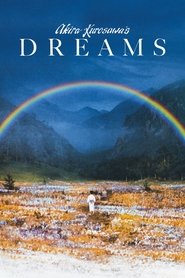
Stephen Prince
This is the first film entirely scripted by Kurosawa since 1945 when he made The Man Who Tread on the Tiger's Tail. Kurosawa typically worked with at least one other screenwriter, sometimes more. His shift to writing solo correlates with some changes in the films that he made. Dreams and the two that followed, Rhapsody in August and Matadayo, are much more personal and meditative.
0:57 · jump to transcript →
-
Stephen Prince
He used slow motion occasionally, but always to very powerful effect. He drops a slow motion insert into the action in his first film, Sanchiro Sugata, and he intercuts slow motion with normal speed in a violent sequence in Seven Samurai. That intercutting set the template for using slow motion in violent action that generations of filmmakers copied, including Sam Peckinpah and Arthur Penn in The Wild Bunch and Bonnie and Clyde.
31:59 · jump to transcript →
-
-
multi · 2h 19m 2 mentions
Martin Scorsese, Nicholas Pileggi, Ray Liotta, Lorraine Bracco + 9
-
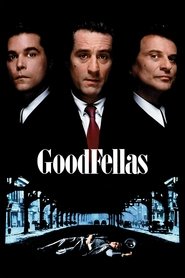
It taught me a great deal because I directed my first film right after that, right after Goodfellas. And I learned two things in that regard is be prepared, tell everybody what you're planning on doing, and then when you get there, do whatever you think is best at that moment. So you have your parameters, but then the freedom to work within those parameters. Hey, I'm trying to bang this fucking broad. You want to help me out? It's, it's, it's...
27:53 · jump to transcript →
-
Paul Sorvino. At my first screening of Goodfellas, I was expecting good things because, you know, Bobby De Niro, who's better than he is...
2:07:59 · jump to transcript →
-
-
-
collaborative. And she had also done a show for Michael Mann called Crime Story, which I was a big fan of. And so I knew that she could pull off that kind of stylized kind of retro stuff that I gravitate towards. Because I think this was her first feature as a full-fledged production designer. Yeah. She had done work before this, obviously, but this was her first big feature as a production designer.
42:13 · jump to transcript →
-
And again, it's subconscious. We talked about this a little on the other films. It's not a plan. It's not like, I want to make something that's character-based. I just feel like we have to because the story is fantastical and we want to ground it somehow. And here's the inversion of the line. That's right, from the first film. And the idea there was, there's the new family unit. If this movie was successful...
1:37:11 · jump to transcript →
-
-
-
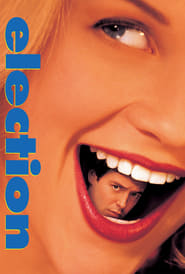
Alexander Payne
He read and nailed it, and I knew that he was Paul. And he really took to it like a duck to water. This was his first professional acting job and obviously his first film. He really was not nervous ever and always delivered the goods much better than I had even imagined it. Student, counsel,
22:02 · jump to transcript →
-
Alexander Payne
Did I ever know if she saw me? Probably not. But in that moment, all the bad memories, all the things I'd ever wanted to say to her, it all came flooding back. My first impulse was to run over there, pound on her window, and demand that she admit she tore down those posters and lied and cheated her way into winning that election. But instead, I just stood there.
1:37:28 · jump to transcript →
-
-
-
And with the knowledge of the first film, we went into this film with a much better idea of what that should be. So it made actually cutting the film from a tone standpoint much easier. It was pretty much A to B. Bob just kind of put things together. Yeah, it was really easy. What was really nice just working with all the actors is they also got the tone, they understood. And it's like before I started this movie, I thought, well, if I could go back and change anything on the first one, I wouldn't because it made so much money. But I thought...
11:53 · jump to transcript →
-
this movie for the first time and not having seen the first picture. So it sort of complicates matters and you'll see that throughout the picture where there are references to the first movie for the enjoyment of audience members that saw the first film. Was that clear? I don't think it was at all. I was trying to follow that. I couldn't even follow. I kind of understand why you...
52:36 · jump to transcript →
-
-
director · 2h 10m 2 mentions
Richard Curtis, Hugh Grant, Bill Nighy, Thomas Sangster
-
Okay, this was all shot by the river. What's going on? Oh, yeah, he's a caterer. - Yeah, that's right. How much will you pay me not to reveal the secret of this scene? Taste explosion? No, you can reveal the secret of this scene. Okay, so this highly amusing scene coming up now about catering, with this girl, is a reworking of a highly amusing scene about catering which bore a remarkable resemblance, down to the last line, which was originally in Four Weddings and a Funeral, and which was one of my audition scenes, but which got cut from the final film. But waste not, want not. - Do you know what's most shaming about it is that when I put it in the film, I forgot to change the name on one of the lines. So it said, "Colin says this, Colin says this," and then, "Charles says this," for some reason. So this woman is the most extraordinary actress. I think you'll get to know her very well in the future. I've just worked out why I can never find true love. Why is that? - English girls. Now, this was Abdul's first film, I think, and I have never known a man be happier on a set. Yeah. He was lovely. I really liked him. - He had no nerve. Just always completely perky. Unlike some people. Hugh, over to you. What was my cousin like on the film set? Deep. - Was he? Yeah. Completely unflustered. We're talking about Thomas here, who is related to Hugh. Did you know that? Is that something you'd been talking about at school or were you shocked and ashamed when you found out? -/ think he's played it down. - Did you know? Did you know? I knew, yeah. - Yeah, okay. No, I mean, I wouldn't talk about it if it was me. His great-grandmother... - Yeah. ... Aunt Bala... Bala? -... yes, is my grandmother's sister. There you are. - Nice. And I used to play cricket with his Uncle George. Now these two... This was a very, very brave part to accept. Martin is a star of The Office, and the first time I saw The Office, I just thought, "He just has to be in the next film we do." - Crikey! Yeah. - And I mean he is the most wonderful actor. And Joanna here is so divine. She's marvelous. - And so guilelessly sweet. Yeah. - Nice face, too. She's getting married in a few weeks' time, and I spoke to her about her wedding and she said that her best friend wasn't going to be the bridesmaid because she'd had a breast job and she wasn't having a woman with enormous breasts walking behind her down the aisle. down the aisle. And then I said, "Well, who's taking her place?" And she said, "The dog." She's actually going to have a dog dressed in white. And I said, "If you thought that the people in the audience were going to be distracted "by a large-breasted woman, I promise you, a dog's gonna be worse." Now, this is clearly a sad scene. And the girl in the pictures is a girl that I've been in love with a long time called Rebecca Frayn. Yeah. - She's a director and a writer and her dad's Michael Frayn and her husband is Andy Harris. I managed to get her to agree that we could have all the prettiest pictures of her from her whole life. ls that... I see, in the photographs. - Yeah. Get out. Get out. - Yeah. No, I meant get out. So there we go, that's actually Rebecca as a baby and there's this wonderful... Oh, God, she's lovely.
12:16 · jump to transcript →
-
Abdul could not believe that day. It was his first film. I think it was his first day, and we Said, "This is what you've got to do now." I love that shot of you as well.
2:08:30 · jump to transcript →
-
-
-
They call themselves the Monicans. This was my first day, wasn't it? It was. Coming down the stairs here. Yeah, that right there is the first thing we shot. And let me tell you, those heels and those steps, trouble. Can you imagine? I twist my ankle just coming down steps and high heels on this film, Æon Flux, with all the special effects. I would be such a lame-o for that.
3:34 · jump to transcript →
-
This was my first time doing a film like this. And actually watching it right now, you realize how you shoot these really tiny little moments constantly because it really is impossible to shoot everything at one place. And if you do that, I don't think it lends itself to the visual film as this one is. And so I'm realizing all these little moments that you just shoot like three seconds here on one location and then...
8:35 · jump to transcript →
-
-
-
What did you do here? What I tried to do with the sky and the clouds. I thought it would be really smart if we said Paramount. And there you go. There it is. On the mountain. Hi, I'm J.J. Abrams. No, you're not. Yes, I am. No, you're Line of the People. I am J.J. Abrams. And I am Tom Cruise. Okay. You produced this film with Paula Wagner. You directed it. First film directed. Thank you for doing it. Thank you.
0:05 · jump to transcript →
-
How amazing is that? Isn't that incredible? Of course, Luther knows what's going on. There's a nice little, you know, when he says, you know, Langley was a cakewalk compared to this. I love the reference of the first film. You know what I mean? Yes.
1:21:43 · jump to transcript →
-
-
director · 1h 42m 2 mentions
Len Wiseman, Patrick Tatopoulos, Brad Martin, Nicolas de Toth
-
Because I knew we always needed that shot, and we planned it for second unit, and we never had a chance to shoot it. But no one ever notices. Yeah, that's great. I mean, now that I've opened my big... Man, these guys, if anybody heard the other commentary on the first film with Kate and Scott, that when you have the two of them together, like in a scene like this, it's very dramatic and very serious. It is so brutal to get them to stop laughing. They, uh, it's, uh... We actually have a lot of fun, but, man, they just, uh...
28:50 · jump to transcript →
-
And just a little bit of wrap-up on the... There's a lot of questions that I find out there with just internet and such. This was all shot in Vancouver, and we had about a 71-day schedule, I believe, which was the same schedule that we shot Underworld 1 on, difference being that on this time, on this film, we had the second unit running from the beginning. And first film, second unit was kind of scattered about and a bit more of a...
1:40:24 · jump to transcript →
-
-
director · 1h 34m 2 mentions
Scott Stewart, Jason Blum, Brian Kavanaugh-Jones, Peter Gvozdas
-
also from a practical point of view no one really wants to you know night shooting is hell and a cinematographer friend of mine on my first movie described it as akin to waterboarding and said never make any major decisions in your life while shooting nights don't refinance the house don't buy a car don't have an affair don't do any of these things because you're under tremendous emotional and physical distress um
20:48 · jump to transcript →
-
But David used the sun and we just ended down the windows and colored them blue and And that was a way for us to shoot days most of the time in the movie. There was almost no night shooting True all night long night shooting should talk about Josh Stamberg who played a police officer in my first movie Legion as well And even though I originally wrote the role of Mike for him Karen's husband that rich Hutchman plays Josh decided
21:18 · jump to transcript →
-
-
multi · 1h 39m 2 mentions
The Grand Budapest Hotel (2014)
Wes Anderson, Roman Coppola, Jeff Goldblum, Kent Jones
-
Wes Anderson
Thank you. Very kind of you. Well, here's where we had to do a cheated-- We had to do a fake painting to get the apple in the right place, you see. That, I will say, was some good advanced thinking. I said, "Let's just see how we're gonna rip this open." And then we said, "We're gonna need a different painting to get this..." That's something I would not have done on my first film. It took about 15 years for me to have a thought like that in advance.
1:24:09 · jump to transcript →
-
Kent Jones
He's there in your very first film.
1:39:44 · jump to transcript →
-
-
-
she can be giving a speech and watch her hand. You can see with her hand right there, she was actually, that's the one indication that she was actually singing. And we needed to feel the threat, but also we always talked about her and her brother, her character's brother, as being the daughter, son and daughter of Max from the first film. And that was always going to be a secret between us. Yeah, it was always like stuff that McQ and I loved and we cut the song out and he put it right there. I was like, oh man, you're going to do it. If you're listening. I loved it. I loved it.
36:46 · jump to transcript →
-
You're there going, you're going to be okay. We're going to get through this. It's going to be all right. We're going to live. Come with me if you want to live. And you can see, I would not be the filmmaker that made this movie had I not been making movies with you since Valkyrie. And you can see a clear delineation between the first film I made and the three subsequent films I made with you. And so all of those things that you're saying, which are on the one hand very kind, they're also greatly influenced by...
2:22:39 · jump to transcript →
-
Related topics
Other topics that frequently come up in the same commentaries.